UK finance chief criticizes US over Iran war economic fallout
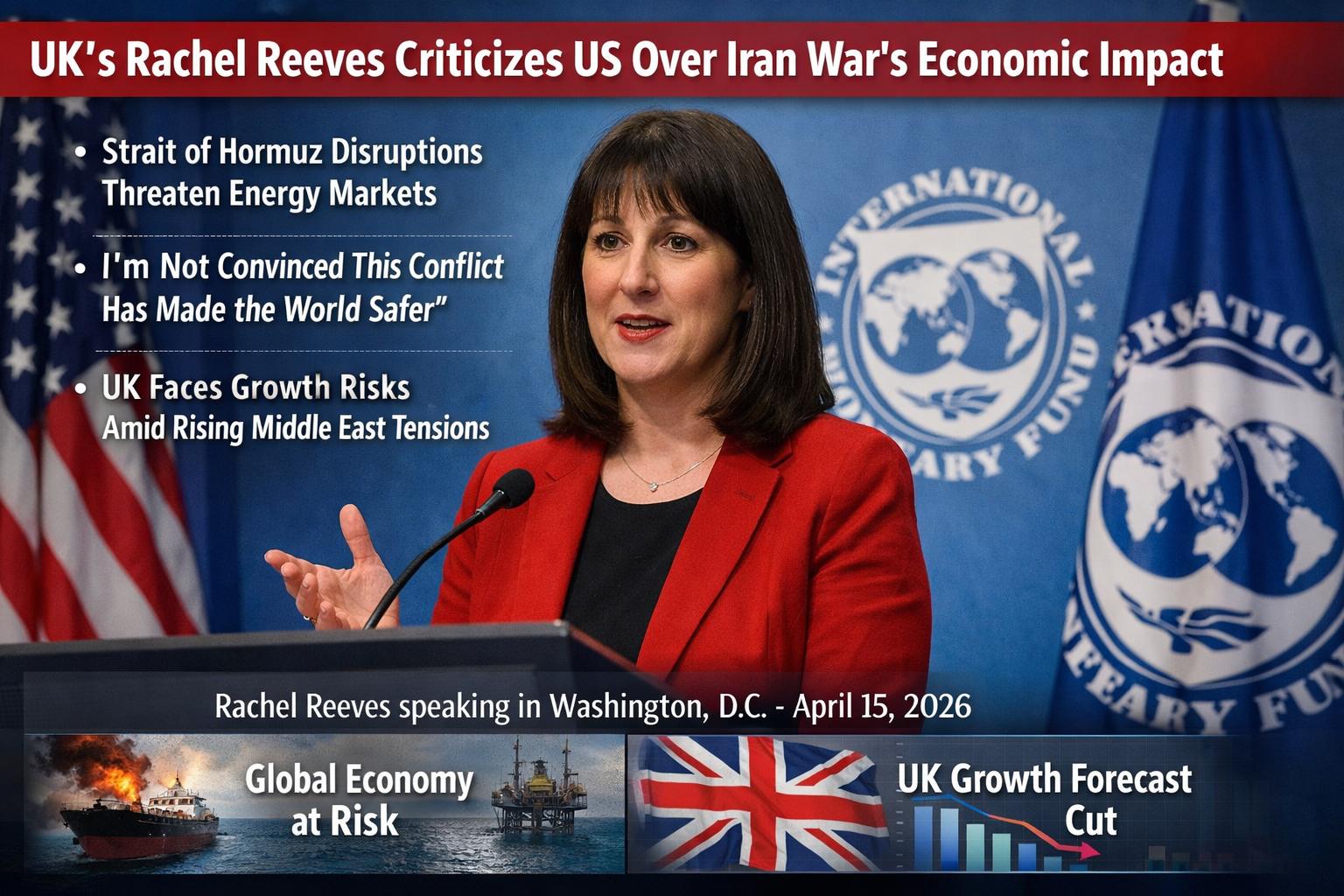
U.K. Finance Minister Rachel Reeves on Wednesday, April 15, 2026, called for immediate de-escalation of the Iran war, warning that the conflict is posing significant risks to global economic stability and expressing concern over the approach taken by the United States. Speaking at a forum in Washington, D.C., Reeves highlighted the economic consequences of disruptions in the Strait of Hormuz, a key global energy shipping route. She warned that ongoing instability in the region is incr
UK finance chief criticizes US over Iran war economic fallout
U.K. Finance Minister Rachel Reeves on Wednesday, April 15, 2026, called for immediate de-escalation of the Iran war, warning that the conflict is posing significant risks to global economic stability and expressing concern over the approach taken by the United States. Speaking at a forum in Washington, D.C., Reeves highlighted the economic consequences of disruptions in the Strait of Hormuz, a key global energy shipping route. She warned that ongoing instability in the region is incr
US and Israel share identical goals on Iran, Netanyahu says
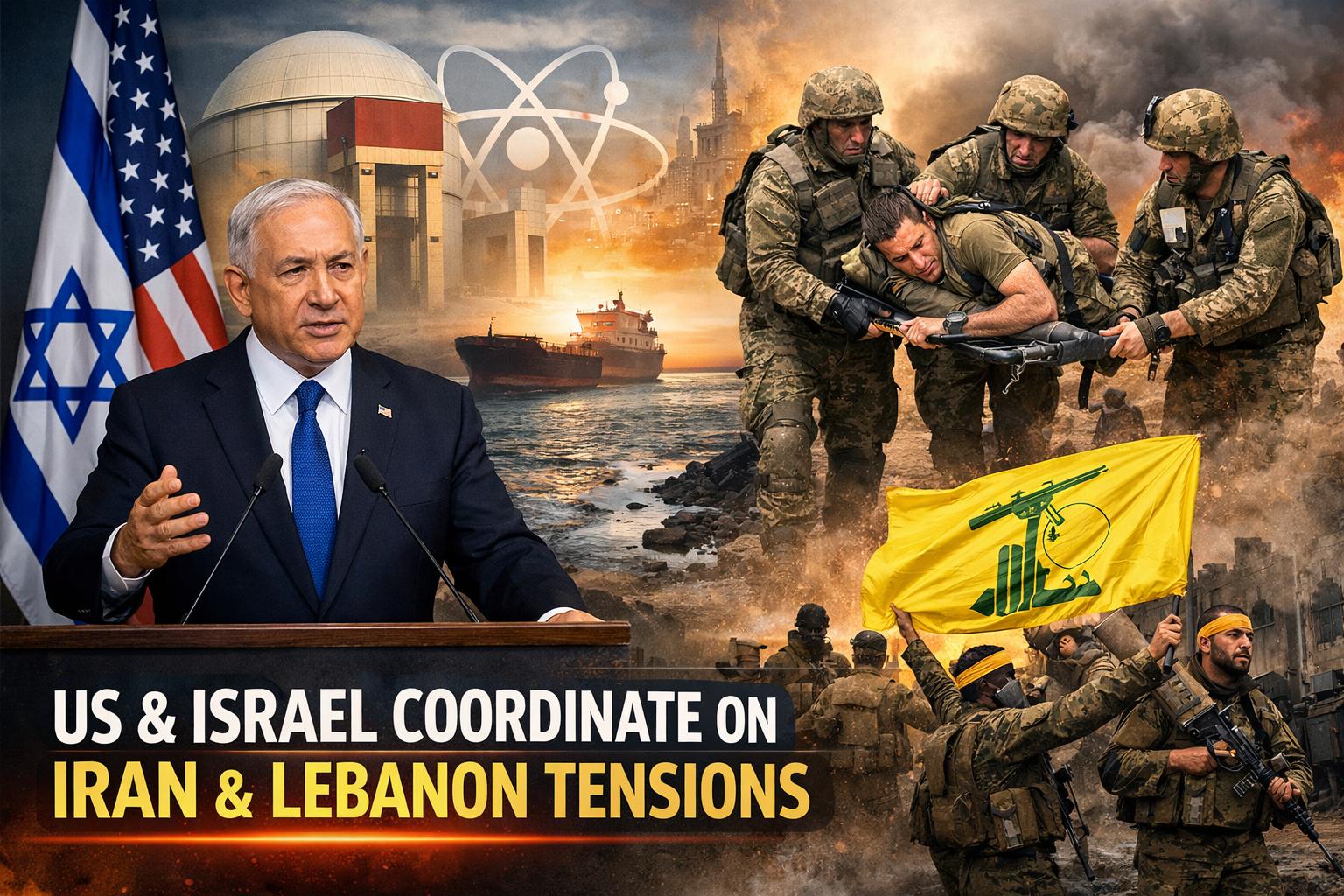
Israeli Prime Minister Benjamin Netanyahu said on Wednesday, April 15, 2026, that Israel and the United States are closely aligned in their approach toward Iran, emphasizing shared strategic objectives and ongoing coordination. In a televised address, Netanyahu stated that U.S. officials continue to keep Israel informed about their diplomatic engagements with Tehran, underscoring the depth of cooperation between the two allies. “Our American friends keep us constantly updated on the
US and Israel share identical goals on Iran, Netanyahu says
Israeli Prime Minister Benjamin Netanyahu said on Wednesday, April 15, 2026, that Israel and the United States are closely aligned in their approach toward Iran, emphasizing shared strategic objectives and ongoing coordination. In a televised address, Netanyahu stated that U.S. officials continue to keep Israel informed about their diplomatic engagements with Tehran, underscoring the depth of cooperation between the two allies. “Our American friends keep us constantly updated on the
Corporate jihad allegations surface at TCS office in Nashik
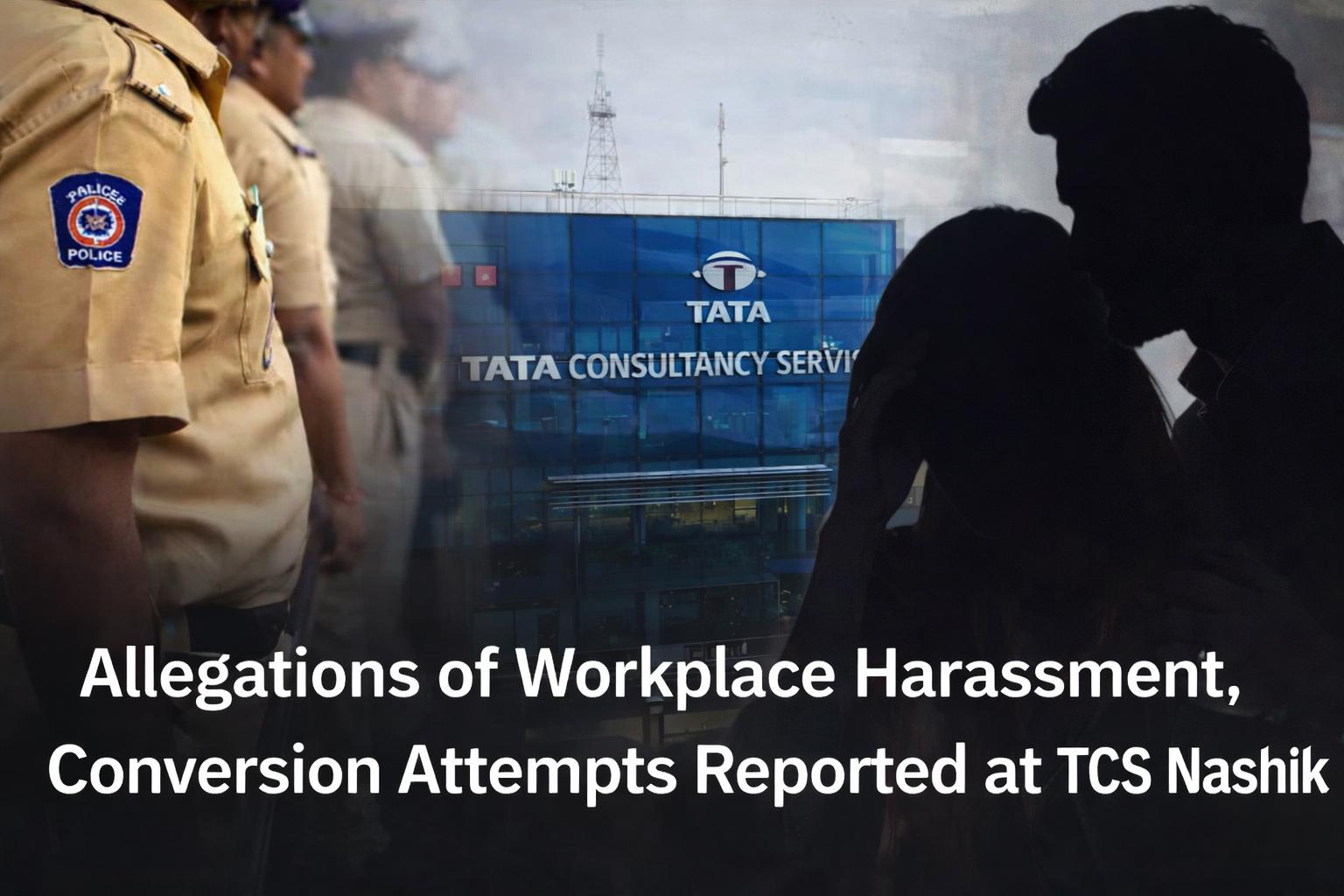
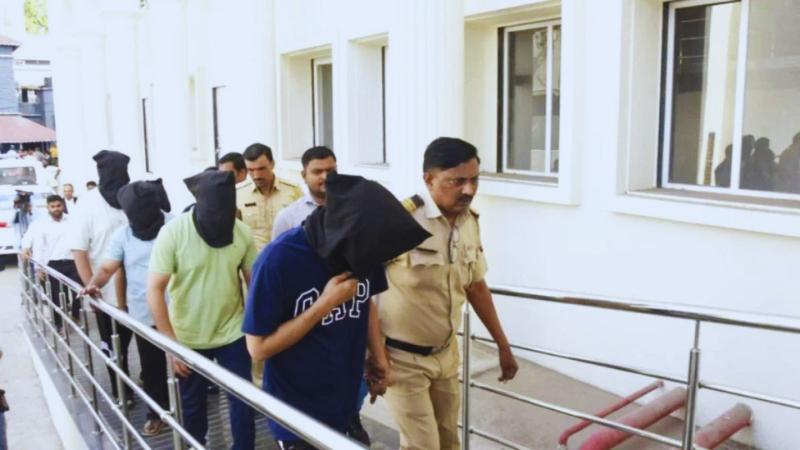
Allegations involving workplace harassment and religious conversion attempts have emerged from a major multinational company facility in Nashik, Maharashtra, India, raising concerns about employee safety and corporate conduct. The claims center around employees at Tata Consultancy Services (TCS), where complaints suggest that certain individuals allegedly targeted female colleagues, particularly Hindu women, by establishing personal relationships and later attempting to influence their religi
Corporate jihad allegations surface at TCS office in Nashik
Allegations involving workplace harassment and religious conversion attempts have emerged from a major multinational company facility in Nashik, Maharashtra, India, raising concerns about employee safety and corporate conduct. The claims center around employees at Tata Consultancy Services (TCS), where complaints suggest that certain individuals allegedly targeted female colleagues, particularly Hindu women, by establishing personal relationships and later attempting to influence their religi
India maintains oil imports strategy as West Asia conflict disrupts global shipping routes
India reaffirmed its strategy of sourcing oil from a wide range of suppliers to safeguard its energy needs amid ongoing geopolitical tensions affecting global trade routes. Speaking at an inter-ministerial briefing in New Delhi on Wednesday, April 15, 2026, at 6:29 PM IST, Ministry of External Affairs spokesperson Randhir Jaiswal emphasized that the country’s approach is guided by the need to ensure energy security for its population of 1.4 billion while adapting to evolving internati
India maintains oil imports strategy as West Asia conflict disrupts global shipping routes
India reaffirmed its strategy of sourcing oil from a wide range of suppliers to safeguard its energy needs amid ongoing geopolitical tensions affecting global trade routes. Speaking at an inter-ministerial briefing in New Delhi on Wednesday, April 15, 2026, at 6:29 PM IST, Ministry of External Affairs spokesperson Randhir Jaiswal emphasized that the country’s approach is guided by the need to ensure energy security for its population of 1.4 billion while adapting to evolving internati
Iran threatens to halt Gulf trade if US naval blockade continues
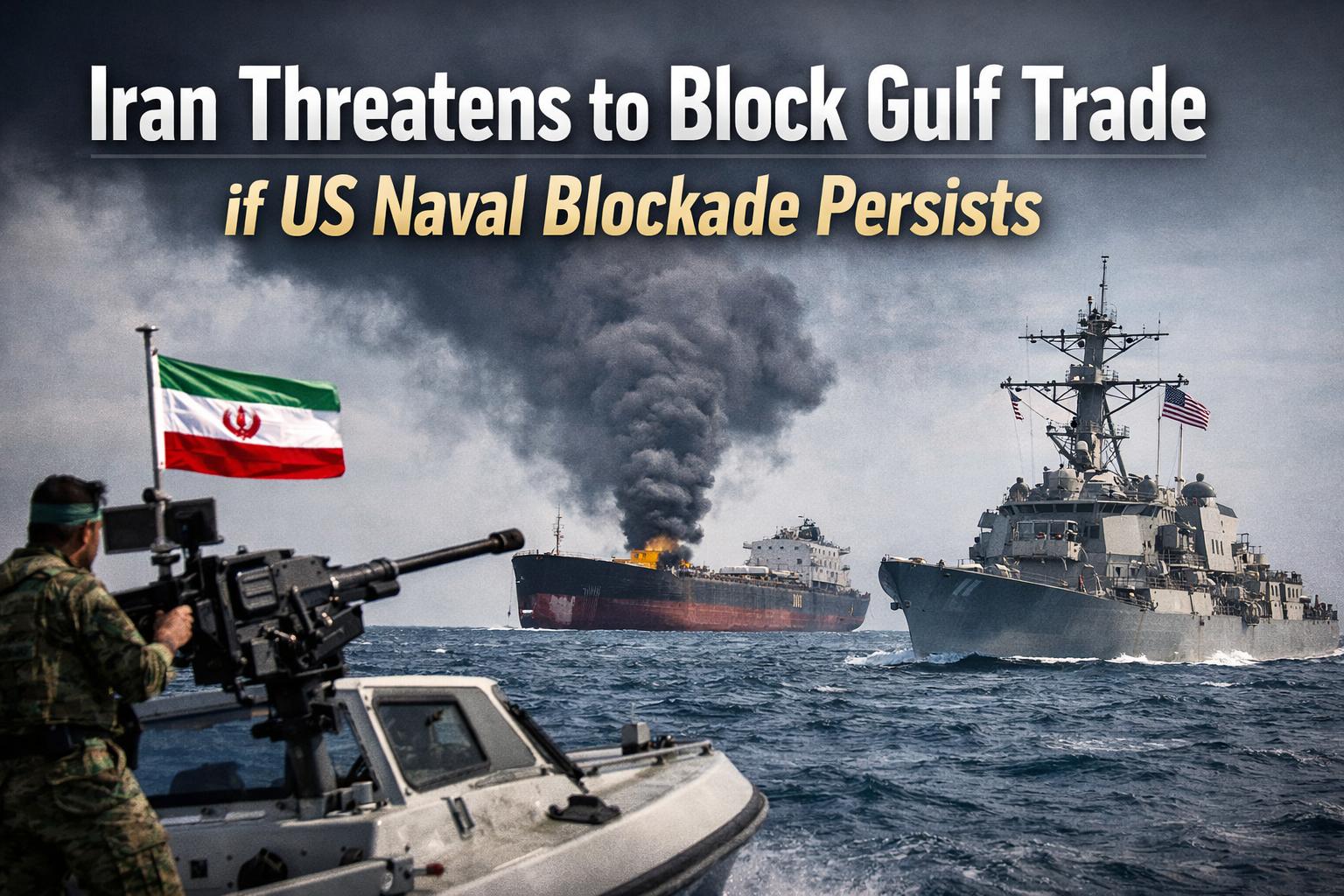
Iran has issued a warning that it may escalate tensions with the United States by blocking major international shipping routes if a US naval blockade targeting its vessels continues. The statement, broadcast on state television, came from Ali Abdollahi, commander of the Khatam al-Anbiya Central Headquarters,
Iran threatens to halt Gulf trade if US naval blockade continues
Iran has issued a warning that it may escalate tensions with the United States by blocking major international shipping routes if a US naval blockade targeting its vessels continues. The statement, broadcast on state television, came from Ali Abdollahi, commander of the Khatam al-Anbiya Central Headquarters,
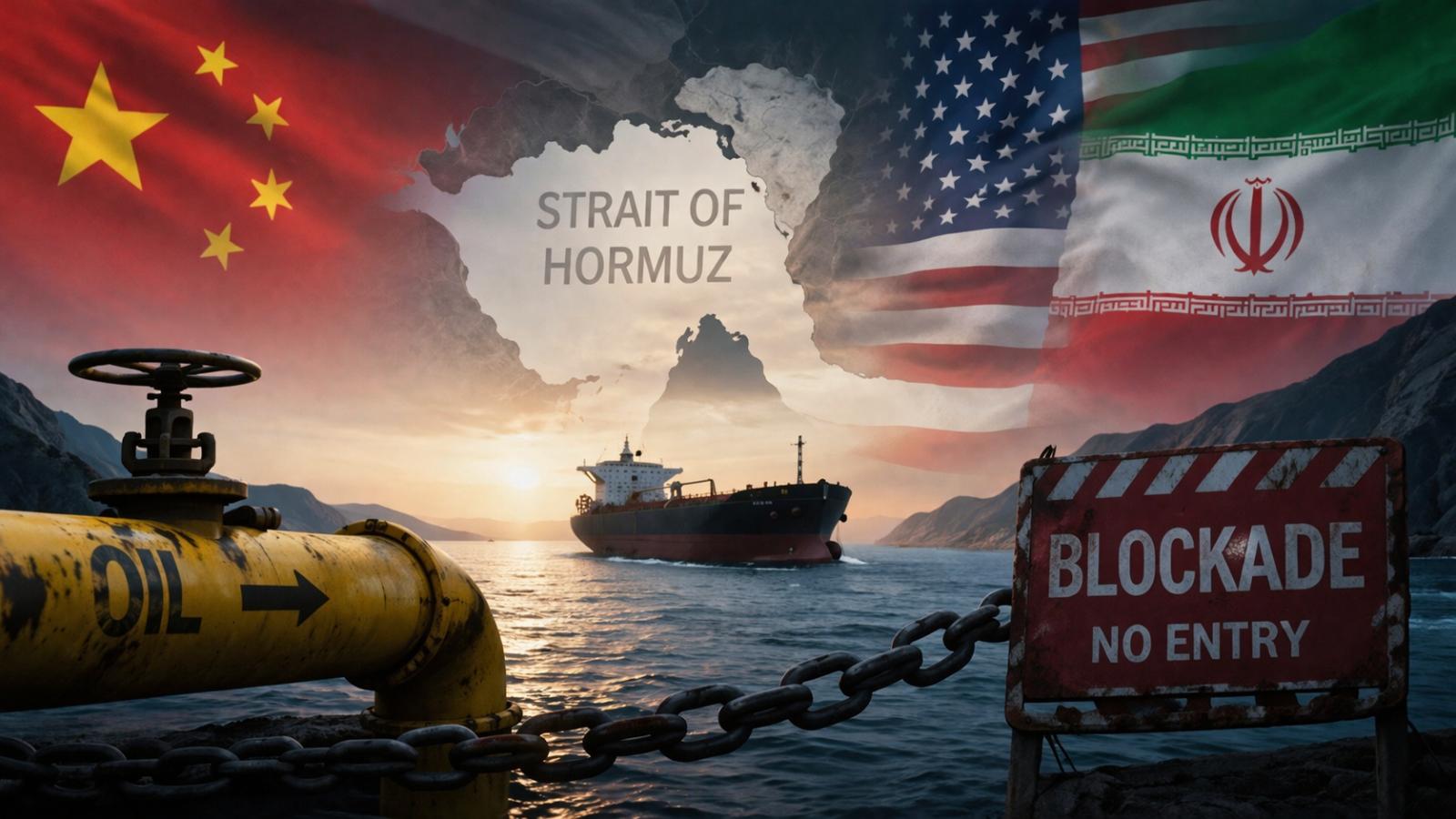
Venezuela, Hormuz, Malacca: The US-China energy conflict intensifies in 2026
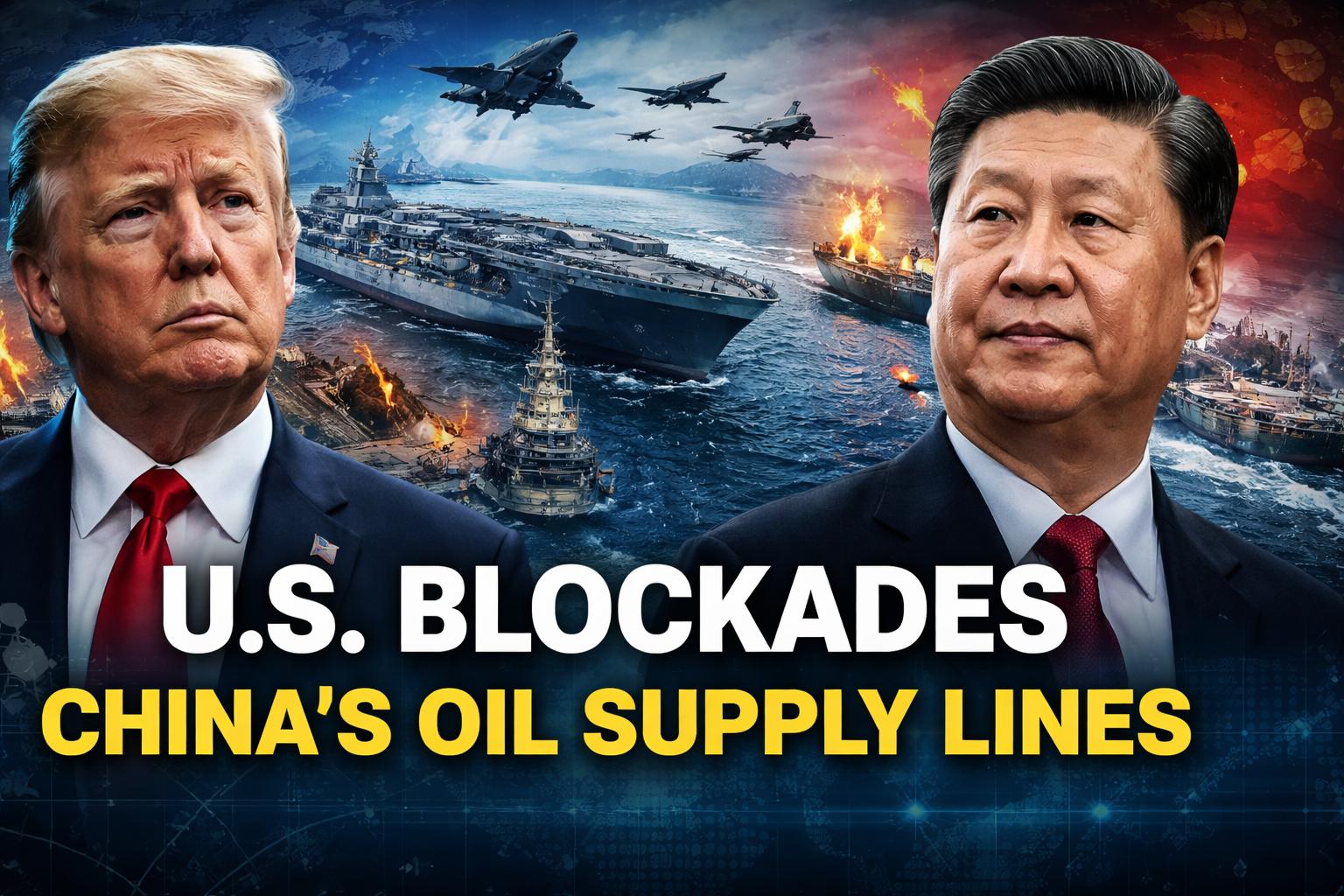
The geopolitical struggle for control over global oil supply routes escalated in early 2026, as the United States moved to strategically target key energy chokepoints in an attempt to disrupt China’s oil flow. With major oil reserves located in Venezuela, the strategic Strait of Hormuz, and the Malacca Strait, the US appears to be building a complex energy blockade aimed at China, using military force and economic pressure to shift the balance of power. In January 2026, the US took a bold step by moving its military presence to Venezuela, home to the world’s largest proven oil reserves. The operation involved an elite force that captured former Venezuelan President Nicolas Maduro, potentially altering the country’s political landscape and controlling access to its vast oil reserves. With an estimated 303 billion barrels of oil at stake, Venezuela became the first of many critical points in this evolving global energy chess game. The next move came in February 2026, when the US extended its reach into the Strait of Hormuz. This chokepoint, through which 20 to 25 percent of the world’s seaborne crude oil passes, became a target as the US launched air strikes on Iranian military and energy infrastructure. The subsequent blockade of Hormuz raised the stakes even higher, as China, a major oil importer, relies heavily on this route for its energy needs. Despite Trump’s assertion that the US no longer needed Hormuz oil due to domestic production, the global impact was undeniable, with oil prices rising sharply. By March 2026, the US had expanded its strategy to the Malacca Strait, one of the world’s busiest shipping lanes and a vital route for Chinese oil imports. Through a new deal with Indonesia, the US gained increased access to the region’s airspace, strengthening its surveillance and control capabilities. This move escalated the geopolitical pressure on China, which had already been preparing for such scenarios by building overland pipeline infrastructure to mitigate risks associated with maritime routes. China’s response to these strategic moves has been multifaceted. In Venezuela, it quickly adapted to the US military action, tapping into shadow fleets and using alternative routes to maintain its crude supply. Furthermore, China’s vast reserves, along with its investments in Russian and Iranian oil, have provided it with a buffer to withstand the pressure from the US blockade. With over 1.3 billion barrels in emergency reserves, China has the capacity to play the waiting game, absorbing the initial shocks to its oil supply. As the US tightens its grip on these strategic chokepoints, the geopolitical chessboard continues to shift. China’s ability to reroute oil through its vast pipeline network and shadow tanker fleet provides a buffer, but it remains to be seen which side will blink first in this high-stakes game. While the US hopes to achieve its goals through escalating energy denial, China’s resilience and strategic planning indicate that this global oil conflict is far from over. The Malacca Strait, a vital point in this strategic maneuvering, serves as the final battleground. With its ability to influence both regional and global shipping routes, the US’s efforts to control this chokepoint may prove pivotal. However, China’s efforts to secure alternative oil sources and protect its interests in the region suggest that the true outcome of this energy conflict will depend on the endurance and tactical flexibility of both superpowers.
Venezuela, Hormuz, Malacca: The US-China energy conflict intensifies in 2026
The geopolitical struggle for control over global oil supply routes escalated in early 2026, as the United States moved to strategically target key energy chokepoints in an attempt to disrupt China’s oil flow. With major oil reserves located in Venezuela, the strategic Strait of Hormuz, and the Malacca Strait, the US appears to be building a complex energy blockade aimed at China, using military force and economic pressure to shift the balance of power. In January 2026, the US took a bold step by moving its military presence to Venezuela, home to the world’s largest proven oil reserves. The operation involved an elite force that captured former Venezuelan President Nicolas Maduro, potentially altering the country’s political landscape and controlling access to its vast oil reserves. With an estimated 303 billion barrels of oil at stake, Venezuela became the first of many critical points in this evolving global energy chess game. The next move came in February 2026, when the US extended its reach into the Strait of Hormuz. This chokepoint, through which 20 to 25 percent of the world’s seaborne crude oil passes, became a target as the US launched air strikes on Iranian military and energy infrastructure. The subsequent blockade of Hormuz raised the stakes even higher, as China, a major oil importer, relies heavily on this route for its energy needs. Despite Trump’s assertion that the US no longer needed Hormuz oil due to domestic production, the global impact was undeniable, with oil prices rising sharply. By March 2026, the US had expanded its strategy to the Malacca Strait, one of the world’s busiest shipping lanes and a vital route for Chinese oil imports. Through a new deal with Indonesia, the US gained increased access to the region’s airspace, strengthening its surveillance and control capabilities. This move escalated the geopolitical pressure on China, which had already been preparing for such scenarios by building overland pipeline infrastructure to mitigate risks associated with maritime routes. China’s response to these strategic moves has been multifaceted. In Venezuela, it quickly adapted to the US military action, tapping into shadow fleets and using alternative routes to maintain its crude supply. Furthermore, China’s vast reserves, along with its investments in Russian and Iranian oil, have provided it with a buffer to withstand the pressure from the US blockade. With over 1.3 billion barrels in emergency reserves, China has the capacity to play the waiting game, absorbing the initial shocks to its oil supply. As the US tightens its grip on these strategic chokepoints, the geopolitical chessboard continues to shift. China’s ability to reroute oil through its vast pipeline network and shadow tanker fleet provides a buffer, but it remains to be seen which side will blink first in this high-stakes game. While the US hopes to achieve its goals through escalating energy denial, China’s resilience and strategic planning indicate that this global oil conflict is far from over. The Malacca Strait, a vital point in this strategic maneuvering, serves as the final battleground. With its ability to influence both regional and global shipping routes, the US’s efforts to control this chokepoint may prove pivotal. However, China’s efforts to secure alternative oil sources and protect its interests in the region suggest that the true outcome of this energy conflict will depend on the endurance and tactical flexibility of both superpowers.
US-India trade agreement talks resume with focus on tariff adjustments
An official Indian delegation will travel to Washington next week to continue trade negotiations with US authorities. The visit is part of India's ongoing efforts to advance discussions for a bilateral trade agreement that has been delayed due to tariff-related uncertainties and policy shifts in the United States. This critical meeting comes after several months of postponed talks, as both nations work to finalize the framework for a comprehensive trade pact. The focus of the upcomi


US-India trade agreement talks resume with focus on tariff adjustments
An official Indian delegation will travel to Washington next week to continue trade negotiations with US authorities. The visit is part of India's ongoing efforts to advance discussions for a bilateral trade agreement that has been delayed due to tariff-related uncertainties and policy shifts in the United States. This critical meeting comes after several months of postponed talks, as both nations work to finalize the framework for a comprehensive trade pact. The focus of the upcomi
Tamil Nadu CM M.K. Stalin's Vision for a One-Trillion-Dollar Economy by 2030
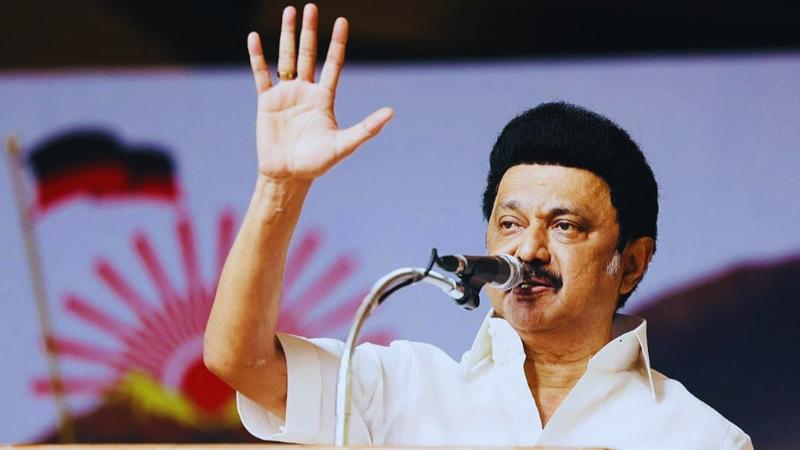
Tamil Nadu Chief Minister M.K. Stalin laid out an ambitious roadmap for the state’s development, aiming to transform Tamil Nadu into a one-trillion-dollar economy by 2030. This vision is backed by the ‘Dravidian Model’ of governance, which has already set the state on a path of rapid industrial and economic growth. Tamil Nadu is expected to play a pivotal role in India’s economic future, with targets such as attracting investments worth ₹18 lakh crore, increasing exports t
Tamil Nadu CM M.K. Stalin's Vision for a One-Trillion-Dollar Economy by 2030
Tamil Nadu Chief Minister M.K. Stalin laid out an ambitious roadmap for the state’s development, aiming to transform Tamil Nadu into a one-trillion-dollar economy by 2030. This vision is backed by the ‘Dravidian Model’ of governance, which has already set the state on a path of rapid industrial and economic growth. Tamil Nadu is expected to play a pivotal role in India’s economic future, with targets such as attracting investments worth ₹18 lakh crore, increasing exports t
Go Marry Hindu Girls: Witness Testifies In Nashik TCS Conversion Case
In a controversial development during the ongoing Nashik TCS 'conversion' case, a key witness has come forward with a shocking statement, claiming that individuals involved in the case were told to "Go marry Hindu girls." This revelation has stirred up public attention and raised concerns regarding forced religious conversions in India. The case, which is being closely monitored by authorities in Nashik, revolves around allegations of religious conversion under duress, particularly
Go Marry Hindu Girls: Witness Testifies In Nashik TCS Conversion Case
In a controversial development during the ongoing Nashik TCS 'conversion' case, a key witness has come forward with a shocking statement, claiming that individuals involved in the case were told to "Go marry Hindu girls." This revelation has stirred up public attention and raised concerns regarding forced religious conversions in India. The case, which is being closely monitored by authorities in Nashik, revolves around allegations of religious conversion under duress, particularly
India’s Growth Outlook Remains Strong at 6.5% in 2026, Says IMF Report
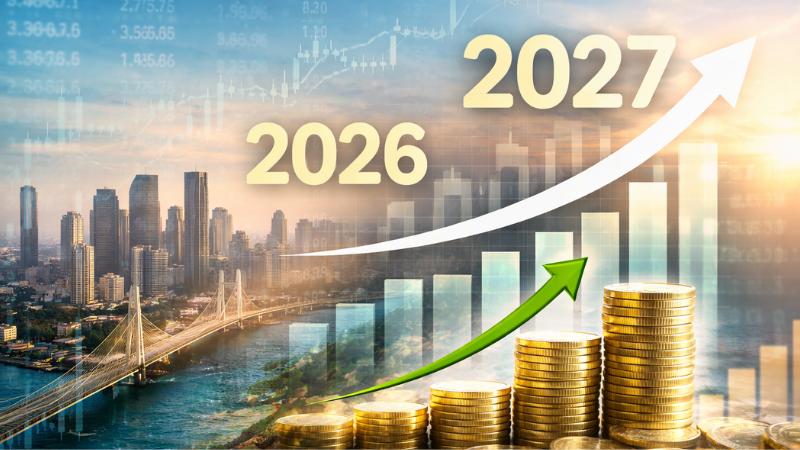
The International Monetary Fund (IMF) has revised its growth projections for India, forecasting a robust 6.5% growth for both 2026 and 2027, despite the global economic disruptions caused by the ongoing war in West Asia. India remains the fastest-growing major economy, although the IMF's global growth forecast has been downgraded to 3.1% for 2026, a decline from its January projection. The IMF report highlights the toll the war has taken on global markets and supply chains, especially in sect
India’s Growth Outlook Remains Strong at 6.5% in 2026, Says IMF Report
The International Monetary Fund (IMF) has revised its growth projections for India, forecasting a robust 6.5% growth for both 2026 and 2027, despite the global economic disruptions caused by the ongoing war in West Asia. India remains the fastest-growing major economy, although the IMF's global growth forecast has been downgraded to 3.1% for 2026, a decline from its January projection. The IMF report highlights the toll the war has taken on global markets and supply chains, especially in sect
Trump signals possible resumption of US-Iran talks in Pakistan within days
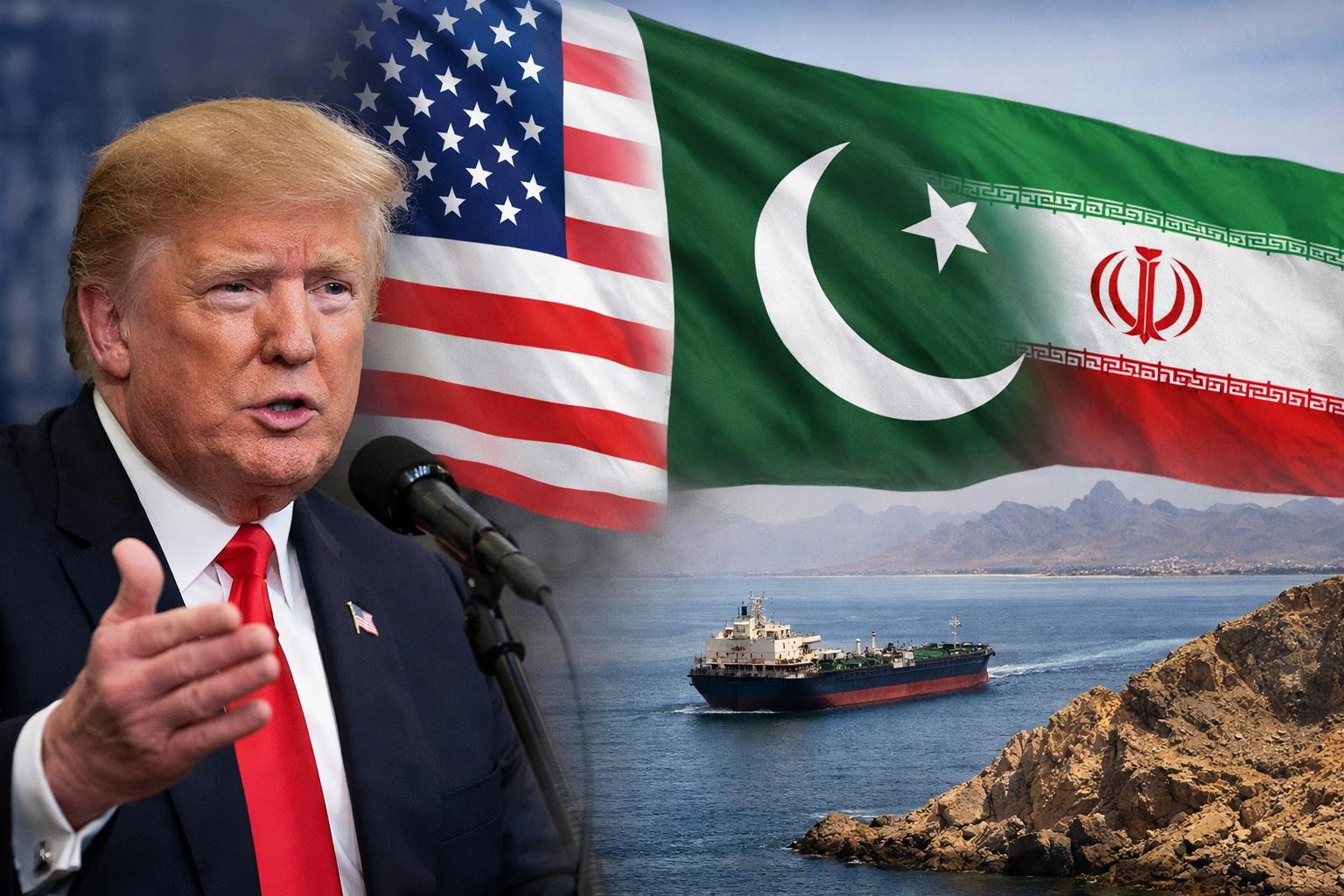
U.S. President Donald Trump indicated that negotiations between the United States and Iran could resume within the next two days following a recent breakdown in talks held in Pakistan. Speaking in an interview publi
Trump signals possible resumption of US-Iran talks in Pakistan within days
U.S. President Donald Trump indicated that negotiations between the United States and Iran could resume within the next two days following a recent breakdown in talks held in Pakistan. Speaking in an interview publi
Israel and Lebanon hold rare talks in Washington amid Hezbollah conflict
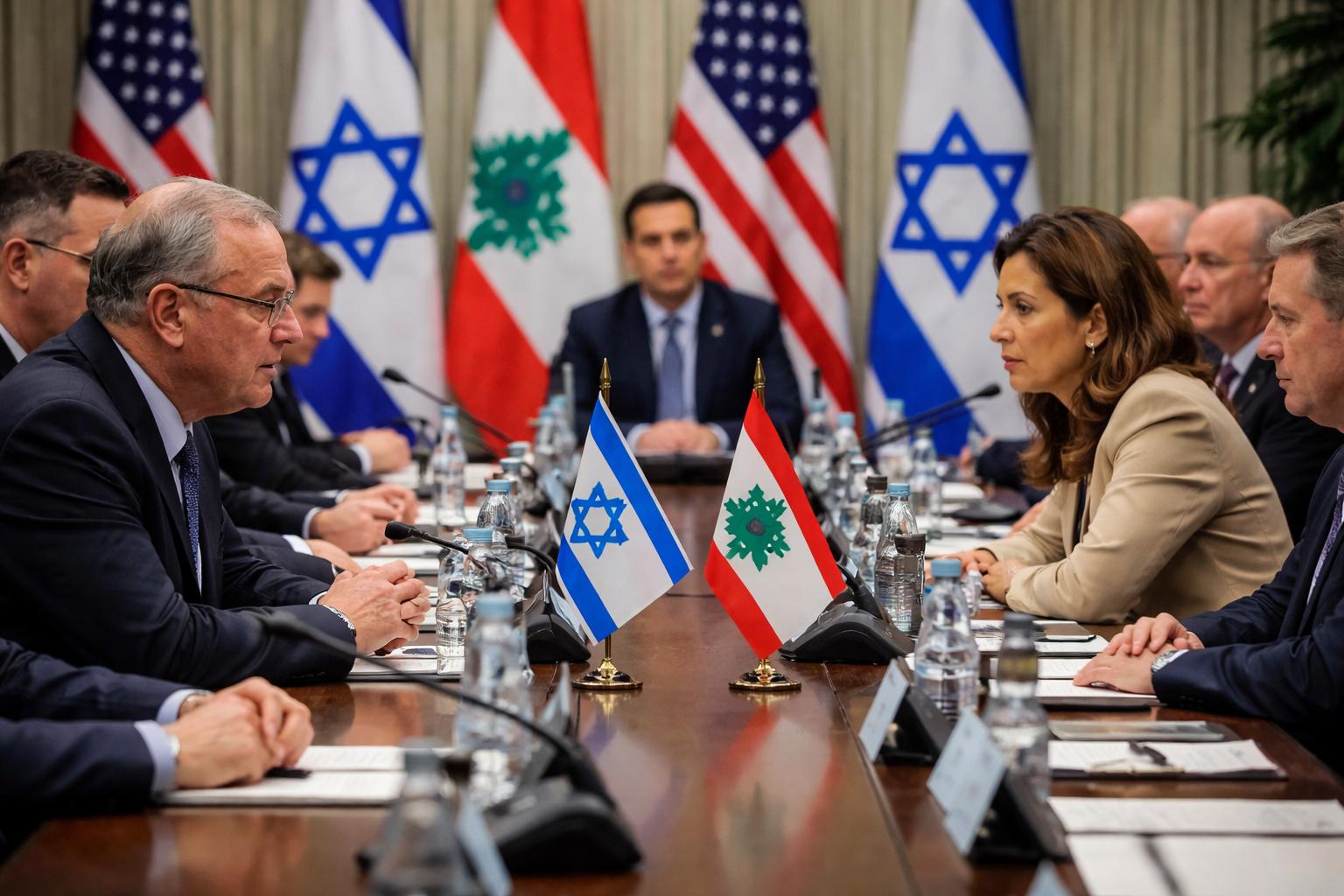
Israeli and Lebanese officials held more than two hours of direct talks in Washington, D.C., on Tuesday, April 14, 2026, marking the first such high-level engagement between the two countries in decades as fighting between Israel and the Iran-backed Hezbollah group continues to escalate. The meeting, hosted by U.S. Secretary of State Marco Rubio, comes amid a fragile regional environment shaped by ongoing hostilities in Lebanon and broader tensions involving Iran. Rubio described the talks as a long-term diplomatic effort rather than an immediate solution, emphasizing that deeply rooted issues between the two sides would take time to resolve. Israeli Ambassador Yechiel Leiter said the discussions reflect a shared objective of reducing Hezbollah’s influence in Lebanon, which Israel views as an extension of Iranian power in the region. Lebanese Ambassador Nada Hamadeh Moawad participated in the talks, though public comments from the Lebanese side remained limited immediately afterward. The talks are notable given that Israel and Lebanon do not maintain formal diplomatic relations and have been technically at war for decades. Despite this, U.S. officials have pushed for dialogue as part of a broader effort to stabilize the region and prevent further escalation tied to the ongoing conflict with Iran and its allies. The diplomatic engagement comes as Israeli military operations continue across southern Lebanon. The conflict intensified after Hezbollah launched rocket attacks on northern Israel on Sunday, March 2, 2026, prompting a large-scale Israeli response that has included airstrikes and ground operations. Hezbollah, which is not part of the negotiations and opposes direct talks with Israel, has continued its military activities during the diplomatic effort. The group’s rejection of the talks highlights internal divisions within Lebanon, where the government has limited control over Hezbollah’s armed wing. Beyond the immediate conflict, the situation has broader global implications. Tensions surrounding Iran, including disputes over its nuclear program and control of the Strait of Hormuz, have raised concerns about disruptions to global energy supplies. Analysts warn that instability in the region could affect oil markets and contribute to economic uncertainty worldwide. While no immediate breakthroughs are expected, officials describe the Washington meeting as a significant first step toward potential de-escalation, even as violence on the ground and political divisions continue to complicate the path forward.
Israel and Lebanon hold rare talks in Washington amid Hezbollah conflict
Israeli and Lebanese officials held more than two hours of direct talks in Washington, D.C., on Tuesday, April 14, 2026, marking the first such high-level engagement between the two countries in decades as fighting between Israel and the Iran-backed Hezbollah group continues to escalate. The meeting, hosted by U.S. Secretary of State Marco Rubio, comes amid a fragile regional environment shaped by ongoing hostilities in Lebanon and broader tensions involving Iran. Rubio described the talks as a long-term diplomatic effort rather than an immediate solution, emphasizing that deeply rooted issues between the two sides would take time to resolve. Israeli Ambassador Yechiel Leiter said the discussions reflect a shared objective of reducing Hezbollah’s influence in Lebanon, which Israel views as an extension of Iranian power in the region. Lebanese Ambassador Nada Hamadeh Moawad participated in the talks, though public comments from the Lebanese side remained limited immediately afterward. The talks are notable given that Israel and Lebanon do not maintain formal diplomatic relations and have been technically at war for decades. Despite this, U.S. officials have pushed for dialogue as part of a broader effort to stabilize the region and prevent further escalation tied to the ongoing conflict with Iran and its allies. The diplomatic engagement comes as Israeli military operations continue across southern Lebanon. The conflict intensified after Hezbollah launched rocket attacks on northern Israel on Sunday, March 2, 2026, prompting a large-scale Israeli response that has included airstrikes and ground operations. Hezbollah, which is not part of the negotiations and opposes direct talks with Israel, has continued its military activities during the diplomatic effort. The group’s rejection of the talks highlights internal divisions within Lebanon, where the government has limited control over Hezbollah’s armed wing. Beyond the immediate conflict, the situation has broader global implications. Tensions surrounding Iran, including disputes over its nuclear program and control of the Strait of Hormuz, have raised concerns about disruptions to global energy supplies. Analysts warn that instability in the region could affect oil markets and contribute to economic uncertainty worldwide. While no immediate breakthroughs are expected, officials describe the Washington meeting as a significant first step toward potential de-escalation, even as violence on the ground and political divisions continue to complicate the path forward.
NRI term insurance demand doubles as younger buyers drive growth
A new report from Policybazaar highlights a significant rise in term insurance purchases by non-resident Indians (NRIs), with overall demand doubling over the past two years and younger buyers playing an increasingly central role in the trend. According to the findings, individuals between the ages of 25 and 35 now account for 54% of total demand, up from 44% in 2024. This shift underscor
NRI term insurance demand doubles as younger buyers drive growth
A new report from Policybazaar highlights a significant rise in term insurance purchases by non-resident Indians (NRIs), with overall demand doubling over the past two years and younger buyers playing an increasingly central role in the trend. According to the findings, individuals between the ages of 25 and 35 now account for 54% of total demand, up from 44% in 2024. This shift underscor
Chemical pipeline leak causes strong odor in Illinois suburbs
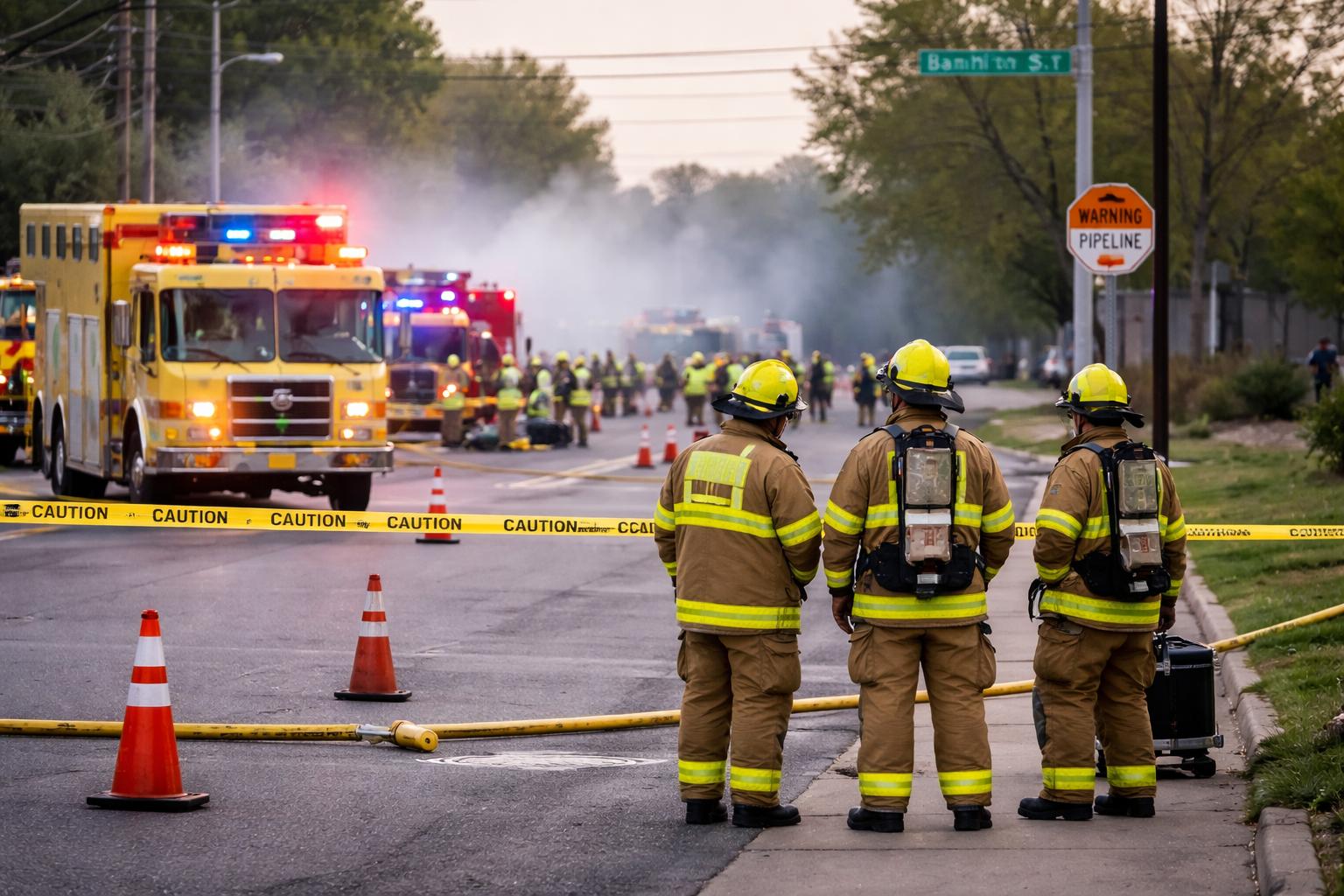
A chemical pipeline leak involving mercaptan prompted safety alerts across parts of Will County, Illinois, after residents reported a strong odor in the southeast suburbs on Tuesday, April 14, 2026. Local emergency management officials confirmed that the smell, often described as similar to rotten eggs or a skunk-like scent, was detected in areas including Monee and University Park. Authorities said the leak was identified near the intersection of Hamilton Street and Bond Street in Un
Chemical pipeline leak causes strong odor in Illinois suburbs
A chemical pipeline leak involving mercaptan prompted safety alerts across parts of Will County, Illinois, after residents reported a strong odor in the southeast suburbs on Tuesday, April 14, 2026. Local emergency management officials confirmed that the smell, often described as similar to rotten eggs or a skunk-like scent, was detected in areas including Monee and University Park. Authorities said the leak was identified near the intersection of Hamilton Street and Bond Street in Un
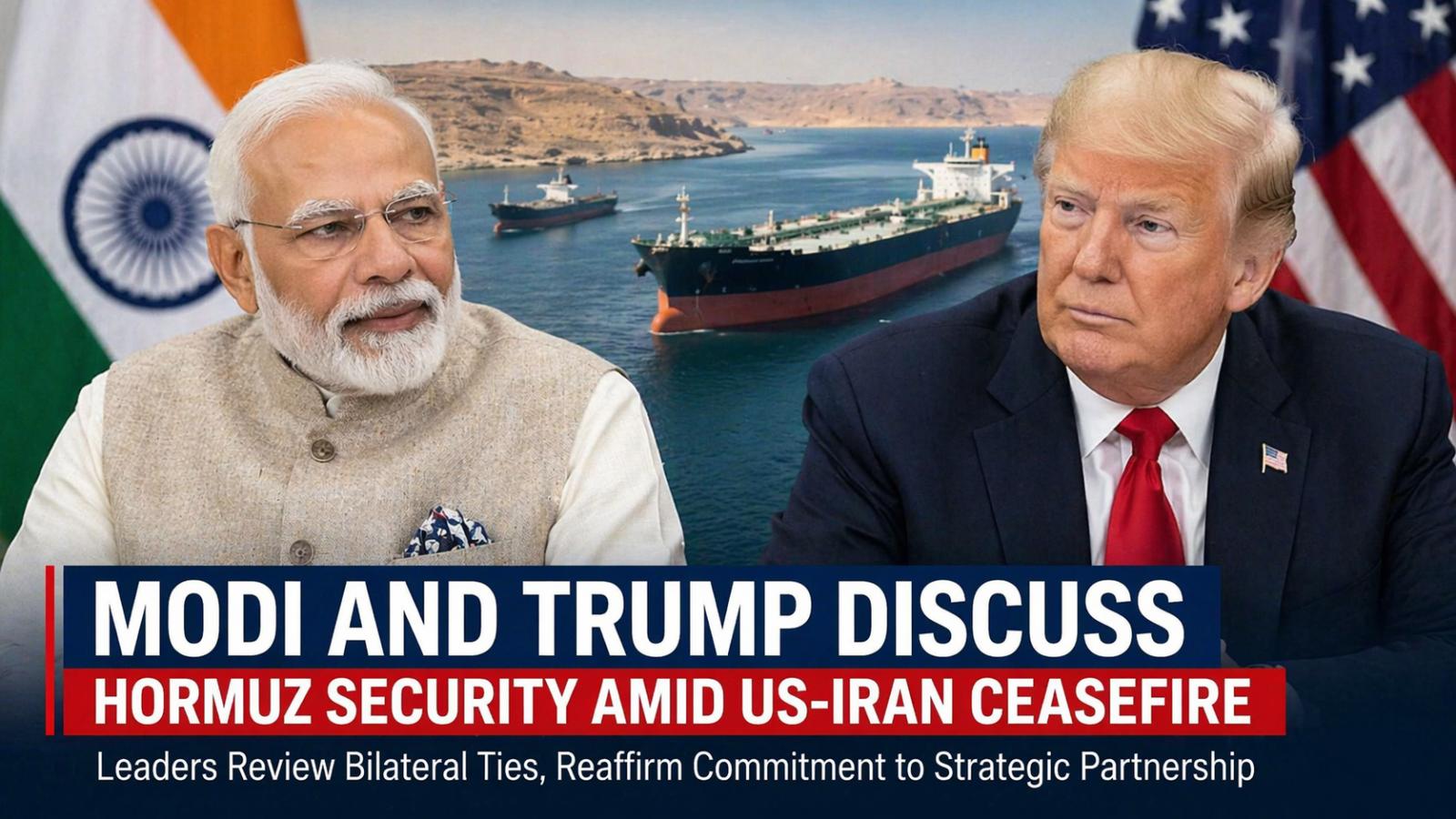
Modi and Trump discuss Hormuz security amid US-Iran ceasefire
Indian Prime Minister Narendra Modi held a phone conversation with U.S. President Donald Trump on Tuesday, April 14, 2026, marking their first discussion since a ceasefire between the United States and Iran took effect on Tuesday, April 8, 2026, following nearly 39 days of intense conflict that disrupted ener
Modi and Trump discuss Hormuz security amid US-Iran ceasefire
Indian Prime Minister Narendra Modi held a phone conversation with U.S. President Donald Trump on Tuesday, April 14, 2026, marking their first discussion since a ceasefire between the United States and Iran took effect on Tuesday, April 8, 2026, following nearly 39 days of intense conflict that disrupted ener
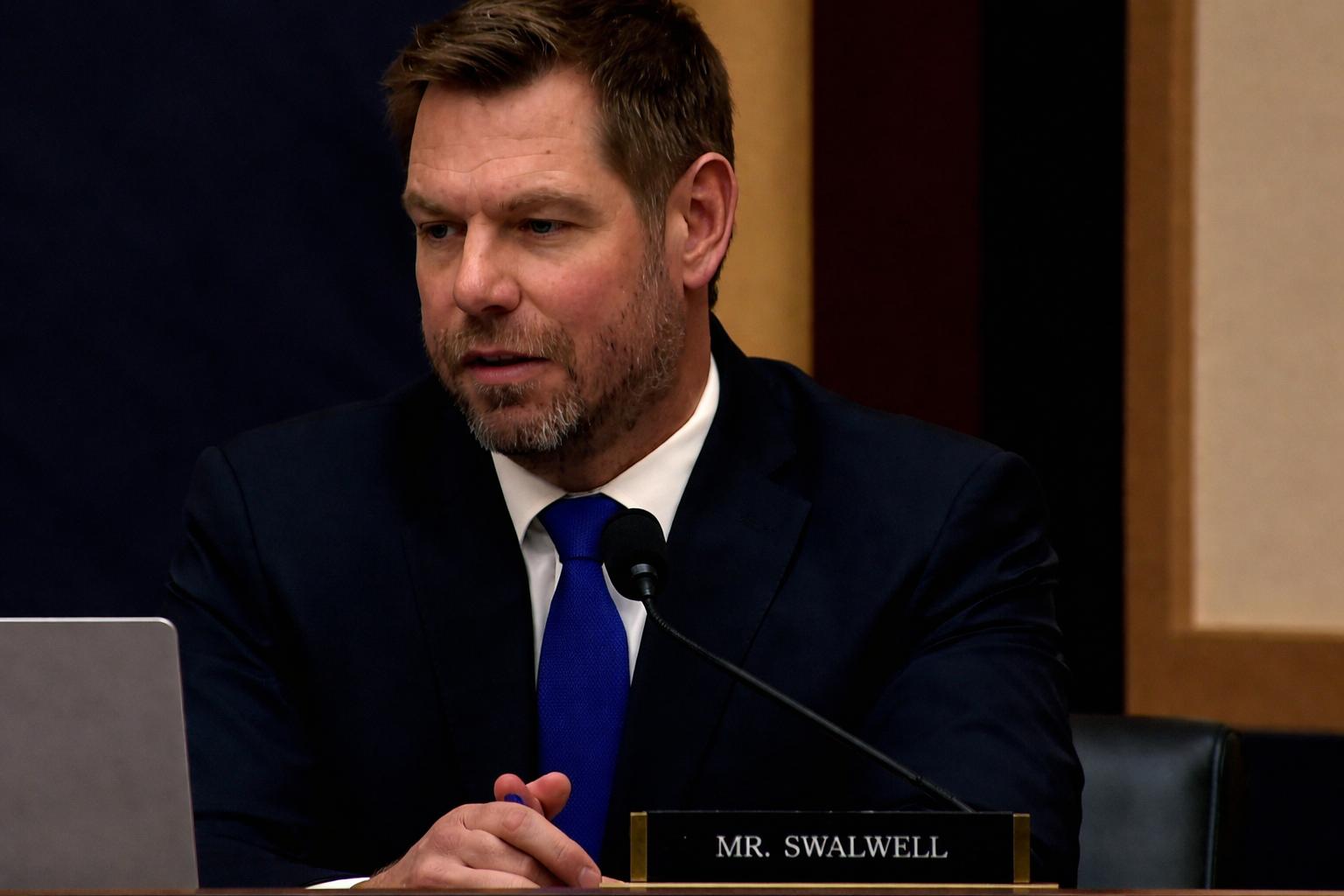
California governor race reshaped after Eric Swalwell exits campaign
The race to succeed California Gov. Gavin Newsom has shifted significantly following the abrupt exit of Democratic U.S. Rep. Eric Swalwell, who suspended his gubernatorial campaign and announced plans to resign from Congress after allegations of sexual misconduct surfaced. Swalwell, once viewed as a leading contender in the heavily Democratic state, made his decision public on Sunday, April 12, 2026. He later stated on Monday, April 13, 2026, that he would step down from Congress, though he did not specify a timeline. In a public statement, Swalwell denied the allegations and said he would continue to contest them, while acknowledging that his focus on the matter would hinder his ability to serve constituents effectively. The developments have reshaped an already crowded and unpredictable race ahead of the June 2, 2026, primary election. A scheduled candidate gathering in Sacramento on Tuesday, April 14, 2026, marks the first major public appearance of the remaining contenders since Swalwell’s withdrawal. Separately, attorneys representing a woman accusing Swalwell indicated that additional allegations would be detailed the same day in Beverly Hills. With more than 50 candidates on the ballot and no clear frontrunner, political analysts suggest Swalwell’s departure may fragment his support base rather than consolidate it behind a single candidate. Democratic concerns persist that a divided vote could allow two Republican candidates to advance to the general election under California’s top-two primary system. Among Democrats, figures such as Tom Steyer, Katie Porter, and Antonio Villaraigosa are seeking to gain momentum. Meanwhile, Republicans remain divided, with former President Donald Trump backing Steve Hilton, while Riverside County Sheriff Chad Bianco continues to draw support within the party. Swalwell’s exit adds uncertainty to an already volatile contest, leaving both parties navigating a rapidly evolving political landscape in one of the nation’s most consequential state elections.
California governor race reshaped after Eric Swalwell exits campaign
The race to succeed California Gov. Gavin Newsom has shifted significantly following the abrupt exit of Democratic U.S. Rep. Eric Swalwell, who suspended his gubernatorial campaign and announced plans to resign from Congress after allegations of sexual misconduct surfaced. Swalwell, once viewed as a leading contender in the heavily Democratic state, made his decision public on Sunday, April 12, 2026. He later stated on Monday, April 13, 2026, that he would step down from Congress, though he did not specify a timeline. In a public statement, Swalwell denied the allegations and said he would continue to contest them, while acknowledging that his focus on the matter would hinder his ability to serve constituents effectively. The developments have reshaped an already crowded and unpredictable race ahead of the June 2, 2026, primary election. A scheduled candidate gathering in Sacramento on Tuesday, April 14, 2026, marks the first major public appearance of the remaining contenders since Swalwell’s withdrawal. Separately, attorneys representing a woman accusing Swalwell indicated that additional allegations would be detailed the same day in Beverly Hills. With more than 50 candidates on the ballot and no clear frontrunner, political analysts suggest Swalwell’s departure may fragment his support base rather than consolidate it behind a single candidate. Democratic concerns persist that a divided vote could allow two Republican candidates to advance to the general election under California’s top-two primary system. Among Democrats, figures such as Tom Steyer, Katie Porter, and Antonio Villaraigosa are seeking to gain momentum. Meanwhile, Republicans remain divided, with former President Donald Trump backing Steve Hilton, while Riverside County Sheriff Chad Bianco continues to draw support within the party. Swalwell’s exit adds uncertainty to an already volatile contest, leaving both parties navigating a rapidly evolving political landscape in one of the nation’s most consequential state elections.
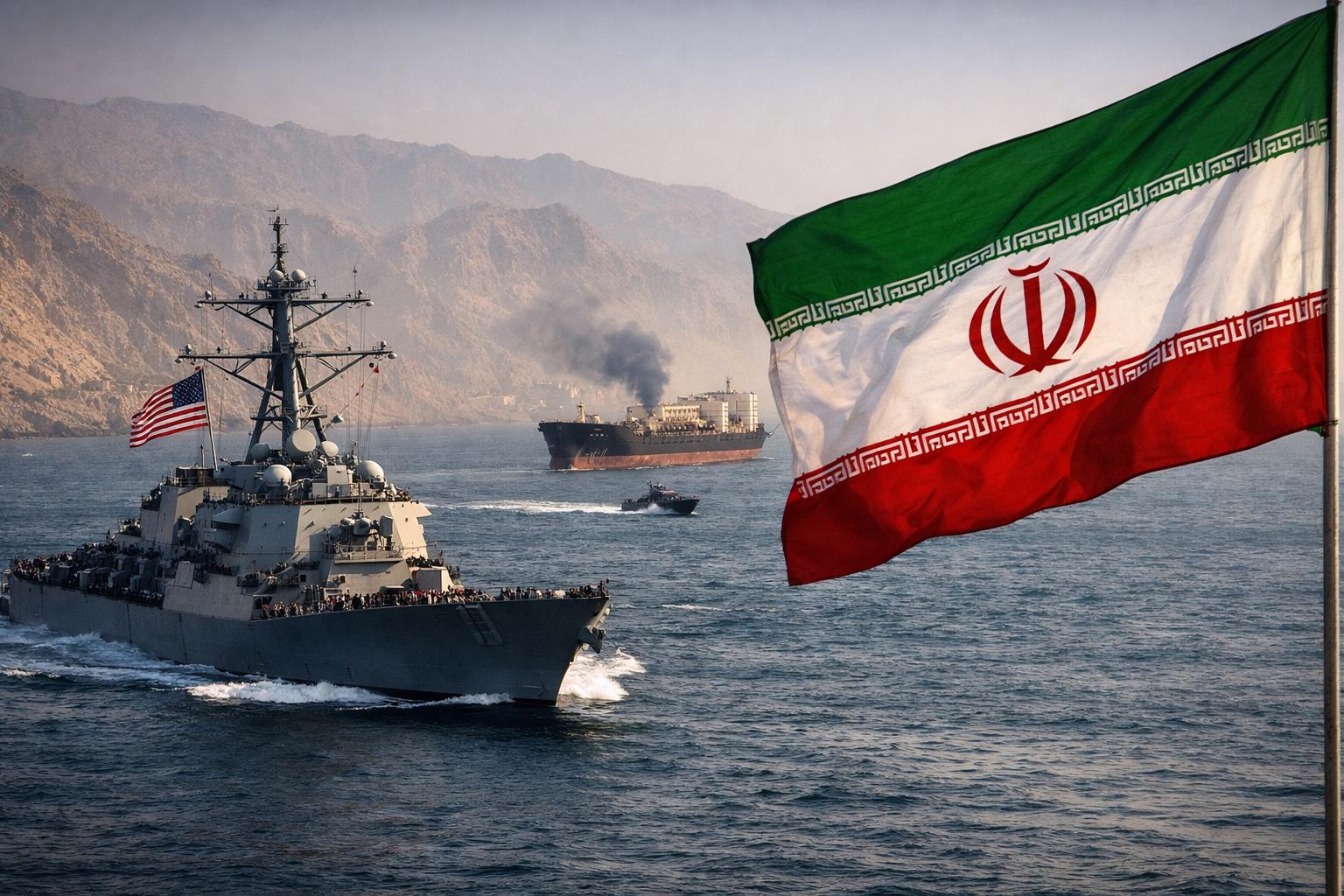
US escalates pressure on Iran with Strait of Hormuz blockade
The United States has initiated a naval blockade of Iranian ports, significantly escalating tensions in the Middle East following the collapse of recent diplomatic efforts. The move came into effect at 2:00 PM GMT on Monday, April 14, 2026, according to US military officials, after weekend negotiations with Iran concluded without a breakthrough. The blockade applies to all Iranian ports along the Persian Gulf, restricting maritime access and placing additional pressure on Tehran am
US escalates pressure on Iran with Strait of Hormuz blockade
The United States has initiated a naval blockade of Iranian ports, significantly escalating tensions in the Middle East following the collapse of recent diplomatic efforts. The move came into effect at 2:00 PM GMT on Monday, April 14, 2026, according to US military officials, after weekend negotiations with Iran concluded without a breakthrough. The blockade applies to all Iranian ports along the Persian Gulf, restricting maritime access and placing additional pressure on Tehran am
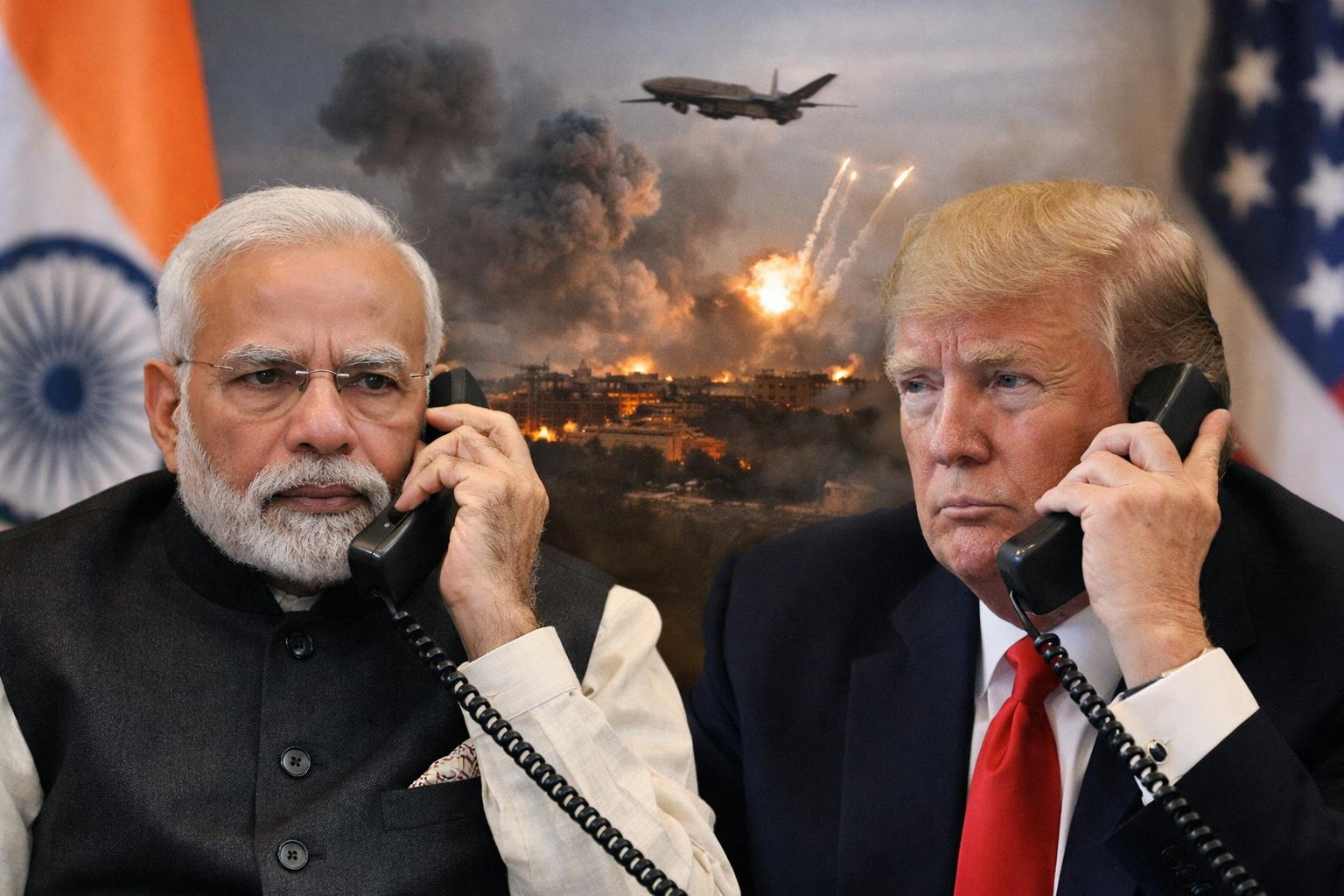
Modi-Trump call highlights rising tensions in Iran conflict
Indian Prime Minister Narendra Modi and U.S. President Donald Trump held a nearly 40-minute phone conversation on Tuesday, April 14, 2026, according to official reports. The call took place as tensions continue to rise amid the ongoing Iran conflict. The discussion comes shortly after peace talks betwee
Modi-Trump call highlights rising tensions in Iran conflict
Indian Prime Minister Narendra Modi and U.S. President Donald Trump held a nearly 40-minute phone conversation on Tuesday, April 14, 2026, according to official reports. The call took place as tensions continue to rise amid the ongoing Iran conflict. The discussion comes shortly after peace talks betwee
China calls U.S. blockade in Strait of Hormuz 'dangerous and irresponsible'
China has expressed strong disapproval over the United States' blockade of Iranian ports in the Strait of Hormuz, calling it a “dangerous and irresponsible act” that could escalate tensions in an already volatile region. In a statement issued on April 14, 2026, the Chinese Ministry of Foreign Affairs warned that the blockade, which began at 10:00 a.m. ET on Monday, along with increased U.S. military deployment in the area, risks undermining the fragile ceasefire that had
China calls U.S. blockade in Strait of Hormuz 'dangerous and irresponsible'
China has expressed strong disapproval over the United States' blockade of Iranian ports in the Strait of Hormuz, calling it a “dangerous and irresponsible act” that could escalate tensions in an already volatile region. In a statement issued on April 14, 2026, the Chinese Ministry of Foreign Affairs warned that the blockade, which began at 10:00 a.m. ET on Monday, along with increased U.S. military deployment in the area, risks undermining the fragile ceasefire that had
Anna Canteens Draw Huge Crowds After Relaunch in Andhra Pradesh
The Andhra Pradesh government led by N. Chandrababu Naidu has revived the Anna Canteens scheme, which is now witnessing an overwhelming response across urban areas. These canteens, known for providing affordable meals to the poor and working class, are serving breakfast, lunch, and dinner at a highly subsidized price of just ₹5. The scheme, which was discontinued during the tenure of Y. S. Jagan Mohan Reddy, has now regained strong public support after its relaunch.
Anna Canteens Draw Huge Crowds After Relaunch in Andhra Pradesh
The Andhra Pradesh government led by N. Chandrababu Naidu has revived the Anna Canteens scheme, which is now witnessing an overwhelming response across urban areas. These canteens, known for providing affordable meals to the poor and working class, are serving breakfast, lunch, and dinner at a highly subsidized price of just ₹5. The scheme, which was discontinued during the tenure of Y. S. Jagan Mohan Reddy, has now regained strong public support after its relaunch.