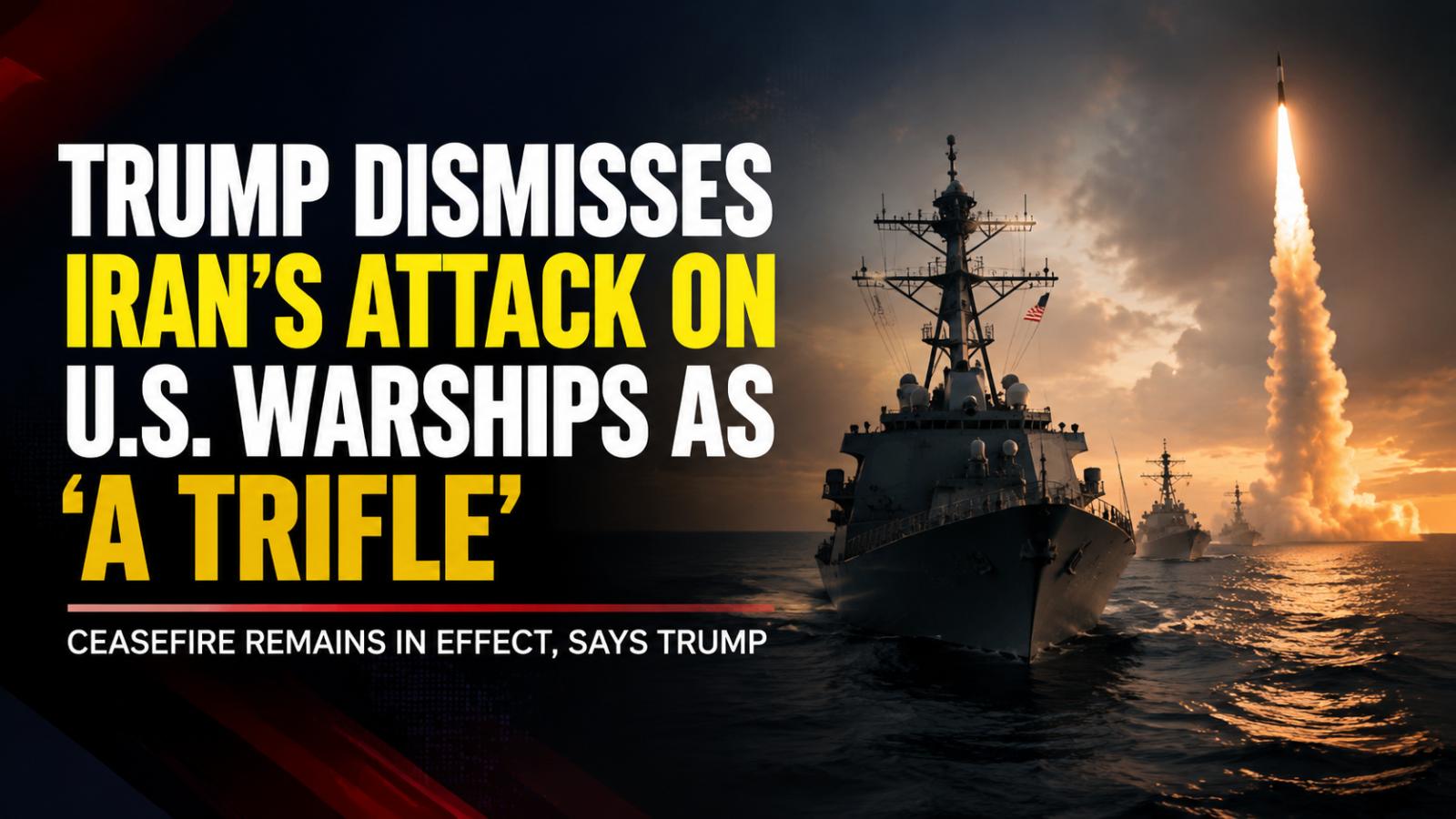
Trump dismisses Iran's attacks on US warships as 'a trifle' amid ongoing ceasefire
On May 7, 2026, President Donald Trump responded dismissively to recent Iranian attacks on three American warships, calling the incident "a trifle" and maintaining that the ceasefire between the two nations remained intact. During a visit to the Lincoln Memorial Reflecting Pool renovations, Trump told reporters, "They trifled with us today. We blew them away. They trifled. I call that a trifle." Despite the missile and drone strikes launched by Iranian forces, Trump assured the press that the
Trump dismisses Iran's attacks on US warships as 'a trifle' amid ongoing ceasefire
On May 7, 2026, President Donald Trump responded dismissively to recent Iranian attacks on three American warships, calling the incident "a trifle" and maintaining that the ceasefire between the two nations remained intact. During a visit to the Lincoln Memorial Reflecting Pool renovations, Trump told reporters, "They trifled with us today. We blew them away. They trifled. I call that a trifle." Despite the missile and drone strikes launched by Iranian forces, Trump assured the press that the
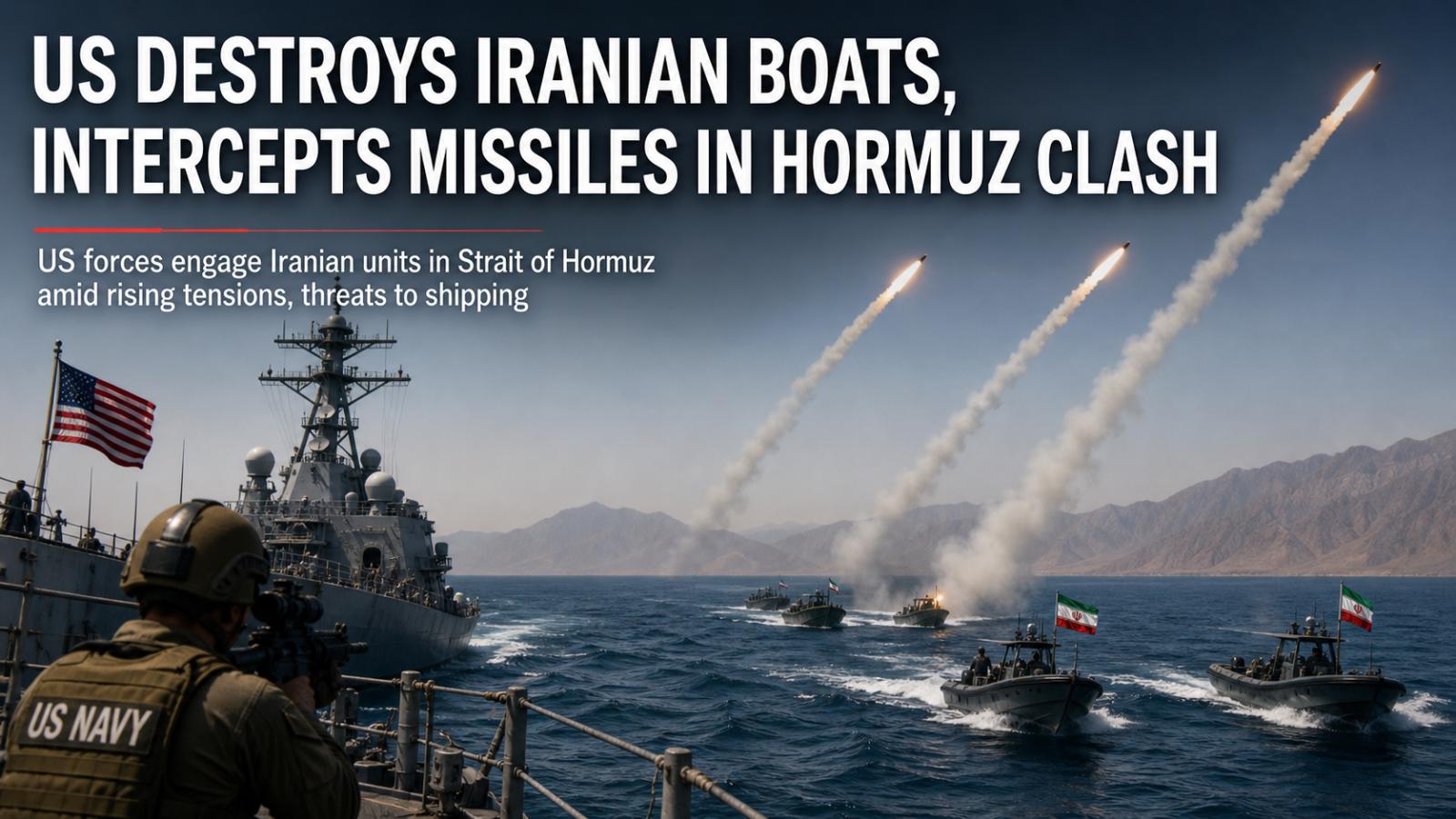
US destroys Iranian boats, intercepts missiles in Hormuz clash
U.S. forces destroyed Iranian boats and intercepted missiles in the Strait of Hormuz on Monday, May 4, 2026, during a confrontation involving naval and aerial threats, a senior U.S. military official said. The U.S. Navy engaged Iranian units after projectiles and drones were launched toward American vessels and commercial shipping in the region, according to officials. Admiral
US destroys Iranian boats, intercepts missiles in Hormuz clash
U.S. forces destroyed Iranian boats and intercepted missiles in the Strait of Hormuz on Monday, May 4, 2026, during a confrontation involving naval and aerial threats, a senior U.S. military official said. The U.S. Navy engaged Iranian units after projectiles and drones were launched toward American vessels and commercial shipping in the region, according to officials. Admiral
Why the US Rushed $8.6B Arms Deal to Middle East Allies Amid Iran Crisis
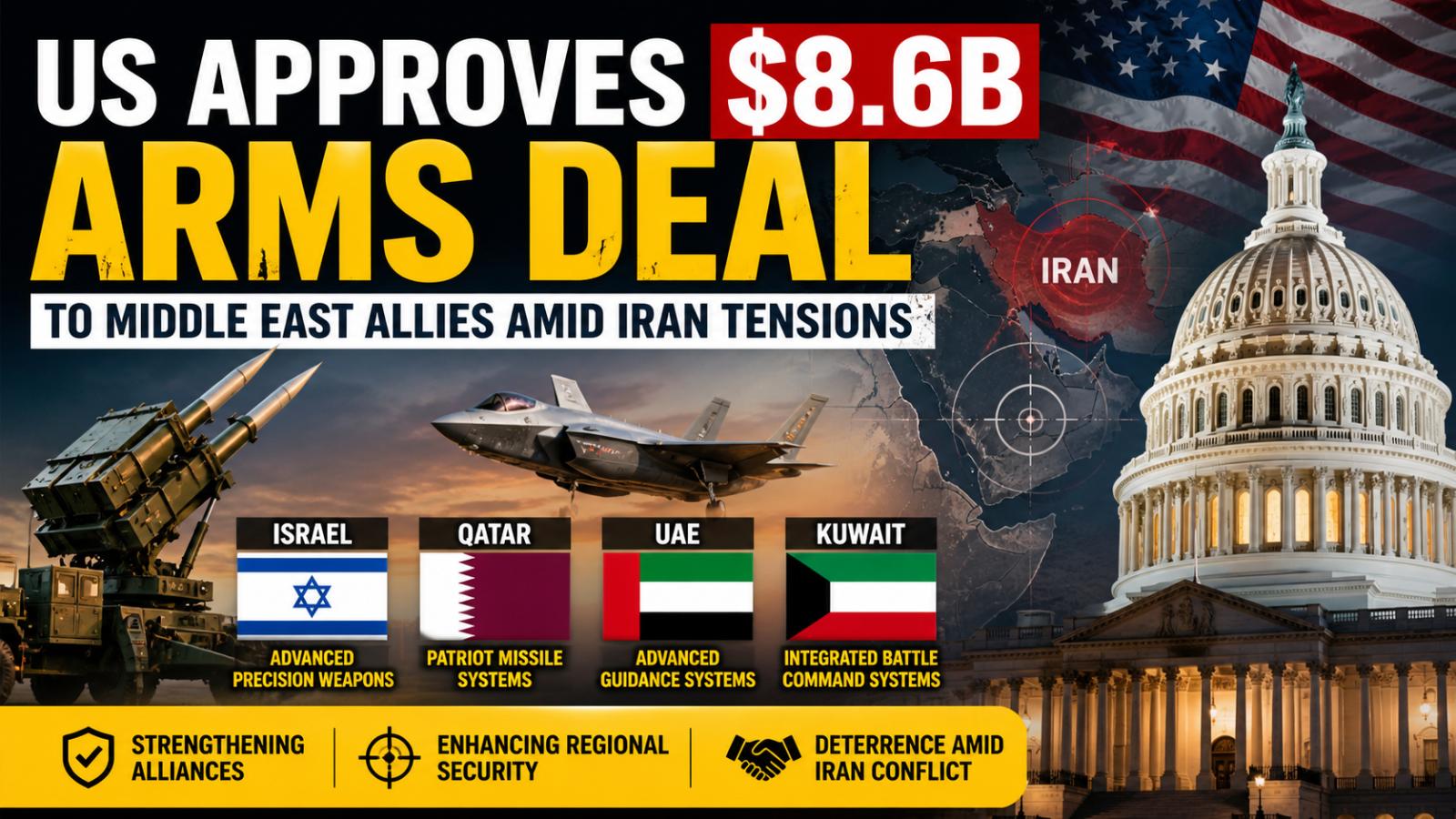
The United States has fast-tracked more than $8.6 billion in arms sales to key Middle East allies, signaling a sharp escalation in its response to rising tensions with Iran. Approved under emergency powers, the move bypasses Congress and reflects Washington’s urgency to strengthen regional defenses as the conflict enters a critical phase. Emergency Approval Signals Rising Urgency The decision, issued on Friday, invokes a rarely used em
Why the US Rushed $8.6B Arms Deal to Middle East Allies Amid Iran Crisis
The United States has fast-tracked more than $8.6 billion in arms sales to key Middle East allies, signaling a sharp escalation in its response to rising tensions with Iran. Approved under emergency powers, the move bypasses Congress and reflects Washington’s urgency to strengthen regional defenses as the conflict enters a critical phase. Emergency Approval Signals Rising Urgency The decision, issued on Friday, invokes a rarely used em
UAE issues travel ban amid rising tensions with Iran and missile threats
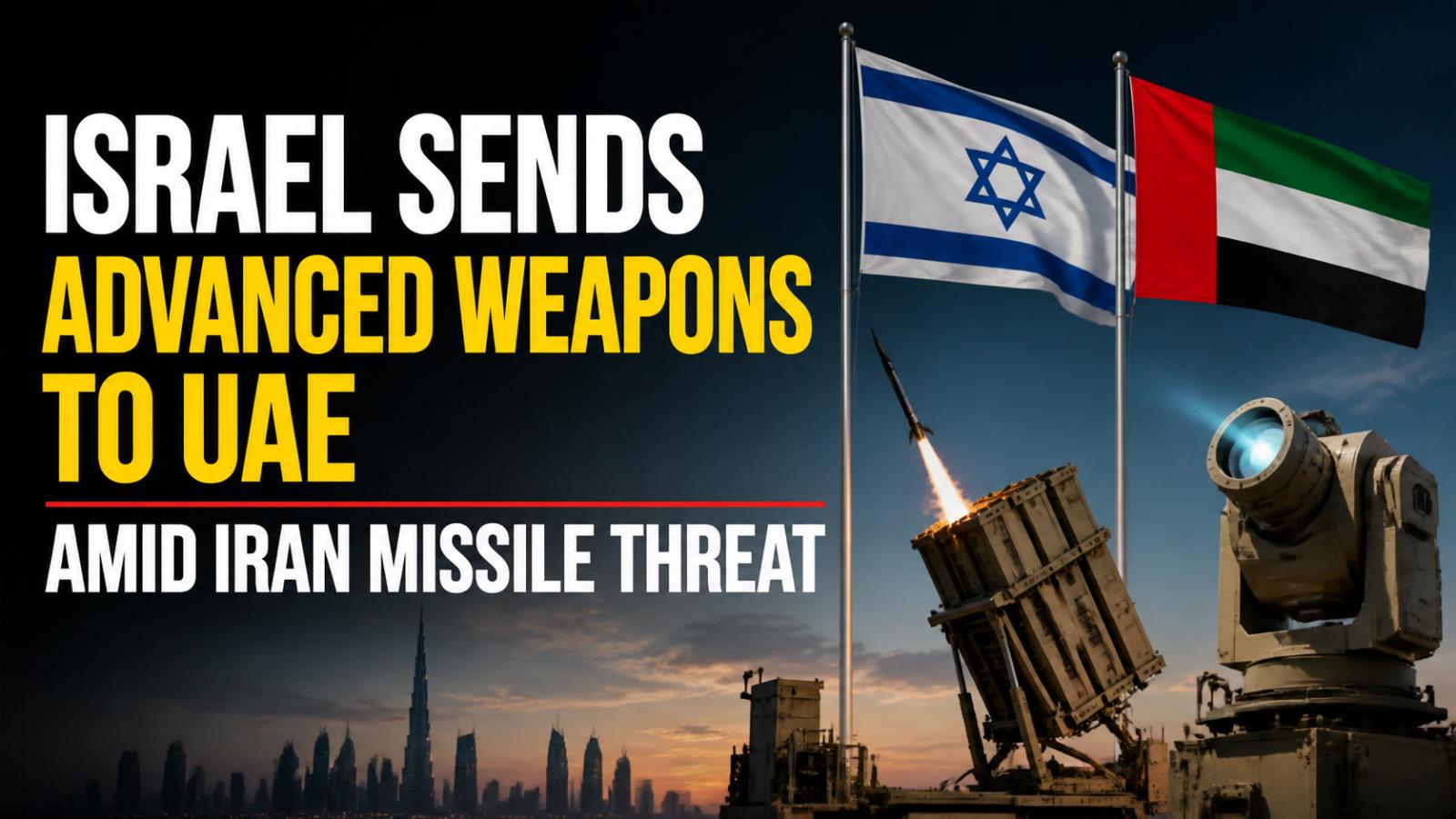
Israel warns UAE of missile threat from Iran, provides air defense systems Israel has reportedly warned the United Arab Emirates (UAE) of an imminent missile threat from Iran, signaling that short-range missiles could be launched towards the country. In response to this threat, Israel has provided advanced air defense systems to the UAE, including a newly operational laser-based defense system to
UAE issues travel ban amid rising tensions with Iran and missile threats
Israel warns UAE of missile threat from Iran, provides air defense systems Israel has reportedly warned the United Arab Emirates (UAE) of an imminent missile threat from Iran, signaling that short-range missiles could be launched towards the country. In response to this threat, Israel has provided advanced air defense systems to the UAE, including a newly operational laser-based defense system to
Iran War Update: What Happened in the Minab School Strike and Why It Matters
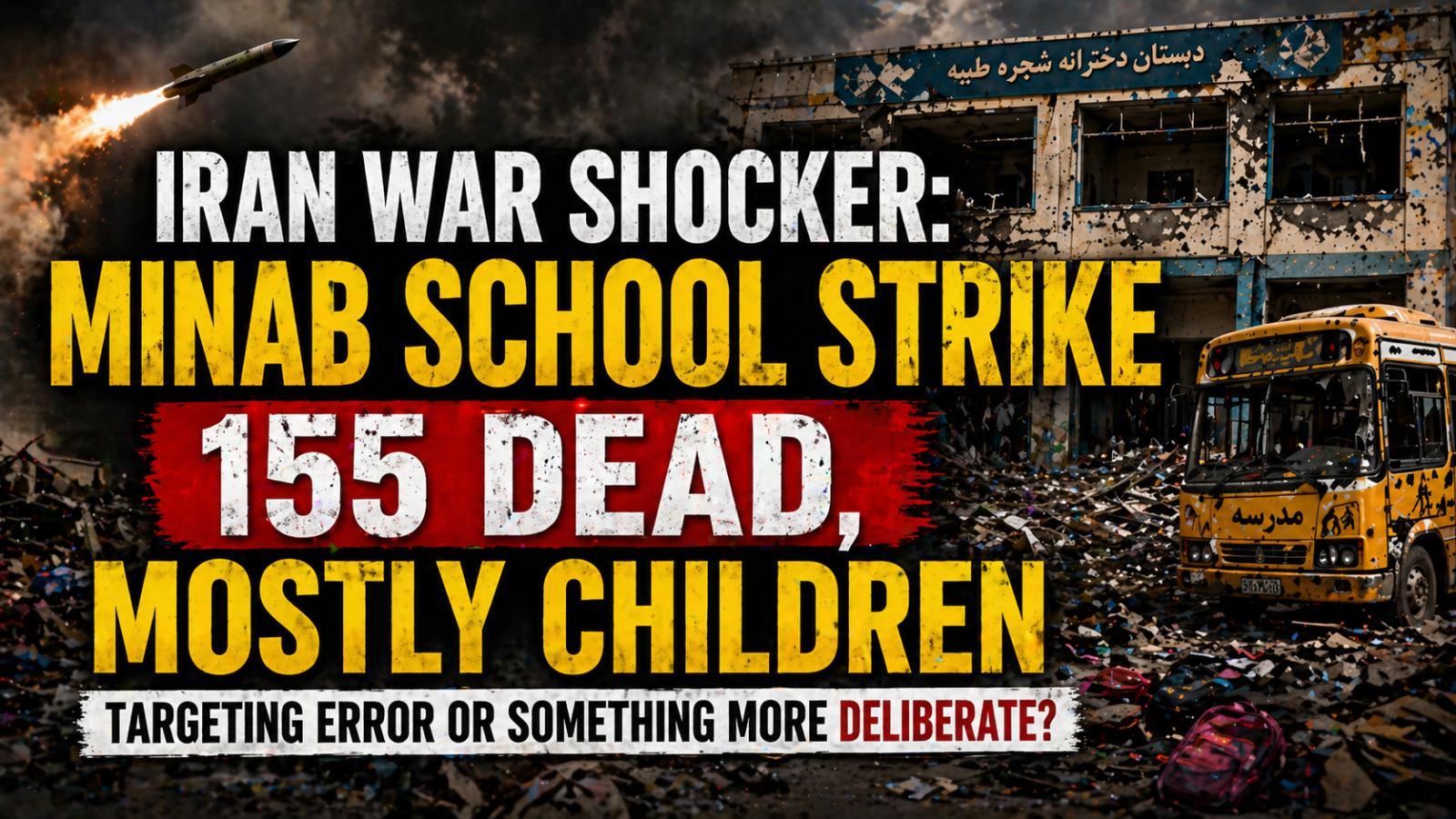
Iran has revised the death toll from the Minab school strike to 155, confirming it as the deadliest single incident in the ongoing conflict, now in its 59th day. Officials released a detailed breakdown indicating that most victims were children, alongside teachers and civilians connected to the school. The updated figure is lower than earlier estimates exceeding 175, though no formal explanation has been provided for the discrepancy. The strike occurred on February 28, the opening day of a coordinated military campaign. Two successive impacts hit the Shajareh Tayyebeh elementary school in Minab while classes were in session, a pattern described as a “double-tap” strike. Many of the children killed were between the ages of seven and twelve, amplifying global concern over the nature of the attack. Preliminary findings from a U.S. military review suggest the use of a Tomahawk cruise missile and indicate that the strike may have resulted from a targeting error. According to the investigation, outdated intelligence data misidentified the site as an active military location linked to a former Revolutionary Guards facility. Although the school had been separated from the base years earlier, the database used in targeting had not been updated accordingly. Analysts noted that automated systems processing this information may have contributed to the failure to recognize the location as a civilian site. Iranian officials have rejected the explanation, describing the incident as deliberate. The foreign minister characterized it as a calculated assault, citing the advanced precision capabilities attributed to modern military systems. The strike has since become a focal point in diplomatic discussions and ongoing ceasefire negotiations. The Pentagon has confirmed that a full investigation is still underway. As scrutiny continues, the Minab incident remains central to debates over accountability, intelligence reliability, and the risks associated with modern warfare technologies.
Iran War Update: What Happened in the Minab School Strike and Why It Matters
Iran has revised the death toll from the Minab school strike to 155, confirming it as the deadliest single incident in the ongoing conflict, now in its 59th day. Officials released a detailed breakdown indicating that most victims were children, alongside teachers and civilians connected to the school. The updated figure is lower than earlier estimates exceeding 175, though no formal explanation has been provided for the discrepancy. The strike occurred on February 28, the opening day of a coordinated military campaign. Two successive impacts hit the Shajareh Tayyebeh elementary school in Minab while classes were in session, a pattern described as a “double-tap” strike. Many of the children killed were between the ages of seven and twelve, amplifying global concern over the nature of the attack. Preliminary findings from a U.S. military review suggest the use of a Tomahawk cruise missile and indicate that the strike may have resulted from a targeting error. According to the investigation, outdated intelligence data misidentified the site as an active military location linked to a former Revolutionary Guards facility. Although the school had been separated from the base years earlier, the database used in targeting had not been updated accordingly. Analysts noted that automated systems processing this information may have contributed to the failure to recognize the location as a civilian site. Iranian officials have rejected the explanation, describing the incident as deliberate. The foreign minister characterized it as a calculated assault, citing the advanced precision capabilities attributed to modern military systems. The strike has since become a focal point in diplomatic discussions and ongoing ceasefire negotiations. The Pentagon has confirmed that a full investigation is still underway. As scrutiny continues, the Minab incident remains central to debates over accountability, intelligence reliability, and the risks associated with modern warfare technologies.
Israel deployed Iron Dome to UAE during Iran conflict, report says
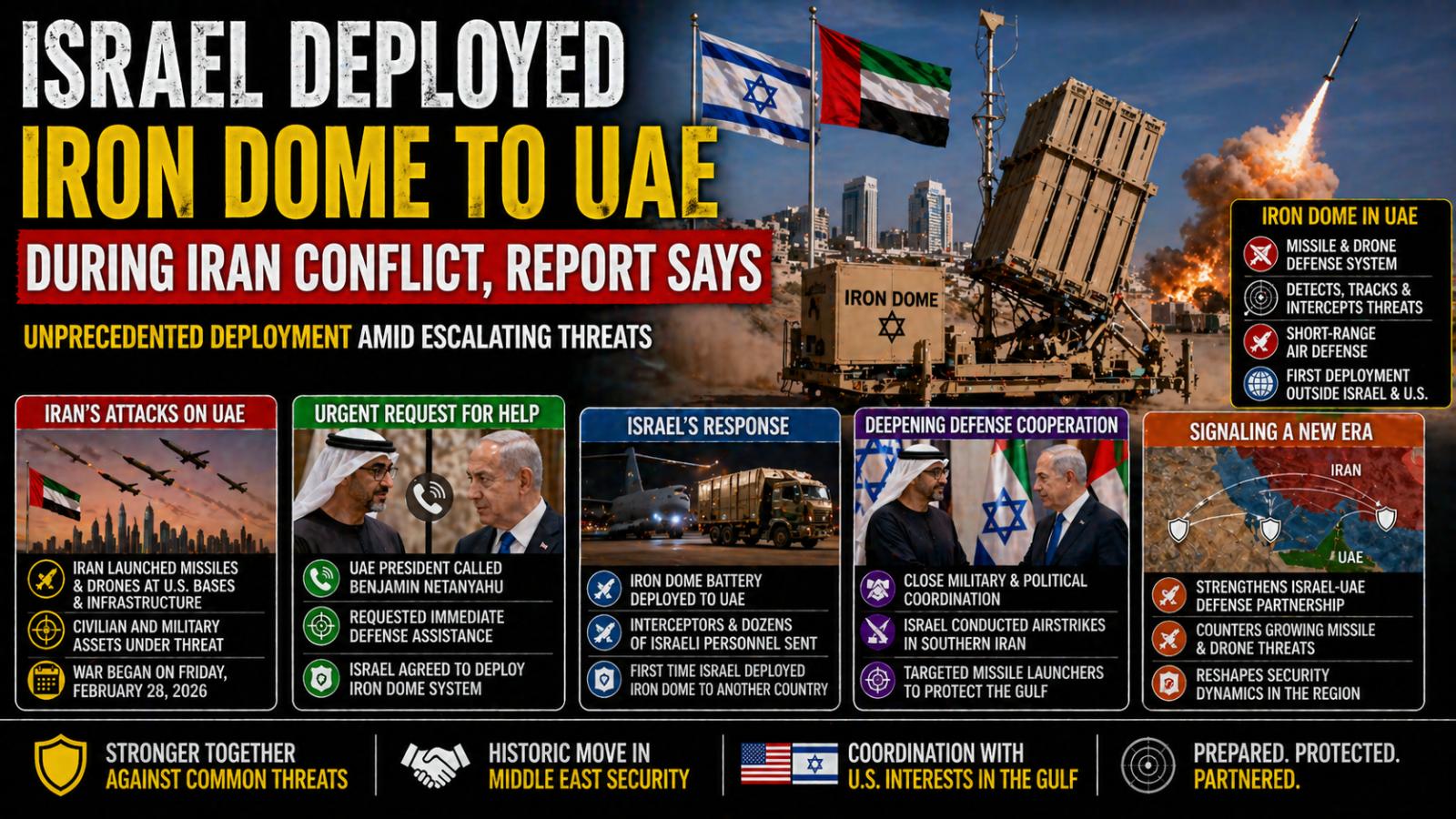
Israel deployed Iron Dome to UAE during Iran conflict, report says, underscoring a previously undisclosed military move that signals deepening defense cooperation between the two countries during heightened tensions in the Gulf. According to a report citing U.S. and Israeli officials, the deployment occurred in the early phase of the war that began on Friday, February 28, 2026, when the United Arab Emirate
Israel deployed Iron Dome to UAE during Iran conflict, report says
Israel deployed Iron Dome to UAE during Iran conflict, report says, underscoring a previously undisclosed military move that signals deepening defense cooperation between the two countries during heightened tensions in the Gulf. According to a report citing U.S. and Israeli officials, the deployment occurred in the early phase of the war that began on Friday, February 28, 2026, when the United Arab Emirate
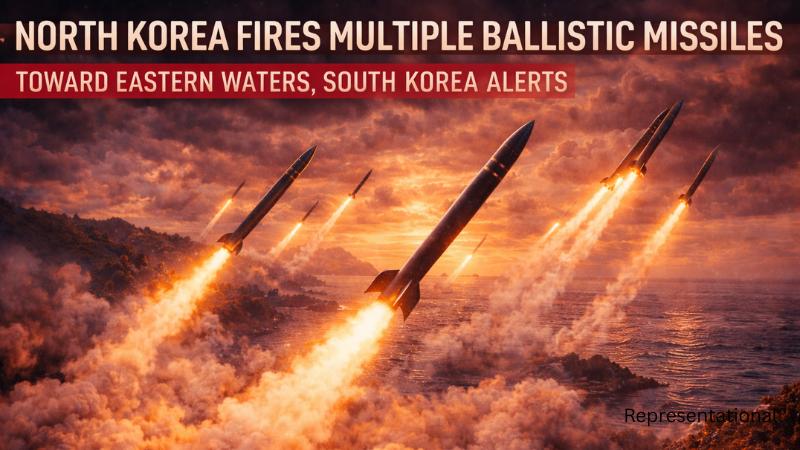
North Korea Fires Multiple Ballistic Missiles Toward Eastern Waters, South Korea Alerts
Tensions on the Korean Peninsula have escalated once again after North Korea launched multiple ballistic missiles toward its eastern waters, according to officials from South Korea. The launches, which were detected and tracked by South Korea’s military, have raised fresh concerns over regional security
North Korea Fires Multiple Ballistic Missiles Toward Eastern Waters, South Korea Alerts
Tensions on the Korean Peninsula have escalated once again after North Korea launched multiple ballistic missiles toward its eastern waters, according to officials from South Korea. The launches, which were detected and tracked by South Korea’s military, have raised fresh concerns over regional security
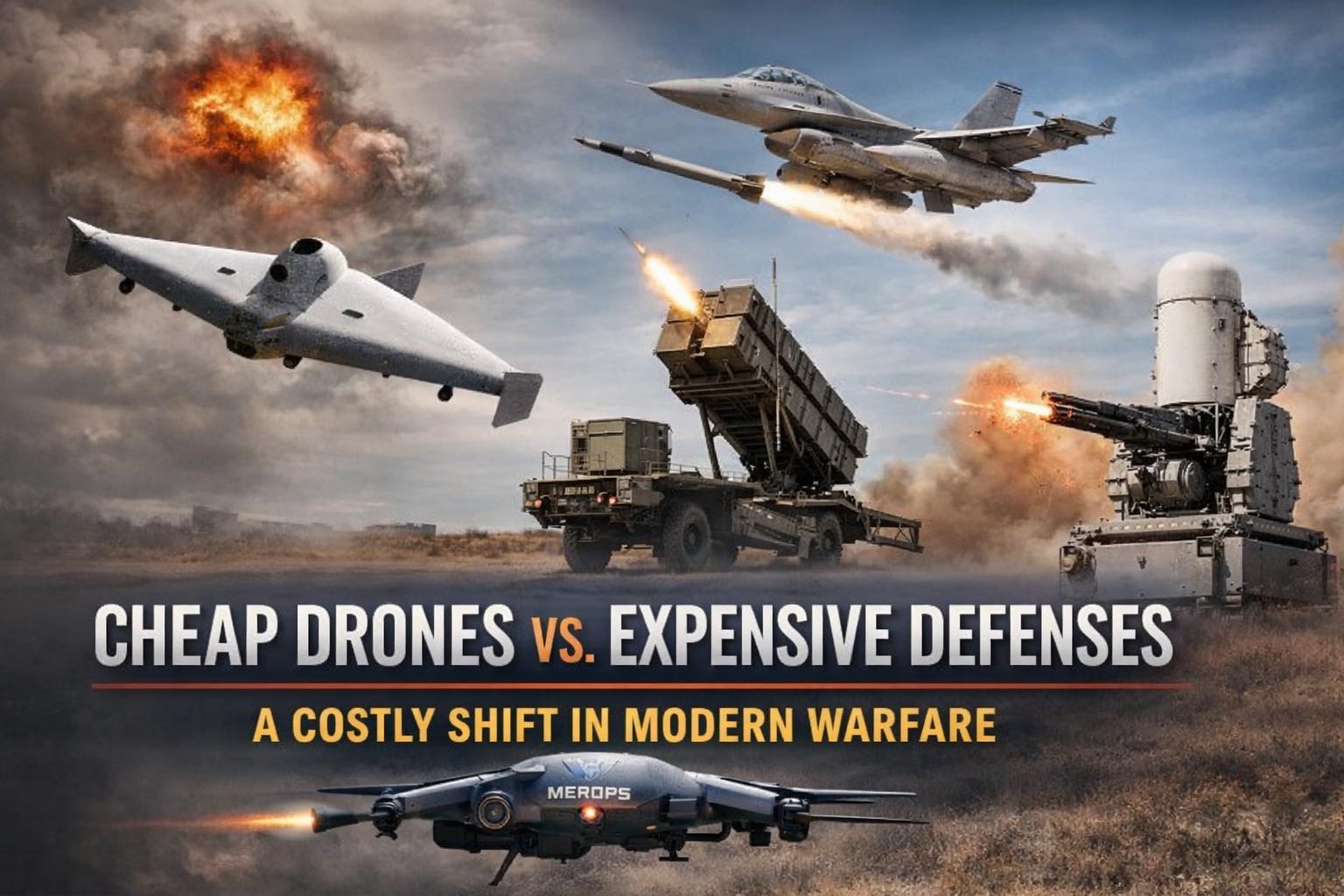
How Iran’s affordable drones are challenging America’s expensive interceptors
One of the most striking lessons from the war with Iran is how a relatively low-cost adversary has exposed vulnerabilities in U.S. defense strategy. Iran has demonstrated both a willingness to go on the offensive and an ability to leverage inexpensive drone technology at scale. These drones, often built with commercial-grade components, cost roughly $35,000 each—far less than the high-end interceptors used to destroy them. This imbalance has forced the United States and its allies to confront a new reality: modern warfare is no longer dominated solely by precision and sophistication, but also by affordability and volume. Cheap drones had already reshaped the battlefield in Ukraine, and Iran has now applied similar tactics in the Middle East, exploiting a long-standing gap in U.S. defense investments that favored fewer, more expensive systems over scalable solutions. Why are U.S. defenses struggling with cost efficiency? Because interceptors far exceed drone prices The financial mismatch is stark. In just the first six days of the conflict, the U.S. spent $11.3 billion, with estimates later rising to between $25 billion and $35 billion. A significant portion of that cost comes from interceptor missiles used to shoot down relatively inexpensive drones. Despite years of Pentagon focus on counter-drone capabilities, experts like Michael C. Horowitz note that there has been little urgency to scale affordable solutions. The result is a defense strategy where each engagement can cost far more than the threat itself—an unsustainable model in prolonged conflicts. How do air-based defenses work against drones? By using early detection and precision strikes—when available In an ideal scenario, airborne early warning systems detect drones hundreds of miles away. Fighter jets such as the F-16 Fighting Falcon are then deployed to intercept them using relatively cheaper rocket systems like APKWS II. This method is among the most cost-efficient, but it depends heavily on maintaining constant air patrols and intact detection systems. Iran has targeted these early warning assets, limiting their effectiveness and reducing the availability of this optimal defense approach. What role do ground and naval systems play? They offer range and reliability but at a steep price When air defenses are unavailable, the U.S. relies on ground- and sea-based systems. These include: Short-range systems like the Coyote, designed specifically for drones and relatively cost-effective—but in short supply. Naval destroyers using radar and SM-2 interceptors, which are powerful but expensive and designed for larger threats. The Patriot missile system, capable of intercepting drones from long distances using costly PAC-3 missiles. These systems were originally built to counter high-end threats like ballistic missiles, not swarms of cheap drones. As a result, they are often overkill—both technologically and financially—for the task at hand. Still, their use can be justified when defending high-value assets, such as billion-dollar radar installations or critical military infrastructure. What are the emerging solutions to counter drones? AI interceptors and lasers show promise but remain unproven New approaches aim to fix the cost imbalance. AI-powered interceptor drones, such as the Merops system developed by a company founded by Eric Schmidt, represent a potential shift toward cheaper, scalable defenses. These systems have been tested in collaboration with Ukrainian forces experienced in countering Iranian drones. The U.S. has already sent thousands of these units to the Middle East and begun training troops, though it remains unclear whether they have been deployed in combat. Meanwhile, the Pentagon has invested heavily in directed energy weapons—lasers that could cost as little as $3 per shot and reach targets up to 12 miles away. However, these systems have yet to be fielded in real-world combat. Why is ammunition depletion a growing concern? Because stockpiles may run out faster than they can be replaced Beyond cost, a more immediate concern is supply. Experts warn that interceptor stockpiles are being depleted at an alarming rate. As Tom Karako explains, the issue is not just affordability but availability: the U.S. risks running out of munitions before it can replenish them. This highlights a deeper strategic challenge. Modern conflicts—defined by mass-produced, low-cost threats—require not just advanced technology, but also sustainable production and scalable defense systems.
How Iran’s affordable drones are challenging America’s expensive interceptors
One of the most striking lessons from the war with Iran is how a relatively low-cost adversary has exposed vulnerabilities in U.S. defense strategy. Iran has demonstrated both a willingness to go on the offensive and an ability to leverage inexpensive drone technology at scale. These drones, often built with commercial-grade components, cost roughly $35,000 each—far less than the high-end interceptors used to destroy them. This imbalance has forced the United States and its allies to confront a new reality: modern warfare is no longer dominated solely by precision and sophistication, but also by affordability and volume. Cheap drones had already reshaped the battlefield in Ukraine, and Iran has now applied similar tactics in the Middle East, exploiting a long-standing gap in U.S. defense investments that favored fewer, more expensive systems over scalable solutions. Why are U.S. defenses struggling with cost efficiency? Because interceptors far exceed drone prices The financial mismatch is stark. In just the first six days of the conflict, the U.S. spent $11.3 billion, with estimates later rising to between $25 billion and $35 billion. A significant portion of that cost comes from interceptor missiles used to shoot down relatively inexpensive drones. Despite years of Pentagon focus on counter-drone capabilities, experts like Michael C. Horowitz note that there has been little urgency to scale affordable solutions. The result is a defense strategy where each engagement can cost far more than the threat itself—an unsustainable model in prolonged conflicts. How do air-based defenses work against drones? By using early detection and precision strikes—when available In an ideal scenario, airborne early warning systems detect drones hundreds of miles away. Fighter jets such as the F-16 Fighting Falcon are then deployed to intercept them using relatively cheaper rocket systems like APKWS II. This method is among the most cost-efficient, but it depends heavily on maintaining constant air patrols and intact detection systems. Iran has targeted these early warning assets, limiting their effectiveness and reducing the availability of this optimal defense approach. What role do ground and naval systems play? They offer range and reliability but at a steep price When air defenses are unavailable, the U.S. relies on ground- and sea-based systems. These include: Short-range systems like the Coyote, designed specifically for drones and relatively cost-effective—but in short supply. Naval destroyers using radar and SM-2 interceptors, which are powerful but expensive and designed for larger threats. The Patriot missile system, capable of intercepting drones from long distances using costly PAC-3 missiles. These systems were originally built to counter high-end threats like ballistic missiles, not swarms of cheap drones. As a result, they are often overkill—both technologically and financially—for the task at hand. Still, their use can be justified when defending high-value assets, such as billion-dollar radar installations or critical military infrastructure. What are the emerging solutions to counter drones? AI interceptors and lasers show promise but remain unproven New approaches aim to fix the cost imbalance. AI-powered interceptor drones, such as the Merops system developed by a company founded by Eric Schmidt, represent a potential shift toward cheaper, scalable defenses. These systems have been tested in collaboration with Ukrainian forces experienced in countering Iranian drones. The U.S. has already sent thousands of these units to the Middle East and begun training troops, though it remains unclear whether they have been deployed in combat. Meanwhile, the Pentagon has invested heavily in directed energy weapons—lasers that could cost as little as $3 per shot and reach targets up to 12 miles away. However, these systems have yet to be fielded in real-world combat. Why is ammunition depletion a growing concern? Because stockpiles may run out faster than they can be replaced Beyond cost, a more immediate concern is supply. Experts warn that interceptor stockpiles are being depleted at an alarming rate. As Tom Karako explains, the issue is not just affordability but availability: the U.S. risks running out of munitions before it can replenish them. This highlights a deeper strategic challenge. Modern conflicts—defined by mass-produced, low-cost threats—require not just advanced technology, but also sustainable production and scalable defense systems.
India’s nuclear posture: balancing deterrence with global stability
India’s nuclear strategy has consistently evolved, reflecting the country’s changing security landscape and its response to emerging global challenges. With a doctrine centered on credible minimum deterrence, India ensures that its nuclear capabilities are sufficient to deter adversaries without striving for nuclear superiority. This strategic posture maintains a delicate balance, ensuring national security while preventing the escalation of conflicts into nuclear war.


India’s nuclear posture: balancing deterrence with global stability
India’s nuclear strategy has consistently evolved, reflecting the country’s changing security landscape and its response to emerging global challenges. With a doctrine centered on credible minimum deterrence, India ensures that its nuclear capabilities are sufficient to deter adversaries without striving for nuclear superiority. This strategic posture maintains a delicate balance, ensuring national security while preventing the escalation of conflicts into nuclear war.
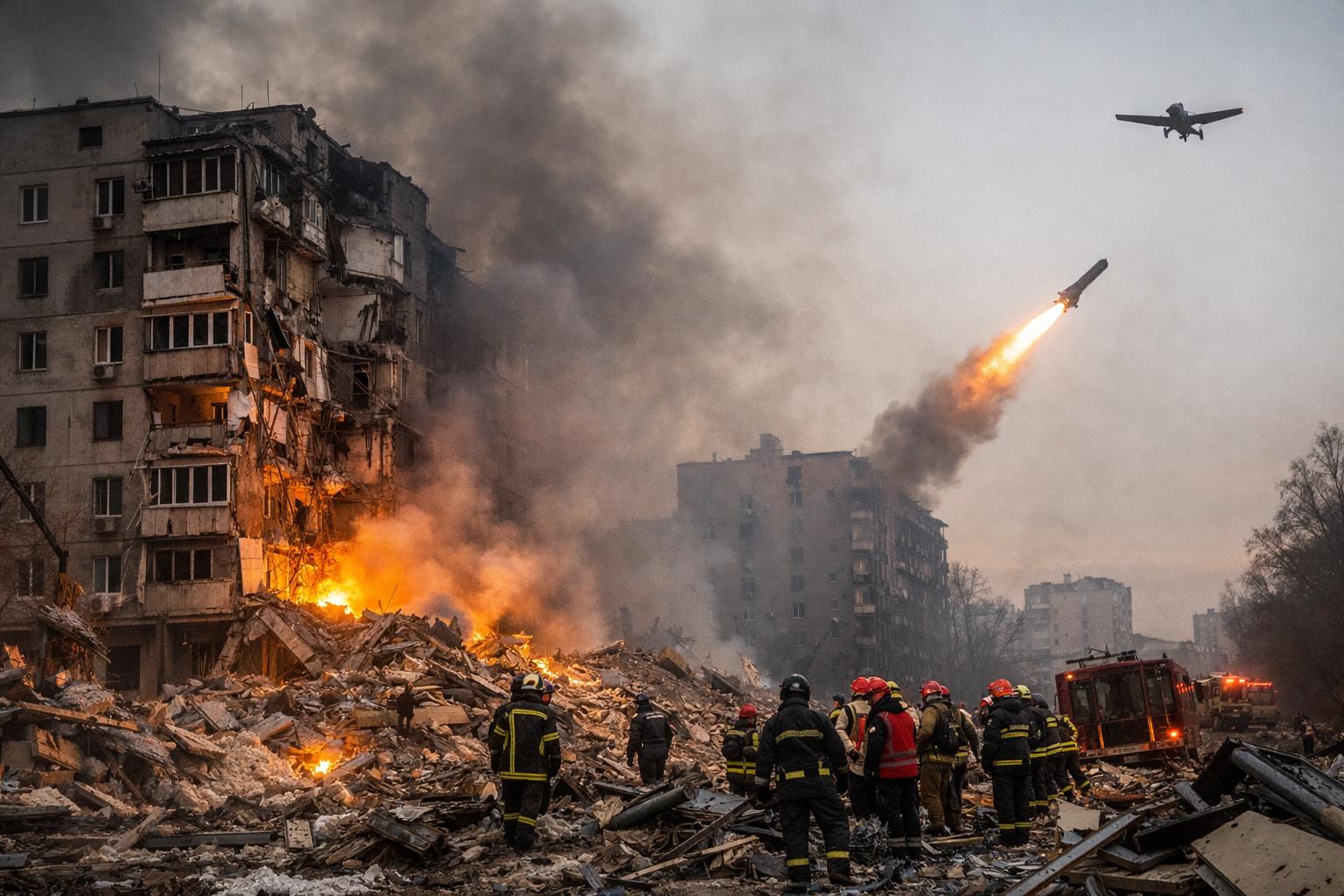
Russia launches massive missile and drone attack on Ukraine, killing at least 16
Russia launched one of its most intense aerial assaults of the year against Ukraine, firing a large number of missiles and drones in a coordinated attack that began overnight and continued into Thursday morning, April 16, 2026 (local time in Ukraine). Ukrainian officials reported that at least 16 people were killed and more than 100 others were injured in the strikes, marking a significant escalation following a brief Easter ceasefire between the two countries. According to
Russia launches massive missile and drone attack on Ukraine, killing at least 16
Russia launched one of its most intense aerial assaults of the year against Ukraine, firing a large number of missiles and drones in a coordinated attack that began overnight and continued into Thursday morning, April 16, 2026 (local time in Ukraine). Ukrainian officials reported that at least 16 people were killed and more than 100 others were injured in the strikes, marking a significant escalation following a brief Easter ceasefire between the two countries. According to
Global nuclear weapons control faces rising risks and new arms race
The global system governing nuclear weapons is not anchored in a single treaty but rather a web of agreements, arms-control arrangements, and regional initiatives, each designed to address different facets of nuclear security. While some agreements restrict which nations can possess nuclear weapons, others focus on halting tests, limiting arsenals, or even striving to establish nuclear-weapon-free zones. As of 2025, nine countries—led by the United States and Russia—currently mainta
Global nuclear weapons control faces rising risks and new arms race
The global system governing nuclear weapons is not anchored in a single treaty but rather a web of agreements, arms-control arrangements, and regional initiatives, each designed to address different facets of nuclear security. While some agreements restrict which nations can possess nuclear weapons, others focus on halting tests, limiting arsenals, or even striving to establish nuclear-weapon-free zones. As of 2025, nine countries—led by the United States and Russia—currently mainta
Iranian strikes damage Qatar’s key infrastructure, new footage reveals
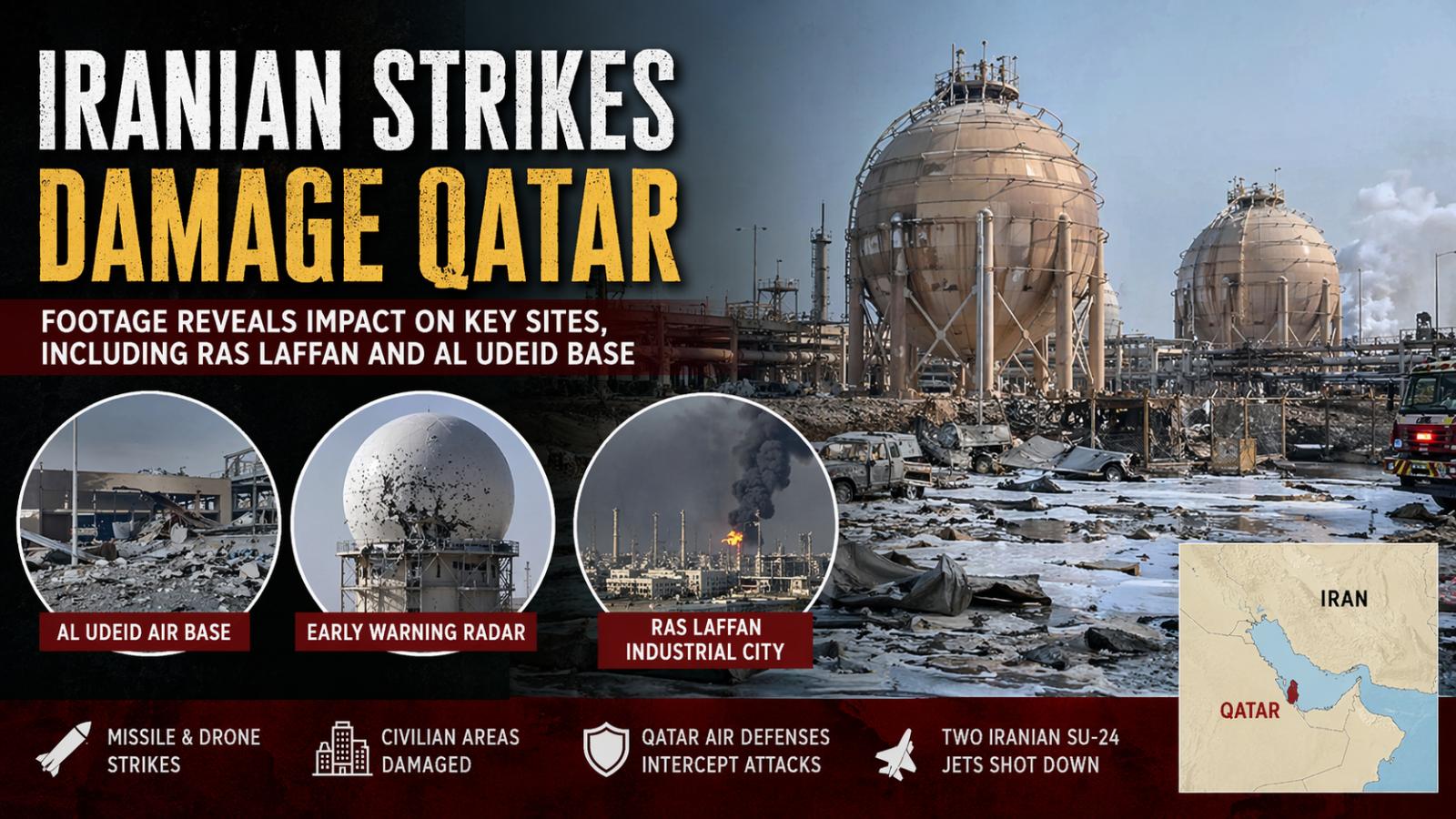
Newly released footage from Qatar provides a detailed look at the extent of damage caused by Iranian missile and drone strikes across the country, highlighting impacts on both military and civilian infrastructure. The visuals, aired in a recent investigative program, show destruction at multiple locations, including the Al Udeid Air Base, early warning radar systems in northern Qatar, and Ras Laffan Industrial City, one of the world’s most critical liquefied natural gas hubs. The
Iranian strikes damage Qatar’s key infrastructure, new footage reveals
Newly released footage from Qatar provides a detailed look at the extent of damage caused by Iranian missile and drone strikes across the country, highlighting impacts on both military and civilian infrastructure. The visuals, aired in a recent investigative program, show destruction at multiple locations, including the Al Udeid Air Base, early warning radar systems in northern Qatar, and Ras Laffan Industrial City, one of the world’s most critical liquefied natural gas hubs. The
Hegseth claims major US victory as Iran’s military capabilities weakened
U.S. Secretary of Defense Pete Hegseth stated on Wednesday, April 8, 2026, that Iran had sought a ceasefire following what he described as a decisive U.S. military campaign known as Operation Epic Fury. Speaking during a Pentagon briefing, Hegseth characterized the operation as a “historic and overwhelming victory,” attributing its outcome to leadership under President Donald Trump. Hegseth said Iran’s leadership had “begged for a ceasefire,” asserting that the scale of the military impact left Tehran with limited options. He emphasized that the operation significantly degraded Iran’s conventional military capabilities, particularly across its naval, air, and missile forces. According to the defense secretary, Iran’s navy suffered extensive losses, claiming it had effectively been neutralized. He further stated that Iran’s air force had been rendered inoperable and that its broader air defense infrastructure no longer functioned as a cohesive system. Hegseth also asserted that Iran’s missile program had been “functionally destroyed,” suggesting a substantial setback to the country’s strategic deterrence capabilities. The remarks were delivered as part of an official Pentagon briefing outlining the outcomes of recent military actions. While Hegseth presented the operation as a clear U.S. victory, his statements reflect the administration’s assessment of the situation and have not been independently verified within the briefing. The comments signal a significant escalation in rhetoric surrounding U.S.-Iran tensions and underscore the broader geopolitical implications of Operation Epic Fury. Further developments are expected as international observers and regional stakeholders assess the long-term consequences of the reported military actions.
Hegseth claims major US victory as Iran’s military capabilities weakened
U.S. Secretary of Defense Pete Hegseth stated on Wednesday, April 8, 2026, that Iran had sought a ceasefire following what he described as a decisive U.S. military campaign known as Operation Epic Fury. Speaking during a Pentagon briefing, Hegseth characterized the operation as a “historic and overwhelming victory,” attributing its outcome to leadership under President Donald Trump. Hegseth said Iran’s leadership had “begged for a ceasefire,” asserting that the scale of the military impact left Tehran with limited options. He emphasized that the operation significantly degraded Iran’s conventional military capabilities, particularly across its naval, air, and missile forces. According to the defense secretary, Iran’s navy suffered extensive losses, claiming it had effectively been neutralized. He further stated that Iran’s air force had been rendered inoperable and that its broader air defense infrastructure no longer functioned as a cohesive system. Hegseth also asserted that Iran’s missile program had been “functionally destroyed,” suggesting a substantial setback to the country’s strategic deterrence capabilities. The remarks were delivered as part of an official Pentagon briefing outlining the outcomes of recent military actions. While Hegseth presented the operation as a clear U.S. victory, his statements reflect the administration’s assessment of the situation and have not been independently verified within the briefing. The comments signal a significant escalation in rhetoric surrounding U.S.-Iran tensions and underscore the broader geopolitical implications of Operation Epic Fury. Further developments are expected as international observers and regional stakeholders assess the long-term consequences of the reported military actions.
US-Israel strikes hit Iran’s Kharg Island, raising global oil concerns
Missile strikes by United States and Israeli forces have reportedly targeted Iran’s strategically vital Kharg Island, significantly escalating tensions in West Asia. According to Iran’s Mehr News, the strikes were reported on Tuesday, April 7, 2026, marking a critical development in the ongoing military campaign known as Operation Epic Fury. Kharg Island, often described as Tehran’s economic lifeline, handles nearly 90% of Iran’s crude oil exports, making it central to globa
US-Israel strikes hit Iran’s Kharg Island, raising global oil concerns
Missile strikes by United States and Israeli forces have reportedly targeted Iran’s strategically vital Kharg Island, significantly escalating tensions in West Asia. According to Iran’s Mehr News, the strikes were reported on Tuesday, April 7, 2026, marking a critical development in the ongoing military campaign known as Operation Epic Fury. Kharg Island, often described as Tehran’s economic lifeline, handles nearly 90% of Iran’s crude oil exports, making it central to globa
Iran Claims Strike on US Base in Saudi Arabia, $700M AWACS Aircraft Hit
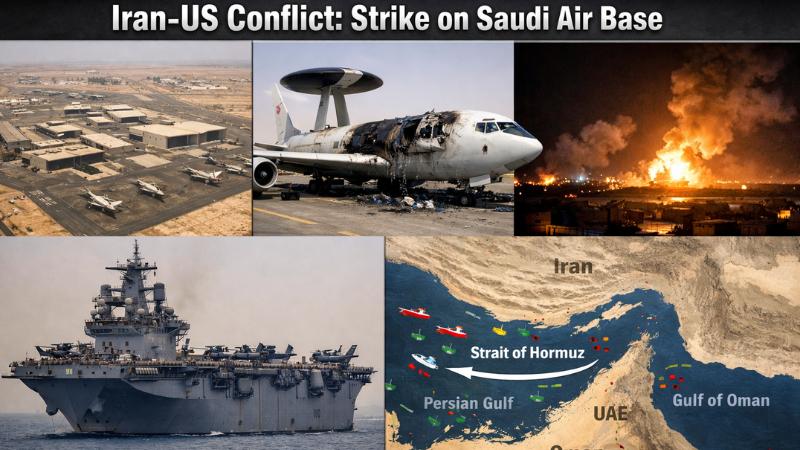
Iran has claimed responsibility for a major missile and drone strike targeting a US-operated military facility in Saudi Arabia, escalating tensions in the already volatile Middle East region. According to reports from Iranian state media, the attack struck the Prince Sultan Air Base, a key installation use
Iran Claims Strike on US Base in Saudi Arabia, $700M AWACS Aircraft Hit
Iran has claimed responsibility for a major missile and drone strike targeting a US-operated military facility in Saudi Arabia, escalating tensions in the already volatile Middle East region. According to reports from Iranian state media, the attack struck the Prince Sultan Air Base, a key installation use
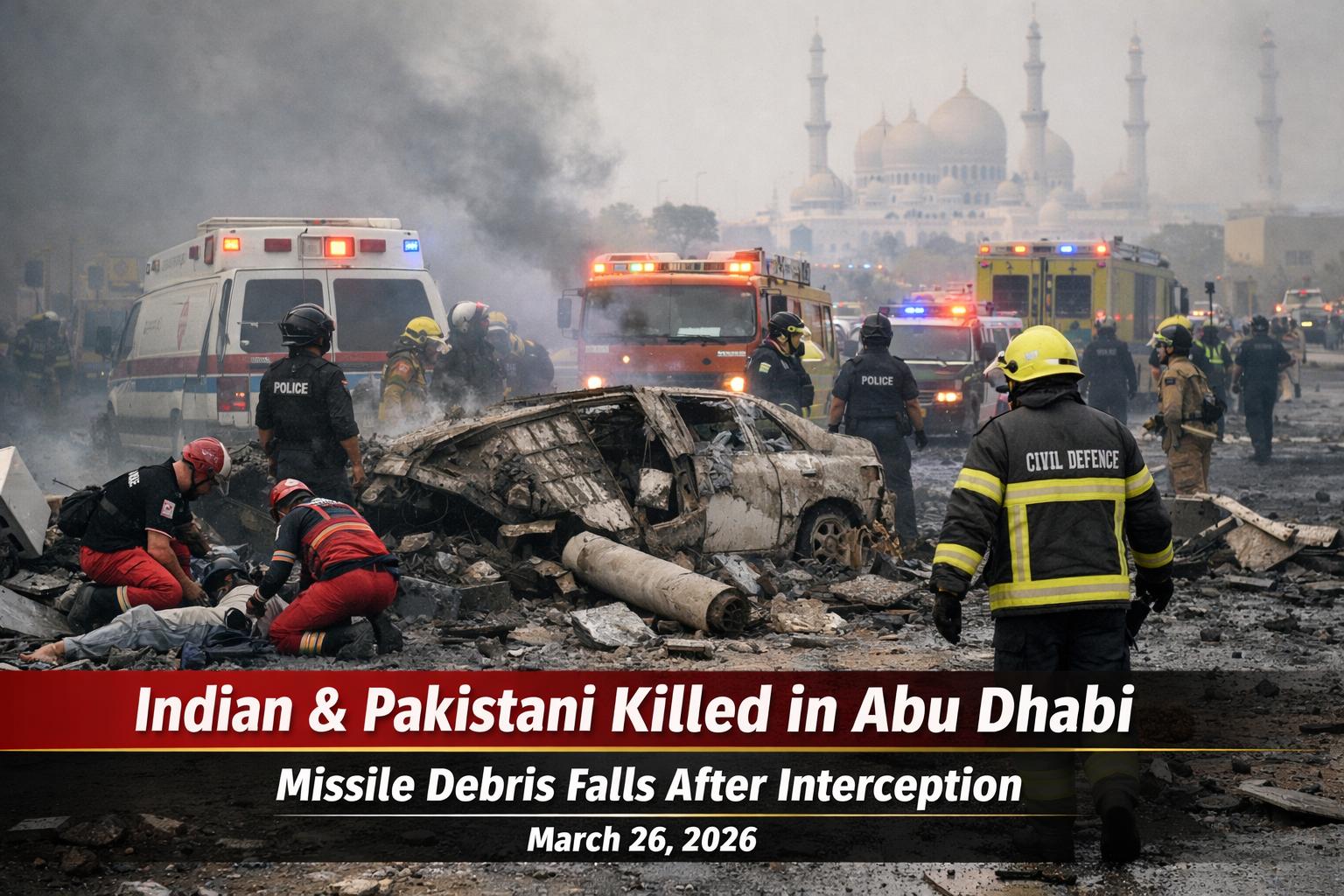
Indian killed in Abu Dhabi by falling missile debris, another Pakistani dies
ABU DHABI — March 26, 2026 (Thursday): An Indian national was among two people killed on Thursday, March 26, 2026, in Abu Dhabi after debris from a missile interception struck the city. The second victim was a Pakistani citizen, while three others — including another Indian national and a Jordanian — were injured. The incident occurred on Sweihan Street, where debris fell following the successful interception of a ballistic
Indian killed in Abu Dhabi by falling missile debris, another Pakistani dies
ABU DHABI — March 26, 2026 (Thursday): An Indian national was among two people killed on Thursday, March 26, 2026, in Abu Dhabi after debris from a missile interception struck the city. The second victim was a Pakistani citizen, while three others — including another Indian national and a Jordanian — were injured. The incident occurred on Sweihan Street, where debris fell following the successful interception of a ballistic
Rising Tensions: Kuwait, Bahrain, Saudi Arabia, UAE Targeted by Drones and Missiles
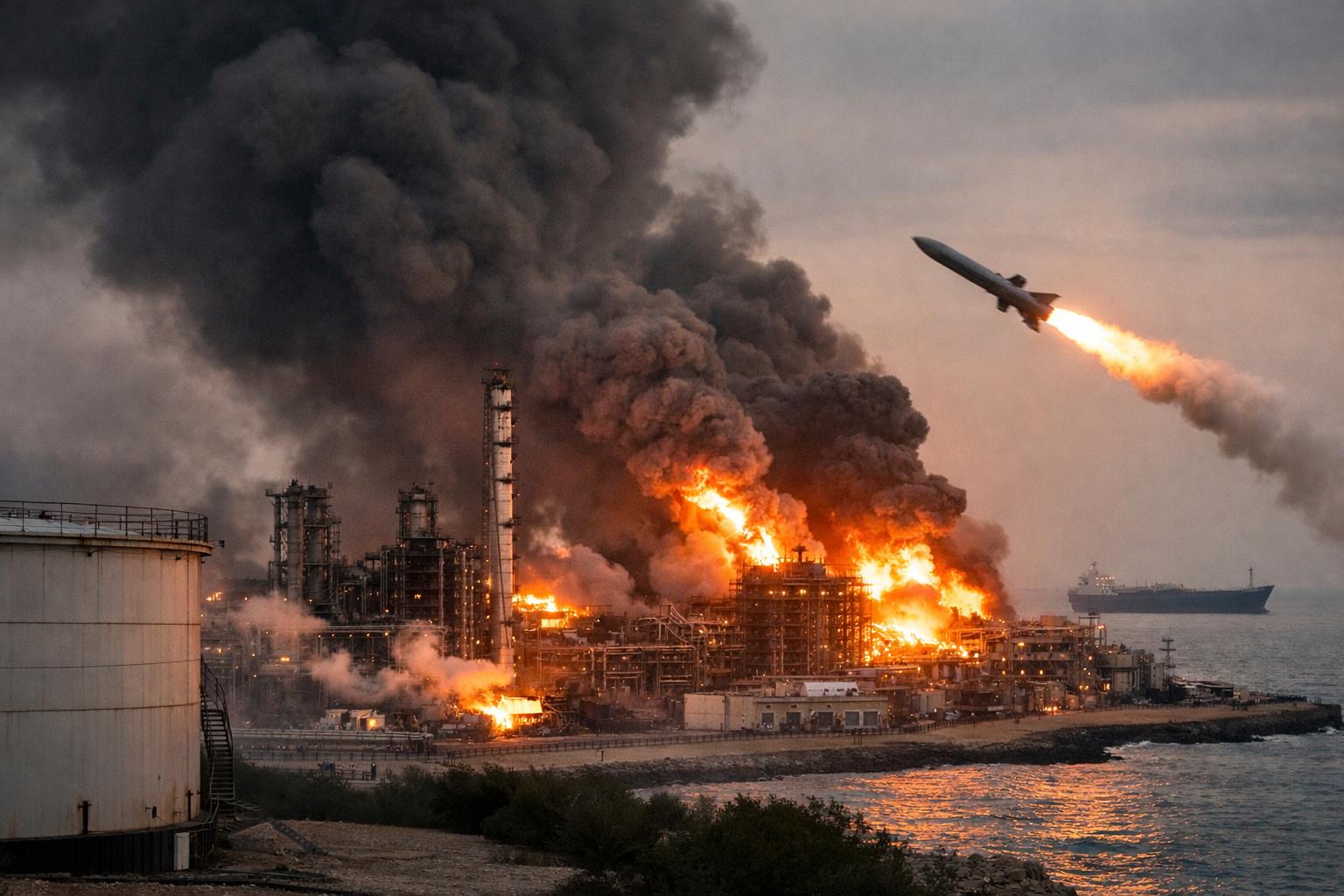
Tensions in the Middle East are escalating as multiple nations, including Kuwait, Bahrain, Saudi Arabia, and the UAE, face a series of drone and missile attacks. At Kuwait International Airport, a fuel tank was targeted, sparking a fire, but no casualties were reported. Bahrain also suffered a fire at a company facility due to missile strikes, allegedly launched by Iran. Kuwait’s military and other regional air defense systems have been actively intercepting these threats, with explosion so
Rising Tensions: Kuwait, Bahrain, Saudi Arabia, UAE Targeted by Drones and Missiles
Tensions in the Middle East are escalating as multiple nations, including Kuwait, Bahrain, Saudi Arabia, and the UAE, face a series of drone and missile attacks. At Kuwait International Airport, a fuel tank was targeted, sparking a fire, but no casualties were reported. Bahrain also suffered a fire at a company facility due to missile strikes, allegedly launched by Iran. Kuwait’s military and other regional air defense systems have been actively intercepting these threats, with explosion so
Russian drone and missile strikes kill four in Ukraine amid renewed offensive
On March 24, 2026, Russia launched a large-scale drone and missile assault targeting civilian areas across Ukraine, killing at least four people and injuring more than 35, according to Ukrainian officials. The attack marked one of the most intense aerial offensives in recent weeks and coincided with increased Russian efforts along front-line positions, raising concerns about the start of a broader spring offensive. Ukraine’s air force reported that nearly 400 long-range drones were d
Russian drone and missile strikes kill four in Ukraine amid renewed offensive
On March 24, 2026, Russia launched a large-scale drone and missile assault targeting civilian areas across Ukraine, killing at least four people and injuring more than 35, according to Ukrainian officials. The attack marked one of the most intense aerial offensives in recent weeks and coincided with increased Russian efforts along front-line positions, raising concerns about the start of a broader spring offensive. Ukraine’s air force reported that nearly 400 long-range drones were d
US–Israel–Iran War | Iran missile strikes trigger blast in Jerusalem as Israel deploys rescue teams
A loud explosion was reported over Jerusalem early Tuesday following two rounds of missile launches from Iran, heightening tensions in the already volatile Middle East region. Israeli authorities confirmed that air raid alerts were triggered across several areas, prompting residents to take shelter as defense systems responded to the incoming threats. According to the Israeli military, the missile launches occurred within a short interval, with the second wave followed by an audible
US–Israel–Iran War | Iran missile strikes trigger blast in Jerusalem as Israel deploys rescue teams
A loud explosion was reported over Jerusalem early Tuesday following two rounds of missile launches from Iran, heightening tensions in the already volatile Middle East region. Israeli authorities confirmed that air raid alerts were triggered across several areas, prompting residents to take shelter as defense systems responded to the incoming threats. According to the Israeli military, the missile launches occurred within a short interval, with the second wave followed by an audible
US–Israel–Iran War | Iran claims missile strike near Netanyahu office amid rising Israel tensions
Iran on Tuesday claimed responsibility for a missile strike that it said landed near the office of Israeli Prime Minister Benjamin Netanyahu in Jerusalem, marking a sharp escalation in tensions between the two regional rivals. The claim, reported by state-affiliated media, comes amid heightened hostilities and conflicting narratives surrounding recent military developments between Israel and Iran. Israeli authorities reported that missile fragments fell across parts of Jerusalem, including areas within the Old City, prompting air raid sirens in the capital and several central regions. While debris was said to have landed near prominent religious landmarks, officials confirmed that the Prime Minister’s office did not sustain any damage. Emergency response teams were deployed to assess the impact and ensure public safety in affected zones. According to multiple reports, shrapnel from the strike caused minor damage near significant religious sites, including the Church of the Holy Sepulchre and areas close to the Temple Mount. These locations, revered by multiple faiths, heightened concerns over the broader implications of the incident and the risk of further escalation in a sensitive region. The developments follow Israeli claims that Ali Larijani, described as Iran’s national security chief, was killed in a targeted operation. Tehran has not confirmed his death, adding uncertainty to the situation. In a televised statement, Netanyahu asserted that the operation was part of a broader effort to weaken Iran’s leadership structure and encourage internal change. He stated that sustained pressure could create conditions for citizens to determine their own political future. Earlier in the day, the Israeli Prime Minister’s Office released images showing Netanyahu inside a military command centre, appearing to oversee ongoing operations. The move was seen as a response to widespread speculation circulating on social media regarding his status, as authorities sought to reinforce confidence and counter misinformation during a period of heightened tension. The exchange of claims and counterclaims underscores the fragile security environment in the region, with both sides maintaining assertive positions as the situation continues to evolve.
US–Israel–Iran War | Iran claims missile strike near Netanyahu office amid rising Israel tensions
Iran on Tuesday claimed responsibility for a missile strike that it said landed near the office of Israeli Prime Minister Benjamin Netanyahu in Jerusalem, marking a sharp escalation in tensions between the two regional rivals. The claim, reported by state-affiliated media, comes amid heightened hostilities and conflicting narratives surrounding recent military developments between Israel and Iran. Israeli authorities reported that missile fragments fell across parts of Jerusalem, including areas within the Old City, prompting air raid sirens in the capital and several central regions. While debris was said to have landed near prominent religious landmarks, officials confirmed that the Prime Minister’s office did not sustain any damage. Emergency response teams were deployed to assess the impact and ensure public safety in affected zones. According to multiple reports, shrapnel from the strike caused minor damage near significant religious sites, including the Church of the Holy Sepulchre and areas close to the Temple Mount. These locations, revered by multiple faiths, heightened concerns over the broader implications of the incident and the risk of further escalation in a sensitive region. The developments follow Israeli claims that Ali Larijani, described as Iran’s national security chief, was killed in a targeted operation. Tehran has not confirmed his death, adding uncertainty to the situation. In a televised statement, Netanyahu asserted that the operation was part of a broader effort to weaken Iran’s leadership structure and encourage internal change. He stated that sustained pressure could create conditions for citizens to determine their own political future. Earlier in the day, the Israeli Prime Minister’s Office released images showing Netanyahu inside a military command centre, appearing to oversee ongoing operations. The move was seen as a response to widespread speculation circulating on social media regarding his status, as authorities sought to reinforce confidence and counter misinformation during a period of heightened tension. The exchange of claims and counterclaims underscores the fragile security environment in the region, with both sides maintaining assertive positions as the situation continues to evolve.