Christa Bauer Gilley, a Houston physical therapist remembered for her patient care, teaching and devotion to family, is being mourned as her husband, Lee Gilley, fights extradition from Italy in a capital murder case.
Gilley, 38, worked full time as a physical therapist and also taught as an adjunct professor at UTMB-Galveston and in the University of Pittsburgh’s physical therapy program. Her colleague Kathryn Reeves, who worked with her at Memorial Hermann Health System, remembe
Christa Bauer Gilley, a Houston physical therapist remembered for her patient care, teaching and devotion to family, is being mourned as her husband, Lee Gilley, fights extradition from Italy in a capital murder case.
Gilley, 38, worked full time as a physical therapist and also taught as an adjunct professor at UTMB-Galveston and in the University of Pittsburgh’s physical therapy program. Her colleague Kathryn Reeves, who worked with her at Memorial Hermann Health System, remembe
US consumer confidence falls in May as inflation, high gas prices and a softer job outlook pressure household budgets, according to the Conference Board’s latest survey. The drop shows why many Americans are pulling back on spending even as stocks remain near record highs.
Why US Consumer Confidence Falls in May
The Conference Board’s consumer confidence index slipped 0.7 points to 93.1 in May, marking the first decline after three m
US consumer confidence falls in May as inflation, high gas prices and a softer job outlook pressure household budgets, according to the Conference Board’s latest survey. The drop shows why many Americans are pulling back on spending even as stocks remain near record highs.
Why US Consumer Confidence Falls in May
The Conference Board’s consumer confidence index slipped 0.7 points to 93.1 in May, marking the first decline after three m
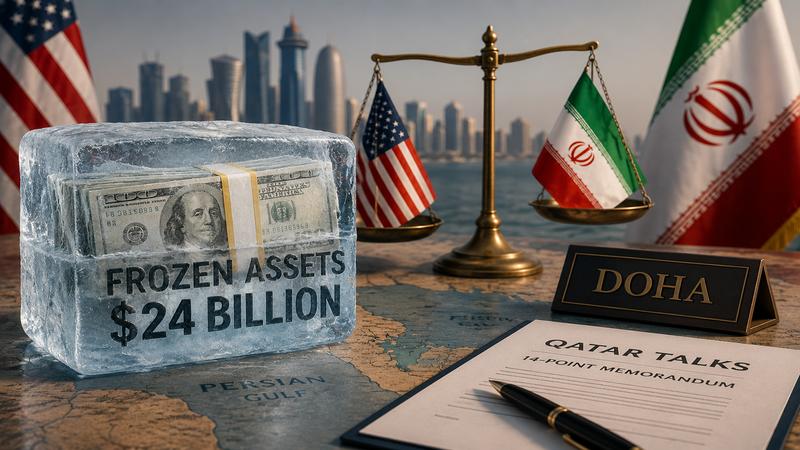
Iran is seeking the release of about $24 billion in frozen assets as part of Qatar-based talks aimed at easing the conflict with the United States, according to Iranian media reports on Tuesday, May 26, 2026. The demand has become a central issue in negotiations taking place in Doha as US-Iran tensions remain high near the Strait of Hormuz.
Iran Frozen Assets Qatar Talks Focus on $24 Billion Demand
Iran is seeking the release of about $24 billion in frozen assets as part of Qatar-based talks aimed at easing the conflict with the United States, according to Iranian media reports on Tuesday, May 26, 2026. The demand has become a central issue in negotiations taking place in Doha as US-Iran tensions remain high near the Strait of Hormuz.
Iran Frozen Assets Qatar Talks Focus on $24 Billion Demand
US Secretary of State Comments on Iran Strikes
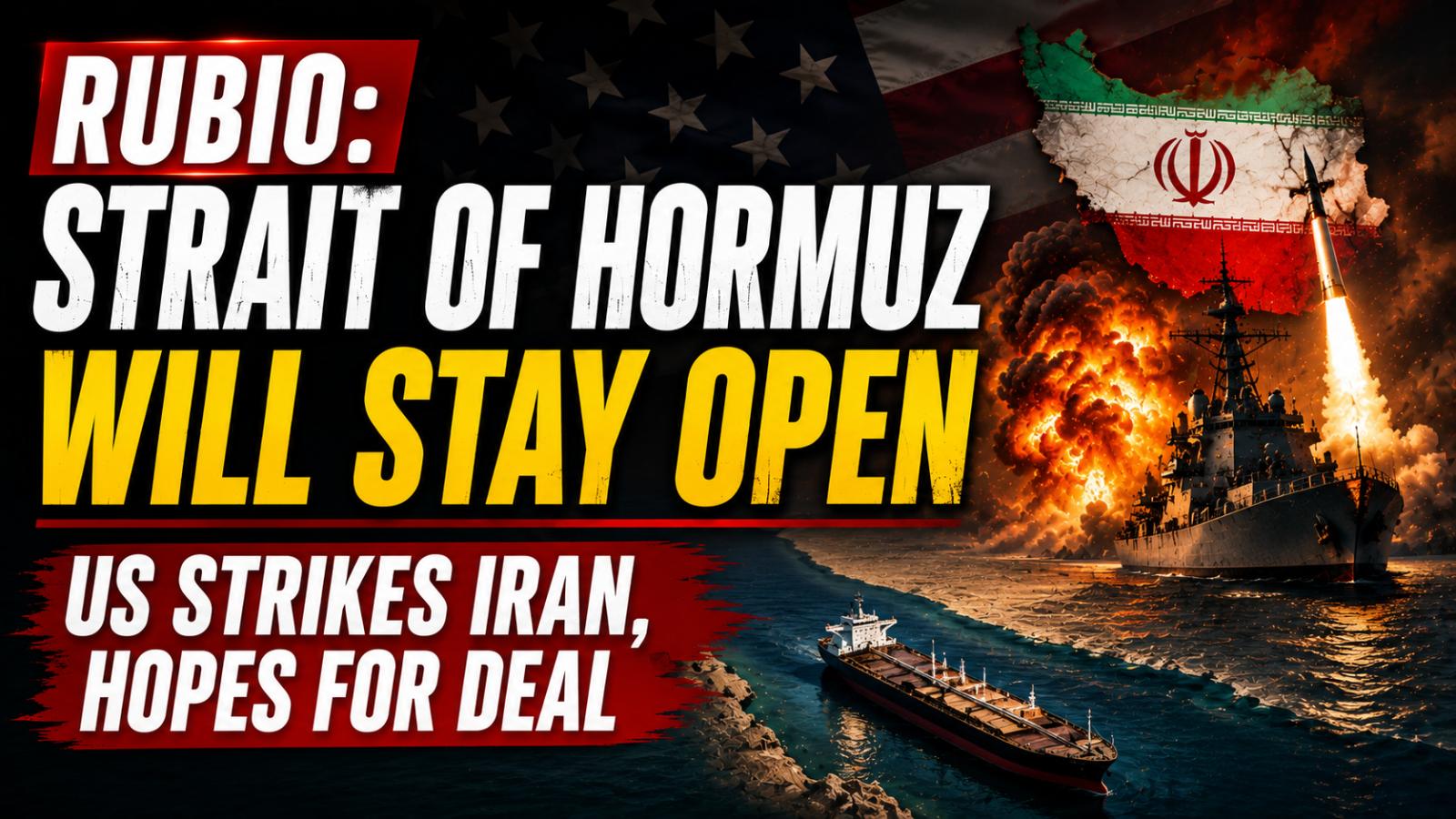
US Secretary of State Marco Rubio, currently visiting India and set to attend the QUAD summit on May 26, addressed the recent US military strikes on Iran. He emphasized the main objective of the United States: to ensure the Strait of Hormuz remains open. Rubio described the blockade as "illegal and unlawful," noting that discussions continue over the language of the potential final deal with Tehran.
Rubio Highlights Diplomatic Efforts
Speaking in Jaipur, India, Rubio noted ongoing talks in Qatar aimed at finalizing the agreement. “There were some talks going on in Qatar today, so we'll see if we can make progress,” he said. Rubio added that President Trump is determined to secure either a beneficial deal or no agreement at all, underscoring the administration’s cautious approach to diplomacy amidst ongoing tensions.
US Strikes and Military Position
The remarks followed self-defense strikes carried out by US forces on May 25, targeting Iranian missile launch sites and boats near the Strait of Hormuz. CENTCOM spokesman Timothy Hawkins confirmed that these actions were aimed at protecting American troops from threats posed by Iranian forces. The strikes occurred while a ceasefire remained in effect, demonstrating the delicate balance between military action and diplomatic engagement.
Context of US-Iran Relations
These strikes mark a continuation of the complex US-Iran relationship, which has included previous conflicts, drone and missile engagements, and blocked international shipping routes. Rubio’s comments reaffirm the administration’s priority to keep strategic waterways accessible while pursuing negotiations with Tehran. The Secretary stressed that the US aims to achieve a resolution through dialogue, ensuring regional security and global maritime stability.
Ongoing Diplomacy and Future Prospects
Rubio indicated that discussions on the initial documents are still underway, emphasizing the back-and-forth nature of the negotiations. The Secretary expressed cautious optimism about achieving a deal, highlighting that the President is committed to a fair and enforceable agreement. The situation remains fluid as US diplomatic channels engage with Iran to prevent further escalation while maintaining strategic control over critical maritime routes.
US Secretary of State Comments on Iran Strikes
US Secretary of State Marco Rubio, currently visiting India and set to attend the QUAD summit on May 26, addressed the recent US military strikes on Iran. He emphasized the main objective of the United States: to ensure the Strait of Hormuz remains open. Rubio described the blockade as "illegal and unlawful," noting that discussions continue over the language of the potential final deal with Tehran.
Rubio Highlights Diplomatic Efforts
Speaking in Jaipur, India, Rubio noted ongoing talks in Qatar aimed at finalizing the agreement. “There were some talks going on in Qatar today, so we'll see if we can make progress,” he said. Rubio added that President Trump is determined to secure either a beneficial deal or no agreement at all, underscoring the administration’s cautious approach to diplomacy amidst ongoing tensions.
US Strikes and Military Position
The remarks followed self-defense strikes carried out by US forces on May 25, targeting Iranian missile launch sites and boats near the Strait of Hormuz. CENTCOM spokesman Timothy Hawkins confirmed that these actions were aimed at protecting American troops from threats posed by Iranian forces. The strikes occurred while a ceasefire remained in effect, demonstrating the delicate balance between military action and diplomatic engagement.
Context of US-Iran Relations
These strikes mark a continuation of the complex US-Iran relationship, which has included previous conflicts, drone and missile engagements, and blocked international shipping routes. Rubio’s comments reaffirm the administration’s priority to keep strategic waterways accessible while pursuing negotiations with Tehran. The Secretary stressed that the US aims to achieve a resolution through dialogue, ensuring regional security and global maritime stability.
Ongoing Diplomacy and Future Prospects
Rubio indicated that discussions on the initial documents are still underway, emphasizing the back-and-forth nature of the negotiations. The Secretary expressed cautious optimism about achieving a deal, highlighting that the President is committed to a fair and enforceable agreement. The situation remains fluid as US diplomatic channels engage with Iran to prevent further escalation while maintaining strategic control over critical maritime routes.
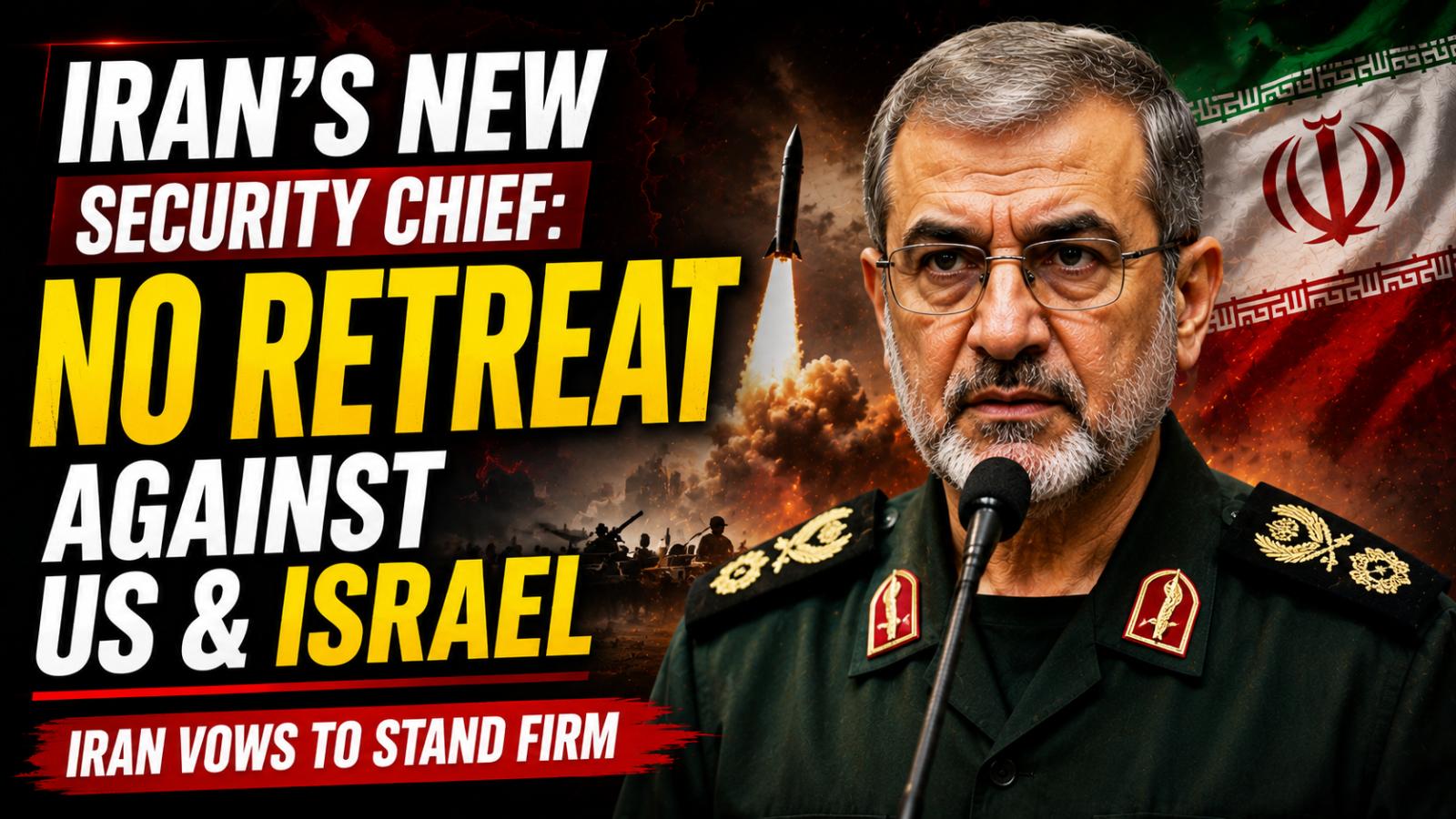
Iran’s New Security Chief Signals Hardline Approach
Mohammad Bagher Zolghadr, recently appointed head of Iran’s Supreme National Security Council, delivered a defiant message in his first public address, asserting that Iran will not back down in its standoff with the United States and Israel. Speaking to a domestic audience, Zolghadr emphasized, “There will be no retreat” in Iran’s fight against t
Iran’s New Security Chief Signals Hardline Approach
Mohammad Bagher Zolghadr, recently appointed head of Iran’s Supreme National Security Council, delivered a defiant message in his first public address, asserting that Iran will not back down in its standoff with the United States and Israel. Speaking to a domestic audience, Zolghadr emphasized, “There will be no retreat” in Iran’s fight against t
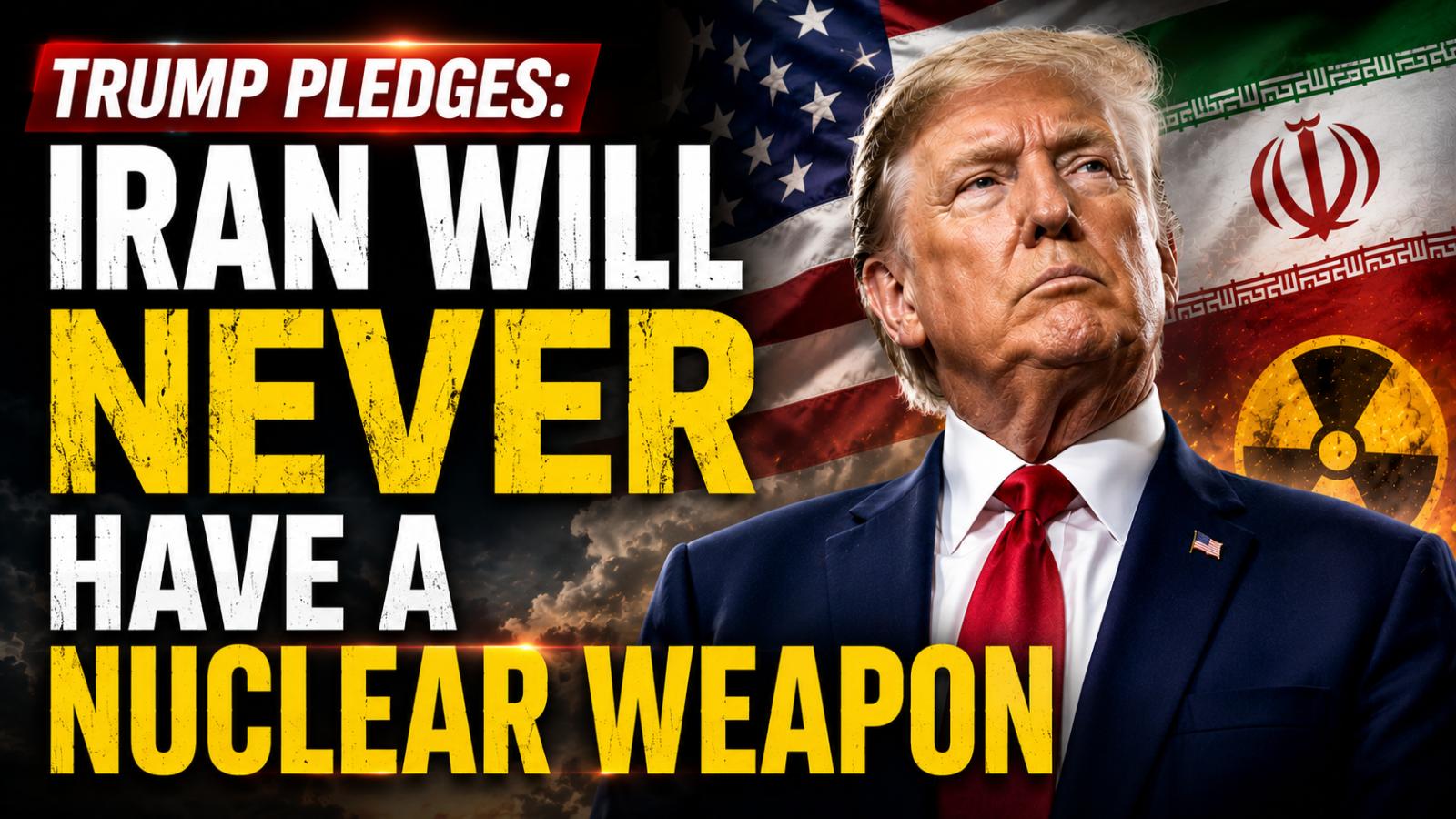
Memorial Day Tribute at Arlington
On Memorial Day, May 25, President Donald Trump paid tribute to the US troops killed during the campaign against Iran while reaffirming that Tehran “will never have a nuclear weapon.” Speaking at Arlington National Cemetery, Trump honored the fallen soldiers of Operation Epic Fury, describing them as “wonderful, special people” who gave their lives to protect global
Memorial Day Tribute at Arlington
On Memorial Day, May 25, President Donald Trump paid tribute to the US troops killed during the campaign against Iran while reaffirming that Tehran “will never have a nuclear weapon.” Speaking at Arlington National Cemetery, Trump honored the fallen soldiers of Operation Epic Fury, describing them as “wonderful, special people” who gave their lives to protect global
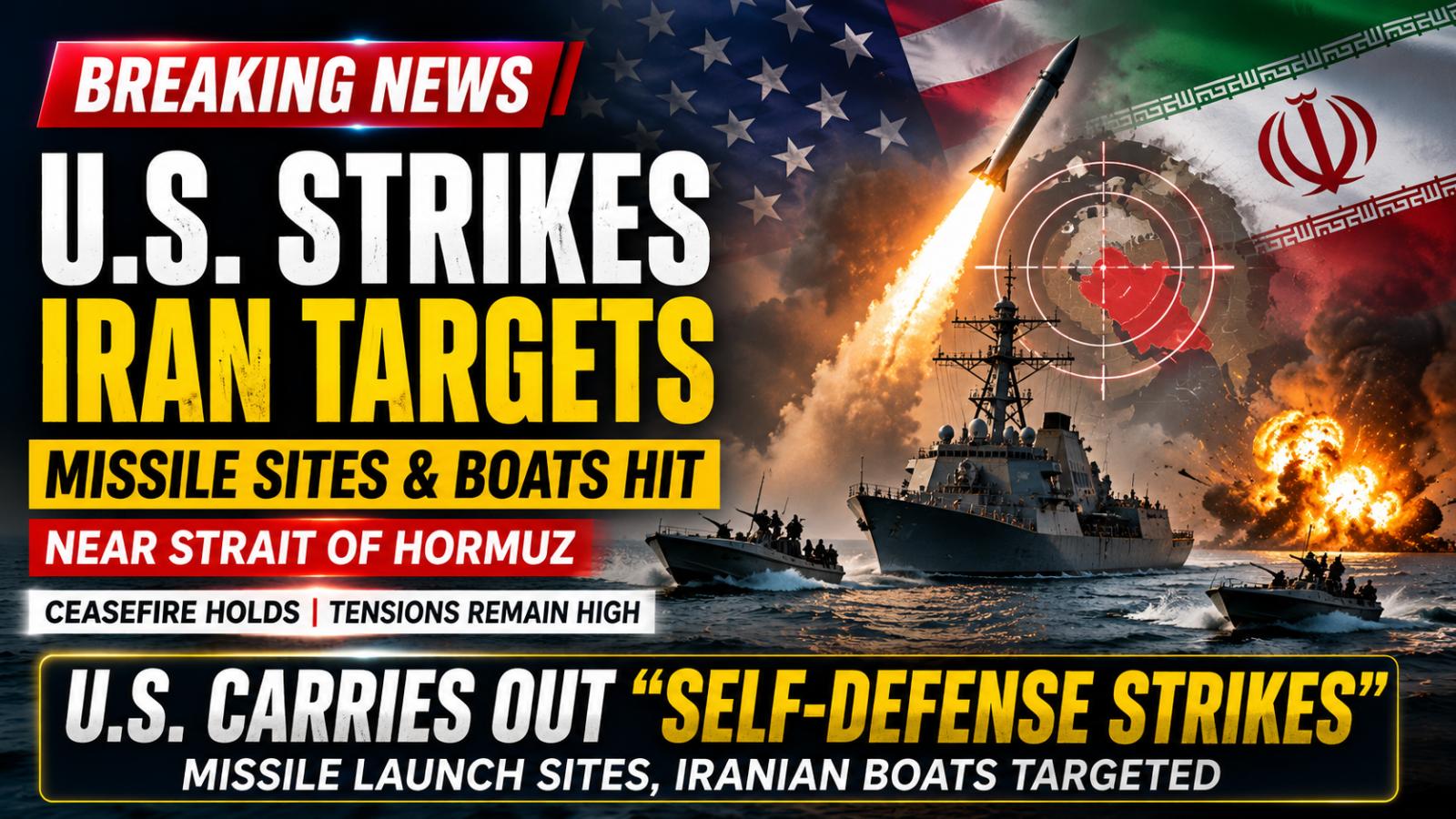
US Military Conducts Strikes on Iranian Targets
The US military carried out “self-defense strikes” on Iranian missile launch sites and naval assets near the Strait of Hormuz on Monday, May 25, while a ceasefire remained in effect. According to US Central Command, the operations aimed to protect American forces from potential threats posed by Iranian military activity. Targets reportedly included missile
US Military Conducts Strikes on Iranian Targets
The US military carried out “self-defense strikes” on Iranian missile launch sites and naval assets near the Strait of Hormuz on Monday, May 25, while a ceasefire remained in effect. According to US Central Command, the operations aimed to protect American forces from potential threats posed by Iranian military activity. Targets reportedly included missile
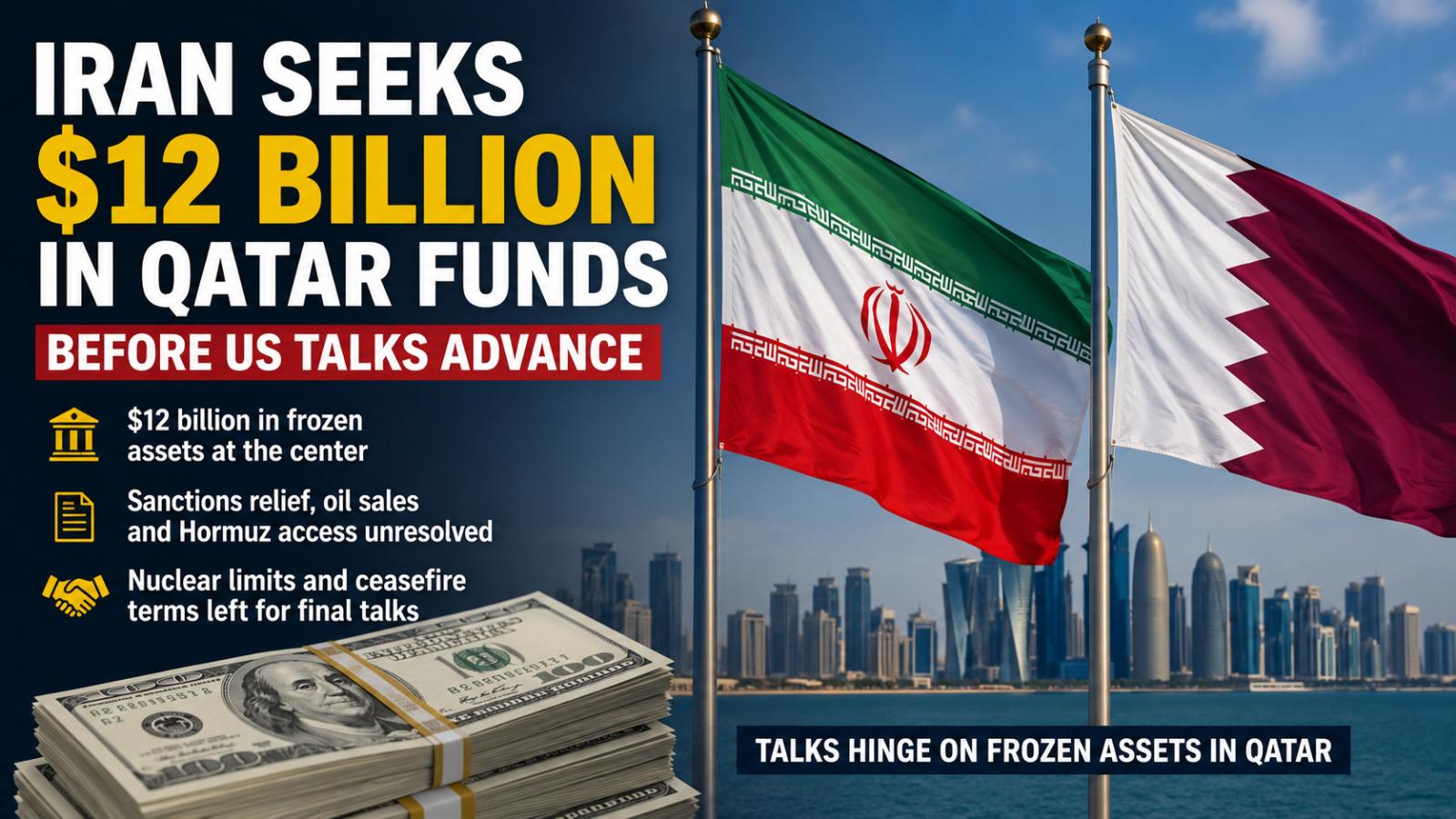
Iran Qatar frozen funds have become a central sticking point in US-Iran talks, with Tehran seeking access to $12 billion held in Qatar before a proposed diplomatic roadmap moves forward.
According to reports citing sources familiar with the discussions, Iran wants the $12 billion released as an initial tranche, not as the full amount it says should eventually be made available under a wider agreement. The funds are linked to Iranian oil-sale revenue that had been mo
Iran Qatar frozen funds have become a central sticking point in US-Iran talks, with Tehran seeking access to $12 billion held in Qatar before a proposed diplomatic roadmap moves forward.
According to reports citing sources familiar with the discussions, Iran wants the $12 billion released as an initial tranche, not as the full amount it says should eventually be made available under a wider agreement. The funds are linked to Iranian oil-sale revenue that had been mo
A Haryana mother-son duo became mayors in the UK within the same week, marking a rare civic milestone for an Indian-origin family in Hertfordshire.
Tushar Kumar, 23, was elected Mayor of Elstree and Borehamwood Town Council at the council’s annual meeting on Wednesday, May 13, 2026. His mother, Parveen Rani, became Mayor of Hertsmere Borough Council on Wednesday, May 20, 2026, according to PTI-based reports. The Elstree and Boreha
A Haryana mother-son duo became mayors in the UK within the same week, marking a rare civic milestone for an Indian-origin family in Hertfordshire.
Tushar Kumar, 23, was elected Mayor of Elstree and Borehamwood Town Council at the council’s annual meeting on Wednesday, May 13, 2026. His mother, Parveen Rani, became Mayor of Hertsmere Borough Council on Wednesday, May 20, 2026, according to PTI-based reports. The Elstree and Boreha
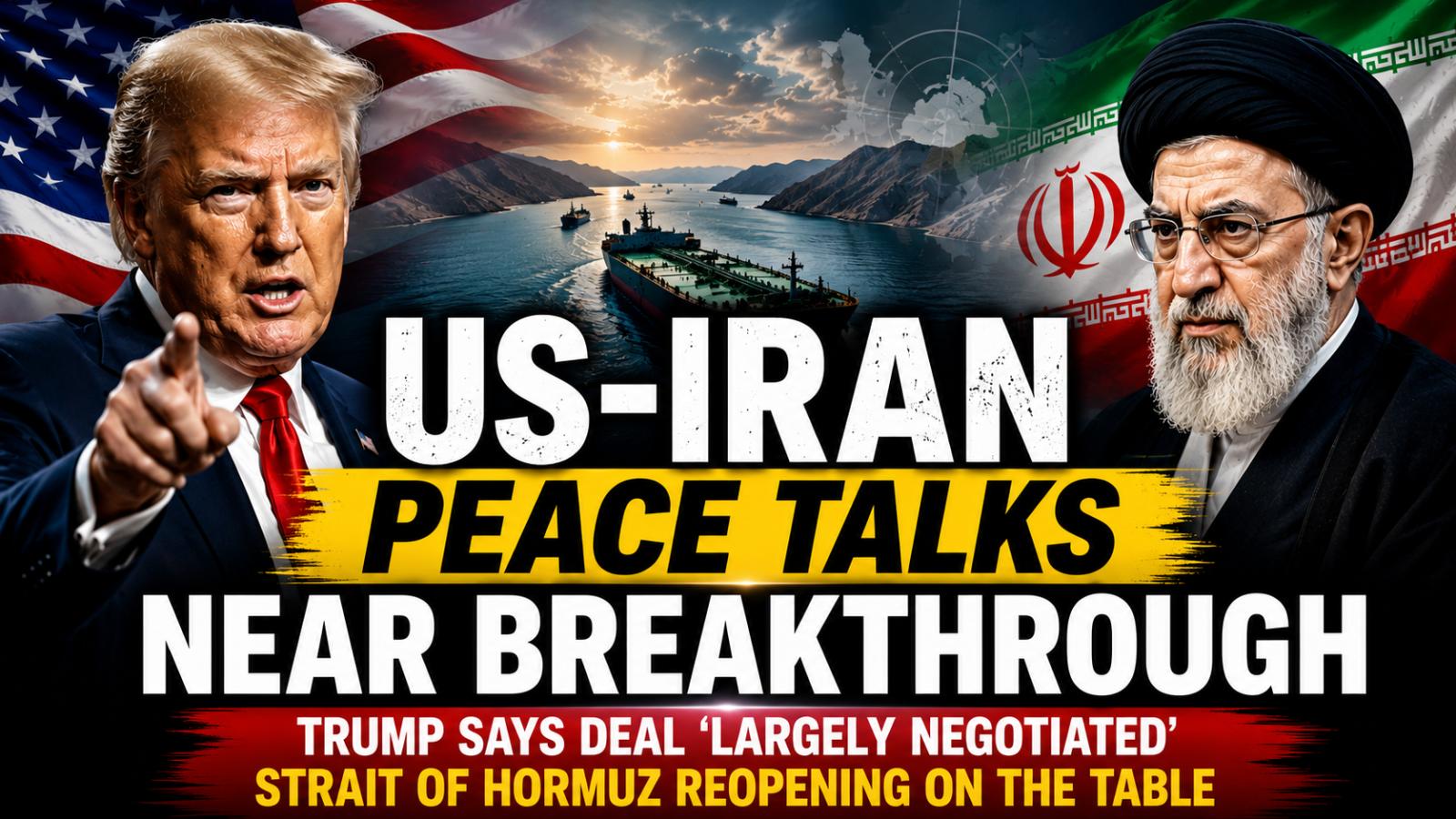
US-Iran peace talks have entered a critical stage after President Donald Trump said a possible agreement with Iran has been “largely negotiated.” The statement, made on Saturday, May 23, 2026, has raised hopes that the three-month-long conflict between the United States and Iran may be moving toward a diplomatic breakthrough. However, the agreement is not final yet, and both sides still appear to have major issues to resolve.
According to Trump, the proposed understanding could
US-Iran peace talks have entered a critical stage after President Donald Trump said a possible agreement with Iran has been “largely negotiated.” The statement, made on Saturday, May 23, 2026, has raised hopes that the three-month-long conflict between the United States and Iran may be moving toward a diplomatic breakthrough. However, the agreement is not final yet, and both sides still appear to have major issues to resolve.
According to Trump, the proposed understanding could
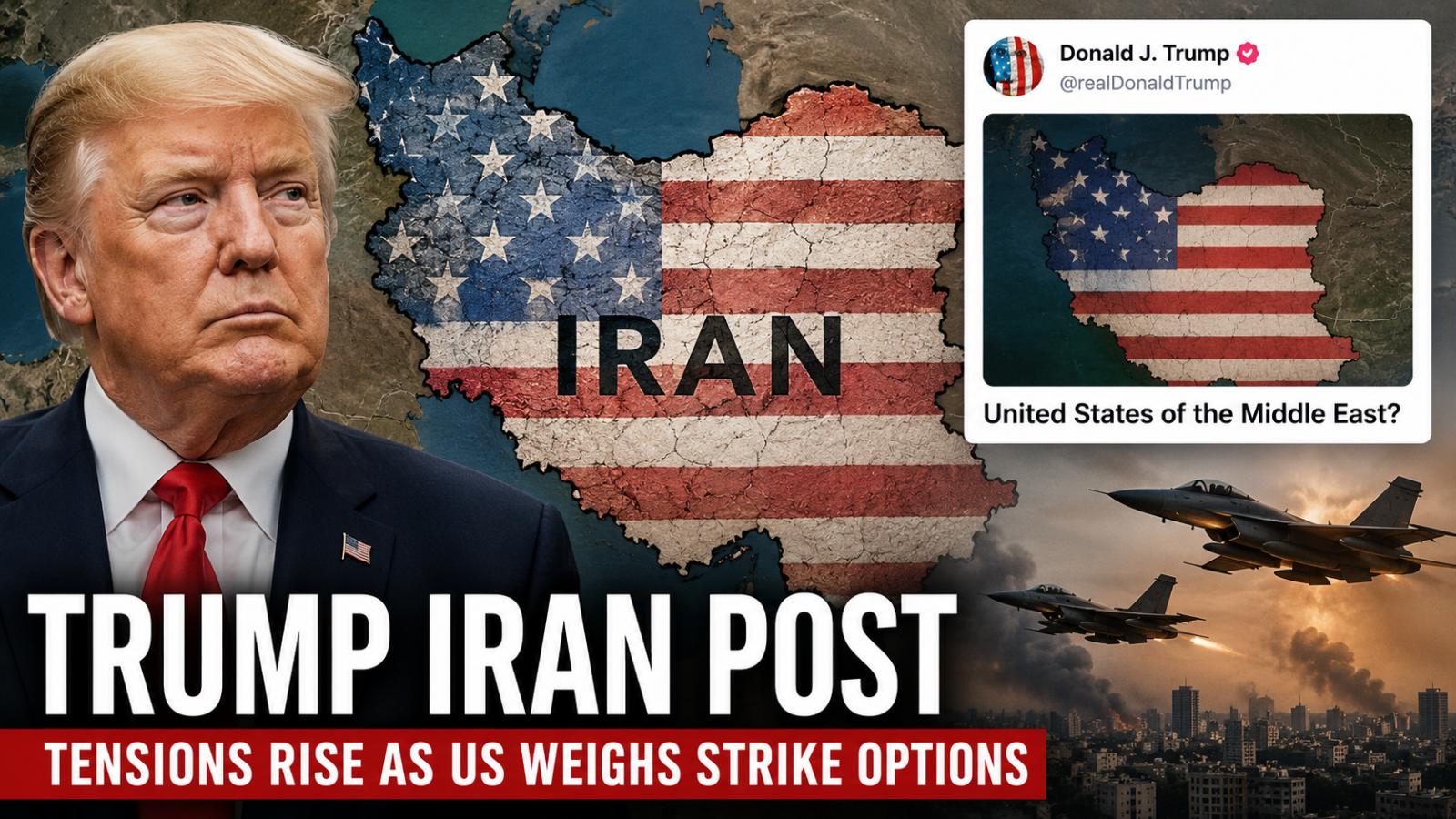
President Donald Trump’s Iran flag post has added new pressure to the widening U.S.-Iran standoff, as Washington reviews military options while regional mediators continue efforts to prevent a broader conflict.
Trump shared an edited image on his social media platform showing Iran covered in the colors of the American flag with the caption, “United States of the Middle East?” The post appeared to signal political pressure on Tehran as U.S. officials discussed possible military
President Donald Trump’s Iran flag post has added new pressure to the widening U.S.-Iran standoff, as Washington reviews military options while regional mediators continue efforts to prevent a broader conflict.
Trump shared an edited image on his social media platform showing Iran covered in the colors of the American flag with the caption, “United States of the Middle East?” The post appeared to signal political pressure on Tehran as U.S. officials discussed possible military
RIAT 2026 Cancelled Amid Iran Tensions
The Royal International Air Tattoo (RIAT), one of the world’s largest military and defence airshows, has been cancelled for 2026 due to ongoing military operations connected to the Iran conflict, organisers confirmed on Friday, May 22,2026. Scheduled for July 17–19 at RAF Fairford in southwest England, the event attracts more than 150,000 visitors annually. The active Royal Air For
RIAT 2026 Cancelled Amid Iran Tensions
The Royal International Air Tattoo (RIAT), one of the world’s largest military and defence airshows, has been cancelled for 2026 due to ongoing military operations connected to the Iran conflict, organisers confirmed on Friday, May 22,2026. Scheduled for July 17–19 at RAF Fairford in southwest England, the event attracts more than 150,000 visitors annually. The active Royal Air For
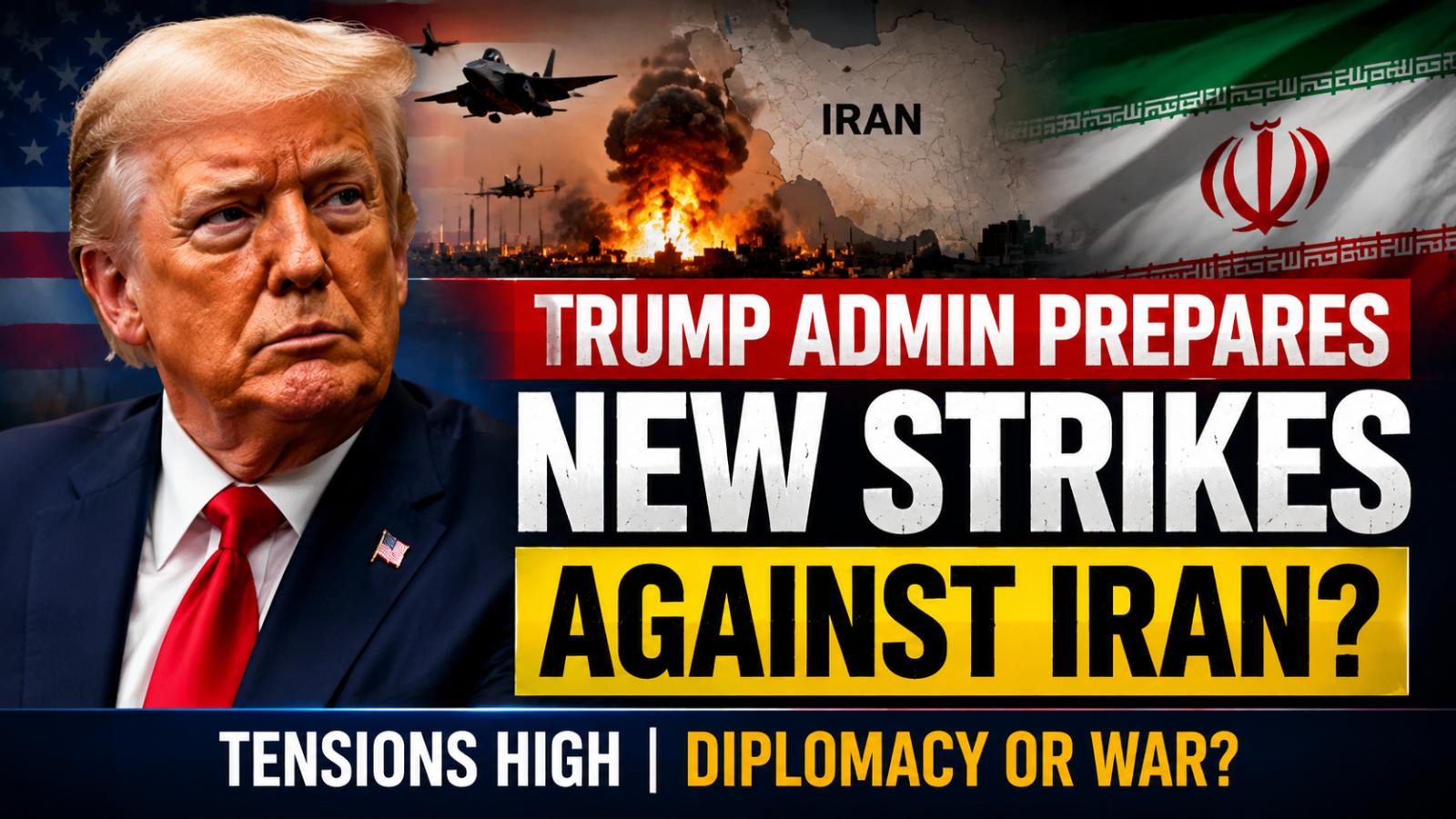
Trump Administration Considers Iran Options
The Trump administration is reportedly preparing for a potential new round of military strikes against Iran, even as diplomatic efforts continue. Officials emphasized that no final decision has been made. President Donald Trump announced changes on Friday, May 22, 2026 to his weekend schedule, citing “circumstances pertaining to Government,” which wi
Trump Administration Considers Iran Options
The Trump administration is reportedly preparing for a potential new round of military strikes against Iran, even as diplomatic efforts continue. Officials emphasized that no final decision has been made. President Donald Trump announced changes on Friday, May 22, 2026 to his weekend schedule, citing “circumstances pertaining to Government,” which wi
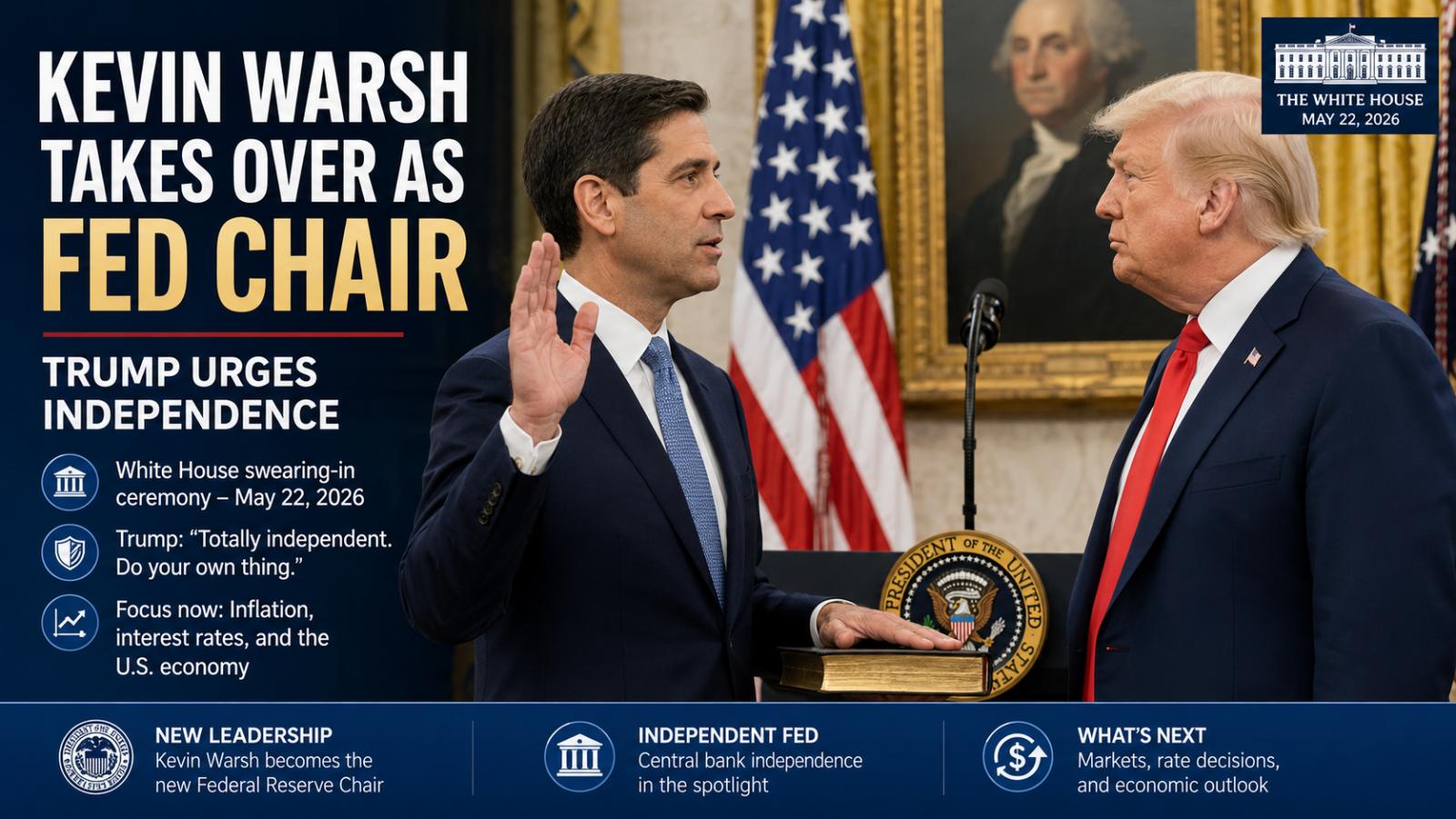
Kevin Warsh took over as Federal Reserve chair at a White House swearing-in ceremony on Friday, May 22, 2026, as President Donald Trump publicly urged him to lead the central bank independently.
The transition places Warsh at the center of a politically sensitive moment for the Federal Reserve, with inflation, interest rates and central bank independence all under close national scrutiny.
Trump Says Warsh Should Lead Without Political Pressure
Kevin Warsh took over as Federal Reserve chair at a White House swearing-in ceremony on Friday, May 22, 2026, as President Donald Trump publicly urged him to lead the central bank independently.
The transition places Warsh at the center of a politically sensitive moment for the Federal Reserve, with inflation, interest rates and central bank independence all under close national scrutiny.
Trump Says Warsh Should Lead Without Political Pressure
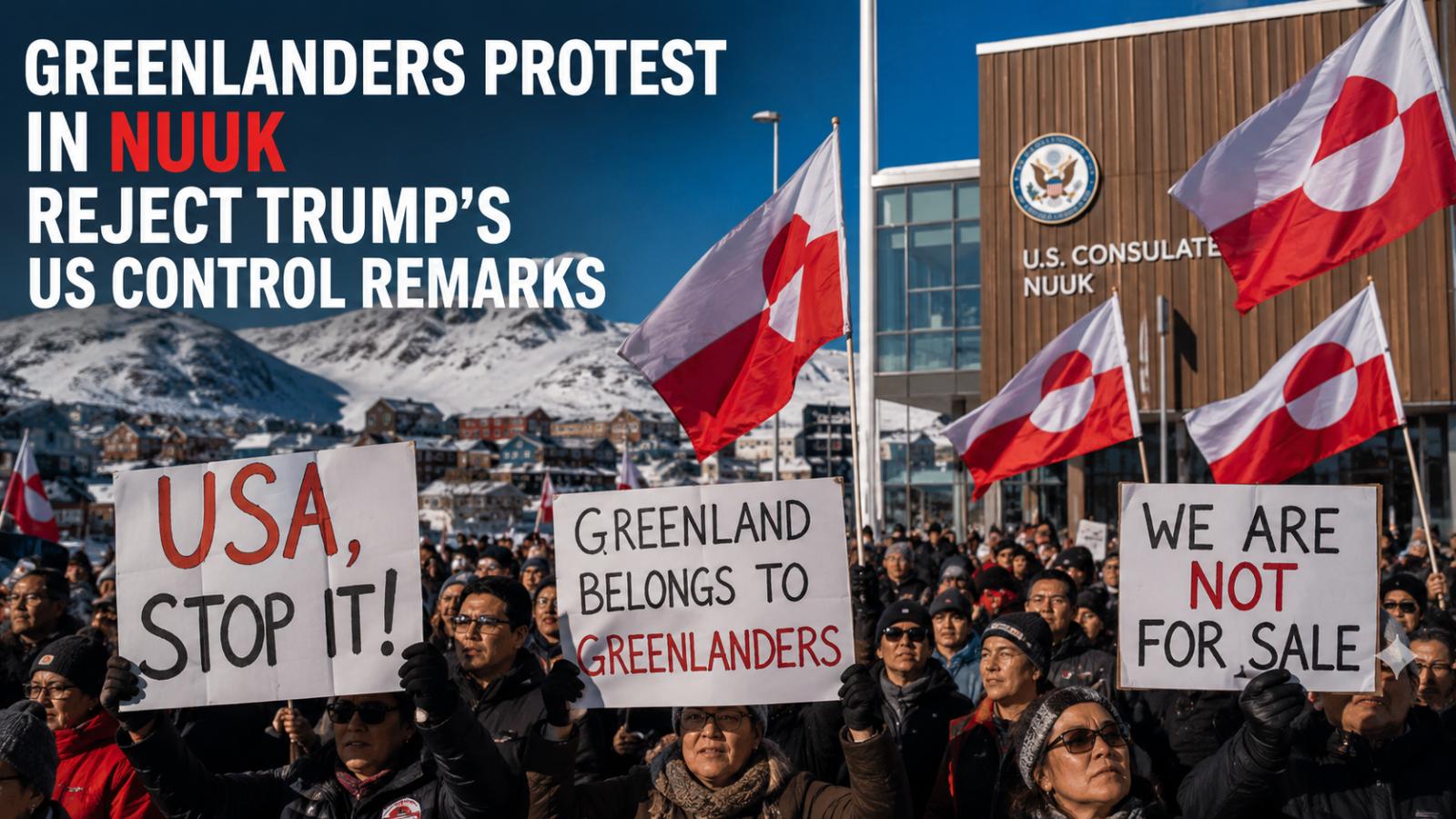
A Greenland protest in Nuuk drew several hundred people on Thursday, May 21, 2026, as residents opposed President Donald Trump’s repeated remarks about greater U.S. control over the Arctic island.
The demonstration took place as the United States opened a larger consulate office in downtown Nuuk, moving from a smaller building on the outskirts of the capital. For many Greenlanders, the new diplomatic space became a symbol of Washington’s growing interest in the
A Greenland protest in Nuuk drew several hundred people on Thursday, May 21, 2026, as residents opposed President Donald Trump’s repeated remarks about greater U.S. control over the Arctic island.
The demonstration took place as the United States opened a larger consulate office in downtown Nuuk, moving from a smaller building on the outskirts of the capital. For many Greenlanders, the new diplomatic space became a symbol of Washington’s growing interest in the
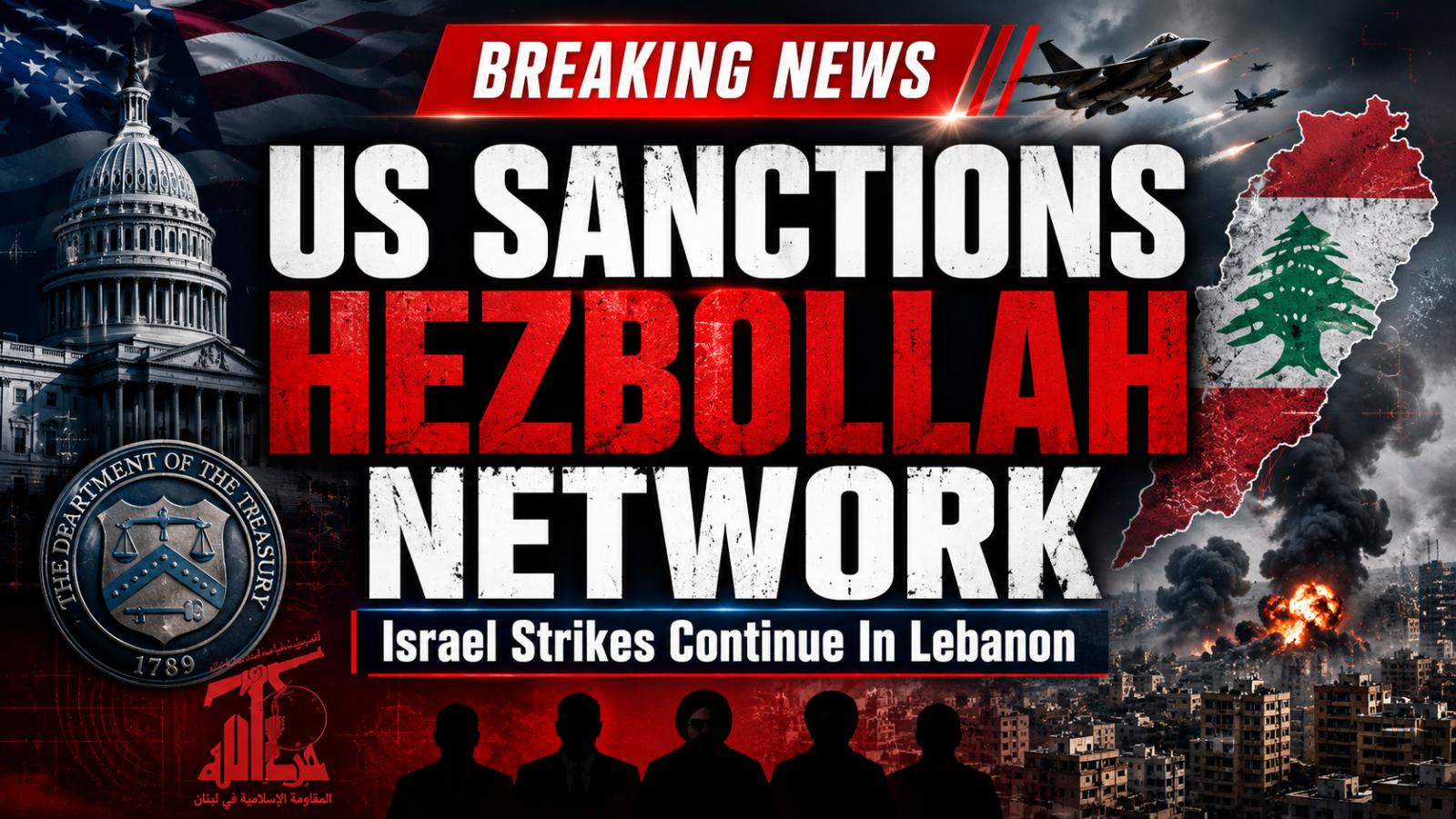
US Targets Hezbollah-Linked Figures
The United States imposed sanctions on nine individuals linked to Hezbollah on Thursday,May 21,2026 accusing them of obstructing the peace process in Lebanon as Israeli airstrikes continued in the country’s south despite an active ceasefire. US officials said Hezbollah must be fully disarmed and accused the group’s network of enabling violence while undermining efforts toward lasting
US Targets Hezbollah-Linked Figures
The United States imposed sanctions on nine individuals linked to Hezbollah on Thursday,May 21,2026 accusing them of obstructing the peace process in Lebanon as Israeli airstrikes continued in the country’s south despite an active ceasefire. US officials said Hezbollah must be fully disarmed and accused the group’s network of enabling violence while undermining efforts toward lasting
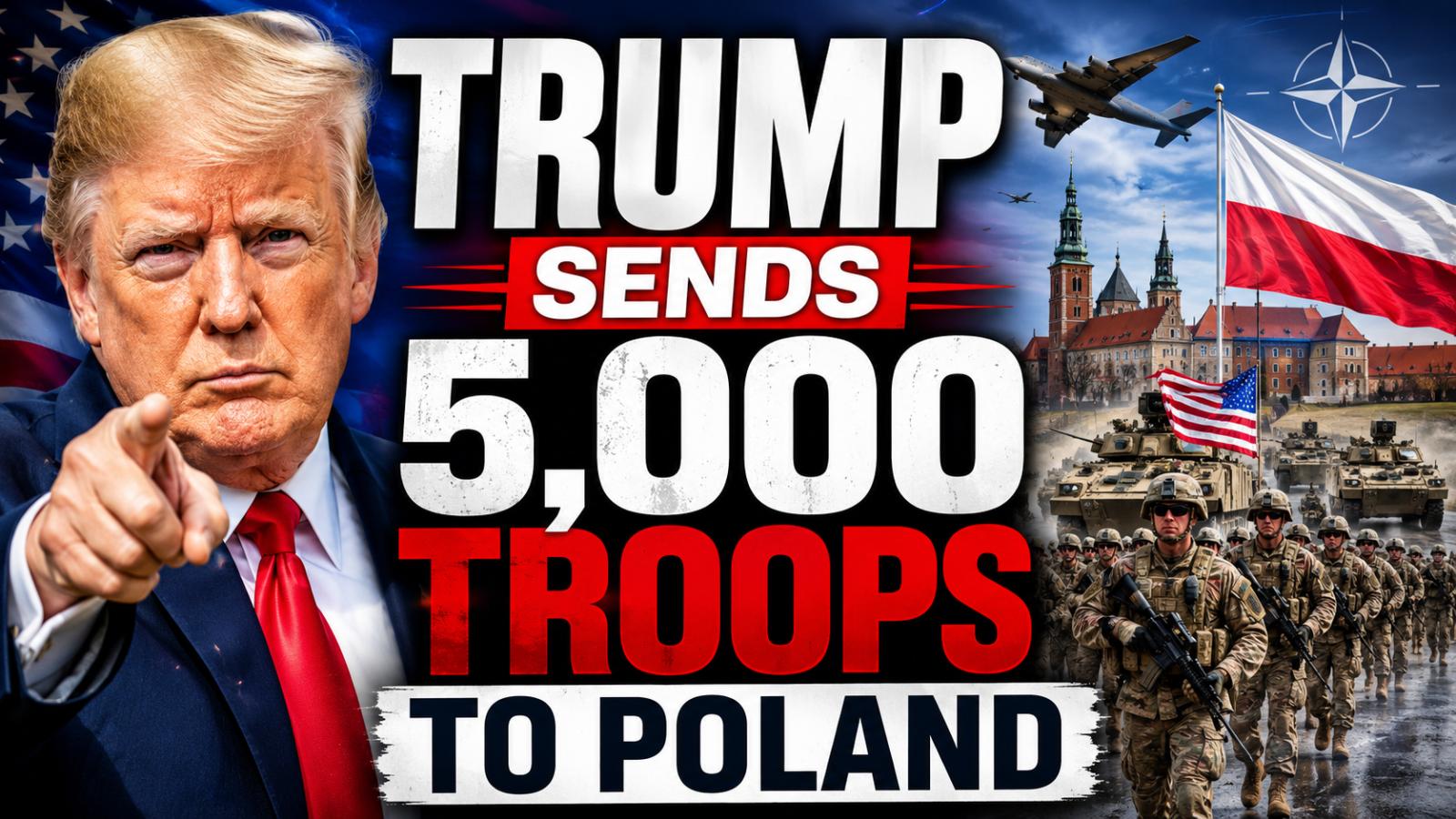
Trump Announces New Poland Troop Deployment
US President Donald Trump said Thursday,May 21,2026 that the United States will deploy 5,000 additional troops to Poland, reversing earlier indications that a planned deployment had been canceled. Trump announced the decision on Truth Social and said it was influenced by his relationship with Polish President Karol Nawrocki, a nationalist ally whom he supported during last year’
Trump Announces New Poland Troop Deployment
US President Donald Trump said Thursday,May 21,2026 that the United States will deploy 5,000 additional troops to Poland, reversing earlier indications that a planned deployment had been canceled. Trump announced the decision on Truth Social and said it was influenced by his relationship with Polish President Karol Nawrocki, a nationalist ally whom he supported during last year’
Prince William’s Nansledan visit on Thursday, May 21, 2026, focused on the Duchy of Cornwall’s expanding role in housing, local business and sustainable development.
The Prince of Wales, known as the Duke of Cornwall while in the region, reviewed progress at Nansledan, the Duchy-backed community development in Cornwall, and toured plans for its upcoming Market Street.
Prince William Nansledan Visit Focuses on Market Street
Market Street is
Prince William’s Nansledan visit on Thursday, May 21, 2026, focused on the Duchy of Cornwall’s expanding role in housing, local business and sustainable development.
The Prince of Wales, known as the Duke of Cornwall while in the region, reviewed progress at Nansledan, the Duchy-backed community development in Cornwall, and toured plans for its upcoming Market Street.
Prince William Nansledan Visit Focuses on Market Street
Market Street is
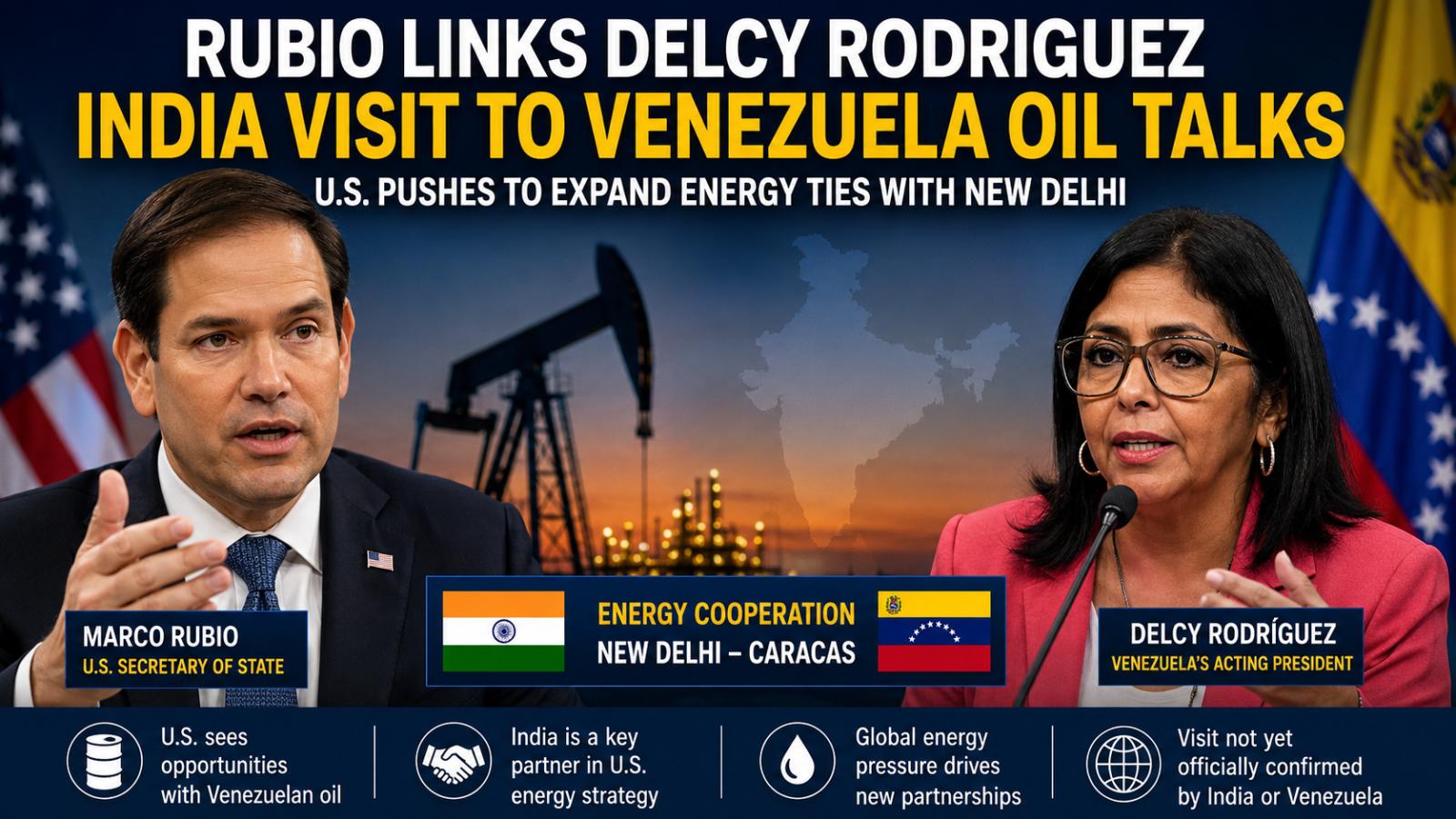
Rubio linked the expected Delcy Rodriguez India visit to possible Venezuela oil discussions as Washington pushes to expand energy cooperation with New Delhi.
US Secretary of State Marco Rubio said on Thursday, May 21, 2026, that Venezuela’s acting President Delcy Rodriguez was expected to travel to India the following week. Speaking before his own India visit from Saturday, May 23, 2026, to Tuesday, May 26, 2026, Rubio said the United States wanted a larger role i
Rubio linked the expected Delcy Rodriguez India visit to possible Venezuela oil discussions as Washington pushes to expand energy cooperation with New Delhi.
US Secretary of State Marco Rubio said on Thursday, May 21, 2026, that Venezuela’s acting President Delcy Rodriguez was expected to travel to India the following week. Speaking before his own India visit from Saturday, May 23, 2026, to Tuesday, May 26, 2026, Rubio said the United States wanted a larger role i
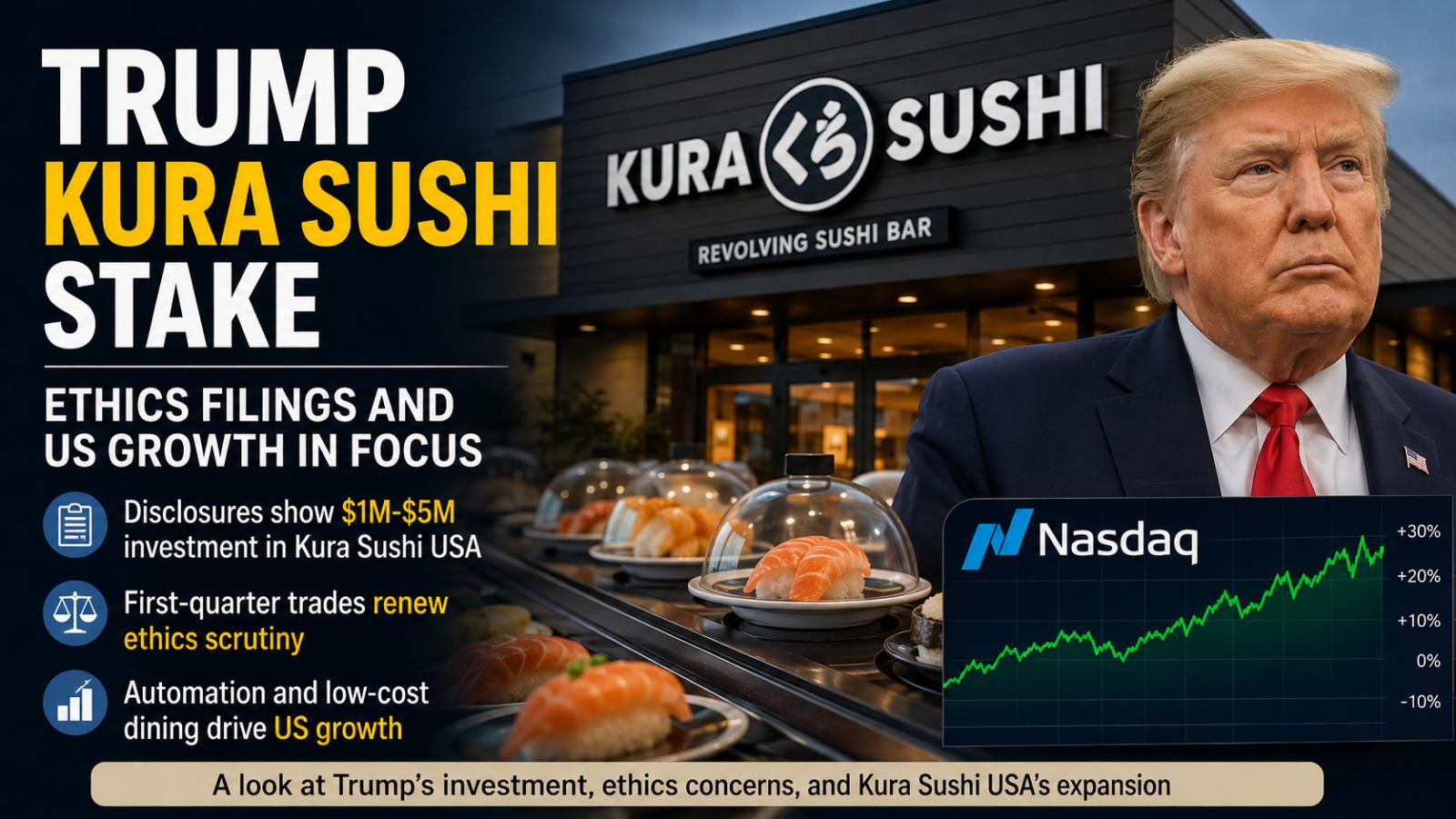
President Donald Trump’s Kura Sushi USA stake is drawing attention after federal ethics filings showed a February 2, 2026 purchase valued between $1 million and $5 million, linking the president’s portfolio to a fast-growing US conveyor-belt sushi chain.
The filing has renewed questions over Trump’s stock trading because it came alongside thousands of first-quarter transactions involving major companies, including Nvidia, Apple, Amazon, Microsoft and Boeing. R
President Donald Trump’s Kura Sushi USA stake is drawing attention after federal ethics filings showed a February 2, 2026 purchase valued between $1 million and $5 million, linking the president’s portfolio to a fast-growing US conveyor-belt sushi chain.
The filing has renewed questions over Trump’s stock trading because it came alongside thousands of first-quarter transactions involving major companies, including Nvidia, Apple, Amazon, Microsoft and Boeing. R