


















#oil-tanker
Strait of Hormuz Tanker Attack Raises Tensions as US Sends Carrier
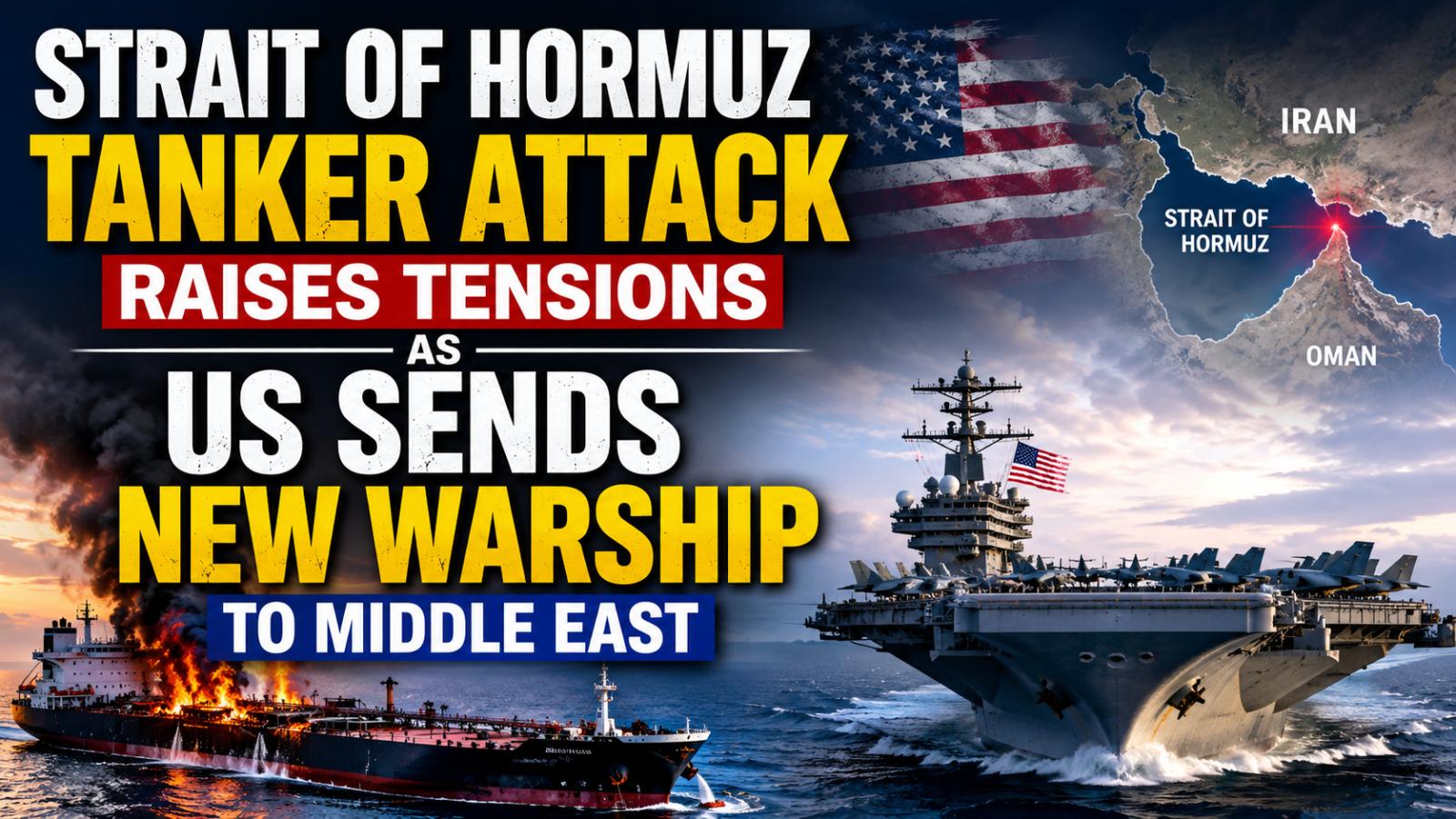
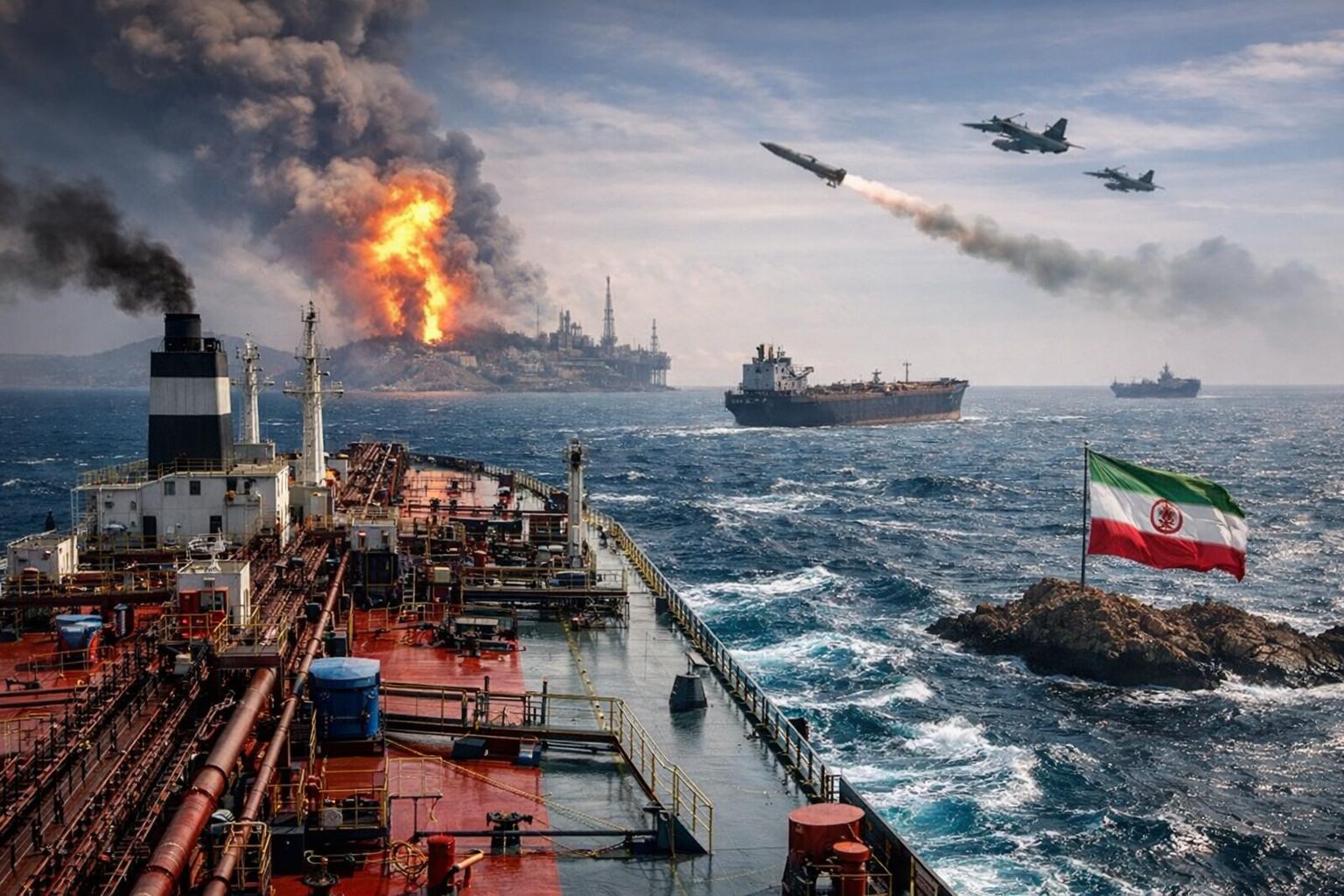
Tensions in the Strait of Hormuz have intensified after another commercial tanker was struck while moving through the strategic waterway, as the United States prepares to deploy an additional aircraft carrier strike group to the Middle East. The latest incident has added to concerns over the safety of commercial shipping between Iran and Oman. The vessel reportedly caught fire after being hit, but the crew was said to be safe. Responsibility for the attack has not been independently
Strait of Hormuz Tanker Attack Raises Tensions as US Sends Carrier
Tensions in the Strait of Hormuz have intensified after another commercial tanker was struck while moving through the strategic waterway, as the United States prepares to deploy an additional aircraft carrier strike group to the Middle East. The latest incident has added to concerns over the safety of commercial shipping between Iran and Oman. The vessel reportedly caught fire after being hit, but the crew was said to be safe. Responsibility for the attack has not been independently
Trump Claims US Control of Strait of Hormuz as Oil Flows Rise
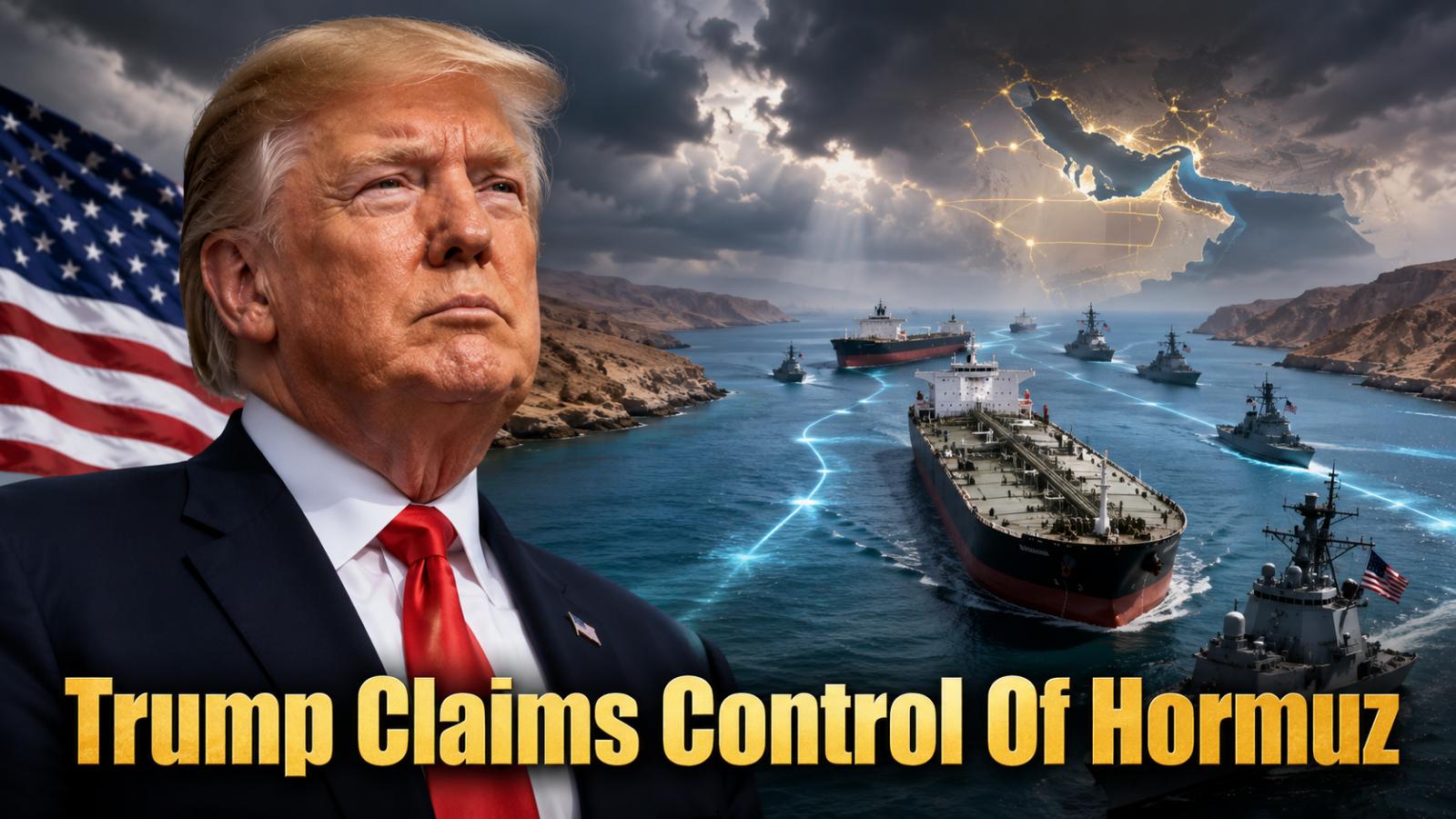
President Donald Trump has renewed his US Hormuz control claim, saying Washington has “complete control” of the Strait of Hormuz as more oil tankers move through the strategic waterway. Shipping remains well below normal levels, however, while Iran continues to dispute American claims of control. Trump Hormuz claim Trump told reporters on Wednesday that a large number of vessels had recentl
Trump Claims US Control of Strait of Hormuz as Oil Flows Rise
President Donald Trump has renewed his US Hormuz control claim, saying Washington has “complete control” of the Strait of Hormuz as more oil tankers move through the strategic waterway. Shipping remains well below normal levels, however, while Iran continues to dispute American claims of control. Trump Hormuz claim Trump told reporters on Wednesday that a large number of vessels had recentl
US Strikes Near Iran Hospital Force Patient Evacuation
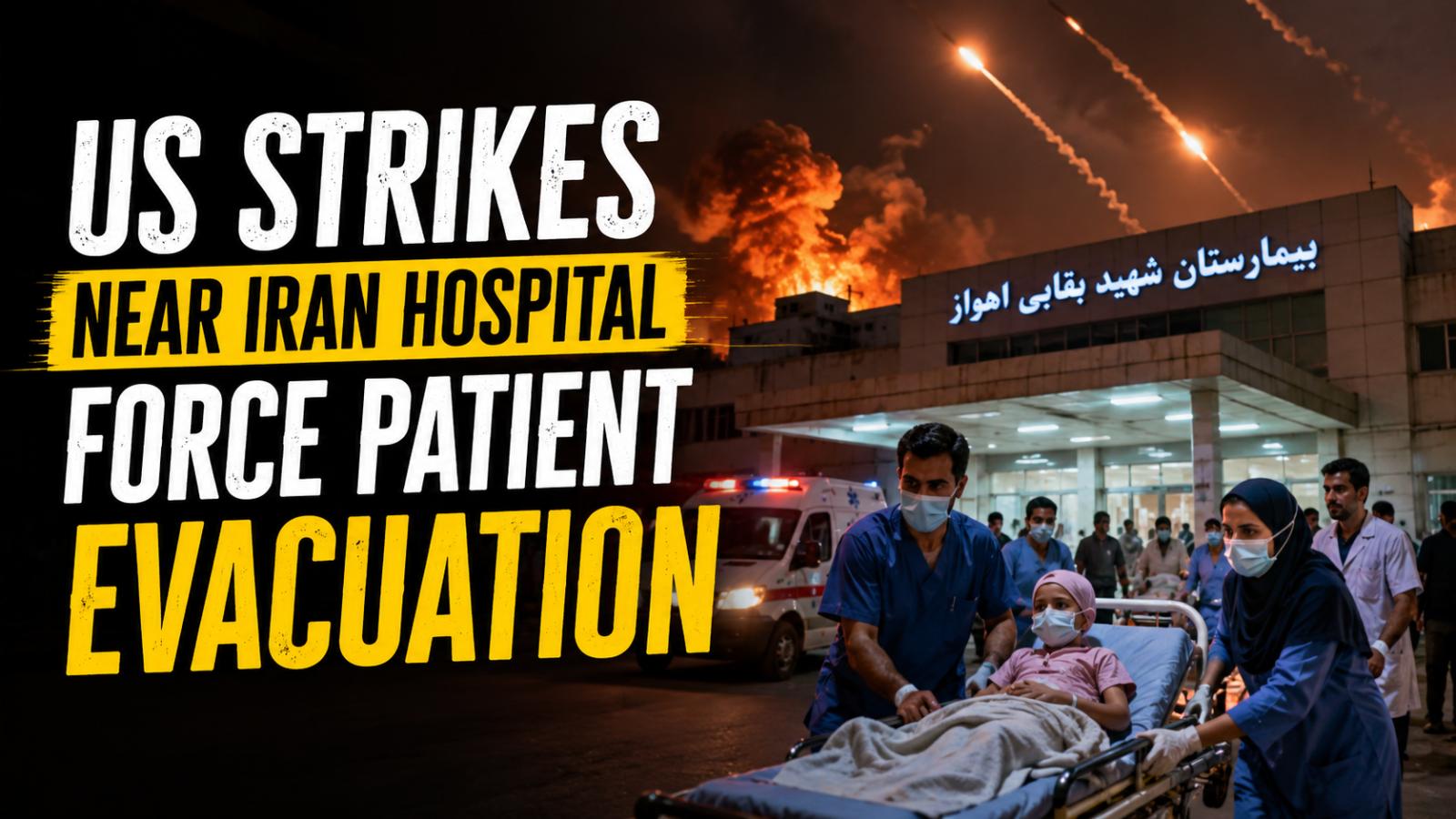
Patients, including children receiving cancer treatment, were evacuated from a hospital in southwestern Iran on Thursday after missiles reportedly struck nearby. Iranian state media said the explosions near Shahid Baghaei Hospital in Ahvaz forced staff to move vulnerable patients as fresh US strikes intensified the conflict. Ahvaz Hospital Evacuation Iran’s Mehr news agency reported that missiles hit the area
US Strikes Near Iran Hospital Force Patient Evacuation
Patients, including children receiving cancer treatment, were evacuated from a hospital in southwestern Iran on Thursday after missiles reportedly struck nearby. Iranian state media said the explosions near Shahid Baghaei Hospital in Ahvaz forced staff to move vulnerable patients as fresh US strikes intensified the conflict. Ahvaz Hospital Evacuation Iran’s Mehr news agency reported that missiles hit the area
Iran oil sanctions return as US ends crude licence
US ends Iran oil authorisation The United States has revoked a temporary licence that had allowed certain transactions involving Iranian-origin crude oil, petroleum products and petrochemical products, tightening pressure on Tehran after tanker attacks near the Strait of Hormuz. A US official said Iran’s actions in the strategic waterway were “wholly unacceptable??
Iran oil sanctions return as US ends crude licence
US ends Iran oil authorisation The United States has revoked a temporary licence that had allowed certain transactions involving Iranian-origin crude oil, petroleum products and petrochemical products, tightening pressure on Tehran after tanker attacks near the Strait of Hormuz. A US official said Iran’s actions in the strategic waterway were “wholly unacceptable??
Strait of Hormuz tensions rise after renewed ship attacks
Tensions around the Strait of Hormuz have increased again after a mix of political remarks and renewed security incidents in the Gulf region. The strategic waterway, which carries a significant share of global oil shipments, has once again become a focal point as diplomatic relations between the United States and Iran remain unstable. Recent political commentary from US circles, including remarks linked to Hunter Biden on social media, has add
Strait of Hormuz tensions rise after renewed ship attacks
Tensions around the Strait of Hormuz have increased again after a mix of political remarks and renewed security incidents in the Gulf region. The strategic waterway, which carries a significant share of global oil shipments, has once again become a focal point as diplomatic relations between the United States and Iran remain unstable. Recent political commentary from US circles, including remarks linked to Hunter Biden on social media, has add
Bahrain Says Iranian Drones Targeted Island as Tanker Hit in Hormuz
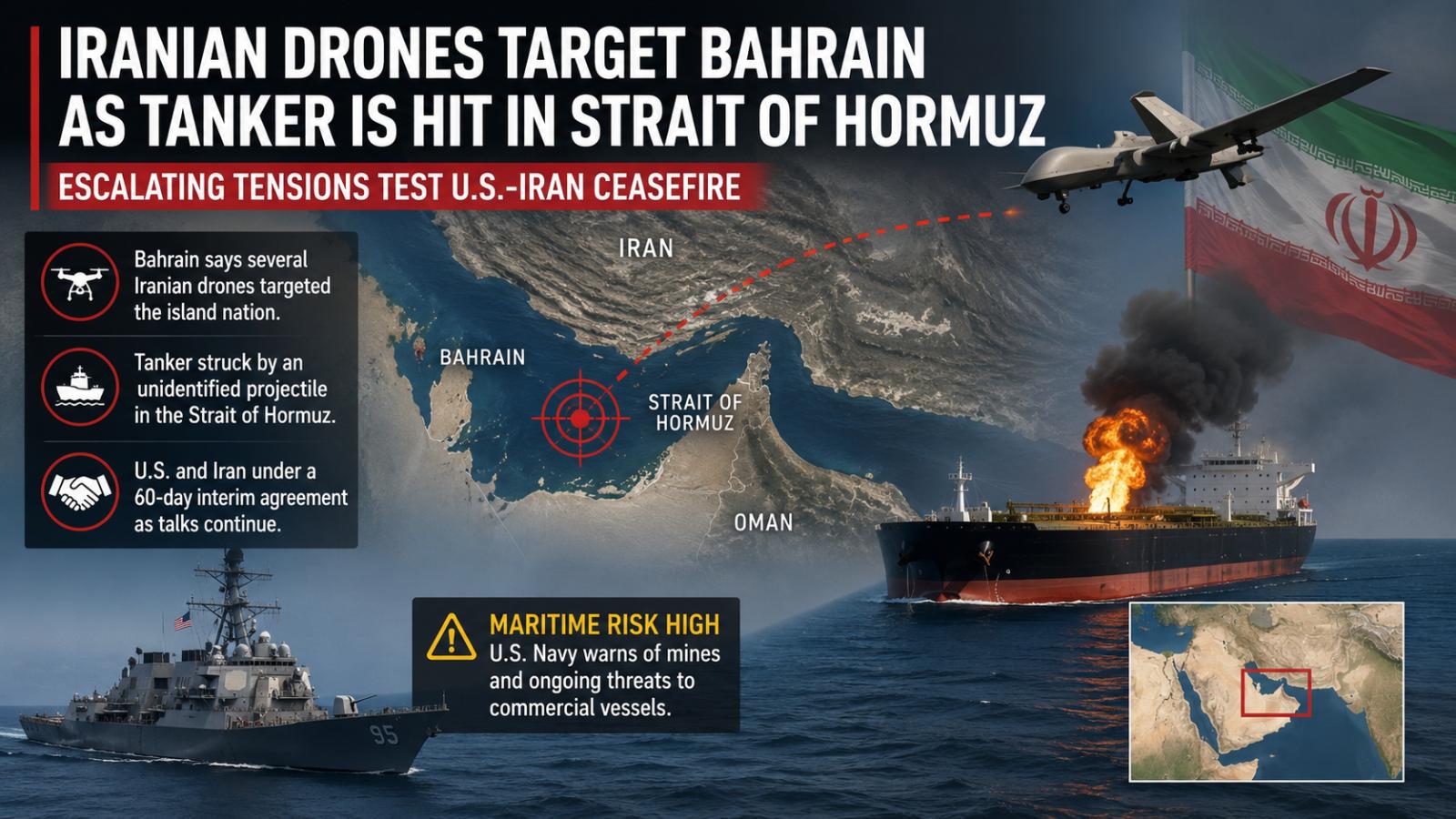
DUBAI, United Arab Emirates — Bahrain said Iranian drones targeted the island nation on Saturday, June 27, 2026, while a tanker was struck by an unidentified projectile in the Strait of Hormuz, adding pressure to a fragile U.S.-Iran ceasefire. The incidents followed overnight U.S. airstrikes on Iranian missile and drone facilities and coastal radar sites. U.S. Central Command said the strikes followed an Iranian drone attack on a container ship attempting to leave the strait.
Bahrain Says Iranian Drones Targeted Island as Tanker Hit in Hormuz
DUBAI, United Arab Emirates — Bahrain said Iranian drones targeted the island nation on Saturday, June 27, 2026, while a tanker was struck by an unidentified projectile in the Strait of Hormuz, adding pressure to a fragile U.S.-Iran ceasefire. The incidents followed overnight U.S. airstrikes on Iranian missile and drone facilities and coastal radar sites. U.S. Central Command said the strikes followed an Iranian drone attack on a container ship attempting to leave the strait.
Iran Oil Shipments Keep Moving Despite US Sanctions, Data Shows
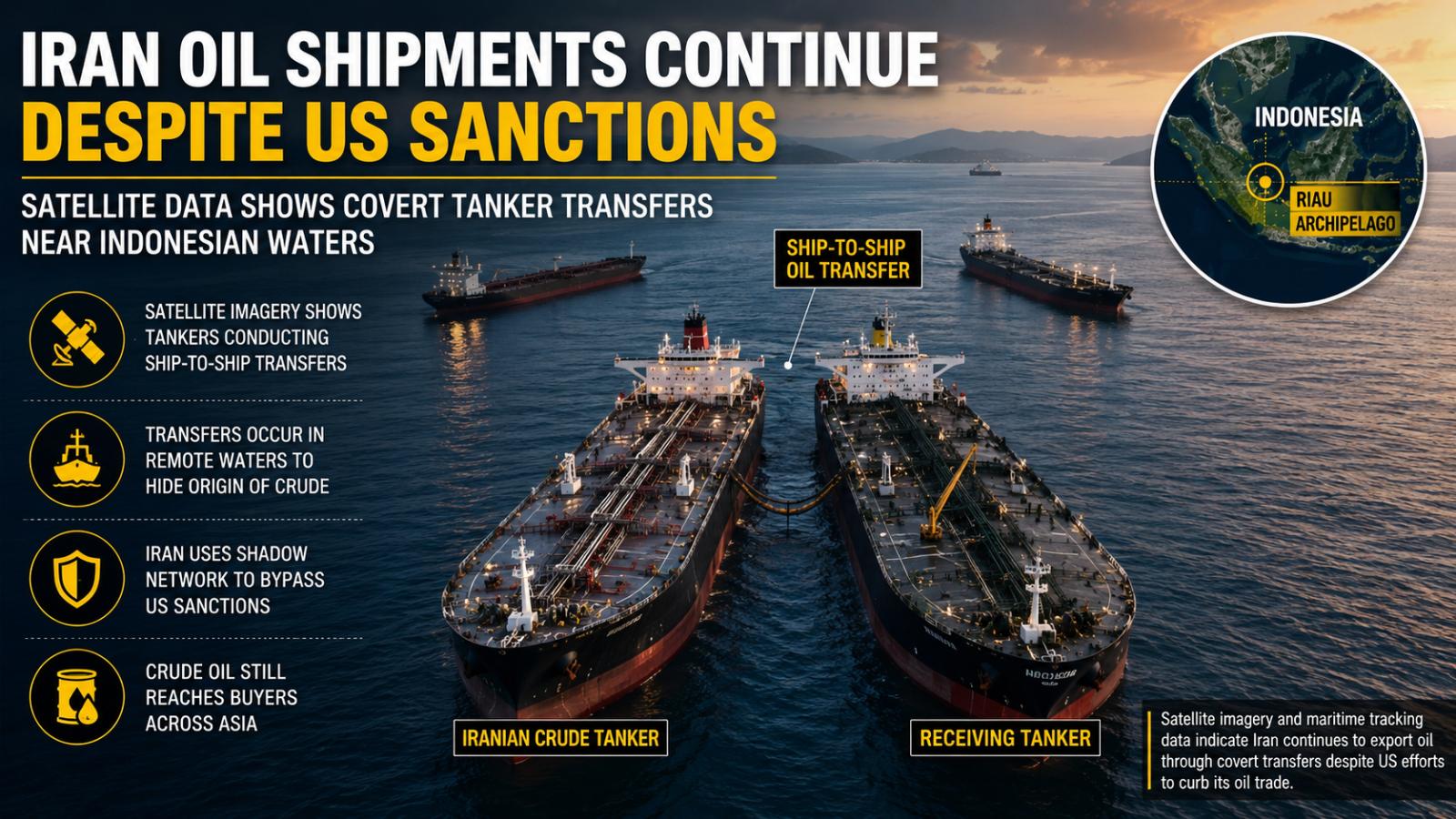
Iran oil shipments are continuing despite tighter U.S. sanctions, with satellite imagery and maritime tracking data suggesting Tehran is still moving crude through covert sea transfers. The findings point to an active shadow shipping network that allows Iranian oil to reach buyers in Asia even as Washington works to restrict crude exports from the Persian Gulf. Satellite Data Points To Covert Tanker Transfers Maritime tracking records and satel
Iran Oil Shipments Keep Moving Despite US Sanctions, Data Shows
Iran oil shipments are continuing despite tighter U.S. sanctions, with satellite imagery and maritime tracking data suggesting Tehran is still moving crude through covert sea transfers. The findings point to an active shadow shipping network that allows Iranian oil to reach buyers in Asia even as Washington works to restrict crude exports from the Persian Gulf. Satellite Data Points To Covert Tanker Transfers Maritime tracking records and satel
Chinese Tanker Attack Near Strait of Hormuz Sparks Oil Route Alarm Amid Iran-US Tensions
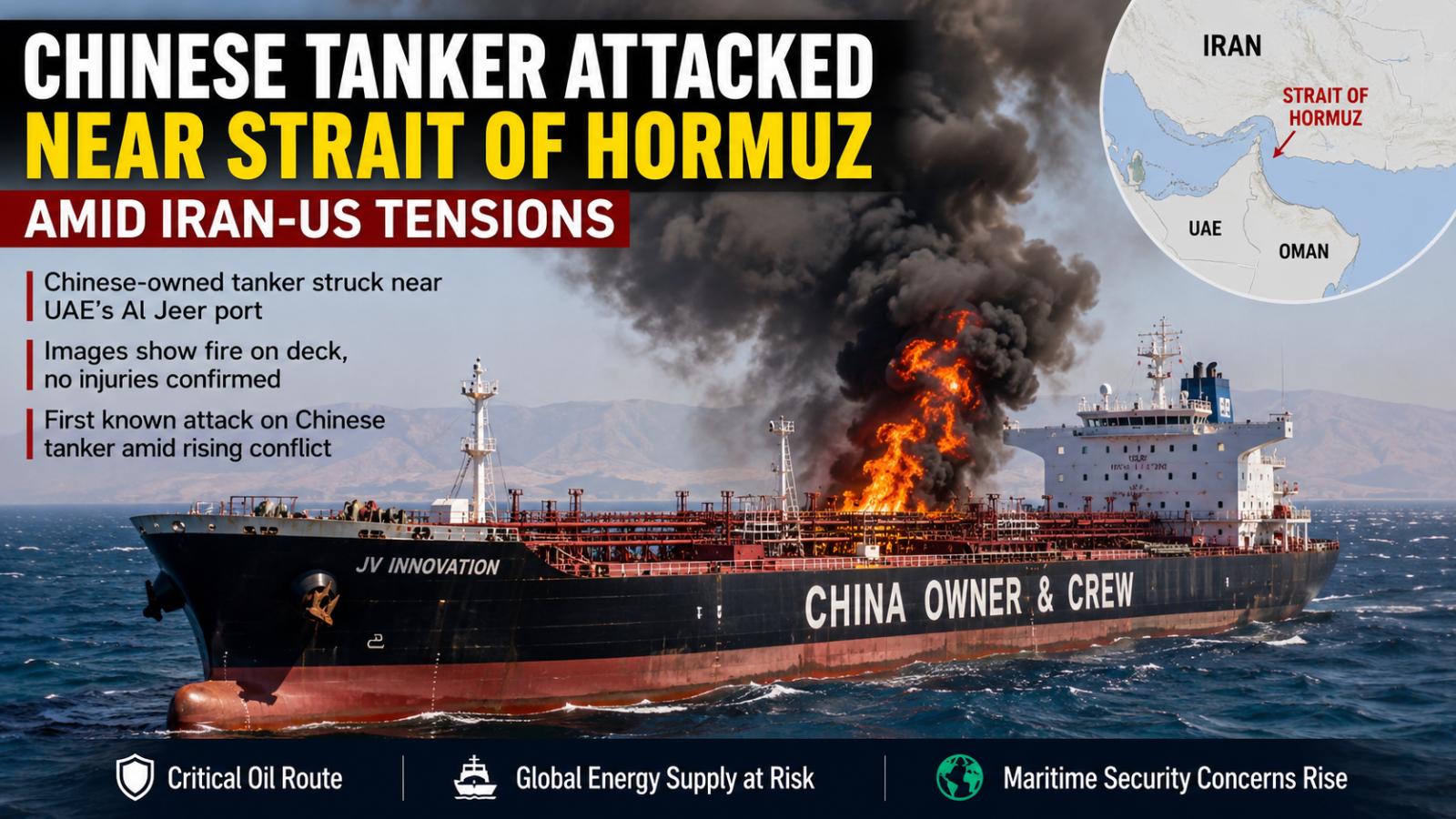
Chinese Tanker Attack Near Strait of Hormuz Raises Global Oil Fears A Chinese-owned oil tanker was attacked near the Strait of Hormuz, intensifying fears over oil shipping safety as Iran-US tensions deepen across Gulf waters. The vessel, identified in reports as JV Innovation, was reportedly hit off UAE’s Al Jeer port on May 4, with images showing flames on deck and markings reading “CHINA OWNER & CREW.”
Chinese Tanker Attack Near Strait of Hormuz Sparks Oil Route Alarm Amid Iran-US Tensions
Chinese Tanker Attack Near Strait of Hormuz Raises Global Oil Fears A Chinese-owned oil tanker was attacked near the Strait of Hormuz, intensifying fears over oil shipping safety as Iran-US tensions deepen across Gulf waters. The vessel, identified in reports as JV Innovation, was reportedly hit off UAE’s Al Jeer port on May 4, with images showing flames on deck and markings reading “CHINA OWNER & CREW.”
US Navy targets oil tanker violating blockade on Iranian ports
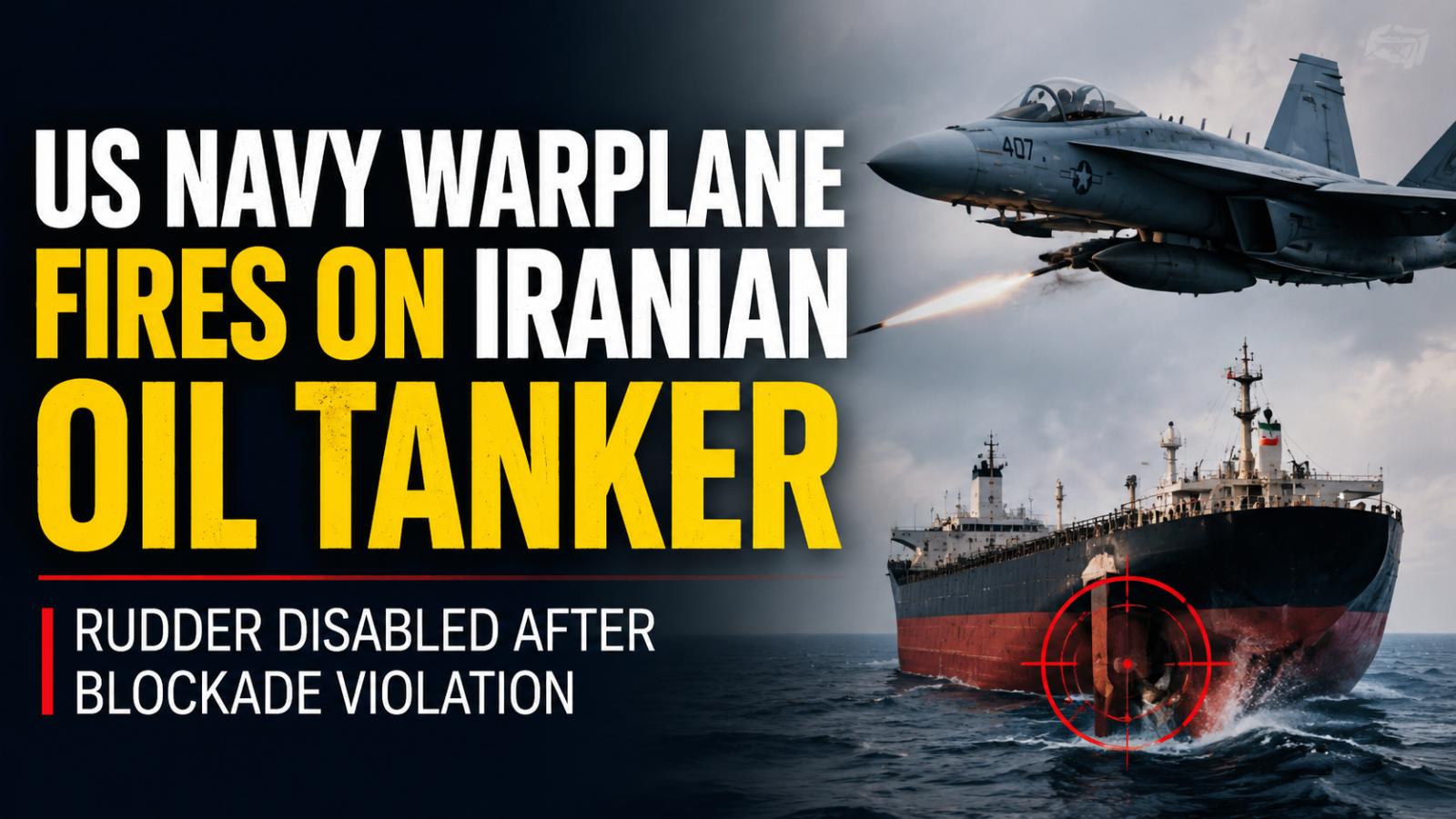
On May 6, the US military announced that a US Navy warplane disabled an Iranian oil tanker after it attempted to breach Washington’s blockade on Iranian ports. This marks the second time US forces have fired on a vessel accused of violating the blockade, which has been in place since April 13. The Iranian-flagged vessel, M/T Hasna, was reportedly not carrying any cargo when it was warned by US forces. When the crew failed to respond, a US F/A-18 Super Hornet opened fire, disabling the tanke
US Navy targets oil tanker violating blockade on Iranian ports
On May 6, the US military announced that a US Navy warplane disabled an Iranian oil tanker after it attempted to breach Washington’s blockade on Iranian ports. This marks the second time US forces have fired on a vessel accused of violating the blockade, which has been in place since April 13. The Iranian-flagged vessel, M/T Hasna, was reportedly not carrying any cargo when it was warned by US forces. When the crew failed to respond, a US F/A-18 Super Hornet opened fire, disabling the tanke
Strait of Hormuz Crisis Deepens as U.S. Navy Pushes to Reopen Key Oil Shipping Route
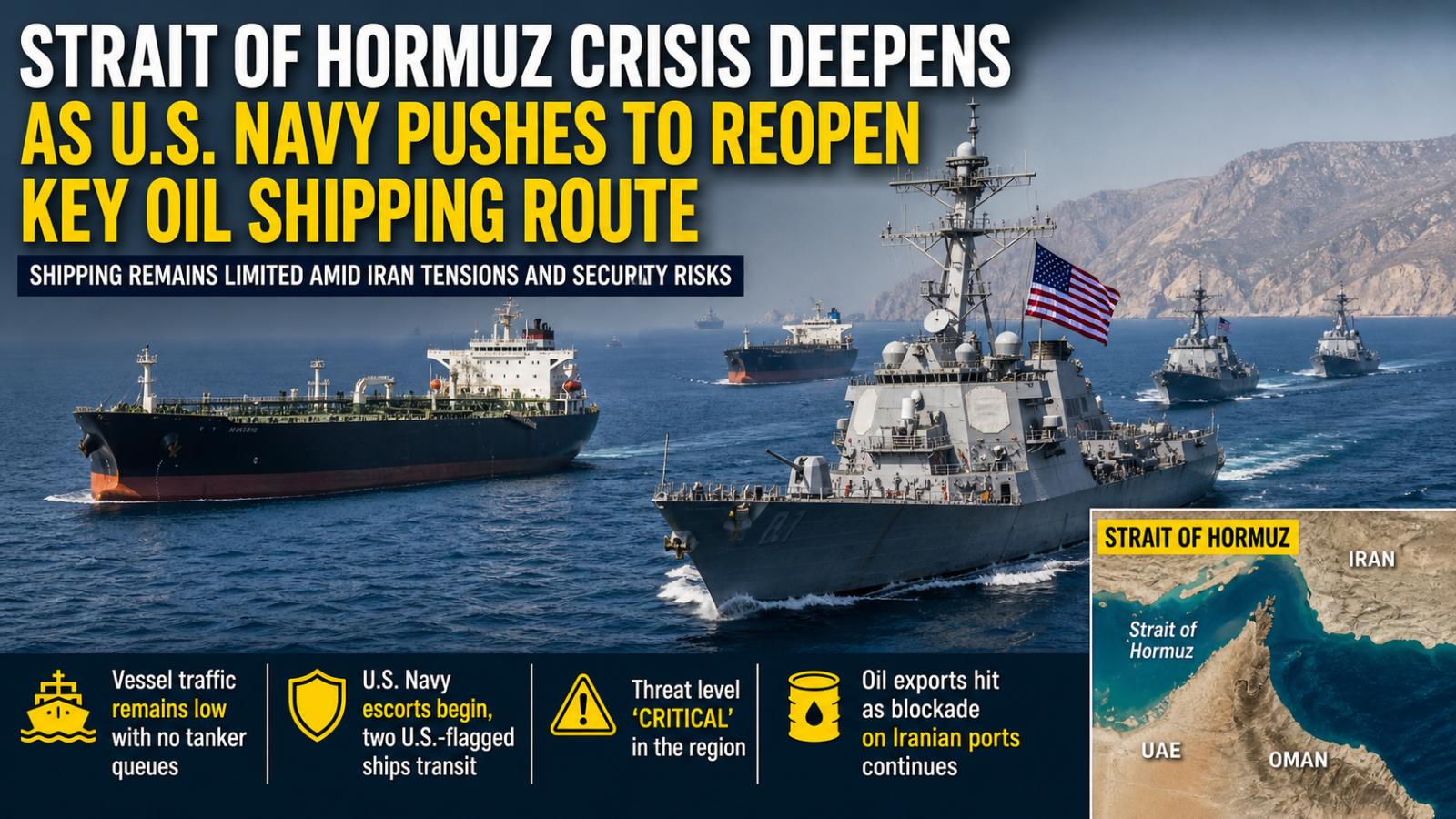
Strait of Hormuz Shipping Still Restricted Strait of Hormuz shipping remains severely limited despite new U.S. efforts to reopen one of the world’s most important oil trade routes. Vessel movement stayed subdued Monday as carriers awaited clearer safety guarantees amid Iran tensions. U.S. Navy Pushes to Restore Transit U.S. Central Command said its forces are assisting efforts to restore commercial navigation, with Navy destroyers and two U.S.-flagged merchant ships reportedly crossing the waterway. Officials described the mission as defensive, aimed at protecting freedom of navigation while pressure remains on Iranian ports. But the wider shipping industry is still cautious. Tracking data showed only scattered vessel movement, with no major return of oil tankers or large commercial ships through the narrow Gulf chokepoint. Carriers Await Clear Safety Rules German shipping firm Hapag-Lloyd said its vessels still cannot transit the Strait of Hormuz because safety procedures remain unclear. BIMCO has also warned that shipping companies need firm guidance and credible security assurances before resuming normal routes. The Joint Maritime Information Center continues to rate the regional threat as “critical,” advising vessels to consider safer routing through Omani waters where possible. Why the Strait Matters The Strait of Hormuz is a vital passage for global oil and gas shipments, making any disruption a direct risk to energy markets, freight costs and seafarer safety. Hundreds of ships and thousands of crew members remain affected by the crisis. Iran has warned foreign naval forces to stay away and said commercial vessels must coordinate transit with its military. Until both security risks and operating rules are resolved, global shipping through the Strait of Hormuz is likely to remain slow, uncertain and highly vulnerable.
Strait of Hormuz Crisis Deepens as U.S. Navy Pushes to Reopen Key Oil Shipping Route
Strait of Hormuz Shipping Still Restricted Strait of Hormuz shipping remains severely limited despite new U.S. efforts to reopen one of the world’s most important oil trade routes. Vessel movement stayed subdued Monday as carriers awaited clearer safety guarantees amid Iran tensions. U.S. Navy Pushes to Restore Transit U.S. Central Command said its forces are assisting efforts to restore commercial navigation, with Navy destroyers and two U.S.-flagged merchant ships reportedly crossing the waterway. Officials described the mission as defensive, aimed at protecting freedom of navigation while pressure remains on Iranian ports. But the wider shipping industry is still cautious. Tracking data showed only scattered vessel movement, with no major return of oil tankers or large commercial ships through the narrow Gulf chokepoint. Carriers Await Clear Safety Rules German shipping firm Hapag-Lloyd said its vessels still cannot transit the Strait of Hormuz because safety procedures remain unclear. BIMCO has also warned that shipping companies need firm guidance and credible security assurances before resuming normal routes. The Joint Maritime Information Center continues to rate the regional threat as “critical,” advising vessels to consider safer routing through Omani waters where possible. Why the Strait Matters The Strait of Hormuz is a vital passage for global oil and gas shipments, making any disruption a direct risk to energy markets, freight costs and seafarer safety. Hundreds of ships and thousands of crew members remain affected by the crisis. Iran has warned foreign naval forces to stay away and said commercial vessels must coordinate transit with its military. Until both security risks and operating rules are resolved, global shipping through the Strait of Hormuz is likely to remain slow, uncertain and highly vulnerable.
India’s High-Risk Energy Move: LPG Tanker Braces for Dangerous Strait of Hormuz Crossing
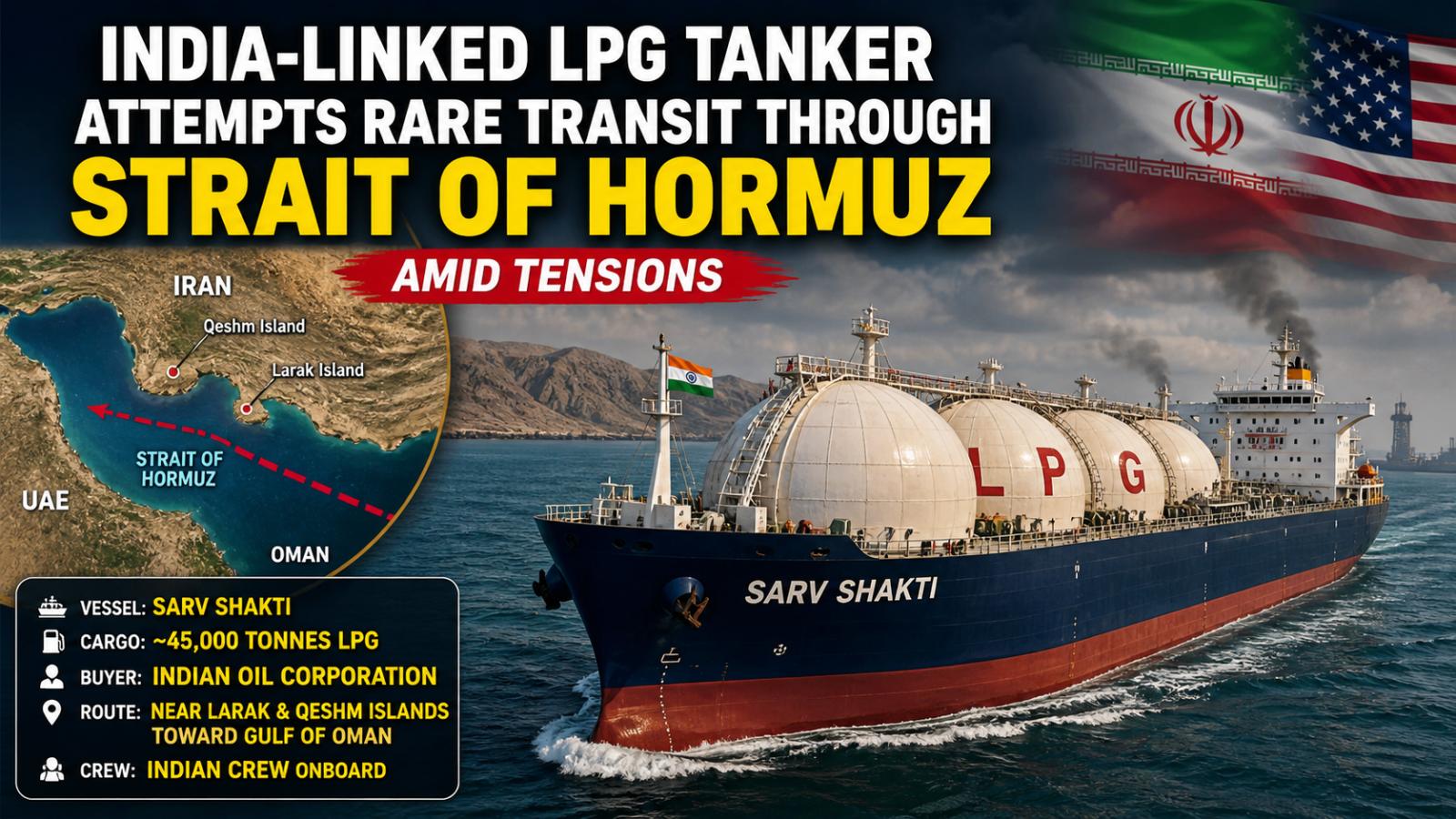
In a moment that could quietly shape global energy markets, an India-linked LPG tanker is attempting something most ships are now avoiding. The vessel, Sarv Shakti, loaded with nearly 45,000 tonnes of liquefied petroleum gas, is moving toward the tense waters of the Strait of Hormuz — a route that has suddenly become one of the world’s most dangerous maritime
India’s High-Risk Energy Move: LPG Tanker Braces for Dangerous Strait of Hormuz Crossing
In a moment that could quietly shape global energy markets, an India-linked LPG tanker is attempting something most ships are now avoiding. The vessel, Sarv Shakti, loaded with nearly 45,000 tonnes of liquefied petroleum gas, is moving toward the tense waters of the Strait of Hormuz — a route that has suddenly become one of the world’s most dangerous maritime
US naval blockade curbs Iran oil exports, raises floating crude stockpiles
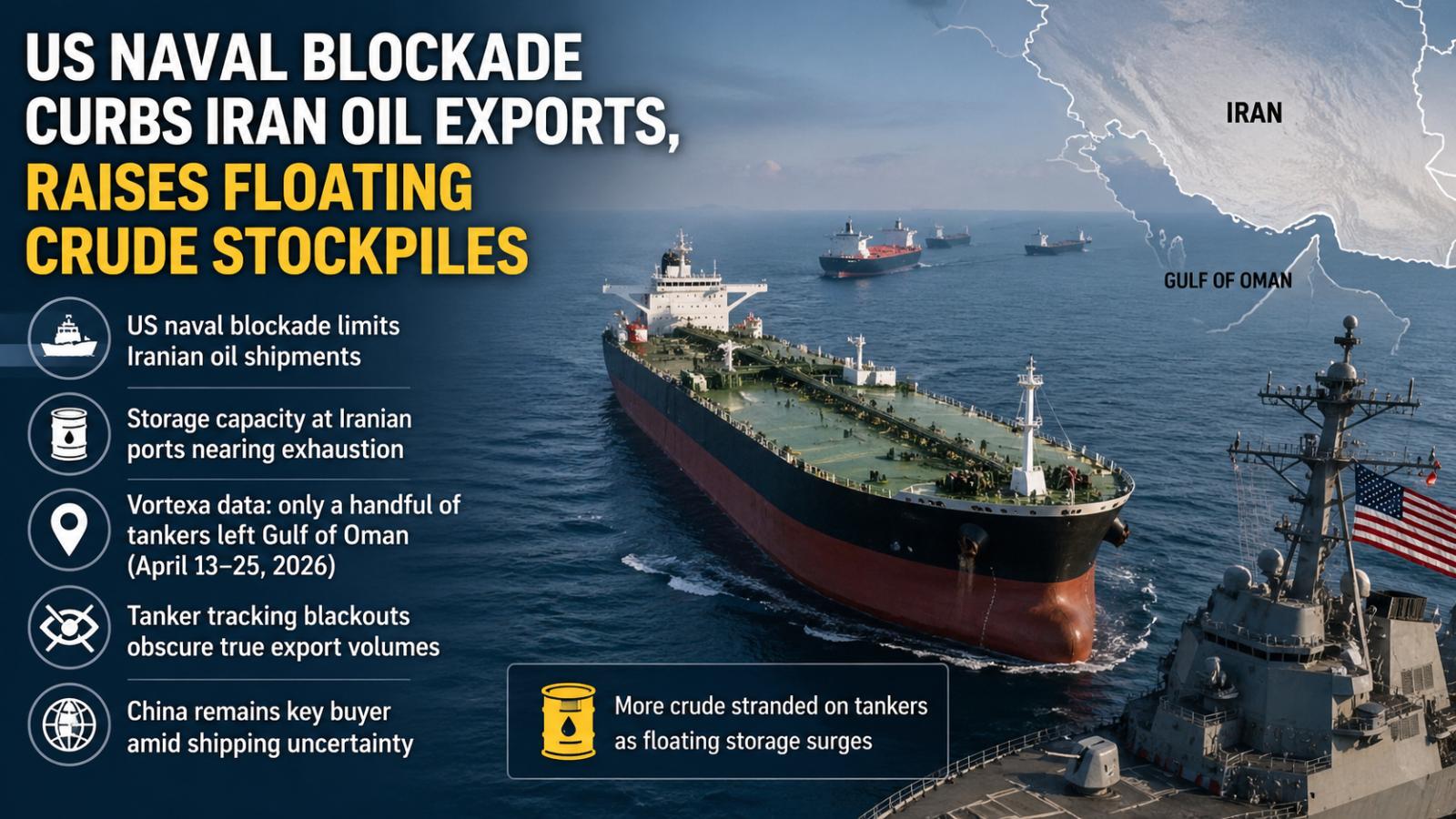
The US naval blockade has sharply reduced Iran’s oil exports, forcing crude into floating storage as onshore capacity fills. Limited tanker movement and tracking blackouts obscure shipments, raising concerns over global supply transparency and market stability US naval blockade curbs Iran oil exports, raises floating crude stockpiles has significantly reduced Tehran’s oil shipments, leaving large volumes stranded at sea as storage capacity tightens. Analysts citing shipping data report that Iranian crude exports have dropped sharply due to heightened maritime restrictions and operational risks in key transit routes. According to data from oil analytics firm Vortexa, only a limited number of tankers carrying Iranian crude departed the Gulf of Oman between Sunday, April 13, 2026, and Friday, April 25, 2026. This decline underscores the growing impact of the blockade, which has disrupted traditional export channels and created uncertainty across global energy markets. The situation is further complicated by tanker operators switching off tracking systems to avoid detection, making it difficult to accurately measure export volumes. China remains Iran’s primary buyer, but the opacity surrounding shipments has increased as vessels attempt to evade monitoring systems. Analysts note that this lack of transparency could distort global supply assessments and complicate pricing trends in international oil markets. As Iranian onshore storage facilities reach capacity, more crude is being held on tankers, effectively turning them into floating storage units. The blockade’s ripple effects extend beyond oil logistics. Broader policy measures tied to the maritime restrictions have contributed to operational challenges within U.S. federal systems. Since Friday, February 14, 2026, certain agencies have faced funding interruptions, leading to disruptions including extended wait times at major U.S. airports. While a recent measure supported by President Donald Trump has reopened the Department of Homeland Security, it does not allocate additional funding for Immigration and Customs Enforcement or the U.S. Border Patrol. The evolving situation highlights the intersection of geopolitical strategy and global energy flows, with analysts warning that prolonged disruptions could tighten supply chains and influence oil prices worldwide.
US naval blockade curbs Iran oil exports, raises floating crude stockpiles
The US naval blockade has sharply reduced Iran’s oil exports, forcing crude into floating storage as onshore capacity fills. Limited tanker movement and tracking blackouts obscure shipments, raising concerns over global supply transparency and market stability US naval blockade curbs Iran oil exports, raises floating crude stockpiles has significantly reduced Tehran’s oil shipments, leaving large volumes stranded at sea as storage capacity tightens. Analysts citing shipping data report that Iranian crude exports have dropped sharply due to heightened maritime restrictions and operational risks in key transit routes. According to data from oil analytics firm Vortexa, only a limited number of tankers carrying Iranian crude departed the Gulf of Oman between Sunday, April 13, 2026, and Friday, April 25, 2026. This decline underscores the growing impact of the blockade, which has disrupted traditional export channels and created uncertainty across global energy markets. The situation is further complicated by tanker operators switching off tracking systems to avoid detection, making it difficult to accurately measure export volumes. China remains Iran’s primary buyer, but the opacity surrounding shipments has increased as vessels attempt to evade monitoring systems. Analysts note that this lack of transparency could distort global supply assessments and complicate pricing trends in international oil markets. As Iranian onshore storage facilities reach capacity, more crude is being held on tankers, effectively turning them into floating storage units. The blockade’s ripple effects extend beyond oil logistics. Broader policy measures tied to the maritime restrictions have contributed to operational challenges within U.S. federal systems. Since Friday, February 14, 2026, certain agencies have faced funding interruptions, leading to disruptions including extended wait times at major U.S. airports. While a recent measure supported by President Donald Trump has reopened the Department of Homeland Security, it does not allocate additional funding for Immigration and Customs Enforcement or the U.S. Border Patrol. The evolving situation highlights the intersection of geopolitical strategy and global energy flows, with analysts warning that prolonged disruptions could tighten supply chains and influence oil prices worldwide.
Why did the US seize Iranian oil tankers? Enforcement targets sanctions violations
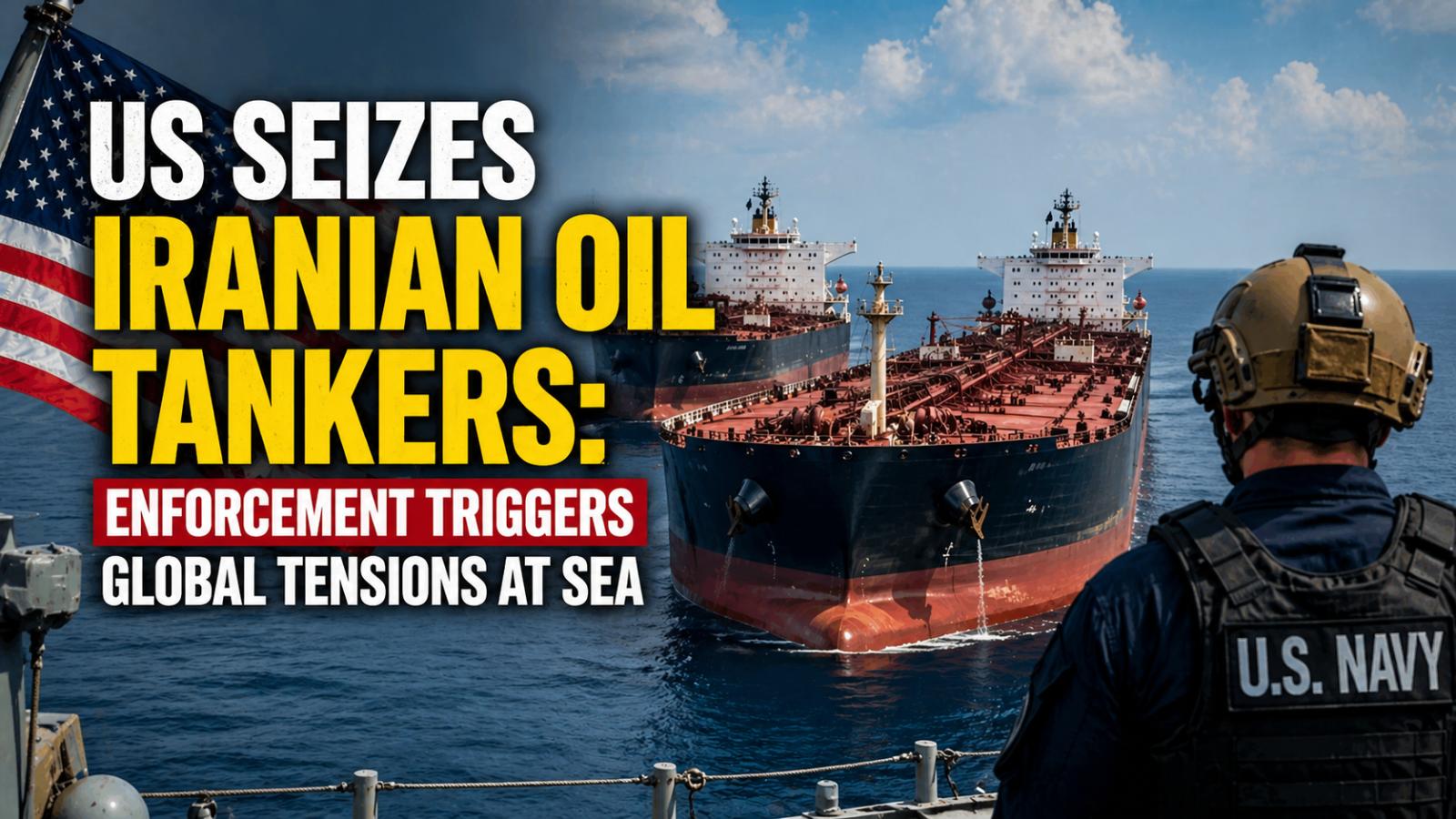
Enforcement targets sanctions violations The United States has seized two tankers allegedly transporting Iranian oil, intensifying tensions with Iran and drawing sharp condemnation from Tehran. Iranian officials described the operation as “armed robbery on the high seas,” accusing
Why did the US seize Iranian oil tankers? Enforcement targets sanctions violations
Enforcement targets sanctions violations The United States has seized two tankers allegedly transporting Iranian oil, intensifying tensions with Iran and drawing sharp condemnation from Tehran. Iranian officials described the operation as “armed robbery on the high seas,” accusing
UAE energy infrastructure hit by drone attacks amid rising Iran war tensions
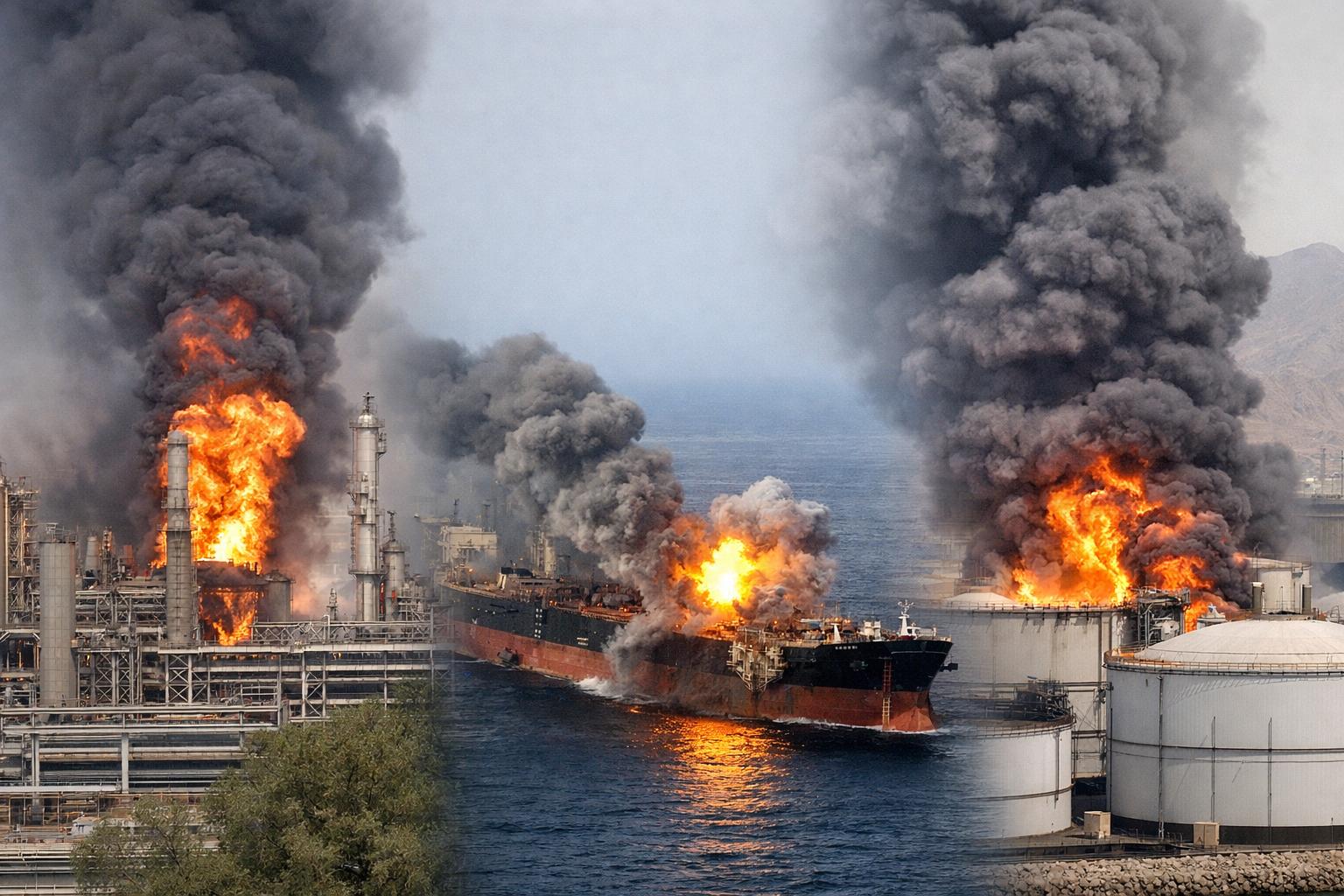
A series of drone attacks targeting the United Arab Emirates’ critical energy infrastructure has intensified concerns over prolonged supply disruptions as regional tensions linked to the Iran conflict continue to escalate. The incidents have struck key oil and gas facilities, disrupted shipping routes, and heightened volatility in global energy markets. Operations at the Shah gas field, one of the world’s largest ultra-sour gas developments, remained suspended after a drone stri
UAE energy infrastructure hit by drone attacks amid rising Iran war tensions
A series of drone attacks targeting the United Arab Emirates’ critical energy infrastructure has intensified concerns over prolonged supply disruptions as regional tensions linked to the Iran conflict continue to escalate. The incidents have struck key oil and gas facilities, disrupted shipping routes, and heightened volatility in global energy markets. Operations at the Shah gas field, one of the world’s largest ultra-sour gas developments, remained suspended after a drone stri
US–Israel–Iran War | Strait of Hormuz crisis sends global shipping costs soaring
The global shipping industry is grappling with mounting financial strain as escalating conflict involving the United States, Israel, and Iran disrupts maritime traffic through the Strait of Hormuz. Within three days of hostilities and retaliatory strikes across the Gulf region, freight markets have recorded sharp increases in costs, with industry estimates pointing to potential losses amounting to tens of billions of dollars per day. The Strait of Hormuz, a critical chokepoint for m
US–Israel–Iran War | Strait of Hormuz crisis sends global shipping costs soaring
The global shipping industry is grappling with mounting financial strain as escalating conflict involving the United States, Israel, and Iran disrupts maritime traffic through the Strait of Hormuz. Within three days of hostilities and retaliatory strikes across the Gulf region, freight markets have recorded sharp increases in costs, with industry estimates pointing to potential losses amounting to tens of billions of dollars per day. The Strait of Hormuz, a critical chokepoint for m


