






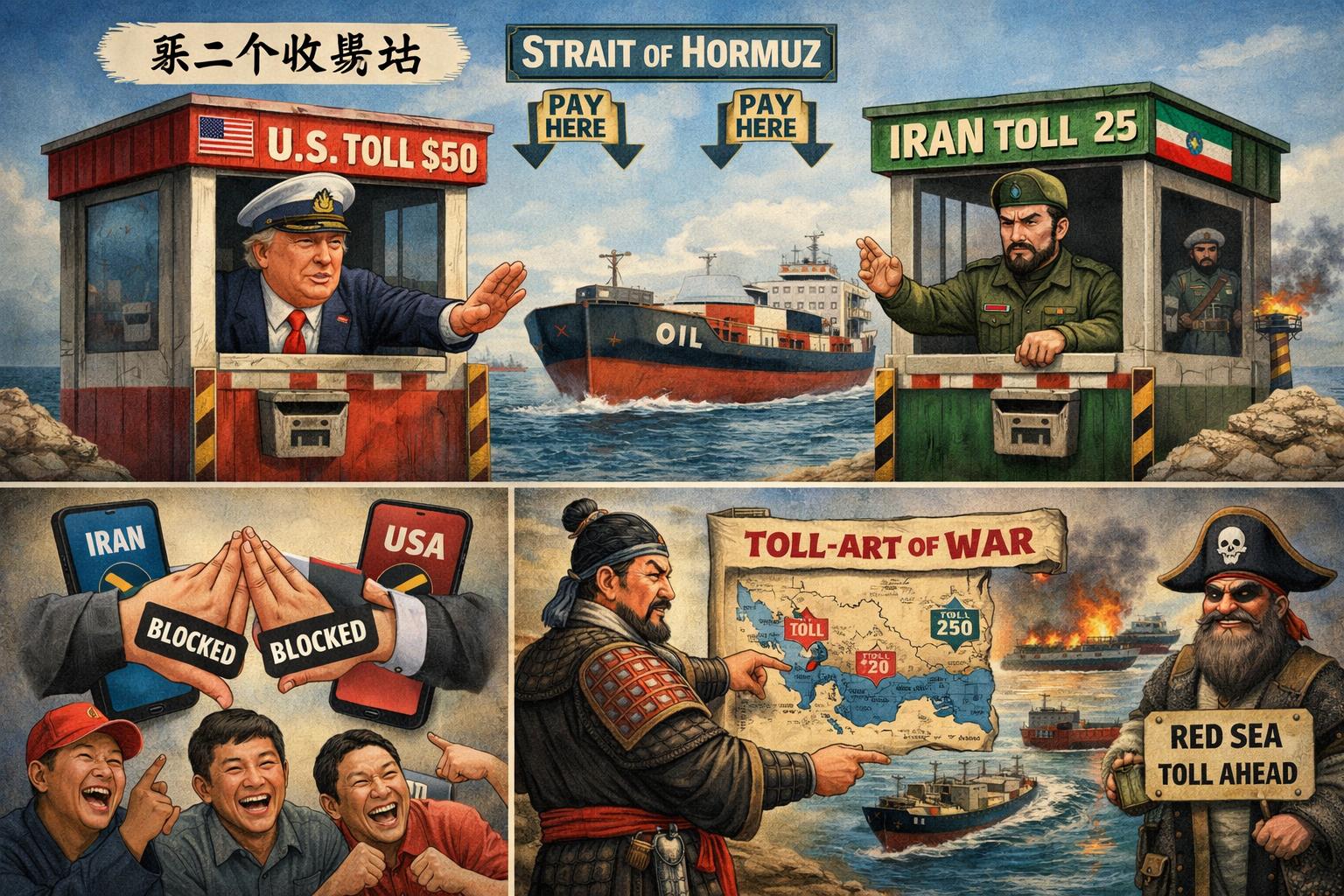
Chinese social media mocks US blockade of Iran as “second toll booth”
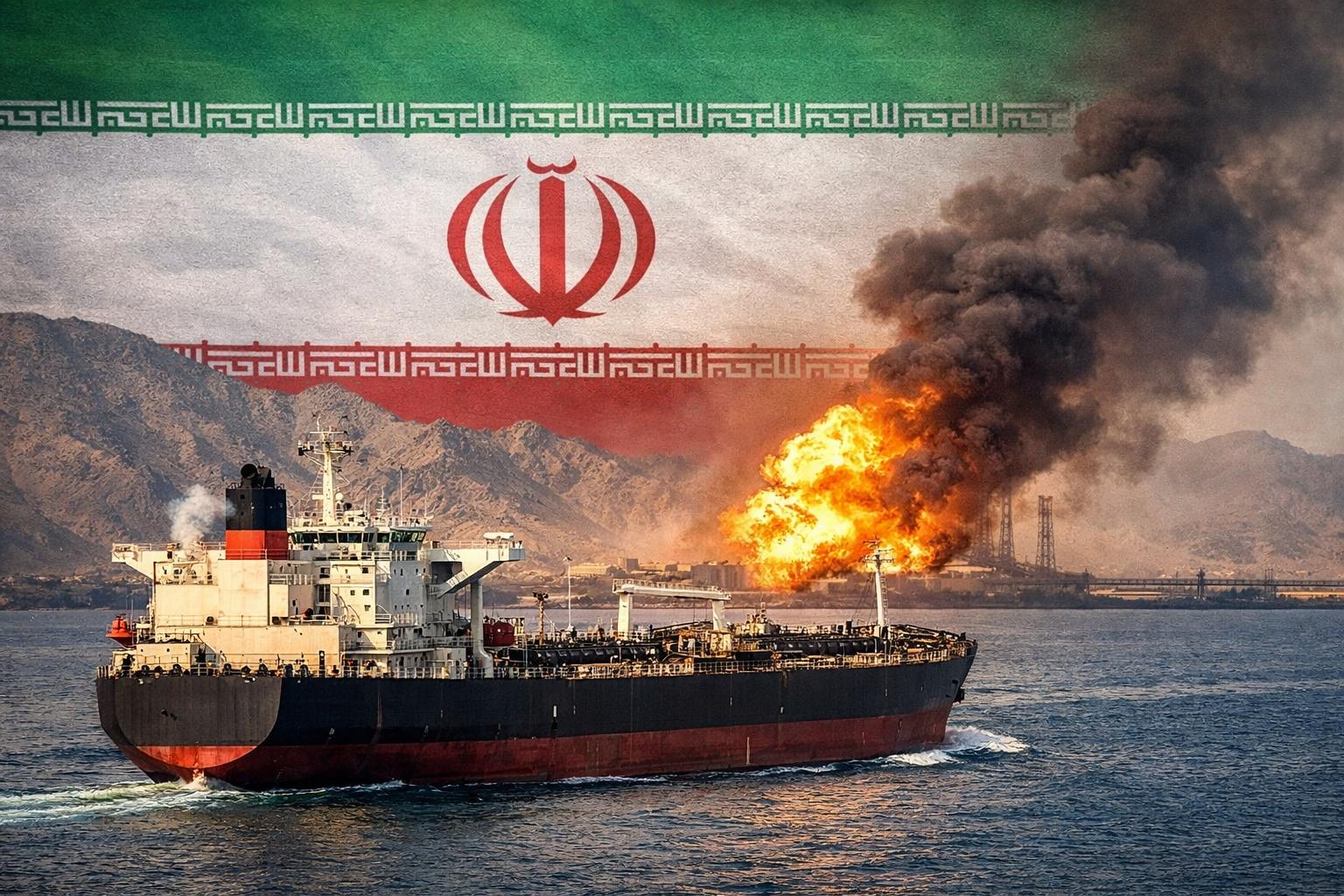
Chinese social media platforms have erupted with criticism and satire following the United States’ decision to impose a blockade on Iran, with many users describing the move as a “second toll booth” controlled by Washington. The reactions come amid escalating geopolitical tensions after the United States and Israel launched strikes on Iran on Friday, February 28, 2026, prompting Tehran to leverage its geographic position to restrict access through the strategically vital Strait of Hormuz.
Chinese social media mocks US blockade of Iran as “second toll booth”
Chinese social media platforms have erupted with criticism and satire following the United States’ decision to impose a blockade on Iran, with many users describing the move as a “second toll booth” controlled by Washington. The reactions come amid escalating geopolitical tensions after the United States and Israel launched strikes on Iran on Friday, February 28, 2026, prompting Tehran to leverage its geographic position to restrict access through the strategically vital Strait of Hormuz.
India maintains oil imports strategy as West Asia conflict disrupts global shipping routes
India reaffirmed its strategy of sourcing oil from a wide range of suppliers to safeguard its energy needs amid ongoing geopolitical tensions affecting global trade routes. Speaking at an inter-ministerial briefing in New Delhi on Wednesday, April 15, 2026, at 6:29 PM IST, Ministry of External Affairs spokesperson Randhir Jaiswal emphasized that the country’s approach is guided by the need to ensure energy security for its population of 1.4 billion while adapting to evolving internati
India maintains oil imports strategy as West Asia conflict disrupts global shipping routes
India reaffirmed its strategy of sourcing oil from a wide range of suppliers to safeguard its energy needs amid ongoing geopolitical tensions affecting global trade routes. Speaking at an inter-ministerial briefing in New Delhi on Wednesday, April 15, 2026, at 6:29 PM IST, Ministry of External Affairs spokesperson Randhir Jaiswal emphasized that the country’s approach is guided by the need to ensure energy security for its population of 1.4 billion while adapting to evolving internati
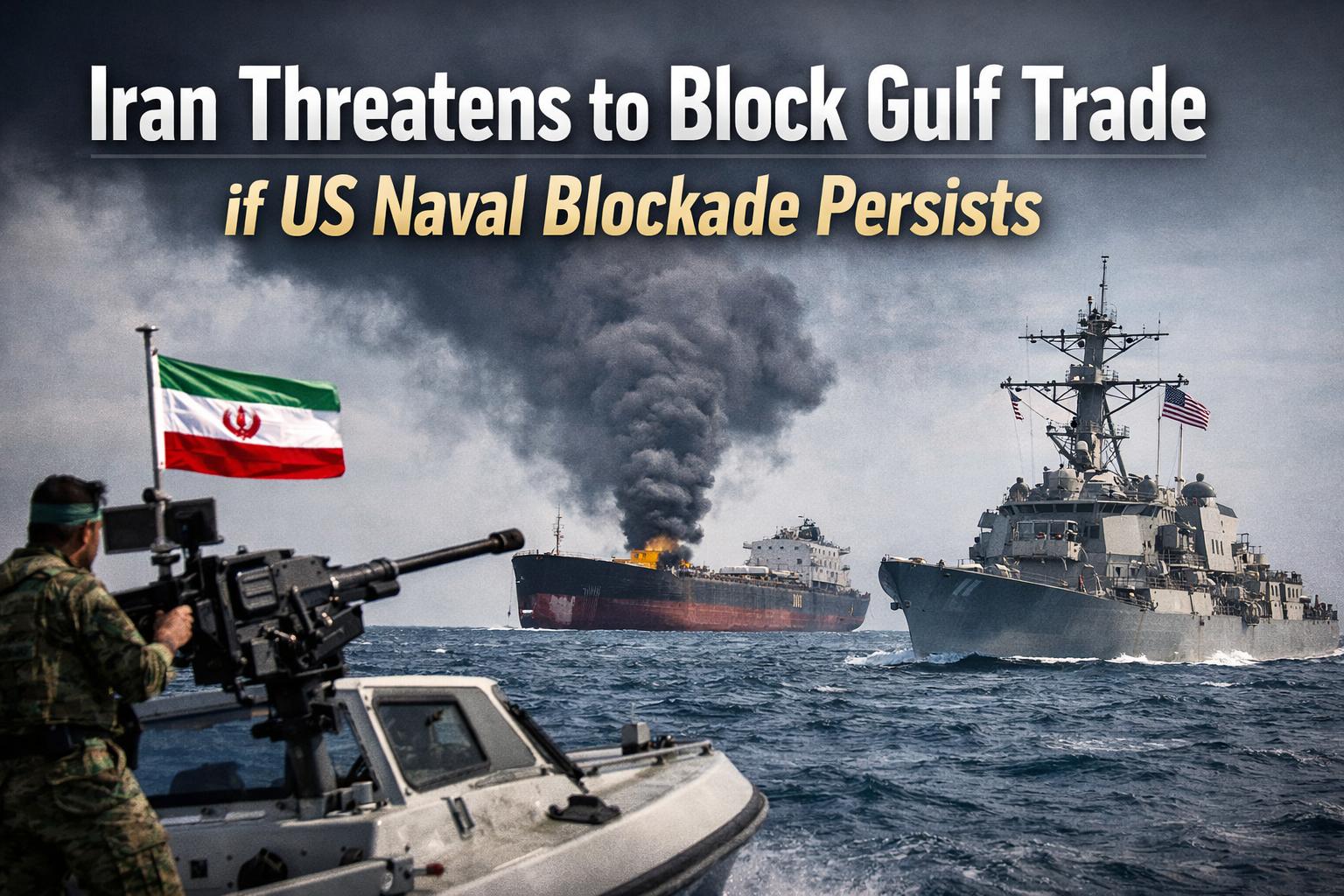
Iran threatens to halt Gulf trade if US naval blockade continues
Iran has issued a warning that it may escalate tensions with the United States by blocking major international shipping routes if a US naval blockade targeting its vessels continues. The statement, broadcast on state television, came from Ali Abdollahi, commander of the Khatam al-Anbiya Central Headquarters,
Iran threatens to halt Gulf trade if US naval blockade continues
Iran has issued a warning that it may escalate tensions with the United States by blocking major international shipping routes if a US naval blockade targeting its vessels continues. The statement, broadcast on state television, came from Ali Abdollahi, commander of the Khatam al-Anbiya Central Headquarters,
Venezuela, Hormuz, Malacca: The US-China energy conflict intensifies in 2026
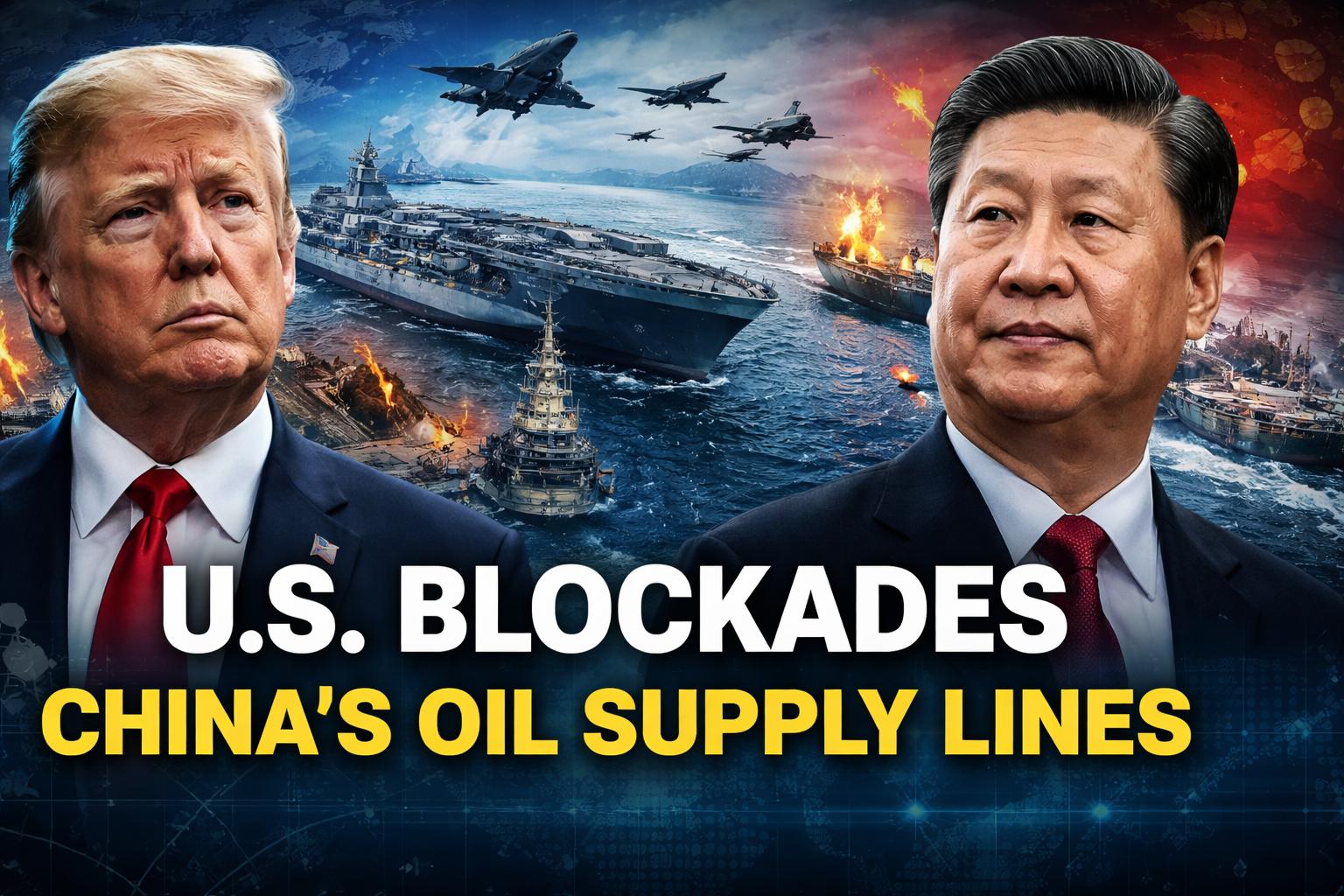
The geopolitical struggle for control over global oil supply routes escalated in early 2026, as the United States moved to strategically target key energy chokepoints in an attempt to disrupt China’s oil flow. With major oil reserves located in Venezuela, the strategic Strait of Hormuz, and the Malacca Strait, the US appears to be building a complex energy blockade aimed at China, using military force and economic pressure to shift the balance of power. In January 2026, the US took a bold step by moving its military presence to Venezuela, home to the world’s largest proven oil reserves. The operation involved an elite force that captured former Venezuelan President Nicolas Maduro, potentially altering the country’s political landscape and controlling access to its vast oil reserves. With an estimated 303 billion barrels of oil at stake, Venezuela became the first of many critical points in this evolving global energy chess game. The next move came in February 2026, when the US extended its reach into the Strait of Hormuz. This chokepoint, through which 20 to 25 percent of the world’s seaborne crude oil passes, became a target as the US launched air strikes on Iranian military and energy infrastructure. The subsequent blockade of Hormuz raised the stakes even higher, as China, a major oil importer, relies heavily on this route for its energy needs. Despite Trump’s assertion that the US no longer needed Hormuz oil due to domestic production, the global impact was undeniable, with oil prices rising sharply. By March 2026, the US had expanded its strategy to the Malacca Strait, one of the world’s busiest shipping lanes and a vital route for Chinese oil imports. Through a new deal with Indonesia, the US gained increased access to the region’s airspace, strengthening its surveillance and control capabilities. This move escalated the geopolitical pressure on China, which had already been preparing for such scenarios by building overland pipeline infrastructure to mitigate risks associated with maritime routes. China’s response to these strategic moves has been multifaceted. In Venezuela, it quickly adapted to the US military action, tapping into shadow fleets and using alternative routes to maintain its crude supply. Furthermore, China’s vast reserves, along with its investments in Russian and Iranian oil, have provided it with a buffer to withstand the pressure from the US blockade. With over 1.3 billion barrels in emergency reserves, China has the capacity to play the waiting game, absorbing the initial shocks to its oil supply. As the US tightens its grip on these strategic chokepoints, the geopolitical chessboard continues to shift. China’s ability to reroute oil through its vast pipeline network and shadow tanker fleet provides a buffer, but it remains to be seen which side will blink first in this high-stakes game. While the US hopes to achieve its goals through escalating energy denial, China’s resilience and strategic planning indicate that this global oil conflict is far from over. The Malacca Strait, a vital point in this strategic maneuvering, serves as the final battleground. With its ability to influence both regional and global shipping routes, the US’s efforts to control this chokepoint may prove pivotal. However, China’s efforts to secure alternative oil sources and protect its interests in the region suggest that the true outcome of this energy conflict will depend on the endurance and tactical flexibility of both superpowers.
Venezuela, Hormuz, Malacca: The US-China energy conflict intensifies in 2026
The geopolitical struggle for control over global oil supply routes escalated in early 2026, as the United States moved to strategically target key energy chokepoints in an attempt to disrupt China’s oil flow. With major oil reserves located in Venezuela, the strategic Strait of Hormuz, and the Malacca Strait, the US appears to be building a complex energy blockade aimed at China, using military force and economic pressure to shift the balance of power. In January 2026, the US took a bold step by moving its military presence to Venezuela, home to the world’s largest proven oil reserves. The operation involved an elite force that captured former Venezuelan President Nicolas Maduro, potentially altering the country’s political landscape and controlling access to its vast oil reserves. With an estimated 303 billion barrels of oil at stake, Venezuela became the first of many critical points in this evolving global energy chess game. The next move came in February 2026, when the US extended its reach into the Strait of Hormuz. This chokepoint, through which 20 to 25 percent of the world’s seaborne crude oil passes, became a target as the US launched air strikes on Iranian military and energy infrastructure. The subsequent blockade of Hormuz raised the stakes even higher, as China, a major oil importer, relies heavily on this route for its energy needs. Despite Trump’s assertion that the US no longer needed Hormuz oil due to domestic production, the global impact was undeniable, with oil prices rising sharply. By March 2026, the US had expanded its strategy to the Malacca Strait, one of the world’s busiest shipping lanes and a vital route for Chinese oil imports. Through a new deal with Indonesia, the US gained increased access to the region’s airspace, strengthening its surveillance and control capabilities. This move escalated the geopolitical pressure on China, which had already been preparing for such scenarios by building overland pipeline infrastructure to mitigate risks associated with maritime routes. China’s response to these strategic moves has been multifaceted. In Venezuela, it quickly adapted to the US military action, tapping into shadow fleets and using alternative routes to maintain its crude supply. Furthermore, China’s vast reserves, along with its investments in Russian and Iranian oil, have provided it with a buffer to withstand the pressure from the US blockade. With over 1.3 billion barrels in emergency reserves, China has the capacity to play the waiting game, absorbing the initial shocks to its oil supply. As the US tightens its grip on these strategic chokepoints, the geopolitical chessboard continues to shift. China’s ability to reroute oil through its vast pipeline network and shadow tanker fleet provides a buffer, but it remains to be seen which side will blink first in this high-stakes game. While the US hopes to achieve its goals through escalating energy denial, China’s resilience and strategic planning indicate that this global oil conflict is far from over. The Malacca Strait, a vital point in this strategic maneuvering, serves as the final battleground. With its ability to influence both regional and global shipping routes, the US’s efforts to control this chokepoint may prove pivotal. However, China’s efforts to secure alternative oil sources and protect its interests in the region suggest that the true outcome of this energy conflict will depend on the endurance and tactical flexibility of both superpowers.
Israel and Lebanon hold rare talks in Washington amid Hezbollah conflict
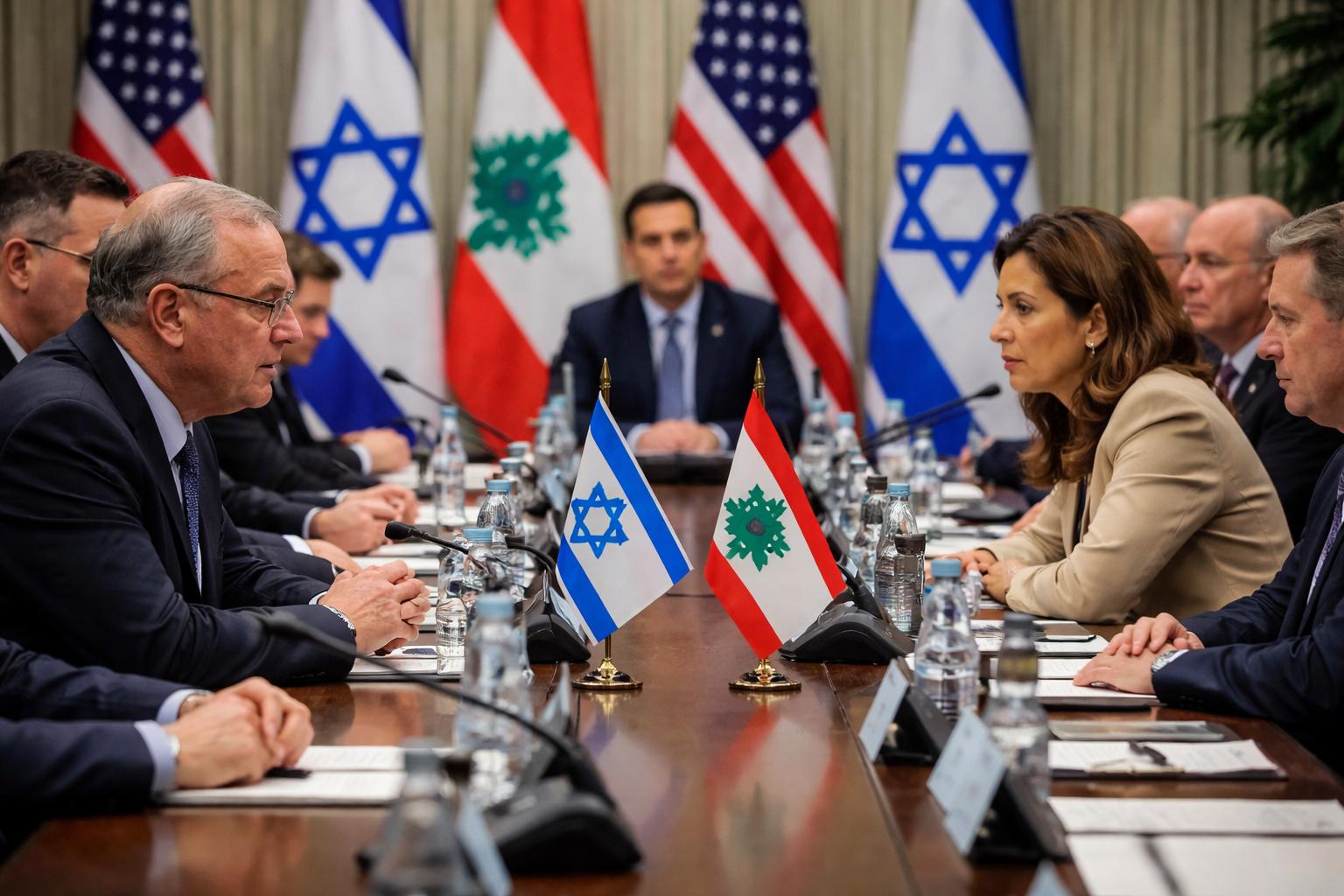
Israeli and Lebanese officials held more than two hours of direct talks in Washington, D.C., on Tuesday, April 14, 2026, marking the first such high-level engagement between the two countries in decades as fighting between Israel and the Iran-backed Hezbollah group continues to escalate. The meeting, hosted by U.S. Secretary of State Marco Rubio, comes amid a fragile regional environment shaped by ongoing hostilities in Lebanon and broader tensions involving Iran. Rubio described the talks as a long-term diplomatic effort rather than an immediate solution, emphasizing that deeply rooted issues between the two sides would take time to resolve. Israeli Ambassador Yechiel Leiter said the discussions reflect a shared objective of reducing Hezbollah’s influence in Lebanon, which Israel views as an extension of Iranian power in the region. Lebanese Ambassador Nada Hamadeh Moawad participated in the talks, though public comments from the Lebanese side remained limited immediately afterward. The talks are notable given that Israel and Lebanon do not maintain formal diplomatic relations and have been technically at war for decades. Despite this, U.S. officials have pushed for dialogue as part of a broader effort to stabilize the region and prevent further escalation tied to the ongoing conflict with Iran and its allies. The diplomatic engagement comes as Israeli military operations continue across southern Lebanon. The conflict intensified after Hezbollah launched rocket attacks on northern Israel on Sunday, March 2, 2026, prompting a large-scale Israeli response that has included airstrikes and ground operations. Hezbollah, which is not part of the negotiations and opposes direct talks with Israel, has continued its military activities during the diplomatic effort. The group’s rejection of the talks highlights internal divisions within Lebanon, where the government has limited control over Hezbollah’s armed wing. Beyond the immediate conflict, the situation has broader global implications. Tensions surrounding Iran, including disputes over its nuclear program and control of the Strait of Hormuz, have raised concerns about disruptions to global energy supplies. Analysts warn that instability in the region could affect oil markets and contribute to economic uncertainty worldwide. While no immediate breakthroughs are expected, officials describe the Washington meeting as a significant first step toward potential de-escalation, even as violence on the ground and political divisions continue to complicate the path forward.
Israel and Lebanon hold rare talks in Washington amid Hezbollah conflict
Israeli and Lebanese officials held more than two hours of direct talks in Washington, D.C., on Tuesday, April 14, 2026, marking the first such high-level engagement between the two countries in decades as fighting between Israel and the Iran-backed Hezbollah group continues to escalate. The meeting, hosted by U.S. Secretary of State Marco Rubio, comes amid a fragile regional environment shaped by ongoing hostilities in Lebanon and broader tensions involving Iran. Rubio described the talks as a long-term diplomatic effort rather than an immediate solution, emphasizing that deeply rooted issues between the two sides would take time to resolve. Israeli Ambassador Yechiel Leiter said the discussions reflect a shared objective of reducing Hezbollah’s influence in Lebanon, which Israel views as an extension of Iranian power in the region. Lebanese Ambassador Nada Hamadeh Moawad participated in the talks, though public comments from the Lebanese side remained limited immediately afterward. The talks are notable given that Israel and Lebanon do not maintain formal diplomatic relations and have been technically at war for decades. Despite this, U.S. officials have pushed for dialogue as part of a broader effort to stabilize the region and prevent further escalation tied to the ongoing conflict with Iran and its allies. The diplomatic engagement comes as Israeli military operations continue across southern Lebanon. The conflict intensified after Hezbollah launched rocket attacks on northern Israel on Sunday, March 2, 2026, prompting a large-scale Israeli response that has included airstrikes and ground operations. Hezbollah, which is not part of the negotiations and opposes direct talks with Israel, has continued its military activities during the diplomatic effort. The group’s rejection of the talks highlights internal divisions within Lebanon, where the government has limited control over Hezbollah’s armed wing. Beyond the immediate conflict, the situation has broader global implications. Tensions surrounding Iran, including disputes over its nuclear program and control of the Strait of Hormuz, have raised concerns about disruptions to global energy supplies. Analysts warn that instability in the region could affect oil markets and contribute to economic uncertainty worldwide. While no immediate breakthroughs are expected, officials describe the Washington meeting as a significant first step toward potential de-escalation, even as violence on the ground and political divisions continue to complicate the path forward.
Airline disruptions loom as oil supply crisis threatens Europe flights
Europe’s airline industry is facing the risk of a widespread jet fuel shortage within weeks as disruptions in the Strait of Hormuz continue to strain global oil supply chains, according to energy analysts and aviation experts. The situation has intensified following escalating tensions involving the United States, Iran, and Israel, raising concerns about significant flight reductions across the region during the upcoming peak travel season. Claudio Galimberti, chief economist at
Airline disruptions loom as oil supply crisis threatens Europe flights
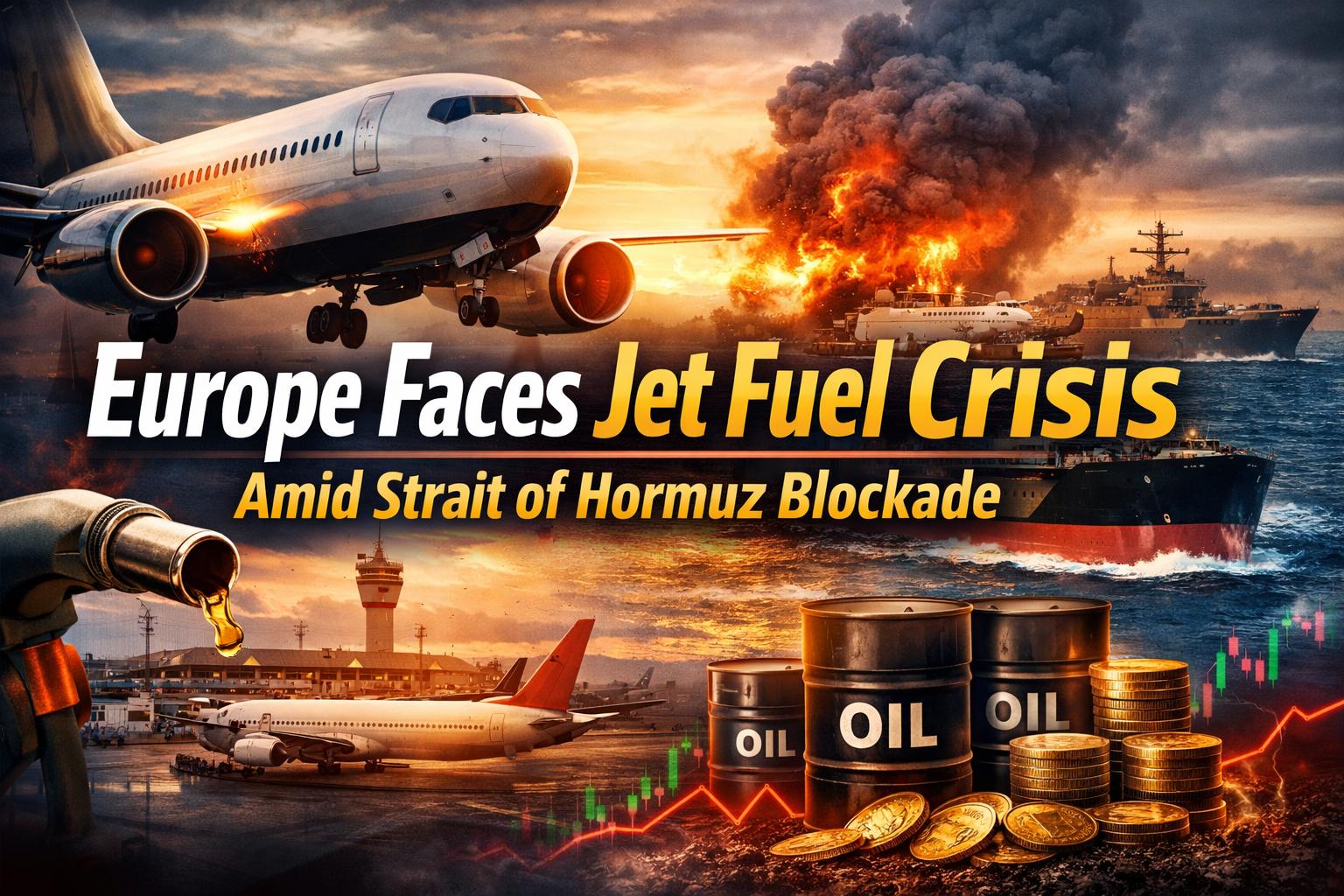
Europe’s airline industry is facing the risk of a widespread jet fuel shortage within weeks as disruptions in the Strait of Hormuz continue to strain global oil supply chains, according to energy analysts and aviation experts. The situation has intensified following escalating tensions involving the United States, Iran, and Israel, raising concerns about significant flight reductions across the region during the upcoming peak travel season. Claudio Galimberti, chief economist at
Ken Griffin warns prolonged Hormuz closure could trigger global recession
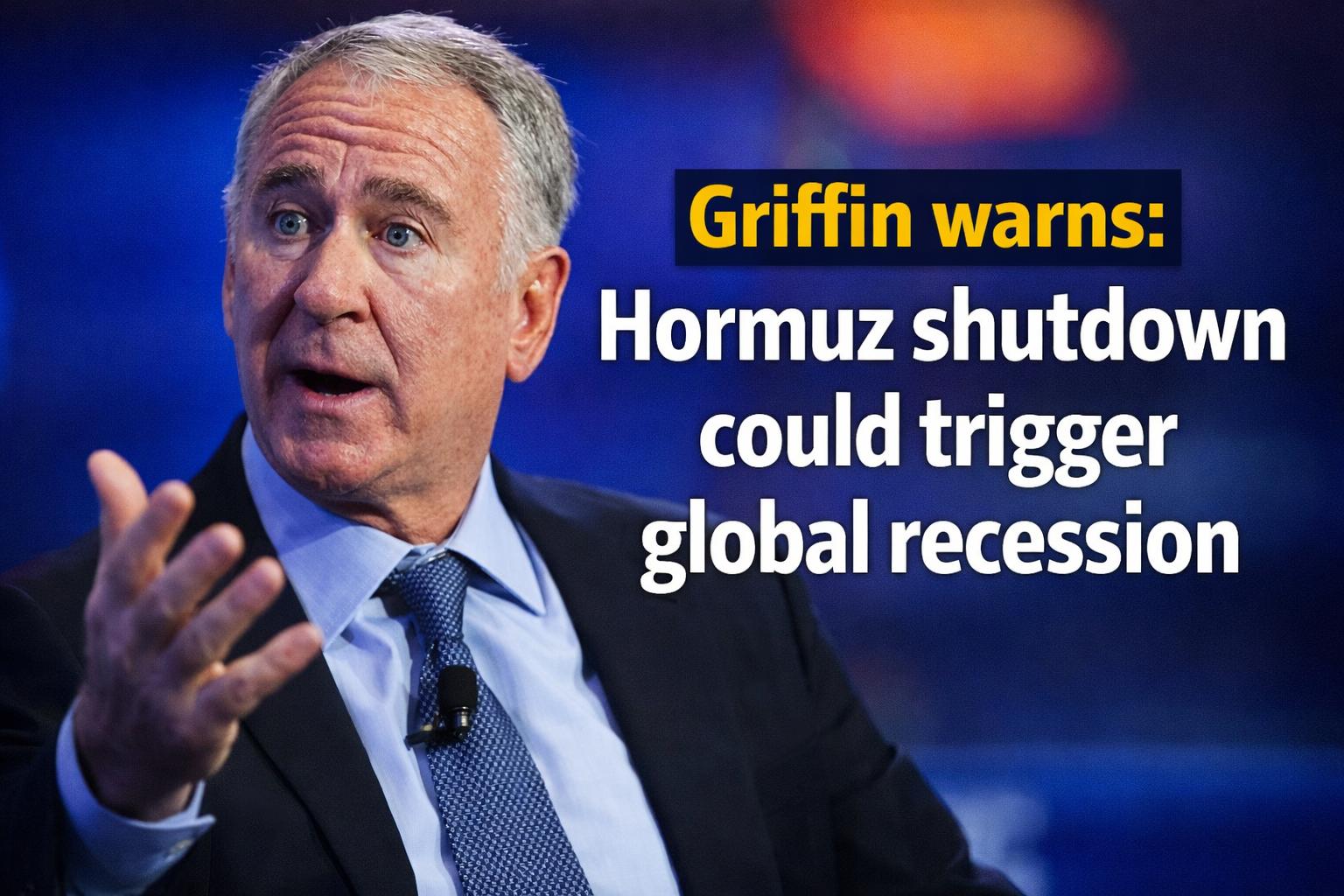
Ken Griffin, founder and chief executive of Citadel, warned that a prolonged closure of the Strait of Hormuz could push the global economy into a recession, underscoring the fragile balance of energy markets and geopolitical stability. Speaking at the Semafor World Economy conference in Washington, D.C., on Tuesday, April 14, 2026, Griffin said that if the critical shipping route remains shut for an extended period, the economic consequences would be unavoidable. He noted that a disruption lasting between six and 12 months would almost certainly result in a global downturn, given the strait’s importance as a key transit point for oil shipments. The Strait of Hormuz handles a significant portion of the world’s crude oil supply, and any sustained blockage would likely drive oil prices higher, intensifying inflationary pressures across major economies. While oil prices have eased slightly from peak levels reached during recent tensions, they remain elevated at around $100 per barrel, compared to under $70 before the conflict began. Griffin emphasized that global markets have so far shown resilience, with stock prices recovering to levels seen prior to earlier U.S. military actions in the region. However, he cautioned that investor confidence remains highly dependent on the duration and scope of the conflict. Many market participants, he said, may be underestimating the risk of further escalation and its potential impact on global growth. He also pointed to heightened vulnerability in Asian economies, which rely heavily on energy imports and are particularly sensitive to oil price fluctuations. A sustained increase in fuel costs could slow industrial output and consumer demand across the region. At the same time, Griffin suggested that prolonged disruption could accelerate a structural shift toward alternative energy sources, including wind, solar, and nuclear power, as countries seek to reduce reliance on volatile supply routes. His remarks highlight growing concerns among financial leaders that geopolitical instability in critical energy corridors could have far-reaching consequences for global economic stability.
Ken Griffin warns prolonged Hormuz closure could trigger global recession
Ken Griffin, founder and chief executive of Citadel, warned that a prolonged closure of the Strait of Hormuz could push the global economy into a recession, underscoring the fragile balance of energy markets and geopolitical stability. Speaking at the Semafor World Economy conference in Washington, D.C., on Tuesday, April 14, 2026, Griffin said that if the critical shipping route remains shut for an extended period, the economic consequences would be unavoidable. He noted that a disruption lasting between six and 12 months would almost certainly result in a global downturn, given the strait’s importance as a key transit point for oil shipments. The Strait of Hormuz handles a significant portion of the world’s crude oil supply, and any sustained blockage would likely drive oil prices higher, intensifying inflationary pressures across major economies. While oil prices have eased slightly from peak levels reached during recent tensions, they remain elevated at around $100 per barrel, compared to under $70 before the conflict began. Griffin emphasized that global markets have so far shown resilience, with stock prices recovering to levels seen prior to earlier U.S. military actions in the region. However, he cautioned that investor confidence remains highly dependent on the duration and scope of the conflict. Many market participants, he said, may be underestimating the risk of further escalation and its potential impact on global growth. He also pointed to heightened vulnerability in Asian economies, which rely heavily on energy imports and are particularly sensitive to oil price fluctuations. A sustained increase in fuel costs could slow industrial output and consumer demand across the region. At the same time, Griffin suggested that prolonged disruption could accelerate a structural shift toward alternative energy sources, including wind, solar, and nuclear power, as countries seek to reduce reliance on volatile supply routes. His remarks highlight growing concerns among financial leaders that geopolitical instability in critical energy corridors could have far-reaching consequences for global economic stability.
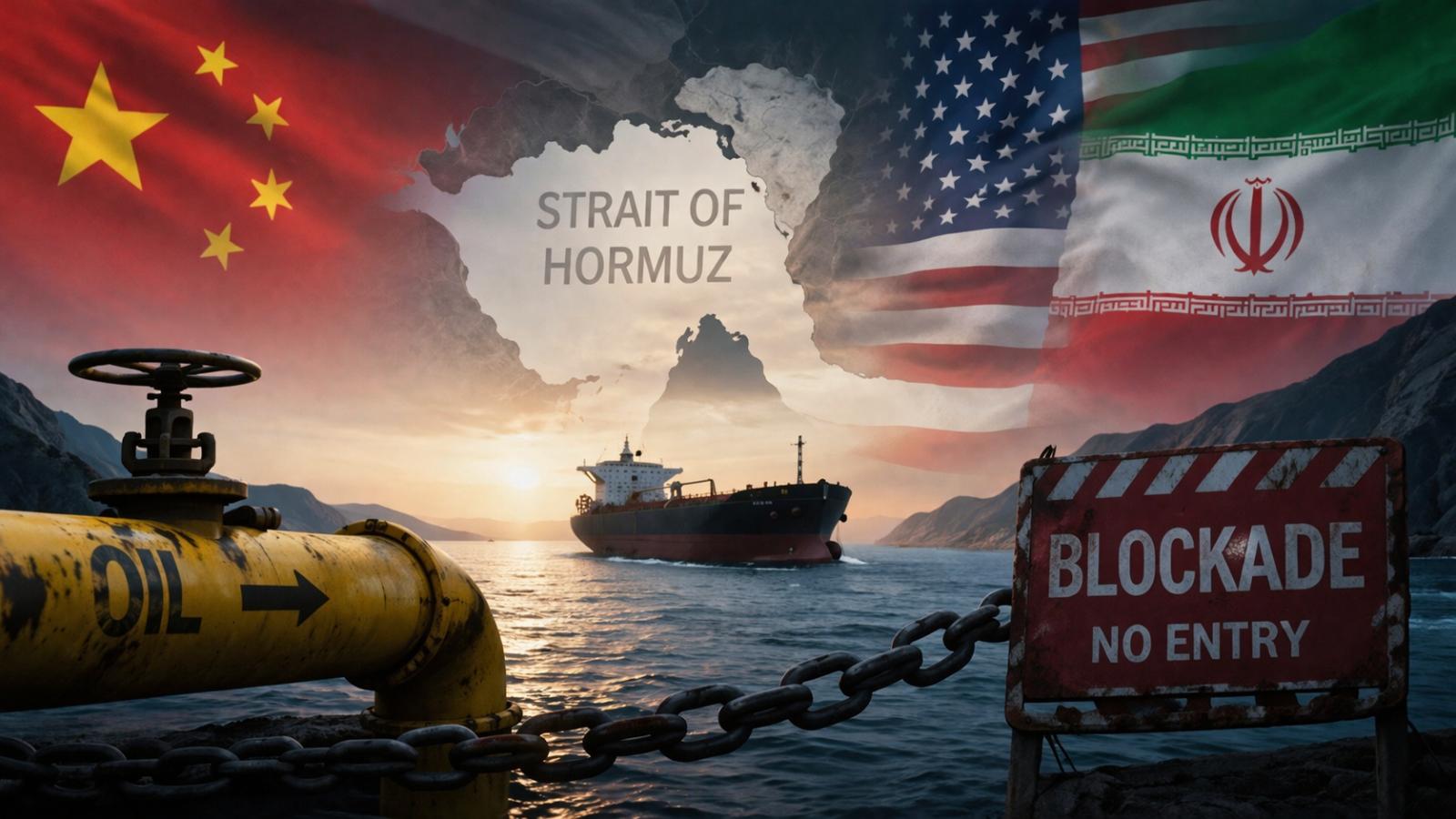
China calls U.S. blockade in Strait of Hormuz 'dangerous and irresponsible'
China has expressed strong disapproval over the United States' blockade of Iranian ports in the Strait of Hormuz, calling it a “dangerous and irresponsible act” that could escalate tensions in an already volatile region. In a statement issued on April 14, 2026, the Chinese Ministry of Foreign Affairs warned that the blockade, which began at 10:00 a.m. ET on Monday, along with increased U.S. military deployment in the area, risks undermining the fragile ceasefire that had
China calls U.S. blockade in Strait of Hormuz 'dangerous and irresponsible'
China has expressed strong disapproval over the United States' blockade of Iranian ports in the Strait of Hormuz, calling it a “dangerous and irresponsible act” that could escalate tensions in an already volatile region. In a statement issued on April 14, 2026, the Chinese Ministry of Foreign Affairs warned that the blockade, which began at 10:00 a.m. ET on Monday, along with increased U.S. military deployment in the area, risks undermining the fragile ceasefire that had
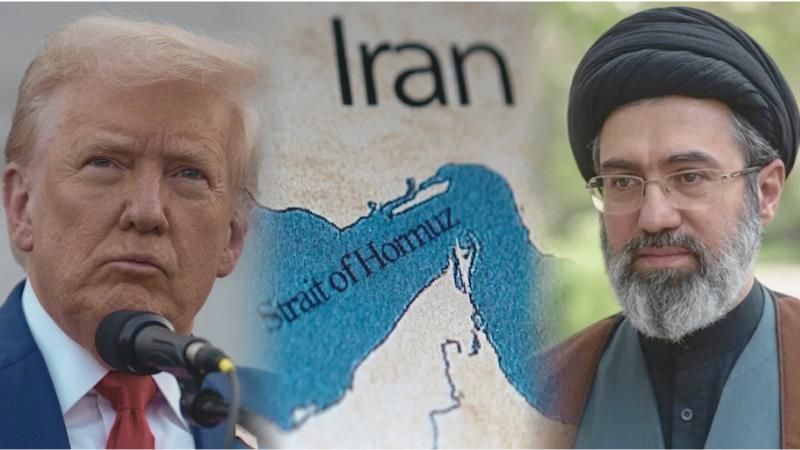
Donald Trump’s Strait of Hormuz Blockade Raises Fears of Iran War
Following unsuccessful diplomatic talks, Donald Trump announced a U.S. naval blockade in the Strait of Hormuz, a critical route for global energy trade. The move is aimed at increasing pressure on
Donald Trump’s Strait of Hormuz Blockade Raises Fears of Iran War
Following unsuccessful diplomatic talks, Donald Trump announced a U.S. naval blockade in the Strait of Hormuz, a critical route for global energy trade. The move is aimed at increasing pressure on
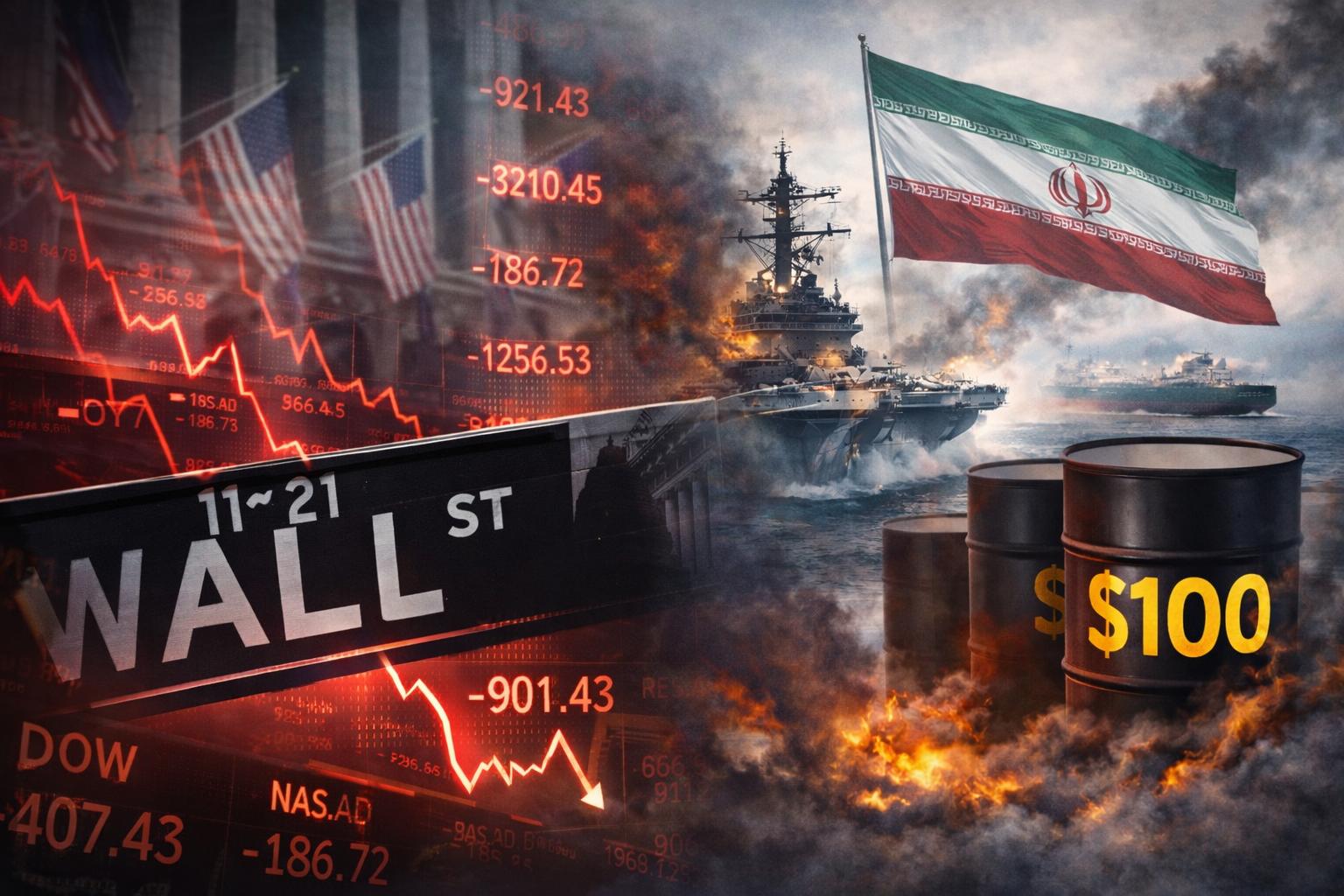
Wall Street falls as Iran talks collapse and oil tops $100
U.S. stock markets opened lower on Monday, April 13, 2026, as investor sentiment weakened following the collapse of high-stakes negotiations between the United States and Iran and a sharp rebound in global oil prices. The downturn reflected rising geopolitical uncertainty after talks aimed at easing tensions ended without agreement over the weekend. As of 9:40 AM ET on April 13, 2026, the Dow Jones Industrial Average fell 0.72 percent, while the S&P 500 declined 0.33 percent and the Nasdaq Composite dropped 0.36 percent. At the same time, oil markets surged, with Brent crude rising nearly 6 percent to above $100 per barrel and U.S. West Texas Intermediate also climbing past the $100 mark, signaling renewed pressure on global energy markets. Market volatility increased as the CBOE Volatility Index rose to 20.61, indicating heightened investor caution. Analysts noted a shift toward a “risk-off” environment, as traders reacted to escalating tensions in the Strait of Hormuz, a critical channel for global oil supply. The market reaction followed the U.S. Navy’s move to begin restricting maritime activity linked to Iran after negotiations held in Islamabad failed to produce a ceasefire or nuclear agreement. The blockade targets vessels associated with Iranian ports, intensifying concerns over potential disruptions to global trade and energy flows. Despite the geopolitical strain, some analysts said the market response remained relatively contained compared to the scale of the crisis. However, the continued rise in oil prices and uncertainty over supply routes could pose longer-term risks for both equity markets and the broader global economy.
Wall Street falls as Iran talks collapse and oil tops $100
U.S. stock markets opened lower on Monday, April 13, 2026, as investor sentiment weakened following the collapse of high-stakes negotiations between the United States and Iran and a sharp rebound in global oil prices. The downturn reflected rising geopolitical uncertainty after talks aimed at easing tensions ended without agreement over the weekend. As of 9:40 AM ET on April 13, 2026, the Dow Jones Industrial Average fell 0.72 percent, while the S&P 500 declined 0.33 percent and the Nasdaq Composite dropped 0.36 percent. At the same time, oil markets surged, with Brent crude rising nearly 6 percent to above $100 per barrel and U.S. West Texas Intermediate also climbing past the $100 mark, signaling renewed pressure on global energy markets. Market volatility increased as the CBOE Volatility Index rose to 20.61, indicating heightened investor caution. Analysts noted a shift toward a “risk-off” environment, as traders reacted to escalating tensions in the Strait of Hormuz, a critical channel for global oil supply. The market reaction followed the U.S. Navy’s move to begin restricting maritime activity linked to Iran after negotiations held in Islamabad failed to produce a ceasefire or nuclear agreement. The blockade targets vessels associated with Iranian ports, intensifying concerns over potential disruptions to global trade and energy flows. Despite the geopolitical strain, some analysts said the market response remained relatively contained compared to the scale of the crisis. However, the continued rise in oil prices and uncertainty over supply routes could pose longer-term risks for both equity markets and the broader global economy.
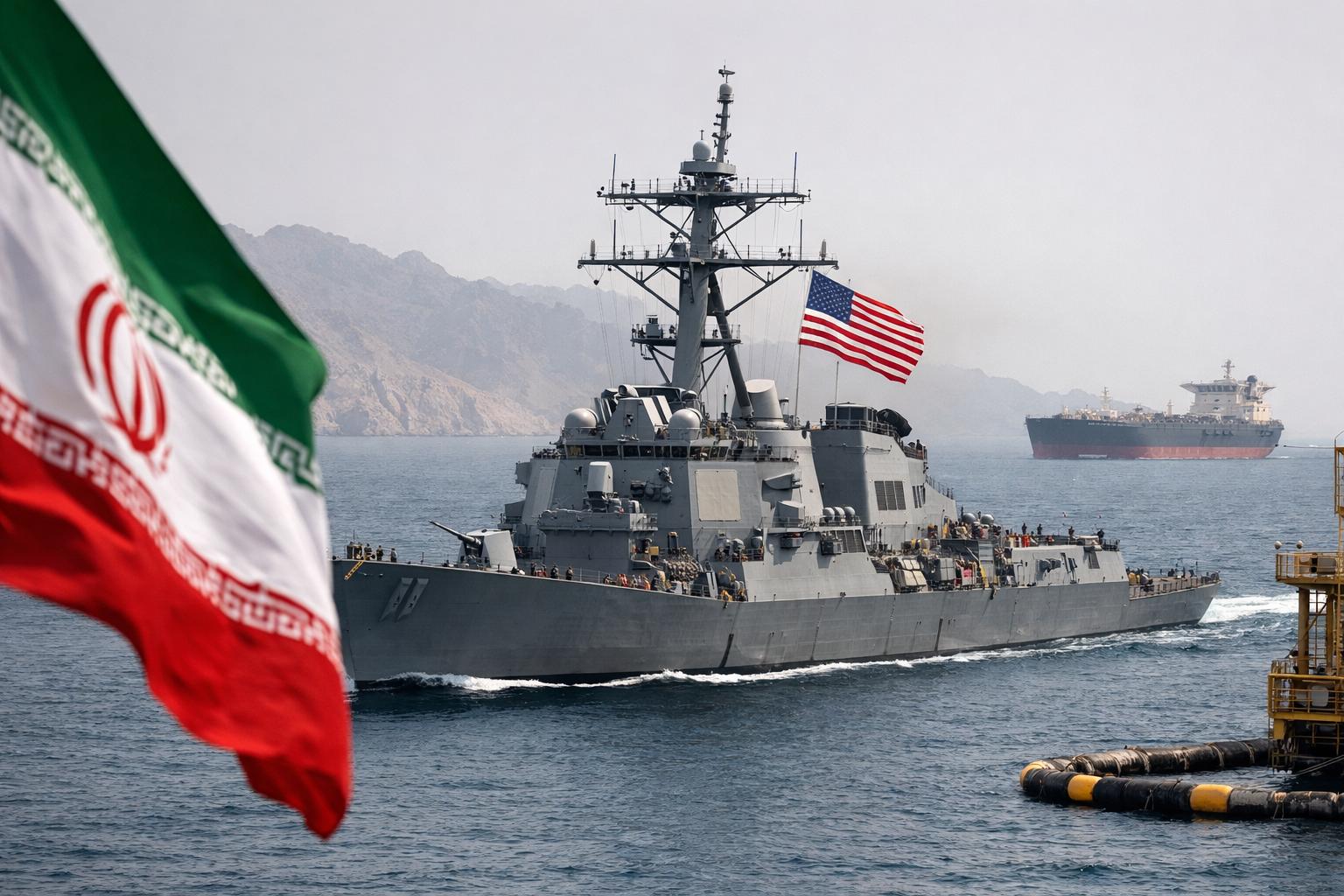
US announces Strait of Hormuz blockade amid escalating Iran tensions
The United States has announced the start of a naval blockade targeting Iranian maritime activity, marking a significant escalation in tensions in the Middle East. Speaking to reporters outside the Oval Office on Monday, April 13, 2026, President Donald Trump said the blockade of the Strait of Hormuz had begun, adding that other countries would assist in the operation, though he did not identify them. The Strait of Hormuz, one of the world’s most critical oil transit routes, has b
US announces Strait of Hormuz blockade amid escalating Iran tensions
The United States has announced the start of a naval blockade targeting Iranian maritime activity, marking a significant escalation in tensions in the Middle East. Speaking to reporters outside the Oval Office on Monday, April 13, 2026, President Donald Trump said the blockade of the Strait of Hormuz had begun, adding that other countries would assist in the operation, though he did not identify them. The Strait of Hormuz, one of the world’s most critical oil transit routes, has b
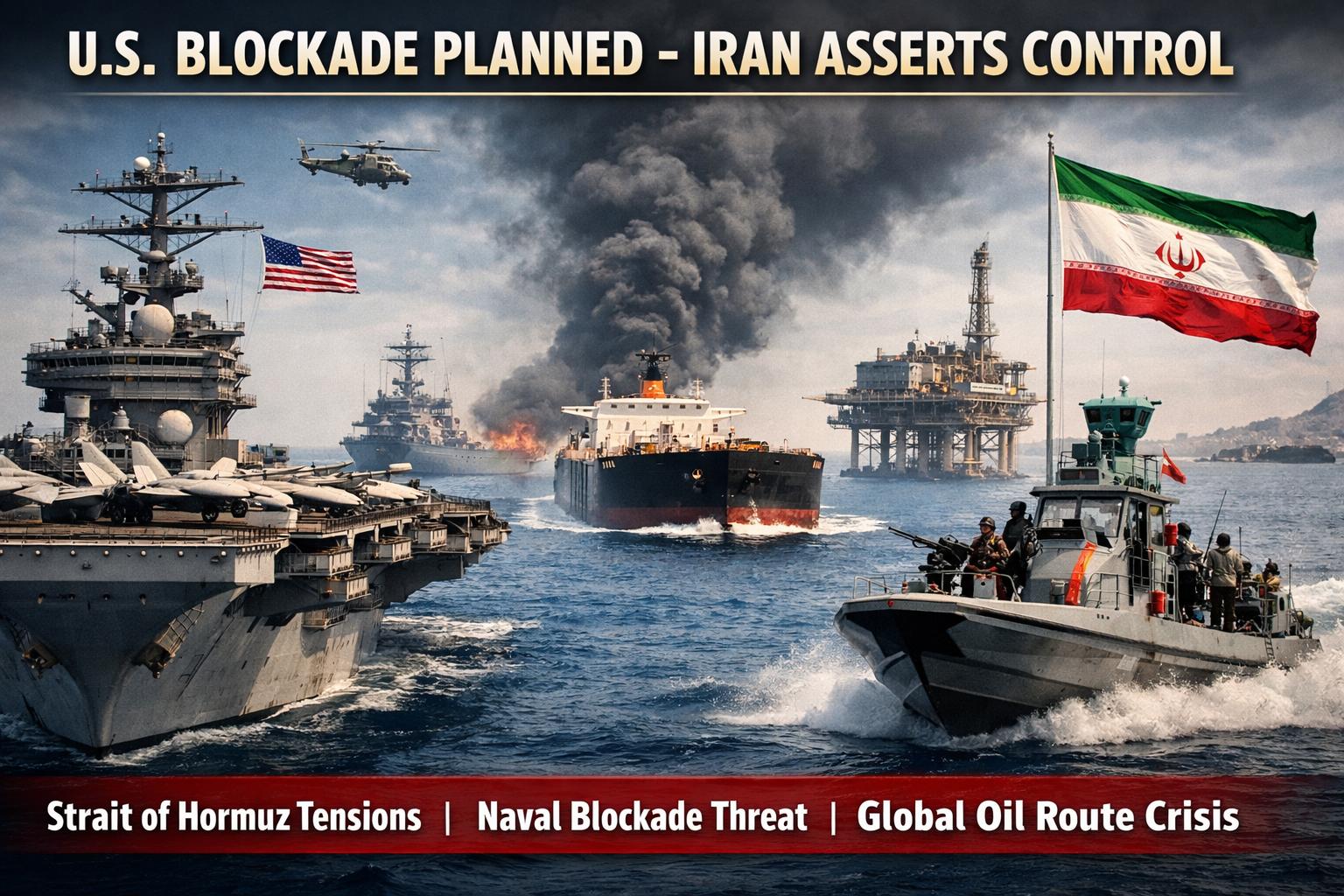
US announces Iran port blockade as Tehran asserts control over maritime borders
Washington, April 13 — Tensions between the United States and Iran intensified Monday as Washington moved forward with plans to impose a naval blockade targeting Iranian ports, prompting a swift response from Tehran asserting firm control over its maritime borders. Iran’s deputy interior minister said the country faces no significant security threats along its frontiers, emphasizing what he described as comprehensive oversight of both land and sea boundaries. He stated that Irania
US announces Iran port blockade as Tehran asserts control over maritime borders
Washington, April 13 — Tensions between the United States and Iran intensified Monday as Washington moved forward with plans to impose a naval blockade targeting Iranian ports, prompting a swift response from Tehran asserting firm control over its maritime borders. Iran’s deputy interior minister said the country faces no significant security threats along its frontiers, emphasizing what he described as comprehensive oversight of both land and sea boundaries. He stated that Irania
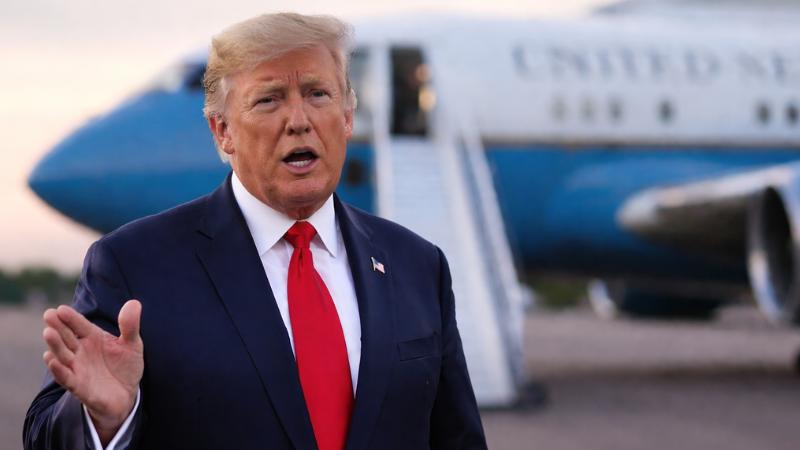
US President Trump on Failed Talks: Iran Will Not Have a Nuclear Weapon
In the wake of a failed peace negotiation between the United States and Iran in Pakistan, US President Donald Trump announced a blockade on the Strait of Hormuz, which would come into effect at 10 AM on 13th April 2026. Speaking outside Air Force One, Trump stated that Iran is in a "very bad shape," emphasizing that the United States had a superior understanding of the situation. Despite the 21-hour long talks between the two nations, no agreement was reached, particularly on the issue of Ira
US President Trump on Failed Talks: Iran Will Not Have a Nuclear Weapon
In the wake of a failed peace negotiation between the United States and Iran in Pakistan, US President Donald Trump announced a blockade on the Strait of Hormuz, which would come into effect at 10 AM on 13th April 2026. Speaking outside Air Force One, Trump stated that Iran is in a "very bad shape," emphasizing that the United States had a superior understanding of the situation. Despite the 21-hour long talks between the two nations, no agreement was reached, particularly on the issue of Ira
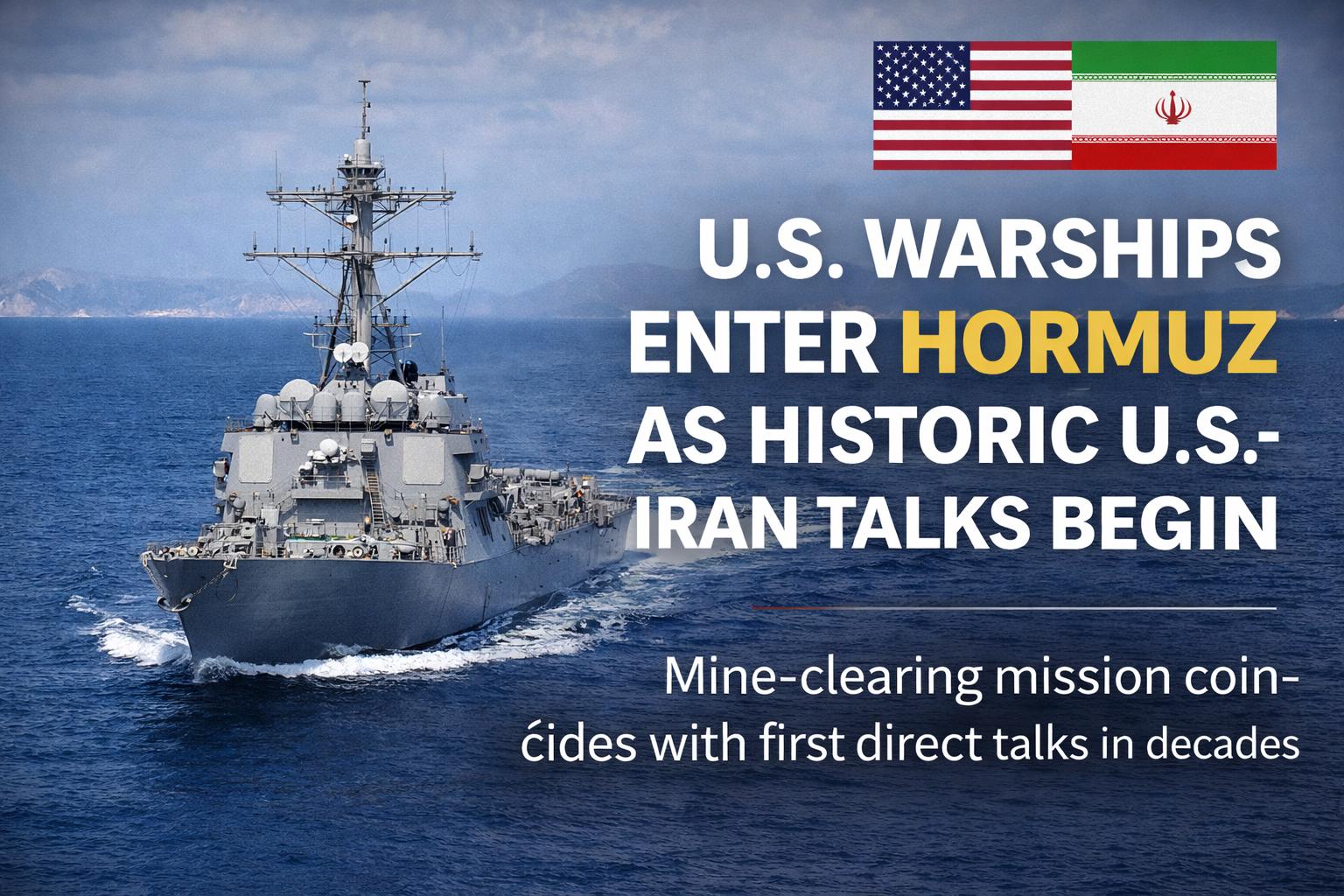
U.S. Navy clears Hormuz mines as historic Iran talks resume
Two U.S. Navy destroyers entered the Strait of Hormuz to begin mine-clearing operations, U.S. Central Command confirmed on Saturday, April 10, 2026, as Washington simultaneously engaged in rare direct talks with Iran aimed at reducing regional tensions. The vessels transited the critical waterway and began operations in the Arabian Gulf, with additional U.S. assets, including underwater drones, expected to support efforts in the coming days. The move follows concerns that naval mine
U.S. Navy clears Hormuz mines as historic Iran talks resume
Two U.S. Navy destroyers entered the Strait of Hormuz to begin mine-clearing operations, U.S. Central Command confirmed on Saturday, April 10, 2026, as Washington simultaneously engaged in rare direct talks with Iran aimed at reducing regional tensions. The vessels transited the critical waterway and began operations in the Arabian Gulf, with additional U.S. assets, including underwater drones, expected to support efforts in the coming days. The move follows concerns that naval mine
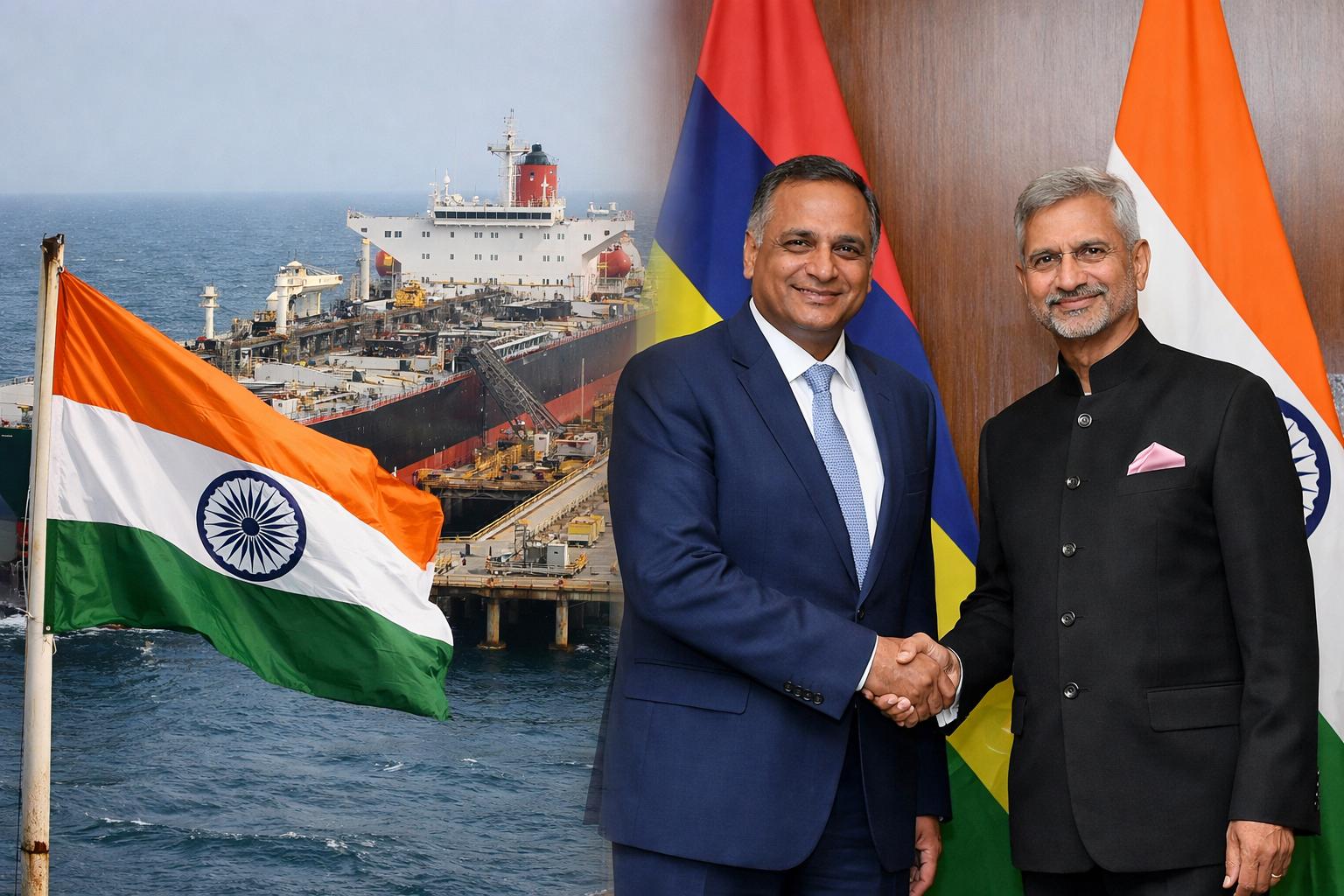
India to supply petroleum to Mauritius amid West Asia conflict concerns
Port Louis, Mauritius — Mauritius Foreign Minister Dhananjay Ramful announced that India is expected to supply approximately 1.2 million tonnes of petroleum products annually to the island nation, as global supply chains remain strained due to the ongoing conflict in West Asia. The agreement, currently in the form of a memorandum of understanding with the Government of India, is pending final approva
India to supply petroleum to Mauritius amid West Asia conflict concerns
Port Louis, Mauritius — Mauritius Foreign Minister Dhananjay Ramful announced that India is expected to supply approximately 1.2 million tonnes of petroleum products annually to the island nation, as global supply chains remain strained due to the ongoing conflict in West Asia. The agreement, currently in the form of a memorandum of understanding with the Government of India, is pending final approva
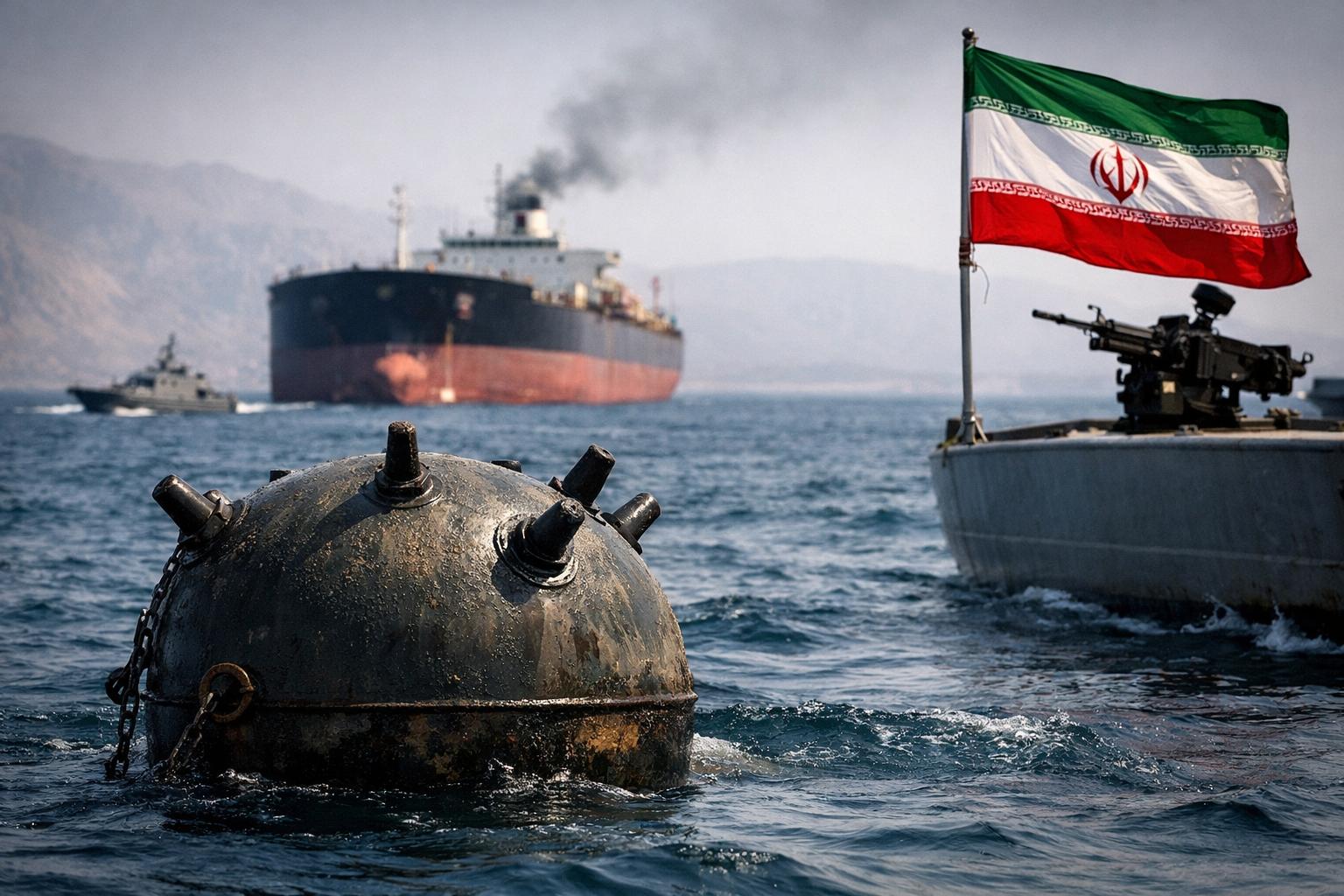
Strait of Hormuz reopening delayed amid Iran mine clearance challenges
The reopening of the strategically critical Strait of Hormuz is expected to face further delays as Iran encounters challenges in locating and clearing sea mines reportedly deployed during recent hostilities, according to U.S. officials cited in a report by
Strait of Hormuz reopening delayed amid Iran mine clearance challenges
The reopening of the strategically critical Strait of Hormuz is expected to face further delays as Iran encounters challenges in locating and clearing sea mines reportedly deployed during recent hostilities, according to U.S. officials cited in a report by

Rising fuel costs push UAE and UK consumers toward electric cars
Tensions involving Iran and disruptions in the Strait of Hormuz, a critical shipping route connecting the Persian Gulf to the Gulf of Oman, have placed significant strain on the global economy. The obstruction of oil tanker traffic has led to a sharp rise in oil prices worldwide, increasing transportation costs and placing added financial pressure on both businesses and private vehicle owners reliant on fuel. While the broader economic impact has been negative, the situation has creat
Rising fuel costs push UAE and UK consumers toward electric cars
Tensions involving Iran and disruptions in the Strait of Hormuz, a critical shipping route connecting the Persian Gulf to the Gulf of Oman, have placed significant strain on the global economy. The obstruction of oil tanker traffic has led to a sharp rise in oil prices worldwide, increasing transportation costs and placing added financial pressure on both businesses and private vehicle owners reliant on fuel. While the broader economic impact has been negative, the situation has creat
Mojtaba Khamenei threatens retaliation, calls for regional support
Iran’s leadership signaled a hardening stance on
Mojtaba Khamenei threatens retaliation, calls for regional support
Iran’s leadership signaled a hardening stance on
Iran accepts two-week ceasefire amid US pressure on Hormuz Strait
Iran has agreed to a proposed two-week ceasefire amid escalating tensions in the Middle East, following a statement by Donald Trump indicating that the United States would suspend further military action if Tehran fully reopens the strategically critical Strait of Hormuz. The announcement signals a potential pause in hostilities linked to ongoing Iran-Israel tensions, while also highlighting the broader geopolitical stakes tied to global energy security and maritime access. The Strait of Hormuz, a vital passage for a significant portion of the world’s oil supply, has remained at the center of international concern. US officials have made it clear that maintaining open navigation through the waterway is a key condition for de-escalation. The ceasefire agreement is being viewed as a temporary but important step toward reducing immediate risks in the region, particularly for global oil markets and allied economies. At the same time, Washington has underscored that any long-term easing of economic sanctions on Iran will depend on a complete halt to its uranium enrichment activities. The proposed framework reflects a broader US foreign policy approach that links economic relief directly to nuclear compliance, requiring Iran to scale back its nuclear program in exchange for reduced tariffs and sanctions. This conditional strategy is expected to shape the next phase of diplomatic negotiations. The development follows diplomatic outreach from Shehbaz Sharif, who urged an extension of the negotiation timeline and called on Iran to ensure uninterrupted access through the Strait of Hormuz. Pakistan’s involvement underscores the wider regional implications of the crisis and the importance of multilateral engagement. Meanwhile, Iran’s Islamic Revolutionary Guard Corps has issued a strong warning, stating that any US strikes on civilian infrastructure would provoke a response extending beyond the immediate region. The group cautioned that such actions could disrupt oil and gas supplies to the United States and its allies for an extended period, further raising concerns about global energy stability. While the ceasefire offers a temporary reprieve, the situation remains fluid, with key issues surrounding nuclear policy, sanctions, and regional security still unresolved.
Iran accepts two-week ceasefire amid US pressure on Hormuz Strait
Iran has agreed to a proposed two-week ceasefire amid escalating tensions in the Middle East, following a statement by Donald Trump indicating that the United States would suspend further military action if Tehran fully reopens the strategically critical Strait of Hormuz. The announcement signals a potential pause in hostilities linked to ongoing Iran-Israel tensions, while also highlighting the broader geopolitical stakes tied to global energy security and maritime access. The Strait of Hormuz, a vital passage for a significant portion of the world’s oil supply, has remained at the center of international concern. US officials have made it clear that maintaining open navigation through the waterway is a key condition for de-escalation. The ceasefire agreement is being viewed as a temporary but important step toward reducing immediate risks in the region, particularly for global oil markets and allied economies. At the same time, Washington has underscored that any long-term easing of economic sanctions on Iran will depend on a complete halt to its uranium enrichment activities. The proposed framework reflects a broader US foreign policy approach that links economic relief directly to nuclear compliance, requiring Iran to scale back its nuclear program in exchange for reduced tariffs and sanctions. This conditional strategy is expected to shape the next phase of diplomatic negotiations. The development follows diplomatic outreach from Shehbaz Sharif, who urged an extension of the negotiation timeline and called on Iran to ensure uninterrupted access through the Strait of Hormuz. Pakistan’s involvement underscores the wider regional implications of the crisis and the importance of multilateral engagement. Meanwhile, Iran’s Islamic Revolutionary Guard Corps has issued a strong warning, stating that any US strikes on civilian infrastructure would provoke a response extending beyond the immediate region. The group cautioned that such actions could disrupt oil and gas supplies to the United States and its allies for an extended period, further raising concerns about global energy stability. While the ceasefire offers a temporary reprieve, the situation remains fluid, with key issues surrounding nuclear policy, sanctions, and regional security still unresolved.
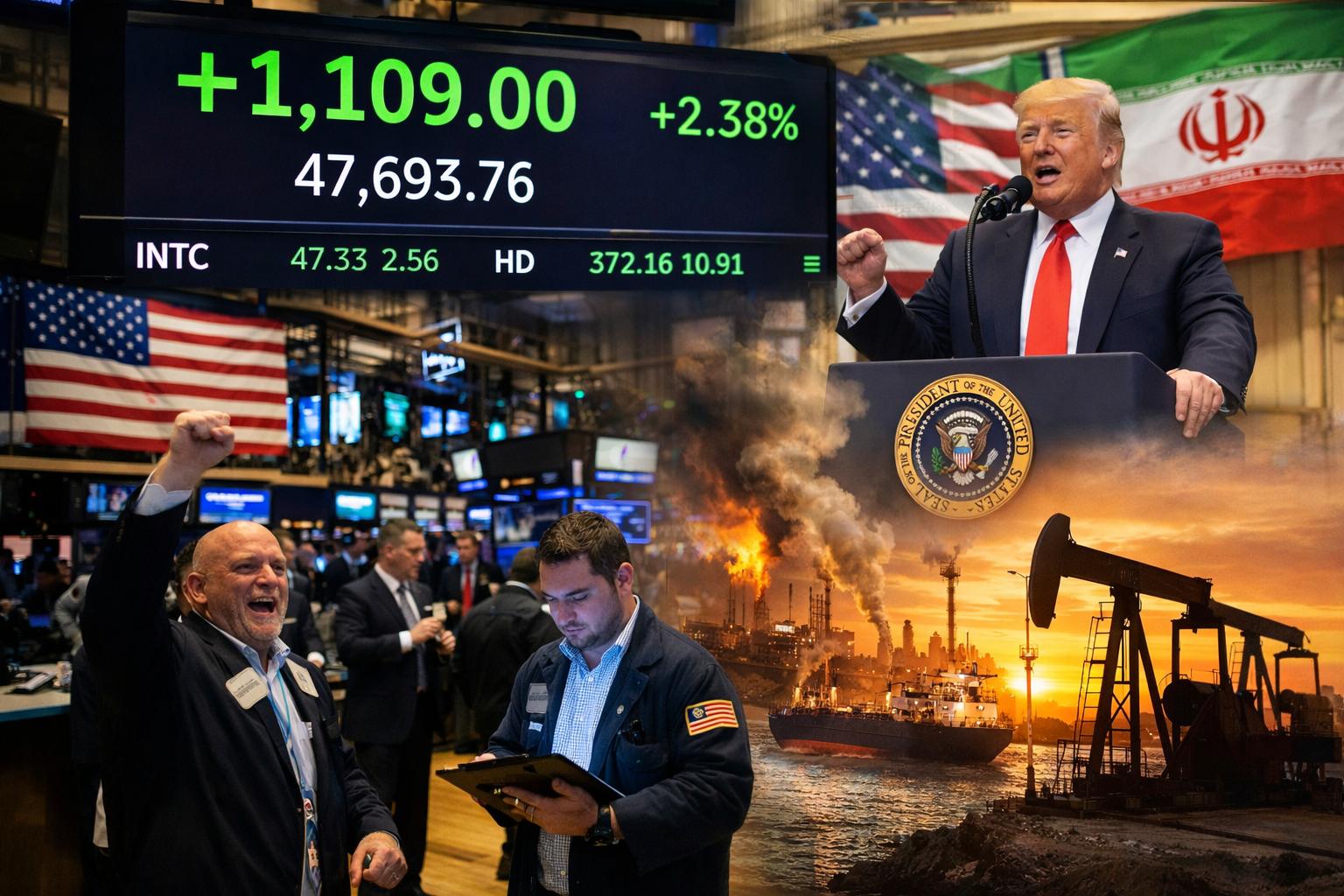
US stocks rally as ceasefire with Iran lifts market sentiment
US equities surged sharply on Wednesday as investor sentiment improved following President Donald Trump’s announcement of a temporary two-week ceasefire with Iran. The development eased fears of a prolonged conflict in the Middle East, triggering a broad rally across major indexes and sectors while simultaneously pushing oil prices lower. The Dow Jones Industrial Average climbed 1,109 points to close at 47,693.76, driven by gains in technology, industrial, and financial stocks. Companies such as Intel, Home Depot, and Caterpillar contributed significantly to the upward momentum, reflecting renewed confidence among investors. The S&P 500 rose 2.21%, supported by widespread gains across both growth and cyclical sectors, although energy stocks lagged due to declining crude prices. The Nasdaq Composite advanced 2.48%, led by strong performance in semiconductor and technology stocks, signaling optimism around artificial intelligence and chip demand. The NYSE Composite also gained 1.79%, highlighting strength in large-cap industrial and financial shares. Market sentiment shifted notably after the ceasefire announcement, as earlier concerns about escalating tensions had driven oil prices higher and weighed on equities. Investors responded positively to the prospect of reduced geopolitical risk and the potential reopening of the Strait of Hormuz, a critical shipping route responsible for roughly 20% of global oil supply. Oil prices fell sharply in response, easing inflation concerns. West Texas Intermediate crude declined 17% to $93.42 per barrel, while Brent crude dropped 16% to $91.65 per barrel. The decline in energy costs provided additional support to equities, reinforcing expectations of reduced inflationary pressure and improved economic stability. Overall, the ceasefire announcement acted as a key catalyst for markets, with investors viewing it as a step toward stabilizing global energy flows and reducing geopolitical uncertainty.
US stocks rally as ceasefire with Iran lifts market sentiment
US equities surged sharply on Wednesday as investor sentiment improved following President Donald Trump’s announcement of a temporary two-week ceasefire with Iran. The development eased fears of a prolonged conflict in the Middle East, triggering a broad rally across major indexes and sectors while simultaneously pushing oil prices lower. The Dow Jones Industrial Average climbed 1,109 points to close at 47,693.76, driven by gains in technology, industrial, and financial stocks. Companies such as Intel, Home Depot, and Caterpillar contributed significantly to the upward momentum, reflecting renewed confidence among investors. The S&P 500 rose 2.21%, supported by widespread gains across both growth and cyclical sectors, although energy stocks lagged due to declining crude prices. The Nasdaq Composite advanced 2.48%, led by strong performance in semiconductor and technology stocks, signaling optimism around artificial intelligence and chip demand. The NYSE Composite also gained 1.79%, highlighting strength in large-cap industrial and financial shares. Market sentiment shifted notably after the ceasefire announcement, as earlier concerns about escalating tensions had driven oil prices higher and weighed on equities. Investors responded positively to the prospect of reduced geopolitical risk and the potential reopening of the Strait of Hormuz, a critical shipping route responsible for roughly 20% of global oil supply. Oil prices fell sharply in response, easing inflation concerns. West Texas Intermediate crude declined 17% to $93.42 per barrel, while Brent crude dropped 16% to $91.65 per barrel. The decline in energy costs provided additional support to equities, reinforcing expectations of reduced inflationary pressure and improved economic stability. Overall, the ceasefire announcement acted as a key catalyst for markets, with investors viewing it as a step toward stabilizing global energy flows and reducing geopolitical uncertainty.










