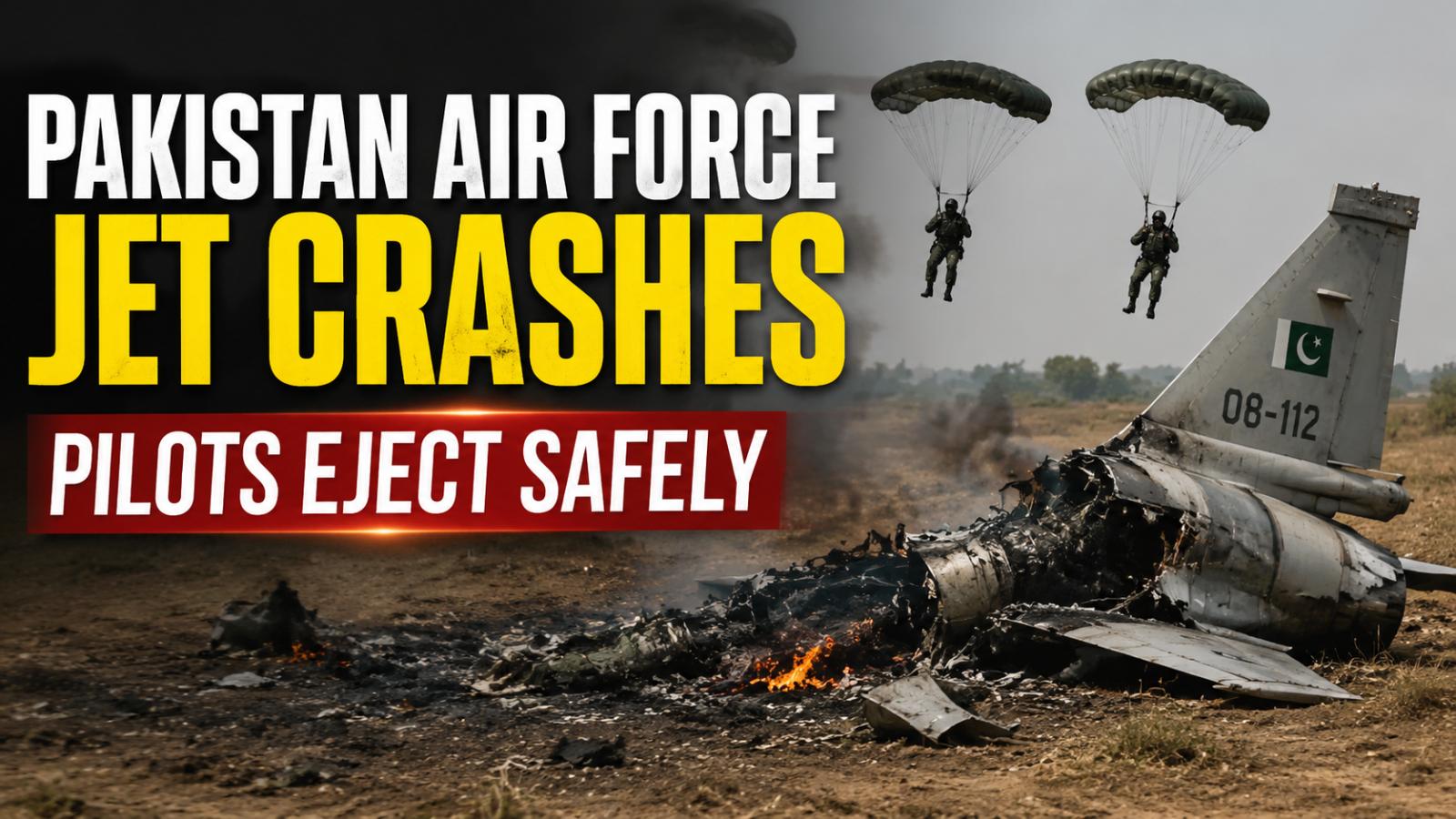
A Pakistan Air Force training jet crashed near Mianwali, Punjab on Wednesday, with both pilots escaping unharmed. The aircraft, a Hongdu JL-8, was on a routine flight when it went down in a rural area. Authorities have secured the crash site, while locals shared photos and videos showing scattered wreckage across fields.
Pilot Ejection and Safety
The Hongdu JL-8 is widely used for training and is
A Pakistan Air Force training jet crashed near Mianwali, Punjab on Wednesday, with both pilots escaping unharmed. The aircraft, a Hongdu JL-8, was on a routine flight when it went down in a rural area. Authorities have secured the crash site, while locals shared photos and videos showing scattered wreckage across fields.
Pilot Ejection and Safety
The Hongdu JL-8 is widely used for training and is
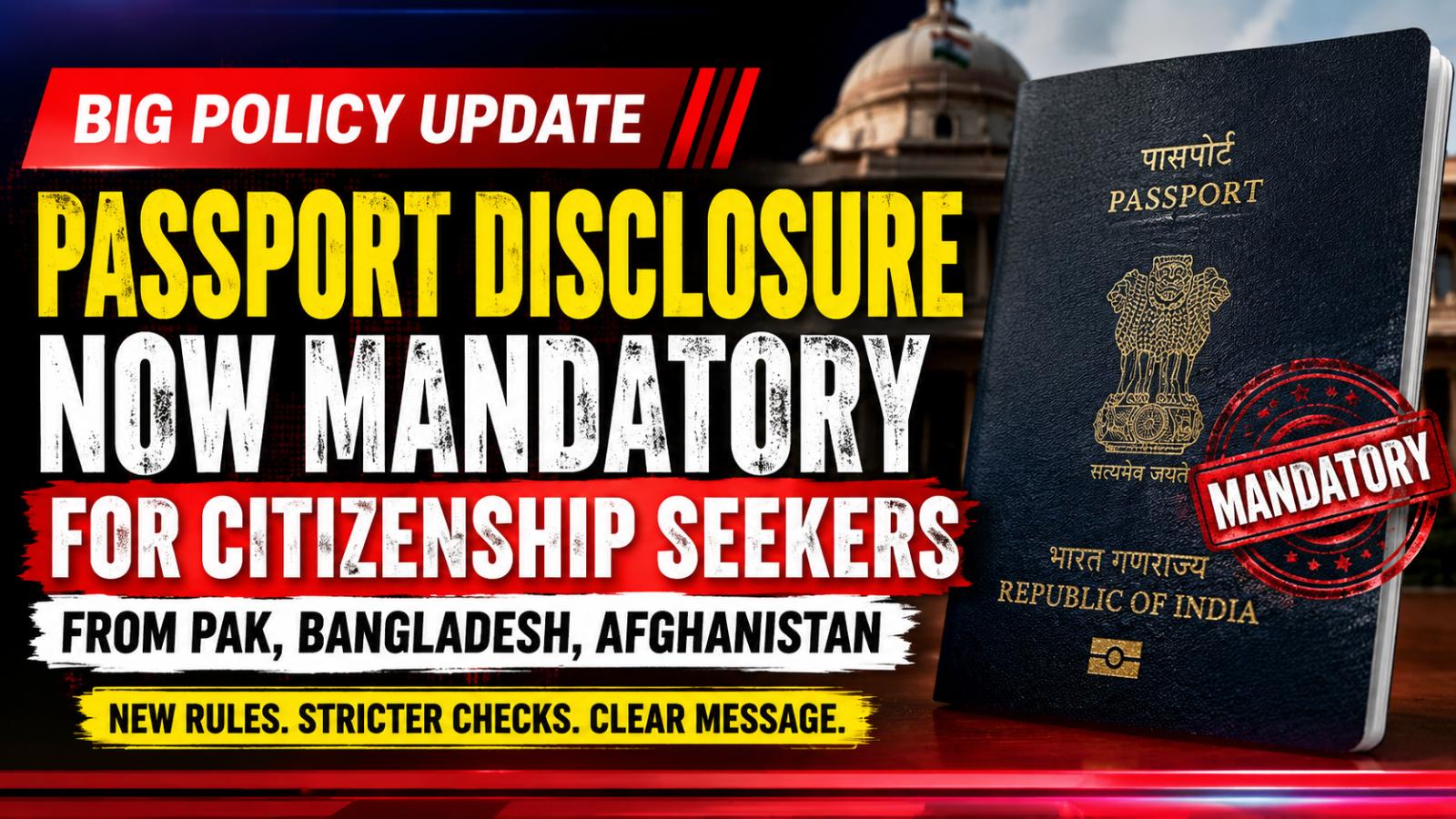
The Union Home Ministry has introduced a crucial amendment to the Citizenship Rules, 2009, impacting applicants from Pakistan, Afghanistan, and Bangladesh. As per a notification issued on May 18, 2026, individuals seeking Indian citizenship from these countries are now required to declare the status of their passports. The amendment introduces a provision specifying that applicants must not be in possession of a valid or expired passport issued by the governments of Pakistan, Afghanistan, or Ban
The Union Home Ministry has introduced a crucial amendment to the Citizenship Rules, 2009, impacting applicants from Pakistan, Afghanistan, and Bangladesh. As per a notification issued on May 18, 2026, individuals seeking Indian citizenship from these countries are now required to declare the status of their passports. The amendment introduces a provision specifying that applicants must not be in possession of a valid or expired passport issued by the governments of Pakistan, Afghanistan, or Ban
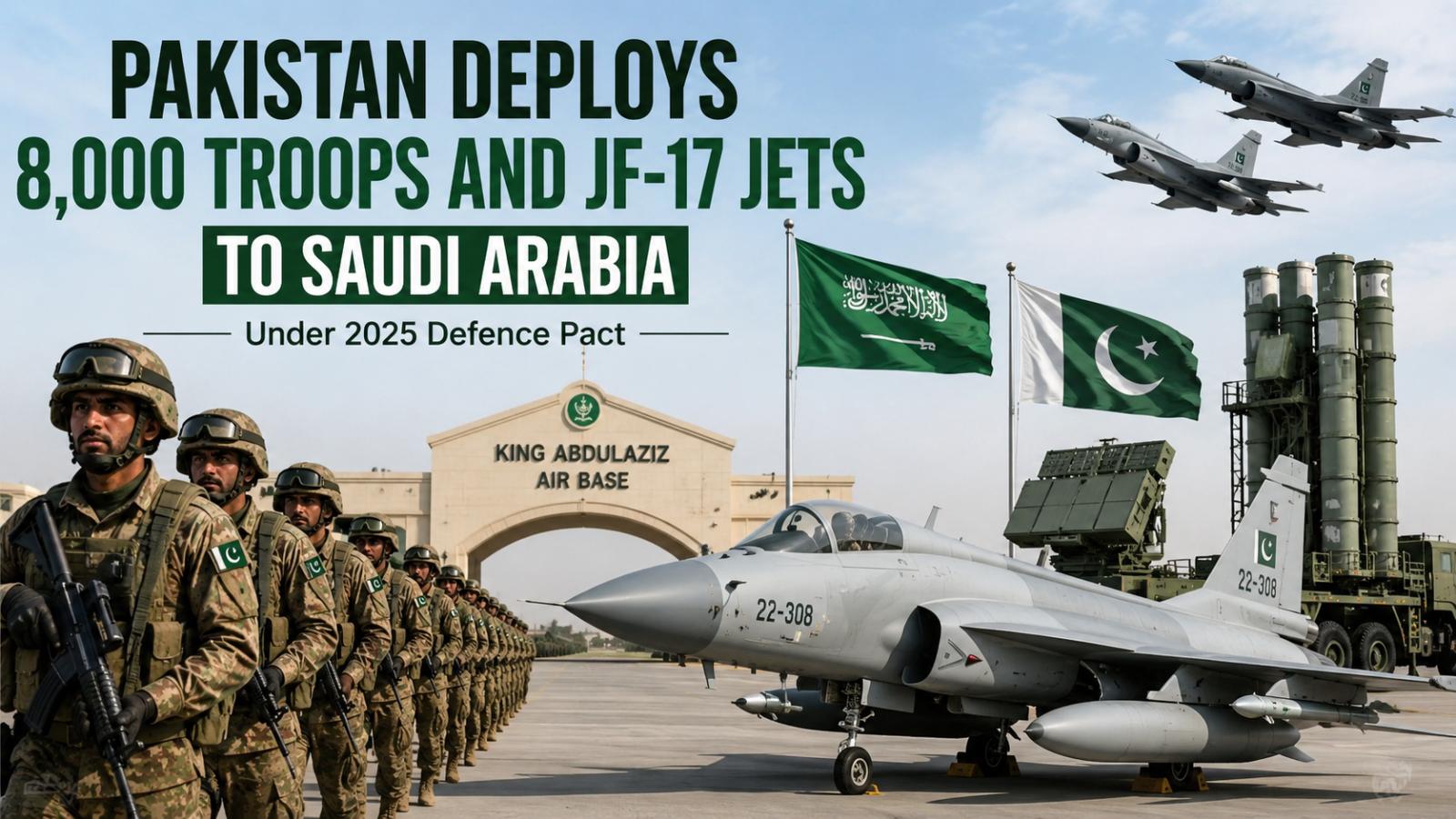
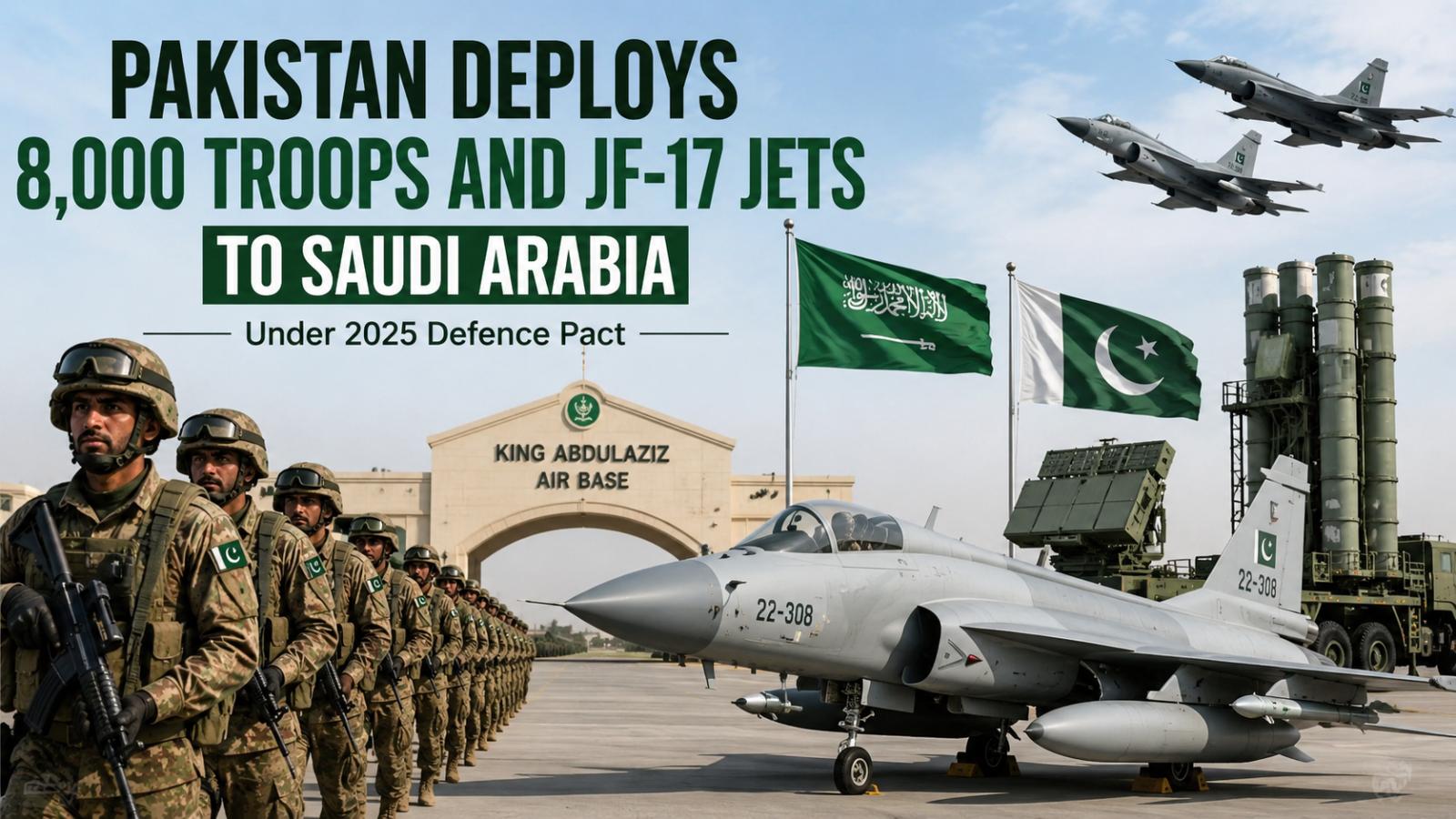
Pakistan has reportedly deployed about 8,000 troops, JF-17 fighter jets and air defence assets to Saudi Arabia, marking a major expansion of the Saudi Pakistan defence pact signed in 2025.
The move places Pakistani personnel and military equipment in the kingdom at a time of heightened Middle East tensions, giving Riyadh additional defence support while Islamabad balances its regional diplomatic role.
Pakistan Troops in Saudi Arabia 2026: What Was Sent
Pakistan has reportedly deployed about 8,000 troops, JF-17 fighter jets and air defence assets to Saudi Arabia, marking a major expansion of the Saudi Pakistan defence pact signed in 2025.
The move places Pakistani personnel and military equipment in the kingdom at a time of heightened Middle East tensions, giving Riyadh additional defence support while Islamabad balances its regional diplomatic role.
Pakistan Troops in Saudi Arabia 2026: What Was Sent
Pakistan has reportedly deployed about 8,000 troops, JF-17 fighter jets and air defence assets to Saudi Arabia, marking a major expansion of the Saudi Pakistan defence pact signed in 2025.
The move places Pakistani personnel and military equipment in the kingdom at a time of heightened Middle East tensions, giving Riyadh additional defence support while Islamabad balances its regional diplomatic role.
Pakistan Troops in Saudi Arabia 2026: What Was Sent
Pakistan has reportedly deployed about 8,000 troops, JF-17 fighter jets and air defence assets to Saudi Arabia, marking a major expansion of the Saudi Pakistan defence pact signed in 2025.
The move places Pakistani personnel and military equipment in the kingdom at a time of heightened Middle East tensions, giving Riyadh additional defence support while Islamabad balances its regional diplomatic role.
Pakistan Troops in Saudi Arabia 2026: What Was Sent
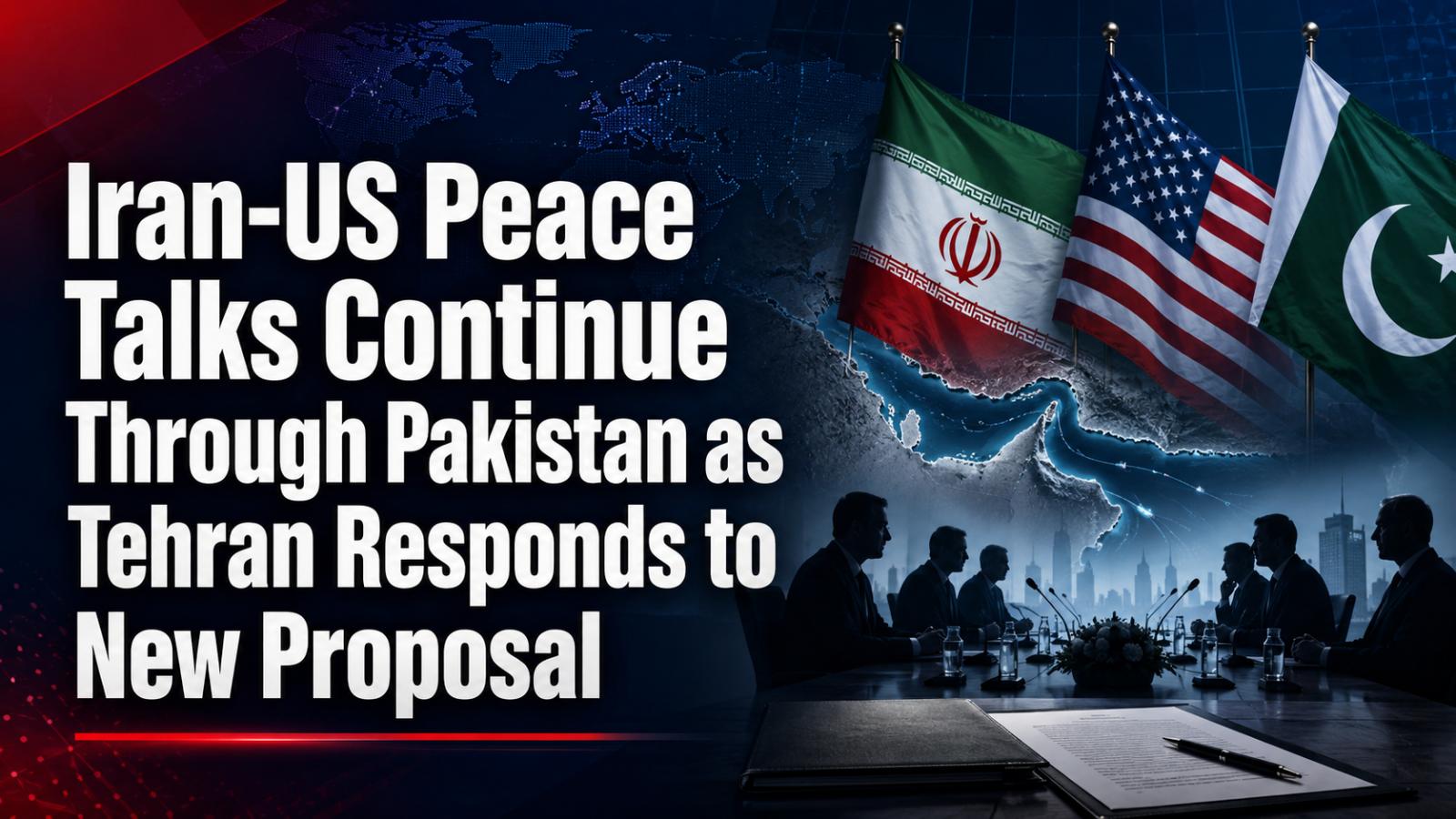
Iran-US peace talks are continuing through Pakistan as Tehran and Washington remain divided over sanctions, nuclear activity, frozen Iranian assets, war damages and the Strait of Hormuz. Iran has responded to a new proposal aimed at ending the conflict, while Pakistan continues to play the role of mediator between the two sides.
The diplomatic effort comes at a sensitive time. Tensions remain high in the region, and both countries are under pressure to avoid another round of escalat
Iran-US peace talks are continuing through Pakistan as Tehran and Washington remain divided over sanctions, nuclear activity, frozen Iranian assets, war damages and the Strait of Hormuz. Iran has responded to a new proposal aimed at ending the conflict, while Pakistan continues to play the role of mediator between the two sides.
The diplomatic effort comes at a sensitive time. Tensions remain high in the region, and both countries are under pressure to avoid another round of escalat
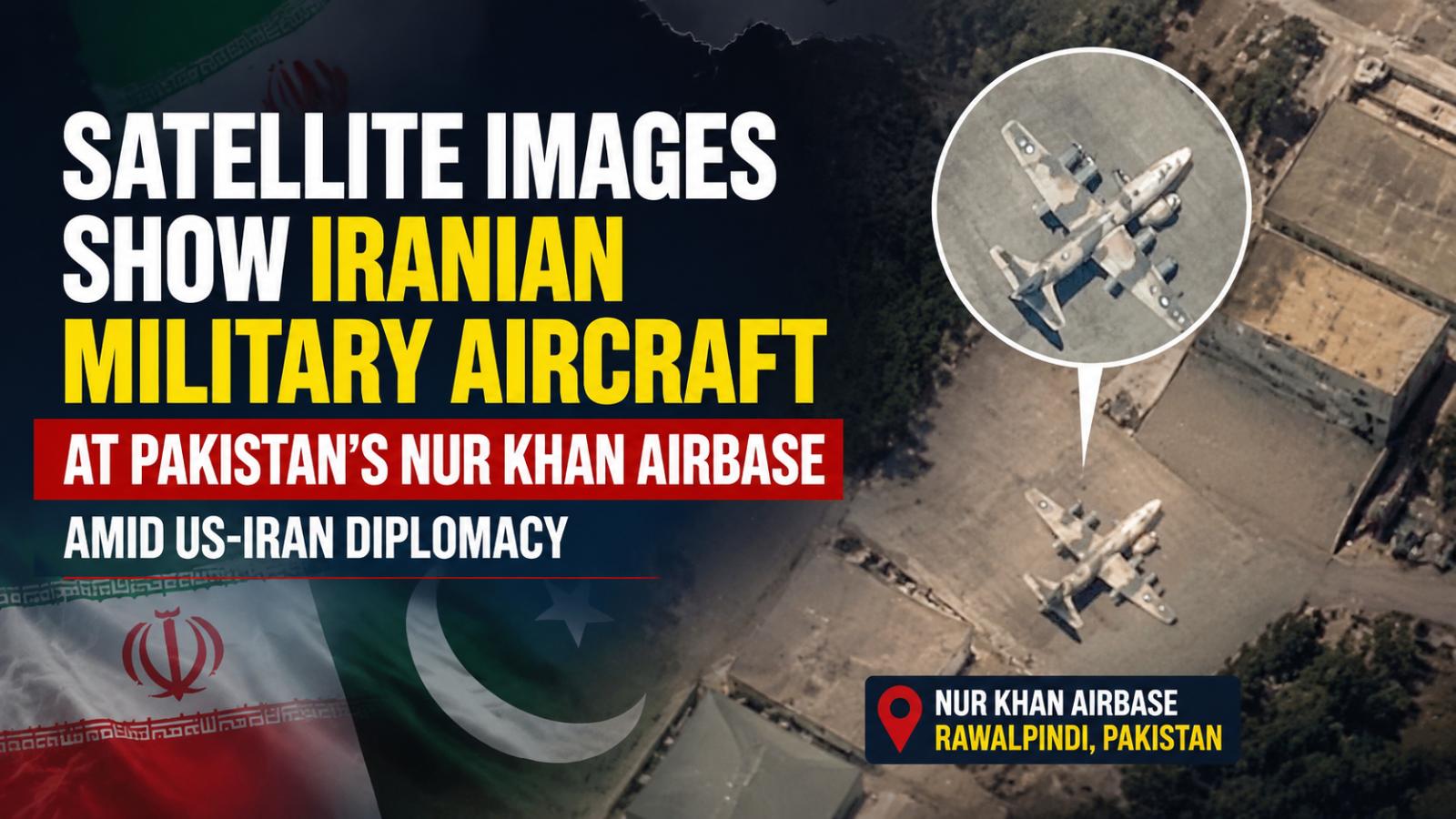
Fresh satellite imagery has sparked renewed scrutiny over Pakistan's involvement in the ongoing US-Iran diplomatic talks, with reports suggesting that Islamabad may be housing at least one Iranian military aircraft at the strategically important Nur Khan Airbase, located near Islamabad. These developments come amid heightened tensions between Washington and Tehran, as Pakistan continues to position itself as a mediator between the two nations.
The satellite images, which are believe
Fresh satellite imagery has sparked renewed scrutiny over Pakistan's involvement in the ongoing US-Iran diplomatic talks, with reports suggesting that Islamabad may be housing at least one Iranian military aircraft at the strategically important Nur Khan Airbase, located near Islamabad. These developments come amid heightened tensions between Washington and Tehran, as Pakistan continues to position itself as a mediator between the two nations.
The satellite images, which are believe
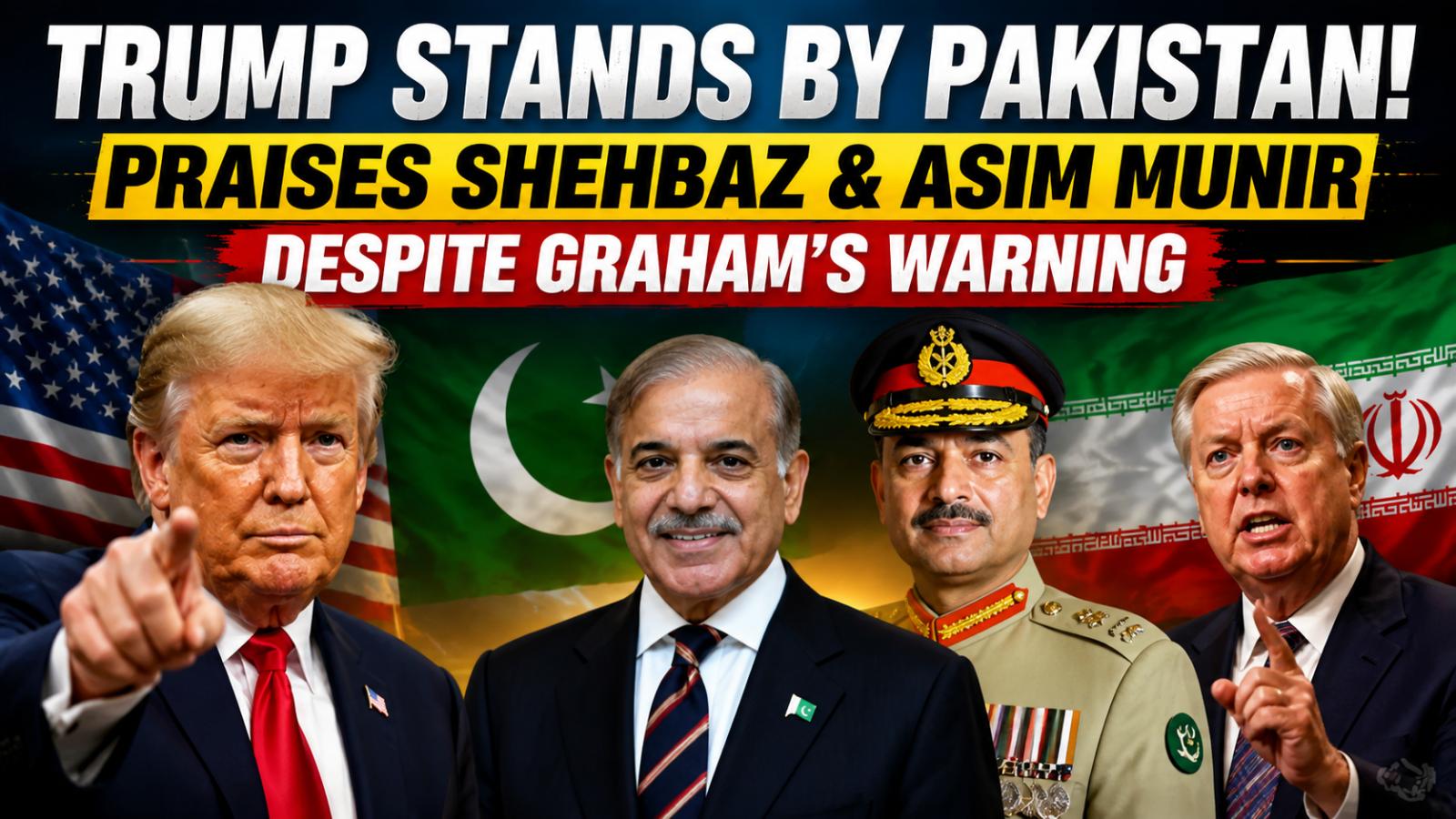
Trump Defends Pakistan's Role in Iran Talks
President Donald Trump reaffirmed his trust in Pakistan’s role as a mediator in the ongoing talks with Iran, dismissing concerns raised by Senator Lindsey Graham. Trump praised Prime Minister Shehbaz Sharif and Pakistan's Army Chief, General Asim Munir, calling them “absolutely great” for their efforts in facilitating diplomatic discussions between the United States and Iran. His comments came on Ma
Trump Defends Pakistan's Role in Iran Talks
President Donald Trump reaffirmed his trust in Pakistan’s role as a mediator in the ongoing talks with Iran, dismissing concerns raised by Senator Lindsey Graham. Trump praised Prime Minister Shehbaz Sharif and Pakistan's Army Chief, General Asim Munir, calling them “absolutely great” for their efforts in facilitating diplomatic discussions between the United States and Iran. His comments came on Ma
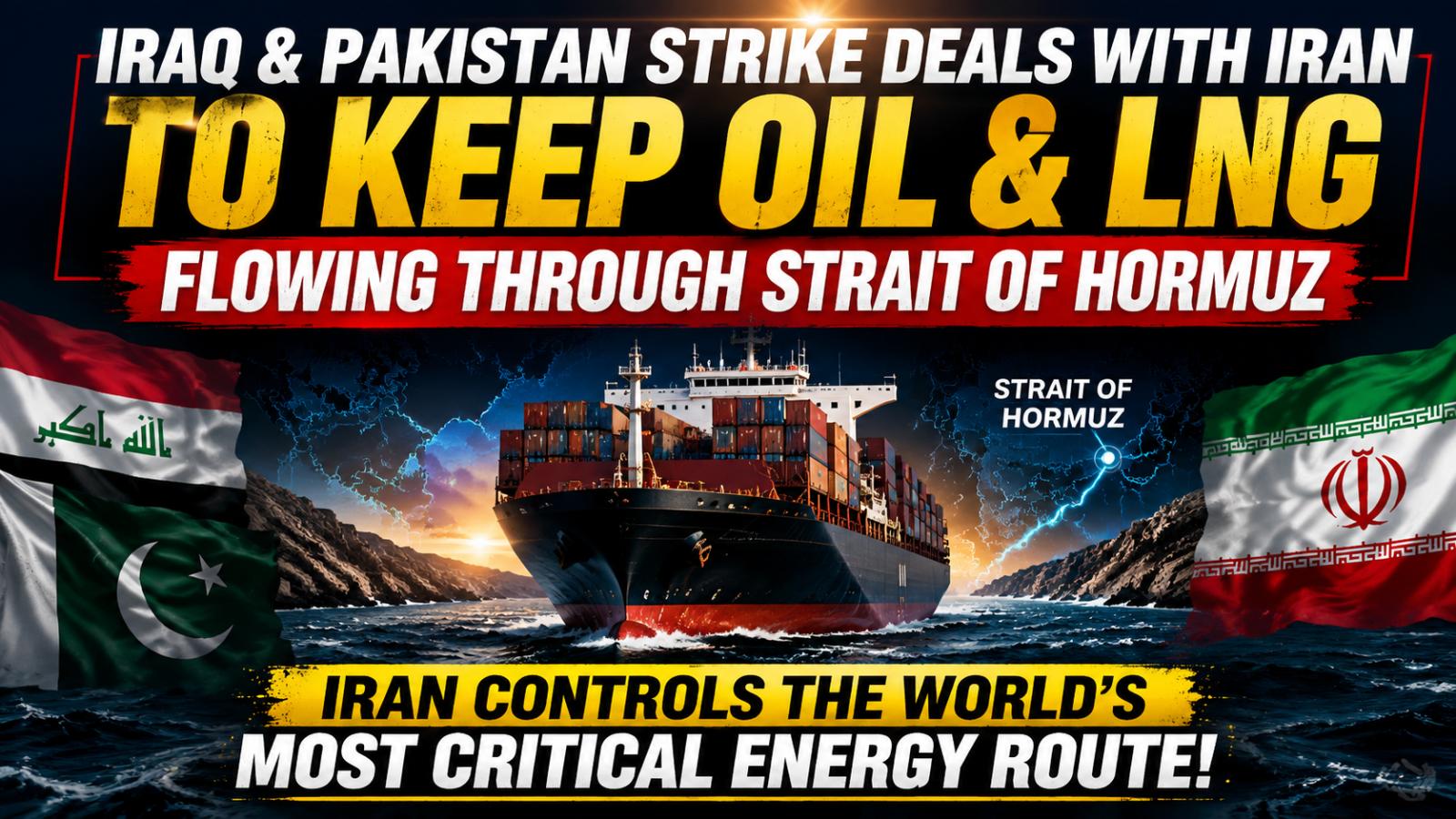
Iraq and Pakistan Secure Oil and Gas Transport Deals
Amid the ongoing conflict in the Middle East, Iraq and Pakistan have reached separate agreements with Iran to allow the transport of oil and liquefied natural gas (LNG) through the critical Strait of Hormuz. According to multiple sources, these agreements reflect Iran’s growing control over one of the world’s most important energy corridors, a situation that has intensified due to the ongoing
Iraq and Pakistan Secure Oil and Gas Transport Deals
Amid the ongoing conflict in the Middle East, Iraq and Pakistan have reached separate agreements with Iran to allow the transport of oil and liquefied natural gas (LNG) through the critical Strait of Hormuz. According to multiple sources, these agreements reflect Iran’s growing control over one of the world’s most important energy corridors, a situation that has intensified due to the ongoing
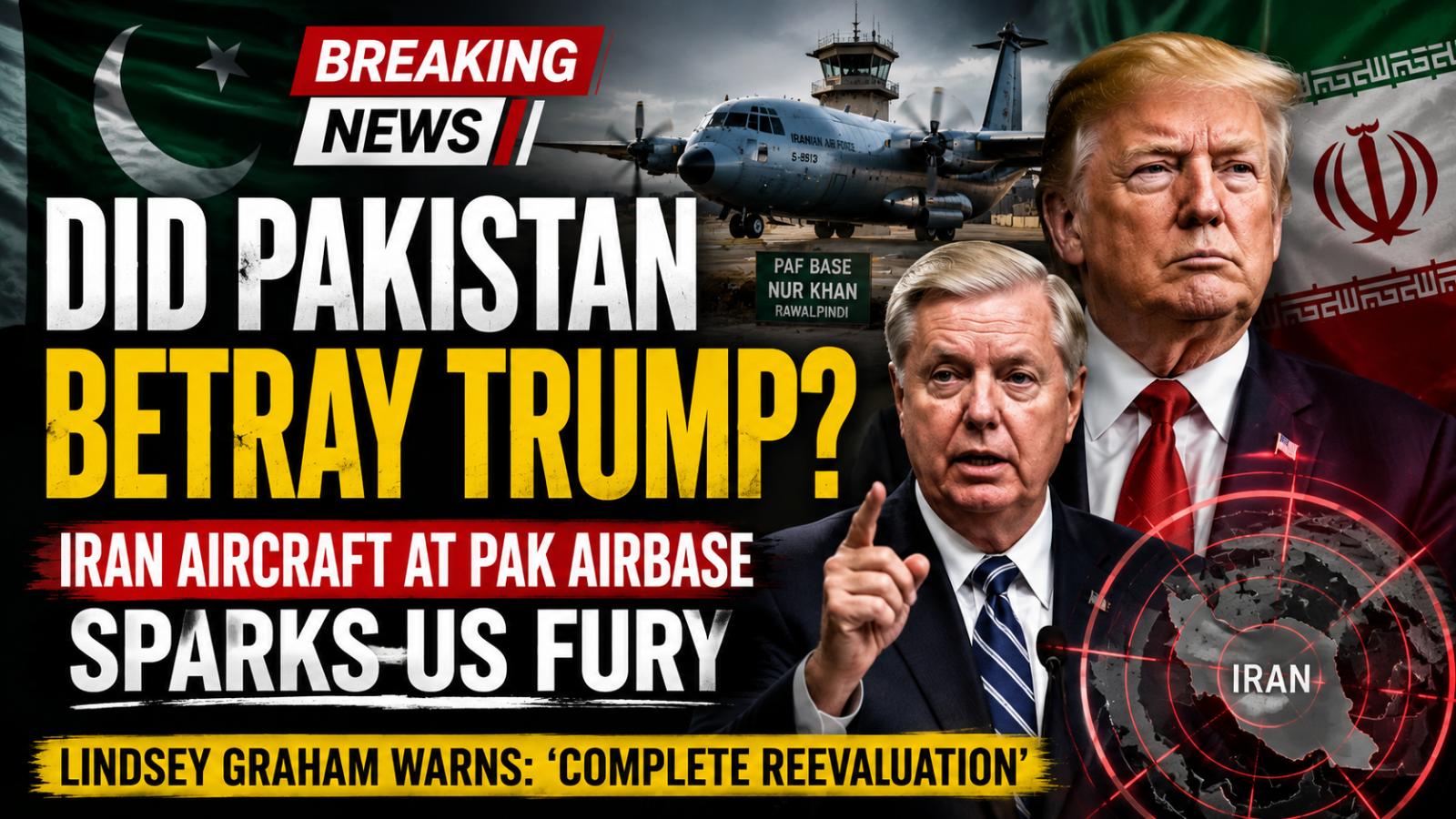
Questions surrounding Pakistan’s role as a neutral mediator in the Iran-US negotiations have intensified following claims that Tehran may have parked military and surveillance aircraft at a Pakistani airbase during ongoing diplomatic discussions. The allegations have triggered political reactions in Washington and renewed scrutiny over Islamabad’s balancing act between the United States, Iran, China, and regional security interests.
US Senator Lindsey Graham, a close ally of Pre
Questions surrounding Pakistan’s role as a neutral mediator in the Iran-US negotiations have intensified following claims that Tehran may have parked military and surveillance aircraft at a Pakistani airbase during ongoing diplomatic discussions. The allegations have triggered political reactions in Washington and renewed scrutiny over Islamabad’s balancing act between the United States, Iran, China, and regional security interests.
US Senator Lindsey Graham, a close ally of Pre
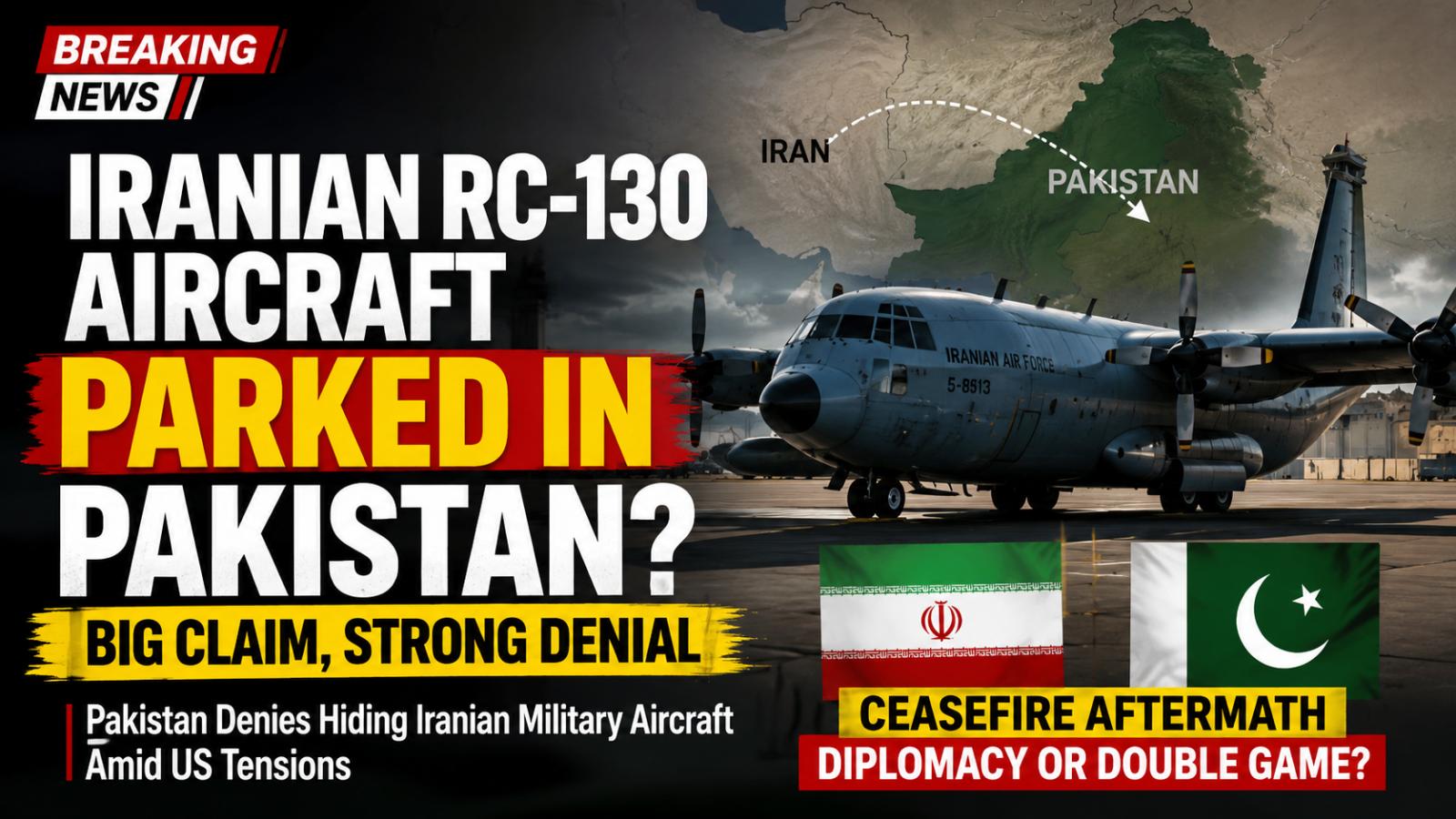
Questions have emerged over Pakistan’s role during the period following the US-Iran ceasefire after reports claimed Iranian military aircraft were temporarily stationed at Pakistani airbases. According to US officials cited in recent reports, Iran allegedly moved several aircraft into Pakistan, including an Iranian Air Force RC-130 reconnaissance aircraft, a surveillance and intelligence-gathering variant of the widely used C-130 transport plane.
The aircraft was reportedly parked
Questions have emerged over Pakistan’s role during the period following the US-Iran ceasefire after reports claimed Iranian military aircraft were temporarily stationed at Pakistani airbases. According to US officials cited in recent reports, Iran allegedly moved several aircraft into Pakistan, including an Iranian Air Force RC-130 reconnaissance aircraft, a surveillance and intelligence-gathering variant of the widely used C-130 transport plane.
The aircraft was reportedly parked
Pakistan’s Chief of Defence Forces, General Asim Munir, on Sunday described last year’s four-day conflict with India as a “battle between two ideologies” while claiming that Pakistan’s military strategy proved superior during the hostilities. Speaking at a ceremony held at the General Headquarters in Rawalpindi to mark the first anniversary of “Marka-e-Haq,” the title Islamabad uses for the conflict, Munir said Pakistan responded with unity and military preparedness during the e
Pakistan’s Chief of Defence Forces, General Asim Munir, on Sunday described last year’s four-day conflict with India as a “battle between two ideologies” while claiming that Pakistan’s military strategy proved superior during the hostilities. Speaking at a ceremony held at the General Headquarters in Rawalpindi to mark the first anniversary of “Marka-e-Haq,” the title Islamabad uses for the conflict, Munir said Pakistan responded with unity and military preparedness during the e
On May 7, India and Pakistan held parallel press conferences marking the anniversary of Operation Sindoor, with each side offering contrasting perspectives on the recent conflict. During Pakistan’s press briefing, held by Inter-Services Public Relations (ISPR) Director General Lt Gen Ahmed Sharif Chaudhry, the focus was on refuting India’s actions during the deadly Pahalgam terror attack in Kashmir. Pakistan claimed that India’s response to the attack, which killed 26 people, was "unpro
On May 7, India and Pakistan held parallel press conferences marking the anniversary of Operation Sindoor, with each side offering contrasting perspectives on the recent conflict. During Pakistan’s press briefing, held by Inter-Services Public Relations (ISPR) Director General Lt Gen Ahmed Sharif Chaudhry, the focus was on refuting India’s actions during the deadly Pahalgam terror attack in Kashmir. Pakistan claimed that India’s response to the attack, which killed 26 people, was "unpro
China’s rare admission raises stakes
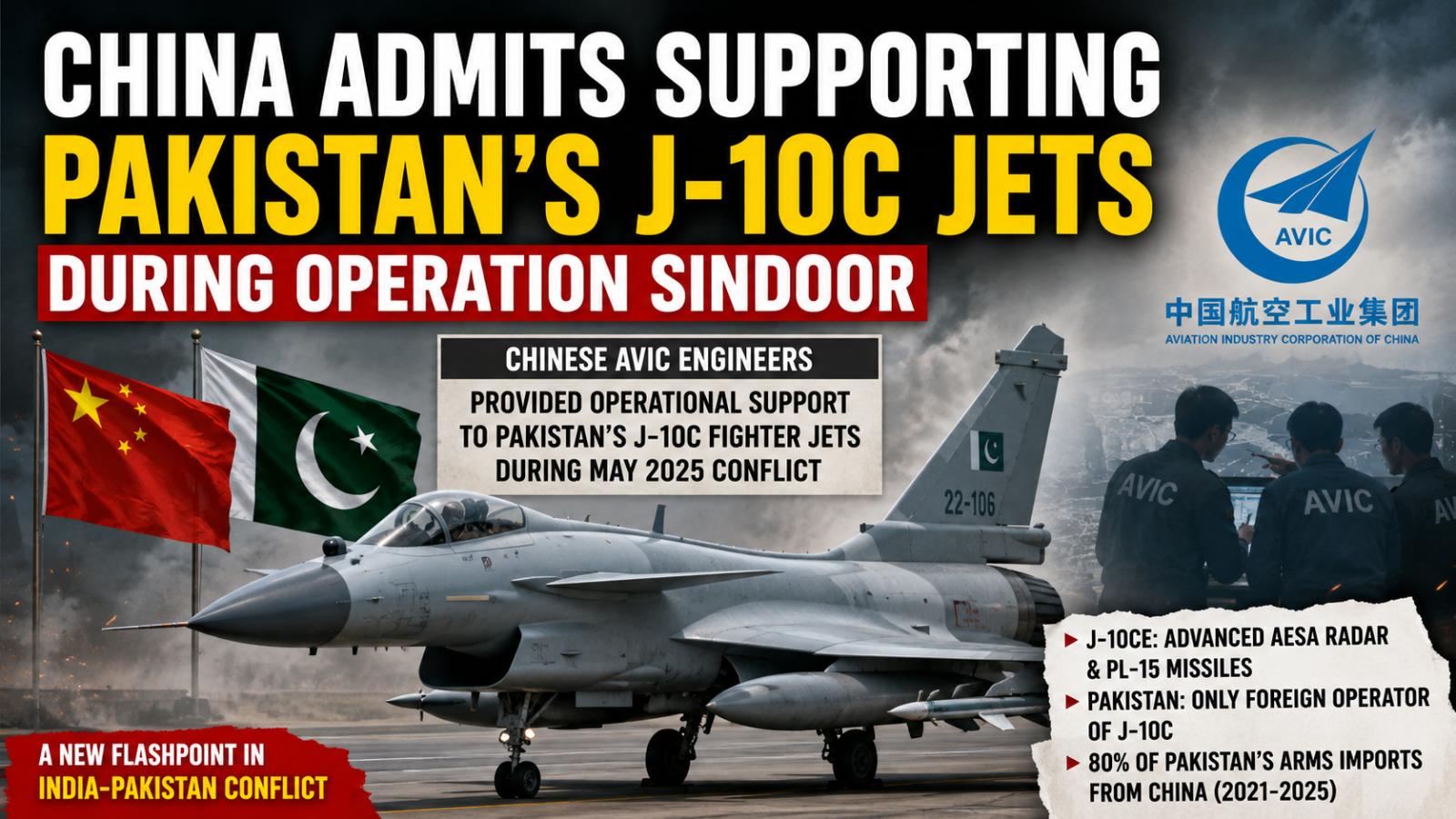
China has admitted its engineers supported Pakistan’s J-10C fighter jet operations during India’s Operation Sindoor in May 2025, a disclosure that adds a sharper China angle to the India-Pakistan conflict.
The admission came through Chinese state broadcaster CCTV, where AVIC engineer Zhang Heng described being at a support base as fighter jets took off and air-raid sirens sounded. He said the team worked in extreme May heat while trying to keep Chinese-made equipment combat-ready.
Why the J-10C disclosure matters
The J-10CE, Pakistan’s export version of China’s J-10C multirole fighter, is central to the story because Pakistan remains its only foreign operator. The aircraft is linked to advanced AESA radar and PL-15 long-range air-to-air missiles, making any wartime support politically sensitive.
Indian defence officials have said Operation Sindoor targeted terror infrastructure after the Pahalgam attack, while later briefings claimed 13 Pakistani aircraft and 11 airfields were hit. Those claims, combined with Beijing’s acknowledgement of technical support, are likely to intensify scrutiny of the China-Pakistan defence partnership.
Regional security impact
The timing is significant. The disclosure surfaced around the first anniversary of Operation Sindoor and reinforces India’s long-held concern that Pakistan’s military capability is increasingly backed by Chinese systems, engineers and supply chains.
For New Delhi, the key question is no longer whether Chinese weapons were used, but how deeply Chinese personnel supported Pakistan during active conflict. That makes this admission more than a defence update—it is a fresh flashpoint in Asian security.
China’s rare admission raises stakes
China has admitted its engineers supported Pakistan’s J-10C fighter jet operations during India’s Operation Sindoor in May 2025, a disclosure that adds a sharper China angle to the India-Pakistan conflict.
The admission came through Chinese state broadcaster CCTV, where AVIC engineer Zhang Heng described being at a support base as fighter jets took off and air-raid sirens sounded. He said the team worked in extreme May heat while trying to keep Chinese-made equipment combat-ready.
Why the J-10C disclosure matters
The J-10CE, Pakistan’s export version of China’s J-10C multirole fighter, is central to the story because Pakistan remains its only foreign operator. The aircraft is linked to advanced AESA radar and PL-15 long-range air-to-air missiles, making any wartime support politically sensitive.
Indian defence officials have said Operation Sindoor targeted terror infrastructure after the Pahalgam attack, while later briefings claimed 13 Pakistani aircraft and 11 airfields were hit. Those claims, combined with Beijing’s acknowledgement of technical support, are likely to intensify scrutiny of the China-Pakistan defence partnership.
Regional security impact
The timing is significant. The disclosure surfaced around the first anniversary of Operation Sindoor and reinforces India’s long-held concern that Pakistan’s military capability is increasingly backed by Chinese systems, engineers and supply chains.
For New Delhi, the key question is no longer whether Chinese weapons were used, but how deeply Chinese personnel supported Pakistan during active conflict. That makes this admission more than a defence update—it is a fresh flashpoint in Asian security.
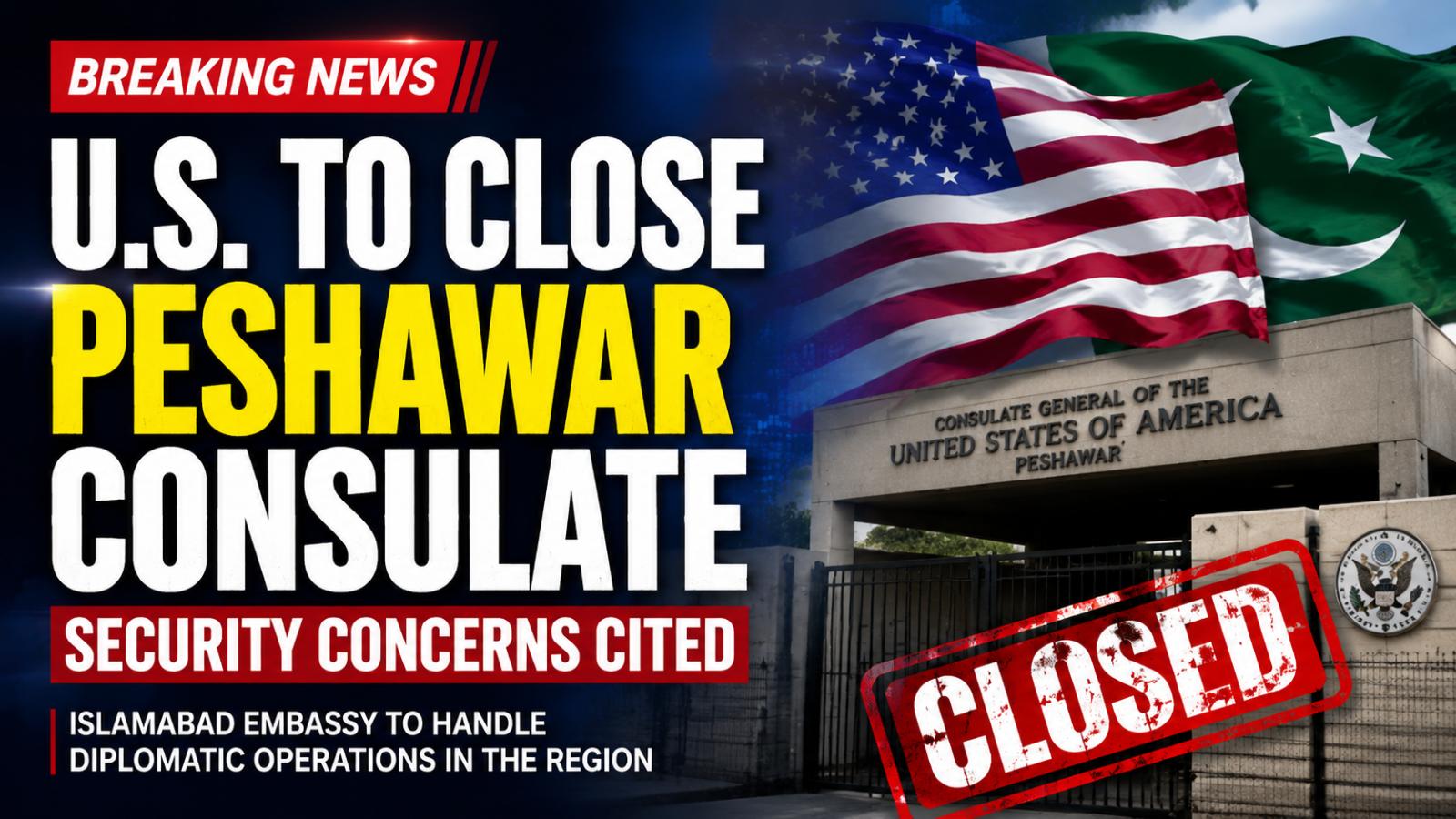
The United States announced on May 6 that it will close its consulate in Peshawar, Pakistan, citing safety concerns for its diplomats. The U.S. State Department released a notice explaining that the decision was made in response to the region's security conditions. The embassy in Islamabad will now handle all diplomatic engagements with Khyber Pakhtunkhwa province, where Peshawar is the capital. This shift reflects the United States' commitment to the safety of its diplomatic personnel while optimizing resources.
The State Department clarified that the closure is only related to the physical presence in Peshawar. U.S. policy priorities in Pakistan, however, remain unchanged. The U.S. will continue to engage with the people and officials of Khyber Pakhtunkhwa to enhance economic ties, promote regional security, and advance American interests in the region.
Despite the consulate closure, the U.S. Mission to Pakistan will maintain a strong presence and continue to foster relations through its remaining diplomatic posts in Islamabad, Karachi, and Lahore. Khyber Pakhtunkhwa, which borders Afghanistan, has seen numerous security incidents due to ongoing conflicts between Pakistan's military forces and Afghan-backed militants. These tensions have heightened security concerns in the area.
Additionally, protests occurred outside the U.S. consulate in Karachi following the death of Iranian Supreme Leader Ayatollah Ali Khamenei in U.S.-Israeli airstrikes. The incident led to the deaths of at least ten people in Pakistan, prompting President Asif Ali Zardari to express Pakistan's solidarity with Iran in this time of grief. Despite this, Pakistan has taken on the role of mediator in the ongoing conflict between Iran and the United States.
The shift in U.S. diplomatic presence in Pakistan is part of a broader strategy to ensure safety while continuing to support strategic relationships in the region.
The United States announced on May 6 that it will close its consulate in Peshawar, Pakistan, citing safety concerns for its diplomats. The U.S. State Department released a notice explaining that the decision was made in response to the region's security conditions. The embassy in Islamabad will now handle all diplomatic engagements with Khyber Pakhtunkhwa province, where Peshawar is the capital. This shift reflects the United States' commitment to the safety of its diplomatic personnel while optimizing resources.
The State Department clarified that the closure is only related to the physical presence in Peshawar. U.S. policy priorities in Pakistan, however, remain unchanged. The U.S. will continue to engage with the people and officials of Khyber Pakhtunkhwa to enhance economic ties, promote regional security, and advance American interests in the region.
Despite the consulate closure, the U.S. Mission to Pakistan will maintain a strong presence and continue to foster relations through its remaining diplomatic posts in Islamabad, Karachi, and Lahore. Khyber Pakhtunkhwa, which borders Afghanistan, has seen numerous security incidents due to ongoing conflicts between Pakistan's military forces and Afghan-backed militants. These tensions have heightened security concerns in the area.
Additionally, protests occurred outside the U.S. consulate in Karachi following the death of Iranian Supreme Leader Ayatollah Ali Khamenei in U.S.-Israeli airstrikes. The incident led to the deaths of at least ten people in Pakistan, prompting President Asif Ali Zardari to express Pakistan's solidarity with Iran in this time of grief. Despite this, Pakistan has taken on the role of mediator in the ongoing conflict between Iran and the United States.
The shift in U.S. diplomatic presence in Pakistan is part of a broader strategy to ensure safety while continuing to support strategic relationships in the region.
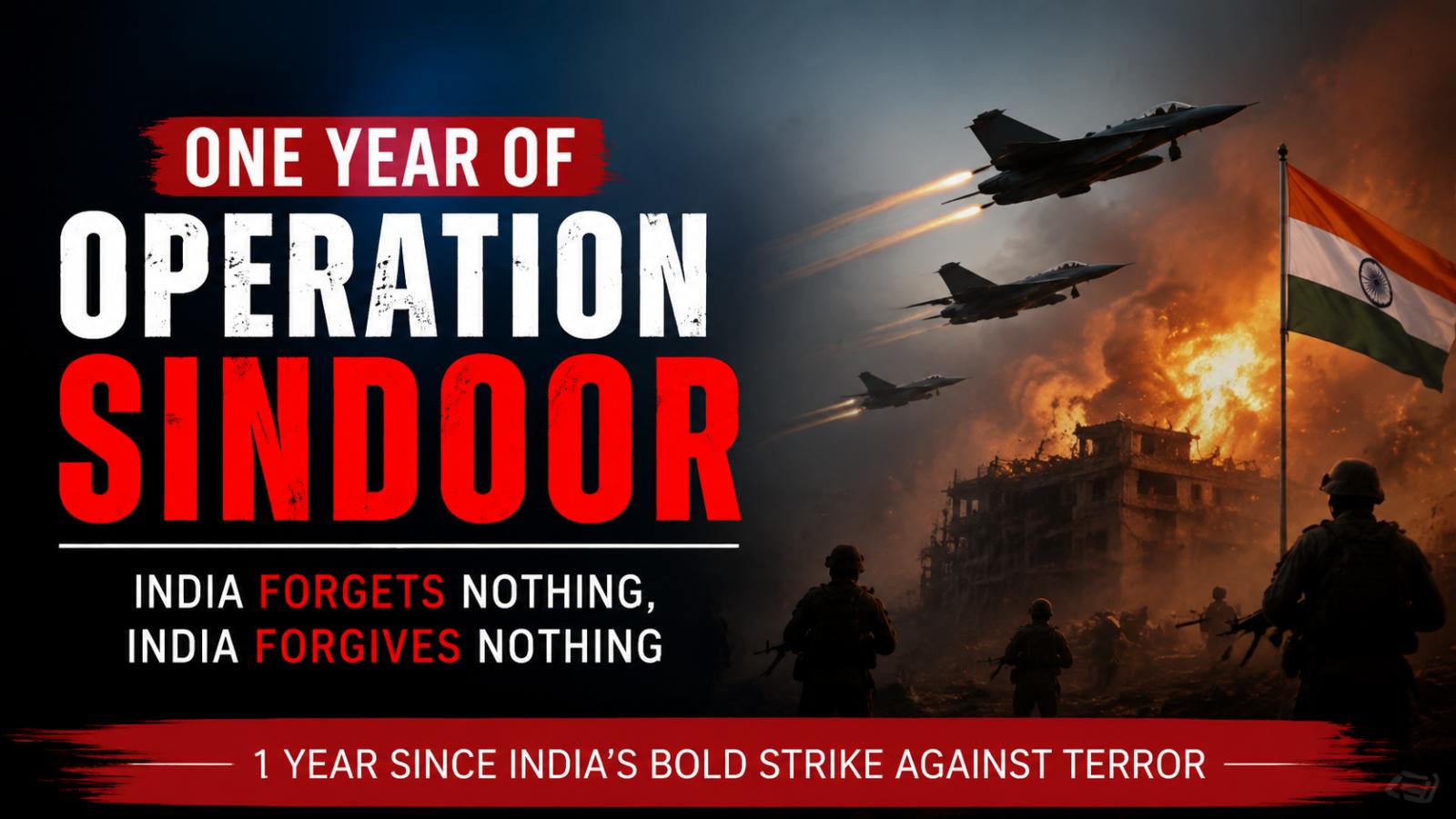
On May 6–7, 2025, the Indian Armed Forces launched ‘Operation Sindoor,’ a bold retaliation against terrorism emanating from Pakistan. A year later, India marks the anniversary of this significant military action, which saw the Indian Air Force strike nine terror camps in Pakistan and Pakistan-occupied Kashmir (PoK). The mission was a response to the brutal Pahalgam attack earlier that year, and its swift execution sent a clear message: India forgets nothing, and it forgives nothing.
On May 6–7, 2025, the Indian Armed Forces launched ‘Operation Sindoor,’ a bold retaliation against terrorism emanating from Pakistan. A year later, India marks the anniversary of this significant military action, which saw the Indian Air Force strike nine terror camps in Pakistan and Pakistan-occupied Kashmir (PoK). The mission was a response to the brutal Pahalgam attack earlier that year, and its swift execution sent a clear message: India forgets nothing, and it forgives nothing.
The 2026 Indian assembly elections have garnered international attention, with global publications reporting on the significant victory of the Bharatiya Janata Party (BJP) in West Bengal, alongside a political shock in Tamil Nadu. The international media spotlighted the BJP’s historic win in West Bengal, a state that had been under the control of Mamata Banerjee’s Trinamool Congress (TMC) for 15 years. This result has significant implications for India's political landscape, with many pub
The 2026 Indian assembly elections have garnered international attention, with global publications reporting on the significant victory of the Bharatiya Janata Party (BJP) in West Bengal, alongside a political shock in Tamil Nadu. The international media spotlighted the BJP’s historic win in West Bengal, a state that had been under the control of Mamata Banerjee’s Trinamool Congress (TMC) for 15 years. This result has significant implications for India's political landscape, with many pub
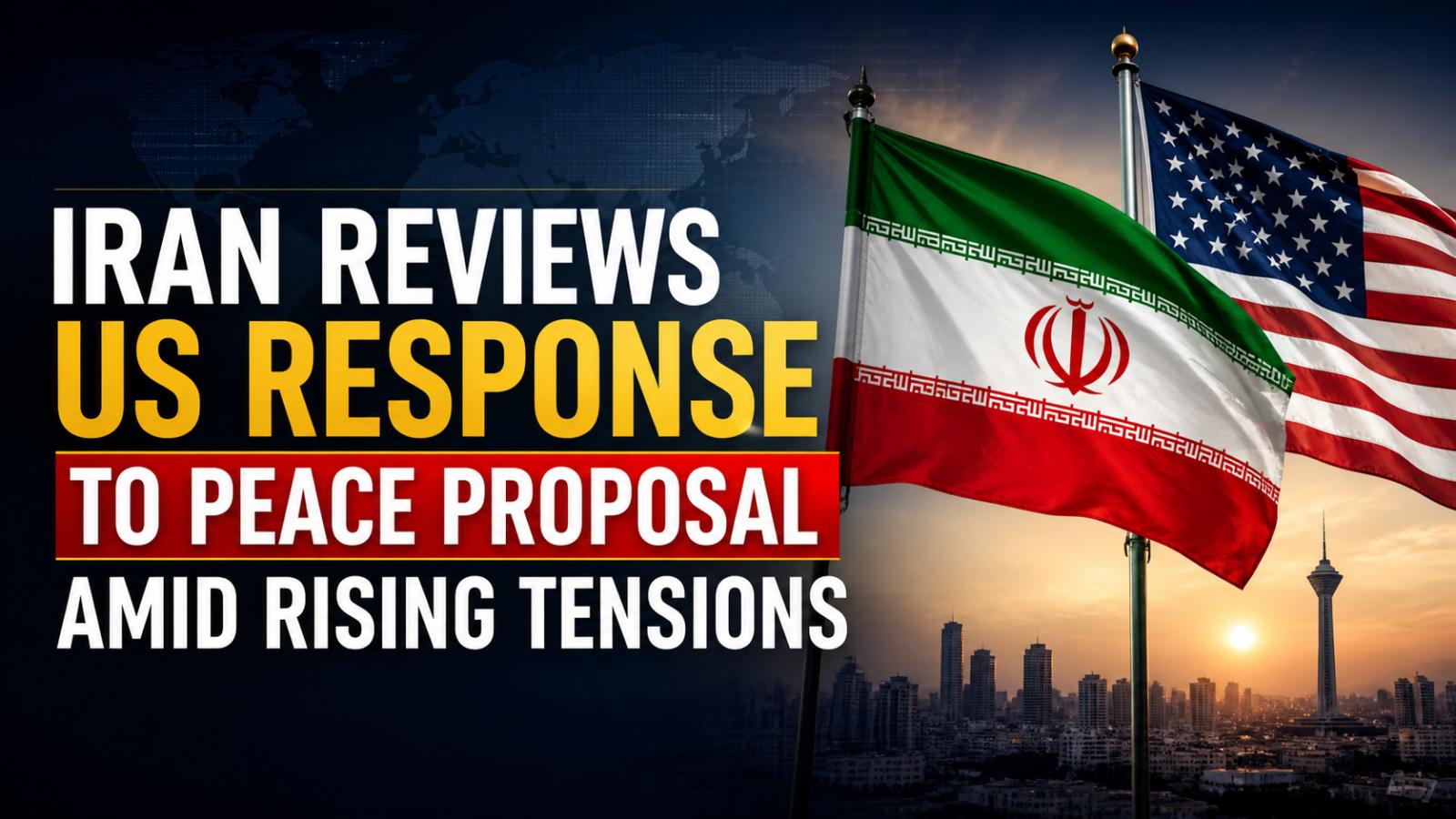
Iran reviews US response to peace proposal as tensions with Washington continue to shape the future of diplomacy and conflict in the region. In a recent press briefing, Iran’s Foreign Ministry confirmed that it has received Washington’s reply to a 14-point peace proposal, but officials say the response includes demands that could complicate progress. The development highlights key areas such as peace negotiations, diplomatic efforts, and the ongoing conflict resolution process.
Iran reviews US response to peace proposal as tensions with Washington continue to shape the future of diplomacy and conflict in the region. In a recent press briefing, Iran’s Foreign Ministry confirmed that it has received Washington’s reply to a 14-point peace proposal, but officials say the response includes demands that could complicate progress. The development highlights key areas such as peace negotiations, diplomatic efforts, and the ongoing conflict resolution process.
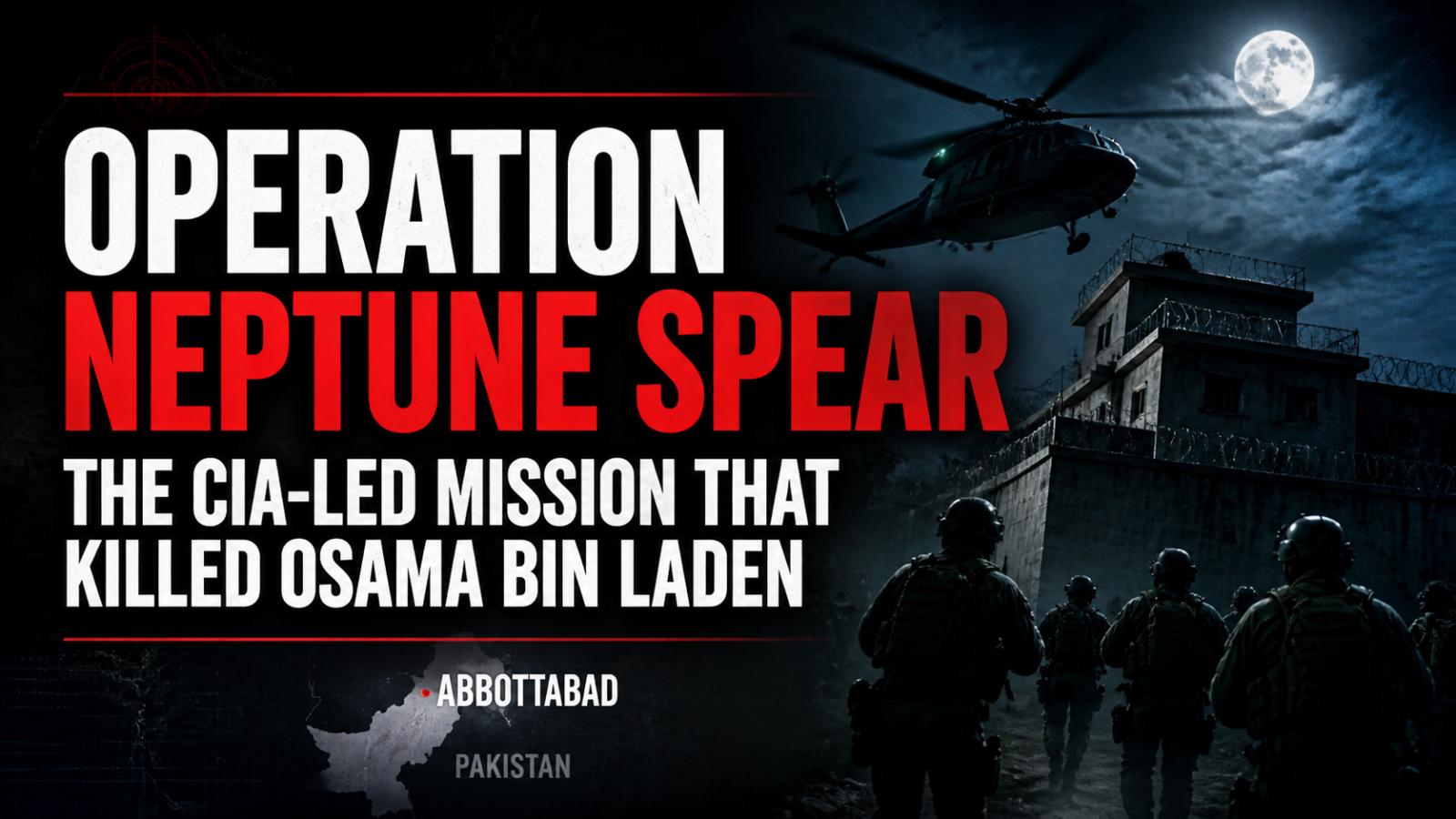
The world’s most wanted man: Osama bin Laden
On May 2, 2011, Osama bin Laden, the world’s most wanted terrorist, was killed in a CIA-led operation called Operation Neptune Spear. After nearly a decade of intensive intelligence work, Bin Laden’s hideout in Abbottabad, Pakistan, was pinpointed, marking a major victory in the war on terror. The mission, involving a covert night
The world’s most wanted man: Osama bin Laden
On May 2, 2011, Osama bin Laden, the world’s most wanted terrorist, was killed in a CIA-led operation called Operation Neptune Spear. After nearly a decade of intensive intelligence work, Bin Laden’s hideout in Abbottabad, Pakistan, was pinpointed, marking a major victory in the war on terror. The mission, involving a covert night
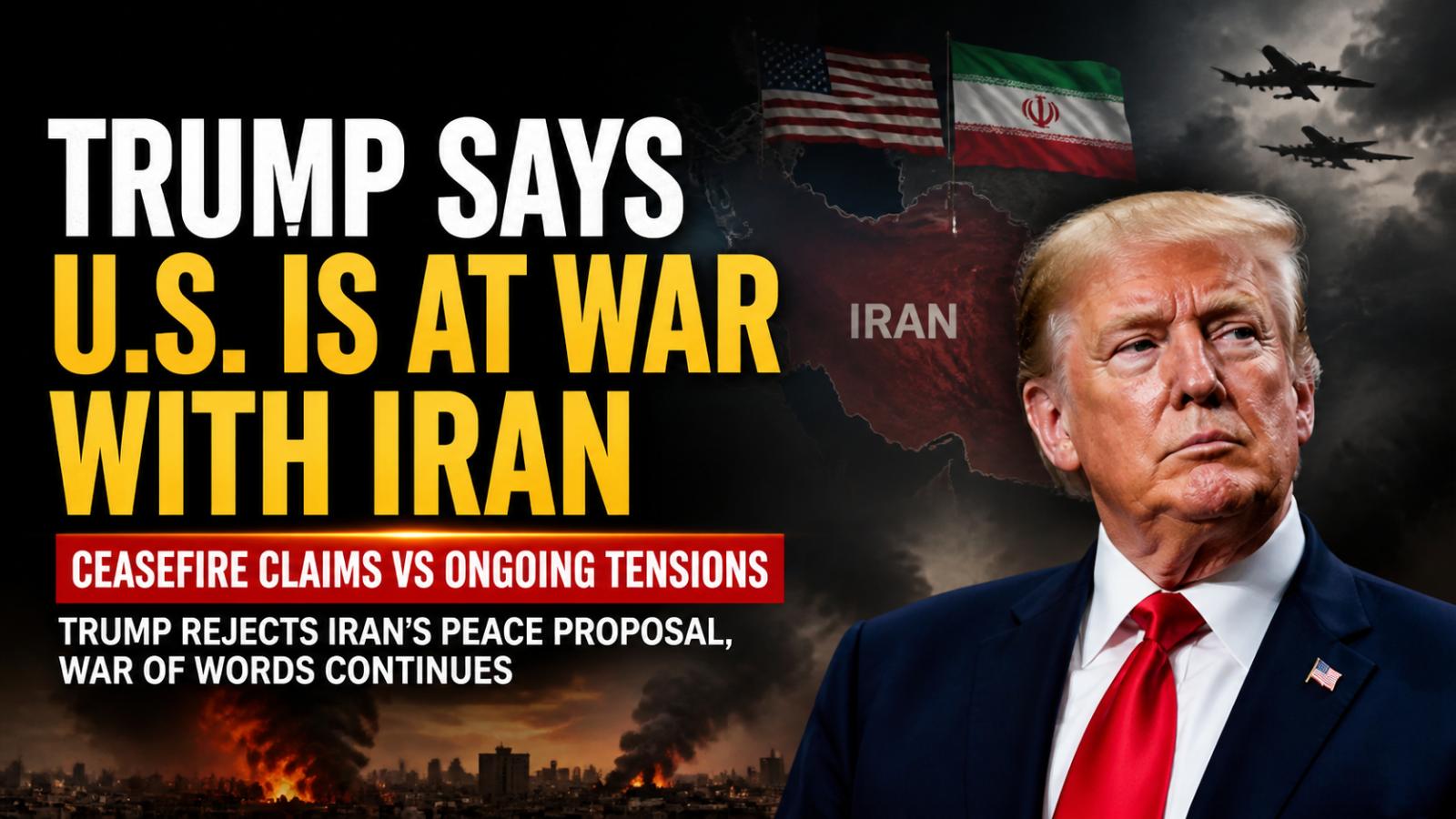
Trump declares war with Iran over nuclear threat
President Donald Trump has reaffirmed his stance on the ongoing US-Iran conflict, declaring that the US is at war with Iran to prevent the country from acquiring nuclear weapons. In a statement made during a Florida event, Trump expressed his belief that Iran’s leadership poses a significant threat to global security, stating that "lunatics can't have a nuclear weapon." His comments come at a time when his administration has informed the US Congress that the war has reached its conclusion, though the situation remains tense.
Trump emphasizes the importance of military action against Iran
Trump explained that the US military action against Iran was crucial in preventing a nuclear-armed nation from destabilizing the Middle East. He credited US airstrikes with B2 bombers for preventing Iran from obtaining a nuclear weapon, which could have led to catastrophic consequences for Israel, the Middle East, and Europe. “If we didn’t do that, they would have had a nuclear weapon,” Trump added, emphasizing the urgency of the situation. He claimed that Iran's military capabilities have been severely diminished, stating that the country no longer has a navy, air force, anti-aircraft systems, or effective radar defenses.
Trump rejects Iran's ceasefire proposal
In a direct response to Iran’s proposal for a ceasefire, Trump made it clear that the US would not end the conflict prematurely. “We’re not going to leave early and have this kind of problem arise in three more years,” he said, reinforcing his position on the need for a strong and comprehensive resolution. Trump blamed Iran's leadership for the ongoing conflict, criticizing their fractured decision-making. “It’s a very disjointed leadership,” he remarked, indicating that despite their willingness to negotiate, Iran’s leaders are unable to reach a viable agreement.
The ceasefire proposal is dismissed
The ceasefire proposal, delivered by Pakistan on behalf of Iran, was quickly dismissed by the US. Despite this, a fragile ceasefire between the two nations has held, albeit with mutual accusations of violations. Tensions remain high, especially in the Strait of Hormuz, where a significant portion of the world’s oil and gas passes through. Trump outlined two potential paths forward: either continuing the conflict to decisively end Iran’s nuclear ambitions, or attempting to secure a deal. “Do we want to go and just blast the hell out of them and finish them forever? Or do we want to try and make a deal?” he questioned.
Iran’s diplomatic efforts and continued tension
Iran’s Foreign Minister, Abbas Araghchi, has been actively engaged in diplomatic efforts to resolve the war. He held discussions with several regional counterparts, including Turkey, Saudi Arabia, and Qatar, to brief them on Iran’s latest peace initiatives. However, the rounds of talks held in Pakistan have yielded no substantial progress. Trump expressed frustration over the lack of direct communication, stating, “No more 18-hour flights” for US envoys.
What lies ahead for US-Iran relations?
As the situation evolves, it remains uncertain whether further diplomatic efforts will lead to a resolution or whether military action will continue to dominate the US-Iran relationship. With both sides unwilling to compromise, the world watches closely, particularly in regard to the ongoing instability in the Strait of Hormuz. Will Iran’s diplomatic efforts succeed, or will the US pursue a more aggressive approach? The answer remains unclear as the two nations continue to grapple with the possibility of conflict or peace.
Trump declares war with Iran over nuclear threat
President Donald Trump has reaffirmed his stance on the ongoing US-Iran conflict, declaring that the US is at war with Iran to prevent the country from acquiring nuclear weapons. In a statement made during a Florida event, Trump expressed his belief that Iran’s leadership poses a significant threat to global security, stating that "lunatics can't have a nuclear weapon." His comments come at a time when his administration has informed the US Congress that the war has reached its conclusion, though the situation remains tense.
Trump emphasizes the importance of military action against Iran
Trump explained that the US military action against Iran was crucial in preventing a nuclear-armed nation from destabilizing the Middle East. He credited US airstrikes with B2 bombers for preventing Iran from obtaining a nuclear weapon, which could have led to catastrophic consequences for Israel, the Middle East, and Europe. “If we didn’t do that, they would have had a nuclear weapon,” Trump added, emphasizing the urgency of the situation. He claimed that Iran's military capabilities have been severely diminished, stating that the country no longer has a navy, air force, anti-aircraft systems, or effective radar defenses.
Trump rejects Iran's ceasefire proposal
In a direct response to Iran’s proposal for a ceasefire, Trump made it clear that the US would not end the conflict prematurely. “We’re not going to leave early and have this kind of problem arise in three more years,” he said, reinforcing his position on the need for a strong and comprehensive resolution. Trump blamed Iran's leadership for the ongoing conflict, criticizing their fractured decision-making. “It’s a very disjointed leadership,” he remarked, indicating that despite their willingness to negotiate, Iran’s leaders are unable to reach a viable agreement.
The ceasefire proposal is dismissed
The ceasefire proposal, delivered by Pakistan on behalf of Iran, was quickly dismissed by the US. Despite this, a fragile ceasefire between the two nations has held, albeit with mutual accusations of violations. Tensions remain high, especially in the Strait of Hormuz, where a significant portion of the world’s oil and gas passes through. Trump outlined two potential paths forward: either continuing the conflict to decisively end Iran’s nuclear ambitions, or attempting to secure a deal. “Do we want to go and just blast the hell out of them and finish them forever? Or do we want to try and make a deal?” he questioned.
Iran’s diplomatic efforts and continued tension
Iran’s Foreign Minister, Abbas Araghchi, has been actively engaged in diplomatic efforts to resolve the war. He held discussions with several regional counterparts, including Turkey, Saudi Arabia, and Qatar, to brief them on Iran’s latest peace initiatives. However, the rounds of talks held in Pakistan have yielded no substantial progress. Trump expressed frustration over the lack of direct communication, stating, “No more 18-hour flights” for US envoys.
What lies ahead for US-Iran relations?
As the situation evolves, it remains uncertain whether further diplomatic efforts will lead to a resolution or whether military action will continue to dominate the US-Iran relationship. With both sides unwilling to compromise, the world watches closely, particularly in regard to the ongoing instability in the Strait of Hormuz. Will Iran’s diplomatic efforts succeed, or will the US pursue a more aggressive approach? The answer remains unclear as the two nations continue to grapple with the possibility of conflict or peace.
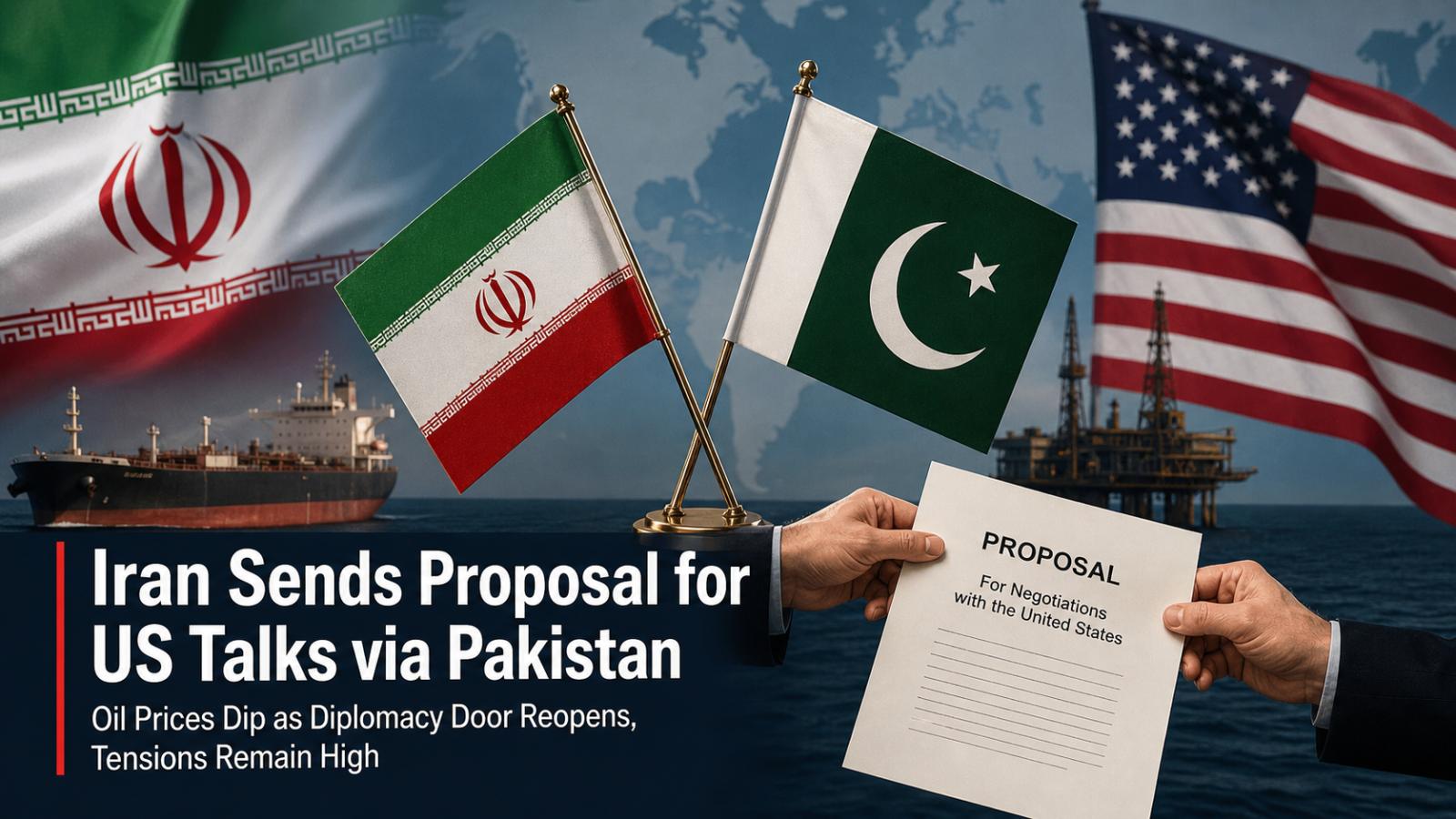
Iran has delivered a new proposal for negotiations with the United States through Pakistan, signaling a potential diplomatic opening amid heightened regional tensions. According to IRNA, the proposal was formally
Iran has delivered a new proposal for negotiations with the United States through Pakistan, signaling a potential diplomatic opening amid heightened regional tensions. According to IRNA, the proposal was formally