




















#petrol
Early petrol retail system in colonial India explained
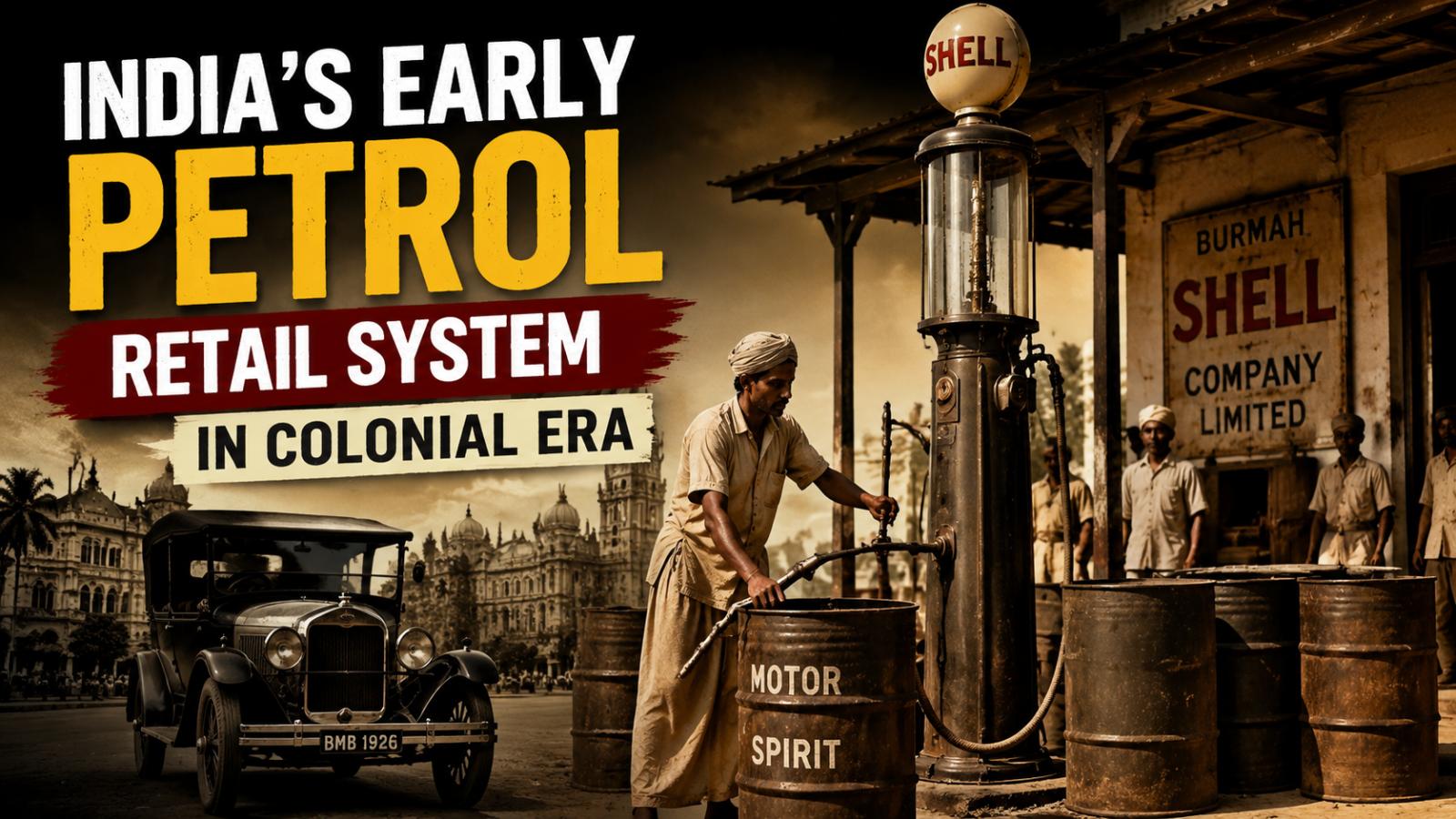
India’s early petrol retail system began in the early 1920s during the British colonial period when automobiles were still a rare luxury. The petrol retail system in colonial India first appeared in major cities like Bombay (Mumbai) and Calcutta (Kolkata). At that time, there were no modern fuel stations, and petrol was supplied through depots, barrels, and basic manual systems. This early structure marked the foundation of the petrol retail system in colonial India and served only a limited group of users. Dependence on imported fuel sources During this period, India had very limited oil production. Most petrol was imported through the British imperial trade network. The imported oil came mainly from Burma, Persia, and other oil-producing regions under British control. This imported oil system made India heavily dependent on external sources for fuel supply. The oil import system played a key role in shaping how early petrol retail operations functioned across cities. Role of burmah shell in fuel distribution One of the major companies involved was Burmah Shell, which managed fuel storage and distribution across urban centers. Burmah Shell India operated depots and controlled the supply chain in key regions. These early fuel depots were not modern petrol pumps but organized colonial-era storage and distribution points. The company played a central role in shaping early fuel retail operations and expanding access in cities. Manual petrol pumps and basic technology Early petrol stations used manual petrol pump systems instead of modern electric dispensers. Fuel was moved using hand-operated pumps or gravity-fed systems from barrels into containers or vehicles. Workers had to physically operate the system, making the process slow and labor-intensive. This manual petrol pump system represented the early stage of fuel retail evolution in India. Limited access and elite vehicle ownership Vehicle ownership during the colonial period was extremely limited. Cars were mainly owned by British officials, princely rulers, and wealthy Indian elites. Because of this, petrol usage was also restricted to a small section of society. While there were no legal restrictions on petrol access, high costs and limited infrastructure made it inaccessible for the general population. Evolution towards modern petrol stations By the 1930s and 1940s, with increasing automobile usage, the petrol retail system began to evolve. Basic depots gradually transformed into structured petrol stations with better storage systems and improved dispensing technology. This transition marked the beginning of modern fuel retail development in India, leading to today’s automated petrol pump network.
Early petrol retail system in colonial India explained
India’s early petrol retail system began in the early 1920s during the British colonial period when automobiles were still a rare luxury. The petrol retail system in colonial India first appeared in major cities like Bombay (Mumbai) and Calcutta (Kolkata). At that time, there were no modern fuel stations, and petrol was supplied through depots, barrels, and basic manual systems. This early structure marked the foundation of the petrol retail system in colonial India and served only a limited group of users. Dependence on imported fuel sources During this period, India had very limited oil production. Most petrol was imported through the British imperial trade network. The imported oil came mainly from Burma, Persia, and other oil-producing regions under British control. This imported oil system made India heavily dependent on external sources for fuel supply. The oil import system played a key role in shaping how early petrol retail operations functioned across cities. Role of burmah shell in fuel distribution One of the major companies involved was Burmah Shell, which managed fuel storage and distribution across urban centers. Burmah Shell India operated depots and controlled the supply chain in key regions. These early fuel depots were not modern petrol pumps but organized colonial-era storage and distribution points. The company played a central role in shaping early fuel retail operations and expanding access in cities. Manual petrol pumps and basic technology Early petrol stations used manual petrol pump systems instead of modern electric dispensers. Fuel was moved using hand-operated pumps or gravity-fed systems from barrels into containers or vehicles. Workers had to physically operate the system, making the process slow and labor-intensive. This manual petrol pump system represented the early stage of fuel retail evolution in India. Limited access and elite vehicle ownership Vehicle ownership during the colonial period was extremely limited. Cars were mainly owned by British officials, princely rulers, and wealthy Indian elites. Because of this, petrol usage was also restricted to a small section of society. While there were no legal restrictions on petrol access, high costs and limited infrastructure made it inaccessible for the general population. Evolution towards modern petrol stations By the 1930s and 1940s, with increasing automobile usage, the petrol retail system began to evolve. Basic depots gradually transformed into structured petrol stations with better storage systems and improved dispensing technology. This transition marked the beginning of modern fuel retail development in India, leading to today’s automated petrol pump network.
Commercial LPG Price Hiked In Delhi, 19kg Cylinder Now ₹3,113.50
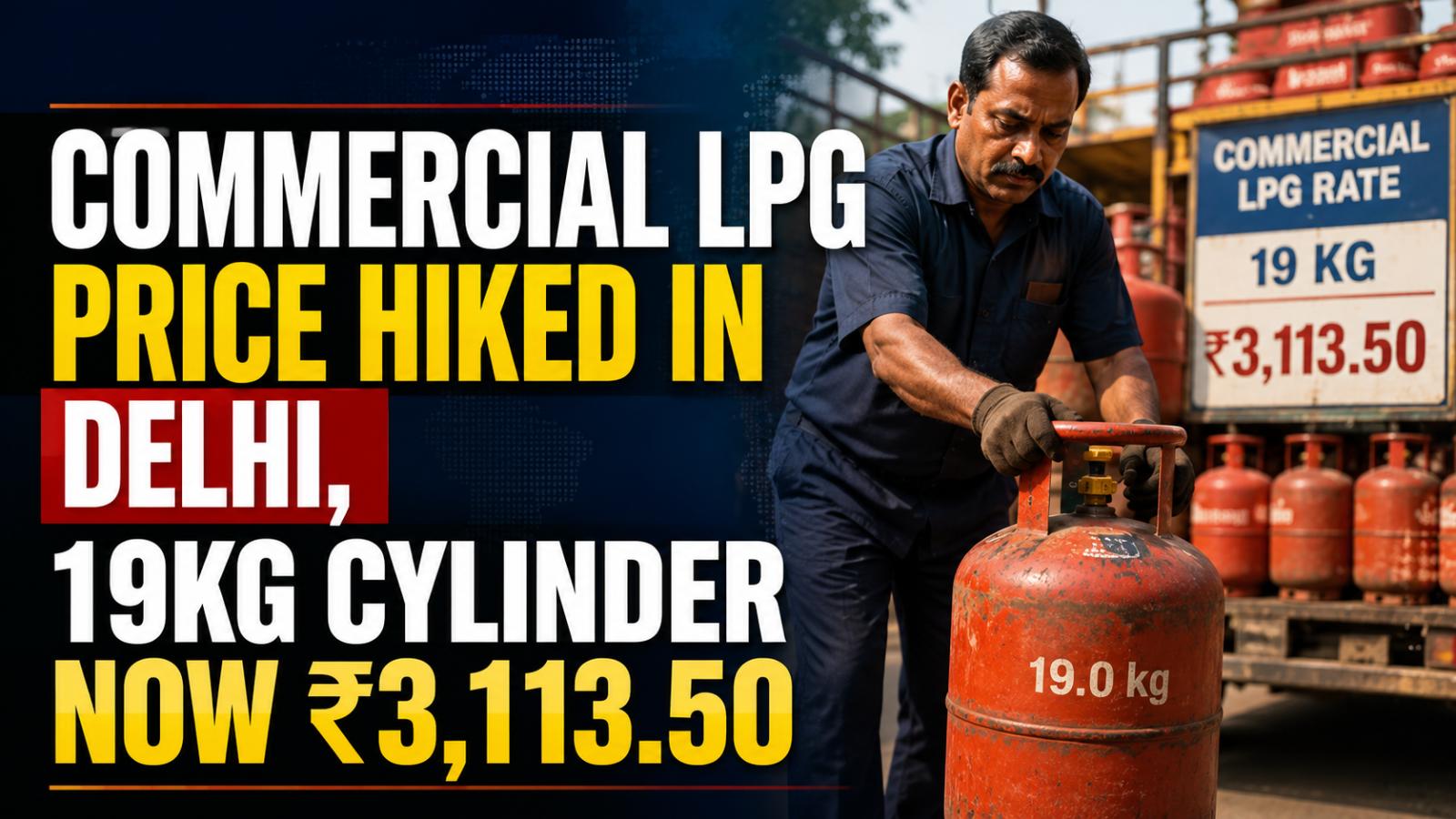
Commercial LPG cylinder price in Delhi has increased from June 1, adding fresh cost pressure on hotels, restaurants, caterers, cloud kitchens, bakeries and other businesses that use 19-kg cylinders for daily operations. According to reports citing industry sources and fuel retailer data, the price of a 19-kg commercial LPG cylinder in Delhi has been raised by ₹42. The new rate is ₹3,113.50, compared with the earlier price of ₹3,071.50. The latest commercial LPG price hike come
Commercial LPG Price Hiked In Delhi, 19kg Cylinder Now ₹3,113.50
Commercial LPG cylinder price in Delhi has increased from June 1, adding fresh cost pressure on hotels, restaurants, caterers, cloud kitchens, bakeries and other businesses that use 19-kg cylinders for daily operations. According to reports citing industry sources and fuel retailer data, the price of a 19-kg commercial LPG cylinder in Delhi has been raised by ₹42. The new rate is ₹3,113.50, compared with the earlier price of ₹3,071.50. The latest commercial LPG price hike come
Fuel Prices Hiked For Fourth Time In 10 Days; Metro Rates Here
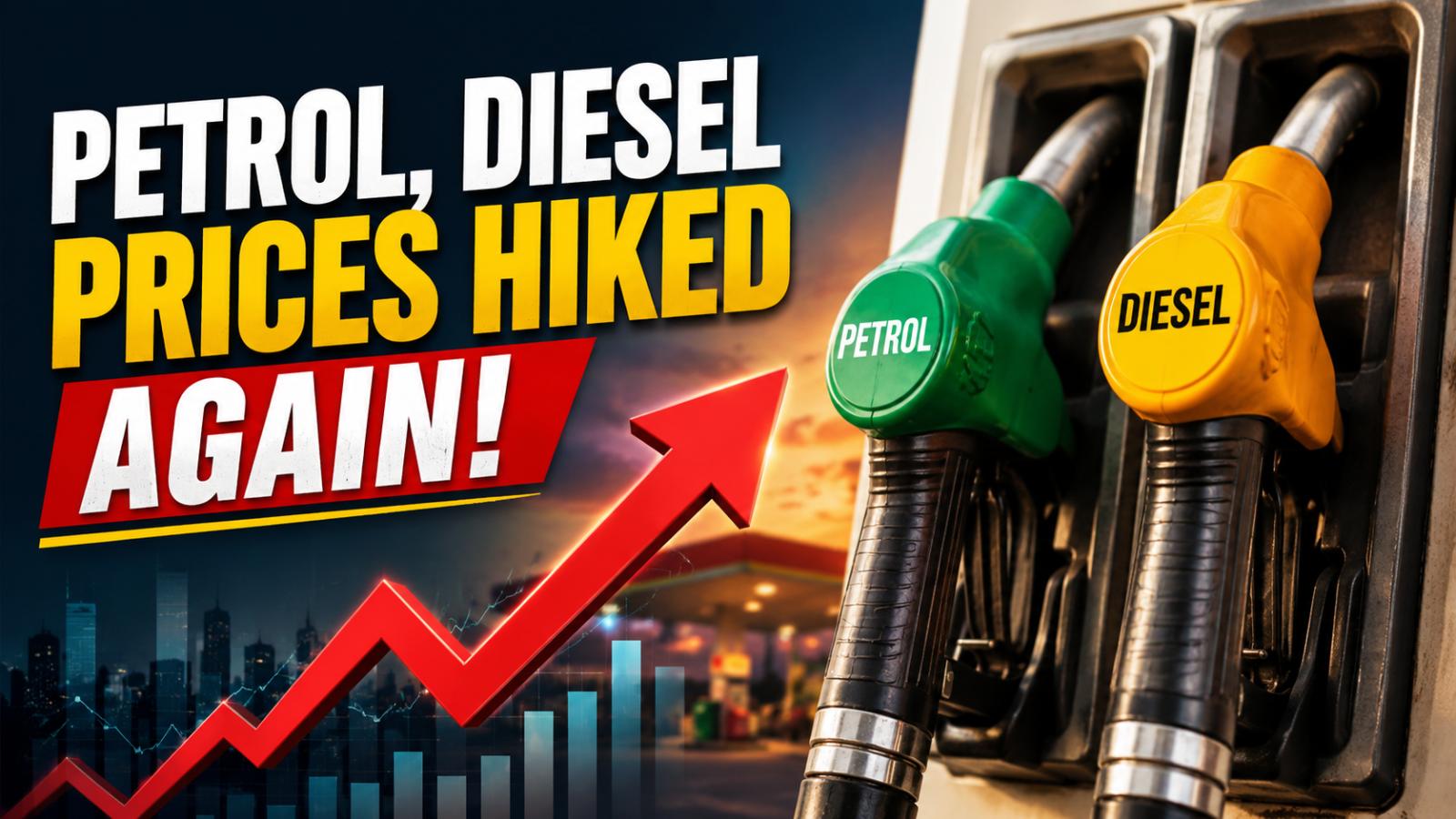
Petrol and diesel prices were increased again on Monday, May 25, 2026, marking the fourth fuel price hike in less than two weeks. Petrol has become costlier by Rs 2.61 per litre, while diesel has gone up by Rs 2.71 per litre. The new rates came into effect immediately across the country. According to current reports, Delhi’s petrol price has crossed Rs 100 per litre, while diesel prices in several major cities are now close to the Rs 100 mark. Reuters reported that India’s state-owned fue
Fuel Prices Hiked For Fourth Time In 10 Days; Metro Rates Here
Petrol and diesel prices were increased again on Monday, May 25, 2026, marking the fourth fuel price hike in less than two weeks. Petrol has become costlier by Rs 2.61 per litre, while diesel has gone up by Rs 2.71 per litre. The new rates came into effect immediately across the country. According to current reports, Delhi’s petrol price has crossed Rs 100 per litre, while diesel prices in several major cities are now close to the Rs 100 mark. Reuters reported that India’s state-owned fue
US Extends Russian Oil Sanctions Waiver, Boosts India Fuel Imports
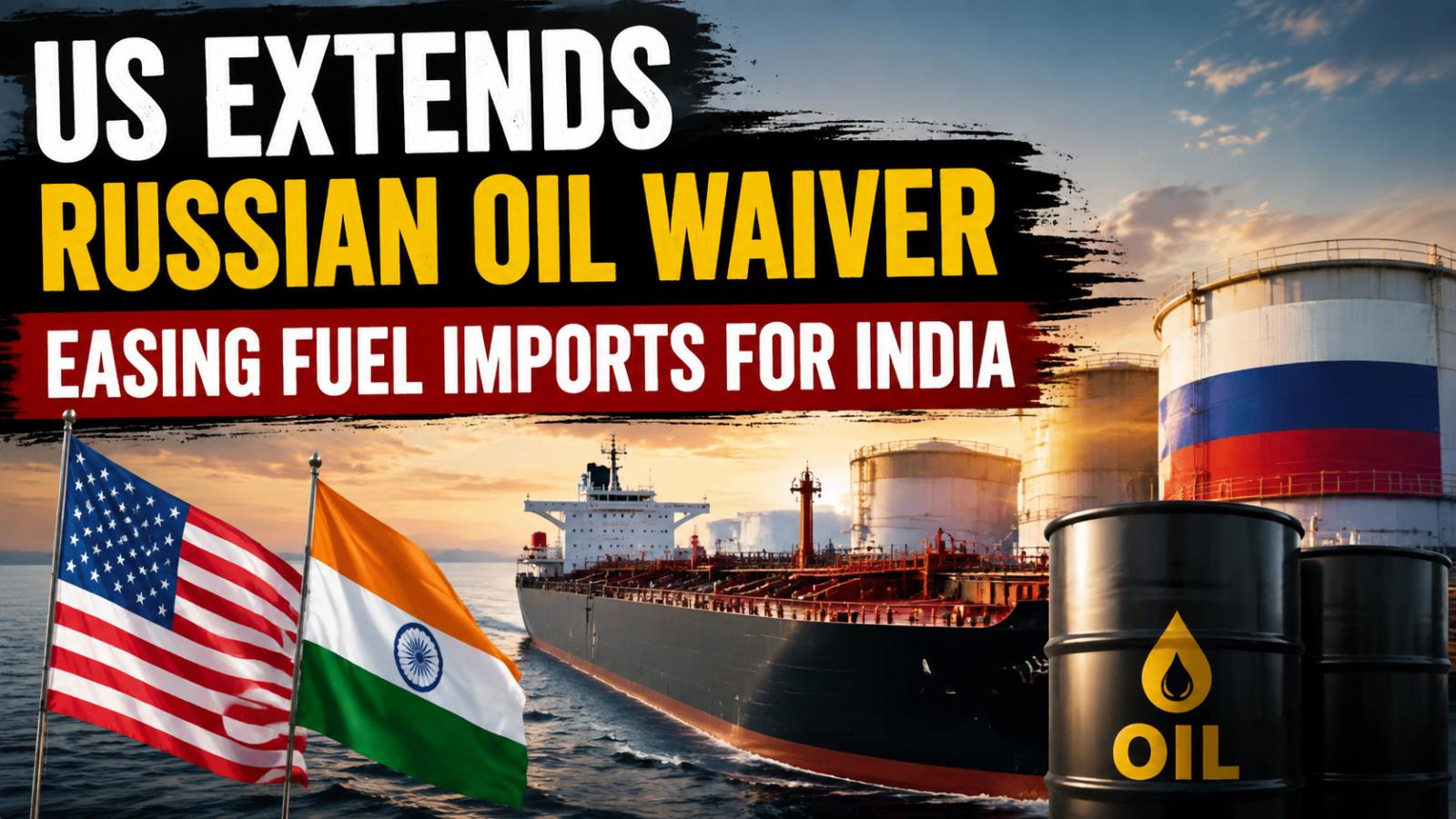
The United States has extended its sanctions waiver on Russian seaborne oil by 30 days, allowing continued imports to key global partners like India. This temporary extension reverses previous plans to let the waiver lapse, aiming to provide flexibility for nations managing critical energy needs. Treasury officials stated the extension ensures that stranded Russian crude and petroleum products can reach markets without violating US sanctions on major Russian oil firms. This marks th
US Extends Russian Oil Sanctions Waiver, Boosts India Fuel Imports
The United States has extended its sanctions waiver on Russian seaborne oil by 30 days, allowing continued imports to key global partners like India. This temporary extension reverses previous plans to let the waiver lapse, aiming to provide flexibility for nations managing critical energy needs. Treasury officials stated the extension ensures that stranded Russian crude and petroleum products can reach markets without violating US sanctions on major Russian oil firms. This marks th
Modi in Dubai: India UAE defence and energy partnerships deal
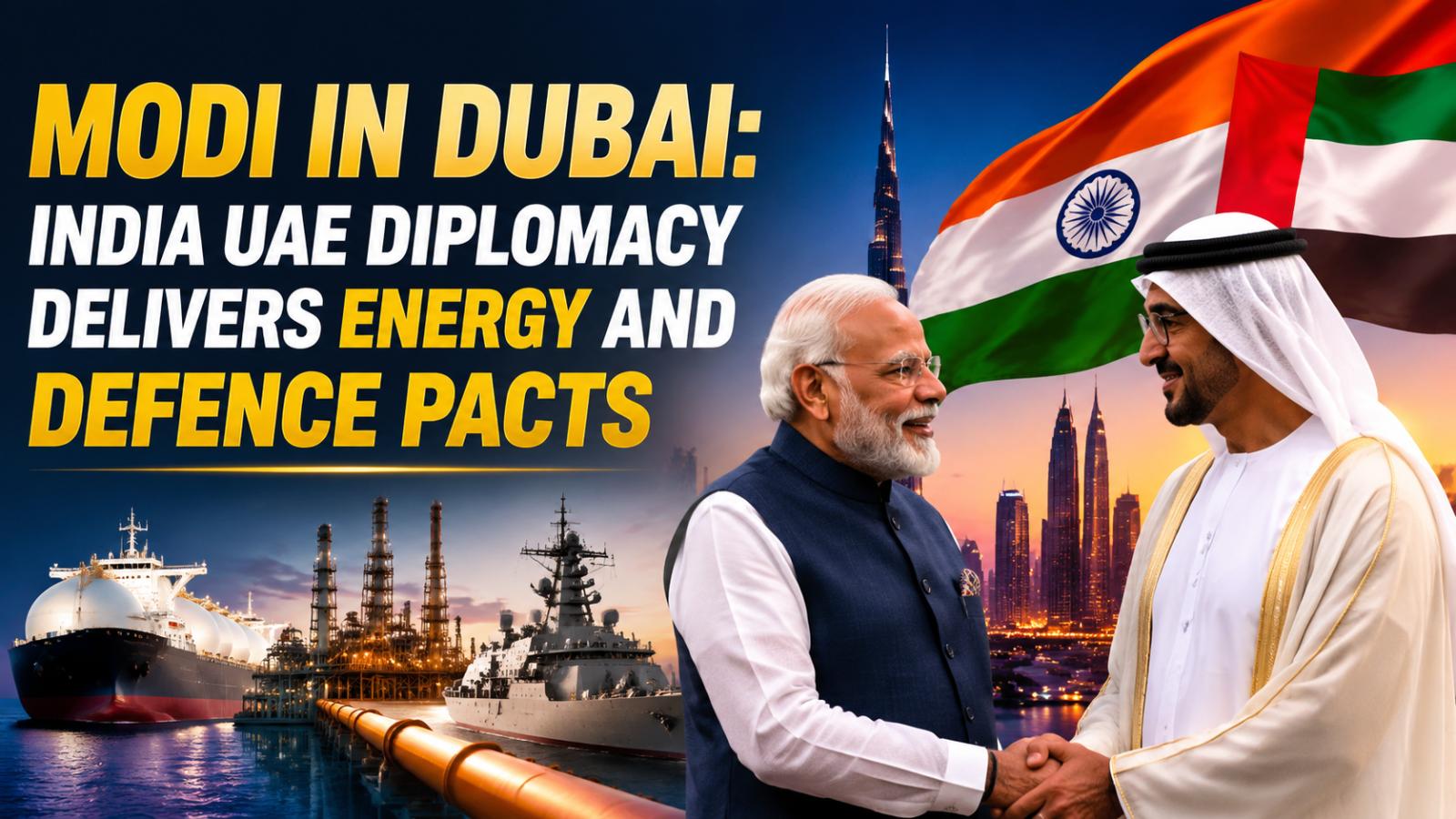
Dubai, May 15, 2026 – Prime Minister Narendra Modi landed in Dubai, marking the start of a critical diplomatic and economic mission ahead of his Europe tour. The visit focused on strengthening India UAE diplomacy, with major agreements signed in energy, defence, and investment, signaling deeper bilateral cooperation. Key Agreements Strengthen India-UAE Ties
Modi in Dubai: India UAE defence and energy partnerships deal
Dubai, May 15, 2026 – Prime Minister Narendra Modi landed in Dubai, marking the start of a critical diplomatic and economic mission ahead of his Europe tour. The visit focused on strengthening India UAE diplomacy, with major agreements signed in energy, defence, and investment, signaling deeper bilateral cooperation. Key Agreements Strengthen India-UAE Ties
Fuel Prices Rise In India As Petrol Diesel CNG Hike Hits Major Cities
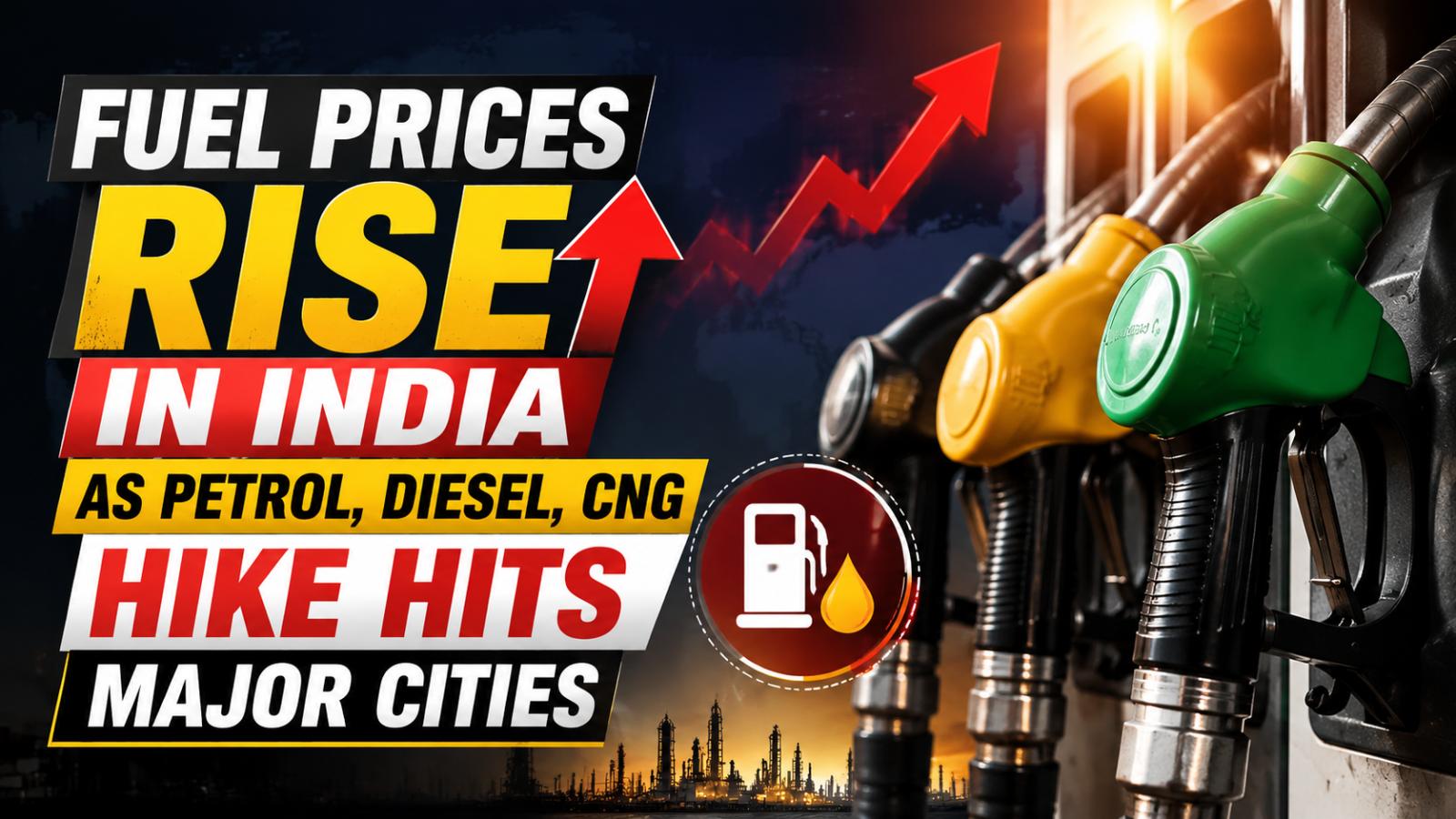
The petrol, diesel, and CNG price hike in India took effect on Friday, May 15, 2026. This was the first retail fuel price increase in four years, following the surge in global crude oil prices due to the Iran war. Fuel Price Hike Overview in Major Cities The government raised petrol, diesel, and CNG prices following a surge in global crude oil prices triggered by the Iran war. This is the first retail fuel price hike in four years. The increase is expected to affect transportation costs, household spending, and overall inflation. City Petrol Price (Rs/Litre) Petrol Hike (Rs) Diesel Price (Rs/Litre) Diesel Hike (Rs) CNG Price (Rs/Kg) CNG Hike (Rs) Delhi 97.77 3.00 90.67 3.00 79.09 2.00 Kolkata 108.74 3.29 95.13 3.11 — — Mumbai 106.68 3.14 93.14 3.11 84.00 2.00 Chennai 103.67 2.83 95.25 2.86 — — Hyderabad 104.50 3.10 94.20 3.05 80.50 2.00 Economic Implications and Expert Insights India’s state-run oil companies, IOCL, BPCL, and HPCL, were absorbing high crude costs for months, incurring daily losses of around Rs 1,600 crore. Imported crude prices jumped from $69 per barrel in February to $113-114 per barrel after the Iran war began on February 28. Economists, including Finance Commission Chair Dr Arvind Panagariya, recommended that retail prices be adjusted to prevent further losses and sustain OMC operations. Prime Minister Modi has appealed to citizens to conserve fuel and encouraged work-from-home practices to reduce foreign outflows. The Delhi government initiated a 90-day campaign promoting fuel-saving habits and limited office days. The fuel price increase is expected to push up transportation and logistics costs, which may drive inflation in essential commodities like milk and vegetables. Household savings could shrink, and discretionary spending may reduce, potentially slowing consumption, production, and GDP growth. While consumers will feel the immediate impact, this step was unavoidable given the international crude price surge.
Fuel Prices Rise In India As Petrol Diesel CNG Hike Hits Major Cities
The petrol, diesel, and CNG price hike in India took effect on Friday, May 15, 2026. This was the first retail fuel price increase in four years, following the surge in global crude oil prices due to the Iran war. Fuel Price Hike Overview in Major Cities The government raised petrol, diesel, and CNG prices following a surge in global crude oil prices triggered by the Iran war. This is the first retail fuel price hike in four years. The increase is expected to affect transportation costs, household spending, and overall inflation. City Petrol Price (Rs/Litre) Petrol Hike (Rs) Diesel Price (Rs/Litre) Diesel Hike (Rs) CNG Price (Rs/Kg) CNG Hike (Rs) Delhi 97.77 3.00 90.67 3.00 79.09 2.00 Kolkata 108.74 3.29 95.13 3.11 — — Mumbai 106.68 3.14 93.14 3.11 84.00 2.00 Chennai 103.67 2.83 95.25 2.86 — — Hyderabad 104.50 3.10 94.20 3.05 80.50 2.00 Economic Implications and Expert Insights India’s state-run oil companies, IOCL, BPCL, and HPCL, were absorbing high crude costs for months, incurring daily losses of around Rs 1,600 crore. Imported crude prices jumped from $69 per barrel in February to $113-114 per barrel after the Iran war began on February 28. Economists, including Finance Commission Chair Dr Arvind Panagariya, recommended that retail prices be adjusted to prevent further losses and sustain OMC operations. Prime Minister Modi has appealed to citizens to conserve fuel and encouraged work-from-home practices to reduce foreign outflows. The Delhi government initiated a 90-day campaign promoting fuel-saving habits and limited office days. The fuel price increase is expected to push up transportation and logistics costs, which may drive inflation in essential commodities like milk and vegetables. Household savings could shrink, and discretionary spending may reduce, potentially slowing consumption, production, and GDP growth. While consumers will feel the immediate impact, this step was unavoidable given the international crude price surge.
Kerala Restricts Petrol And Diesel Sales Amid Fuel Supply Concerns
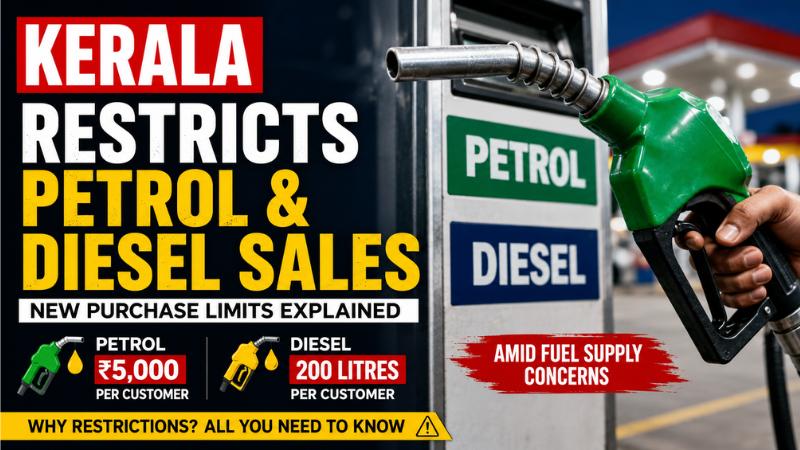
Motorists across Kerala are witnessing temporary fuel purchase restrictions as several petrol pumps introduce limits on petrol and diesel sales amid supply management concerns. The sudden move has sparked widespread discussion among vehicle owners, transport operators, and commercial users, especially after reports claimed that diesel purchases are now capped at 200 litres per customer while petrol purchases may be restricted to around ₹5,000 per person. Fuel station operators and
Kerala Restricts Petrol And Diesel Sales Amid Fuel Supply Concerns
Motorists across Kerala are witnessing temporary fuel purchase restrictions as several petrol pumps introduce limits on petrol and diesel sales amid supply management concerns. The sudden move has sparked widespread discussion among vehicle owners, transport operators, and commercial users, especially after reports claimed that diesel purchases are now capped at 200 litres per customer while petrol purchases may be restricted to around ₹5,000 per person. Fuel station operators and
PM Modi Appeals for Public Transport Use and Reduced Gold Purchases to Protect Economy
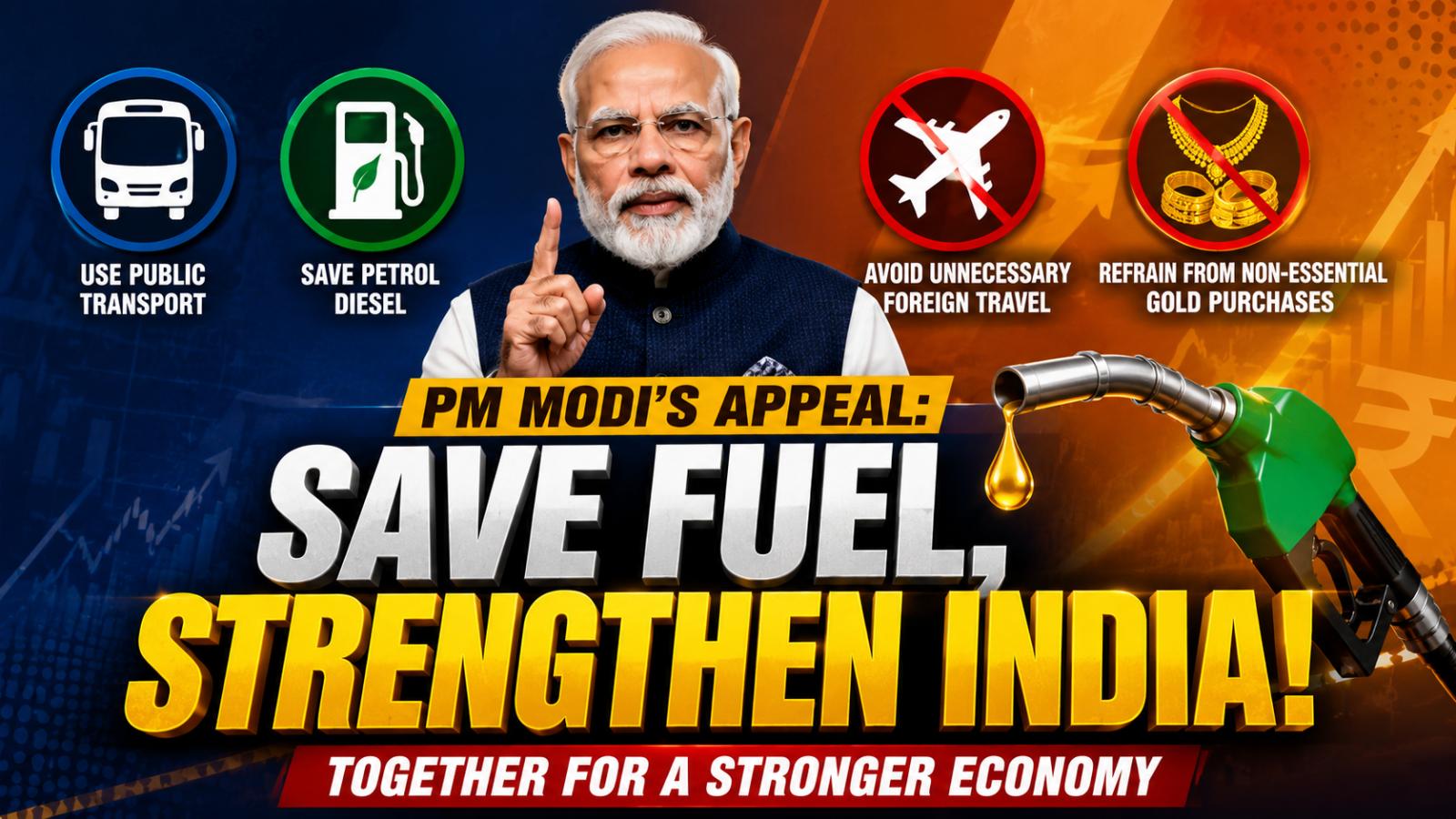
Prime Minister Narendra Modi on Sunday urged citizens to adopt responsible economic habits to help India manage the impact of rising global oil prices and supply chain disruptions linked to tensions in the Middle East. Addressing a gathering in Hyderabad, the prime minister appealed to the public to reduce petrol and diesel consumption, avoid unnecessary foreign travel, and limit non-essential gold purchases in order to protect the nation’s foreign exchange reserves and economic stability.
PM Modi Appeals for Public Transport Use and Reduced Gold Purchases to Protect Economy
Prime Minister Narendra Modi on Sunday urged citizens to adopt responsible economic habits to help India manage the impact of rising global oil prices and supply chain disruptions linked to tensions in the Middle East. Addressing a gathering in Hyderabad, the prime minister appealed to the public to reduce petrol and diesel consumption, avoid unnecessary foreign travel, and limit non-essential gold purchases in order to protect the nation’s foreign exchange reserves and economic stability.
E85 Fuel in India: 85% Ethanol, 15% Petrol — A Big Shift in How Cars May Run Soon
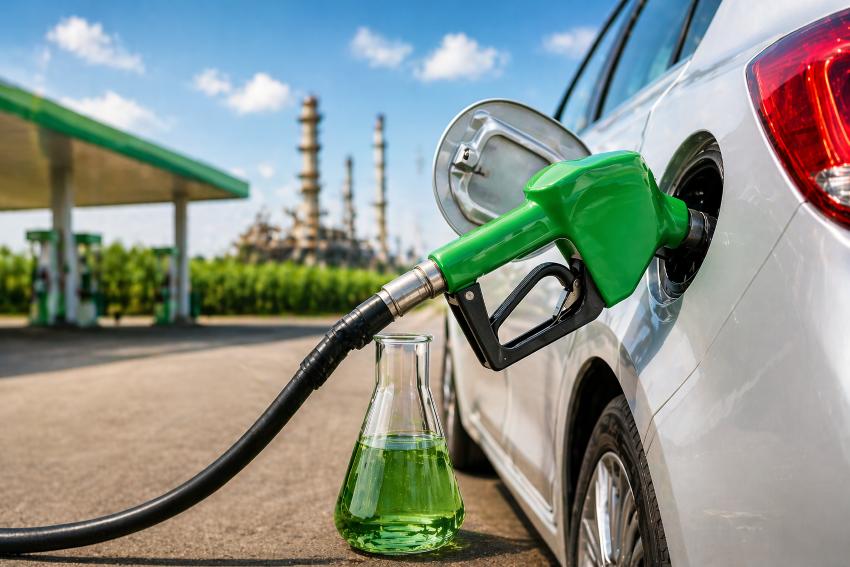
India may soon take a major step toward changing how vehicles are powered, with the government reportedly preparing draft rules for introducing E85 fuel. This new blend, made of up to 85% ethanol and 15% petrol, could significantly reduce the country’s dependence on imported crude oil and promote the use of domestically produced biofuel. The move comes at a time when global oil markets remain unstable due to geopolitical tensions, including conflicts affecting major oil-producing
E85 Fuel in India: 85% Ethanol, 15% Petrol — A Big Shift in How Cars May Run Soon
India may soon take a major step toward changing how vehicles are powered, with the government reportedly preparing draft rules for introducing E85 fuel. This new blend, made of up to 85% ethanol and 15% petrol, could significantly reduce the country’s dependence on imported crude oil and promote the use of domestically produced biofuel. The move comes at a time when global oil markets remain unstable due to geopolitical tensions, including conflicts affecting major oil-producing
Iran conflict drives global fuel crisis, Australia unveils emergency measures
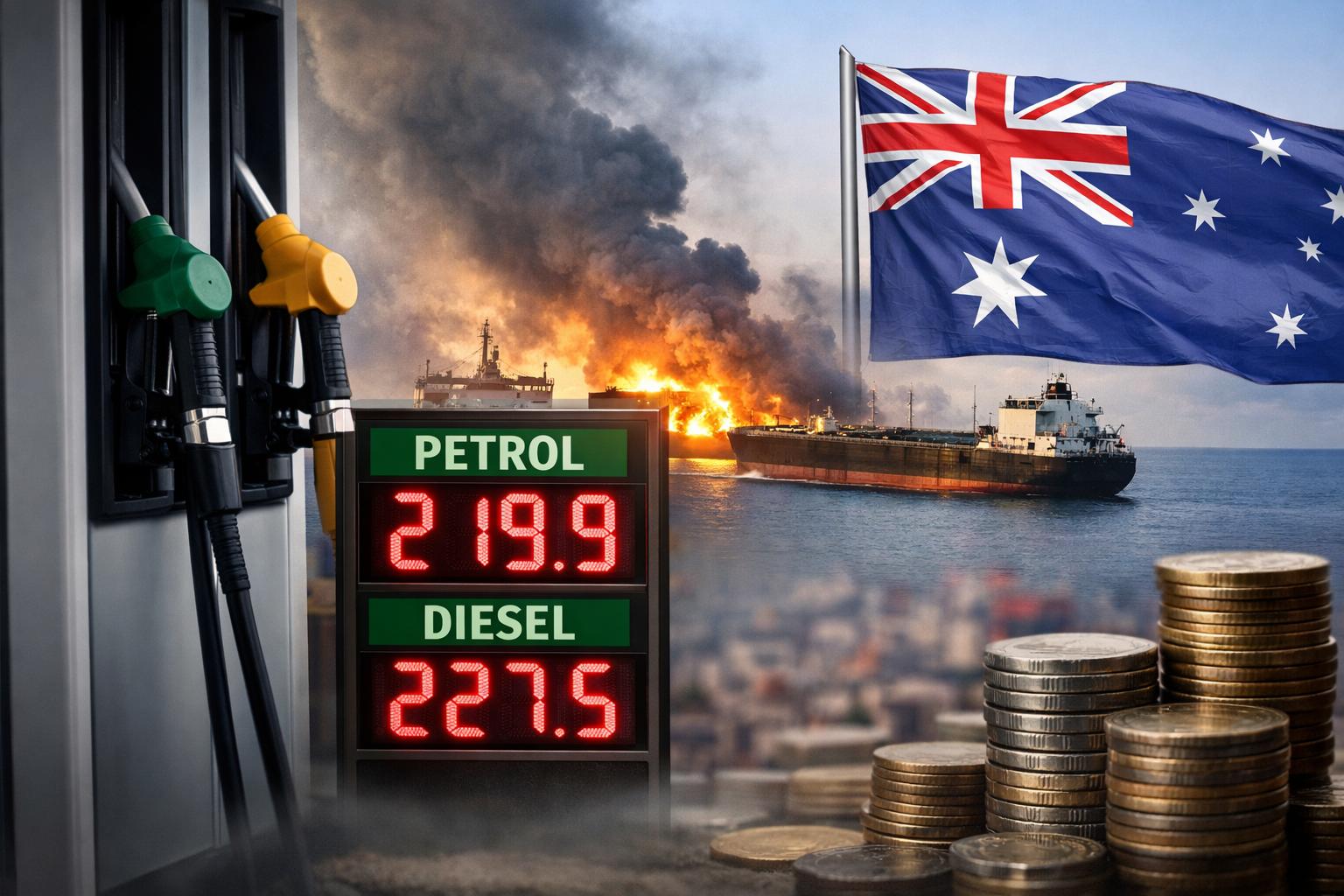
Australia is experiencing the ripple effects of a growing global fuel crisis linked to the ongoing Iran conflict, with Prime Minister Anthony Albanese warning that the economic disruption could persist for months. In a rare national address, Albanese emphasized that while Australia is not directly involved in the conflict, its economic consequences are already placing pressure on households and businesses across the country. The most immediate impact has been a sharp increase in petrol and d
Iran conflict drives global fuel crisis, Australia unveils emergency measures
Australia is experiencing the ripple effects of a growing global fuel crisis linked to the ongoing Iran conflict, with Prime Minister Anthony Albanese warning that the economic disruption could persist for months. In a rare national address, Albanese emphasized that while Australia is not directly involved in the conflict, its economic consequences are already placing pressure on households and businesses across the country. The most immediate impact has been a sharp increase in petrol and d
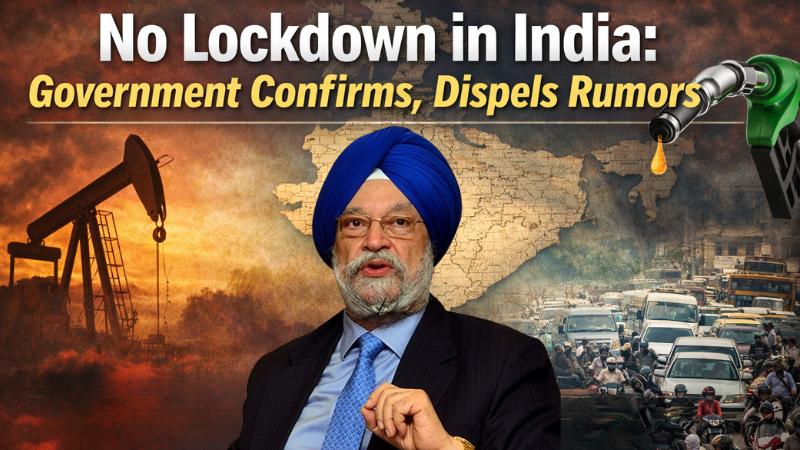
No Lockdown in India: Hardeep Puri Refutes Oil Crisis Rumors in Official Statement
The ongoing global energy crisis, fueled by the turmoil in Iran, has significantly impacted countries worldwide, leading to energy lockdowns. Nations like Australia, the Philippines, and Thailand have already implemented these lockdowns as a response to soaring petrol demand amidst dwindling supplies. Speculation surrounding the potential for a similar lockdown in India has stirred concern among citizens, especially in light of the country’s reliance on oil and gas imports. Howeve
No Lockdown in India: Hardeep Puri Refutes Oil Crisis Rumors in Official Statement
The ongoing global energy crisis, fueled by the turmoil in Iran, has significantly impacted countries worldwide, leading to energy lockdowns. Nations like Australia, the Philippines, and Thailand have already implemented these lockdowns as a response to soaring petrol demand amidst dwindling supplies. Speculation surrounding the potential for a similar lockdown in India has stirred concern among citizens, especially in light of the country’s reliance on oil and gas imports. Howeve
Crude Oil Crosses $110 Amid Gulf Conflict, Petrol and Flight Fares May Rise
Global crude oil prices have surged past $110 per barrel as escalating tensions in the Gulf region shake energy markets worldwide. The sharp increase has triggered concerns about potential supply disruptions, particularly through the Strait of Hormuz, one of the most critical oil transit routes globally. The sudden spike represents the biggest jump in crude prices since 2020 and has raised fears about its possible ripple effects on economies that depend heavily on imported oil. Desp
Crude Oil Crosses $110 Amid Gulf Conflict, Petrol and Flight Fares May Rise
Global crude oil prices have surged past $110 per barrel as escalating tensions in the Gulf region shake energy markets worldwide. The sharp increase has triggered concerns about potential supply disruptions, particularly through the Strait of Hormuz, one of the most critical oil transit routes globally. The sudden spike represents the biggest jump in crude prices since 2020 and has raised fears about its possible ripple effects on economies that depend heavily on imported oil. Desp


