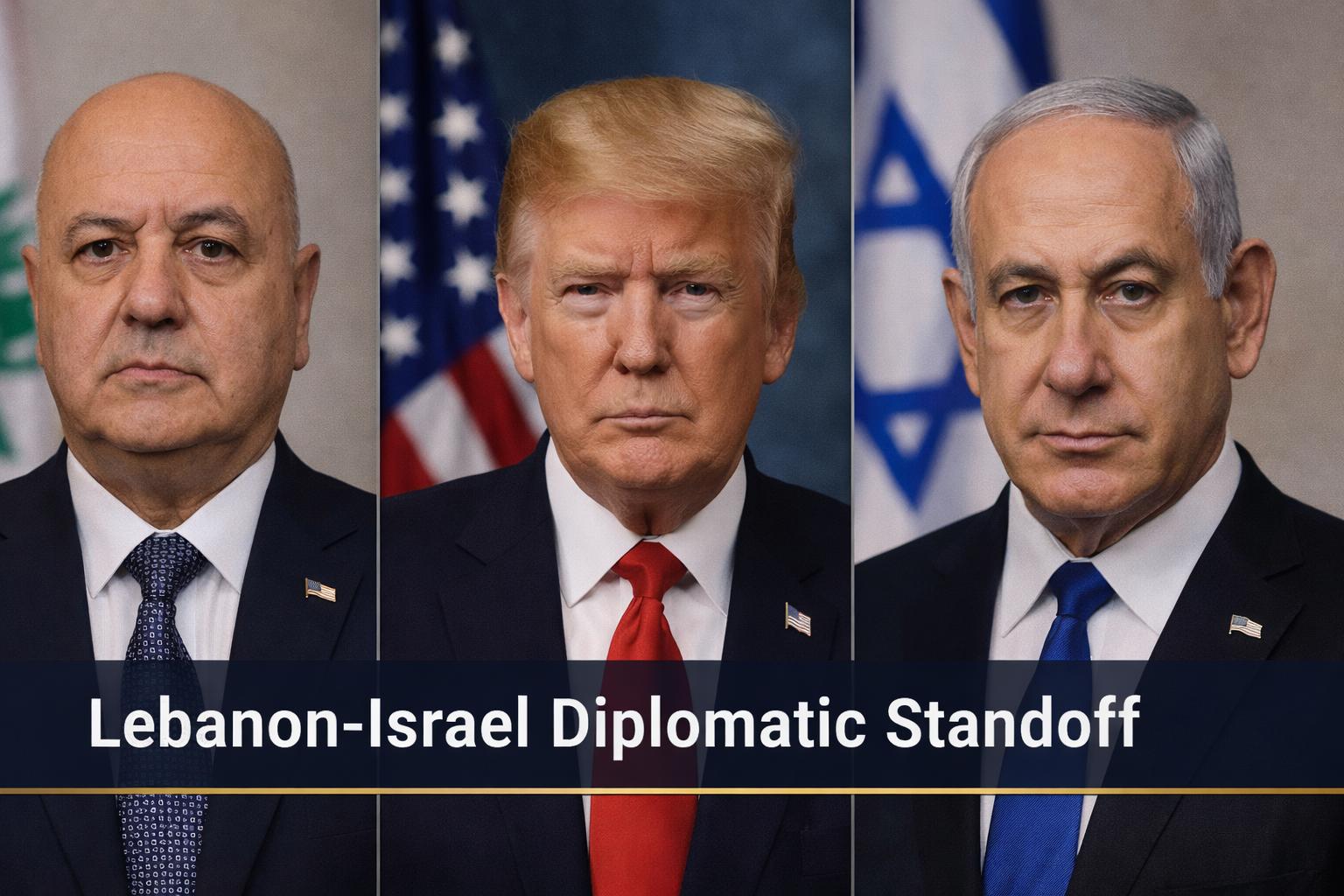
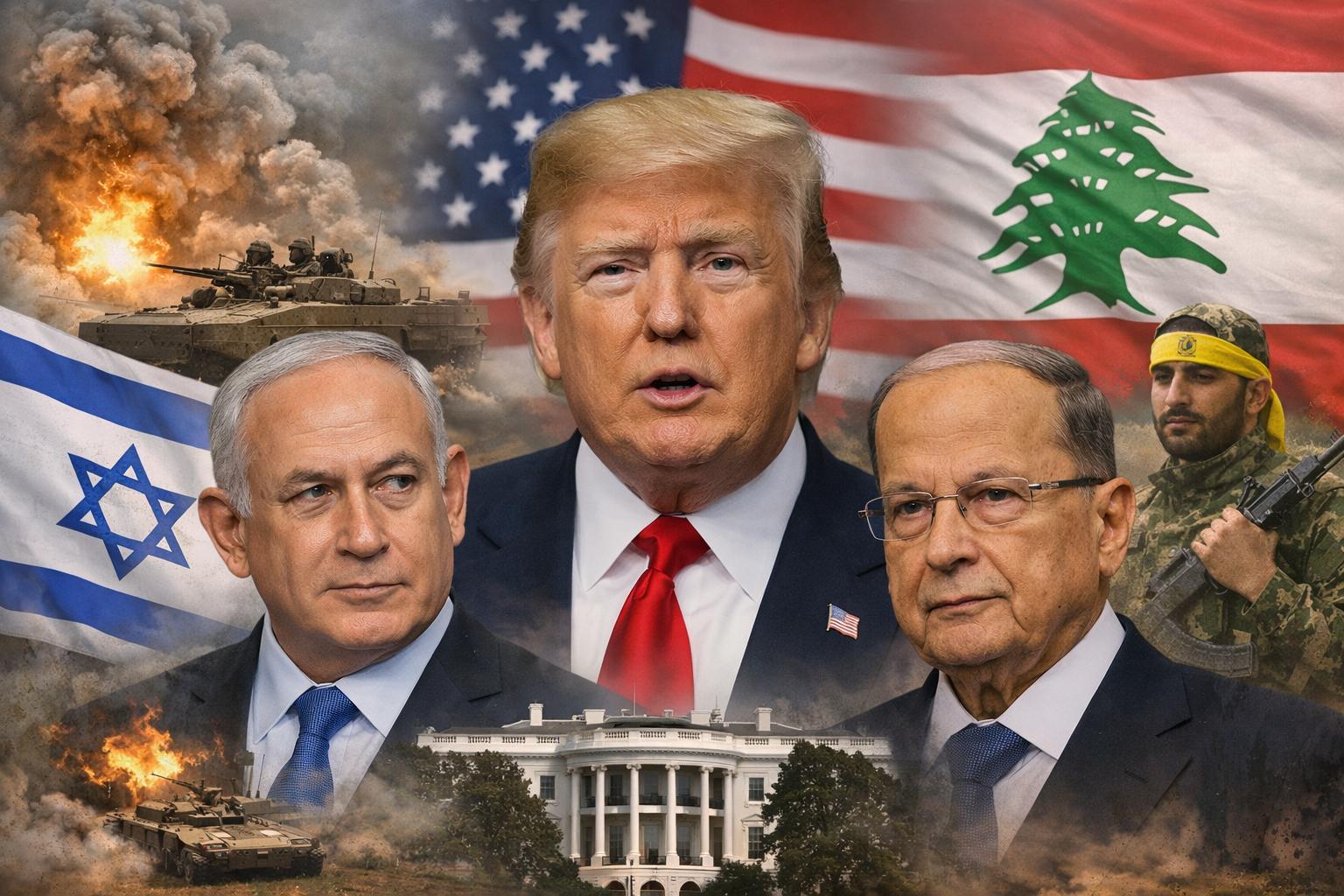
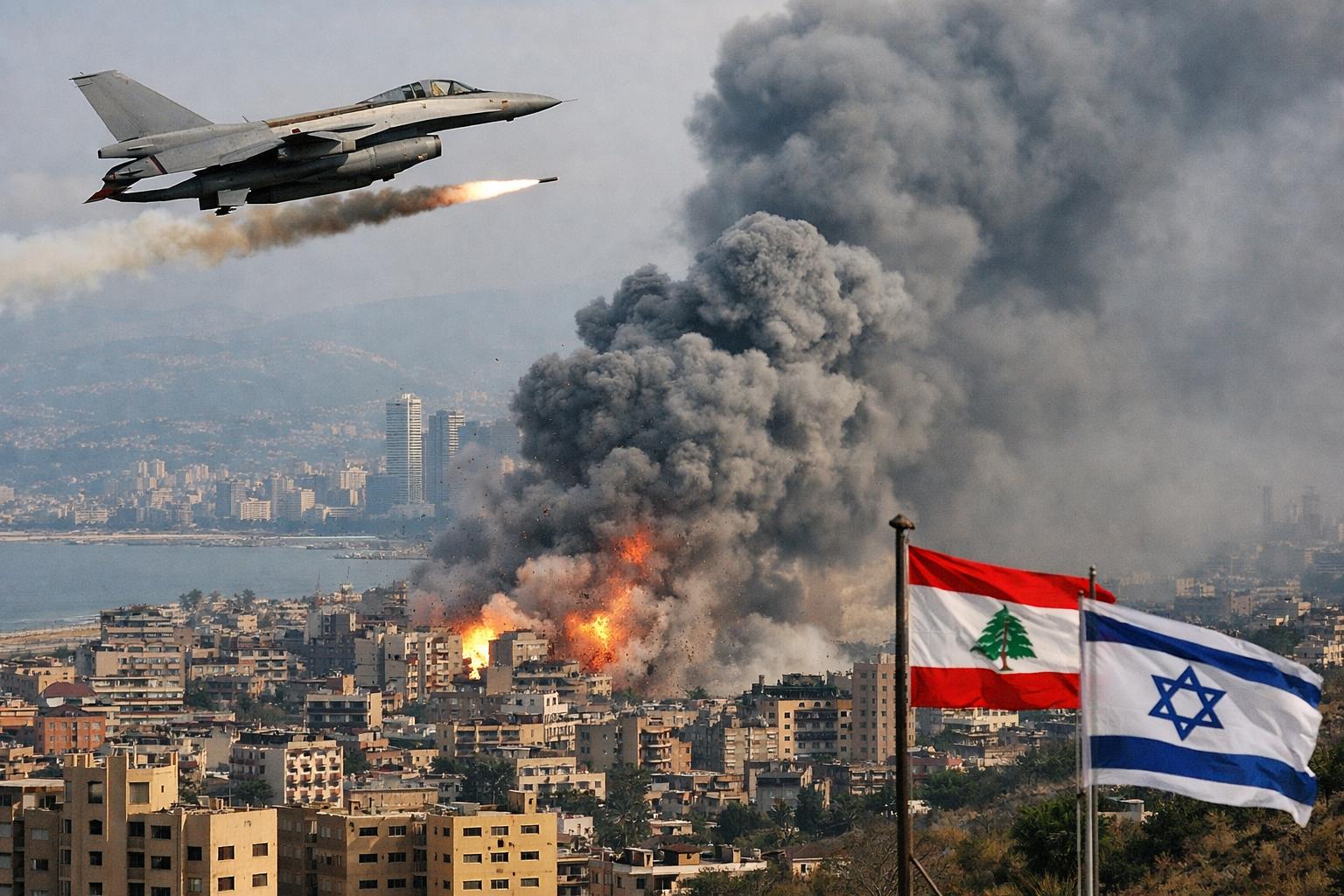
Lebanese President Joseph Aoun declined to engage in direct talks with Israeli Prime Minister Benjamin Netanyahu, despite indications from U.S. President Donald Trump that discussions between the two leaders were im
Lebanese President Joseph Aoun declined to engage in direct talks with Israeli Prime Minister Benjamin Netanyahu, despite indications from U.S. President Donald Trump that discussions between the two leaders were im
U.S. President Donald Trump announced a 10-day pause in fighting between Israel and Lebanon set to begin at 5:00 PM ET on Thursday, April 16, 2026, following what he described as “excellent” conversations with the leaders of both nations. The announcement comes amid escalating violence tied to Israel’s ongoing conflict with the Iran-backed Hezbollah militant group operating in Lebanon.
U.S. President Donald Trump announced a 10-day pause in fighting between Israel and Lebanon set to begin at 5:00 PM ET on Thursday, April 16, 2026, following what he described as “excellent” conversations with the leaders of both nations. The announcement comes amid escalating violence tied to Israel’s ongoing conflict with the Iran-backed Hezbollah militant group operating in Lebanon.
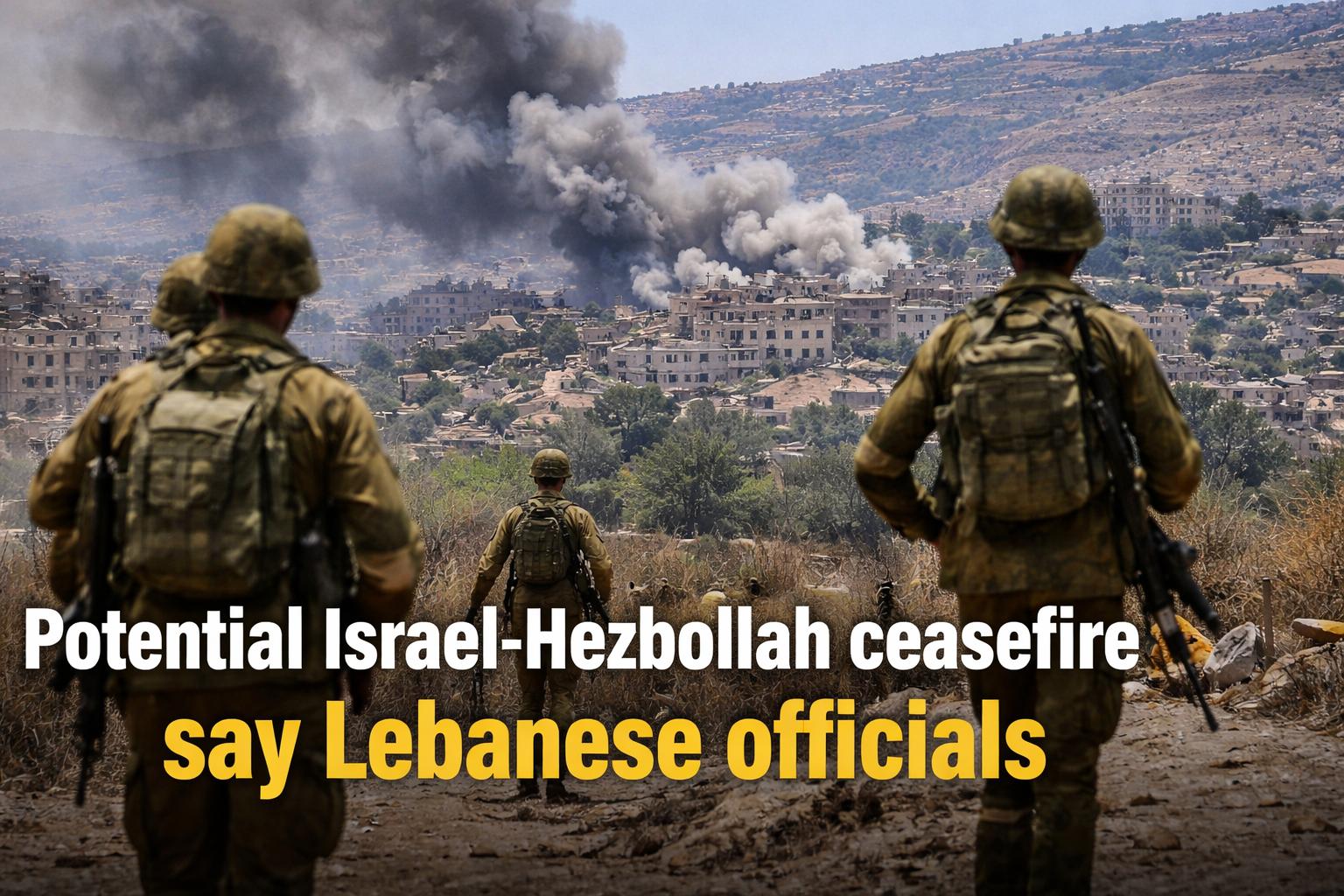
Reports indicate that a ceasefire between Israel and Hezbollah could be announced within days, according to Lebanese officials. The ceasefire is expected to come after Israeli ground forces complete their mission to capture the southern Lebanese town of Bint Jbeil, a stronghold of Hezbollah. Israeli Prime Minister Benjamin Netanyahu confirmed on April 15 that Israeli troops were “about to defeat” Hezbollah in the area.
The potential truce marks a complex and pivotal moment in th
Reports indicate that a ceasefire between Israel and Hezbollah could be announced within days, according to Lebanese officials. The ceasefire is expected to come after Israeli ground forces complete their mission to capture the southern Lebanese town of Bint Jbeil, a stronghold of Hezbollah. Israeli Prime Minister Benjamin Netanyahu confirmed on April 15 that Israeli troops were “about to defeat” Hezbollah in the area.
The potential truce marks a complex and pivotal moment in th
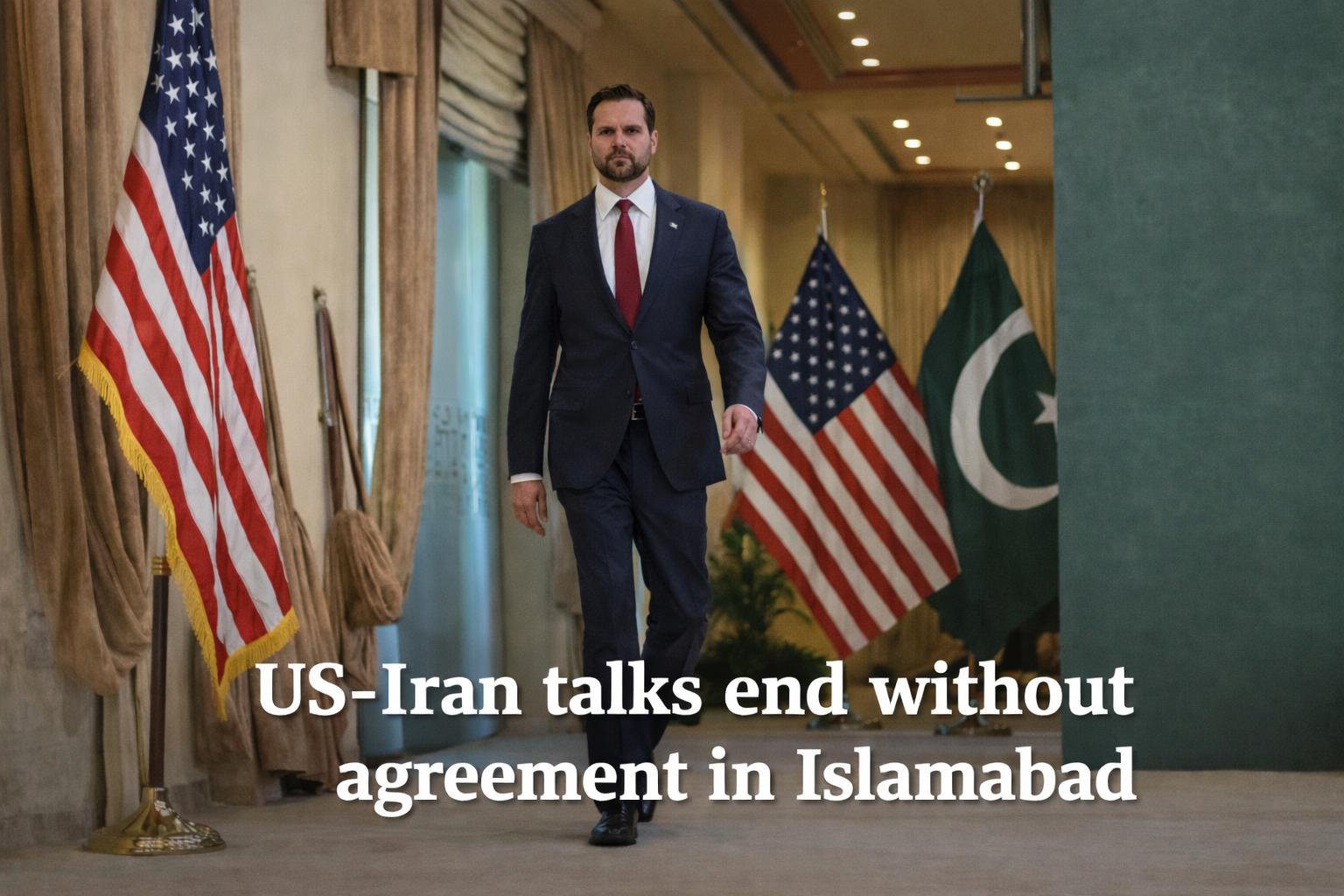
U.S. Vice President JD Vance said no agreement was reached with Iran following extended negotiations held in Pakistan, signaling a setback after Washington presented what it described as its “final and best offer.” Iranian officials also expressed dissatisfaction, with their lead negotiator stating that U.S. representatives failed to build sufficient trust during the discussions.
The outcome leaves significant uncertainty around the fragile ceasefire that began Tuesday, though no specific date was provided for the start of the truce. Without a clear commitment from Iran to reopen the Strait of Hormuz, concerns are growing over continued disruptions to global energy markets, as the strategic waterway remains a critical route for oil shipments.
Regional tensions remain elevated beyond the stalled talks. Diplomatic engagement between Israeli and Lebanese officials is expected in the coming week, even as hostilities persist. Israeli forces reported overnight strikes in southern Lebanon, stating they targeted and destroyed a rocket launcher prepared for imminent use. The strikes reportedly resulted in casualties, underscoring the ongoing volatility in the region.
The lack of progress in negotiations highlights broader challenges in restoring stability, with both diplomatic and military developments shaping an increasingly uncertain outlook.
U.S. Vice President JD Vance said no agreement was reached with Iran following extended negotiations held in Pakistan, signaling a setback after Washington presented what it described as its “final and best offer.” Iranian officials also expressed dissatisfaction, with their lead negotiator stating that U.S. representatives failed to build sufficient trust during the discussions.
The outcome leaves significant uncertainty around the fragile ceasefire that began Tuesday, though no specific date was provided for the start of the truce. Without a clear commitment from Iran to reopen the Strait of Hormuz, concerns are growing over continued disruptions to global energy markets, as the strategic waterway remains a critical route for oil shipments.
Regional tensions remain elevated beyond the stalled talks. Diplomatic engagement between Israeli and Lebanese officials is expected in the coming week, even as hostilities persist. Israeli forces reported overnight strikes in southern Lebanon, stating they targeted and destroyed a rocket launcher prepared for imminent use. The strikes reportedly resulted in casualties, underscoring the ongoing volatility in the region.
The lack of progress in negotiations highlights broader challenges in restoring stability, with both diplomatic and military developments shaping an increasingly uncertain outlook.
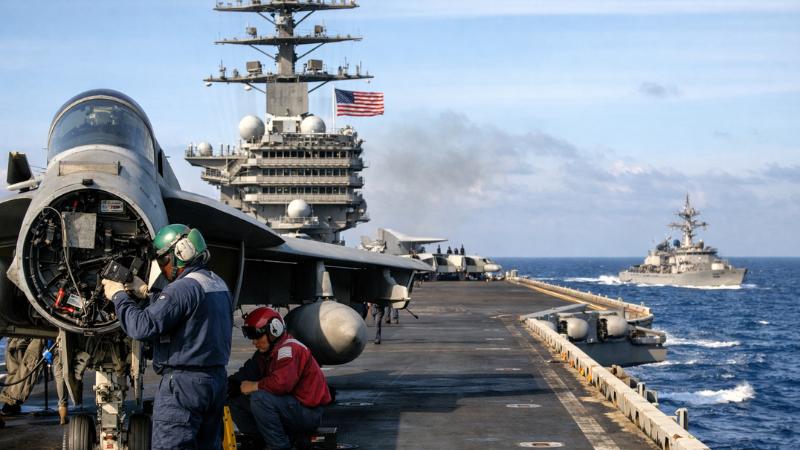
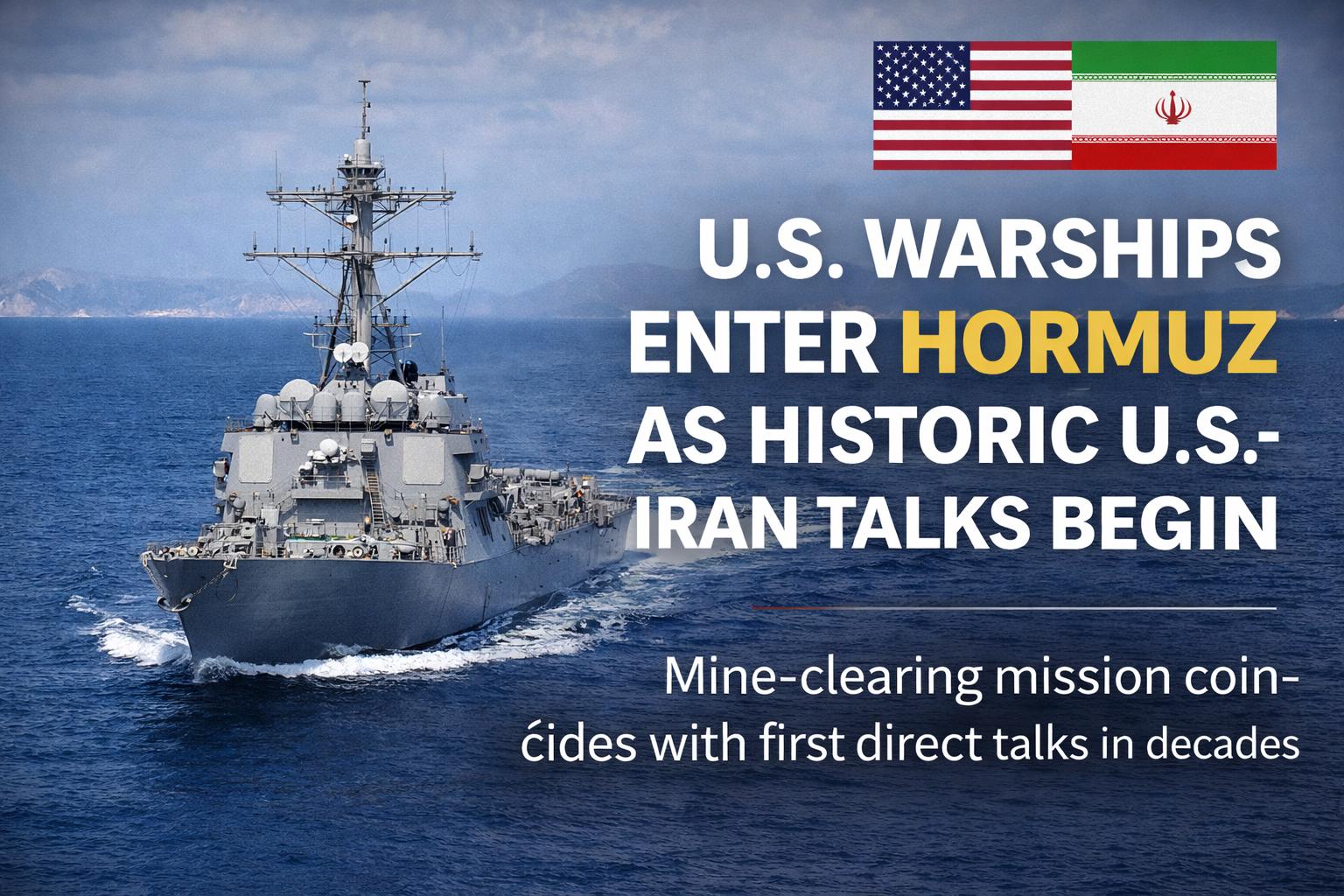
Two U.S. Navy destroyers entered the Strait of Hormuz to begin mine-clearing operations, U.S. Central Command confirmed on Saturday, April 10, 2026, as Washington simultaneously engaged in rare direct talks with Iran aimed at reducing regional tensions.
The vessels transited the critical waterway and began operations in the Arabian Gulf, with additional U.S. assets, including underwater drones, expected to support efforts in the coming days. The move follows concerns that naval mine
Two U.S. Navy destroyers entered the Strait of Hormuz to begin mine-clearing operations, U.S. Central Command confirmed on Saturday, April 10, 2026, as Washington simultaneously engaged in rare direct talks with Iran aimed at reducing regional tensions.
The vessels transited the critical waterway and began operations in the Arabian Gulf, with additional U.S. assets, including underwater drones, expected to support efforts in the coming days. The move follows concerns that naval mine
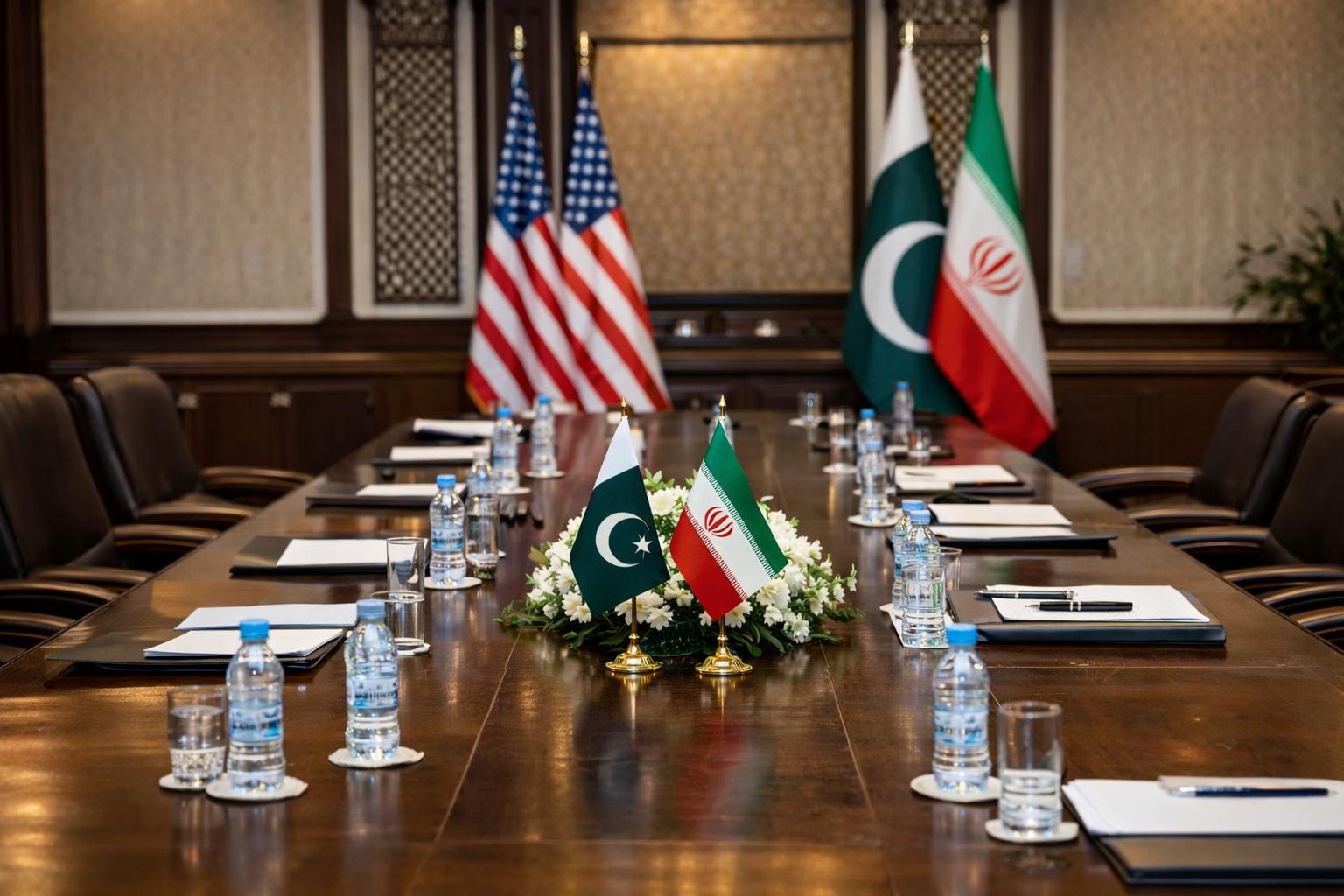
Ceasefire negotiations between the United States and Iran formally began on Saturday, April 11, 2026, in Islamabad, Pakistan, marking a major diplomatic effort to stabilize escalating tensions in the Middle East. The talks represent the first direct high-level engagement between the two nations in years and are being closely watched for signs of progress toward a broader peace framework.
The United States delegation is led by Vice President
Ceasefire negotiations between the United States and Iran formally began on Saturday, April 11, 2026, in Islamabad, Pakistan, marking a major diplomatic effort to stabilize escalating tensions in the Middle East. The talks represent the first direct high-level engagement between the two nations in years and are being closely watched for signs of progress toward a broader peace framework.
The United States delegation is led by Vice President
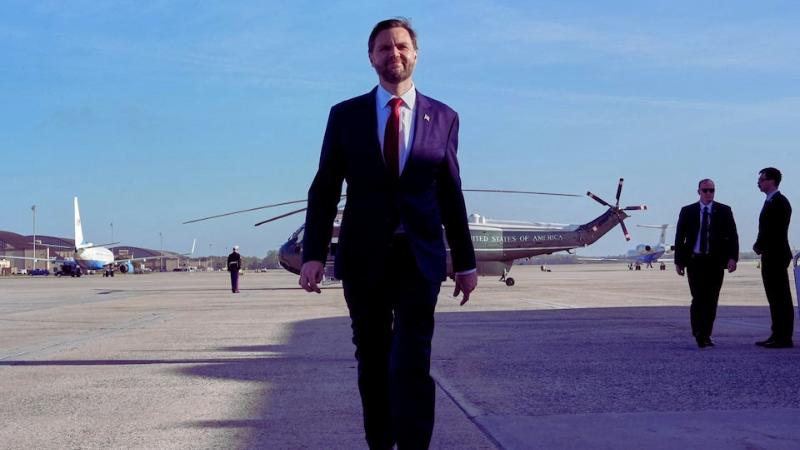
Vice President JD Vance has arrived in Islamabad with a US delegation to engage in critical ceasefire talks with Iran. The high-level discussions, described as "make-or-break," are aimed at negotiating a ceasefire agreement to ease tensions in the region. The outcome of these talks could significantly impact the broader US-Iran relations and regional stability.
Vice President JD Vance has arrived in Islamabad with a US delegation to engage in critical ceasefire talks with Iran. The high-level discussions, described as "make-or-break," are aimed at negotiating a ceasefire agreement to ease tensions in the region. The outcome of these talks could significantly impact the broader US-Iran relations and regional stability.
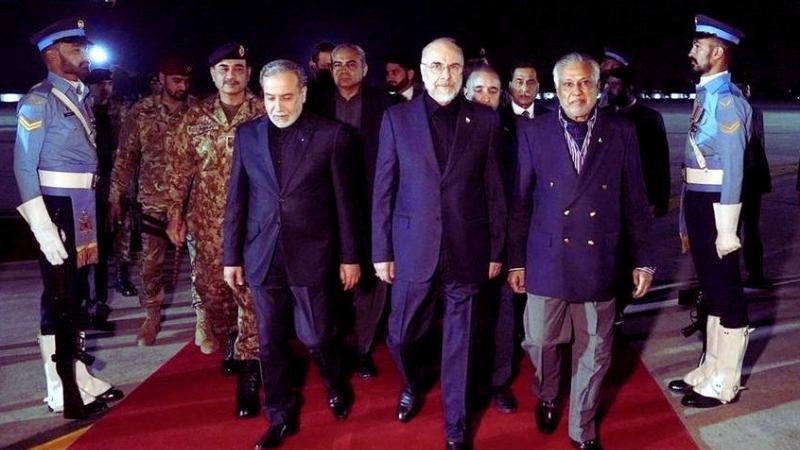
In a crucial development, an Iranian delegation led by Parliament Speaker Mohammad Baqer Qalibaf arrived in Islamabad on Friday, signaling the start of high-stakes negotiations with the United States. Iran has set clear preconditions for any progress in the talks, demanding that the US meet certain security and economic requirements, particularly addressing regional issues and lifting sanctions.
The delegation includes a wide range of senior political, military, and economic officia
In a crucial development, an Iranian delegation led by Parliament Speaker Mohammad Baqer Qalibaf arrived in Islamabad on Friday, signaling the start of high-stakes negotiations with the United States. Iran has set clear preconditions for any progress in the talks, demanding that the US meet certain security and economic requirements, particularly addressing regional issues and lifting sanctions.
The delegation includes a wide range of senior political, military, and economic officia
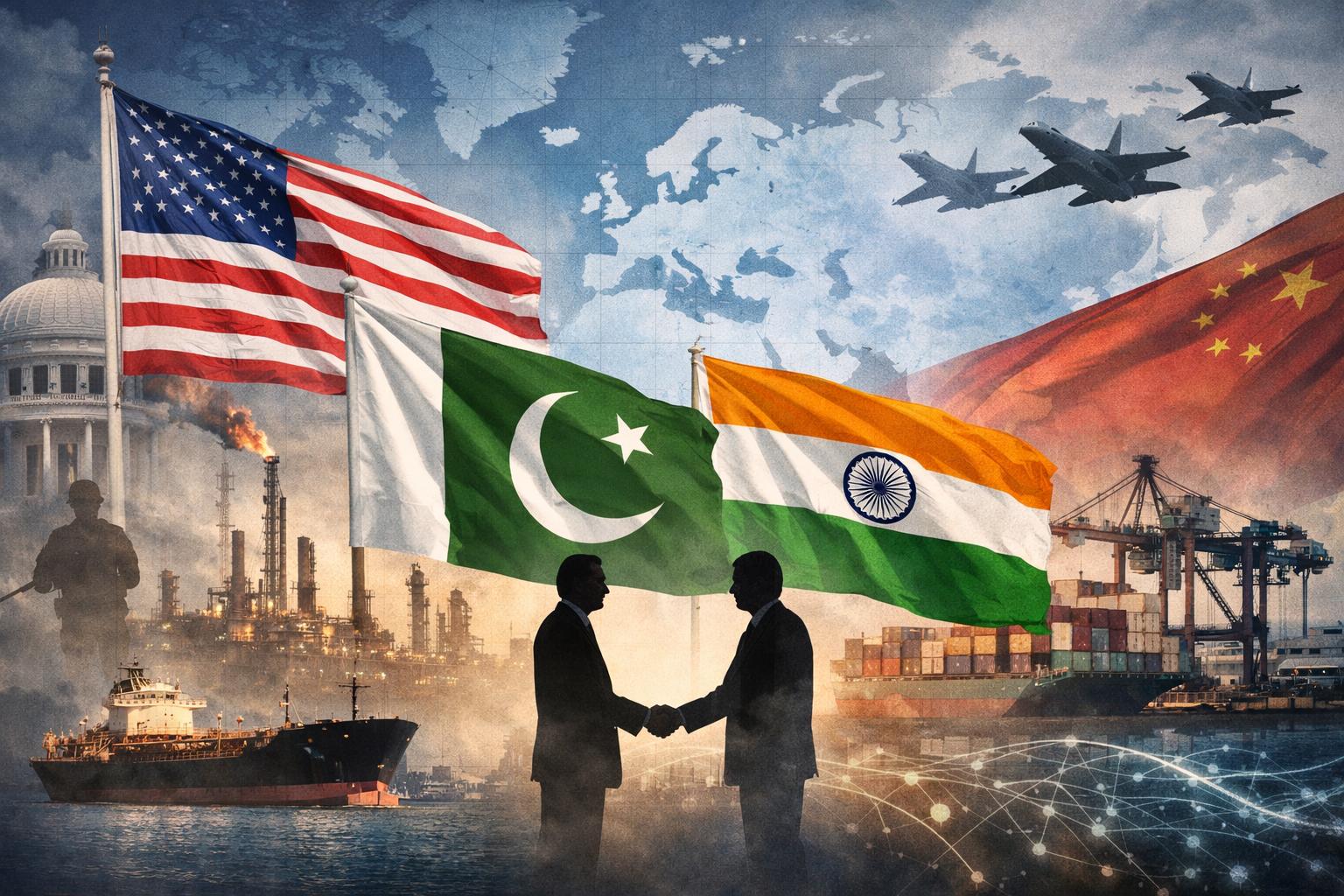
The United States’ decision to engage Pakistan as a facilitator in a recent two-week ceasefire has sparked debate in India, but analysts say the move reflects broader strategic calculations rather than a slight against New Delhi. The discussion over why India was not selected overlooks the evolving nature of global power dynamics, where decisions are driven less by status and more by immediate geopolitical utility.
In today’s international system, major powers—including the U
The United States’ decision to engage Pakistan as a facilitator in a recent two-week ceasefire has sparked debate in India, but analysts say the move reflects broader strategic calculations rather than a slight against New Delhi. The discussion over why India was not selected overlooks the evolving nature of global power dynamics, where decisions are driven less by status and more by immediate geopolitical utility.
In today’s international system, major powers—including the U
A fragile two-week ceasefire between the United States and Iran is facing renewed uncertainty after Israel launched military strikes targeting Lebanon, a key regional ally of Tehran. The escalation has raised concerns about the stability of the agreement, which was brokered with diplomatic involvement from Pakistan and was expected to ease tensions across parts of the Middle East.
Iranian officials have maintained that the ceasefire framework extended beyond bilateral commitments and
A fragile two-week ceasefire between the United States and Iran is facing renewed uncertainty after Israel launched military strikes targeting Lebanon, a key regional ally of Tehran. The escalation has raised concerns about the stability of the agreement, which was brokered with diplomatic involvement from Pakistan and was expected to ease tensions across parts of the Middle East.
Iranian officials have maintained that the ceasefire framework extended beyond bilateral commitments and
On April 8, 2026, Pakistan secured a major diplomatic win by mediating the US-Iran ceasefire, but within hours, the deal was under strain as Israel launched large airstrikes on Lebanon, an Iranian ally, killing hundreds. The confusion centered around Lebanon’s inclusion in the ceasefire agreement, with Pakistan's interpretation putting it in the heart of the storm. While Pakistani Prime Minister Shehbaz Sharif's announcement claimed that the ceasefire applied to "everywhere, including Leban
On April 8, 2026, Pakistan secured a major diplomatic win by mediating the US-Iran ceasefire, but within hours, the deal was under strain as Israel launched large airstrikes on Lebanon, an Iranian ally, killing hundreds. The confusion centered around Lebanon’s inclusion in the ceasefire agreement, with Pakistan's interpretation putting it in the heart of the storm. While Pakistani Prime Minister Shehbaz Sharif's announcement claimed that the ceasefire applied to "everywhere, including Leban
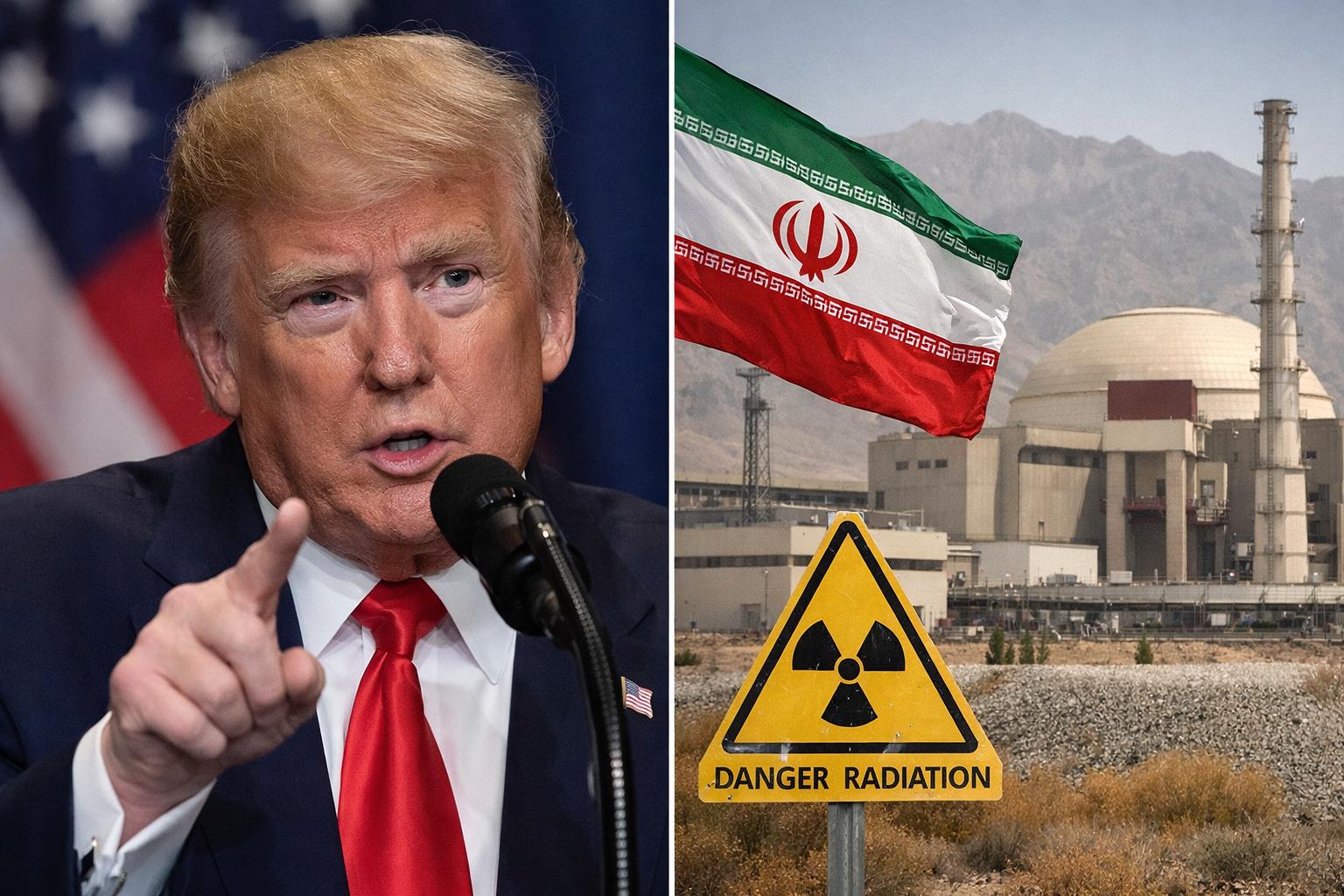
U.S. President Donald Trump said on Wednesday, April 8, 2026, that the United States is prepared to work with Iran to recover enriched uranium believed to be buried beneath sites targeted during joint U.S.-Israeli strikes in June 2025. The comments signal a potential shift in U.S.-Iran engagement, though Iranian officials have not confirmed any such cooperation.
In a social media post, Trump stated that “there will be no enrichment of uranium” moving forward and asserted that the
U.S. President Donald Trump said on Wednesday, April 8, 2026, that the United States is prepared to work with Iran to recover enriched uranium believed to be buried beneath sites targeted during joint U.S.-Israeli strikes in June 2025. The comments signal a potential shift in U.S.-Iran engagement, though Iranian officials have not confirmed any such cooperation.
In a social media post, Trump stated that “there will be no enrichment of uranium” moving forward and asserted that the
Escalating tensions across the Middle East intensified after US President Donald Trump said Iran’s response to a proposed ceasefire was “substantial” but ultimately “not good enough,” signaling continued diplomatic strain as military exchanges widened across the region.
The remarks came as at least 34 people, including six children, were reported killed in coordinated US-Israeli strikes across Iran. The attacks mark a significant escalation in the ongoing conflict, raisin
Escalating tensions across the Middle East intensified after US President Donald Trump said Iran’s response to a proposed ceasefire was “substantial” but ultimately “not good enough,” signaling continued diplomatic strain as military exchanges widened across the region.
The remarks came as at least 34 people, including six children, were reported killed in coordinated US-Israeli strikes across Iran. The attacks mark a significant escalation in the ongoing conflict, raisin
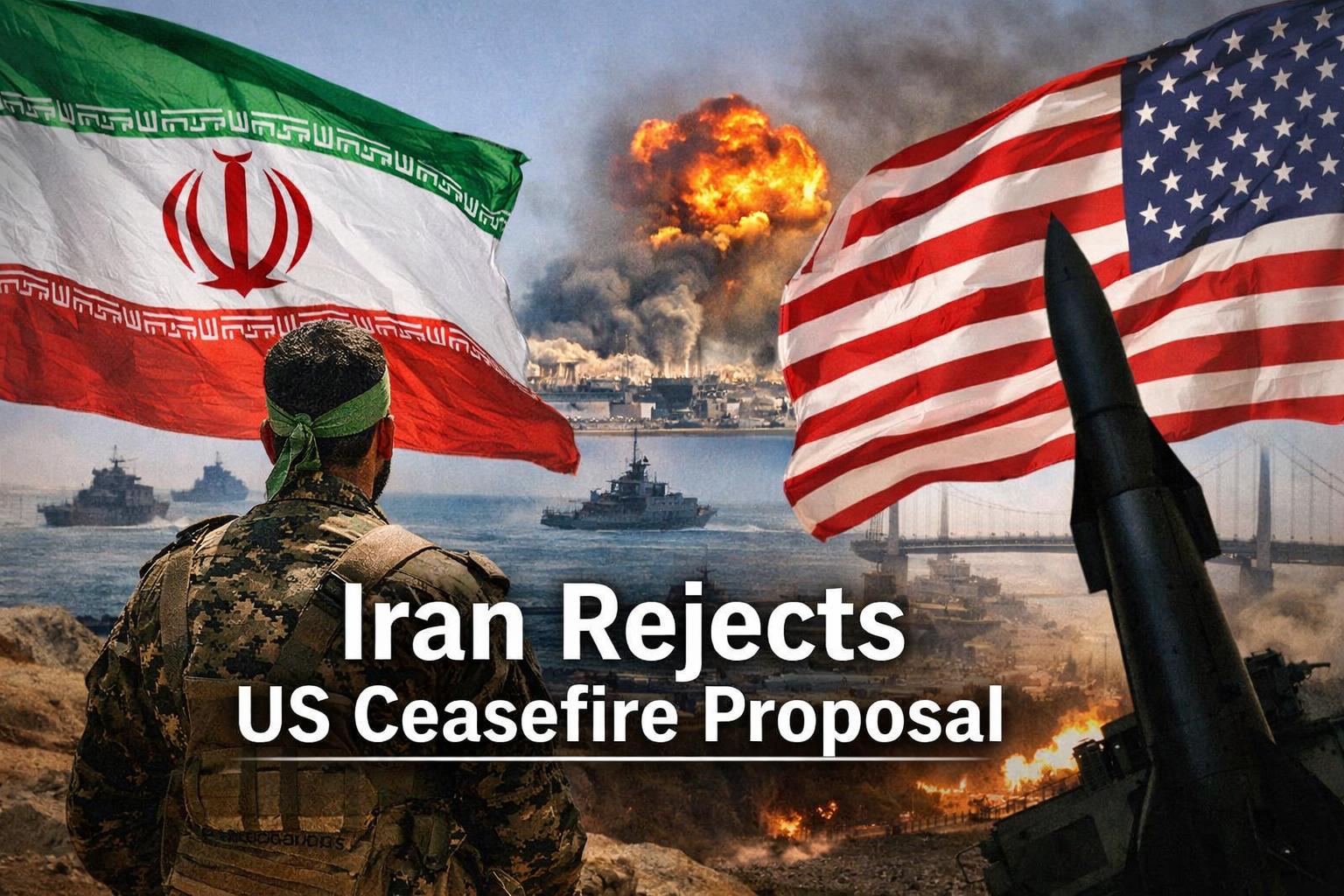
Iran has formally rejected a United States-backed proposal for a temporary ceasefire, instead presenting a structured response that calls for a permanent resolution to the ongoing conflict, according to statements from its state news agency. The move highlights Tehran’s position that a short-term truce would not address the broader geopolitical tensions shaping the crisis.
The response was conveyed to Washington through Pakistan, which has been serving as an intermediary in diplom
Iran has formally rejected a United States-backed proposal for a temporary ceasefire, instead presenting a structured response that calls for a permanent resolution to the ongoing conflict, according to statements from its state news agency. The move highlights Tehran’s position that a short-term truce would not address the broader geopolitical tensions shaping the crisis.
The response was conveyed to Washington through Pakistan, which has been serving as an intermediary in diplom
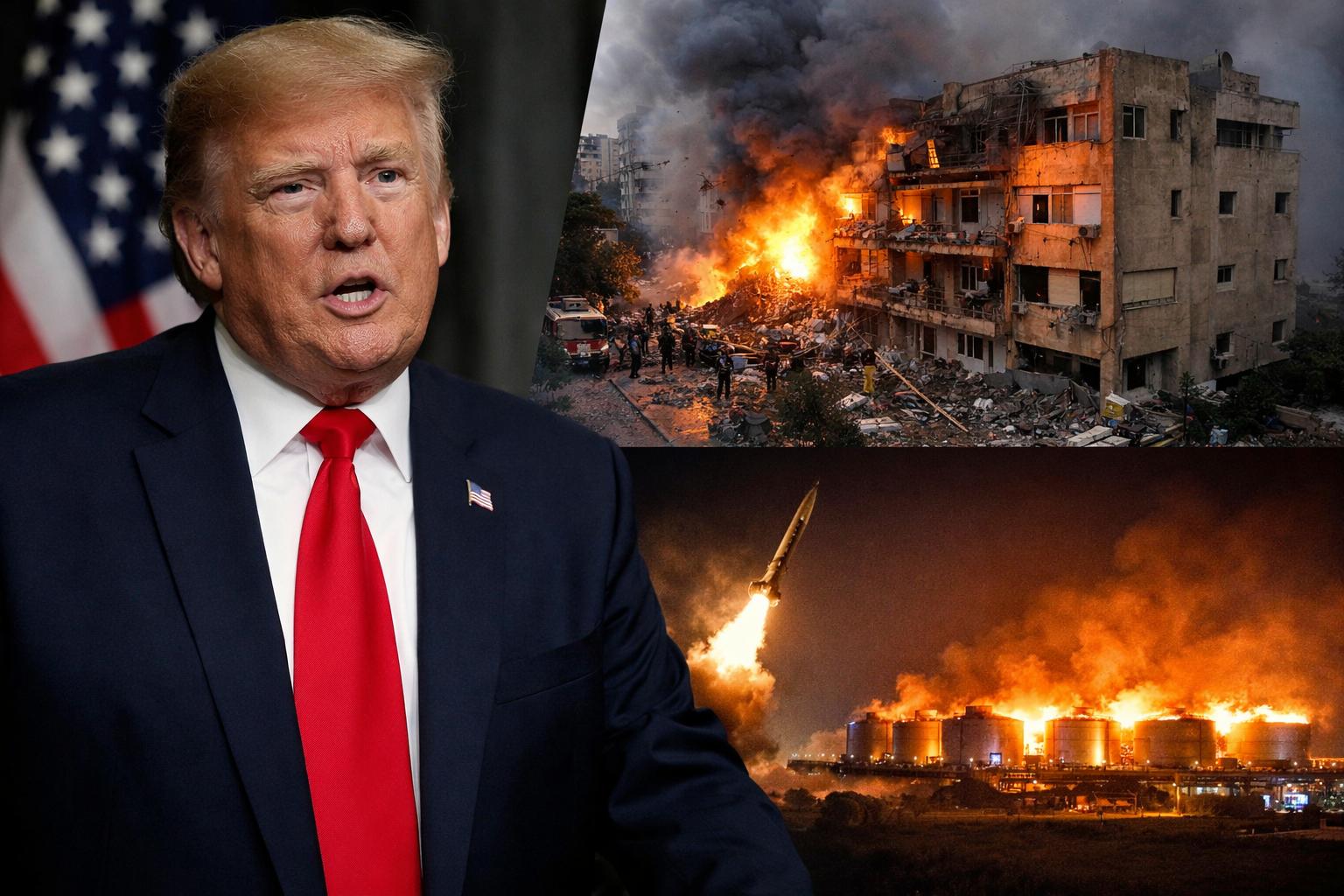
U.S. President Donald Trump on Monday, April 6, 2026, warned that the United States has a plan to destroy critical infrastructure in Iran if ongoing ceasefire efforts fail, signaling a potential escalation in already heightened tensions between the two countries. Speaking publicly, Trump described a scenario in which “every bridge, every power plant in Iran will be out of business,” adding that such an operation would result in “complete demolition by 12:00,” though he did not specify a time zone for that reference.
The president emphasized that he does not want to pursue such action, noting the long-term consequences for Iran’s recovery. He stated that rebuilding could take “100 years,” underscoring the scale of destruction implied in his remarks. His comments come at a critical moment in the broader Middle East crisis, where diplomatic efforts and military posturing continue simultaneously.
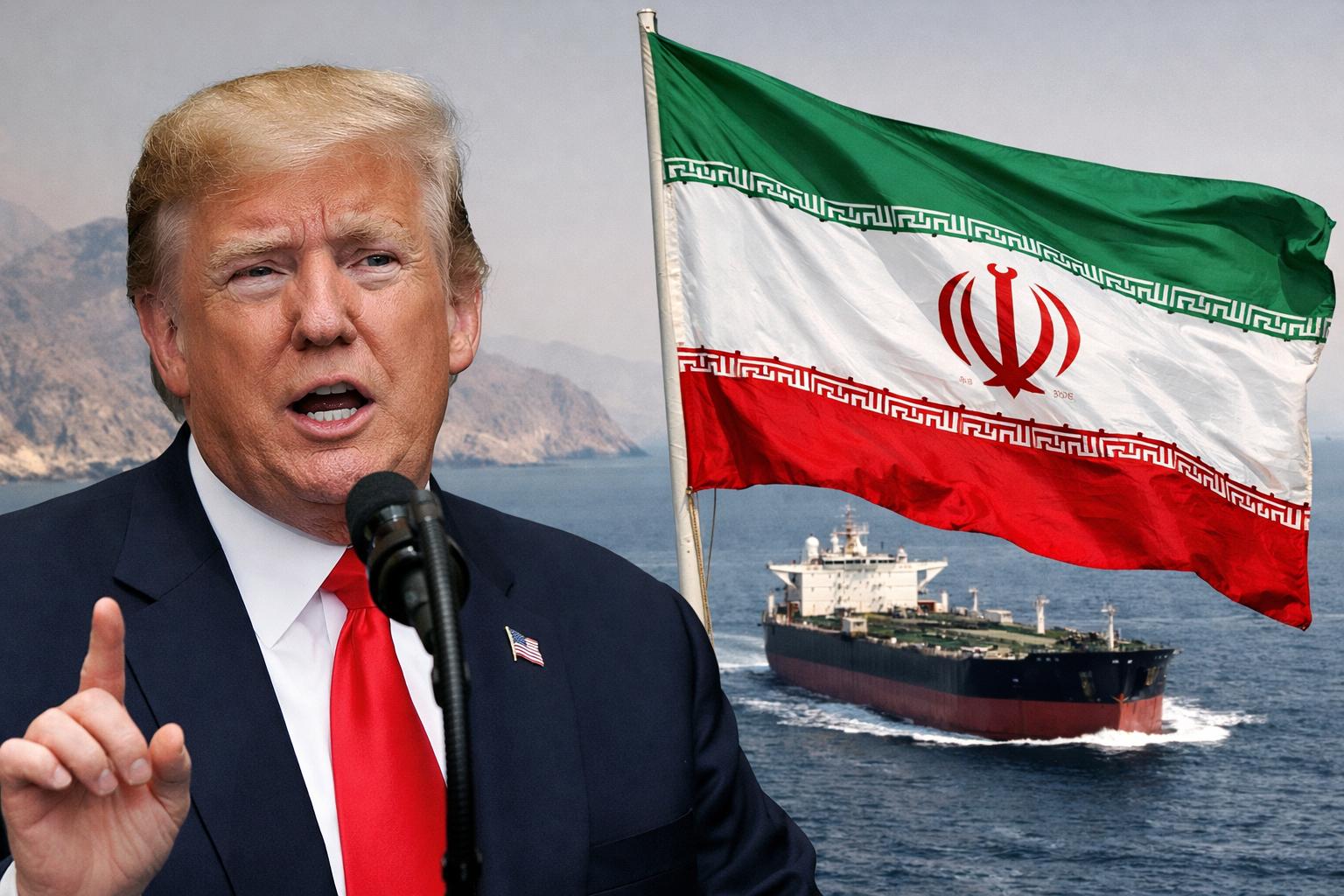
Trump also introduced a proposal involving the Strait of Hormuz, a vital global shipping route through which a significant portion of the world’s oil supply passes. He suggested that the United States, rather than Iran, should collect tolls from vessels transiting the waterway. “What about us charging tolls?” he said, positioning the idea as an alternative to allowing Iran to control revenue from the route. Iran recently announced its own toll system for tankers, asserting authority over the strategically important passage.
Addressing the status of negotiations, Trump declined to provide a definitive assessment of whether tensions are easing or intensifying. “I can’t tell you, it depends on what they do. This is a critical period,” he said. He also referenced a deadline related to reopening the waterway, stating that Iran had “’til tomorrow at 8:00” following an extension he granted, though further details were not disclosed.
Despite the strong rhetoric, Trump indicated that diplomatic engagement remains ongoing. He described Iran as an “active, willing participant” in negotiations and suggested that both sides may be exploring a potential agreement. However, he stopped short of confirming any progress toward a ceasefire, leaving the situation uncertain as global markets and policymakers continue to monitor developments closely.
U.S. President Donald Trump on Monday, April 6, 2026, warned that the United States has a plan to destroy critical infrastructure in Iran if ongoing ceasefire efforts fail, signaling a potential escalation in already heightened tensions between the two countries. Speaking publicly, Trump described a scenario in which “every bridge, every power plant in Iran will be out of business,” adding that such an operation would result in “complete demolition by 12:00,” though he did not specify a time zone for that reference.
The president emphasized that he does not want to pursue such action, noting the long-term consequences for Iran’s recovery. He stated that rebuilding could take “100 years,” underscoring the scale of destruction implied in his remarks. His comments come at a critical moment in the broader Middle East crisis, where diplomatic efforts and military posturing continue simultaneously.
Trump also introduced a proposal involving the Strait of Hormuz, a vital global shipping route through which a significant portion of the world’s oil supply passes. He suggested that the United States, rather than Iran, should collect tolls from vessels transiting the waterway. “What about us charging tolls?” he said, positioning the idea as an alternative to allowing Iran to control revenue from the route. Iran recently announced its own toll system for tankers, asserting authority over the strategically important passage.
Addressing the status of negotiations, Trump declined to provide a definitive assessment of whether tensions are easing or intensifying. “I can’t tell you, it depends on what they do. This is a critical period,” he said. He also referenced a deadline related to reopening the waterway, stating that Iran had “’til tomorrow at 8:00” following an extension he granted, though further details were not disclosed.
Despite the strong rhetoric, Trump indicated that diplomatic engagement remains ongoing. He described Iran as an “active, willing participant” in negotiations and suggested that both sides may be exploring a potential agreement. However, he stopped short of confirming any progress toward a ceasefire, leaving the situation uncertain as global markets and policymakers continue to monitor developments closely.
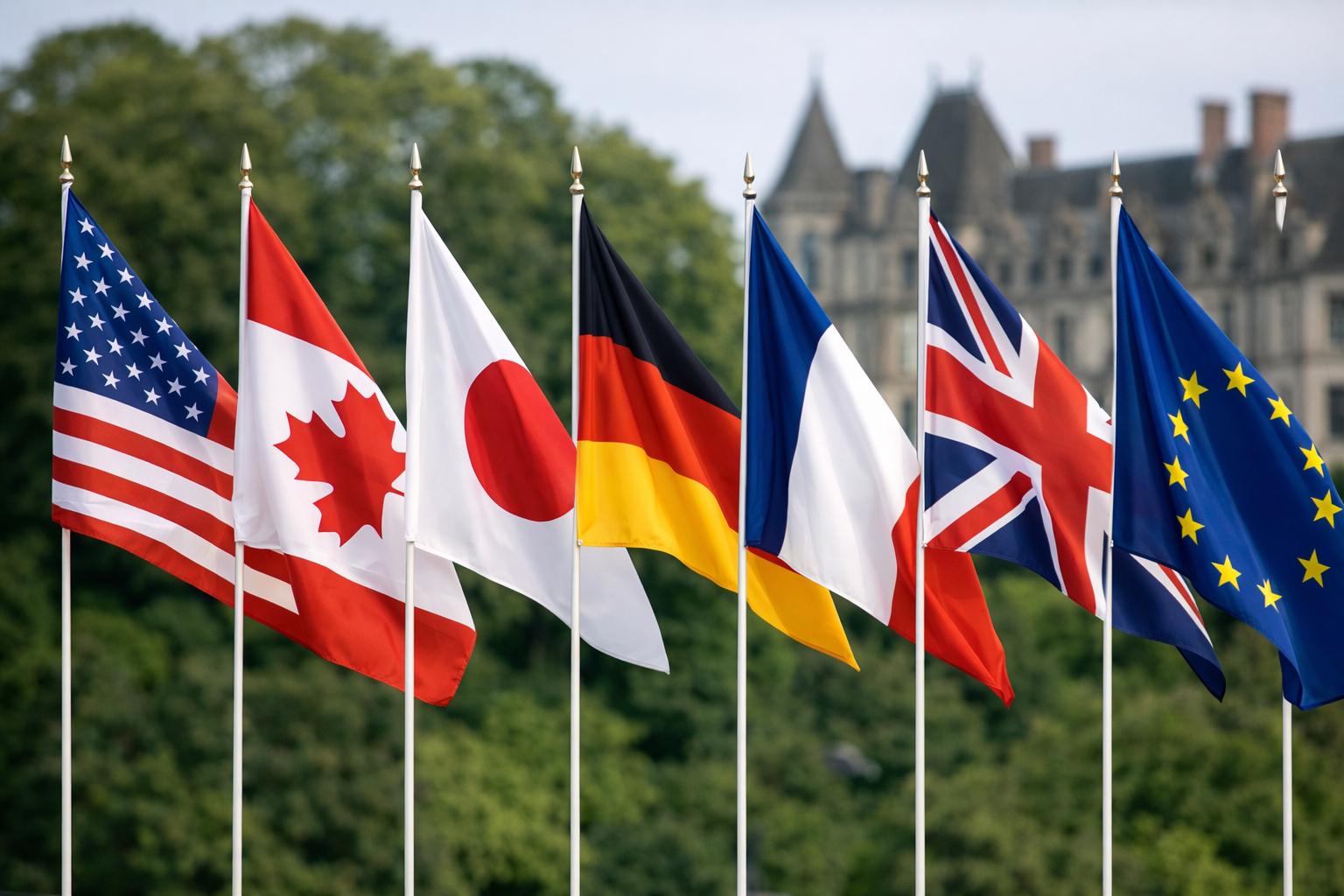
Foreign ministers from the Group of Seven (G7) nations on March 28, 2026, called for an immediate halt to attacks targeting civilians and critical infrastructure in the ongoing Iran war, emphasizing the urgent need to reduce humanitarian and economic fallout. The appeal came in a joint statement issued during a high-level meeting in France, where leaders highlighted growing concerns over civilian safety and regional stability.
The ministers stressed that protecting civilian populations remains a top priority, noting that continued attacks on infrastructure and non-combatants risk deepening the crisis. They underscored the importance of coordinated international efforts to limit the conflict’s broader consequences, including disruptions to global supply chains, energy markets, and economic stability that could directly affect citizens worldwide.
French Foreign Minister Jean-Noël Barrot said the G7 remains firmly committed to minimizing the war’s impact, reiterating that no justification exists for targeting civilians. He emphasized that safeguarding human life must remain central to any military or political response, as tensions continue to escalate in the region.
A key focus of the discussions was the Strait of Hormuz, a strategic maritime route critical to global energy supplies. The G7 ministers called for the restoration of safe and unrestricted navigation through the passage, warning that instability in the corridor could significantly disrupt international oil and trade flows.
U.S. Secretary of State Marco Rubio is expected to coordinate closely with European counterparts, including briefing the European Union’s Council of Foreign Affairs, as part of ongoing diplomatic efforts to ease tensions and address the standoff in the region.
Separately, European Union energy ministers are set to convene an emergency virtual meeting to assess the conflict’s impact on energy security across Europe. The meeting, organized under Cyprus’ rotating EU presidency, will focus on safeguarding supply stability amid rising uncertainty linked to the Iran war.
Foreign ministers from the Group of Seven (G7) nations on March 28, 2026, called for an immediate halt to attacks targeting civilians and critical infrastructure in the ongoing Iran war, emphasizing the urgent need to reduce humanitarian and economic fallout. The appeal came in a joint statement issued during a high-level meeting in France, where leaders highlighted growing concerns over civilian safety and regional stability.
The ministers stressed that protecting civilian populations remains a top priority, noting that continued attacks on infrastructure and non-combatants risk deepening the crisis. They underscored the importance of coordinated international efforts to limit the conflict’s broader consequences, including disruptions to global supply chains, energy markets, and economic stability that could directly affect citizens worldwide.
French Foreign Minister Jean-Noël Barrot said the G7 remains firmly committed to minimizing the war’s impact, reiterating that no justification exists for targeting civilians. He emphasized that safeguarding human life must remain central to any military or political response, as tensions continue to escalate in the region.
A key focus of the discussions was the Strait of Hormuz, a strategic maritime route critical to global energy supplies. The G7 ministers called for the restoration of safe and unrestricted navigation through the passage, warning that instability in the corridor could significantly disrupt international oil and trade flows.
U.S. Secretary of State Marco Rubio is expected to coordinate closely with European counterparts, including briefing the European Union’s Council of Foreign Affairs, as part of ongoing diplomatic efforts to ease tensions and address the standoff in the region.
Separately, European Union energy ministers are set to convene an emergency virtual meeting to assess the conflict’s impact on energy security across Europe. The meeting, organized under Cyprus’ rotating EU presidency, will focus on safeguarding supply stability amid rising uncertainty linked to the Iran war.
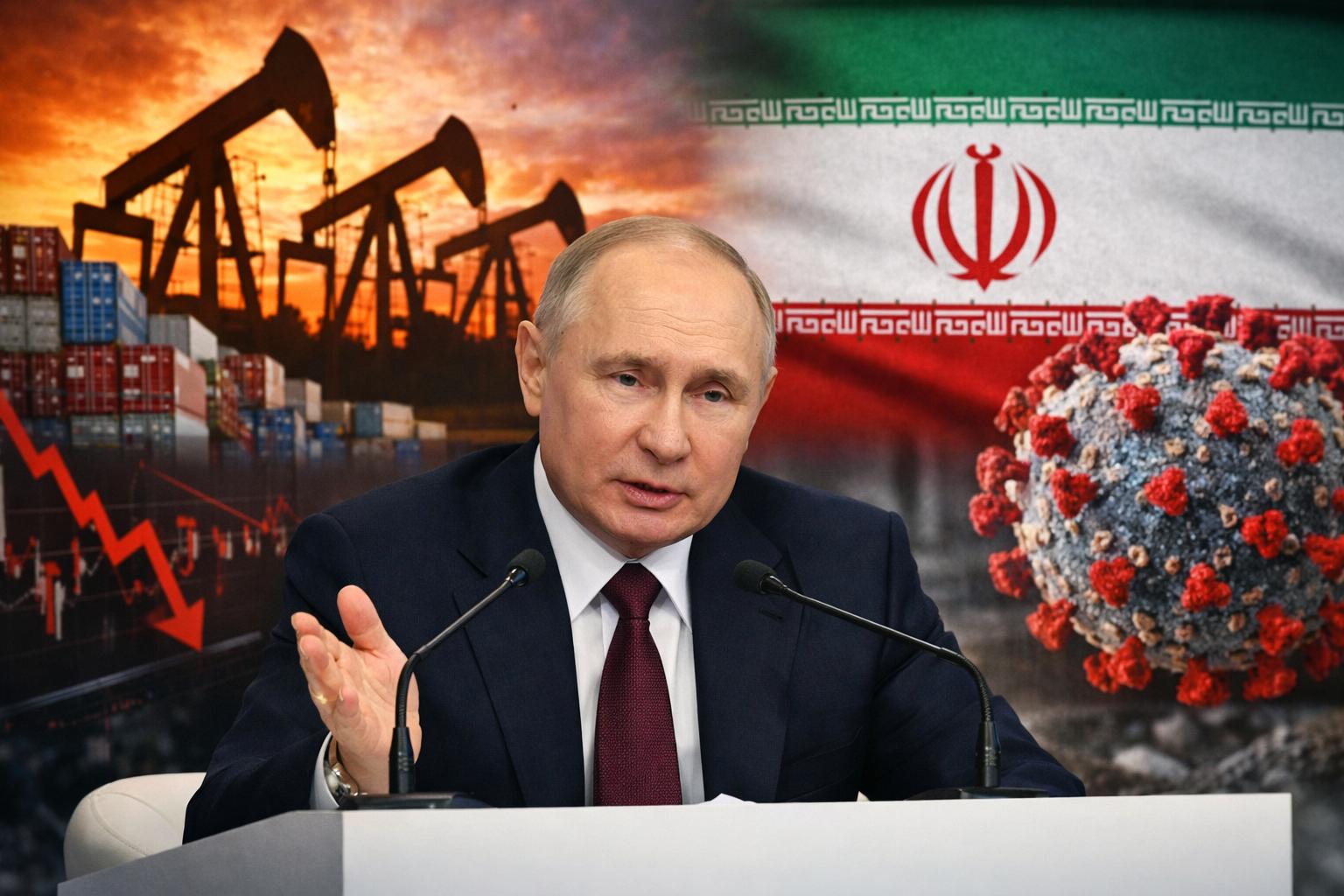
Moscow, Russia: Russian President Vladimir Putin has cautioned that the economic consequences of the ongoing conflict involving Iran could mirror the widespread disruption seen during the COVID-19 pandemic, highlighting mounting pressure on global supply chains and key industries. Speaking at a major business forum in Moscow, Putin said the instability in the Middle East is already causing significant strain on international production systems and logistics networks.
He noted that cri
Moscow, Russia: Russian President Vladimir Putin has cautioned that the economic consequences of the ongoing conflict involving Iran could mirror the widespread disruption seen during the COVID-19 pandemic, highlighting mounting pressure on global supply chains and key industries. Speaking at a major business forum in Moscow, Putin said the instability in the Middle East is already causing significant strain on international production systems and logistics networks.
He noted that cri
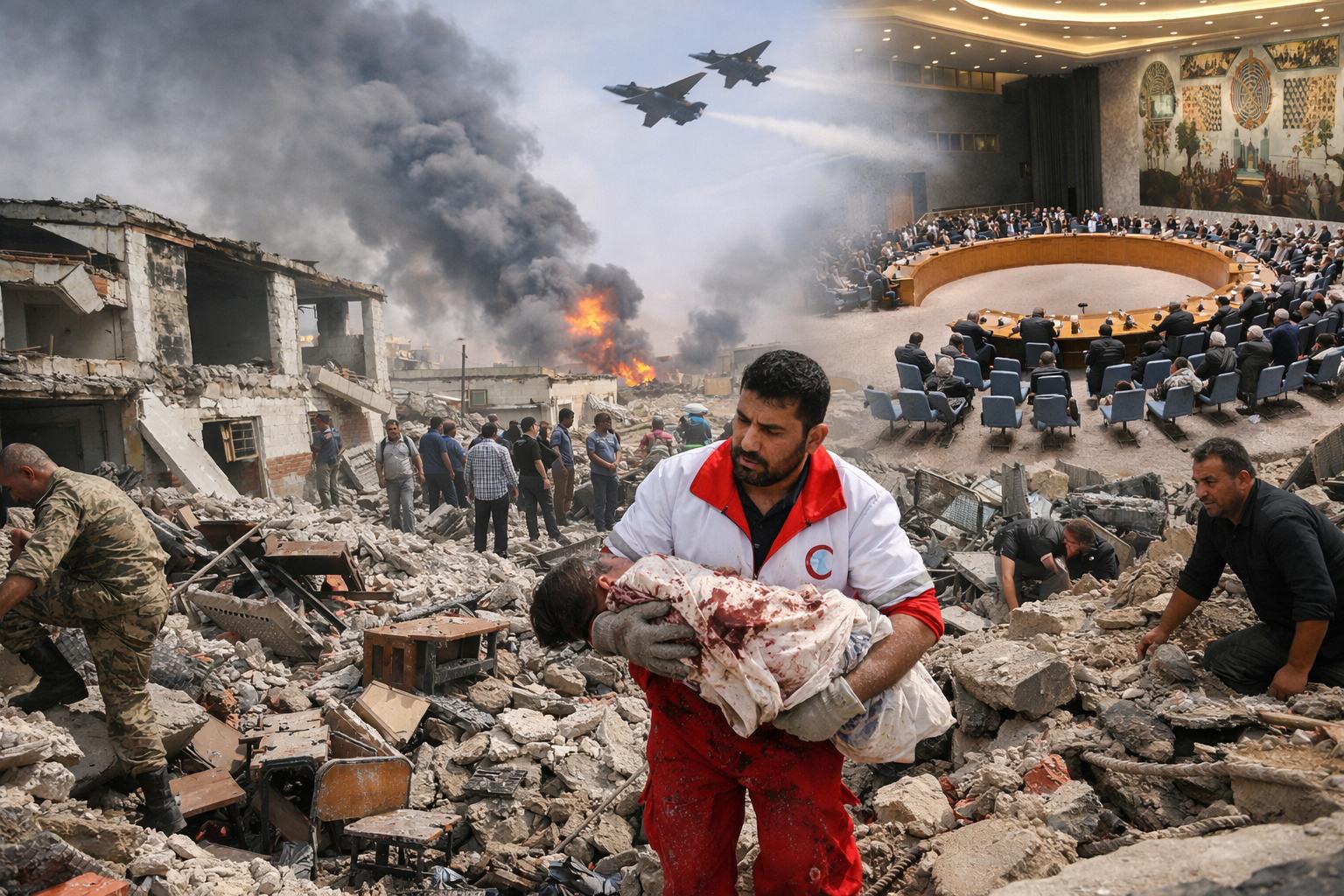
Iranian President Masoud Pezeshkian strongly condemned what he described as a barbaric attack on a school in southern Iran on Saturday, following a series of strikes carried out by the United States and Israel that have intensified the ongoing conflict in the Middle East. In an official statement, Pezeshkian said the incident marked another dark chapter in what he called a pattern of aggression against the country, and warned that the violence could further destabilize the region. According to Iranian authorities, at least 63 people were killed in the attack, with dozens more injured, making it one of the deadliest incidents reported since the latest escalation began.
Israeli officials stated that the strikes were aimed at high-level targets connected to Iran’s leadership and military planning. A military spokesperson said multiple locations where senior Iranian figures had gathered were hit simultaneously, resulting in the elimination of individuals considered critical to the country’s campaign management and governance. The strikes were described as part of a broader effort to weaken Iran’s operational capabilities, though details about those killed were not immediately confirmed by independent sources.
The developments prompted urgent diplomatic activity at the United Nations, where the security council scheduled an emergency session in New York to address the growing crisis. Diplomats said the meeting was requested by several member states, including Russia and China, who described the strikes as an act of armed aggression and called for immediate international discussion. France, Bahrain, and Colombia also supported the request, reflecting widespread concern over the risk of a wider regional war.
United Nations Secretary-General Antonio Guterres is expected to address the council and has already urged all sides to halt military actions. In a statement issued earlier, he warned that continued use of force could undermine international peace and security and lead to severe consequences for civilians across the Middle East. Guterres called for an immediate ceasefire and a return to diplomatic negotiations, stressing that only dialogue could prevent the conflict from expanding further and threatening global stability.
Iranian President Masoud Pezeshkian strongly condemned what he described as a barbaric attack on a school in southern Iran on Saturday, following a series of strikes carried out by the United States and Israel that have intensified the ongoing conflict in the Middle East. In an official statement, Pezeshkian said the incident marked another dark chapter in what he called a pattern of aggression against the country, and warned that the violence could further destabilize the region. According to Iranian authorities, at least 63 people were killed in the attack, with dozens more injured, making it one of the deadliest incidents reported since the latest escalation began.
Israeli officials stated that the strikes were aimed at high-level targets connected to Iran’s leadership and military planning. A military spokesperson said multiple locations where senior Iranian figures had gathered were hit simultaneously, resulting in the elimination of individuals considered critical to the country’s campaign management and governance. The strikes were described as part of a broader effort to weaken Iran’s operational capabilities, though details about those killed were not immediately confirmed by independent sources.
The developments prompted urgent diplomatic activity at the United Nations, where the security council scheduled an emergency session in New York to address the growing crisis. Diplomats said the meeting was requested by several member states, including Russia and China, who described the strikes as an act of armed aggression and called for immediate international discussion. France, Bahrain, and Colombia also supported the request, reflecting widespread concern over the risk of a wider regional war.
United Nations Secretary-General Antonio Guterres is expected to address the council and has already urged all sides to halt military actions. In a statement issued earlier, he warned that continued use of force could undermine international peace and security and lead to severe consequences for civilians across the Middle East. Guterres called for an immediate ceasefire and a return to diplomatic negotiations, stressing that only dialogue could prevent the conflict from expanding further and threatening global stability.
US President Donald Trump on Tuesday said that tariff threats played a decisive role in resolving several international conflicts during his tenure, claiming that economic pressure through trade measures helped prevent violence and bring rival nations to the negotiating table. In an interview with Fox Business, Trump asserted that at least six of what he described as eight wars were settled after he warned countries that they would face higher tariffs if hostilities continued.
Among
US President Donald Trump on Tuesday said that tariff threats played a decisive role in resolving several international conflicts during his tenure, claiming that economic pressure through trade measures helped prevent violence and bring rival nations to the negotiating table. In an interview with Fox Business, Trump asserted that at least six of what he described as eight wars were settled after he warned countries that they would face higher tariffs if hostilities continued.
Among