Why did Donald Trump warn the U.K. about tariffs? He cites digital tax concerns
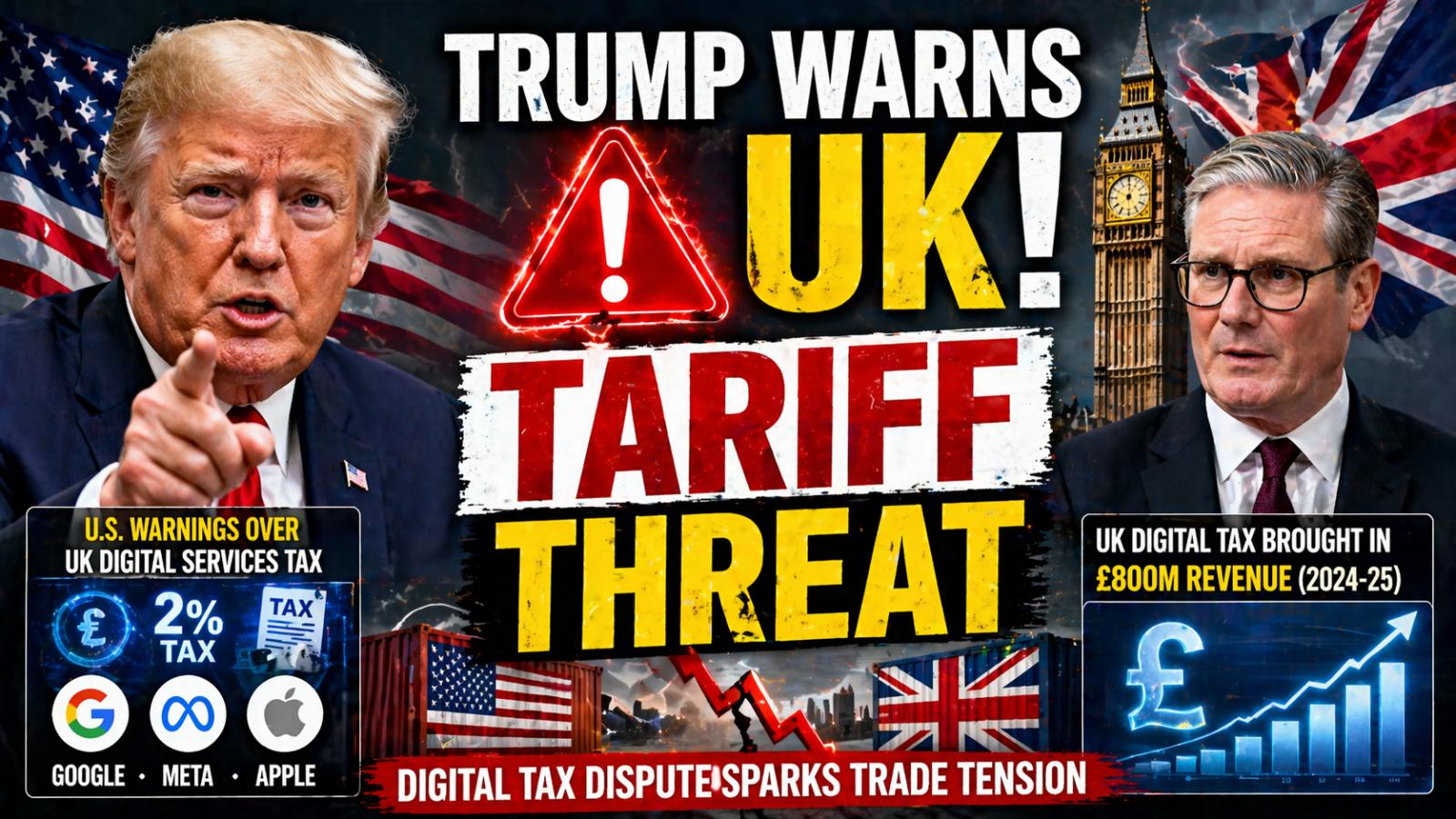
Why did Donald Trump warn the U.K. about tariffs? He cites digital tax concerns — U.S. President Donald Trump issued a strong warning to the United Kingdom, signaling potential tariffs if Britain does not eliminate its digital services tax targeting major American technology firms. Speaking from the Oval Office on Thursday, Trump criticized the policy as an unfair attempt to profit from U.S. companies operating abroad. The digital services tax, introduced by the
Why did Donald Trump warn the U.K. about tariffs? He cites digital tax concerns
Why did Donald Trump warn the U.K. about tariffs? He cites digital tax concerns — U.S. President Donald Trump issued a strong warning to the United Kingdom, signaling potential tariffs if Britain does not eliminate its digital services tax targeting major American technology firms. Speaking from the Oval Office on Thursday, Trump criticized the policy as an unfair attempt to profit from U.S. companies operating abroad. The digital services tax, introduced by the
Strait of Hormuz reopens after Lebanon cease-fire, Iran says
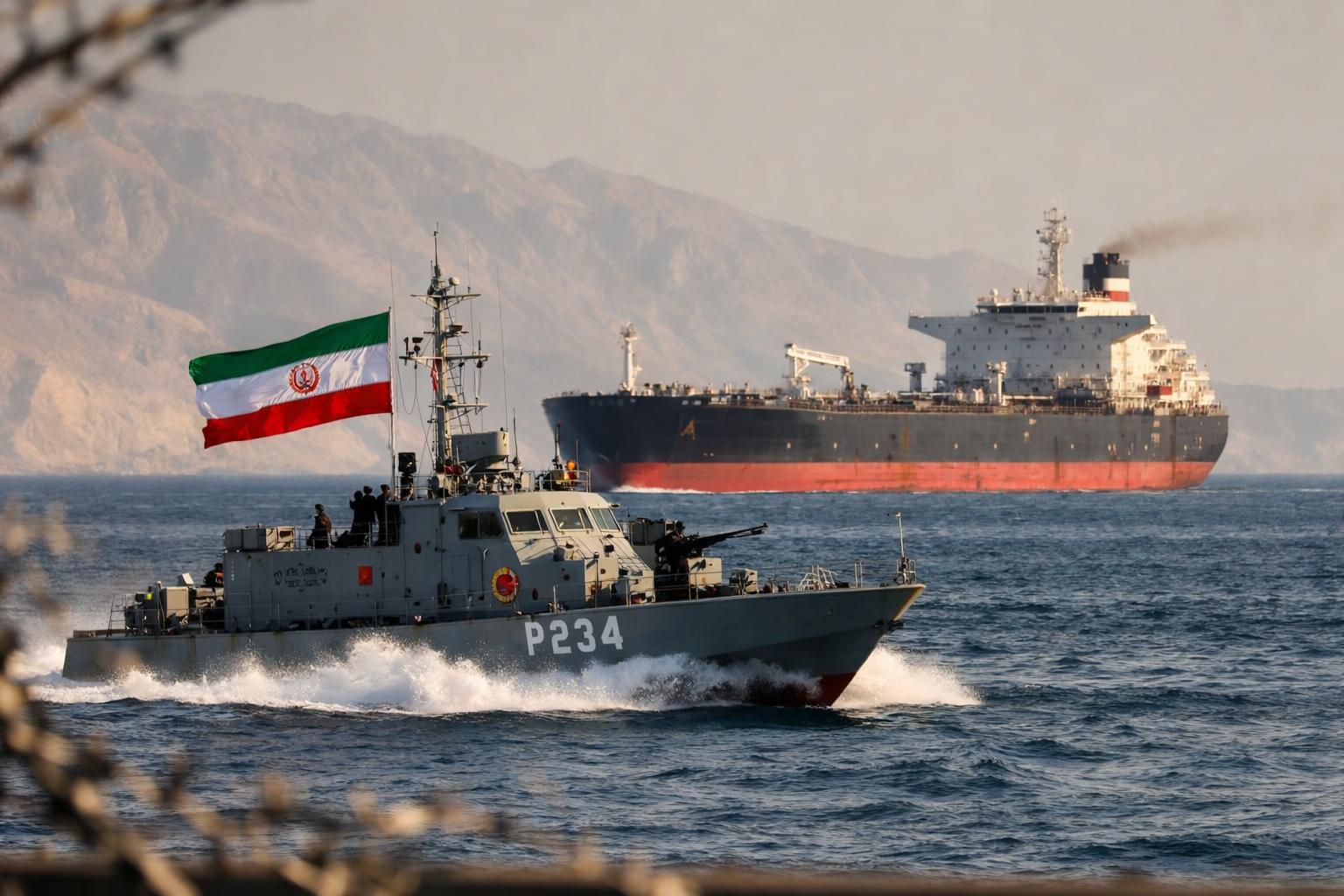
The Strait of Hormuz has reopened to commercial maritime traffic following a cease-fire agreement in Lebanon, according to Seyed Abbas Araghchi, who spoke on Friday. The senior Iranian official stated that the strategically critical waterway is now “completely open” for all commercial vessels, signaling a potential easing of tensions that had disrupted global shipping flows. Despite the
Strait of Hormuz reopens after Lebanon cease-fire, Iran says
The Strait of Hormuz has reopened to commercial maritime traffic following a cease-fire agreement in Lebanon, according to Seyed Abbas Araghchi, who spoke on Friday. The senior Iranian official stated that the strategically critical waterway is now “completely open” for all commercial vessels, signaling a potential easing of tensions that had disrupted global shipping flows. Despite the
Russia signals unlimited energy supply to India, ambassador says
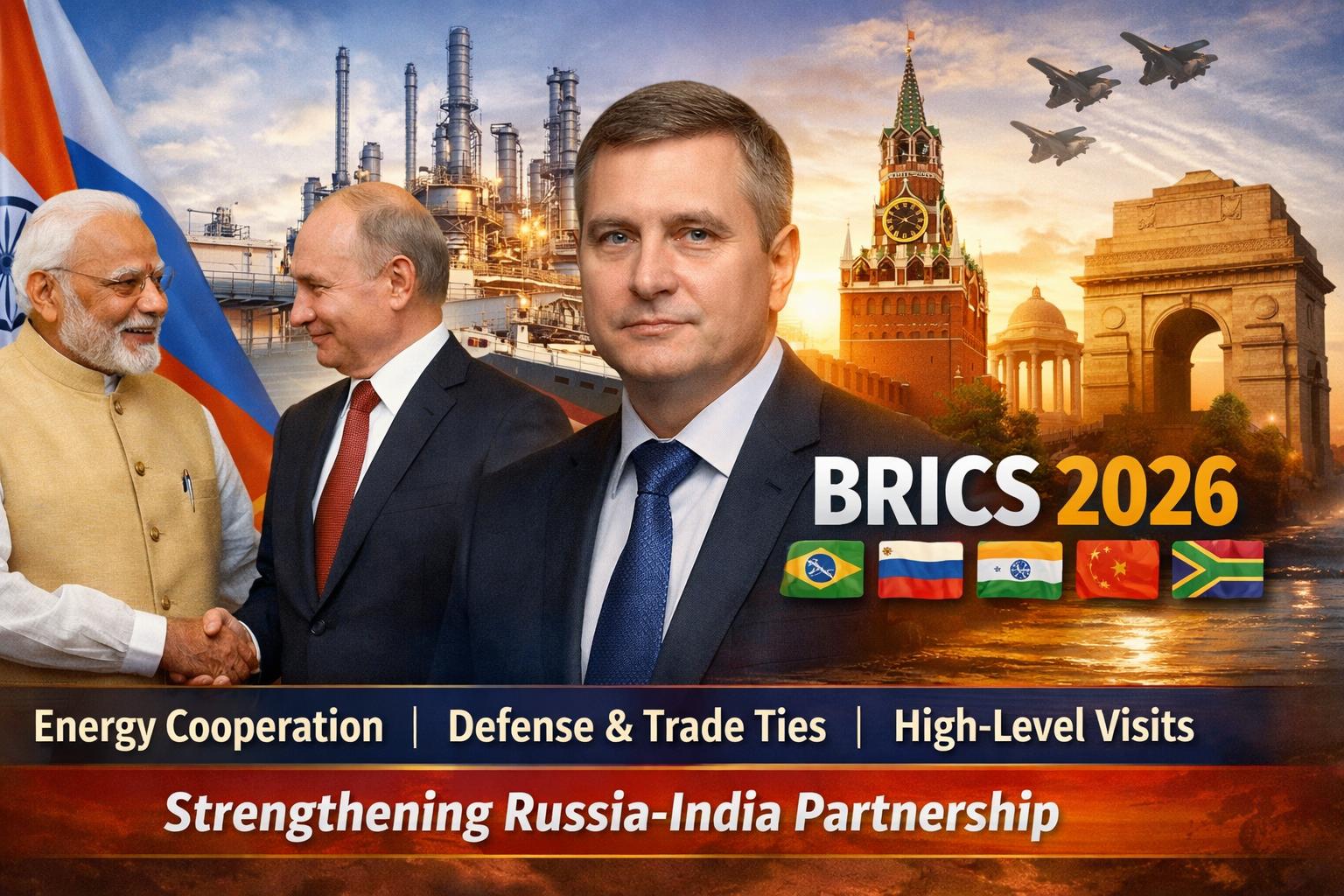
Russia has signaled its readiness to expand energy exports to India, reinforcing a long-standing strategic partnership that continues to evolve across multiple sectors. In remarks made during a recent interaction, Russian Ambassador to India Denis Alipov emphasized Moscow’s willingness to supply “as much energy as India wants,” underscoring the central role of energy cooperation in bilateral ties. Alipov also pointed to upcoming high-level engagements that are expected to furthe
Russia signals unlimited energy supply to India, ambassador says
Russia has signaled its readiness to expand energy exports to India, reinforcing a long-standing strategic partnership that continues to evolve across multiple sectors. In remarks made during a recent interaction, Russian Ambassador to India Denis Alipov emphasized Moscow’s willingness to supply “as much energy as India wants,” underscoring the central role of energy cooperation in bilateral ties. Alipov also pointed to upcoming high-level engagements that are expected to furthe
US-India trade agreement talks resume with focus on tariff adjustments
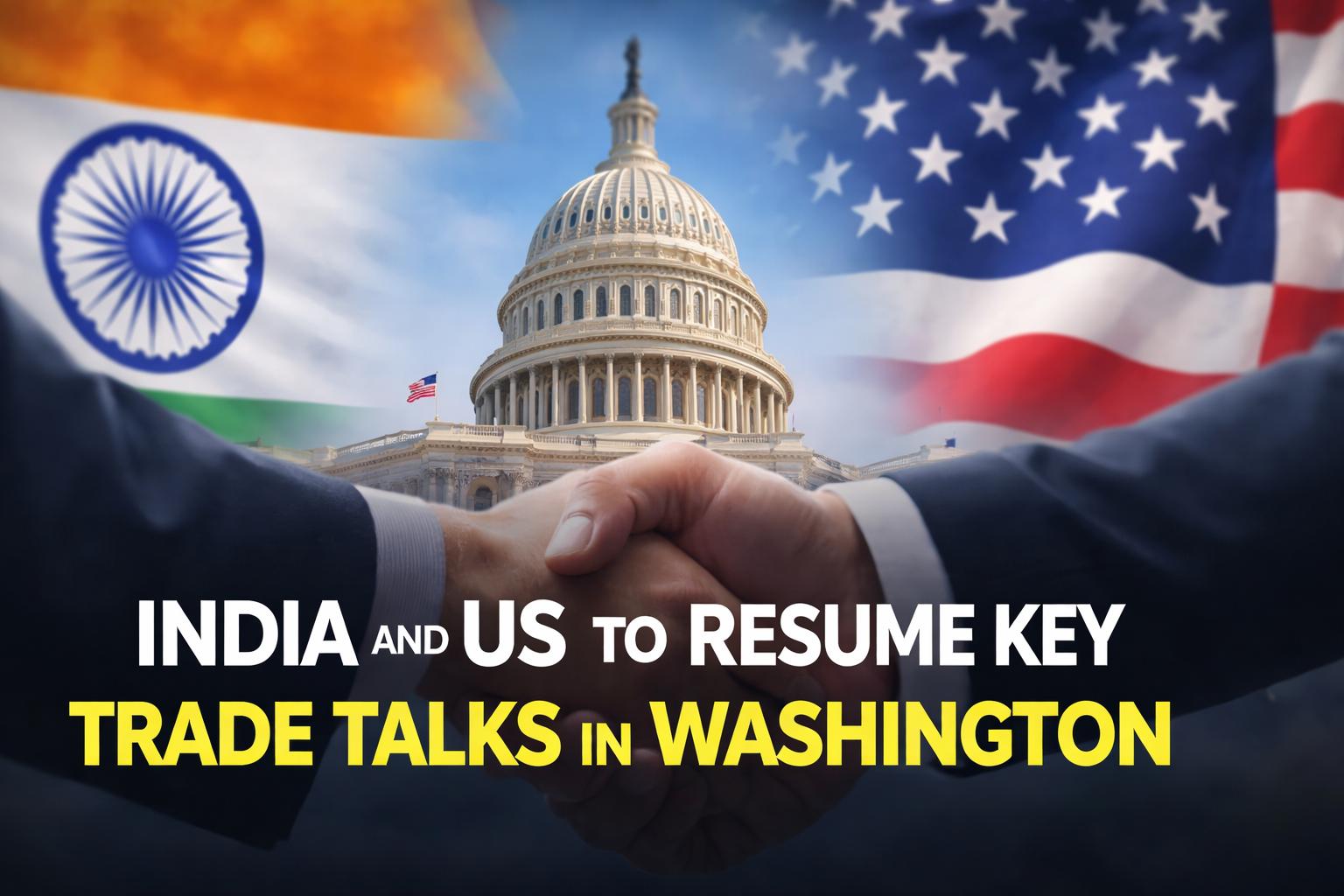
An official Indian delegation will travel to Washington next week to continue trade negotiations with US authorities. The visit is part of India's ongoing efforts to advance discussions for a bilateral trade agreement that has been delayed due to tariff-related uncertainties and policy shifts in the United States. This critical meeting comes after several months of postponed talks, as both nations work to finalize the framework for a comprehensive trade pact. The focus of the upcomi
US-India trade agreement talks resume with focus on tariff adjustments
An official Indian delegation will travel to Washington next week to continue trade negotiations with US authorities. The visit is part of India's ongoing efforts to advance discussions for a bilateral trade agreement that has been delayed due to tariff-related uncertainties and policy shifts in the United States. This critical meeting comes after several months of postponed talks, as both nations work to finalize the framework for a comprehensive trade pact. The focus of the upcomi
Trump threatens 50% tariffs on countries supplying weapons to Iran
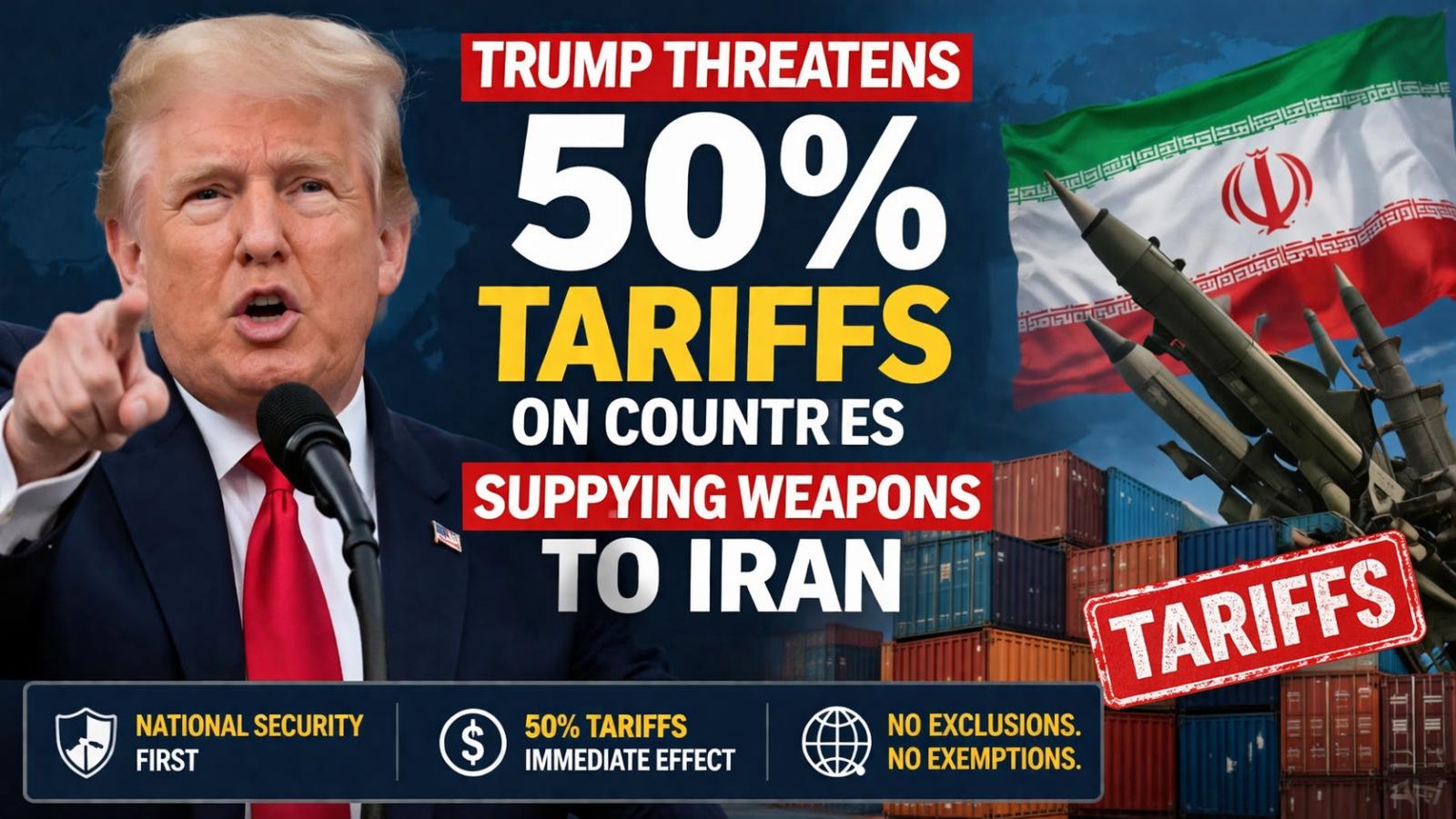
U.S. President Donald Trump announced that the United States will impose tariffs of 50% on goods imported from any country found to be supplying military weapons to Iran, marking a sharp escalation in trade measures tied to geopolitical tensions. In a statement posted on Wednesday, April 8, 2026 (local U.S. time), Trump said the tariffs would take effect immediately and apply broadly. He emphasized that there would be no “exclusions or exemptions,” warning that “any and all” g
Trump threatens 50% tariffs on countries supplying weapons to Iran
U.S. President Donald Trump announced that the United States will impose tariffs of 50% on goods imported from any country found to be supplying military weapons to Iran, marking a sharp escalation in trade measures tied to geopolitical tensions. In a statement posted on Wednesday, April 8, 2026 (local U.S. time), Trump said the tariffs would take effect immediately and apply broadly. He emphasized that there would be no “exclusions or exemptions,” warning that “any and all” g
India, New Zealand to sign free trade agreement on April 24
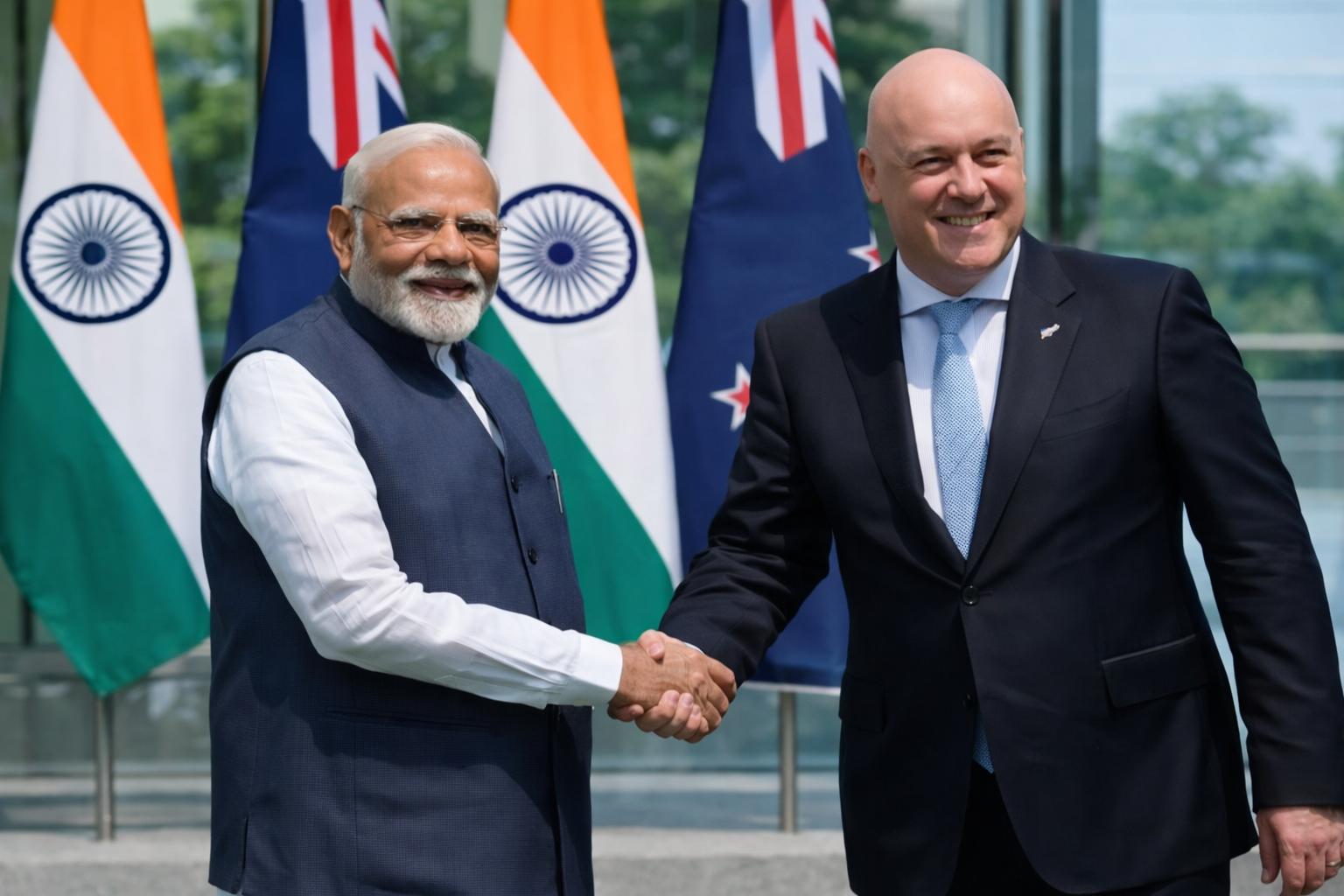
India and New Zealand are expected to sign a Free Trade Agreement (FTA) on Thursday, April 24, 2026, in India, marking a significant step toward strengthening bilateral trade and economic cooperation. The agreement, which follows the conclusion of negotiations announced on Sunday, December 22, 2025, is expected to provide tariff-free access for Indian exporters to the New Zealand market while attracting an estimated $20 billion in investment over the next 15 years. According to offi
India, New Zealand to sign free trade agreement on April 24
India and New Zealand are expected to sign a Free Trade Agreement (FTA) on Thursday, April 24, 2026, in India, marking a significant step toward strengthening bilateral trade and economic cooperation. The agreement, which follows the conclusion of negotiations announced on Sunday, December 22, 2025, is expected to provide tariff-free access for Indian exporters to the New Zealand market while attracting an estimated $20 billion in investment over the next 15 years. According to offi
India acknowledges Iranian oil and LPG imports amid energy demand
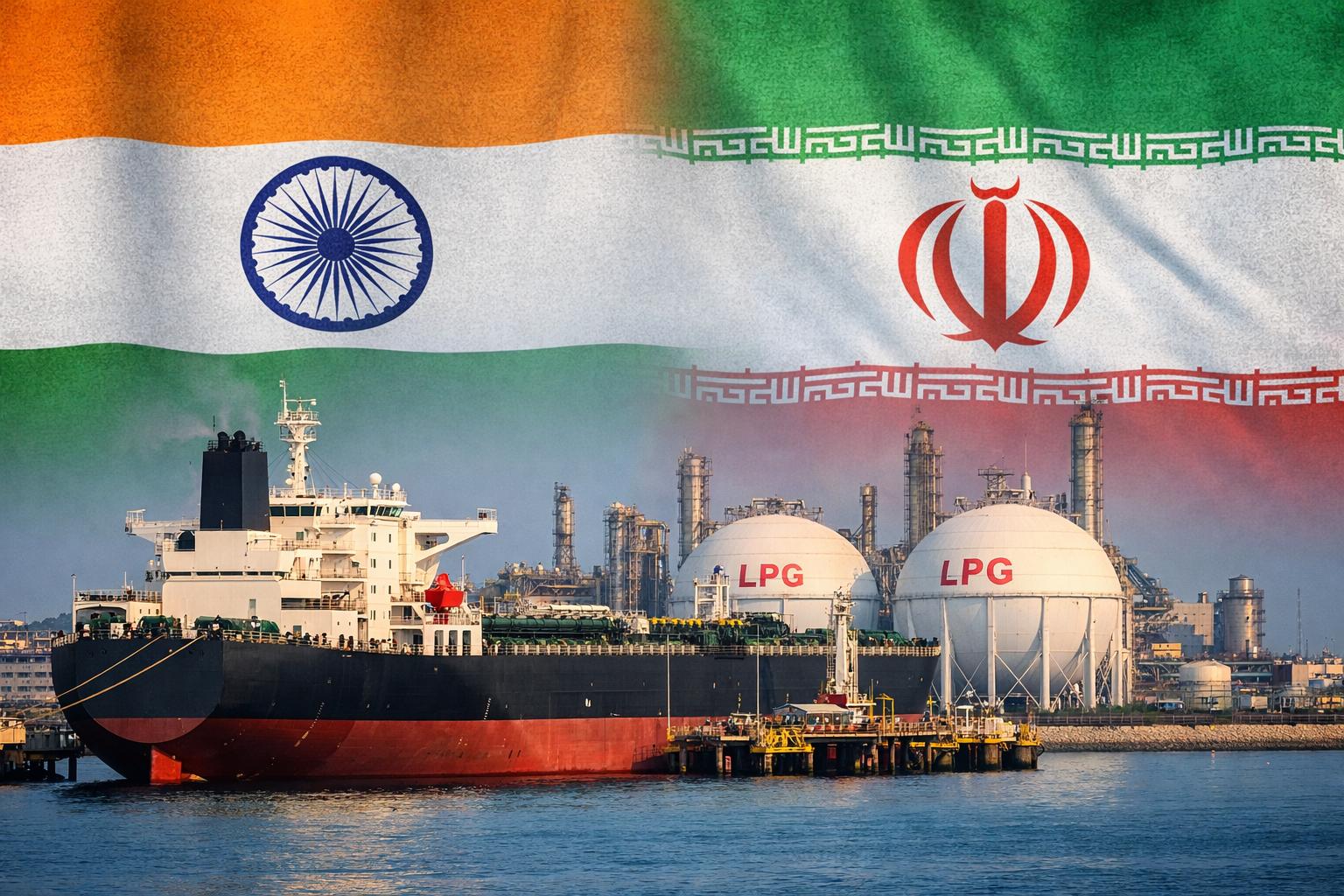
India has officially confirmed that it is importing crude oil and liquefied petroleum gas (LPG) from Iran, marking a notable development in its energy policy amid evolving global market conditions. The confirmation was issued by India’s Petroleum Ministry on Saturday, April 4, 2026 (IST), providing clarity on ongoing reports about energy trade involving Iranian supplies. The acknowledgment highlights India’s continued reliance on diversified fuel sources to meet rising domestic demand. As one of the world’s largest importers of crude oil, India depends heavily on international suppliers to sustain economic growth, industrial activity, and consumer energy needs. Iranian crude and LPG are considered commercially attractive due to pricing advantages and established supply channels. Officials emphasized that India’s crude supply remains secure and that there are no reported payment-related disruptions affecting imports from Iran. The clarification comes amid heightened global scrutiny over transactions involving Iranian energy exports, which remain sensitive due to international sanctions frameworks and geopolitical considerations. Energy analysts note that India’s confirmation underscores a broader trend among major economies seeking flexibility in sourcing oil and gas. With global oil markets experiencing volatility, countries are increasingly prioritizing energy security and affordability over rigid sourcing constraints. India’s approach reflects a pragmatic balance between domestic economic priorities and external diplomatic pressures. The development may also influence broader market sentiment, particularly if it signals sustained or increased flows of Iranian crude into global supply chains. At the same time, it highlights the complexities of international energy trade, where economic necessity, regulatory environments, and geopolitical dynamics intersect. India’s confirmation on Saturday, April 4, 2026 (IST) reinforces its strategic focus on ensuring uninterrupted fuel access while navigating a rapidly shifting global energy landscape.
India acknowledges Iranian oil and LPG imports amid energy demand
India has officially confirmed that it is importing crude oil and liquefied petroleum gas (LPG) from Iran, marking a notable development in its energy policy amid evolving global market conditions. The confirmation was issued by India’s Petroleum Ministry on Saturday, April 4, 2026 (IST), providing clarity on ongoing reports about energy trade involving Iranian supplies. The acknowledgment highlights India’s continued reliance on diversified fuel sources to meet rising domestic demand. As one of the world’s largest importers of crude oil, India depends heavily on international suppliers to sustain economic growth, industrial activity, and consumer energy needs. Iranian crude and LPG are considered commercially attractive due to pricing advantages and established supply channels. Officials emphasized that India’s crude supply remains secure and that there are no reported payment-related disruptions affecting imports from Iran. The clarification comes amid heightened global scrutiny over transactions involving Iranian energy exports, which remain sensitive due to international sanctions frameworks and geopolitical considerations. Energy analysts note that India’s confirmation underscores a broader trend among major economies seeking flexibility in sourcing oil and gas. With global oil markets experiencing volatility, countries are increasingly prioritizing energy security and affordability over rigid sourcing constraints. India’s approach reflects a pragmatic balance between domestic economic priorities and external diplomatic pressures. The development may also influence broader market sentiment, particularly if it signals sustained or increased flows of Iranian crude into global supply chains. At the same time, it highlights the complexities of international energy trade, where economic necessity, regulatory environments, and geopolitical dynamics intersect. India’s confirmation on Saturday, April 4, 2026 (IST) reinforces its strategic focus on ensuring uninterrupted fuel access while navigating a rapidly shifting global energy landscape.
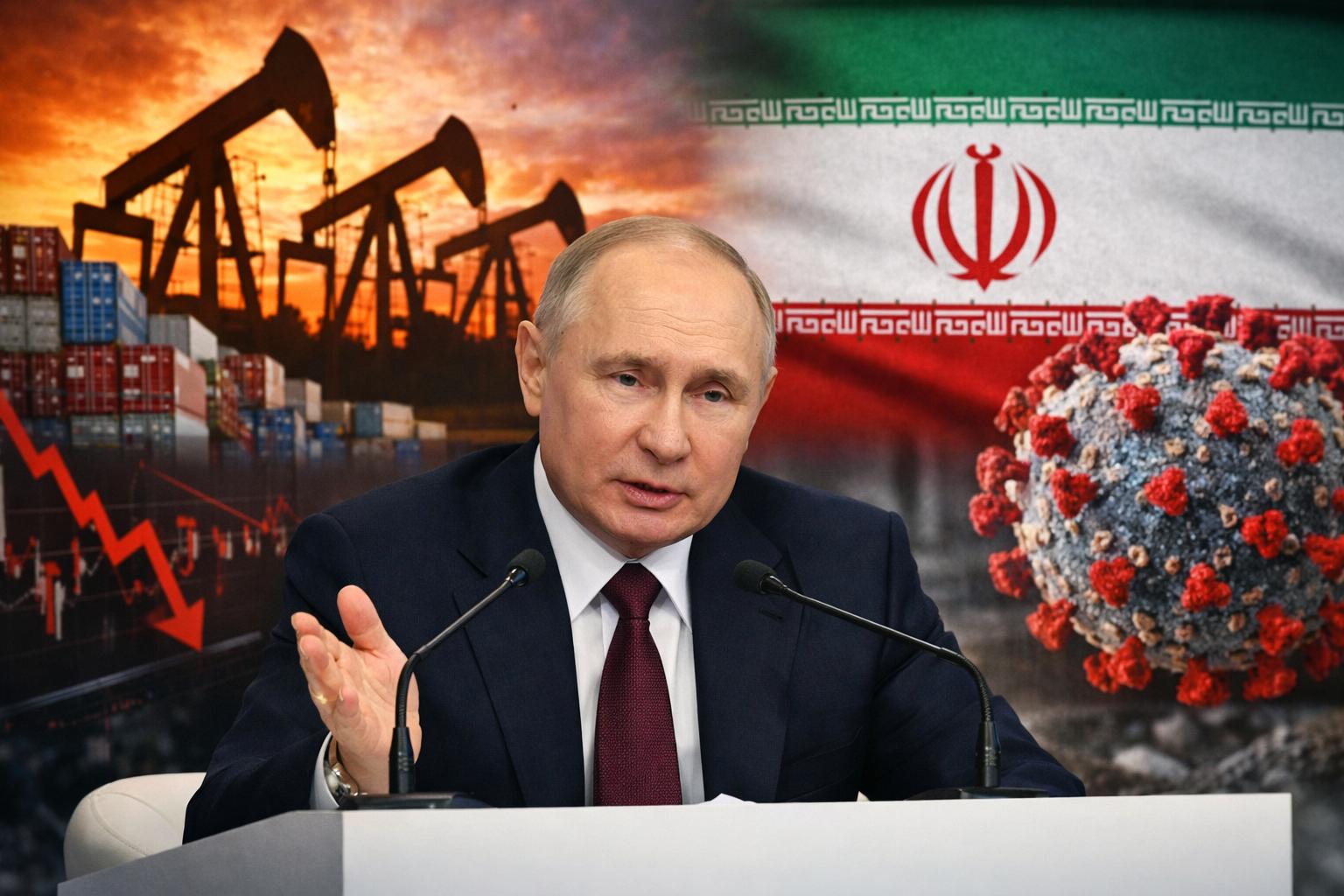
Putin warns Iran conflict could trigger global disruption like COVID-19
Moscow, Russia: Russian President Vladimir Putin has cautioned that the economic consequences of the ongoing conflict involving Iran could mirror the widespread disruption seen during the COVID-19 pandemic, highlighting mounting pressure on global supply chains and key industries. Speaking at a major business forum in Moscow, Putin said the instability in the Middle East is already causing significant strain on international production systems and logistics networks. He noted that cri
Putin warns Iran conflict could trigger global disruption like COVID-19
Moscow, Russia: Russian President Vladimir Putin has cautioned that the economic consequences of the ongoing conflict involving Iran could mirror the widespread disruption seen during the COVID-19 pandemic, highlighting mounting pressure on global supply chains and key industries. Speaking at a major business forum in Moscow, Putin said the instability in the Middle East is already causing significant strain on international production systems and logistics networks. He noted that cri
Texas police seize 62,000 counterfeit luxury items after Facebook Live sales probe
Authorities in Rowlett, Texas, have seized more than 62,000 suspected counterfeit luxury items and arrested one individual following an investigation into the alleged sale of fake designer merchandise through Facebook Live broadcasts. The Rowlett Police Department confirmed that the operation uncovered a large-scale distribution of imitation luxury products representing several well-known international brands. The investigation began in February after police received a tip about an online se
Texas police seize 62,000 counterfeit luxury items after Facebook Live sales probe
Authorities in Rowlett, Texas, have seized more than 62,000 suspected counterfeit luxury items and arrested one individual following an investigation into the alleged sale of fake designer merchandise through Facebook Live broadcasts. The Rowlett Police Department confirmed that the operation uncovered a large-scale distribution of imitation luxury products representing several well-known international brands. The investigation began in February after police received a tip about an online se
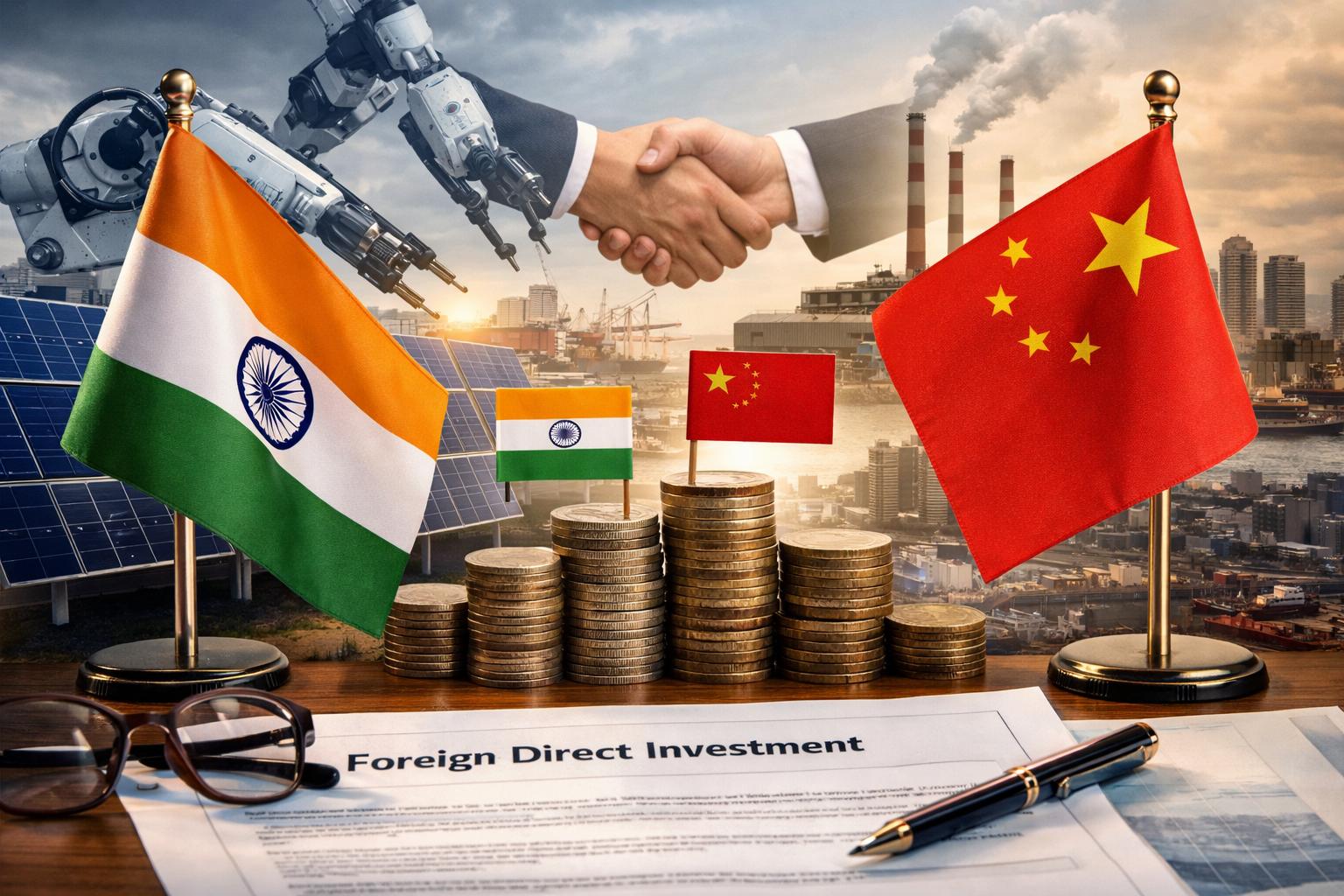
India allows Chinese investment in electronics and solar sectors under revised FDI rules
India has approved changes to its foreign direct investment policy to allow Chinese companies to invest in selected sectors, marking a cautious step toward improving economic ties between the two countries after years of strained relations. The decision was cleared by the Union Cabinet led by Prime Minister Narendra Modi and is aimed at easing investment constraints faced by certain industries while strengthening domestic manufacturing capacity. Under the revised policy framework, C
India allows Chinese investment in electronics and solar sectors under revised FDI rules
India has approved changes to its foreign direct investment policy to allow Chinese companies to invest in selected sectors, marking a cautious step toward improving economic ties between the two countries after years of strained relations. The decision was cleared by the Union Cabinet led by Prime Minister Narendra Modi and is aimed at easing investment constraints faced by certain industries while strengthening domestic manufacturing capacity. Under the revised policy framework, C
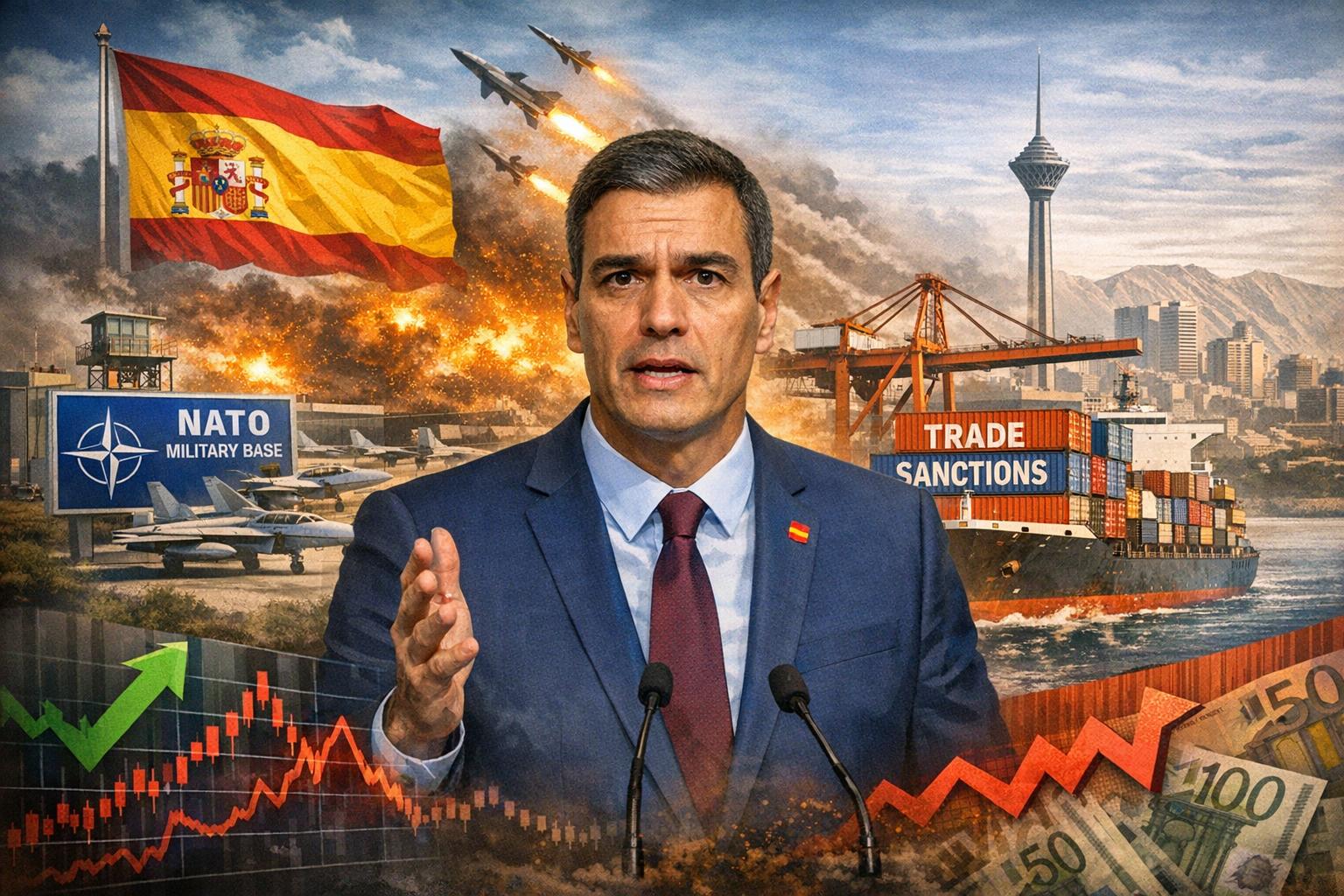
Spain PM rejects war, responds to trade threat over air base dispute
Spanish Prime Minister Pedro Sánchez has strongly criticized the ongoing military strikes against Iran, describing the escalation in the Middle East as a “disaster” and warning that the world cannot risk repeating the mistakes of history. His remarks come shortly after a trade threat was issued to Spain in response to Madrid’s refusal to allow two jointly operated military bases on Spanish territory to be used in the strikes. In a televised address, Sánchez emphasized the dang
Spain PM rejects war, responds to trade threat over air base dispute
Spanish Prime Minister Pedro Sánchez has strongly criticized the ongoing military strikes against Iran, describing the escalation in the Middle East as a “disaster” and warning that the world cannot risk repeating the mistakes of history. His remarks come shortly after a trade threat was issued to Spain in response to Madrid’s refusal to allow two jointly operated military bases on Spanish territory to be used in the strikes. In a televised address, Sánchez emphasized the dang
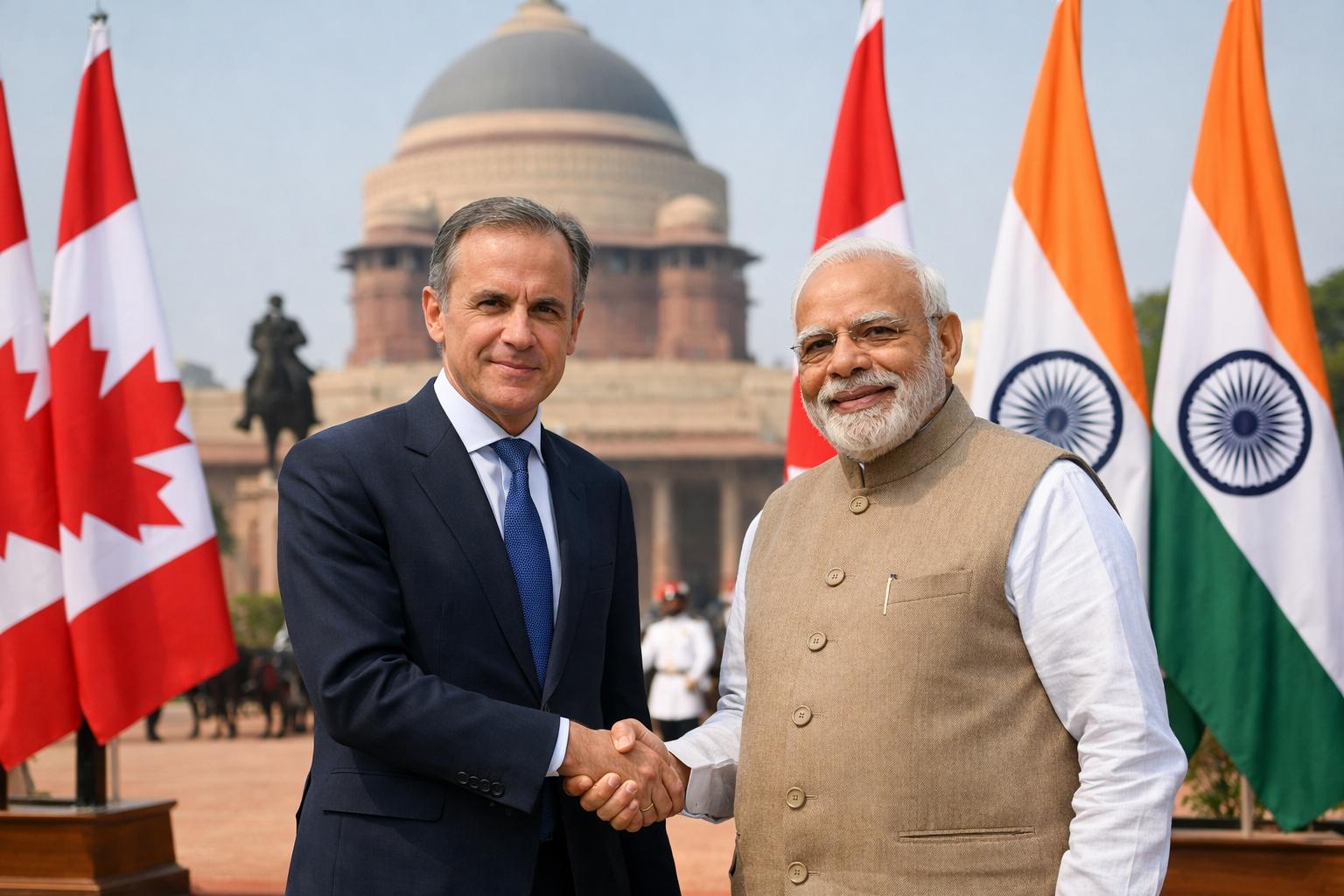
Mark Carney to visit India to boost Canada-India ties
Canadian Prime Minister Mark Carney has announced a high-profile visit to India as part of a broader Indo-Pacific tour, in what officials describe as a significant step toward revitalizing bilateral relations that have faced strain in recent years. The visit, scheduled from February 26 to March 7, 2026, will also include stops in Australia and Japan, reflecting Ottawa’s strategic focus on strengthening partnerships across the Indo-Pacific region. Carney’s itinerary begins in Mum
Mark Carney to visit India to boost Canada-India ties
Canadian Prime Minister Mark Carney has announced a high-profile visit to India as part of a broader Indo-Pacific tour, in what officials describe as a significant step toward revitalizing bilateral relations that have faced strain in recent years. The visit, scheduled from February 26 to March 7, 2026, will also include stops in Australia and Japan, reflecting Ottawa’s strategic focus on strengthening partnerships across the Indo-Pacific region. Carney’s itinerary begins in Mum
Trump warns of higher tariffs as India delays Washington trade visit
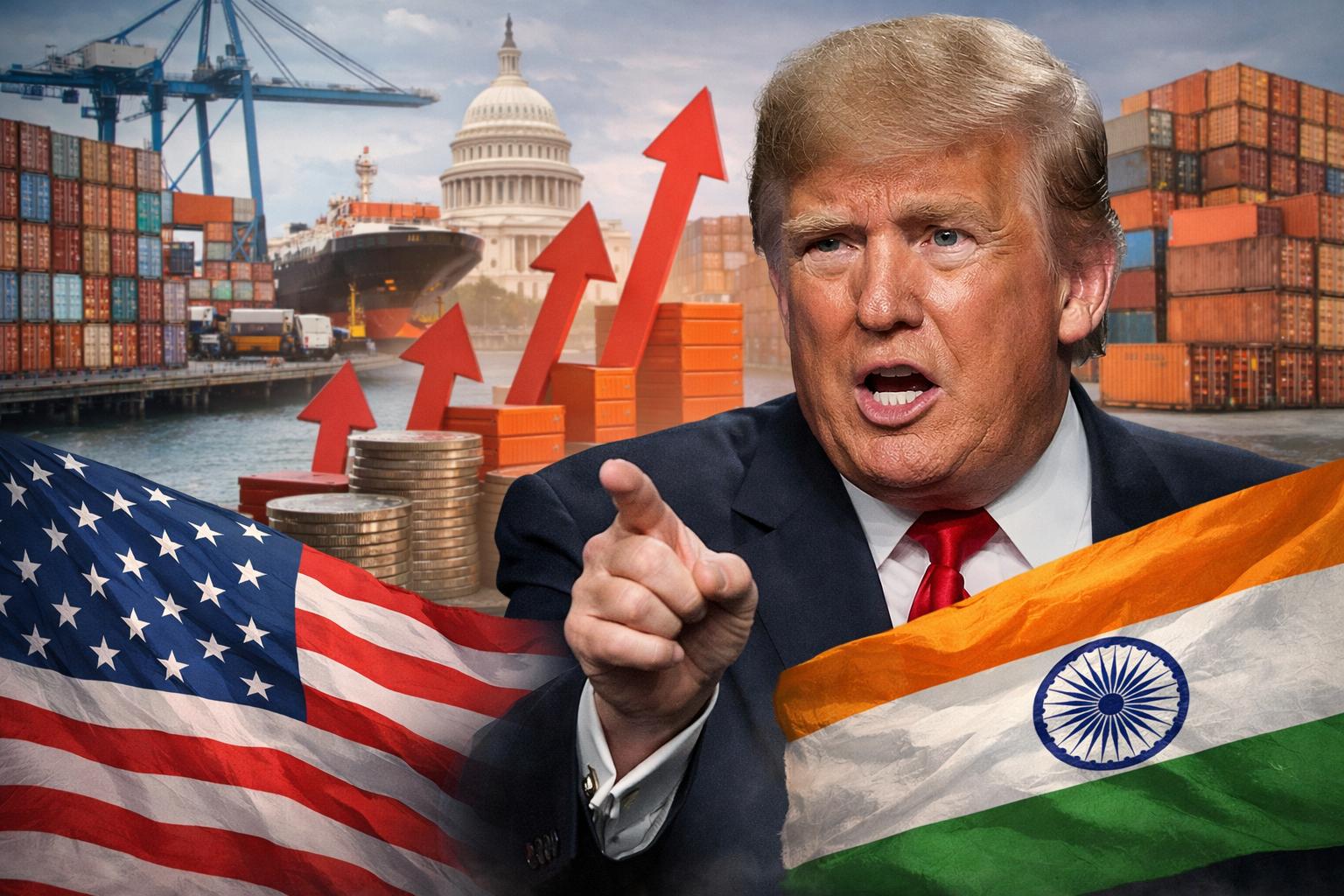
United States President Donald Trump has issued a fresh warning to global trade partners, threatening significantly higher tariffs for countries he claims have taken advantage of the American economy for years. The remarks come amid heightened uncertainty following a recent Supreme Court ruling that has reshaped the administration’s tariff authority and complicated ongoing trade negotiations. In a post on Truth Social, Trump cautioned that any nation attempting to “play games” in the w
Trump warns of higher tariffs as India delays Washington trade visit
United States President Donald Trump has issued a fresh warning to global trade partners, threatening significantly higher tariffs for countries he claims have taken advantage of the American economy for years. The remarks come amid heightened uncertainty following a recent Supreme Court ruling that has reshaped the administration’s tariff authority and complicated ongoing trade negotiations. In a post on Truth Social, Trump cautioned that any nation attempting to “play games” in the w
India reschedules US trade talks after Supreme Court tariff ruling
The Indian government has decided to reschedule a planned visit by its trade delegation to Washington, DC, following fresh uncertainty triggered by the US Supreme Court’s decision to strike down former president Donald Trump’s “Liberation Day” tariffs. Officials indicated that the move reflects a cautious approach as both sides assess the legal and strategic implications of the ruling on the ongoing India-US trade deal discussions. The Indian delegation, led by chief negotiator Darpa
India reschedules US trade talks after Supreme Court tariff ruling
The Indian government has decided to reschedule a planned visit by its trade delegation to Washington, DC, following fresh uncertainty triggered by the US Supreme Court’s decision to strike down former president Donald Trump’s “Liberation Day” tariffs. Officials indicated that the move reflects a cautious approach as both sides assess the legal and strategic implications of the ruling on the ongoing India-US trade deal discussions. The Indian delegation, led by chief negotiator Darpa
India studying impact after US court strikes down Trump tariffs
The Government of India on Saturday said it is closely examining recent developments in the United States after the US Supreme Court struck down former President Donald Trump’s sweeping global tariffs. The Commerce Ministry stated that officials are assessing the implications of both the court ruling and subsequent announcements made by the US administration. In its first formal reaction, the ministry confirmed it had taken note of the Supreme Court’s judgment delivered on Frida
India studying impact after US court strikes down Trump tariffs
The Government of India on Saturday said it is closely examining recent developments in the United States after the US Supreme Court struck down former President Donald Trump’s sweeping global tariffs. The Commerce Ministry stated that officials are assessing the implications of both the court ruling and subsequent announcements made by the US administration. In its first formal reaction, the ministry confirmed it had taken note of the Supreme Court’s judgment delivered on Frida
Top Court Limits Trump Tariff Powers Amid India-Russia Oil Dispute
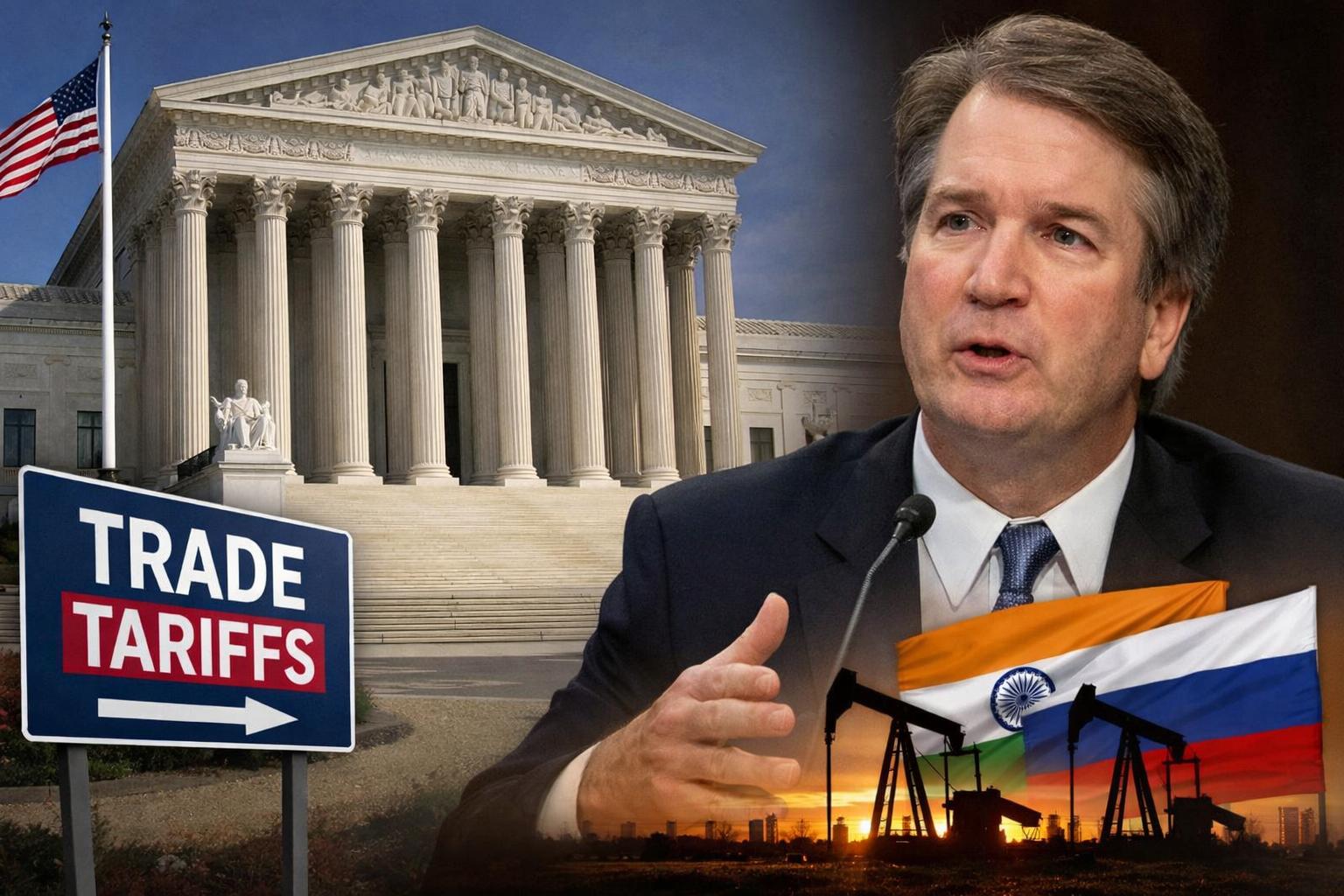
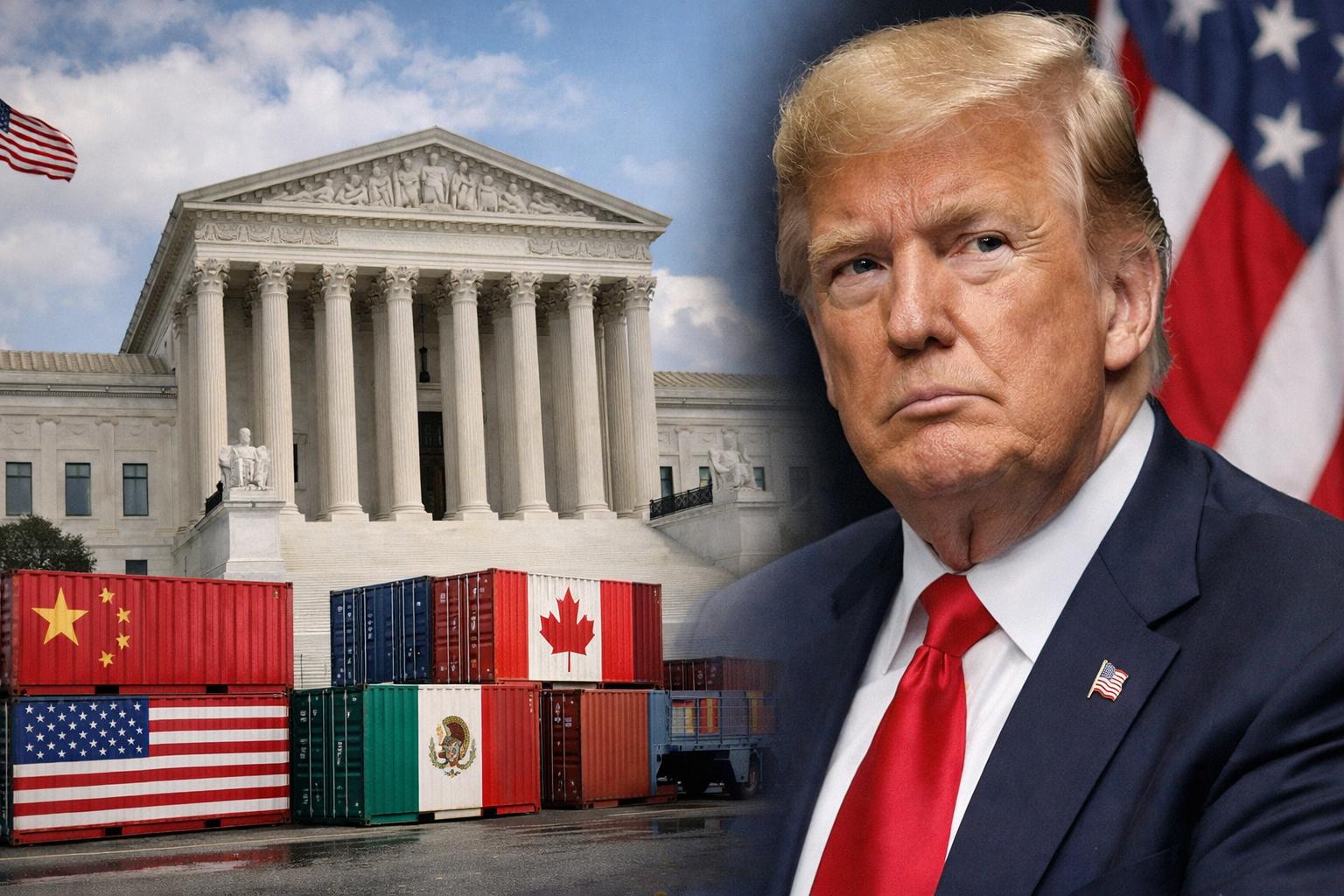
The United States Supreme Court on Friday struck down a series of broad tariffs imposed by President Donald Trump, ruling that the administration had exceeded its authority under federal law. In a closely watched 6–3 decision, the court determined that the International Emergency Economic Powers Act does not authorize the president to unilaterally impose sweeping duties on foreign imports, a finding that could have significant implications for future trade policy and executive power. The ruling addressed the legal limits of presidential authority under the IEEPA, a statute historically used to regulate economic activity during national emergencies. Writing for the majority, the court concluded that the law does not grant the executive branch the expansive tariff powers claimed by the administration. The decision effectively invalidates the contested measures and reinforces congressional oversight over major trade actions. In his dissent, Justice Brett Kavanaugh pointed to the administration’s use of tariffs as a tool of foreign policy leverage, including duties imposed on India over its purchases of Russian oil. He argued that the tariffs were part of sensitive international negotiations and should be viewed within the broader context of the president’s conduct of foreign affairs. Kavanaugh noted that the government had maintained the tariffs helped secure trade concessions from major partners such as China, the United Kingdom and Japan. According to the administration’s position, the measures were intended to open foreign markets to American businesses and support trade agreements valued in the trillions of dollars. The dissent specifically referenced the August 2025 decision to impose a 25 percent tariff on India for what the administration described as direct or indirect imports of Russian Federation oil. At the time, the White House framed the move as part of broader efforts tied to geopolitical negotiations and energy security concerns. The tariffs included a reciprocal component initially set at 25 percent and later reduced to 18 percent. Kavanaugh further observed that the administration subsequently eased the India-specific penalties in February 2026 after the government reported that New Delhi had committed to halting purchases of Russian oil and to increasing imports of American energy products. He argued that such developments demonstrated the traditional diplomatic use of tariffs as leverage in complex international negotiations. Despite these arguments, the majority held that statutory limits must guide the exercise of executive power, even in matters touching on foreign affairs and national security. The court emphasized that significant economic measures with wide domestic consequences require clear authorization from Congress. The decision marks a notable judicial check on presidential trade authority and is likely to influence how future administrations deploy tariffs in pursuit of foreign policy objectives. Legal analysts say the ruling reinforces the principle that emergency economic powers cannot be broadly interpreted to reshape global trade relationships without explicit legislative backing. While the immediate policy effects remain to be fully assessed, the judgment underscores ongoing tensions between the executive branch’s flexibility in foreign affairs and the constitutional role of Congress in regulating commerce. The case is expected to shape debates over trade strategy, energy diplomacy and the scope of presidential economic powers in the years ahead.
Top Court Limits Trump Tariff Powers Amid India-Russia Oil Dispute
The United States Supreme Court on Friday struck down a series of broad tariffs imposed by President Donald Trump, ruling that the administration had exceeded its authority under federal law. In a closely watched 6–3 decision, the court determined that the International Emergency Economic Powers Act does not authorize the president to unilaterally impose sweeping duties on foreign imports, a finding that could have significant implications for future trade policy and executive power. The ruling addressed the legal limits of presidential authority under the IEEPA, a statute historically used to regulate economic activity during national emergencies. Writing for the majority, the court concluded that the law does not grant the executive branch the expansive tariff powers claimed by the administration. The decision effectively invalidates the contested measures and reinforces congressional oversight over major trade actions. In his dissent, Justice Brett Kavanaugh pointed to the administration’s use of tariffs as a tool of foreign policy leverage, including duties imposed on India over its purchases of Russian oil. He argued that the tariffs were part of sensitive international negotiations and should be viewed within the broader context of the president’s conduct of foreign affairs. Kavanaugh noted that the government had maintained the tariffs helped secure trade concessions from major partners such as China, the United Kingdom and Japan. According to the administration’s position, the measures were intended to open foreign markets to American businesses and support trade agreements valued in the trillions of dollars. The dissent specifically referenced the August 2025 decision to impose a 25 percent tariff on India for what the administration described as direct or indirect imports of Russian Federation oil. At the time, the White House framed the move as part of broader efforts tied to geopolitical negotiations and energy security concerns. The tariffs included a reciprocal component initially set at 25 percent and later reduced to 18 percent. Kavanaugh further observed that the administration subsequently eased the India-specific penalties in February 2026 after the government reported that New Delhi had committed to halting purchases of Russian oil and to increasing imports of American energy products. He argued that such developments demonstrated the traditional diplomatic use of tariffs as leverage in complex international negotiations. Despite these arguments, the majority held that statutory limits must guide the exercise of executive power, even in matters touching on foreign affairs and national security. The court emphasized that significant economic measures with wide domestic consequences require clear authorization from Congress. The decision marks a notable judicial check on presidential trade authority and is likely to influence how future administrations deploy tariffs in pursuit of foreign policy objectives. Legal analysts say the ruling reinforces the principle that emergency economic powers cannot be broadly interpreted to reshape global trade relationships without explicit legislative backing. While the immediate policy effects remain to be fully assessed, the judgment underscores ongoing tensions between the executive branch’s flexibility in foreign affairs and the constitutional role of Congress in regulating commerce. The case is expected to shape debates over trade strategy, energy diplomacy and the scope of presidential economic powers in the years ahead.
Global reaction after Supreme Court rules Trump exceeded tariff authority
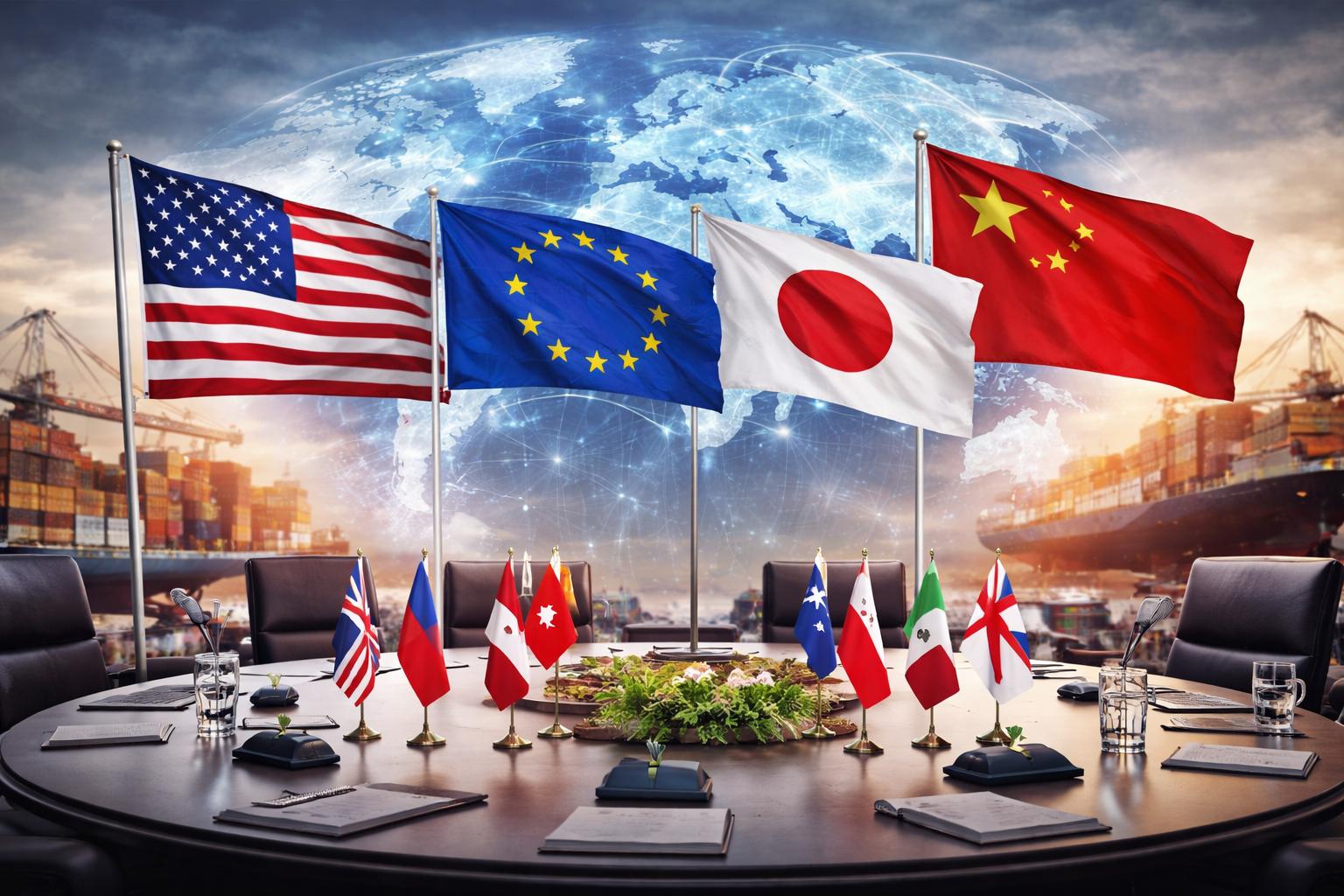
World leaders and policymakers reacted quickly on Friday after the Supreme Court of the United States ruled that President Donald Trump exceeded his legal authority by imposing sweeping global tariffs, a decision that effectively blocks a key component of his trade policy agenda. The ruling has prompted governments and market observers worldwide to evaluate the potential consequences for international trade, economic stability, and future US trade relations. Speaking at a White House breakfa
Global reaction after Supreme Court rules Trump exceeded tariff authority
World leaders and policymakers reacted quickly on Friday after the Supreme Court of the United States ruled that President Donald Trump exceeded his legal authority by imposing sweeping global tariffs, a decision that effectively blocks a key component of his trade policy agenda. The ruling has prompted governments and market observers worldwide to evaluate the potential consequences for international trade, economic stability, and future US trade relations. Speaking at a White House breakfa
Supreme Court strikes down major portion of Trump tariff policy
The Supreme Court on Friday invalidated a significant portion of President Donald Trump’s sweeping tariff program, ruling that the law used to justify many of the import duties does not grant the president authority to impose such measures unilaterally. The decision marks a major development in the ongoing debate over presidential powers and U.S. trade policy. In a 6–3 ruling, the court’s majority concluded that the International Emergency Economic Powers Act (IEEPA), the statu
Supreme Court strikes down major portion of Trump tariff policy
The Supreme Court on Friday invalidated a significant portion of President Donald Trump’s sweeping tariff program, ruling that the law used to justify many of the import duties does not grant the president authority to impose such measures unilaterally. The decision marks a major development in the ongoing debate over presidential powers and U.S. trade policy. In a 6–3 ruling, the court’s majority concluded that the International Emergency Economic Powers Act (IEEPA), the statu
Trump claims tariffs helped halt multiple wars, including India–Pakistan conflict
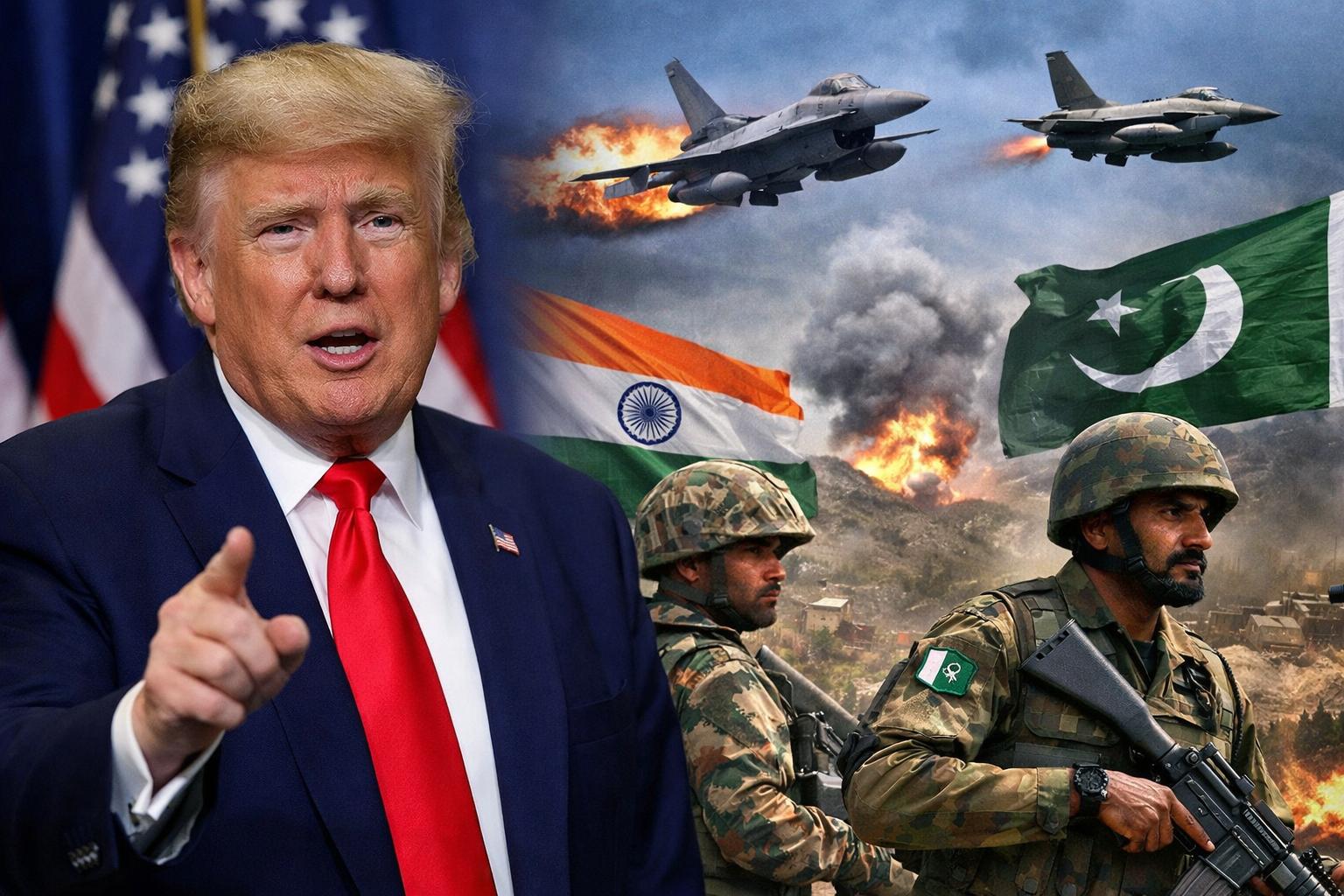
US President Donald Trump on Tuesday said that tariff threats played a decisive role in resolving several international conflicts during his tenure, claiming that economic pressure through trade measures helped prevent violence and bring rival nations to the negotiating table. In an interview with Fox Business, Trump asserted that at least six of what he described as eight wars were settled after he warned countries that they would face higher tariffs if hostilities continued. Among
Trump claims tariffs helped halt multiple wars, including India–Pakistan conflict
US President Donald Trump on Tuesday said that tariff threats played a decisive role in resolving several international conflicts during his tenure, claiming that economic pressure through trade measures helped prevent violence and bring rival nations to the negotiating table. In an interview with Fox Business, Trump asserted that at least six of what he described as eight wars were settled after he warned countries that they would face higher tariffs if hostilities continued. Among
India–US trade pact to cut tariffs on food, wine, tech and vehicles
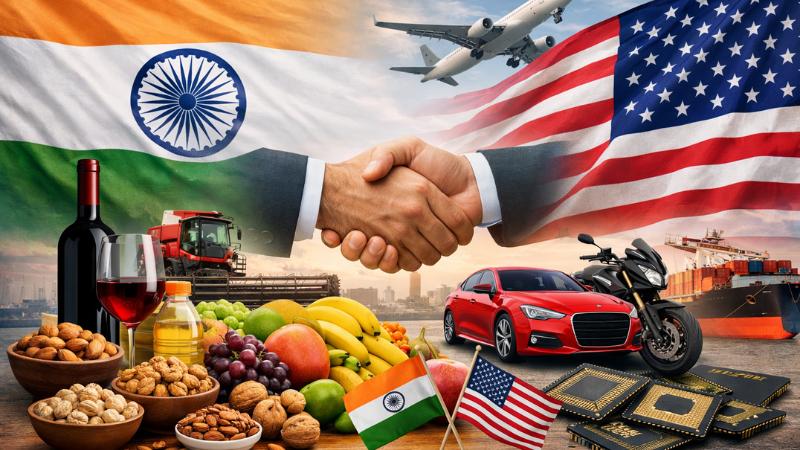
A broad range of American goods, including wines, spirits, dry fruits, technology products and select industrial items, are set to enter the Indian market at zero or reduced import duties under the first phase of a new trade pact between India and the United States. The move is expected to lower retail prices for consumers, expand market access for businesses and strengthen bilateral trade ties between the two economies. Officials from both countries confirmed that they have finalised the framework for the initial phase of a bilateral trade agreement aimed at cutting tariffs and easing barriers that have historically slowed cross-border commerce. The framework will now be converted into a legally binding agreement, with signing expected by mid-March. Duty concessions are likely to come into effect immediately upon implementation, while some reductions will be introduced in stages. Under the arrangement, India will eliminate or reduce tariffs on several categories of US industrial and agricultural goods. These include dried distillers’ grains, red sorghum used for animal feed, soybean oil, fresh and processed fruits, and a variety of tree nuts. Almonds, walnuts, pistachios and certain lentils are among the products that will benefit from lower import duties. Alcoholic beverages such as wine and spirits are also expected to become more competitively priced in the Indian market as tariffs decline. The concessions extend beyond food and farm products. High-end cars and motorcycles, along with aircraft, semiconductor components and specialised machinery, will receive duty benefits. Medical and healthcare products, including select medicines for neurological, cardiac and diabetes treatment, as well as medical devices, diagnostic reagents, pacemakers, imaging equipment, hearing aids and artificial joints, are also covered under the pact. Both sides have agreed to address non-tariff barriers that affect trade flows. India has committed to easing restrictions that have delayed market access for US medical devices and to simplifying import licensing procedures for information and communication technology goods. These products are considered essential for India’s expanding data centres and industrial infrastructure. At the same time, New Delhi said it will adopt a calibrated approach to protect domestic producers, including small and medium enterprises and farmers. Minimum import prices on certain products, such as apples, have been fixed to safeguard local interests. In return, a wide basket of Indian exports will gain duty-free or preferential access to the US market. Spices, tea, coffee, coconut-based products, cashews, fruits such as mangoes, bananas, guavas and pineapples, along with bakery goods, cocoa products, seeds, vegetable planting material and processed foods, are among the items set to attract zero reciprocal tariffs. Officials said the measures could provide a significant boost to India’s agriculture and food processing sectors. Trade experts view the agreement as a step toward deeper economic integration between the two countries, with the potential to diversify supply chains and stimulate two-way investment. By reducing tariff and non-tariff barriers, the pact is expected to increase trade volumes, enhance competitiveness and create new opportunities for exporters and consumers on both sides.
India–US trade pact to cut tariffs on food, wine, tech and vehicles
A broad range of American goods, including wines, spirits, dry fruits, technology products and select industrial items, are set to enter the Indian market at zero or reduced import duties under the first phase of a new trade pact between India and the United States. The move is expected to lower retail prices for consumers, expand market access for businesses and strengthen bilateral trade ties between the two economies. Officials from both countries confirmed that they have finalised the framework for the initial phase of a bilateral trade agreement aimed at cutting tariffs and easing barriers that have historically slowed cross-border commerce. The framework will now be converted into a legally binding agreement, with signing expected by mid-March. Duty concessions are likely to come into effect immediately upon implementation, while some reductions will be introduced in stages. Under the arrangement, India will eliminate or reduce tariffs on several categories of US industrial and agricultural goods. These include dried distillers’ grains, red sorghum used for animal feed, soybean oil, fresh and processed fruits, and a variety of tree nuts. Almonds, walnuts, pistachios and certain lentils are among the products that will benefit from lower import duties. Alcoholic beverages such as wine and spirits are also expected to become more competitively priced in the Indian market as tariffs decline. The concessions extend beyond food and farm products. High-end cars and motorcycles, along with aircraft, semiconductor components and specialised machinery, will receive duty benefits. Medical and healthcare products, including select medicines for neurological, cardiac and diabetes treatment, as well as medical devices, diagnostic reagents, pacemakers, imaging equipment, hearing aids and artificial joints, are also covered under the pact. Both sides have agreed to address non-tariff barriers that affect trade flows. India has committed to easing restrictions that have delayed market access for US medical devices and to simplifying import licensing procedures for information and communication technology goods. These products are considered essential for India’s expanding data centres and industrial infrastructure. At the same time, New Delhi said it will adopt a calibrated approach to protect domestic producers, including small and medium enterprises and farmers. Minimum import prices on certain products, such as apples, have been fixed to safeguard local interests. In return, a wide basket of Indian exports will gain duty-free or preferential access to the US market. Spices, tea, coffee, coconut-based products, cashews, fruits such as mangoes, bananas, guavas and pineapples, along with bakery goods, cocoa products, seeds, vegetable planting material and processed foods, are among the items set to attract zero reciprocal tariffs. Officials said the measures could provide a significant boost to India’s agriculture and food processing sectors. Trade experts view the agreement as a step toward deeper economic integration between the two countries, with the potential to diversify supply chains and stimulate two-way investment. By reducing tariff and non-tariff barriers, the pact is expected to increase trade volumes, enhance competitiveness and create new opportunities for exporters and consumers on both sides.