Oil prices jumped over 6% after President Donald Trump confirmed the U.S. will maintain its blockade on Iran, raising concerns over disrupted supply and escalating tensions in the Strait of Hormuz.
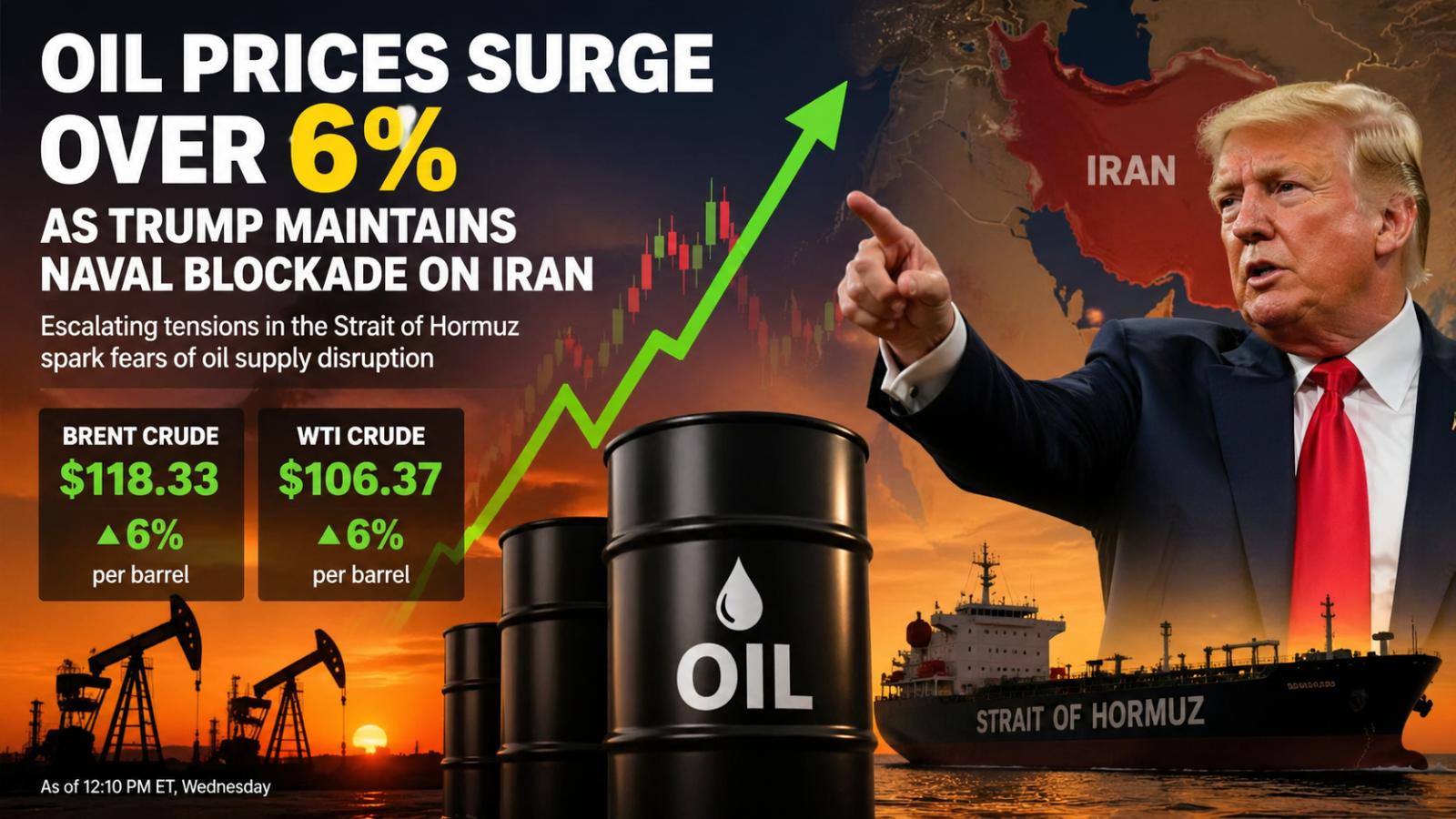
Oil prices surge over 6% as Trump maintains naval blockade on Iran, sending shockwaves through global energy markets and intensifying concerns about supply disruptions in the Middle East. By 12:10 PM Eastern Time on Wednesday April 29, 2026, international benchmark Brent crude futures climbed more than 6% to $118.33 per barrel, while U.S. West Texas Intermediate futures rose over 6% to $106.37 per barrel.
The sharp increase followed comments from Donald Trump, who confirmed that the United States would continue its naval blockade against Iran until a nuclear agreement is reached. Trump described the blockade as highly effective, signaling a firm stance amid stalled diplomatic efforts. Negotiations aimed at easing tensions have made little progress in recent days, further escalating uncertainty in global markets.
Iran has refused to reopen the Strait of Hormuz—a critical passage for global oil shipments—unless the United States lifts its blockade. Tehran’s control over the strait has significantly restricted oil exports from the region, tightening supply and driving prices higher. Market analysts note that developments in the Persian Gulf remain the dominant factor influencing oil price volatility.
Adding to market complexity, the United Arab Emirates recently announced its decision to exit OPEC. While strategists at ING described the move as a substantial setback for the producer alliance, they indicated its immediate impact on prices would likely be limited compared to ongoing geopolitical tensions.
Analysts suggest that while the UAE’s departure could weaken OPEC’s long-term influence, the near-term trajectory of oil markets will depend largely on whether oil flows resume through the Strait of Hormuz. Until then, geopolitical risks and supply constraints are expected to keep prices elevated and markets volatile.
Oil prices jumped over 6% after President Donald Trump confirmed the U.S. will maintain its blockade on Iran, raising concerns over disrupted supply and escalating tensions in the Strait of Hormuz.
Oil prices surge over 6% as Trump maintains naval blockade on Iran, sending shockwaves through global energy markets and intensifying concerns about supply disruptions in the Middle East. By 12:10 PM Eastern Time on Wednesday April 29, 2026, international benchmark Brent crude futures climbed more than 6% to $118.33 per barrel, while U.S. West Texas Intermediate futures rose over 6% to $106.37 per barrel.
The sharp increase followed comments from Donald Trump, who confirmed that the United States would continue its naval blockade against Iran until a nuclear agreement is reached. Trump described the blockade as highly effective, signaling a firm stance amid stalled diplomatic efforts. Negotiations aimed at easing tensions have made little progress in recent days, further escalating uncertainty in global markets.
Iran has refused to reopen the Strait of Hormuz—a critical passage for global oil shipments—unless the United States lifts its blockade. Tehran’s control over the strait has significantly restricted oil exports from the region, tightening supply and driving prices higher. Market analysts note that developments in the Persian Gulf remain the dominant factor influencing oil price volatility.
Adding to market complexity, the United Arab Emirates recently announced its decision to exit OPEC. While strategists at ING described the move as a substantial setback for the producer alliance, they indicated its immediate impact on prices would likely be limited compared to ongoing geopolitical tensions.
Analysts suggest that while the UAE’s departure could weaken OPEC’s long-term influence, the near-term trajectory of oil markets will depend largely on whether oil flows resume through the Strait of Hormuz. Until then, geopolitical risks and supply constraints are expected to keep prices elevated and markets volatile.
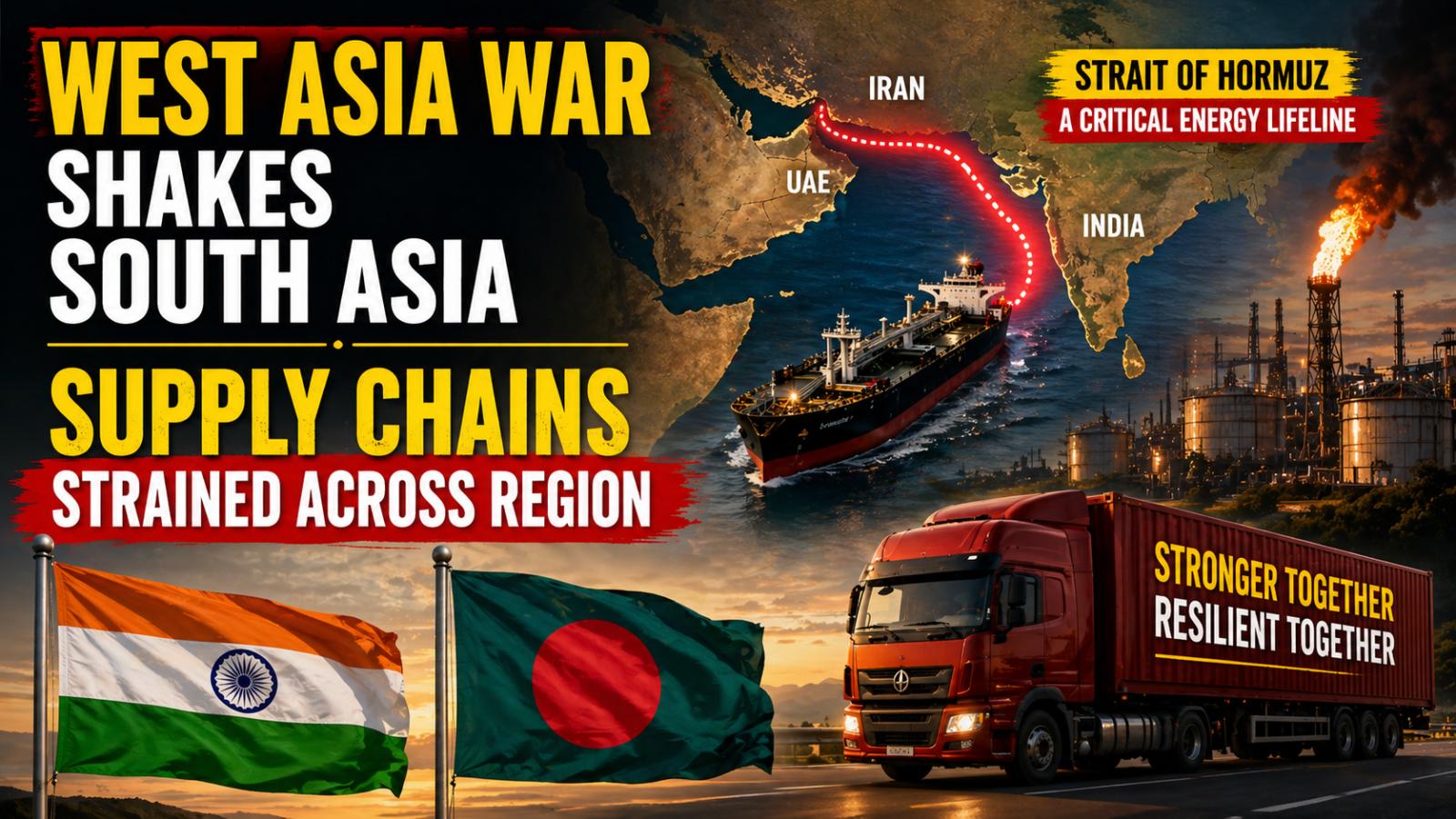
The war in West Asia and disruptions in the Strait of Hormuz have triggered widespread supply chain instability across South Asia, affecting energy security, economic stability, and regional cooperation. Countries across the subcontinent, heavily reliant on hydrocarbon imports from West Asia, are facing rising costs, reduced industrial competitiveness, and increased household expenditures as critical supply routes remain constrained.
Fuel shortages and economic strain acros
The war in West Asia and disruptions in the Strait of Hormuz have triggered widespread supply chain instability across South Asia, affecting energy security, economic stability, and regional cooperation. Countries across the subcontinent, heavily reliant on hydrocarbon imports from West Asia, are facing rising costs, reduced industrial competitiveness, and increased household expenditures as critical supply routes remain constrained.
Fuel shortages and economic strain acros
UAE exits OPEC and reshapes global oil and currency dynamics
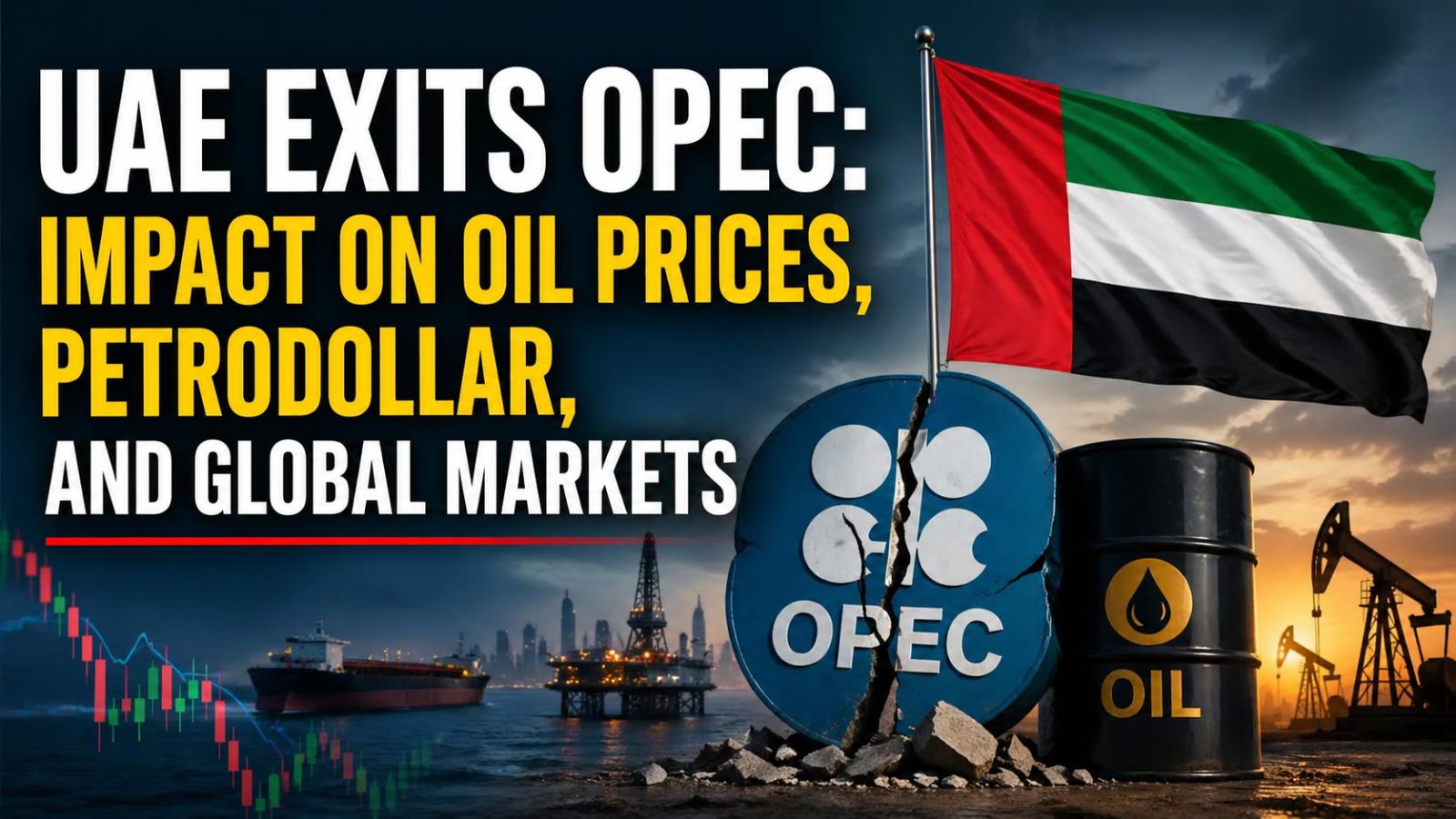
The decision by the United Arab Emirates to exit OPEC and OPEC+ marks a major shift in global energy markets. This move could increase oil price volatility, weaken OPEC’s control, and challenge the dominance of the US dollar in global oil trade. The timing is critical, coming amid rising oil prices, a growing dollar shortage in Gulf countries, and escalating tensions around the Strait of Hormuz.
What does thi
UAE exits OPEC and reshapes global oil and currency dynamics
The decision by the United Arab Emirates to exit OPEC and OPEC+ marks a major shift in global energy markets. This move could increase oil price volatility, weaken OPEC’s control, and challenge the dominance of the US dollar in global oil trade. The timing is critical, coming amid rising oil prices, a growing dollar shortage in Gulf countries, and escalating tensions around the Strait of Hormuz.
What does thi
Iran missile stockpile and war readiness
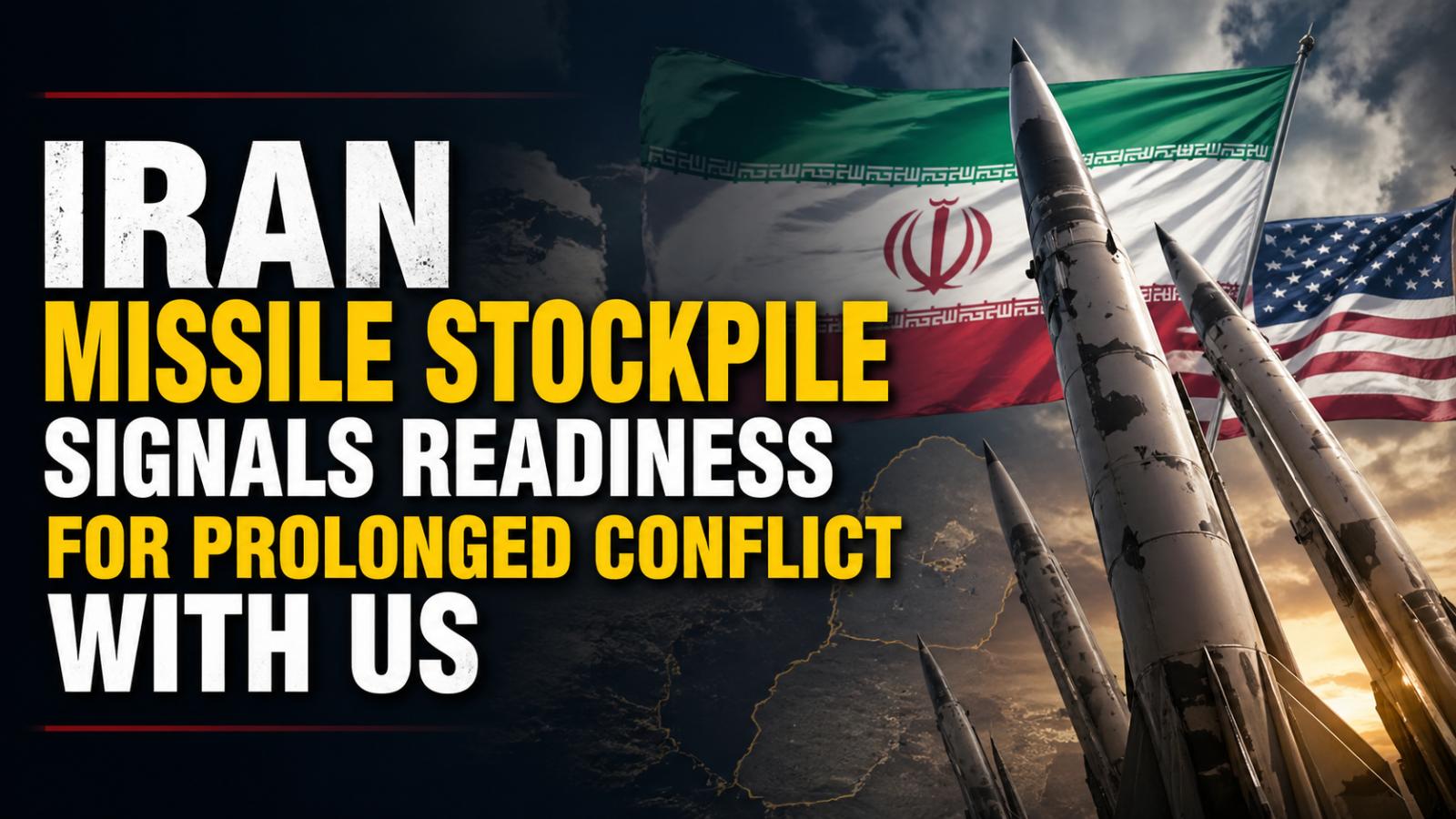
Iran missile stockpile has become a major focus as tensions with the United States intensify, with Tehran claiming it can sustain several years of war using its missile and drone reserves. A senior Iranian lawmaker said the country is fully prepared for prolonged conflict while continuing negotiations with Washington under the direction of its top leadership. The statement highlights both Iran’s military confidence and its refusal to yield under pressure.
Alaeddin Boroujerdi, a senior member of Iran’s parliament, said the country’s defense capacity remains strong and capable of long-term engagement. He emphasized that Iran’s missile and drone arsenal is sufficient to maintain sustained operations if required. He made it clear that negotiations with the United States are not a sign of weakness but part of a calculated strategy directed by the Supreme Leader. According to him, experienced leadership is handling the talks, ensuring that national interests are protected at all times.
Boroujerdi stressed that Iran does not view the negotiating table as a place for surrender. He stated that discussions would not lead to compromise or humiliation, reinforcing Tehran’s firm diplomatic stance. His comments come at a time of rising Iran-US tensions, particularly following statements by Donald Trump, which he dismissed as ineffective. He also pointed out that a recently extended ceasefire period has not resulted in any significant actions from the opposing side.
The Iranian lawmaker also criticized the US-led maritime blockade, describing it as lacking global legitimacy. He noted that no major European or NATO countries have joined the effort, suggesting limited international support for Washington’s position. This, he argued, weakens the overall impact of the blockade.
Strategically, Iran continues to emphasize its control over the Strait of Hormuz, a crucial global oil route. Officials maintain that Iran will never lose control over this vital waterway, underlining its importance in the broader geopolitical landscape. The statement reinforces Tehran’s confidence in its regional influence and defense strategy.
Overall, Iran’s position reflects a dual approach of negotiation and strength. While talks with the United States continue, Tehran is signaling that it is fully prepared for extended conflict if necessary, maintaining both diplomatic engagement and military readiness.
Iran missile stockpile and war readiness
Iran missile stockpile has become a major focus as tensions with the United States intensify, with Tehran claiming it can sustain several years of war using its missile and drone reserves. A senior Iranian lawmaker said the country is fully prepared for prolonged conflict while continuing negotiations with Washington under the direction of its top leadership. The statement highlights both Iran’s military confidence and its refusal to yield under pressure.
Alaeddin Boroujerdi, a senior member of Iran’s parliament, said the country’s defense capacity remains strong and capable of long-term engagement. He emphasized that Iran’s missile and drone arsenal is sufficient to maintain sustained operations if required. He made it clear that negotiations with the United States are not a sign of weakness but part of a calculated strategy directed by the Supreme Leader. According to him, experienced leadership is handling the talks, ensuring that national interests are protected at all times.
Boroujerdi stressed that Iran does not view the negotiating table as a place for surrender. He stated that discussions would not lead to compromise or humiliation, reinforcing Tehran’s firm diplomatic stance. His comments come at a time of rising Iran-US tensions, particularly following statements by Donald Trump, which he dismissed as ineffective. He also pointed out that a recently extended ceasefire period has not resulted in any significant actions from the opposing side.
The Iranian lawmaker also criticized the US-led maritime blockade, describing it as lacking global legitimacy. He noted that no major European or NATO countries have joined the effort, suggesting limited international support for Washington’s position. This, he argued, weakens the overall impact of the blockade.
Strategically, Iran continues to emphasize its control over the Strait of Hormuz, a crucial global oil route. Officials maintain that Iran will never lose control over this vital waterway, underlining its importance in the broader geopolitical landscape. The statement reinforces Tehran’s confidence in its regional influence and defense strategy.
Overall, Iran’s position reflects a dual approach of negotiation and strength. While talks with the United States continue, Tehran is signaling that it is fully prepared for extended conflict if necessary, maintaining both diplomatic engagement and military readiness.
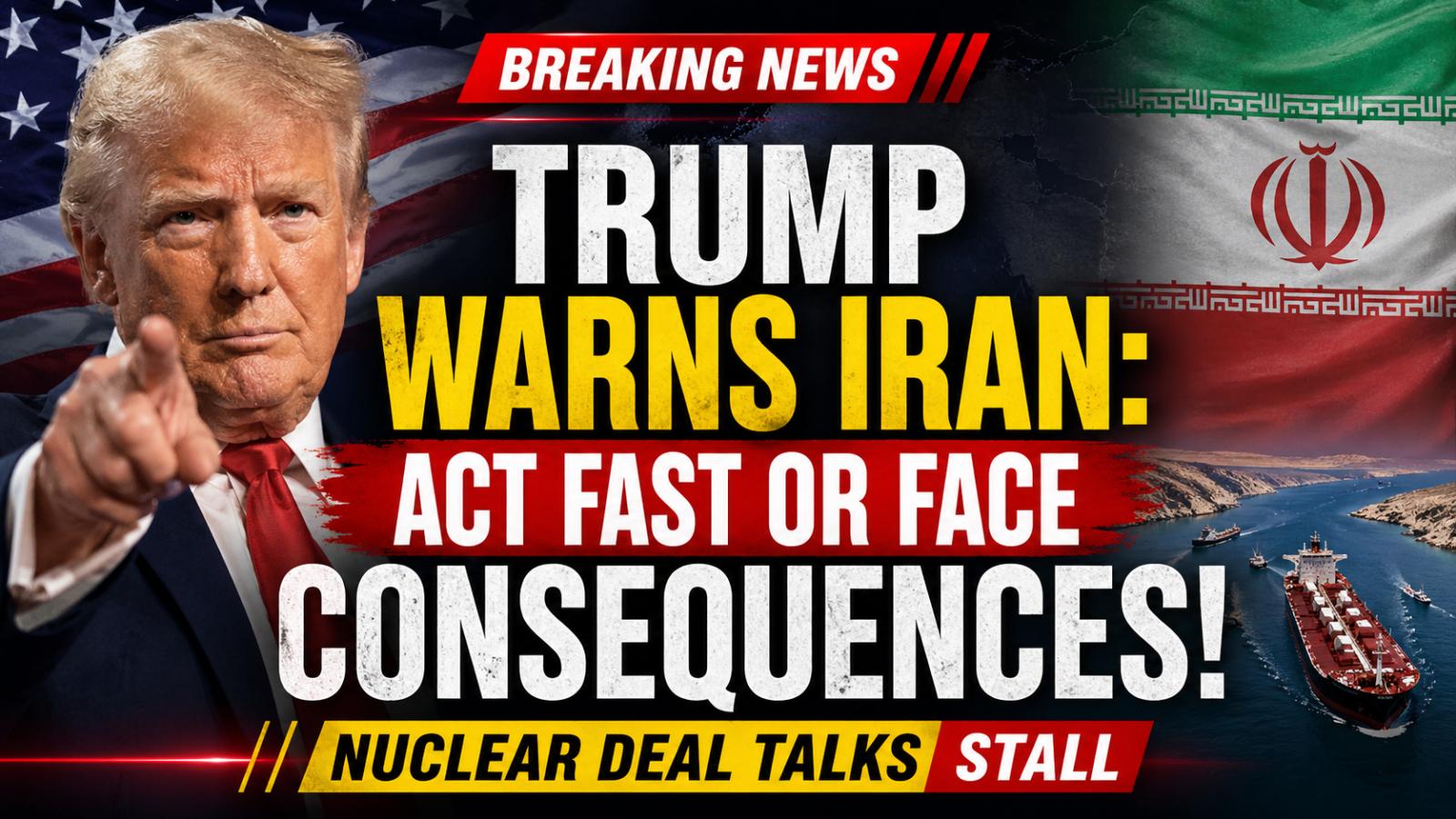
US President Donald Trump warned Iran on April 28, 2026, at around 10:00 AM EST to act quickly as nuclear deal negotiations between Washington and Tehran remain stalled. The statement highlights rising US-Iran tensions, ongoing diplomatic failure, and stricter American control over the
US President Donald Trump warned Iran on April 28, 2026, at around 10:00 AM EST to act quickly as nuclear deal negotiations between Washington and Tehran remain stalled. The statement highlights rising US-Iran tensions, ongoing diplomatic failure, and stricter American control over the
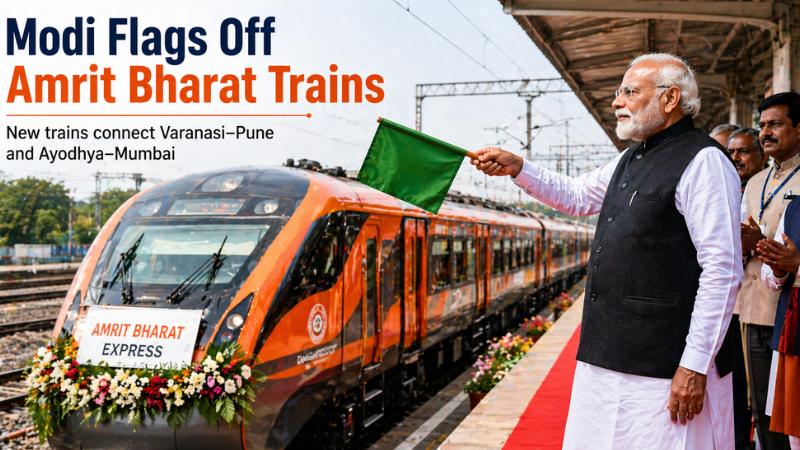
PM Narendra Modi launches new Amrit Bharat Express trains, providing direct rail connectivity between Varanasi–Pune and Ayodhya–Mumbai to boost travel and tourism.
Marking a major boost to India’s rail infrastructure, Prime Minister Narendra Modi on Tuesday, April 28, 2026, flagged off two new Amrit Bharat Express trains from Varanasi, Uttar Pradesh, strengthening d
PM Narendra Modi launches new Amrit Bharat Express trains, providing direct rail connectivity between Varanasi–Pune and Ayodhya–Mumbai to boost travel and tourism.
Marking a major boost to India’s rail infrastructure, Prime Minister Narendra Modi on Tuesday, April 28, 2026, flagged off two new Amrit Bharat Express trains from Varanasi, Uttar Pradesh, strengthening d
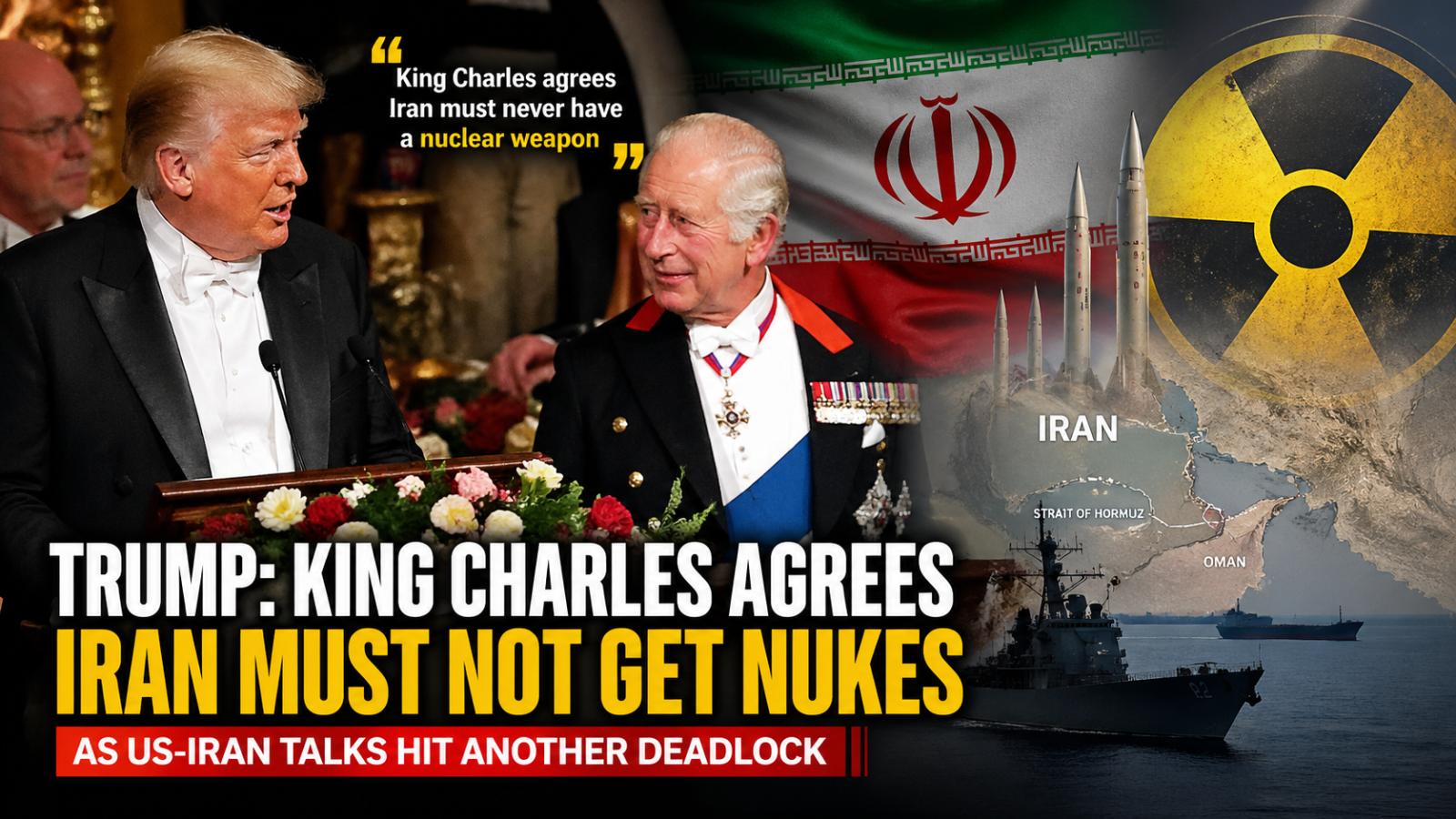
During a state dinner honoring the United Kingdom’s monarch, former U.S. President Donald Trump said King Charles III shares his view that Iran must never obtain nuclear weapons, while emphasizing the strength of U.S.-UK defense ties. Speaking at the formal event, Trump described the alliance between the two nations as rooted in “unconquerable courage,” referencing shared military history across multiple global conflicts.
Trump used the occasion to highlight ongoing U.S. mili
During a state dinner honoring the United Kingdom’s monarch, former U.S. President Donald Trump said King Charles III shares his view that Iran must never obtain nuclear weapons, while emphasizing the strength of U.S.-UK defense ties. Speaking at the formal event, Trump described the alliance between the two nations as rooted in “unconquerable courage,” referencing shared military history across multiple global conflicts.
Trump used the occasion to highlight ongoing U.S. mili
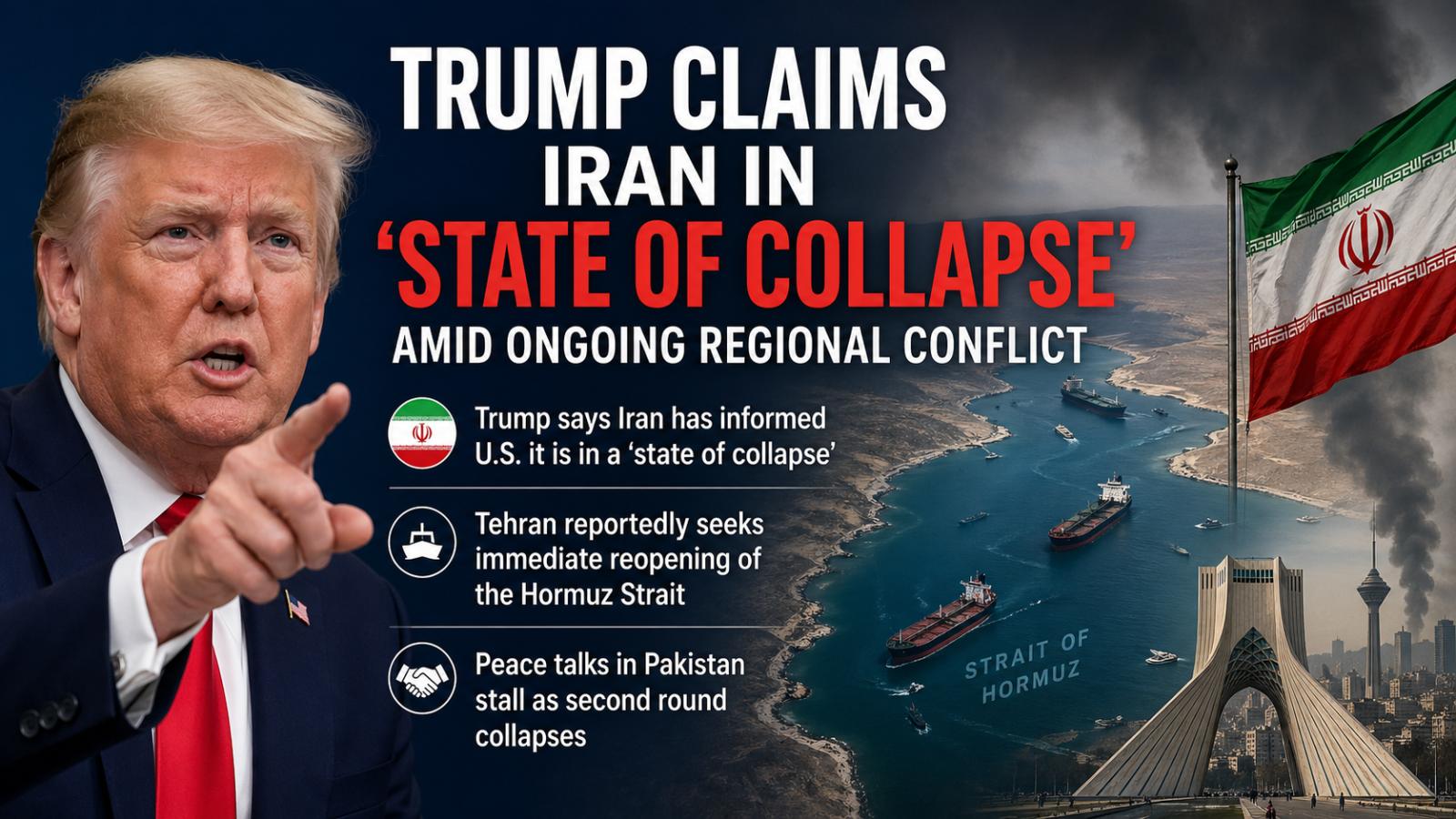
Trump says Iran is in “collapse” and seeks reopening of the Hormuz Strait as conflict continues. Peace talks in Pakistan stalled, leaving regional tensions unresolved.
Trump claims Iran in ‘state of collapse’ amid ongoing regional conflict as former U.S. President Donald Trump said the Iranian government has informed Washington it is facing a severe breakdown in l
Trump says Iran is in “collapse” and seeks reopening of the Hormuz Strait as conflict continues. Peace talks in Pakistan stalled, leaving regional tensions unresolved.
Trump claims Iran in ‘state of collapse’ amid ongoing regional conflict as former U.S. President Donald Trump said the Iranian government has informed Washington it is facing a severe breakdown in l
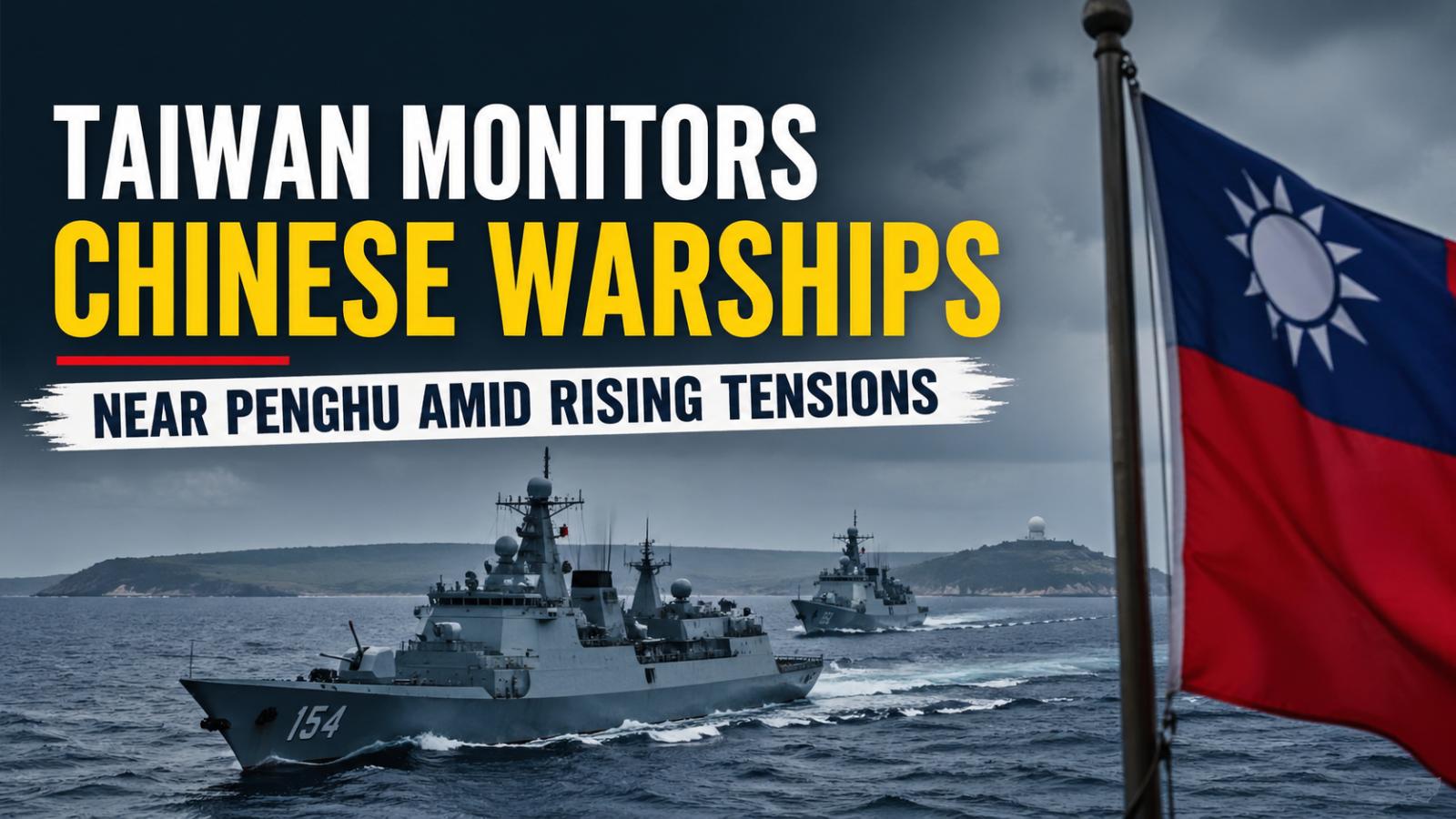
Taiwan China tension has intensified after Taiwan detected Chinese warships near the Penghu islands, prompting immediate military monitoring and response. Taiwan’s defence ministry confirmed that a Chinese destroyer and frigate entered sensitive waters southwest of the Penghu islands, an area known for hosting key naval and air force bases. In response, Taiwan deployed its own naval and air assets to track the ships closely and ensure security in the region.
Officials stated that
Taiwan China tension has intensified after Taiwan detected Chinese warships near the Penghu islands, prompting immediate military monitoring and response. Taiwan’s defence ministry confirmed that a Chinese destroyer and frigate entered sensitive waters southwest of the Penghu islands, an area known for hosting key naval and air force bases. In response, Taiwan deployed its own naval and air assets to track the ships closely and ensure security in the region.
Officials stated that
Enforcement targets sanctions violations
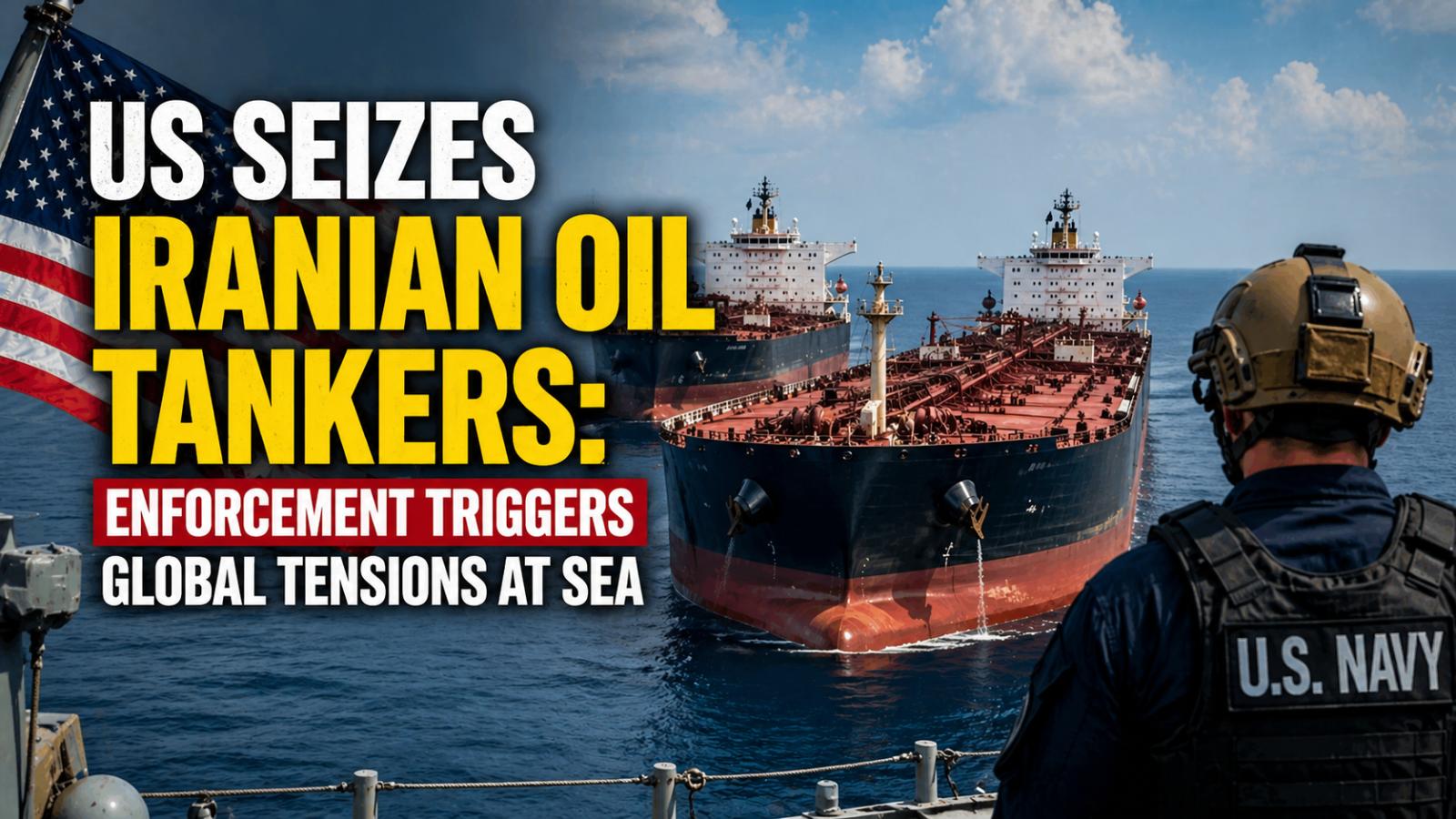
The United States has seized two tankers allegedly transporting Iranian oil, intensifying tensions with Iran and drawing sharp condemnation from Tehran. Iranian officials described the operation as “armed robbery on the high seas,” accusing
Enforcement targets sanctions violations
The United States has seized two tankers allegedly transporting Iranian oil, intensifying tensions with Iran and drawing sharp condemnation from Tehran. Iranian officials described the operation as “armed robbery on the high seas,” accusing
Why did a sanctioned yacht cross the Strait of Hormuz during heightened tensions?
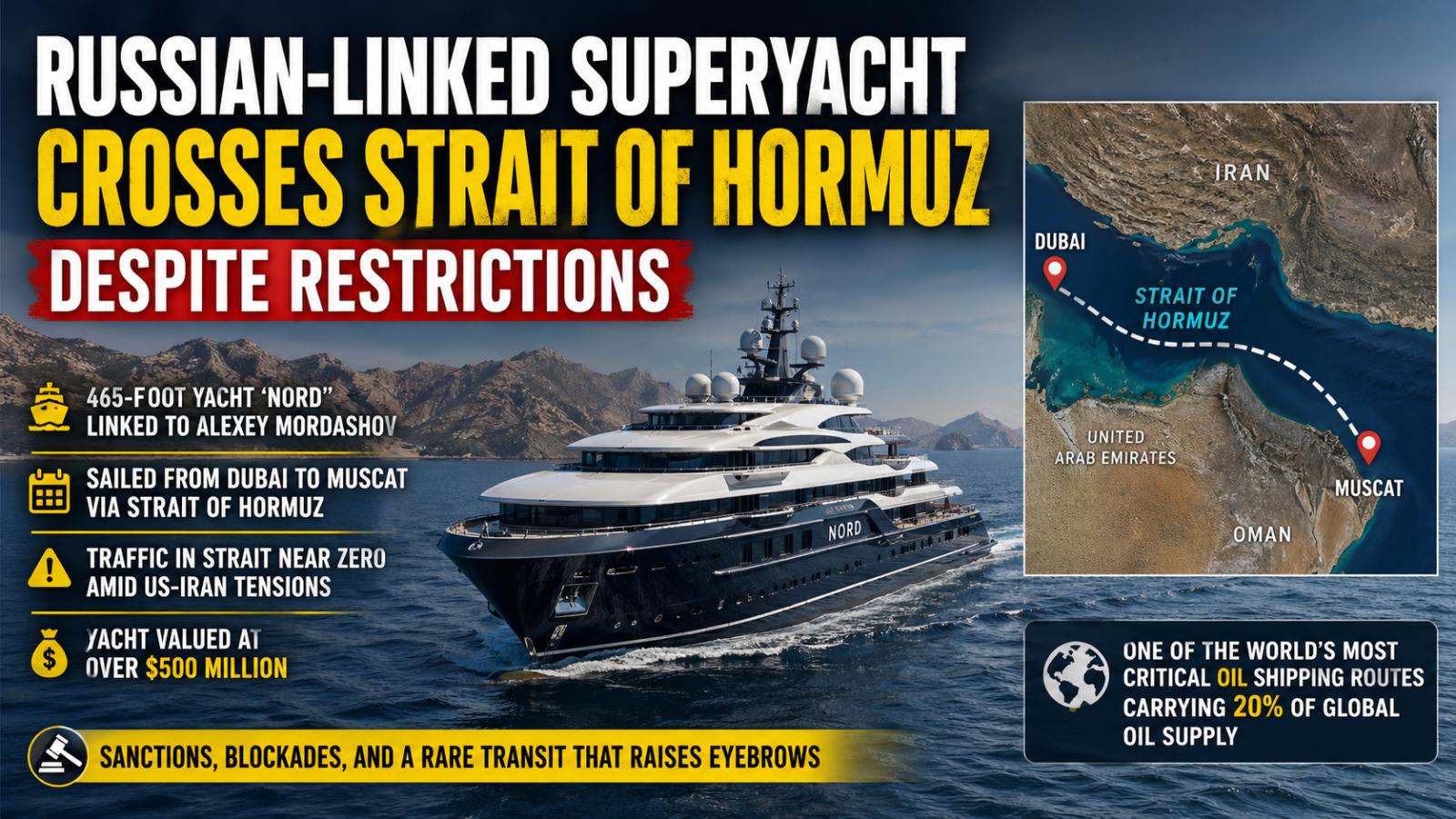
A 465-foot superyacht known as Nord, linked to Russian billionaire Alexey Mordashov, sailed through the strategically vital Strait of Hormuz despite ongoing maritime restrictions tied to the US-Iran conflict. The vessel departed Dubai on Friday April 24, 2026 afternoon, transited the st
Why did a sanctioned yacht cross the Strait of Hormuz during heightened tensions?
A 465-foot superyacht known as Nord, linked to Russian billionaire Alexey Mordashov, sailed through the strategically vital Strait of Hormuz despite ongoing maritime restrictions tied to the US-Iran conflict. The vessel departed Dubai on Friday April 24, 2026 afternoon, transited the st
A deadly train collision near Jakarta has left at least four people dead and dozens injured, prompting an extensive emergency response in one of the region’s busiest rail corridors. The accident occurred around 8 pm local time at Bekasi Timur railway station, where a long-distance train struck a stationary commuter service on the tracks.
According to state-owned operator Kereta Api Indonesia, the Argo Bromo Anggrek train, traveling from Gambir to Surabaya, collided with the rear of a halted KRL Commuterline train. Officials said the commuter train had stopped after being struck by a taxi at a level crossing, leaving it immobilized before the impact occurred.
Authorities confirmed that all fatalities were passengers on the commuter train, with the collision primarily affecting the final carriage, designated as a women-only coach. Meanwhile, approximately 240 passengers aboard the long-distance train were safely evacuated without serious injury. Emergency teams were deployed quickly, working to extract passengers trapped inside damaged compartments while ambulances and medical personnel responded to the scene.
Eyewitness accounts described confusion and urgency, with rescue workers navigating wreckage to reach those in need. Several train cars sustained significant structural damage, complicating efforts to access injured passengers. Oxygen supplies and immediate medical care were administered as part of the rescue operation.
The incident has renewed concerns about rail safety in Indonesia, following previous accidents in recent years. Authorities have launched a formal investigation to determine the sequence of events and identify contributing factors. Officials are expected to review both the level crossing incident and operational procedures to prevent similar accidents in the future.
A deadly train collision near Jakarta has left at least four people dead and dozens injured, prompting an extensive emergency response in one of the region’s busiest rail corridors. The accident occurred around 8 pm local time at Bekasi Timur railway station, where a long-distance train struck a stationary commuter service on the tracks.
According to state-owned operator Kereta Api Indonesia, the Argo Bromo Anggrek train, traveling from Gambir to Surabaya, collided with the rear of a halted KRL Commuterline train. Officials said the commuter train had stopped after being struck by a taxi at a level crossing, leaving it immobilized before the impact occurred.
Authorities confirmed that all fatalities were passengers on the commuter train, with the collision primarily affecting the final carriage, designated as a women-only coach. Meanwhile, approximately 240 passengers aboard the long-distance train were safely evacuated without serious injury. Emergency teams were deployed quickly, working to extract passengers trapped inside damaged compartments while ambulances and medical personnel responded to the scene.
Eyewitness accounts described confusion and urgency, with rescue workers navigating wreckage to reach those in need. Several train cars sustained significant structural damage, complicating efforts to access injured passengers. Oxygen supplies and immediate medical care were administered as part of the rescue operation.
The incident has renewed concerns about rail safety in Indonesia, following previous accidents in recent years. Authorities have launched a formal investigation to determine the sequence of events and identify contributing factors. Officials are expected to review both the level crossing incident and operational procedures to prevent similar accidents in the future.
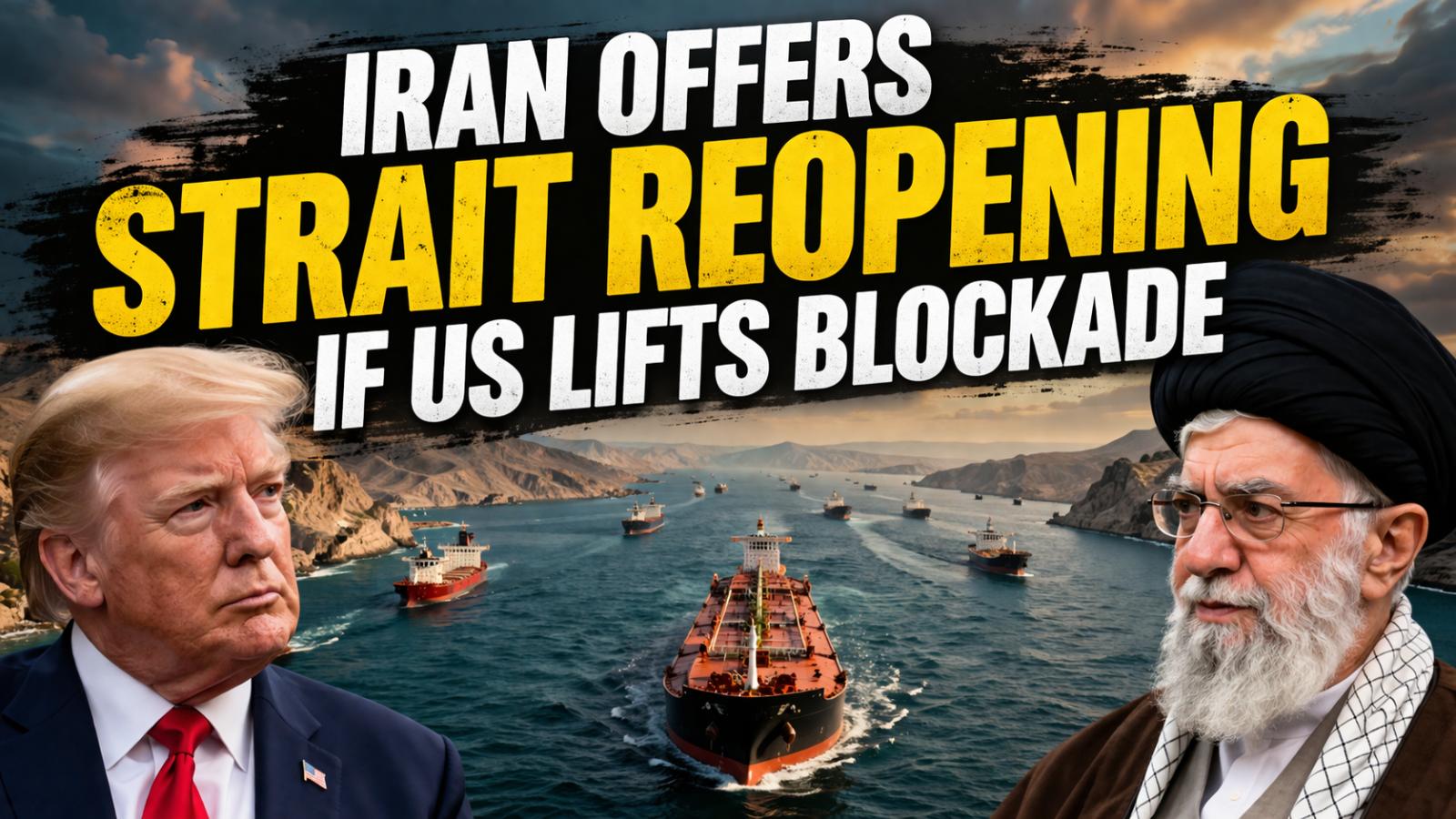
Iran offered to reopen the Strait of Hormuz if the U.S. lifts its blockade and ends hostilities, but Washington insists any deal must address Tehran’s nuclear program, leaving tensions high and global energy markets under strain.
Iran has proposed reopening the Strait of Hormuz if the United States lifts its blockade and agrees to end hostilities, according to regional officials familiar with negotiations disclosed on Monday, April 28, 2026. The proposal, deliver
Iran offered to reopen the Strait of Hormuz if the U.S. lifts its blockade and ends hostilities, but Washington insists any deal must address Tehran’s nuclear program, leaving tensions high and global energy markets under strain.
Iran has proposed reopening the Strait of Hormuz if the United States lifts its blockade and agrees to end hostilities, according to regional officials familiar with negotiations disclosed on Monday, April 28, 2026. The proposal, deliver
Antonio Guterres, Secretary-General of the United Nations, on Monday, April 27, 2026, appealed to the United Nations Security Council to push for the reopening of the Strait of Hormuz, warning that the ongoing bl
Antonio Guterres, Secretary-General of the United Nations, on Monday, April 27, 2026, appealed to the United Nations Security Council to push for the reopening of the Strait of Hormuz, warning that the ongoing bl
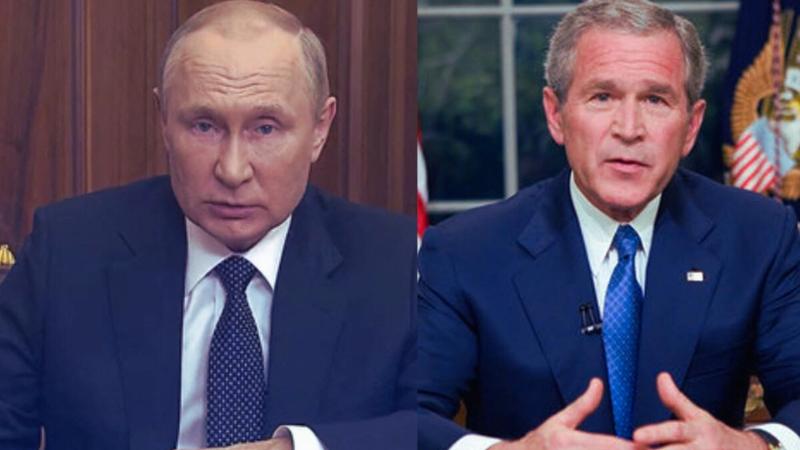
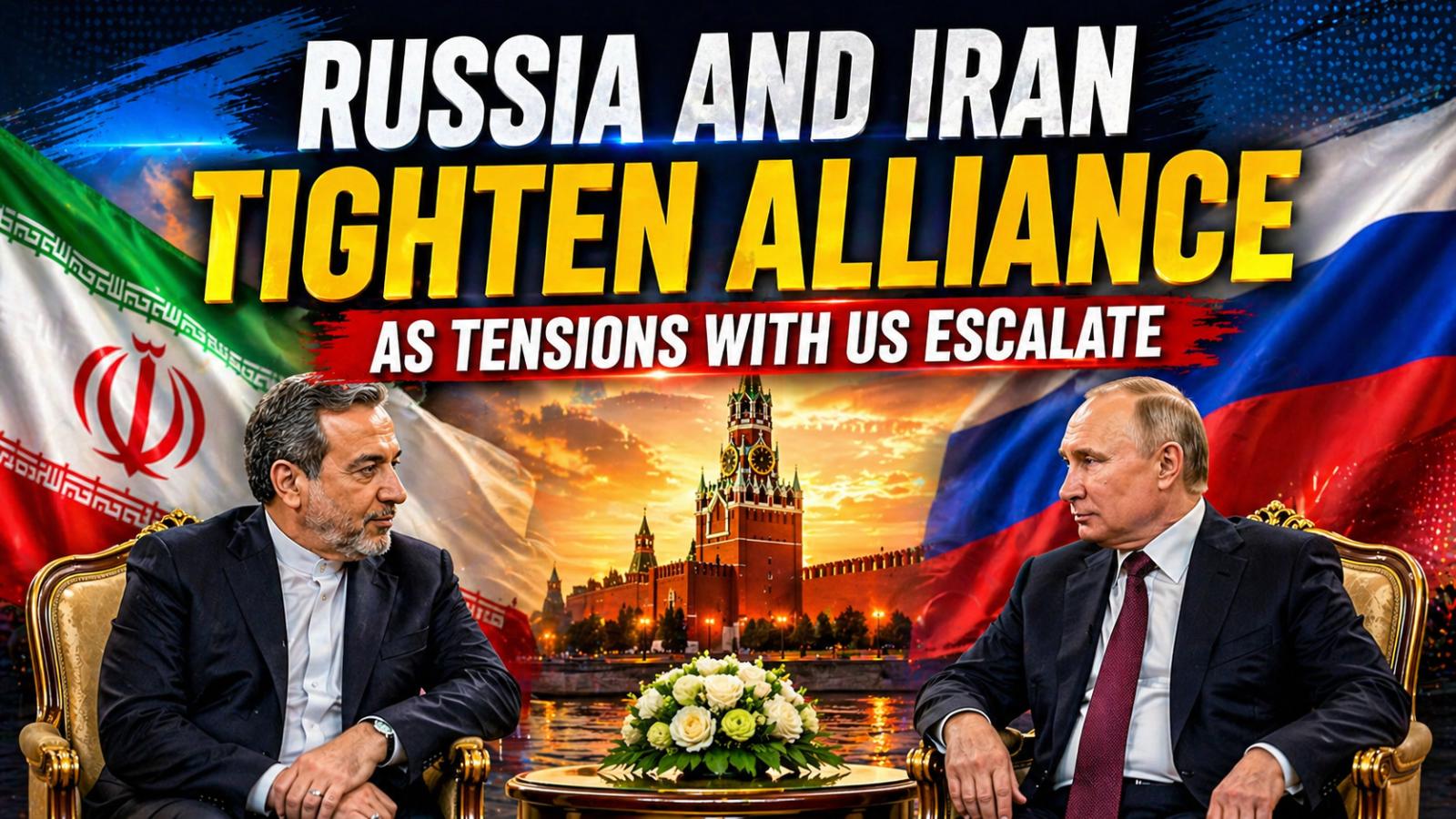
Vladimir Putin met Abbas Araghchi in Moscow on Monday, reaffirming Russia’s commitment to maintaining strong strategic relations with Iran amid escalating tensions in West Asia. During the meeting, Putin emphasized that Russia would continue to act in ways that serve the interests of Iran and the broader
Vladimir Putin met Abbas Araghchi in Moscow on Monday, reaffirming Russia’s commitment to maintaining strong strategic relations with Iran amid escalating tensions in West Asia. During the meeting, Putin emphasized that Russia would continue to act in ways that serve the interests of Iran and the broader
Talks with Iran continue remotely
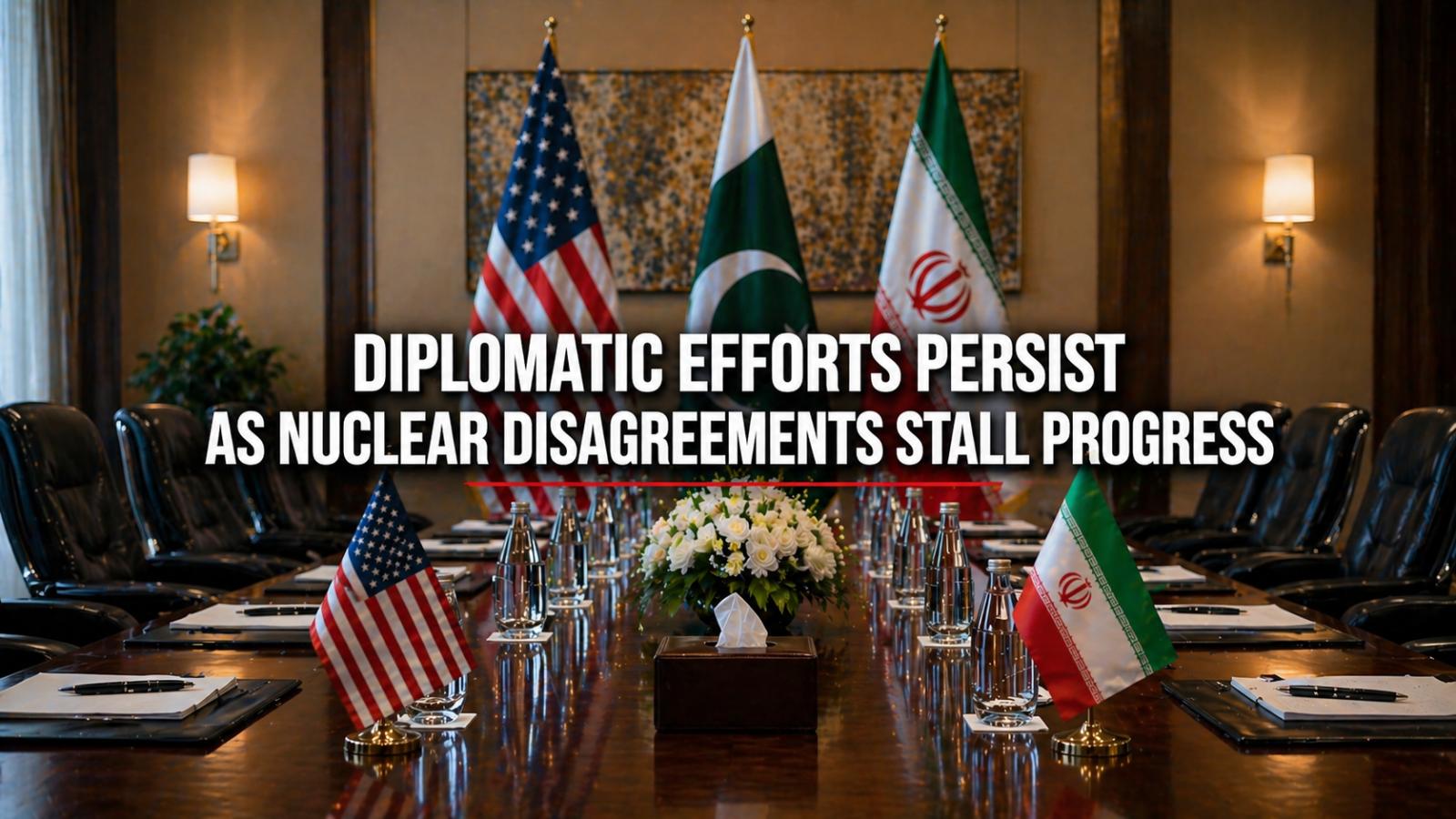
Diplomatic efforts to bridge differences between the United States and Iran remain active despite setbacks, including the cancellation of a planned envoy visit by President Donald Trump. Developments reported on Monday, April 27, 2026, indicate that negotiations are continuing through indirect channels, with Pakistan playing a mediating role.
Iran proposes phased approach delaying nuclear negotiations
According to sources familiar with the discussions, Iran has introduced a proposal that restructures the negotiation timeline. The plan would prioritize ending the ongoing conflict and resolving disputes over shipping in the Strait of Hormuz before addressing Iran’s nuclear program. This phased approach is expected to face resistance from Washington, which has consistently maintained that nuclear issues must be addressed at the outset of any agreement.
Iranian Foreign Minister Abbas Araqchi has been actively engaged in shuttle diplomacy, traveling between Islamabad, Oman, and Russia over the weekend and into Monday, April 27, 2026. In Moscow, Araqchi met with Vladimir Putin, signaling continued support from Russia.
Pakistan facilitates remote negotiations after canceled meetings
Plans for face-to-face talks in Islamabad were abandoned after Trump called off a visit by his envoys, including Steve Witkoff and Jared Kushner. The cancellation followed what Trump described as an insufficient Iranian proposal. As a result, Pakistan has shifted to facilitating remote negotiations, with officials indicating that in-person meetings will only occur once substantial progress is made toward a draft agreement.
Oil markets react as tensions persist in the Gulf
The ongoing standoff has had immediate economic implications, particularly in global energy markets. Oil prices rose when trading resumed on Monday, April 27, 2026, with Brent crude increasing by approximately 2.5% to around $108 per barrel. The volatility reflects concerns over restricted shipping through the Strait of Hormuz, a critical route for global oil supplies.
Since the conflict began, Iran has limited access to the waterway, while the United States has imposed a blockade on Iranian shipping. These actions have heightened fears of prolonged disruption, contributing to inflationary pressures and uncertainty in global economic growth.
Domestic and geopolitical pressures shape next steps
Trump faces increasing domestic pressure to resolve the conflict as approval ratings decline, while Iran continues to leverage its control over regional shipping routes. Despite a ceasefire that has paused active strikes since February 28, 2026, no comprehensive agreement has been reached to formally end hostilities.
The gap between the two sides remains significant, particularly over nuclear restrictions and regional security. With both nations appearing prepared for a prolonged negotiation process, analysts suggest the outcome may depend on which side can withstand the economic and political pressures longer.
Talks with Iran continue remotely
Diplomatic efforts to bridge differences between the United States and Iran remain active despite setbacks, including the cancellation of a planned envoy visit by President Donald Trump. Developments reported on Monday, April 27, 2026, indicate that negotiations are continuing through indirect channels, with Pakistan playing a mediating role.
Iran proposes phased approach delaying nuclear negotiations
According to sources familiar with the discussions, Iran has introduced a proposal that restructures the negotiation timeline. The plan would prioritize ending the ongoing conflict and resolving disputes over shipping in the Strait of Hormuz before addressing Iran’s nuclear program. This phased approach is expected to face resistance from Washington, which has consistently maintained that nuclear issues must be addressed at the outset of any agreement.
Iranian Foreign Minister Abbas Araqchi has been actively engaged in shuttle diplomacy, traveling between Islamabad, Oman, and Russia over the weekend and into Monday, April 27, 2026. In Moscow, Araqchi met with Vladimir Putin, signaling continued support from Russia.
Pakistan facilitates remote negotiations after canceled meetings
Plans for face-to-face talks in Islamabad were abandoned after Trump called off a visit by his envoys, including Steve Witkoff and Jared Kushner. The cancellation followed what Trump described as an insufficient Iranian proposal. As a result, Pakistan has shifted to facilitating remote negotiations, with officials indicating that in-person meetings will only occur once substantial progress is made toward a draft agreement.
Oil markets react as tensions persist in the Gulf
The ongoing standoff has had immediate economic implications, particularly in global energy markets. Oil prices rose when trading resumed on Monday, April 27, 2026, with Brent crude increasing by approximately 2.5% to around $108 per barrel. The volatility reflects concerns over restricted shipping through the Strait of Hormuz, a critical route for global oil supplies.
Since the conflict began, Iran has limited access to the waterway, while the United States has imposed a blockade on Iranian shipping. These actions have heightened fears of prolonged disruption, contributing to inflationary pressures and uncertainty in global economic growth.
Domestic and geopolitical pressures shape next steps
Trump faces increasing domestic pressure to resolve the conflict as approval ratings decline, while Iran continues to leverage its control over regional shipping routes. Despite a ceasefire that has paused active strikes since February 28, 2026, no comprehensive agreement has been reached to formally end hostilities.
The gap between the two sides remains significant, particularly over nuclear restrictions and regional security. With both nations appearing prepared for a prolonged negotiation process, analysts suggest the outcome may depend on which side can withstand the economic and political pressures longer.
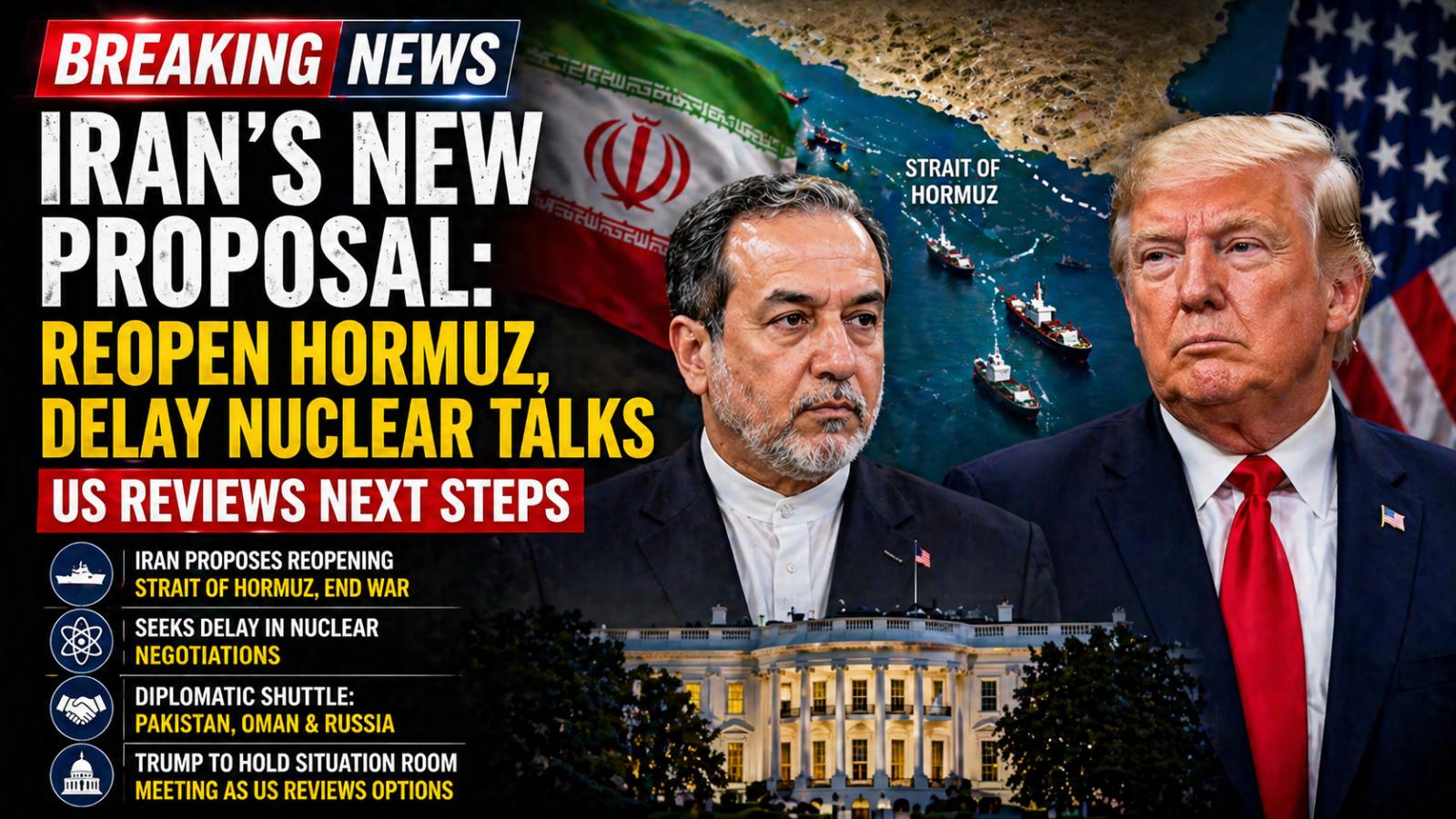
Iran has reportedly put forward a new proposal aimed at reopening the Strait of Hormuz and easing ongoing tensions, while suggesting that nuclear negotiations be postponed. The development comes as US officials review the offer, with President Donald Trump expected to meet with senior national security advisers to assess the situation and determine next steps.
According to sources familiar with the discussions, the proposal was conveyed through intermediaries and focuses on de-escalation measures tied to maritime security and regional stability. However, Iranian officials have indicated that broader nuclear negotiations should be deferred until key issues, including economic restrictions and security concerns, are addressed. There has been no official confirmation from either side regarding the specifics of the proposal.
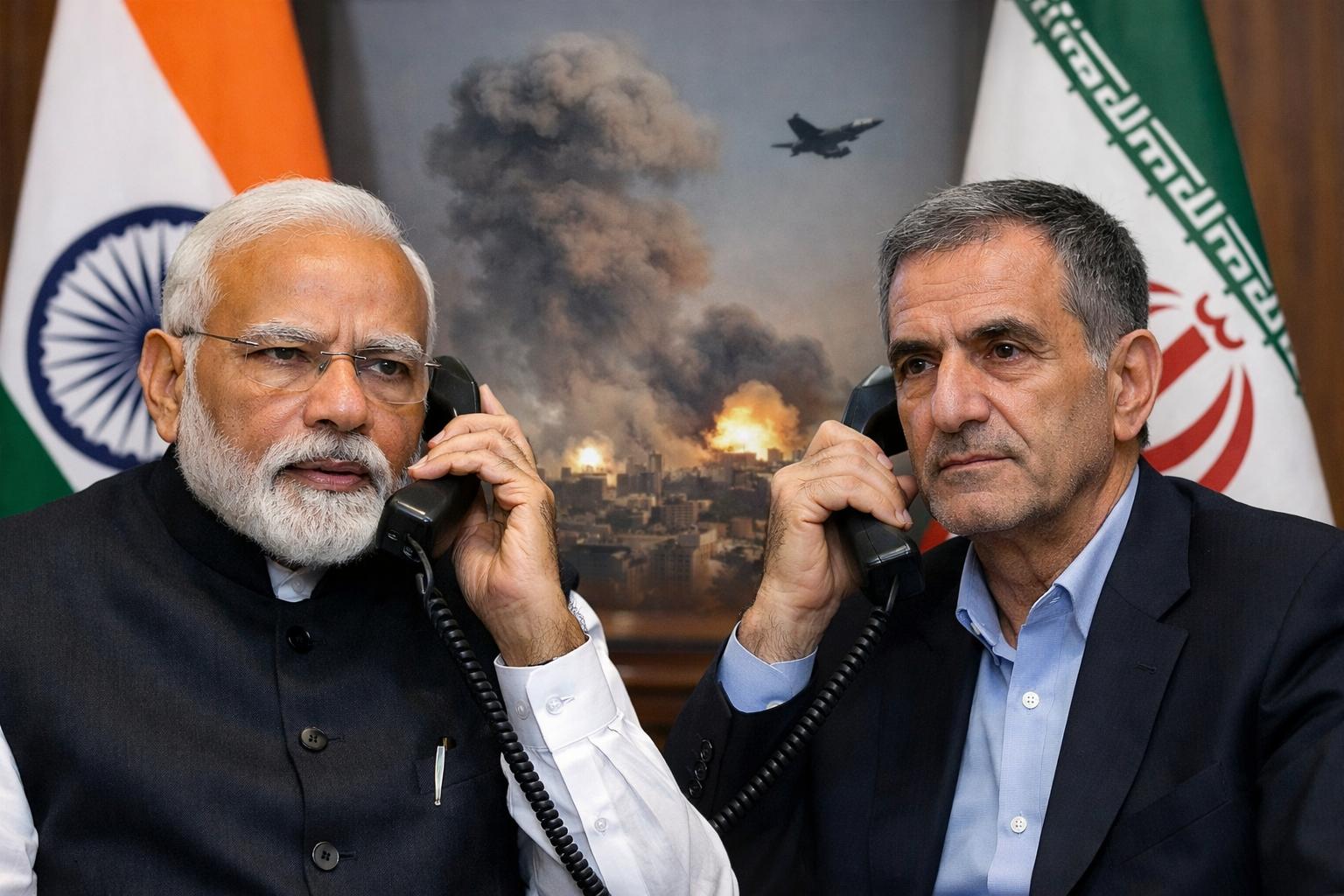
The latest diplomatic activity follows a series of engagements by Abbas Araghchi, who recently traveled between Pakistan and Oman in an effort to facilitate dialogue. Iranian authorities emphasized that no direct meetings with US representatives were scheduled during his visit to Islamabad. Earlier, planned discussions involving US envoys were canceled, adding to the uncertainty surrounding the negotiation process.
Tensions have been further complicated by differing expectations between Washington and Tehran. US officials have reiterated that any agreement must include strict limitations on Iran’s nuclear capabilities, including restrictions on enrichment activities. Iranian leaders, meanwhile, have maintained that negotiations cannot proceed under pressure, citing concerns over ongoing restrictions and security measures affecting the country.
The situation remains fluid as diplomatic channels continue to operate through regional mediators. Iran’s leadership has also engaged with international partners, including Russia, as part of broader efforts to manage the crisis. While the proposal to reopen the Strait of Hormuz signals a potential pathway toward de-escalation, the delay in nuclear talks underscores the challenges that remain in reaching a comprehensive agreement.
Iran has reportedly put forward a new proposal aimed at reopening the Strait of Hormuz and easing ongoing tensions, while suggesting that nuclear negotiations be postponed. The development comes as US officials review the offer, with President Donald Trump expected to meet with senior national security advisers to assess the situation and determine next steps.
According to sources familiar with the discussions, the proposal was conveyed through intermediaries and focuses on de-escalation measures tied to maritime security and regional stability. However, Iranian officials have indicated that broader nuclear negotiations should be deferred until key issues, including economic restrictions and security concerns, are addressed. There has been no official confirmation from either side regarding the specifics of the proposal.
The latest diplomatic activity follows a series of engagements by Abbas Araghchi, who recently traveled between Pakistan and Oman in an effort to facilitate dialogue. Iranian authorities emphasized that no direct meetings with US representatives were scheduled during his visit to Islamabad. Earlier, planned discussions involving US envoys were canceled, adding to the uncertainty surrounding the negotiation process.
Tensions have been further complicated by differing expectations between Washington and Tehran. US officials have reiterated that any agreement must include strict limitations on Iran’s nuclear capabilities, including restrictions on enrichment activities. Iranian leaders, meanwhile, have maintained that negotiations cannot proceed under pressure, citing concerns over ongoing restrictions and security measures affecting the country.
The situation remains fluid as diplomatic channels continue to operate through regional mediators. Iran’s leadership has also engaged with international partners, including Russia, as part of broader efforts to manage the crisis. While the proposal to reopen the Strait of Hormuz signals a potential pathway toward de-escalation, the delay in nuclear talks underscores the challenges that remain in reaching a comprehensive agreement.
Big Rail Boost: Bengaluru to Get Vande Bharat to Mangaluru, 2 New Mumbai Trains Soon
In a major step to strengthen railway connectivity across Karnataka and neighbouring states, Union Railway Minister Ashwini Vaishnaw has announced the launch of three new train services from
Big Rail Boost: Bengaluru to Get Vande Bharat to Mangaluru, 2 New Mumbai Trains Soon
In a major step to strengthen railway connectivity across Karnataka and neighbouring states, Union Railway Minister Ashwini Vaishnaw has announced the launch of three new train services from
Thousands of participants gathered in downtown Columbus, Ohio, for the Capital City half marathon, a major annual event that brought together runners, volunteers, and supporters from across the United States. The race drew more than 11,000 runners and over 70 volunteers, with spectators lining the streets to cheer on participants who had spent months preparing.
Months of preparation lead to race day success
Many runners committed to rigorous training sch
Thousands of participants gathered in downtown Columbus, Ohio, for the Capital City half marathon, a major annual event that brought together runners, volunteers, and supporters from across the United States. The race drew more than 11,000 runners and over 70 volunteers, with spectators lining the streets to cheer on participants who had spent months preparing.
Months of preparation lead to race day success
Many runners committed to rigorous training sch
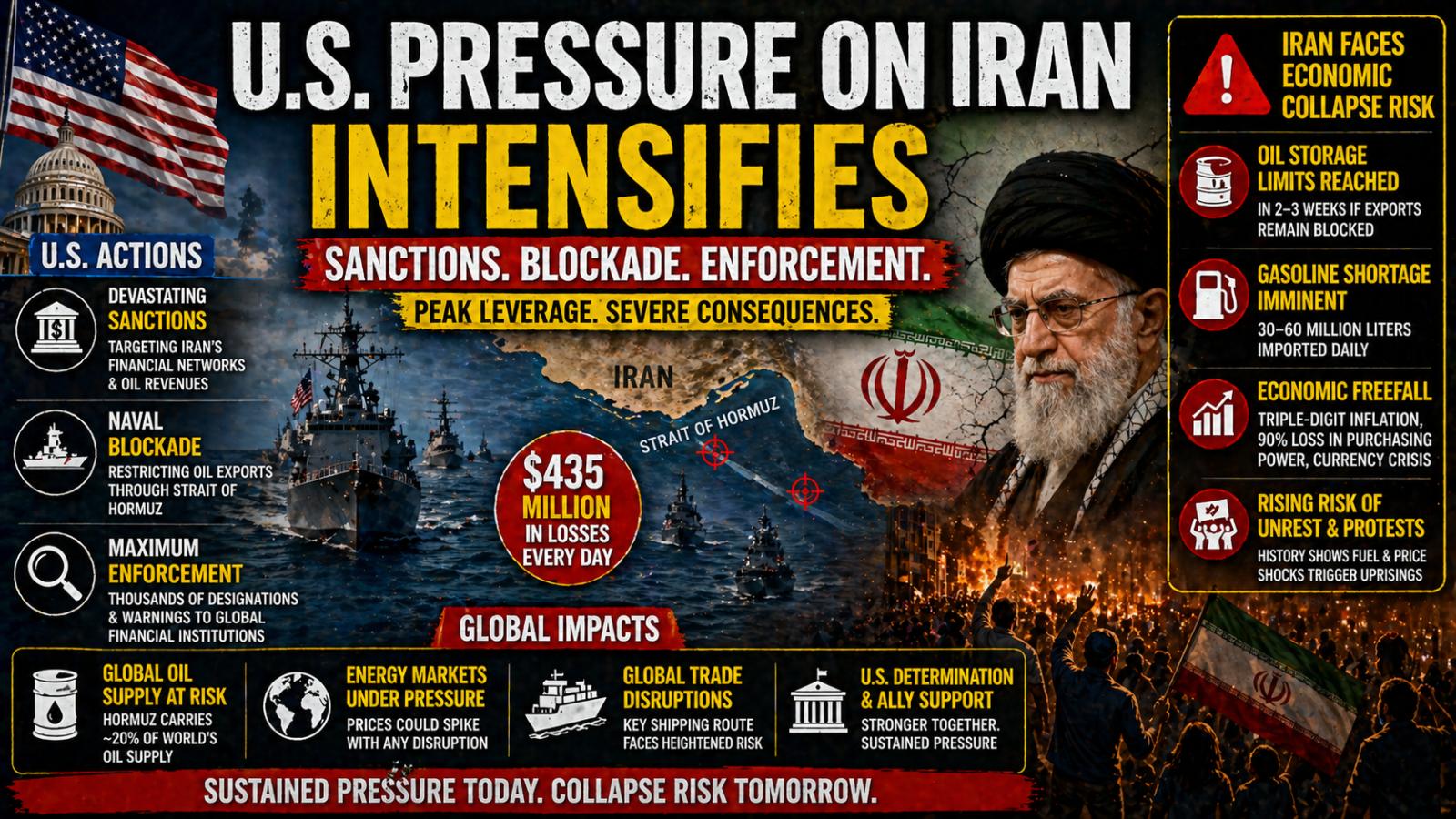
How is U.S. pressure on Iran intensifying? It combines sanctions, blockade, and enforcement as economic and geopolitical forces converge to place unprecedented strain on Tehran, according to a former U.S. Treasury sanctions expert who described the current moment as a rare alignment of leverage.
Converging tools create peak economic pressure
Miad Maleki, a former Treasury Department sanctions specialist, said the United States is applying multiple pressu
How is U.S. pressure on Iran intensifying? It combines sanctions, blockade, and enforcement as economic and geopolitical forces converge to place unprecedented strain on Tehran, according to a former U.S. Treasury sanctions expert who described the current moment as a rare alignment of leverage.
Converging tools create peak economic pressure
Miad Maleki, a former Treasury Department sanctions specialist, said the United States is applying multiple pressu