



US Investigates Possible Chinese Arms Sales to Iran Amid Middle East Tensions
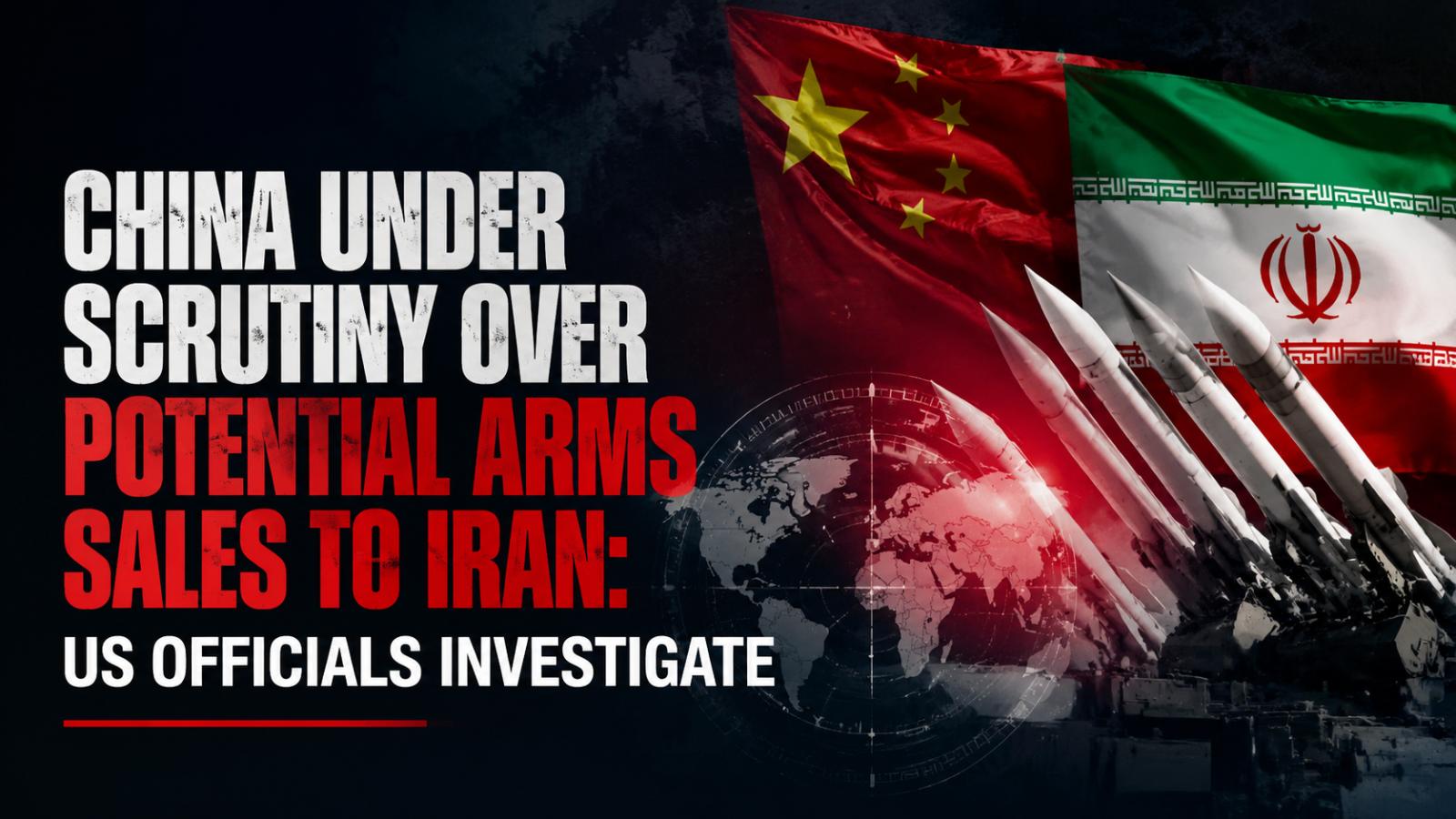
Amid rising tensions in the Middle East, US intelligence agencies are investigating whether China has been supplying military support to Iran. Sources familiar with the ongoing probe suggest that Chinese companies may have been negotiating arms transfers with Iranian officials. These weapons, believed to be funneled through third-party nations, are reportedly being used to mask their origin. However, it remains uncertain if any shipments have been completed or whether China’s government has given its official approval. This investigation unfolds as President Donald Trump is scheduled to meet with Chinese President Xi Jinping in Beijing, where the topic of military cooperation is expected to be high on the agenda. US officials are pushing for a strong stance, as reports suggest that China might have provided Iran with sophisticated military equipment, including shoulder-fired anti-aircraft missile systems known as MANPADS. These missiles could target low-flying aircraft, which would be a major security threat in the region. How is the US responding? The United States has called on China to end any military support to Iran, stressing that such actions are unacceptable, especially with ongoing diplomatic efforts to stabilize relations. Despite attempts to smooth over tensions with China, the US administration has been vocal about its concerns, citing intelligence reports that point to a potential arms shipment route passing through an African nation. So far, there is no clear evidence that any weapons have been successfully transferred. Has China already provided military aid to Iran? While the situation remains ambiguous, reports indicate that China has been providing Iran with other forms of assistance, such as intelligence support and satellite surveillance technology. These resources have significantly boosted Iran’s ability to monitor US military positions in the region. Furthermore, China is believed to have supplied dual-use technology, including semiconductors and sensors, which have both civilian and military applications. These components are often harder to trace, raising concerns that China may be covertly aiding Iran’s military capabilities. What does China gain from supporting Iran? China has strategic interests in maintaining a strong partnership with Iran. As one of Iran's top economic allies, China imports a significant portion of Iran's oil, with estimates suggesting that 80% of Iranian oil exports are bound for China. Beijing’s involvement in the region is also driven by its need to safeguard energy shipments that pass through the Strait of Hormuz, a critical maritime trade route. With the ongoing conflict affecting global shipping, China’s role in ensuring the stability of this region has become more crucial. However, the uncertainty surrounding the Middle East conflict is putting pressure on China, as well as on the broader global market. As the investigation into possible Chinese arms sales to Iran continues, the US is maintaining its vigilance, closely monitoring China’s actions in the Middle East. The growing influence of these geopolitical dynamics on the region’s stability suggests that the US will keep up its scrutiny of China’s role in Iran’s military affairs, especially as tensions continue to rise in this strategic part of the world.
US Investigates Possible Chinese Arms Sales to Iran Amid Middle East Tensions
Amid rising tensions in the Middle East, US intelligence agencies are investigating whether China has been supplying military support to Iran. Sources familiar with the ongoing probe suggest that Chinese companies may have been negotiating arms transfers with Iranian officials. These weapons, believed to be funneled through third-party nations, are reportedly being used to mask their origin. However, it remains uncertain if any shipments have been completed or whether China’s government has given its official approval. This investigation unfolds as President Donald Trump is scheduled to meet with Chinese President Xi Jinping in Beijing, where the topic of military cooperation is expected to be high on the agenda. US officials are pushing for a strong stance, as reports suggest that China might have provided Iran with sophisticated military equipment, including shoulder-fired anti-aircraft missile systems known as MANPADS. These missiles could target low-flying aircraft, which would be a major security threat in the region. How is the US responding? The United States has called on China to end any military support to Iran, stressing that such actions are unacceptable, especially with ongoing diplomatic efforts to stabilize relations. Despite attempts to smooth over tensions with China, the US administration has been vocal about its concerns, citing intelligence reports that point to a potential arms shipment route passing through an African nation. So far, there is no clear evidence that any weapons have been successfully transferred. Has China already provided military aid to Iran? While the situation remains ambiguous, reports indicate that China has been providing Iran with other forms of assistance, such as intelligence support and satellite surveillance technology. These resources have significantly boosted Iran’s ability to monitor US military positions in the region. Furthermore, China is believed to have supplied dual-use technology, including semiconductors and sensors, which have both civilian and military applications. These components are often harder to trace, raising concerns that China may be covertly aiding Iran’s military capabilities. What does China gain from supporting Iran? China has strategic interests in maintaining a strong partnership with Iran. As one of Iran's top economic allies, China imports a significant portion of Iran's oil, with estimates suggesting that 80% of Iranian oil exports are bound for China. Beijing’s involvement in the region is also driven by its need to safeguard energy shipments that pass through the Strait of Hormuz, a critical maritime trade route. With the ongoing conflict affecting global shipping, China’s role in ensuring the stability of this region has become more crucial. However, the uncertainty surrounding the Middle East conflict is putting pressure on China, as well as on the broader global market. As the investigation into possible Chinese arms sales to Iran continues, the US is maintaining its vigilance, closely monitoring China’s actions in the Middle East. The growing influence of these geopolitical dynamics on the region’s stability suggests that the US will keep up its scrutiny of China’s role in Iran’s military affairs, especially as tensions continue to rise in this strategic part of the world.
Kevin Warsh Confirmed as Fed Chair as Inflation and Rate-Cut Pressure Intensify
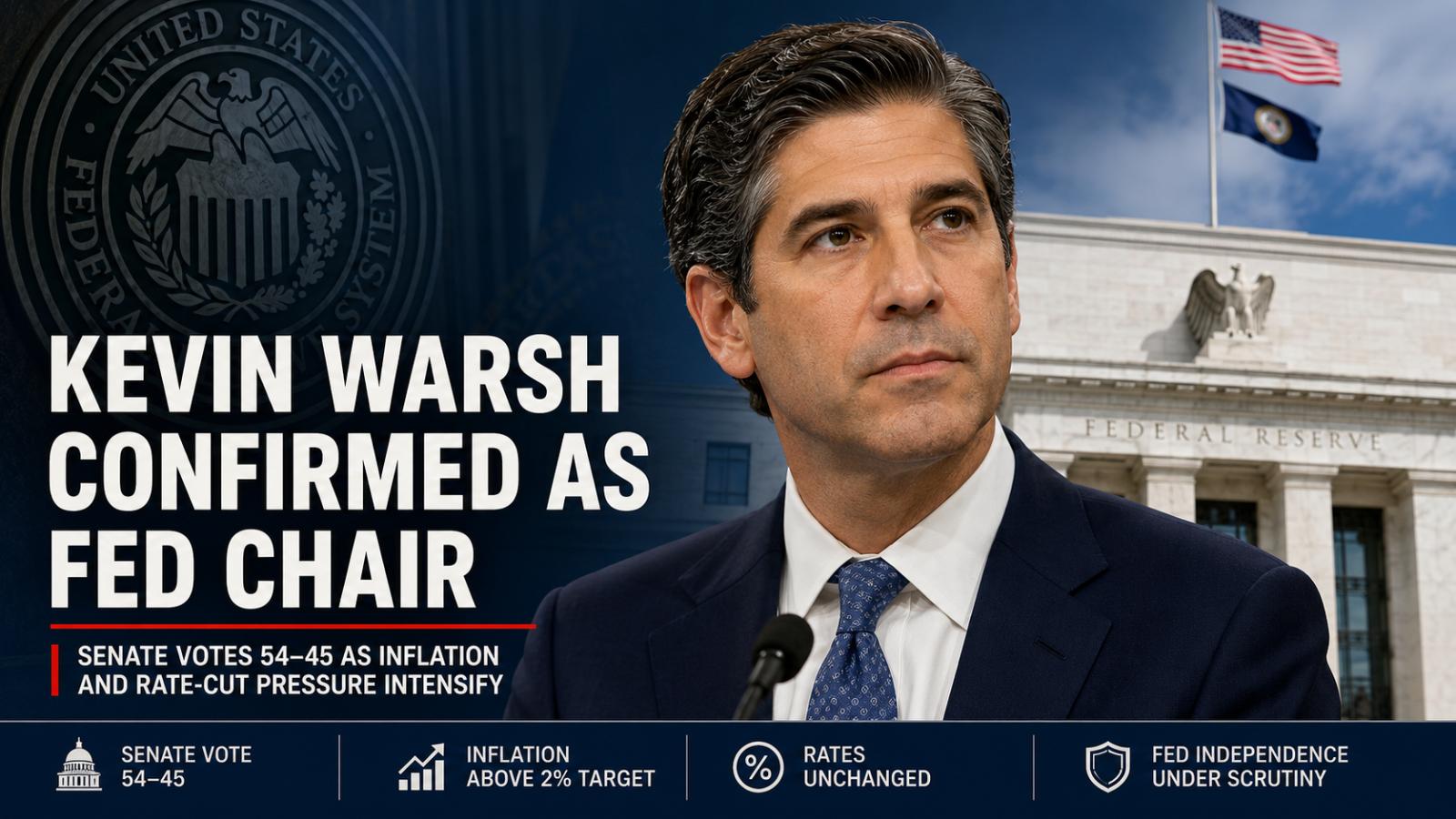
Kevin Warsh was confirmed as Federal Reserve chair on Wednesday, May 13, 2026, placing President Donald Trump’s nominee at the center of a high-stakes debate over inflation, interest rates and the independence of the U.S. central bank. The Senate approved Warsh in a 54–45 largely party-line vote, clearing the way for the former Federal Reserve official to succeed Jerome Powell. The confirmation followed uncertainty tied to a Justice Department investigation involving Powell, whi
Kevin Warsh Confirmed as Fed Chair as Inflation and Rate-Cut Pressure Intensify
Kevin Warsh was confirmed as Federal Reserve chair on Wednesday, May 13, 2026, placing President Donald Trump’s nominee at the center of a high-stakes debate over inflation, interest rates and the independence of the U.S. central bank. The Senate approved Warsh in a 54–45 largely party-line vote, clearing the way for the former Federal Reserve official to succeed Jerome Powell. The confirmation followed uncertainty tied to a Justice Department investigation involving Powell, whi
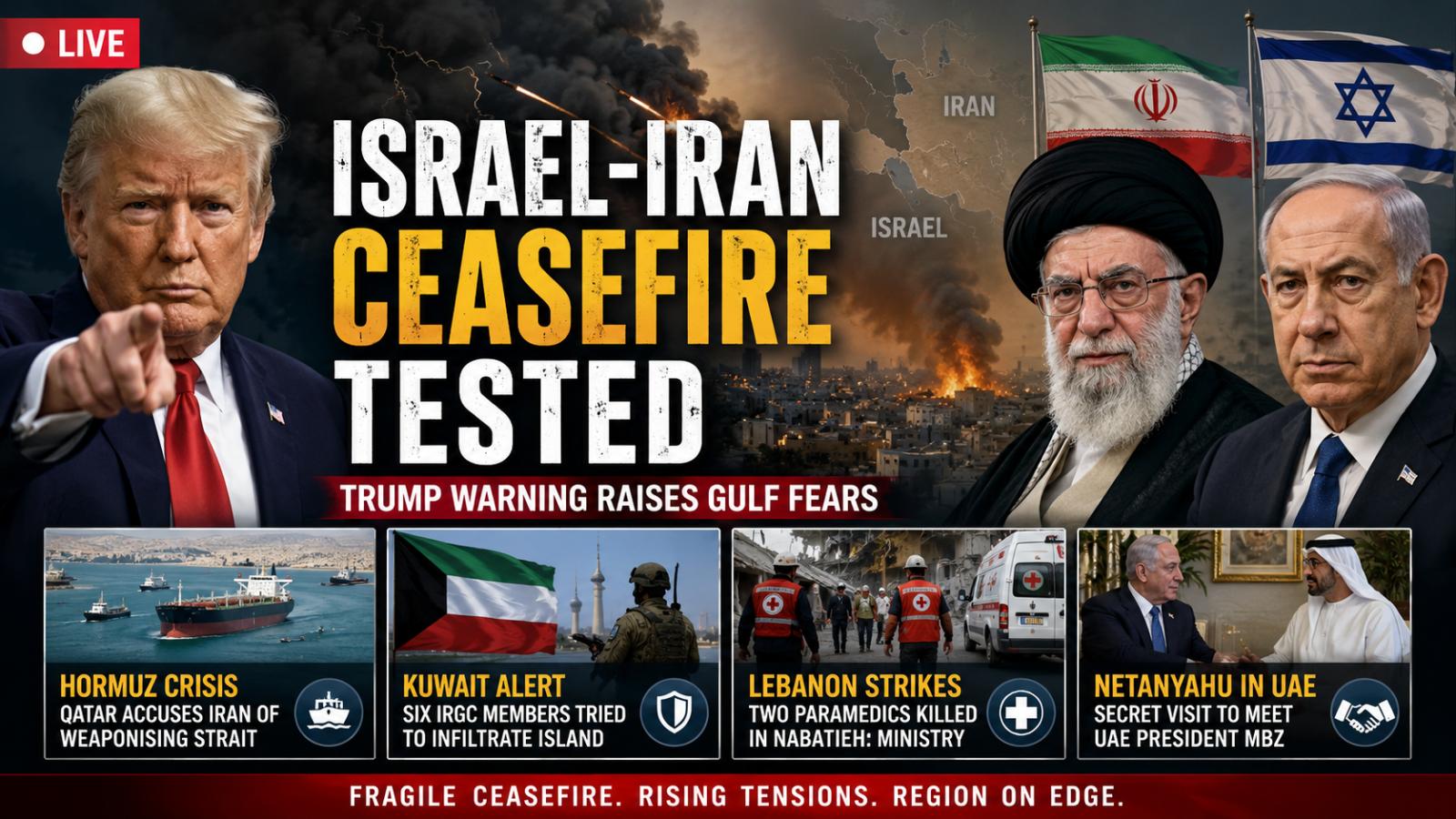
Israel-Iran Ceasefire Tested as Trump Warning Raises Gulf Fears
Israel-Iran War Ceasefire Faces New Pressure The Israel-Iran war ceasefire is under fresh strain after US President Donald Trump warned Iran that Washington would prevail “peacefully or otherwise,” while Tehran insisted its latest peace plan must be accepted. The exchange sharpened doubts over whether the truce can hold as Gulf governments warn that the conflict is spilling into shipping, energy security and regional diplomacy. Hor
Israel-Iran Ceasefire Tested as Trump Warning Raises Gulf Fears
Israel-Iran War Ceasefire Faces New Pressure The Israel-Iran war ceasefire is under fresh strain after US President Donald Trump warned Iran that Washington would prevail “peacefully or otherwise,” while Tehran insisted its latest peace plan must be accepted. The exchange sharpened doubts over whether the truce can hold as Gulf governments warn that the conflict is spilling into shipping, energy security and regional diplomacy. Hor
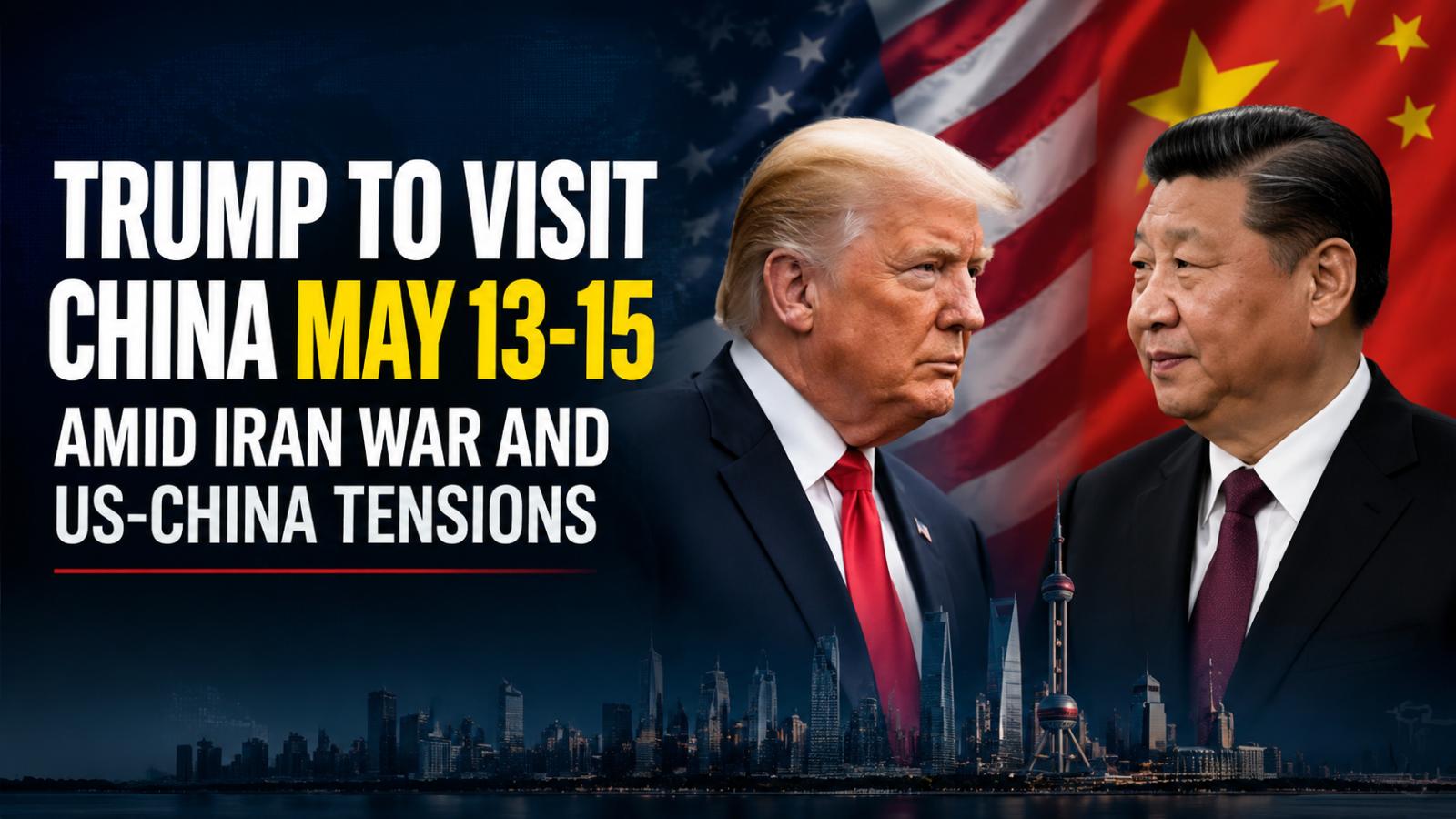
Trump-Xi summit: Key issues, trade talks, and Iran conflict to be addressed
US President Donald Trump is set to visit China from May 13 to 15, marking the first visit to the country by an American president in nearly nine years. The invitation comes from Chinese President Xi Jinping amid growing tensions between the two nations over issues such as trade, technology, and defense. This visit comes at a critical time for global politics, with the ongoing Iran conflict impacting both economic stability and energy prices. The timing of Trump’s visit coincides with a volatile situation in the Strait of Hormuz, where a dual blockade has significantly disrupted global oil trade, driving up energy prices. These disruptions have the potential to harm global economic growth, as the Strait is a vital shipping route for the world’s oil supply. Trump’s administration has placed significant pressure on Iran over its nuclear program, and in recent remarks, he stated that the US would “finish the job” if Iran did not agree to the terms aimed at halting the conflict. While tensions remain high, the US continues to press for a diplomatic resolution to the situation, with President Trump asserting that Iran must meet specific demands regarding its nuclear ambitions. Despite these pressures, Trump maintains that the US does not need China’s assistance to resolve the issue, suggesting that the conflict could be settled with or without China’s involvement. Iran, for its part, has signaled its intention to pursue peace, with chief negotiator Mohammad Bagher Ghalibaf issuing an ultimatum to the US. According to Ghalibaf, Washington must accept Iran’s recent peace proposal or face further failure in negotiations. He emphasized that there was no alternative but to acknowledge the rights of the Iranian people as outlined in Tehran’s 14-point proposal. Beyond the Iran conflict, the upcoming Trump-Xi summit is expected to address several key issues affecting US-China relations. Trade discussions will likely focus on extending a temporary truce in the ongoing trade dispute, particularly concerning rare earth minerals. Both leaders are expected to explore agreements related to Boeing aircraft purchases, as well as expanding trade and investment ties. Additionally, China is anticipated to announce purchases in the US agricultural and energy sectors. Another significant topic of discussion will be Taiwan, with Xi expressing frustration over the US’s continued support for the island nation, which China claims as part of its territory. Trump’s administration has reiterated its commitment to Taiwan, despite escalating military activities in the region by China. The summit will also cover the rapid development of artificial intelligence (AI) in both countries, with US officials highlighting concerns about the potential military and economic implications of AI advancements. With both nations at the forefront of technological innovation, there is a growing need for open communication to avoid misunderstandings or potential conflicts arising from the use of AI. This high-stakes summit between the US and China is poised to shape the future of global trade, energy security, and technological development, with both sides seeking to manage their differences while addressing urgent geopolitical challenges. As the world watches, the outcome of these talks could have far-reaching implications for international relations.
Trump-Xi summit: Key issues, trade talks, and Iran conflict to be addressed
US President Donald Trump is set to visit China from May 13 to 15, marking the first visit to the country by an American president in nearly nine years. The invitation comes from Chinese President Xi Jinping amid growing tensions between the two nations over issues such as trade, technology, and defense. This visit comes at a critical time for global politics, with the ongoing Iran conflict impacting both economic stability and energy prices. The timing of Trump’s visit coincides with a volatile situation in the Strait of Hormuz, where a dual blockade has significantly disrupted global oil trade, driving up energy prices. These disruptions have the potential to harm global economic growth, as the Strait is a vital shipping route for the world’s oil supply. Trump’s administration has placed significant pressure on Iran over its nuclear program, and in recent remarks, he stated that the US would “finish the job” if Iran did not agree to the terms aimed at halting the conflict. While tensions remain high, the US continues to press for a diplomatic resolution to the situation, with President Trump asserting that Iran must meet specific demands regarding its nuclear ambitions. Despite these pressures, Trump maintains that the US does not need China’s assistance to resolve the issue, suggesting that the conflict could be settled with or without China’s involvement. Iran, for its part, has signaled its intention to pursue peace, with chief negotiator Mohammad Bagher Ghalibaf issuing an ultimatum to the US. According to Ghalibaf, Washington must accept Iran’s recent peace proposal or face further failure in negotiations. He emphasized that there was no alternative but to acknowledge the rights of the Iranian people as outlined in Tehran’s 14-point proposal. Beyond the Iran conflict, the upcoming Trump-Xi summit is expected to address several key issues affecting US-China relations. Trade discussions will likely focus on extending a temporary truce in the ongoing trade dispute, particularly concerning rare earth minerals. Both leaders are expected to explore agreements related to Boeing aircraft purchases, as well as expanding trade and investment ties. Additionally, China is anticipated to announce purchases in the US agricultural and energy sectors. Another significant topic of discussion will be Taiwan, with Xi expressing frustration over the US’s continued support for the island nation, which China claims as part of its territory. Trump’s administration has reiterated its commitment to Taiwan, despite escalating military activities in the region by China. The summit will also cover the rapid development of artificial intelligence (AI) in both countries, with US officials highlighting concerns about the potential military and economic implications of AI advancements. With both nations at the forefront of technological innovation, there is a growing need for open communication to avoid misunderstandings or potential conflicts arising from the use of AI. This high-stakes summit between the US and China is poised to shape the future of global trade, energy security, and technological development, with both sides seeking to manage their differences while addressing urgent geopolitical challenges. As the world watches, the outcome of these talks could have far-reaching implications for international relations.
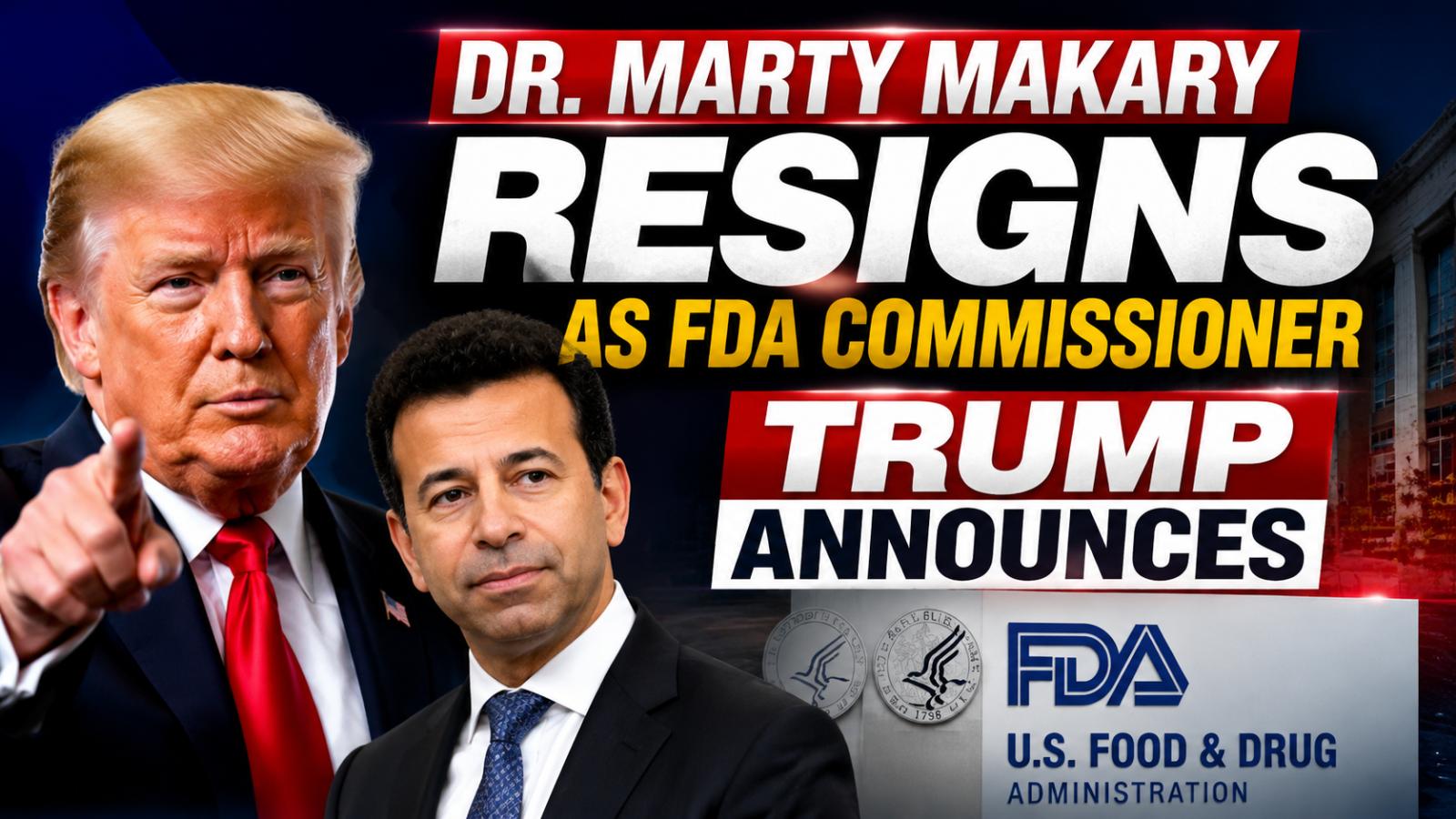
Dr. Marty Makary Resigns as FDA Commissioner, Trump Announces
Dr. Marty Makary Resigns as FDA Commissioner Dr. Marty Makary has resigned from his position as the commissioner of the U.S. Food and Drug Administration (FDA), as confirmed by President Donald Trump on May 12. In a social media post, Trump revealed that Makary had informed him of his decision to step down, effective Tuesday. While Makary did not offer an explicit reason for his resignation, Trump praised his leadership, calling him a “hard worke
Dr. Marty Makary Resigns as FDA Commissioner, Trump Announces
Dr. Marty Makary Resigns as FDA Commissioner Dr. Marty Makary has resigned from his position as the commissioner of the U.S. Food and Drug Administration (FDA), as confirmed by President Donald Trump on May 12. In a social media post, Trump revealed that Makary had informed him of his decision to step down, effective Tuesday. While Makary did not offer an explicit reason for his resignation, Trump praised his leadership, calling him a “hard worke
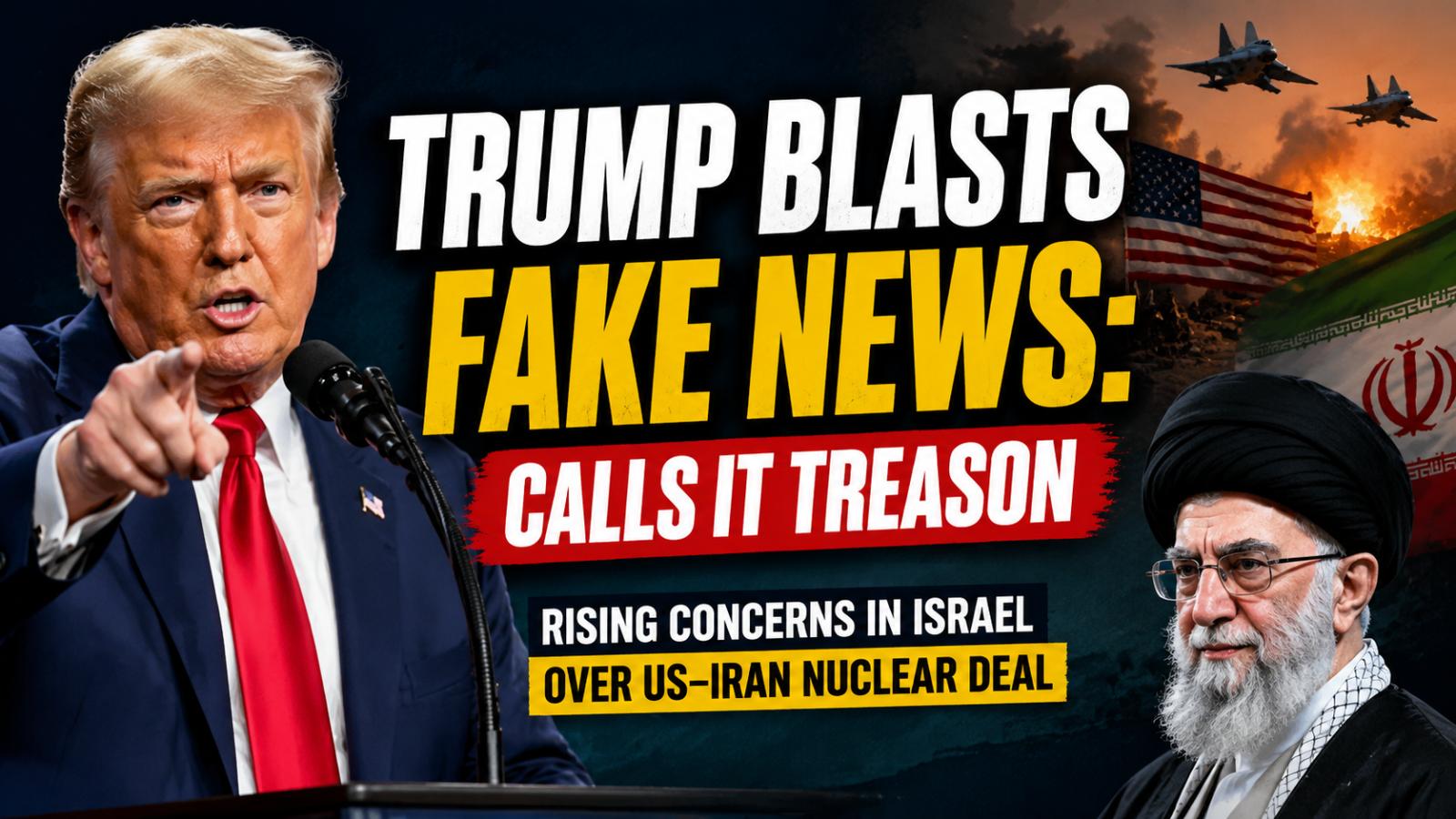
Trump Escalates Rhetoric on Iran Conflict, Calls Critics "Traitors"
Trump Accuses Media of Treason On May 12, President Donald Trump expressed outrage over media reports suggesting that Iran is “doing well” militarily in its ongoing conflict with the United States. In a social media post during his flight to China, Trump accused the media of committing treason by spreading false and misleading information. “When the Fake News says that the Iranian enemy is doing well, Militarily, against us, it’s virtual TRE
Trump Escalates Rhetoric on Iran Conflict, Calls Critics "Traitors"
Trump Accuses Media of Treason On May 12, President Donald Trump expressed outrage over media reports suggesting that Iran is “doing well” militarily in its ongoing conflict with the United States. In a social media post during his flight to China, Trump accused the media of committing treason by spreading false and misleading information. “When the Fake News says that the Iranian enemy is doing well, Militarily, against us, it’s virtual TRE
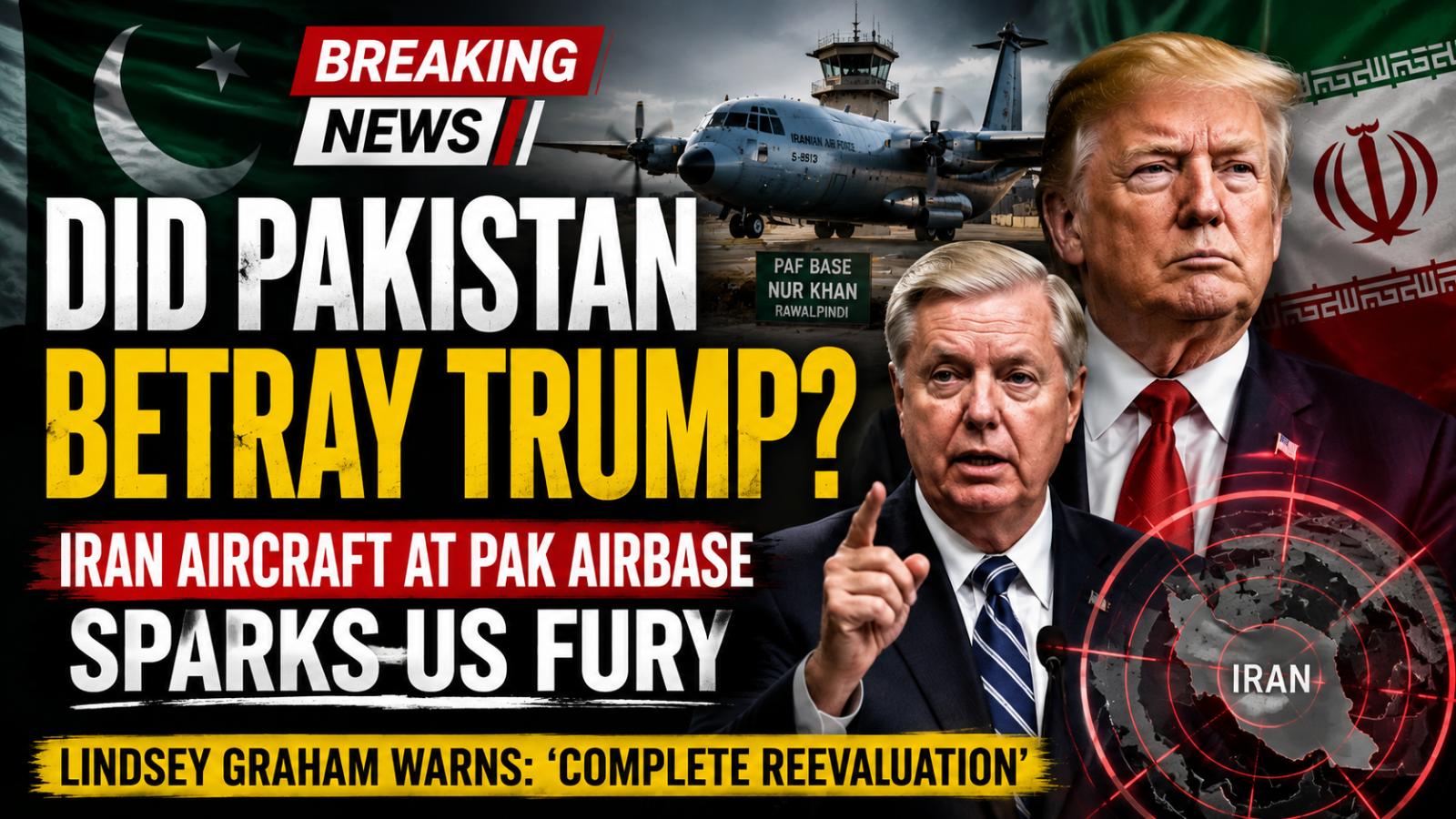
US Senator Lindsey Graham Warns Pakistan Over Iran Claims
Questions surrounding Pakistan’s role as a neutral mediator in the Iran-US negotiations have intensified following claims that Tehran may have parked military and surveillance aircraft at a Pakistani airbase during ongoing diplomatic discussions. The allegations have triggered political reactions in Washington and renewed scrutiny over Islamabad’s balancing act between the United States, Iran, China, and regional security interests. US Senator Lindsey Graham, a close ally of Pre
US Senator Lindsey Graham Warns Pakistan Over Iran Claims
Questions surrounding Pakistan’s role as a neutral mediator in the Iran-US negotiations have intensified following claims that Tehran may have parked military and surveillance aircraft at a Pakistani airbase during ongoing diplomatic discussions. The allegations have triggered political reactions in Washington and renewed scrutiny over Islamabad’s balancing act between the United States, Iran, China, and regional security interests. US Senator Lindsey Graham, a close ally of Pre
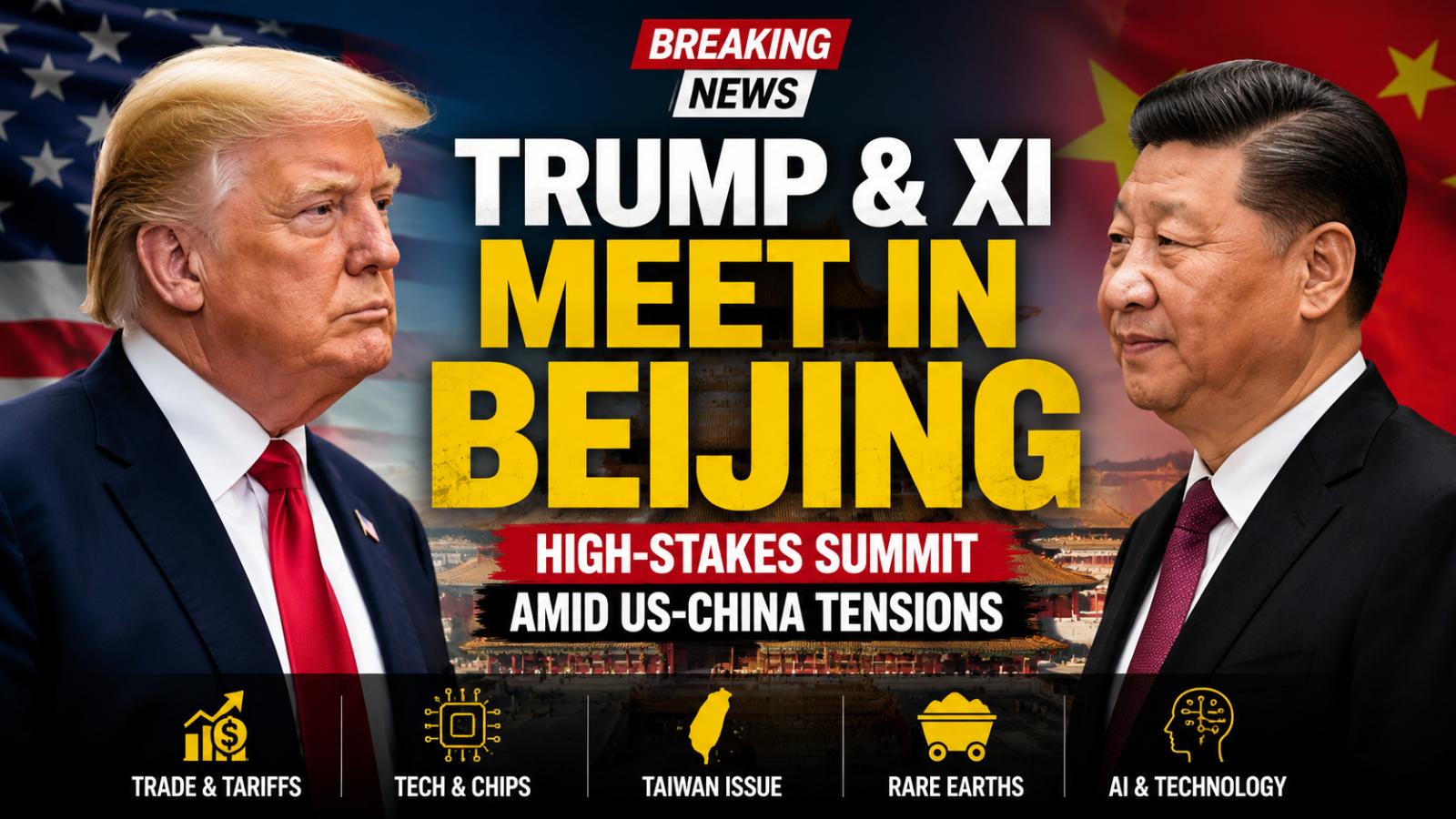
Trump and Xi Meet in Beijing Amid Rising US-China Trade Tensions
US President Donald Trump and Chinese President Xi Jinping are meeting in Beijing amid renewed efforts to prevent escalating tensions between the world’s two largest economies. The summit follows months of friction over tariffs, semiconductors, artificial intelligence, supply chains, and Taiwan, all of which have intensified competition between Washington and Beijing despite a temporary stabilisation agreement reached during the APEC summit in Busan, South Korea, in October 2025.
Trump and Xi Meet in Beijing Amid Rising US-China Trade Tensions
US President Donald Trump and Chinese President Xi Jinping are meeting in Beijing amid renewed efforts to prevent escalating tensions between the world’s two largest economies. The summit follows months of friction over tariffs, semiconductors, artificial intelligence, supply chains, and Taiwan, all of which have intensified competition between Washington and Beijing despite a temporary stabilisation agreement reached during the APEC summit in Busan, South Korea, in October 2025.
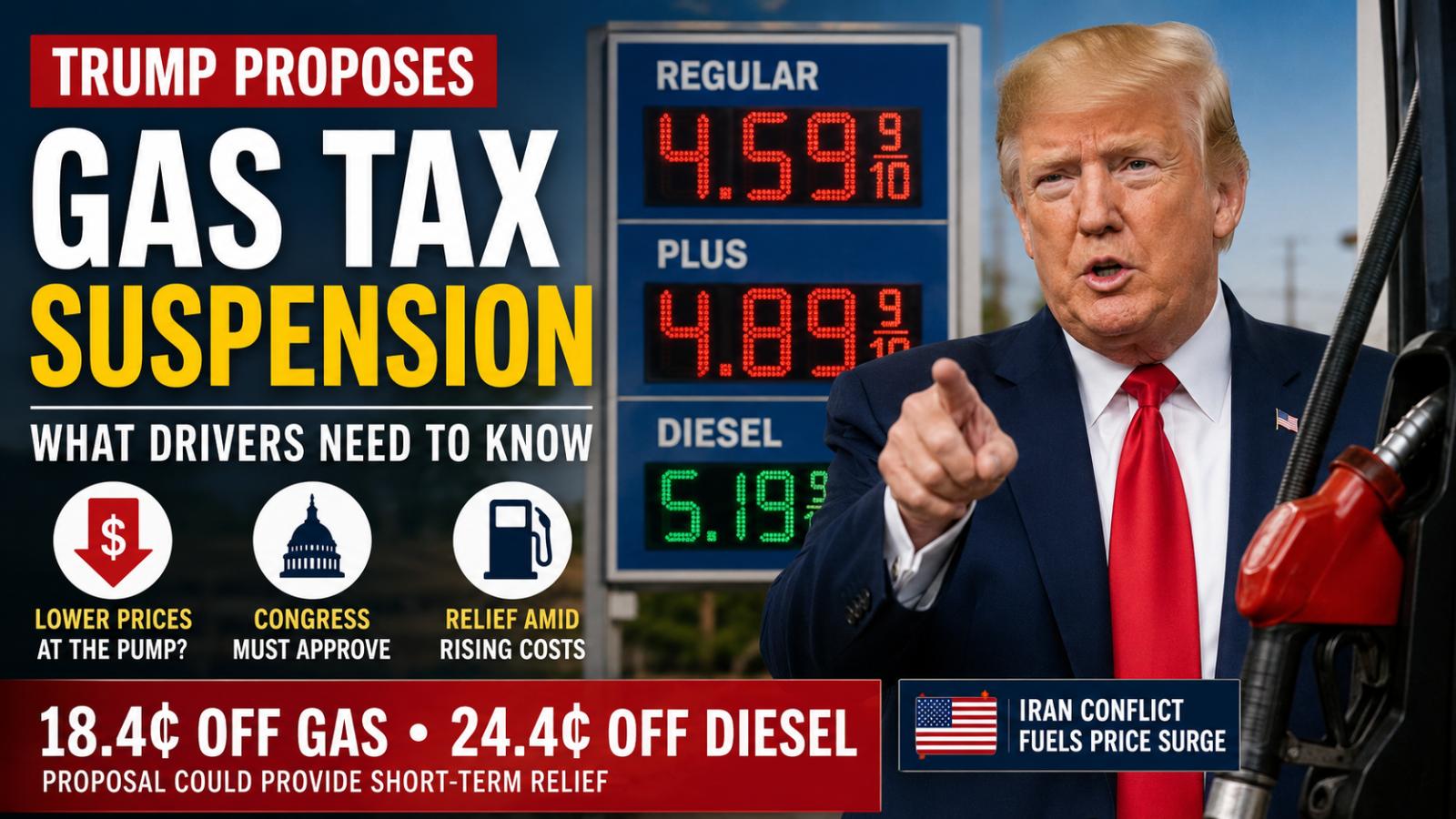
Trump Gas Tax Suspension Plan: How Much Could Drivers Save?
President Donald Trump is backing a temporary federal gas tax suspension as US drivers face sharply higher fuel prices linked to the Iran conflict. The proposal could cut up to 18.4 cents per gallon from gasoline and 24.4 cents per gallon from diesel, but it cannot take effect without approval from Congress. How Much Could Drivers Save? Trump said on Monday, May 11, 2026, that he wants to remove the federal gas tax “for a period of time” and restore it once prices ease. The White House has not confirmed whether formal legislation has already been sent to lawmakers. The relief would be limited compared with the wider rise in pump prices. US gasoline prices have climbed sharply since the Iran conflict intensified, leaving many households paying more for commuting, deliveries and daily transportation. Congress Holds The Key The federal gas tax helps fund highways, bridges and public transit through the Highway Trust Fund. Any suspension could give drivers short-term relief but may raise concerns over road funding. Energy Secretary Chris Wright said the administration supports steps to lower fuel costs. Some lawmakers have also backed a temporary gas tax holiday, while critics argue the savings may not fully reach consumers. For American families already dealing with inflation, even a small reduction at the pump could matter. But the plan’s real impact depends on Congress, fuel markets and whether gas stations pass the full tax cut to drivers.
Trump Gas Tax Suspension Plan: How Much Could Drivers Save?
President Donald Trump is backing a temporary federal gas tax suspension as US drivers face sharply higher fuel prices linked to the Iran conflict. The proposal could cut up to 18.4 cents per gallon from gasoline and 24.4 cents per gallon from diesel, but it cannot take effect without approval from Congress. How Much Could Drivers Save? Trump said on Monday, May 11, 2026, that he wants to remove the federal gas tax “for a period of time” and restore it once prices ease. The White House has not confirmed whether formal legislation has already been sent to lawmakers. The relief would be limited compared with the wider rise in pump prices. US gasoline prices have climbed sharply since the Iran conflict intensified, leaving many households paying more for commuting, deliveries and daily transportation. Congress Holds The Key The federal gas tax helps fund highways, bridges and public transit through the Highway Trust Fund. Any suspension could give drivers short-term relief but may raise concerns over road funding. Energy Secretary Chris Wright said the administration supports steps to lower fuel costs. Some lawmakers have also backed a temporary gas tax holiday, while critics argue the savings may not fully reach consumers. For American families already dealing with inflation, even a small reduction at the pump could matter. But the plan’s real impact depends on Congress, fuel markets and whether gas stations pass the full tax cut to drivers.
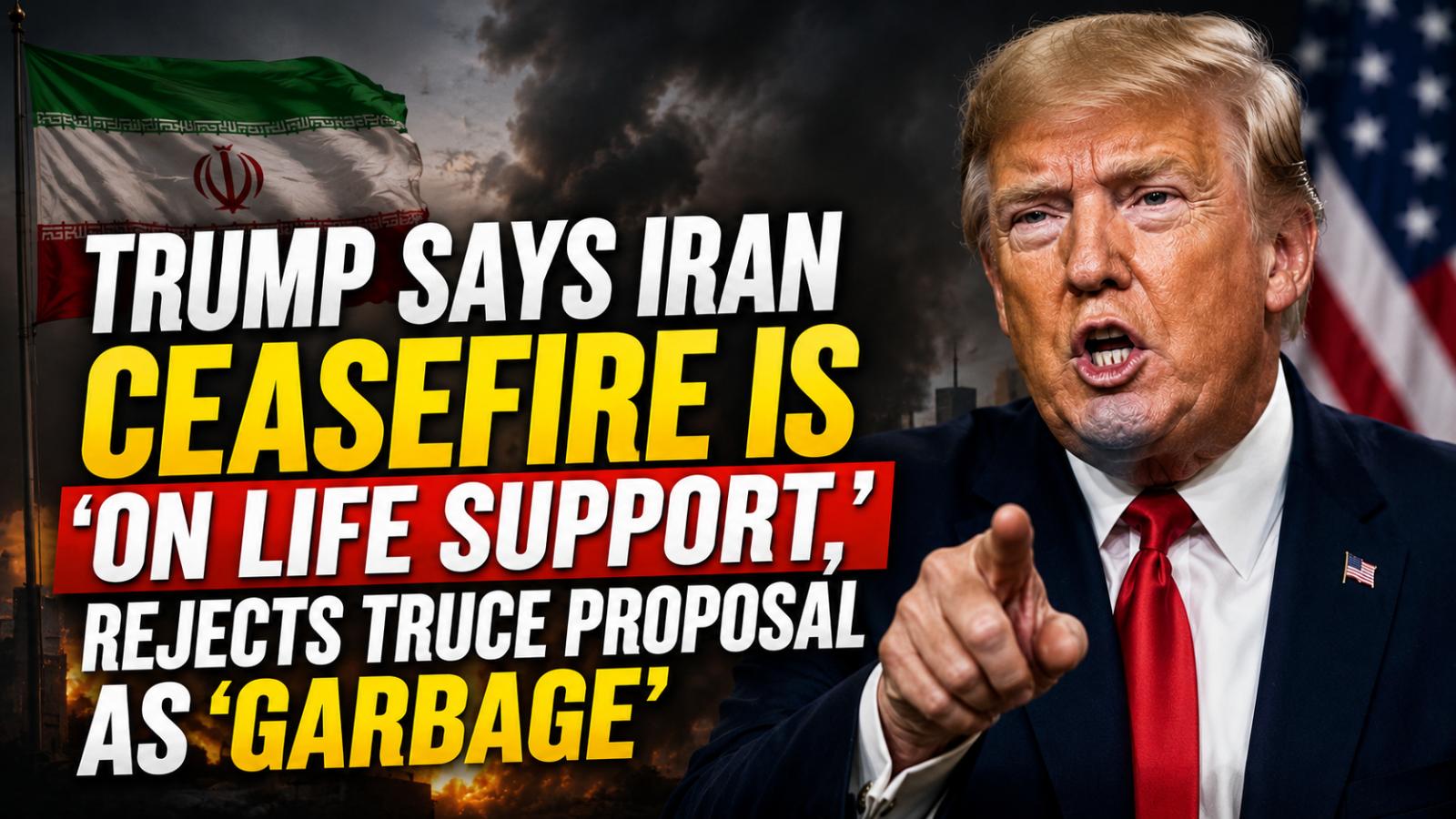
Trump Says Iran Ceasefire Near Collapse After Rejecting Truce Offer
President Donald Trump said the Iran ceasefire is close to collapse after rejecting Tehran’s latest truce proposal, deepening uncertainty over US-Iran tensions and Middle East stability. Speaking on Monday, May 11, 2026, Trump called Iran’s response unacceptable and said the ceasefire was on “massive life support.” His remarks signaled that Washington is not ready to ease pressure unless Tehran accepts stricter terms on security and nuclear activity. Why T
Trump Says Iran Ceasefire Near Collapse After Rejecting Truce Offer
President Donald Trump said the Iran ceasefire is close to collapse after rejecting Tehran’s latest truce proposal, deepening uncertainty over US-Iran tensions and Middle East stability. Speaking on Monday, May 11, 2026, Trump called Iran’s response unacceptable and said the ceasefire was on “massive life support.” His remarks signaled that Washington is not ready to ease pressure unless Tehran accepts stricter terms on security and nuclear activity. Why T
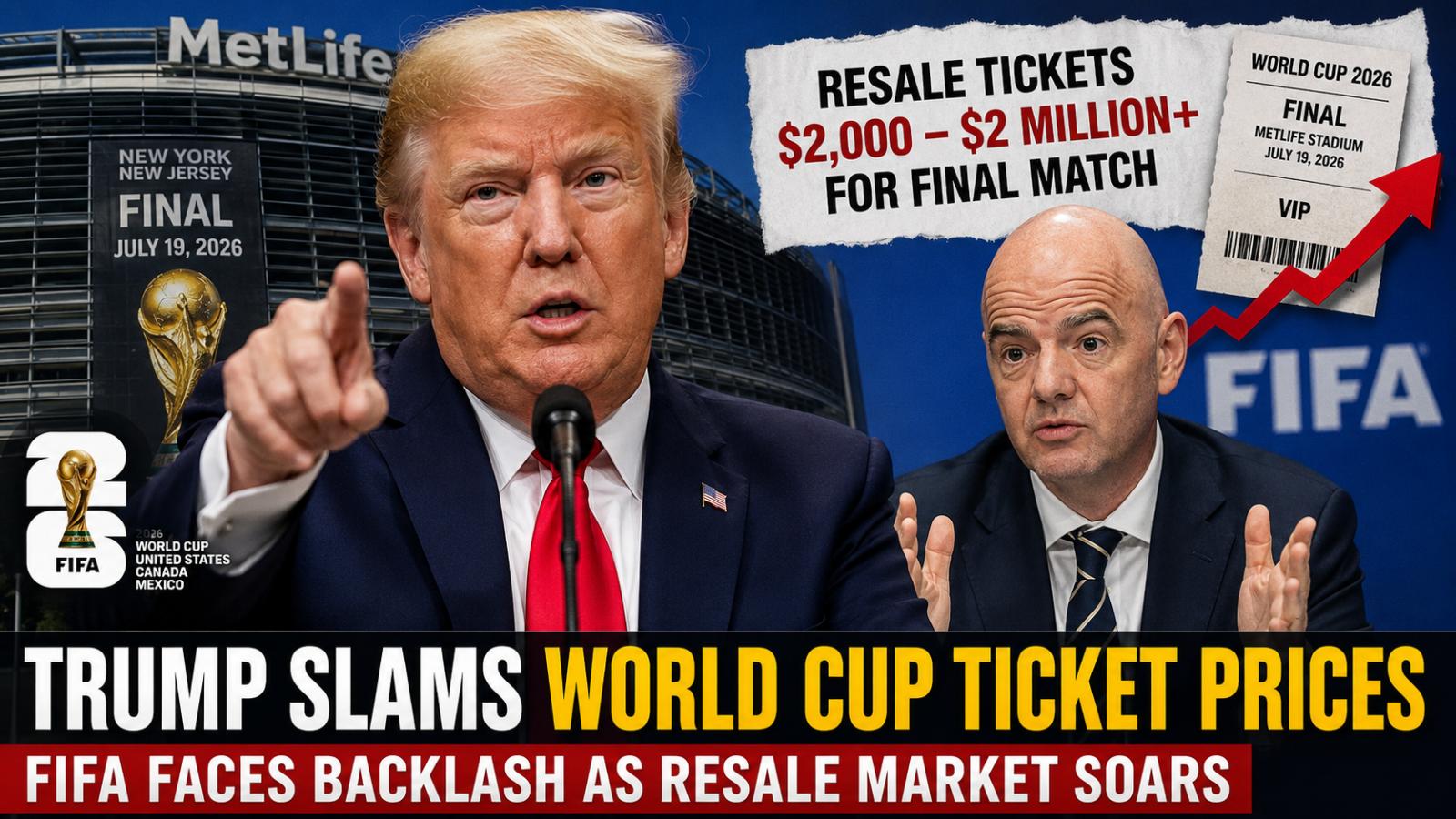
Trump Slams World Cup Ticket Prices as FIFA Faces Fan Backlash
Trump Challenges World Cup Ticket Prices World Cup tickets are facing fresh political pressure after President Donald Trump questioned whether ordinary fans can afford 2026 FIFA World Cup seats as resale prices surge. Trump said he would not pay reported four-figure opening-match prices, sharpening scrutiny on FIFA’s pricing model and the secondary resale market. His comments come as FIFA president Gianni Infantino defends dynamic pricing, saying deman
Trump Slams World Cup Ticket Prices as FIFA Faces Fan Backlash
Trump Challenges World Cup Ticket Prices World Cup tickets are facing fresh political pressure after President Donald Trump questioned whether ordinary fans can afford 2026 FIFA World Cup seats as resale prices surge. Trump said he would not pay reported four-figure opening-match prices, sharpening scrutiny on FIFA’s pricing model and the secondary resale market. His comments come as FIFA president Gianni Infantino defends dynamic pricing, saying deman
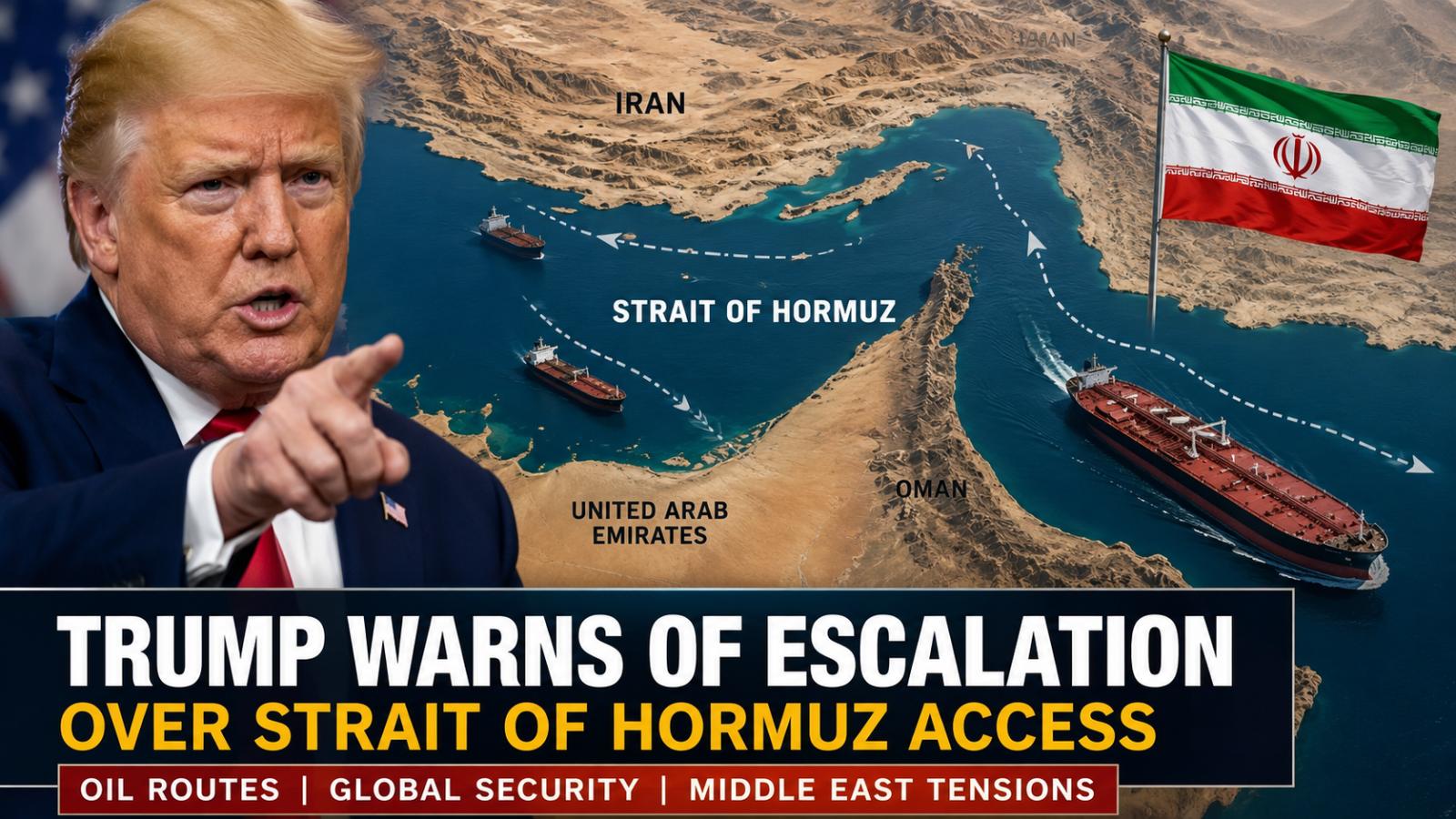
Trump warns of escalation over Strait of Hormuz access
U.S. President Donald Trump on Wednesday warned Iran that any move to restrict access to the Strait of Hormuz could trigger a stronger U.S. military response, according to a statement posted on Truth Social. Trump said tensions could ease if Tehran ensures open maritime access for all nations, describing it as a condition previously understood between the sides. He added that failure to comply would lead to “significantly intensified” action, signaling a potential shift toward a more aggressive U.S. stance in the region. The Strait of Hormuz is one of the world’s most critical oil transit routes, carrying a large share of global crude shipments. Any disruption could affect energy markets and international shipping security. Trump’s remarks come amid ongoing uncertainty in the Middle East, where regional rivalries and strategic interests continue to drive tensions. No immediate response from Iranian officials was reported. Analysts say heightened rhetoric around the waterway often fuels volatility in oil prices and raises the risk of military escalation in the Gulf.
Trump warns of escalation over Strait of Hormuz access
U.S. President Donald Trump on Wednesday warned Iran that any move to restrict access to the Strait of Hormuz could trigger a stronger U.S. military response, according to a statement posted on Truth Social. Trump said tensions could ease if Tehran ensures open maritime access for all nations, describing it as a condition previously understood between the sides. He added that failure to comply would lead to “significantly intensified” action, signaling a potential shift toward a more aggressive U.S. stance in the region. The Strait of Hormuz is one of the world’s most critical oil transit routes, carrying a large share of global crude shipments. Any disruption could affect energy markets and international shipping security. Trump’s remarks come amid ongoing uncertainty in the Middle East, where regional rivalries and strategic interests continue to drive tensions. No immediate response from Iranian officials was reported. Analysts say heightened rhetoric around the waterway often fuels volatility in oil prices and raises the risk of military escalation in the Gulf.
Iran demands fair peace deal amid stalled US naval mission
On Wednesday, May 6, Iran made it clear that it would only accept a peace deal with the United States if the agreement is "fair and comprehensive." This statement follows a recent pause in the U.S. naval operation, 'Project Freedom,' which was aimed at reopening the crucial Strait of Hormuz. The operation, which began just days earlier, failed to restore marine traffic through the vital waterway. Iran's response, however, has been one of defiance, with the country carrying out new strikes on
Iran demands fair peace deal amid stalled US naval mission
On Wednesday, May 6, Iran made it clear that it would only accept a peace deal with the United States if the agreement is "fair and comprehensive." This statement follows a recent pause in the U.S. naval operation, 'Project Freedom,' which was aimed at reopening the crucial Strait of Hormuz. The operation, which began just days earlier, failed to restore marine traffic through the vital waterway. Iran's response, however, has been one of defiance, with the country carrying out new strikes on
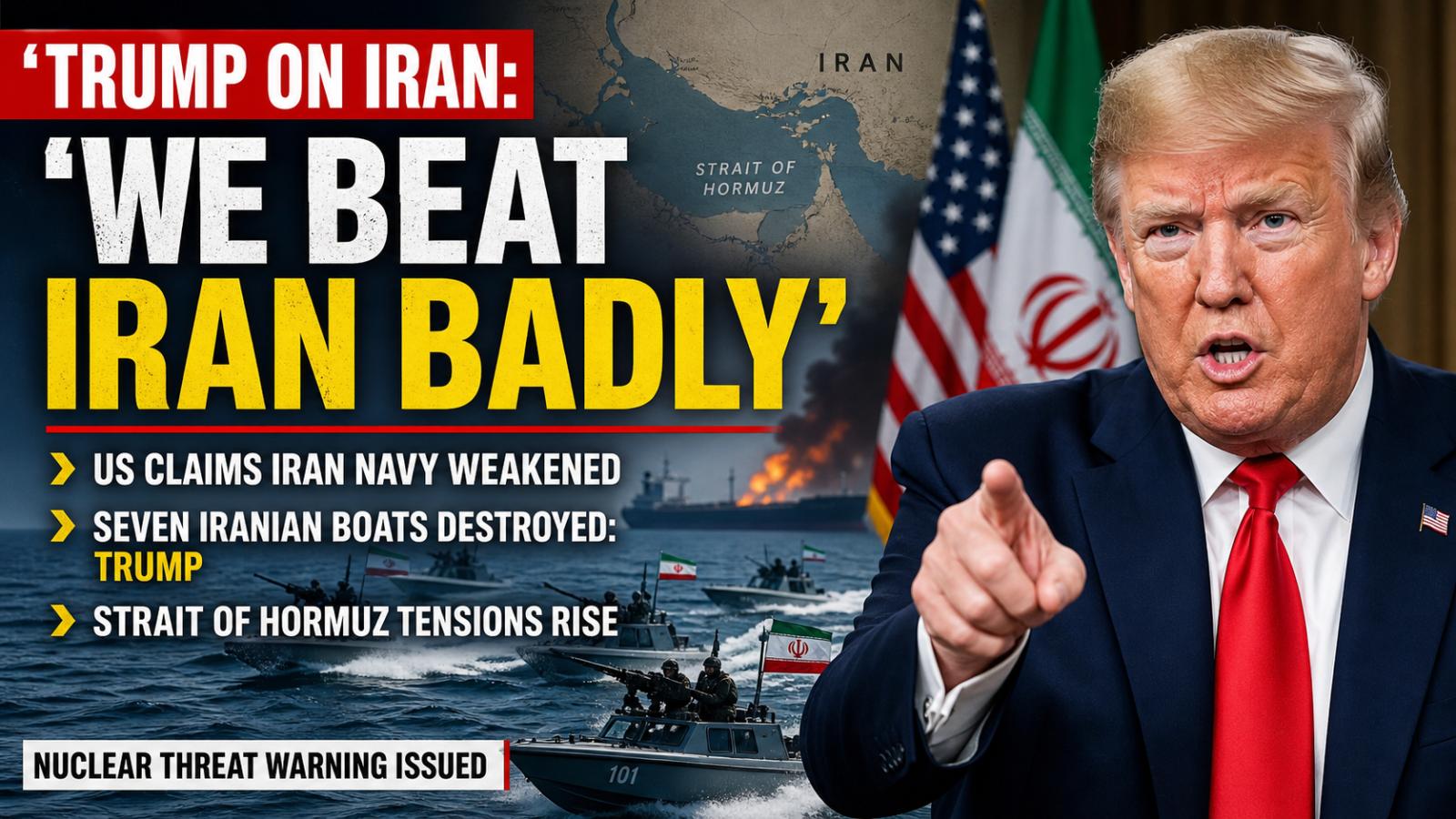
Trump Iran Conflict Escalates as US Claims Iran Navy Crippled
Trump Iran Conflict Deepens After Oval Office Remarks Donald Trump said the United States has “beaten Iran badly,” claiming U.S. military action weakened Iran’s navy and reduced the risk of Tehran developing a nuclear weapon. Speaking from the Oval Office, Trump described the confrontation as a “skirmish,” but his remarks added fresh urgency to rising U.S.-Iran tensions in the Gulf region. US Claims Iran Navy Severely Weakened
Trump Iran Conflict Escalates as US Claims Iran Navy Crippled
Trump Iran Conflict Deepens After Oval Office Remarks Donald Trump said the United States has “beaten Iran badly,” claiming U.S. military action weakened Iran’s navy and reduced the risk of Tehran developing a nuclear weapon. Speaking from the Oval Office, Trump described the confrontation as a “skirmish,” but his remarks added fresh urgency to rising U.S.-Iran tensions in the Gulf region. US Claims Iran Navy Severely Weakened
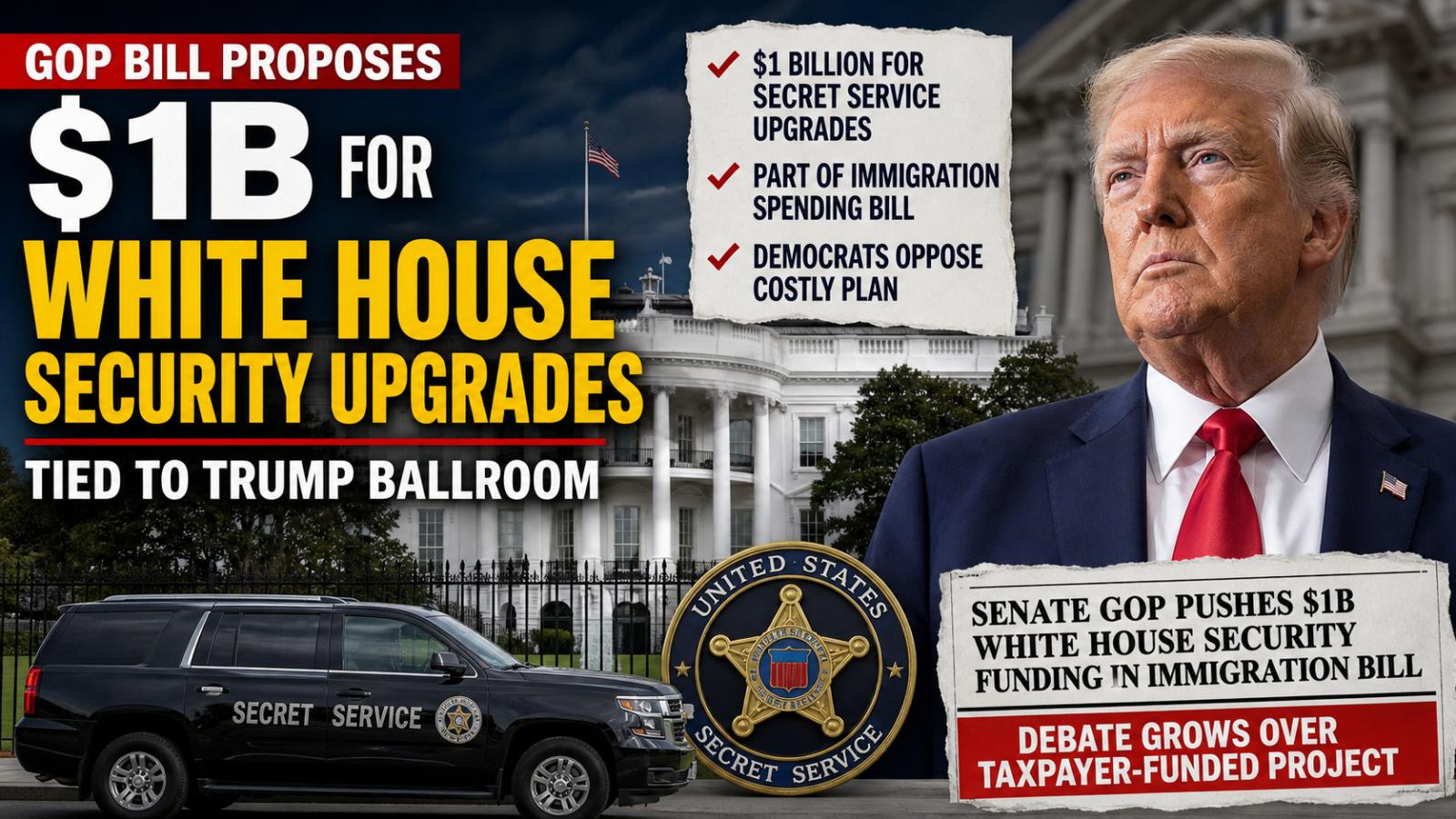
GOP’s $1B White House Security Bill Fuels Trump Ballroom Fight
GOP Bill Seeks $1B for White House Security Upgrades Senate Republicans are pushing a $1 billion White House security funding plan tied to President Donald Trump’s proposed ballroom project, setting up a sharp fight in Congress. The money would go to the U.S. Secret Service for “security adjustments and upgrades” around the White House complex, including above-ground and below-ground protections. Officials said the funding is meant for security work, not bal
GOP’s $1B White House Security Bill Fuels Trump Ballroom Fight
GOP Bill Seeks $1B for White House Security Upgrades Senate Republicans are pushing a $1 billion White House security funding plan tied to President Donald Trump’s proposed ballroom project, setting up a sharp fight in Congress. The money would go to the U.S. Secret Service for “security adjustments and upgrades” around the White House complex, including above-ground and below-ground protections. Officials said the funding is meant for security work, not bal
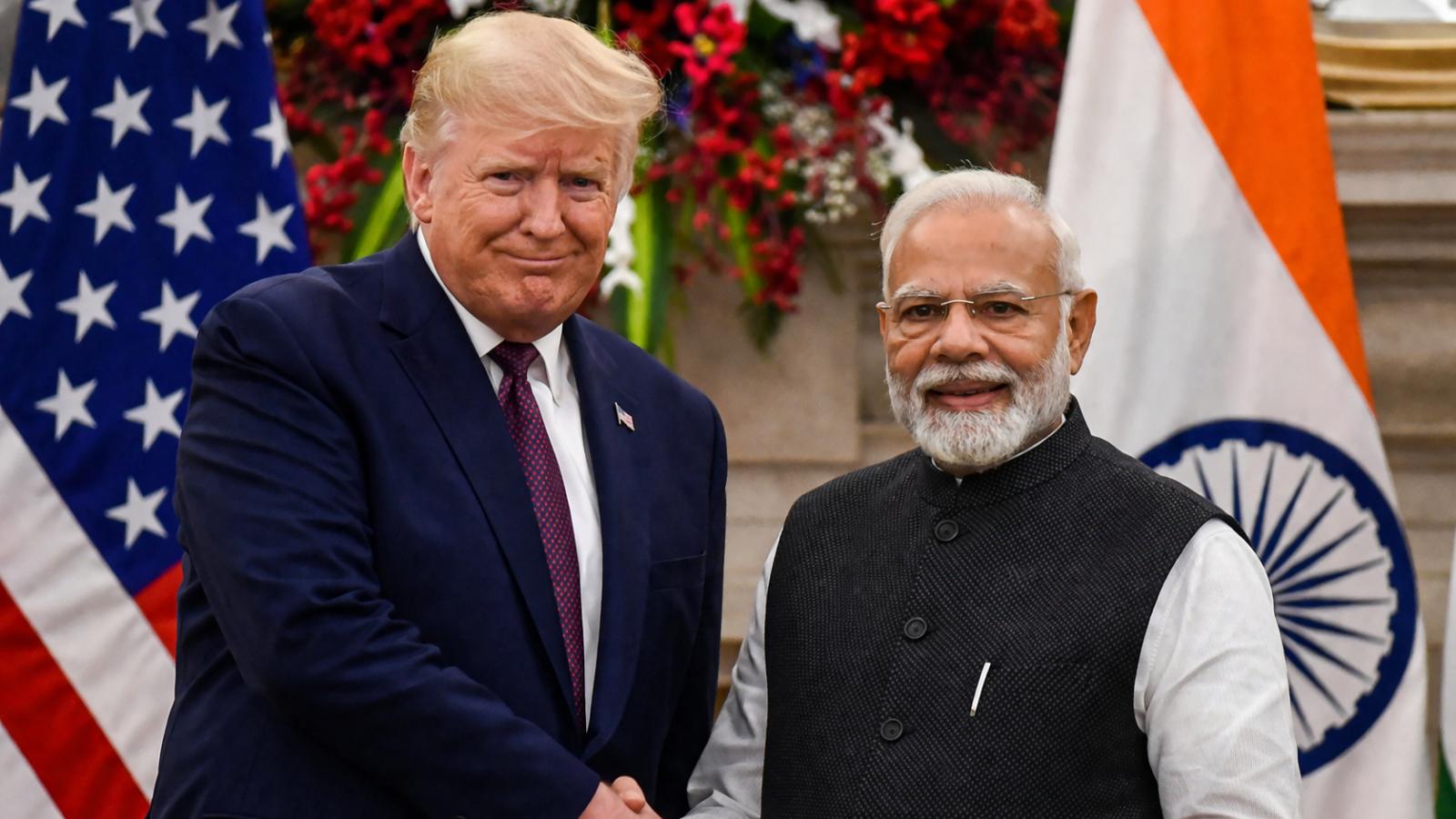
Trump Congratulates Modi After BJP Win in West Bengal
U.S. President Donald Trump congratulated Indian Prime Minister Narendra Modi following the Bharatiya Janata Party’s reported election victory in West Bengal, the White House said. The message came shortly after results indicated the BJP had secured power in the eastern Indian state, ending more than a d
Trump Congratulates Modi After BJP Win in West Bengal
U.S. President Donald Trump congratulated Indian Prime Minister Narendra Modi following the Bharatiya Janata Party’s reported election victory in West Bengal, the White House said. The message came shortly after results indicated the BJP had secured power in the eastern Indian state, ending more than a d
Trump Drug Pricing Plan Could Cut $529B: Will Your Costs Drop?
The White House says aligning U.S. drug prices with global rates may slash costs—but experts remain divided. What the $529 Billion Savings Really Means According to White House economists, Trump’s drug pricing strategy—often called the “most favored nation” model—could reduce prescription drug costs by up to $529 billion over 10 years. The idea is simple: Americans s
Trump Drug Pricing Plan Could Cut $529B: Will Your Costs Drop?
The White House says aligning U.S. drug prices with global rates may slash costs—but experts remain divided. What the $529 Billion Savings Really Means According to White House economists, Trump’s drug pricing strategy—often called the “most favored nation” model—could reduce prescription drug costs by up to $529 billion over 10 years. The idea is simple: Americans s
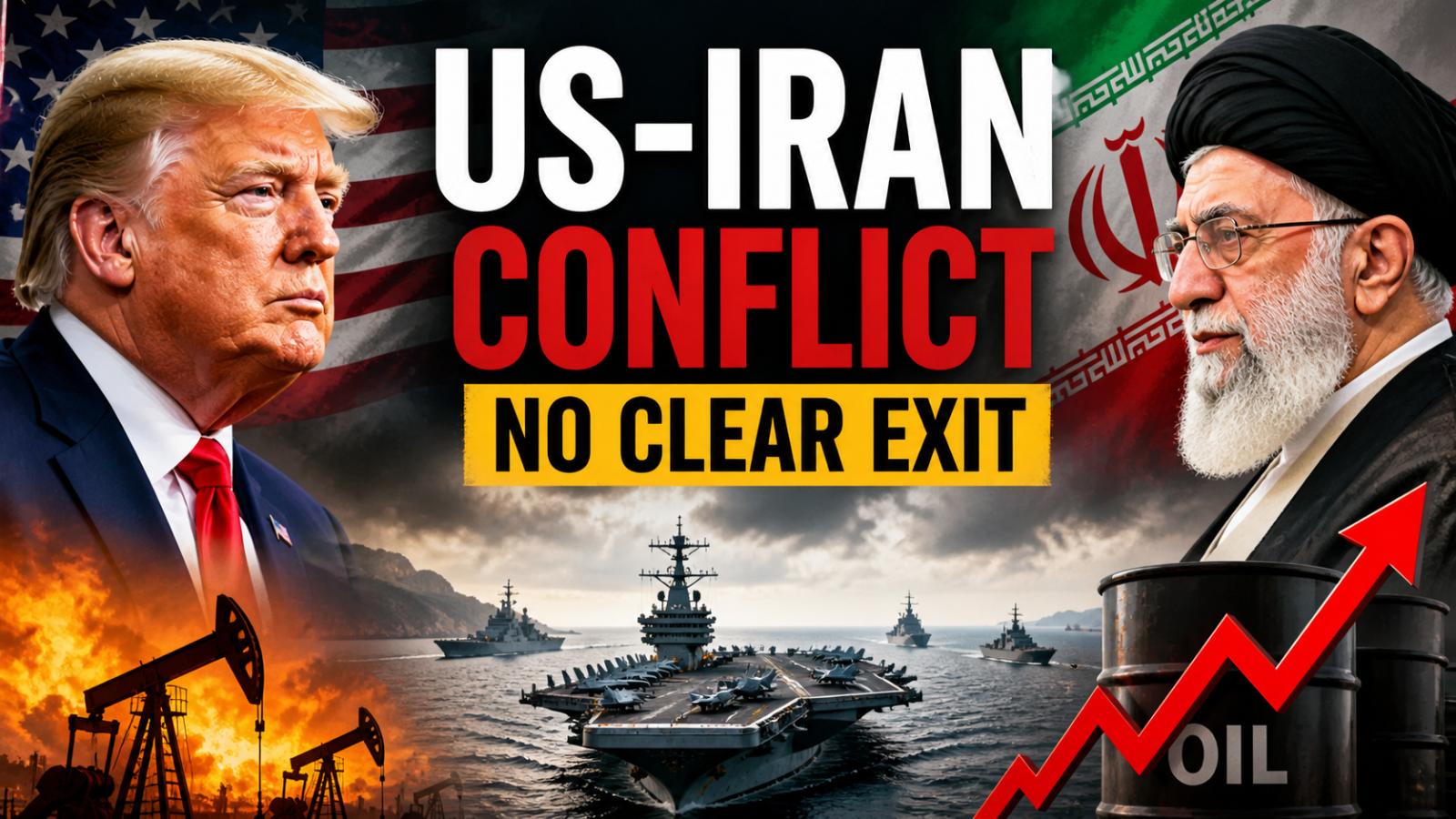
US-Iran Conflict Escalates: Why Trump Has No Clear Exit Strategy
More than two months into military action against Iran, Donald Trump is facing a difficult reality: the conflict is far from over—and there’s no clear way out. What began as a show of strength has turned into a prolonged standoff, with rising global consequences. Military Gains, But No Strategic Victory The United States, alongside Israeli forces, has carried out multiple strikes targeting Iran’s
US-Iran Conflict Escalates: Why Trump Has No Clear Exit Strategy
More than two months into military action against Iran, Donald Trump is facing a difficult reality: the conflict is far from over—and there’s no clear way out. What began as a show of strength has turned into a prolonged standoff, with rising global consequences. Military Gains, But No Strategic Victory The United States, alongside Israeli forces, has carried out multiple strikes targeting Iran’s
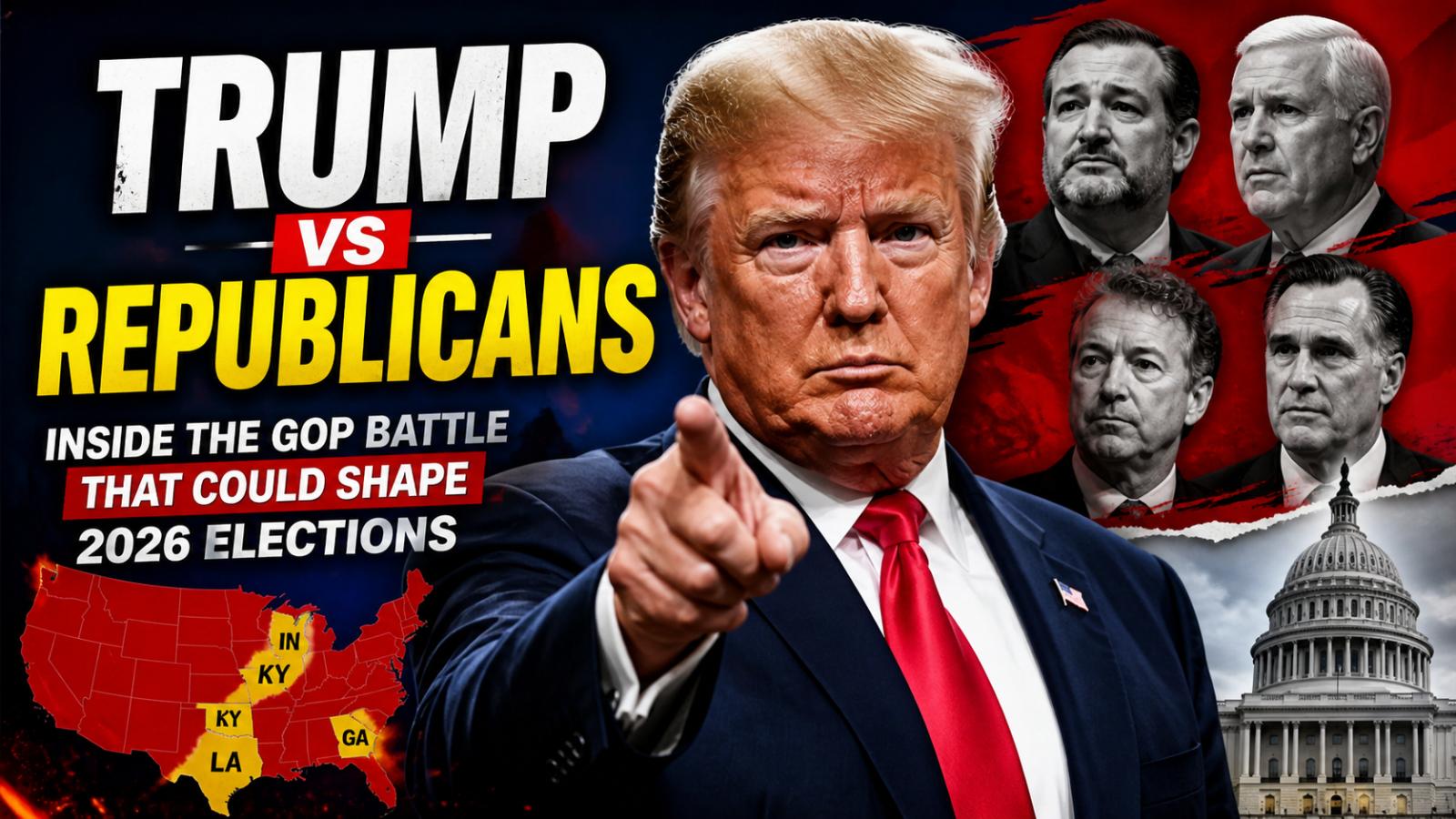
Why Trump’s primary fights are shaking the Republican Party — and what it means for Congress
The battle inside the Republican Party is no longer happening behind closed doors. It’s playing out in public — and it’s getting intense. Across several key states, Donald Trump is backing challengers against fellow Republicans, turning routine primaries into high-stakes political showdowns. These contests are not just about winning seats — they’re about definin
Why Trump’s primary fights are shaking the Republican Party — and what it means for Congress
The battle inside the Republican Party is no longer happening behind closed doors. It’s playing out in public — and it’s getting intense. Across several key states, Donald Trump is backing challengers against fellow Republicans, turning routine primaries into high-stakes political showdowns. These contests are not just about winning seats — they’re about definin
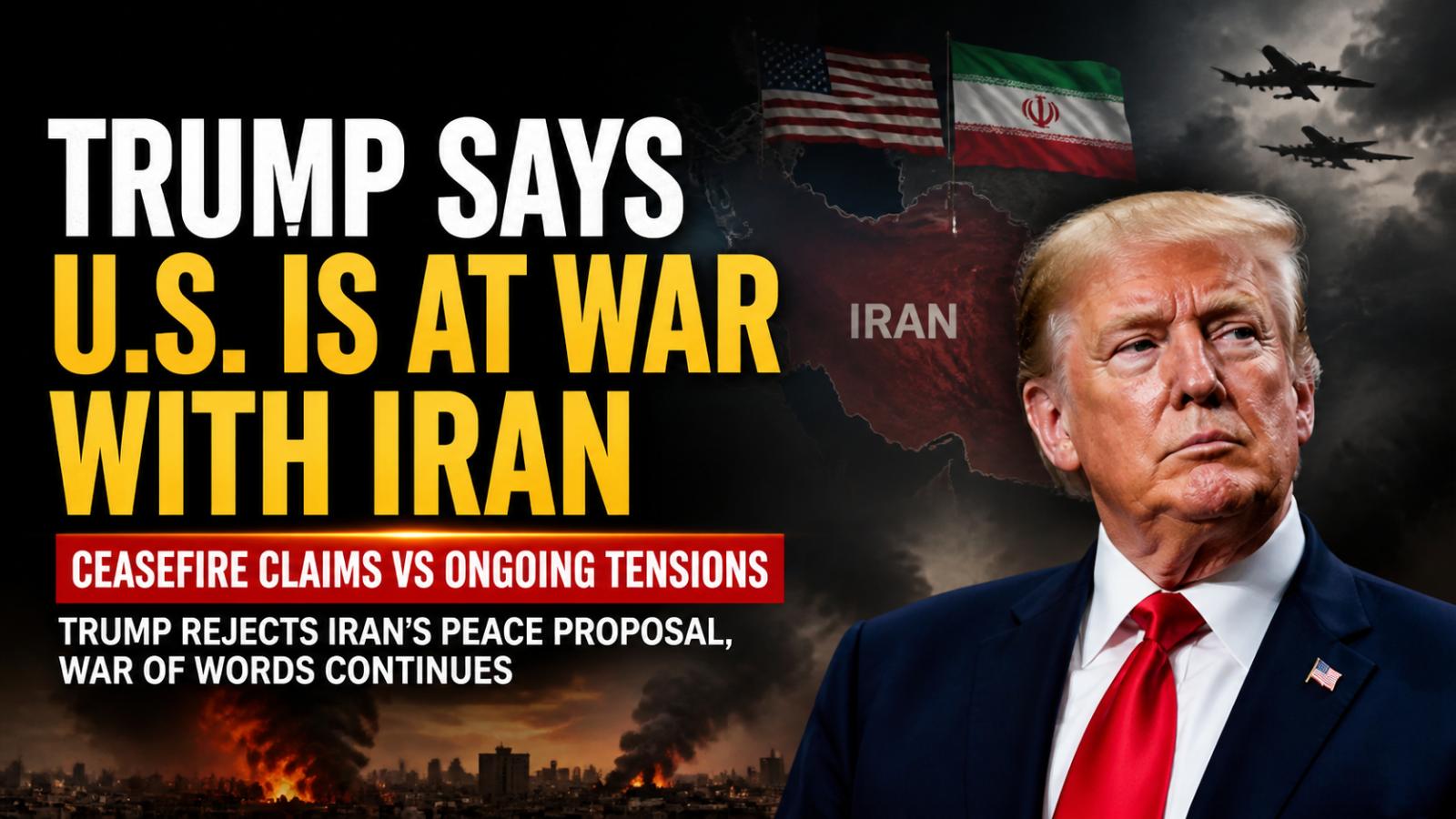
US-Iran conflict: Trump speaks on war, rejects Iran’s ceasefire deal
Trump declares war with Iran over nuclear threat President Donald Trump has reaffirmed his stance on the ongoing US-Iran conflict, declaring that the US is at war with Iran to prevent the country from acquiring nuclear weapons. In a statement made during a Florida event, Trump expressed his belief that Iran’s leadership poses a significant threat to global security, stating that "lunatics can't have a nuclear weapon." His comments come at a time when his administration has informed the US Congress that the war has reached its conclusion, though the situation remains tense. Trump emphasizes the importance of military action against Iran Trump explained that the US military action against Iran was crucial in preventing a nuclear-armed nation from destabilizing the Middle East. He credited US airstrikes with B2 bombers for preventing Iran from obtaining a nuclear weapon, which could have led to catastrophic consequences for Israel, the Middle East, and Europe. “If we didn’t do that, they would have had a nuclear weapon,” Trump added, emphasizing the urgency of the situation. He claimed that Iran's military capabilities have been severely diminished, stating that the country no longer has a navy, air force, anti-aircraft systems, or effective radar defenses. Trump rejects Iran's ceasefire proposal In a direct response to Iran’s proposal for a ceasefire, Trump made it clear that the US would not end the conflict prematurely. “We’re not going to leave early and have this kind of problem arise in three more years,” he said, reinforcing his position on the need for a strong and comprehensive resolution. Trump blamed Iran's leadership for the ongoing conflict, criticizing their fractured decision-making. “It’s a very disjointed leadership,” he remarked, indicating that despite their willingness to negotiate, Iran’s leaders are unable to reach a viable agreement. The ceasefire proposal is dismissed The ceasefire proposal, delivered by Pakistan on behalf of Iran, was quickly dismissed by the US. Despite this, a fragile ceasefire between the two nations has held, albeit with mutual accusations of violations. Tensions remain high, especially in the Strait of Hormuz, where a significant portion of the world’s oil and gas passes through. Trump outlined two potential paths forward: either continuing the conflict to decisively end Iran’s nuclear ambitions, or attempting to secure a deal. “Do we want to go and just blast the hell out of them and finish them forever? Or do we want to try and make a deal?” he questioned. Iran’s diplomatic efforts and continued tension Iran’s Foreign Minister, Abbas Araghchi, has been actively engaged in diplomatic efforts to resolve the war. He held discussions with several regional counterparts, including Turkey, Saudi Arabia, and Qatar, to brief them on Iran’s latest peace initiatives. However, the rounds of talks held in Pakistan have yielded no substantial progress. Trump expressed frustration over the lack of direct communication, stating, “No more 18-hour flights” for US envoys. What lies ahead for US-Iran relations? As the situation evolves, it remains uncertain whether further diplomatic efforts will lead to a resolution or whether military action will continue to dominate the US-Iran relationship. With both sides unwilling to compromise, the world watches closely, particularly in regard to the ongoing instability in the Strait of Hormuz. Will Iran’s diplomatic efforts succeed, or will the US pursue a more aggressive approach? The answer remains unclear as the two nations continue to grapple with the possibility of conflict or peace.
US-Iran conflict: Trump speaks on war, rejects Iran’s ceasefire deal
Trump declares war with Iran over nuclear threat President Donald Trump has reaffirmed his stance on the ongoing US-Iran conflict, declaring that the US is at war with Iran to prevent the country from acquiring nuclear weapons. In a statement made during a Florida event, Trump expressed his belief that Iran’s leadership poses a significant threat to global security, stating that "lunatics can't have a nuclear weapon." His comments come at a time when his administration has informed the US Congress that the war has reached its conclusion, though the situation remains tense. Trump emphasizes the importance of military action against Iran Trump explained that the US military action against Iran was crucial in preventing a nuclear-armed nation from destabilizing the Middle East. He credited US airstrikes with B2 bombers for preventing Iran from obtaining a nuclear weapon, which could have led to catastrophic consequences for Israel, the Middle East, and Europe. “If we didn’t do that, they would have had a nuclear weapon,” Trump added, emphasizing the urgency of the situation. He claimed that Iran's military capabilities have been severely diminished, stating that the country no longer has a navy, air force, anti-aircraft systems, or effective radar defenses. Trump rejects Iran's ceasefire proposal In a direct response to Iran’s proposal for a ceasefire, Trump made it clear that the US would not end the conflict prematurely. “We’re not going to leave early and have this kind of problem arise in three more years,” he said, reinforcing his position on the need for a strong and comprehensive resolution. Trump blamed Iran's leadership for the ongoing conflict, criticizing their fractured decision-making. “It’s a very disjointed leadership,” he remarked, indicating that despite their willingness to negotiate, Iran’s leaders are unable to reach a viable agreement. The ceasefire proposal is dismissed The ceasefire proposal, delivered by Pakistan on behalf of Iran, was quickly dismissed by the US. Despite this, a fragile ceasefire between the two nations has held, albeit with mutual accusations of violations. Tensions remain high, especially in the Strait of Hormuz, where a significant portion of the world’s oil and gas passes through. Trump outlined two potential paths forward: either continuing the conflict to decisively end Iran’s nuclear ambitions, or attempting to secure a deal. “Do we want to go and just blast the hell out of them and finish them forever? Or do we want to try and make a deal?” he questioned. Iran’s diplomatic efforts and continued tension Iran’s Foreign Minister, Abbas Araghchi, has been actively engaged in diplomatic efforts to resolve the war. He held discussions with several regional counterparts, including Turkey, Saudi Arabia, and Qatar, to brief them on Iran’s latest peace initiatives. However, the rounds of talks held in Pakistan have yielded no substantial progress. Trump expressed frustration over the lack of direct communication, stating, “No more 18-hour flights” for US envoys. What lies ahead for US-Iran relations? As the situation evolves, it remains uncertain whether further diplomatic efforts will lead to a resolution or whether military action will continue to dominate the US-Iran relationship. With both sides unwilling to compromise, the world watches closely, particularly in regard to the ongoing instability in the Strait of Hormuz. Will Iran’s diplomatic efforts succeed, or will the US pursue a more aggressive approach? The answer remains unclear as the two nations continue to grapple with the possibility of conflict or peace.