Taiwan has renewed its push for approval of a proposed $14 billion defense package from the United States, arguing that its security environment has become increasingly unstable. The request comes at a time when military activity and political messaging across the Taiwan Strait have intensified, placing additional pressure on Washington’s strategic decision-making.
US officials are currently evaluating the proposal through standard defense export channels, weighing supply constrai
Taiwan has renewed its push for approval of a proposed $14 billion defense package from the United States, arguing that its security environment has become increasingly unstable. The request comes at a time when military activity and political messaging across the Taiwan Strait have intensified, placing additional pressure on Washington’s strategic decision-making.
US officials are currently evaluating the proposal through standard defense export channels, weighing supply constrai
US Restores Pacific Command Name in Symbolic Military Rebranding
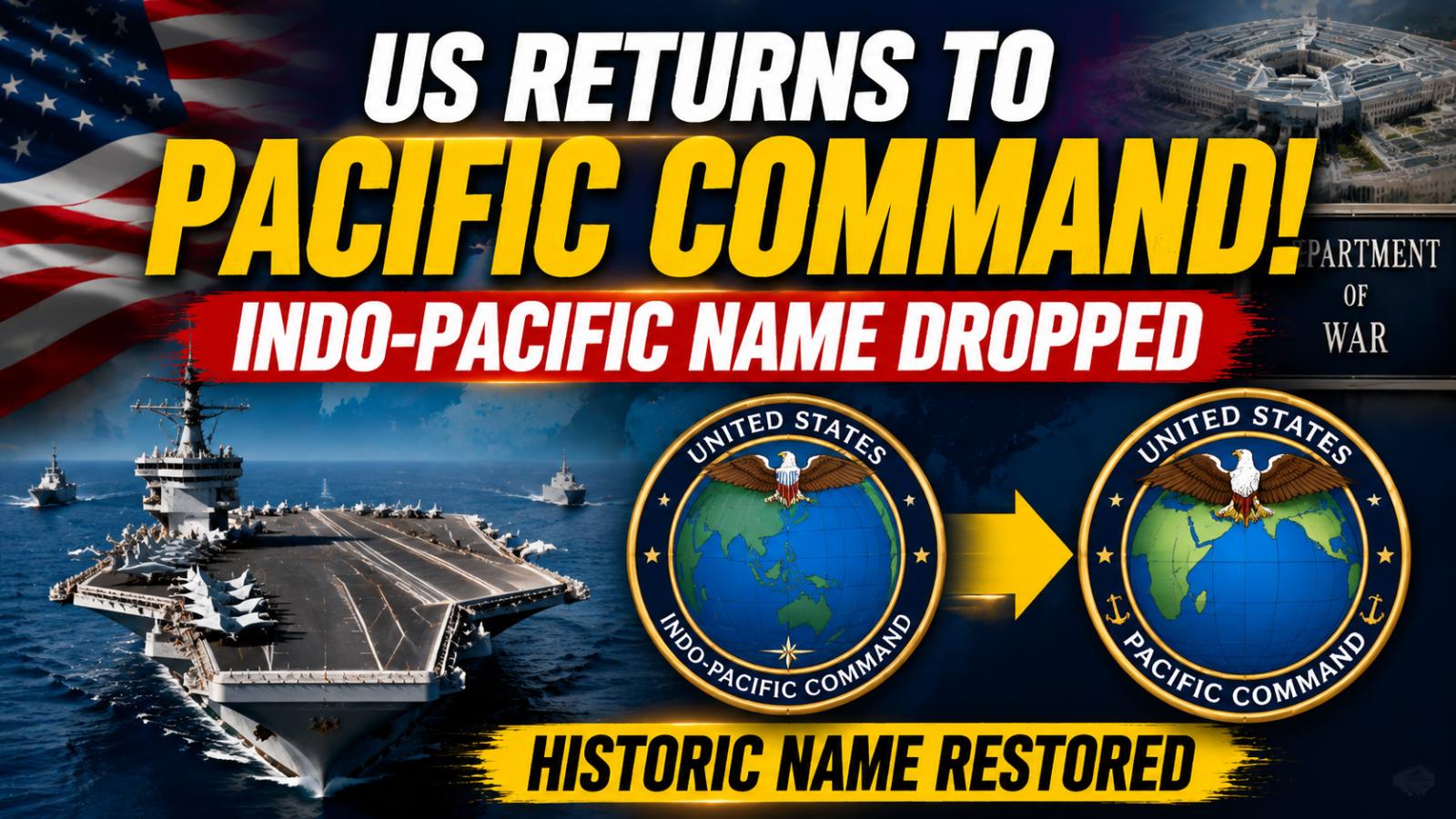
The United States Department of War has officially renamed its largest military command, reverting the Indo-Pacific Command back to its original designation, US Pacific Command. The announcement was made on Tuesday, June 16,2026 with officials confirming that the change is symbolic and will not alter operational responsibilities, deployment st
US Restores Pacific Command Name in Symbolic Military Rebranding
The United States Department of War has officially renamed its largest military command, reverting the Indo-Pacific Command back to its original designation, US Pacific Command. The announcement was made on Tuesday, June 16,2026 with officials confirming that the change is symbolic and will not alter operational responsibilities, deployment st
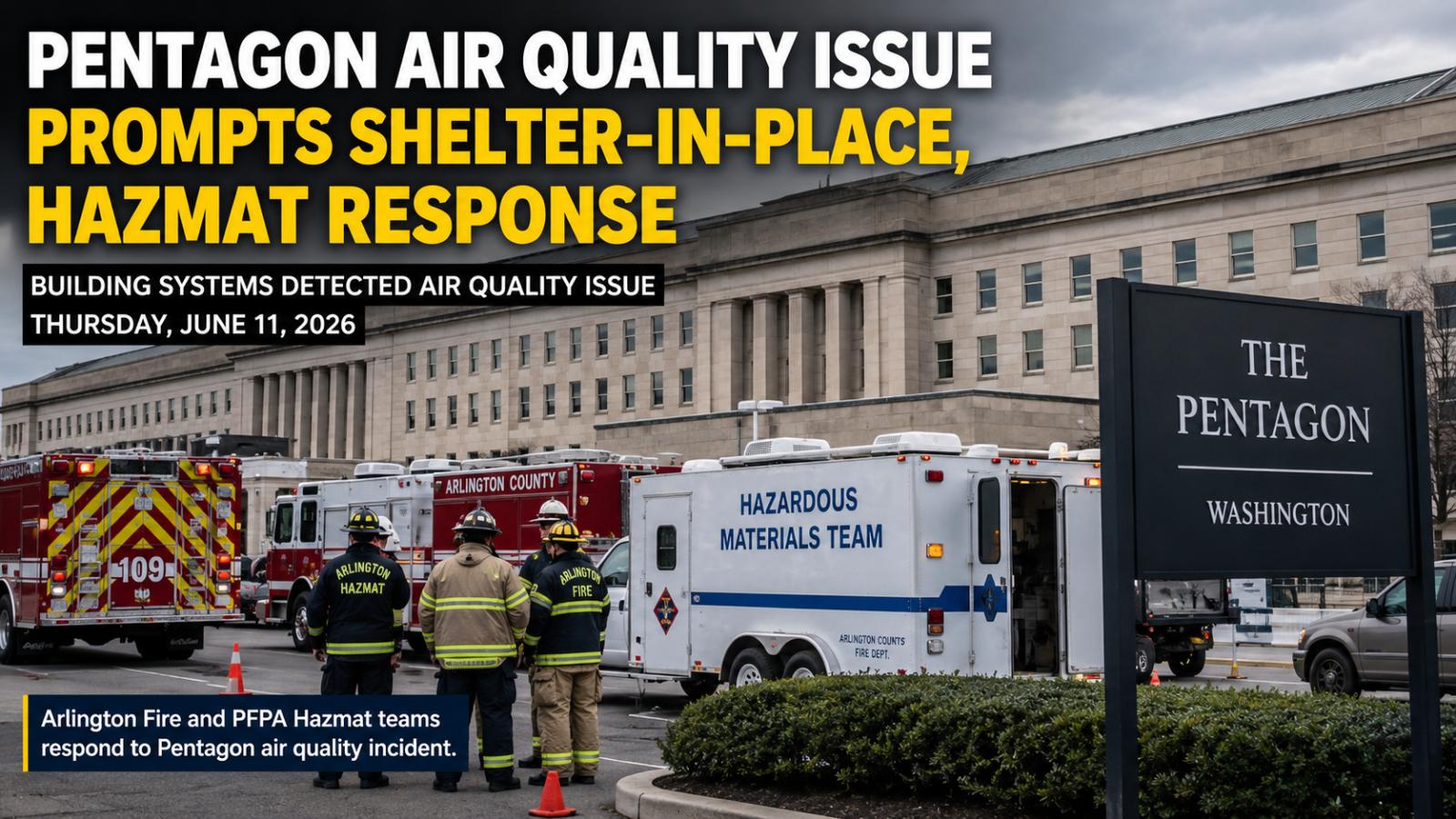
A Pentagon air quality issue prompted a shelter-in-place order and hazardous materials response on Thursday, June 11, 2026, officials said.
The response involved Arlington County Fire and EMS units, including the department’s Hazardous Materials Team, supporting the Pentagon Force Protection Agency’s Hazmat Team during what officials described as a hazardous materials incident.
Pentagon Air Quality Issue Triggers Shelter-in-Pl
A Pentagon air quality issue prompted a shelter-in-place order and hazardous materials response on Thursday, June 11, 2026, officials said.
The response involved Arlington County Fire and EMS units, including the department’s Hazardous Materials Team, supporting the Pentagon Force Protection Agency’s Hazmat Team during what officials described as a hazardous materials incident.
Pentagon Air Quality Issue Triggers Shelter-in-Pl
Defensive Strikes Ordered by Trump
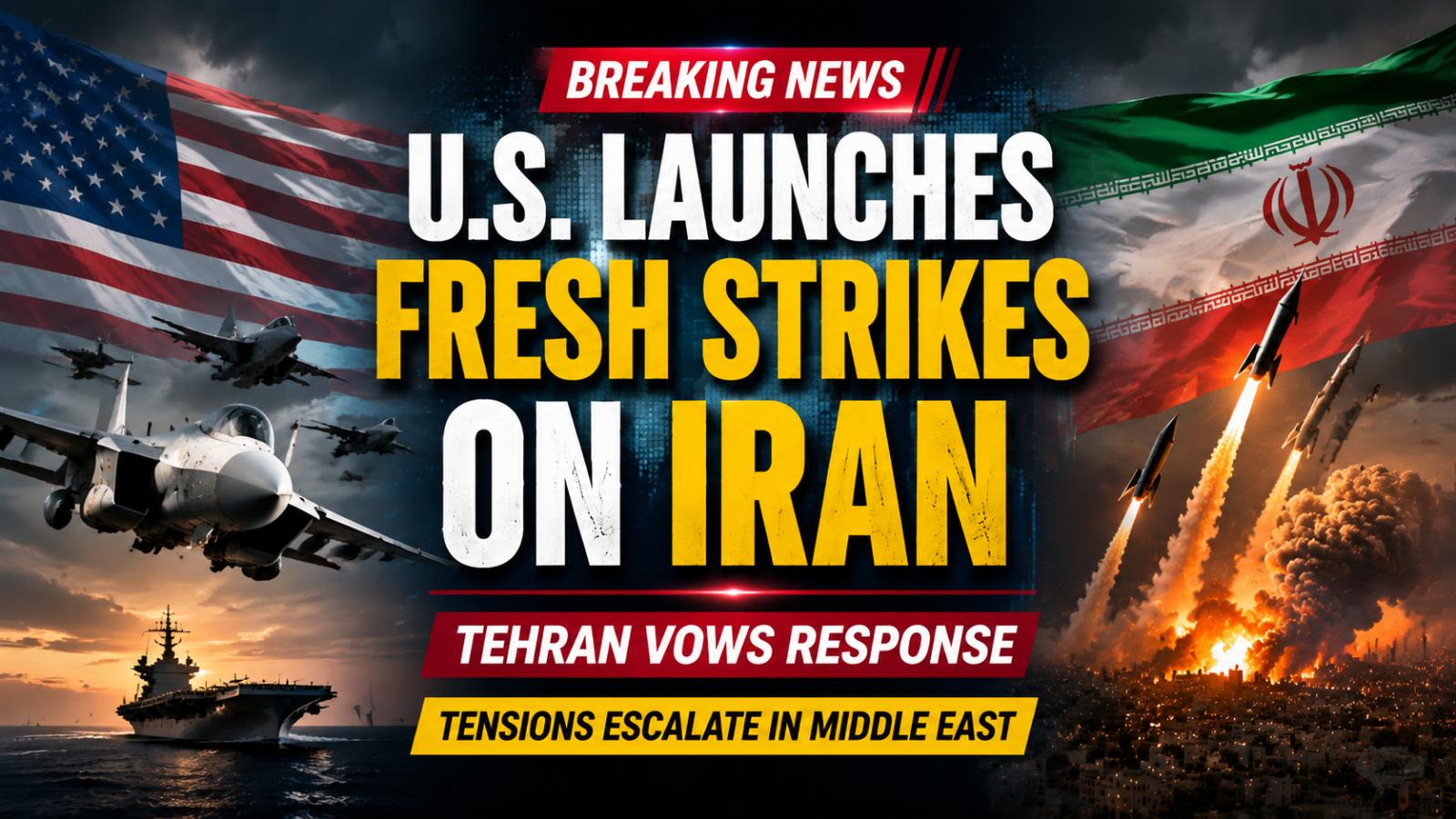
The United States executed a fresh round of military strikes on multiple Iranian targets on June 10,2026. CENTCOM described the operation as “self-defense,” targeting surveillance systems, communication networks, and air defense sites at the direction of President Donald Trump. US Marine Corps, Air Force, and Navy assets used precision munitions to neutralize threats
Defensive Strikes Ordered by Trump
The United States executed a fresh round of military strikes on multiple Iranian targets on June 10,2026. CENTCOM described the operation as “self-defense,” targeting surveillance systems, communication networks, and air defense sites at the direction of President Donald Trump. US Marine Corps, Air Force, and Navy assets used precision munitions to neutralize threats
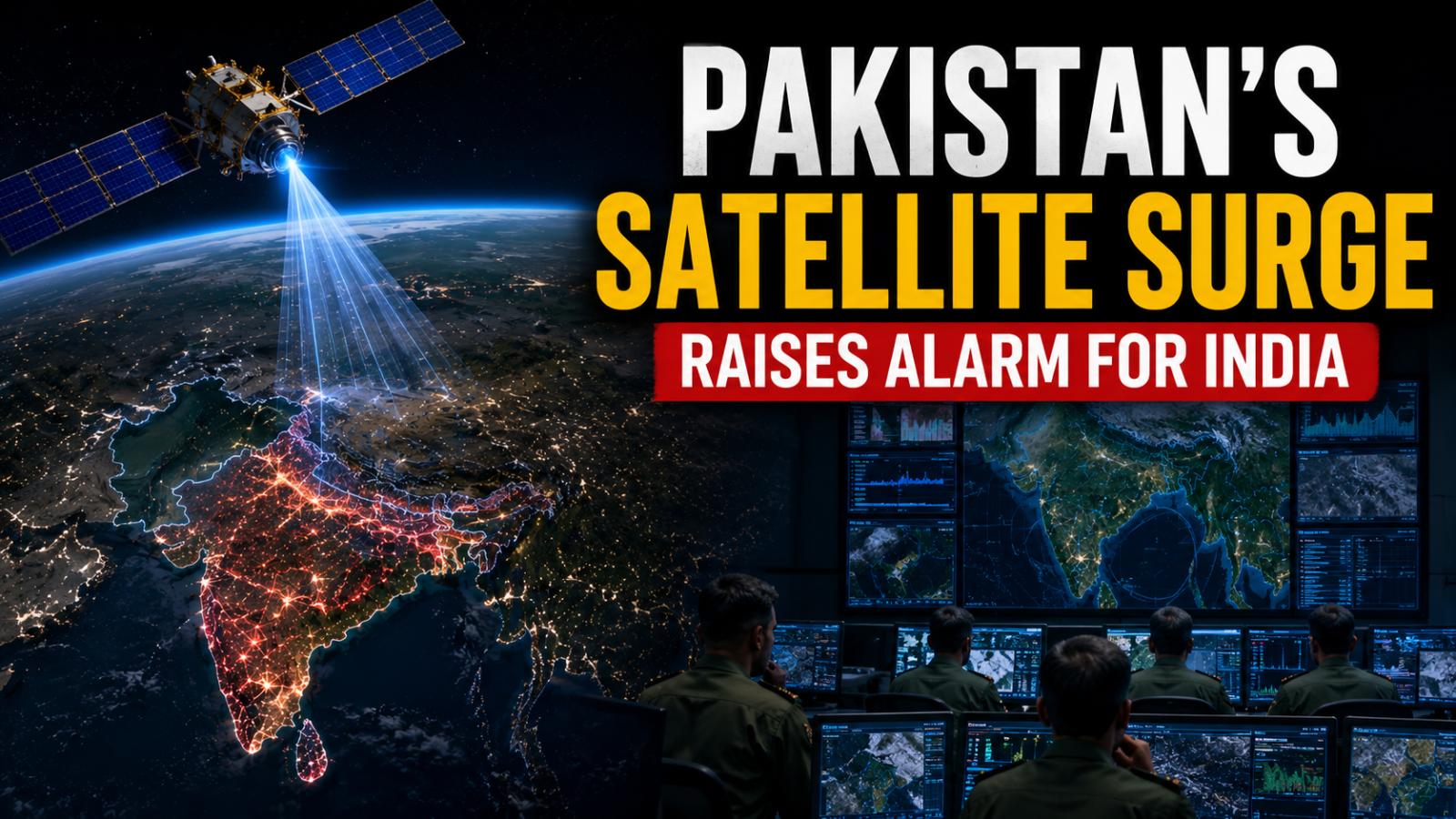
Pakistan’s rapid satellite expansion with Chinese support is raising fresh security concerns in India, as analysts warn that the South Asian rivalry is increasingly moving into space.
More than a year after India launched Operation Sindoor on Wednesday, May 7, 2025, following the Pahalgam terror attack on Tuesday, April 22, 2025, a quieter contest is unfolding hundreds of kilometers above Earth.
Pakistan Expands Earth-Observation Satellite Network
Pakistan’s rapid satellite expansion with Chinese support is raising fresh security concerns in India, as analysts warn that the South Asian rivalry is increasingly moving into space.
More than a year after India launched Operation Sindoor on Wednesday, May 7, 2025, following the Pahalgam terror attack on Tuesday, April 22, 2025, a quieter contest is unfolding hundreds of kilometers above Earth.
Pakistan Expands Earth-Observation Satellite Network
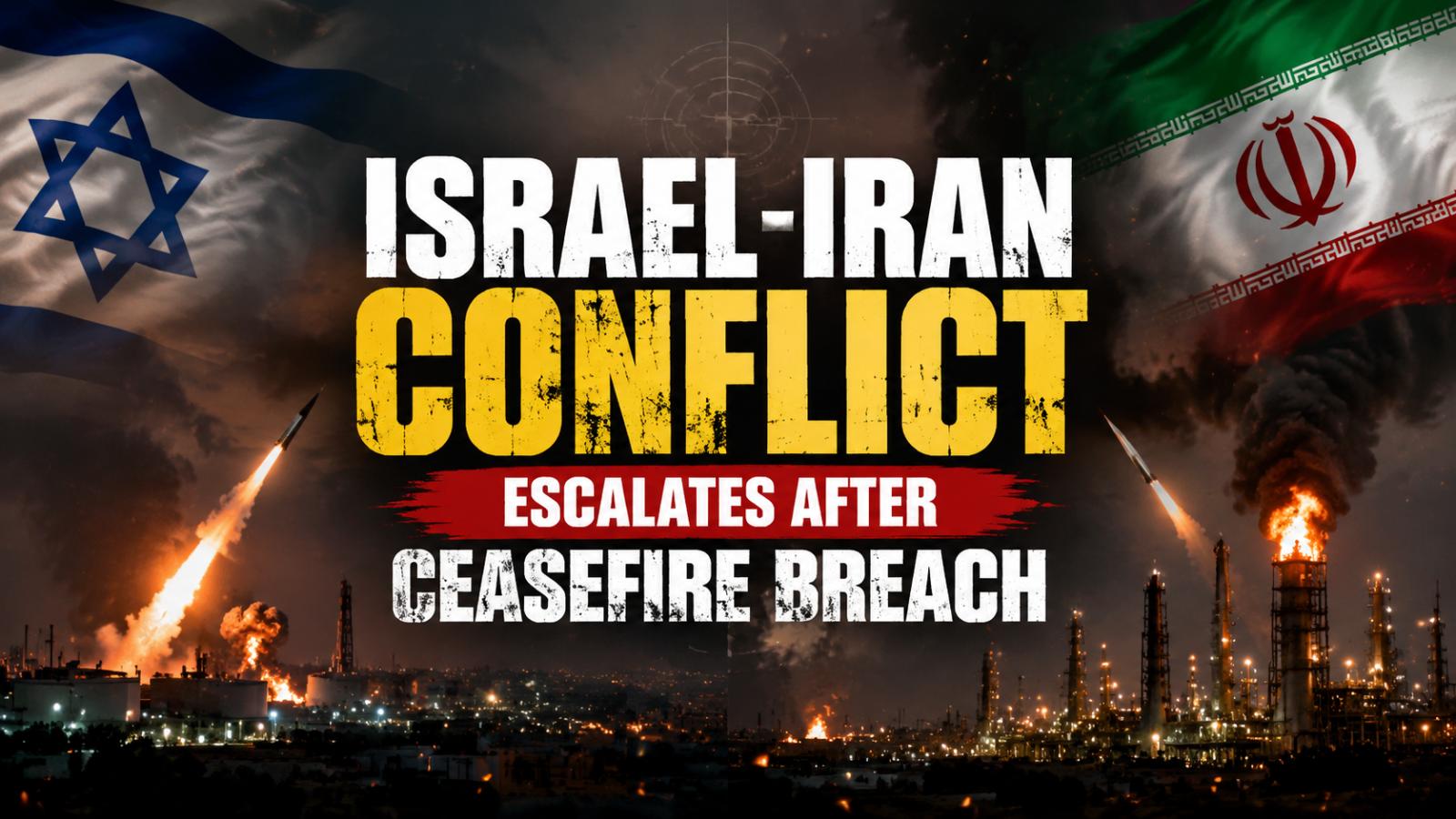
The fragile calm between Israel and Iran shattered as both nations launched attacks targeting key infrastructure. For the first time since their April ceasefire, strikes on petrochemical and industrial sites in Mahshahr and Haifa have escalated tensions in the Middle East. International observers are warning of broader consequences for regional security and global energy supply.
Mahshahr and Haifa Facilities Hit
The fragile calm between Israel and Iran shattered as both nations launched attacks targeting key infrastructure. For the first time since their April ceasefire, strikes on petrochemical and industrial sites in Mahshahr and Haifa have escalated tensions in the Middle East. International observers are warning of broader consequences for regional security and global energy supply.
Mahshahr and Haifa Facilities Hit
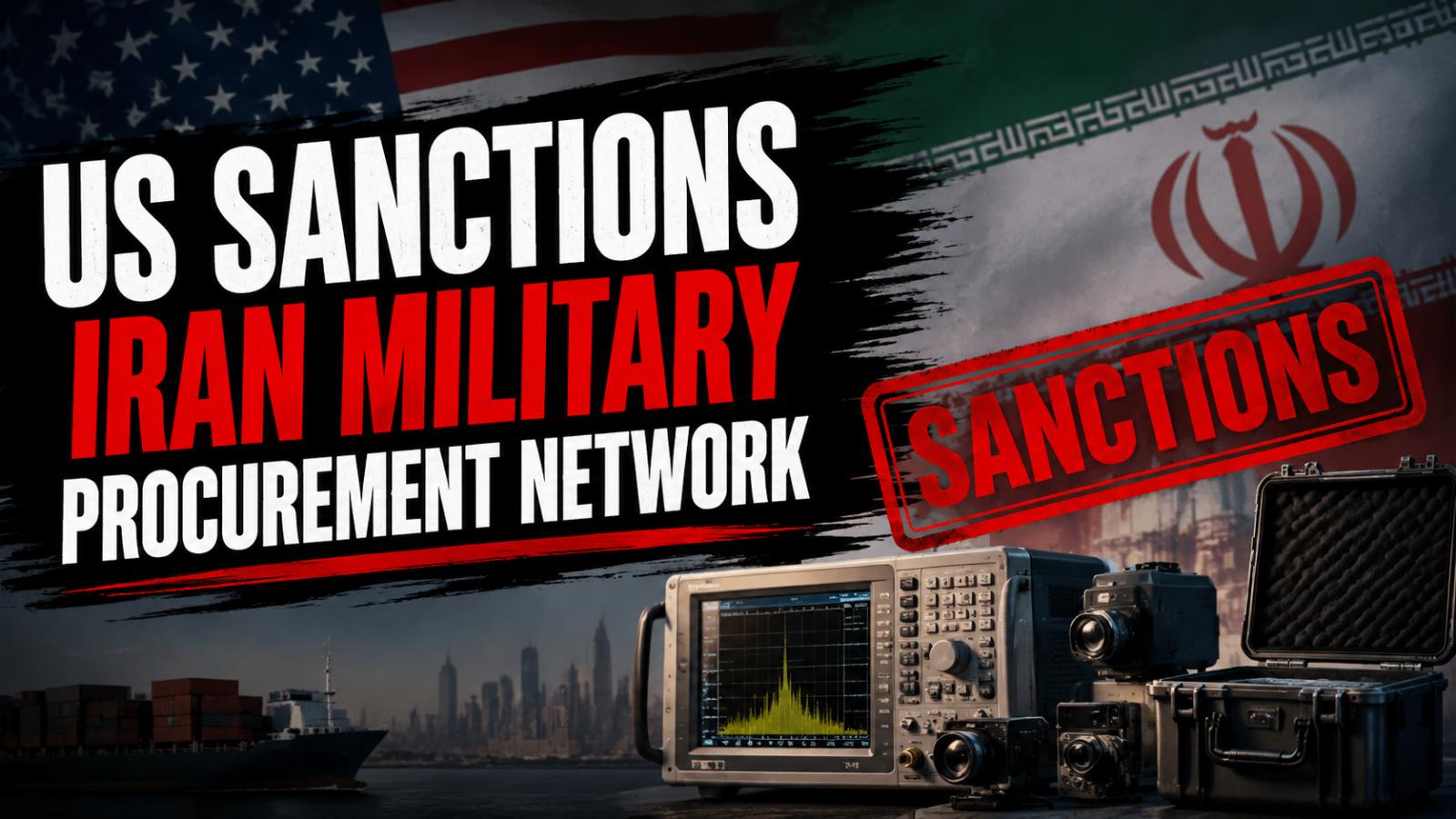
The United States announced new sanctions against an Iranian network involved in procuring advanced military technology through deceptive practices. The network reportedly misrepresented itself as legitimate companies, acquiring critical equipment such as spectrum analysers and security devices for Iran’s defense programs. The sanctions reflect Washington’s ongoing effort to restrict Iran’s access to sensitive military technology.
The United States announced new sanctions against an Iranian network involved in procuring advanced military technology through deceptive practices. The network reportedly misrepresented itself as legitimate companies, acquiring critical equipment such as spectrum analysers and security devices for Iran’s defense programs. The sanctions reflect Washington’s ongoing effort to restrict Iran’s access to sensitive military technology.
Recent developments in Iran have sent shockwaves through global financial markets. Investors are recalibrating portfolios as oil prices climb, geopolitical uncertainty rises, and economic pressures mount. While energy producers, defense companies, and AI-driven technology firms see gains, sectors like airlines and energy-importing economies face increasing strain. The US dollar and other safe-haven assets are also attracting attention amid market volatility.
Recent developments in Iran have sent shockwaves through global financial markets. Investors are recalibrating portfolios as oil prices climb, geopolitical uncertainty rises, and economic pressures mount. While energy producers, defense companies, and AI-driven technology firms see gains, sectors like airlines and energy-importing economies face increasing strain. The US dollar and other safe-haven assets are also attracting attention amid market volatility.
Pentagon Releases Declassified UFO Files
The US Defense Department has released a new batch of previously classified files detailing alleged sightings of unidentified flying objects (UFOs). Among the reports are references to unusual aerial phenomena, including green orbs and fireballs, which have been observed by military personnel across various locations. These newly released files provide additional insight into the mil
Pentagon Releases Declassified UFO Files
The US Defense Department has released a new batch of previously classified files detailing alleged sightings of unidentified flying objects (UFOs). Among the reports are references to unusual aerial phenomena, including green orbs and fireballs, which have been observed by military personnel across various locations. These newly released files provide additional insight into the mil
Trump Announces New Poland Troop Deployment
US President Donald Trump said Thursday,May 21,2026 that the United States will deploy 5,000 additional troops to Poland, reversing earlier indications that a planned deployment had been canceled. Trump announced the decision on Truth Social and said it was influenced by his relationship with Polish President Karol Nawrocki, a nationalist ally whom he supported during last year’
Trump Announces New Poland Troop Deployment
US President Donald Trump said Thursday,May 21,2026 that the United States will deploy 5,000 additional troops to Poland, reversing earlier indications that a planned deployment had been canceled. Trump announced the decision on Truth Social and said it was influenced by his relationship with Polish President Karol Nawrocki, a nationalist ally whom he supported during last year’
China’s rare admission raises stakes
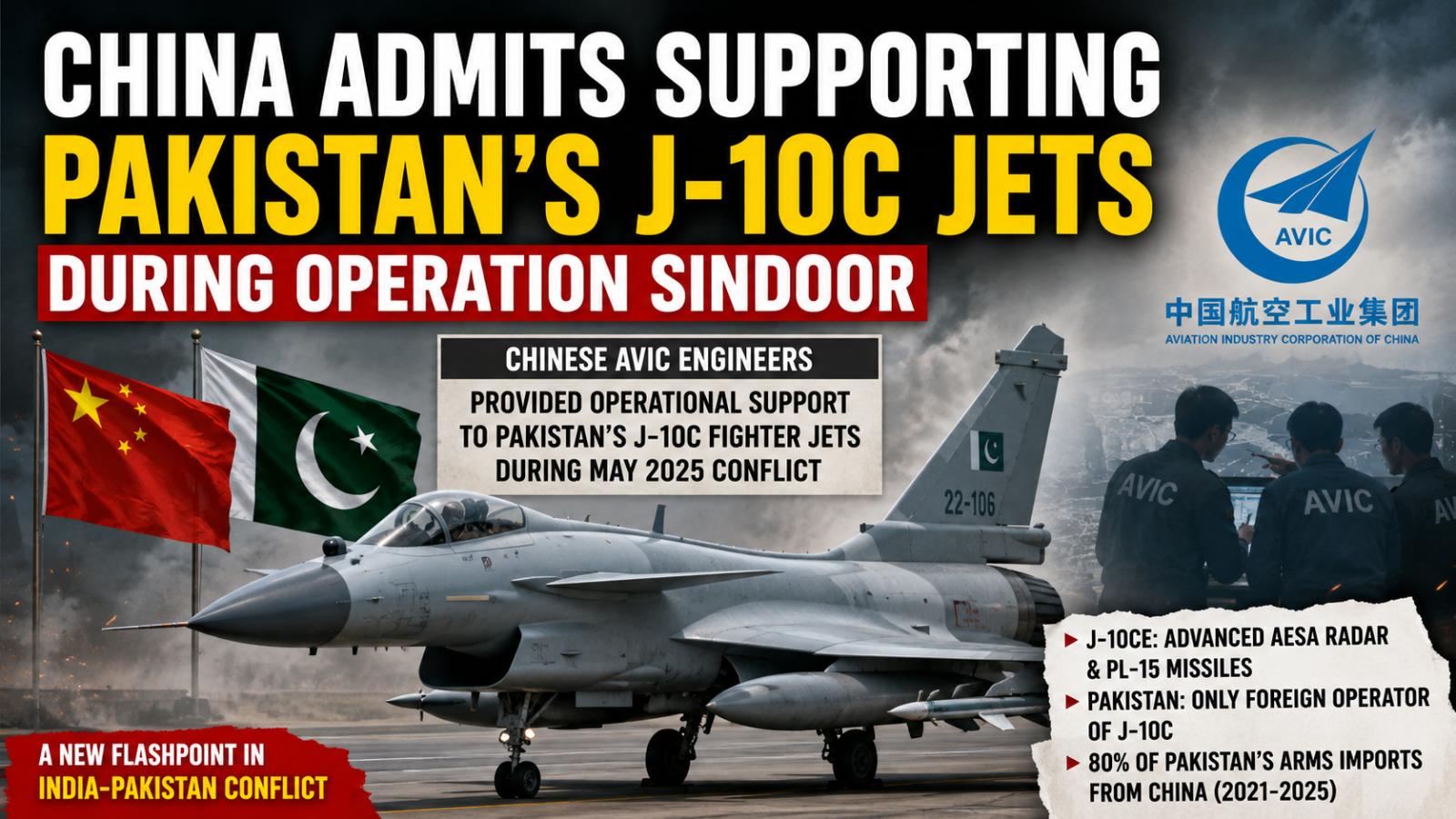
China has admitted its engineers supported Pakistan’s J-10C fighter jet operations during India’s Operation Sindoor in May 2025, a disclosure that adds a sharper China angle to the India-Pakistan conflict.
The admission came through Chinese state broadcaster CCTV, where AVIC engineer Zhang Heng described being at a support base as fighter jets took off and air-raid sirens sounded. He said the team worked in extreme May heat while trying to keep Chinese-made equipment combat-ready.
Why the J-10C disclosure matters
The J-10CE, Pakistan’s export version of China’s J-10C multirole fighter, is central to the story because Pakistan remains its only foreign operator. The aircraft is linked to advanced AESA radar and PL-15 long-range air-to-air missiles, making any wartime support politically sensitive.
Indian defence officials have said Operation Sindoor targeted terror infrastructure after the Pahalgam attack, while later briefings claimed 13 Pakistani aircraft and 11 airfields were hit. Those claims, combined with Beijing’s acknowledgement of technical support, are likely to intensify scrutiny of the China-Pakistan defence partnership.
Regional security impact
The timing is significant. The disclosure surfaced around the first anniversary of Operation Sindoor and reinforces India’s long-held concern that Pakistan’s military capability is increasingly backed by Chinese systems, engineers and supply chains.
For New Delhi, the key question is no longer whether Chinese weapons were used, but how deeply Chinese personnel supported Pakistan during active conflict. That makes this admission more than a defence update—it is a fresh flashpoint in Asian security.
China’s rare admission raises stakes
China has admitted its engineers supported Pakistan’s J-10C fighter jet operations during India’s Operation Sindoor in May 2025, a disclosure that adds a sharper China angle to the India-Pakistan conflict.
The admission came through Chinese state broadcaster CCTV, where AVIC engineer Zhang Heng described being at a support base as fighter jets took off and air-raid sirens sounded. He said the team worked in extreme May heat while trying to keep Chinese-made equipment combat-ready.
Why the J-10C disclosure matters
The J-10CE, Pakistan’s export version of China’s J-10C multirole fighter, is central to the story because Pakistan remains its only foreign operator. The aircraft is linked to advanced AESA radar and PL-15 long-range air-to-air missiles, making any wartime support politically sensitive.
Indian defence officials have said Operation Sindoor targeted terror infrastructure after the Pahalgam attack, while later briefings claimed 13 Pakistani aircraft and 11 airfields were hit. Those claims, combined with Beijing’s acknowledgement of technical support, are likely to intensify scrutiny of the China-Pakistan defence partnership.
Regional security impact
The timing is significant. The disclosure surfaced around the first anniversary of Operation Sindoor and reinforces India’s long-held concern that Pakistan’s military capability is increasingly backed by Chinese systems, engineers and supply chains.
For New Delhi, the key question is no longer whether Chinese weapons were used, but how deeply Chinese personnel supported Pakistan during active conflict. That makes this admission more than a defence update—it is a fresh flashpoint in Asian security.
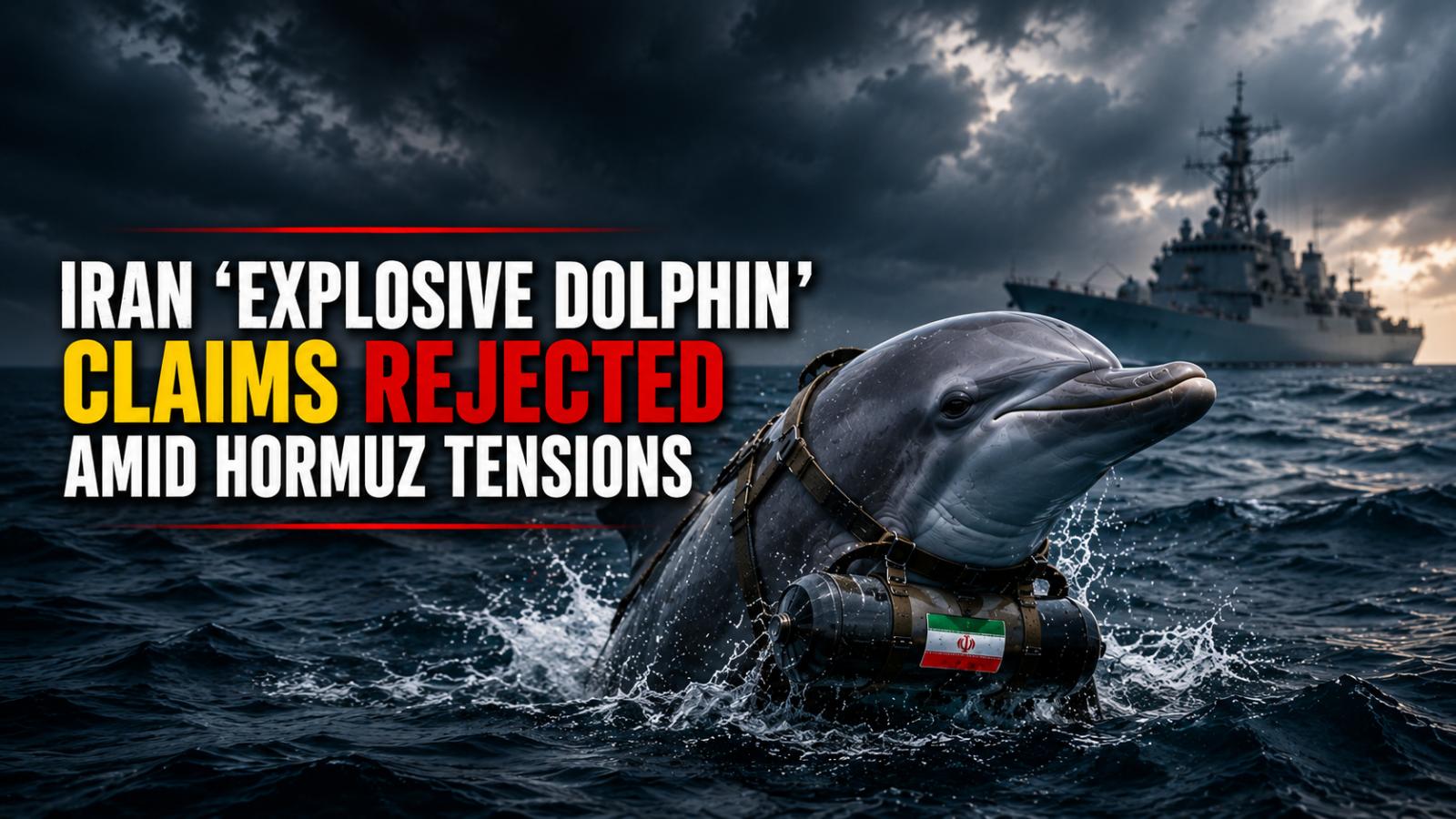
Pentagon Rejects Iran Dolphin Weapon Claims
The Pentagon has dismissed claims that Iran is training explosive dolphins, confirming there is no credible evidence of such a program. Officials addressed the rumors as tensions in the Strait of Hormuz continue to escalate.
Speaking on May 6, 2026, U.S. Defense Secretary Pete Hegseth said reports of “kamikaze dolphins” are unfounded. “Iran does not have such capabilities,” he stated, r
Pentagon Rejects Iran Dolphin Weapon Claims
The Pentagon has dismissed claims that Iran is training explosive dolphins, confirming there is no credible evidence of such a program. Officials addressed the rumors as tensions in the Strait of Hormuz continue to escalate.
Speaking on May 6, 2026, U.S. Defense Secretary Pete Hegseth said reports of “kamikaze dolphins” are unfounded. “Iran does not have such capabilities,” he stated, r
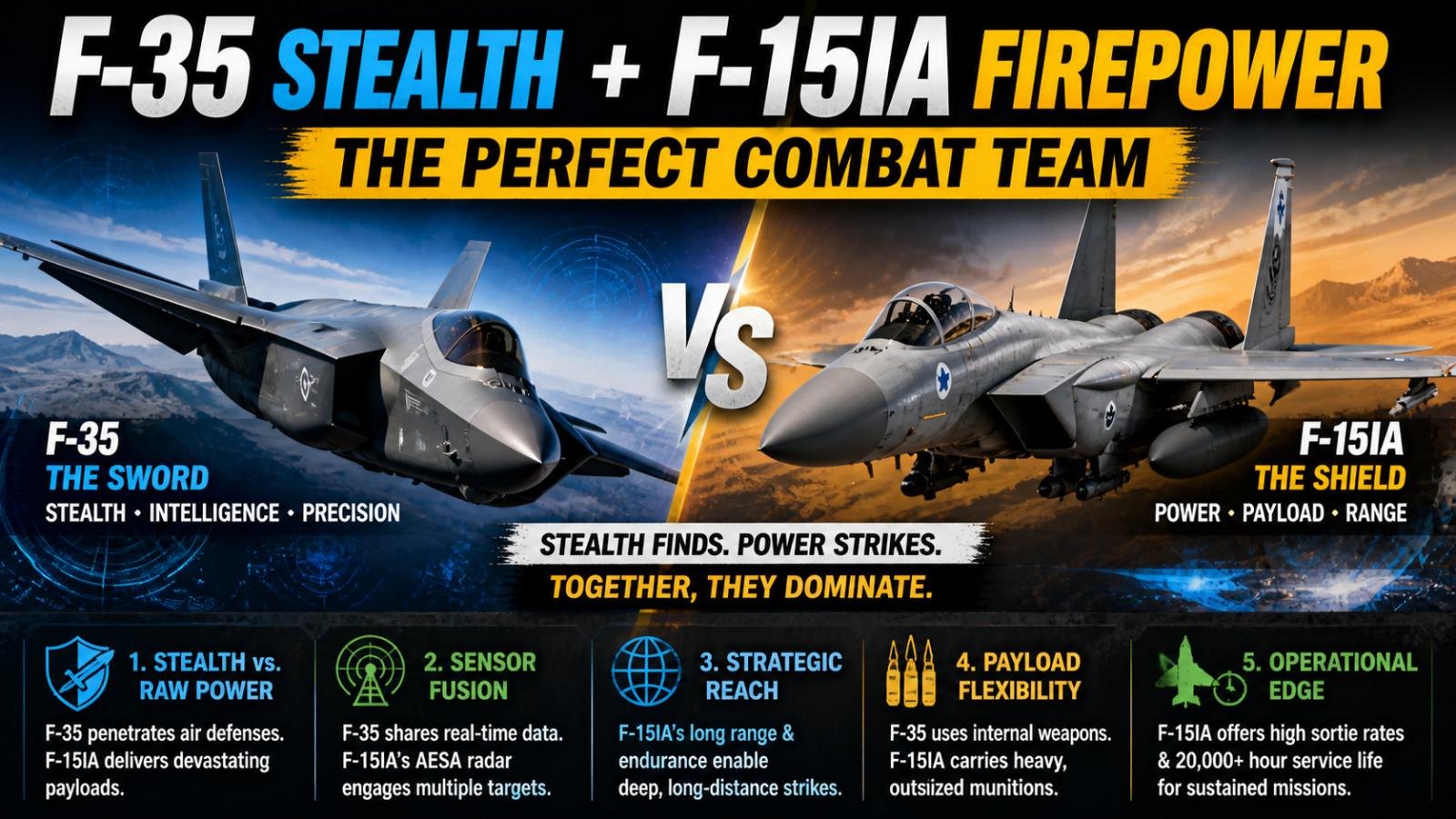
Modern air combat strategy increasingly relies on the complementary strengths of advanced fighter aircraft, particularly the combination of stealth capabilities and high payload capacity. The F-35 and F-15IA represent this dual approach, where each platform fulfills a distinct but interconnected role in complex operations.
The F-35 is designed for stealth and precision, enabling it to operate deep within contested airspace while avoiding detection. Its ability to gather and process battlefield data in real time allows it to identify and track threats with high accuracy. This sensor fusion capability creates a comprehensive operational picture, which can be shared seamlessly with other aircraft to improve coordination and targeting efficiency.
In contrast, the F-15IA is built for power and endurance. Often described as a high-capacity weapons platform, it can carry a significantly larger payload compared to stealth-focused aircraft. Once air defenses are identified and weakened, the F-15IA can engage multiple targets using a wide range of munitions, including larger weapons that are not compatible with stealth aircraft configurations. Its advanced radar system enhances its ability to detect and engage threats over extended distances.
The combination of these aircraft also supports long-range missions. The F-15IA’s extended range and fuel capacity make it well-suited for operations requiring sustained flight over large distances. This allows it to conduct deep strike missions with fewer refueling requirements, complementing the F-35’s forward reconnaissance and targeting role.
Operational efficiency is another key factor in this pairing. The F-15IA is designed for durability and rapid turnaround, enabling frequent sorties during extended engagements. Meanwhile, the F-35’s advanced systems provide critical intelligence that enhances the effectiveness of each mission. Together, they form a coordinated system that balances stealth, firepower, and operational flexibility in modern aerial warfare.
Modern air combat strategy increasingly relies on the complementary strengths of advanced fighter aircraft, particularly the combination of stealth capabilities and high payload capacity. The F-35 and F-15IA represent this dual approach, where each platform fulfills a distinct but interconnected role in complex operations.
The F-35 is designed for stealth and precision, enabling it to operate deep within contested airspace while avoiding detection. Its ability to gather and process battlefield data in real time allows it to identify and track threats with high accuracy. This sensor fusion capability creates a comprehensive operational picture, which can be shared seamlessly with other aircraft to improve coordination and targeting efficiency.
In contrast, the F-15IA is built for power and endurance. Often described as a high-capacity weapons platform, it can carry a significantly larger payload compared to stealth-focused aircraft. Once air defenses are identified and weakened, the F-15IA can engage multiple targets using a wide range of munitions, including larger weapons that are not compatible with stealth aircraft configurations. Its advanced radar system enhances its ability to detect and engage threats over extended distances.
The combination of these aircraft also supports long-range missions. The F-15IA’s extended range and fuel capacity make it well-suited for operations requiring sustained flight over large distances. This allows it to conduct deep strike missions with fewer refueling requirements, complementing the F-35’s forward reconnaissance and targeting role.
Operational efficiency is another key factor in this pairing. The F-15IA is designed for durability and rapid turnaround, enabling frequent sorties during extended engagements. Meanwhile, the F-35’s advanced systems provide critical intelligence that enhances the effectiveness of each mission. Together, they form a coordinated system that balances stealth, firepower, and operational flexibility in modern aerial warfare.
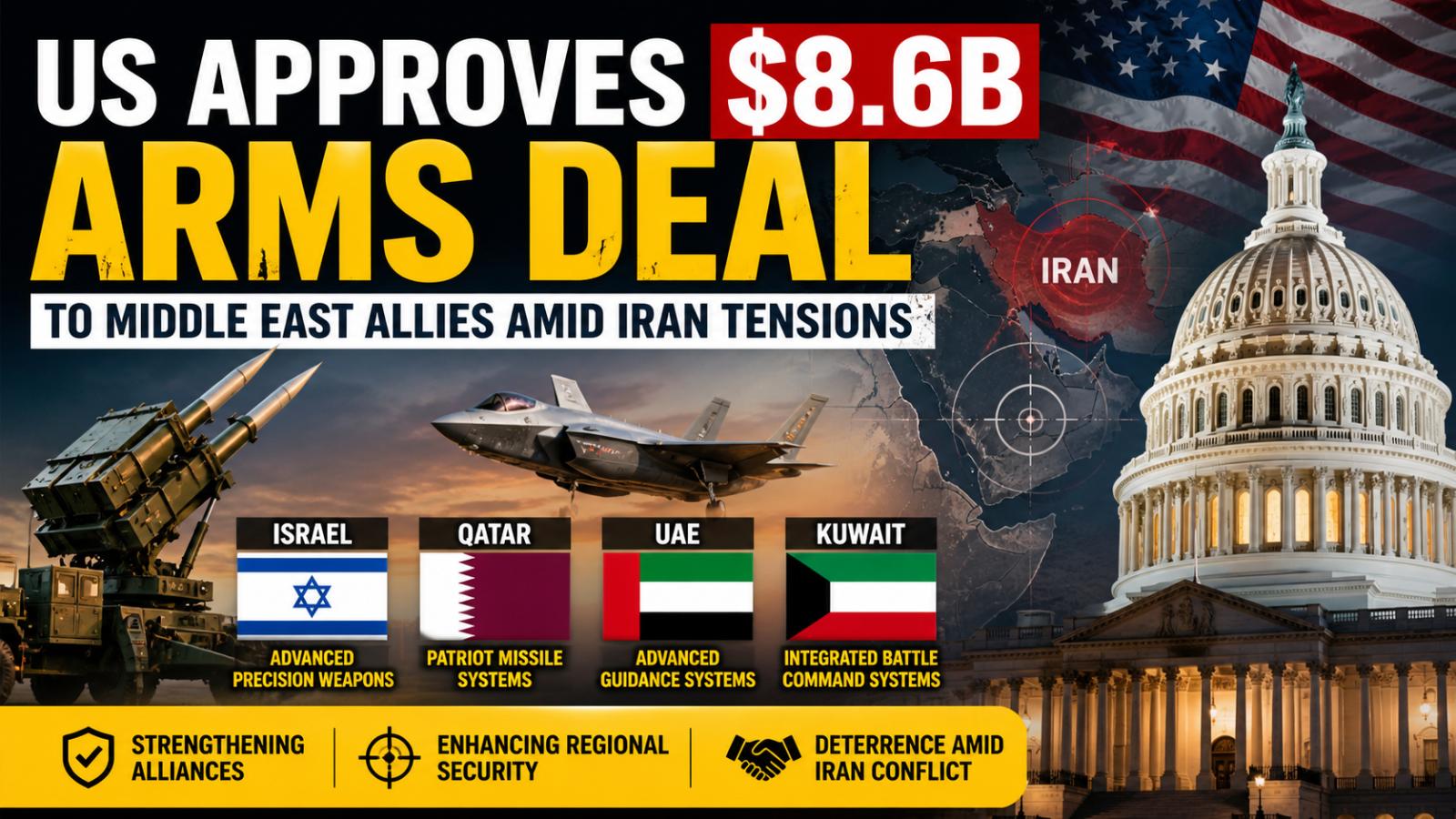
The United States has fast-tracked more than $8.6 billion in arms sales to key Middle East allies, signaling a sharp escalation in its response to rising tensions with Iran. Approved under emergency powers, the move bypasses Congress and reflects Washington’s urgency to strengthen regional defenses as the conflict enters a critical phase.
Emergency Approval Signals Rising Urgency
The decision, issued on Friday, invokes a rarely used em
The United States has fast-tracked more than $8.6 billion in arms sales to key Middle East allies, signaling a sharp escalation in its response to rising tensions with Iran. Approved under emergency powers, the move bypasses Congress and reflects Washington’s urgency to strengthen regional defenses as the conflict enters a critical phase.
Emergency Approval Signals Rising Urgency
The decision, issued on Friday, invokes a rarely used em
Earthquakes near Area 51 raise questions amid rising tensions
A series of earthquakes near Area 51 in Nevada between April 29 and April 30, 2026, has sparked widespread attention, with at least 17 tremors recorded within a 24 to 48-hour window, most around magnitude 4.4. The seismic activity occurred during this short time frame and has dr
Earthquakes near Area 51 raise questions amid rising tensions
A series of earthquakes near Area 51 in Nevada between April 29 and April 30, 2026, has sparked widespread attention, with at least 17 tremors recorded within a 24 to 48-hour window, most around magnitude 4.4. The seismic activity occurred during this short time frame and has dr
Pakistan submarine induction marks major naval boost
Pakistan submarine induction marked a major milestone as the country commissioned its first Hangor-class submarine built in China. The ceremony was held in Sanya and attended by President Asif Ali Zardari and Naval Chief Admiral Naveed Ashraf. This move highlights strong China Pakistan defence cooperation and signals a major expansion in naval fleet capacity.
Pakistan submarine induction marks major naval boost
Pakistan submarine induction marked a major milestone as the country commissioned its first Hangor-class submarine built in China. The ceremony was held in Sanya and attended by President Asif Ali Zardari and Naval Chief Admiral Naveed Ashraf. This move highlights strong China Pakistan defence cooperation and signals a major expansion in naval fleet capacity.
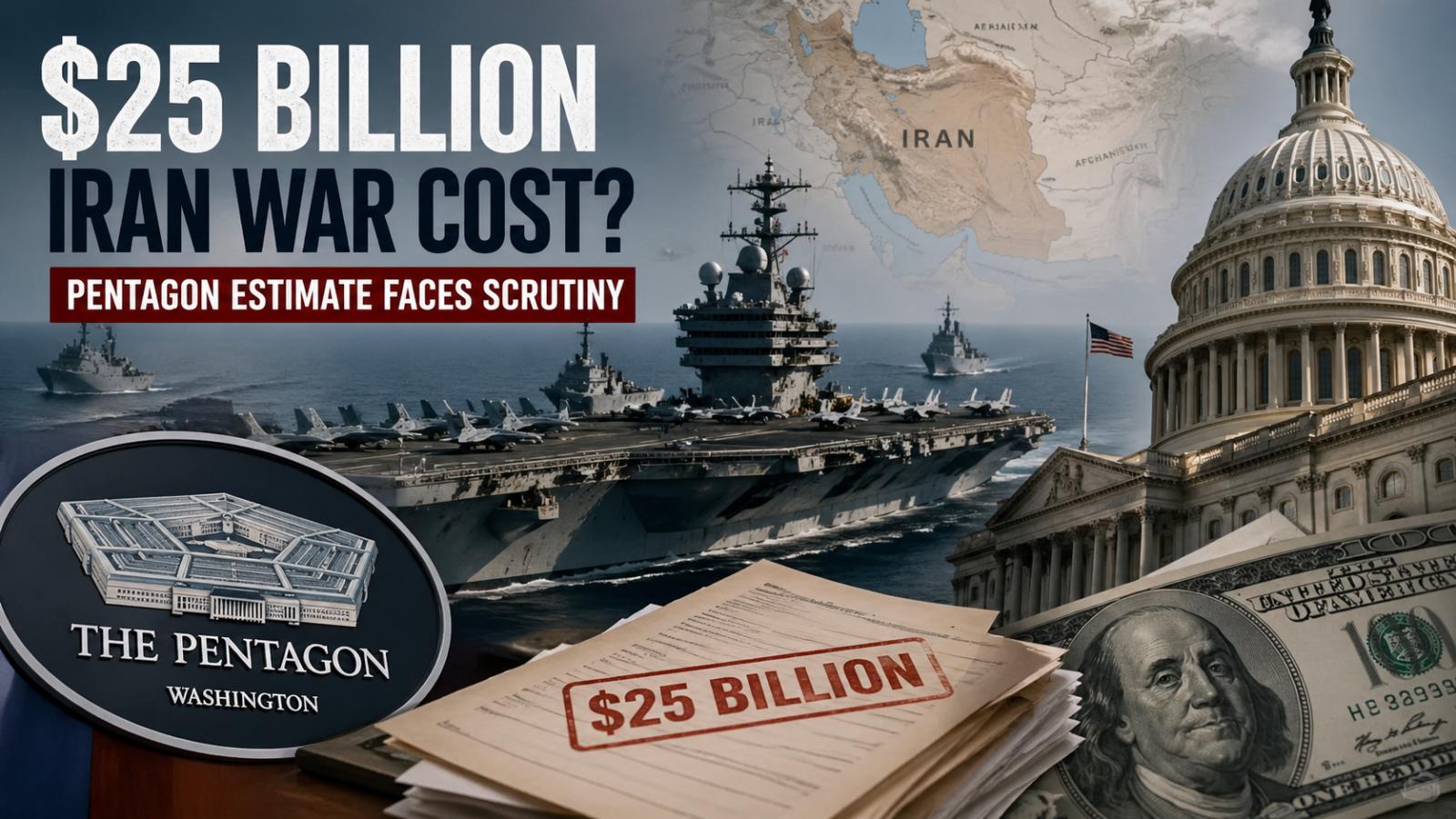
The United States Department of Defense has estimated that its ongoing military conflict with Iran has cost approximately $25 billion, but analysts and lawmakers are raising concerns that the figure may significantly understate the true financial burden. The estimate was presented during a congressional hearing on Tuesday, April 29, 2026, where Pentagon officials outlined current war-related expenditures without offering a detailed breakdown.
Congressional hearing reveals l
The United States Department of Defense has estimated that its ongoing military conflict with Iran has cost approximately $25 billion, but analysts and lawmakers are raising concerns that the figure may significantly understate the true financial burden. The estimate was presented during a congressional hearing on Tuesday, April 29, 2026, where Pentagon officials outlined current war-related expenditures without offering a detailed breakdown.
Congressional hearing reveals l
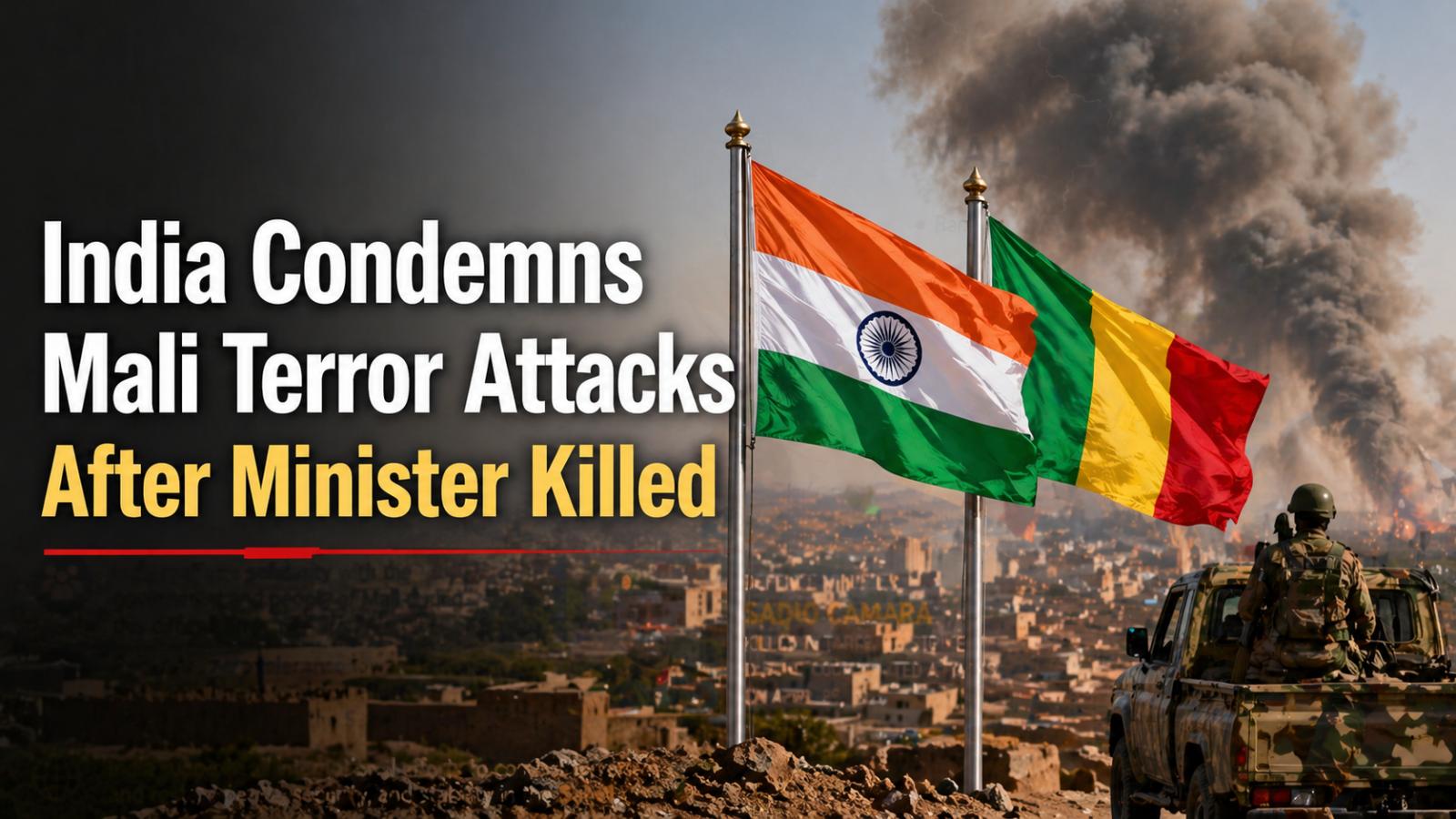
India condemns Mali terror attacks after minister killed, highlights global security risks and support for Sahel stability. The Government of India issued a strong condemnation on Tuesday, April 28, 2026 (IST), following a series of coordinated terrorist attacks across Mali that resulted in significant casualties and heightened regional instability. In an official statement, the Ministry of External Affairs expressed condolences to victims’ families and affirmed solidarity with Mali’s government and citizens.
Coordinated assaults escalate violence across Mali
The wave of violence began on Saturday, April 25, 2026, when militant group Jama'at Nusrat al-Islam wal-Muslimin joined forces with Tuareg separatists from the Front de libération de l'Azawad. Together, they launched synchronized attacks targeting key locations from the capital Bamako to northern regions. The coordinated nature of the assaults marked one of the most significant escalations of violence in the country in recent years.
Death of defense minister shocks leadership
Among those killed was Sadio Camara, Mali’s Minister of Defence and Veteran Affairs, who died in a targeted strike during the offensive. His death has sent shockwaves through Mali’s political and military leadership, raising concerns about the capacity of state institutions to counter increasingly sophisticated insurgent operations.
India reiterates zero tolerance on terrorism
In its statement, New Delhi emphasized its longstanding policy of zero tolerance toward terrorism. The government reaffirmed its commitment to combating extremist violence in all forms and voiced support for international efforts aimed at restoring peace and stability in the Sahel region. Officials in New Delhi indicated that the scale and coordination of the attacks reflect evolving threats posed by transnational militant networks.
Broader implications for Sahel stability
The attacks have intensified concerns within India’s strategic community that Mali could become a more entrenched base for global terror groups. While India has historically maintained a measured relationship with Bamako focused on development and capacity building, the latest violence underscores growing instability across the Sahel. Analysts warn that continued unrest may have wider implications for international security and counterterrorism efforts.
India condemns Mali terror attacks after minister killed, highlights global security risks and support for Sahel stability. The Government of India issued a strong condemnation on Tuesday, April 28, 2026 (IST), following a series of coordinated terrorist attacks across Mali that resulted in significant casualties and heightened regional instability. In an official statement, the Ministry of External Affairs expressed condolences to victims’ families and affirmed solidarity with Mali’s government and citizens.
Coordinated assaults escalate violence across Mali
The wave of violence began on Saturday, April 25, 2026, when militant group Jama'at Nusrat al-Islam wal-Muslimin joined forces with Tuareg separatists from the Front de libération de l'Azawad. Together, they launched synchronized attacks targeting key locations from the capital Bamako to northern regions. The coordinated nature of the assaults marked one of the most significant escalations of violence in the country in recent years.
Death of defense minister shocks leadership
Among those killed was Sadio Camara, Mali’s Minister of Defence and Veteran Affairs, who died in a targeted strike during the offensive. His death has sent shockwaves through Mali’s political and military leadership, raising concerns about the capacity of state institutions to counter increasingly sophisticated insurgent operations.
India reiterates zero tolerance on terrorism
In its statement, New Delhi emphasized its longstanding policy of zero tolerance toward terrorism. The government reaffirmed its commitment to combating extremist violence in all forms and voiced support for international efforts aimed at restoring peace and stability in the Sahel region. Officials in New Delhi indicated that the scale and coordination of the attacks reflect evolving threats posed by transnational militant networks.
Broader implications for Sahel stability
The attacks have intensified concerns within India’s strategic community that Mali could become a more entrenched base for global terror groups. While India has historically maintained a measured relationship with Bamako focused on development and capacity building, the latest violence underscores growing instability across the Sahel. Analysts warn that continued unrest may have wider implications for international security and counterterrorism efforts.
Why are North Korean troops reportedly taking their own lives? Kim Jong Un calls it battlefield honor has drawn international scrutiny after reports emerged that North Korean soldiers fighting alongside Russia in the war in Ukraine may be taking their own lives to avoid capture. The claims
Why are North Korean troops reportedly taking their own lives? Kim Jong Un calls it battlefield honor has drawn international scrutiny after reports emerged that North Korean soldiers fighting alongside Russia in the war in Ukraine may be taking their own lives to avoid capture. The claims
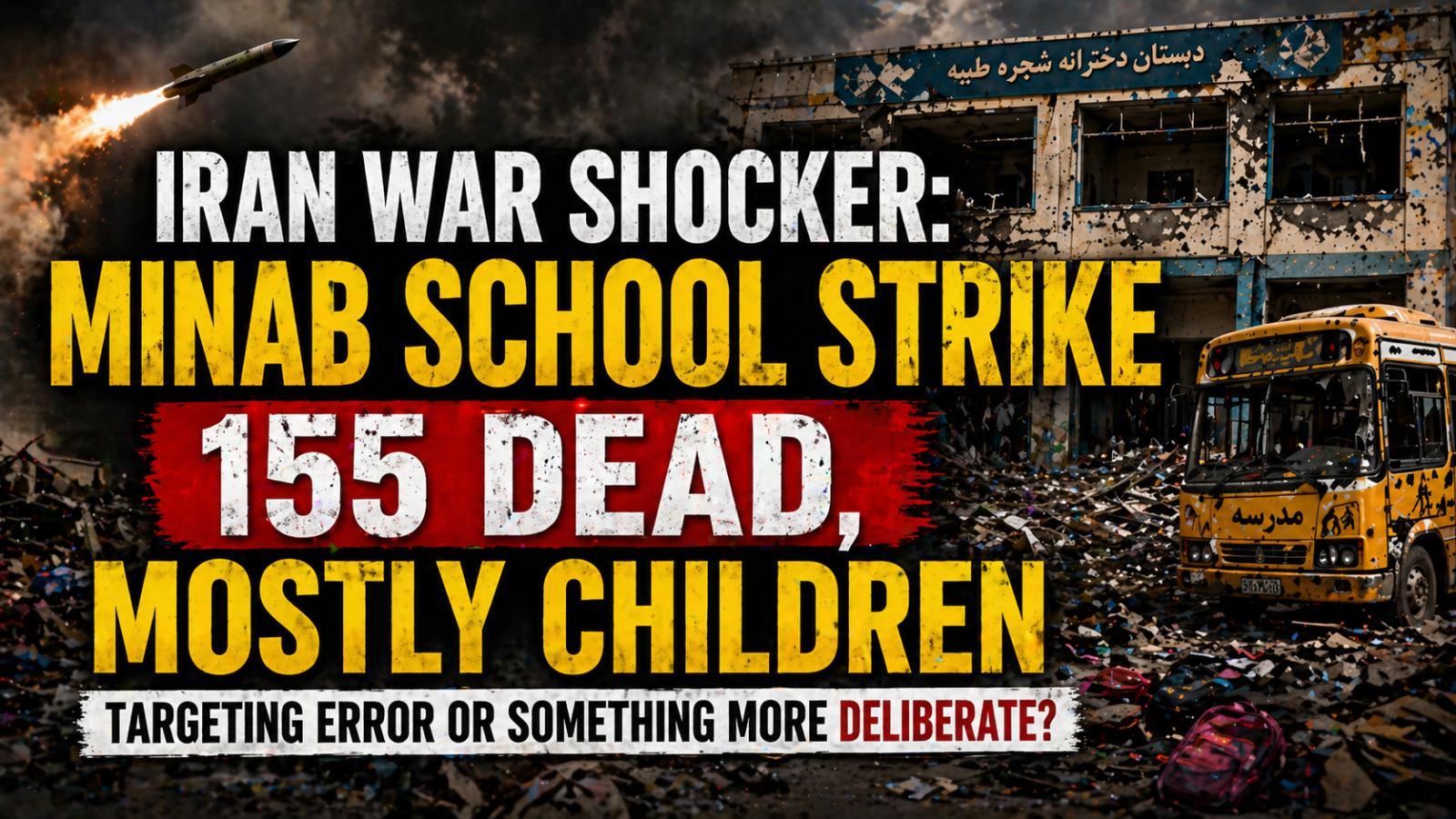
Iran has revised the death toll from the Minab school strike to 155, confirming it as the deadliest single incident in the ongoing conflict, now in its 59th day. Officials released a detailed breakdown indicating that most victims were children, alongside teachers and civilians connected to the school. The updated figure is lower than earlier estimates exceeding 175, though no formal explanation has been provided for the discrepancy.
The strike occurred on February 28, the opening day of a coordinated military campaign. Two successive impacts hit the Shajareh Tayyebeh elementary school in Minab while classes were in session, a pattern described as a “double-tap” strike. Many of the children killed were between the ages of seven and twelve, amplifying global concern over the nature of the attack.
Preliminary findings from a U.S. military review suggest the use of a Tomahawk cruise missile and indicate that the strike may have resulted from a targeting error. According to the investigation, outdated intelligence data misidentified the site as an active military location linked to a former Revolutionary Guards facility. Although the school had been separated from the base years earlier, the database used in targeting had not been updated accordingly. Analysts noted that automated systems processing this information may have contributed to the failure to recognize the location as a civilian site.
Iranian officials have rejected the explanation, describing the incident as deliberate. The foreign minister characterized it as a calculated assault, citing the advanced precision capabilities attributed to modern military systems. The strike has since become a focal point in diplomatic discussions and ongoing ceasefire negotiations.
The Pentagon has confirmed that a full investigation is still underway. As scrutiny continues, the Minab incident remains central to debates over accountability, intelligence reliability, and the risks associated with modern warfare technologies.
Iran has revised the death toll from the Minab school strike to 155, confirming it as the deadliest single incident in the ongoing conflict, now in its 59th day. Officials released a detailed breakdown indicating that most victims were children, alongside teachers and civilians connected to the school. The updated figure is lower than earlier estimates exceeding 175, though no formal explanation has been provided for the discrepancy.
The strike occurred on February 28, the opening day of a coordinated military campaign. Two successive impacts hit the Shajareh Tayyebeh elementary school in Minab while classes were in session, a pattern described as a “double-tap” strike. Many of the children killed were between the ages of seven and twelve, amplifying global concern over the nature of the attack.
Preliminary findings from a U.S. military review suggest the use of a Tomahawk cruise missile and indicate that the strike may have resulted from a targeting error. According to the investigation, outdated intelligence data misidentified the site as an active military location linked to a former Revolutionary Guards facility. Although the school had been separated from the base years earlier, the database used in targeting had not been updated accordingly. Analysts noted that automated systems processing this information may have contributed to the failure to recognize the location as a civilian site.
Iranian officials have rejected the explanation, describing the incident as deliberate. The foreign minister characterized it as a calculated assault, citing the advanced precision capabilities attributed to modern military systems. The strike has since become a focal point in diplomatic discussions and ongoing ceasefire negotiations.
The Pentagon has confirmed that a full investigation is still underway. As scrutiny continues, the Minab incident remains central to debates over accountability, intelligence reliability, and the risks associated with modern warfare technologies.