Court denies interim relief to Nida Khan in TCS Nashik case
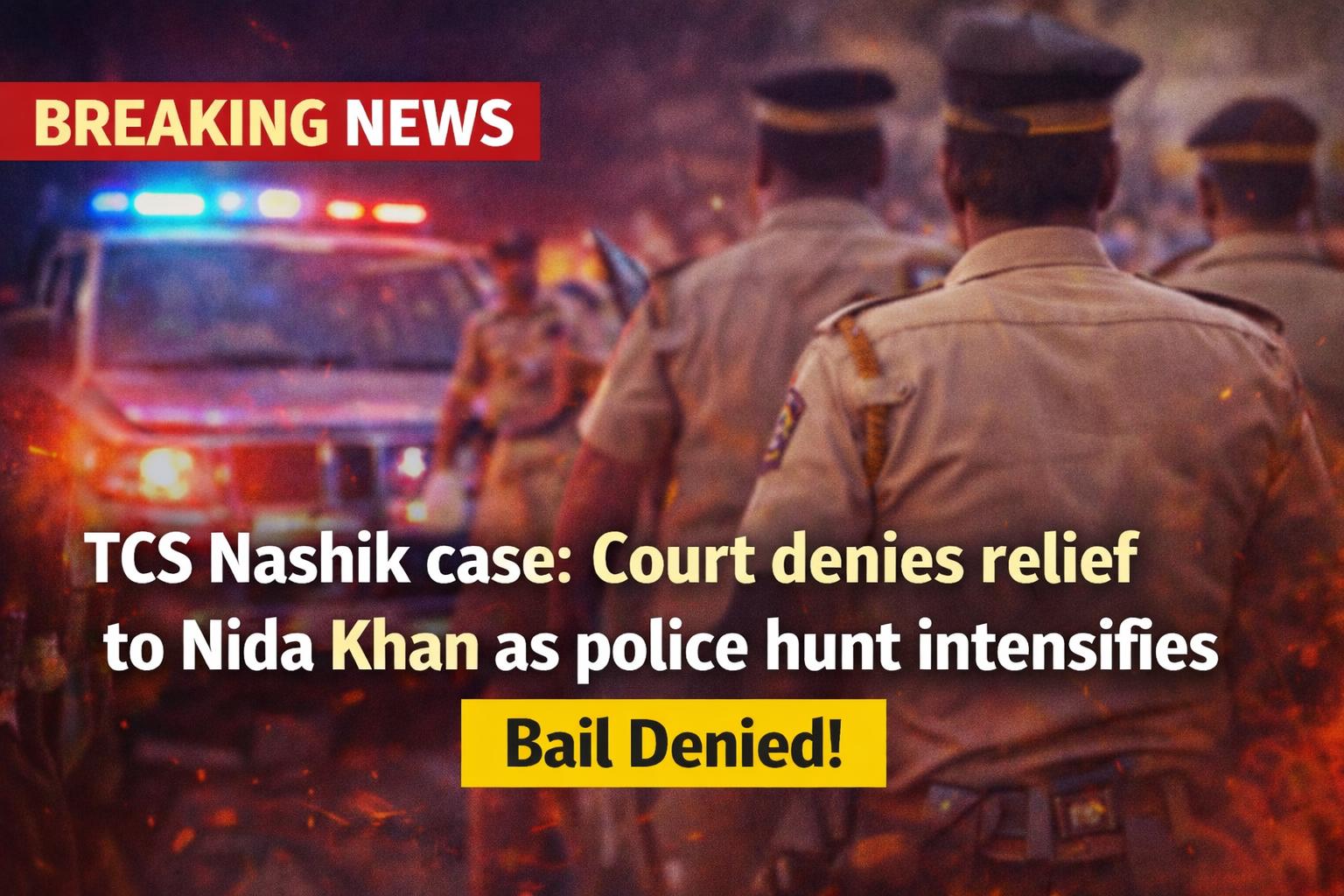
A Nashik court has refused to grant interim protection from arrest to Nida Khan, one of the accused in the TCS Nashik BPO case, intensifying the legal pressure against her. The decision comes as police continue their search for Khan, who remains the only accused yet to be taken into custody. Khan had approached the court seeking anticipatory bail, citing her pregn
Court denies interim relief to Nida Khan in TCS Nashik case
A Nashik court has refused to grant interim protection from arrest to Nida Khan, one of the accused in the TCS Nashik BPO case, intensifying the legal pressure against her. The decision comes as police continue their search for Khan, who remains the only accused yet to be taken into custody. Khan had approached the court seeking anticipatory bail, citing her pregn
A tragic incident in Gurugram has left residents shocked after a 33-year-old manager working with American Express was found dead in his apartment just four months after his marriage. The deceased, identified as Rishabh Dixit, was discovered in his flat at Pyramid Society in Sector 76 on Friday morning, Ap
A tragic incident in Gurugram has left residents shocked after a 33-year-old manager working with American Express was found dead in his apartment just four months after his marriage. The deceased, identified as Rishabh Dixit, was discovered in his flat at Pyramid Society in Sector 76 on Friday morning, Ap
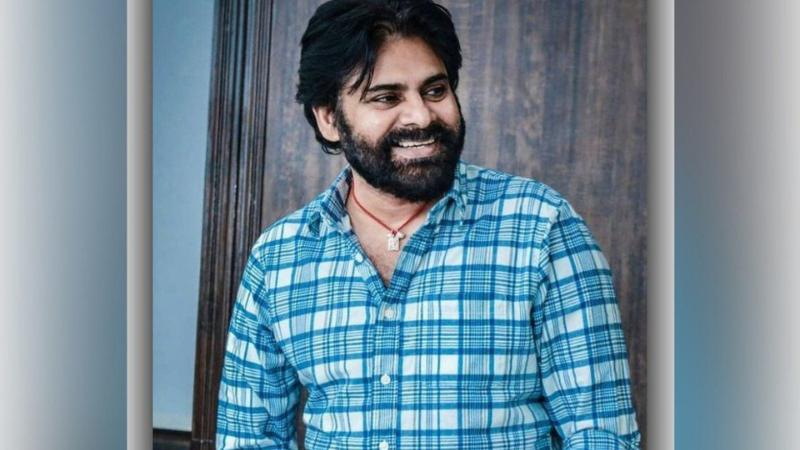
Popular actor and Andhra Pradesh Deputy Chief Minister Pawan Kalyan has recently undergone a surgical procedure, triggering widespread discussion and concern among fans and the film industry. The news surfaced quickly and spread across media platforms, leading to speculation about the reason behind the surgery and his current health condition.
According to initial reports, the procedure was planned and conducted under medical supervision, suggesting that it was not an emergency situation. Sources close to the development indicate that the surgery was successful, and doctors are closely monitoring his recovery. However, no official statement has been released detailing the exact nature of the medical condition or the treatment involved.
The development has generated significant attention, particularly because of Kalyan’s dual role as a leading figure in both politics and the entertainment industry. His active public presence and strong connection with supporters have intensified public interest in his health status. Social media platforms have been flooded with messages of support and wishes for a speedy recovery, reflecting the deep admiration and concern of his followers.
Recovery Updates and Public Response
Despite the ongoing speculation, individuals close to Pawan Kalyan have reassured that his condition remains stable and is steadily improving. Industry colleagues and political associates have also expressed optimism, urging the public not to jump to conclusions in the absence of confirmed information. Early indications suggest that he is responding well to post-surgery care and is expected to recover gradually.
While the timeline for his return to public duties and film commitments remains unclear, it will largely depend on medical advice and recovery progress. Experts note that such procedures are often routine or preventive, and not necessarily linked to serious health concerns.
This incident also highlights the importance of prioritizing health, even for public figures with demanding schedules. Regular medical check-ups and timely treatment are essential for long-term well-being. As fans await official confirmation, the overwhelming support pouring in from across the country underscores the strong bond between Pawan Kalyan and his audience.
Popular actor and Andhra Pradesh Deputy Chief Minister Pawan Kalyan has recently undergone a surgical procedure, triggering widespread discussion and concern among fans and the film industry. The news surfaced quickly and spread across media platforms, leading to speculation about the reason behind the surgery and his current health condition.
According to initial reports, the procedure was planned and conducted under medical supervision, suggesting that it was not an emergency situation. Sources close to the development indicate that the surgery was successful, and doctors are closely monitoring his recovery. However, no official statement has been released detailing the exact nature of the medical condition or the treatment involved.
The development has generated significant attention, particularly because of Kalyan’s dual role as a leading figure in both politics and the entertainment industry. His active public presence and strong connection with supporters have intensified public interest in his health status. Social media platforms have been flooded with messages of support and wishes for a speedy recovery, reflecting the deep admiration and concern of his followers.
Recovery Updates and Public Response
Despite the ongoing speculation, individuals close to Pawan Kalyan have reassured that his condition remains stable and is steadily improving. Industry colleagues and political associates have also expressed optimism, urging the public not to jump to conclusions in the absence of confirmed information. Early indications suggest that he is responding well to post-surgery care and is expected to recover gradually.
While the timeline for his return to public duties and film commitments remains unclear, it will largely depend on medical advice and recovery progress. Experts note that such procedures are often routine or preventive, and not necessarily linked to serious health concerns.
This incident also highlights the importance of prioritizing health, even for public figures with demanding schedules. Regular medical check-ups and timely treatment are essential for long-term well-being. As fans await official confirmation, the overwhelming support pouring in from across the country underscores the strong bond between Pawan Kalyan and his audience.
The debate around delimitation and fertility trends in India has long been presented as a matter of data, numbers, and scientific calculation. However, beneath the surface lies a far more complex reality that statistics alone often fail to fully capture. While policymakers and scholars rely heavily on demographic data to redraw constituencies and assess population changes, the lived experiences and political consequences of these decisions extend far beyond what the numbers suggest.
Delimitation, the process of redrawing electoral boundaries based on population, is intended to ensure fair representation. On paper, it appears straightforward: regions with higher populations should have more representation. However, this principle becomes contentious when viewed in the context of India’s diverse demographic patterns. States that have successfully controlled population growth through effective policies may find themselves disadvantaged in terms of political representation, while those with higher fertility rates could gain more seats. This creates a paradox where success in population control might translate into reduced political influence.
The science behind fertility rates also presents limitations. While data can indicate trends such as declining birth rates or regional disparities, it cannot fully explain the social, cultural, and economic factors driving these changes. Fertility decisions are influenced by education, access to healthcare, urbanization, and shifting societal values. These nuances are often overlooked when discussions are framed purely in statistical terms. As a result, policies based solely on numerical analysis risk missing the deeper context that shapes population behavior.
Understanding The Limits Of Data
Scholarly research on delimitation and fertility often lags behind the political realities experienced on the ground. While academics strive to build models and frameworks to explain these phenomena, their findings can take time to reflect the rapidly evolving dynamics of Indian society. Political leaders and citizens, on the other hand, often develop intuitive understandings of these issues based on direct experience. This gap between theory and reality highlights the limitations of relying exclusively on scientific approaches.
Moreover, the use of census data as the primary basis for delimitation introduces its own challenges. Census figures provide a snapshot of population distribution at a specific point in time, but they cannot account for migration patterns, economic shifts, or sudden demographic changes. In a country as vast and diverse as India, these factors can significantly alter the ground reality within a short period. As a result, decisions based on outdated or incomplete data may fail to achieve the intended goal of equitable representation.
Balancing Representation And Fairness
The intersection of delimitation and fertility trends raises important questions about fairness and equity in governance. Should representation be based purely on population numbers, or should it also consider the efforts made by certain regions to control population growth? This dilemma underscores the need for a more nuanced approach that goes beyond traditional metrics.
Policymakers must recognize that demographic data is only one piece of the puzzle. A holistic understanding of social, economic, and cultural factors is essential to create policies that are both fair and effective. This may involve exploring alternative methods of representation or introducing safeguards to ensure that states are not penalized for successful population control measures.
Ultimately, the science of delimitation and fertility provides valuable insights, but it is not a complete solution. To address the challenges posed by these issues, India must move beyond numbers and embrace a more comprehensive perspective that reflects the complexity of its society. Only then can the country achieve a balance between representation, fairness, and sustainable development.
The debate around delimitation and fertility trends in India has long been presented as a matter of data, numbers, and scientific calculation. However, beneath the surface lies a far more complex reality that statistics alone often fail to fully capture. While policymakers and scholars rely heavily on demographic data to redraw constituencies and assess population changes, the lived experiences and political consequences of these decisions extend far beyond what the numbers suggest.
Delimitation, the process of redrawing electoral boundaries based on population, is intended to ensure fair representation. On paper, it appears straightforward: regions with higher populations should have more representation. However, this principle becomes contentious when viewed in the context of India’s diverse demographic patterns. States that have successfully controlled population growth through effective policies may find themselves disadvantaged in terms of political representation, while those with higher fertility rates could gain more seats. This creates a paradox where success in population control might translate into reduced political influence.
The science behind fertility rates also presents limitations. While data can indicate trends such as declining birth rates or regional disparities, it cannot fully explain the social, cultural, and economic factors driving these changes. Fertility decisions are influenced by education, access to healthcare, urbanization, and shifting societal values. These nuances are often overlooked when discussions are framed purely in statistical terms. As a result, policies based solely on numerical analysis risk missing the deeper context that shapes population behavior.
Understanding The Limits Of Data
Scholarly research on delimitation and fertility often lags behind the political realities experienced on the ground. While academics strive to build models and frameworks to explain these phenomena, their findings can take time to reflect the rapidly evolving dynamics of Indian society. Political leaders and citizens, on the other hand, often develop intuitive understandings of these issues based on direct experience. This gap between theory and reality highlights the limitations of relying exclusively on scientific approaches.
Moreover, the use of census data as the primary basis for delimitation introduces its own challenges. Census figures provide a snapshot of population distribution at a specific point in time, but they cannot account for migration patterns, economic shifts, or sudden demographic changes. In a country as vast and diverse as India, these factors can significantly alter the ground reality within a short period. As a result, decisions based on outdated or incomplete data may fail to achieve the intended goal of equitable representation.
Balancing Representation And Fairness
The intersection of delimitation and fertility trends raises important questions about fairness and equity in governance. Should representation be based purely on population numbers, or should it also consider the efforts made by certain regions to control population growth? This dilemma underscores the need for a more nuanced approach that goes beyond traditional metrics.
Policymakers must recognize that demographic data is only one piece of the puzzle. A holistic understanding of social, economic, and cultural factors is essential to create policies that are both fair and effective. This may involve exploring alternative methods of representation or introducing safeguards to ensure that states are not penalized for successful population control measures.
Ultimately, the science of delimitation and fertility provides valuable insights, but it is not a complete solution. To address the challenges posed by these issues, India must move beyond numbers and embrace a more comprehensive perspective that reflects the complexity of its society. Only then can the country achieve a balance between representation, fairness, and sustainable development.
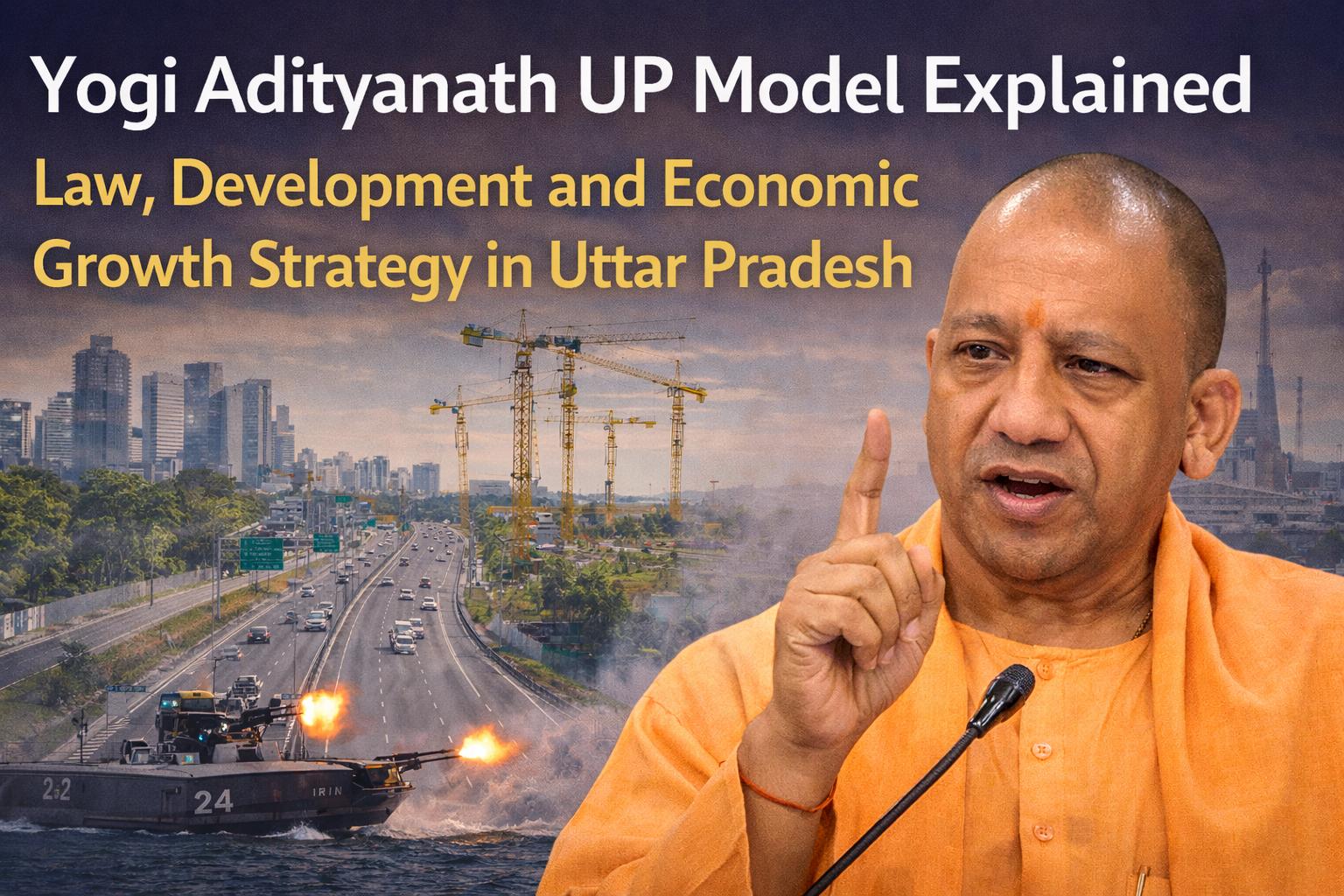
Yogi Adityanath UP model explained: A transformation strategy for India’s largest state
The Yogi Adityanath UP model has emerged as a major topic in India’s political and economic discussions. Focused on law and order, infrastructure expansion, and investment growth, the model aims to transform Uttar Pradesh into a key economic hub. Since taking office, Yogi Adityanath has posi
Yogi Adityanath UP model explained: A transformation strategy for India’s largest state
The Yogi Adityanath UP model has emerged as a major topic in India’s political and economic discussions. Focused on law and order, infrastructure expansion, and investment growth, the model aims to transform Uttar Pradesh into a key economic hub. Since taking office, Yogi Adityanath has posi
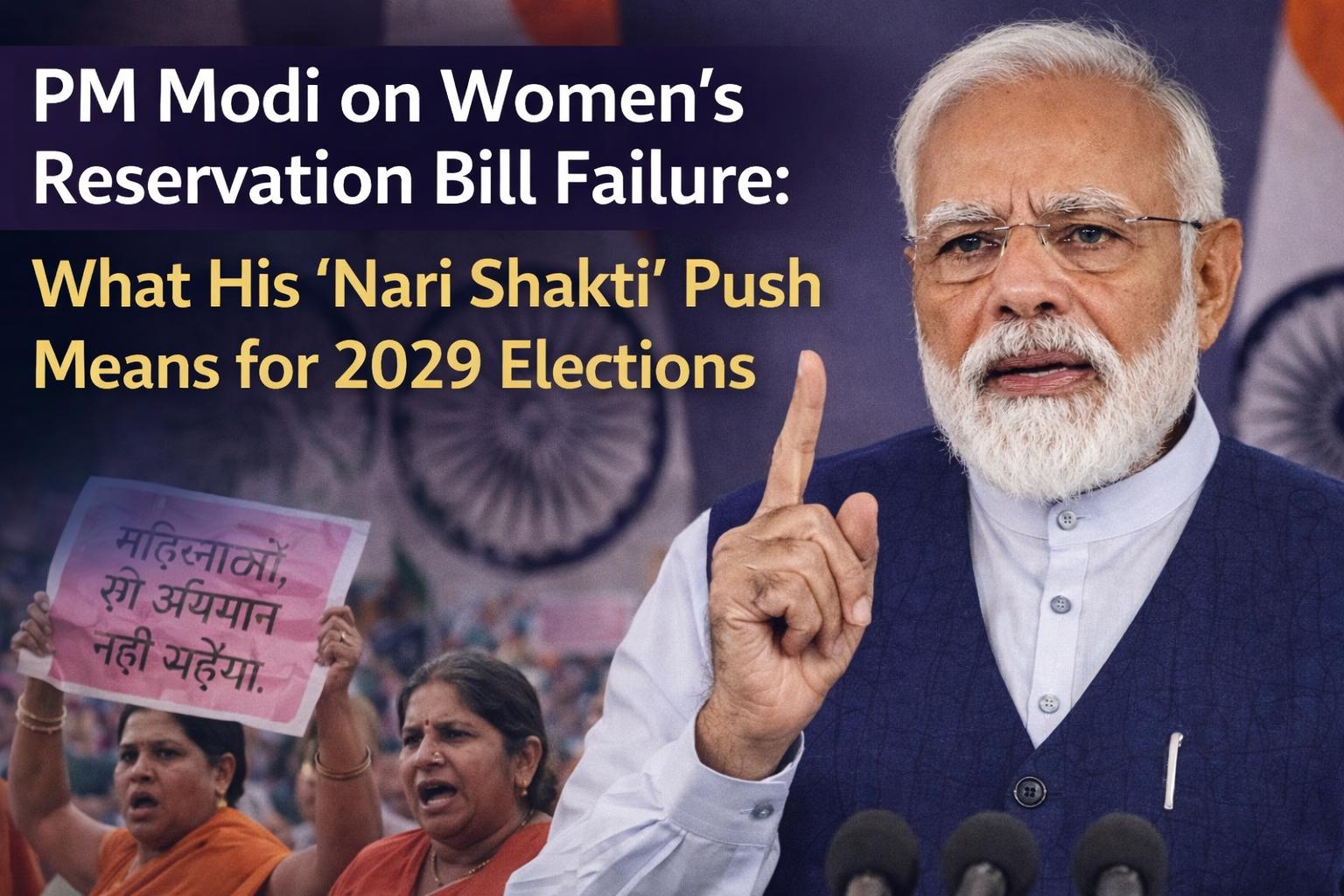
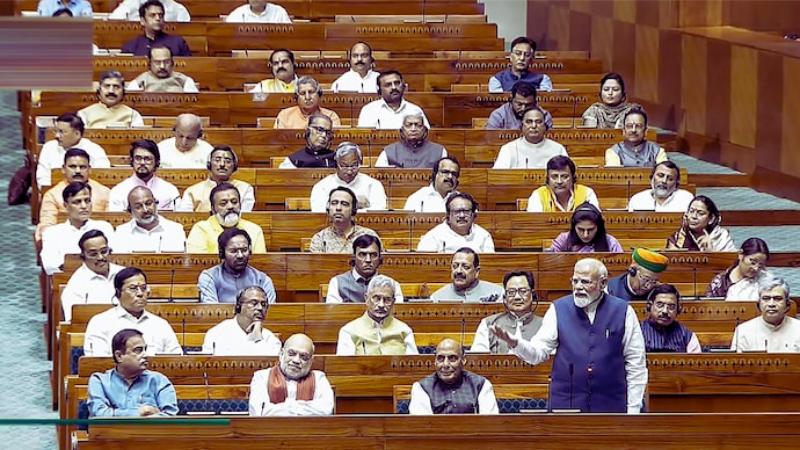
PM Modi women reservation bill speech highlights ‘Nari Shakti’ push
Prime Minister Narendra Modi’s women reservation bill speech on Saturday, April 18, 2026, has brought renewed focus on women’s representation in India’s political system. Calling the Nari Shakti initiative a “great yajna,” Modi emphasized that empowering women remains a central goal despite the recen
PM Modi women reservation bill speech highlights ‘Nari Shakti’ push
Prime Minister Narendra Modi’s women reservation bill speech on Saturday, April 18, 2026, has brought renewed focus on women’s representation in India’s political system. Calling the Nari Shakti initiative a “great yajna,” Modi emphasized that empowering women remains a central goal despite the recen
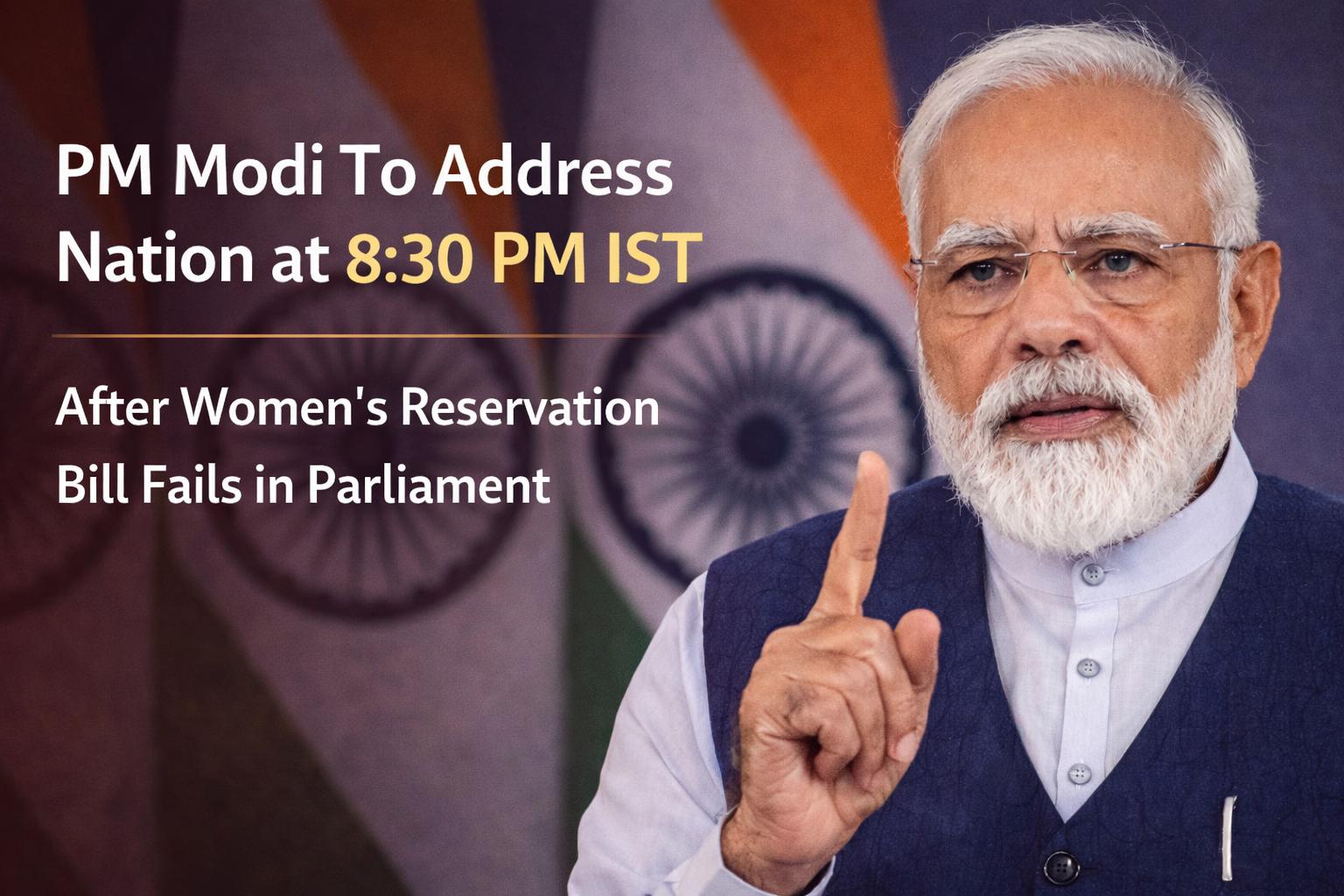
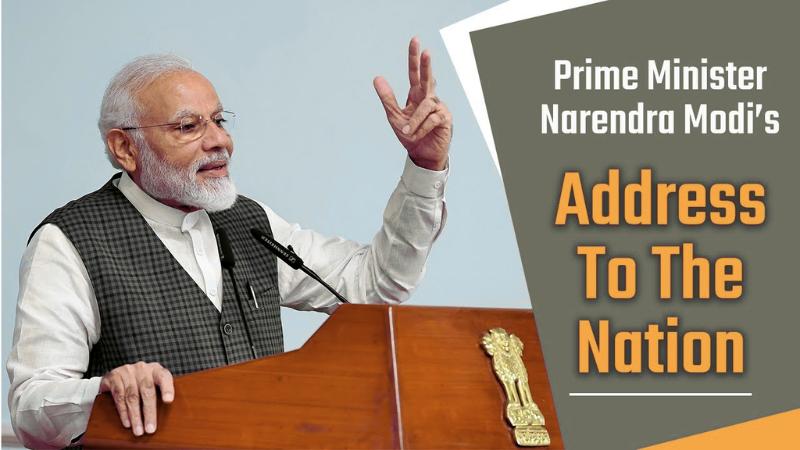
Prime Minister Narendra Modi is set to deliver a national address at 8:30 PM, prompting widespread speculation about the topic. The announcement comes at a politically sensitive moment, just a day after the women’s reservation bill failed to secure approval in Parliament.
Why PM Modi is addressing the nation today
While officials have not confirmed the subject of the speech, the timing has drawn attention. The Prime Minister reportedly di
Prime Minister Narendra Modi is set to deliver a national address at 8:30 PM, prompting widespread speculation about the topic. The announcement comes at a politically sensitive moment, just a day after the women’s reservation bill failed to secure approval in Parliament.
Why PM Modi is addressing the nation today
While officials have not confirmed the subject of the speech, the timing has drawn attention. The Prime Minister reportedly di
British traveller Indian hospitality viral video wins hearts online
A British traveller Indian hospitality viral video( https://www.instagram.com/reels/DXOd0Juk01o/ ) is capturing global attention after a simple yet powerful moment of kindness in rural India. The video, shared on social media, highlights how a local man’s small gesture left a lasting impression, showcasing t
British traveller Indian hospitality viral video wins hearts online
A British traveller Indian hospitality viral video( https://www.instagram.com/reels/DXOd0Juk01o/ ) is capturing global attention after a simple yet powerful moment of kindness in rural India. The video, shared on social media, highlights how a local man’s small gesture left a lasting impression, showcasing t
Narendra Modi will address the nation at 8:30 PM on April 18, 2026, following the defeat of the Women’s Reservation Bill in the Lok Sabha. The Prime Minister’s Office confirmed the address, though the agenda has not been disclosed. The development follows the Constitution (131st Amendment) Bill, falling short of the required two-thirds majority in the
Narendra Modi will address the nation at 8:30 PM on April 18, 2026, following the defeat of the Women’s Reservation Bill in the Lok Sabha. The Prime Minister’s Office confirmed the address, though the agenda has not been disclosed. The development follows the Constitution (131st Amendment) Bill, falling short of the required two-thirds majority in the
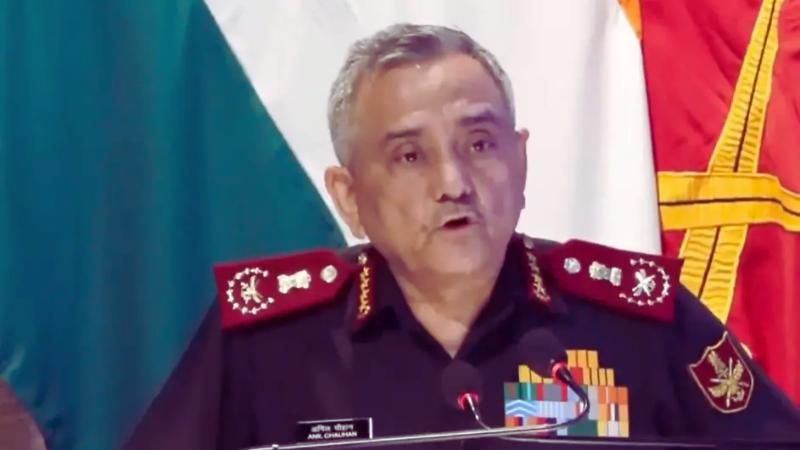
Anil Chauhan has stressed the need for India’s armed forces to enhance coordination and prepare for future challenges, drawing lessons from ‘Operation Sindoor’. He noted that the military must move beyond replicating past strategies and instead adapt to evolving threats and new forms of warfare.
Referring to ‘Operation Sindoor’, Chauhan desc
Anil Chauhan has stressed the need for India’s armed forces to enhance coordination and prepare for future challenges, drawing lessons from ‘Operation Sindoor’. He noted that the military must move beyond replicating past strategies and instead adapt to evolving threats and new forms of warfare.
Referring to ‘Operation Sindoor’, Chauhan desc
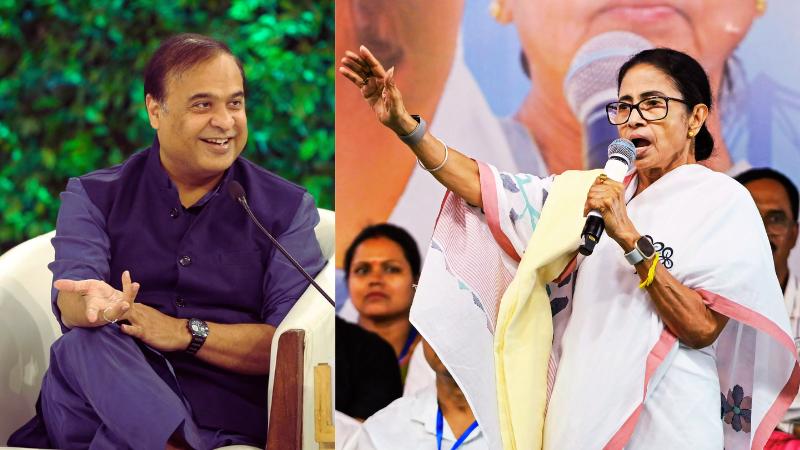
Political tensions have intensified ahead of the 2026 Assembly elections as Himanta Biswa Sarma launched a sharp attack on Mamata Banerjee during a campaign rally in
Political tensions have intensified ahead of the 2026 Assembly elections as Himanta Biswa Sarma launched a sharp attack on Mamata Banerjee during a campaign rally in
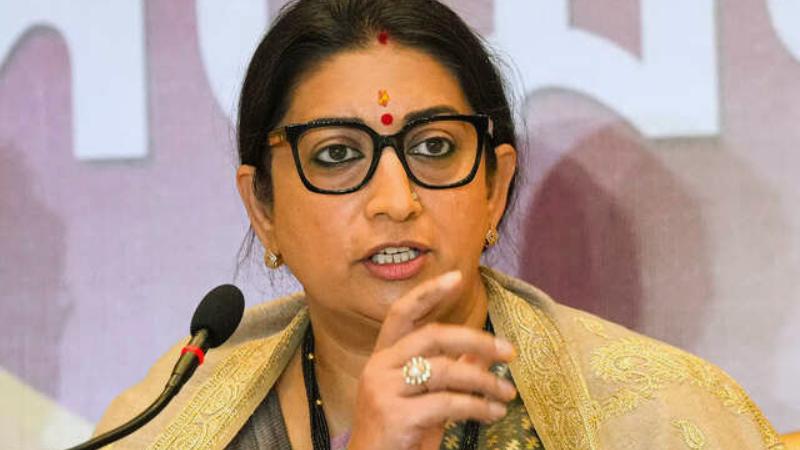
A political war of words erupted after the Women’s Reservation Bill failed to pass in the Lok Sabha, with Smriti Irani strongly criticising the Indian National Congress and other Opposition parties. She accused them of celebrat
A political war of words erupted after the Women’s Reservation Bill failed to pass in the Lok Sabha, with Smriti Irani strongly criticising the Indian National Congress and other Opposition parties. She accused them of celebrat
During the Indo-Pakistani War of 1971, India’s naval strategy played a significant role in shaping the outcome of the conflict. While much of the attention remained on ground operations, a strong Indian naval presence in the Bay of Bengal effectively restricted maritime movement and added pressure on Pakistani forces in East Pakistan (now
During the Indo-Pakistani War of 1971, India’s naval strategy played a significant role in shaping the outcome of the conflict. While much of the attention remained on ground operations, a strong Indian naval presence in the Bay of Bengal effectively restricted maritime movement and added pressure on Pakistani forces in East Pakistan (now
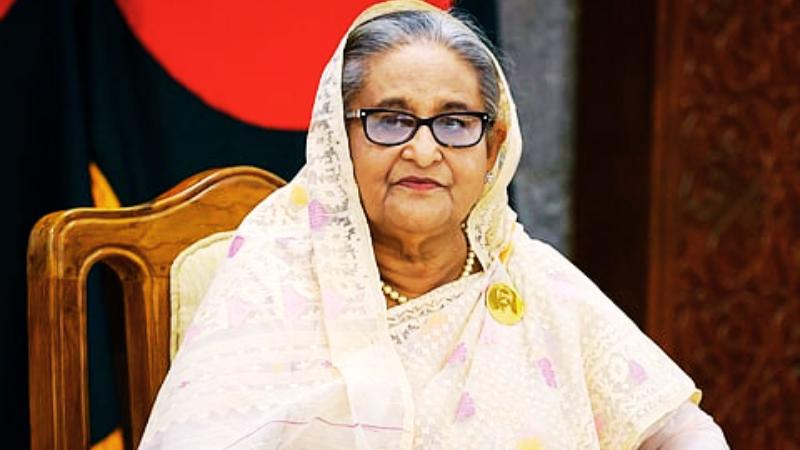
India has confirmed that Bangladesh’s request to extradite former Prime Minister Sheikh Hasina is currently under examination through established judicial and legal processes. The matter was discussed during recent talks betwee
India has confirmed that Bangladesh’s request to extradite former Prime Minister Sheikh Hasina is currently under examination through established judicial and legal processes. The matter was discussed during recent talks betwee
In a major political development, a united Opposition on Friday, April 17, 2026, defeated the government’s Women’s Reservation Bill in the Lok Sabha, marking the first legislative setback for the NDA government in over a decade. Despite last-minute appeals from Prime Minister
In a major political development, a united Opposition on Friday, April 17, 2026, defeated the government’s Women’s Reservation Bill in the Lok Sabha, marking the first legislative setback for the NDA government in over a decade. Despite last-minute appeals from Prime Minister
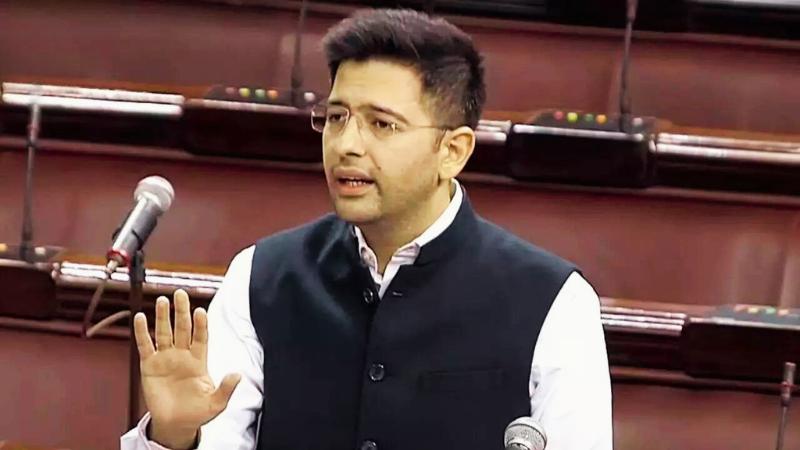
Raghav Chadha sparked fresh political buzz after taking a pointed dig at his own party, Aam Aadmi Party, during a Rajya Sabha session. Highlighting the absence of senior leadership, Chadha remarked that neither the party’s leader nor the newly appointed deputy leader was present in the House, even as he himself attended despite recently being removed from the deputy leader position.
In h
Raghav Chadha sparked fresh political buzz after taking a pointed dig at his own party, Aam Aadmi Party, during a Rajya Sabha session. Highlighting the absence of senior leadership, Chadha remarked that neither the party’s leader nor the newly appointed deputy leader was present in the House, even as he himself attended despite recently being removed from the deputy leader position.
In h
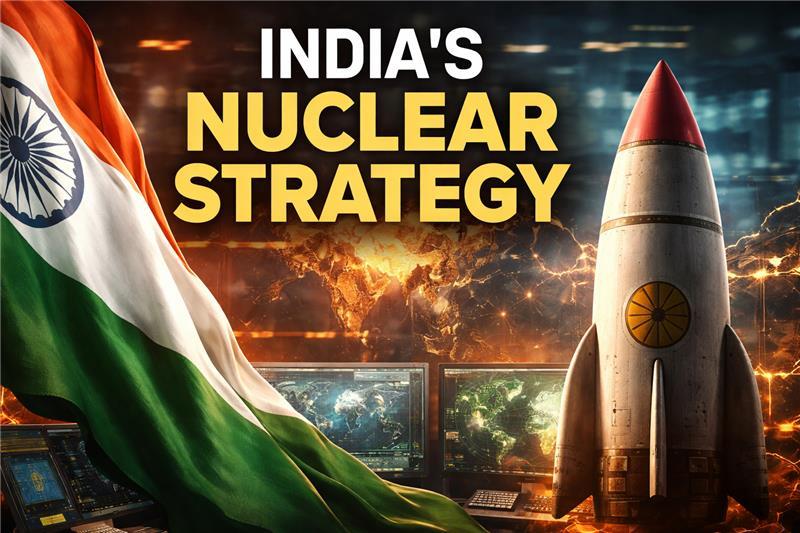
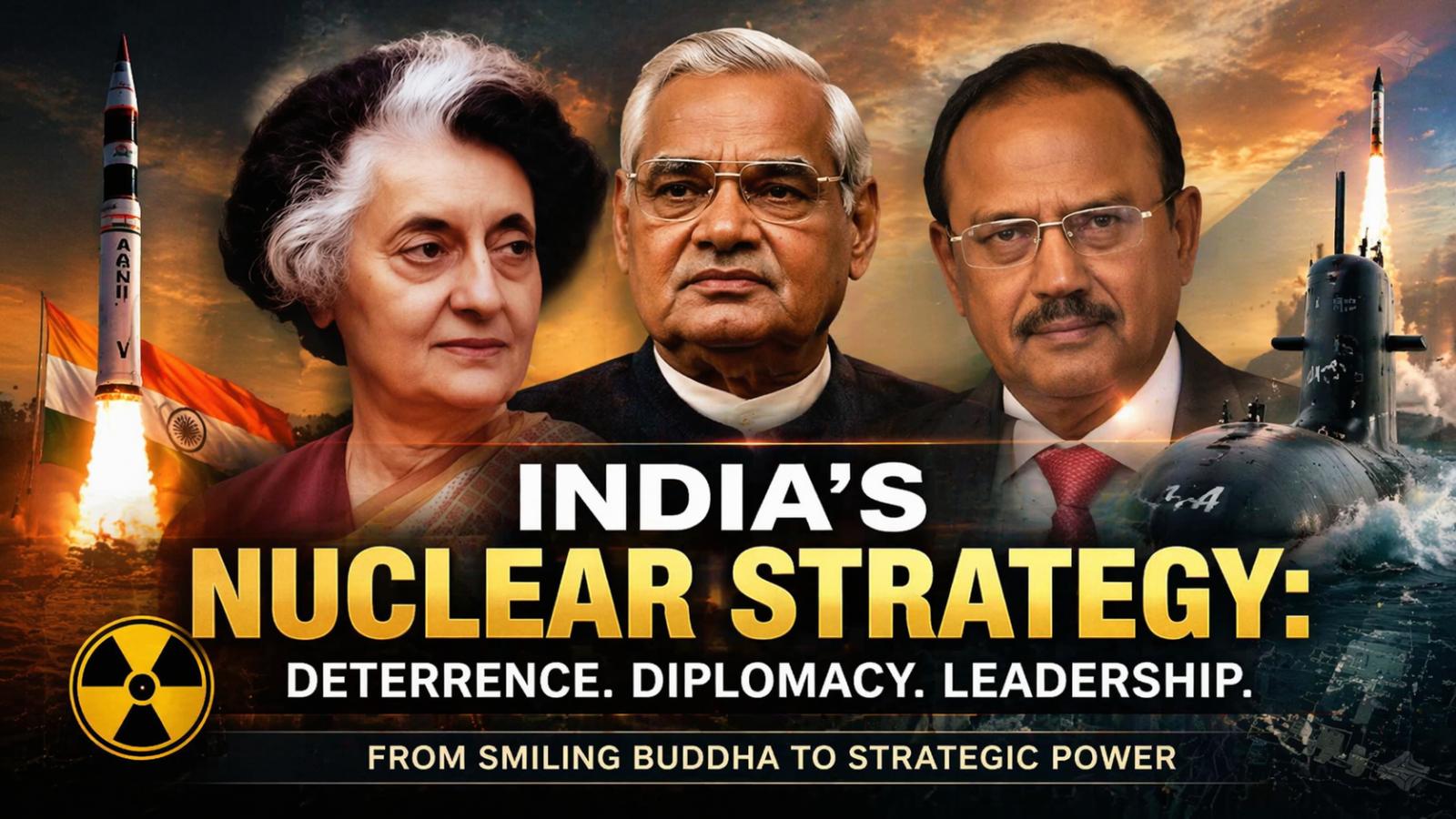
India’s nuclear strategy has consistently evolved, reflecting the country’s changing security landscape and its response to emerging global challenges. With a doctrine centered on credible minimum deterrence, India ensures that its nuclear capabilities are sufficient to deter adversaries without striving for nuclear superiority. This strategic posture maintains a delicate balance, ensuring national security while preventing the escalation of conflicts into nuclear war.
India’s nuclear strategy has consistently evolved, reflecting the country’s changing security landscape and its response to emerging global challenges. With a doctrine centered on credible minimum deterrence, India ensures that its nuclear capabilities are sufficient to deter adversaries without striving for nuclear superiority. This strategic posture maintains a delicate balance, ensuring national security while preventing the escalation of conflicts into nuclear war.
A serious ground incident at Indira Gandhi International Airport has raised fresh concerns over aviation safety after a SpiceJet aircraft collided with a stationary Akasa Air plane while taxiing on Thursday. The
A serious ground incident at Indira Gandhi International Airport has raised fresh concerns over aviation safety after a SpiceJet aircraft collided with a stationary Akasa Air plane while taxiing on Thursday. The
India’s nuclear doctrine has evolved over decades, with a clear emphasis on No First Use (NFU). This defensive posture is grounded in the idea of deterring potential nuclear attacks by assuring a credible second-strike capability. By adopting NFU, India ensures that it will only use nuclear weapons in retaliation, maintaining a strong and defensive stance in global security matters.
As India’s nuclear strategy matured, advancements in its arsenal played a pivotal role in enh
India’s nuclear doctrine has evolved over decades, with a clear emphasis on No First Use (NFU). This defensive posture is grounded in the idea of deterring potential nuclear attacks by assuring a credible second-strike capability. By adopting NFU, India ensures that it will only use nuclear weapons in retaliation, maintaining a strong and defensive stance in global security matters.
As India’s nuclear strategy matured, advancements in its arsenal played a pivotal role in enh