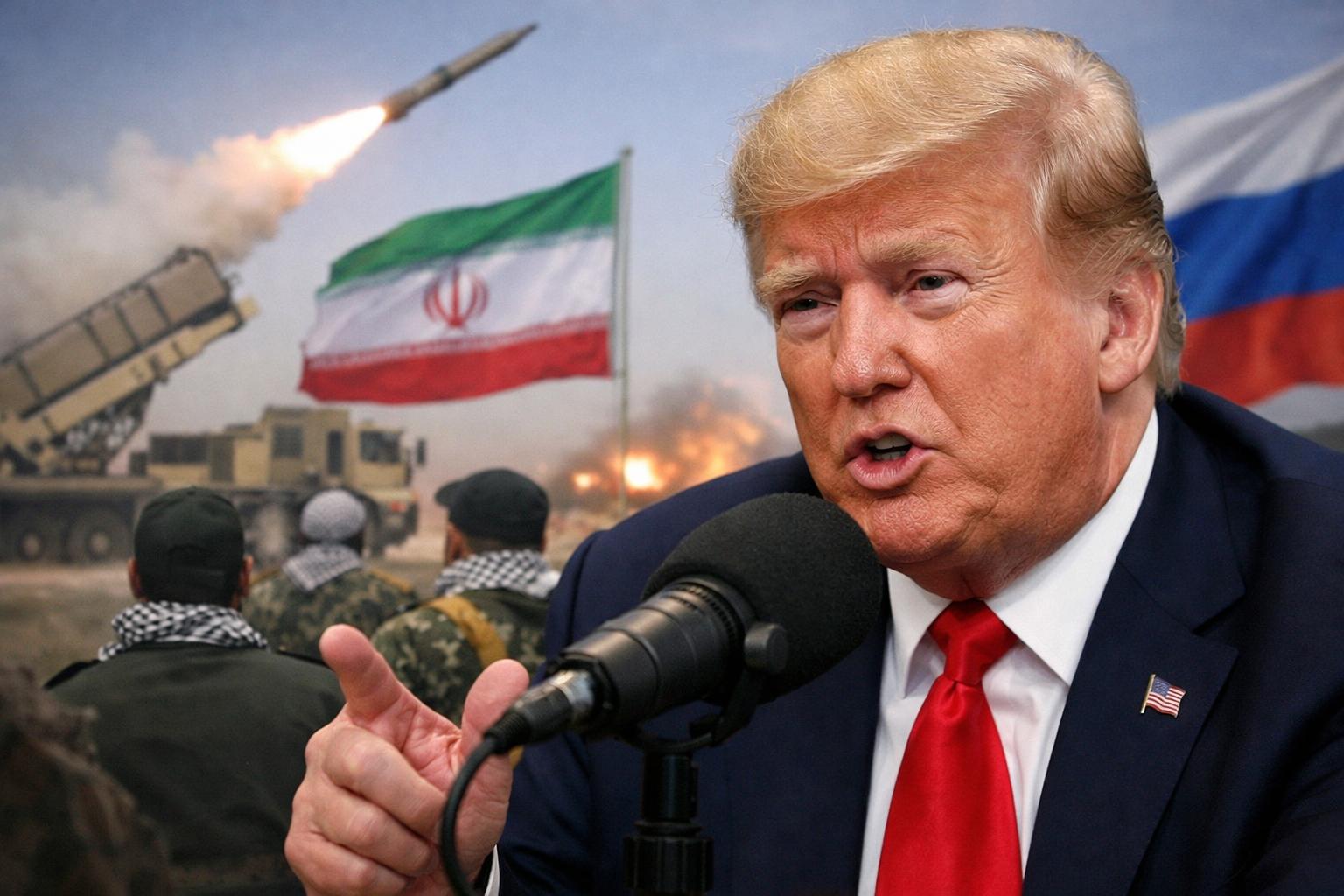
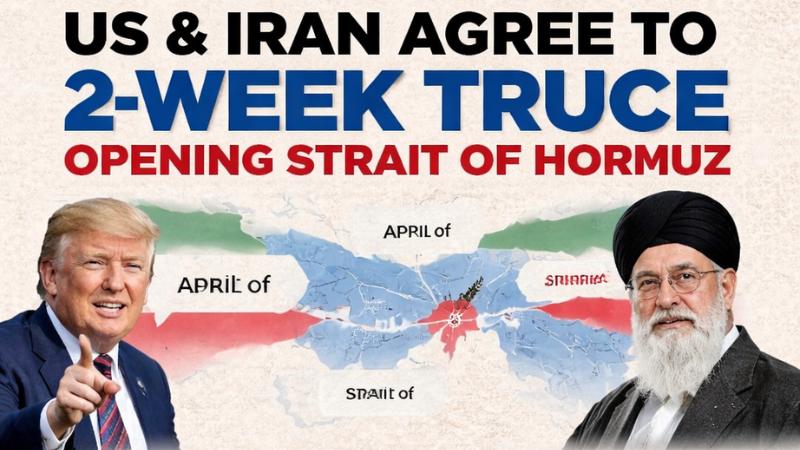
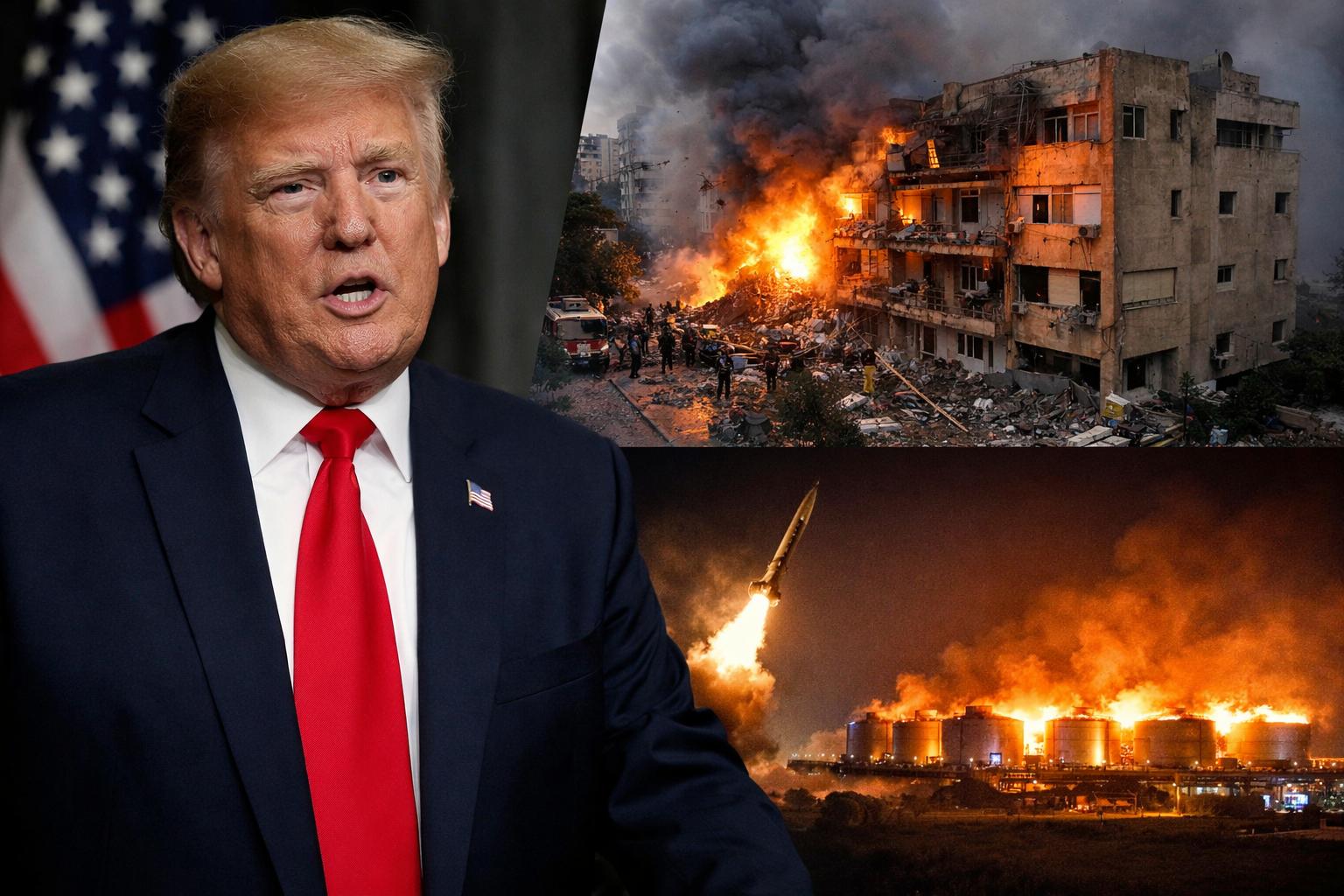
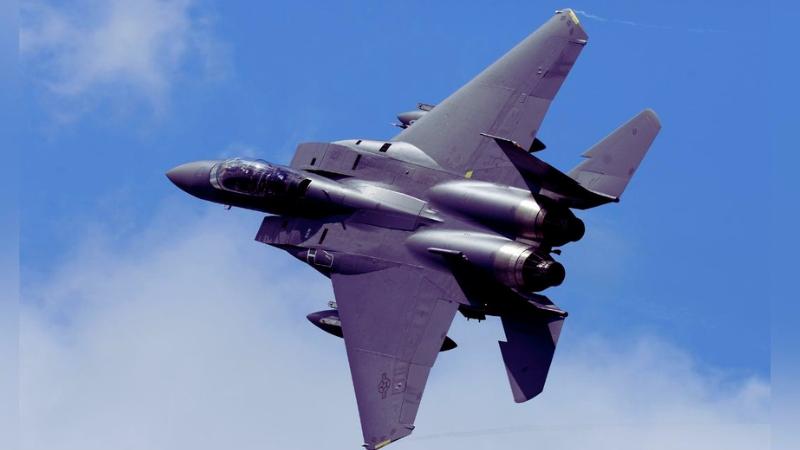
In a dramatic turn of events, US President Donald Trump has agreed to a two-week ceasefire with Iran, pulling back from the brink of escalating military conflict. The decision was made just hours before a self-imposed deadline for Tehran to reopen the vital Strait of Hormuz, a strategic waterway for global oil shipments, or face devastating US military strikes on Iranian civilian infrastructure.
The truce, which is aimed at providing a diplomatic window to de-escalate the ongoing 40
In a dramatic turn of events, US President Donald Trump has agreed to a two-week ceasefire with Iran, pulling back from the brink of escalating military conflict. The decision was made just hours before a self-imposed deadline for Tehran to reopen the vital Strait of Hormuz, a strategic waterway for global oil shipments, or face devastating US military strikes on Iranian civilian infrastructure.
The truce, which is aimed at providing a diplomatic window to de-escalate the ongoing 40
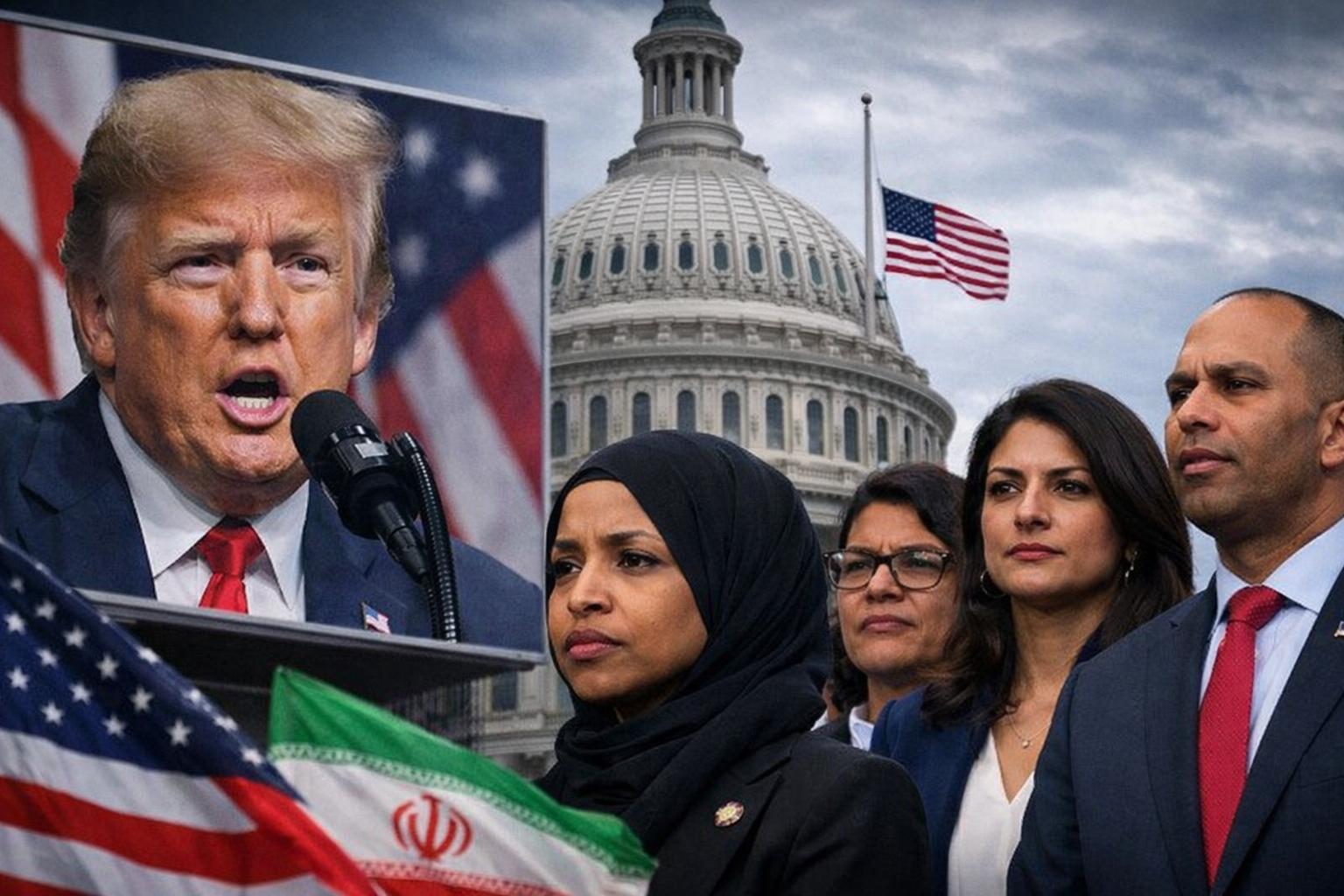
Calls for President Donald Trump’s removal from office intensified among congressional Democrats following a controversial social media post in which he warned that “a whole civilization will die tonight” in reference to Iran. The statement, made on Easter Sunday, has fueled renewed debate in Washington over the use of impeachment or the 25th Amendment, marking a significant shift from earlier reluctance to pursue such measures during his second term.
Democratic lawmakers cite
Calls for President Donald Trump’s removal from office intensified among congressional Democrats following a controversial social media post in which he warned that “a whole civilization will die tonight” in reference to Iran. The statement, made on Easter Sunday, has fueled renewed debate in Washington over the use of impeachment or the 25th Amendment, marking a significant shift from earlier reluctance to pursue such measures during his second term.
Democratic lawmakers cite
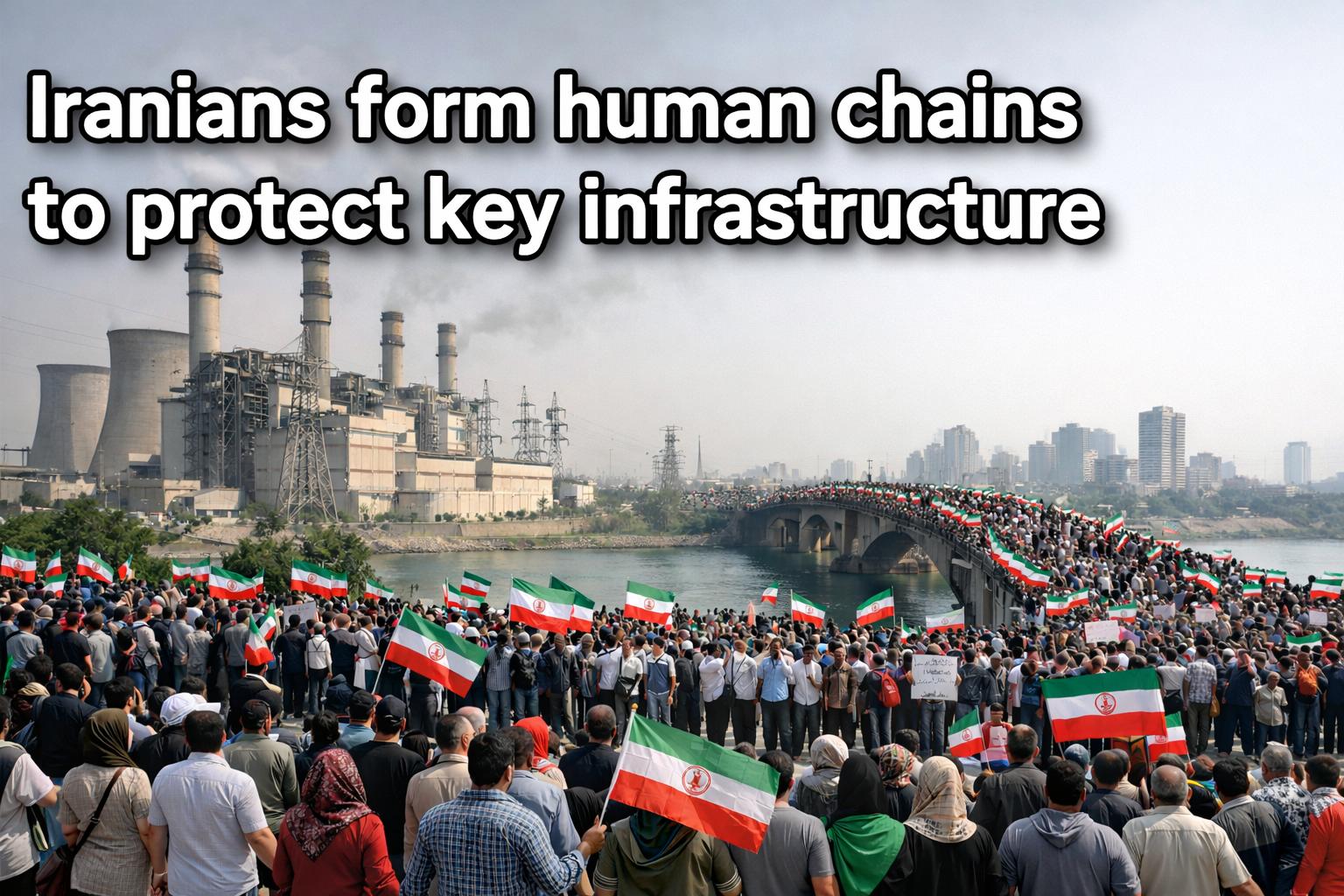
Thousands of Iranians gathered across the country on Tuesday, April 7, 2026, forming human chains around bridges and power generation facilities in what state media described as a coordinated effort to safeguard critical infrastructure. The demonstrations followed warnings from Donald Trump, who threatened potential strikes on Iranian bridges and power plants if Tehran fails to comply with US demands related to the ongoing conflict.
Video footage broadcast by Iran’s state-run Press TV showed extensive lines of civilians holding national flags while standing outside key infrastructure sites. Large crowds appeared to position themselves as protective barriers, effectively acting as human shields around locations reportedly identified as potential targets.
The Iranian government had earlier encouraged broad public participation, calling on young people, artists, and athletes to join the initiative. Officials framed the effort as a grassroots movement driven largely by youth organizations. Alireza Rahimi, Secretary of the Supreme Council of Youth and Adolescents, stated that the idea originated among university students and young activists who proposed forming human chains around strategic facilities.
Rahimi described the campaign, titled “Human Chain of Iran’s Youth for a Bright Future,” as a demonstration of national unity and resilience. He emphasized that the initiative reflects a collective determination to defend the country’s infrastructure amid escalating external threats.
Meanwhile, President Trump reiterated his warnings, suggesting that failure to meet US conditions—including reopening the Strait of Hormuz—could lead to severe consequences. In a post on Truth Social, he warned of potentially catastrophic outcomes while also referencing the possibility of significant political change in Iran.
The developments highlight intensifying geopolitical tensions between the United States and Iran, with civilian mobilization underscoring the broader societal response within Iran as the situation continues to evolve.
Thousands of Iranians gathered across the country on Tuesday, April 7, 2026, forming human chains around bridges and power generation facilities in what state media described as a coordinated effort to safeguard critical infrastructure. The demonstrations followed warnings from Donald Trump, who threatened potential strikes on Iranian bridges and power plants if Tehran fails to comply with US demands related to the ongoing conflict.
Video footage broadcast by Iran’s state-run Press TV showed extensive lines of civilians holding national flags while standing outside key infrastructure sites. Large crowds appeared to position themselves as protective barriers, effectively acting as human shields around locations reportedly identified as potential targets.
The Iranian government had earlier encouraged broad public participation, calling on young people, artists, and athletes to join the initiative. Officials framed the effort as a grassroots movement driven largely by youth organizations. Alireza Rahimi, Secretary of the Supreme Council of Youth and Adolescents, stated that the idea originated among university students and young activists who proposed forming human chains around strategic facilities.
Rahimi described the campaign, titled “Human Chain of Iran’s Youth for a Bright Future,” as a demonstration of national unity and resilience. He emphasized that the initiative reflects a collective determination to defend the country’s infrastructure amid escalating external threats.
Meanwhile, President Trump reiterated his warnings, suggesting that failure to meet US conditions—including reopening the Strait of Hormuz—could lead to severe consequences. In a post on Truth Social, he warned of potentially catastrophic outcomes while also referencing the possibility of significant political change in Iran.
The developments highlight intensifying geopolitical tensions between the United States and Iran, with civilian mobilization underscoring the broader societal response within Iran as the situation continues to evolve.
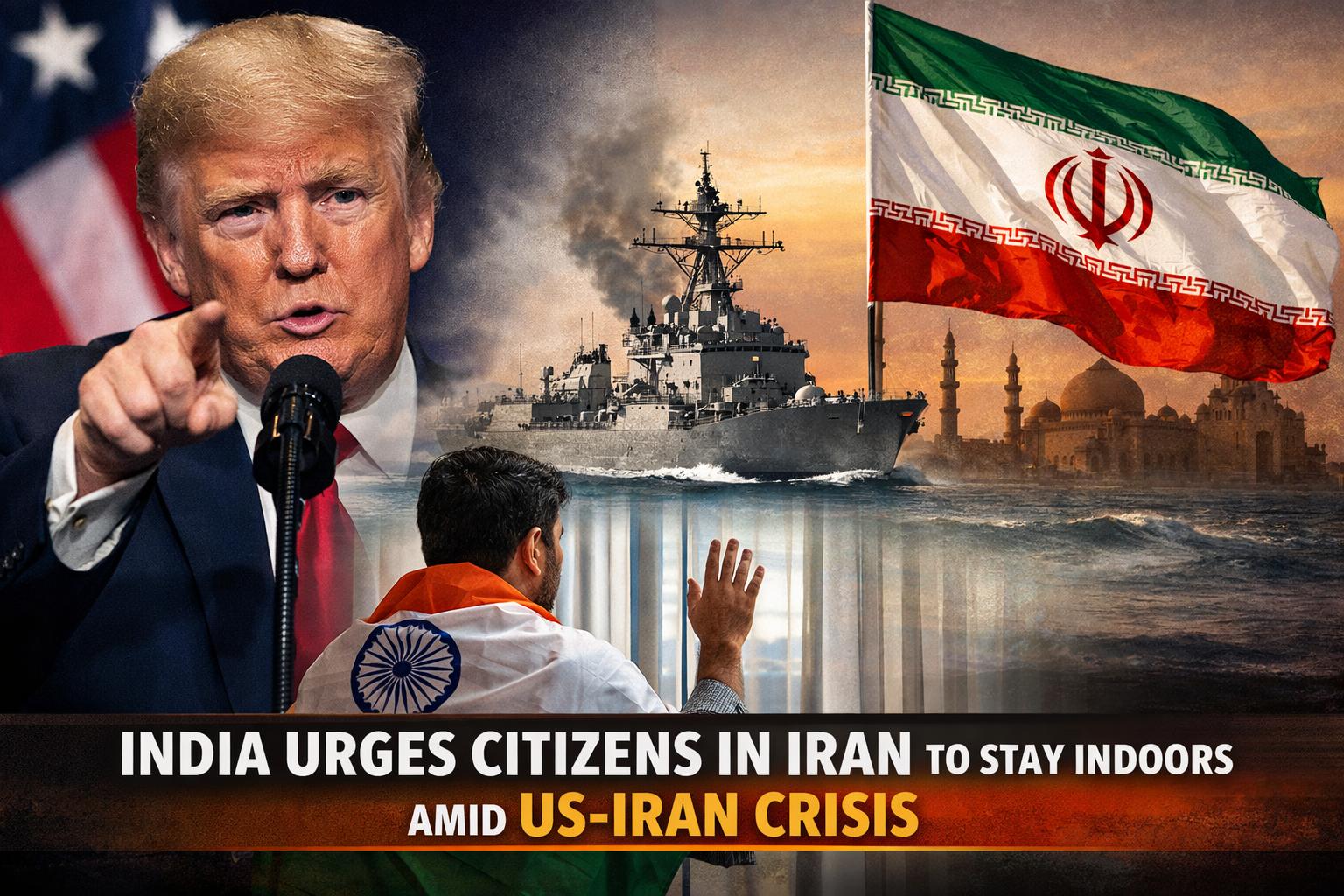
The Indian embassy in Iran issued a security advisory on Tuesday, April 7, 2026, urging Indian nationals across the country to remain indoors for the next 48 hours as geopolitical tensions intensify between the United States and Iran. The advisory comes amid heightened uncertainty surrounding a deadline set by US President Donald Trump related to reopening the Strait of Hormuz, a critical global shipping route.
In its official statement released from Tehran, the embassy instructed
The Indian embassy in Iran issued a security advisory on Tuesday, April 7, 2026, urging Indian nationals across the country to remain indoors for the next 48 hours as geopolitical tensions intensify between the United States and Iran. The advisory comes amid heightened uncertainty surrounding a deadline set by US President Donald Trump related to reopening the Strait of Hormuz, a critical global shipping route.
In its official statement released from Tehran, the embassy instructed
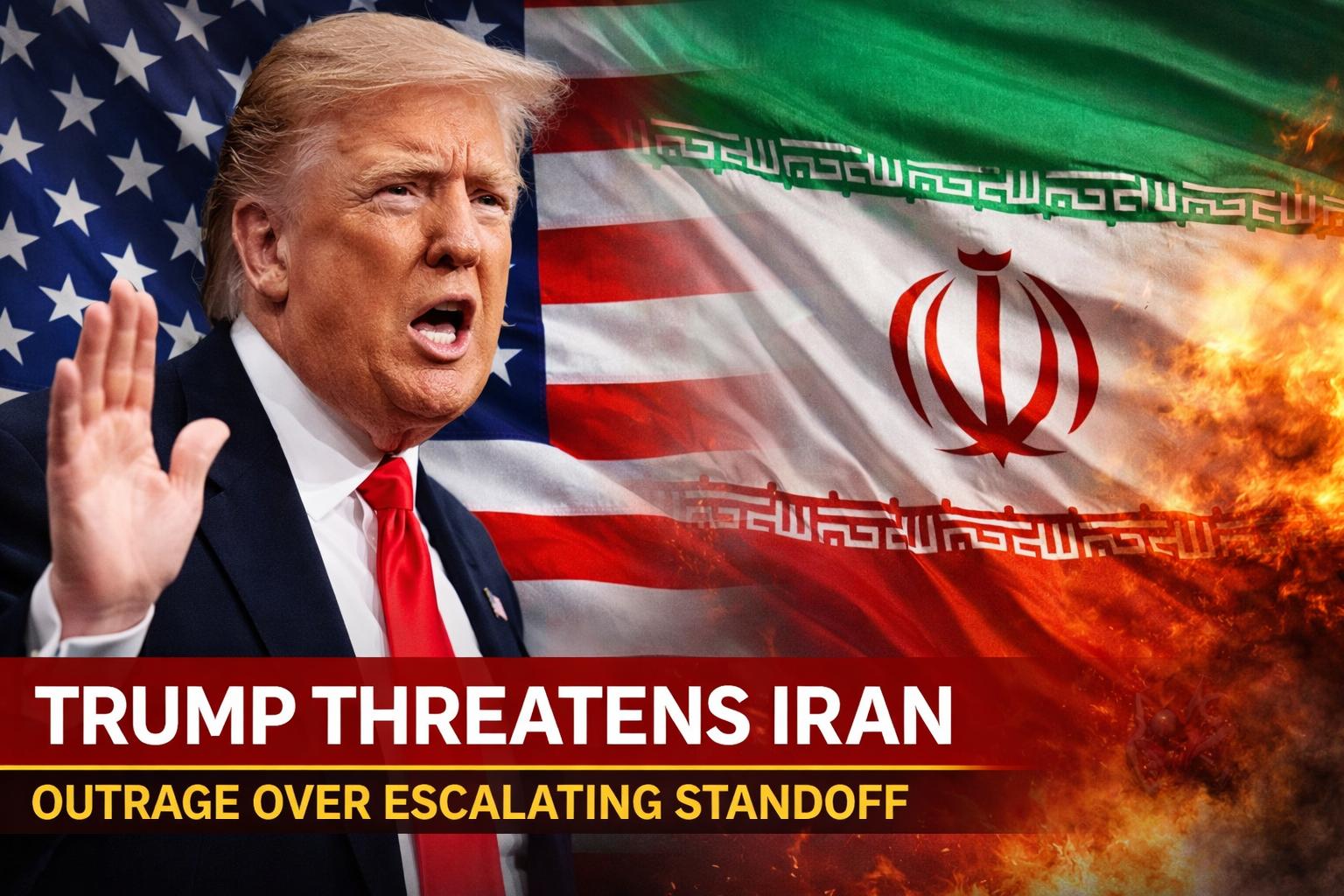
President Donald Trump faced widespread criticism after issuing a stark warning toward Iran, threatening the destruction of the country’s civilization if it failed to meet U.S. demands by 8:00 PM on Tuesday, though the exact date was not specified. The remarks, posted on social media, intensified already heightened tensions between the United States and Iran.
Iran responded by suspending direct communications with Washington, while continuing indirect discussions through cease-fir
President Donald Trump faced widespread criticism after issuing a stark warning toward Iran, threatening the destruction of the country’s civilization if it failed to meet U.S. demands by 8:00 PM on Tuesday, though the exact date was not specified. The remarks, posted on social media, intensified already heightened tensions between the United States and Iran.
Iran responded by suspending direct communications with Washington, while continuing indirect discussions through cease-fir
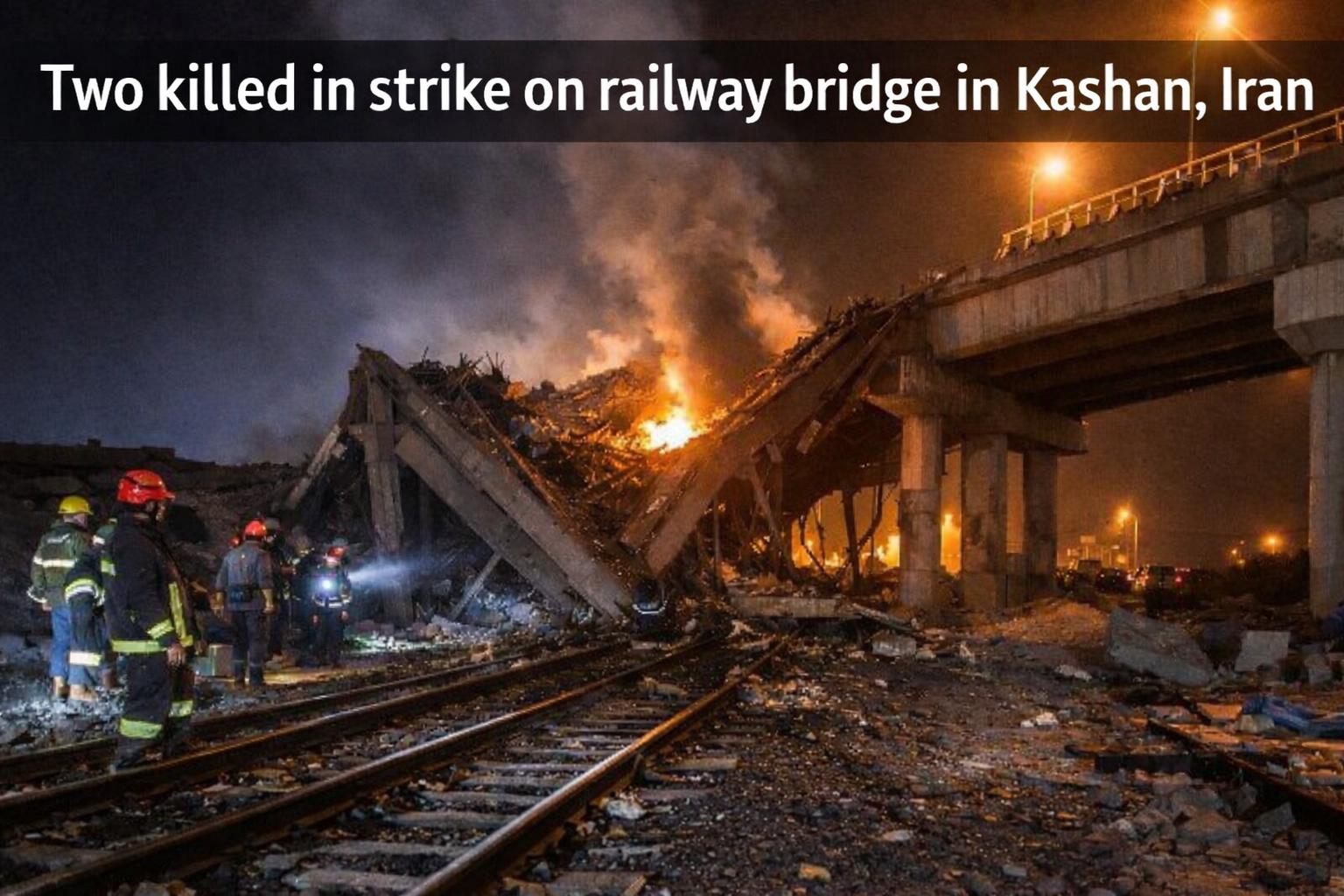
Two people were killed and three others injured in a strike on a railway bridge in the central Iranian city of Kashan, according to regional authorities. The incident occurred at approximately 4:52 PM IST on Tuesday, April 7, 2026 (which was early morning, Tuesday, April 7, 2026, in the United States), based on available live updates.
Akbar Salehi, a senior security official in Isfahan province, said the Yahya Abad railway bridge in Kashan was targeted in what he described as an attack involving U.S. and Israeli forces. He stated that the strike resulted in civilian casualties, confirming two fatalities and three injuries.
Authorities reported disruptions to transportation infrastructure following the incident. A key highway in northern Iran was closed after the strike, though officials did not immediately provide details on the extent of the damage or how long the closure would remain in effect.
No independent confirmation of the attack or its attribution has been released. The situation remains fluid as officials continue to assess the damage and broader security implications in the region.
Two people were killed and three others injured in a strike on a railway bridge in the central Iranian city of Kashan, according to regional authorities. The incident occurred at approximately 4:52 PM IST on Tuesday, April 7, 2026 (which was early morning, Tuesday, April 7, 2026, in the United States), based on available live updates.
Akbar Salehi, a senior security official in Isfahan province, said the Yahya Abad railway bridge in Kashan was targeted in what he described as an attack involving U.S. and Israeli forces. He stated that the strike resulted in civilian casualties, confirming two fatalities and three injuries.
Authorities reported disruptions to transportation infrastructure following the incident. A key highway in northern Iran was closed after the strike, though officials did not immediately provide details on the extent of the damage or how long the closure would remain in effect.
No independent confirmation of the attack or its attribution has been released. The situation remains fluid as officials continue to assess the damage and broader security implications in the region.
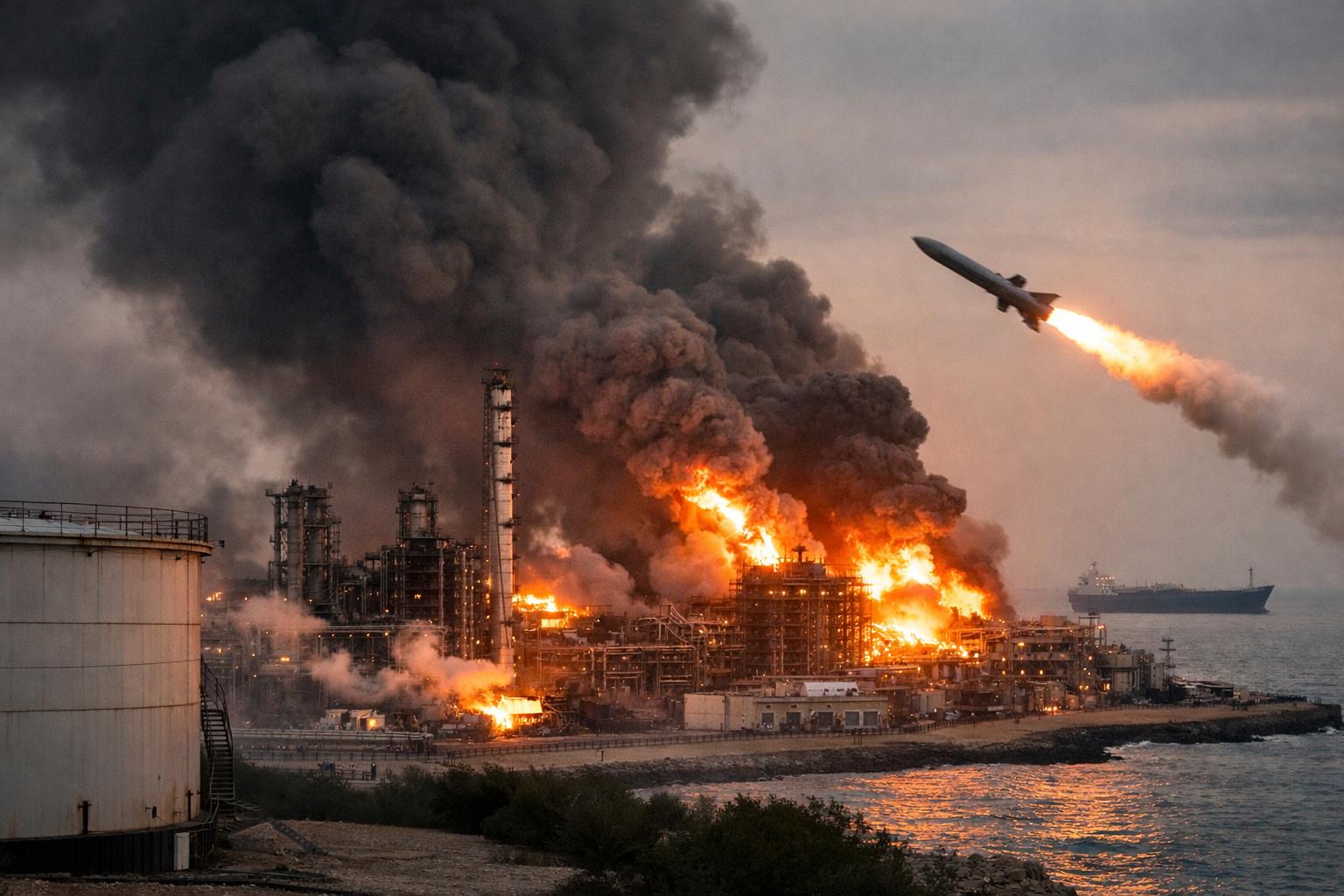
Missile strikes by United States and Israeli forces have reportedly targeted Iran’s strategically vital Kharg Island, significantly escalating tensions in West Asia. According to Iran’s Mehr News, the strikes were reported on Tuesday, April 7, 2026, marking a critical development in the ongoing military campaign known as Operation Epic Fury.
Kharg Island, often described as Tehran’s economic lifeline, handles nearly 90% of Iran’s crude oil exports, making it central to globa
Missile strikes by United States and Israeli forces have reportedly targeted Iran’s strategically vital Kharg Island, significantly escalating tensions in West Asia. According to Iran’s Mehr News, the strikes were reported on Tuesday, April 7, 2026, marking a critical development in the ongoing military campaign known as Operation Epic Fury.
Kharg Island, often described as Tehran’s economic lifeline, handles nearly 90% of Iran’s crude oil exports, making it central to globa
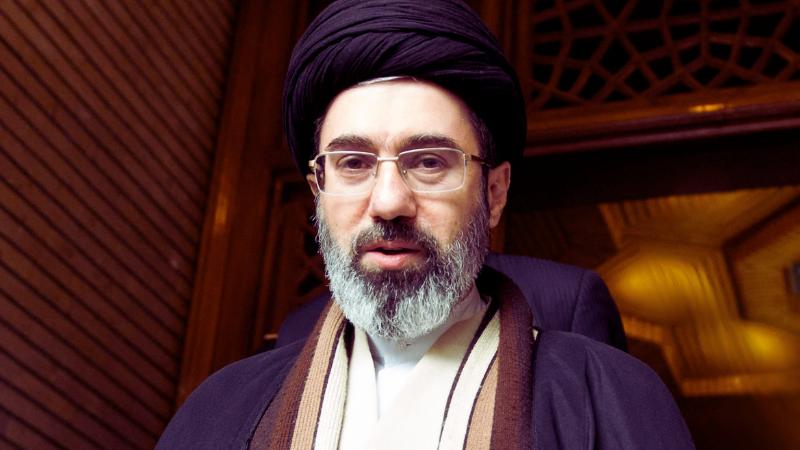
Mojtaba Khamenei, the newly-appointed Supreme Leader of Iran, is currently unconscious and receiving medical treatment in Qom, Iran. The report, based on intelligence sources from the US and Israel, revealed that Khamenei sustained severe injuries in the same airstrike that killed his father, Ayatollah Ali Khamenei, on February 28, 2026. Due to his current condition, Mojtaba Khamenei is unable to be involved in the decision-making process of the country, which has raised concerns regardi
Mojtaba Khamenei, the newly-appointed Supreme Leader of Iran, is currently unconscious and receiving medical treatment in Qom, Iran. The report, based on intelligence sources from the US and Israel, revealed that Khamenei sustained severe injuries in the same airstrike that killed his father, Ayatollah Ali Khamenei, on February 28, 2026. Due to his current condition, Mojtaba Khamenei is unable to be involved in the decision-making process of the country, which has raised concerns regardi
Escalating tensions across the Middle East intensified after US President Donald Trump said Iran’s response to a proposed ceasefire was “substantial” but ultimately “not good enough,” signaling continued diplomatic strain as military exchanges widened across the region.
The remarks came as at least 34 people, including six children, were reported killed in coordinated US-Israeli strikes across Iran. The attacks mark a significant escalation in the ongoing conflict, raisin
Escalating tensions across the Middle East intensified after US President Donald Trump said Iran’s response to a proposed ceasefire was “substantial” but ultimately “not good enough,” signaling continued diplomatic strain as military exchanges widened across the region.
The remarks came as at least 34 people, including six children, were reported killed in coordinated US-Israeli strikes across Iran. The attacks mark a significant escalation in the ongoing conflict, raisin
The ongoing conflict between the US, Israel, and Iran continues to escalate as the war in the Middle East enters its second month with no sign of abating. Tensions have been rising ever since US President Donald Trump’s ultimatum for Iran to engage in negotiations was issued, but Tehran remains defiant and continues its aggressive stance.
Israel has intensified its military operations in the region, striking Iran’s largest petrochemical complex, which it claims serves as a centr
The ongoing conflict between the US, Israel, and Iran continues to escalate as the war in the Middle East enters its second month with no sign of abating. Tensions have been rising ever since US President Donald Trump’s ultimatum for Iran to engage in negotiations was issued, but Tehran remains defiant and continues its aggressive stance.
Israel has intensified its military operations in the region, striking Iran’s largest petrochemical complex, which it claims serves as a centr
President Donald Trump said he would pursue legal action against journalists and media organizations involved in reporting that a second U.S. airman was missing following the downing of an American fighter jet in Iran last week, calling the leak a threat to national security.
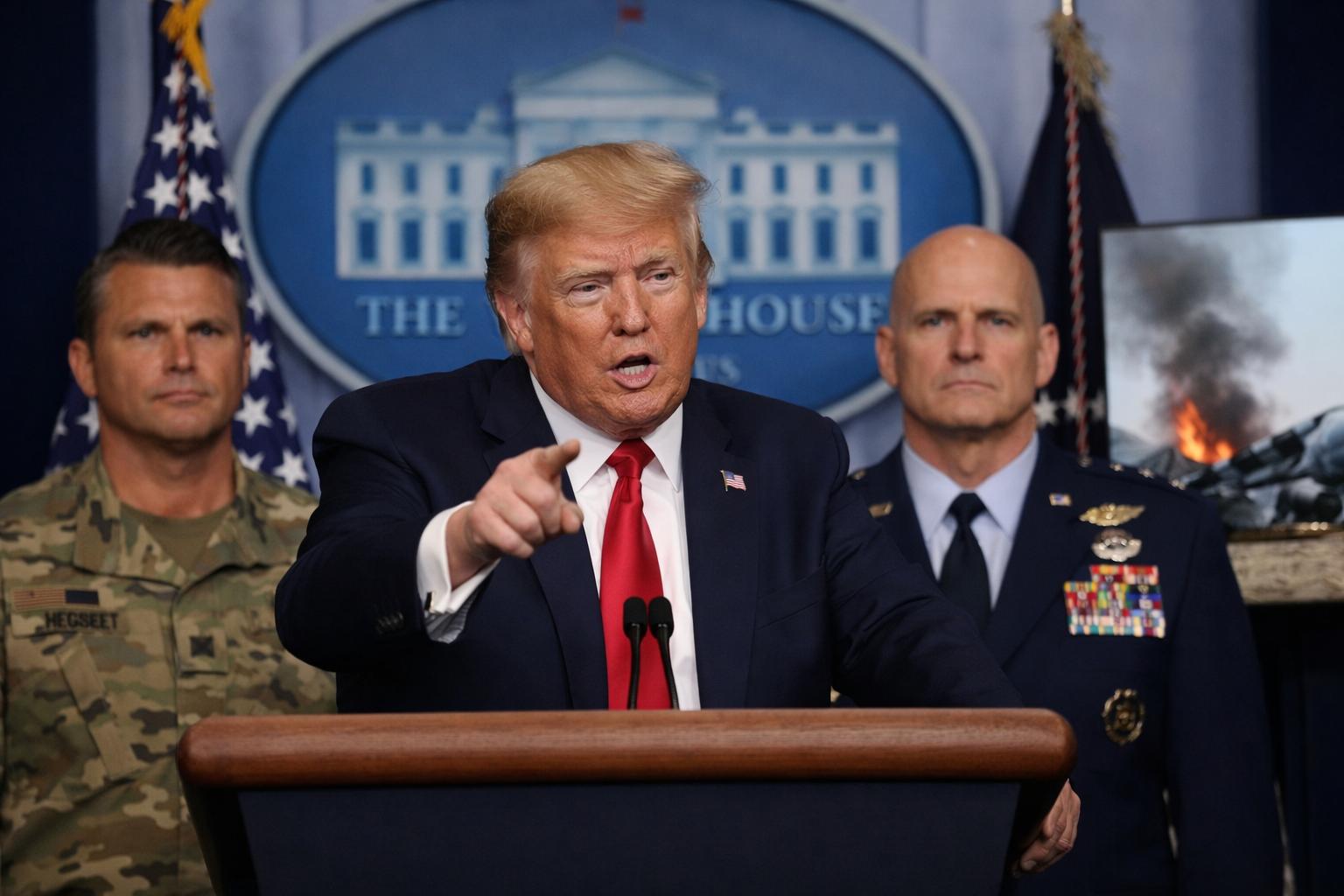
Speaking during a White House press conference held on Monday, April 6, 2026, alongside Defense Secretary Pete Hegseth and Joint Chiefs Chairman Dan Caine, Trump confirmed that both crew members had been successfully recovered in separate operations conducted by U.S. forces. The pilot was rescued within hours of the incident, while the second airman remained stranded inside Iranian territory until early Sunday, April 5, 2026, when a rescue team secured his extraction.
Trump strongly criticized the disclosure of the second airman’s status, stating that the information had been intentionally withheld by the U.S. government to protect the individual from capture or harm. He warned that his administration would attempt to identify the source of the leak and could compel cooperation from the media outlet that first reported the information.
“We are going to find out who leaked it,” Trump said during the briefing. “We will go to the media company and say, ‘This is national security. Provide the information or face legal consequences.’”
Officials emphasized that operational secrecy was critical during the mission, as public knowledge of the stranded airman could have increased the risk of interception by Iranian forces. Trump claimed that Iranian authorities had issued a reward for information leading to the capture of the missing servicemember, further complicating rescue efforts.
The White House did not specify which media organization initially reported the second airman’s status. The incident has raised renewed concerns about the balance between press freedom and national security, particularly in situations involving active military operations in hostile territory.
President Donald Trump said he would pursue legal action against journalists and media organizations involved in reporting that a second U.S. airman was missing following the downing of an American fighter jet in Iran last week, calling the leak a threat to national security.
Speaking during a White House press conference held on Monday, April 6, 2026, alongside Defense Secretary Pete Hegseth and Joint Chiefs Chairman Dan Caine, Trump confirmed that both crew members had been successfully recovered in separate operations conducted by U.S. forces. The pilot was rescued within hours of the incident, while the second airman remained stranded inside Iranian territory until early Sunday, April 5, 2026, when a rescue team secured his extraction.
Trump strongly criticized the disclosure of the second airman’s status, stating that the information had been intentionally withheld by the U.S. government to protect the individual from capture or harm. He warned that his administration would attempt to identify the source of the leak and could compel cooperation from the media outlet that first reported the information.
“We are going to find out who leaked it,” Trump said during the briefing. “We will go to the media company and say, ‘This is national security. Provide the information or face legal consequences.’”
Officials emphasized that operational secrecy was critical during the mission, as public knowledge of the stranded airman could have increased the risk of interception by Iranian forces. Trump claimed that Iranian authorities had issued a reward for information leading to the capture of the missing servicemember, further complicating rescue efforts.
The White House did not specify which media organization initially reported the second airman’s status. The incident has raised renewed concerns about the balance between press freedom and national security, particularly in situations involving active military operations in hostile territory.
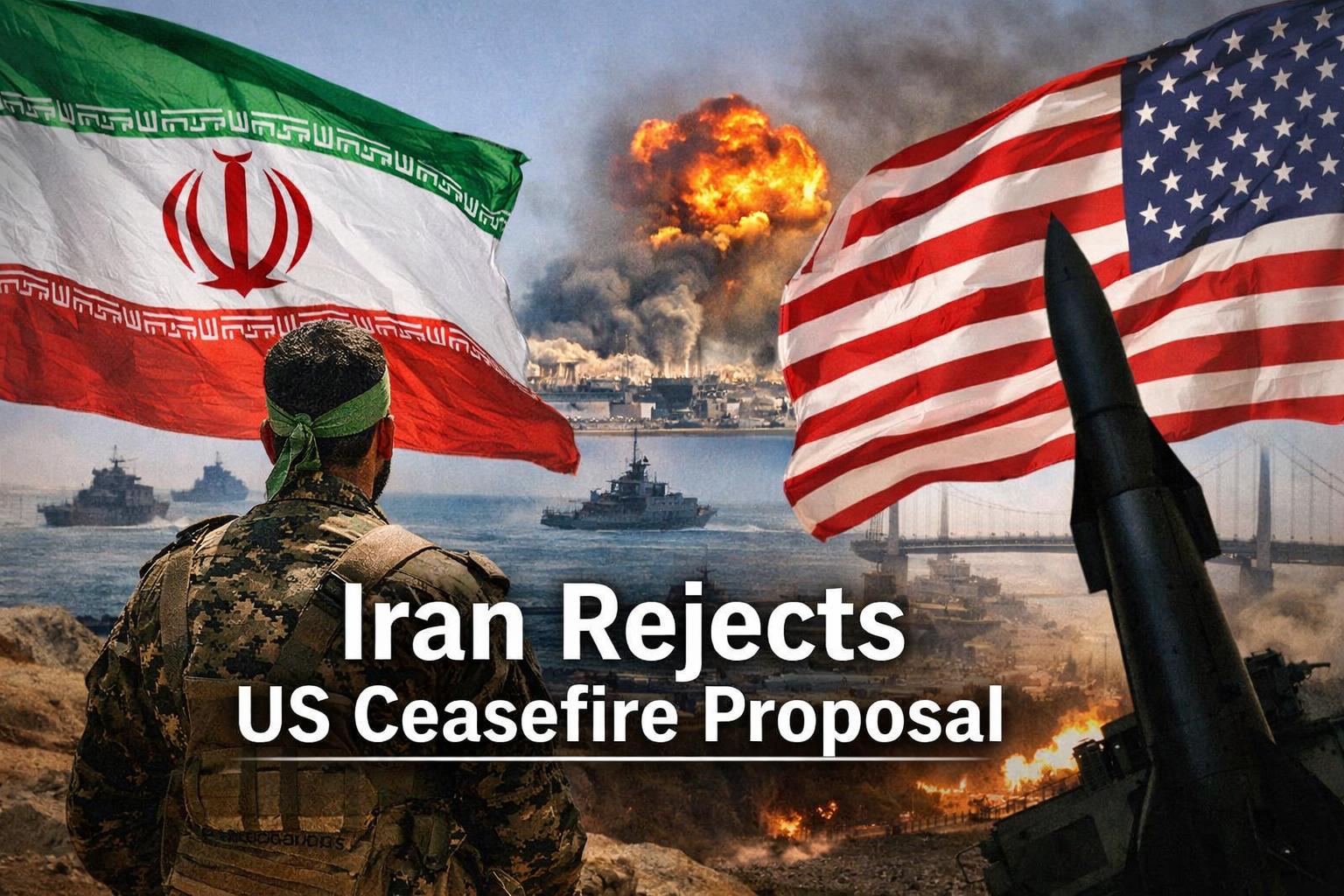
Iran has formally rejected a United States-backed proposal for a temporary ceasefire, instead presenting a structured response that calls for a permanent resolution to the ongoing conflict, according to statements from its state news agency. The move highlights Tehran’s position that a short-term truce would not address the broader geopolitical tensions shaping the crisis.
The response was conveyed to Washington through Pakistan, which has been serving as an intermediary in diplom
Iran has formally rejected a United States-backed proposal for a temporary ceasefire, instead presenting a structured response that calls for a permanent resolution to the ongoing conflict, according to statements from its state news agency. The move highlights Tehran’s position that a short-term truce would not address the broader geopolitical tensions shaping the crisis.
The response was conveyed to Washington through Pakistan, which has been serving as an intermediary in diplom
U.S. President Donald Trump on Monday, April 6, 2026, warned that the United States has a plan to destroy critical infrastructure in Iran if ongoing ceasefire efforts fail, signaling a potential escalation in already heightened tensions between the two countries. Speaking publicly, Trump described a scenario in which “every bridge, every power plant in Iran will be out of business,” adding that such an operation would result in “complete demolition by 12:00,” though he did not specify a time zone for that reference.
The president emphasized that he does not want to pursue such action, noting the long-term consequences for Iran’s recovery. He stated that rebuilding could take “100 years,” underscoring the scale of destruction implied in his remarks. His comments come at a critical moment in the broader Middle East crisis, where diplomatic efforts and military posturing continue simultaneously.
Trump also introduced a proposal involving the Strait of Hormuz, a vital global shipping route through which a significant portion of the world’s oil supply passes. He suggested that the United States, rather than Iran, should collect tolls from vessels transiting the waterway. “What about us charging tolls?” he said, positioning the idea as an alternative to allowing Iran to control revenue from the route. Iran recently announced its own toll system for tankers, asserting authority over the strategically important passage.
Addressing the status of negotiations, Trump declined to provide a definitive assessment of whether tensions are easing or intensifying. “I can’t tell you, it depends on what they do. This is a critical period,” he said. He also referenced a deadline related to reopening the waterway, stating that Iran had “’til tomorrow at 8:00” following an extension he granted, though further details were not disclosed.
Despite the strong rhetoric, Trump indicated that diplomatic engagement remains ongoing. He described Iran as an “active, willing participant” in negotiations and suggested that both sides may be exploring a potential agreement. However, he stopped short of confirming any progress toward a ceasefire, leaving the situation uncertain as global markets and policymakers continue to monitor developments closely.
U.S. President Donald Trump on Monday, April 6, 2026, warned that the United States has a plan to destroy critical infrastructure in Iran if ongoing ceasefire efforts fail, signaling a potential escalation in already heightened tensions between the two countries. Speaking publicly, Trump described a scenario in which “every bridge, every power plant in Iran will be out of business,” adding that such an operation would result in “complete demolition by 12:00,” though he did not specify a time zone for that reference.
The president emphasized that he does not want to pursue such action, noting the long-term consequences for Iran’s recovery. He stated that rebuilding could take “100 years,” underscoring the scale of destruction implied in his remarks. His comments come at a critical moment in the broader Middle East crisis, where diplomatic efforts and military posturing continue simultaneously.
Trump also introduced a proposal involving the Strait of Hormuz, a vital global shipping route through which a significant portion of the world’s oil supply passes. He suggested that the United States, rather than Iran, should collect tolls from vessels transiting the waterway. “What about us charging tolls?” he said, positioning the idea as an alternative to allowing Iran to control revenue from the route. Iran recently announced its own toll system for tankers, asserting authority over the strategically important passage.
Addressing the status of negotiations, Trump declined to provide a definitive assessment of whether tensions are easing or intensifying. “I can’t tell you, it depends on what they do. This is a critical period,” he said. He also referenced a deadline related to reopening the waterway, stating that Iran had “’til tomorrow at 8:00” following an extension he granted, though further details were not disclosed.
Despite the strong rhetoric, Trump indicated that diplomatic engagement remains ongoing. He described Iran as an “active, willing participant” in negotiations and suggested that both sides may be exploring a potential agreement. However, he stopped short of confirming any progress toward a ceasefire, leaving the situation uncertain as global markets and policymakers continue to monitor developments closely.
U.S. President Donald Trump on Sunday (exact date not specified in the source) dismissed concerns that potential strikes on Iran’s power plants and civilian infrastructure could constitute a war crime, delivering a series of controversial remarks that further escalated tensions between Washington and Tehran. Speaking to reporters during a public event at the White House, Trump defended his position, stating he was “not worried” about such concerns and using inflammatory language to describ
U.S. President Donald Trump on Sunday (exact date not specified in the source) dismissed concerns that potential strikes on Iran’s power plants and civilian infrastructure could constitute a war crime, delivering a series of controversial remarks that further escalated tensions between Washington and Tehran. Speaking to reporters during a public event at the White House, Trump defended his position, stating he was “not worried” about such concerns and using inflammatory language to describ
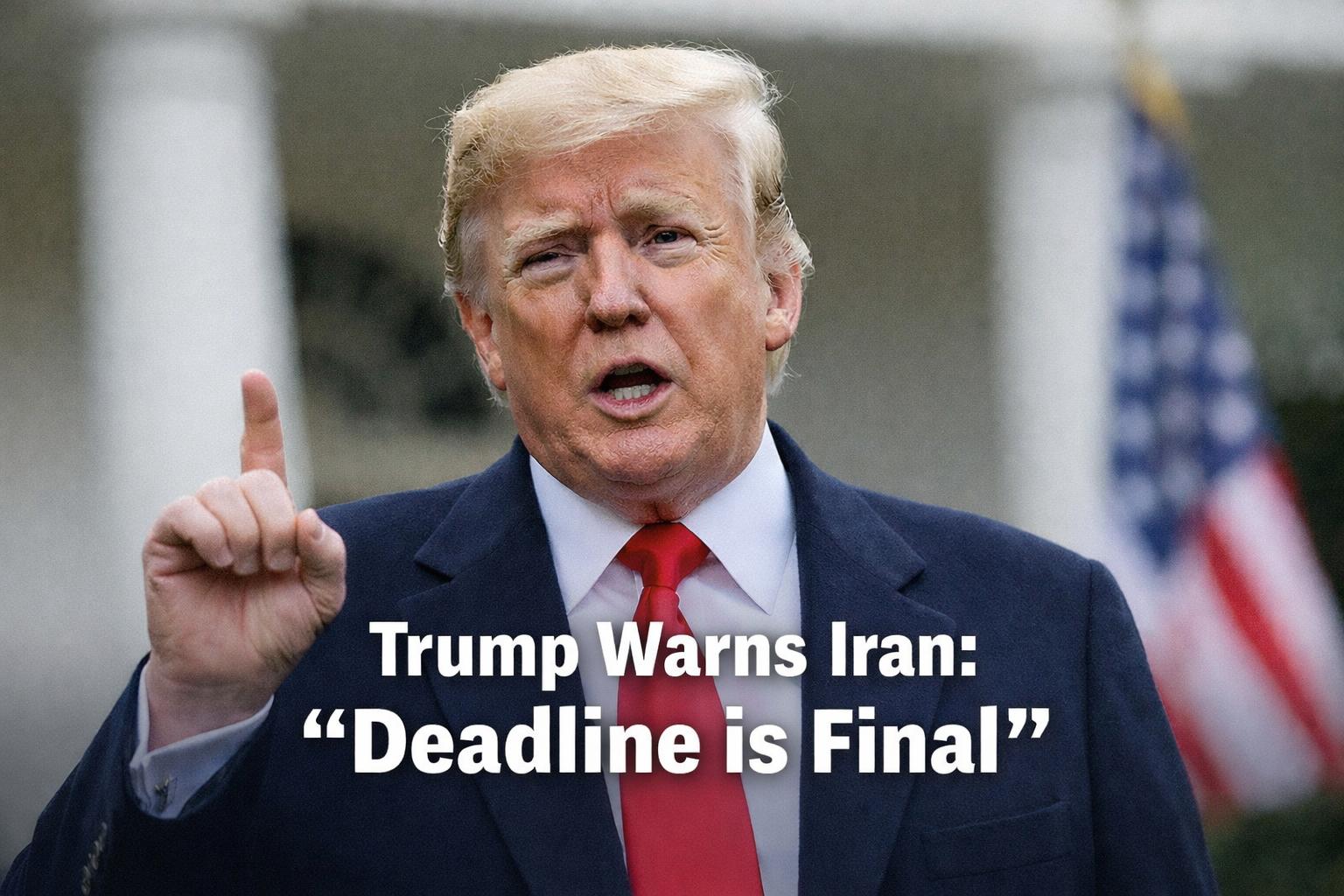
US President Donald Trump stated on Monday April 6, 2026, that the deadline he set for Iran to reach a negotiated agreement remains final, signaling increased pressure on Tehran amid ongoing diplomatic efforts. Speaking during a public event on the White House South Lawn, Trump described Iran’s latest proposal as a meaningful step forward but emphasized that it falls short of US expectations.
According to his remarks, the proposal reflects progress in negotiations, yet does not meet the conditions the United States considers necessary for a resolution. Trump indicated that Iranian officials are aware of the specific requirements being sought, suggesting that discussions have been conducted in what he characterized as good faith.
The president also reiterated his warning that failure to meet the Tuesday deadline could result in significant military consequences. He stated that US forces are prepared to carry out broad attacks targeting Iranian infrastructure if an agreement is not reached within the specified timeframe. This position underscores a sharp escalation in rhetoric as diplomatic channels remain active but uncertain.
Iran has rejected the imposed deadline, maintaining its stance against external pressure in the negotiation process. The divergence highlights ongoing challenges in reaching consensus, as both sides continue to navigate complex political and strategic considerations.
Trump added that a resolution could be achieved quickly if Iran complies with the outlined demands, suggesting that the situation remains fluid despite the firm deadline. The developments reflect heightened geopolitical tensions, with global observers closely monitoring whether diplomacy or confrontation will shape the next phase of US-Iran relations.
US President Donald Trump stated on Monday April 6, 2026, that the deadline he set for Iran to reach a negotiated agreement remains final, signaling increased pressure on Tehran amid ongoing diplomatic efforts. Speaking during a public event on the White House South Lawn, Trump described Iran’s latest proposal as a meaningful step forward but emphasized that it falls short of US expectations.
According to his remarks, the proposal reflects progress in negotiations, yet does not meet the conditions the United States considers necessary for a resolution. Trump indicated that Iranian officials are aware of the specific requirements being sought, suggesting that discussions have been conducted in what he characterized as good faith.
The president also reiterated his warning that failure to meet the Tuesday deadline could result in significant military consequences. He stated that US forces are prepared to carry out broad attacks targeting Iranian infrastructure if an agreement is not reached within the specified timeframe. This position underscores a sharp escalation in rhetoric as diplomatic channels remain active but uncertain.
Iran has rejected the imposed deadline, maintaining its stance against external pressure in the negotiation process. The divergence highlights ongoing challenges in reaching consensus, as both sides continue to navigate complex political and strategic considerations.
Trump added that a resolution could be achieved quickly if Iran complies with the outlined demands, suggesting that the situation remains fluid despite the firm deadline. The developments reflect heightened geopolitical tensions, with global observers closely monitoring whether diplomacy or confrontation will shape the next phase of US-Iran relations.
TEHRAN, Iran — Iran has rejected a proposed ceasefire agreement and is instead calling for a permanent end to hostilities, intensifying an already volatile situation in the Middle East. The development was reported on Monday, April 6, 2026, local time in Iran, amid rising pressure from the United States and escalating military actions involving Israel.
Mojtaba Ferdousi Pour, head of Iran’s diplomatic mission in Cairo, stated that Tehran would not agree to a temporary truce without guarantees of long-term security. He emphasized that Iran seeks a definitive end to the conflict with assurances that future attacks would not occur. According to Iranian officials, the country conveyed its position through Pakistan, which has been acting as a key mediator in ongoing diplomatic efforts.
The rejection comes as U.S. President Donald Trump has imposed a deadline tied to the reopening of the Strait of Hormuz, a critical global shipping route through which roughly 20% of the world’s oil supply passes during peacetime. Iranian and Omani officials are reportedly working on a mechanism to manage traffic through the strategic waterway. Disruptions in the strait have already contributed to rising oil prices and heightened concerns about the global economy.
Tensions further escalated following Israeli strikes on Iran’s South Pars natural gas field, a major energy hub shared with Qatar and vital to Iran’s electricity production. The strikes also reportedly killed senior figures within Iran’s Revolutionary Guard, including intelligence chief Maj. Gen. Majid Khademi and a commander linked to the Quds Force. Israeli officials indicated that targeting Iran’s economic and military infrastructure remains a priority.
Simultaneously, explosions were reported across Tehran, with residents describing sustained aerial activity, including drones and low-flying aircraft. Israeli forces also claimed to have struck multiple airports in the Iranian capital, damaging military assets.
Efforts by mediators from Egypt, Pakistan, and Turkey to broker a 45-day ceasefire and reopen the Strait of Hormuz are ongoing, though progress appears uncertain. Iranian officials have reiterated that negotiations cannot proceed under threats or ultimatums.
Regional tensions have also spread to neighboring Gulf countries, with Kuwait, the United Arab Emirates, and Saudi Arabia activating air defenses in response to Iranian missile and drone activity. In Israel, missile strikes reportedly hit residential areas in Haifa, resulting in civilian casualties. The situation continues to evolve, with significant implications for global energy markets and regional stability.
TEHRAN, Iran — Iran has rejected a proposed ceasefire agreement and is instead calling for a permanent end to hostilities, intensifying an already volatile situation in the Middle East. The development was reported on Monday, April 6, 2026, local time in Iran, amid rising pressure from the United States and escalating military actions involving Israel.
Mojtaba Ferdousi Pour, head of Iran’s diplomatic mission in Cairo, stated that Tehran would not agree to a temporary truce without guarantees of long-term security. He emphasized that Iran seeks a definitive end to the conflict with assurances that future attacks would not occur. According to Iranian officials, the country conveyed its position through Pakistan, which has been acting as a key mediator in ongoing diplomatic efforts.
The rejection comes as U.S. President Donald Trump has imposed a deadline tied to the reopening of the Strait of Hormuz, a critical global shipping route through which roughly 20% of the world’s oil supply passes during peacetime. Iranian and Omani officials are reportedly working on a mechanism to manage traffic through the strategic waterway. Disruptions in the strait have already contributed to rising oil prices and heightened concerns about the global economy.
Tensions further escalated following Israeli strikes on Iran’s South Pars natural gas field, a major energy hub shared with Qatar and vital to Iran’s electricity production. The strikes also reportedly killed senior figures within Iran’s Revolutionary Guard, including intelligence chief Maj. Gen. Majid Khademi and a commander linked to the Quds Force. Israeli officials indicated that targeting Iran’s economic and military infrastructure remains a priority.
Simultaneously, explosions were reported across Tehran, with residents describing sustained aerial activity, including drones and low-flying aircraft. Israeli forces also claimed to have struck multiple airports in the Iranian capital, damaging military assets.
Efforts by mediators from Egypt, Pakistan, and Turkey to broker a 45-day ceasefire and reopen the Strait of Hormuz are ongoing, though progress appears uncertain. Iranian officials have reiterated that negotiations cannot proceed under threats or ultimatums.
Regional tensions have also spread to neighboring Gulf countries, with Kuwait, the United Arab Emirates, and Saudi Arabia activating air defenses in response to Iranian missile and drone activity. In Israel, missile strikes reportedly hit residential areas in Haifa, resulting in civilian casualties. The situation continues to evolve, with significant implications for global energy markets and regional stability.
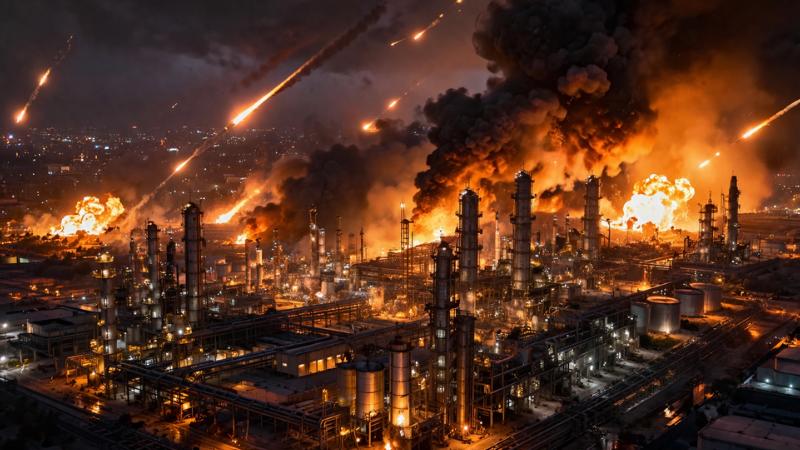
DUBAI, United Arab Emirates — Israel carried out a major strike on Iran’s South Pars natural gas field, targeting a key petrochemical facility that accounts for a significant portion of the country’s production, in an escalation that threatens ongoing efforts to broker a ceasefire between Tehran and Washington. Israeli officials confirmed the operation, describing it as a decisive blow to Iran’s energy infrastructure, while warning that further actions could follow despite diplomatic neg
DUBAI, United Arab Emirates — Israel carried out a major strike on Iran’s South Pars natural gas field, targeting a key petrochemical facility that accounts for a significant portion of the country’s production, in an escalation that threatens ongoing efforts to broker a ceasefire between Tehran and Washington. Israeli officials confirmed the operation, describing it as a decisive blow to Iran’s energy infrastructure, while warning that further actions could follow despite diplomatic neg
US President Donald Trump recently revealed the three-word radio message sent by a US pilot trapped in Iran, which initially sparked fears of an Iranian trap. The pilot, a weapons system officer, had ejected from his downed F-15E Strike Eagle over southern Iran on April 3, 2026, during the ongoing conflict. After his aircraft was shot down, the first pilot was rescued, but the second remained missing, and both US and Iranian forces raced to locate him.
During the search, Trump expla
US President Donald Trump recently revealed the three-word radio message sent by a US pilot trapped in Iran, which initially sparked fears of an Iranian trap. The pilot, a weapons system officer, had ejected from his downed F-15E Strike Eagle over southern Iran on April 3, 2026, during the ongoing conflict. After his aircraft was shot down, the first pilot was rescued, but the second remained missing, and both US and Iranian forces raced to locate him.
During the search, Trump expla