Why did Ali Shirazi demand an apology from Donald Trump? Iran seeks accountability after Khamenei killing
Escalating diplomatic tensions after Tehran strike
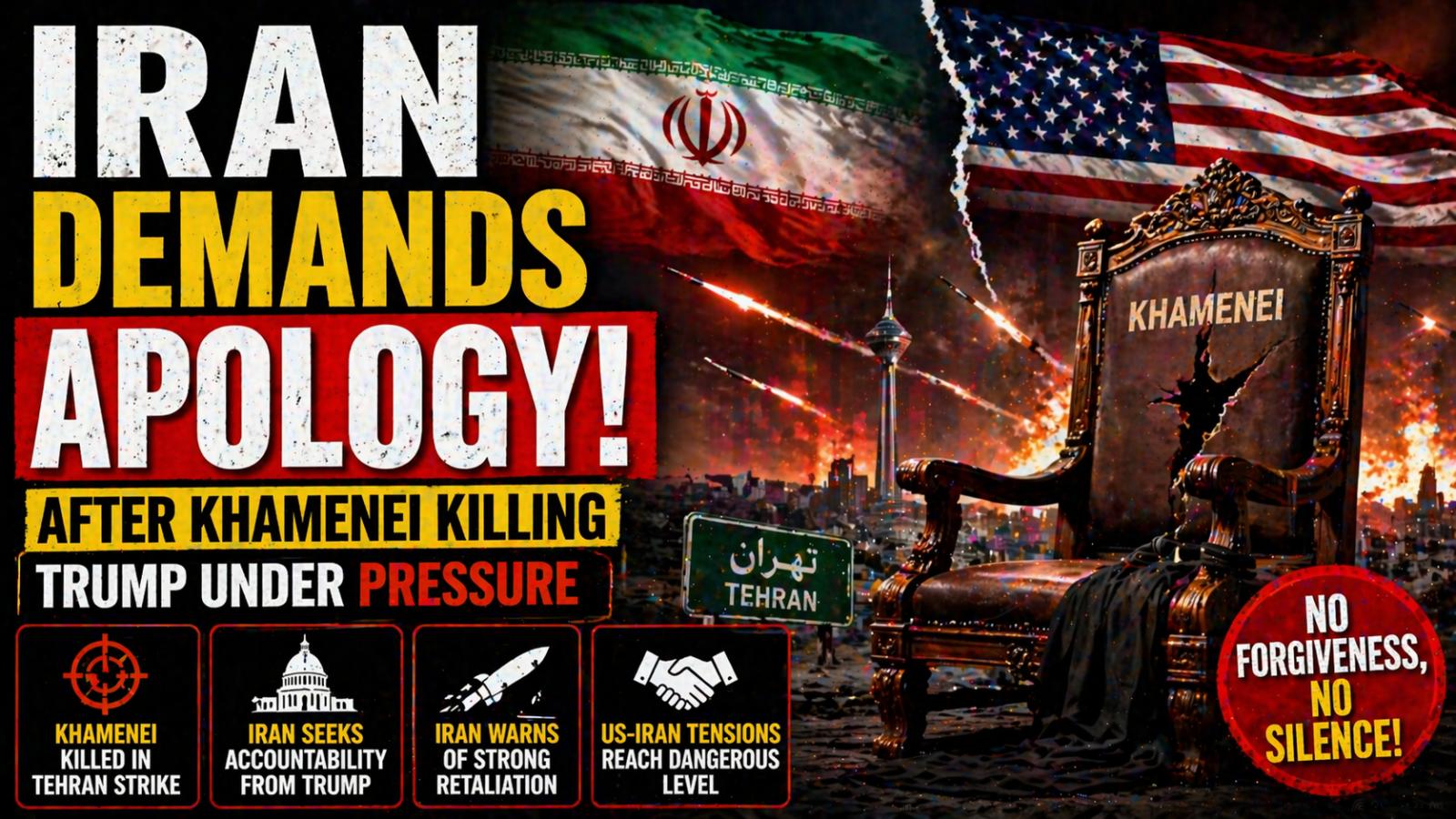
Why did Ali Shirazi demand an apology from Donald Trump? Iran seeks accountability after Khamenei killing, as senior Iranian cleric Ali Shirazi called on U.S. President Donald Trump to publicly acknowledge wrongdoing following the assassination of Iran’s Supreme Leader Ali Khamenei, signaling a sharp escalation in rhetoric between Tehran and Washington.
Details of the February 28 airstrikes in Tehran
Khamenei was killed in a series of Israeli airstrikes in Tehran on Friday, February 28, 2026. Iranian authorities confirmed his death on Saturday, March 1, 2026. The strikes also killed several members of his family, including his daughter, granddaughter, son-in-law, and daughter-in-law, underscoring the scale and impact of the operation on Iran’s leadership structure.
Iran’s response and calls for accountability
Shirazi, who heads the ideological-political organization of Iran’s police, stated that Trump “must apologize to the Iranian people and admit before the world that killing our leader was a mistake.” He also reinforced that hostility toward Israel remains a fixed and enduring principle in Iran’s doctrine, while warning that the country’s armed forces are prepared to deliver a strong response to any hostile action.
Leadership transition following Khamenei’s death
In the aftermath, Iran’s Assembly of Experts appointed Mojtaba Khamenei as Supreme Leader on Saturday, March 8, 2026. Iranian officials have emphasized continuity and stability within the political system despite the sudden and significant leadership change.
U.S. reaction and strategic messaging
Trump acknowledged the operation in a social media post after the February 28 strikes, stating that coordinated intelligence efforts with Israel led to Khamenei’s death. He has since described the Iranian government as “fractured,” pointing to divisions between hardliners and moderates engaged in ongoing diplomatic discussions.
Diverging views on U.S. resolve
Former U.S. Ambassador to Israel David Friedman warned that Iran may be miscalculating Trump’s commitment. In a statement posted on Thursday, April 23, 2026, Friedman said expecting the U.S. president to “blink” would be a mistake of historic proportions, highlighting the growing divide in how both sides assess the situation.
As tensions persist, Shirazi’s demand for an apology appears unlikely to be met, pointing to a prolonged period of geopolitical uncertainty and heightened strain in U.S.-Iran relations.