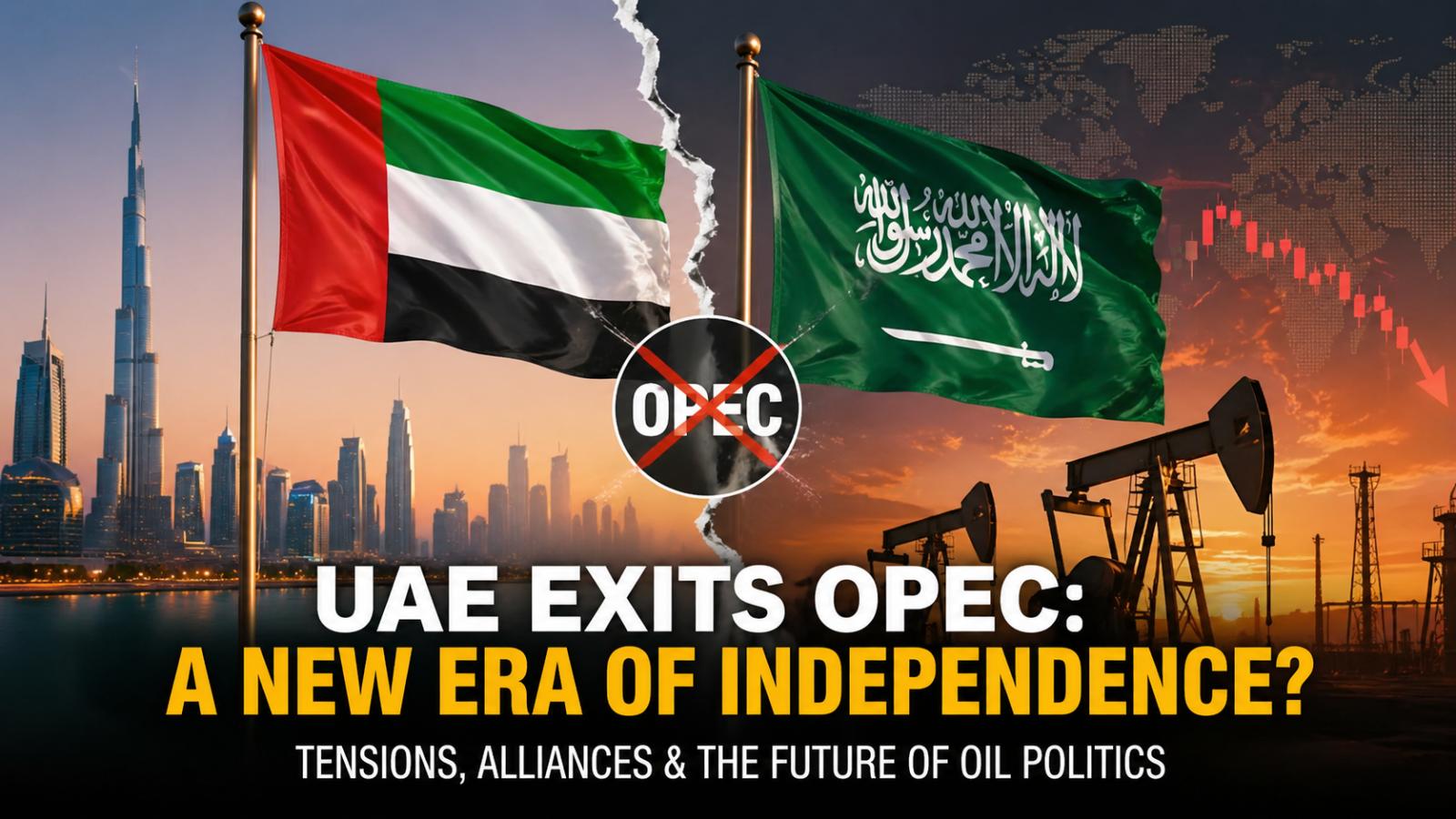
Is UAE leaving OPEC to counter Saudi influence? Yes, it signals strategic independence. The United Arab Emirates’ decision to exit the Organization of the Petroleum Exporting Countries marks a pivotal shift in Gulf geopolitics, reflecting rising tensions with Saudi Arabia and broader regional realignments.
Escalating tensions following Iran strikes on UAE infrastructure
As of Tuesday, April 8, 2026, the UAE reported intercepting 537 ballistic missiles, 26 cruise missiles, and 2,256 drones launched by Iran, underscoring the scale of the conflict’s impact on its territory. Abu Dhabi emerged as one of the most heavily targeted states following coordinated strikes involving Iran, leaving critical infrastructure damaged and exposing gaps in regional defense coordination. Despite being part of the Gulf Cooperation Council, the UAE perceived limited support from neighboring allies during the escalation.
Friction with Pakistan over mediation in US-Iran conflict
Tensions deepened as Pakistan positioned itself as a mediator in the United States-Iran conflict rather than adopting a more confrontational stance against Tehran. This diplomatic approach frustrated UAE leadership, which had reportedly sought stronger backing. The situation intensified after the UAE demanded early repayment of a $3.5 billion loan to Pakistan, a move interpreted as a direct response to Islamabad’s neutrality. Saudi Arabia subsequently stepped in with financial assistance, reinforcing ties with Pakistan and highlighting diverging alliances within the region.
Growing divide between UAE and Saudi Arabia in regional conflicts
The UAE’s move also reflects longstanding differences with Saudi Arabia in regional theaters such as Yemen and Sudan. While both nations once collaborated closely, their strategies have diverged significantly since 2019. In Yemen, Abu Dhabi backed southern separatist forces, while Riyadh pursued negotiated settlements. In Sudan, the two countries have supported opposing factions, intensifying competition for influence over strategic resources and trade routes.
Oil policy differences and implications of OPEC withdrawal
Beyond geopolitics, disagreements over oil production quotas have strained UAE-Saudi relations within OPEC. Saudi Arabia has traditionally led the cartel’s strategy, but the UAE’s exit removes a major producer from its framework. With approximately 9% of OPEC’s total output and a production capacity of around 3 million barrels per day, the UAE gains the ability to increase output without restrictions. Officials in Abu Dhabi described the decision as aligned with long-term market fundamentals and national interests.
Strategic realignment reshaping Gulf power dynamics
While the UAE and Saudi Arabia remain key economic partners, the withdrawal from OPEC represents a significant assertion of independence by Abu Dhabi. The move comes amid shifting alliances, including closer coordination between Saudi Arabia and Pakistan. Analysts suggest the decision could reshape calculations in major global capitals and signal a broader reordering of power within the Gulf.