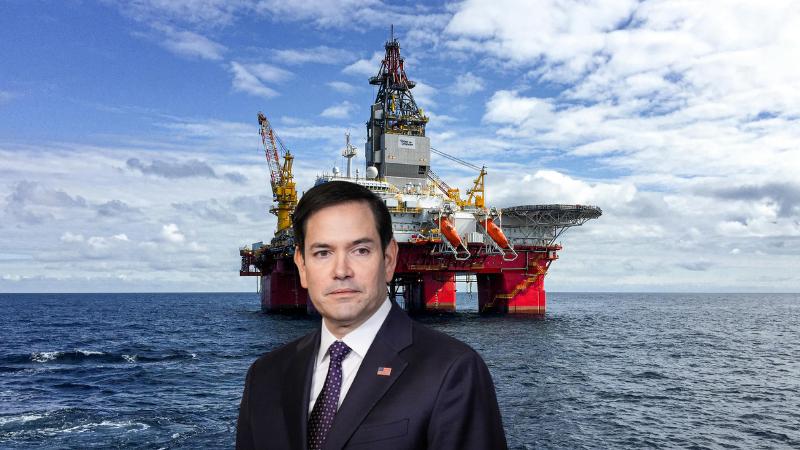
US Secretary of State Marco Rubio has strongly defended President Donald Trump’s recent decision to impose 25 percent tariffs on Indian goods, emphasizing that India’s continued purchase of Russian oil is a significant point of irritation in its relationship with Washington. The move, announced earlier this week, has been described by the administration as a direct penalty aimed at discouraging India from supporting Moscow’s energy sector, which is seen as fueling Russia’s ongoing war efforts in Ukraine.
In his remarks, Rubio explained that while India remains a strategic partner and a vital ally in the Indo-Pacific region, certain disagreements are inevitable in international relations. He acknowledged that India has substantial energy needs, including the necessity to import oil, coal, and gas to sustain its rapidly growing economy. However, he argued that the reliance on Russian oil, particularly when sold below global market prices due to sanctions, ultimately contributes to sustaining the Russian war machine. According to Rubio, this dynamic has become a clear source of frustration for the Trump administration, which views India’s decisions as undermining broader efforts to weaken Russia’s capacity to continue the conflict in Ukraine.
The secretary of state also highlighted that the administration’s stance is not solely about the oil trade but encompasses broader concerns, including India’s continued purchase of Russian military equipment and its active participation in BRICS, an economic grouping that includes several US adversaries such as Russia, Iran, and China. He noted that despite multiple areas of cooperation between the United States and India, these issues are increasingly creating friction and complicating diplomatic ties.
Rubio stressed that the President’s actions reflect a broader strategy to pressure New Delhi into recalibrating its policies and aligning more closely with Western efforts to isolate Moscow economically and politically. By imposing tariffs, the US aims to send a strong signal that while it values its partnership with India, there are clear limits to the tolerance of actions that counter US strategic interests. The tariffs, therefore, are being interpreted by many observers as part of a calculated effort to influence India’s future energy decisions and geopolitical alignments.
A senior official from the White House underscored that these challenges in the US-India relationship will not be resolved quickly. The official described the situation as complex, emphasizing that both nations have long-standing ties and shared interests but also fundamental disagreements that require time and negotiation to address. The administration continues to acknowledge India’s importance as a regional power and its role in balancing Chinese influence, yet remains firm in its expectation that India must reconsider the extent of its engagement with Russia.
In response to the tariffs, India has asserted that it will take all necessary measures to protect its national interests. Officials in New Delhi have indicated that they are carefully evaluating the implications of the US decision and will respond in a manner that ensures the country’s economic stability and strategic autonomy. India has consistently maintained that its energy purchases from Russia are driven by economic pragmatism and the need to secure affordable energy supplies for its vast population.
The imposition of tariffs comes at a time when the United States has successfully negotiated favorable trade agreements with other major partners, including Japan, the United Kingdom, and the European Union. This development adds further pressure on India to reconsider its current trade and energy policies to avoid long-term economic setbacks. However, Indian policymakers remain cautious, recognizing the delicate balance between sustaining economic growth, maintaining strategic autonomy, and navigating the increasingly complex web of international expectations.
As tensions persist, it is evident that both countries have significant stakes in ensuring that the relationship does not deteriorate further. The US continues to value India as a counterweight to China and as a critical partner in various global initiatives, while India seeks to preserve its sovereignty and economic independence. The coming months are expected to reveal whether the tariffs will serve as a turning point in shaping India’s energy policies and its broader approach to international alliances, or whether they will lead to further confrontation between the two democracies.