


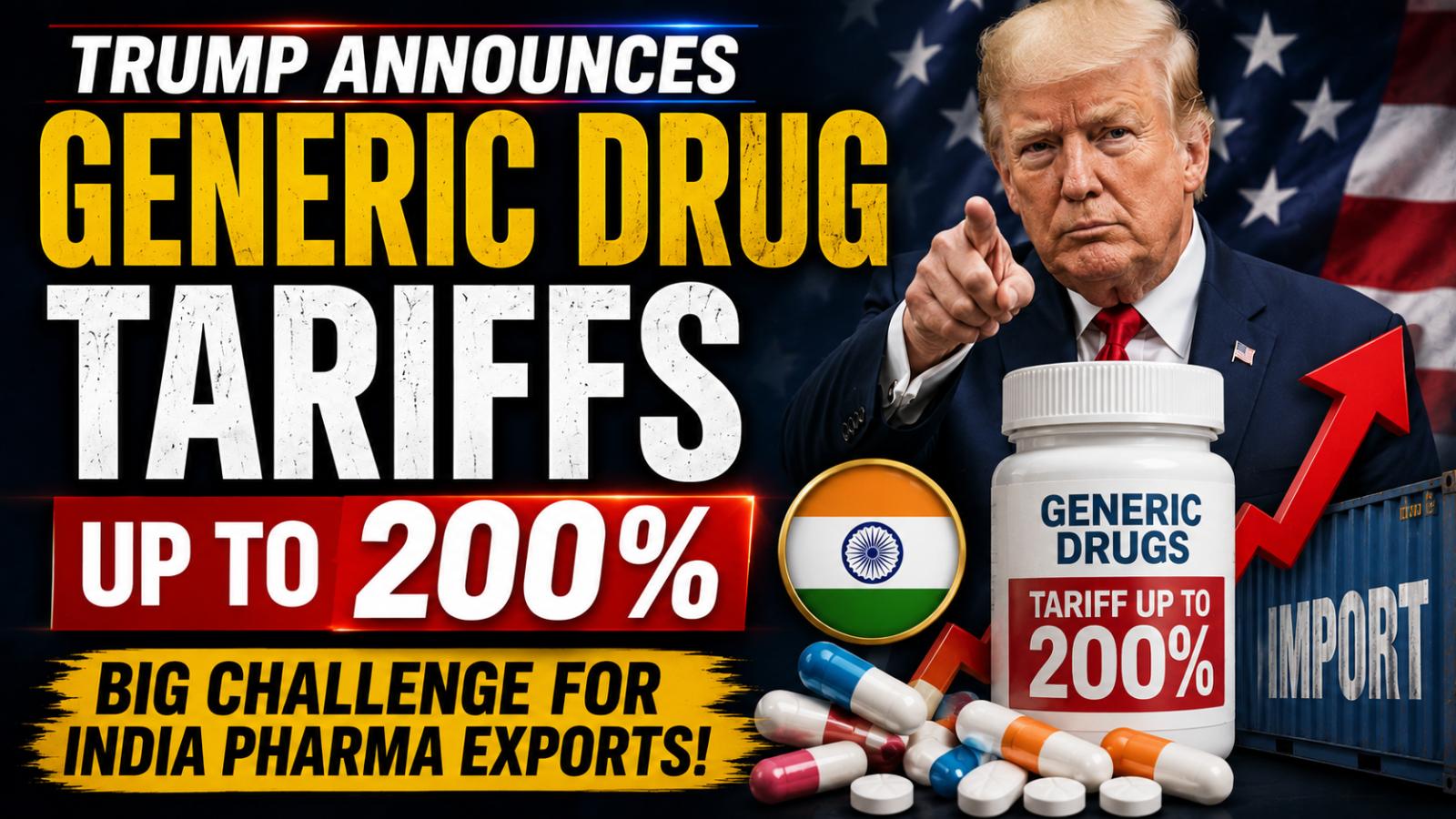
Trump Announces Generic Drug Tariffs Up to 200%
Trump's generic drug tariff plan introduces a phased import duty that could reach 200% within three years, encouraging pharmaceutical companies to manufacture in the United States. The proposal could significantly affect India's pharmaceutical industry, which supplies nearly 40% of generic medicines used in the US. Trump Generic Drug Tariffs Target India Pharma Export
Trump Announces Generic Drug Tariffs Up to 200%
Trump's generic drug tariff plan introduces a phased import duty that could reach 200% within three years, encouraging pharmaceutical companies to manufacture in the United States. The proposal could significantly affect India's pharmaceutical industry, which supplies nearly 40% of generic medicines used in the US. Trump Generic Drug Tariffs Target India Pharma Export
Mark Carney Responds to US 50% Tariffs on Canadian Goods
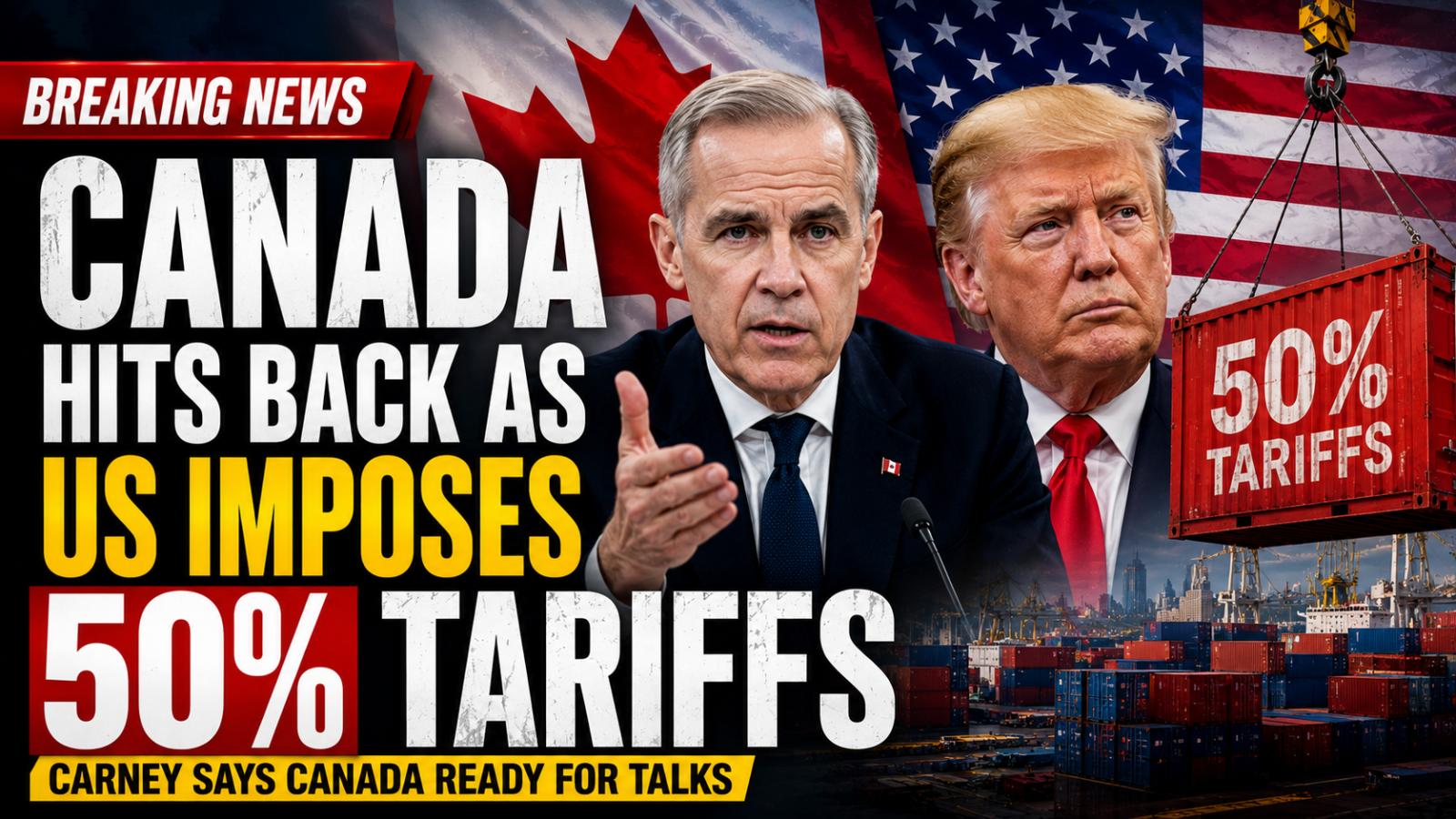
Mark Carney responds to US 50% tariffs by reaffirming Canada's commitment to free and fair trade while expressing readiness for negotiations with Washington. The Canadian prime minister says Ottawa will continue supporting workers, businesses and families as trade tensions escalate over dairy, automobiles and alcoholic beverages. Mark Carney Responds to US 50% Tariff
Mark Carney Responds to US 50% Tariffs on Canadian Goods
Mark Carney responds to US 50% tariffs by reaffirming Canada's commitment to free and fair trade while expressing readiness for negotiations with Washington. The Canadian prime minister says Ottawa will continue supporting workers, businesses and families as trade tensions escalate over dairy, automobiles and alcoholic beverages. Mark Carney Responds to US 50% Tariff
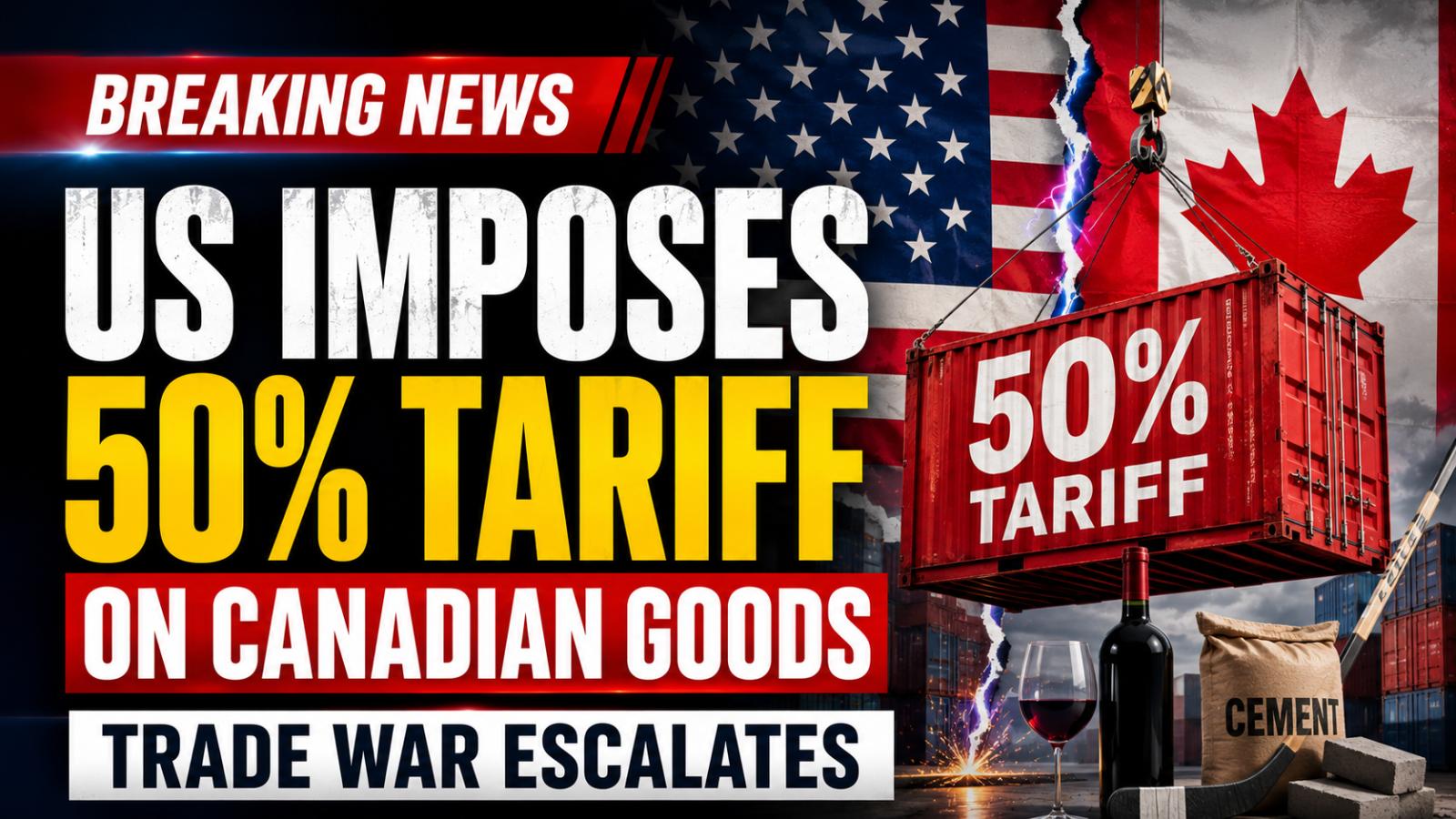
US Imposes 50% Tariff on Canadian Goods Amid Trade Dispute
US imposes 50% tariff on Canadian goods as the Trump administration escalates trade tensions with its northern neighbour. The new duties target products including hockey sticks, wine and cement, while Washington cites unfair trade practices and retaliatory Canadian policies as the reason for the move. US Imposes 50% Tariff on Canadian Goods Amid Trade Dispute &n
US Imposes 50% Tariff on Canadian Goods Amid Trade Dispute
US imposes 50% tariff on Canadian goods as the Trump administration escalates trade tensions with its northern neighbour. The new duties target products including hockey sticks, wine and cement, while Washington cites unfair trade practices and retaliatory Canadian policies as the reason for the move. US Imposes 50% Tariff on Canadian Goods Amid Trade Dispute &n
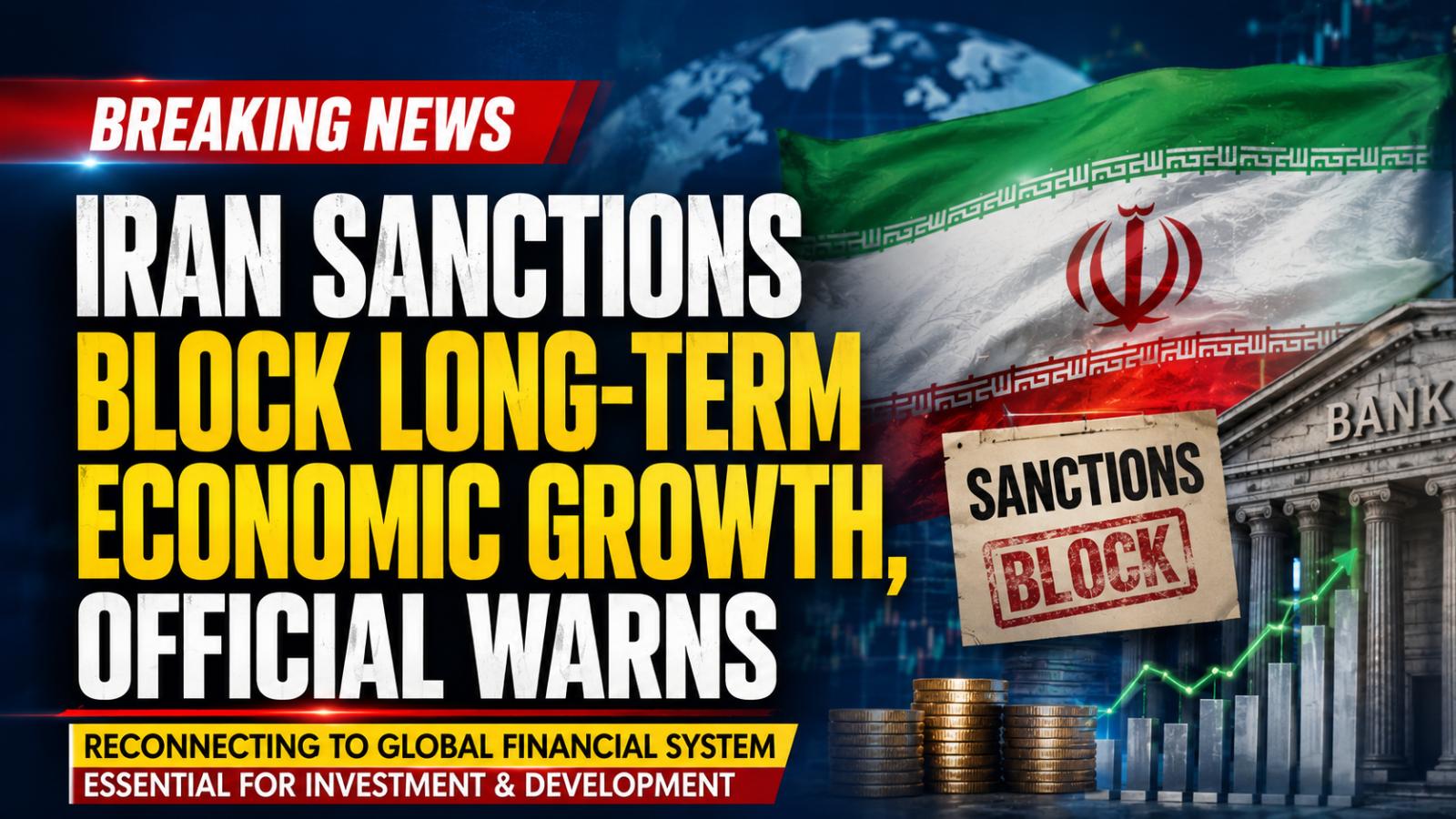
Iran Sanctions Block Long-Term Economic Growth, Official Warns
Iran sanctions block long-term economic growth, according to a senior Iranian official who says the country cannot achieve sustainable development without reconnecting to the global financial system. While temporary measures have kept trade moving, officials argue that lasting economic progress requires renewed access to international banking, investment and financial markets.
Iran Sanctions Block Long-Term Economic Growth, Official Warns
Iran sanctions block long-term economic growth, according to a senior Iranian official who says the country cannot achieve sustainable development without reconnecting to the global financial system. While temporary measures have kept trade moving, officials argue that lasting economic progress requires renewed access to international banking, investment and financial markets.
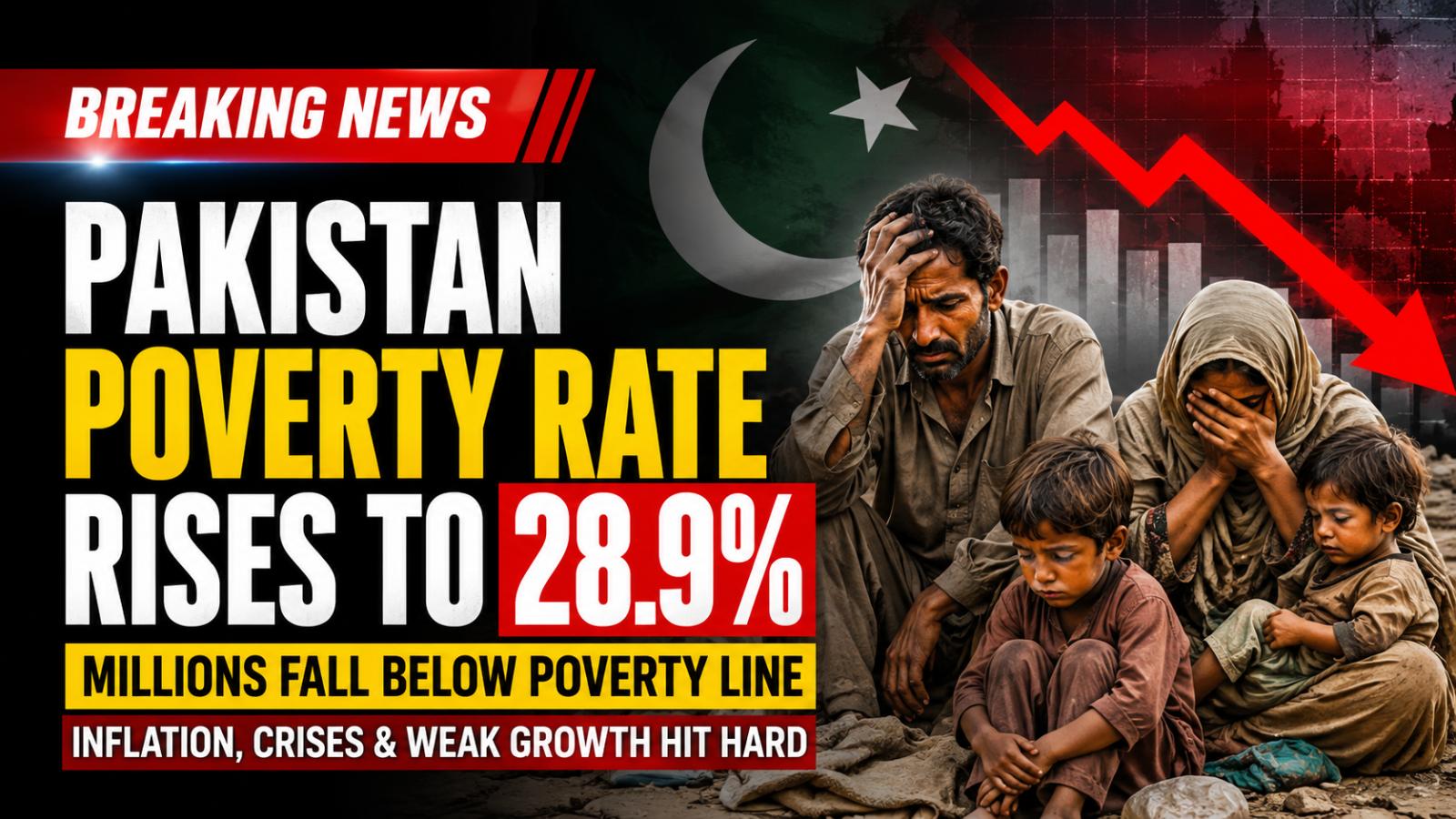
Pakistan Poverty Rate Rises to 28.9% Amid Economic Crisis
Pakistan poverty rate rises to 28.9% as years of economic instability, inflation and weak growth continue to strain households. The latest national survey shows rural communities suffering the most, while declining incomes and rising living costs have pushed millions more people below the poverty line across the country. Pakistan Poverty Rate Rises to 28.9% Amid Econ
Pakistan Poverty Rate Rises to 28.9% Amid Economic Crisis
Pakistan poverty rate rises to 28.9% as years of economic instability, inflation and weak growth continue to strain households. The latest national survey shows rural communities suffering the most, while declining incomes and rising living costs have pushed millions more people below the poverty line across the country. Pakistan Poverty Rate Rises to 28.9% Amid Econ
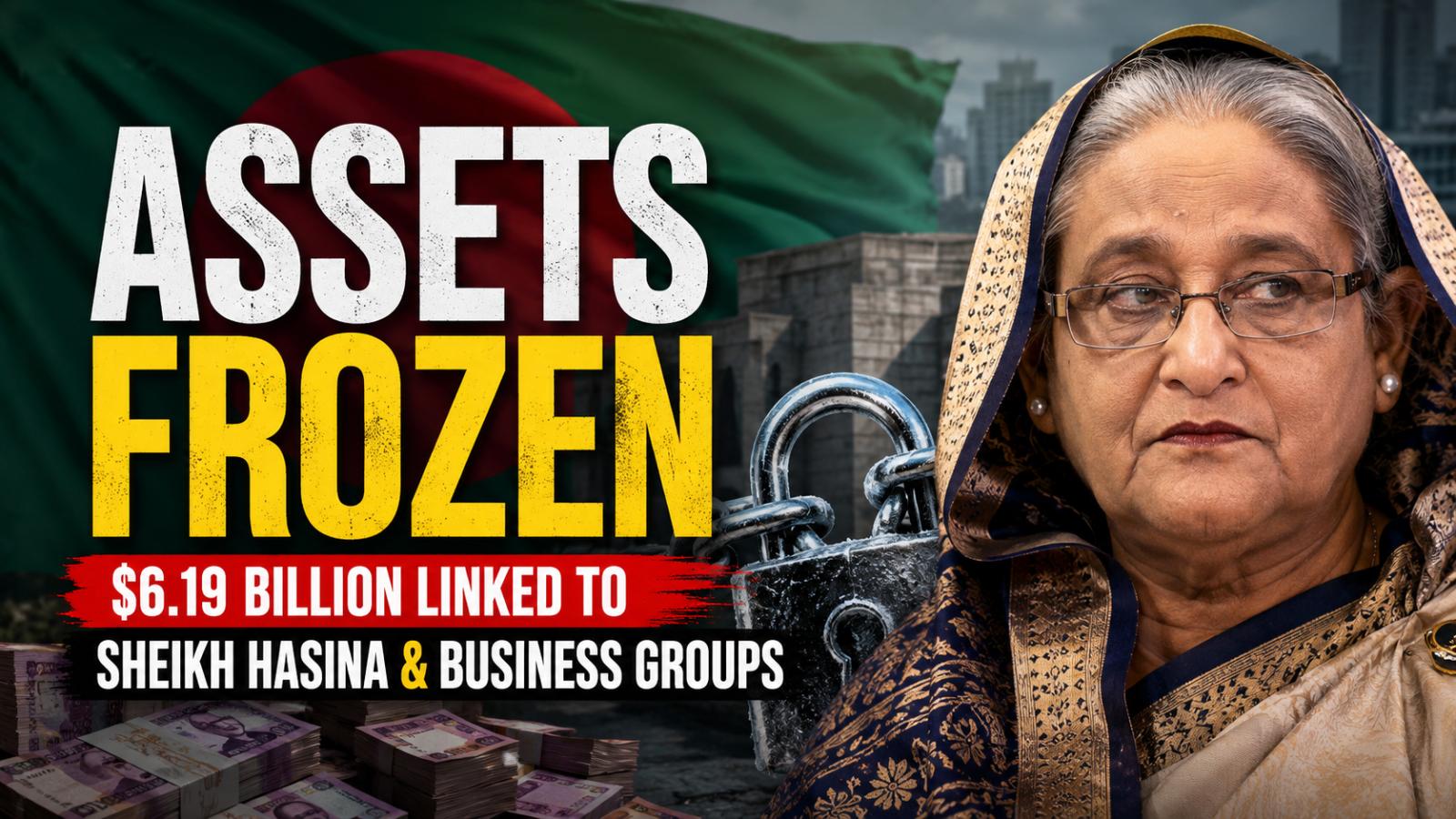
Bangladesh Freezes Sheikh Hasina Family Assets Worth $6.19 Billion
Bangladesh freezes Sheikh Hasina assets worth $6.19 billion as authorities expand investigations into alleged corruption, money laundering and tax evasion. The Bangladesh Financial Intelligence Unit says asset recovery efforts are underway with support from multiple government agencies. Bangladesh Freezes Sheikh Hasina Assets Worth $6.19 Billion Bangladesh has frozen assets worth Tk 760 billion (about $6.19 billion) linked to former Prime Minister Sheikh Hasina, her family members and ten of the country's largest business groups. The move marks one of the biggest financial enforcement actions since the political transition that followed the 2024 student-led uprising. Sheikh Hasina Investigation Expands Speaking during the release of the Bangladesh Financial Intelligence Unit (BFIU) annual report in Dhaka, BFIU chief Ikhtiar Uddin Mohammad Mamun said court orders enabled authorities to freeze Tk 570 billion in assets within Bangladesh and another Tk 190 billion overseas. He did not disclose how much of the frozen assets belonged to individual family members or each business group. The investigation began after Sheikh Hasina left office on August 5, 2024, following widespread protests. She later traveled to India, where she has remained since. The interim administration led by Professor Muhammad Yunus directed authorities to examine allegations including corruption, bribery, fraud, forgery, money laundering, foreign currency smuggling and tax evasion involving Hasina's family and several leading corporate groups. Bangladesh Financial Intelligence Unit Leads Probe According to the BFIU, authorities are concentrating on tracing and recovering assets that investigators believe were transferred outside Bangladesh. Mamun said officials are working with international partners and expressed hope that progress on recovering overseas assets could be announced before the end of the year. The financial investigation is being coordinated by the BFIU with support from the Criminal Investigation Department (CID), the National Board of Revenue (NBR) and the Anti-Corruption Commission (ACC). The agencies are examining financial records, banking transactions and ownership structures connected to individuals and companies under investigation. Business Groups Investigation Covers Major Companies Authorities confirmed that the investigation includes S Alam Group, Beximco Group, Nabil Group, Summit Group, Orion Group, Premier Group, Nassa Group, Bashundhara Group, Sikder Group and Aramit Group. Officials have not announced individual findings against any of these companies, stating that investigations remain ongoing. The large-scale asset freeze highlights Bangladesh's efforts to strengthen financial oversight while addressing allegations of illicit financial activity. Officials say legal procedures and court approvals continue to guide the investigation. Asset Recovery Efforts Continue Responding to questions about whether the investigations were politically motivated, Mamun said political affiliation plays no role in financial intelligence work. He stated that authorities focus on suspicious financial transactions regardless of an individual's position or identity. Mamun also said banks are required to freeze accounts whenever suspicious activity is identified. He added that if evidence emerges involving members of the current interim government, those cases would also be investigated under the same legal framework. The BFIU said the investigation remains active, with asset recovery now a priority. Authorities have indicated that additional developments could be announced as financial reviews, legal proceedings and international cooperation continue. Source: Statements by the Bangladesh Financial Intelligence Unit (BFIU) during the release of its annual report in Dhaka. Suggested internal links: Global News, Business & Economy, Government Policy, Bangladesh news archive, Money & Finance category.
Bangladesh Freezes Sheikh Hasina Family Assets Worth $6.19 Billion
Bangladesh freezes Sheikh Hasina assets worth $6.19 billion as authorities expand investigations into alleged corruption, money laundering and tax evasion. The Bangladesh Financial Intelligence Unit says asset recovery efforts are underway with support from multiple government agencies. Bangladesh Freezes Sheikh Hasina Assets Worth $6.19 Billion Bangladesh has frozen assets worth Tk 760 billion (about $6.19 billion) linked to former Prime Minister Sheikh Hasina, her family members and ten of the country's largest business groups. The move marks one of the biggest financial enforcement actions since the political transition that followed the 2024 student-led uprising. Sheikh Hasina Investigation Expands Speaking during the release of the Bangladesh Financial Intelligence Unit (BFIU) annual report in Dhaka, BFIU chief Ikhtiar Uddin Mohammad Mamun said court orders enabled authorities to freeze Tk 570 billion in assets within Bangladesh and another Tk 190 billion overseas. He did not disclose how much of the frozen assets belonged to individual family members or each business group. The investigation began after Sheikh Hasina left office on August 5, 2024, following widespread protests. She later traveled to India, where she has remained since. The interim administration led by Professor Muhammad Yunus directed authorities to examine allegations including corruption, bribery, fraud, forgery, money laundering, foreign currency smuggling and tax evasion involving Hasina's family and several leading corporate groups. Bangladesh Financial Intelligence Unit Leads Probe According to the BFIU, authorities are concentrating on tracing and recovering assets that investigators believe were transferred outside Bangladesh. Mamun said officials are working with international partners and expressed hope that progress on recovering overseas assets could be announced before the end of the year. The financial investigation is being coordinated by the BFIU with support from the Criminal Investigation Department (CID), the National Board of Revenue (NBR) and the Anti-Corruption Commission (ACC). The agencies are examining financial records, banking transactions and ownership structures connected to individuals and companies under investigation. Business Groups Investigation Covers Major Companies Authorities confirmed that the investigation includes S Alam Group, Beximco Group, Nabil Group, Summit Group, Orion Group, Premier Group, Nassa Group, Bashundhara Group, Sikder Group and Aramit Group. Officials have not announced individual findings against any of these companies, stating that investigations remain ongoing. The large-scale asset freeze highlights Bangladesh's efforts to strengthen financial oversight while addressing allegations of illicit financial activity. Officials say legal procedures and court approvals continue to guide the investigation. Asset Recovery Efforts Continue Responding to questions about whether the investigations were politically motivated, Mamun said political affiliation plays no role in financial intelligence work. He stated that authorities focus on suspicious financial transactions regardless of an individual's position or identity. Mamun also said banks are required to freeze accounts whenever suspicious activity is identified. He added that if evidence emerges involving members of the current interim government, those cases would also be investigated under the same legal framework. The BFIU said the investigation remains active, with asset recovery now a priority. Authorities have indicated that additional developments could be announced as financial reviews, legal proceedings and international cooperation continue. Source: Statements by the Bangladesh Financial Intelligence Unit (BFIU) during the release of its annual report in Dhaka. Suggested internal links: Global News, Business & Economy, Government Policy, Bangladesh news archive, Money & Finance category.

United Airlines Adds Open Middle-Seat Row to New Jets
United Airlines is adding an open middle-seat Economy Plus row to all 50 of its incoming Airbus A321XLR jets. The middle space will feature a fixed shared table, giving window and aisle passengers additional elbow room on longer flights. United Airlines will introduce an Economy Plus row with a guaranteed open middle seat on each of its 50 incoming Airbus A321XLR aircraft, offering selected passengers additional space during longer flights. The Chicago-ba
United Airlines Adds Open Middle-Seat Row to New Jets
United Airlines is adding an open middle-seat Economy Plus row to all 50 of its incoming Airbus A321XLR jets. The middle space will feature a fixed shared table, giving window and aisle passengers additional elbow room on longer flights. United Airlines will introduce an Economy Plus row with a guaranteed open middle seat on each of its 50 incoming Airbus A321XLR aircraft, offering selected passengers additional space during longer flights. The Chicago-ba
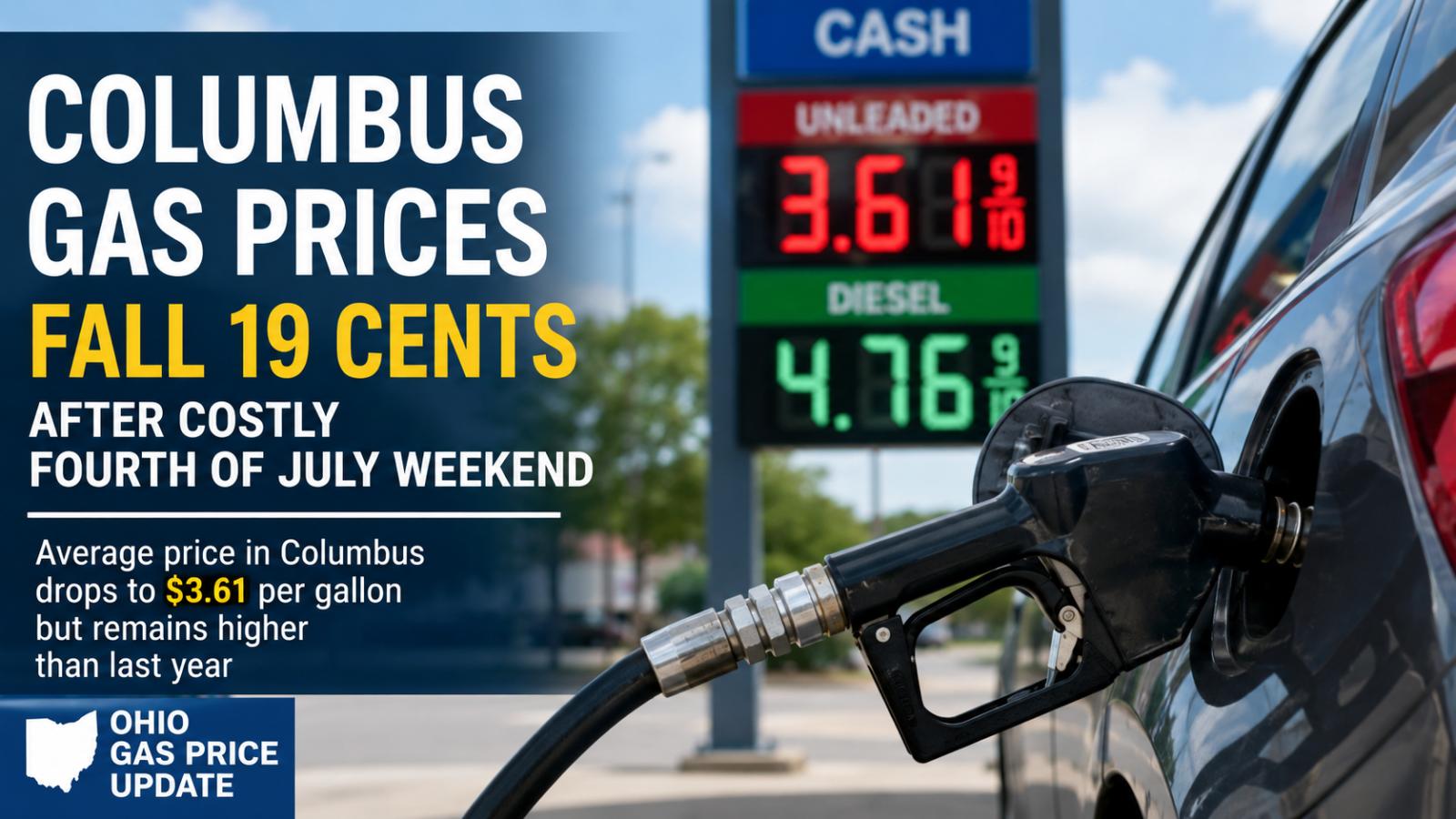
Columbus Gas Prices Fall 19 Cents After Costly Fourth of July Weekend
Columbus gas prices dropped sharply last week, giving central Ohio drivers some relief after one of the most expensive Fourth of July holiday weekends on record. According to GasBuddy’s survey of 500 stations in and around Columbus, Ohio, the average price of gasoline fell 19.1 cents per gallon last week to $3.61 per gallon. The reported Sunday average was 51 cents lower than one month earlier, but still 73 cents higher than the same time one year ago. Columbus
Columbus Gas Prices Fall 19 Cents After Costly Fourth of July Weekend
Columbus gas prices dropped sharply last week, giving central Ohio drivers some relief after one of the most expensive Fourth of July holiday weekends on record. According to GasBuddy’s survey of 500 stations in and around Columbus, Ohio, the average price of gasoline fell 19.1 cents per gallon last week to $3.61 per gallon. The reported Sunday average was 51 cents lower than one month earlier, but still 73 cents higher than the same time one year ago. Columbus
India Japan economic ties shift toward supply chain resilience
India and Japan are steadily moving their partnership beyond routine trade discussions into a broader realignment shaped by global risk and industrial restructuring. What looks like increased investment flows is actually part of a deeper repositioning of how both countries want to secure long-term economic stability in an uncertain global environment. Investment growth driven by risk recalibration Japanese companies are expanding their footprint in India not only for growth but also to reduce exposure to concentrated supply networks in East Asia. Rising geopolitical friction and periodic trade restrictions have forced firms to reconsider how dependent they are on single-country manufacturing systems. India is increasingly viewed as a viable diversification hub due to its scale, labor availability, and expanding industrial base. Supply chain restructuring becomes the core driver The most significant shift is happening in supply chains rather than headline investment figures. Japanese manufacturers are gradually redesigning sourcing and production models to reduce vulnerabilities in electronics, automotive components, and precision engineering. India fits into this transition as an alternative production and assembly base, especially for sectors where demand is growing but diversification is still limited. Technology and industrial cooperation deepen Cooperation is also expanding into advanced sectors such as semiconductors, digital systems, and artificial intelligence. These areas are no longer treated as purely commercial exchanges but as strategic capabilities. Both countries are aligning on technology resilience, where production continuity and security of supply matter as much as cost efficiency. Rare earths and critical materials gain importance Another emerging focus is critical minerals and rare earth supply chains. These materials are essential for electronics, renewable energy systems, and defence manufacturing. Dependence on concentrated suppliers has pushed both India and Japan to explore alternative sourcing strategies and joint development frameworks to reduce long-term risk. Financial flows signal long-term positioning Japanese capital inflows into Indian financial institutions and industrial projects suggest more than short-term investment interest. Financial participation typically indicates long-term confidence in policy stability and market expansion. However, the real test will be whether this capital flow expands into deeper manufacturing integration rather than remaining portfolio-based exposure. Economic security becomes the defining theme At the core of this evolving relationship is economic security. Trade decisions are increasingly shaped by geopolitical uncertainty rather than pure cost advantage. This marks a shift from efficiency-driven globalization to resilience-driven partnerships, where countries prioritize stability over optimization. A cautious but strategic realignment The India–Japan partnership is gradually becoming a case study in how middle and advanced economies adjust to global fragmentation. While the direction is clear—greater cooperation in technology, investment, and supply chains—the pace will depend on regulatory alignment, infrastructure readiness, and how effectively both sides manage external geopolitical pressures.
India Japan economic ties shift toward supply chain resilience
India and Japan are steadily moving their partnership beyond routine trade discussions into a broader realignment shaped by global risk and industrial restructuring. What looks like increased investment flows is actually part of a deeper repositioning of how both countries want to secure long-term economic stability in an uncertain global environment. Investment growth driven by risk recalibration Japanese companies are expanding their footprint in India not only for growth but also to reduce exposure to concentrated supply networks in East Asia. Rising geopolitical friction and periodic trade restrictions have forced firms to reconsider how dependent they are on single-country manufacturing systems. India is increasingly viewed as a viable diversification hub due to its scale, labor availability, and expanding industrial base. Supply chain restructuring becomes the core driver The most significant shift is happening in supply chains rather than headline investment figures. Japanese manufacturers are gradually redesigning sourcing and production models to reduce vulnerabilities in electronics, automotive components, and precision engineering. India fits into this transition as an alternative production and assembly base, especially for sectors where demand is growing but diversification is still limited. Technology and industrial cooperation deepen Cooperation is also expanding into advanced sectors such as semiconductors, digital systems, and artificial intelligence. These areas are no longer treated as purely commercial exchanges but as strategic capabilities. Both countries are aligning on technology resilience, where production continuity and security of supply matter as much as cost efficiency. Rare earths and critical materials gain importance Another emerging focus is critical minerals and rare earth supply chains. These materials are essential for electronics, renewable energy systems, and defence manufacturing. Dependence on concentrated suppliers has pushed both India and Japan to explore alternative sourcing strategies and joint development frameworks to reduce long-term risk. Financial flows signal long-term positioning Japanese capital inflows into Indian financial institutions and industrial projects suggest more than short-term investment interest. Financial participation typically indicates long-term confidence in policy stability and market expansion. However, the real test will be whether this capital flow expands into deeper manufacturing integration rather than remaining portfolio-based exposure. Economic security becomes the defining theme At the core of this evolving relationship is economic security. Trade decisions are increasingly shaped by geopolitical uncertainty rather than pure cost advantage. This marks a shift from efficiency-driven globalization to resilience-driven partnerships, where countries prioritize stability over optimization. A cautious but strategic realignment The India–Japan partnership is gradually becoming a case study in how middle and advanced economies adjust to global fragmentation. While the direction is clear—greater cooperation in technology, investment, and supply chains—the pace will depend on regulatory alignment, infrastructure readiness, and how effectively both sides manage external geopolitical pressures.
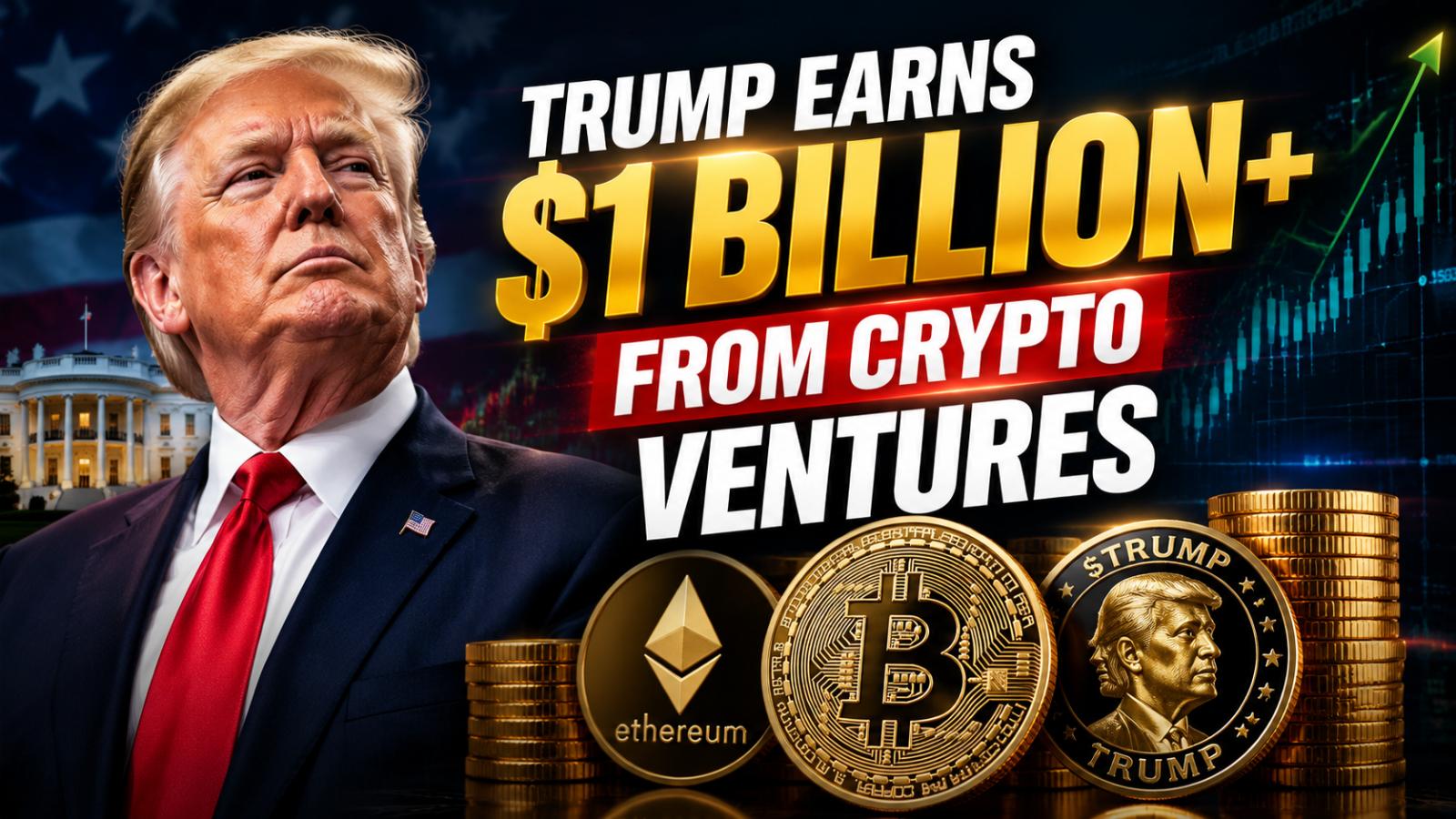
Trump earns over $1 billion from crypto ventures financial filing shows
Financial Disclosure Reveals Major Crypto Earnings US financial disclosure documents released by the Office of Government Ethics show that President Donald Trump earned more than $1 billion from cryptocurrency-related ventures over the past year. The filings outline a significant increase in income during the first year of his return to the White House, highlighting t
Trump earns over $1 billion from crypto ventures financial filing shows
Financial Disclosure Reveals Major Crypto Earnings US financial disclosure documents released by the Office of Government Ethics show that President Donald Trump earned more than $1 billion from cryptocurrency-related ventures over the past year. The filings outline a significant increase in income during the first year of his return to the White House, highlighting t

EU India trade talks near final approval stage
The proposed free trade agreement between the European Union and India has moved into its last procedural stage after years of negotiation. Both sides have already agreed on the core framework, and the current focus is on legal refinement and institutional clearance before formal approval. Officials describe this phase as technical but decisive, as even small wording changes can affect implementation across sectors. The agreement is being revi
EU India trade talks near final approval stage
The proposed free trade agreement between the European Union and India has moved into its last procedural stage after years of negotiation. Both sides have already agreed on the core framework, and the current focus is on legal refinement and institutional clearance before formal approval. Officials describe this phase as technical but decisive, as even small wording changes can affect implementation across sectors. The agreement is being revi
US official calls India indispensable in global tech race
India positioned as key global technology partner A senior United States official has described India as an indispensable partner in the global technology landscape, highlighting its unique ability to match China’s scale of engineering talent. The remarks were made at the IX US-India Strategic Partnership Forum Leadership Summit 2026 and reflect Washington’s growing reliance on New Delhi in critical emerging technologies.
US official calls India indispensable in global tech race
India positioned as key global technology partner A senior United States official has described India as an indispensable partner in the global technology landscape, highlighting its unique ability to match China’s scale of engineering talent. The remarks were made at the IX US-India Strategic Partnership Forum Leadership Summit 2026 and reflect Washington’s growing reliance on New Delhi in critical emerging technologies.
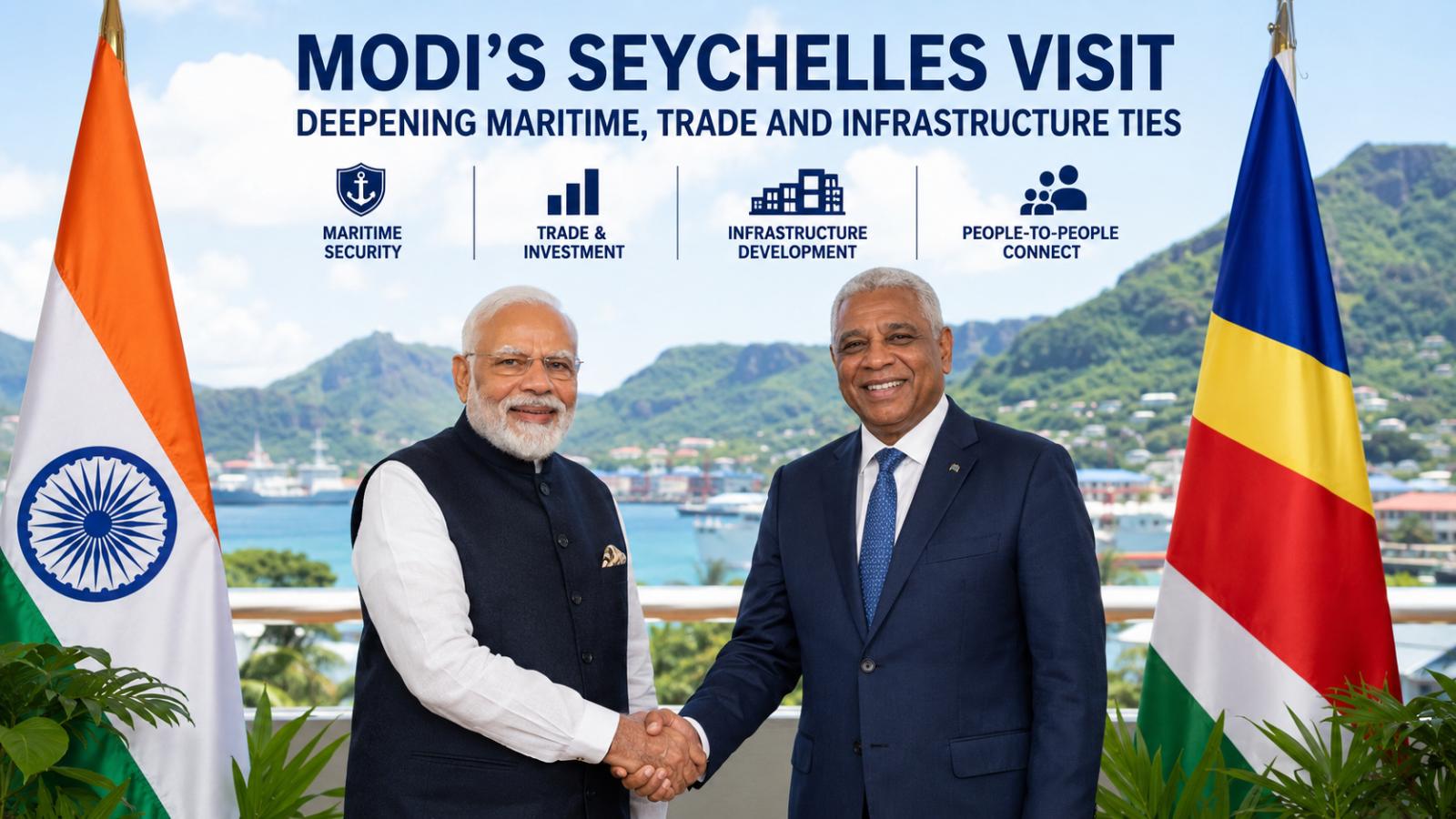
Modi Seychelles Visit: Maritime Security and $175M Projects in Focus
The Modi Seychelles visit is expected to deepen maritime security, infrastructure, trade and tourism ties as Seychelles marks 50 years of independence and the two countries commemorate five decades of diplomatic relations. Seychelles Foreign Minister Barry Faure said the trip could lift the partnership to a “qualitatively higher level” as both sides advance plans discussed during President Patrick Herminie’s February visit to India. Modi Seychelles visit put
Modi Seychelles Visit: Maritime Security and $175M Projects in Focus
The Modi Seychelles visit is expected to deepen maritime security, infrastructure, trade and tourism ties as Seychelles marks 50 years of independence and the two countries commemorate five decades of diplomatic relations. Seychelles Foreign Minister Barry Faure said the trip could lift the partnership to a “qualitatively higher level” as both sides advance plans discussed during President Patrick Herminie’s February visit to India. Modi Seychelles visit put

AI Lock-In Explained: Why Innovation Slows in Artificial Intelligence Systems
Innovation often slows not because better ideas are unavailable, but because existing systems become too expensive and complex to replace. Once infrastructure, capital, regulation, and industry habits align around a dominant technology, switching to alternatives becomes increasingly difficult—even when better options begin to emerge. This pattern is already visible in artificial intelligence today and has repeated across multiple technological revolutions. AI Infrastructu
AI Lock-In Explained: Why Innovation Slows in Artificial Intelligence Systems
Innovation often slows not because better ideas are unavailable, but because existing systems become too expensive and complex to replace. Once infrastructure, capital, regulation, and industry habits align around a dominant technology, switching to alternatives becomes increasingly difficult—even when better options begin to emerge. This pattern is already visible in artificial intelligence today and has repeated across multiple technological revolutions. AI Infrastructu
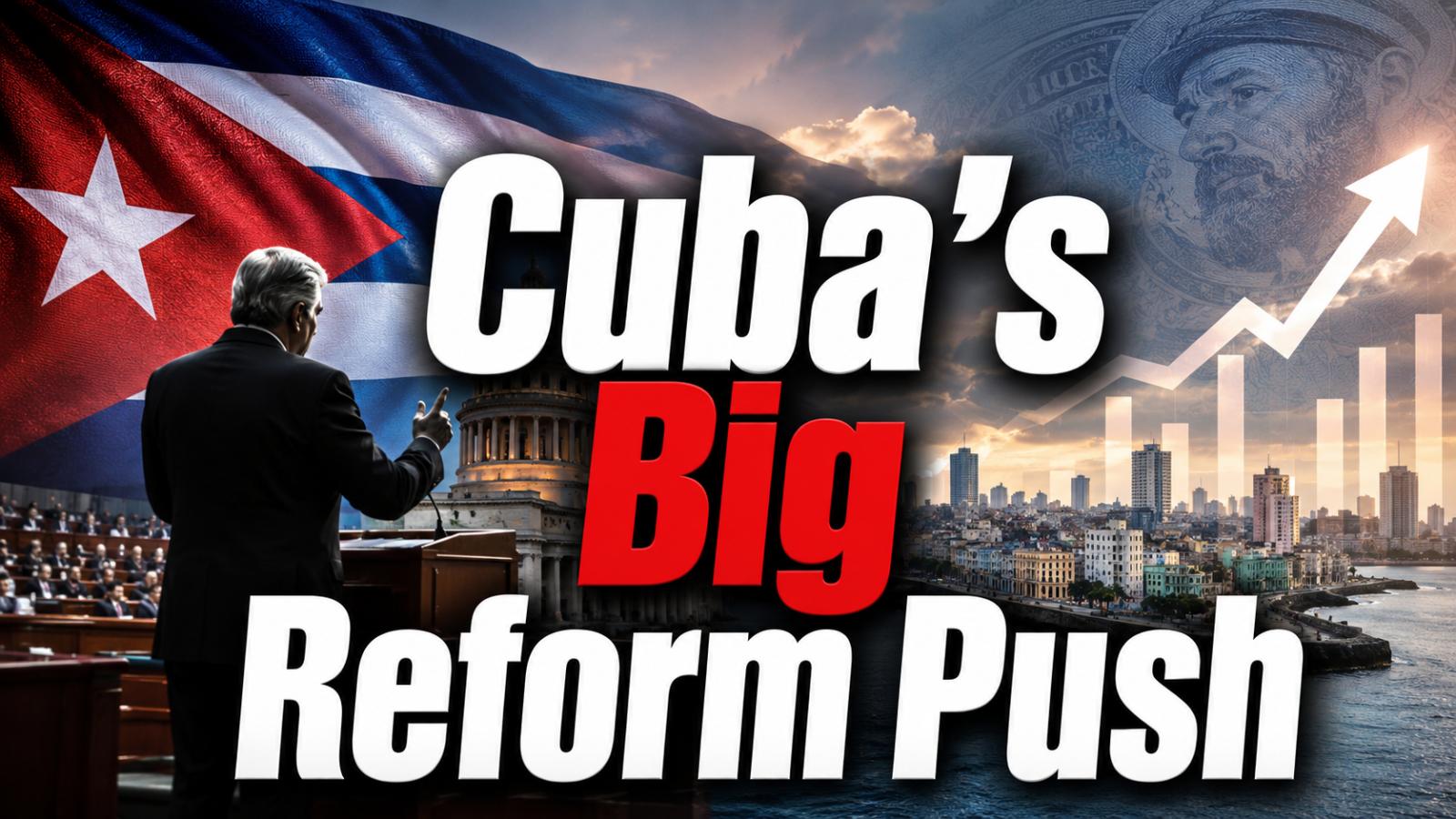
Cuba unveils major reforms to expand private sector
Cuba proposes major shift in economic policy Cuban Prime Minister Manuel Marrero has presented lawmakers with a sweeping economic reform package aimed at reshaping parts of the island’s tightly controlled economy. The proposals, backed by the Communist Party and former leader Raúl Castro, come as Cuba faces rising pressure from US sanctions, a fuel blockade and worsening shortages of basic goods. The package still requires approval from th
Cuba unveils major reforms to expand private sector
Cuba proposes major shift in economic policy Cuban Prime Minister Manuel Marrero has presented lawmakers with a sweeping economic reform package aimed at reshaping parts of the island’s tightly controlled economy. The proposals, backed by the Communist Party and former leader Raúl Castro, come as Cuba faces rising pressure from US sanctions, a fuel blockade and worsening shortages of basic goods. The package still requires approval from th
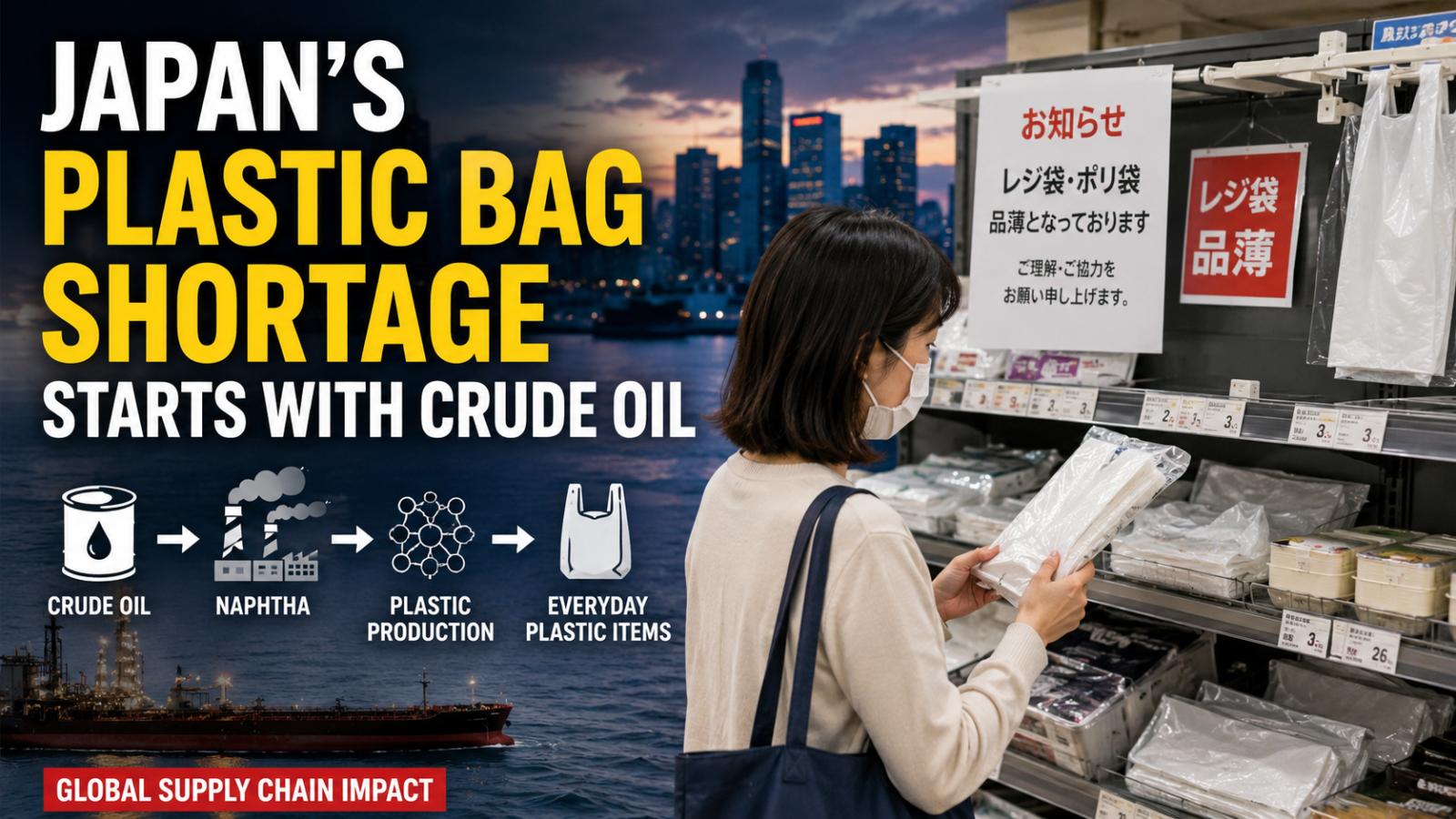
Japan Plastic Bag Shortage: Why Crude Oil Is Hitting Daily Life
Japan’s plastic bag shortage is showing how a disruption in crude oil supply can affect everyday items, from supermarket bags to food trays and gloves. Reports published in early June 2026 say supermarkets, bakeries, takeaways and food businesses in Japan are facing shortages of plastic bags, trays, food-service gloves and packaging materials. The issue is not only about plastic. It begins with naphtha, a crude-oil-derived raw material used to make plastics, synthetic products, ad
Japan Plastic Bag Shortage: Why Crude Oil Is Hitting Daily Life
Japan’s plastic bag shortage is showing how a disruption in crude oil supply can affect everyday items, from supermarket bags to food trays and gloves. Reports published in early June 2026 say supermarkets, bakeries, takeaways and food businesses in Japan are facing shortages of plastic bags, trays, food-service gloves and packaging materials. The issue is not only about plastic. It begins with naphtha, a crude-oil-derived raw material used to make plastics, synthetic products, ad
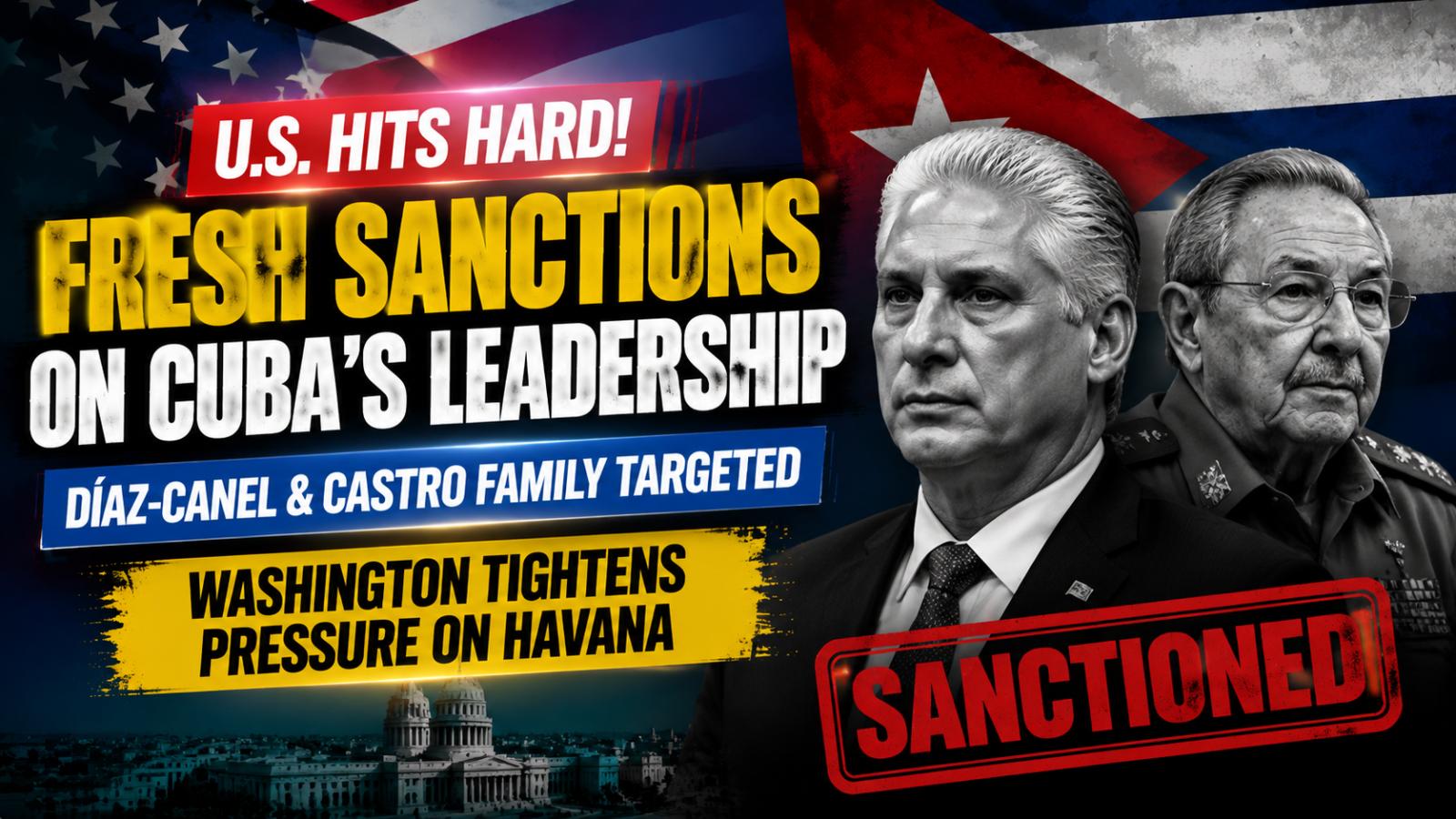
US Imposes Sanctions on Cuban President Díaz‑Canel
US Imposes Sanctions on Cuban President The United States on Thursday (June 4) imposed fresh sanctions on Cuban President Miguel Díaz‑Canel and several close associates, including members of the Castro family. The actions, announced by the U.S. Treasury Department, are part of a broader effort by Washington to intensify pressure on Cuba’s communist leadership and state institutions, targeting both indi
US Imposes Sanctions on Cuban President Díaz‑Canel
US Imposes Sanctions on Cuban President The United States on Thursday (June 4) imposed fresh sanctions on Cuban President Miguel Díaz‑Canel and several close associates, including members of the Castro family. The actions, announced by the U.S. Treasury Department, are part of a broader effort by Washington to intensify pressure on Cuba’s communist leadership and state institutions, targeting both indi
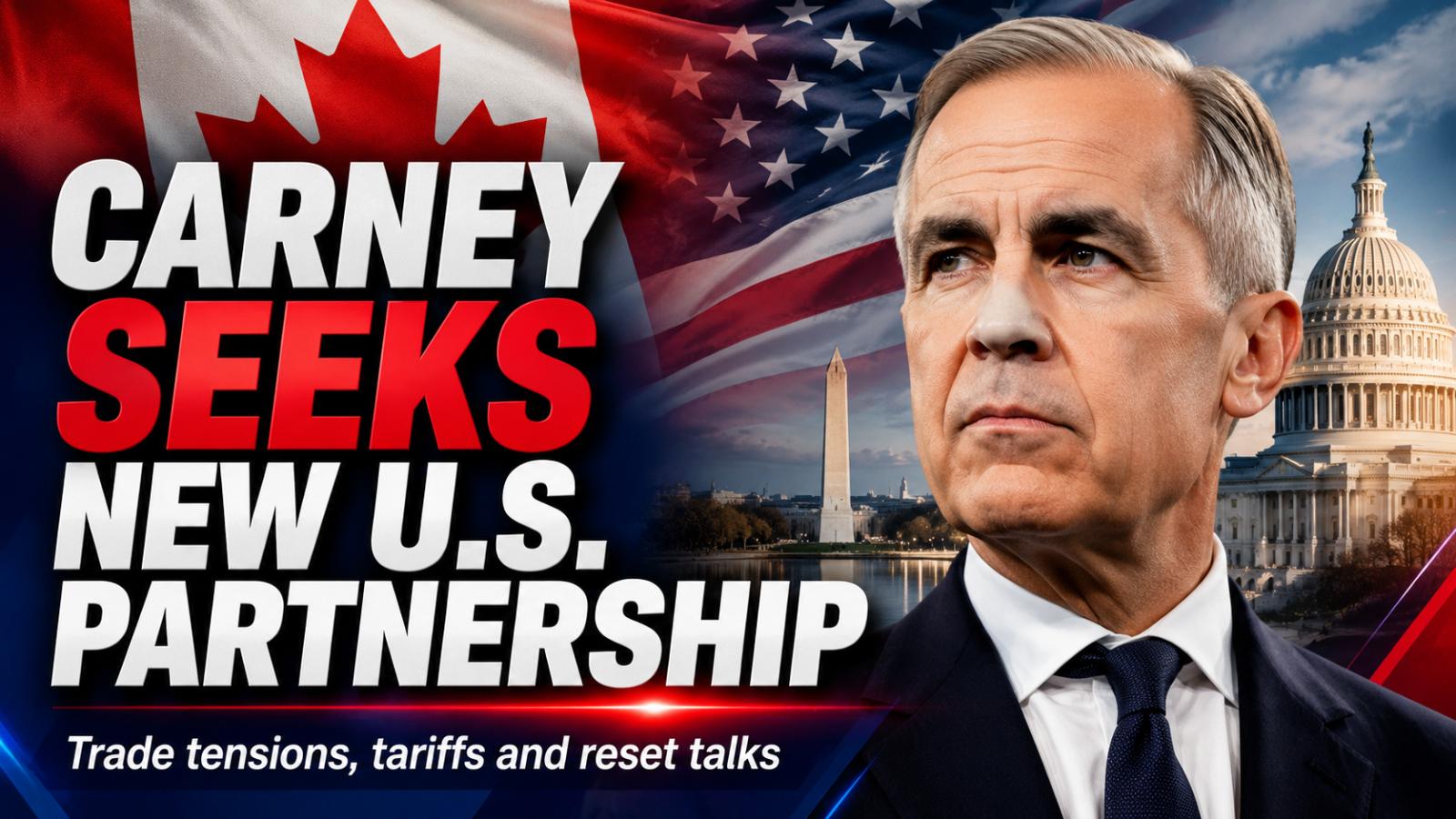
Carney Calls For New Canada-US Partnership Amid Trade Strains
Carney Calls For New Partnership Canadian Prime Minister Mark Carney called for a new partnership with the United States during a speech in New York on Thursday, saying closer cooperation could help strengthen both countries. Carney said the global economy is going through a major rupture as the United States changes its commercial relationships, but argued that Canada and the US could still work together in key sectors such as aluminum, automobiles and critical minerals. His remarks came as trade tensions between the two neighbors continue to shape diplomatic and economic discussions. Trade Tensions Shape Message Carney has pledged to double Canadian exports to markets outside the United States over the next decade, while also signing more than 20 economic and security agreements in the past year. At the same time, US trade officials were in Mexico City for discussions on overhauling the US-Mexico-Canada Agreement, though Canada was not part of the current round of talks. The exclusion adds pressure to Ottawa as it tries to protect its position in North American trade while reducing dependence on the US market. Canada Looks To Diversify The prime minister has previously described Canada’s close ties with the United States as vulnerabilities that must be corrected, especially after President Donald Trump threatened to annex Canada as the 51st state. Carney also criticized what he called American hegemony earlier this year, warning that deeper integration with major powers can create weaknesses that may be exploited. His government has moved to diversify partnerships, including a recent decision to buy military planes from Sweden instead of relying only on American manufacturers. In New York, however, Carney adopted a more conciliatory tone. He described the United States as dynamic, resilient and inventive, and said its founding values of liberty, democracy, justice and openness should continue to guide its future and the world. The message reflected a careful balancing act: Canada wants to reduce economic risk and expand global exports, but it also recognizes that cooperation with Washington on trade, security, autos, aluminum and critical minerals remains central to its long-term strategy.
Carney Calls For New Canada-US Partnership Amid Trade Strains
Carney Calls For New Partnership Canadian Prime Minister Mark Carney called for a new partnership with the United States during a speech in New York on Thursday, saying closer cooperation could help strengthen both countries. Carney said the global economy is going through a major rupture as the United States changes its commercial relationships, but argued that Canada and the US could still work together in key sectors such as aluminum, automobiles and critical minerals. His remarks came as trade tensions between the two neighbors continue to shape diplomatic and economic discussions. Trade Tensions Shape Message Carney has pledged to double Canadian exports to markets outside the United States over the next decade, while also signing more than 20 economic and security agreements in the past year. At the same time, US trade officials were in Mexico City for discussions on overhauling the US-Mexico-Canada Agreement, though Canada was not part of the current round of talks. The exclusion adds pressure to Ottawa as it tries to protect its position in North American trade while reducing dependence on the US market. Canada Looks To Diversify The prime minister has previously described Canada’s close ties with the United States as vulnerabilities that must be corrected, especially after President Donald Trump threatened to annex Canada as the 51st state. Carney also criticized what he called American hegemony earlier this year, warning that deeper integration with major powers can create weaknesses that may be exploited. His government has moved to diversify partnerships, including a recent decision to buy military planes from Sweden instead of relying only on American manufacturers. In New York, however, Carney adopted a more conciliatory tone. He described the United States as dynamic, resilient and inventive, and said its founding values of liberty, democracy, justice and openness should continue to guide its future and the world. The message reflected a careful balancing act: Canada wants to reduce economic risk and expand global exports, but it also recognizes that cooperation with Washington on trade, security, autos, aluminum and critical minerals remains central to its long-term strategy.
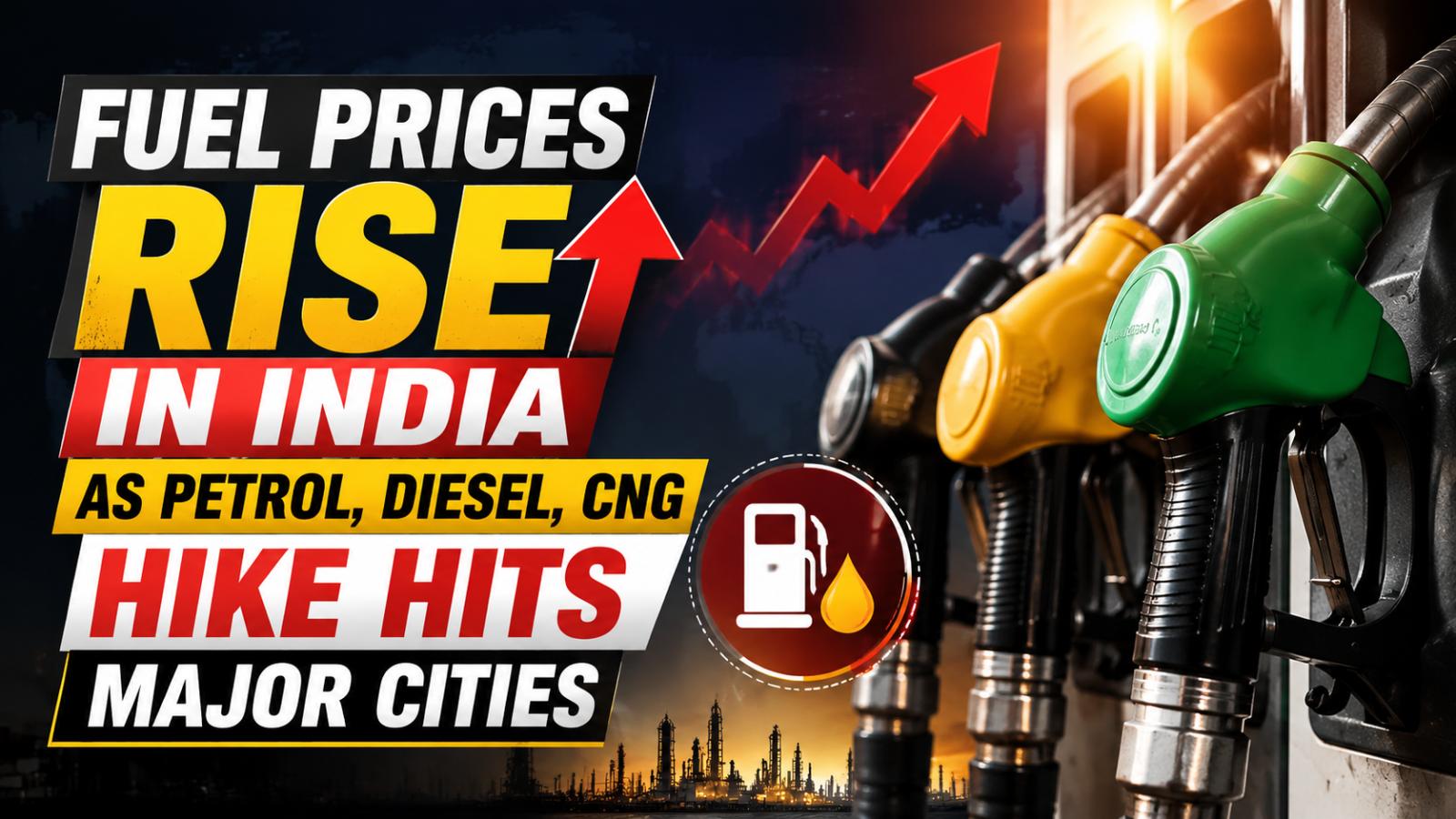
Fuel Prices Rise In India As Petrol Diesel CNG Hike Hits Major Cities
The petrol, diesel, and CNG price hike in India took effect on Friday, May 15, 2026. This was the first retail fuel price increase in four years, following the surge in global crude oil prices due to the Iran war. Fuel Price Hike Overview in Major Cities The government raised petrol, diesel, and CNG prices following a surge in global crude oil prices triggered by the Iran war. This is the first retail fuel price hike in four years. The increase is expected to affect transportation costs, household spending, and overall inflation. City Petrol Price (Rs/Litre) Petrol Hike (Rs) Diesel Price (Rs/Litre) Diesel Hike (Rs) CNG Price (Rs/Kg) CNG Hike (Rs) Delhi 97.77 3.00 90.67 3.00 79.09 2.00 Kolkata 108.74 3.29 95.13 3.11 — — Mumbai 106.68 3.14 93.14 3.11 84.00 2.00 Chennai 103.67 2.83 95.25 2.86 — — Hyderabad 104.50 3.10 94.20 3.05 80.50 2.00 Economic Implications and Expert Insights India’s state-run oil companies, IOCL, BPCL, and HPCL, were absorbing high crude costs for months, incurring daily losses of around Rs 1,600 crore. Imported crude prices jumped from $69 per barrel in February to $113-114 per barrel after the Iran war began on February 28. Economists, including Finance Commission Chair Dr Arvind Panagariya, recommended that retail prices be adjusted to prevent further losses and sustain OMC operations. Prime Minister Modi has appealed to citizens to conserve fuel and encouraged work-from-home practices to reduce foreign outflows. The Delhi government initiated a 90-day campaign promoting fuel-saving habits and limited office days. The fuel price increase is expected to push up transportation and logistics costs, which may drive inflation in essential commodities like milk and vegetables. Household savings could shrink, and discretionary spending may reduce, potentially slowing consumption, production, and GDP growth. While consumers will feel the immediate impact, this step was unavoidable given the international crude price surge.
Fuel Prices Rise In India As Petrol Diesel CNG Hike Hits Major Cities
The petrol, diesel, and CNG price hike in India took effect on Friday, May 15, 2026. This was the first retail fuel price increase in four years, following the surge in global crude oil prices due to the Iran war. Fuel Price Hike Overview in Major Cities The government raised petrol, diesel, and CNG prices following a surge in global crude oil prices triggered by the Iran war. This is the first retail fuel price hike in four years. The increase is expected to affect transportation costs, household spending, and overall inflation. City Petrol Price (Rs/Litre) Petrol Hike (Rs) Diesel Price (Rs/Litre) Diesel Hike (Rs) CNG Price (Rs/Kg) CNG Hike (Rs) Delhi 97.77 3.00 90.67 3.00 79.09 2.00 Kolkata 108.74 3.29 95.13 3.11 — — Mumbai 106.68 3.14 93.14 3.11 84.00 2.00 Chennai 103.67 2.83 95.25 2.86 — — Hyderabad 104.50 3.10 94.20 3.05 80.50 2.00 Economic Implications and Expert Insights India’s state-run oil companies, IOCL, BPCL, and HPCL, were absorbing high crude costs for months, incurring daily losses of around Rs 1,600 crore. Imported crude prices jumped from $69 per barrel in February to $113-114 per barrel after the Iran war began on February 28. Economists, including Finance Commission Chair Dr Arvind Panagariya, recommended that retail prices be adjusted to prevent further losses and sustain OMC operations. Prime Minister Modi has appealed to citizens to conserve fuel and encouraged work-from-home practices to reduce foreign outflows. The Delhi government initiated a 90-day campaign promoting fuel-saving habits and limited office days. The fuel price increase is expected to push up transportation and logistics costs, which may drive inflation in essential commodities like milk and vegetables. Household savings could shrink, and discretionary spending may reduce, potentially slowing consumption, production, and GDP growth. While consumers will feel the immediate impact, this step was unavoidable given the international crude price surge.
Bay Area Gas Prices Ease, But California Remains Highest in US
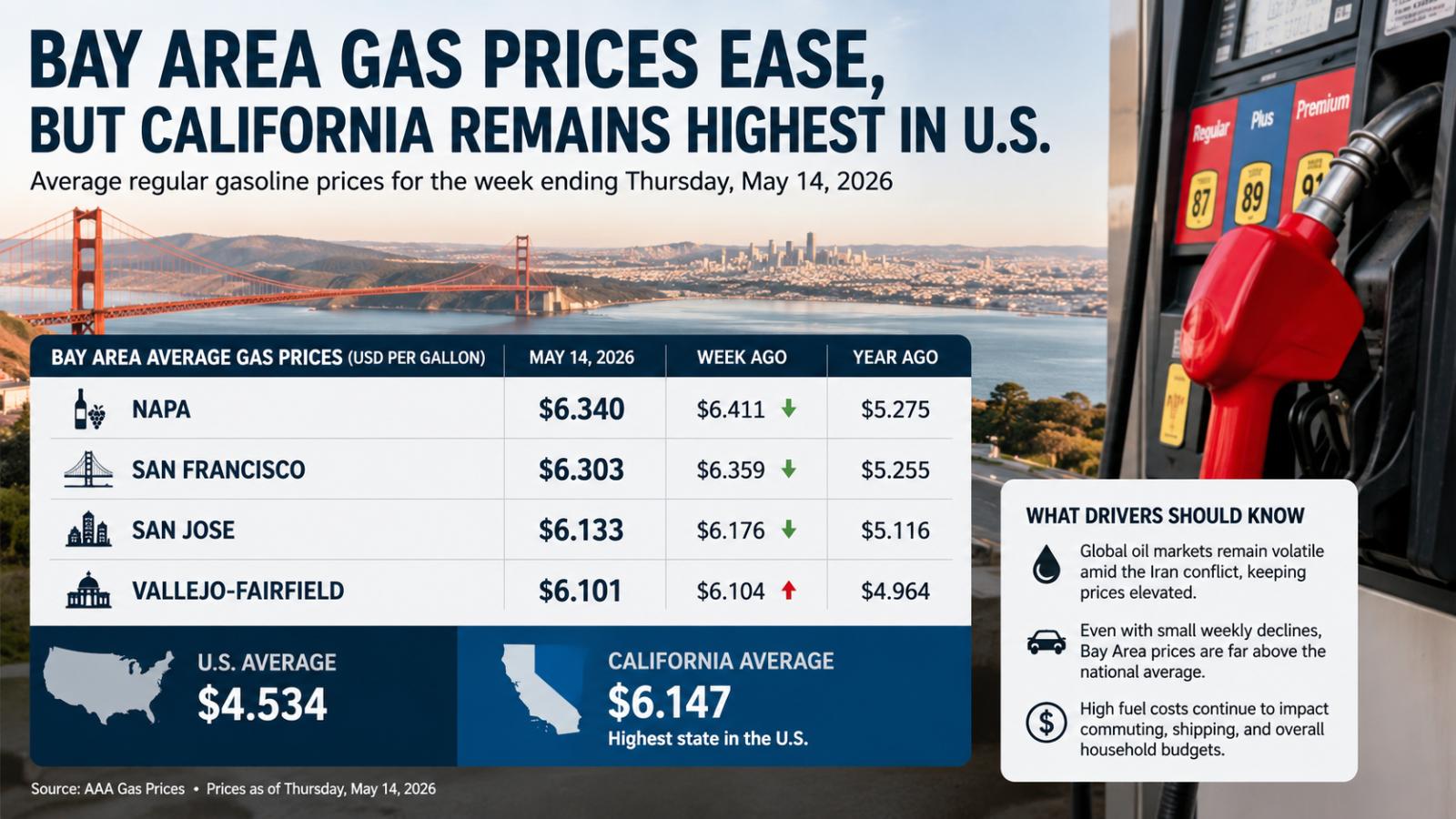
Bay Area gas prices eased slightly during the week ending Thursday, May 14, 2026, but drivers across Northern California were still paying some of the highest fuel costs in the United States. AAA data showed California’s average regular gasoline price at $6.147 per gallon on Thursday, compared with the national average of $4.534. California remained the most expensive state for regular gasoline in AAA’s state price data.
Bay Area Gas Prices Ease, But California Remains Highest in US
Bay Area gas prices eased slightly during the week ending Thursday, May 14, 2026, but drivers across Northern California were still paying some of the highest fuel costs in the United States. AAA data showed California’s average regular gasoline price at $6.147 per gallon on Thursday, compared with the national average of $4.534. California remained the most expensive state for regular gasoline in AAA’s state price data.