US-Iran talks face uncertainty as Tehran sets strict preconditions
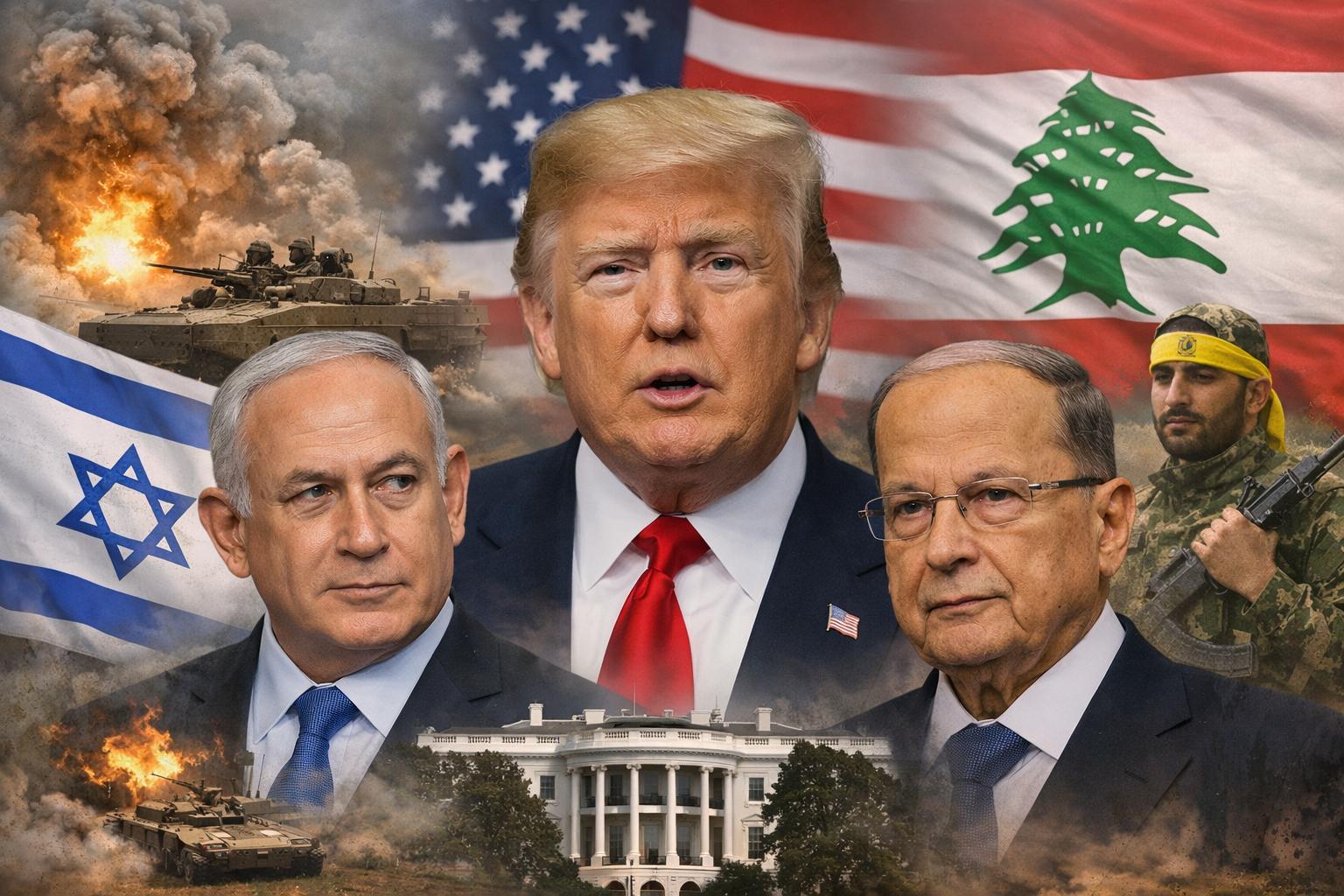
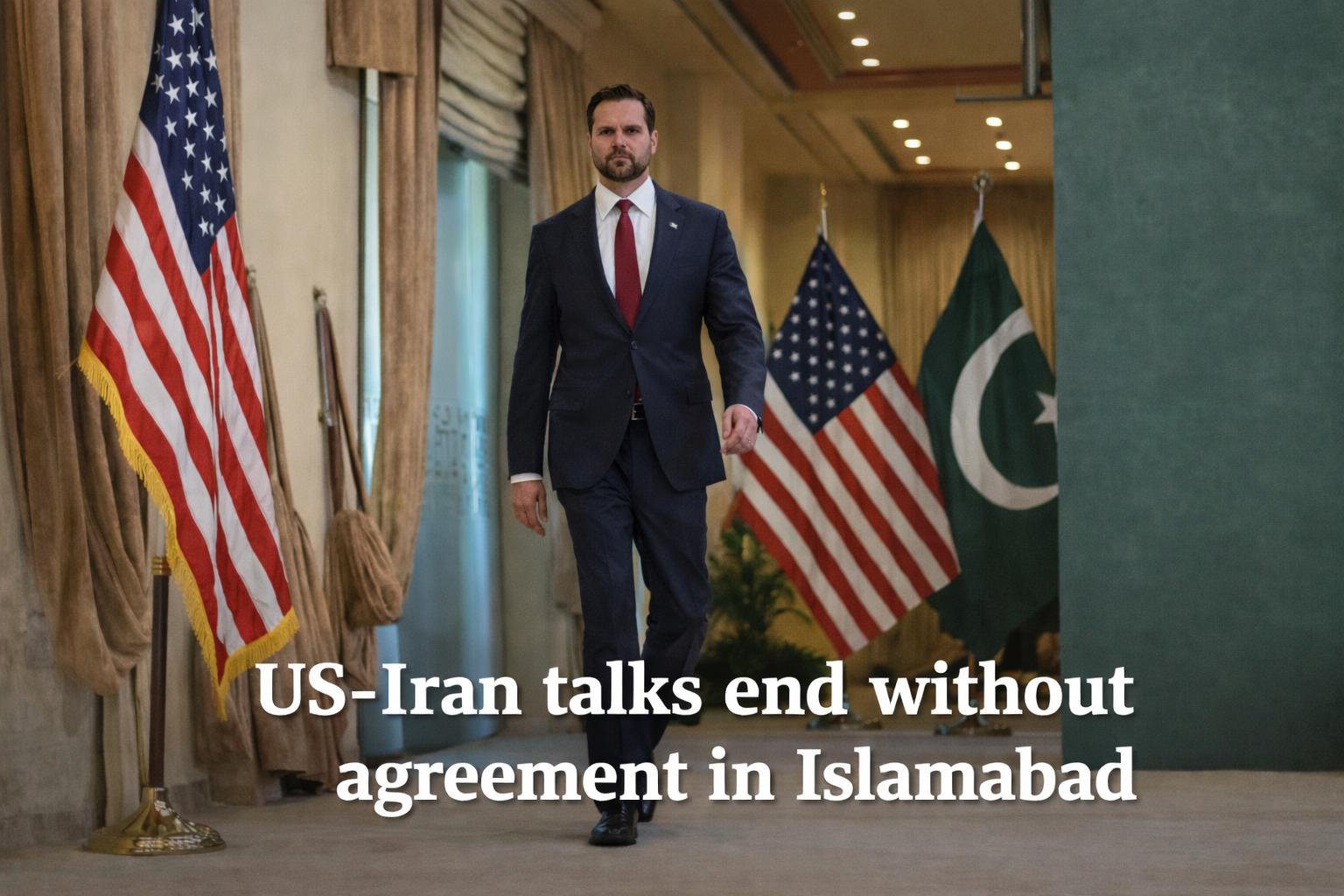
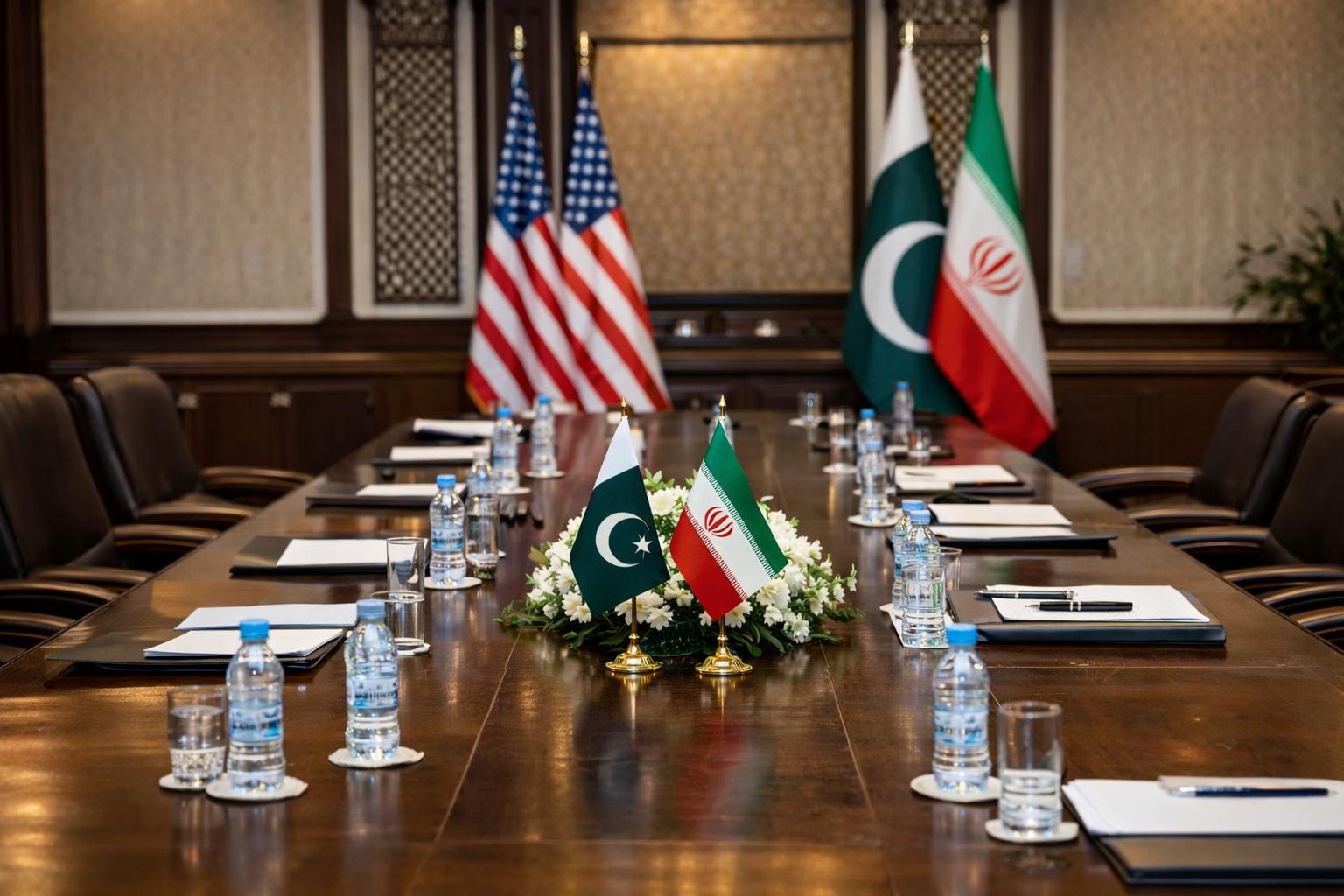
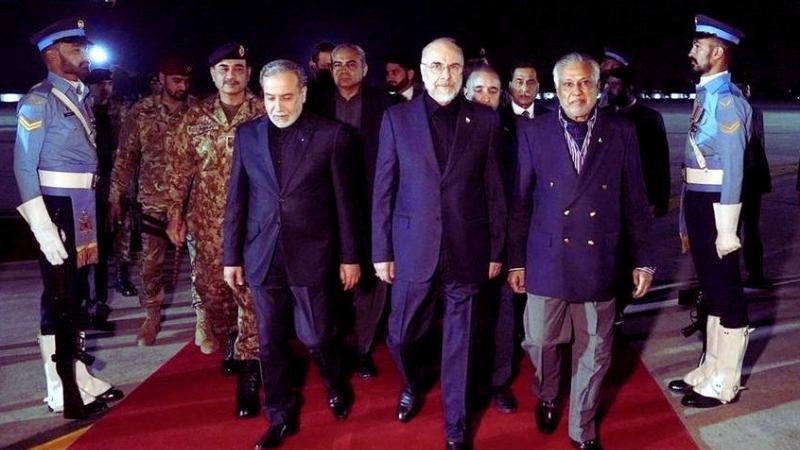
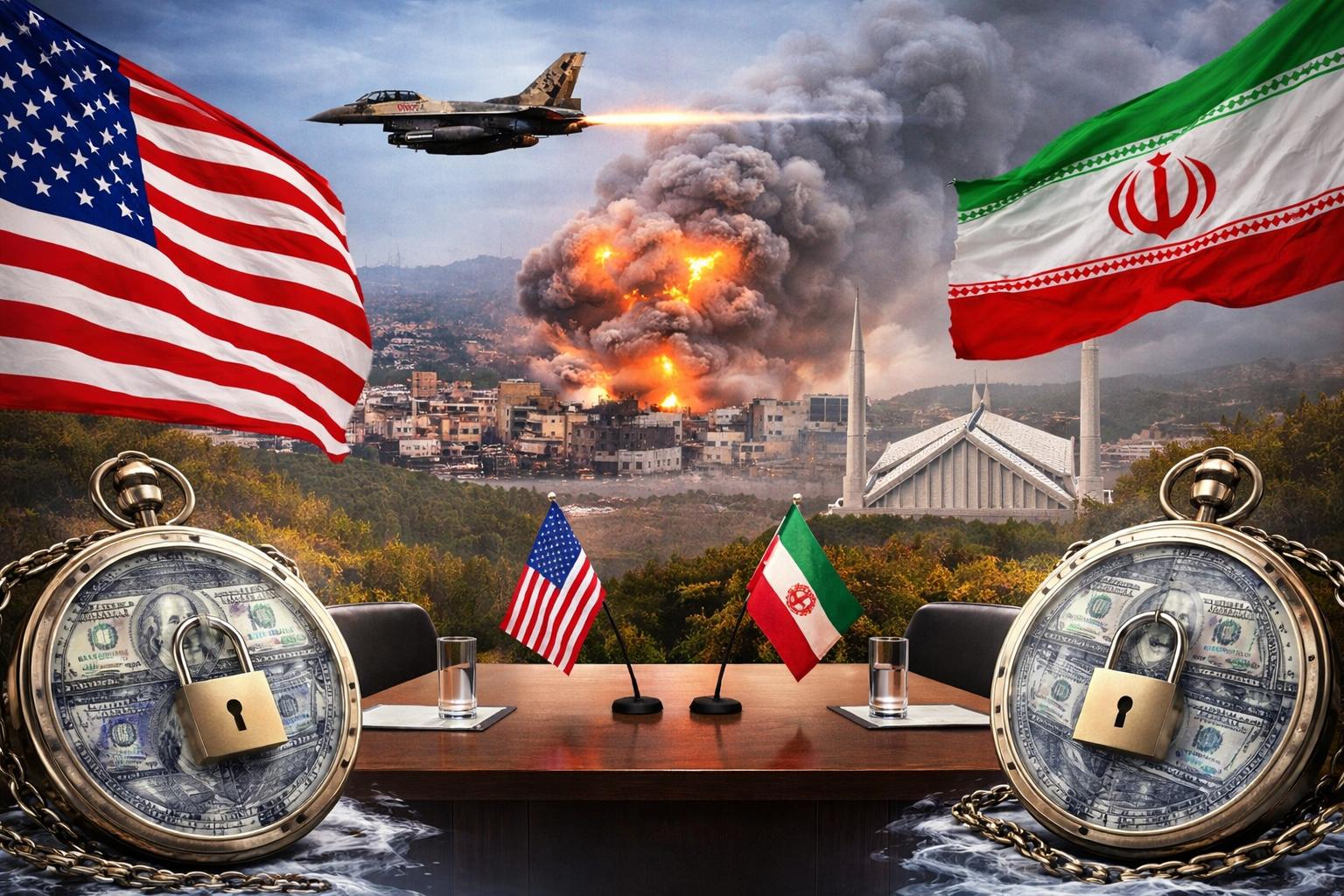
Delegations from the United States and Iran are scheduled to meet in Islamabad on Saturday, though the planned talks face significant uncertainty amid escalating regional tensions and unresolved preconditions set by Tehran. The negotiations come at a time when a fragile two-week ceasefire is already under strain, particularly due to renewed violence in Lebanon. On Friday, April 10, 2026, Iran’s parliament speaker
US-Iran talks face uncertainty as Tehran sets strict preconditions
Delegations from the United States and Iran are scheduled to meet in Islamabad on Saturday, though the planned talks face significant uncertainty amid escalating regional tensions and unresolved preconditions set by Tehran. The negotiations come at a time when a fragile two-week ceasefire is already under strain, particularly due to renewed violence in Lebanon. On Friday, April 10, 2026, Iran’s parliament speaker
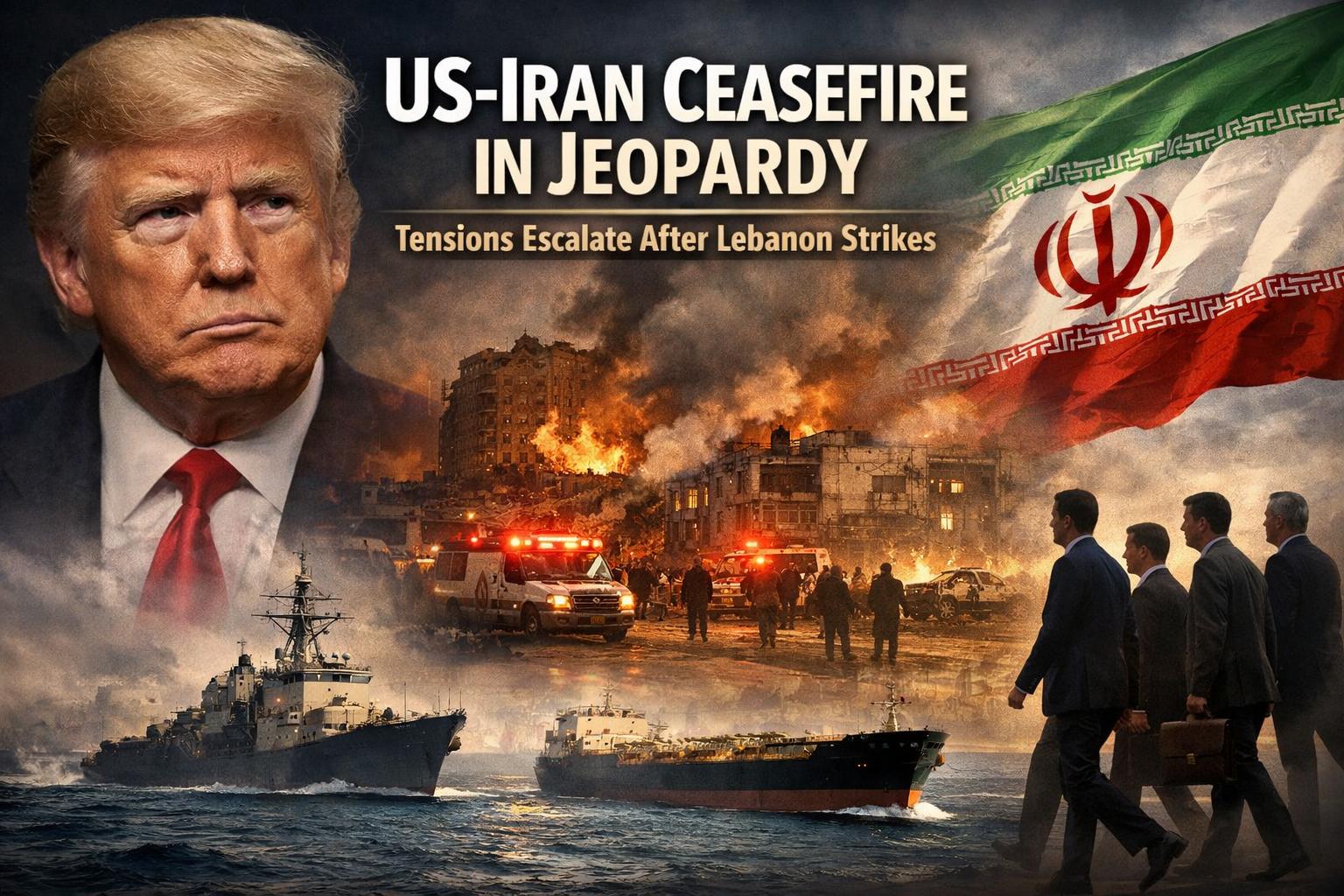
Trump warns Iran amid fragile ceasefire and renewed Middle East strikes
A fragile ceasefire between the United States and Iran is facing renewed uncertainty after escalating regional tensions and conflicting interpretations of the agreement. President Donald Trump issued a warning to Tehran, signaling that U.S. military assets remain on standby if the terms of what he describe
Trump warns Iran amid fragile ceasefire and renewed Middle East strikes
A fragile ceasefire between the United States and Iran is facing renewed uncertainty after escalating regional tensions and conflicting interpretations of the agreement. President Donald Trump issued a warning to Tehran, signaling that U.S. military assets remain on standby if the terms of what he describe
Pakistan's Role in US-Iran Ceasefire Deal Faces Scrutiny Amid Lebanon Confusion
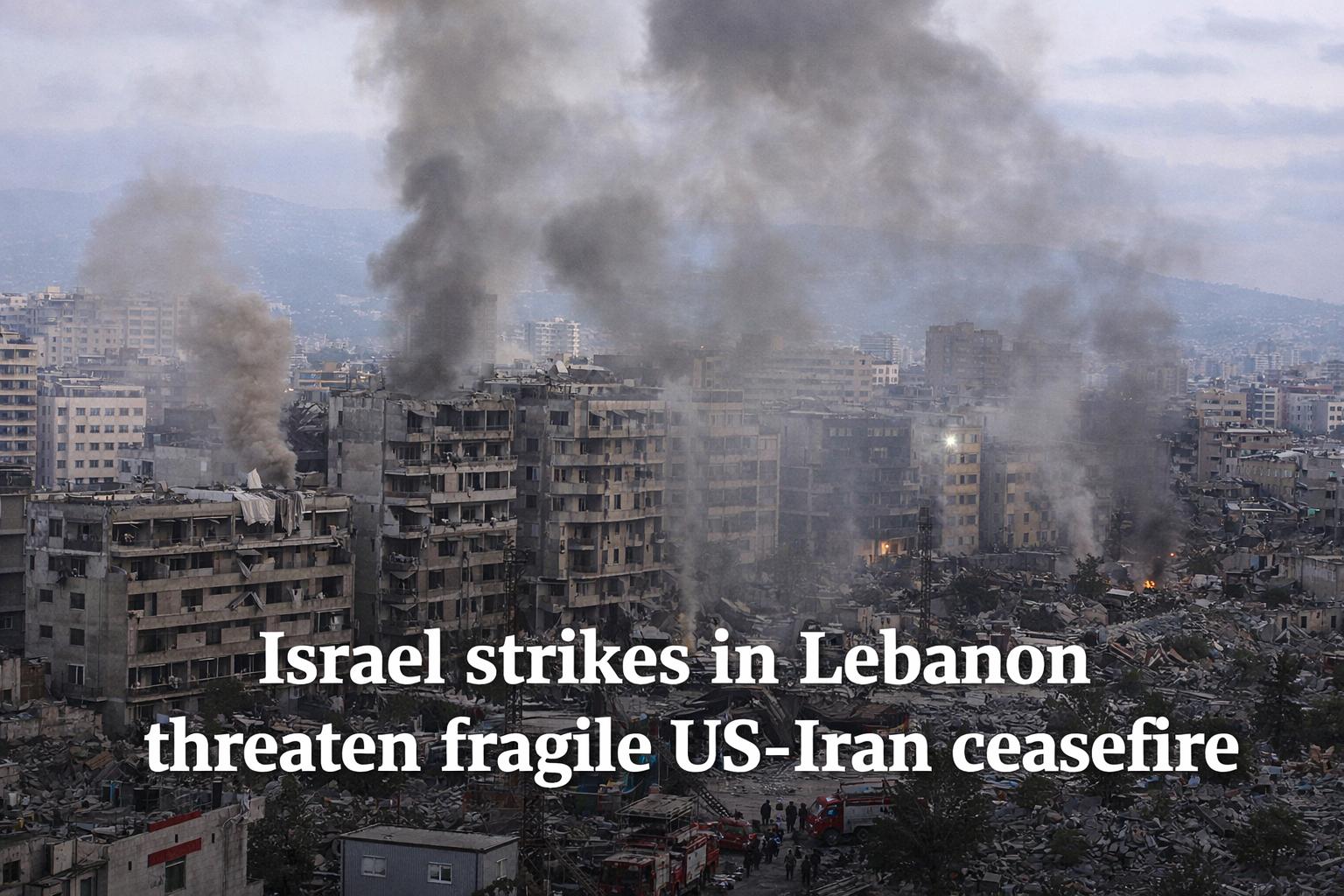
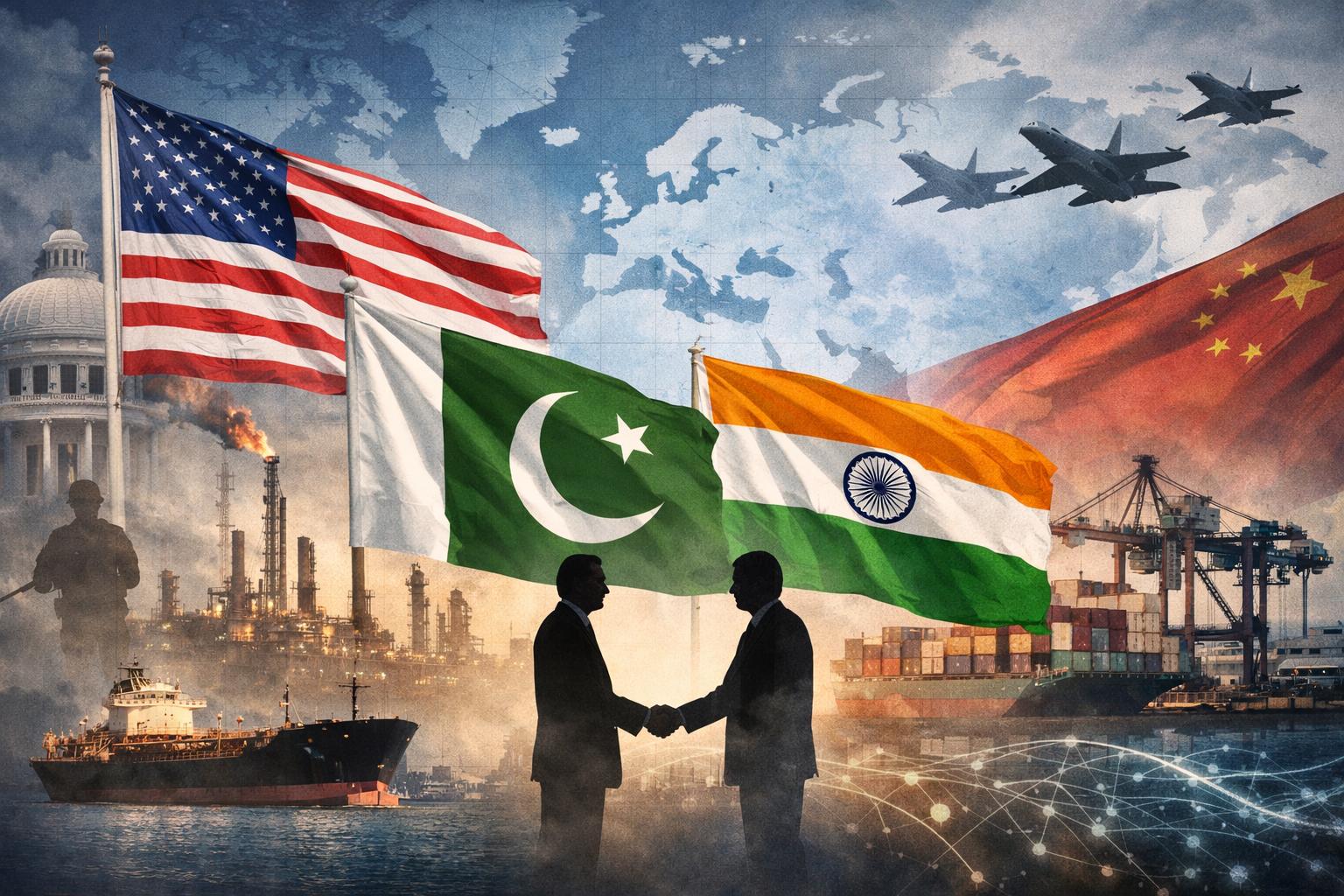
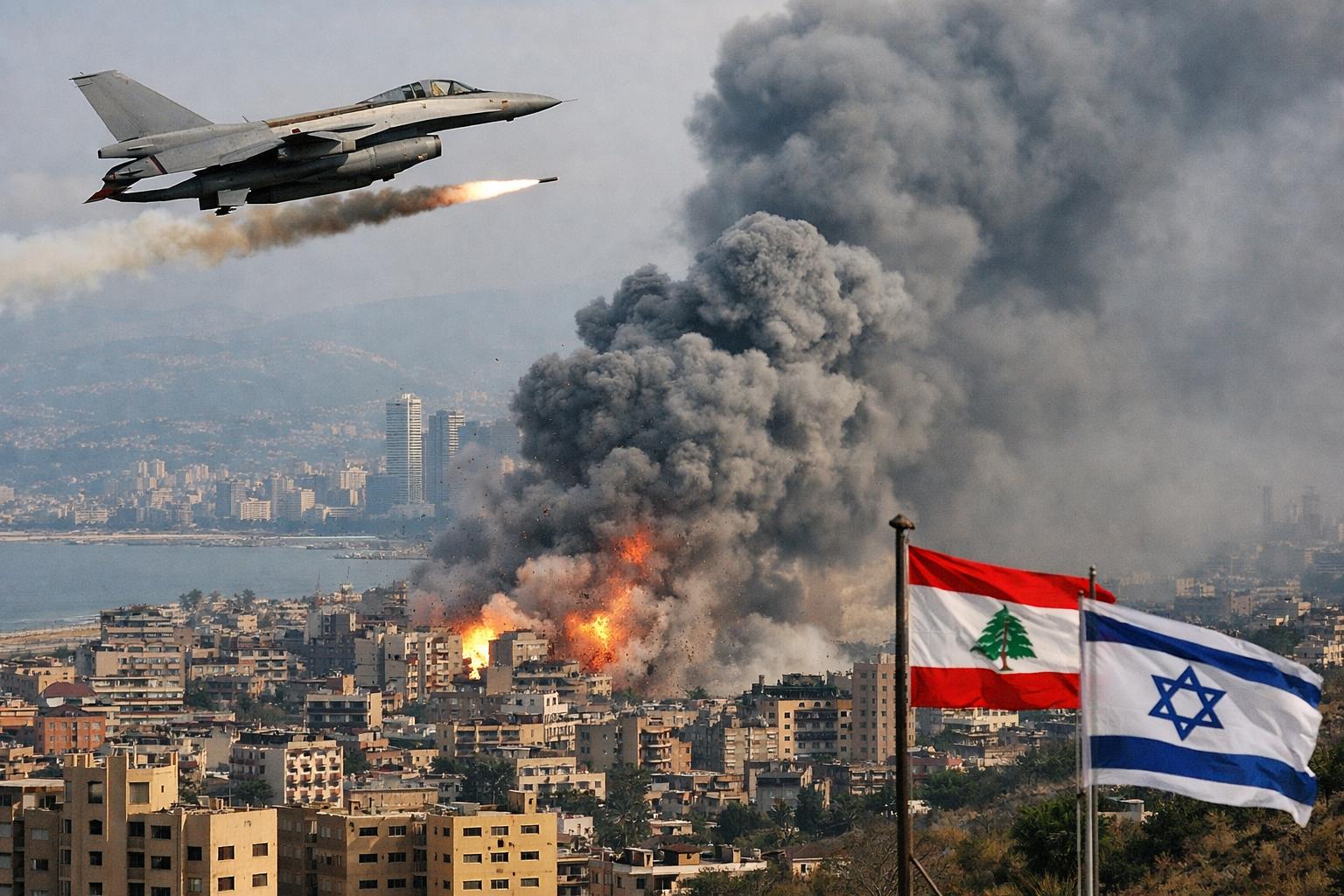
On April 8, 2026, Pakistan secured a major diplomatic win by mediating the US-Iran ceasefire, but within hours, the deal was under strain as Israel launched large airstrikes on Lebanon, an Iranian ally, killing hundreds. The confusion centered around Lebanon’s inclusion in the ceasefire agreement, with Pakistan's interpretation putting it in the heart of the storm. While Pakistani Prime Minister Shehbaz Sharif's announcement claimed that the ceasefire applied to "everywhere, including Leban
Pakistan's Role in US-Iran Ceasefire Deal Faces Scrutiny Amid Lebanon Confusion
On April 8, 2026, Pakistan secured a major diplomatic win by mediating the US-Iran ceasefire, but within hours, the deal was under strain as Israel launched large airstrikes on Lebanon, an Iranian ally, killing hundreds. The confusion centered around Lebanon’s inclusion in the ceasefire agreement, with Pakistan's interpretation putting it in the heart of the storm. While Pakistani Prime Minister Shehbaz Sharif's announcement claimed that the ceasefire applied to "everywhere, including Leban
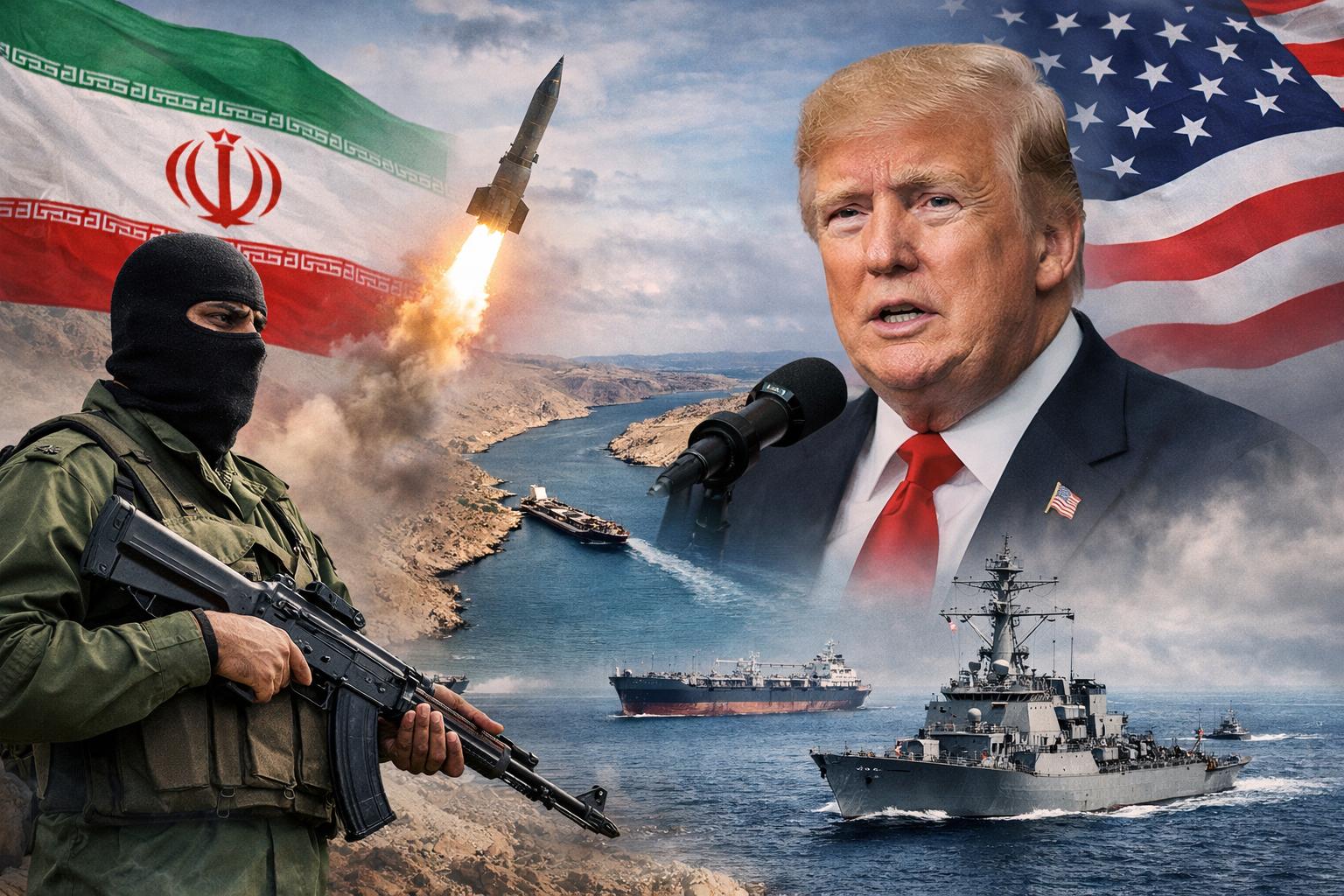
Iran accepts two-week ceasefire amid US pressure on Hormuz Strait
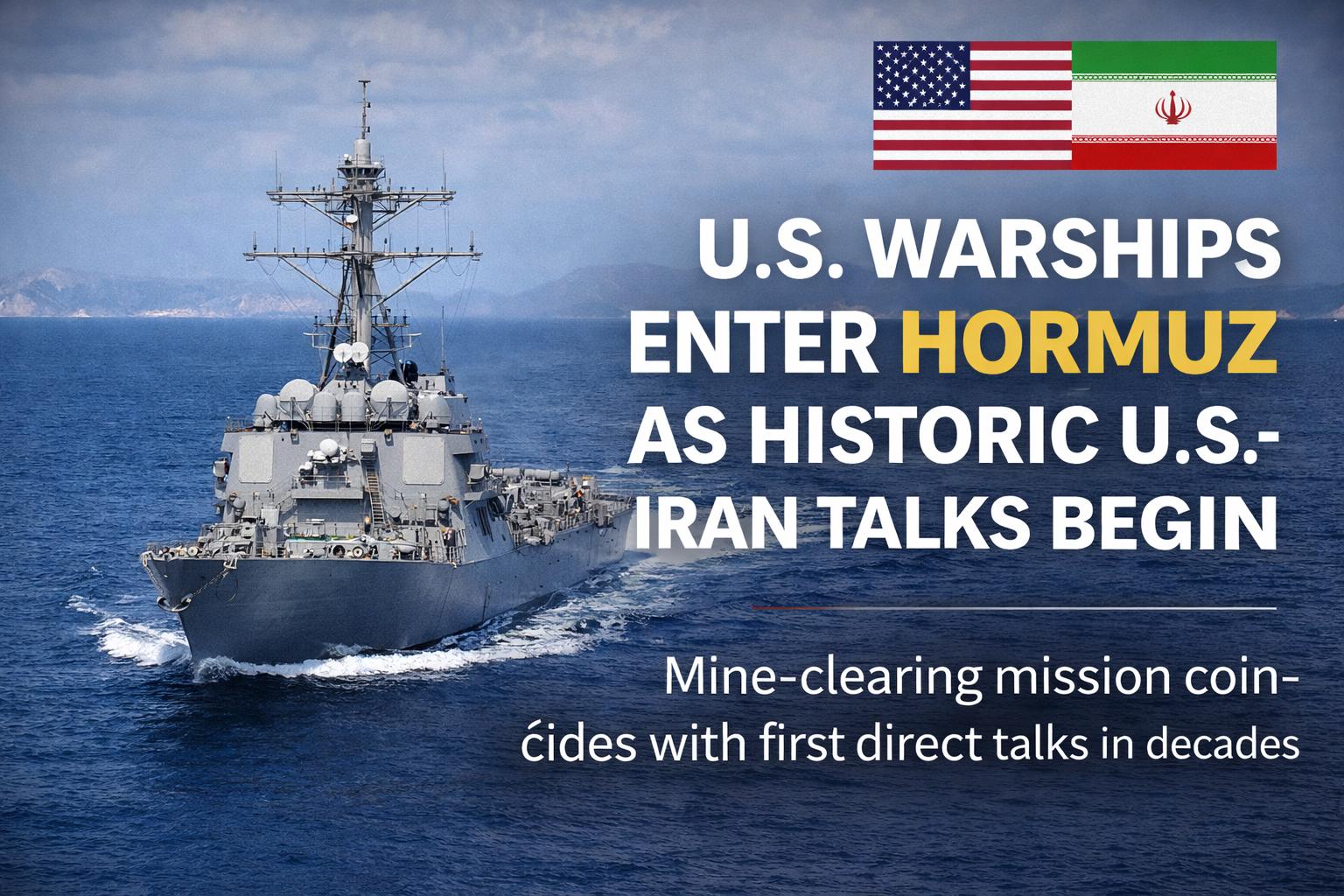
Iran has agreed to a proposed two-week ceasefire amid escalating tensions in the Middle East, following a statement by Donald Trump indicating that the United States would suspend further military action if Tehran fully reopens the strategically critical Strait of Hormuz. The announcement signals a potential pause in hostilities linked to ongoing Iran-Israel tensions, while also highlighting the broader geopolitical stakes tied to global energy security and maritime access. The Strait of Hormuz, a vital passage for a significant portion of the world’s oil supply, has remained at the center of international concern. US officials have made it clear that maintaining open navigation through the waterway is a key condition for de-escalation. The ceasefire agreement is being viewed as a temporary but important step toward reducing immediate risks in the region, particularly for global oil markets and allied economies. At the same time, Washington has underscored that any long-term easing of economic sanctions on Iran will depend on a complete halt to its uranium enrichment activities. The proposed framework reflects a broader US foreign policy approach that links economic relief directly to nuclear compliance, requiring Iran to scale back its nuclear program in exchange for reduced tariffs and sanctions. This conditional strategy is expected to shape the next phase of diplomatic negotiations. The development follows diplomatic outreach from Shehbaz Sharif, who urged an extension of the negotiation timeline and called on Iran to ensure uninterrupted access through the Strait of Hormuz. Pakistan’s involvement underscores the wider regional implications of the crisis and the importance of multilateral engagement. Meanwhile, Iran’s Islamic Revolutionary Guard Corps has issued a strong warning, stating that any US strikes on civilian infrastructure would provoke a response extending beyond the immediate region. The group cautioned that such actions could disrupt oil and gas supplies to the United States and its allies for an extended period, further raising concerns about global energy stability. While the ceasefire offers a temporary reprieve, the situation remains fluid, with key issues surrounding nuclear policy, sanctions, and regional security still unresolved.
Iran accepts two-week ceasefire amid US pressure on Hormuz Strait
Iran has agreed to a proposed two-week ceasefire amid escalating tensions in the Middle East, following a statement by Donald Trump indicating that the United States would suspend further military action if Tehran fully reopens the strategically critical Strait of Hormuz. The announcement signals a potential pause in hostilities linked to ongoing Iran-Israel tensions, while also highlighting the broader geopolitical stakes tied to global energy security and maritime access. The Strait of Hormuz, a vital passage for a significant portion of the world’s oil supply, has remained at the center of international concern. US officials have made it clear that maintaining open navigation through the waterway is a key condition for de-escalation. The ceasefire agreement is being viewed as a temporary but important step toward reducing immediate risks in the region, particularly for global oil markets and allied economies. At the same time, Washington has underscored that any long-term easing of economic sanctions on Iran will depend on a complete halt to its uranium enrichment activities. The proposed framework reflects a broader US foreign policy approach that links economic relief directly to nuclear compliance, requiring Iran to scale back its nuclear program in exchange for reduced tariffs and sanctions. This conditional strategy is expected to shape the next phase of diplomatic negotiations. The development follows diplomatic outreach from Shehbaz Sharif, who urged an extension of the negotiation timeline and called on Iran to ensure uninterrupted access through the Strait of Hormuz. Pakistan’s involvement underscores the wider regional implications of the crisis and the importance of multilateral engagement. Meanwhile, Iran’s Islamic Revolutionary Guard Corps has issued a strong warning, stating that any US strikes on civilian infrastructure would provoke a response extending beyond the immediate region. The group cautioned that such actions could disrupt oil and gas supplies to the United States and its allies for an extended period, further raising concerns about global energy stability. While the ceasefire offers a temporary reprieve, the situation remains fluid, with key issues surrounding nuclear policy, sanctions, and regional security still unresolved.
US stocks rally as ceasefire with Iran lifts market sentiment
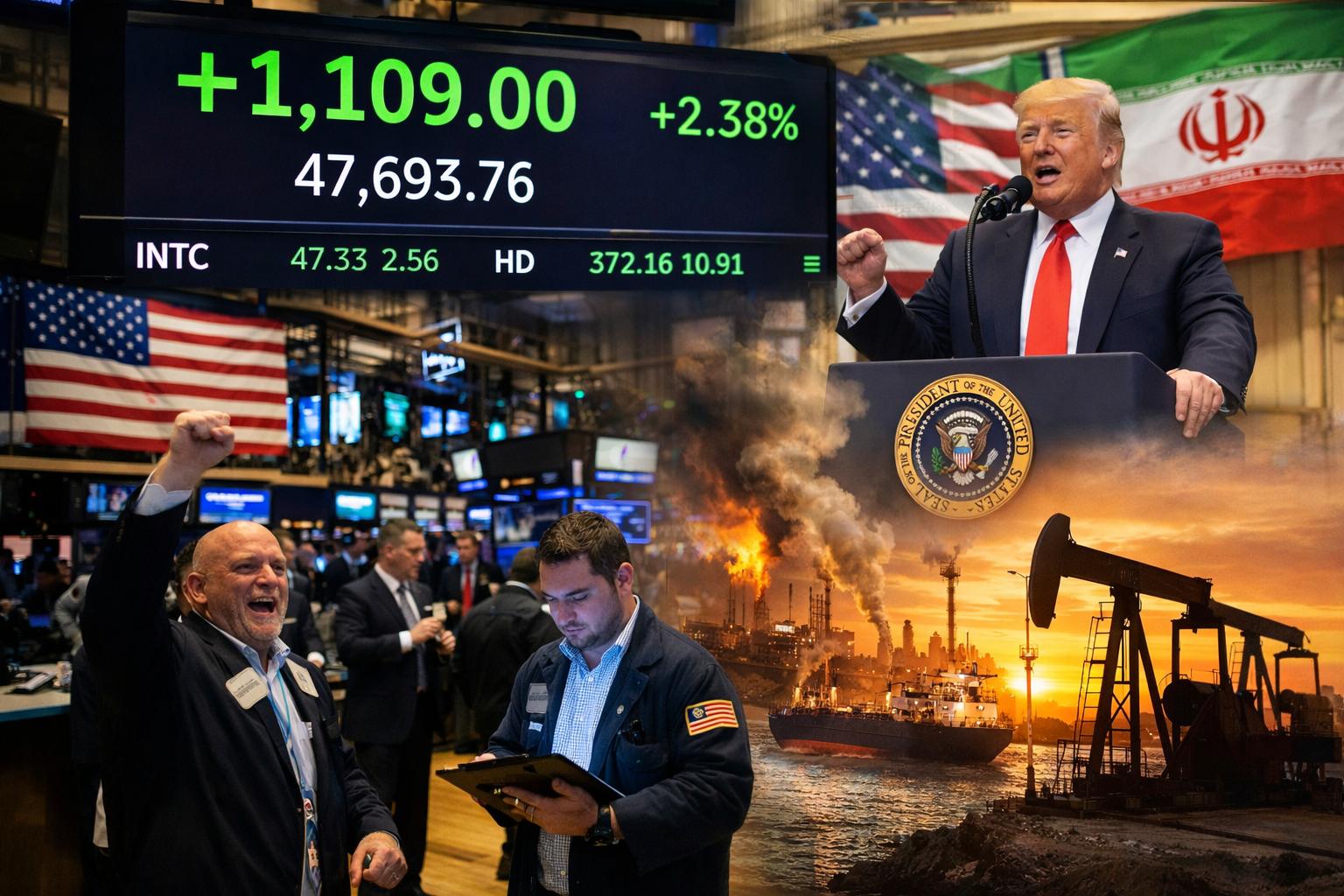
US equities surged sharply on Wednesday as investor sentiment improved following President Donald Trump’s announcement of a temporary two-week ceasefire with Iran. The development eased fears of a prolonged conflict in the Middle East, triggering a broad rally across major indexes and sectors while simultaneously pushing oil prices lower. The Dow Jones Industrial Average climbed 1,109 points to close at 47,693.76, driven by gains in technology, industrial, and financial stocks. Companies such as Intel, Home Depot, and Caterpillar contributed significantly to the upward momentum, reflecting renewed confidence among investors. The S&P 500 rose 2.21%, supported by widespread gains across both growth and cyclical sectors, although energy stocks lagged due to declining crude prices. The Nasdaq Composite advanced 2.48%, led by strong performance in semiconductor and technology stocks, signaling optimism around artificial intelligence and chip demand. The NYSE Composite also gained 1.79%, highlighting strength in large-cap industrial and financial shares. Market sentiment shifted notably after the ceasefire announcement, as earlier concerns about escalating tensions had driven oil prices higher and weighed on equities. Investors responded positively to the prospect of reduced geopolitical risk and the potential reopening of the Strait of Hormuz, a critical shipping route responsible for roughly 20% of global oil supply. Oil prices fell sharply in response, easing inflation concerns. West Texas Intermediate crude declined 17% to $93.42 per barrel, while Brent crude dropped 16% to $91.65 per barrel. The decline in energy costs provided additional support to equities, reinforcing expectations of reduced inflationary pressure and improved economic stability. Overall, the ceasefire announcement acted as a key catalyst for markets, with investors viewing it as a step toward stabilizing global energy flows and reducing geopolitical uncertainty.
US stocks rally as ceasefire with Iran lifts market sentiment
US equities surged sharply on Wednesday as investor sentiment improved following President Donald Trump’s announcement of a temporary two-week ceasefire with Iran. The development eased fears of a prolonged conflict in the Middle East, triggering a broad rally across major indexes and sectors while simultaneously pushing oil prices lower. The Dow Jones Industrial Average climbed 1,109 points to close at 47,693.76, driven by gains in technology, industrial, and financial stocks. Companies such as Intel, Home Depot, and Caterpillar contributed significantly to the upward momentum, reflecting renewed confidence among investors. The S&P 500 rose 2.21%, supported by widespread gains across both growth and cyclical sectors, although energy stocks lagged due to declining crude prices. The Nasdaq Composite advanced 2.48%, led by strong performance in semiconductor and technology stocks, signaling optimism around artificial intelligence and chip demand. The NYSE Composite also gained 1.79%, highlighting strength in large-cap industrial and financial shares. Market sentiment shifted notably after the ceasefire announcement, as earlier concerns about escalating tensions had driven oil prices higher and weighed on equities. Investors responded positively to the prospect of reduced geopolitical risk and the potential reopening of the Strait of Hormuz, a critical shipping route responsible for roughly 20% of global oil supply. Oil prices fell sharply in response, easing inflation concerns. West Texas Intermediate crude declined 17% to $93.42 per barrel, while Brent crude dropped 16% to $91.65 per barrel. The decline in energy costs provided additional support to equities, reinforcing expectations of reduced inflationary pressure and improved economic stability. Overall, the ceasefire announcement acted as a key catalyst for markets, with investors viewing it as a step toward stabilizing global energy flows and reducing geopolitical uncertainty.
The Destructive Effects of a Nuclear Explosion: What Happens Step by Step
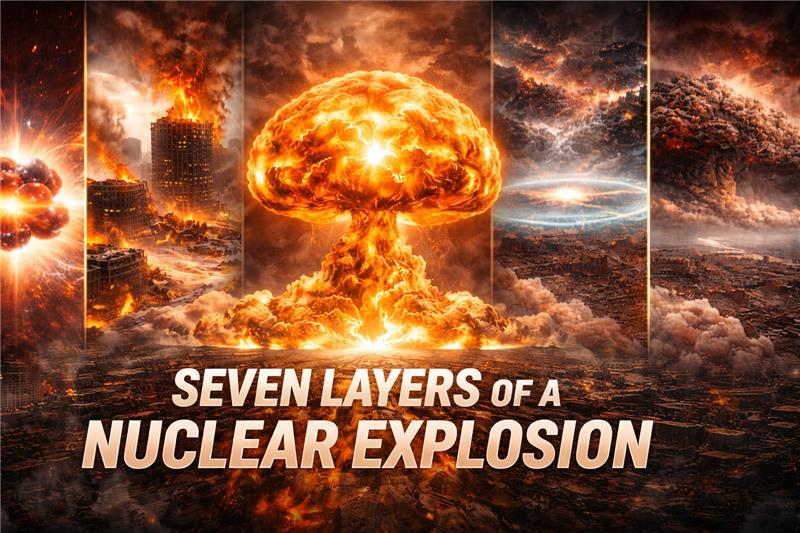
A nuclear weapon explosion unleashes an overwhelming amount of energy through either nuclear fission or fusion, resulting in devastating consequences that can persist for decades. Upon detonation, a rapid chain reaction occurs, converting a tiny amount of mass into an enormous amount of energy, based on Einstein’s Mass–energy equivalence principle. This energy is released in multiple destructive layers, each contributing to the profound impact on the environment and living organisms
The Destructive Effects of a Nuclear Explosion: What Happens Step by Step
A nuclear weapon explosion unleashes an overwhelming amount of energy through either nuclear fission or fusion, resulting in devastating consequences that can persist for decades. Upon detonation, a rapid chain reaction occurs, converting a tiny amount of mass into an enormous amount of energy, based on Einstein’s Mass–energy equivalence principle. This energy is released in multiple destructive layers, each contributing to the profound impact on the environment and living organisms
Trump says US may retrieve Iran uranium, Tehran silent on cooperation
U.S. President Donald Trump said on Wednesday, April 8, 2026, that the United States is prepared to work with Iran to recover enriched uranium believed to be buried beneath sites targeted during joint U.S.-Israeli strikes in June 2025. The comments signal a potential shift in U.S.-Iran engagement, though Iranian officials have not confirmed any such cooperation. In a social media post, Trump stated that “there will be no enrichment of uranium” moving forward and asserted that the
Trump says US may retrieve Iran uranium, Tehran silent on cooperation
U.S. President Donald Trump said on Wednesday, April 8, 2026, that the United States is prepared to work with Iran to recover enriched uranium believed to be buried beneath sites targeted during joint U.S.-Israeli strikes in June 2025. The comments signal a potential shift in U.S.-Iran engagement, though Iranian officials have not confirmed any such cooperation. In a social media post, Trump stated that “there will be no enrichment of uranium” moving forward and asserted that the
US and Iran Agree to Two-Week Ceasefire, Tehran to Reopen Strait of Hormuz
In a dramatic turn of events, US President Donald Trump has agreed to a two-week ceasefire with Iran, pulling back from the brink of escalating military conflict. The decision was made just hours before a self-imposed deadline for Tehran to reopen the vital Strait of Hormuz, a strategic waterway for global oil shipments, or face devastating US military strikes on Iranian civilian infrastructure. The truce, which is aimed at providing a diplomatic window to de-escalate the ongoing 40
US and Iran Agree to Two-Week Ceasefire, Tehran to Reopen Strait of Hormuz
In a dramatic turn of events, US President Donald Trump has agreed to a two-week ceasefire with Iran, pulling back from the brink of escalating military conflict. The decision was made just hours before a self-imposed deadline for Tehran to reopen the vital Strait of Hormuz, a strategic waterway for global oil shipments, or face devastating US military strikes on Iranian civilian infrastructure. The truce, which is aimed at providing a diplomatic window to de-escalate the ongoing 40
US rejects Iran ceasefire response as regional strikes escalate
Escalating tensions across the Middle East intensified after US President Donald Trump said Iran’s response to a proposed ceasefire was “substantial” but ultimately “not good enough,” signaling continued diplomatic strain as military exchanges widened across the region. The remarks came as at least 34 people, including six children, were reported killed in coordinated US-Israeli strikes across Iran. The attacks mark a significant escalation in the ongoing conflict, raisin
US rejects Iran ceasefire response as regional strikes escalate
Escalating tensions across the Middle East intensified after US President Donald Trump said Iran’s response to a proposed ceasefire was “substantial” but ultimately “not good enough,” signaling continued diplomatic strain as military exchanges widened across the region. The remarks came as at least 34 people, including six children, were reported killed in coordinated US-Israeli strikes across Iran. The attacks mark a significant escalation in the ongoing conflict, raisin
Iran sends 10-point response, rejects temporary ceasefire proposal
Iran has formally rejected a United States-backed proposal for a temporary ceasefire, instead presenting a structured response that calls for a permanent resolution to the ongoing conflict, according to statements from its state news agency. The move highlights Tehran’s position that a short-term truce would not address the broader geopolitical tensions shaping the crisis. The response was conveyed to Washington through Pakistan, which has been serving as an intermediary in diplom
Iran sends 10-point response, rejects temporary ceasefire proposal
Iran has formally rejected a United States-backed proposal for a temporary ceasefire, instead presenting a structured response that calls for a permanent resolution to the ongoing conflict, according to statements from its state news agency. The move highlights Tehran’s position that a short-term truce would not address the broader geopolitical tensions shaping the crisis. The response was conveyed to Washington through Pakistan, which has been serving as an intermediary in diplom
Trump warns of plan to destroy Iran infrastructure amid ceasefire talks
U.S. President Donald Trump on Monday, April 6, 2026, warned that the United States has a plan to destroy critical infrastructure in Iran if ongoing ceasefire efforts fail, signaling a potential escalation in already heightened tensions between the two countries. Speaking publicly, Trump described a scenario in which “every bridge, every power plant in Iran will be out of business,” adding that such an operation would result in “complete demolition by 12:00,” though he did not specify a time zone for that reference. The president emphasized that he does not want to pursue such action, noting the long-term consequences for Iran’s recovery. He stated that rebuilding could take “100 years,” underscoring the scale of destruction implied in his remarks. His comments come at a critical moment in the broader Middle East crisis, where diplomatic efforts and military posturing continue simultaneously. Trump also introduced a proposal involving the Strait of Hormuz, a vital global shipping route through which a significant portion of the world’s oil supply passes. He suggested that the United States, rather than Iran, should collect tolls from vessels transiting the waterway. “What about us charging tolls?” he said, positioning the idea as an alternative to allowing Iran to control revenue from the route. Iran recently announced its own toll system for tankers, asserting authority over the strategically important passage. Addressing the status of negotiations, Trump declined to provide a definitive assessment of whether tensions are easing or intensifying. “I can’t tell you, it depends on what they do. This is a critical period,” he said. He also referenced a deadline related to reopening the waterway, stating that Iran had “’til tomorrow at 8:00” following an extension he granted, though further details were not disclosed. Despite the strong rhetoric, Trump indicated that diplomatic engagement remains ongoing. He described Iran as an “active, willing participant” in negotiations and suggested that both sides may be exploring a potential agreement. However, he stopped short of confirming any progress toward a ceasefire, leaving the situation uncertain as global markets and policymakers continue to monitor developments closely.
Trump warns of plan to destroy Iran infrastructure amid ceasefire talks
U.S. President Donald Trump on Monday, April 6, 2026, warned that the United States has a plan to destroy critical infrastructure in Iran if ongoing ceasefire efforts fail, signaling a potential escalation in already heightened tensions between the two countries. Speaking publicly, Trump described a scenario in which “every bridge, every power plant in Iran will be out of business,” adding that such an operation would result in “complete demolition by 12:00,” though he did not specify a time zone for that reference. The president emphasized that he does not want to pursue such action, noting the long-term consequences for Iran’s recovery. He stated that rebuilding could take “100 years,” underscoring the scale of destruction implied in his remarks. His comments come at a critical moment in the broader Middle East crisis, where diplomatic efforts and military posturing continue simultaneously. Trump also introduced a proposal involving the Strait of Hormuz, a vital global shipping route through which a significant portion of the world’s oil supply passes. He suggested that the United States, rather than Iran, should collect tolls from vessels transiting the waterway. “What about us charging tolls?” he said, positioning the idea as an alternative to allowing Iran to control revenue from the route. Iran recently announced its own toll system for tankers, asserting authority over the strategically important passage. Addressing the status of negotiations, Trump declined to provide a definitive assessment of whether tensions are easing or intensifying. “I can’t tell you, it depends on what they do. This is a critical period,” he said. He also referenced a deadline related to reopening the waterway, stating that Iran had “’til tomorrow at 8:00” following an extension he granted, though further details were not disclosed. Despite the strong rhetoric, Trump indicated that diplomatic engagement remains ongoing. He described Iran as an “active, willing participant” in negotiations and suggested that both sides may be exploring a potential agreement. However, he stopped short of confirming any progress toward a ceasefire, leaving the situation uncertain as global markets and policymakers continue to monitor developments closely.
US-Iran Ceasefire Efforts on the Brink: Will a 45-Day Truce Hold?
The ongoing conflict between the United States and Iran has reached a critical juncture, with efforts to negotiate a 45-day ceasefire pushing towards a narrow window for a breakthrough. Sources involved in the discussions reveal that while negotiations continue, the chances of a deal within the next 48 hours are slim. This ceasefire is seen as a last-ditch effort to avoid large-scale military strikes on Iranian infrastructure, which could trigger retaliatory attacks on vital energy and water
US-Iran Ceasefire Efforts on the Brink: Will a 45-Day Truce Hold?
The ongoing conflict between the United States and Iran has reached a critical juncture, with efforts to negotiate a 45-day ceasefire pushing towards a narrow window for a breakthrough. Sources involved in the discussions reveal that while negotiations continue, the chances of a deal within the next 48 hours are slim. This ceasefire is seen as a last-ditch effort to avoid large-scale military strikes on Iranian infrastructure, which could trigger retaliatory attacks on vital energy and water
Four dead after aircraft crashes into restaurant in southern Brazil
A small aircraft crashed into a restaurant in southern Brazil on Friday, April 3, 2026, resulting in the deaths of all four people on board, according to local authorities. The incident occurred in the coastal city of Capão da Canoa, located in the state of Rio Grande do Sul, shortly after the plane took off. Officials reported that the aircraft, identified as a Piper Malibu, experienced a loss of altitude moments after departure. The plane subsequently struck a building that house
Four dead after aircraft crashes into restaurant in southern Brazil
A small aircraft crashed into a restaurant in southern Brazil on Friday, April 3, 2026, resulting in the deaths of all four people on board, according to local authorities. The incident occurred in the coastal city of Capão da Canoa, located in the state of Rio Grande do Sul, shortly after the plane took off. Officials reported that the aircraft, identified as a Piper Malibu, experienced a loss of altitude moments after departure. The plane subsequently struck a building that house
Heavy fire breaks out at residential building in Paterson, New Jersey
A heavy fire broke out at a building in Paterson, New Jersey, on Wednesday, March 4, 2026, sending thick smoke into the air and prompting a swift response from local emergency crews. Authorities reported that firefighters arrived at the scene shortly after the blaze was detected and immediately began efforts to contain the flames and prevent the fire from spreading to nearby structures. The fire appeared to engulf a significant portion of the building, with large plumes of smoke visib
Heavy fire breaks out at residential building in Paterson, New Jersey
A heavy fire broke out at a building in Paterson, New Jersey, on Wednesday, March 4, 2026, sending thick smoke into the air and prompting a swift response from local emergency crews. Authorities reported that firefighters arrived at the scene shortly after the blaze was detected and immediately began efforts to contain the flames and prevent the fire from spreading to nearby structures. The fire appeared to engulf a significant portion of the building, with large plumes of smoke visib
G7 urges halt to civilian attacks in Iran war, vows Hormuz security
Foreign ministers from the Group of Seven (G7) nations on March 28, 2026, called for an immediate halt to attacks targeting civilians and critical infrastructure in the ongoing Iran war, emphasizing the urgent need to reduce humanitarian and economic fallout. The appeal came in a joint statement issued during a high-level meeting in France, where leaders highlighted growing concerns over civilian safety and regional stability. The ministers stressed that protecting civilian populations remains a top priority, noting that continued attacks on infrastructure and non-combatants risk deepening the crisis. They underscored the importance of coordinated international efforts to limit the conflict’s broader consequences, including disruptions to global supply chains, energy markets, and economic stability that could directly affect citizens worldwide. French Foreign Minister Jean-Noël Barrot said the G7 remains firmly committed to minimizing the war’s impact, reiterating that no justification exists for targeting civilians. He emphasized that safeguarding human life must remain central to any military or political response, as tensions continue to escalate in the region. A key focus of the discussions was the Strait of Hormuz, a strategic maritime route critical to global energy supplies. The G7 ministers called for the restoration of safe and unrestricted navigation through the passage, warning that instability in the corridor could significantly disrupt international oil and trade flows. U.S. Secretary of State Marco Rubio is expected to coordinate closely with European counterparts, including briefing the European Union’s Council of Foreign Affairs, as part of ongoing diplomatic efforts to ease tensions and address the standoff in the region. Separately, European Union energy ministers are set to convene an emergency virtual meeting to assess the conflict’s impact on energy security across Europe. The meeting, organized under Cyprus’ rotating EU presidency, will focus on safeguarding supply stability amid rising uncertainty linked to the Iran war.

G7 urges halt to civilian attacks in Iran war, vows Hormuz security
Foreign ministers from the Group of Seven (G7) nations on March 28, 2026, called for an immediate halt to attacks targeting civilians and critical infrastructure in the ongoing Iran war, emphasizing the urgent need to reduce humanitarian and economic fallout. The appeal came in a joint statement issued during a high-level meeting in France, where leaders highlighted growing concerns over civilian safety and regional stability. The ministers stressed that protecting civilian populations remains a top priority, noting that continued attacks on infrastructure and non-combatants risk deepening the crisis. They underscored the importance of coordinated international efforts to limit the conflict’s broader consequences, including disruptions to global supply chains, energy markets, and economic stability that could directly affect citizens worldwide. French Foreign Minister Jean-Noël Barrot said the G7 remains firmly committed to minimizing the war’s impact, reiterating that no justification exists for targeting civilians. He emphasized that safeguarding human life must remain central to any military or political response, as tensions continue to escalate in the region. A key focus of the discussions was the Strait of Hormuz, a strategic maritime route critical to global energy supplies. The G7 ministers called for the restoration of safe and unrestricted navigation through the passage, warning that instability in the corridor could significantly disrupt international oil and trade flows. U.S. Secretary of State Marco Rubio is expected to coordinate closely with European counterparts, including briefing the European Union’s Council of Foreign Affairs, as part of ongoing diplomatic efforts to ease tensions and address the standoff in the region. Separately, European Union energy ministers are set to convene an emergency virtual meeting to assess the conflict’s impact on energy security across Europe. The meeting, organized under Cyprus’ rotating EU presidency, will focus on safeguarding supply stability amid rising uncertainty linked to the Iran war.


7.6 Magnitude Earthquake Rocks Tonga: Could It Trigger Another 2022-Like Eruption?
A powerful 7.6 magnitude earthquake recently struck near Tonga, located at a considerable depth of 238 km beneath the Earth’s surface. While the depth of the quake has reduced the immediate risk of damage or a tsunami, the event is still drawing attention from scientists, as it is part of an unsettling pattern of seismic activity in the region. The epicenter, located over 150 km from the town of Neiafu, lies along the Tonga Trench, one of the most tectonically active areas in the world.
7.6 Magnitude Earthquake Rocks Tonga: Could It Trigger Another 2022-Like Eruption?
A powerful 7.6 magnitude earthquake recently struck near Tonga, located at a considerable depth of 238 km beneath the Earth’s surface. While the depth of the quake has reduced the immediate risk of damage or a tsunami, the event is still drawing attention from scientists, as it is part of an unsettling pattern of seismic activity in the region. The epicenter, located over 150 km from the town of Neiafu, lies along the Tonga Trench, one of the most tectonically active areas in the world.
Both Pilots Dead After Plane Collides with Fire Truck at LaGuardia Airport
Tragedy struck New York's LaGuardia Airport on Sunday night when an Air Canada Express passenger plane collided with a fire truck on the runway, resulting in the deaths of both the pilot and co-pilot. The incident, which took place at approximately 11:38 pm local time, left at least 13 people injured, including two firefighters who were reportedly in stable condition after being rushed to the hospital. The accident has since sparked a full-scale emergency response, with evacuation and rescue
Both Pilots Dead After Plane Collides with Fire Truck at LaGuardia Airport
Tragedy struck New York's LaGuardia Airport on Sunday night when an Air Canada Express passenger plane collided with a fire truck on the runway, resulting in the deaths of both the pilot and co-pilot. The incident, which took place at approximately 11:38 pm local time, left at least 13 people injured, including two firefighters who were reportedly in stable condition after being rushed to the hospital. The accident has since sparked a full-scale emergency response, with evacuation and rescue
Midtown Manhattan fire sends smoke across skyline before St Patrick’s Day parade
A major fire broke out in a high-rise building in Midtown Manhattan on Tuesday morning, sending thick plumes of black smoke across the New York skyline just hours before the city’s St Patrick’s Day parade. Authorities said the incident began shortly before 10 am near East 43rd Street and Madison Avenue, a busy area close to Grand Central Terminal. Emergency crews from the Fire Department of New York responded swiftly, dispatching multiple fire engines and ladder companies to the scene. D
Midtown Manhattan fire sends smoke across skyline before St Patrick’s Day parade
A major fire broke out in a high-rise building in Midtown Manhattan on Tuesday morning, sending thick plumes of black smoke across the New York skyline just hours before the city’s St Patrick’s Day parade. Authorities said the incident began shortly before 10 am near East 43rd Street and Madison Avenue, a busy area close to Grand Central Terminal. Emergency crews from the Fire Department of New York responded swiftly, dispatching multiple fire engines and ladder companies to the scene. D
10 Dead, 11 Injured in Cuttack Hospital Fire: Short Circuit Suspected
A devastating fire broke out at the SCB Medical College and Hospital
10 Dead, 11 Injured in Cuttack Hospital Fire: Short Circuit Suspected
A devastating fire broke out at the SCB Medical College and Hospital