



















Lebanon-Israel Conflict: Civilian Deaths Reported in Airstrikes
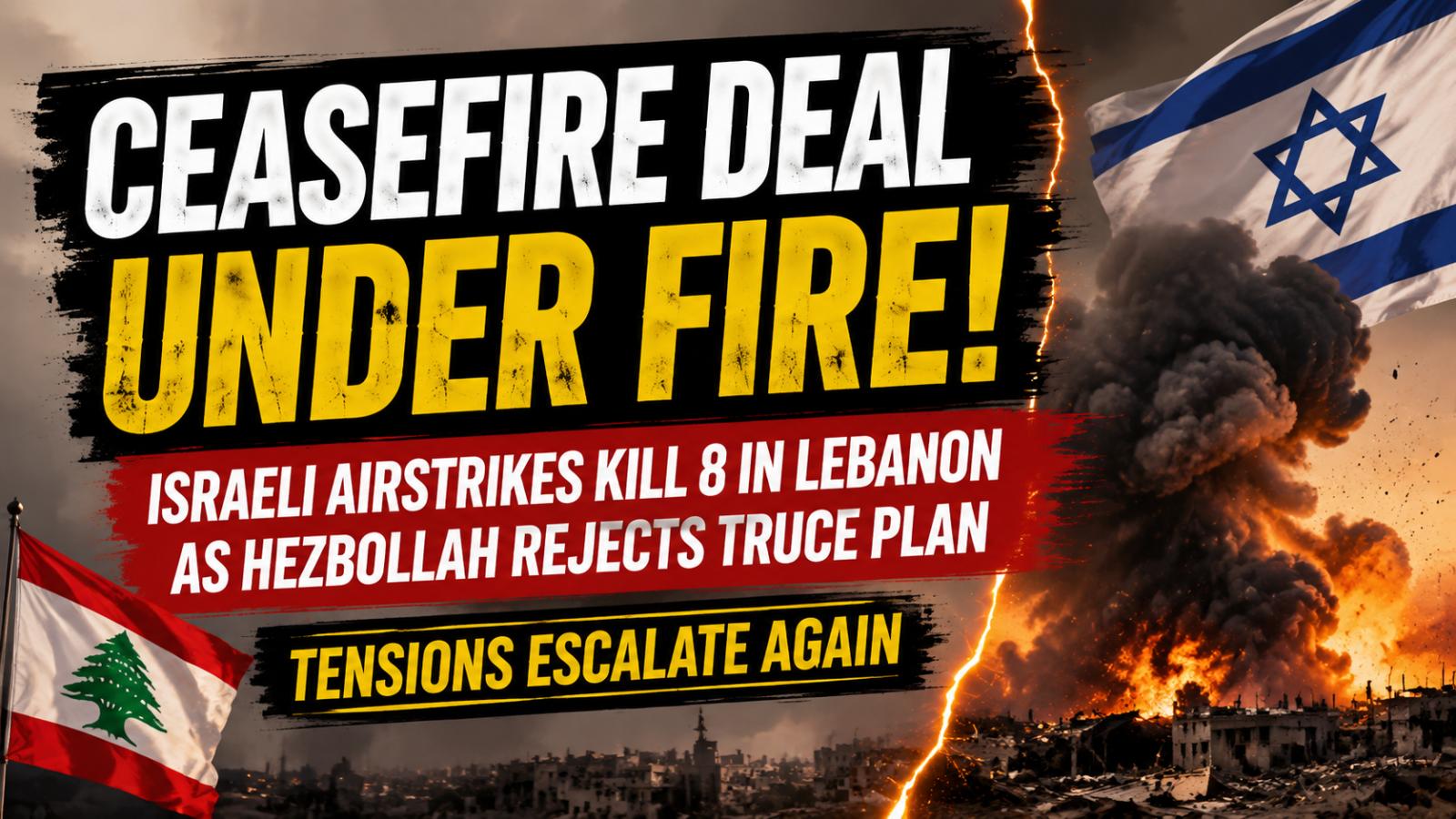
Israeli Airstrikes Kill Eight in Lebanon Amid Ceasefire Talks Israeli airstrikes killed eight people in Lebanon on Thursday, just a day after a conditional ceasefire plan was agreed upon by Lebanese and Israeli representatives in the United States. Five people were killed in eastern Lebanon, while three more lost their lives near Tyre. Eight others were injured, including women and children, as the conflict
Lebanon-Israel Conflict: Civilian Deaths Reported in Airstrikes
Israeli Airstrikes Kill Eight in Lebanon Amid Ceasefire Talks Israeli airstrikes killed eight people in Lebanon on Thursday, just a day after a conditional ceasefire plan was agreed upon by Lebanese and Israeli representatives in the United States. Five people were killed in eastern Lebanon, while three more lost their lives near Tyre. Eight others were injured, including women and children, as the conflict
Indian Envoy Visits Injured Indians After Kuwait Airport Attack
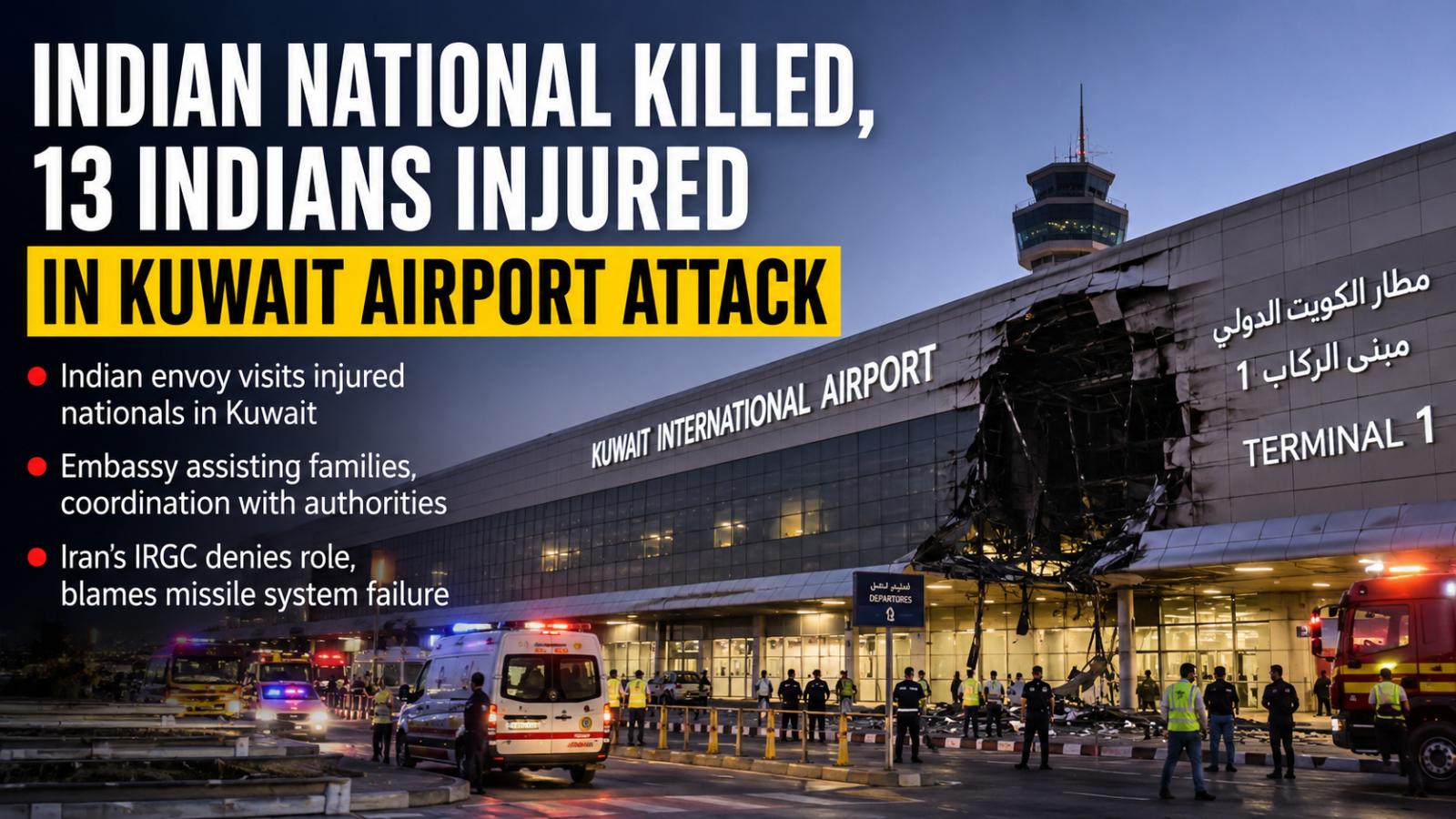
Indian Ambassador to Kuwait Paramita Tripathi visited injured Indian nationals and the Central Mortuary in Kuwait after one Indian citizen was killed and 13 others were injured in the Kuwait airport attack, Indian officials said. The attack took place at Terminal 1 of Kuwait International Airport on Wednesday, June 3, 2026. India’s Ministry of External Affairs said one Indian national died in the incident, while several Indian citizens were injured. Officials said on Thursday, Jun
Indian Envoy Visits Injured Indians After Kuwait Airport Attack
Indian Ambassador to Kuwait Paramita Tripathi visited injured Indian nationals and the Central Mortuary in Kuwait after one Indian citizen was killed and 13 others were injured in the Kuwait airport attack, Indian officials said. The attack took place at Terminal 1 of Kuwait International Airport on Wednesday, June 3, 2026. India’s Ministry of External Affairs said one Indian national died in the incident, while several Indian citizens were injured. Officials said on Thursday, Jun
Kuwait Airport Drone Attack: Iran Denies Role, CENTCOM Rejects Claim
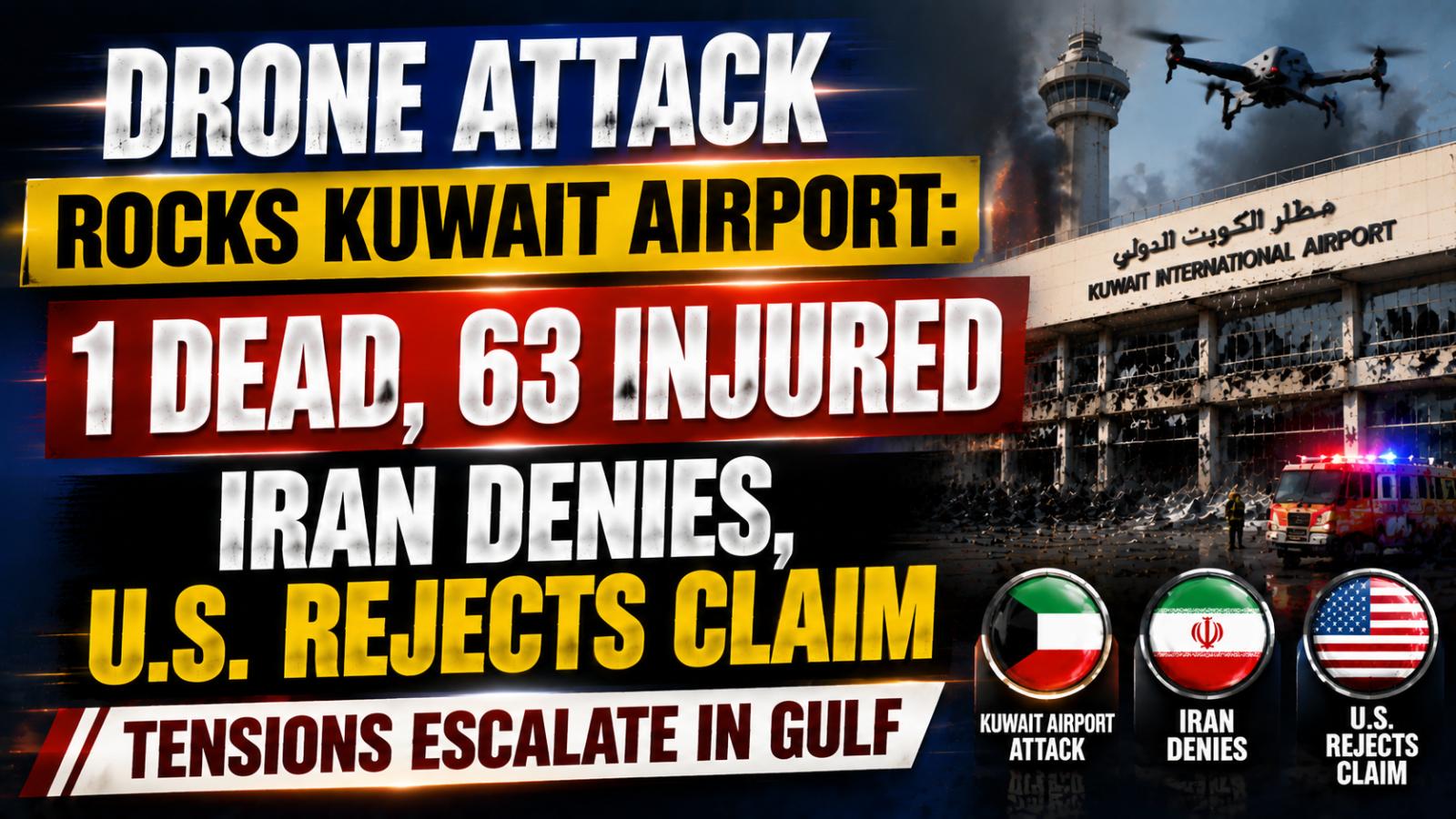
Immediate Aftermath and Casualties Kuwait’s Civil Aviation Authority released CCTV footage on June 4 showing the chaos following a drone strike on Terminal 1 at Kuwait International Airport. The attack killed an Indian national and injured 63 others, forcing the temporary closure of the airport. Officials described this as the first deadly strike in the Gulf since the April 8 ceasefire. The incident follows US military strikes on
Kuwait Airport Drone Attack: Iran Denies Role, CENTCOM Rejects Claim
Immediate Aftermath and Casualties Kuwait’s Civil Aviation Authority released CCTV footage on June 4 showing the chaos following a drone strike on Terminal 1 at Kuwait International Airport. The attack killed an Indian national and injured 63 others, forcing the temporary closure of the airport. Officials described this as the first deadly strike in the Gulf since the April 8 ceasefire. The incident follows US military strikes on
Iran Denies Kuwait Airport Attack, Blames Patriot Missile Malfunction
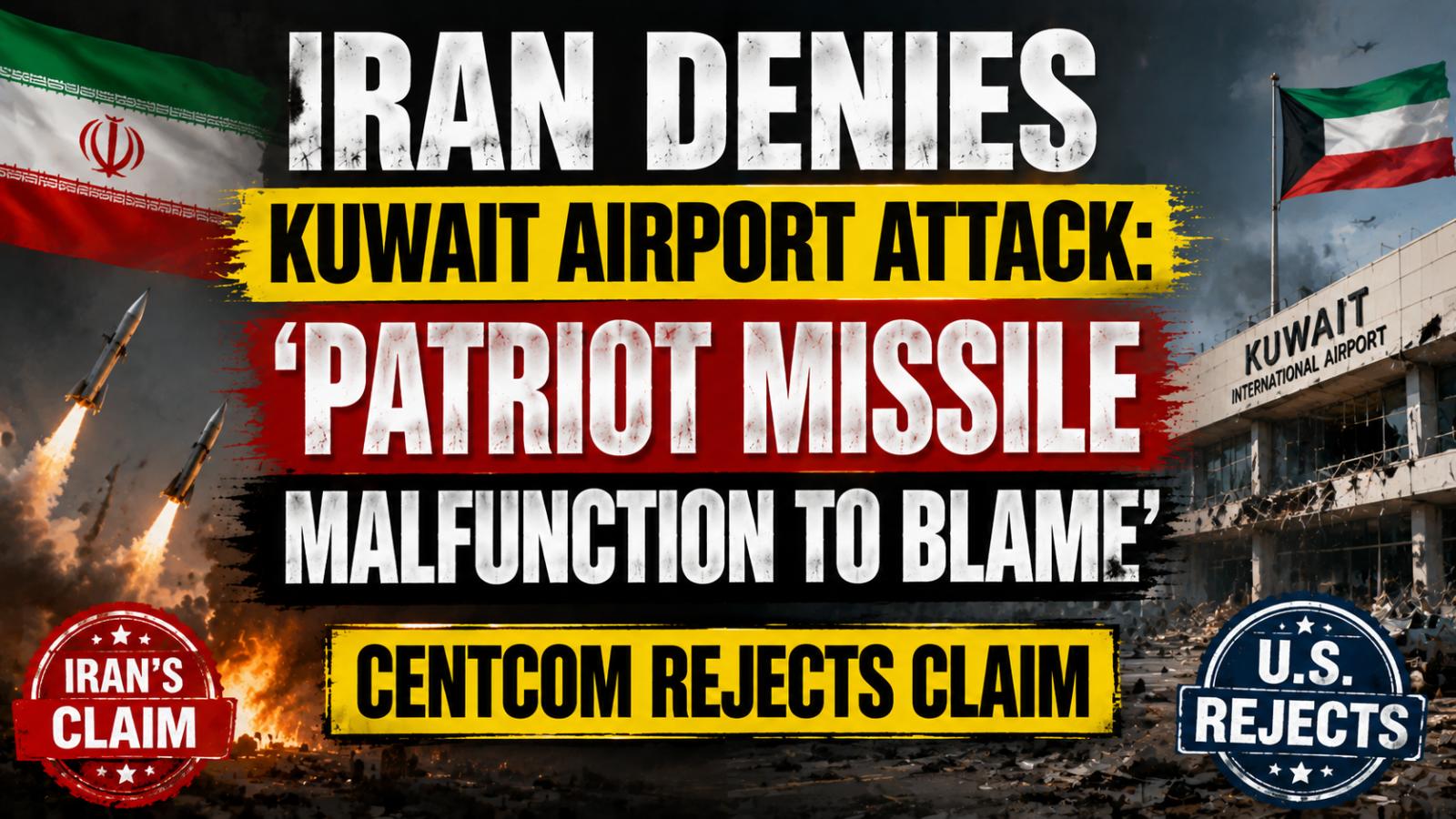
Iran Denies Responsibility Iran’s Islamic Revolutionary Guard Corps (IRGC) has categorically denied involvement in the recent attack on Kuwait International Airport. The IRGC stated that the damage resulted from a malfunction in the US-made Patriot missile defence system, which failed to intercept incoming projectiles. According to a spokesperson, the Aerospace Force did not target the civilian airport, and the terminal was struck accidentally by malfunctioning defensive systems. The incident caused extensive damage to Passenger Terminal 1 (T1), killed one individual—a citizen of India—and injured 63 others. Kuwaiti authorities immediately closed national airspace, suspended commercial operations, and diverted incoming flights. Regional Criticism and Concerns Former Qatari Prime Minister Sheikh Hamad bin Jassim bin Jaber Al Thani strongly criticized Iran’s military activities against Gulf countries, labeling them as "astonishing" and "unjustifiable." While emphasizing Qatar’s intent to maintain constructive relations with Tehran, he stressed that Gulf states should adopt a coordinated stance to ensure regional stability. Al Thani questioned the rationale behind recent attacks on Bahrain and Kuwait and highlighted the importance of unified diplomatic and security measures in the face of escalating threats. US Response and CENTCOM Statement The United States Central Command (CENTCOM) rejected Iran’s claim, asserting that Tehran deliberately targeted Kuwait’s civilian airport. Officials described the attack as “unjustified” and stressed the potential threat to civilian safety in the region. CENTCOM continues to monitor developments and coordinate with Gulf partners to prevent further escalation. The conflicting accounts between Tehran and Washington underline growing tensions in the Middle East, highlighting the need for diplomatic engagement to avoid a wider regional conflict. Strategic and Political Implications The dispute underscores the fragility of security in the Gulf amid Iran’s military expansion and the broader geopolitical rivalries in the region. The use of defensive missile systems such as the Patriot has drawn scrutiny for its reliability and effectiveness in high-tension scenarios. Analysts note that the incident may influence future negotiations between Gulf countries and Iran and could prompt stronger regional defense cooperation. Both civilian safety and military escalation remain pressing concerns as authorities assess the implications of the incident. International Repercussions The attack has drawn global attention to the volatility of the Gulf region, with multiple countries urging restraint. International observers have called for transparent investigations into the incident and emphasized the importance of maintaining airspace security to prevent further civilian casualties. The events highlight the intersection of military technology, regional politics, and civilian safety, reinforcing the need for carefully coordinated responses to avoid unintended consequences in densely populated areas.
Iran Denies Kuwait Airport Attack, Blames Patriot Missile Malfunction
Iran Denies Responsibility Iran’s Islamic Revolutionary Guard Corps (IRGC) has categorically denied involvement in the recent attack on Kuwait International Airport. The IRGC stated that the damage resulted from a malfunction in the US-made Patriot missile defence system, which failed to intercept incoming projectiles. According to a spokesperson, the Aerospace Force did not target the civilian airport, and the terminal was struck accidentally by malfunctioning defensive systems. The incident caused extensive damage to Passenger Terminal 1 (T1), killed one individual—a citizen of India—and injured 63 others. Kuwaiti authorities immediately closed national airspace, suspended commercial operations, and diverted incoming flights. Regional Criticism and Concerns Former Qatari Prime Minister Sheikh Hamad bin Jassim bin Jaber Al Thani strongly criticized Iran’s military activities against Gulf countries, labeling them as "astonishing" and "unjustifiable." While emphasizing Qatar’s intent to maintain constructive relations with Tehran, he stressed that Gulf states should adopt a coordinated stance to ensure regional stability. Al Thani questioned the rationale behind recent attacks on Bahrain and Kuwait and highlighted the importance of unified diplomatic and security measures in the face of escalating threats. US Response and CENTCOM Statement The United States Central Command (CENTCOM) rejected Iran’s claim, asserting that Tehran deliberately targeted Kuwait’s civilian airport. Officials described the attack as “unjustified” and stressed the potential threat to civilian safety in the region. CENTCOM continues to monitor developments and coordinate with Gulf partners to prevent further escalation. The conflicting accounts between Tehran and Washington underline growing tensions in the Middle East, highlighting the need for diplomatic engagement to avoid a wider regional conflict. Strategic and Political Implications The dispute underscores the fragility of security in the Gulf amid Iran’s military expansion and the broader geopolitical rivalries in the region. The use of defensive missile systems such as the Patriot has drawn scrutiny for its reliability and effectiveness in high-tension scenarios. Analysts note that the incident may influence future negotiations between Gulf countries and Iran and could prompt stronger regional defense cooperation. Both civilian safety and military escalation remain pressing concerns as authorities assess the implications of the incident. International Repercussions The attack has drawn global attention to the volatility of the Gulf region, with multiple countries urging restraint. International observers have called for transparent investigations into the incident and emphasized the importance of maintaining airspace security to prevent further civilian casualties. The events highlight the intersection of military technology, regional politics, and civilian safety, reinforcing the need for carefully coordinated responses to avoid unintended consequences in densely populated areas.
Kuwait Airport Attack Kills Indian National, MEA Says
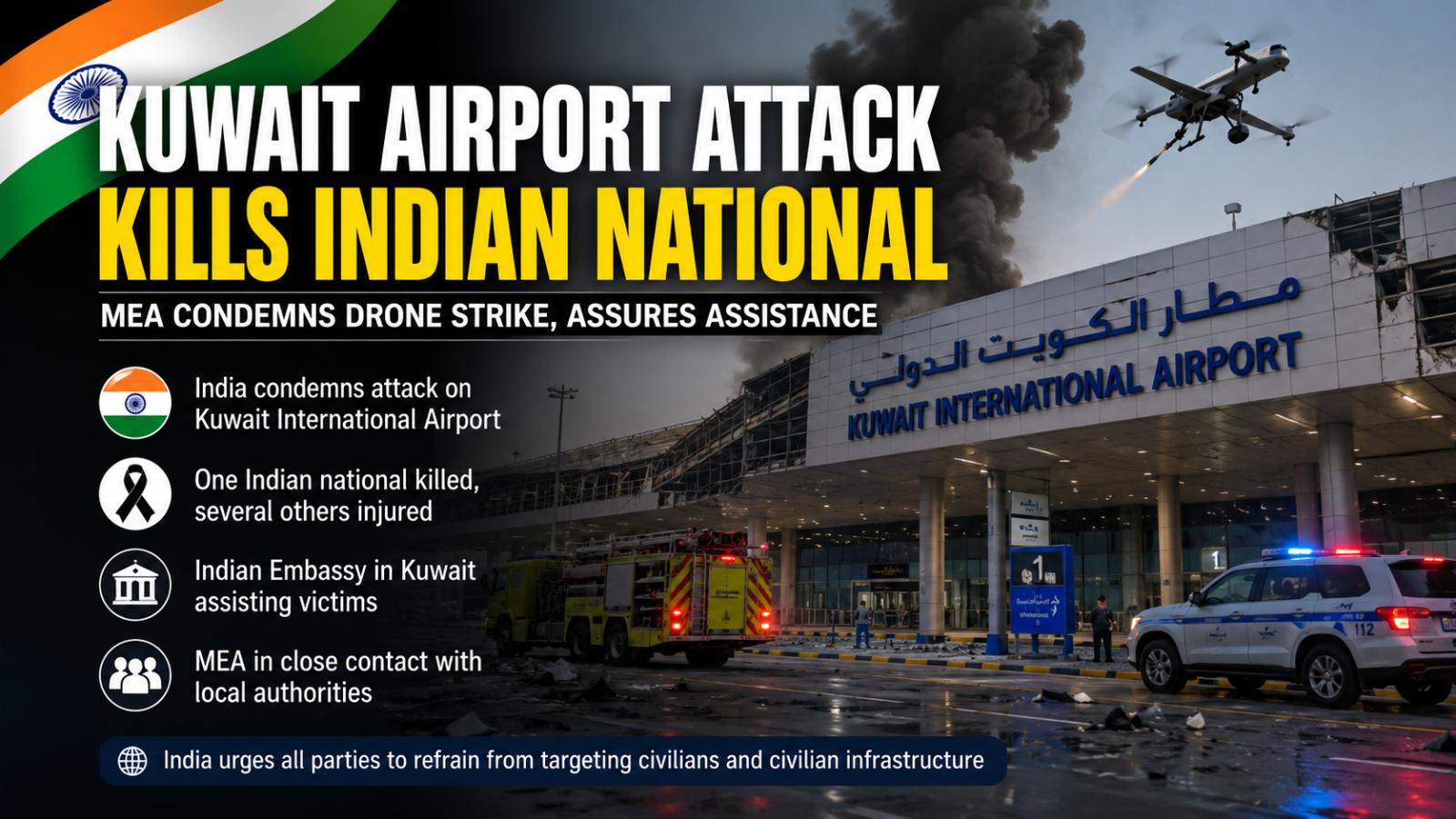
The Kuwait airport attack killed one Indian national and injured several others, India’s Ministry of External Affairs said in a statement dated Wednesday, June 3, 2026. The incident at Kuwait International Airport was described in the source material as an Iranian drone strike. India condemned the attack and repeated its position that civilian populations and civilian infrastructure must not be targeted during the continuing conflict in West Asia. Kuwait Airport
Kuwait Airport Attack Kills Indian National, MEA Says
The Kuwait airport attack killed one Indian national and injured several others, India’s Ministry of External Affairs said in a statement dated Wednesday, June 3, 2026. The incident at Kuwait International Airport was described in the source material as an Iranian drone strike. India condemned the attack and repeated its position that civilian populations and civilian infrastructure must not be targeted during the continuing conflict in West Asia. Kuwait Airport
Iran Halts US Talks as Lebanon Conflict Escalates
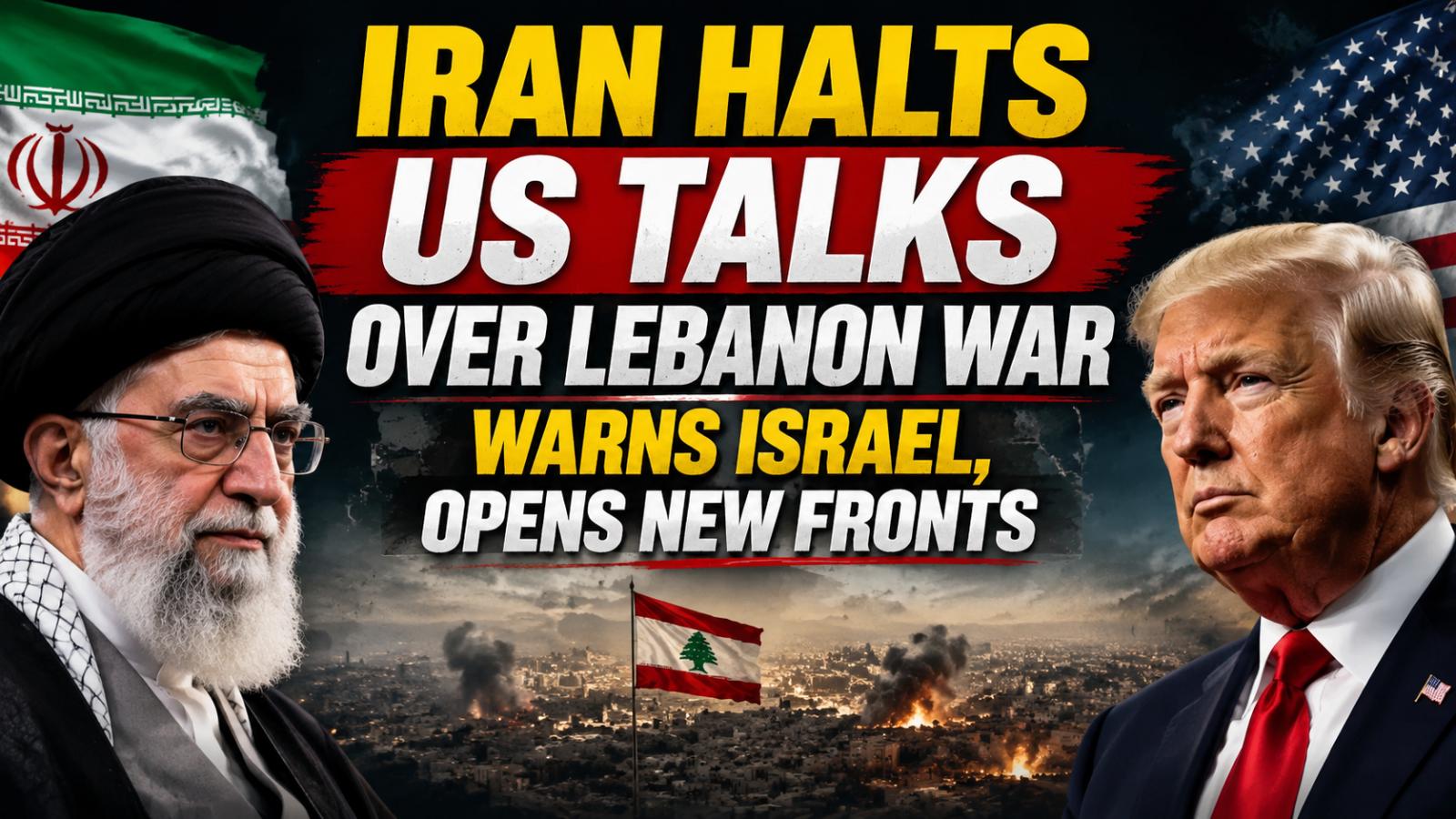
Iran has decided to pause indirect negotiations with the United States in response to ongoing hostilities in Lebanon. Tehran cited repeated breaches of the ceasefire by Israeli forces as a primary reason for halting diplomatic exchanges. Officials emphasized that the suspension is temporary but signals a serious shift in Iran’s diplomatic approach. Tehran Signals Defensive Measures Iran’s le
Iran Halts US Talks as Lebanon Conflict Escalates
Iran has decided to pause indirect negotiations with the United States in response to ongoing hostilities in Lebanon. Tehran cited repeated breaches of the ceasefire by Israeli forces as a primary reason for halting diplomatic exchanges. Officials emphasized that the suspension is temporary but signals a serious shift in Iran’s diplomatic approach. Tehran Signals Defensive Measures Iran’s le
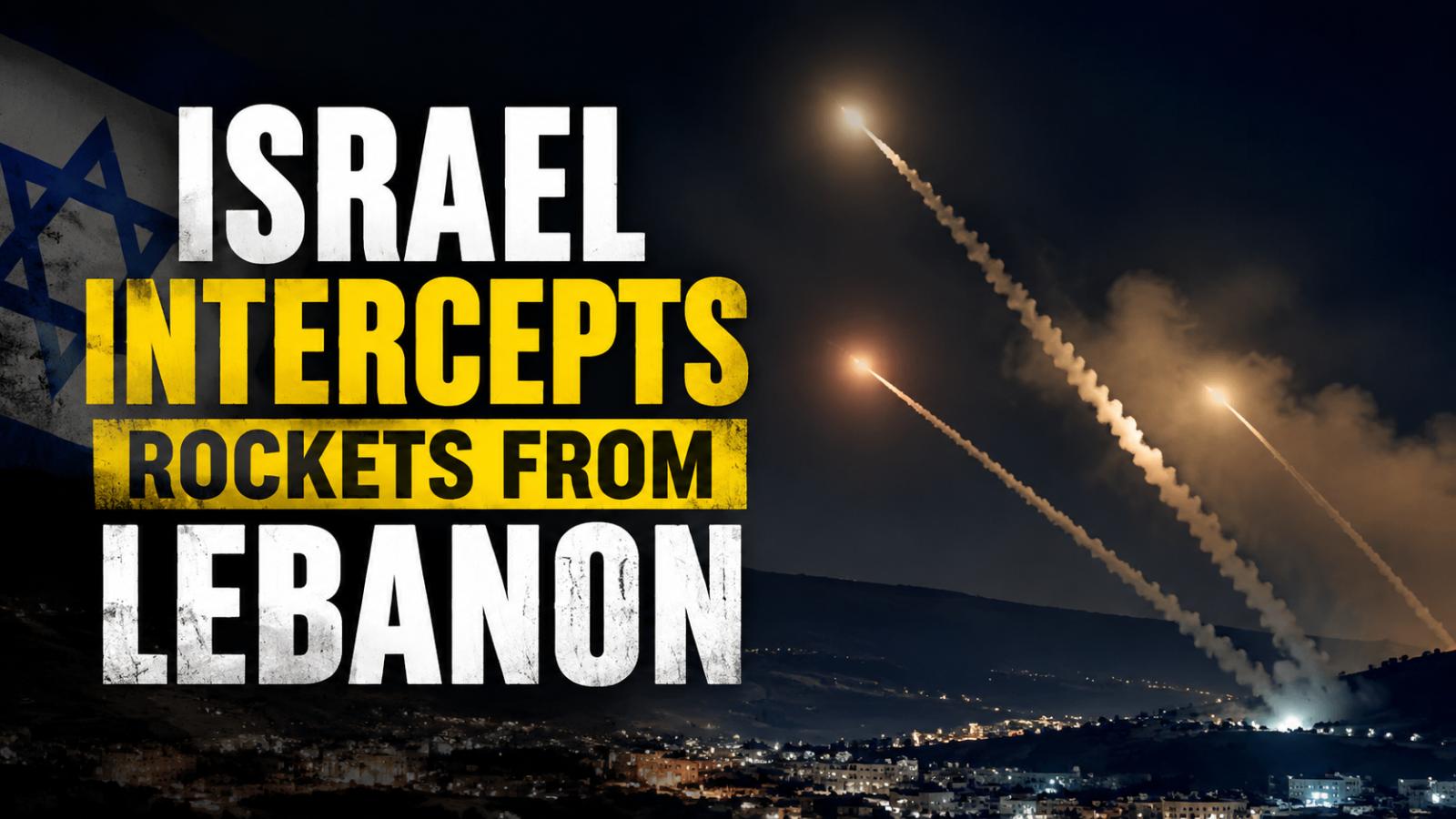
Israel Intercepts Rockets from Lebanon as Tensions Rise on Northern Border
Israeli defense forces successfully intercepted two rockets launched from Lebanon early Tuesday morning. Air raid sirens sounded across communities in northern Israel, prompting residents to seek immediate shelter. The Israeli Air Force quickly neutralized the threats, while officials reported a suspicious aerial object landing within Israeli territory. No injuries or property damage occurred, but the incident highlights the persistent security challenges along the northern border.
Israel Intercepts Rockets from Lebanon as Tensions Rise on Northern Border
Israeli defense forces successfully intercepted two rockets launched from Lebanon early Tuesday morning. Air raid sirens sounded across communities in northern Israel, prompting residents to seek immediate shelter. The Israeli Air Force quickly neutralized the threats, while officials reported a suspicious aerial object landing within Israeli territory. No injuries or property damage occurred, but the incident highlights the persistent security challenges along the northern border.
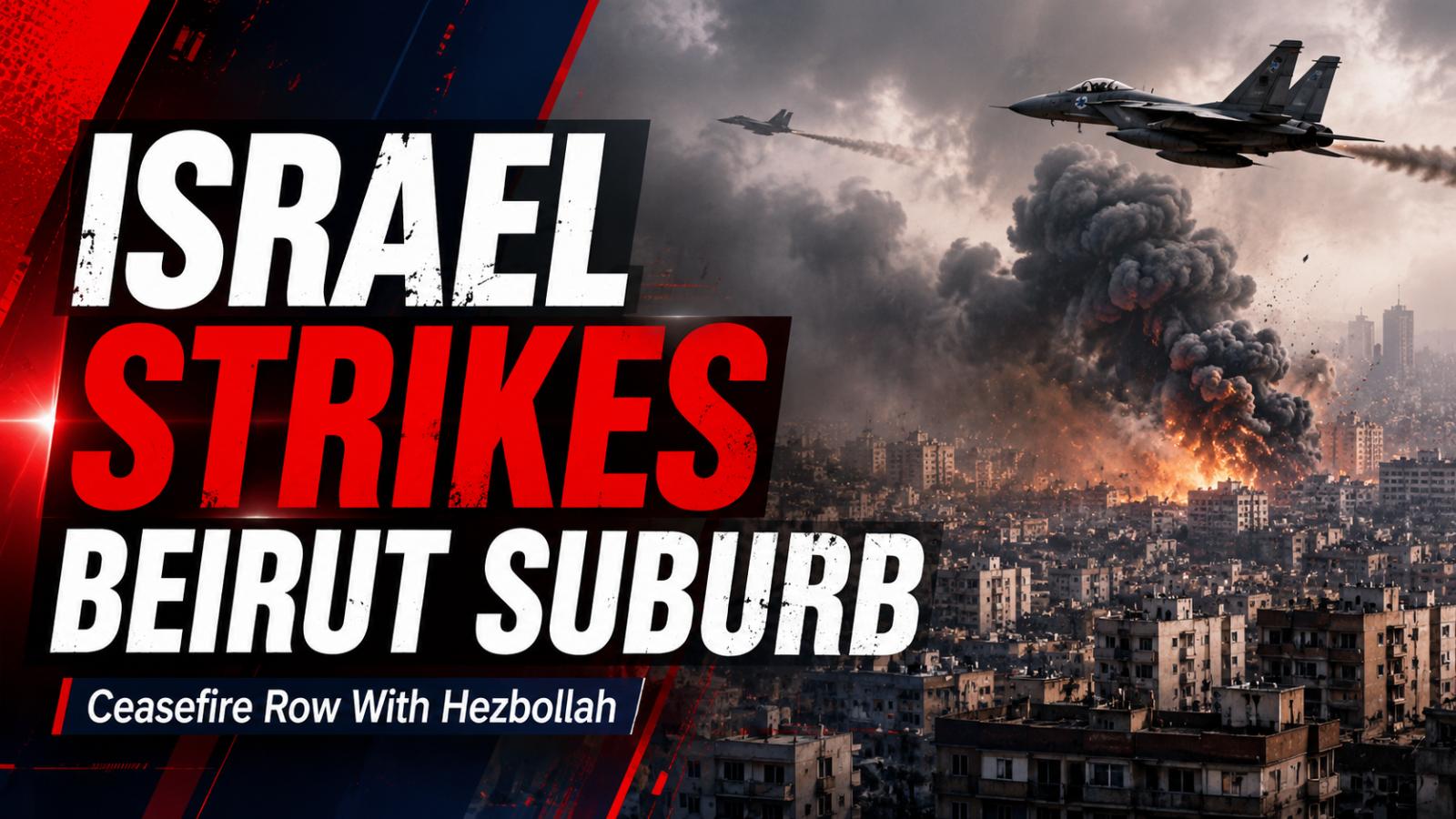
Israel Orders Strikes on Beirut’s Dahiyeh After Hezbollah Ceasefire Violations
Israel ordered fresh military strikes on Beirut’s southern Dahiyeh suburb on Monday, June 1, after accusing Hezbollah of repeatedly violating the ceasefire in Lebanon. Prime Minister Benjamin Netanyahu and Defence Minister Israel Katz said the Israeli military had been instructed to target Hezbollah-linked sites in the area. The move has increased concern over the fragile situation between Israel and Hezbollah. Dahiyeh is widely known as a major Hezbollah stronghold, making any st
Israel Orders Strikes on Beirut’s Dahiyeh After Hezbollah Ceasefire Violations
Israel ordered fresh military strikes on Beirut’s southern Dahiyeh suburb on Monday, June 1, after accusing Hezbollah of repeatedly violating the ceasefire in Lebanon. Prime Minister Benjamin Netanyahu and Defence Minister Israel Katz said the Israeli military had been instructed to target Hezbollah-linked sites in the area. The move has increased concern over the fragile situation between Israel and Hezbollah. Dahiyeh is widely known as a major Hezbollah stronghold, making any st
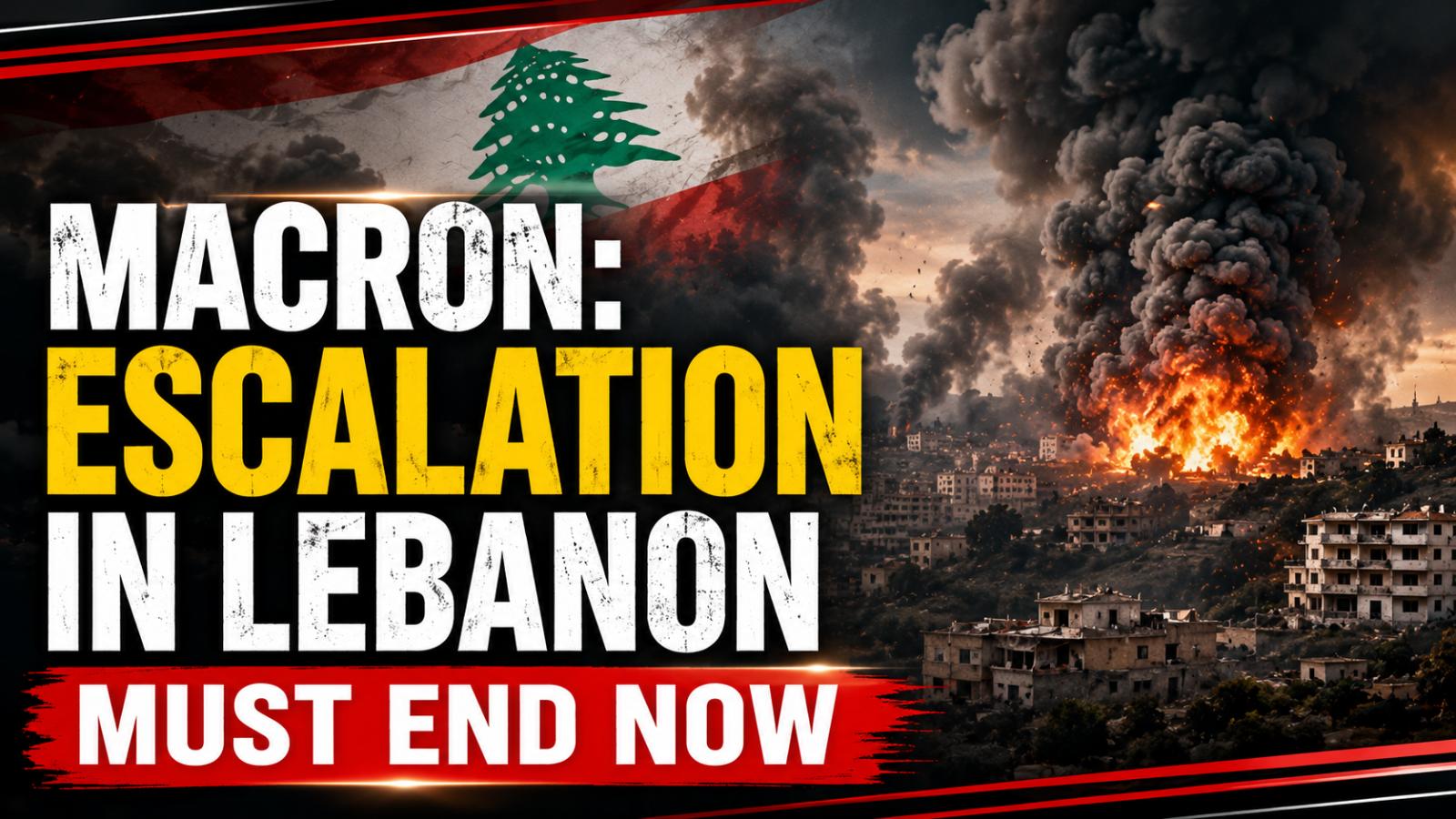
France Calls for End to Violence in Lebanon
Macron Condemns Violence in Lebanon French President Emmanuel Macron on Sunday, May 31, denounced the ongoing escalation in southern Lebanon, stating that the intensifying conflict cannot be justified. Macron called for an urgent end to the violence and emphasized the importance of diplomacy, urging the United States and Iran to quickly reach an agreement to prevent further regional escalation. In a message
France Calls for End to Violence in Lebanon
Macron Condemns Violence in Lebanon French President Emmanuel Macron on Sunday, May 31, denounced the ongoing escalation in southern Lebanon, stating that the intensifying conflict cannot be justified. Macron called for an urgent end to the violence and emphasized the importance of diplomacy, urging the United States and Iran to quickly reach an agreement to prevent further regional escalation. In a message
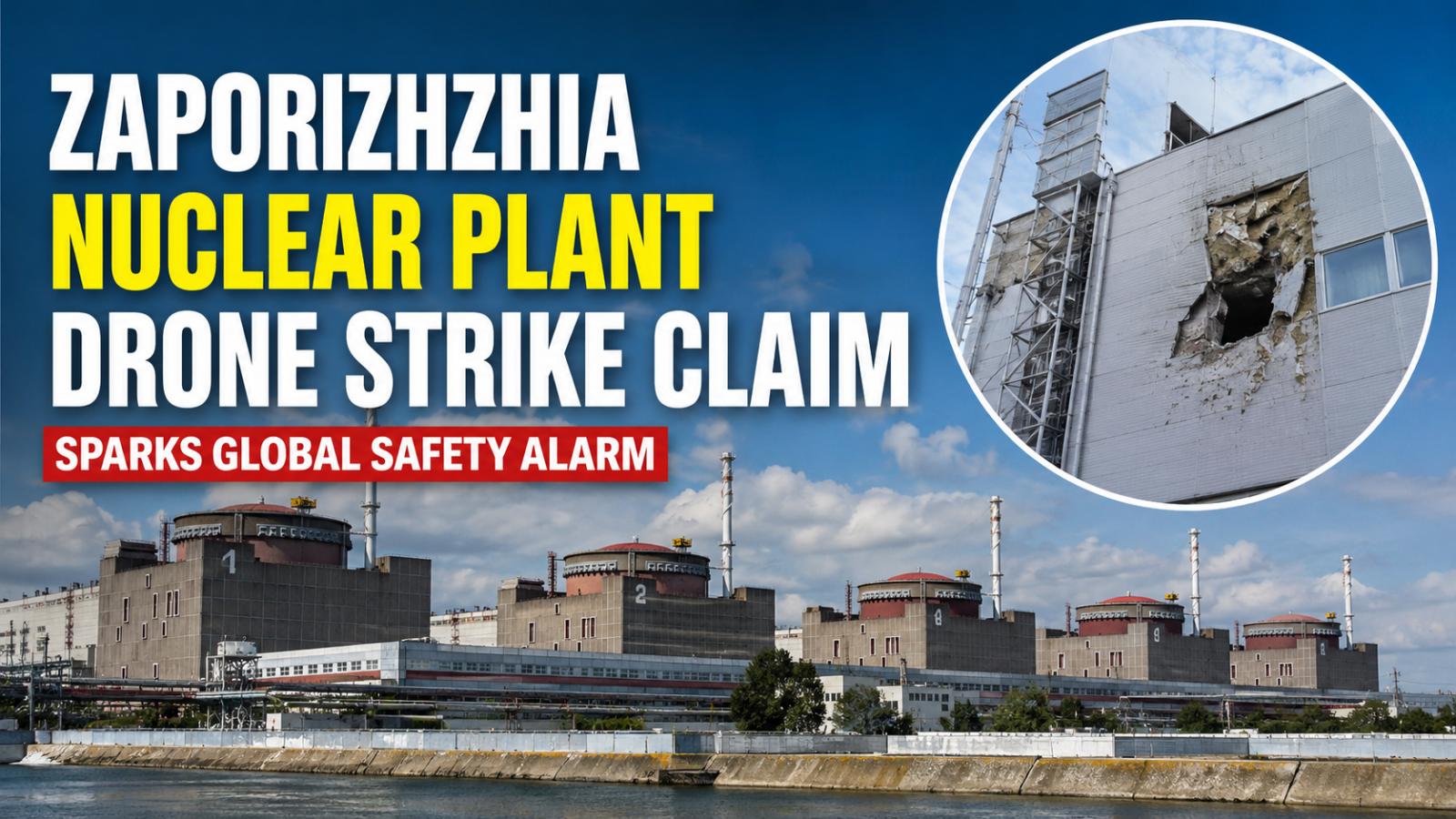
Zaporizhzhia Nuclear Plant Drone Strike Claim Sparks Global Safety Alarm
Russia Claims Drone Hit Nuclear Plant Russia’s state nuclear company Rosatom claimed that a Ukrainian drone struck the turbine hall of Power Unit No. 6 at the Zaporizhzhia nuclear power plant. According to Rosatom, the blast created a hole in the turbine hall wall but did not damage key equipment at the facility. Rosatom’s chief Alexei Likhachev called the reported incident deliberate, adding that any attack near a nuclear facility could increase safety risks.
Zaporizhzhia Nuclear Plant Drone Strike Claim Sparks Global Safety Alarm
Russia Claims Drone Hit Nuclear Plant Russia’s state nuclear company Rosatom claimed that a Ukrainian drone struck the turbine hall of Power Unit No. 6 at the Zaporizhzhia nuclear power plant. According to Rosatom, the blast created a hole in the turbine hall wall but did not damage key equipment at the facility. Rosatom’s chief Alexei Likhachev called the reported incident deliberate, adding that any attack near a nuclear facility could increase safety risks.
Iran Missile Strike Damages US Drones at Kuwait Base – Rising Gulf Tensions
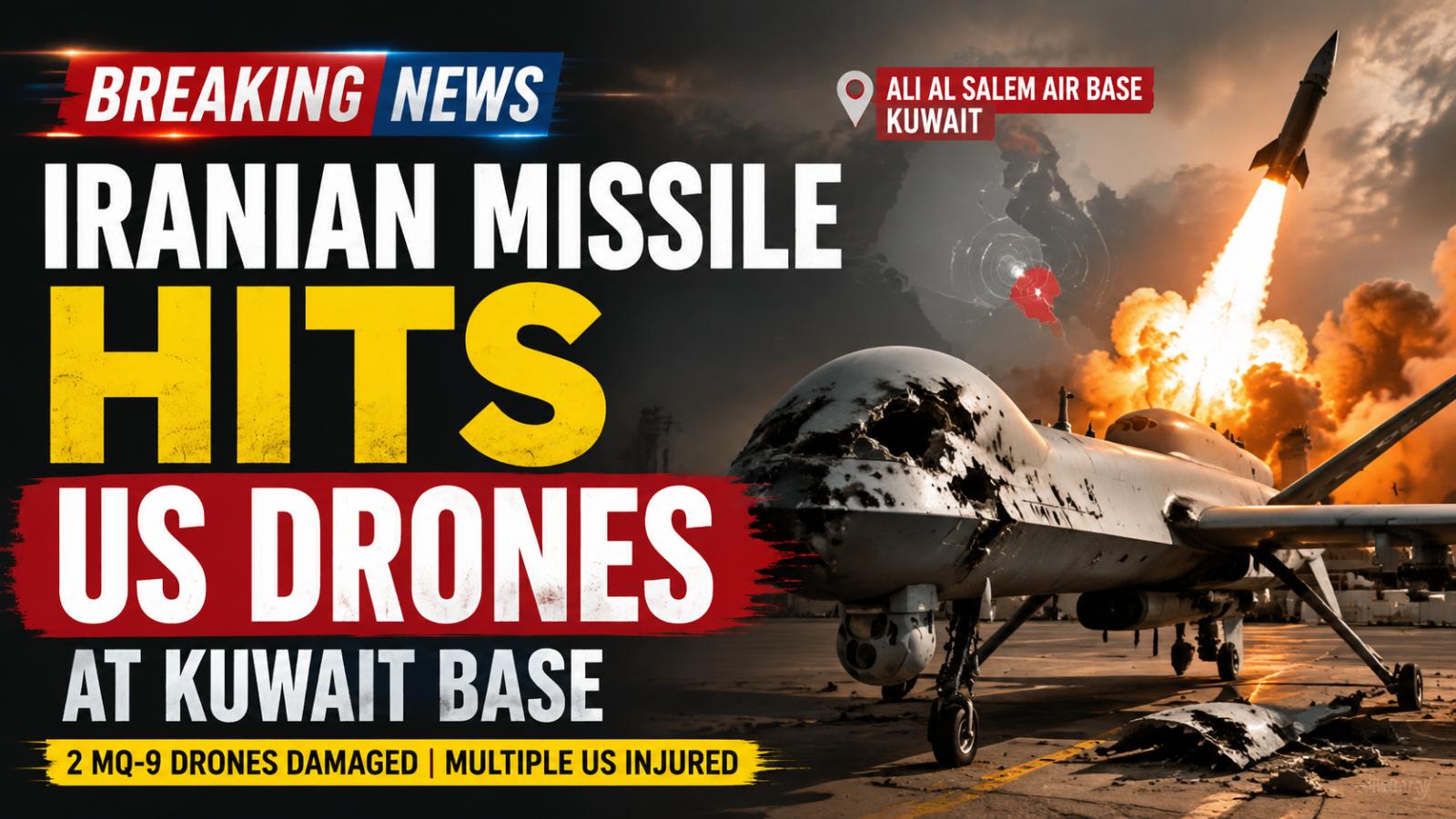
In the past 24 hours, a ballistic missile launched by Iranian forces struck Ali Al Salem Air Base in Kuwait, a key location for U.S. military operations. Kuwaiti air defenses engaged the incoming projectile, but falling debris caused significant destruction inside the base perimeter. Two U.S. MQ‑9 Reaper drones, each valued at roughly $30 million, were hit — one was destroyed and the other badly damaged. Several American service members and civilian contr
Iran Missile Strike Damages US Drones at Kuwait Base – Rising Gulf Tensions
In the past 24 hours, a ballistic missile launched by Iranian forces struck Ali Al Salem Air Base in Kuwait, a key location for U.S. military operations. Kuwaiti air defenses engaged the incoming projectile, but falling debris caused significant destruction inside the base perimeter. Two U.S. MQ‑9 Reaper drones, each valued at roughly $30 million, were hit — one was destroyed and the other badly damaged. Several American service members and civilian contr
Trump Iran Hormuz Deal Nears Decision as Blockade Lift Is Weighed
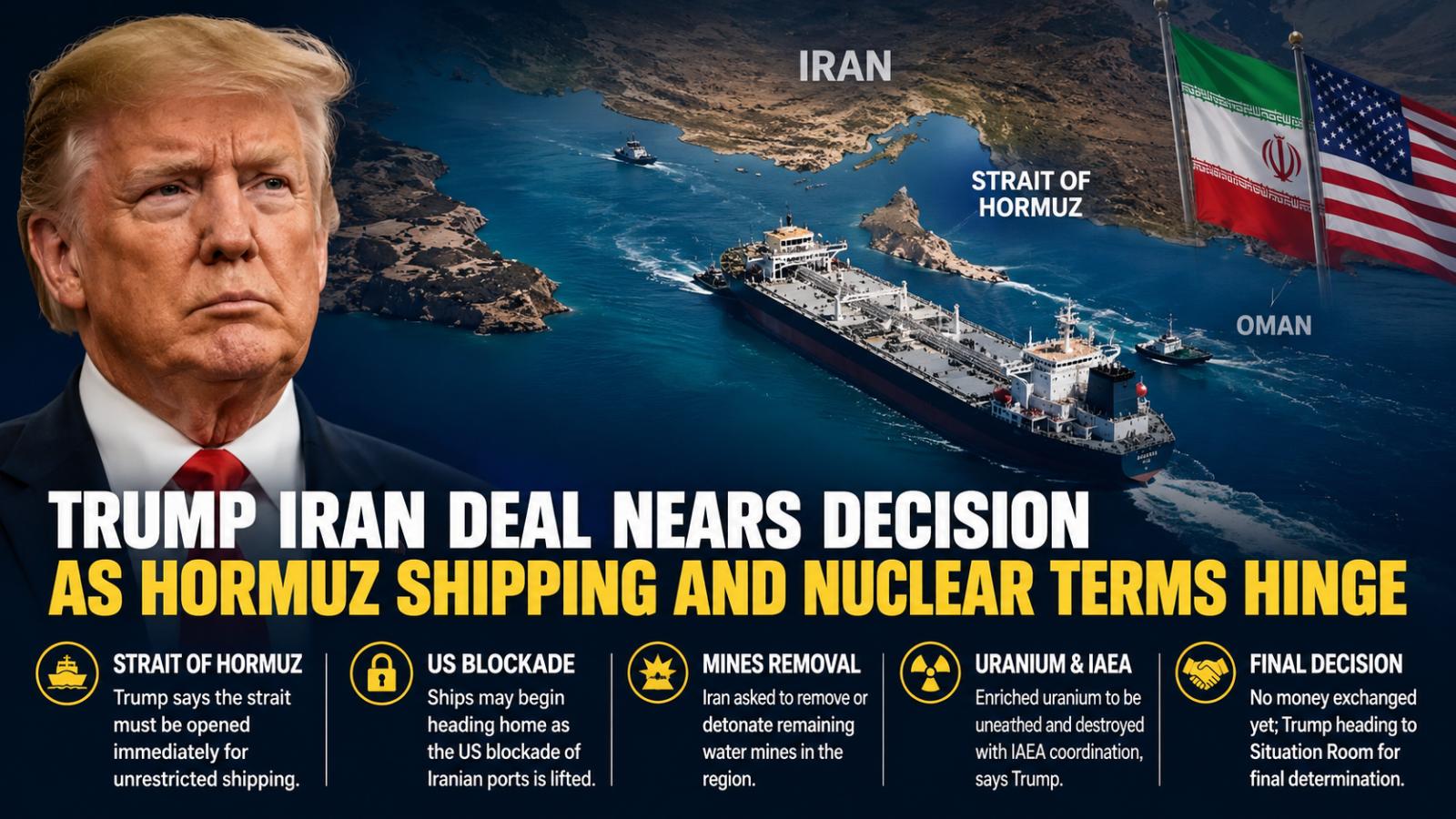
President Donald Trump said on Friday, May 29, 2026, that a final decision was near on a possible Trump Iran Hormuz deal that could affect shipping in the Strait of Hormuz, the US blockade of Iranian ports and future nuclear talks.
Trump Iran Hormuz Deal Nears Decision as Blockade Lift Is Weighed
President Donald Trump said on Friday, May 29, 2026, that a final decision was near on a possible Trump Iran Hormuz deal that could affect shipping in the Strait of Hormuz, the US blockade of Iranian ports and future nuclear talks.
Japan and Philippines Begin Maritime Boundary Talks Amid China Tension
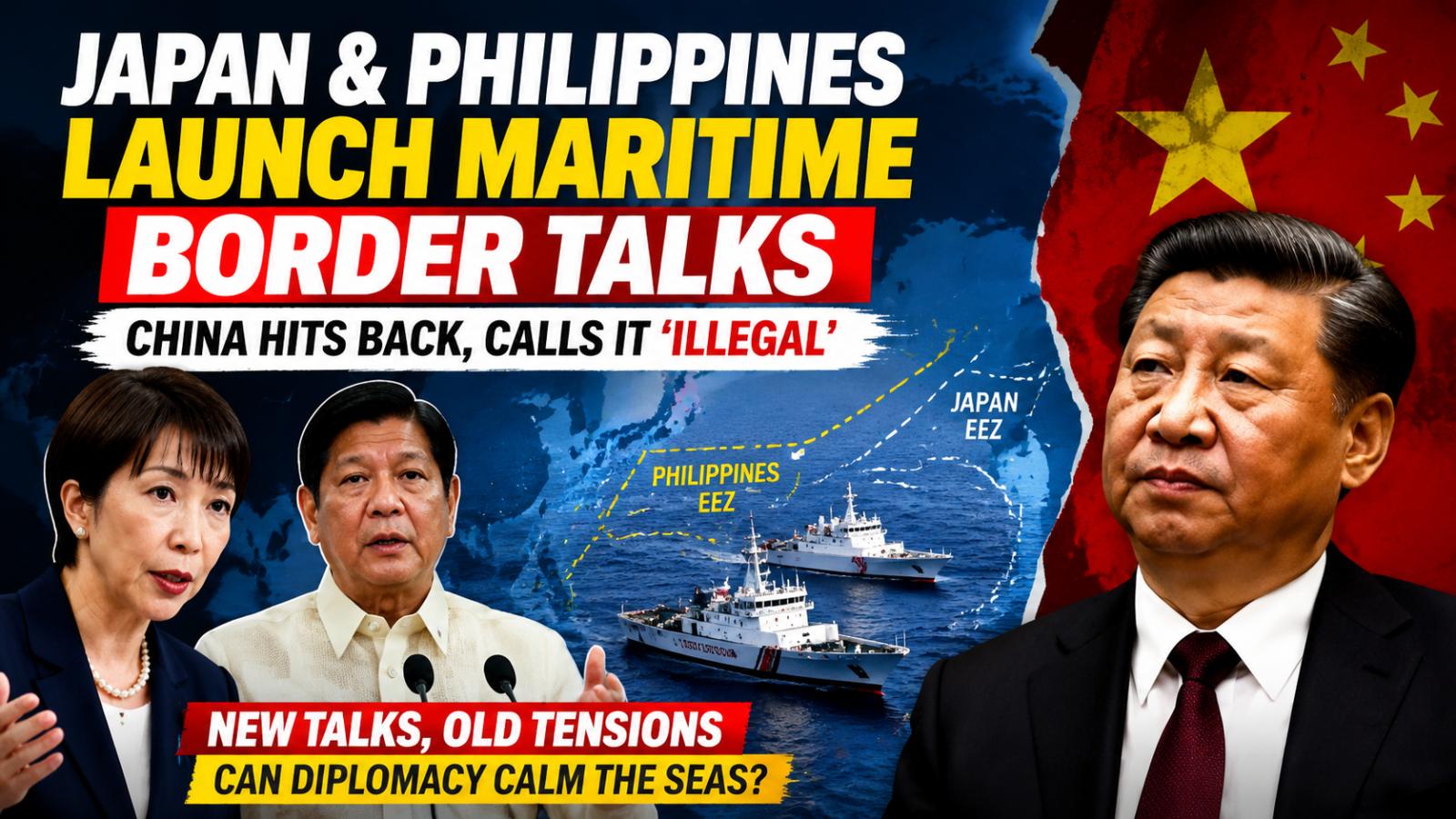
Japan and the Philippines have officially started discussions to define their maritime boundaries in areas where economic zones and continental shelves overlap. This follows Philippine President Ferdinand Marcos’ diplomatic visit to Japan, where he met Prime Minister Sanae Takaichi. The goal is to clarify boundaries while securing trade, fisheries, and energy interests. China Voices Strong Objection
Japan and Philippines Begin Maritime Boundary Talks Amid China Tension
Japan and the Philippines have officially started discussions to define their maritime boundaries in areas where economic zones and continental shelves overlap. This follows Philippine President Ferdinand Marcos’ diplomatic visit to Japan, where he met Prime Minister Sanae Takaichi. The goal is to clarify boundaries while securing trade, fisheries, and energy interests. China Voices Strong Objection
Trump Yet To Approve US-Iran Ceasefire Extension Deal
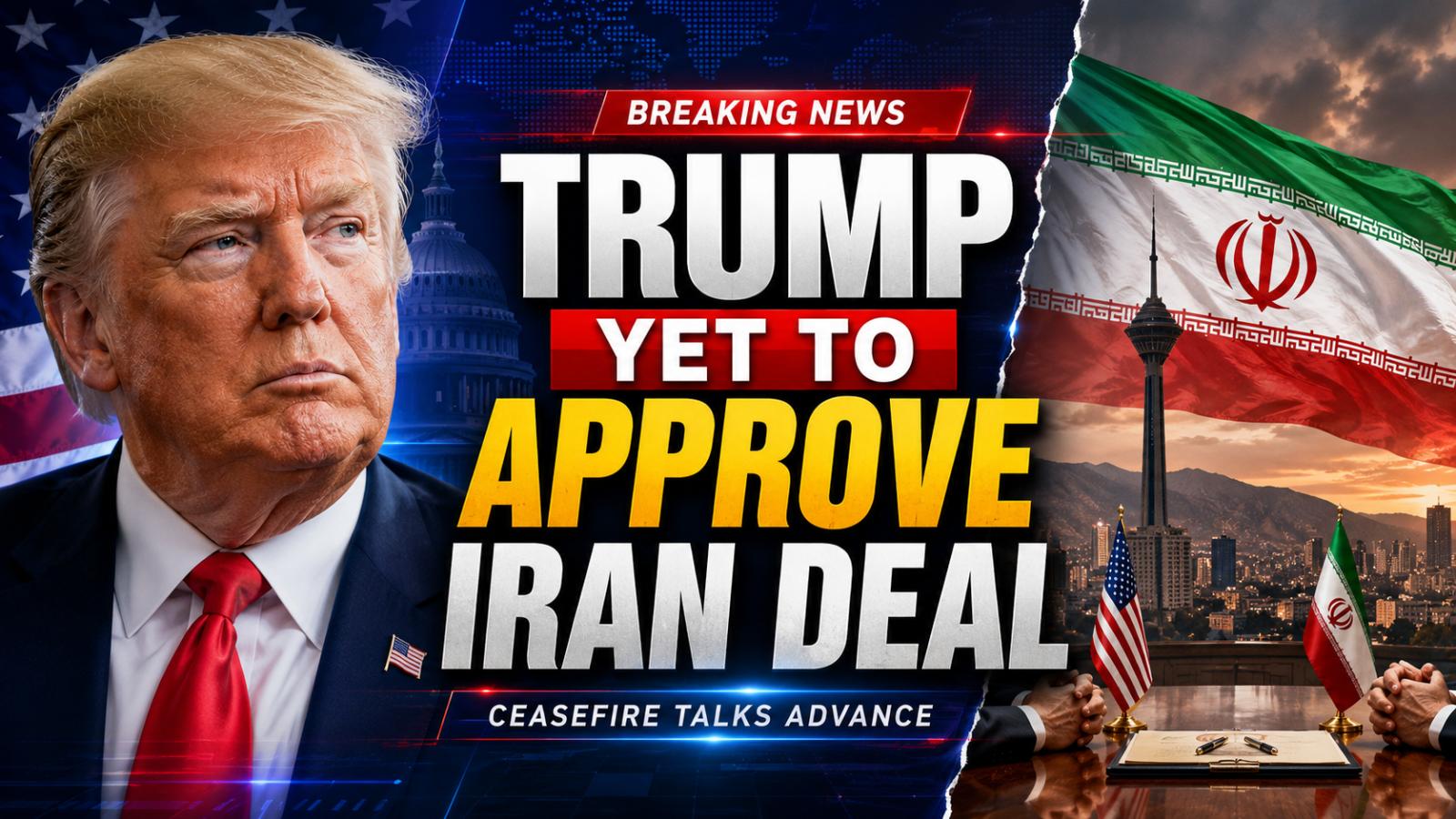
Talks Move Closer To A Deal The United States and Iran have made progress toward extending their ceasefire agreement, but President Donald Trump has not yet decided whether to approve the proposal, Vice President JD Vance said on Thursday, May 28. Speaking to reporters, Vance said both sides were still reviewing specific language in the agreement, even as US officials indicated that Washington and Tehran had
Trump Yet To Approve US-Iran Ceasefire Extension Deal
Talks Move Closer To A Deal The United States and Iran have made progress toward extending their ceasefire agreement, but President Donald Trump has not yet decided whether to approve the proposal, Vice President JD Vance said on Thursday, May 28. Speaking to reporters, Vance said both sides were still reviewing specific language in the agreement, even as US officials indicated that Washington and Tehran had
Trump peace board Gaza reconstruction hits zero funding hurdle
The Trump board of peace, set up to coordinate reconstruction in Gaza after recent conflicts, is facing an unprecedented funding shortfall. Despite multibillion-dollar pledges from the United States and several Gulf nations, no significant donor funds have been delivered, leaving the reconstruction plan at a standstill. The initiative, envisioned as a multilateral effort to rebuild Gaza’s damaged infrastructure, has yet to move beyond the planning stage.
Trump peace board Gaza reconstruction hits zero funding hurdle
The Trump board of peace, set up to coordinate reconstruction in Gaza after recent conflicts, is facing an unprecedented funding shortfall. Despite multibillion-dollar pledges from the United States and several Gulf nations, no significant donor funds have been delivered, leaving the reconstruction plan at a standstill. The initiative, envisioned as a multilateral effort to rebuild Gaza’s damaged infrastructure, has yet to move beyond the planning stage.
US-Iran Ceasefire Faces New Strain After Strikes
US-Iran Ceasefire Faces New Pressure The latest exchange between the United States and Iran has placed renewed strain on a ceasefire that both sides continue to describe in sharply different terms. Tehran accused Washington of violating the truce after US forces carried out strikes on missile launch sites and boats near the Strait of Hormuz. Iranian officials called the action a flagrant breach and warned of retaliation, while the United States said the strikes were defensive and aimed at protecting American personnel. Washington Maintains Truce Is Still Active US Central Command said Iranian boats were attempting to place mines in the Strait of Hormuz, a move that would carry serious risks for global shipping and regional security. At the same time, US officials emphasized that the ceasefire remained ongoing and said American forces were acting with restraint. That response reflected the administration’s effort to defend military action without declaring the wider truce dead, even as Iran framed the episode as a reciprocal confrontation. Hormuz Remains A Major Flashpoint The Strait of Hormuz remains central to the dispute because of its importance to energy flows and international trade. President Donald Trump previously tied the ceasefire to Iran reopening the strait, but the waterway has remained a source of tension. The continued uncertainty has complicated diplomacy, with Washington trying to keep negotiations alive while also responding to military activity it says threatens US forces and commercial movement in the Gulf. US Leverage Comes Under Scrutiny The administration’s handling of the latest incident has raised questions about whether its eagerness to preserve the ceasefire is weakening its negotiating position. Trump has repeatedly threatened stronger action if Iran fails to make a deal, but the United States has so far avoided a return to large-scale hostilities. Iran’s defiant response suggests Tehran may believe Washington is more focused on ending the conflict than escalating it. That perception could become a major factor as both sides test each other’s limits while talks continue.
US-Iran Ceasefire Faces New Strain After Strikes
US-Iran Ceasefire Faces New Pressure The latest exchange between the United States and Iran has placed renewed strain on a ceasefire that both sides continue to describe in sharply different terms. Tehran accused Washington of violating the truce after US forces carried out strikes on missile launch sites and boats near the Strait of Hormuz. Iranian officials called the action a flagrant breach and warned of retaliation, while the United States said the strikes were defensive and aimed at protecting American personnel. Washington Maintains Truce Is Still Active US Central Command said Iranian boats were attempting to place mines in the Strait of Hormuz, a move that would carry serious risks for global shipping and regional security. At the same time, US officials emphasized that the ceasefire remained ongoing and said American forces were acting with restraint. That response reflected the administration’s effort to defend military action without declaring the wider truce dead, even as Iran framed the episode as a reciprocal confrontation. Hormuz Remains A Major Flashpoint The Strait of Hormuz remains central to the dispute because of its importance to energy flows and international trade. President Donald Trump previously tied the ceasefire to Iran reopening the strait, but the waterway has remained a source of tension. The continued uncertainty has complicated diplomacy, with Washington trying to keep negotiations alive while also responding to military activity it says threatens US forces and commercial movement in the Gulf. US Leverage Comes Under Scrutiny The administration’s handling of the latest incident has raised questions about whether its eagerness to preserve the ceasefire is weakening its negotiating position. Trump has repeatedly threatened stronger action if Iran fails to make a deal, but the United States has so far avoided a return to large-scale hostilities. Iran’s defiant response suggests Tehran may believe Washington is more focused on ending the conflict than escalating it. That perception could become a major factor as both sides test each other’s limits while talks continue.
Lindsey Graham Questions Pakistan’s Neutrality In Iran-Israel Crisis
Graham Questions Pakistan’s Role In Iran-Israel Diplomacy US Senator Lindsey Graham has raised doubts over Pakistan’s credibility as a mediator in the Iran-Israel crisis, arguing that Islamabad’s position toward Israel and its ties with Tehran make its role diplomatically difficult. In a post on X, the Republican senator said Pakistan’s involvement had become “more than problematic,” citing what
Lindsey Graham Questions Pakistan’s Neutrality In Iran-Israel Crisis
Graham Questions Pakistan’s Role In Iran-Israel Diplomacy US Senator Lindsey Graham has raised doubts over Pakistan’s credibility as a mediator in the Iran-Israel crisis, arguing that Islamabad’s position toward Israel and its ties with Tehran make its role diplomatically difficult. In a post on X, the Republican senator said Pakistan’s involvement had become “more than problematic,” citing what
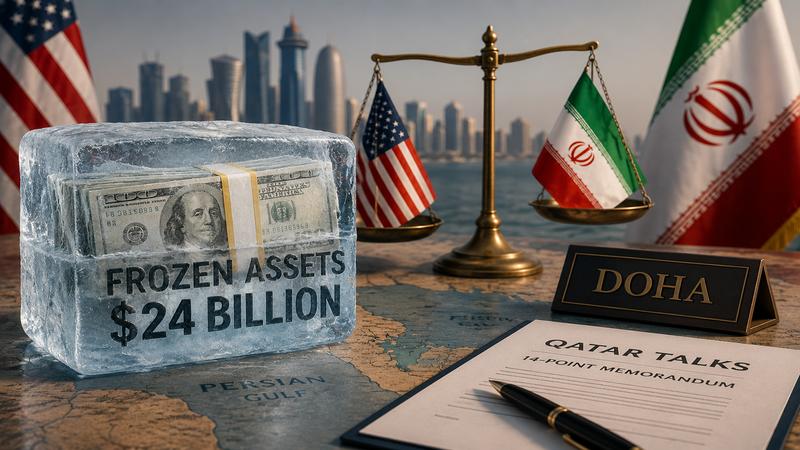
Iran Seeks $24 Billion Asset Release in Qatar Talks
Iran is seeking the release of about $24 billion in frozen assets as part of Qatar-based talks aimed at easing the conflict with the United States, according to Iranian media reports on Tuesday, May 26, 2026. The demand has become a central issue in negotiations taking place in Doha as US-Iran tensions remain high near the Strait of Hormuz. Iran Frozen Assets Qatar Talks Focus on $24 Billion Demand
Iran Seeks $24 Billion Asset Release in Qatar Talks
Iran is seeking the release of about $24 billion in frozen assets as part of Qatar-based talks aimed at easing the conflict with the United States, according to Iranian media reports on Tuesday, May 26, 2026. The demand has become a central issue in negotiations taking place in Doha as US-Iran tensions remain high near the Strait of Hormuz. Iran Frozen Assets Qatar Talks Focus on $24 Billion Demand
Rubio Urges Open Strait of Hormuz Amid US-Iran Tensions
US Secretary of State Comments on Iran Strikes US Secretary of State Marco Rubio, currently visiting India and set to attend the QUAD summit on May 26, addressed the recent US military strikes on Iran. He emphasized the main objective of the United States: to ensure the Strait of Hormuz remains open. Rubio described the blockade as "illegal and unlawful," noting that discussions continue over the language of the potential final deal with Tehran. Rubio Highlights Diplomatic Efforts Speaking in Jaipur, India, Rubio noted ongoing talks in Qatar aimed at finalizing the agreement. “There were some talks going on in Qatar today, so we'll see if we can make progress,” he said. Rubio added that President Trump is determined to secure either a beneficial deal or no agreement at all, underscoring the administration’s cautious approach to diplomacy amidst ongoing tensions. US Strikes and Military Position The remarks followed self-defense strikes carried out by US forces on May 25, targeting Iranian missile launch sites and boats near the Strait of Hormuz. CENTCOM spokesman Timothy Hawkins confirmed that these actions were aimed at protecting American troops from threats posed by Iranian forces. The strikes occurred while a ceasefire remained in effect, demonstrating the delicate balance between military action and diplomatic engagement. Context of US-Iran Relations These strikes mark a continuation of the complex US-Iran relationship, which has included previous conflicts, drone and missile engagements, and blocked international shipping routes. Rubio’s comments reaffirm the administration’s priority to keep strategic waterways accessible while pursuing negotiations with Tehran. The Secretary stressed that the US aims to achieve a resolution through dialogue, ensuring regional security and global maritime stability. Ongoing Diplomacy and Future Prospects Rubio indicated that discussions on the initial documents are still underway, emphasizing the back-and-forth nature of the negotiations. The Secretary expressed cautious optimism about achieving a deal, highlighting that the President is committed to a fair and enforceable agreement. The situation remains fluid as US diplomatic channels engage with Iran to prevent further escalation while maintaining strategic control over critical maritime routes.
Rubio Urges Open Strait of Hormuz Amid US-Iran Tensions
US Secretary of State Comments on Iran Strikes US Secretary of State Marco Rubio, currently visiting India and set to attend the QUAD summit on May 26, addressed the recent US military strikes on Iran. He emphasized the main objective of the United States: to ensure the Strait of Hormuz remains open. Rubio described the blockade as "illegal and unlawful," noting that discussions continue over the language of the potential final deal with Tehran. Rubio Highlights Diplomatic Efforts Speaking in Jaipur, India, Rubio noted ongoing talks in Qatar aimed at finalizing the agreement. “There were some talks going on in Qatar today, so we'll see if we can make progress,” he said. Rubio added that President Trump is determined to secure either a beneficial deal or no agreement at all, underscoring the administration’s cautious approach to diplomacy amidst ongoing tensions. US Strikes and Military Position The remarks followed self-defense strikes carried out by US forces on May 25, targeting Iranian missile launch sites and boats near the Strait of Hormuz. CENTCOM spokesman Timothy Hawkins confirmed that these actions were aimed at protecting American troops from threats posed by Iranian forces. The strikes occurred while a ceasefire remained in effect, demonstrating the delicate balance between military action and diplomatic engagement. Context of US-Iran Relations These strikes mark a continuation of the complex US-Iran relationship, which has included previous conflicts, drone and missile engagements, and blocked international shipping routes. Rubio’s comments reaffirm the administration’s priority to keep strategic waterways accessible while pursuing negotiations with Tehran. The Secretary stressed that the US aims to achieve a resolution through dialogue, ensuring regional security and global maritime stability. Ongoing Diplomacy and Future Prospects Rubio indicated that discussions on the initial documents are still underway, emphasizing the back-and-forth nature of the negotiations. The Secretary expressed cautious optimism about achieving a deal, highlighting that the President is committed to a fair and enforceable agreement. The situation remains fluid as US diplomatic channels engage with Iran to prevent further escalation while maintaining strategic control over critical maritime routes.
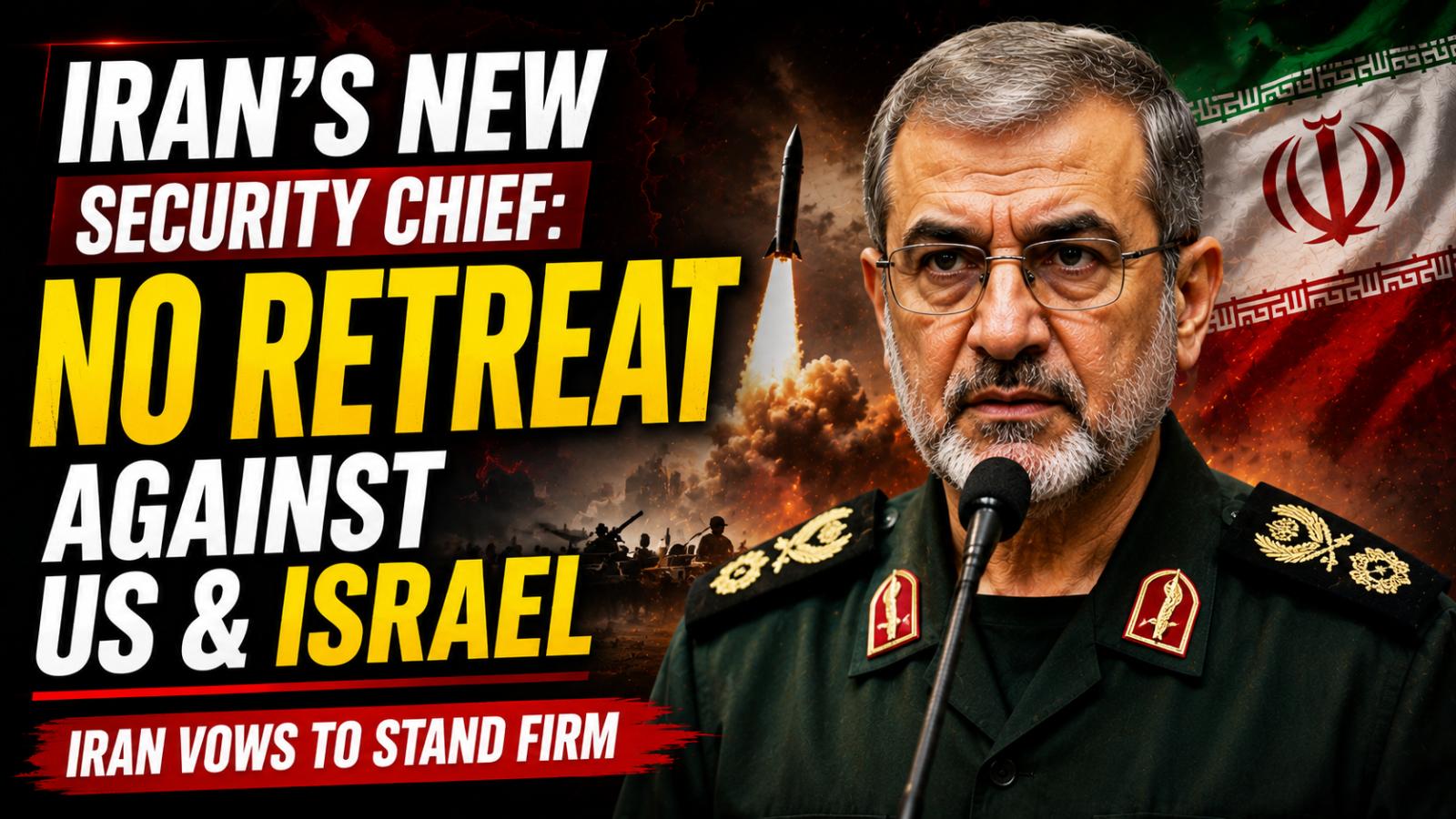
Iran’s New Security Chief Declares “No Retreat” Amid US-Israel Tensions
Iran’s New Security Chief Signals Hardline Approach Mohammad Bagher Zolghadr, recently appointed head of Iran’s Supreme National Security Council, delivered a defiant message in his first public address, asserting that Iran will not back down in its standoff with the United States and Israel. Speaking to a domestic audience, Zolghadr emphasized, “There will be no retreat” in Iran’s fight against t
Iran’s New Security Chief Declares “No Retreat” Amid US-Israel Tensions
Iran’s New Security Chief Signals Hardline Approach Mohammad Bagher Zolghadr, recently appointed head of Iran’s Supreme National Security Council, delivered a defiant message in his first public address, asserting that Iran will not back down in its standoff with the United States and Israel. Speaking to a domestic audience, Zolghadr emphasized, “There will be no retreat” in Iran’s fight against t


