













India marks one year since ‘Operation Sindoor’ against terrorism in Pakistan
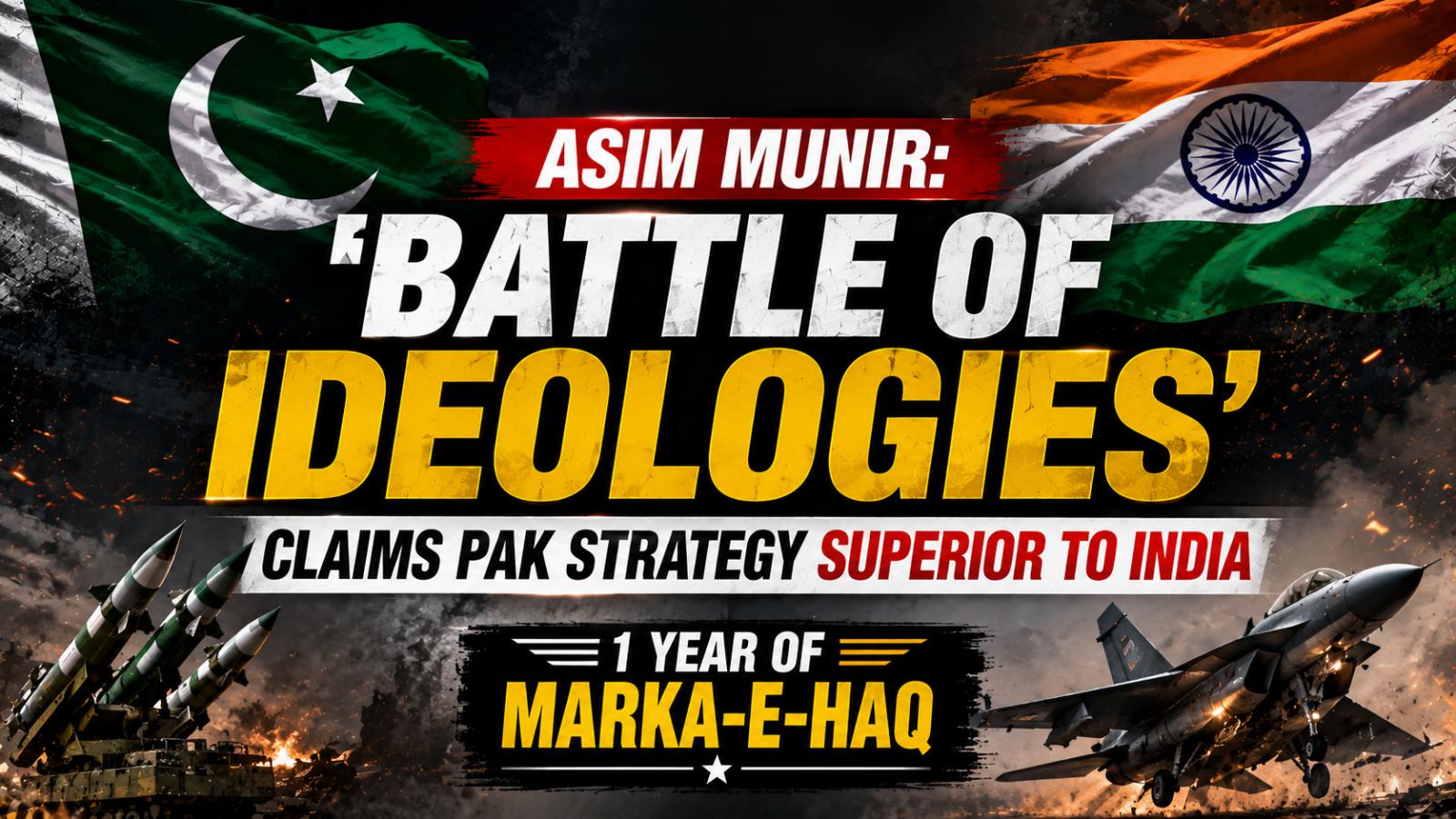
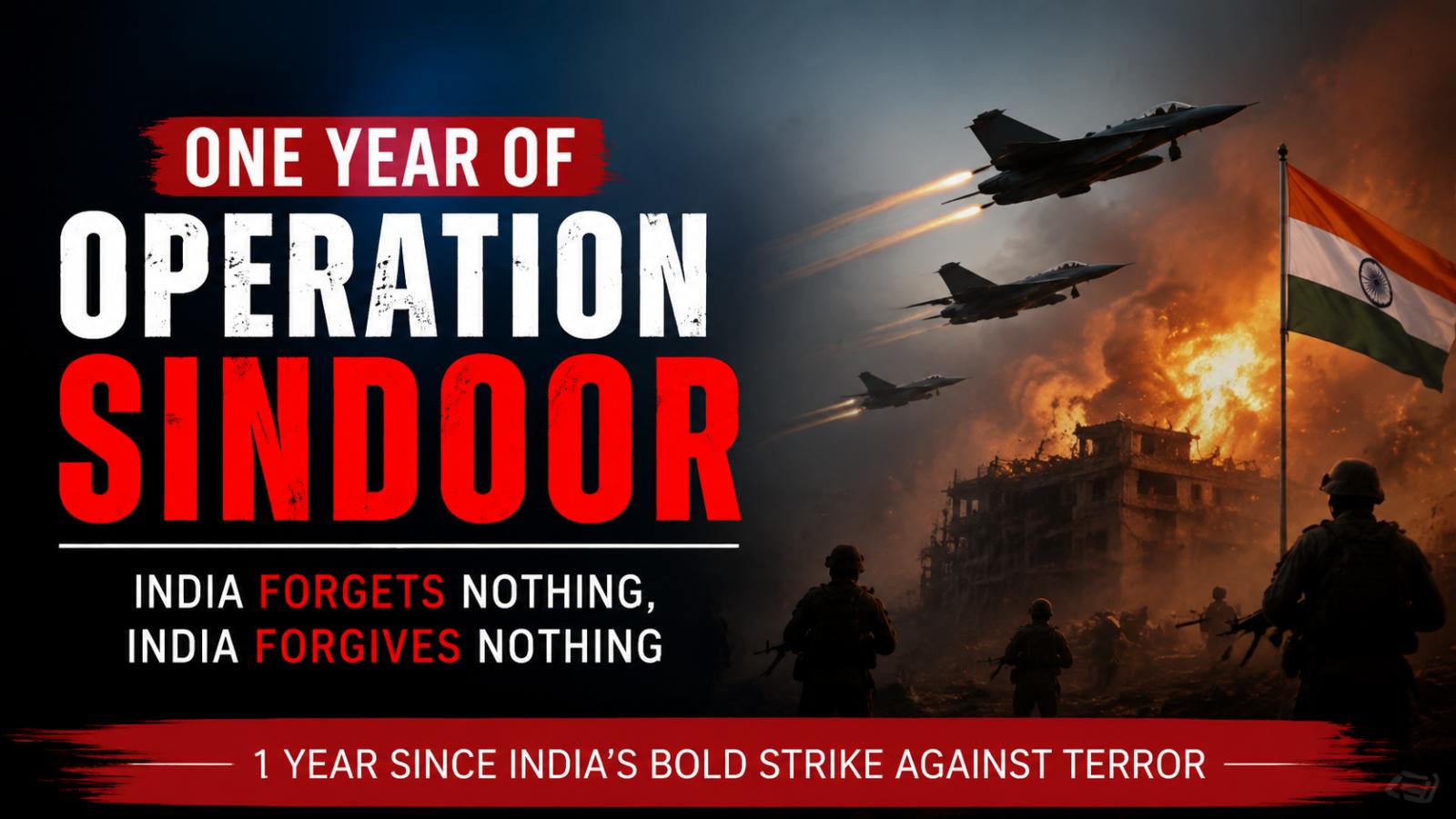
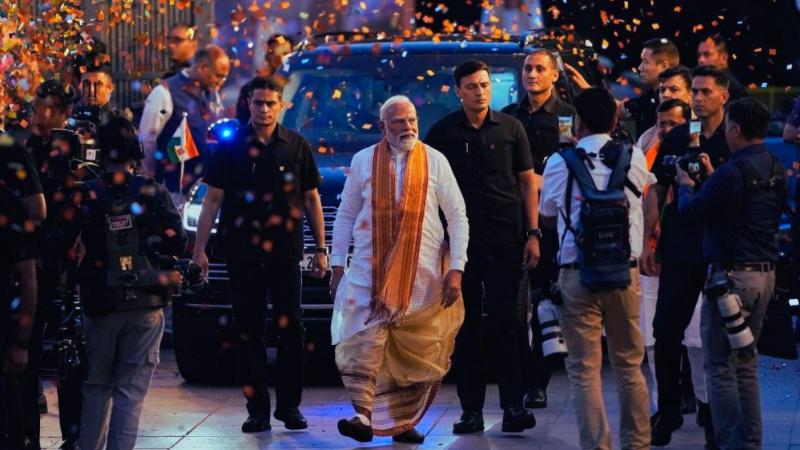
On May 6–7, 2025, the Indian Armed Forces launched ‘Operation Sindoor,’ a bold retaliation against terrorism emanating from Pakistan. A year later, India marks the anniversary of this significant military action, which saw the Indian Air Force strike nine terror camps in Pakistan and Pakistan-occupied Kashmir (PoK). The mission was a response to the brutal Pahalgam attack earlier that year, and its swift execution sent a clear message: India forgets nothing, and it forgives nothing.
India marks one year since ‘Operation Sindoor’ against terrorism in Pakistan
On May 6–7, 2025, the Indian Armed Forces launched ‘Operation Sindoor,’ a bold retaliation against terrorism emanating from Pakistan. A year later, India marks the anniversary of this significant military action, which saw the Indian Air Force strike nine terror camps in Pakistan and Pakistan-occupied Kashmir (PoK). The mission was a response to the brutal Pahalgam attack earlier that year, and its swift execution sent a clear message: India forgets nothing, and it forgives nothing.
International Media Highlights BJP's Historic Victory in Bengal and Vijay's Tamil Nadu Surprise
The 2026 Indian assembly elections have garnered international attention, with global publications reporting on the significant victory of the Bharatiya Janata Party (BJP) in West Bengal, alongside a political shock in Tamil Nadu. The international media spotlighted the BJP’s historic win in West Bengal, a state that had been under the control of Mamata Banerjee’s Trinamool Congress (TMC) for 15 years. This result has significant implications for India's political landscape, with many pub
International Media Highlights BJP's Historic Victory in Bengal and Vijay's Tamil Nadu Surprise
The 2026 Indian assembly elections have garnered international attention, with global publications reporting on the significant victory of the Bharatiya Janata Party (BJP) in West Bengal, alongside a political shock in Tamil Nadu. The international media spotlighted the BJP’s historic win in West Bengal, a state that had been under the control of Mamata Banerjee’s Trinamool Congress (TMC) for 15 years. This result has significant implications for India's political landscape, with many pub
How has the West Asia war disrupted South Asia? Supply chains strained across region
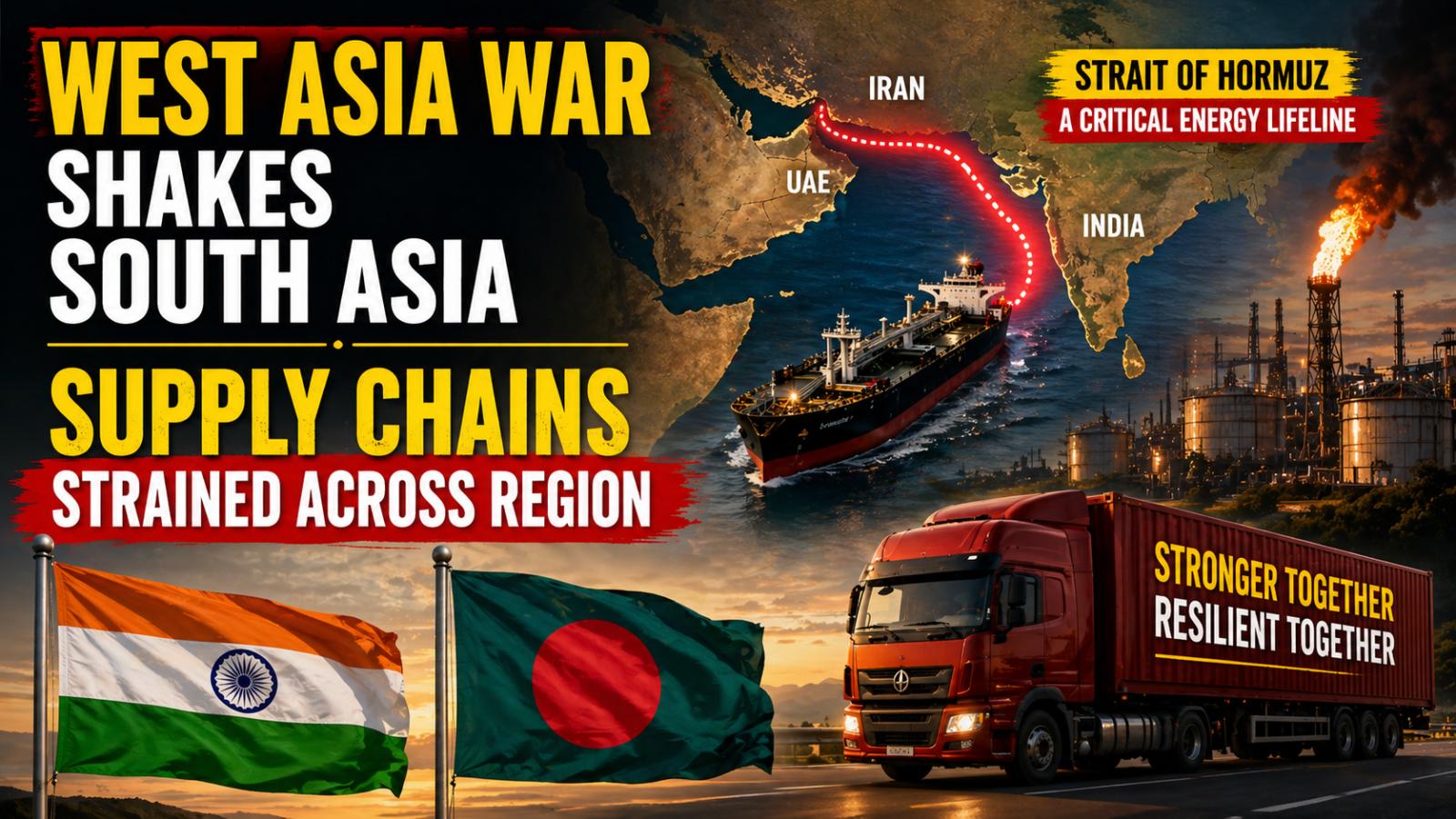
The war in West Asia and disruptions in the Strait of Hormuz have triggered widespread supply chain instability across South Asia, affecting energy security, economic stability, and regional cooperation. Countries across the subcontinent, heavily reliant on hydrocarbon imports from West Asia, are facing rising costs, reduced industrial competitiveness, and increased household expenditures as critical supply routes remain constrained. Fuel shortages and economic strain acros
How has the West Asia war disrupted South Asia? Supply chains strained across region
The war in West Asia and disruptions in the Strait of Hormuz have triggered widespread supply chain instability across South Asia, affecting energy security, economic stability, and regional cooperation. Countries across the subcontinent, heavily reliant on hydrocarbon imports from West Asia, are facing rising costs, reduced industrial competitiveness, and increased household expenditures as critical supply routes remain constrained. Fuel shortages and economic strain acros
India Enters Top Five as Global Defense Spending Surge
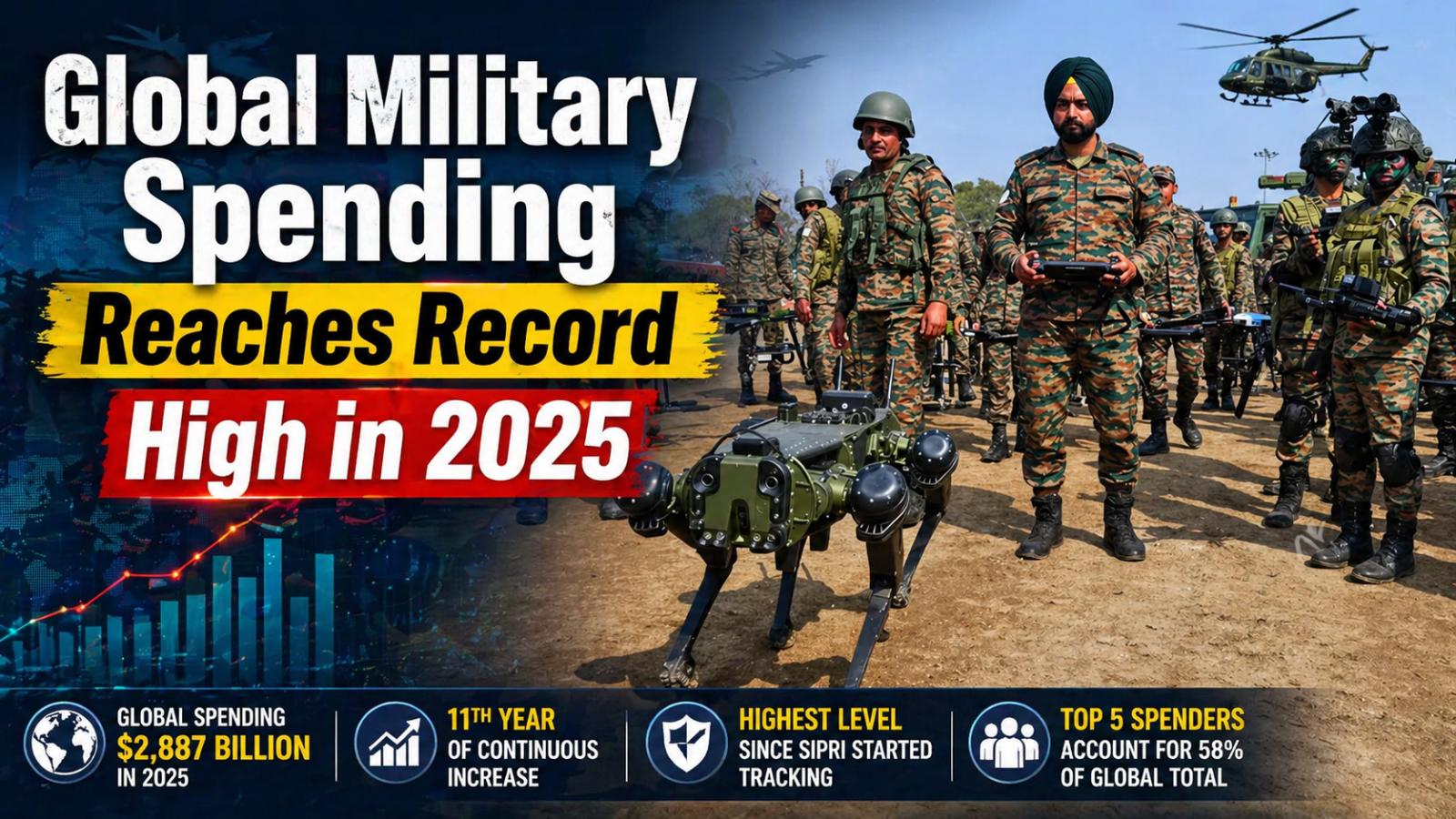
Global military spending reached a record $2,887 billion in 2025, marking the eleventh consecutive year of growth and the highest level ever recorded. According to the latest SIPRI report, the increase reflects rising geopolitical tensions, ongoing conflicts, and a shifting global security environment that has prompted governments to expand their defense budgets. India emerged as one of the world’s top military spenders, entering the top five for the first time with total expenditure of $92.1 billion. The country’s defense spending rose by 8.9 percent, reflecting heightened security concerns and operational demands. The report noted that this increase coincided with armed tensions involving Pakistan in May 2025, during which India deployed a range of military assets including aircraft, drones, and missile systems. The five largest spenders—the United States, China, Russia, Germany, and India—collectively accounted for 58 percent of global military expenditure, totaling $1,686 billion. Pakistan also increased its defense budget by 11 percent to $11.9 billion, driven largely by procurement activities and ongoing modernization efforts following regional tensions. Europe was identified as the primary contributor to the global rise in military spending, with a 14 percent increase bringing the region’s total to $864 billion. This marked the fastest growth in Central and Western Europe since the Cold War, as countries accelerated rearmament programs in response to security concerns, particularly the ongoing conflict involving Russia and Ukraine. The United States remained the largest military spender globally, allocating $954 billion in 2025. However, this represented a 7.5 percent decline compared to the previous year. The decrease was attributed mainly to reduced financial assistance to Ukraine, contrasting with higher levels of support in earlier years. Overall, the data highlights a continued global trend toward increased defense investment, driven by evolving security challenges and shifting geopolitical dynamics.
India Enters Top Five as Global Defense Spending Surge
Global military spending reached a record $2,887 billion in 2025, marking the eleventh consecutive year of growth and the highest level ever recorded. According to the latest SIPRI report, the increase reflects rising geopolitical tensions, ongoing conflicts, and a shifting global security environment that has prompted governments to expand their defense budgets. India emerged as one of the world’s top military spenders, entering the top five for the first time with total expenditure of $92.1 billion. The country’s defense spending rose by 8.9 percent, reflecting heightened security concerns and operational demands. The report noted that this increase coincided with armed tensions involving Pakistan in May 2025, during which India deployed a range of military assets including aircraft, drones, and missile systems. The five largest spenders—the United States, China, Russia, Germany, and India—collectively accounted for 58 percent of global military expenditure, totaling $1,686 billion. Pakistan also increased its defense budget by 11 percent to $11.9 billion, driven largely by procurement activities and ongoing modernization efforts following regional tensions. Europe was identified as the primary contributor to the global rise in military spending, with a 14 percent increase bringing the region’s total to $864 billion. This marked the fastest growth in Central and Western Europe since the Cold War, as countries accelerated rearmament programs in response to security concerns, particularly the ongoing conflict involving Russia and Ukraine. The United States remained the largest military spender globally, allocating $954 billion in 2025. However, this represented a 7.5 percent decline compared to the previous year. The decrease was attributed mainly to reduced financial assistance to Ukraine, contrasting with higher levels of support in earlier years. Overall, the data highlights a continued global trend toward increased defense investment, driven by evolving security challenges and shifting geopolitical dynamics.
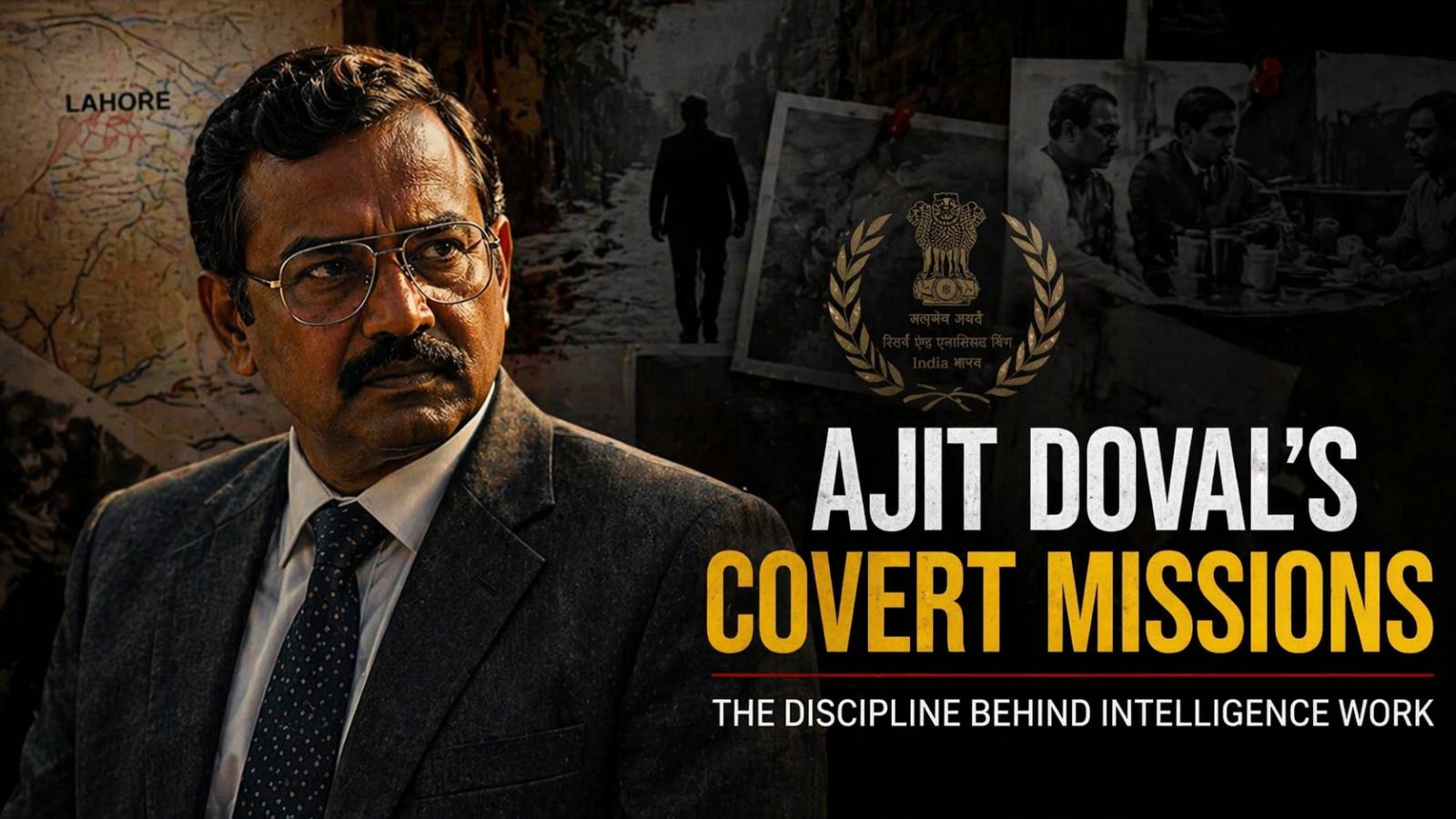
Ajit Doval’s covert operations reveal the discipline behind intelligence work
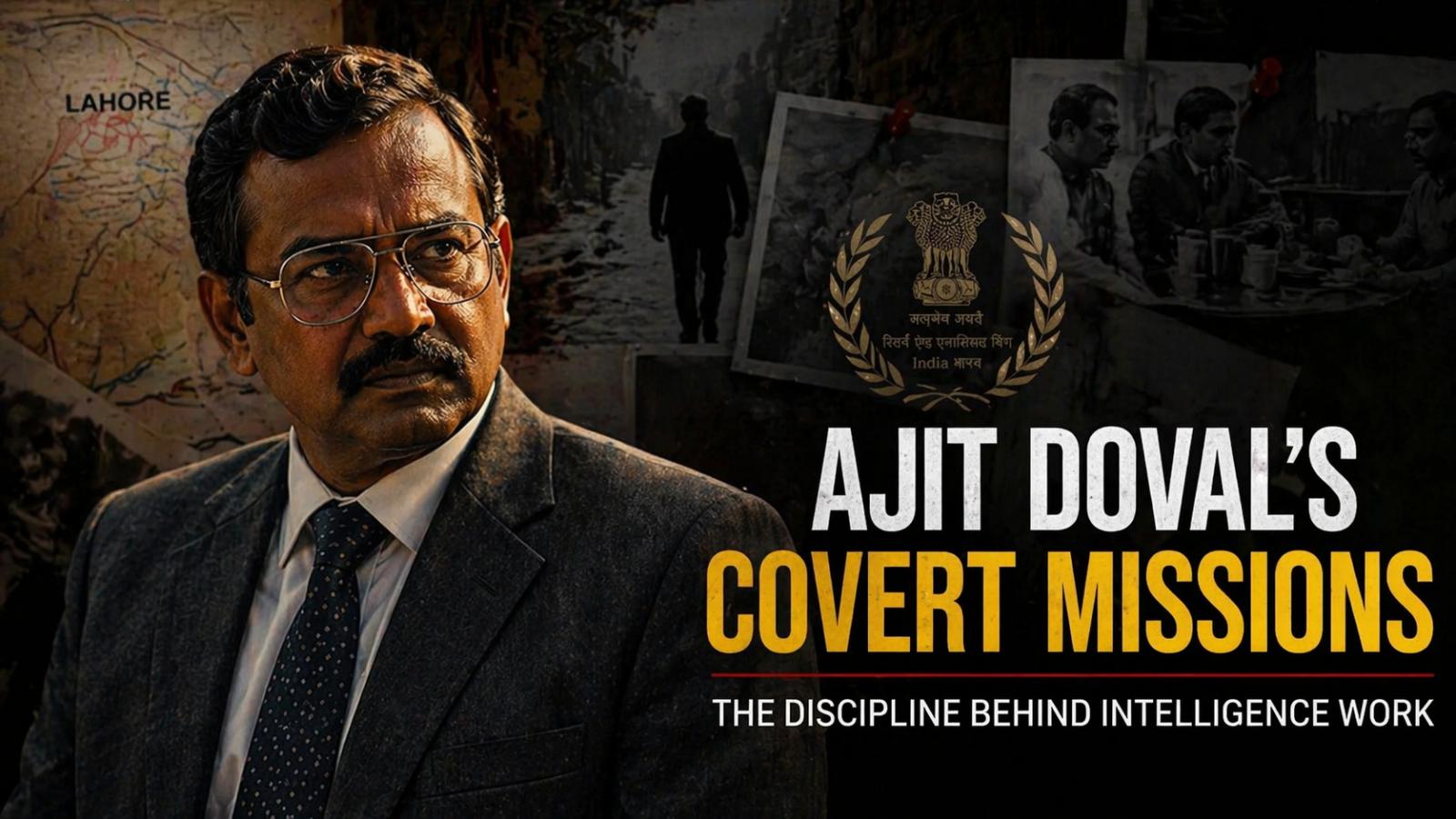
Ajit Doval’s reported deep-cover operations are widely regarded as a study in psychological resilience rather than physical confrontation. Operating within hostile environments, including extended periods in Pakistan, his work required a high degree of composure, adaptability, and continuous situational awareness. Public discussions often reference cities such as Lahore, though specific operational details remain classified. The available accounts suggest that Doval functioned under an assu
Ajit Doval’s covert operations reveal the discipline behind intelligence work
Ajit Doval’s reported deep-cover operations are widely regarded as a study in psychological resilience rather than physical confrontation. Operating within hostile environments, including extended periods in Pakistan, his work required a high degree of composure, adaptability, and continuous situational awareness. Public discussions often reference cities such as Lahore, though specific operational details remain classified. The available accounts suggest that Doval functioned under an assu
Ajit Doval’s covert operations reveal the discipline behind intelligence work
Ajit Doval’s reported deep-cover operations are widely regarded as a study in psychological resilience rather than physical confrontation. Operating within hostile environments, including extended periods in Pakistan, his work required a high degree of composure, adaptability, and continuous situational awareness. Public discussions often reference cities such as Lahore, though specific operational details remain classified. The available accounts suggest that Doval functioned under an assu
Ajit Doval’s covert operations reveal the discipline behind intelligence work
Ajit Doval’s reported deep-cover operations are widely regarded as a study in psychological resilience rather than physical confrontation. Operating within hostile environments, including extended periods in Pakistan, his work required a high degree of composure, adaptability, and continuous situational awareness. Public discussions often reference cities such as Lahore, though specific operational details remain classified. The available accounts suggest that Doval functioned under an assu
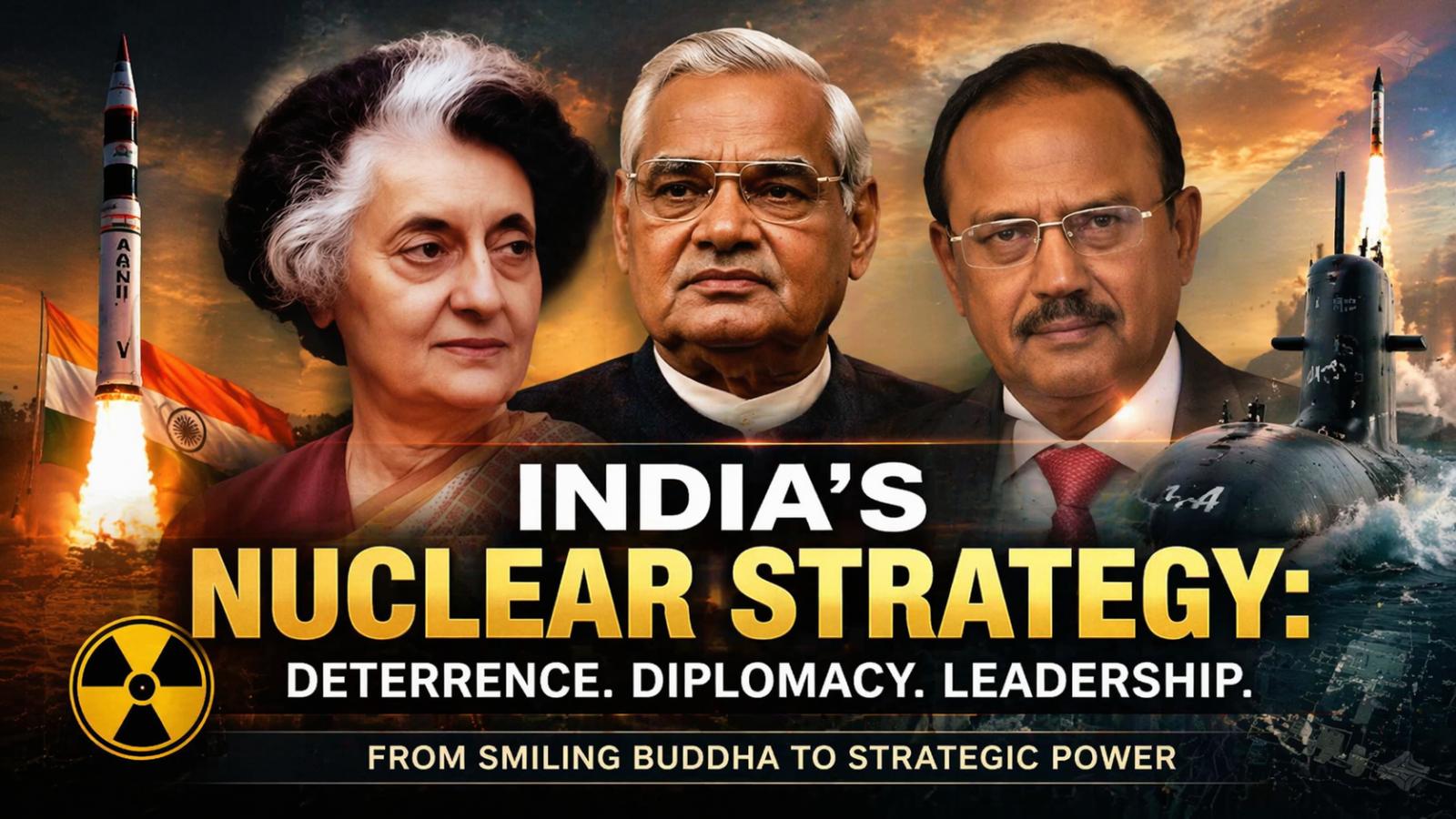
India's nuclear doctrine: From no first use to modern deterrence strategies
India’s nuclear doctrine has evolved over decades, with a clear emphasis on No First Use (NFU). This defensive posture is grounded in the idea of deterring potential nuclear attacks by assuring a credible second-strike capability. By adopting NFU, India ensures that it will only use nuclear weapons in retaliation, maintaining a strong and defensive stance in global security matters. As India’s nuclear strategy matured, advancements in its arsenal played a pivotal role in enh
India's nuclear doctrine: From no first use to modern deterrence strategies
India’s nuclear doctrine has evolved over decades, with a clear emphasis on No First Use (NFU). This defensive posture is grounded in the idea of deterring potential nuclear attacks by assuring a credible second-strike capability. By adopting NFU, India ensures that it will only use nuclear weapons in retaliation, maintaining a strong and defensive stance in global security matters. As India’s nuclear strategy matured, advancements in its arsenal played a pivotal role in enh
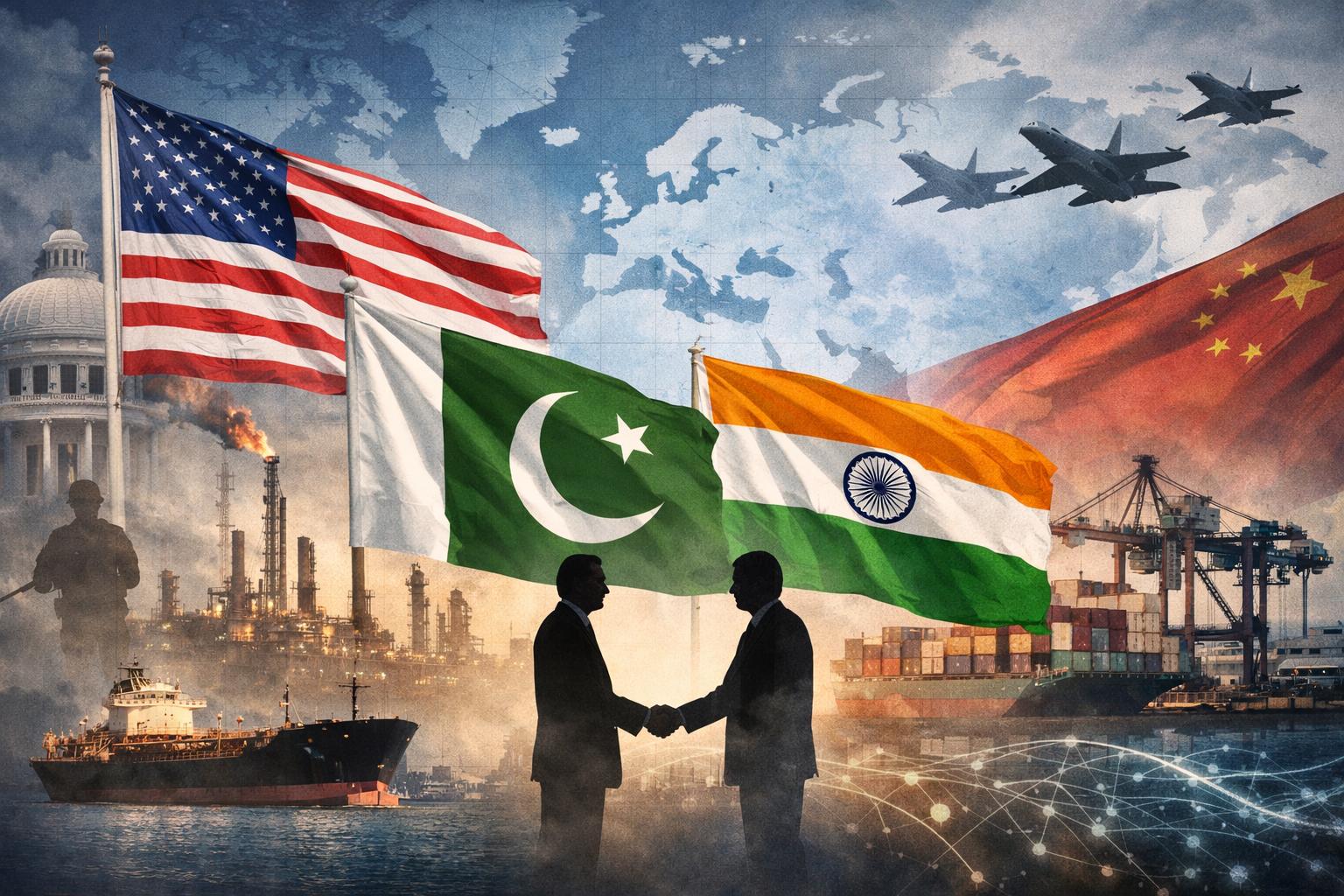
US-India ties face strategic reality as Pakistan plays facilitator role
The United States’ decision to engage Pakistan as a facilitator in a recent two-week ceasefire has sparked debate in India, but analysts say the move reflects broader strategic calculations rather than a slight against New Delhi. The discussion over why India was not selected overlooks the evolving nature of global power dynamics, where decisions are driven less by status and more by immediate geopolitical utility. In today’s international system, major powers—including the U
US-India ties face strategic reality as Pakistan plays facilitator role
The United States’ decision to engage Pakistan as a facilitator in a recent two-week ceasefire has sparked debate in India, but analysts say the move reflects broader strategic calculations rather than a slight against New Delhi. The discussion over why India was not selected overlooks the evolving nature of global power dynamics, where decisions are driven less by status and more by immediate geopolitical utility. In today’s international system, major powers—including the U
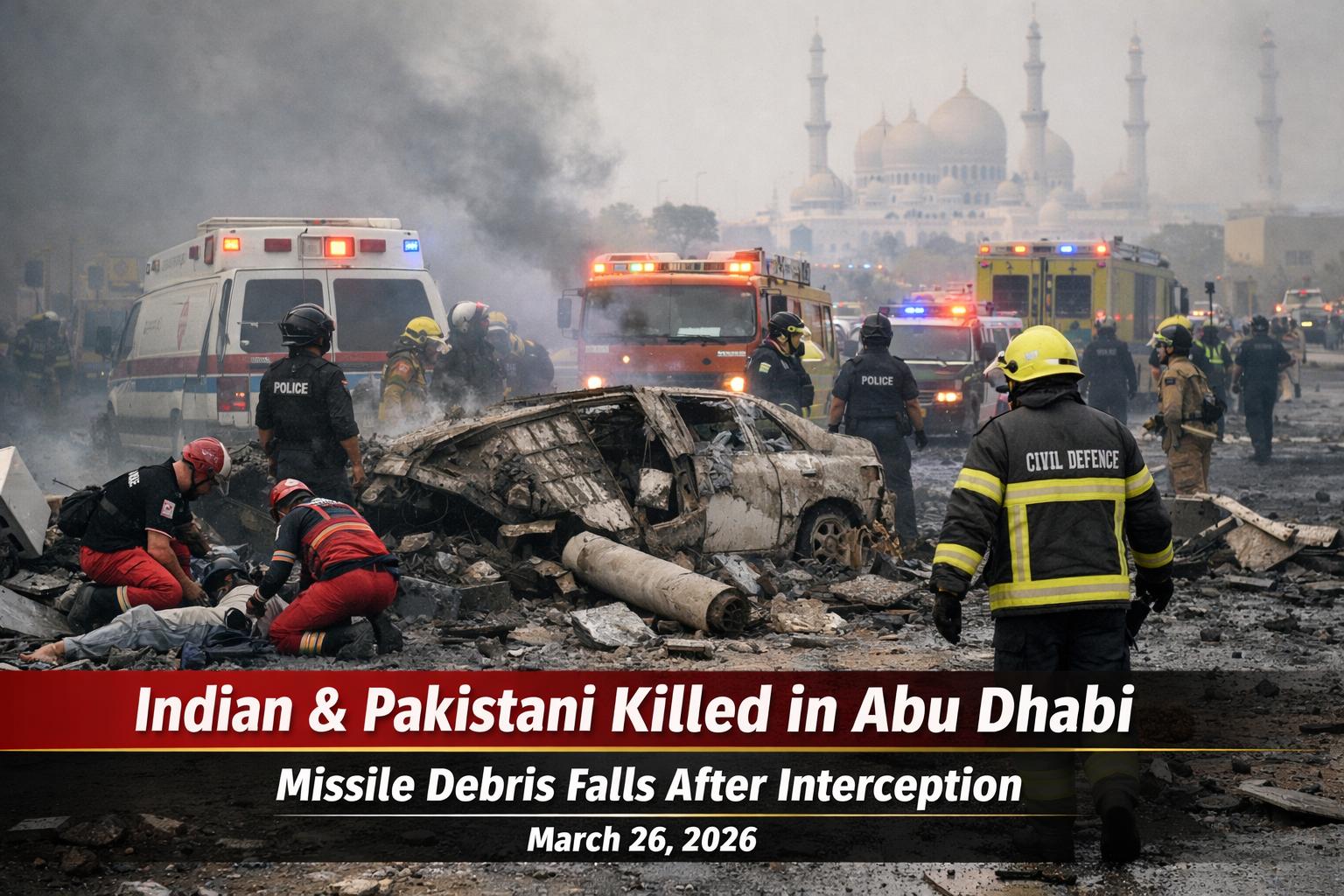
Indian killed in Abu Dhabi by falling missile debris, another Pakistani dies
ABU DHABI — March 26, 2026 (Thursday): An Indian national was among two people killed on Thursday, March 26, 2026, in Abu Dhabi after debris from a missile interception struck the city. The second victim was a Pakistani citizen, while three others — including another Indian national and a Jordanian — were injured. The incident occurred on Sweihan Street, where debris fell following the successful interception of a ballistic
Indian killed in Abu Dhabi by falling missile debris, another Pakistani dies
ABU DHABI — March 26, 2026 (Thursday): An Indian national was among two people killed on Thursday, March 26, 2026, in Abu Dhabi after debris from a missile interception struck the city. The second victim was a Pakistani citizen, while three others — including another Indian national and a Jordanian — were injured. The incident occurred on Sweihan Street, where debris fell following the successful interception of a ballistic
Tarique Rahman’s Genocide Day Message: A Shift in Bangladesh’s Foreign Policy
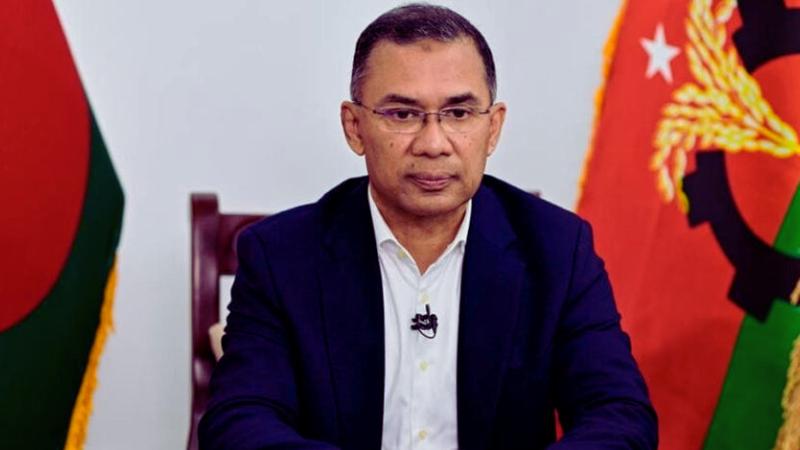
On March 25, 2026, Bangladesh Prime Minister Tarique Rahman marked Genocide Day with a powerful message that signaled a clear shift from the softer approach to Pakistan observed during the previous interim government under Muhammad Yunus. Rahman’s remarks were made on social media, describing March 25, 1971, as "one of the most disgraceful and brutal days" in the country's history, highlighting the atrocities carried out by Pakistani forces during Operation Searchlight. Rahman recounted how
Tarique Rahman’s Genocide Day Message: A Shift in Bangladesh’s Foreign Policy
On March 25, 2026, Bangladesh Prime Minister Tarique Rahman marked Genocide Day with a powerful message that signaled a clear shift from the softer approach to Pakistan observed during the previous interim government under Muhammad Yunus. Rahman’s remarks were made on social media, describing March 25, 1971, as "one of the most disgraceful and brutal days" in the country's history, highlighting the atrocities carried out by Pakistani forces during Operation Searchlight. Rahman recounted how
India rejects mediation role amid US-Iran tensions, Jaishankar clarifies stance
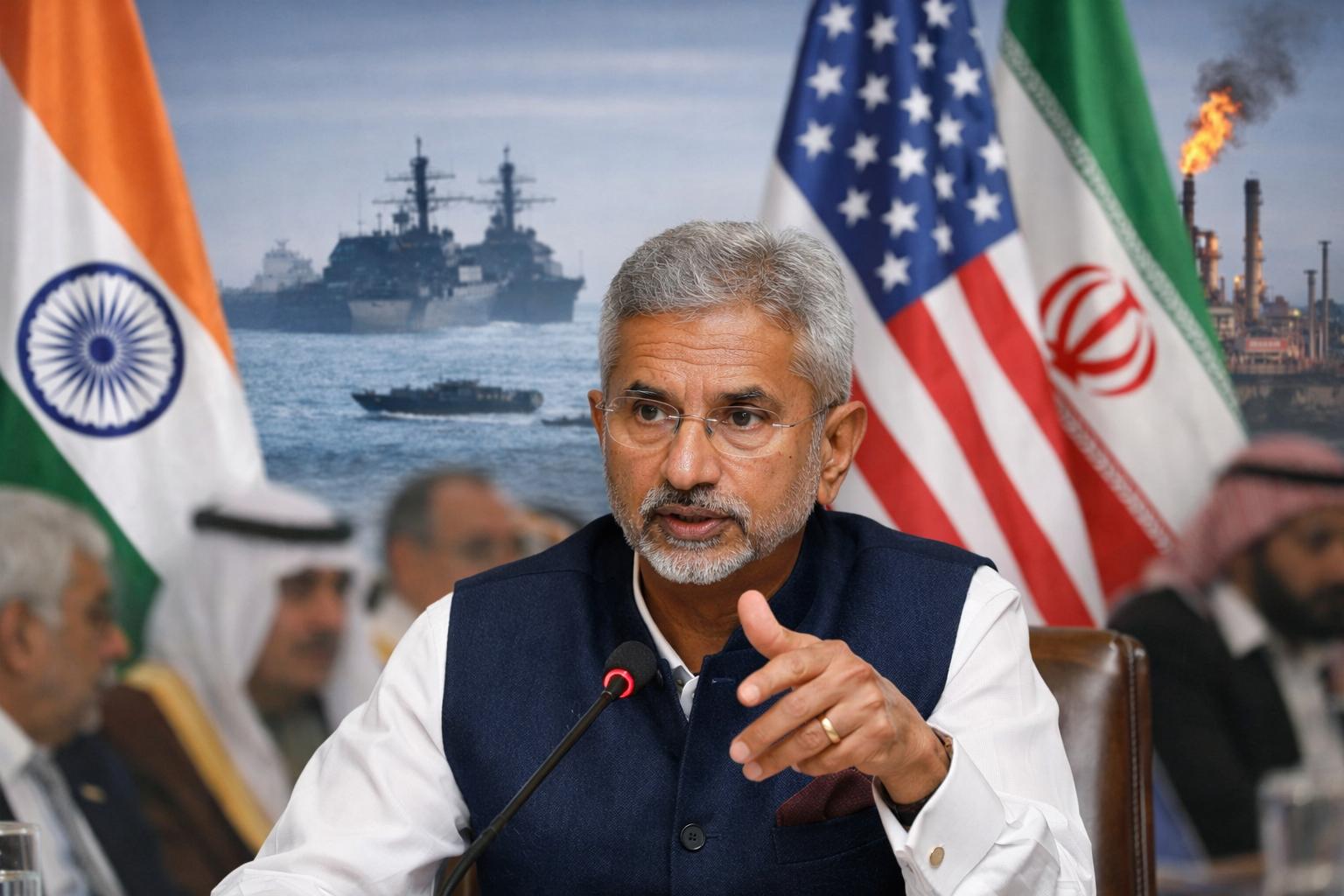
India has firmly ruled out any role as a mediator in the ongoing tensions between the United States and Iran, with External Affairs Minister S Jaishankar stating that New Delhi does not engage in diplomatic brokerage. His remarks came during an all-party meeting convened to brief political leaders on the government’s approach to the escalating West Asia crisis and its implications for India’s strategic interests. Addressing concerns raised by opposition leaders, Jaishankar clarified that India’s foreign policy is guided by its national priorities rather than intermediary roles. He noted that attempts by countries such as Pakistan to position themselves as mediators are not new, adding that such efforts have historically aligned with external interests. Government sources emphasized that India has been actively responding to developments in the region and rejected claims that it has remained silent. The meeting also focused on India’s preparedness in ensuring energy security and safeguarding its citizens in the Gulf region. Officials highlighted that maintaining stable crude oil supplies remains a key priority, particularly as tensions threaten critical shipping routes such as the Strait of Hormuz. The government informed leaders that advance procurement measures have been taken and that India is currently sourcing oil and gas from a diversified network of 41 countries to mitigate risks. Participants were also briefed on maritime developments, including the safe passage of several India-bound vessels carrying petroleum products through the Strait of Hormuz, while others remain in the vicinity awaiting clearance. The government described these developments as a reflection of effective coordination and diplomatic engagement. On diplomatic outreach, the government reiterated that India maintains balanced relations with all major stakeholders in the region, including the United States, Iran, and Israel. It also underscored steps taken to convey condolences following recent developments in Iran, indicating continued engagement at the diplomatic level. Despite these assurances, opposition leaders expressed dissatisfaction with the government’s responses and called for a detailed discussion in Parliament. The government, however, maintained that the situation is under control and there is no immediate cause for concern, reiterating its commitment to protecting national interests amid evolving geopolitical challenges.
India rejects mediation role amid US-Iran tensions, Jaishankar clarifies stance
India has firmly ruled out any role as a mediator in the ongoing tensions between the United States and Iran, with External Affairs Minister S Jaishankar stating that New Delhi does not engage in diplomatic brokerage. His remarks came during an all-party meeting convened to brief political leaders on the government’s approach to the escalating West Asia crisis and its implications for India’s strategic interests. Addressing concerns raised by opposition leaders, Jaishankar clarified that India’s foreign policy is guided by its national priorities rather than intermediary roles. He noted that attempts by countries such as Pakistan to position themselves as mediators are not new, adding that such efforts have historically aligned with external interests. Government sources emphasized that India has been actively responding to developments in the region and rejected claims that it has remained silent. The meeting also focused on India’s preparedness in ensuring energy security and safeguarding its citizens in the Gulf region. Officials highlighted that maintaining stable crude oil supplies remains a key priority, particularly as tensions threaten critical shipping routes such as the Strait of Hormuz. The government informed leaders that advance procurement measures have been taken and that India is currently sourcing oil and gas from a diversified network of 41 countries to mitigate risks. Participants were also briefed on maritime developments, including the safe passage of several India-bound vessels carrying petroleum products through the Strait of Hormuz, while others remain in the vicinity awaiting clearance. The government described these developments as a reflection of effective coordination and diplomatic engagement. On diplomatic outreach, the government reiterated that India maintains balanced relations with all major stakeholders in the region, including the United States, Iran, and Israel. It also underscored steps taken to convey condolences following recent developments in Iran, indicating continued engagement at the diplomatic level. Despite these assurances, opposition leaders expressed dissatisfaction with the government’s responses and called for a detailed discussion in Parliament. The government, however, maintained that the situation is under control and there is no immediate cause for concern, reiterating its commitment to protecting national interests amid evolving geopolitical challenges.
India sends medical aid to Kabul after deadly airstrike kills over 400
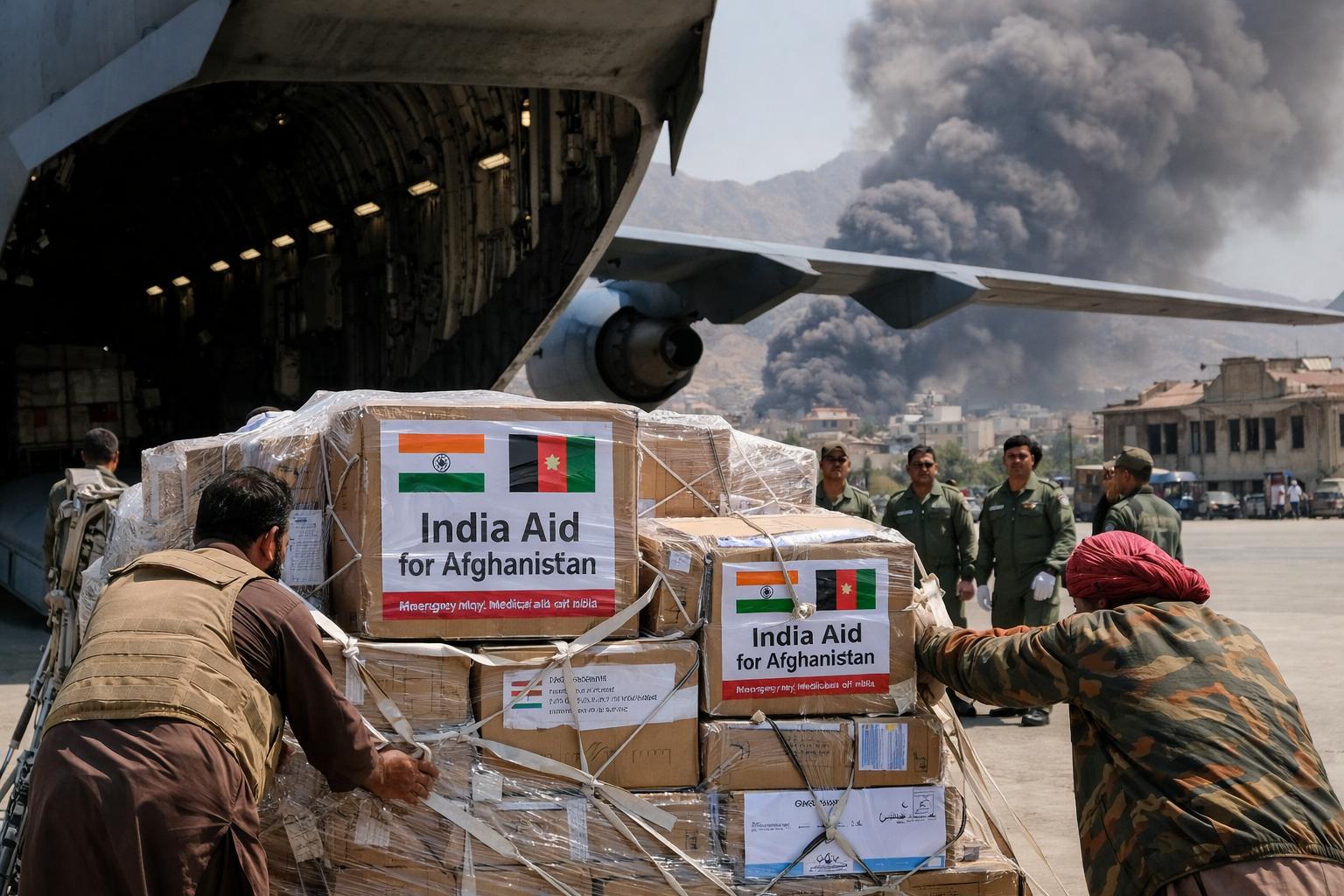
India has dispatched a 2.5-ton consignment of emergency medicines, medical disposables, kits, and equipment to Afghanistan to assist victims of a devastating airstrike in Kabul that claimed more than 400 lives and left over 250 injured. The humanitarian aid was delivered on March 20 as part of India’s continued support for the Afghan people during a period of crisis. According to officials, the supplies are intended to support the treatment and recovery of those affected by the March 16 attack on a drug addiction treatment facility in Kabul. The strike targeted the Omid Drug Addiction Treatment Hospital, which Afghan authorities described as housing one of the most vulnerable sections of society. The incident has drawn widespread condemnation due to the high number of civilian casualties. India strongly criticized the airstrike, calling it a barbaric and unjustifiable act of violence against civilians. In an official statement, New Delhi emphasized that a medical facility cannot be considered a legitimate military target and reaffirmed its solidarity with Afghanistan. The government reiterated its commitment to providing humanitarian assistance and helping address the immediate needs arising from the crisis. Afghanistan confirmed that over 408 individuals undergoing treatment at the facility were killed, while more than 265 sustained injuries. The scale of the casualties has intensified regional tensions and raised concerns about escalating conflict in South Asia. Afghan leaders have condemned the attack and indicated that while diplomatic efforts remain a priority, a response to the incident is under consideration. Amid rising tensions, Pakistan and Afghanistan have announced a temporary ceasefire following mediation efforts by international partners. The pause in hostilities coincides with the Eid al-Fitr period, although officials have warned that military operations could resume if security conditions deteriorate. Both sides continue to exchange accusations regarding cross-border militancy, further complicating the fragile situation in the region.
India sends medical aid to Kabul after deadly airstrike kills over 400
India has dispatched a 2.5-ton consignment of emergency medicines, medical disposables, kits, and equipment to Afghanistan to assist victims of a devastating airstrike in Kabul that claimed more than 400 lives and left over 250 injured. The humanitarian aid was delivered on March 20 as part of India’s continued support for the Afghan people during a period of crisis. According to officials, the supplies are intended to support the treatment and recovery of those affected by the March 16 attack on a drug addiction treatment facility in Kabul. The strike targeted the Omid Drug Addiction Treatment Hospital, which Afghan authorities described as housing one of the most vulnerable sections of society. The incident has drawn widespread condemnation due to the high number of civilian casualties. India strongly criticized the airstrike, calling it a barbaric and unjustifiable act of violence against civilians. In an official statement, New Delhi emphasized that a medical facility cannot be considered a legitimate military target and reaffirmed its solidarity with Afghanistan. The government reiterated its commitment to providing humanitarian assistance and helping address the immediate needs arising from the crisis. Afghanistan confirmed that over 408 individuals undergoing treatment at the facility were killed, while more than 265 sustained injuries. The scale of the casualties has intensified regional tensions and raised concerns about escalating conflict in South Asia. Afghan leaders have condemned the attack and indicated that while diplomatic efforts remain a priority, a response to the incident is under consideration. Amid rising tensions, Pakistan and Afghanistan have announced a temporary ceasefire following mediation efforts by international partners. The pause in hostilities coincides with the Eid al-Fitr period, although officials have warned that military operations could resume if security conditions deteriorate. Both sides continue to exchange accusations regarding cross-border militancy, further complicating the fragile situation in the region.
90 Ships Cross Hormuz as Iran Continues Oil Exports Amid War, Despite Challenges
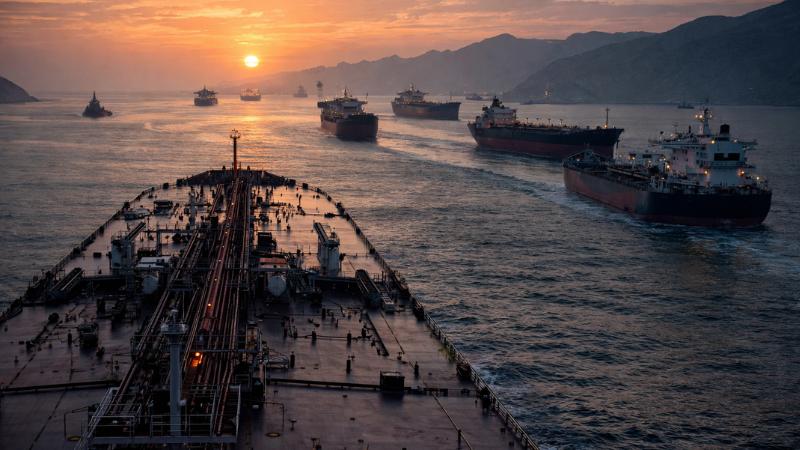
In the midst of the ongoing war, Iran has continued to export millions of barrels of oil, with about 90 ships, including oil tankers, crossing the critical Strait of Hormuz between March 1 and 15, 2026. Despite the waterway being effectively "closed" to most traffic due to the conflict, Iran has managed to keep its oil exports flowing, benefitting from its control over this vital chokepoint. According to maritime traffic data from Lloyd's List Intelligence, Iran has relied on a mix
90 Ships Cross Hormuz as Iran Continues Oil Exports Amid War, Despite Challenges
In the midst of the ongoing war, Iran has continued to export millions of barrels of oil, with about 90 ships, including oil tankers, crossing the critical Strait of Hormuz between March 1 and 15, 2026. Despite the waterway being effectively "closed" to most traffic due to the conflict, Iran has managed to keep its oil exports flowing, benefitting from its control over this vital chokepoint. According to maritime traffic data from Lloyd's List Intelligence, Iran has relied on a mix
Eid ul-Fitr 2026 Date: March 20 or March 21? Moon Sighting to Confirm
As Ramadan comes to a close in 2026, Muslims across the globe eagerly await the celebration of Eid ul-Fitr, marking the end of a month of fasting and spiritual reflection. The exact date of Eid, however, depends on the sighting of the crescent moon, making it a topic of great anticipation. Eid ul-Fitr, which marks the beginning of Shawwal, the 10th month of the Islamic calendar, is celebrated based on lunar cycles. This means that the date of Eid can vary from country to country, depending on
Eid ul-Fitr 2026 Date: March 20 or March 21? Moon Sighting to Confirm
As Ramadan comes to a close in 2026, Muslims across the globe eagerly await the celebration of Eid ul-Fitr, marking the end of a month of fasting and spiritual reflection. The exact date of Eid, however, depends on the sighting of the crescent moon, making it a topic of great anticipation. Eid ul-Fitr, which marks the beginning of Shawwal, the 10th month of the Islamic calendar, is celebrated based on lunar cycles. This means that the date of Eid can vary from country to country, depending on
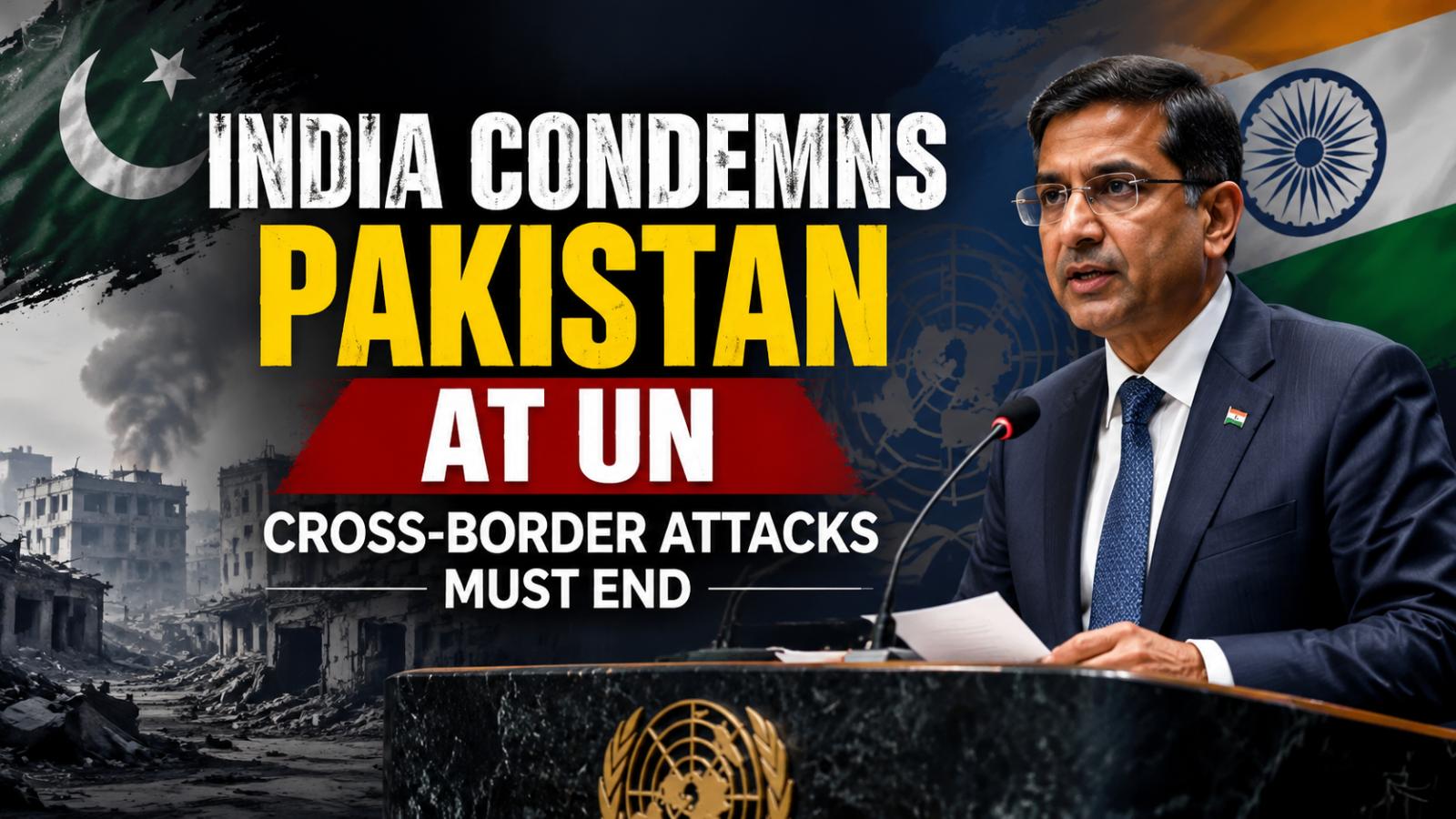
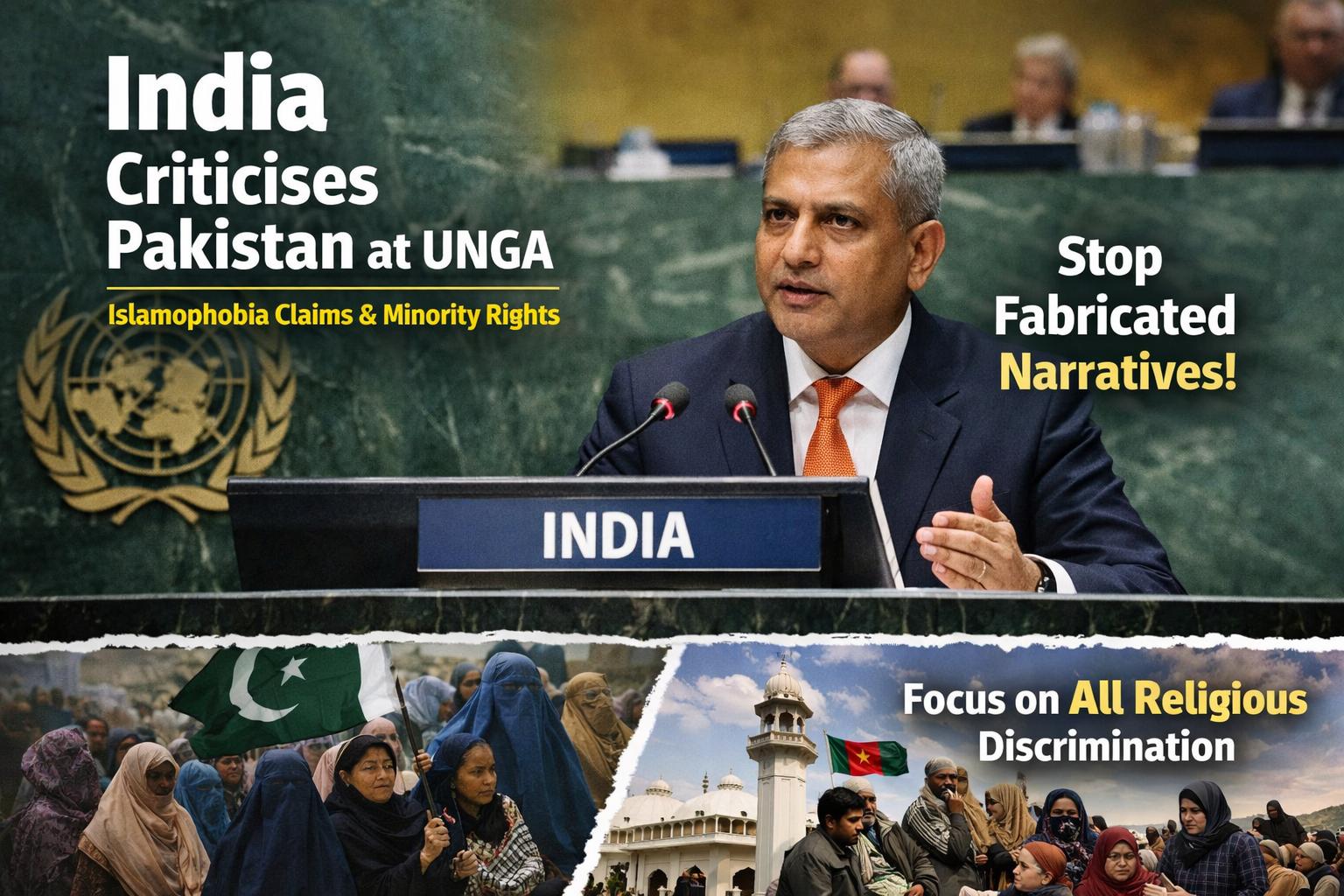
India rebukes Pakistan at UN over Islamophobia claims and minority record
India has sharply criticised Pakistan at the United Nations, accusing it of repeatedly fabricating narratives around Islamophobia to target neighbouring countries while diverting attention from its own domestic and regional record. The remarks were made during a session of the UN General Assembly marking the International Day to Combat Islamophobia, where India’s Permanent Representative Parvathaneni Harish delivered a firm and direct response to Pakistan’s allegations. Addressing
India rebukes Pakistan at UN over Islamophobia claims and minority record
India has sharply criticised Pakistan at the United Nations, accusing it of repeatedly fabricating narratives around Islamophobia to target neighbouring countries while diverting attention from its own domestic and regional record. The remarks were made during a session of the UN General Assembly marking the International Day to Combat Islamophobia, where India’s Permanent Representative Parvathaneni Harish delivered a firm and direct response to Pakistan’s allegations. Addressing
India Rejected Gwadar Port in 1956, Now Under Chinese Control - Balochistan's Grievances
Gwadar, a port in Pakistan's Balochistan province, has become a focal point for geopolitical tensions, local unrest, and external influence, especially from China. Originally a fishing settlement on the Arabian Sea, it is now home to Pakistan's third-largest port, which plays a crucial role in the China–Pakistan Economic Corridor (CPEC). The strategic location of Gwadar, near the Strait of Hormuz, has made it a highly coveted asset for various powers. What is most remarkable about
India Rejected Gwadar Port in 1956, Now Under Chinese Control - Balochistan's Grievances
Gwadar, a port in Pakistan's Balochistan province, has become a focal point for geopolitical tensions, local unrest, and external influence, especially from China. Originally a fishing settlement on the Arabian Sea, it is now home to Pakistan's third-largest port, which plays a crucial role in the China–Pakistan Economic Corridor (CPEC). The strategic location of Gwadar, near the Strait of Hormuz, has made it a highly coveted asset for various powers. What is most remarkable about
Sri Lanka Urges Pakistan to Reconsider India Boycott, Warns of Heavy Financial Losses
Sri Lanka Cricket (SLC) has reportedly urged the Pakistan Cricket Board (PCB) to reconsider its decision to boycott the India-Pakistan match in the 2026 T20 World Cup. In a formal letter sent to the PCB, SLC expressed concerns over the severe financial losses that could result from the boycott. The India-Pakistan fixture is one of the most lucrative matches in world cricket, drawing massive global viewership and contributing significantly to the revenue generated during International Cricket
Sri Lanka Urges Pakistan to Reconsider India Boycott, Warns of Heavy Financial Losses
Sri Lanka Cricket (SLC) has reportedly urged the Pakistan Cricket Board (PCB) to reconsider its decision to boycott the India-Pakistan match in the 2026 T20 World Cup. In a formal letter sent to the PCB, SLC expressed concerns over the severe financial losses that could result from the boycott. The India-Pakistan fixture is one of the most lucrative matches in world cricket, drawing massive global viewership and contributing significantly to the revenue generated during International Cricket
Suryakumar Yadav Breaks Silence on Pakistan Boycott Threat, Ready to Play in T20 World Cup
Ahead of the 2026 T20 World Cup, India's T20I captain Suryakumar Yadav addressed concerns over Pakistan's threat to boycott their scheduled group-stage clash. Yadav firmly stated that India's preparations for the match remain unchanged, regardless of Pakistan's stance on participation. During a captain's meet ahead of the tournament, Suryakumar emphasized that India's focus remains on the game. "Our mindset is very clear. We haven’t said no to playing them; they are the ones who??
Suryakumar Yadav Breaks Silence on Pakistan Boycott Threat, Ready to Play in T20 World Cup
Ahead of the 2026 T20 World Cup, India's T20I captain Suryakumar Yadav addressed concerns over Pakistan's threat to boycott their scheduled group-stage clash. Yadav firmly stated that India's preparations for the match remain unchanged, regardless of Pakistan's stance on participation. During a captain's meet ahead of the tournament, Suryakumar emphasized that India's focus remains on the game. "Our mindset is very clear. We haven’t said no to playing them; they are the ones who??
FARA filings show Pakistan sought US mediation during India’s Operation Sindoor
Documents released under the United States Foreign Agents Registration Act have shed new light on Pakistan’s diplomatic efforts during India’s Operation Sindoor in April last year, revealing an extensive and urgent campaign to seek Washington’s intervention as tensions escalated between the two South Asian neighbors. The filings indicate that Islamabad repeatedly appealed to US officials for assistance, offering a range of economic and strategic incentives in return for diplomatic engag
FARA filings show Pakistan sought US mediation during India’s Operation Sindoor
Documents released under the United States Foreign Agents Registration Act have shed new light on Pakistan’s diplomatic efforts during India’s Operation Sindoor in April last year, revealing an extensive and urgent campaign to seek Washington’s intervention as tensions escalated between the two South Asian neighbors. The filings indicate that Islamabad repeatedly appealed to US officials for assistance, offering a range of economic and strategic incentives in return for diplomatic engag
India hits back at Pakistan on minorities allegations, calls charges hypocritical
India on Monday strongly rejected Pakistan’s allegations of mistreatment of religious minorities, asserting that Islamabad lacks the moral authority to comment on such matters given its own record. Responding to remarks from Pakistan’s Foreign Office, New Delhi said attempts to highlight alleged incidents in India cannot mask Pakistan’s well-documented history of systemic discrimination and persecution of minorities. The response came after Pakistani Foreign Affairs spokespers
India hits back at Pakistan on minorities allegations, calls charges hypocritical
India on Monday strongly rejected Pakistan’s allegations of mistreatment of religious minorities, asserting that Islamabad lacks the moral authority to comment on such matters given its own record. Responding to remarks from Pakistan’s Foreign Office, New Delhi said attempts to highlight alleged incidents in India cannot mask Pakistan’s well-documented history of systemic discrimination and persecution of minorities. The response came after Pakistani Foreign Affairs spokespers


