Vikram-1 First Orbital Launch Today: Time, Mission and Payload
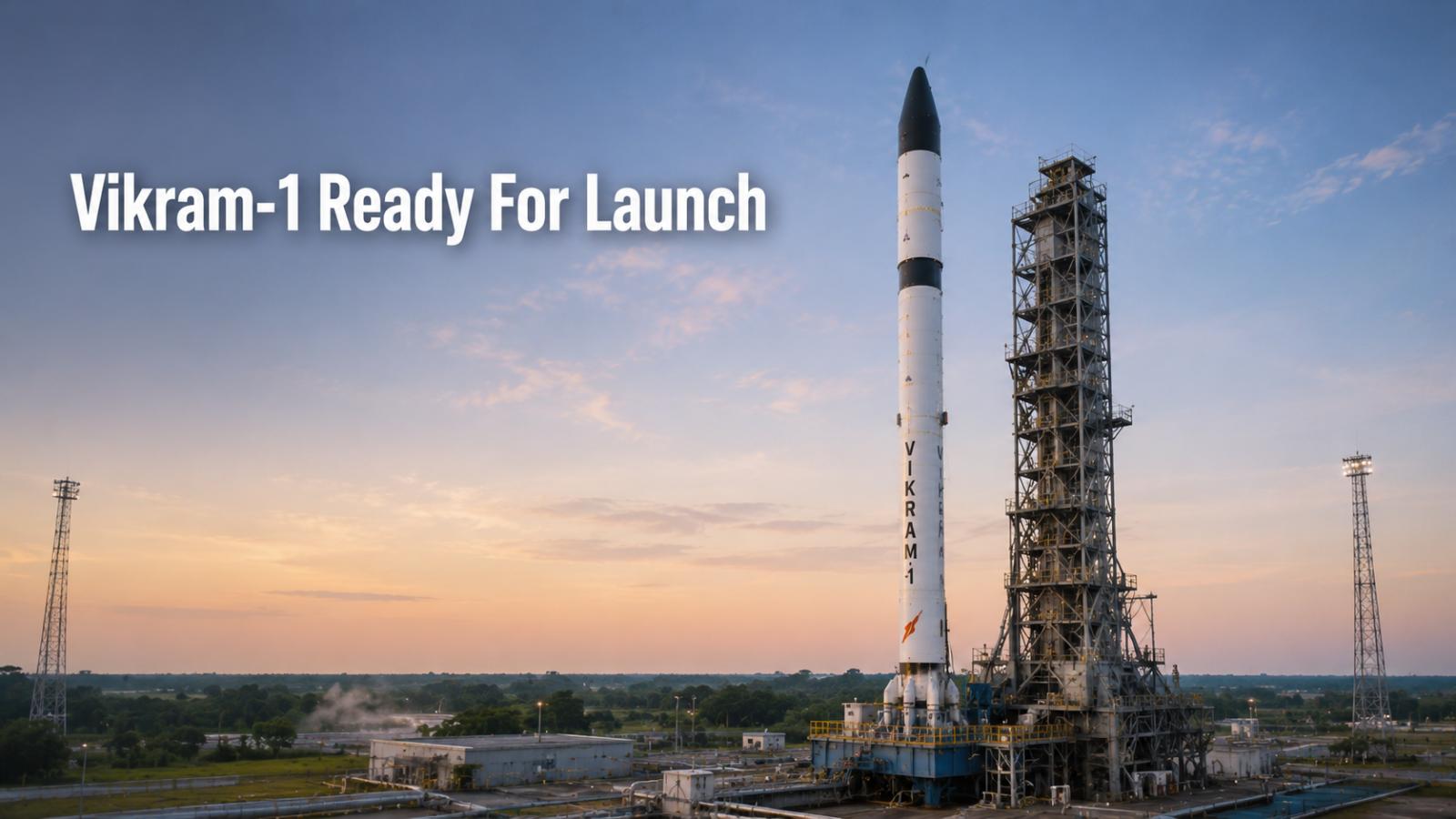
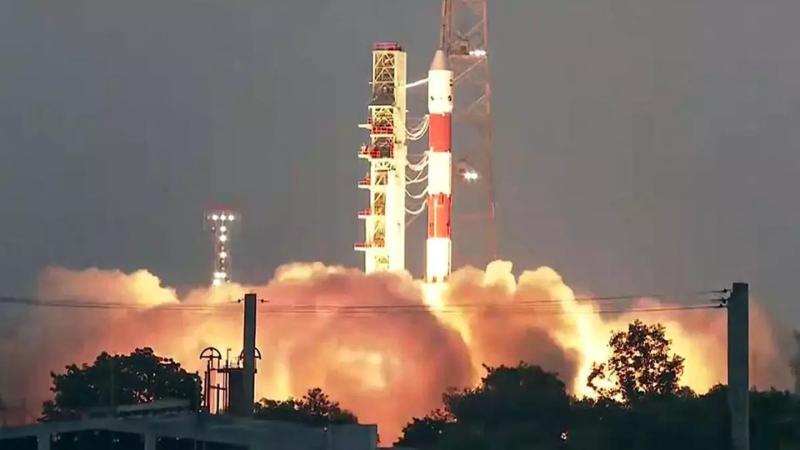
Skyroot Aerospace is preparing Vikram-1 for its maiden orbital mission from Sriharikota. Scheduled for July 18, 2026, the launch could mark India’s first privately developed orbital rocket flight and strengthen the country’s commercial small-satellite launch sector. The Vikram-1 first orbital launch is scheduled for 11:30 a.m. IST on Saturday, July 18, 2026, from the Satish Dhawan Space Centre in Sriharikota, Andhra Pradesh. Through Missio
Vikram-1 First Orbital Launch Today: Time, Mission and Payload
Skyroot Aerospace is preparing Vikram-1 for its maiden orbital mission from Sriharikota. Scheduled for July 18, 2026, the launch could mark India’s first privately developed orbital rocket flight and strengthen the country’s commercial small-satellite launch sector. The Vikram-1 first orbital launch is scheduled for 11:30 a.m. IST on Saturday, July 18, 2026, from the Satish Dhawan Space Centre in Sriharikota, Andhra Pradesh. Through Missio
ISRO Semi-Cryogenic Engine Test Hits 88% Power for LVM3
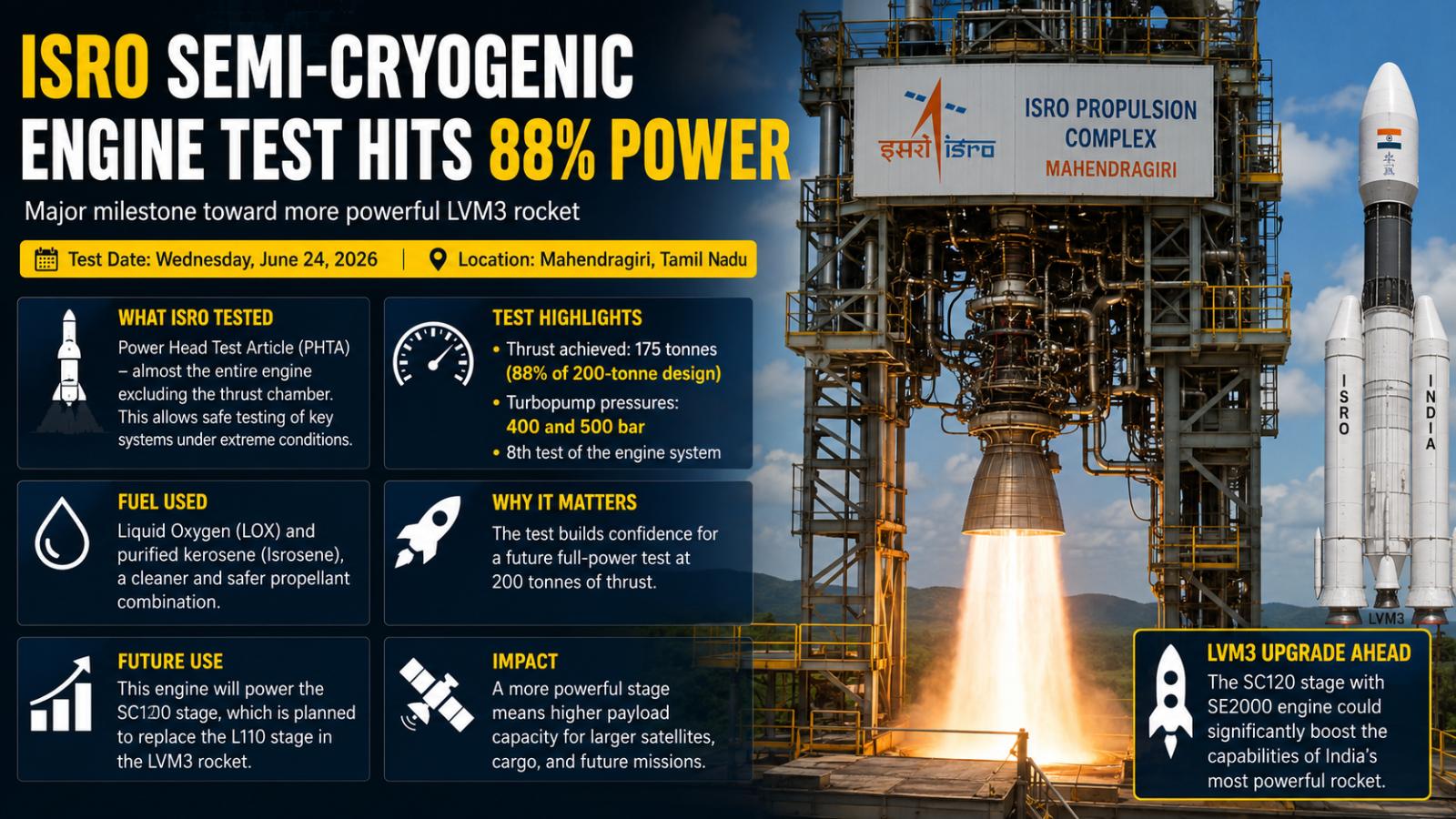
ISRO’s semi-cryogenic engine test reached 88% of its designed thrust on Wednesday, June 24, 2026, marking a major step toward upgrading India’s LVM3 rocket. The Indian Space Research Organisation tested the Power Head Test Article, or PHTA, at its propulsion facility in Mahendragiri, Tamil Nadu. The PHTA includes most major engine systems but excludes the thrust chamber, allowing engineers to evaluate fuel delivery, ignition and pressure performance before testing the complete e
ISRO Semi-Cryogenic Engine Test Hits 88% Power for LVM3
ISRO’s semi-cryogenic engine test reached 88% of its designed thrust on Wednesday, June 24, 2026, marking a major step toward upgrading India’s LVM3 rocket. The Indian Space Research Organisation tested the Power Head Test Article, or PHTA, at its propulsion facility in Mahendragiri, Tamil Nadu. The PHTA includes most major engine systems but excludes the thrust chamber, allowing engineers to evaluate fuel delivery, ignition and pressure performance before testing the complete e
Indian Space Startups Build NavIC Support Layer For Defence And Navigation
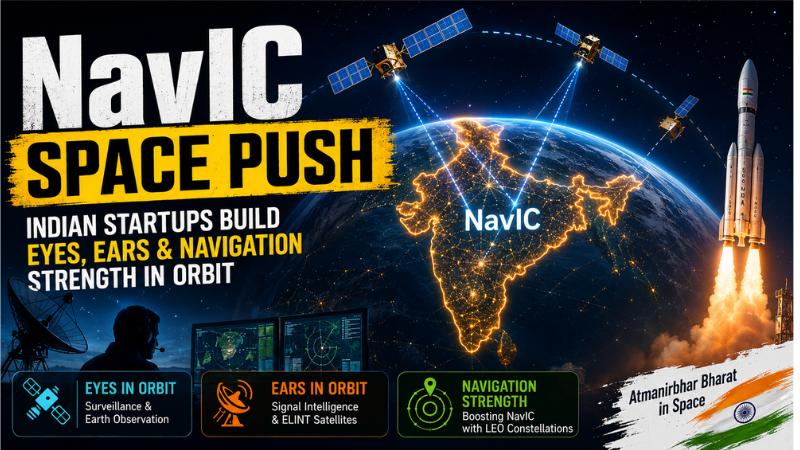
Indian Space Startups Strengthen NavIC Push With Eyes And Ears In Orbit India’s private space companies are no longer just supporting Isro — they are building satellites that could help the country watch borders, track signals, and strengthen NavIC. At the India Space Congress 2026 in New Delhi, several Indian firms showcased satellite technologies focused on surveillance, si
Indian Space Startups Build NavIC Support Layer For Defence And Navigation
Indian Space Startups Strengthen NavIC Push With Eyes And Ears In Orbit India’s private space companies are no longer just supporting Isro — they are building satellites that could help the country watch borders, track signals, and strengthen NavIC. At the India Space Congress 2026 in New Delhi, several Indian firms showcased satellite technologies focused on surveillance, si
Cursor Deal Makes Aman Sanger And Sualeh Asif Billionaires
Massive AI Deal Reshapes Silicon Valley Wealth Landscape A high-value acquisition involving Elon Musk’s SpaceX has triggered a major wealth shift in the global tech ecosystem. The company has reportedly acquired Anysphere, the parent of AI coding platform Cursor, in a $60 billion all-stock transaction. The deal has instantly pushed key founders and early stakeholders into billionaire status, marking one of
Cursor Deal Makes Aman Sanger And Sualeh Asif Billionaires
Massive AI Deal Reshapes Silicon Valley Wealth Landscape A high-value acquisition involving Elon Musk’s SpaceX has triggered a major wealth shift in the global tech ecosystem. The company has reportedly acquired Anysphere, the parent of AI coding platform Cursor, in a $60 billion all-stock transaction. The deal has instantly pushed key founders and early stakeholders into billionaire status, marking one of
Elon Musk’s $164.8B Gain Was Nearly Twice Ambani’s Net Worth
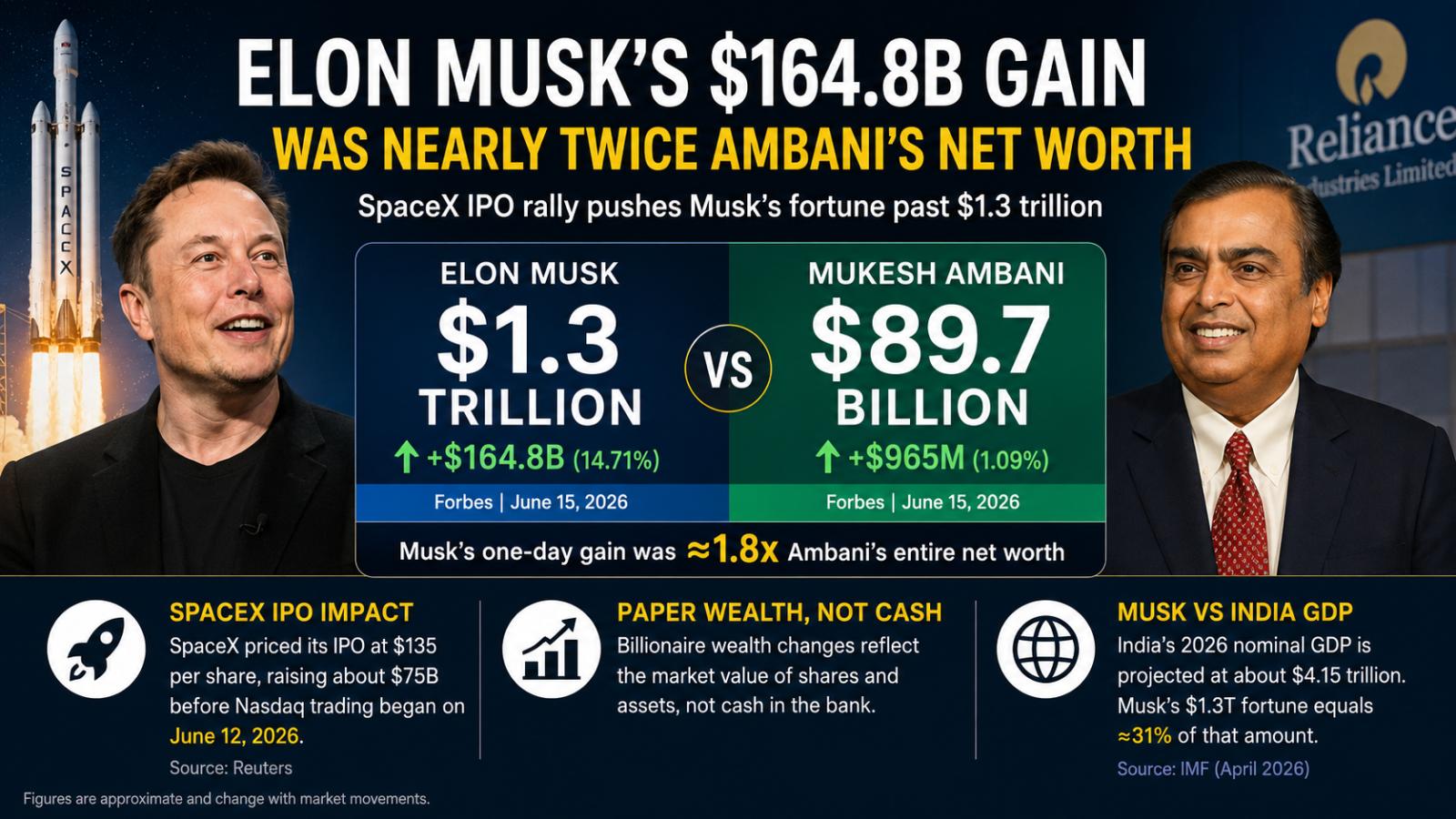
Elon Musk’s wealth gain compared with Mukesh Ambani’s net worth became a striking measure of the SpaceX IPO rally on Monday, June 15, 2026. Forbes’ Real-Time Billionaires tracker estimated Musk’s fortune at approximately $1.3 trillion after it increased by $164.8 billion, or 14.71%, from the previous trading day. Figures cited for the same period placed Reliance Industries Chairman Mukesh Ambani’s fortune at about $89.7 billion. Elon Musk Wealth Gain vs
Elon Musk’s $164.8B Gain Was Nearly Twice Ambani’s Net Worth
Elon Musk’s wealth gain compared with Mukesh Ambani’s net worth became a striking measure of the SpaceX IPO rally on Monday, June 15, 2026. Forbes’ Real-Time Billionaires tracker estimated Musk’s fortune at approximately $1.3 trillion after it increased by $164.8 billion, or 14.71%, from the previous trading day. Figures cited for the same period placed Reliance Industries Chairman Mukesh Ambani’s fortune at about $89.7 billion. Elon Musk Wealth Gain vs
Pakistan Satellite Surge With China Support Raises India Security Concerns
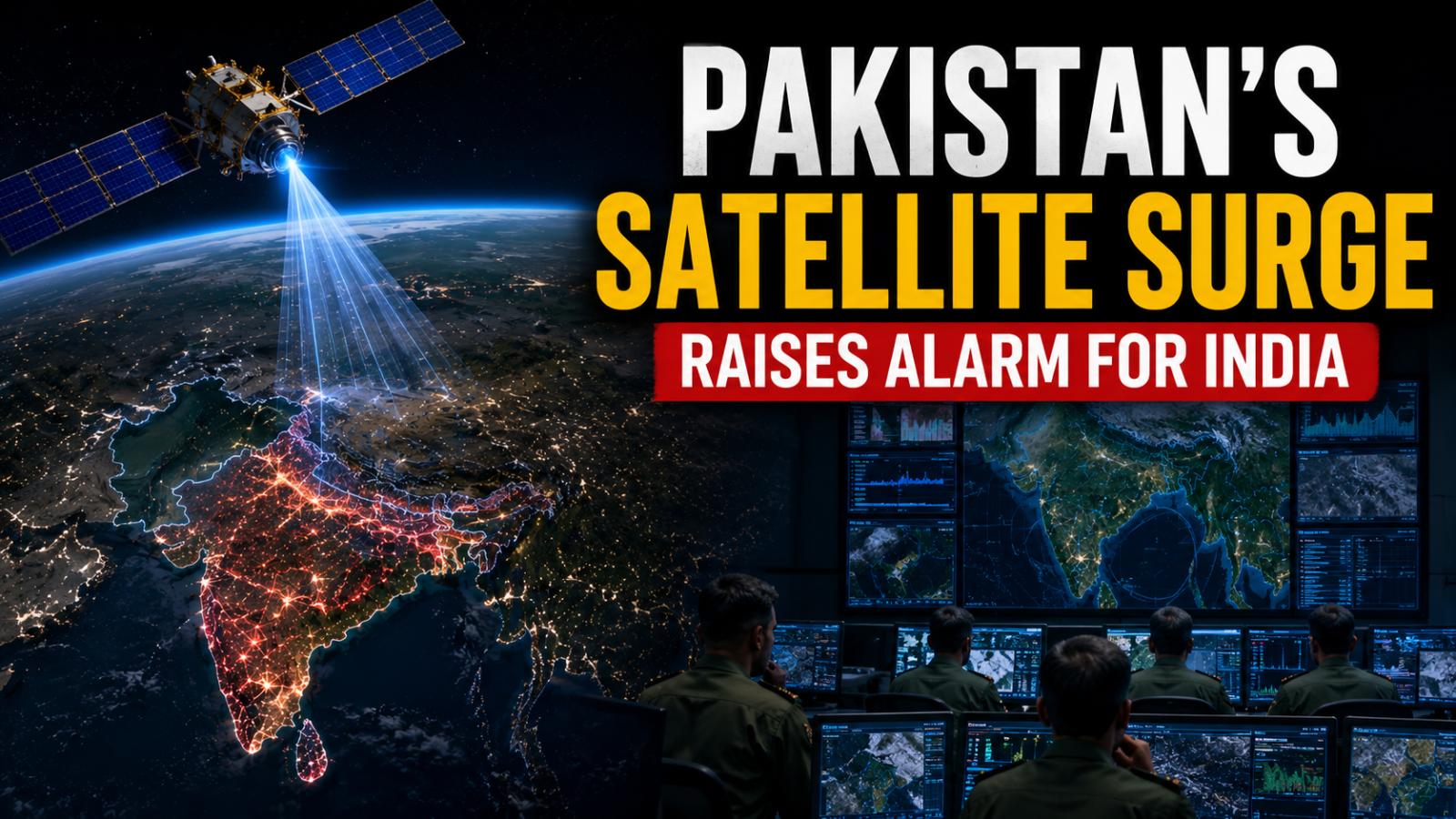
Pakistan’s rapid satellite expansion with Chinese support is raising fresh security concerns in India, as analysts warn that the South Asian rivalry is increasingly moving into space. More than a year after India launched Operation Sindoor on Wednesday, May 7, 2025, following the Pahalgam terror attack on Tuesday, April 22, 2025, a quieter contest is unfolding hundreds of kilometers above Earth. Pakistan Expands Earth-Observation Satellite Network
Pakistan Satellite Surge With China Support Raises India Security Concerns
Pakistan’s rapid satellite expansion with Chinese support is raising fresh security concerns in India, as analysts warn that the South Asian rivalry is increasingly moving into space. More than a year after India launched Operation Sindoor on Wednesday, May 7, 2025, following the Pahalgam terror attack on Tuesday, April 22, 2025, a quieter contest is unfolding hundreds of kilometers above Earth. Pakistan Expands Earth-Observation Satellite Network
ISRO rules out sabotage amid repeated strategic mission failures
India’s Space Minister Dr. Jitendra Singh has said that there is no indication of sabotage behind a series of recent failures involving the Indian Space Research Organisation, even as repeated setbacks to strategic missions have triggered concern within policy and defence circles. The remarks come after three out of six ISRO missions launched from Indian soil over the past year failed, all of them linked to national security and strategic objectives. Speaking at a press briefing in New Delhi, Dr. Singh said that no report pointing to sabotage has been received so far. He clarified that while he is responsible for overseeing space launches, investigations related to sabotage or hostile interference fall under the purview of other ministries such as defence, home affairs, or external affairs. The minister added that, as of now, there is no information to suggest external interference in the recent launch failures. The comments follow two rare back-to-back mid-flight failures of ISRO’s Polar Satellite Launch Vehicle, a rocket that has long been considered the agency’s most dependable platform. Over a 33-year operational history, the PSLV had suffered only four major failures prior to 2025. The failures in May 2025 and January 2026, both occurring during the third stage of flight, have therefore raised serious questions about reliability and corrective action. Dr. Singh addressed public speculation that ISRO may have failed to rectify earlier faults, stating that the two PSLV failures had different technical causes despite occurring at the same stage. He expressed confidence in ISRO’s internal failure appraisal process, describing it as thorough and analytical. Traditionally, ISRO has publicly released summaries of mission failure analyses, contributing to its image as a transparent space agency. However, in recent cases, that practice has not been consistently followed. The failure analysis report of the PSLV-C61 mission in May 2025 was submitted to the Prime Minister’s Office but not released publicly. Similarly, no detailed technical update has been shared regarding the PSLV-C62 failure in January 2026 beyond ministerial statements. January 2026 – PSLV-C62 / EOS-N1 The PSLV-C62 mission on January 12, 2026, was ISRO’s first launch of the year and marked the PSLV’s return to flight after a setback in May 2025. The primary payload was EOS-N1, also known as Anvesha, a hyperspectral Earth observation satellite developed by the Defence Research and Development Organisation. The satellite was designed to operate at an altitude of 511 kilometres and provide advanced material identification capabilities by analysing reflected light across multiple wavelengths. The mission also carried 15 co-passenger satellites. A mid-flight failure during the third stage of the PSLV resulted in the loss of the rocket and all onboard satellites, ending the mission prematurely. May 2025 – PSLV-C61 / EOS-09 On May 18, 2025, ISRO’s PSLV-C61 mission failed approximately six minutes after liftoff. According to ISRO officials, performance was normal up to the second stage before an anomaly was observed during third-stage operation. The EOS-09 satellite, a radar imaging platform capable of all-weather, day-and-night surveillance, was lost along with the launch vehicle. Despite the strategic importance of the mission, ISRO did not release a public failure analysis, a departure from past practice. January 2025 – GSLV-F15 / NVS-02 On January 29, 2025, ISRO launched the NVS-02 navigation satellite aboard the GSLV-F15 rocket during the 100th launch from the Sriharikota spaceport. While the rocket successfully placed the satellite into its initial orbit, the satellite failed to fire its onboard engines, preventing it from reaching its designated operational orbit. The failure rendered NVS-02 unusable for its intended role within India’s NAVIC regional navigation system, which serves both civilian agencies and the armed forces. August 2021 – GSLV-F10 / EOS-03 In August 2021, ISRO launched the EOS-03 satellite, previously known as GISAT-1, aboard the GSLV-F10 rocket. Designed for near real-time Earth observation and disaster monitoring, the mission failed due to a malfunction in the cryogenic upper stage. ISRO later identified a valve leak in the liquid hydrogen tank as the cause of the failure. August 2017 – PSLV-C39 / IRNSS-1H The PSLV-C39 mission in August 2017 failed after the satellite remained trapped inside the rocket’s heat shield due to a separation failure. Although all other flight events proceeded as planned, the navigation satellite could not be deployed, resulting in the loss of a critical component of the Indian Regional Navigation Satellite System. The cumulative impact of these strategic mission failures over the past nine years is significant. Financial estimates suggest losses amounting to several hundred million dollars, excluding the cost of rebuilding and relaunching replacement missions. Beyond monetary loss, delays in deploying indigenous navigation and surveillance satellites force greater reliance on foreign systems, affecting strategic autonomy. ISRO has indicated that each failure was caused by a different subsystem or component, reinforcing the reality that spaceflight is a zero-error domain where even minor defects can have catastrophic consequences. While each failure contributes valuable lessons, the repeated setbacks have slowed the deployment of key space-based capabilities developed by Indian scientists, placing renewed focus on reliability, transparency, and long-term mission planning.
ISRO rules out sabotage amid repeated strategic mission failures
India’s Space Minister Dr. Jitendra Singh has said that there is no indication of sabotage behind a series of recent failures involving the Indian Space Research Organisation, even as repeated setbacks to strategic missions have triggered concern within policy and defence circles. The remarks come after three out of six ISRO missions launched from Indian soil over the past year failed, all of them linked to national security and strategic objectives. Speaking at a press briefing in New Delhi, Dr. Singh said that no report pointing to sabotage has been received so far. He clarified that while he is responsible for overseeing space launches, investigations related to sabotage or hostile interference fall under the purview of other ministries such as defence, home affairs, or external affairs. The minister added that, as of now, there is no information to suggest external interference in the recent launch failures. The comments follow two rare back-to-back mid-flight failures of ISRO’s Polar Satellite Launch Vehicle, a rocket that has long been considered the agency’s most dependable platform. Over a 33-year operational history, the PSLV had suffered only four major failures prior to 2025. The failures in May 2025 and January 2026, both occurring during the third stage of flight, have therefore raised serious questions about reliability and corrective action. Dr. Singh addressed public speculation that ISRO may have failed to rectify earlier faults, stating that the two PSLV failures had different technical causes despite occurring at the same stage. He expressed confidence in ISRO’s internal failure appraisal process, describing it as thorough and analytical. Traditionally, ISRO has publicly released summaries of mission failure analyses, contributing to its image as a transparent space agency. However, in recent cases, that practice has not been consistently followed. The failure analysis report of the PSLV-C61 mission in May 2025 was submitted to the Prime Minister’s Office but not released publicly. Similarly, no detailed technical update has been shared regarding the PSLV-C62 failure in January 2026 beyond ministerial statements. January 2026 – PSLV-C62 / EOS-N1 The PSLV-C62 mission on January 12, 2026, was ISRO’s first launch of the year and marked the PSLV’s return to flight after a setback in May 2025. The primary payload was EOS-N1, also known as Anvesha, a hyperspectral Earth observation satellite developed by the Defence Research and Development Organisation. The satellite was designed to operate at an altitude of 511 kilometres and provide advanced material identification capabilities by analysing reflected light across multiple wavelengths. The mission also carried 15 co-passenger satellites. A mid-flight failure during the third stage of the PSLV resulted in the loss of the rocket and all onboard satellites, ending the mission prematurely. May 2025 – PSLV-C61 / EOS-09 On May 18, 2025, ISRO’s PSLV-C61 mission failed approximately six minutes after liftoff. According to ISRO officials, performance was normal up to the second stage before an anomaly was observed during third-stage operation. The EOS-09 satellite, a radar imaging platform capable of all-weather, day-and-night surveillance, was lost along with the launch vehicle. Despite the strategic importance of the mission, ISRO did not release a public failure analysis, a departure from past practice. January 2025 – GSLV-F15 / NVS-02 On January 29, 2025, ISRO launched the NVS-02 navigation satellite aboard the GSLV-F15 rocket during the 100th launch from the Sriharikota spaceport. While the rocket successfully placed the satellite into its initial orbit, the satellite failed to fire its onboard engines, preventing it from reaching its designated operational orbit. The failure rendered NVS-02 unusable for its intended role within India’s NAVIC regional navigation system, which serves both civilian agencies and the armed forces. August 2021 – GSLV-F10 / EOS-03 In August 2021, ISRO launched the EOS-03 satellite, previously known as GISAT-1, aboard the GSLV-F10 rocket. Designed for near real-time Earth observation and disaster monitoring, the mission failed due to a malfunction in the cryogenic upper stage. ISRO later identified a valve leak in the liquid hydrogen tank as the cause of the failure. August 2017 – PSLV-C39 / IRNSS-1H The PSLV-C39 mission in August 2017 failed after the satellite remained trapped inside the rocket’s heat shield due to a separation failure. Although all other flight events proceeded as planned, the navigation satellite could not be deployed, resulting in the loss of a critical component of the Indian Regional Navigation Satellite System. The cumulative impact of these strategic mission failures over the past nine years is significant. Financial estimates suggest losses amounting to several hundred million dollars, excluding the cost of rebuilding and relaunching replacement missions. Beyond monetary loss, delays in deploying indigenous navigation and surveillance satellites force greater reliance on foreign systems, affecting strategic autonomy. ISRO has indicated that each failure was caused by a different subsystem or component, reinforcing the reality that spaceflight is a zero-error domain where even minor defects can have catastrophic consequences. While each failure contributes valuable lessons, the repeated setbacks have slowed the deployment of key space-based capabilities developed by Indian scientists, placing renewed focus on reliability, transparency, and long-term mission planning.
2026 Solar Eclipse: Ring of Fire to Occur on February 17, Visible in Southern Hemisphere
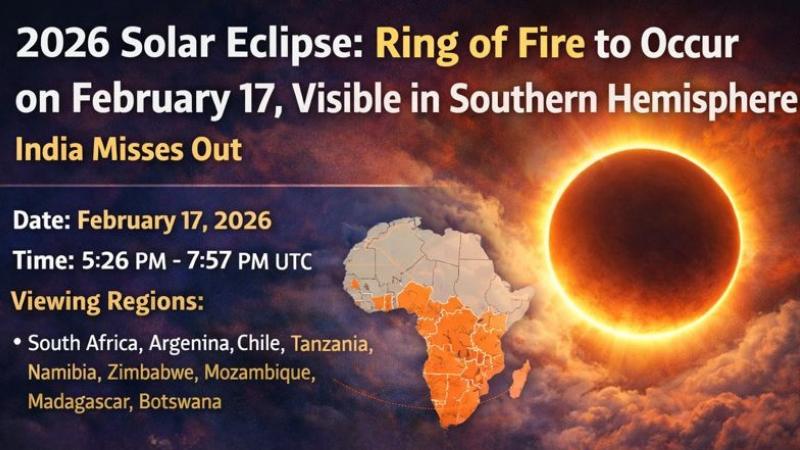
The 2026 Solar Eclipse will occur on February 17, and it is set to be a remarkable celestial event. This eclipse will be an annular solar eclipse, often referred to as the Ring of Fire eclipse. Here's everything you need to know about this rare event: Eclipse Type: The eclipse will be an annular solar eclipse. In this type of eclipse, the Moon will cover about 96% of the Sun, but due to the Moon being farther from Earth, it will appear slightly smaller than the Sun. As a

2026 Solar Eclipse: Ring of Fire to Occur on February 17, Visible in Southern Hemisphere
The 2026 Solar Eclipse will occur on February 17, and it is set to be a remarkable celestial event. This eclipse will be an annular solar eclipse, often referred to as the Ring of Fire eclipse. Here's everything you need to know about this rare event: Eclipse Type: The eclipse will be an annular solar eclipse. In this type of eclipse, the Moon will cover about 96% of the Sun, but due to the Moon being farther from Earth, it will appear slightly smaller than the Sun. As a
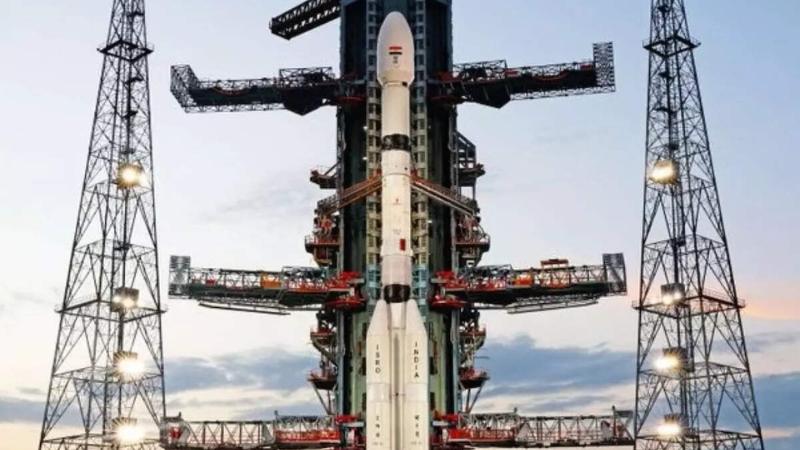
PSLV-C62 launch faces anomaly in third stage, ISRO begins detailed analysis
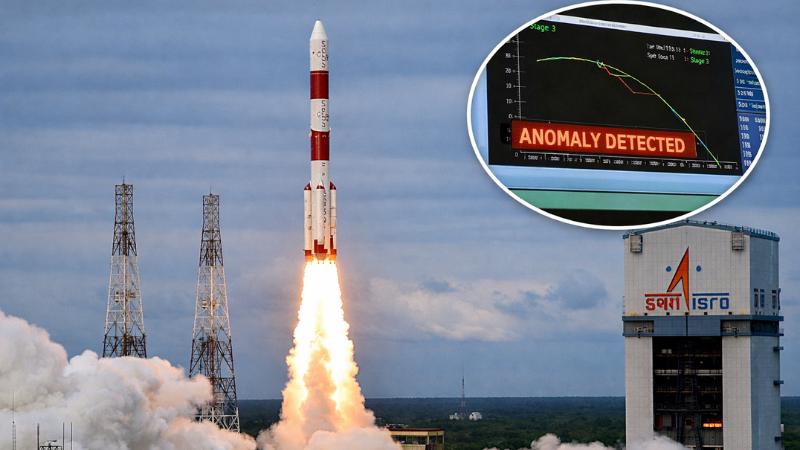
The Indian Space Research Organisation experienced a tense morning on Tuesday after the Polar Satellite Launch Vehicle C62 lifted off from the Satish Dhawan Space Centre in Sriharikota at 10.18 am carrying a total of 16 satellites. The mission initially appeared to progress as planned, with scientists closely monitoring each phase of the flight. However, around 30 minutes after liftoff, ISRO confirmed that the mission had encountered an anomaly during the third stage of the launch sequence, r
PSLV-C62 launch faces anomaly in third stage, ISRO begins detailed analysis
The Indian Space Research Organisation experienced a tense morning on Tuesday after the Polar Satellite Launch Vehicle C62 lifted off from the Satish Dhawan Space Centre in Sriharikota at 10.18 am carrying a total of 16 satellites. The mission initially appeared to progress as planned, with scientists closely monitoring each phase of the flight. However, around 30 minutes after liftoff, ISRO confirmed that the mission had encountered an anomaly during the third stage of the launch sequence, r
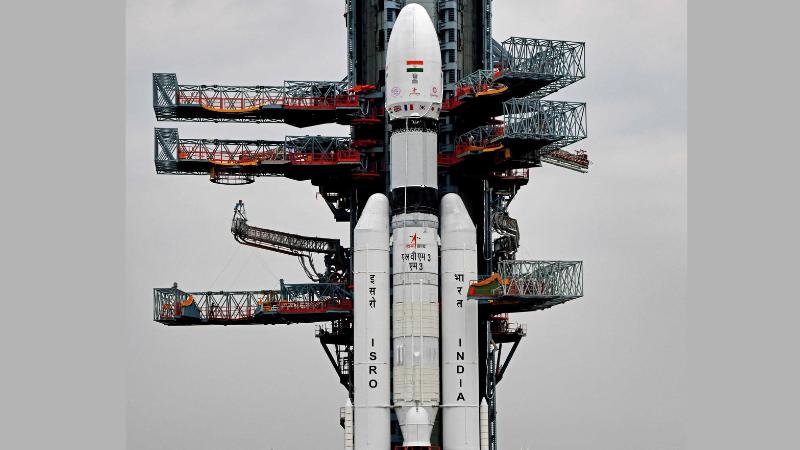
Isro launches heaviest foreign satellite from Indian soil aboard Lvm3
India’s space journey reached another landmark moment as Indian Space Research Organisation successfully launched the heaviest foreign satellite ever placed into orbit from Indian soil. The mission was carried out using the powerful LVM3 launch vehicle from the Satish Dhawan Space Centre in Sriharikota, reinforcing India’s growing reputation as a reliable and competitive space launch destination
Isro launches heaviest foreign satellite from Indian soil aboard Lvm3
India’s space journey reached another landmark moment as Indian Space Research Organisation successfully launched the heaviest foreign satellite ever placed into orbit from Indian soil. The mission was carried out using the powerful LVM3 launch vehicle from the Satish Dhawan Space Centre in Sriharikota, reinforcing India’s growing reputation as a reliable and competitive space launch destination
Elon Musk to appear on Nikhil Kamath’s upcoming podcast episode
Zerodha co-founder Nikhil Kamath has confirmed that entrepreneur Elon Musk will be featured in an upcoming episode of his increasingly prominent podcast, “WTF.” The announcement arrived through a monochrome teaser posted on social media, quickly drawing widespread attention and amplifying conversations across multiple platforms. The short clip offered audiences their first brief look at the two figures together, igniting immediate curiosity about what the full interview may contain.
Elon Musk to appear on Nikhil Kamath’s upcoming podcast episode
Zerodha co-founder Nikhil Kamath has confirmed that entrepreneur Elon Musk will be featured in an upcoming episode of his increasingly prominent podcast, “WTF.” The announcement arrived through a monochrome teaser posted on social media, quickly drawing widespread attention and amplifying conversations across multiple platforms. The short clip offered audiences their first brief look at the two figures together, igniting immediate curiosity about what the full interview may contain.
Hemvati Nandan Bahuguna University scientist selected for ISRO’s Shukrayaan-1 mission
In a remarkable achievement for Indian academia and space research, Assistant Professor Alok Sagar Gautam from the Department of Physics at Hemvati Nandan Bahuguna Garhwal University has been selected to join the Indian Space Research Organisation’s upcoming Venus Orbiter Mission, officially known as Shukrayaan-1. This marks a significant moment in India’s pursuit of interplanetary exploration, as the mission represents the nation’s first dedicated effort to study Venus, often referred
Hemvati Nandan Bahuguna University scientist selected for ISRO’s Shukrayaan-1 mission
In a remarkable achievement for Indian academia and space research, Assistant Professor Alok Sagar Gautam from the Department of Physics at Hemvati Nandan Bahuguna Garhwal University has been selected to join the Indian Space Research Organisation’s upcoming Venus Orbiter Mission, officially known as Shukrayaan-1. This marks a significant moment in India’s pursuit of interplanetary exploration, as the mission represents the nation’s first dedicated effort to study Venus, often referred
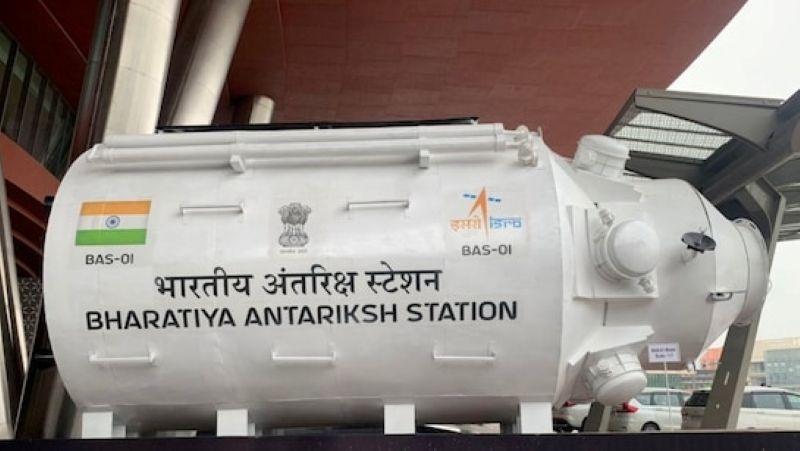
ISRO Unveils Bharatiya Antariksh Station Model, First Module To Launch By 2028
India took a major step towards its long-term space ambitions as ISRO unveiled a model of the Bharatiya Antariksh Station (BAS) during National Space Day celebrations in New Delhi. The move signals India’s entry into the elite group of nations operating orbital laboratories, joining the ranks of the International Space Station (ISS) and China’s Tiangong station. The first BAS module, BAS-01
ISRO Unveils Bharatiya Antariksh Station Model, First Module To Launch By 2028
India took a major step towards its long-term space ambitions as ISRO unveiled a model of the Bharatiya Antariksh Station (BAS) during National Space Day celebrations in New Delhi. The move signals India’s entry into the elite group of nations operating orbital laboratories, joining the ranks of the International Space Station (ISS) and China’s Tiangong station. The first BAS module, BAS-01
Isro-Nasa NISAR Satellite Launches to Map Earth's Shifts and Support India's Climate Mission
India marked a major milestone in space collaboration today with the successful launch of the NISAR mission, a joint project between ISRO and NASA. Lifted into orbit aboard the GSLV-F16 from Sriharikota, NISAR is set to become the world’s most advanced Earth observation satellite. With a unique dual-frequency Synthetic Aperture Radar that combines NASA’s L-band and ISRO’s S-band systems, the satellite can penetrate clouds, forests, and even d
Isro-Nasa NISAR Satellite Launches to Map Earth's Shifts and Support India's Climate Mission
India marked a major milestone in space collaboration today with the successful launch of the NISAR mission, a joint project between ISRO and NASA. Lifted into orbit aboard the GSLV-F16 from Sriharikota, NISAR is set to become the world’s most advanced Earth observation satellite. With a unique dual-frequency Synthetic Aperture Radar that combines NASA’s L-band and ISRO’s S-band systems, the satellite can penetrate clouds, forests, and even d
Shubhanshu Shukla Returns to Earth After 18 Days in Space
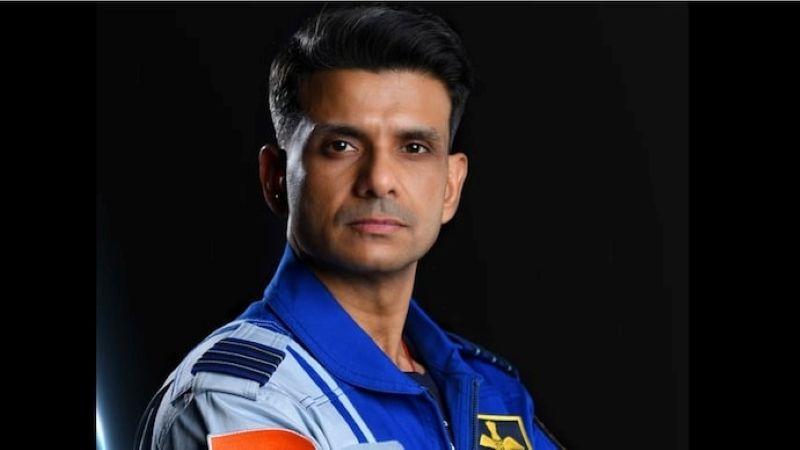
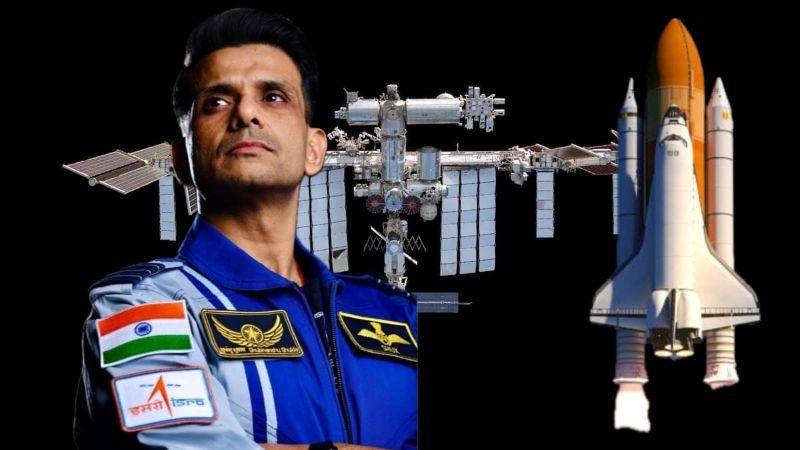
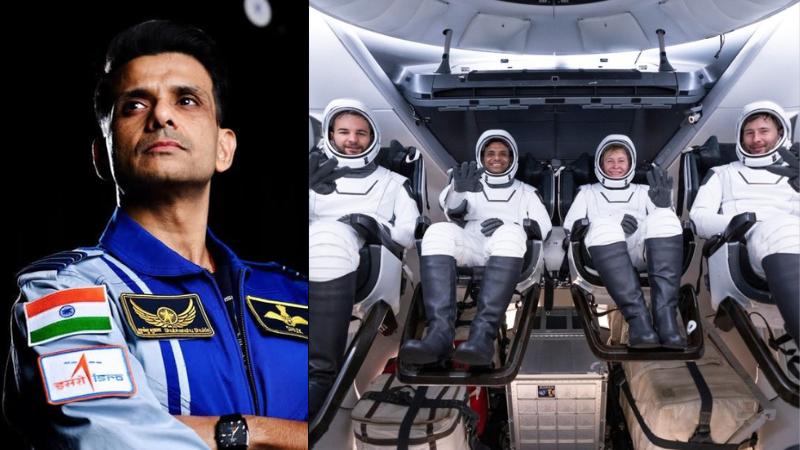
Group Captain Shubhanshu Shukla, India’s first astronaut to live and work aboard the International Space Station (ISS), has completed his historic 18-day mission in space. Shukla, who made history by becoming the first Indian to visit the ISS, has finally returned to Earth, exiting SpaceX's Dragon capsule and experiencing gravity once again after nearly three weeks in space. Shukla’s safe return was m
Shubhanshu Shukla Returns to Earth After 18 Days in Space
Group Captain Shubhanshu Shukla, India’s first astronaut to live and work aboard the International Space Station (ISS), has completed his historic 18-day mission in space. Shukla, who made history by becoming the first Indian to visit the ISS, has finally returned to Earth, exiting SpaceX's Dragon capsule and experiencing gravity once again after nearly three weeks in space. Shukla’s safe return was m
Indian Astronaut Shubhanshu Shukla to Speak with Students and ISRO Scientists from Space
Indian astronaut Shubhanshu Shukla is set to make a historic communication from space with school students and scientists from the Indian Space Research Organisation (ISRO) on July 4, 2025. The interaction, which will take place via ham radio, is part of the ARISS (Amateur Radio on the International Space Station) programme, designed to connect astronauts aboard the ISS with students around the world, inspiring the next generation of space explorers.
Indian Astronaut Shubhanshu Shukla to Speak with Students and ISRO Scientists from Space
Indian astronaut Shubhanshu Shukla is set to make a historic communication from space with school students and scientists from the Indian Space Research Organisation (ISRO) on July 4, 2025. The interaction, which will take place via ham radio, is part of the ARISS (Amateur Radio on the International Space Station) programme, designed to connect astronauts aboard the ISS with students around the world, inspiring the next generation of space explorers.
Shubhanshu Shukla Powers ISRO's Gaganyaan with Algae Test
Group Captain Shubhanshu Shukla, India’s first astronaut aboard the International Space Station (ISS), is conducting a critical space microalgae experiment for the Indian Space Research Organisation (ISRO). This study is aimed at exploring the role of microalgae in sustaining long-duration space missions like Gaganyaan, India’s ambitious human spaceflight program. As part of the experiment, Shukla deployed microalgae sample bags and captured images
Shubhanshu Shukla Powers ISRO's Gaganyaan with Algae Test
Group Captain Shubhanshu Shukla, India’s first astronaut aboard the International Space Station (ISS), is conducting a critical space microalgae experiment for the Indian Space Research Organisation (ISRO). This study is aimed at exploring the role of microalgae in sustaining long-duration space missions like Gaganyaan, India’s ambitious human spaceflight program. As part of the experiment, Shukla deployed microalgae sample bags and captured images
Shubhanshu Shukla, Second Indian In Space, Heads to ISS on Axiom-4 Mission
India’s journey into space has taken another historic leap with Group Captain Shubhanshu Shukla becoming the second Indian astronaut to travel to space. Onboard the Axiom-4 mission, Shukla is headed to the International Space Station (ISS) aboard the SpaceX Crew Dragon spacecraft, launched from NASA’s Kennedy Space Center on a Falcon 9 rocket. Shukla, an Indian Air Force pilot, follows in the footsteps of
Shubhanshu Shukla, Second Indian In Space, Heads to ISS on Axiom-4 Mission
India’s journey into space has taken another historic leap with Group Captain Shubhanshu Shukla becoming the second Indian astronaut to travel to space. Onboard the Axiom-4 mission, Shukla is headed to the International Space Station (ISS) aboard the SpaceX Crew Dragon spacecraft, launched from NASA’s Kennedy Space Center on a Falcon 9 rocket. Shukla, an Indian Air Force pilot, follows in the footsteps of
Andhra Woman to Go to Space in 2029 After NASA Program
Dangeti Jahnavi, a young woman from Palakollu in West Godavari district of Andhra Pradesh, has etched her name in history by becoming the first Indian to complete NASA’s prestigious International Air and Space Program. Her groundbreaking achievement has opened the doors to a historic space mission she is set to travel to space in 2029. The mission is expected to take her to the Titan’s Orbital Port Space Station, a major U.S.-based space infrastruc
Andhra Woman to Go to Space in 2029 After NASA Program
Dangeti Jahnavi, a young woman from Palakollu in West Godavari district of Andhra Pradesh, has etched her name in history by becoming the first Indian to complete NASA’s prestigious International Air and Space Program. Her groundbreaking achievement has opened the doors to a historic space mission she is set to travel to space in 2029. The mission is expected to take her to the Titan’s Orbital Port Space Station, a major U.S.-based space infrastruc
Indian Astronaut Shukla's Launch Delayed Again by NASA
The much-anticipated launch of Indian astronaut Shubhanshu Shukla aboard the Ax-4 mission has been delayed once again, marking the seventh postponement of this historic flight. Originally scheduled for May 29, 2025, the mission has faced a string of technical, operational, and weather-related issues. The latest delay, announced by NASA, cites concerns related to recent repairs on the International Space Station (ISS).
Indian Astronaut Shukla's Launch Delayed Again by NASA
The much-anticipated launch of Indian astronaut Shubhanshu Shukla aboard the Ax-4 mission has been delayed once again, marking the seventh postponement of this historic flight. Originally scheduled for May 29, 2025, the mission has faced a string of technical, operational, and weather-related issues. The latest delay, announced by NASA, cites concerns related to recent repairs on the International Space Station (ISS).