




China Rejects US Sanctions on Iranian Oil Trade, Escalating Global Energy Tensions in 2026
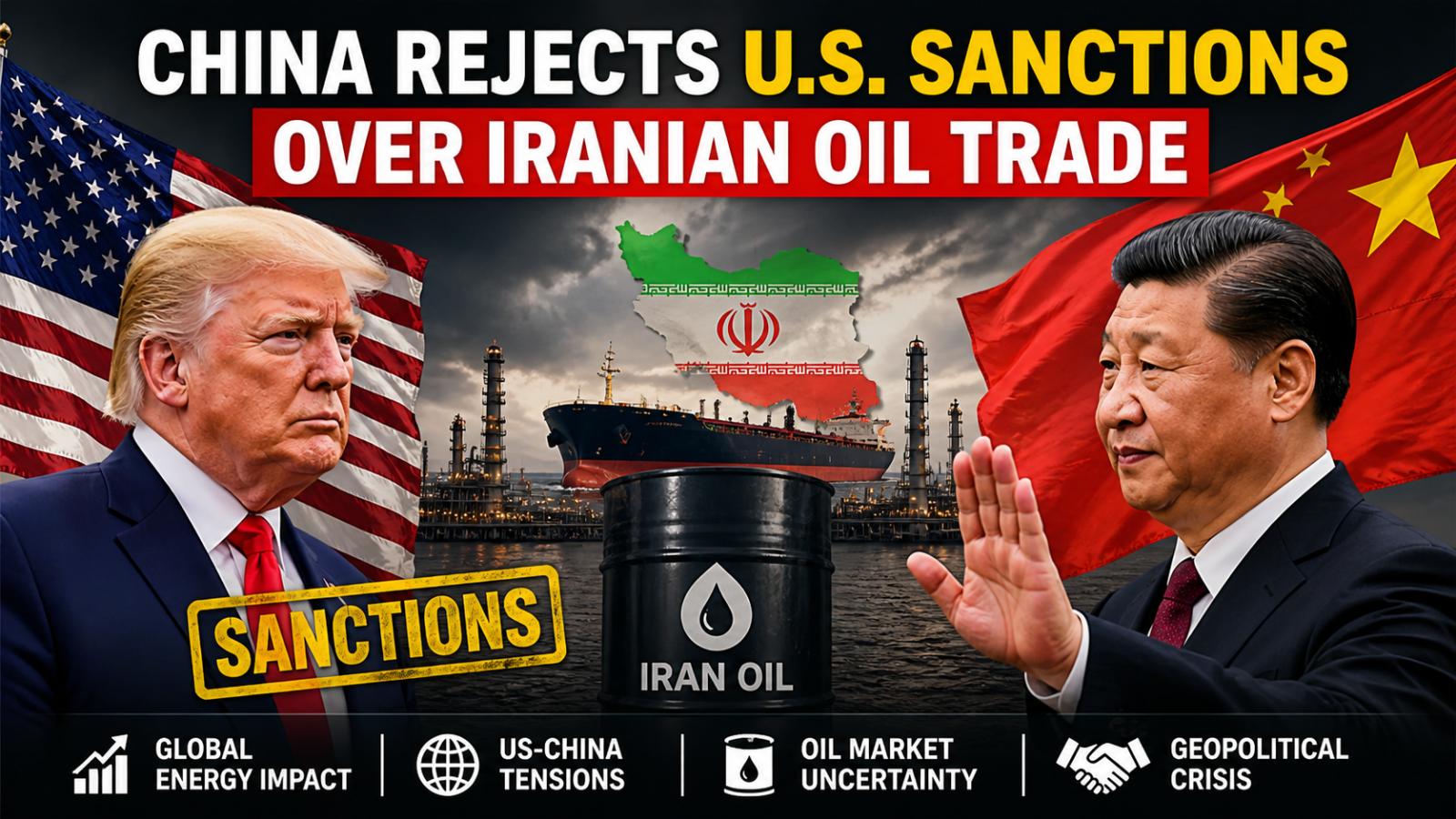
China has strongly rejected new sanctions imposed by the United States on Chinese firms accused of purchasing Iranian oil, calling the measures “unlawful” and a violation of international trade norms. The move marks a fresh escalation in tensions between China and Washington, with potential ripple effe
China Rejects US Sanctions on Iranian Oil Trade, Escalating Global Energy Tensions in 2026
China has strongly rejected new sanctions imposed by the United States on Chinese firms accused of purchasing Iranian oil, calling the measures “unlawful” and a violation of international trade norms. The move marks a fresh escalation in tensions between China and Washington, with potential ripple effe
India’s High-Risk Energy Move: LPG Tanker Braces for Dangerous Strait of Hormuz Crossing
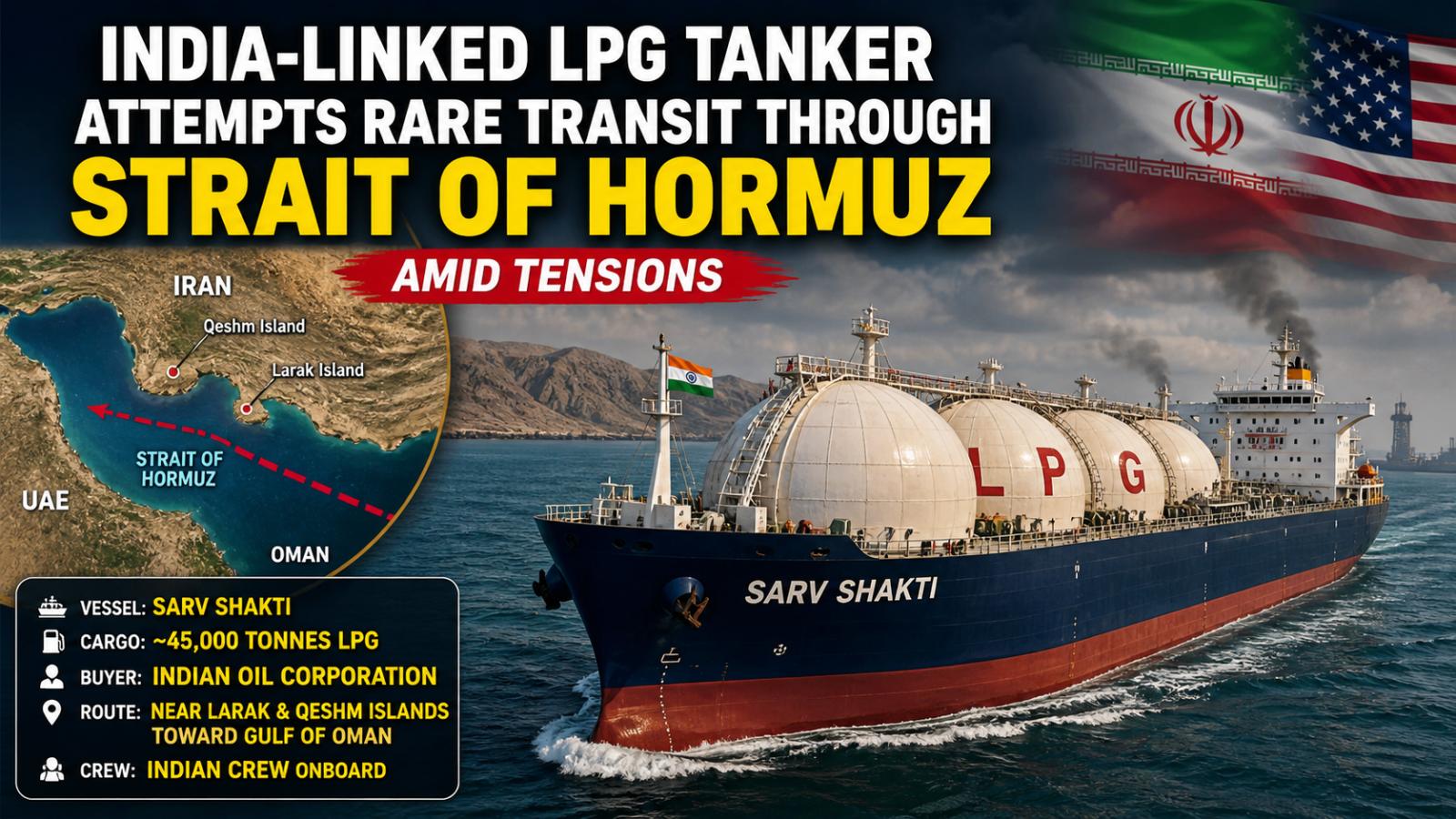
In a moment that could quietly shape global energy markets, an India-linked LPG tanker is attempting something most ships are now avoiding. The vessel, Sarv Shakti, loaded with nearly 45,000 tonnes of liquefied petroleum gas, is moving toward the tense waters of the Strait of Hormuz — a route that has suddenly become one of the world’s most dangerous maritime
India’s High-Risk Energy Move: LPG Tanker Braces for Dangerous Strait of Hormuz Crossing
In a moment that could quietly shape global energy markets, an India-linked LPG tanker is attempting something most ships are now avoiding. The vessel, Sarv Shakti, loaded with nearly 45,000 tonnes of liquefied petroleum gas, is moving toward the tense waters of the Strait of Hormuz — a route that has suddenly become one of the world’s most dangerous maritime
Air India Cuts International Schedules As Aviation Costs Soar
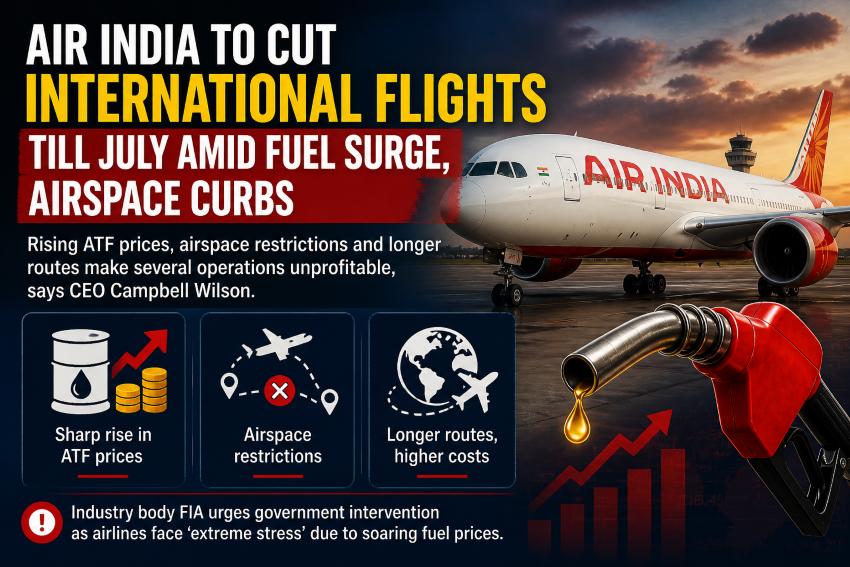
Air India’s decision to scale back its international flight operations reflects the growing pressure on the aviation sector as fuel prices continue to rise sharply. According to internal communication, CEO and Managing Director Campbell Wilson informed employees that the airline has little choice but to reduce schedules during June and July. The move follows earlier cuts in April and May, indicating a prolonged period of operational challenges driven by external factors beyond the airline’s control. The primary concern remains the steep increase in aviation turbine fuel prices, which constitute a major portion of airline operating costs. As fuel prices surge, airlines are finding it increasingly difficult to maintain profitability on long-haul international routes. Adding to the challenge are airspace restrictions in certain regions, forcing aircraft to take longer alternative paths. These extended routes not only increase fuel consumption but also lead to higher operational expenses and longer travel times for passengers. Industry Impact and Government Concerns The situation is not limited to a single airline, as the broader aviation industry in India is also feeling the strain. The Federation of Indian Airlines, representing major carriers like IndiGo and SpiceJet, has raised concerns with the government regarding the unsustainable rise in fuel costs. In a recent communication to the Civil Aviation Ministry, the industry body highlighted the extreme financial stress being faced by airlines, urging immediate intervention to stabilize operations and prevent further disruptions. Passenger Impact and Future Outlook For passengers, the reduction in international flights may lead to limited availability of seats, higher ticket prices, and potential changes in travel schedules. Travelers planning trips during the peak summer months may need to book tickets in advance or consider flexible travel plans. Despite these challenges, airlines are expected to closely monitor fuel price trends and regulatory developments before making further operational decisions. As the aviation sector navigates these turbulent conditions, the coming months will be crucial in determining how airlines adapt to rising costs and evolving geopolitical factors. The balance between maintaining connectivity and ensuring financial sustainability will remain a key focus for Air India and the wider airline industry.
Air India Cuts International Schedules As Aviation Costs Soar
Air India’s decision to scale back its international flight operations reflects the growing pressure on the aviation sector as fuel prices continue to rise sharply. According to internal communication, CEO and Managing Director Campbell Wilson informed employees that the airline has little choice but to reduce schedules during June and July. The move follows earlier cuts in April and May, indicating a prolonged period of operational challenges driven by external factors beyond the airline’s control. The primary concern remains the steep increase in aviation turbine fuel prices, which constitute a major portion of airline operating costs. As fuel prices surge, airlines are finding it increasingly difficult to maintain profitability on long-haul international routes. Adding to the challenge are airspace restrictions in certain regions, forcing aircraft to take longer alternative paths. These extended routes not only increase fuel consumption but also lead to higher operational expenses and longer travel times for passengers. Industry Impact and Government Concerns The situation is not limited to a single airline, as the broader aviation industry in India is also feeling the strain. The Federation of Indian Airlines, representing major carriers like IndiGo and SpiceJet, has raised concerns with the government regarding the unsustainable rise in fuel costs. In a recent communication to the Civil Aviation Ministry, the industry body highlighted the extreme financial stress being faced by airlines, urging immediate intervention to stabilize operations and prevent further disruptions. Passenger Impact and Future Outlook For passengers, the reduction in international flights may lead to limited availability of seats, higher ticket prices, and potential changes in travel schedules. Travelers planning trips during the peak summer months may need to book tickets in advance or consider flexible travel plans. Despite these challenges, airlines are expected to closely monitor fuel price trends and regulatory developments before making further operational decisions. As the aviation sector navigates these turbulent conditions, the coming months will be crucial in determining how airlines adapt to rising costs and evolving geopolitical factors. The balance between maintaining connectivity and ensuring financial sustainability will remain a key focus for Air India and the wider airline industry.
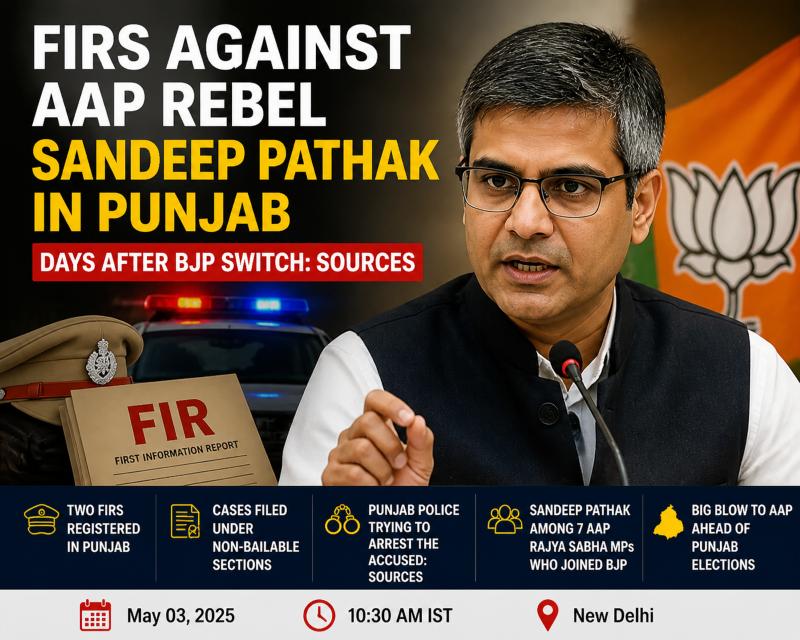
FIRs Filed Against AAP Rebel Sandeep Pathak in Punjab After BJP Switch
Date: May 2, 2026 | Time: 11:49AM IST | Place: Punjab, India Two FIRs have been filed against Rajya Sabha MP Sandeep Pathak in Punjab days after he switched allegiance from the Aam Aadmi Party (AAP) to the BJP, according to government sources. While the exact reasons behind the cases remain unclear, sources mentioned that the FIRs have been filed under non-bailable sections, making the situation more serious for Pathak. The news comes amid a growing political storm following the
FIRs Filed Against AAP Rebel Sandeep Pathak in Punjab After BJP Switch
Date: May 2, 2026 | Time: 11:49AM IST | Place: Punjab, India Two FIRs have been filed against Rajya Sabha MP Sandeep Pathak in Punjab days after he switched allegiance from the Aam Aadmi Party (AAP) to the BJP, according to government sources. While the exact reasons behind the cases remain unclear, sources mentioned that the FIRs have been filed under non-bailable sections, making the situation more serious for Pathak. The news comes amid a growing political storm following the
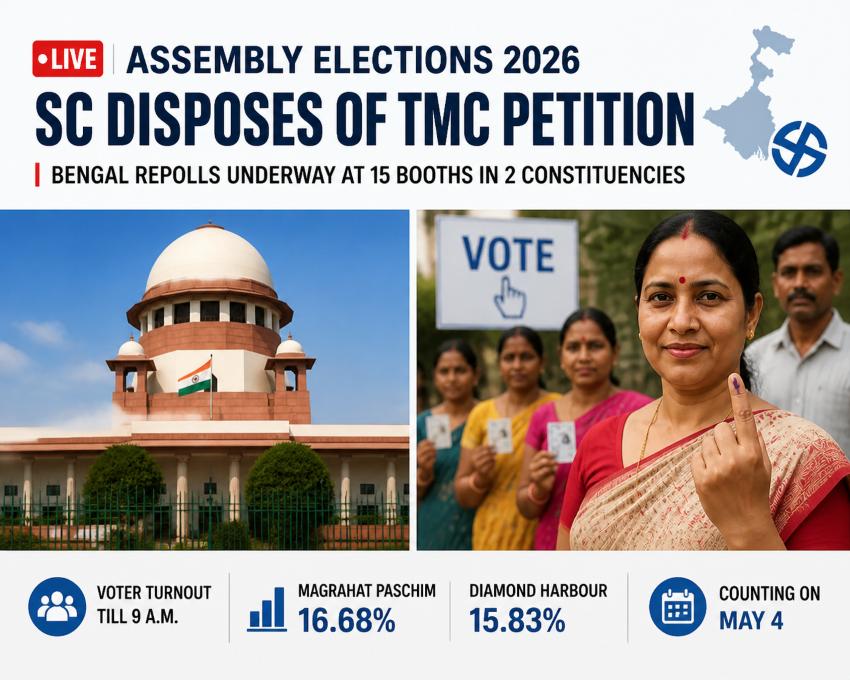
Supreme Court Disposes Of Trinamool Congress Petition As Bengal Repolls Continue With Healthy Voter Turnout
Date: May 02, 2026 | Time: 11:06 AM IST | Place: West Bengal, India
Supreme Court Disposes Of Trinamool Congress Petition As Bengal Repolls Continue With Healthy Voter Turnout
Date: May 02, 2026 | Time: 11:06 AM IST | Place: West Bengal, India
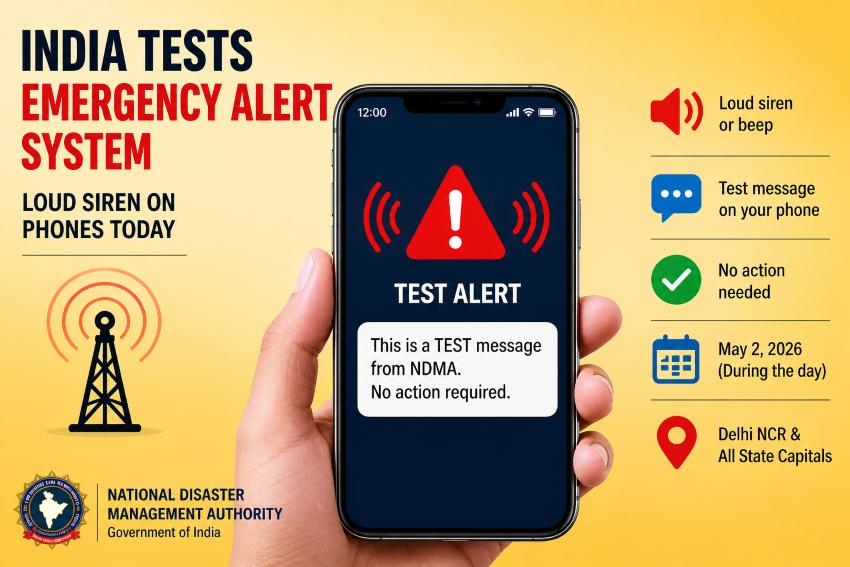
India Tests Emergency Cell Broadcast Alert System With Loud Phone Sirens
In a major step toward enhancing disaster preparedness, the Indian government is carrying out a nationwide simulation of its Cell Broadcast Alert System. Managed by the National Disaster Management Authority, the system is designed to send instant emergency notifications directly to mobile phones, even if they are on silent mode or set to do not disturb. This ensures that critical alerts can reach people without delay, potentially saving lives during natural or man-made disasters. C
India Tests Emergency Cell Broadcast Alert System With Loud Phone Sirens
In a major step toward enhancing disaster preparedness, the Indian government is carrying out a nationwide simulation of its Cell Broadcast Alert System. Managed by the National Disaster Management Authority, the system is designed to send instant emergency notifications directly to mobile phones, even if they are on silent mode or set to do not disturb. This ensures that critical alerts can reach people without delay, potentially saving lives during natural or man-made disasters. C
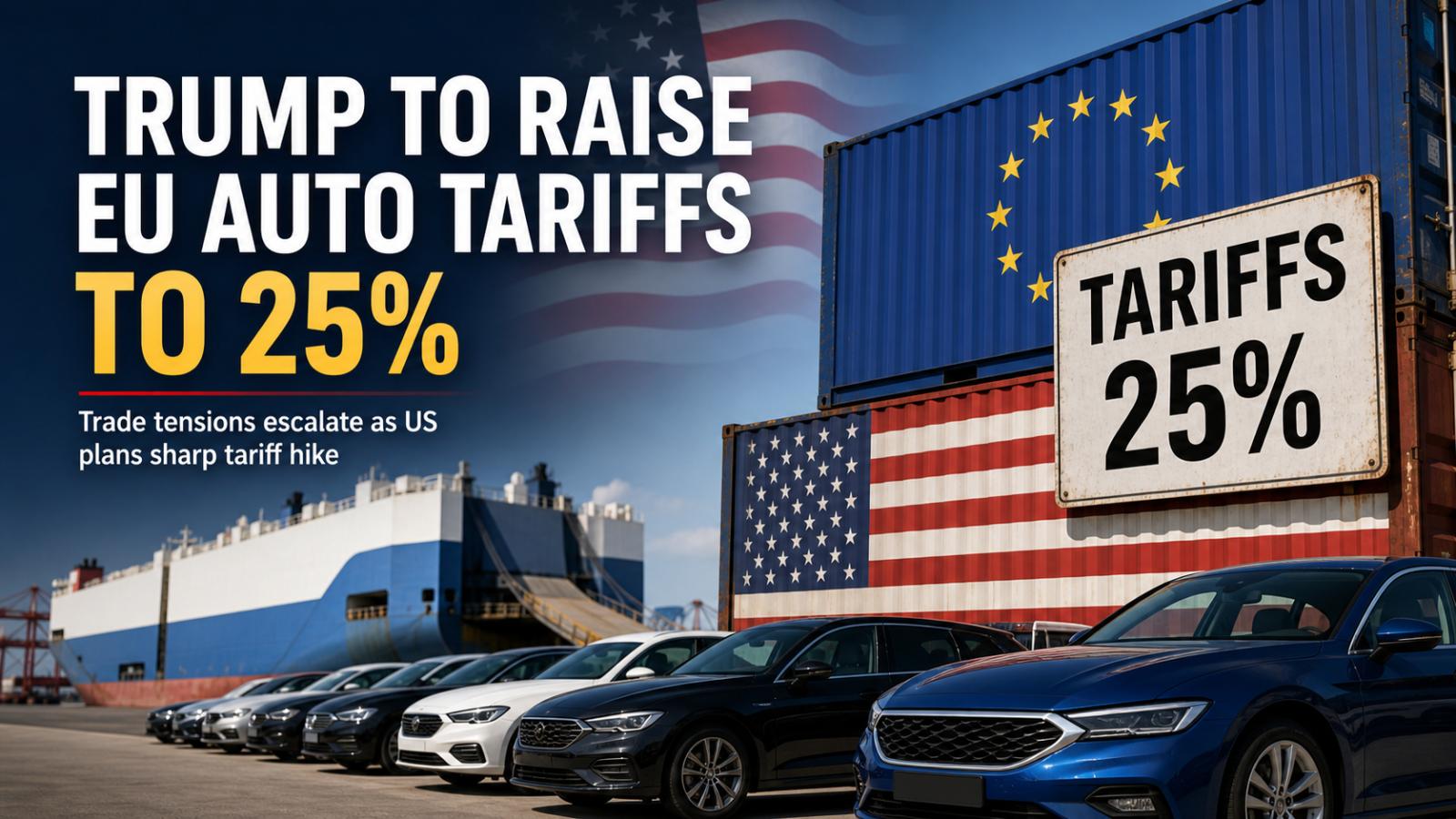
Will Trump raise EU auto tariffs to 25%? Yes, escalation risks trade tensions
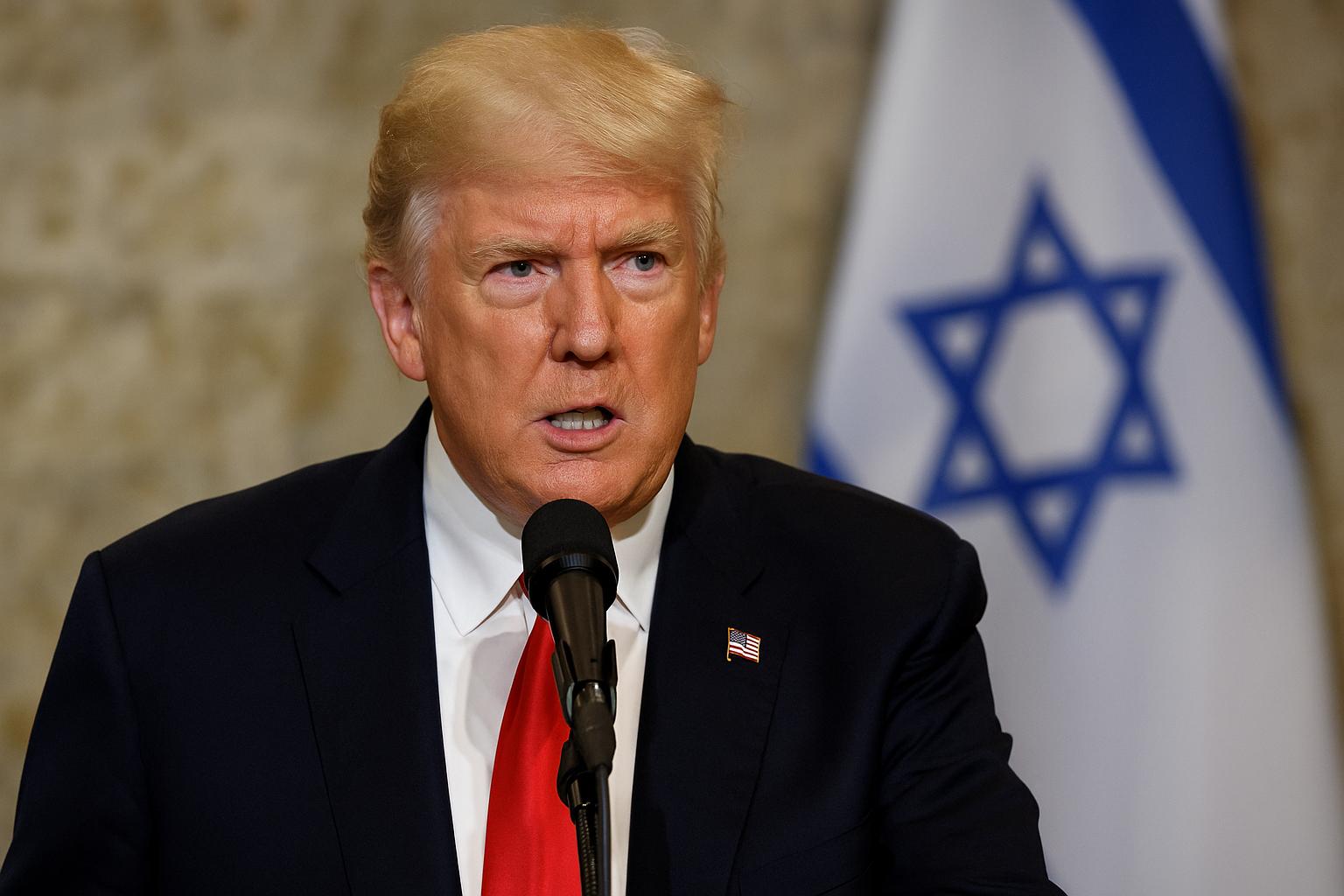
Trump signals sharp increase in tariffs on EU vehicles WASHINGTON — On Friday, May 1, 2026, U.S. President Donald Trump announced plans to raise tariffs on cars and trucks imported from the European Union to 25%, signaling a significant shift in U.S.-EU trade policy. The move, shared publicly in a statement, comes at a time when global markets remain sensitive to policy changes and could trigger broader economic repercussions. Trump stated that the European Union was “not complying” with the previously agreed trade deal, though he did not provide specific details regarding the alleged violations. The announcement marks a departure from the earlier tariff framework negotiated between both sides. Background of the US-EU Turnberry trade framework The current dispute traces back to a bilateral agreement reached in July 2025 between Trump and Ursula von der Leyen, which set a 15% tariff ceiling on most traded goods. Known as the Turnberry Agreement, the arrangement aimed to stabilize trade relations and reduce uncertainty for industries on both sides of the Atlantic. Both the United States and the European Union had reaffirmed their commitment to maintaining this framework even after legal and policy challenges emerged earlier in 2026. Legal challenges reshape tariff authority The agreement’s stability was called into question after a ruling by the U.S. Supreme Court, which determined that the president lacked authority to impose tariffs under an economic emergency declaration. Following the ruling, tariff limits were effectively reduced, prompting the administration to explore alternative legal pathways to implement new import taxes. Ongoing investigations into trade imbalances and national security concerns have since been cited by the administration as justification for a revised tariff strategy, potentially putting the original agreement at risk. Economic stakes for EU and global markets The European Union has consistently emphasized the importance of maintaining agreed tariff limits, noting that the deal was expected to save its automotive sector between €500 million and €600 million monthly. Trade between the U.S. and EU reached approximately €1.7 trillion ($2 trillion) in 2024, highlighting the scale of economic interdependence. European officials have reiterated that commitments under the agreement should be upheld, stressing that EU exports must continue to benefit from competitive tariff treatment without unexpected increases. Rising tensions threaten trade stability The proposed tariff increase introduces fresh uncertainty into one of the world’s largest trading relationships. Analysts warn that such measures could disrupt supply chains, increase costs for manufacturers and consumers, and strain diplomatic ties. As the administration moves forward with its trade investigations, the future of the U.S.-EU trade framework remains uncertain, with potential implications extending beyond the automotive sector into the broader global economy.
Will Trump raise EU auto tariffs to 25%? Yes, escalation risks trade tensions
Trump signals sharp increase in tariffs on EU vehicles WASHINGTON — On Friday, May 1, 2026, U.S. President Donald Trump announced plans to raise tariffs on cars and trucks imported from the European Union to 25%, signaling a significant shift in U.S.-EU trade policy. The move, shared publicly in a statement, comes at a time when global markets remain sensitive to policy changes and could trigger broader economic repercussions. Trump stated that the European Union was “not complying” with the previously agreed trade deal, though he did not provide specific details regarding the alleged violations. The announcement marks a departure from the earlier tariff framework negotiated between both sides. Background of the US-EU Turnberry trade framework The current dispute traces back to a bilateral agreement reached in July 2025 between Trump and Ursula von der Leyen, which set a 15% tariff ceiling on most traded goods. Known as the Turnberry Agreement, the arrangement aimed to stabilize trade relations and reduce uncertainty for industries on both sides of the Atlantic. Both the United States and the European Union had reaffirmed their commitment to maintaining this framework even after legal and policy challenges emerged earlier in 2026. Legal challenges reshape tariff authority The agreement’s stability was called into question after a ruling by the U.S. Supreme Court, which determined that the president lacked authority to impose tariffs under an economic emergency declaration. Following the ruling, tariff limits were effectively reduced, prompting the administration to explore alternative legal pathways to implement new import taxes. Ongoing investigations into trade imbalances and national security concerns have since been cited by the administration as justification for a revised tariff strategy, potentially putting the original agreement at risk. Economic stakes for EU and global markets The European Union has consistently emphasized the importance of maintaining agreed tariff limits, noting that the deal was expected to save its automotive sector between €500 million and €600 million monthly. Trade between the U.S. and EU reached approximately €1.7 trillion ($2 trillion) in 2024, highlighting the scale of economic interdependence. European officials have reiterated that commitments under the agreement should be upheld, stressing that EU exports must continue to benefit from competitive tariff treatment without unexpected increases. Rising tensions threaten trade stability The proposed tariff increase introduces fresh uncertainty into one of the world’s largest trading relationships. Analysts warn that such measures could disrupt supply chains, increase costs for manufacturers and consumers, and strain diplomatic ties. As the administration moves forward with its trade investigations, the future of the U.S.-EU trade framework remains uncertain, with potential implications extending beyond the automotive sector into the broader global economy.
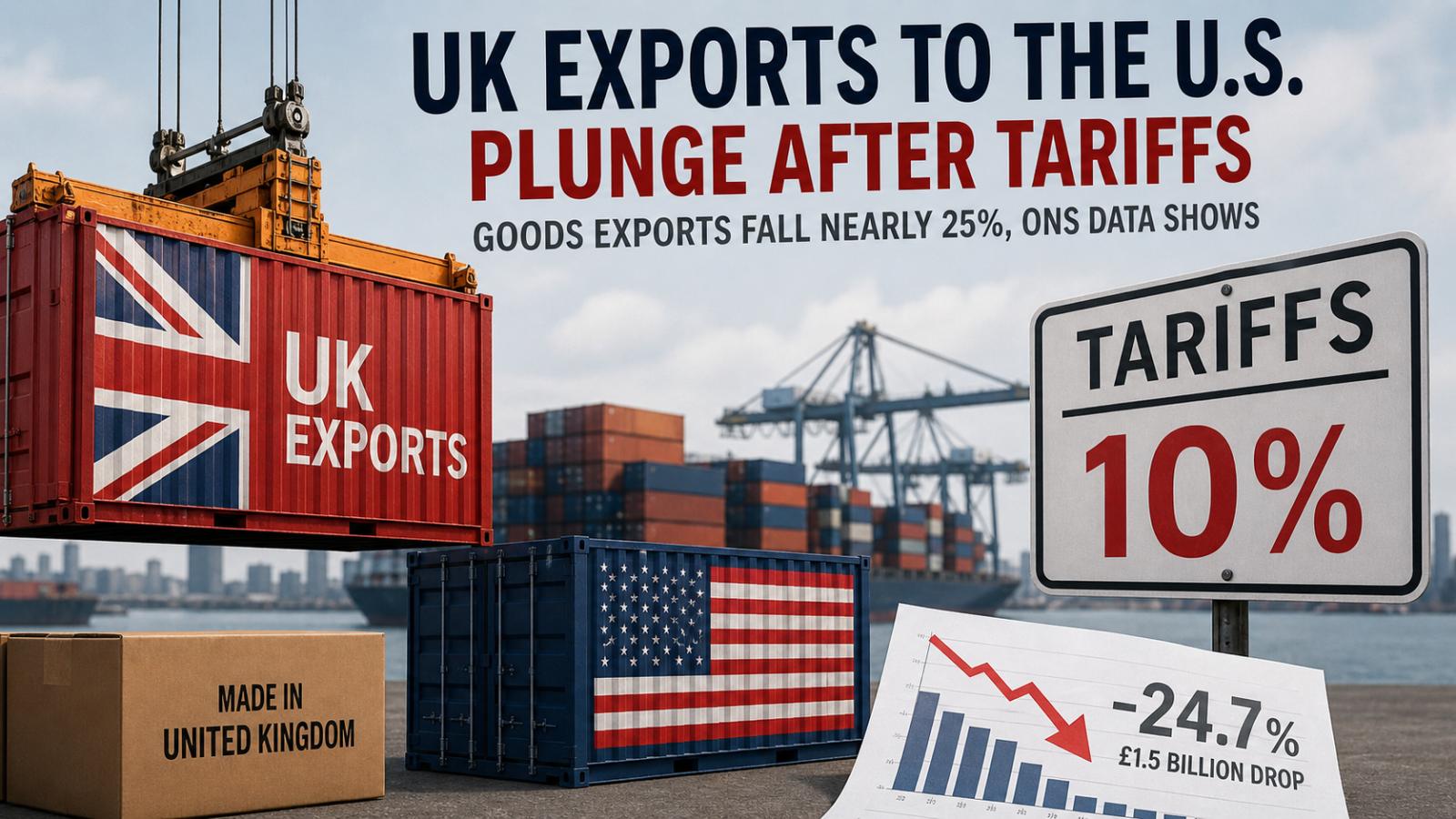
What caused U.K. exports to the U.S. to fall? Tariffs cut goods by nearly 25%
Tariffs trigger sharp decline in U.K. exports to the U.S. What caused U.K. exports to the U.S. to fall? Tariffs cut goods by nearly 25% as official data shows a steep decline in trade flows following sweeping tariff measures. According to figures released Friday by the Office for National Statistics, goods exports from the United Kingdom to the United States dropped by £1.5 billion, marking a 24.7% decrease after tariffs were introduced. The data, which excludes precious metals, highlights the immediate and sustained impact of trade policy changes initiated under Donald Trump. The tariffs, introduced as part of a broader “liberation day” strategy, disrupted established trading patterns between the two countries, which had previously benefited from largely tariff-free exchanges. Automotive and key sectors remain below pre-tariff levels The downturn has been particularly evident in the automotive sector, where U.K. car exports to the U.S. have remained below pre-tariff levels for the 12 months since April 2025. Analysts note that the continued weakness reflects both higher costs and reduced competitiveness in the American market. While exports have struggled, imports from the United States into the U.K. increased at the beginning of 2026. This imbalance has resulted in a trade deficit for three consecutive months, underscoring the broader economic consequences of the tariff regime on bilateral trade. Trade deal reshapes transatlantic economic ties The United Kingdom was the first nation to secure a post-tariff trade agreement with the U.S., following the introduction of the new measures. The deal included a 10% blanket tariff on goods entering the American market, effectively ending the previous zero-tariff environment that had benefited exporters on both sides. The new framework also imposed duties on key British exports, including Scotch whisky and other spirits. However, in a recent development, Trump announced plans to remove tariffs on Scotch whisky “in honor” of King Charles III and Queen Camilla following their state visit. Despite this move, industry experts caution that relief in one sector is unlikely to offset broader trade declines. Economic pressures weigh on exporters and growth outlook Economists warn that the sustained drop in exports could have wider implications for the U.K. economy. The United States remains the country’s largest export market, making the scale of the downturn particularly significant. Samuel Edwards, head of client portfolio management at Ebury, said exporters are facing mounting challenges. He pointed to a combination of higher trading costs from tariffs, increased employment expenses, and rising input prices, all of which are squeezing profit margins. These overlapping pressures are making it more difficult for U.K. businesses to remain competitive internationally, raising concerns about long-term growth and stability in the evolving global trade environment.
What caused U.K. exports to the U.S. to fall? Tariffs cut goods by nearly 25%
Tariffs trigger sharp decline in U.K. exports to the U.S. What caused U.K. exports to the U.S. to fall? Tariffs cut goods by nearly 25% as official data shows a steep decline in trade flows following sweeping tariff measures. According to figures released Friday by the Office for National Statistics, goods exports from the United Kingdom to the United States dropped by £1.5 billion, marking a 24.7% decrease after tariffs were introduced. The data, which excludes precious metals, highlights the immediate and sustained impact of trade policy changes initiated under Donald Trump. The tariffs, introduced as part of a broader “liberation day” strategy, disrupted established trading patterns between the two countries, which had previously benefited from largely tariff-free exchanges. Automotive and key sectors remain below pre-tariff levels The downturn has been particularly evident in the automotive sector, where U.K. car exports to the U.S. have remained below pre-tariff levels for the 12 months since April 2025. Analysts note that the continued weakness reflects both higher costs and reduced competitiveness in the American market. While exports have struggled, imports from the United States into the U.K. increased at the beginning of 2026. This imbalance has resulted in a trade deficit for three consecutive months, underscoring the broader economic consequences of the tariff regime on bilateral trade. Trade deal reshapes transatlantic economic ties The United Kingdom was the first nation to secure a post-tariff trade agreement with the U.S., following the introduction of the new measures. The deal included a 10% blanket tariff on goods entering the American market, effectively ending the previous zero-tariff environment that had benefited exporters on both sides. The new framework also imposed duties on key British exports, including Scotch whisky and other spirits. However, in a recent development, Trump announced plans to remove tariffs on Scotch whisky “in honor” of King Charles III and Queen Camilla following their state visit. Despite this move, industry experts caution that relief in one sector is unlikely to offset broader trade declines. Economic pressures weigh on exporters and growth outlook Economists warn that the sustained drop in exports could have wider implications for the U.K. economy. The United States remains the country’s largest export market, making the scale of the downturn particularly significant. Samuel Edwards, head of client portfolio management at Ebury, said exporters are facing mounting challenges. He pointed to a combination of higher trading costs from tariffs, increased employment expenses, and rising input prices, all of which are squeezing profit margins. These overlapping pressures are making it more difficult for U.K. businesses to remain competitive internationally, raising concerns about long-term growth and stability in the evolving global trade environment.

Narmada River boat accident kills mother and child near Bargi Dam
A boat accident in the Narmada River near Bargi Dam in Madhya Pradesh killed nine people, including a mother and child. Sudden bad weather caused the vessel to capsize. Rescue teams saved 24 people, while search operations continue for several missing passengers. A deadly boat accident in the Narmada River near Bargi Dam in the central Indian state of Madhya Pradesh has claimed the lives of a mother and her four-year-old son, highlighting the human toll of the tragedy that has left multiple families devastated. The incident occurred when a tourist vessel overturned in turbulent waters, reportedly after sudden adverse weather conditions disrupted the journey. Rescue teams recovered the bodies of the woman and her child on Friday morning, a day after the accident. Officials said the mother was found holding her son tightly, underscoring a final attempt to protect him as the boat sank. The victims were part of a family of four visiting from Delhi; the father and daughter survived the incident. Authorities confirmed that the death toll has risen to nine, while several individuals remain unaccounted for. According to officials, 24 people have been rescued so far, with 17 hospitalized for injuries and trauma. Nine others, including five children, are still missing as search operations continue. Survivors described moments of panic as the situation escalated rapidly. One passenger recounted that the weather worsened without warning, causing the boat to lose balance and take on water within minutes. Passengers were unable to comprehend the unfolding emergency as screams filled the air and people struggled to stay afloat. Another survivor, Syed Riyaz Hussain, described a prolonged fight for survival after being trapped in the water for nearly two hours. He said he managed to keep his head above water while surrounded by debris and victims drifting past, until rescue teams eventually located him. Members of his family are still missing. Local police, district authorities, and personnel from the State Disaster Response Force have been deployed to the site, conducting coordinated search efforts in challenging river conditions. Officials confirmed that the boat’s captain, Mahesh Patel, survived the incident as he was wearing a life jacket. The cause of the accident remains under investigation as authorities focus on rescue and recovery operations in the region.
Narmada River boat accident kills mother and child near Bargi Dam
A boat accident in the Narmada River near Bargi Dam in Madhya Pradesh killed nine people, including a mother and child. Sudden bad weather caused the vessel to capsize. Rescue teams saved 24 people, while search operations continue for several missing passengers. A deadly boat accident in the Narmada River near Bargi Dam in the central Indian state of Madhya Pradesh has claimed the lives of a mother and her four-year-old son, highlighting the human toll of the tragedy that has left multiple families devastated. The incident occurred when a tourist vessel overturned in turbulent waters, reportedly after sudden adverse weather conditions disrupted the journey. Rescue teams recovered the bodies of the woman and her child on Friday morning, a day after the accident. Officials said the mother was found holding her son tightly, underscoring a final attempt to protect him as the boat sank. The victims were part of a family of four visiting from Delhi; the father and daughter survived the incident. Authorities confirmed that the death toll has risen to nine, while several individuals remain unaccounted for. According to officials, 24 people have been rescued so far, with 17 hospitalized for injuries and trauma. Nine others, including five children, are still missing as search operations continue. Survivors described moments of panic as the situation escalated rapidly. One passenger recounted that the weather worsened without warning, causing the boat to lose balance and take on water within minutes. Passengers were unable to comprehend the unfolding emergency as screams filled the air and people struggled to stay afloat. Another survivor, Syed Riyaz Hussain, described a prolonged fight for survival after being trapped in the water for nearly two hours. He said he managed to keep his head above water while surrounded by debris and victims drifting past, until rescue teams eventually located him. Members of his family are still missing. Local police, district authorities, and personnel from the State Disaster Response Force have been deployed to the site, conducting coordinated search efforts in challenging river conditions. Officials confirmed that the boat’s captain, Mahesh Patel, survived the incident as he was wearing a life jacket. The cause of the accident remains under investigation as authorities focus on rescue and recovery operations in the region.
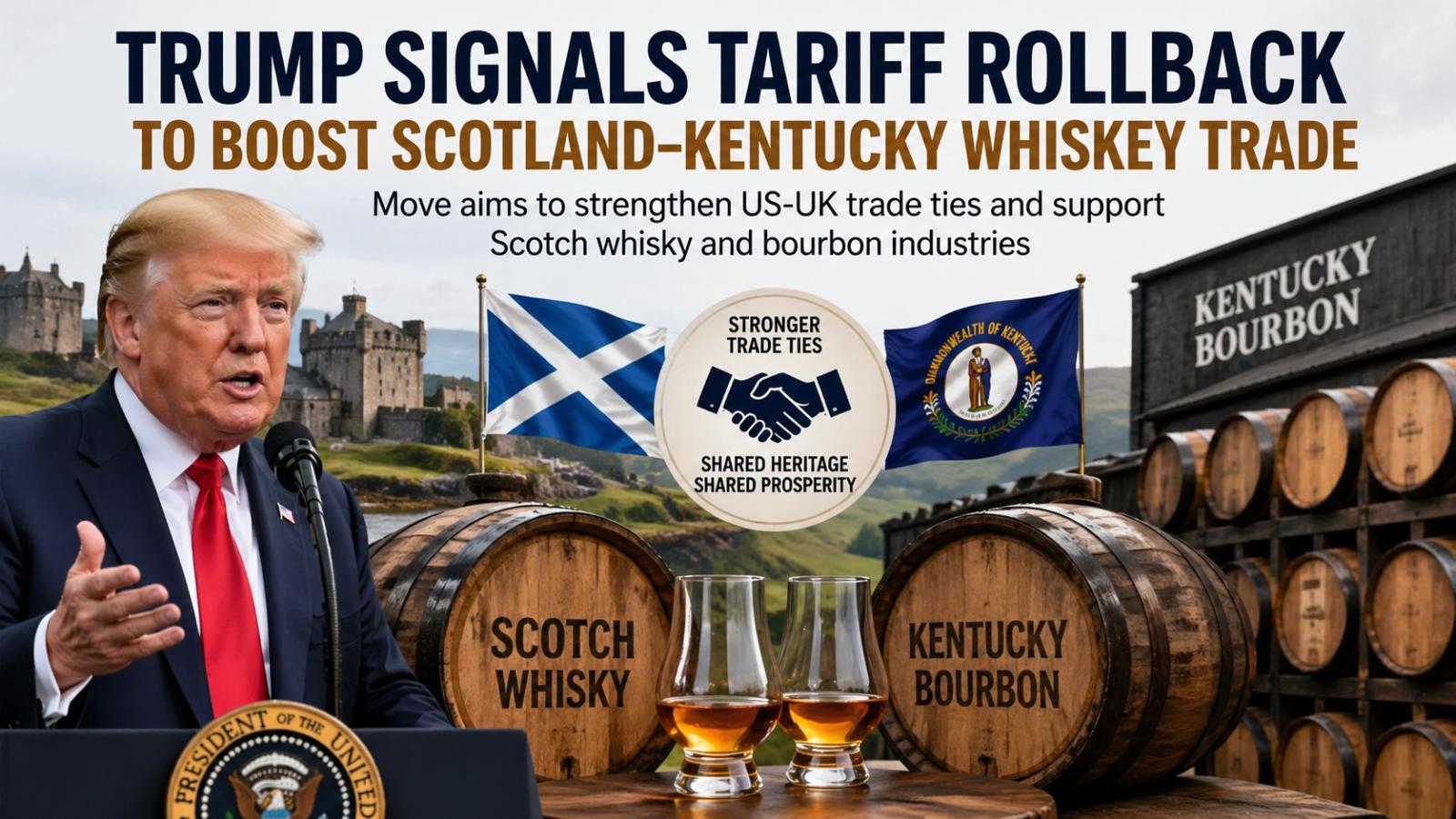
Trump signals tariff rollback to boost Scotland–Kentucky whiskey trade
President Donald Trump announced plans on Thursday, April 30, 2026, to remove tariffs affecting whiskey trade between Scotland and Kentucky, aiming to boost US-UK trade ties and support the Scotch whisky and bourbon industries. Trump signals tariff rollback to boost Scotland–Kentucky whiskey trade — Donald Trump announced on Thursday, April 30, 2026, that he intends t
Trump signals tariff rollback to boost Scotland–Kentucky whiskey trade
President Donald Trump announced plans on Thursday, April 30, 2026, to remove tariffs affecting whiskey trade between Scotland and Kentucky, aiming to boost US-UK trade ties and support the Scotch whisky and bourbon industries. Trump signals tariff rollback to boost Scotland–Kentucky whiskey trade — Donald Trump announced on Thursday, April 30, 2026, that he intends t

India Meets Record Power Demand Solar Delivers 21 Percent Boost In Historic Energy Shift
At 3:38 pm on April 25, India recorded its highest-ever electricity demand of 256.1 GW and successfully met it without disruption. According to GRID India, solar energy contributed around 57 GW during peak demand, accounting for nearly 21 percent of the total supply. Earlier in the day, solar output had peaked even higher, reaching about 81 GW at 12:30 pm, which was nearly one-third of the
India Meets Record Power Demand Solar Delivers 21 Percent Boost In Historic Energy Shift
At 3:38 pm on April 25, India recorded its highest-ever electricity demand of 256.1 GW and successfully met it without disruption. According to GRID India, solar energy contributed around 57 GW during peak demand, accounting for nearly 21 percent of the total supply. Earlier in the day, solar output had peaked even higher, reaching about 81 GW at 12:30 pm, which was nearly one-third of the
Ganga Expressway Opens Bringing Faster Travel From Delhi Noida And Haryana
Date: April 30, 2026 | Time: Morning Update | Place: Uttar Pradesh, India Prime Minister Narendra Modi on Wednesday inaugurated the 594-km-long Ganga Expressway from Hardoi in Uttar Pradesh, officially opening one of the state’s most important infrastructure projects. The expressway connects eastern and western parts of Uttar Pradesh, creating a faster and more efficient travel corridor. A large public gathering was held near the Sadarpur interchange in Hapur district to mark the occasion, with around 5,000 attendees including ministers, MPs, MLAs and senior officials. With the inauguration complete, the expressway is now open for traffic, offering a new route that is expected to cut down travel time significantly across the state. The Ganga Expressway, stretching nearly 594 kilometres, is set to improve connectivity between western Uttar Pradesh and Prayagraj. It will make travel easier and faster for both pilgrims and regular commuters. People traveling from Delhi, Noida, Ghaziabad, Baghpat and nearby regions in Haryana are expected to benefit the most from this new route. Officials say the improved road network could make same-day trips to Prayagraj more convenient, allowing devotees to visit the Triveni Sangam and return on the same day, which was earlier difficult due to long travel hours New Travel Times and Better Routes: The biggest advantage of the Ganga Expressway is the reduction in travel time. Journeys that earlier took up to 10 or 12 hours can now be completed in much less time depending on traffic flow. The expressway offers a more direct and less crowded route, helping drivers avoid busy city roads and delays.This new route also benefits travelers coming from Haryana and western Uttar Pradesh, giving them easier access to eastern regions without multiple diversions. The expressway is built to support high-speed travel, which helps improve efficiency for both personal and business trips. Transport companies will especially benefit from quicker delivery times and reduced fuel consumption. Impact On Economy and Daily Life: The opening of the Ganga Expressway is expected to boost economic growth in Uttar Pradesh. Improved connectivity attracts industries, logistics hubs and commercial activities along the route. This creates new job opportunities and supports development in nearby towns and cities.The expressway also makes it easier for people to travel for tourism and religious purposes. Prayagraj, known for its cultural and spiritual importance, will now be more accessible for visitors from Delhi and surrounding areas. Overall, the Ganga Expressway is a major step towards modern infrastructure, offering faster travel, better connectivity and new growth opportunities across the region.
Ganga Expressway Opens Bringing Faster Travel From Delhi Noida And Haryana
Date: April 30, 2026 | Time: Morning Update | Place: Uttar Pradesh, India Prime Minister Narendra Modi on Wednesday inaugurated the 594-km-long Ganga Expressway from Hardoi in Uttar Pradesh, officially opening one of the state’s most important infrastructure projects. The expressway connects eastern and western parts of Uttar Pradesh, creating a faster and more efficient travel corridor. A large public gathering was held near the Sadarpur interchange in Hapur district to mark the occasion, with around 5,000 attendees including ministers, MPs, MLAs and senior officials. With the inauguration complete, the expressway is now open for traffic, offering a new route that is expected to cut down travel time significantly across the state. The Ganga Expressway, stretching nearly 594 kilometres, is set to improve connectivity between western Uttar Pradesh and Prayagraj. It will make travel easier and faster for both pilgrims and regular commuters. People traveling from Delhi, Noida, Ghaziabad, Baghpat and nearby regions in Haryana are expected to benefit the most from this new route. Officials say the improved road network could make same-day trips to Prayagraj more convenient, allowing devotees to visit the Triveni Sangam and return on the same day, which was earlier difficult due to long travel hours New Travel Times and Better Routes: The biggest advantage of the Ganga Expressway is the reduction in travel time. Journeys that earlier took up to 10 or 12 hours can now be completed in much less time depending on traffic flow. The expressway offers a more direct and less crowded route, helping drivers avoid busy city roads and delays.This new route also benefits travelers coming from Haryana and western Uttar Pradesh, giving them easier access to eastern regions without multiple diversions. The expressway is built to support high-speed travel, which helps improve efficiency for both personal and business trips. Transport companies will especially benefit from quicker delivery times and reduced fuel consumption. Impact On Economy and Daily Life: The opening of the Ganga Expressway is expected to boost economic growth in Uttar Pradesh. Improved connectivity attracts industries, logistics hubs and commercial activities along the route. This creates new job opportunities and supports development in nearby towns and cities.The expressway also makes it easier for people to travel for tourism and religious purposes. Prayagraj, known for its cultural and spiritual importance, will now be more accessible for visitors from Delhi and surrounding areas. Overall, the Ganga Expressway is a major step towards modern infrastructure, offering faster travel, better connectivity and new growth opportunities across the region.

Milma Approves ₹4 Per Litre Milk Price Hike In Kerala From May 20
The Kerala Cooperative Milk Marketing Federation (Milma) has approved a ₹4 per litre increase in milk prices across Kerala, a move that is expected to come into effect from May 20, 2026. The decision was taken during a high-level meeting of the cooperative’s governing body on April 30, 2026, amid growi
Milma Approves ₹4 Per Litre Milk Price Hike In Kerala From May 20
The Kerala Cooperative Milk Marketing Federation (Milma) has approved a ₹4 per litre increase in milk prices across Kerala, a move that is expected to come into effect from May 20, 2026. The decision was taken during a high-level meeting of the cooperative’s governing body on April 30, 2026, amid growi
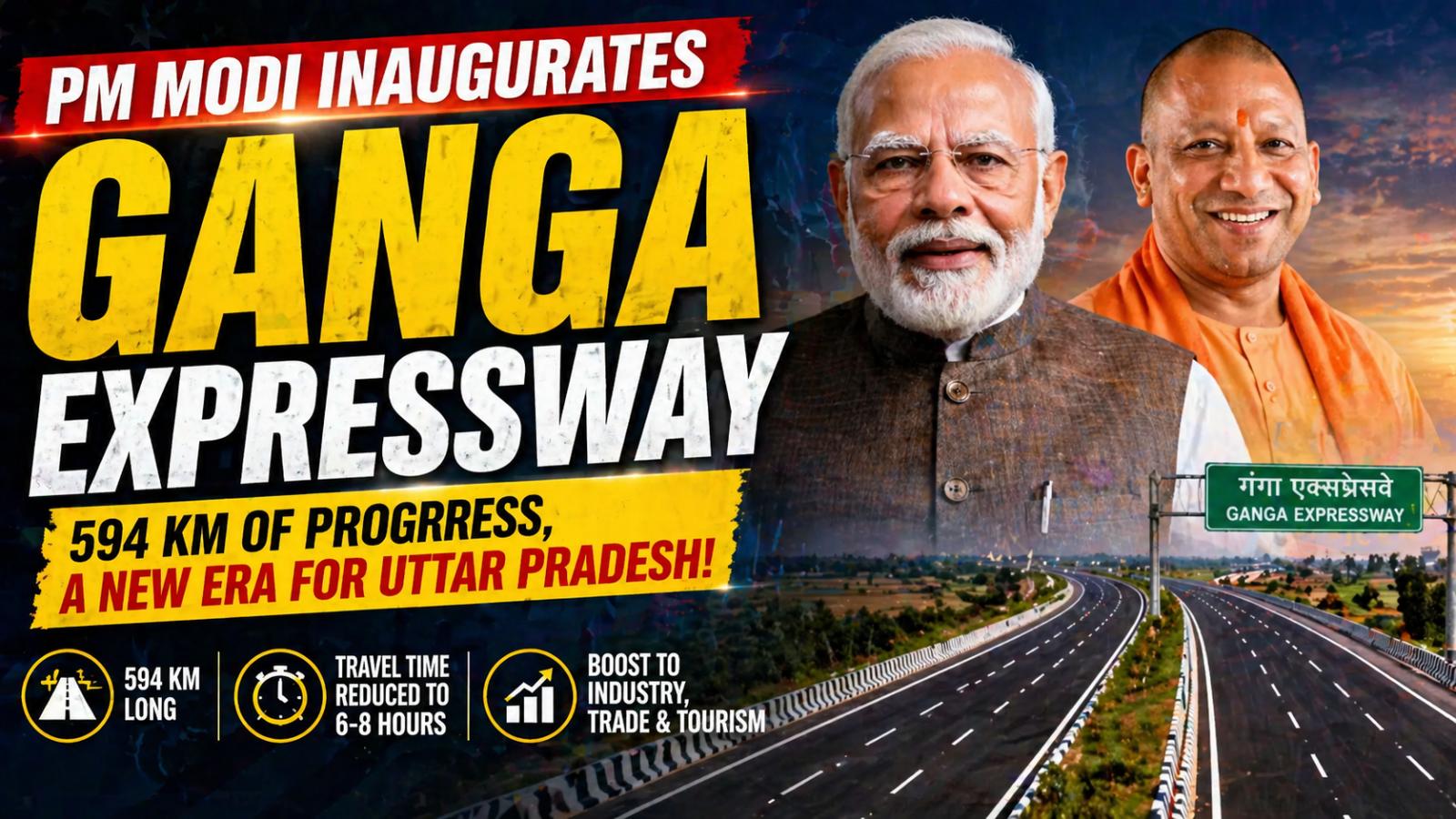
PM Modi Inaugurates Ganga Expressway, India’s Mega Infrastructure Push
Prime Minister Narendra Modi inaugurated the 594-km-long Ganga Expressway on April 29, 2026, marking a major milestone in India’s infrastructure development. Uttar Pradesh Chief Minister Yogi Adityanath was also present at the event, which highlighted the state’s push toward becoming an infrastructure-driven economic hub. Built at an estimated cost of ₹36,230 crore, the Ganga Expressway is the longest expressway in Uttar Pradesh and one of the country’s largest greenfield ro
PM Modi Inaugurates Ganga Expressway, India’s Mega Infrastructure Push
Prime Minister Narendra Modi inaugurated the 594-km-long Ganga Expressway on April 29, 2026, marking a major milestone in India’s infrastructure development. Uttar Pradesh Chief Minister Yogi Adityanath was also present at the event, which highlighted the state’s push toward becoming an infrastructure-driven economic hub. Built at an estimated cost of ₹36,230 crore, the Ganga Expressway is the longest expressway in Uttar Pradesh and one of the country’s largest greenfield ro

Massive Fire Breaks Out at Gaur Green Avenue in Ghaziabad, Residents Evacuated
A major fire broke out at Gaur Green Avenue, a residential society in Indirapuram, Ghaziabad, on Tuesday morning. The incident caused panic among residents, but timely evacuation helped prevent casualties.According to reports, the fire started around 9:00 AM in a locked apartment on the ninth floor of one of the towers. Thick smoke quickly spread to nearby floors, forcing residents to rush out of their homes. Fire department teams arrived at the spot soon after receiving the alert.
Massive Fire Breaks Out at Gaur Green Avenue in Ghaziabad, Residents Evacuated
A major fire broke out at Gaur Green Avenue, a residential society in Indirapuram, Ghaziabad, on Tuesday morning. The incident caused panic among residents, but timely evacuation helped prevent casualties.According to reports, the fire started around 9:00 AM in a locked apartment on the ninth floor of one of the towers. Thick smoke quickly spread to nearby floors, forcing residents to rush out of their homes. Fire department teams arrived at the spot soon after receiving the alert.
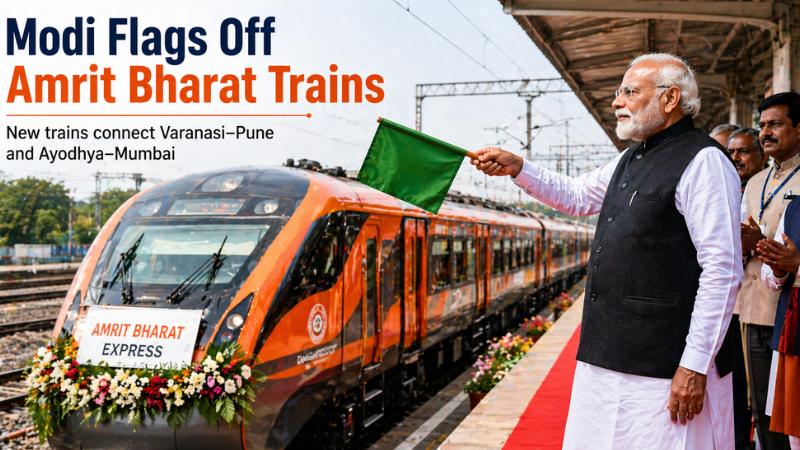
Direct Trains From UP To Mumbai And Pune Flagged Off By PM Modi
PM Narendra Modi launches new Amrit Bharat Express trains, providing direct rail connectivity between Varanasi–Pune and Ayodhya–Mumbai to boost travel and tourism. Marking a major boost to India’s rail infrastructure, Prime Minister Narendra Modi on Tuesday, April 28, 2026, flagged off two new Amrit Bharat Express trains from Varanasi, Uttar Pradesh, strengthening d
Direct Trains From UP To Mumbai And Pune Flagged Off By PM Modi
PM Narendra Modi launches new Amrit Bharat Express trains, providing direct rail connectivity between Varanasi–Pune and Ayodhya–Mumbai to boost travel and tourism. Marking a major boost to India’s rail infrastructure, Prime Minister Narendra Modi on Tuesday, April 28, 2026, flagged off two new Amrit Bharat Express trains from Varanasi, Uttar Pradesh, strengthening d
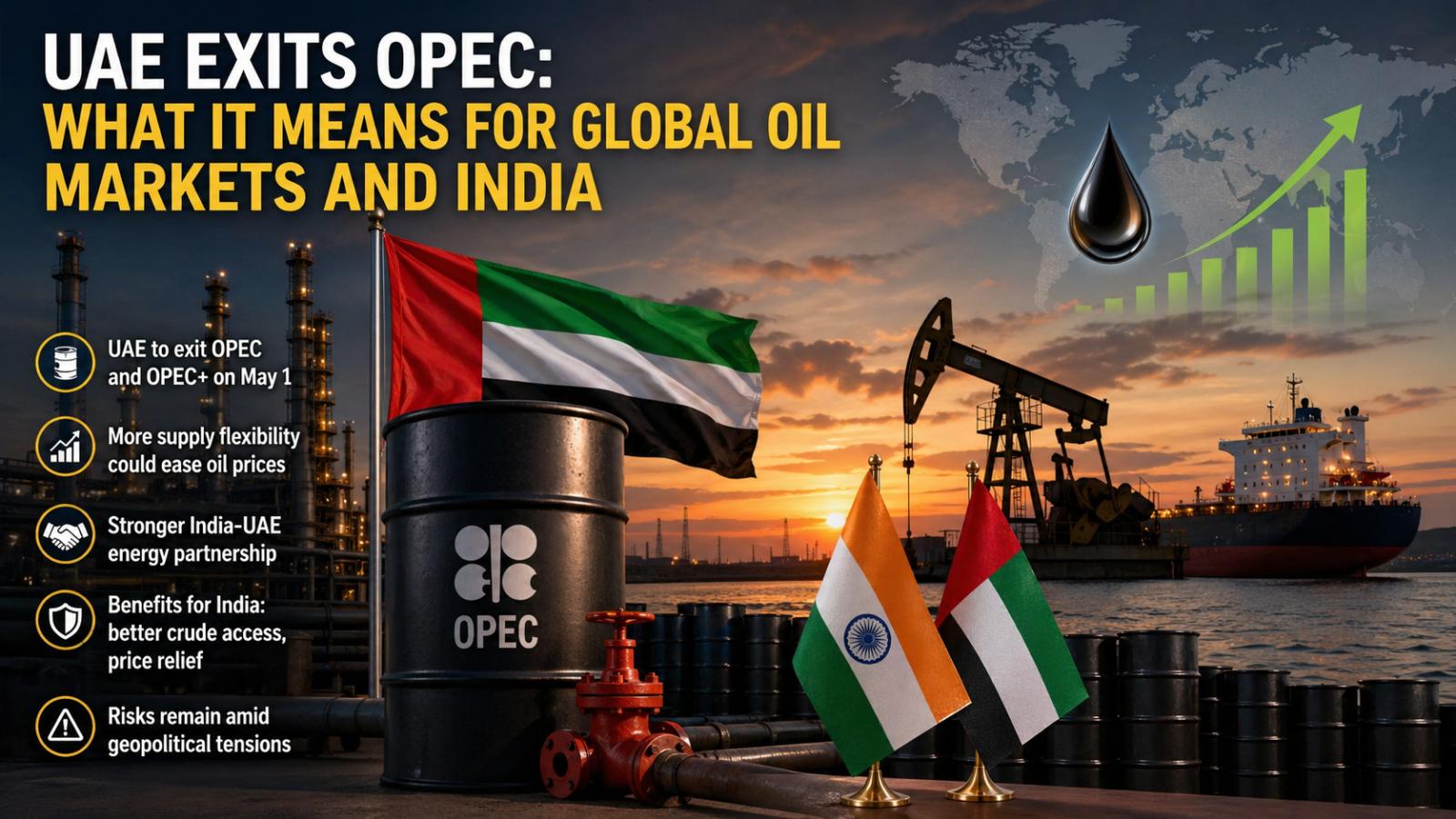
Can India benefit from UAE exiting OPEC? Yes, through better crude access and pricing
UAE’s exit from OPEC may boost oil supply, ease prices, and strengthen India energy ties, while raising volatility risks in global markets amid geopolitical tensions. Will UAE leaving OPEC lower oil prices? Yes, it could ease global supply pressure as the United Arab Emirates prepares to formally exit Organization of the Petroleum Exporting Countries and OPEC+ on May 1,
Can India benefit from UAE exiting OPEC? Yes, through better crude access and pricing
UAE’s exit from OPEC may boost oil supply, ease prices, and strengthen India energy ties, while raising volatility risks in global markets amid geopolitical tensions. Will UAE leaving OPEC lower oil prices? Yes, it could ease global supply pressure as the United Arab Emirates prepares to formally exit Organization of the Petroleum Exporting Countries and OPEC+ on May 1,
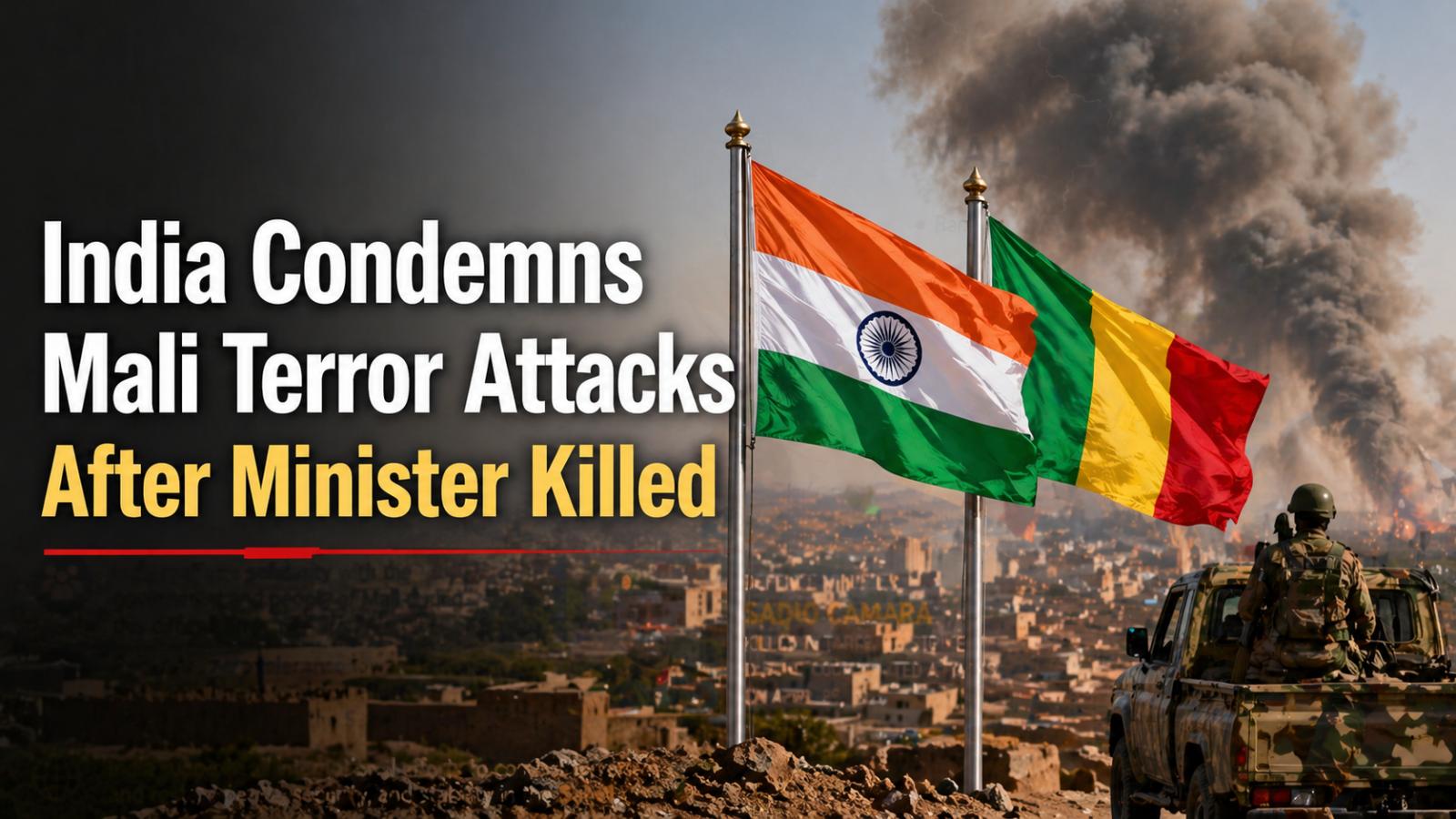
What triggered India’s response to Mali violence? Coordinated terror strikes and minister’s death
India condemns Mali terror attacks after minister killed, highlights global security risks and support for Sahel stability. The Government of India issued a strong condemnation on Tuesday, April 28, 2026 (IST), following a series of coordinated terrorist attacks across Mali that resulted in significant casualties and heightened regional instability. In an official statement, the Ministry of External Affairs expressed condolences to victims’ families and affirmed solidarity with Mali’s government and citizens. Coordinated assaults escalate violence across Mali The wave of violence began on Saturday, April 25, 2026, when militant group Jama'at Nusrat al-Islam wal-Muslimin joined forces with Tuareg separatists from the Front de libération de l'Azawad. Together, they launched synchronized attacks targeting key locations from the capital Bamako to northern regions. The coordinated nature of the assaults marked one of the most significant escalations of violence in the country in recent years. Death of defense minister shocks leadership Among those killed was Sadio Camara, Mali’s Minister of Defence and Veteran Affairs, who died in a targeted strike during the offensive. His death has sent shockwaves through Mali’s political and military leadership, raising concerns about the capacity of state institutions to counter increasingly sophisticated insurgent operations. India reiterates zero tolerance on terrorism In its statement, New Delhi emphasized its longstanding policy of zero tolerance toward terrorism. The government reaffirmed its commitment to combating extremist violence in all forms and voiced support for international efforts aimed at restoring peace and stability in the Sahel region. Officials in New Delhi indicated that the scale and coordination of the attacks reflect evolving threats posed by transnational militant networks. Broader implications for Sahel stability The attacks have intensified concerns within India’s strategic community that Mali could become a more entrenched base for global terror groups. While India has historically maintained a measured relationship with Bamako focused on development and capacity building, the latest violence underscores growing instability across the Sahel. Analysts warn that continued unrest may have wider implications for international security and counterterrorism efforts.
What triggered India’s response to Mali violence? Coordinated terror strikes and minister’s death
India condemns Mali terror attacks after minister killed, highlights global security risks and support for Sahel stability. The Government of India issued a strong condemnation on Tuesday, April 28, 2026 (IST), following a series of coordinated terrorist attacks across Mali that resulted in significant casualties and heightened regional instability. In an official statement, the Ministry of External Affairs expressed condolences to victims’ families and affirmed solidarity with Mali’s government and citizens. Coordinated assaults escalate violence across Mali The wave of violence began on Saturday, April 25, 2026, when militant group Jama'at Nusrat al-Islam wal-Muslimin joined forces with Tuareg separatists from the Front de libération de l'Azawad. Together, they launched synchronized attacks targeting key locations from the capital Bamako to northern regions. The coordinated nature of the assaults marked one of the most significant escalations of violence in the country in recent years. Death of defense minister shocks leadership Among those killed was Sadio Camara, Mali’s Minister of Defence and Veteran Affairs, who died in a targeted strike during the offensive. His death has sent shockwaves through Mali’s political and military leadership, raising concerns about the capacity of state institutions to counter increasingly sophisticated insurgent operations. India reiterates zero tolerance on terrorism In its statement, New Delhi emphasized its longstanding policy of zero tolerance toward terrorism. The government reaffirmed its commitment to combating extremist violence in all forms and voiced support for international efforts aimed at restoring peace and stability in the Sahel region. Officials in New Delhi indicated that the scale and coordination of the attacks reflect evolving threats posed by transnational militant networks. Broader implications for Sahel stability The attacks have intensified concerns within India’s strategic community that Mali could become a more entrenched base for global terror groups. While India has historically maintained a measured relationship with Bamako focused on development and capacity building, the latest violence underscores growing instability across the Sahel. Analysts warn that continued unrest may have wider implications for international security and counterterrorism efforts.

Gujarat Local Body Election Result 2026 Live: BJP Wins Big Across Urban and Rural Areas
The results of the Gujarat Local Body Elections 2026 show a strong victory for the Bharatiya Janata Party (BJP). The party has secured a large number of seats across both urban and rural areas, clearly dominating the elections.In major cities and municipal corporations, BJP candidates won by comfortable margins. The party also performed very well in municipalities and panchayats, showing strong support from rural voters. Opposition parties like Congress and Aam Aadmi Party (AAP) str
Gujarat Local Body Election Result 2026 Live: BJP Wins Big Across Urban and Rural Areas
The results of the Gujarat Local Body Elections 2026 show a strong victory for the Bharatiya Janata Party (BJP). The party has secured a large number of seats across both urban and rural areas, clearly dominating the elections.In major cities and municipal corporations, BJP candidates won by comfortable margins. The party also performed very well in municipalities and panchayats, showing strong support from rural voters. Opposition parties like Congress and Aam Aadmi Party (AAP) str
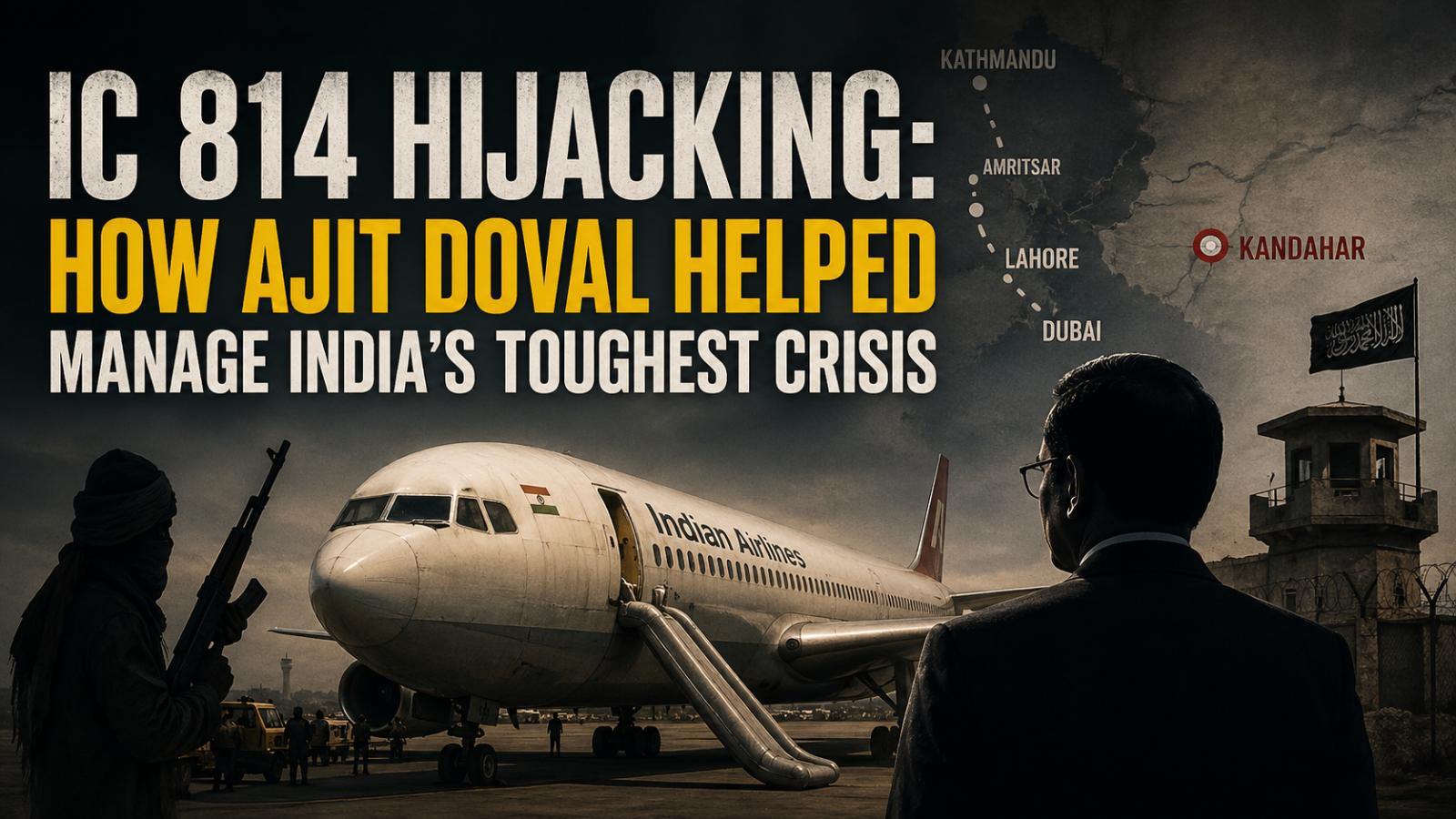
IC 814 hijacking case: inside India’s high-stakes Kandahar negotiations
The IC 814 hijacking remains one of India’s most serious aviation crises, and the role of Ajit Doval in managing the situation from behind the scenes highlights the complexity of decisions taken under extreme pressure. The hijacking of Indian Airlines Flight IC-814 on December 24, 1999, forced India into a difficult choice between saving hostages and long-term security concerns. The flig
IC 814 hijacking case: inside India’s high-stakes Kandahar negotiations
The IC 814 hijacking remains one of India’s most serious aviation crises, and the role of Ajit Doval in managing the situation from behind the scenes highlights the complexity of decisions taken under extreme pressure. The hijacking of Indian Airlines Flight IC-814 on December 24, 1999, forced India into a difficult choice between saving hostages and long-term security concerns. The flig