#iranian-oil
Bahrain Says Iranian Drones Targeted Island as Tanker Hit in Hormuz
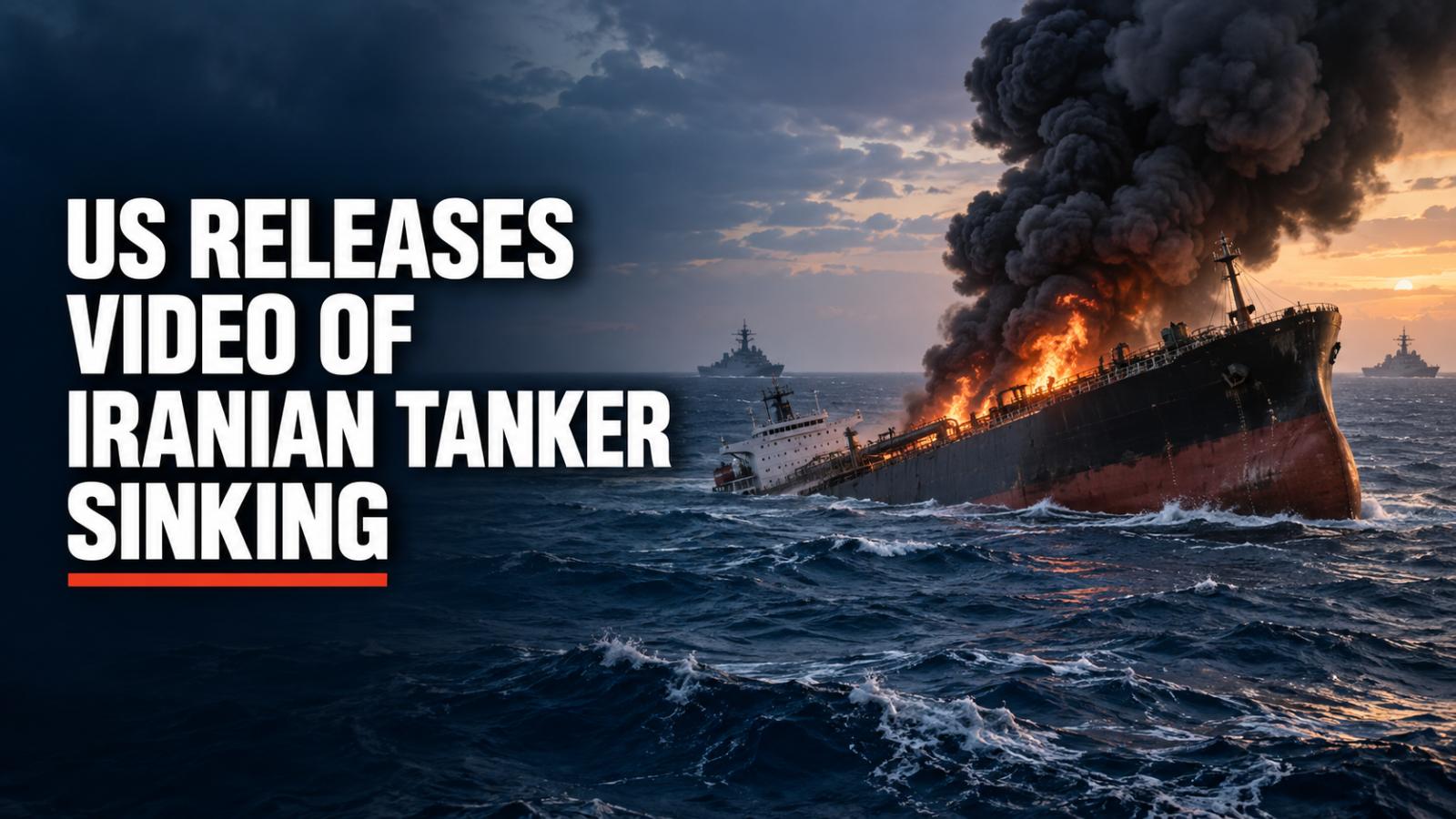
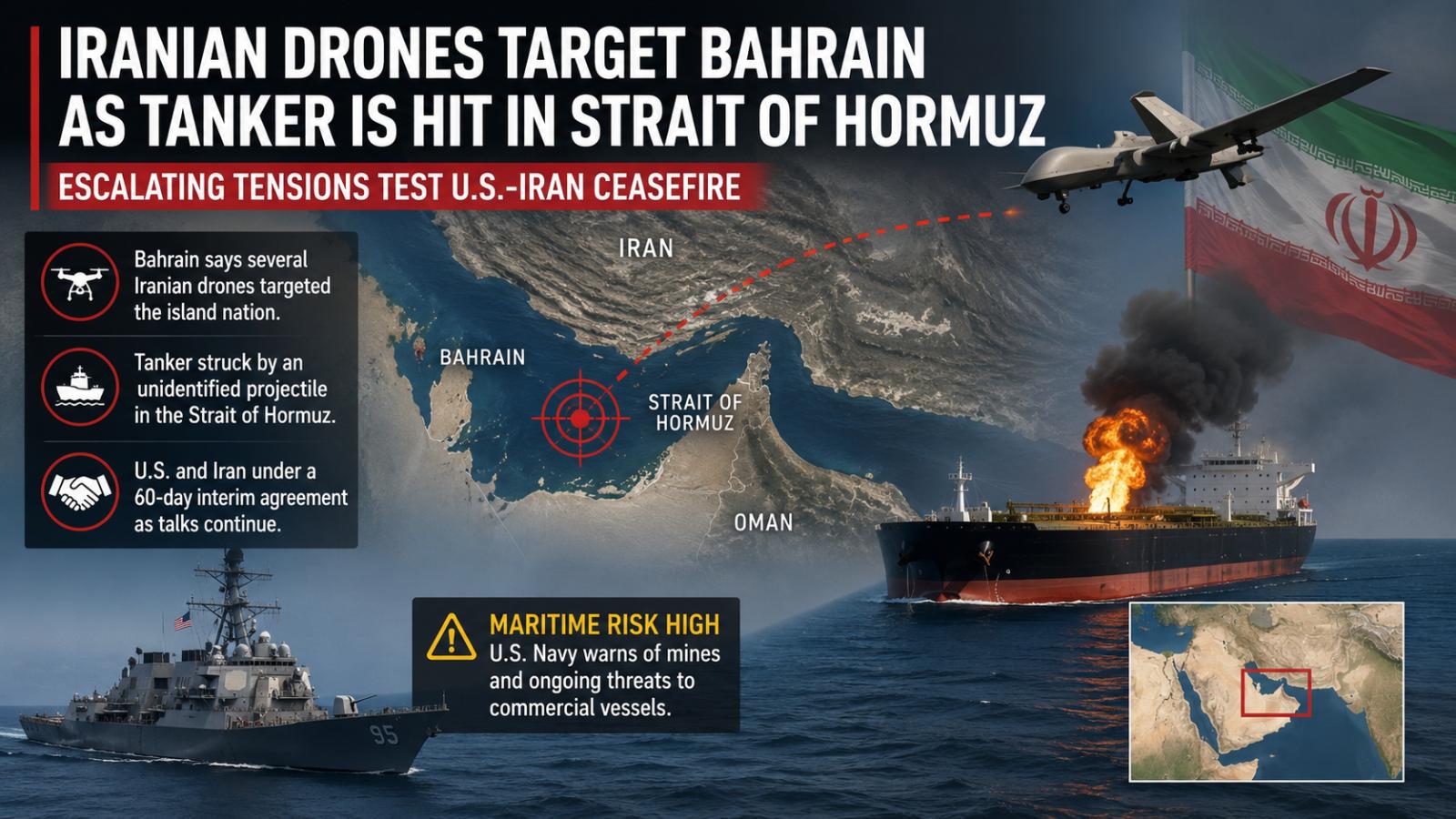
DUBAI, United Arab Emirates — Bahrain said Iranian drones targeted the island nation on Saturday, June 27, 2026, while a tanker was struck by an unidentified projectile in the Strait of Hormuz, adding pressure to a fragile U.S.-Iran ceasefire. The incidents followed overnight U.S. airstrikes on Iranian missile and drone facilities and coastal radar sites. U.S. Central Command said the strikes followed an Iranian drone attack on a container ship attempting to leave the strait.
Bahrain Says Iranian Drones Targeted Island as Tanker Hit in Hormuz
DUBAI, United Arab Emirates — Bahrain said Iranian drones targeted the island nation on Saturday, June 27, 2026, while a tanker was struck by an unidentified projectile in the Strait of Hormuz, adding pressure to a fragile U.S.-Iran ceasefire. The incidents followed overnight U.S. airstrikes on Iranian missile and drone facilities and coastal radar sites. U.S. Central Command said the strikes followed an Iranian drone attack on a container ship attempting to leave the strait.
Iran Oil Shipments Keep Moving Despite US Sanctions, Data Shows
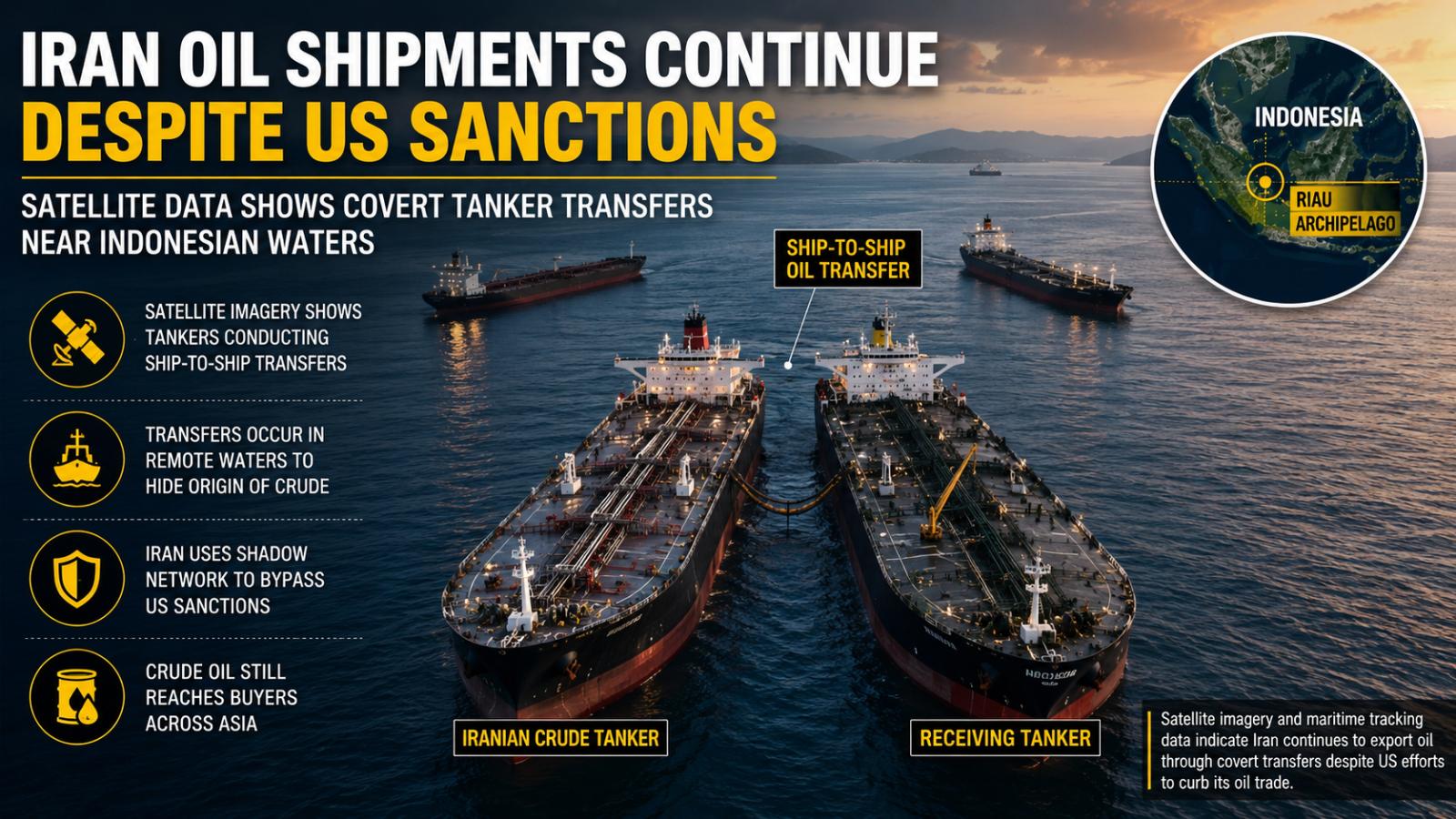
Iran oil shipments are continuing despite tighter U.S. sanctions, with satellite imagery and maritime tracking data suggesting Tehran is still moving crude through covert sea transfers. The findings point to an active shadow shipping network that allows Iranian oil to reach buyers in Asia even as Washington works to restrict crude exports from the Persian Gulf. Satellite Data Points To Covert Tanker Transfers Maritime tracking records and satel
Iran Oil Shipments Keep Moving Despite US Sanctions, Data Shows
Iran oil shipments are continuing despite tighter U.S. sanctions, with satellite imagery and maritime tracking data suggesting Tehran is still moving crude through covert sea transfers. The findings point to an active shadow shipping network that allows Iranian oil to reach buyers in Asia even as Washington works to restrict crude exports from the Persian Gulf. Satellite Data Points To Covert Tanker Transfers Maritime tracking records and satel
US Strikes Iranian Tankers as Strait of Hormuz Tensions Surge
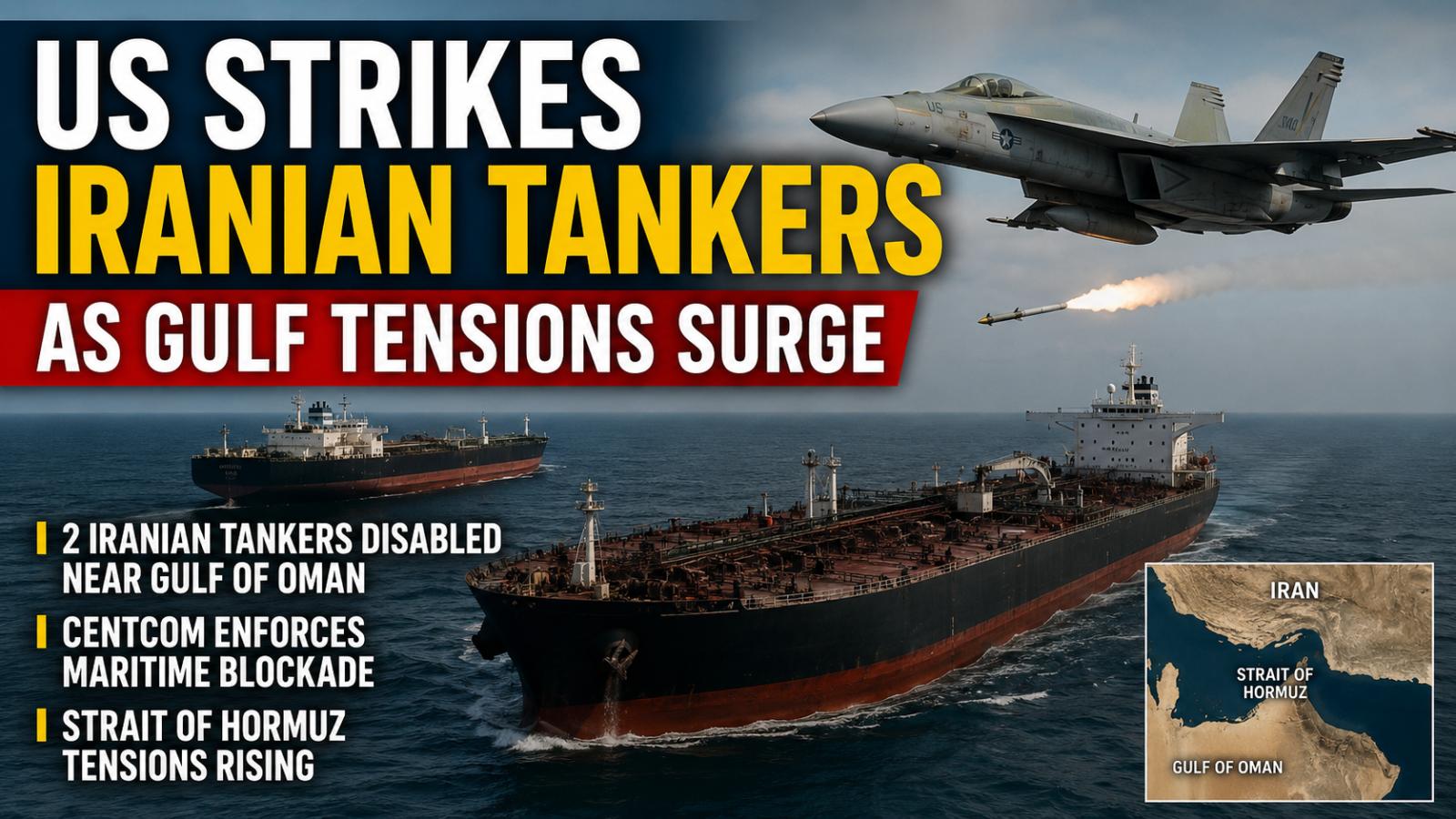
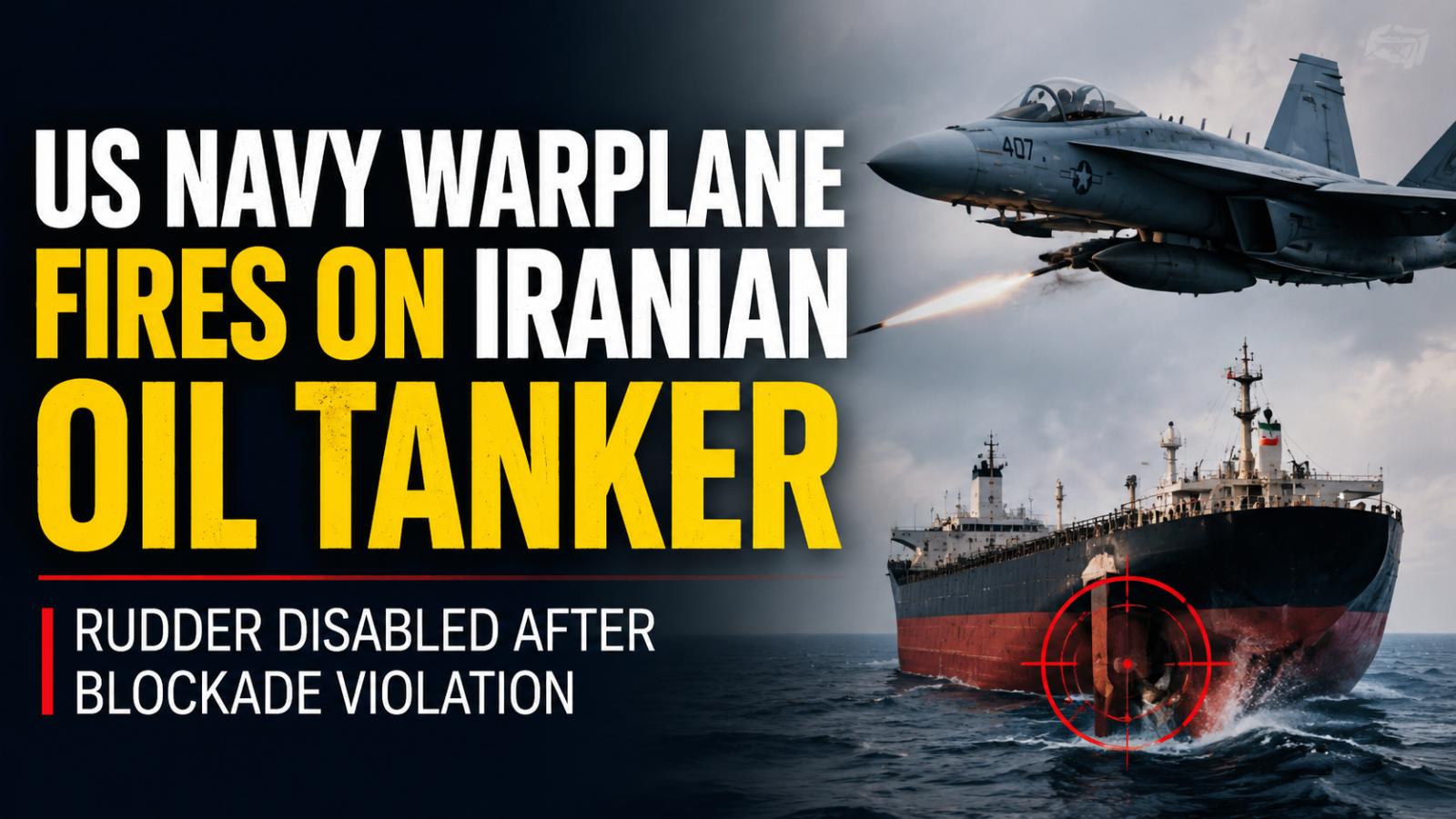
US Iran Tanker Strike Raises Gulf Tensions US forces disabled two Iranian-flagged tankers near the Gulf of Oman on Friday, May 8, 2026, after CENTCOM said the vessels violated an ongoing maritime blockade. The tankers, identified as M/T Sea Star III and M/T Sevda, were stopped before entering an Iranian port. US Central Command said both vessels were empty at the time and were no longer heading toward Iran after the strike. CENTCOM Says Blockade Enforcement Is Continuing Officials said the operation was carried out as part of wider US efforts to enforce maritime restrictions around Iranian ports. The action follows a similar incident earlier in the week, when another Iranian-linked vessel was disabled while attempting to reach Iran. The latest strike comes as US Navy assets remain active across the Gulf region, including carrier-based aircraft supporting blockade enforcement and maritime security operations. Why the Strait of Hormuz Matters The Strait of Hormuz is one of the world’s most important energy corridors, making any military escalation there a direct concern for oil markets, shipping companies, and regional governments. Reports of sporadic clashes and rising naval activity have increased fears of wider disruption. While US officials describe the strikes as limited enforcement action, the incident adds fresh pressure to already fragile diplomatic efforts between Washington and Tehran. For global markets, the key question is whether the confrontation remains contained—or turns into a longer Gulf shipping crisis.
US Strikes Iranian Tankers as Strait of Hormuz Tensions Surge
US Iran Tanker Strike Raises Gulf Tensions US forces disabled two Iranian-flagged tankers near the Gulf of Oman on Friday, May 8, 2026, after CENTCOM said the vessels violated an ongoing maritime blockade. The tankers, identified as M/T Sea Star III and M/T Sevda, were stopped before entering an Iranian port. US Central Command said both vessels were empty at the time and were no longer heading toward Iran after the strike. CENTCOM Says Blockade Enforcement Is Continuing Officials said the operation was carried out as part of wider US efforts to enforce maritime restrictions around Iranian ports. The action follows a similar incident earlier in the week, when another Iranian-linked vessel was disabled while attempting to reach Iran. The latest strike comes as US Navy assets remain active across the Gulf region, including carrier-based aircraft supporting blockade enforcement and maritime security operations. Why the Strait of Hormuz Matters The Strait of Hormuz is one of the world’s most important energy corridors, making any military escalation there a direct concern for oil markets, shipping companies, and regional governments. Reports of sporadic clashes and rising naval activity have increased fears of wider disruption. While US officials describe the strikes as limited enforcement action, the incident adds fresh pressure to already fragile diplomatic efforts between Washington and Tehran. For global markets, the key question is whether the confrontation remains contained—or turns into a longer Gulf shipping crisis.
US Strikes Iranian Tankers Near Hormuz as Gulf Ceasefire Talks Face Breaking Point
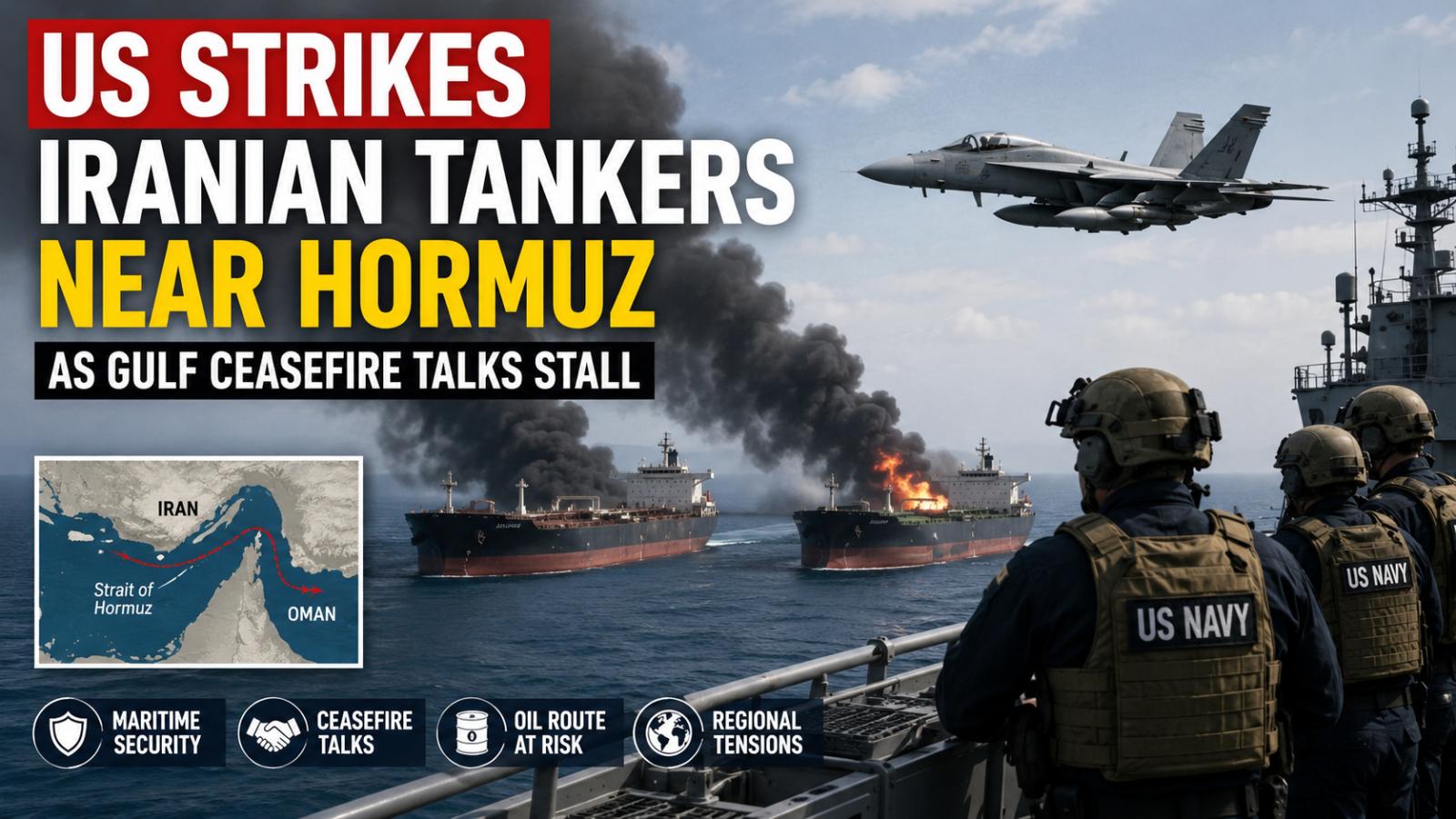
US-Iran Hormuz Tanker Strike Deepens Gulf Crisis US forces struck two Iranian tankers near the Strait of Hormuz on May 8, 2026, as fragile Gulf ceasefire talks stalled. The move has raised fresh fears over oil shipping, regional security and the next step in Washington-Tehran diplomacy. What Happened Near the Strait of Hormuz? US Central Command said American forces d
US Strikes Iranian Tankers Near Hormuz as Gulf Ceasefire Talks Face Breaking Point
US-Iran Hormuz Tanker Strike Deepens Gulf Crisis US forces struck two Iranian tankers near the Strait of Hormuz on May 8, 2026, as fragile Gulf ceasefire talks stalled. The move has raised fresh fears over oil shipping, regional security and the next step in Washington-Tehran diplomacy. What Happened Near the Strait of Hormuz? US Central Command said American forces d
US Navy targets oil tanker violating blockade on Iranian ports
On May 6, the US military announced that a US Navy warplane disabled an Iranian oil tanker after it attempted to breach Washington’s blockade on Iranian ports. This marks the second time US forces have fired on a vessel accused of violating the blockade, which has been in place since April 13. The Iranian-flagged vessel, M/T Hasna, was reportedly not carrying any cargo when it was warned by US forces. When the crew failed to respond, a US F/A-18 Super Hornet opened fire, disabling the tanke
US Navy targets oil tanker violating blockade on Iranian ports
On May 6, the US military announced that a US Navy warplane disabled an Iranian oil tanker after it attempted to breach Washington’s blockade on Iranian ports. This marks the second time US forces have fired on a vessel accused of violating the blockade, which has been in place since April 13. The Iranian-flagged vessel, M/T Hasna, was reportedly not carrying any cargo when it was warned by US forces. When the crew failed to respond, a US F/A-18 Super Hornet opened fire, disabling the tanke
Why did the US seize Iranian oil tankers? Enforcement targets sanctions violations
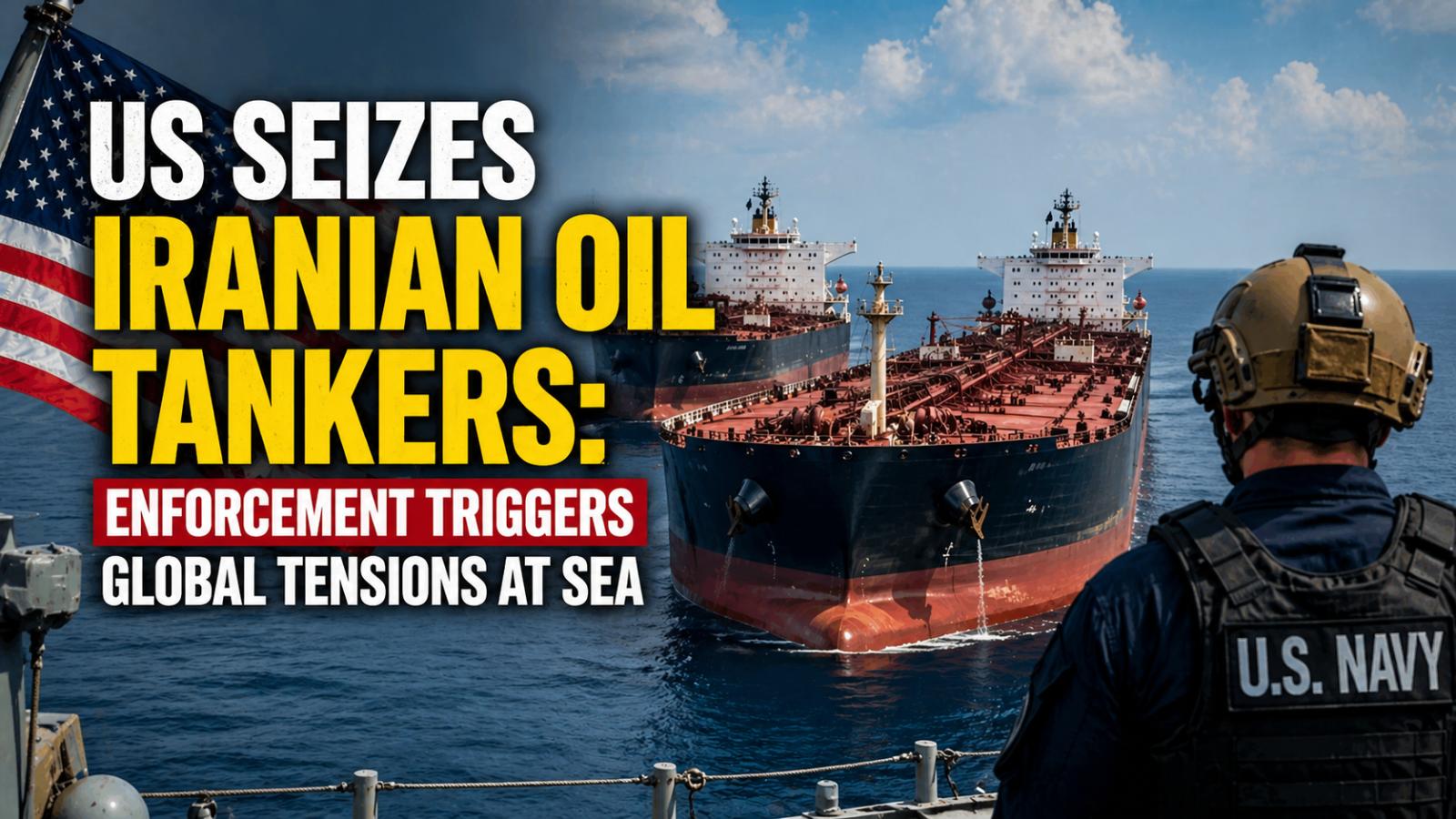
Enforcement targets sanctions violations The United States has seized two tankers allegedly transporting Iranian oil, intensifying tensions with Iran and drawing sharp condemnation from Tehran. Iranian officials described the operation as “armed robbery on the high seas,” accusing
Why did the US seize Iranian oil tankers? Enforcement targets sanctions violations
Enforcement targets sanctions violations The United States has seized two tankers allegedly transporting Iranian oil, intensifying tensions with Iran and drawing sharp condemnation from Tehran. Iranian officials described the operation as “armed robbery on the high seas,” accusing
US Sanctions Waivers on Russian and Iranian Oil: Impact on India’s Energy Supply
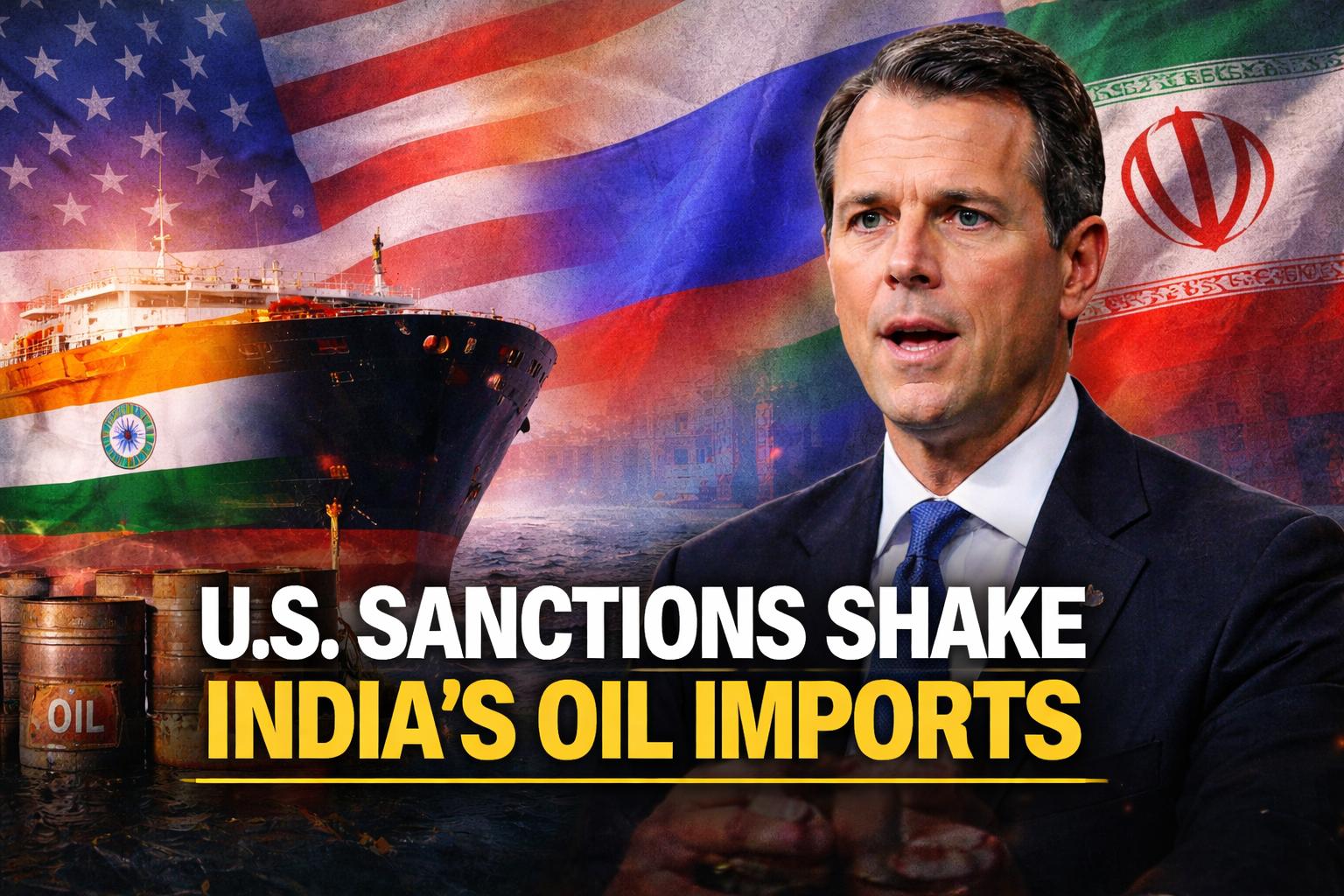
On April 15, US Treasury Secretary Scott Bessent announced that the US will no longer extend the sanctions waivers that allowed several countries to purchase oil from Russia and Iran. These waivers, which were initially intended to ease global oil supply disruptions, are now being revoked. Bessent emphasized that the move to not renew the general licenses on Russian and Iranian oil would lead to penalties for countries still involved in these transactions. He further warned that secondary san
US Sanctions Waivers on Russian and Iranian Oil: Impact on India’s Energy Supply
On April 15, US Treasury Secretary Scott Bessent announced that the US will no longer extend the sanctions waivers that allowed several countries to purchase oil from Russia and Iran. These waivers, which were initially intended to ease global oil supply disruptions, are now being revoked. Bessent emphasized that the move to not renew the general licenses on Russian and Iranian oil would lead to penalties for countries still involved in these transactions. He further warned that secondary san
Venezuela, Hormuz, Malacca: The US-China energy conflict intensifies in 2026
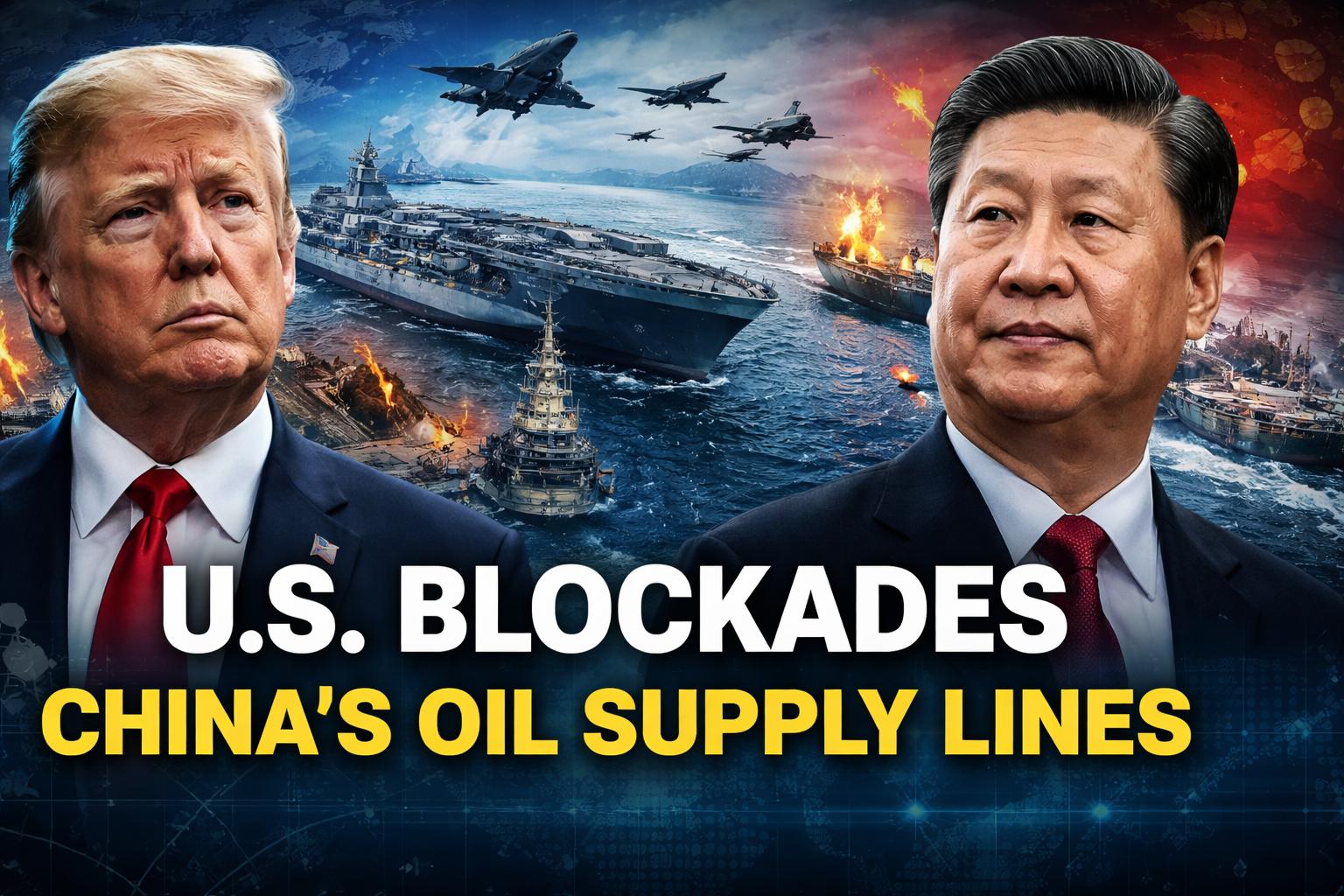
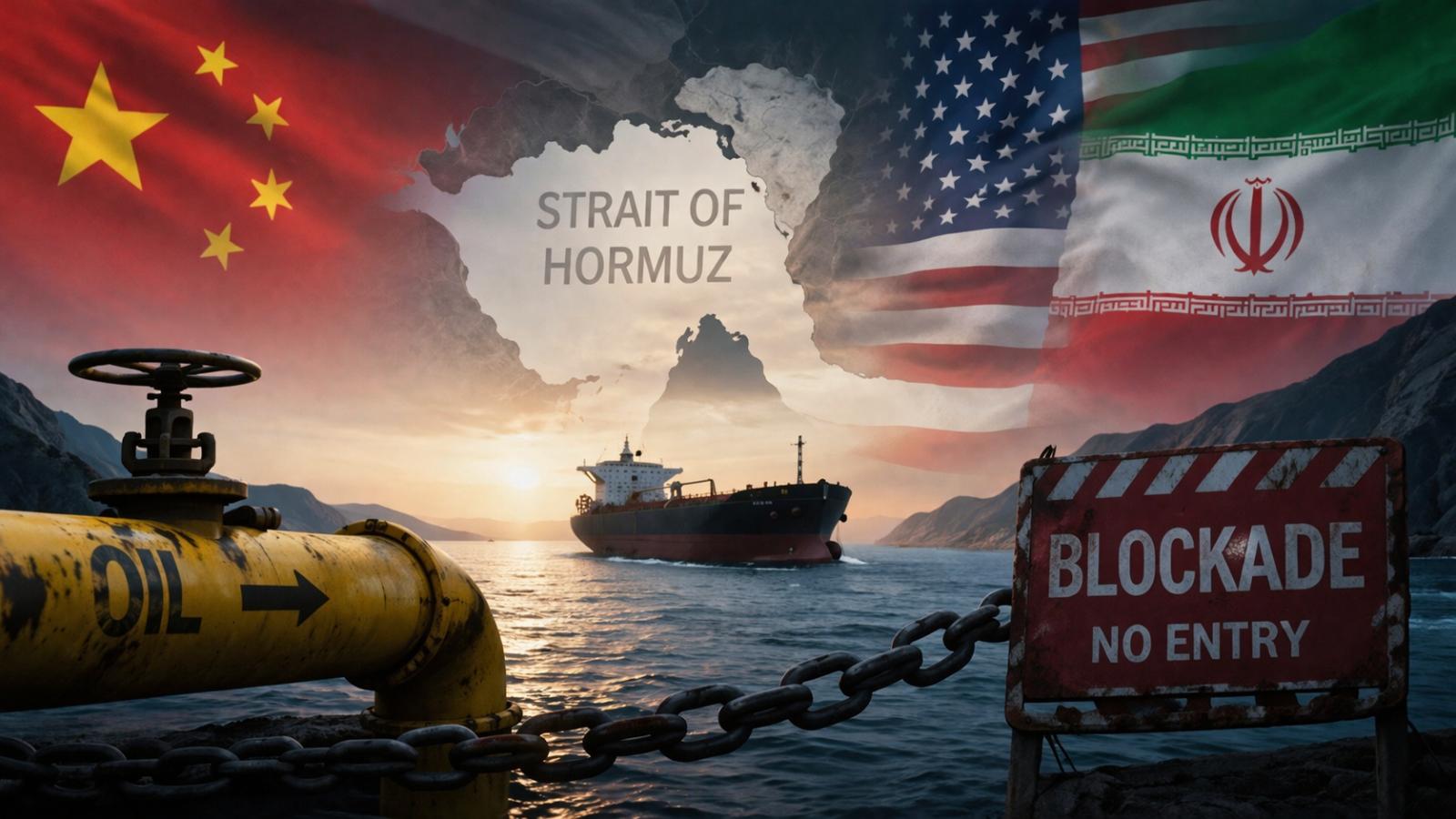
The geopolitical struggle for control over global oil supply routes escalated in early 2026, as the United States moved to strategically target key energy chokepoints in an attempt to disrupt China’s oil flow. With major oil reserves located in Venezuela, the strategic Strait of Hormuz, and the Malacca Strait, the US appears to be building a complex energy blockade aimed at China, using military force and economic pressure to shift the balance of power. In January 2026, the US took a bold step by moving its military presence to Venezuela, home to the world’s largest proven oil reserves. The operation involved an elite force that captured former Venezuelan President Nicolas Maduro, potentially altering the country’s political landscape and controlling access to its vast oil reserves. With an estimated 303 billion barrels of oil at stake, Venezuela became the first of many critical points in this evolving global energy chess game. The next move came in February 2026, when the US extended its reach into the Strait of Hormuz. This chokepoint, through which 20 to 25 percent of the world’s seaborne crude oil passes, became a target as the US launched air strikes on Iranian military and energy infrastructure. The subsequent blockade of Hormuz raised the stakes even higher, as China, a major oil importer, relies heavily on this route for its energy needs. Despite Trump’s assertion that the US no longer needed Hormuz oil due to domestic production, the global impact was undeniable, with oil prices rising sharply. By March 2026, the US had expanded its strategy to the Malacca Strait, one of the world’s busiest shipping lanes and a vital route for Chinese oil imports. Through a new deal with Indonesia, the US gained increased access to the region’s airspace, strengthening its surveillance and control capabilities. This move escalated the geopolitical pressure on China, which had already been preparing for such scenarios by building overland pipeline infrastructure to mitigate risks associated with maritime routes. China’s response to these strategic moves has been multifaceted. In Venezuela, it quickly adapted to the US military action, tapping into shadow fleets and using alternative routes to maintain its crude supply. Furthermore, China’s vast reserves, along with its investments in Russian and Iranian oil, have provided it with a buffer to withstand the pressure from the US blockade. With over 1.3 billion barrels in emergency reserves, China has the capacity to play the waiting game, absorbing the initial shocks to its oil supply. As the US tightens its grip on these strategic chokepoints, the geopolitical chessboard continues to shift. China’s ability to reroute oil through its vast pipeline network and shadow tanker fleet provides a buffer, but it remains to be seen which side will blink first in this high-stakes game. While the US hopes to achieve its goals through escalating energy denial, China’s resilience and strategic planning indicate that this global oil conflict is far from over. The Malacca Strait, a vital point in this strategic maneuvering, serves as the final battleground. With its ability to influence both regional and global shipping routes, the US’s efforts to control this chokepoint may prove pivotal. However, China’s efforts to secure alternative oil sources and protect its interests in the region suggest that the true outcome of this energy conflict will depend on the endurance and tactical flexibility of both superpowers.
Venezuela, Hormuz, Malacca: The US-China energy conflict intensifies in 2026
The geopolitical struggle for control over global oil supply routes escalated in early 2026, as the United States moved to strategically target key energy chokepoints in an attempt to disrupt China’s oil flow. With major oil reserves located in Venezuela, the strategic Strait of Hormuz, and the Malacca Strait, the US appears to be building a complex energy blockade aimed at China, using military force and economic pressure to shift the balance of power. In January 2026, the US took a bold step by moving its military presence to Venezuela, home to the world’s largest proven oil reserves. The operation involved an elite force that captured former Venezuelan President Nicolas Maduro, potentially altering the country’s political landscape and controlling access to its vast oil reserves. With an estimated 303 billion barrels of oil at stake, Venezuela became the first of many critical points in this evolving global energy chess game. The next move came in February 2026, when the US extended its reach into the Strait of Hormuz. This chokepoint, through which 20 to 25 percent of the world’s seaborne crude oil passes, became a target as the US launched air strikes on Iranian military and energy infrastructure. The subsequent blockade of Hormuz raised the stakes even higher, as China, a major oil importer, relies heavily on this route for its energy needs. Despite Trump’s assertion that the US no longer needed Hormuz oil due to domestic production, the global impact was undeniable, with oil prices rising sharply. By March 2026, the US had expanded its strategy to the Malacca Strait, one of the world’s busiest shipping lanes and a vital route for Chinese oil imports. Through a new deal with Indonesia, the US gained increased access to the region’s airspace, strengthening its surveillance and control capabilities. This move escalated the geopolitical pressure on China, which had already been preparing for such scenarios by building overland pipeline infrastructure to mitigate risks associated with maritime routes. China’s response to these strategic moves has been multifaceted. In Venezuela, it quickly adapted to the US military action, tapping into shadow fleets and using alternative routes to maintain its crude supply. Furthermore, China’s vast reserves, along with its investments in Russian and Iranian oil, have provided it with a buffer to withstand the pressure from the US blockade. With over 1.3 billion barrels in emergency reserves, China has the capacity to play the waiting game, absorbing the initial shocks to its oil supply. As the US tightens its grip on these strategic chokepoints, the geopolitical chessboard continues to shift. China’s ability to reroute oil through its vast pipeline network and shadow tanker fleet provides a buffer, but it remains to be seen which side will blink first in this high-stakes game. While the US hopes to achieve its goals through escalating energy denial, China’s resilience and strategic planning indicate that this global oil conflict is far from over. The Malacca Strait, a vital point in this strategic maneuvering, serves as the final battleground. With its ability to influence both regional and global shipping routes, the US’s efforts to control this chokepoint may prove pivotal. However, China’s efforts to secure alternative oil sources and protect its interests in the region suggest that the true outcome of this energy conflict will depend on the endurance and tactical flexibility of both superpowers.
China calls U.S. blockade in Strait of Hormuz 'dangerous and irresponsible'
China has expressed strong disapproval over the United States' blockade of Iranian ports in the Strait of Hormuz, calling it a “dangerous and irresponsible act” that could escalate tensions in an already volatile region. In a statement issued on April 14, 2026, the Chinese Ministry of Foreign Affairs warned that the blockade, which began at 10:00 a.m. ET on Monday, along with increased U.S. military deployment in the area, risks undermining the fragile ceasefire that had
China calls U.S. blockade in Strait of Hormuz 'dangerous and irresponsible'
China has expressed strong disapproval over the United States' blockade of Iranian ports in the Strait of Hormuz, calling it a “dangerous and irresponsible act” that could escalate tensions in an already volatile region. In a statement issued on April 14, 2026, the Chinese Ministry of Foreign Affairs warned that the blockade, which began at 10:00 a.m. ET on Monday, along with increased U.S. military deployment in the area, risks undermining the fragile ceasefire that had
Sanctioned tanker diverts Iranian crude from India to China amid payment concerns
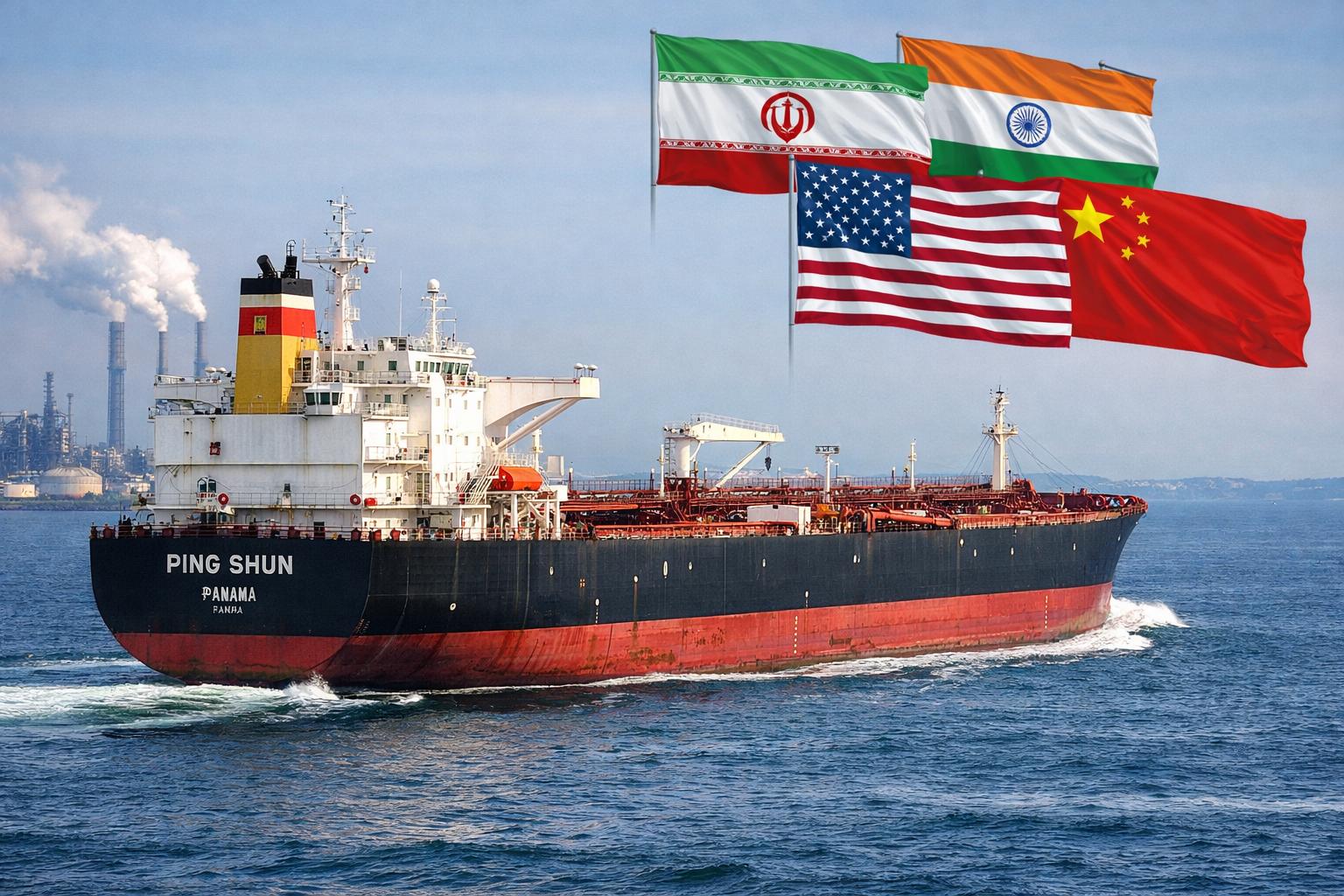
A U.S.-sanctioned oil tanker carrying Iranian crude has changed course from India to China, raising uncertainty over what could have been India’s first Iranian oil import in nearly seven years. The Aframax tanker Ping Shun, built in 2002 and sanctioned by the United States in 2025, is now signaling Dongying, China, as its destination instead of Vadinar in Gujarat, according to data from Kpler.

Sanctioned tanker diverts Iranian crude from India to China amid payment concerns
A U.S.-sanctioned oil tanker carrying Iranian crude has changed course from India to China, raising uncertainty over what could have been India’s first Iranian oil import in nearly seven years. The Aframax tanker Ping Shun, built in 2002 and sanctioned by the United States in 2025, is now signaling Dongying, China, as its destination instead of Vadinar in Gujarat, according to data from Kpler.

90 Ships Cross Hormuz as Iran Continues Oil Exports Amid War, Despite Challenges
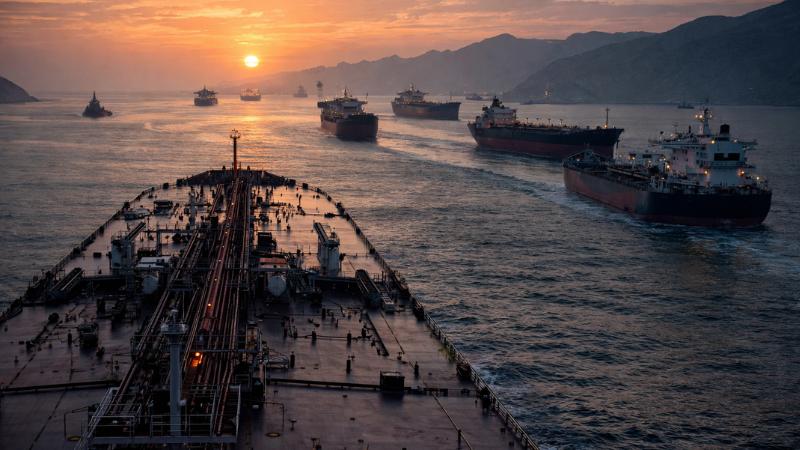
In the midst of the ongoing war, Iran has continued to export millions of barrels of oil, with about 90 ships, including oil tankers, crossing the critical Strait of Hormuz between March 1 and 15, 2026. Despite the waterway being effectively "closed" to most traffic due to the conflict, Iran has managed to keep its oil exports flowing, benefitting from its control over this vital chokepoint. According to maritime traffic data from Lloyd's List Intelligence, Iran has relied on a mix
90 Ships Cross Hormuz as Iran Continues Oil Exports Amid War, Despite Challenges
In the midst of the ongoing war, Iran has continued to export millions of barrels of oil, with about 90 ships, including oil tankers, crossing the critical Strait of Hormuz between March 1 and 15, 2026. Despite the waterway being effectively "closed" to most traffic due to the conflict, Iran has managed to keep its oil exports flowing, benefitting from its control over this vital chokepoint. According to maritime traffic data from Lloyd's List Intelligence, Iran has relied on a mix