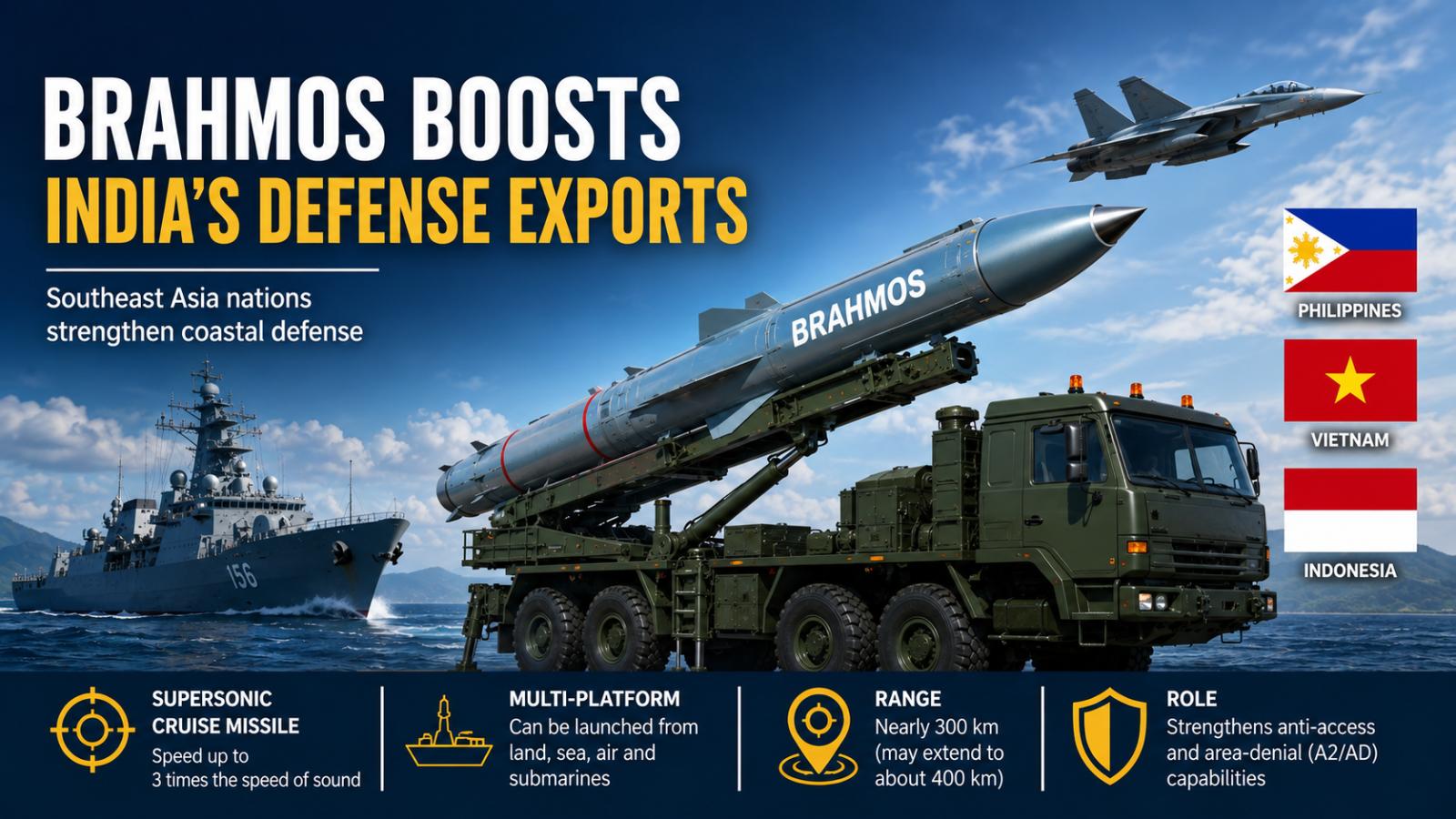
India’s BrahMos coastal defense system is becoming a key part of the country’s rise as a defense exporter, as several Asian nations look for stronger maritime protection.
India’s defense exports reached a record Rs 38,424 crore in fiscal year 2025-26, according to the figures provided in the article. That was Rs 14,802 crore higher than the previous fiscal year, a rise of 62.66 percent.
BrahMos Coastal Defense System Draws Southeast Asian Interest
India’s BrahMos coastal defense system is becoming a key part of the country’s rise as a defense exporter, as several Asian nations look for stronger maritime protection.
India’s defense exports reached a record Rs 38,424 crore in fiscal year 2025-26, according to the figures provided in the article. That was Rs 14,802 crore higher than the previous fiscal year, a rise of 62.66 percent.
BrahMos Coastal Defense System Draws Southeast Asian Interest
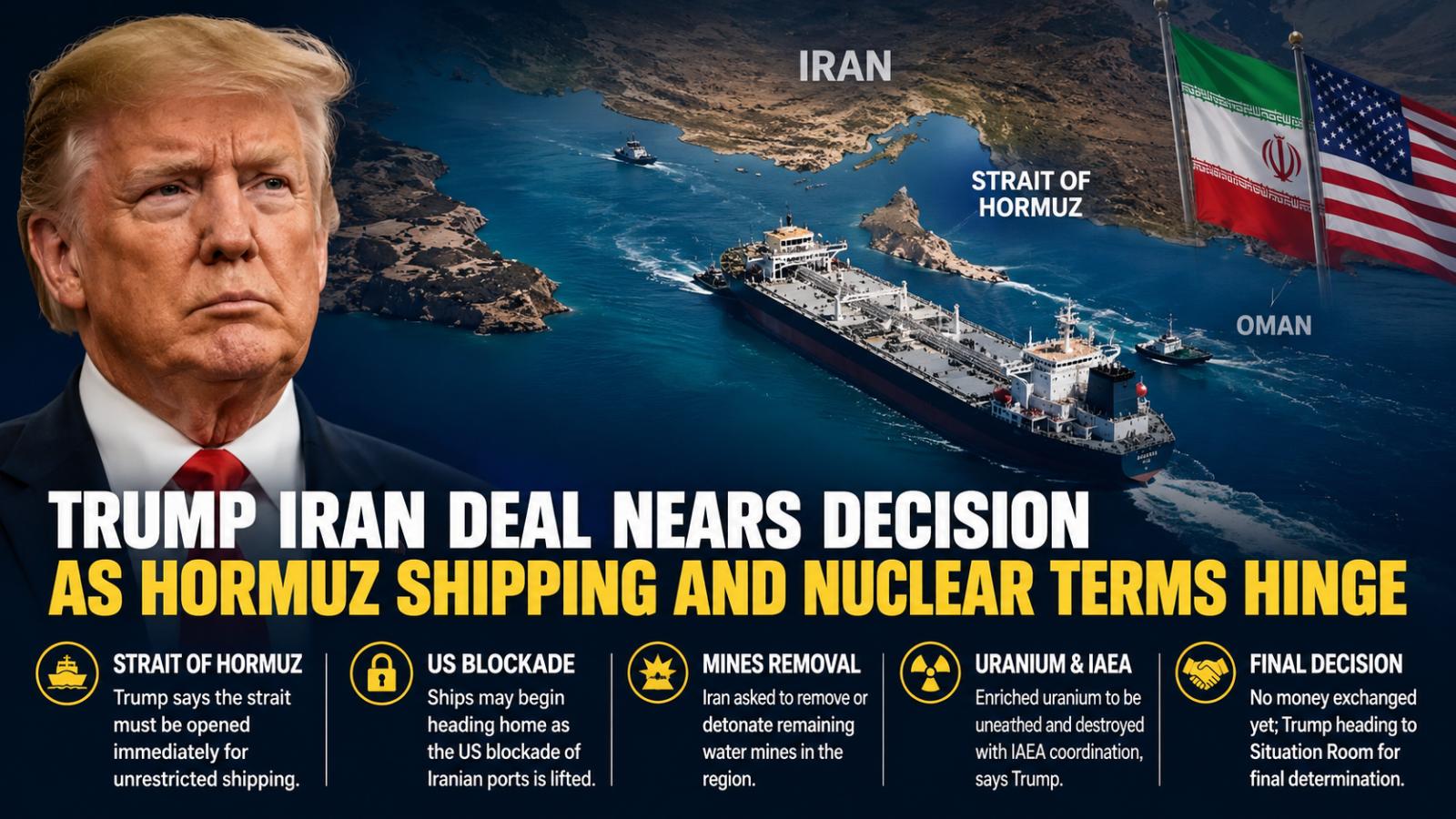
President Donald Trump said on Friday, May 29, 2026, that a final decision was near on a possible Trump Iran Hormuz deal that could affect shipping in the Strait of Hormuz, the US blockade of Iranian ports and future nuclear talks.
President Donald Trump said on Friday, May 29, 2026, that a final decision was near on a possible Trump Iran Hormuz deal that could affect shipping in the Strait of Hormuz, the US blockade of Iranian ports and future nuclear talks.
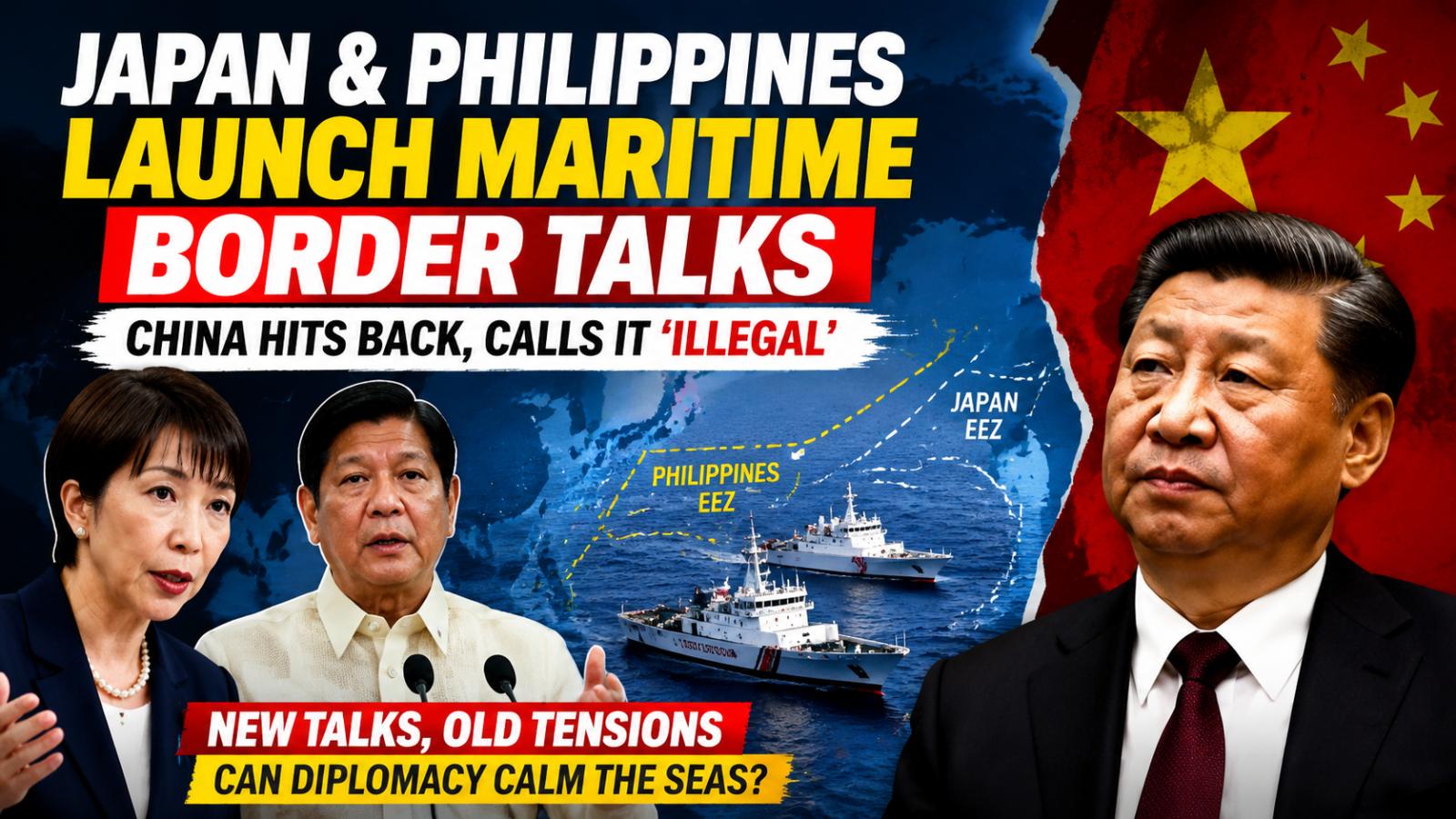
Japan and the Philippines have officially started discussions to define their maritime boundaries in areas where economic zones and continental shelves overlap. This follows Philippine President Ferdinand Marcos’ diplomatic visit to Japan, where he met Prime Minister Sanae Takaichi. The goal is to clarify boundaries while securing trade, fisheries, and energy interests.
China Voices Strong Objection
Japan and the Philippines have officially started discussions to define their maritime boundaries in areas where economic zones and continental shelves overlap. This follows Philippine President Ferdinand Marcos’ diplomatic visit to Japan, where he met Prime Minister Sanae Takaichi. The goal is to clarify boundaries while securing trade, fisheries, and energy interests.
China Voices Strong Objection
Amazon fashion deals under $10 are drawing attention from shoppers looking for affordable summer wardrobe updates, with dresses, tops, sandals, bags and accessories among the highlighted sale picks.
The latest under-$10 selection includes casual outfits, warm-weather basics and small accessories, with several items listed between $7 and $10. Prices and availability may change, so shoppers should check the final product page before purchasing. The deal list was published Friday, May
Amazon fashion deals under $10 are drawing attention from shoppers looking for affordable summer wardrobe updates, with dresses, tops, sandals, bags and accessories among the highlighted sale picks.
The latest under-$10 selection includes casual outfits, warm-weather basics and small accessories, with several items listed between $7 and $10. Prices and availability may change, so shoppers should check the final product page before purchasing. The deal list was published Friday, May
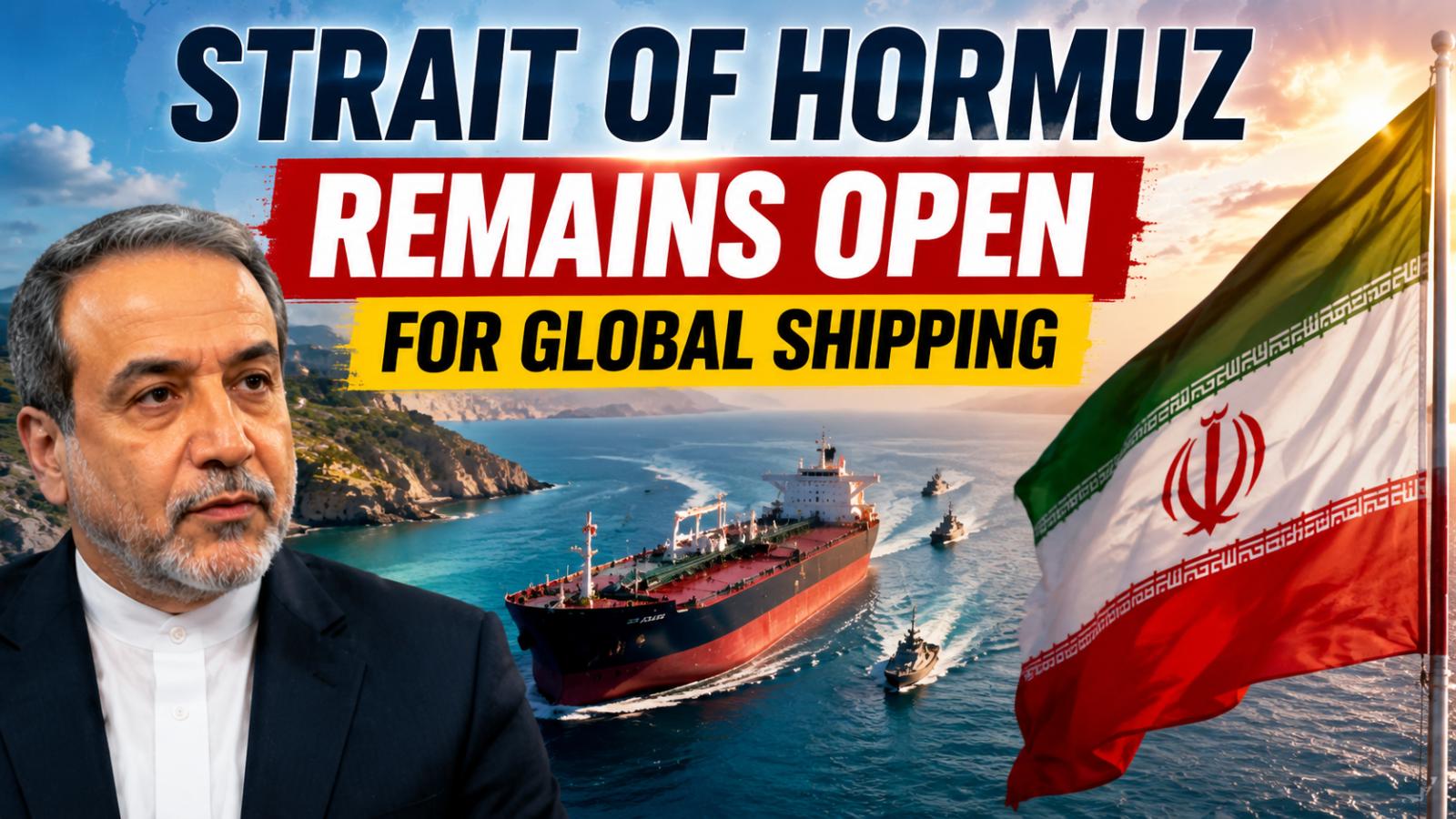
Iranian Foreign Minister Seyyed Abbas Araghchi confirmed that the Strait of Hormuz remains open to international shipping, except for vessels from countries currently at war with Iran. Speaking in New Delhi, Araghchi emphasized that Tehran prioritizes safe navigation through this vital maritime corridor.
Strategic Importance of the Strait
The minister highlighted the strait’s significance for oil, gas, and global trade. With a substantial share of worl
Iranian Foreign Minister Seyyed Abbas Araghchi confirmed that the Strait of Hormuz remains open to international shipping, except for vessels from countries currently at war with Iran. Speaking in New Delhi, Araghchi emphasized that Tehran prioritizes safe navigation through this vital maritime corridor.
Strategic Importance of the Strait
The minister highlighted the strait’s significance for oil, gas, and global trade. With a substantial share of worl
India LPG Carriers Move Through Strait of Hormuz
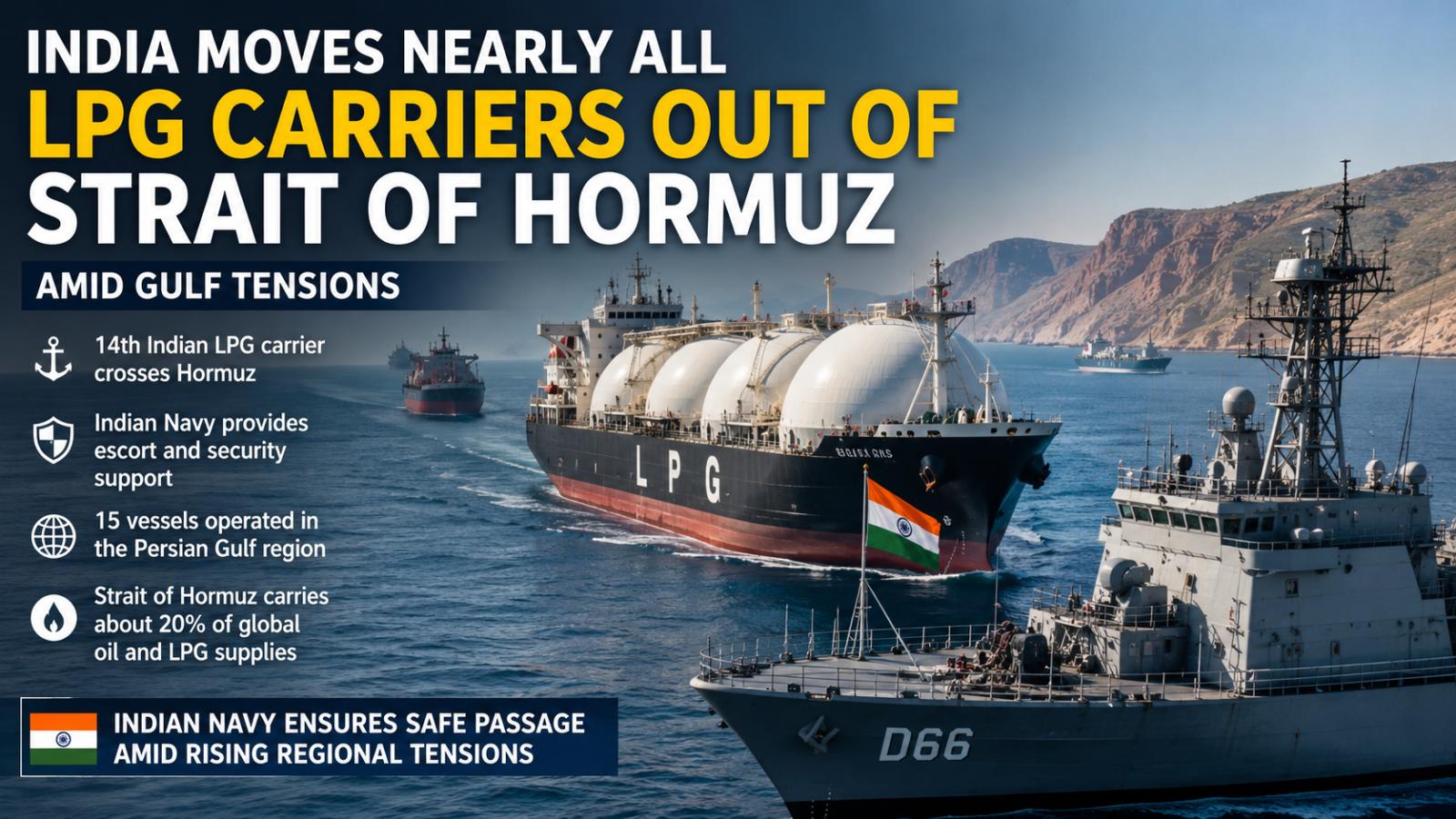
India has moved nearly all of its LPG carriers out of the Strait of Hormuz with support from the Indian Navy as tensions continue to affect shipping security in the Persian Gulf region.
Government sources said on Thursday, May 14, 2026, that the 14th Indian liquefied petroleum gas carrier had crossed the strategic waterway, while one final vessel remained in the process of crossing under close monitoring.
India LPG Carriers Move Through Strait of Hormuz
India has moved nearly all of its LPG carriers out of the Strait of Hormuz with support from the Indian Navy as tensions continue to affect shipping security in the Persian Gulf region.
Government sources said on Thursday, May 14, 2026, that the 14th Indian liquefied petroleum gas carrier had crossed the strategic waterway, while one final vessel remained in the process of crossing under close monitoring.
Iraq and Pakistan Secure Oil and Gas Transport Deals
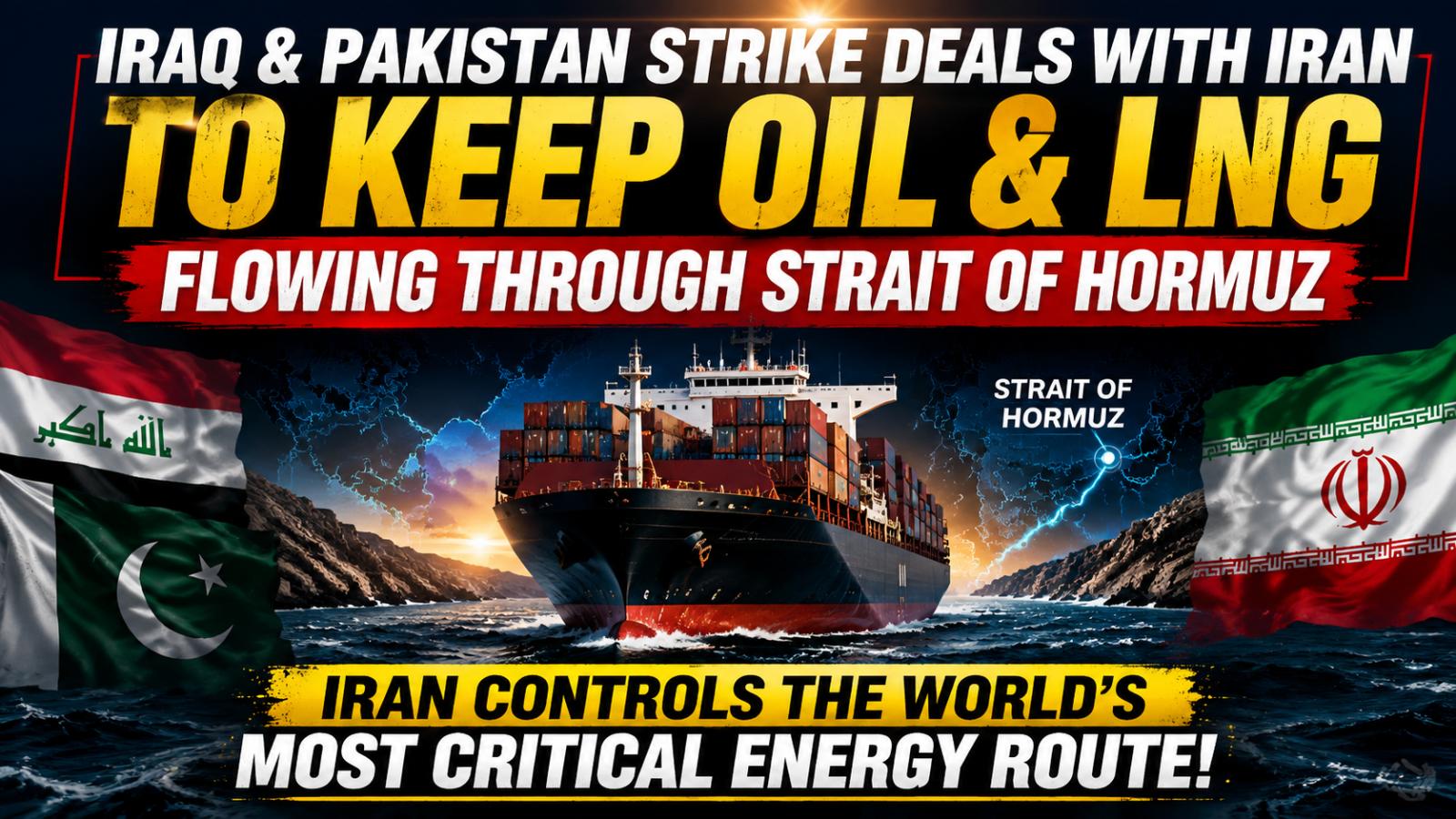
Amid the ongoing conflict in the Middle East, Iraq and Pakistan have reached separate agreements with Iran to allow the transport of oil and liquefied natural gas (LNG) through the critical Strait of Hormuz. According to multiple sources, these agreements reflect Iran’s growing control over one of the world’s most important energy corridors, a situation that has intensified due to the ongoing
Iraq and Pakistan Secure Oil and Gas Transport Deals
Amid the ongoing conflict in the Middle East, Iraq and Pakistan have reached separate agreements with Iran to allow the transport of oil and liquefied natural gas (LNG) through the critical Strait of Hormuz. According to multiple sources, these agreements reflect Iran’s growing control over one of the world’s most important energy corridors, a situation that has intensified due to the ongoing
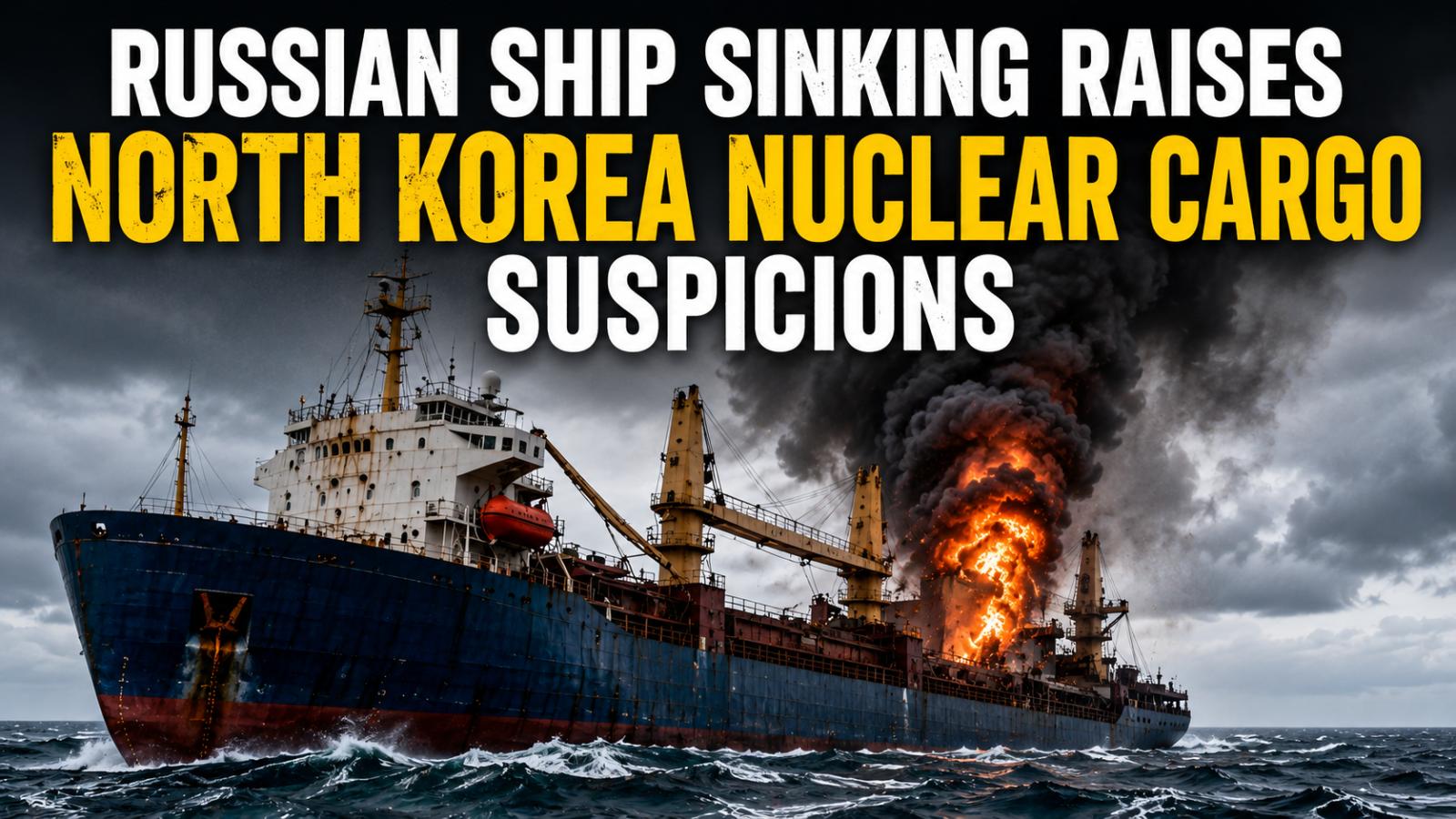
The sinking of the Russian cargo ship Ursa Major near Spain has triggered new questions over whether the vessel was carrying sensitive nuclear reactor components possibly linked to North Korea.
The ship sank in the Mediterranean Sea on Monday, December 23, 2024, after explosions struck the vessel near its engine room. Fourteen crew members were rescued, while two died or were reported missing, according to official accounts.
Why Spain Is Investiga
The sinking of the Russian cargo ship Ursa Major near Spain has triggered new questions over whether the vessel was carrying sensitive nuclear reactor components possibly linked to North Korea.
The ship sank in the Mediterranean Sea on Monday, December 23, 2024, after explosions struck the vessel near its engine room. Fourteen crew members were rescued, while two died or were reported missing, according to official accounts.
Why Spain Is Investiga
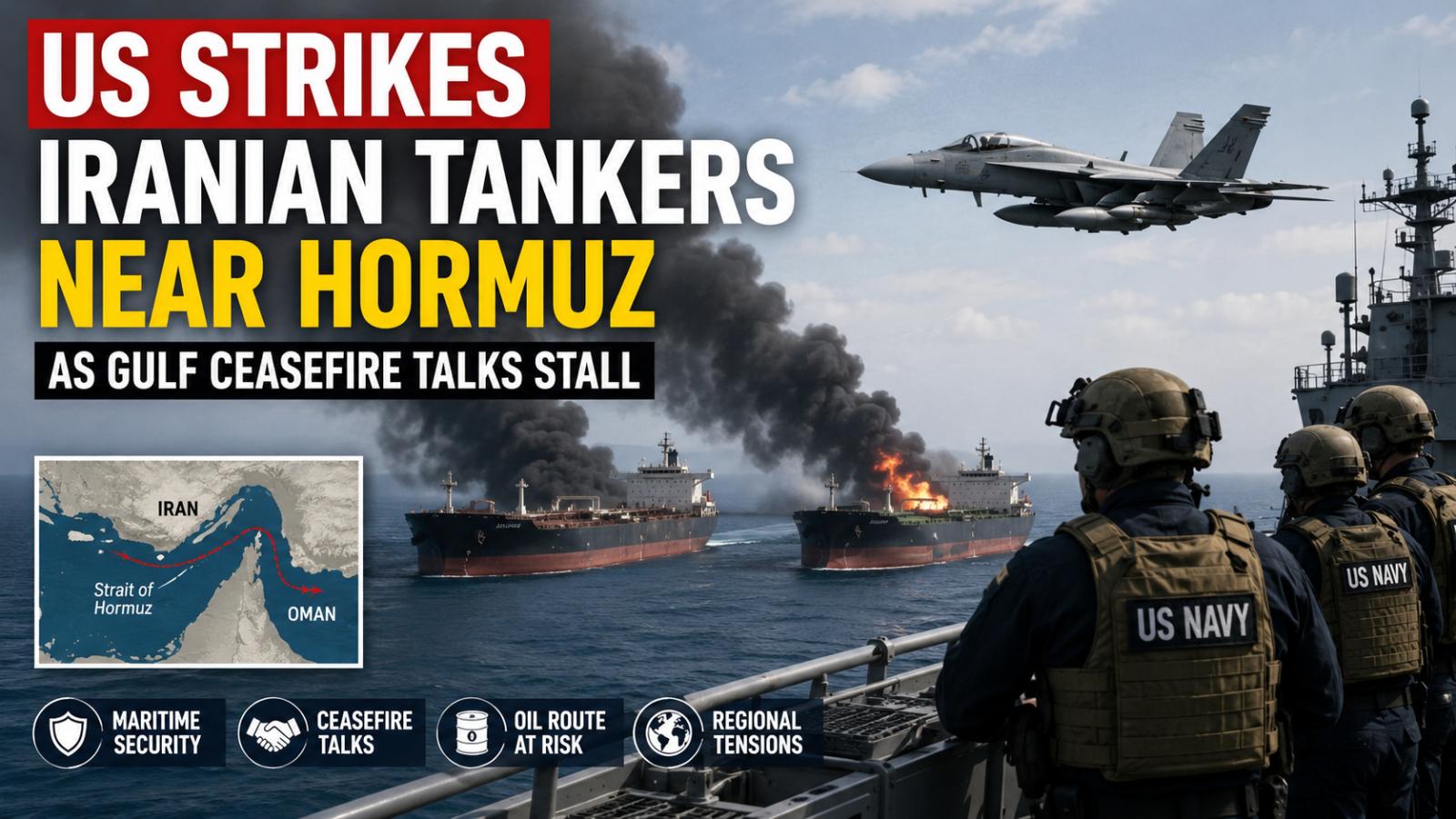
US-Iran Hormuz Tanker Strike Deepens Gulf Crisis
US forces struck two Iranian tankers near the Strait of Hormuz on May 8, 2026, as fragile Gulf ceasefire talks stalled. The move has raised fresh fears over oil shipping, regional security and the next step in Washington-Tehran diplomacy.
What Happened Near the Strait of Hormuz?
US Central Command said American forces d
US-Iran Hormuz Tanker Strike Deepens Gulf Crisis
US forces struck two Iranian tankers near the Strait of Hormuz on May 8, 2026, as fragile Gulf ceasefire talks stalled. The move has raised fresh fears over oil shipping, regional security and the next step in Washington-Tehran diplomacy.
What Happened Near the Strait of Hormuz?
US Central Command said American forces d
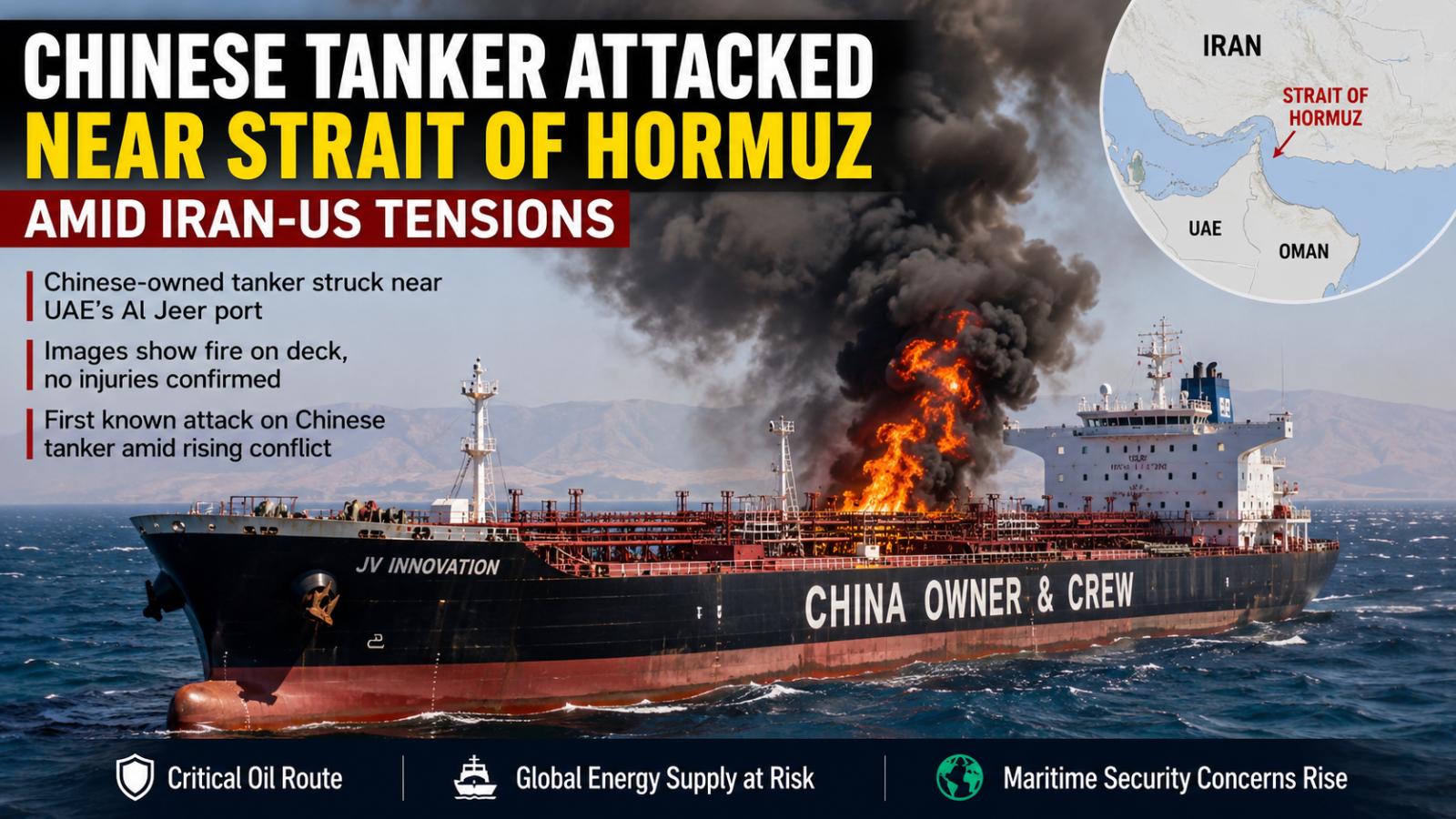
Chinese Tanker Attack Near Strait of Hormuz Raises Global Oil Fears
A Chinese-owned oil tanker was attacked near the Strait of Hormuz, intensifying fears over oil shipping safety as Iran-US tensions deepen across Gulf waters.
The vessel, identified in reports as JV Innovation, was reportedly hit off UAE’s Al Jeer port on May 4, with images showing flames on deck and markings reading “CHINA OWNER & CREW.”
Chinese Tanker Attack Near Strait of Hormuz Raises Global Oil Fears
A Chinese-owned oil tanker was attacked near the Strait of Hormuz, intensifying fears over oil shipping safety as Iran-US tensions deepen across Gulf waters.
The vessel, identified in reports as JV Innovation, was reportedly hit off UAE’s Al Jeer port on May 4, with images showing flames on deck and markings reading “CHINA OWNER & CREW.”
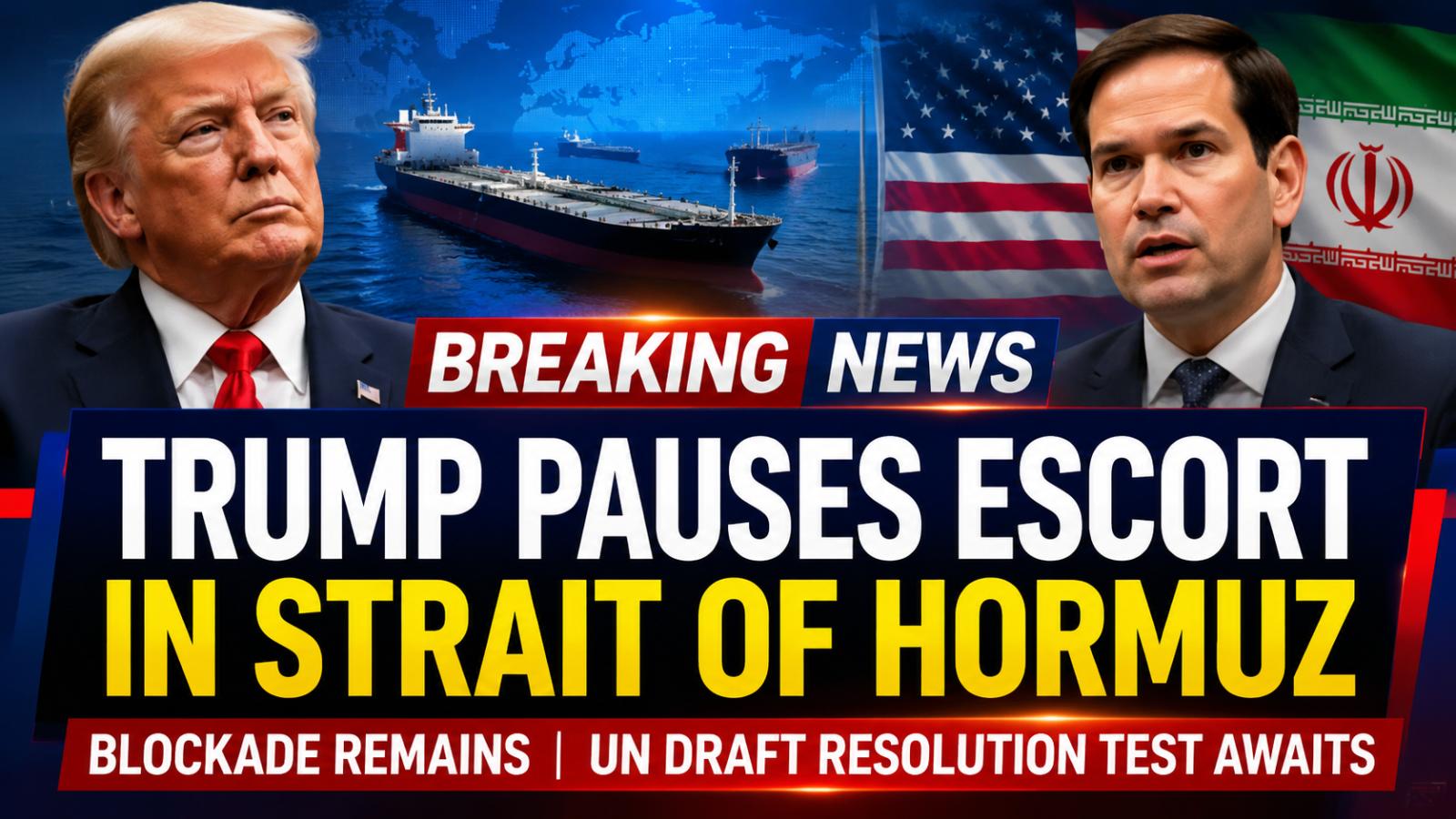
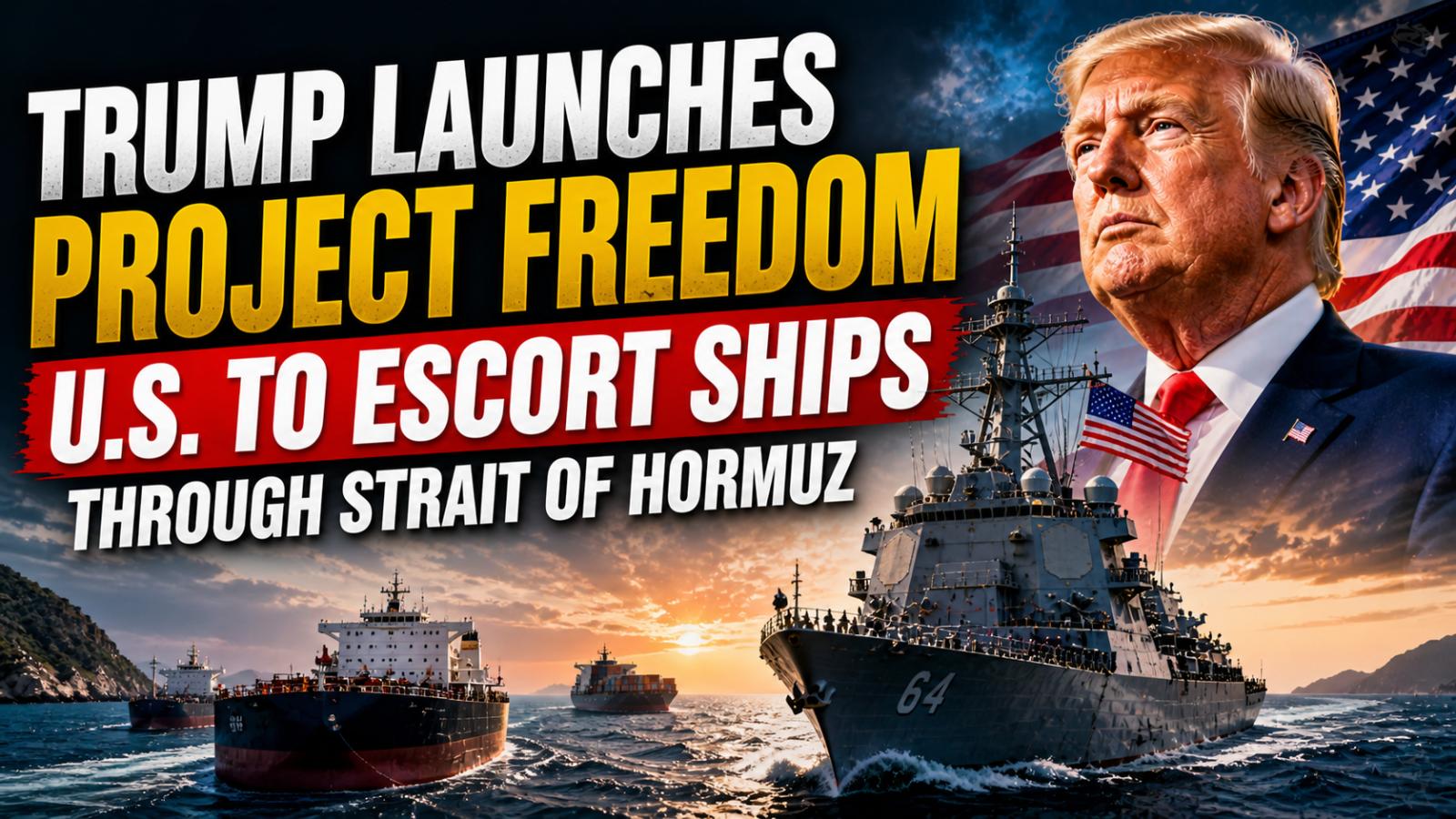
In a recent update, President Donald Trump announced a temporary pause in the United States’ maritime escort operation in the Strait of Hormuz, while confirming the continuation of a blockade. The decision follows progress in diplomatic discussions with Iran, aimed at finalizing an agreement. Trump explained on Truth Social that the blockade would remain active, but the project known as “Project Freedom,” which involves the movement of ships through the Strait of Hormuz, would be paused
In a recent update, President Donald Trump announced a temporary pause in the United States’ maritime escort operation in the Strait of Hormuz, while confirming the continuation of a blockade. The decision follows progress in diplomatic discussions with Iran, aimed at finalizing an agreement. Trump explained on Truth Social that the blockade would remain active, but the project known as “Project Freedom,” which involves the movement of ships through the Strait of Hormuz, would be paused
Iran Tightens Control Over Strait of Hormuz Shipping
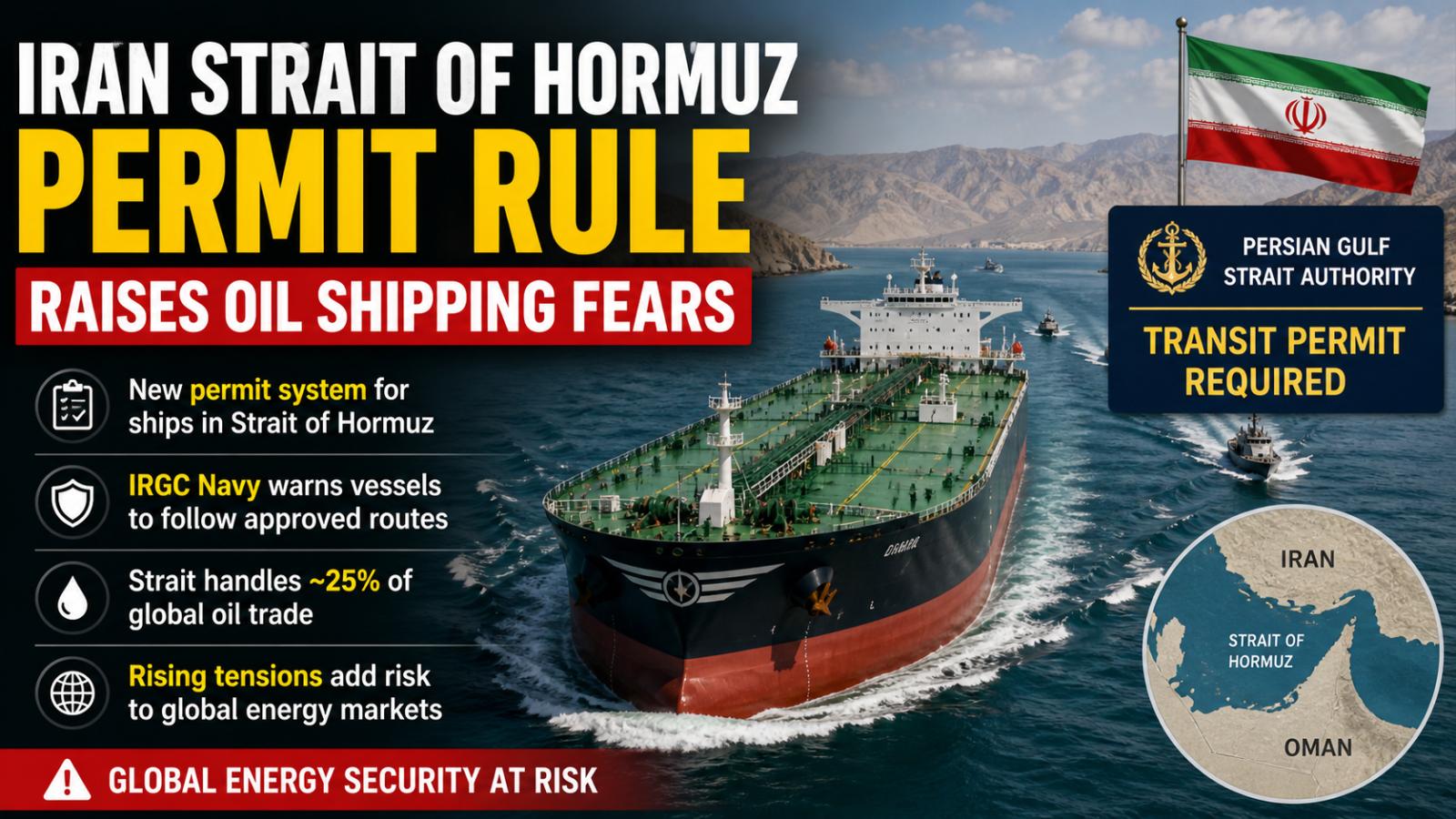
Iran has introduced a new Strait of Hormuz permit system, requiring ships to follow official transit instructions before entering one of the world’s most vital oil routes. The move raises fresh concerns for global energy markets, as the Strait of Hormuz carries a major share of seaborne oil trade and remains a flashpoint in rising US-Iran tensions.
What Iran’s New Permit Rule Means
Iran Tightens Control Over Strait of Hormuz Shipping
Iran has introduced a new Strait of Hormuz permit system, requiring ships to follow official transit instructions before entering one of the world’s most vital oil routes. The move raises fresh concerns for global energy markets, as the Strait of Hormuz carries a major share of seaborne oil trade and remains a flashpoint in rising US-Iran tensions.
What Iran’s New Permit Rule Means
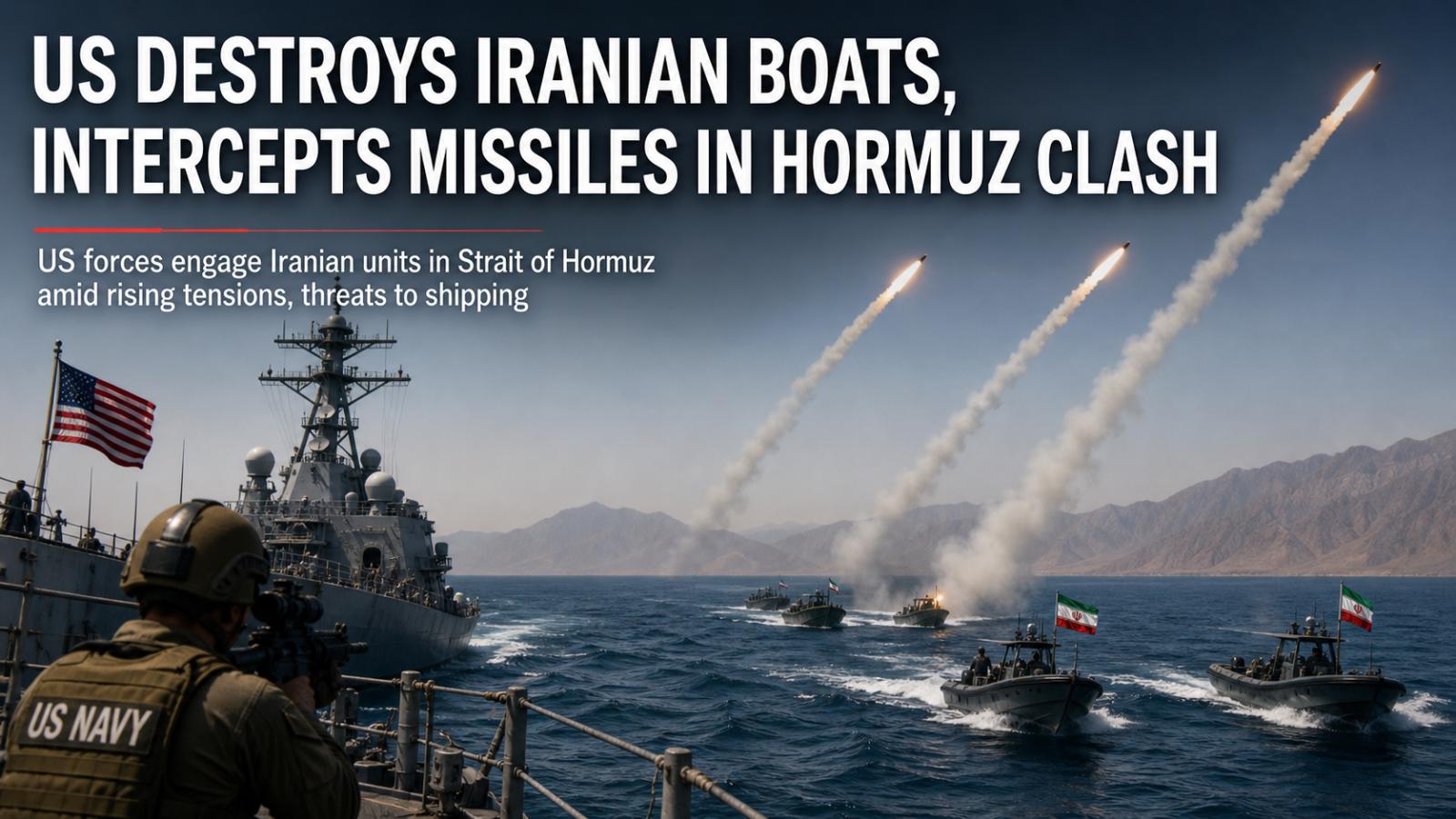
U.S. forces destroyed Iranian boats and intercepted missiles in the Strait of Hormuz on Monday, May 4, 2026, during a confrontation involving naval and aerial threats, a senior U.S. military official said. The U.S. Navy engaged Iranian units after projectiles and drones were launched toward American vessels and commercial shipping in the region, according to officials.
Admiral
U.S. forces destroyed Iranian boats and intercepted missiles in the Strait of Hormuz on Monday, May 4, 2026, during a confrontation involving naval and aerial threats, a senior U.S. military official said. The U.S. Navy engaged Iranian units after projectiles and drones were launched toward American vessels and commercial shipping in the region, according to officials.
Admiral
Strait of Hormuz Shipping Still Restricted
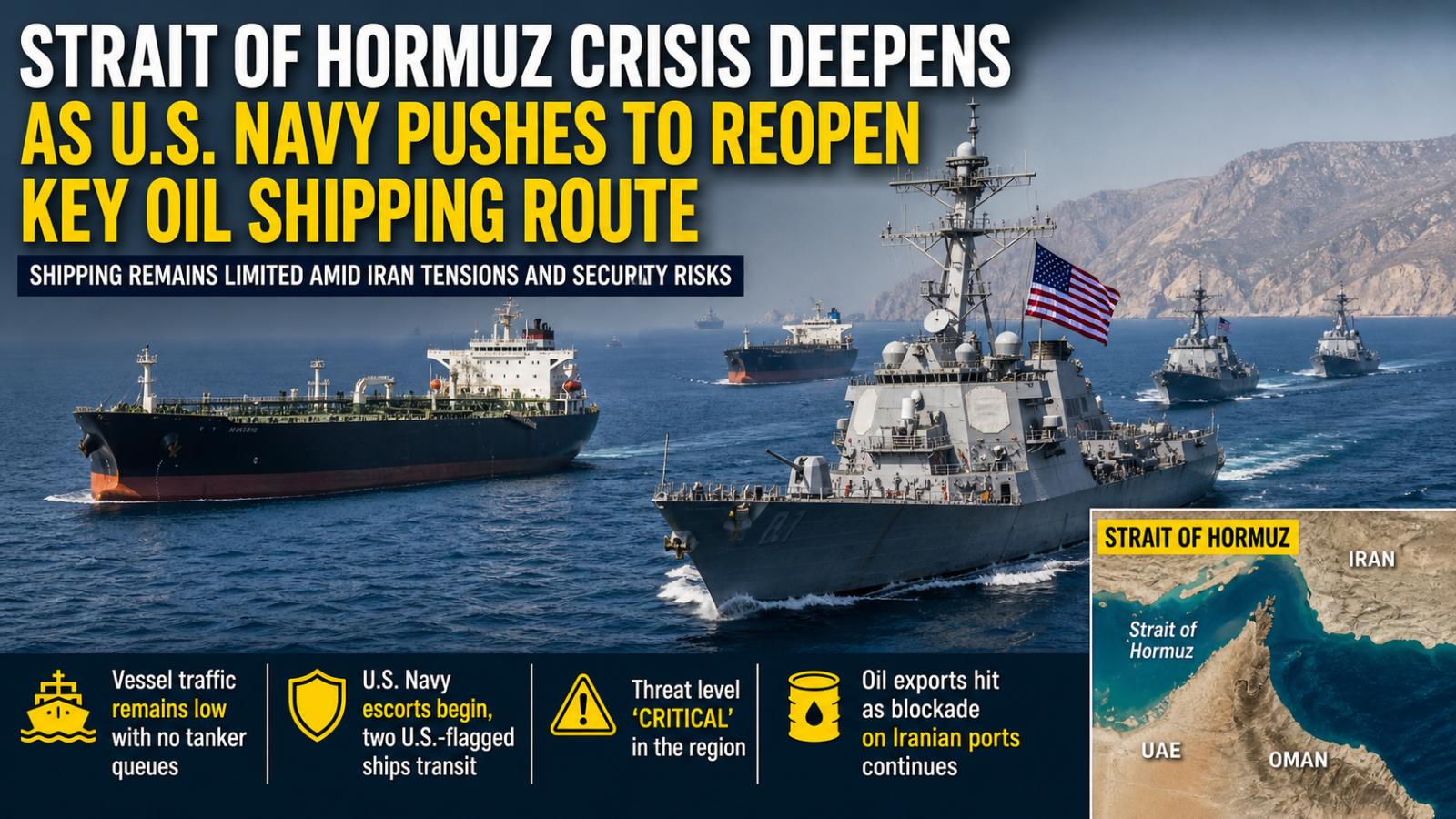
Strait of Hormuz shipping remains severely limited despite new U.S. efforts to reopen one of the world’s most important oil trade routes. Vessel movement stayed subdued Monday as carriers awaited clearer safety guarantees amid Iran tensions.
U.S. Navy Pushes to Restore Transit
U.S. Central Command said its forces are assisting efforts to restore commercial navigation, with Navy destroyers and two U.S.-flagged merchant ships reportedly crossing the waterway. Officials described the mission as defensive, aimed at protecting freedom of navigation while pressure remains on Iranian ports.
But the wider shipping industry is still cautious. Tracking data showed only scattered vessel movement, with no major return of oil tankers or large commercial ships through the narrow Gulf chokepoint.
Carriers Await Clear Safety Rules
German shipping firm Hapag-Lloyd said its vessels still cannot transit the Strait of Hormuz because safety procedures remain unclear. BIMCO has also warned that shipping companies need firm guidance and credible security assurances before resuming normal routes.
The Joint Maritime Information Center continues to rate the regional threat as “critical,” advising vessels to consider safer routing through Omani waters where possible.
Why the Strait Matters
The Strait of Hormuz is a vital passage for global oil and gas shipments, making any disruption a direct risk to energy markets, freight costs and seafarer safety. Hundreds of ships and thousands of crew members remain affected by the crisis.
Iran has warned foreign naval forces to stay away and said commercial vessels must coordinate transit with its military. Until both security risks and operating rules are resolved, global shipping through the Strait of Hormuz is likely to remain slow, uncertain and highly vulnerable.
Strait of Hormuz Shipping Still Restricted
Strait of Hormuz shipping remains severely limited despite new U.S. efforts to reopen one of the world’s most important oil trade routes. Vessel movement stayed subdued Monday as carriers awaited clearer safety guarantees amid Iran tensions.
U.S. Navy Pushes to Restore Transit
U.S. Central Command said its forces are assisting efforts to restore commercial navigation, with Navy destroyers and two U.S.-flagged merchant ships reportedly crossing the waterway. Officials described the mission as defensive, aimed at protecting freedom of navigation while pressure remains on Iranian ports.
But the wider shipping industry is still cautious. Tracking data showed only scattered vessel movement, with no major return of oil tankers or large commercial ships through the narrow Gulf chokepoint.
Carriers Await Clear Safety Rules
German shipping firm Hapag-Lloyd said its vessels still cannot transit the Strait of Hormuz because safety procedures remain unclear. BIMCO has also warned that shipping companies need firm guidance and credible security assurances before resuming normal routes.
The Joint Maritime Information Center continues to rate the regional threat as “critical,” advising vessels to consider safer routing through Omani waters where possible.
Why the Strait Matters
The Strait of Hormuz is a vital passage for global oil and gas shipments, making any disruption a direct risk to energy markets, freight costs and seafarer safety. Hundreds of ships and thousands of crew members remain affected by the crisis.
Iran has warned foreign naval forces to stay away and said commercial vessels must coordinate transit with its military. Until both security risks and operating rules are resolved, global shipping through the Strait of Hormuz is likely to remain slow, uncertain and highly vulnerable.
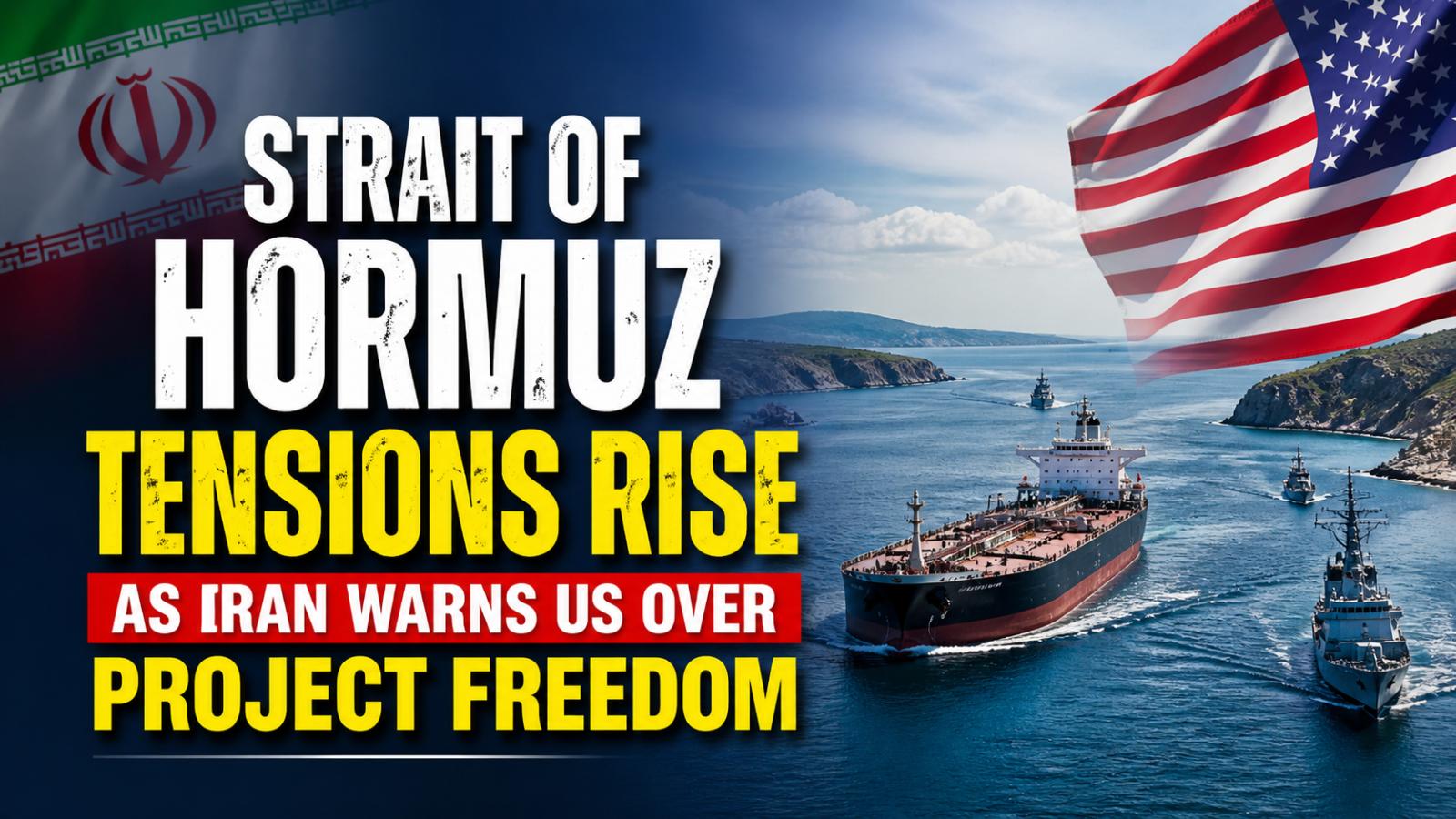
The Strait of Hormuz crisis has intensified after Ebrahim Azizi warned that any US intervention would be treated as a ceasefire violation. His remarks came in response to Donald Trump’s announcement of Project Freedom, a naval initiative aimed at guiding merchant vessels through the strategically vital w
The Strait of Hormuz crisis has intensified after Ebrahim Azizi warned that any US intervention would be treated as a ceasefire violation. His remarks came in response to Donald Trump’s announcement of Project Freedom, a naval initiative aimed at guiding merchant vessels through the strategically vital w
The United States has announced a new maritime initiative aimed at assisting commercial vessels stranded in the Strait of Hormuz, a critical global shipping route impacted by ongoing tensions. The operation, referred to as Project Freedom, is intended to guide ships safely through restricted waters as part of what officials described as a humanitarian effort to stabilize maritime activity in the region.
According to statements from US leadership, the initiative will focus on escorti
The United States has announced a new maritime initiative aimed at assisting commercial vessels stranded in the Strait of Hormuz, a critical global shipping route impacted by ongoing tensions. The operation, referred to as Project Freedom, is intended to guide ships safely through restricted waters as part of what officials described as a humanitarian effort to stabilize maritime activity in the region.
According to statements from US leadership, the initiative will focus on escorti
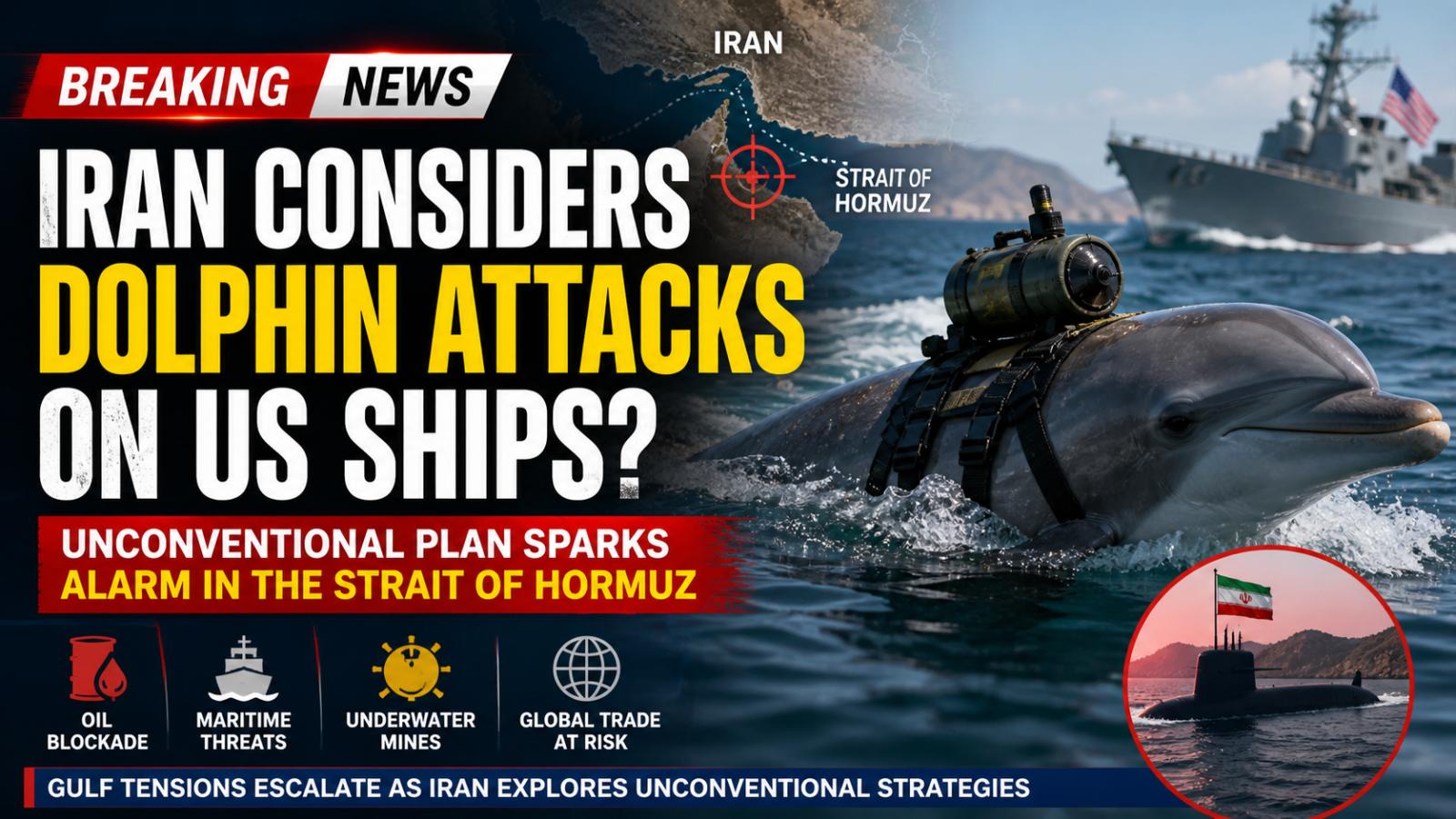
Iran is reportedly evaluating unconventional military approaches as tensions continue in the Gulf, with discussions centered on alternative maritime tactics that could impact security in the Strait of Hormuz. The move comes at a time when economic pressure from ongoing restrictions on oil exports is intensifying internal debate within the country’s leadership.
Officials are said to be considering a range of options that extend beyond traditional naval operations. These deliberations reflect growing frustration among certain factions, which increasingly view the prolonged blockade as a direct threat to national stability. While a fragile ceasefire remains in place, some policymakers argue that the economic consequences of continued restrictions could outweigh the risks of escalation.
Iran has previously explored the use of trained marine animals for defense-related purposes, highlighting a history of experimental approaches within its military planning. Such methods, if pursued, would represent a broader shift toward unconventional strategies aimed at countering perceived disadvantages in conventional naval power.
Alongside these discussions, there are concerns that Iran could deploy submarines or other underwater capabilities within the strategic waterway. Additional threats have included the potential disruption of critical telecommunications infrastructure, which could have far-reaching consequences for global connectivity and trade.
For international shipping, the primary concern remains surface-level disruptions that could directly affect the flow of goods through one of the world’s most vital energy corridors. Security officials continue to monitor developments closely, as any escalation in the region could have immediate implications for global markets and maritime safety.
Iran is reportedly evaluating unconventional military approaches as tensions continue in the Gulf, with discussions centered on alternative maritime tactics that could impact security in the Strait of Hormuz. The move comes at a time when economic pressure from ongoing restrictions on oil exports is intensifying internal debate within the country’s leadership.
Officials are said to be considering a range of options that extend beyond traditional naval operations. These deliberations reflect growing frustration among certain factions, which increasingly view the prolonged blockade as a direct threat to national stability. While a fragile ceasefire remains in place, some policymakers argue that the economic consequences of continued restrictions could outweigh the risks of escalation.
Iran has previously explored the use of trained marine animals for defense-related purposes, highlighting a history of experimental approaches within its military planning. Such methods, if pursued, would represent a broader shift toward unconventional strategies aimed at countering perceived disadvantages in conventional naval power.
Alongside these discussions, there are concerns that Iran could deploy submarines or other underwater capabilities within the strategic waterway. Additional threats have included the potential disruption of critical telecommunications infrastructure, which could have far-reaching consequences for global connectivity and trade.
For international shipping, the primary concern remains surface-level disruptions that could directly affect the flow of goods through one of the world’s most vital energy corridors. Security officials continue to monitor developments closely, as any escalation in the region could have immediate implications for global markets and maritime safety.
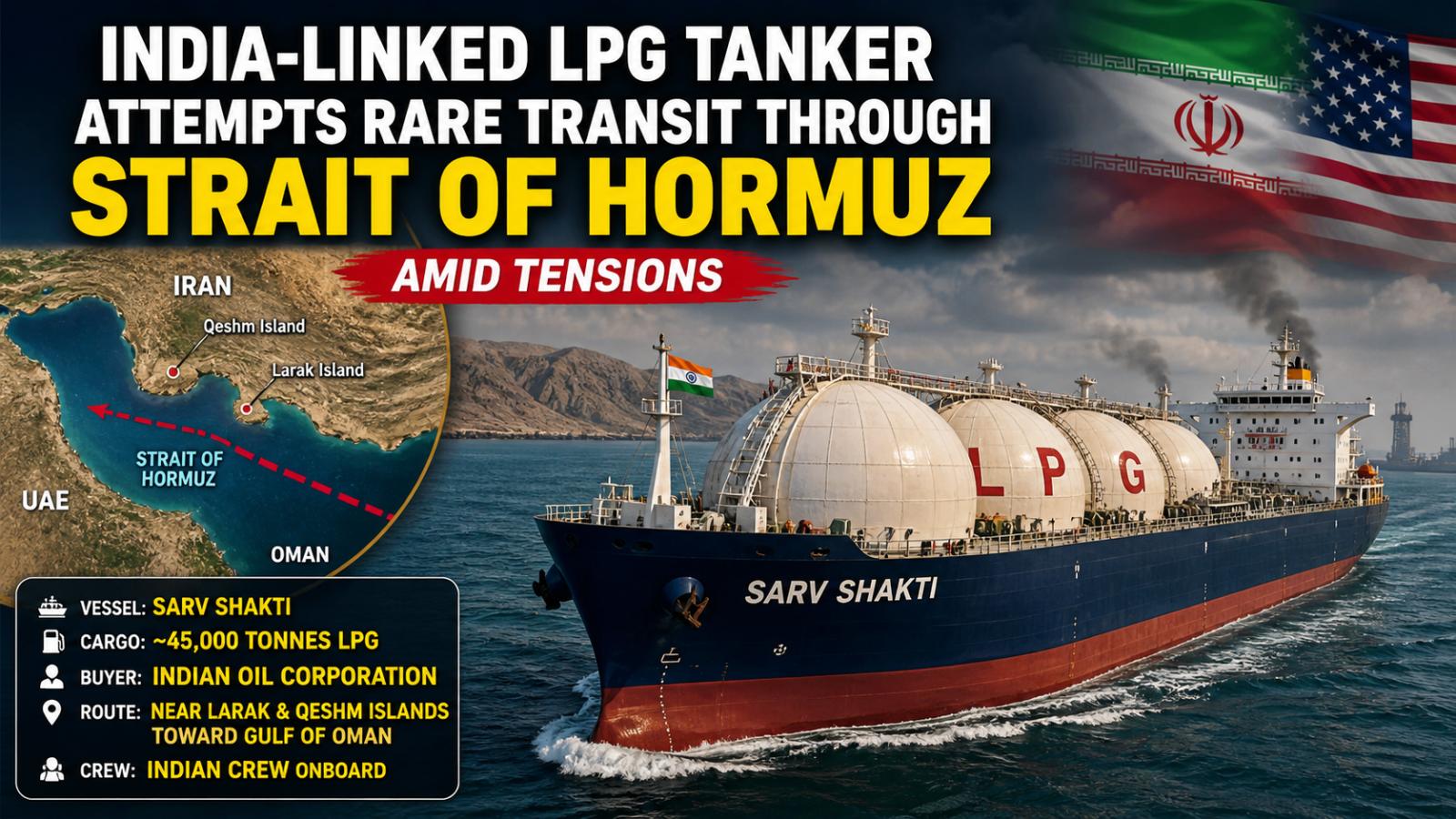
In a moment that could quietly shape global energy markets, an India-linked LPG tanker is attempting something most ships are now avoiding.
The vessel, Sarv Shakti, loaded with nearly 45,000 tonnes of liquefied petroleum gas, is moving toward the tense waters of the Strait of Hormuz — a route that has suddenly become one of the world’s most dangerous maritime
In a moment that could quietly shape global energy markets, an India-linked LPG tanker is attempting something most ships are now avoiding.
The vessel, Sarv Shakti, loaded with nearly 45,000 tonnes of liquefied petroleum gas, is moving toward the tense waters of the Strait of Hormuz — a route that has suddenly become one of the world’s most dangerous maritime
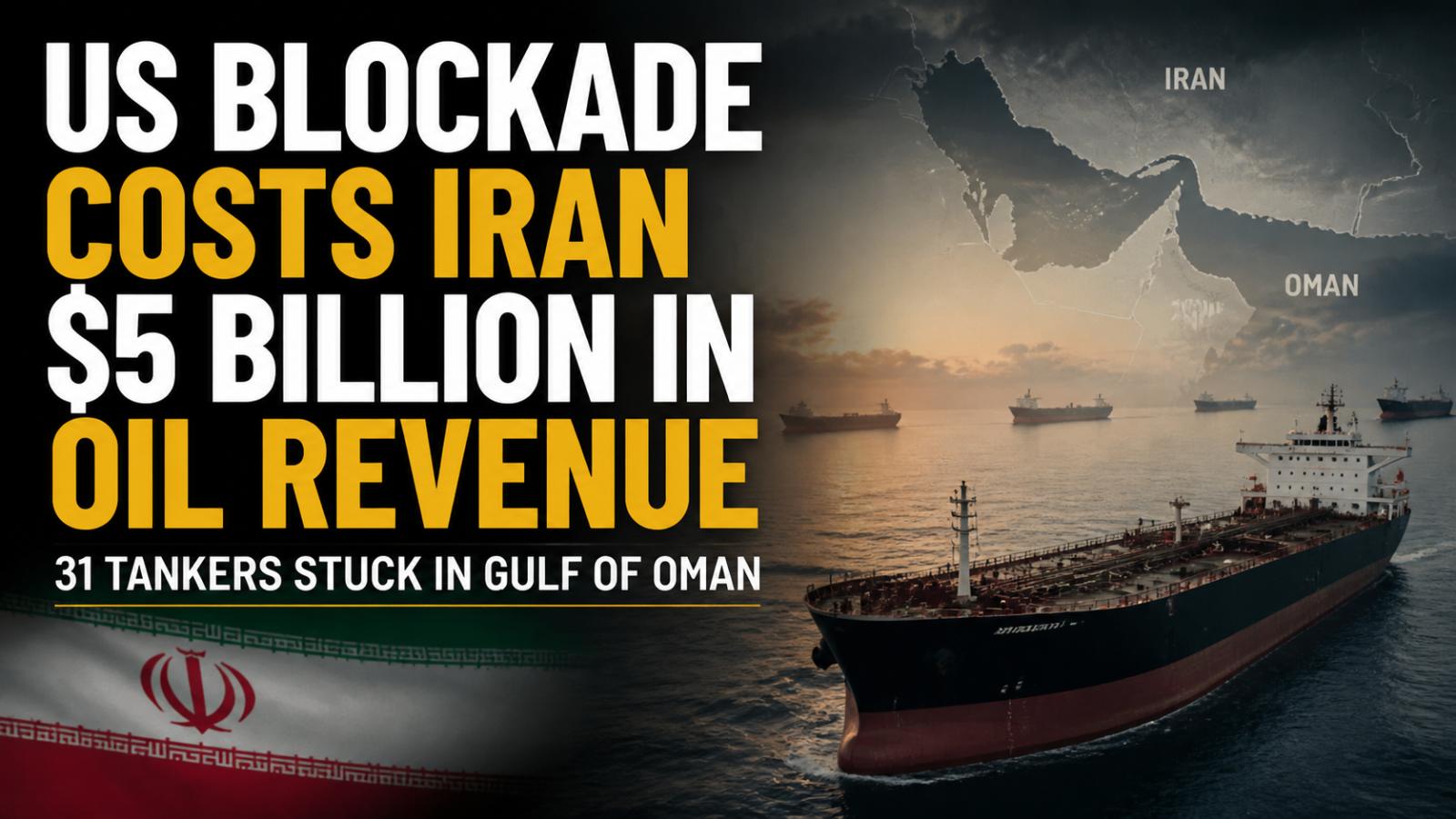
The ongoing US blockade in the Gulf of Oman has forced Iran to face a massive loss, with the US Defense Department estimating that Tehran has lost nearly $5 billion in oil revenue. This economic setback is the result of a blockade imposed by the US military in an effort to increase pressure on Iran’s economy. The blockade, which began on April 13, 2025, has been described as one of President Donald Trump’s most powerful tools to drive Iran into negotiations that aim to resolve the ongoing conflict. However, diplomatic talks have been repeatedly stalling and restarting, leaving both parties in a stalemate.
According to Pentagon officials, more than 40 vessels have been redirected since the operation’s start, as they attempted to smuggle oil and other contraband through the region. In total, 31 tankers carrying approximately 53 million barrels of Iranian crude are now stuck in the Gulf of Oman, and these shipments are valued at around $4.8 billion. Of these, two vessels have already been seized by US forces.
With storage capacity on land reaching its limits, Iran has resorted to using older tankers as floating storage units, as reported by analysts. These tankers, which are no longer fit for regular commercial routes, have become temporary storage sites for Iran’s oil. Some shipments are being rerouted along longer and more expensive paths, primarily to avoid interception by US forces. To achieve this, Iranian ships have been following coastlines near Pakistan and India and using safer maritime corridors towards the Strait of Malacca, a key transit point for oil bound for China.
Tanker tracking analysts such as Samir Madani, co-founder of TankerTrackers.com, have noted a shift in Iranian shipping patterns. He explained how one Iranian tanker, called “HUGE,” cleverly demonstrated how ships are using stealth routes to evade detection. According to Madani, ships are increasingly relying on hidden paths through regional waters to avoid the US military blockade. Madani also predicted that, in the future, Iran might attempt a large-scale breakout of its tankers.
"I think the Iranians will wait for an opportunity to launch an overnight 'Great Escape' once they have built up further storage near the border with Pakistan,” Madani told Axios.
This situation is part of a broader economic struggle between Iran and the United States, with both countries resorting to maritime pressure tactics. Iran has previously restricted access to the Strait of Hormuz, a critical shipping route, in retaliation. Meanwhile, the US has been tightening its control over the Gulf of Oman, an entry point to key waterways.
According to Gregory Brew, an analyst at Eurasia Group, Iran is just weeks away from running out of storage space for its oil, which could collapse its oil production capacity. "They're probably several weeks, or perhaps as much as a month, away from running out of storage," Brew said.
The Pentagon’s spokesperson, Joel Valdez, emphasized the severity of the situation, stating that the blockade is fully active and that the US military is delivering a devastating blow to Iran’s ability to fund terrorism and regional destabilization. “Our armed forces in the region will continue to maintain this unrelenting pressure,” Valdez said. This strategy, although harsh, seems designed to wear down Iran’s ability to sustain itself economically, and possibly force a change in its approach to negotiations.
The ongoing US blockade in the Gulf of Oman has forced Iran to face a massive loss, with the US Defense Department estimating that Tehran has lost nearly $5 billion in oil revenue. This economic setback is the result of a blockade imposed by the US military in an effort to increase pressure on Iran’s economy. The blockade, which began on April 13, 2025, has been described as one of President Donald Trump’s most powerful tools to drive Iran into negotiations that aim to resolve the ongoing conflict. However, diplomatic talks have been repeatedly stalling and restarting, leaving both parties in a stalemate.
According to Pentagon officials, more than 40 vessels have been redirected since the operation’s start, as they attempted to smuggle oil and other contraband through the region. In total, 31 tankers carrying approximately 53 million barrels of Iranian crude are now stuck in the Gulf of Oman, and these shipments are valued at around $4.8 billion. Of these, two vessels have already been seized by US forces.
With storage capacity on land reaching its limits, Iran has resorted to using older tankers as floating storage units, as reported by analysts. These tankers, which are no longer fit for regular commercial routes, have become temporary storage sites for Iran’s oil. Some shipments are being rerouted along longer and more expensive paths, primarily to avoid interception by US forces. To achieve this, Iranian ships have been following coastlines near Pakistan and India and using safer maritime corridors towards the Strait of Malacca, a key transit point for oil bound for China.
Tanker tracking analysts such as Samir Madani, co-founder of TankerTrackers.com, have noted a shift in Iranian shipping patterns. He explained how one Iranian tanker, called “HUGE,” cleverly demonstrated how ships are using stealth routes to evade detection. According to Madani, ships are increasingly relying on hidden paths through regional waters to avoid the US military blockade. Madani also predicted that, in the future, Iran might attempt a large-scale breakout of its tankers.
"I think the Iranians will wait for an opportunity to launch an overnight 'Great Escape' once they have built up further storage near the border with Pakistan,” Madani told Axios.
This situation is part of a broader economic struggle between Iran and the United States, with both countries resorting to maritime pressure tactics. Iran has previously restricted access to the Strait of Hormuz, a critical shipping route, in retaliation. Meanwhile, the US has been tightening its control over the Gulf of Oman, an entry point to key waterways.
According to Gregory Brew, an analyst at Eurasia Group, Iran is just weeks away from running out of storage space for its oil, which could collapse its oil production capacity. "They're probably several weeks, or perhaps as much as a month, away from running out of storage," Brew said.
The Pentagon’s spokesperson, Joel Valdez, emphasized the severity of the situation, stating that the blockade is fully active and that the US military is delivering a devastating blow to Iran’s ability to fund terrorism and regional destabilization. “Our armed forces in the region will continue to maintain this unrelenting pressure,” Valdez said. This strategy, although harsh, seems designed to wear down Iran’s ability to sustain itself economically, and possibly force a change in its approach to negotiations.
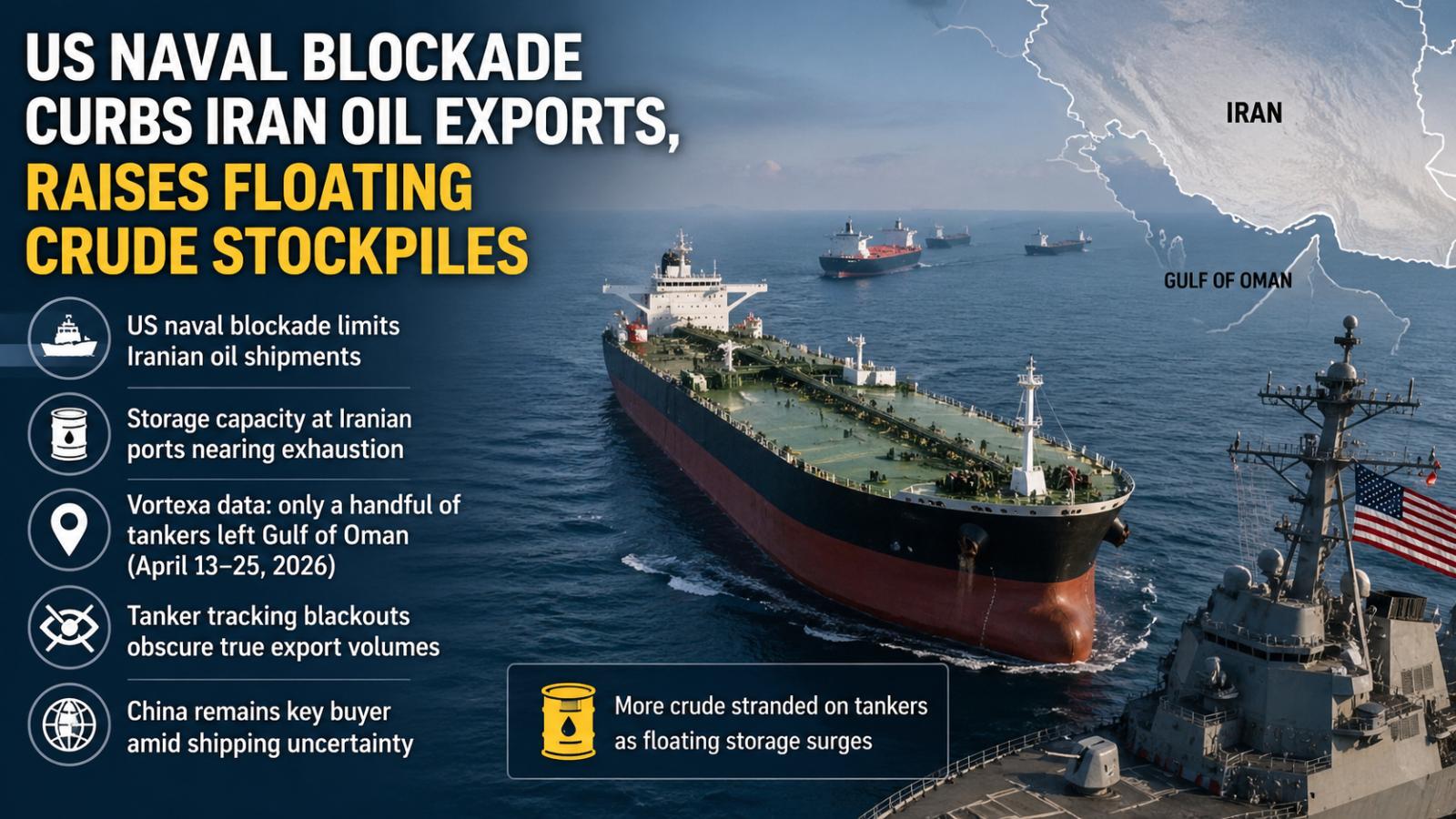
The US naval blockade has sharply reduced Iran’s oil exports, forcing crude into floating storage as onshore capacity fills. Limited tanker movement and tracking blackouts obscure shipments, raising concerns over global supply transparency and market stability
US naval blockade curbs Iran oil exports, raises floating crude stockpiles has significantly reduced Tehran’s oil shipments, leaving large volumes stranded at sea as storage capacity tightens. Analysts citing shipping data report that Iranian crude exports have dropped sharply due to heightened maritime restrictions and operational risks in key transit routes.
According to data from oil analytics firm Vortexa, only a limited number of tankers carrying Iranian crude departed the Gulf of Oman between Sunday, April 13, 2026, and Friday, April 25, 2026. This decline underscores the growing impact of the blockade, which has disrupted traditional export channels and created uncertainty across global energy markets. The situation is further complicated by tanker operators switching off tracking systems to avoid detection, making it difficult to accurately measure export volumes.
China remains Iran’s primary buyer, but the opacity surrounding shipments has increased as vessels attempt to evade monitoring systems. Analysts note that this lack of transparency could distort global supply assessments and complicate pricing trends in international oil markets. As Iranian onshore storage facilities reach capacity, more crude is being held on tankers, effectively turning them into floating storage units.
The blockade’s ripple effects extend beyond oil logistics. Broader policy measures tied to the maritime restrictions have contributed to operational challenges within U.S. federal systems. Since Friday, February 14, 2026, certain agencies have faced funding interruptions, leading to disruptions including extended wait times at major U.S. airports. While a recent measure supported by President Donald Trump has reopened the Department of Homeland Security, it does not allocate additional funding for Immigration and Customs Enforcement or the U.S. Border Patrol.
The evolving situation highlights the intersection of geopolitical strategy and global energy flows, with analysts warning that prolonged disruptions could tighten supply chains and influence oil prices worldwide.
The US naval blockade has sharply reduced Iran’s oil exports, forcing crude into floating storage as onshore capacity fills. Limited tanker movement and tracking blackouts obscure shipments, raising concerns over global supply transparency and market stability
US naval blockade curbs Iran oil exports, raises floating crude stockpiles has significantly reduced Tehran’s oil shipments, leaving large volumes stranded at sea as storage capacity tightens. Analysts citing shipping data report that Iranian crude exports have dropped sharply due to heightened maritime restrictions and operational risks in key transit routes.
According to data from oil analytics firm Vortexa, only a limited number of tankers carrying Iranian crude departed the Gulf of Oman between Sunday, April 13, 2026, and Friday, April 25, 2026. This decline underscores the growing impact of the blockade, which has disrupted traditional export channels and created uncertainty across global energy markets. The situation is further complicated by tanker operators switching off tracking systems to avoid detection, making it difficult to accurately measure export volumes.
China remains Iran’s primary buyer, but the opacity surrounding shipments has increased as vessels attempt to evade monitoring systems. Analysts note that this lack of transparency could distort global supply assessments and complicate pricing trends in international oil markets. As Iranian onshore storage facilities reach capacity, more crude is being held on tankers, effectively turning them into floating storage units.
The blockade’s ripple effects extend beyond oil logistics. Broader policy measures tied to the maritime restrictions have contributed to operational challenges within U.S. federal systems. Since Friday, February 14, 2026, certain agencies have faced funding interruptions, leading to disruptions including extended wait times at major U.S. airports. While a recent measure supported by President Donald Trump has reopened the Department of Homeland Security, it does not allocate additional funding for Immigration and Customs Enforcement or the U.S. Border Patrol.
The evolving situation highlights the intersection of geopolitical strategy and global energy flows, with analysts warning that prolonged disruptions could tighten supply chains and influence oil prices worldwide.