
















Zelensky Meets European Allies In London
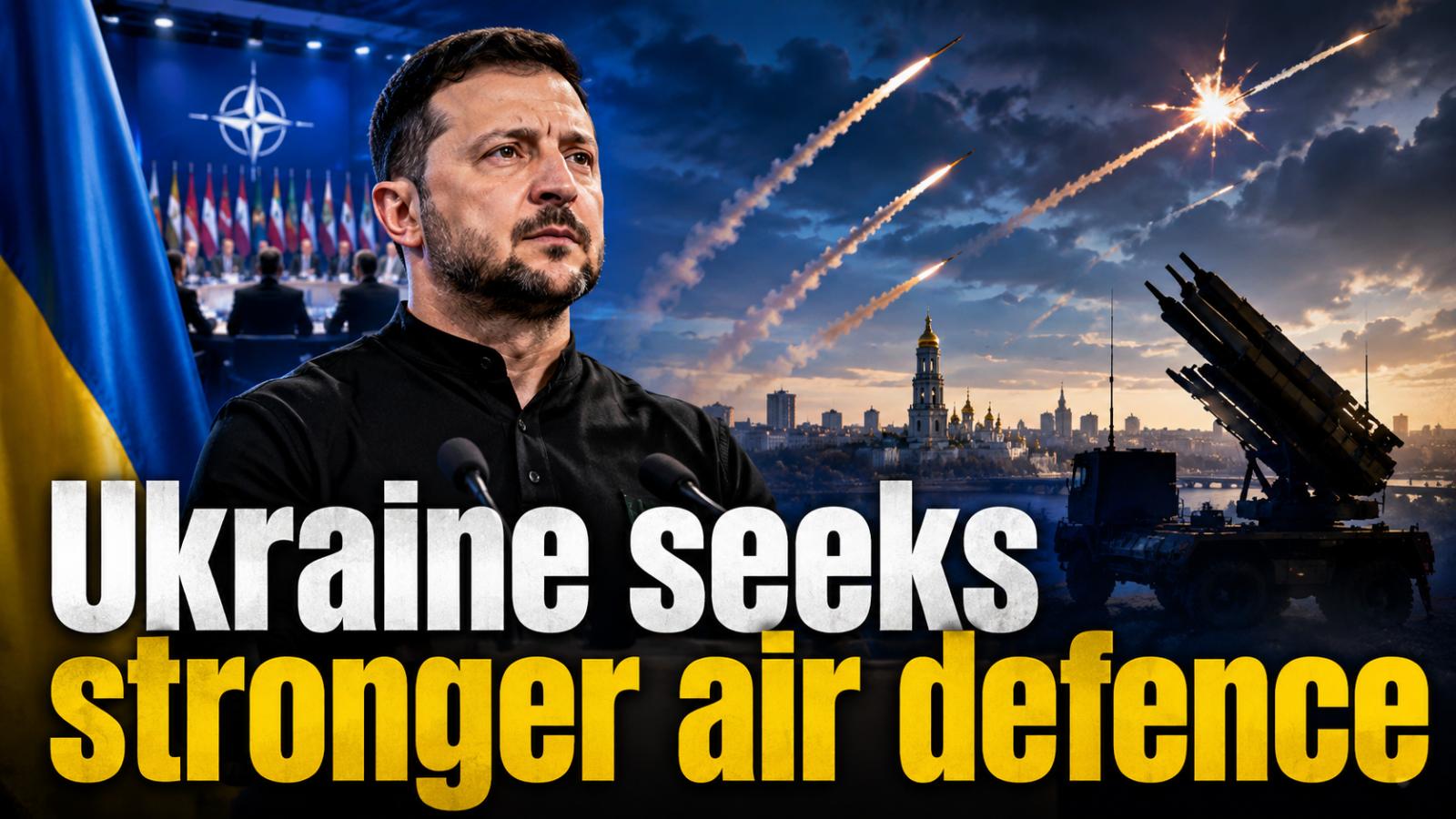
Zelensky Meets Key European Allies Ukrainian President Volodymyr Zelensky arrived in London on Sunday for talks with British Prime Minister Keir Starmer, French President Emmanuel Macron and German Chancellor Friedrich Merz. The meeting brought together some of Kyiv’s most important European supporters as Ukraine continues to seek stronger security guarantees and more military backing. The talks focused on
Zelensky Meets European Allies In London
Zelensky Meets Key European Allies Ukrainian President Volodymyr Zelensky arrived in London on Sunday for talks with British Prime Minister Keir Starmer, French President Emmanuel Macron and German Chancellor Friedrich Merz. The meeting brought together some of Kyiv’s most important European supporters as Ukraine continues to seek stronger security guarantees and more military backing. The talks focused on
House Passes $Billions Ukraine Aid, Challenges Trump
House Approves Ukraine Aid and Russia Sanctions In a notable move, the US House of Representatives passed legislation providing billions of dollars in aid to Ukraine while imposing stricter sanctions on Russia. The vote ended 226-195, with 18 Republicans and one independent breaking ranks with party leadership to join Democrats. The legislation introduces targeted oil and gas sanctions on Russia and signals bipartisan concern over c
House Passes $Billions Ukraine Aid, Challenges Trump
House Approves Ukraine Aid and Russia Sanctions In a notable move, the US House of Representatives passed legislation providing billions of dollars in aid to Ukraine while imposing stricter sanctions on Russia. The vote ended 226-195, with 18 Republicans and one independent breaking ranks with party leadership to join Democrats. The legislation introduces targeted oil and gas sanctions on Russia and signals bipartisan concern over c
Zaporizhzhia Nuclear Plant Drone Strike Claim Sparks Global Safety Alarm
Russia Claims Drone Hit Nuclear Plant Russia’s state nuclear company Rosatom claimed that a Ukrainian drone struck the turbine hall of Power Unit No. 6 at the Zaporizhzhia nuclear power plant. According to Rosatom, the blast created a hole in the turbine hall wall but did not damage key equipment at the facility. Rosatom’s chief Alexei Likhachev called the reported incident deliberate, adding that any attack near a nuclear facility could increase safety risks.
Zaporizhzhia Nuclear Plant Drone Strike Claim Sparks Global Safety Alarm
Russia Claims Drone Hit Nuclear Plant Russia’s state nuclear company Rosatom claimed that a Ukrainian drone struck the turbine hall of Power Unit No. 6 at the Zaporizhzhia nuclear power plant. According to Rosatom, the blast created a hole in the turbine hall wall but did not damage key equipment at the facility. Rosatom’s chief Alexei Likhachev called the reported incident deliberate, adding that any attack near a nuclear facility could increase safety risks.
Zelensky Warns of Major Russian Attack on Ukraine
Zelensky Warns of New Russian Strikes Ukrainian President Volodymyr Zelensky on Friday, May 29, warned that Russia is preparing a major new attack on Ukraine. His message comes after Kyiv experienced one of the largest Russian bombardments since the full-scale invasion began in 2022. The capital city was among the hardest-hit areas during last weekend’s wave of strikes, raising concerns about further
Zelensky Warns of Major Russian Attack on Ukraine
Zelensky Warns of New Russian Strikes Ukrainian President Volodymyr Zelensky on Friday, May 29, warned that Russia is preparing a major new attack on Ukraine. His message comes after Kyiv experienced one of the largest Russian bombardments since the full-scale invasion began in 2022. The capital city was among the hardest-hit areas during last weekend’s wave of strikes, raising concerns about further
Russian Drone Hits Romanian Apartment Building Near Ukraine Border
Drone Hits Building In Galati A Russian drone struck an apartment building in the Romanian city of Galati early Friday, May 29, causing a fire and injuring two people, Romania’s defence ministry said. The incident took place near the country’s river border with Ukraine during a renewed wave of Russian drone attacks on civilian and infrastructure targets across Ukraine. Videos shared online showed an explosion at the moment of impact, though authorities have not provided further details on the full extent of the damage. Romania Reports Airspace Breach According to Romania’s defence ministry, one of the drones entered Romanian airspace during the overnight attack and was tracked by radar as it moved toward the southern part of Galati. The drone later crashed onto the roof of an apartment building, where the impact triggered a fire. The ministry said the aircraft was linked to Russia’s wider drone operations targeting areas in Ukraine close to Romania’s border. War Spillover Raises Concern The strike has renewed concerns about the risk of the Russia-Ukraine war spilling into NATO territory. Romania, a NATO member, has previously reported drone fragments and airspace violations linked to Russian attacks near the Ukrainian border. However, an impact on a residential building inside Romania adds a more serious civilian safety concern and raises questions about border security, air defence monitoring and the growing risks faced by communities near the conflict zone. The Galati incident comes as Russian forces continue to use drones against Ukrainian civilian and infrastructure targets close to Romania. Romanian officials said the drone was tracked before it crashed, but did not immediately say whether it was intercepted or whether further military action was considered. The immediate priority remained firefighting, medical response and damage assessment at the apartment building. The event is likely to increase pressure on Romanian and NATO authorities to strengthen surveillance and response systems along the border while avoiding any escalation beyond defensive security measures.
Russian Drone Hits Romanian Apartment Building Near Ukraine Border
Drone Hits Building In Galati A Russian drone struck an apartment building in the Romanian city of Galati early Friday, May 29, causing a fire and injuring two people, Romania’s defence ministry said. The incident took place near the country’s river border with Ukraine during a renewed wave of Russian drone attacks on civilian and infrastructure targets across Ukraine. Videos shared online showed an explosion at the moment of impact, though authorities have not provided further details on the full extent of the damage. Romania Reports Airspace Breach According to Romania’s defence ministry, one of the drones entered Romanian airspace during the overnight attack and was tracked by radar as it moved toward the southern part of Galati. The drone later crashed onto the roof of an apartment building, where the impact triggered a fire. The ministry said the aircraft was linked to Russia’s wider drone operations targeting areas in Ukraine close to Romania’s border. War Spillover Raises Concern The strike has renewed concerns about the risk of the Russia-Ukraine war spilling into NATO territory. Romania, a NATO member, has previously reported drone fragments and airspace violations linked to Russian attacks near the Ukrainian border. However, an impact on a residential building inside Romania adds a more serious civilian safety concern and raises questions about border security, air defence monitoring and the growing risks faced by communities near the conflict zone. The Galati incident comes as Russian forces continue to use drones against Ukrainian civilian and infrastructure targets close to Romania. Romanian officials said the drone was tracked before it crashed, but did not immediately say whether it was intercepted or whether further military action was considered. The immediate priority remained firefighting, medical response and damage assessment at the apartment building. The event is likely to increase pressure on Romanian and NATO authorities to strengthen surveillance and response systems along the border while avoiding any escalation beyond defensive security measures.
China Hosts Putin in Beijing: Strengthening Strategic Ties
Chinese President Xi Jinping welcomed Russian President Vladimir Putin to Beijing this week, shortly after a visit from US President Donald Trump. The summit emphasizes China’s role as a central global power, balancing relations with both Washington and Moscow while advancing its strategic interests. Amid energy crises, trade disputes, and geopolitical conflicts, China aims to project stability and strengthen its influence on the global stage. Strengthening China-Russia S
China Hosts Putin in Beijing: Strengthening Strategic Ties
Chinese President Xi Jinping welcomed Russian President Vladimir Putin to Beijing this week, shortly after a visit from US President Donald Trump. The summit emphasizes China’s role as a central global power, balancing relations with both Washington and Moscow while advancing its strategic interests. Amid energy crises, trade disputes, and geopolitical conflicts, China aims to project stability and strengthen its influence on the global stage. Strengthening China-Russia S
Ukraine War Update: Putin Indicates Possibility of Peace Settlement
Putin Signals Possible Ukraine Peace Talks as Ceasefire Begins Vladimir Putin has hinted that the Russia-Ukraine war could be nearing an end, raising hopes of a possible peace agreement after years of conflict. Speaking during Russia’s Victory Day events in Moscow, Putin said the situation appeared to be “coming to an end” as
Ukraine War Update: Putin Indicates Possibility of Peace Settlement
Putin Signals Possible Ukraine Peace Talks as Ceasefire Begins Vladimir Putin has hinted that the Russia-Ukraine war could be nearing an end, raising hopes of a possible peace agreement after years of conflict. Speaking during Russia’s Victory Day events in Moscow, Putin said the situation appeared to be “coming to an end” as
Putin’s security tightened amid coup fears and military assassinations
Russian President Vladimir Putin is facing an unprecedented level of security following growing concerns about a potential coup. These fears stem from a series of recent assassinations of senior Russian military figures, sparking widespread unease within the Kremlin. A European intelligence report reveals that Putin's security measures have been drastically increased, with surveillance systems now installed in the homes of his closest staff. These measures aim to prevent leaks of sensitive information and reduce the possibility of a plot against the president. Additionally, those who work directly with the president, including his bodyguards, chefs, and photographers, are now prohibited from using public transportation. Instead, all personnel visiting Putin must undergo two rounds of screening. Moreover, they are restricted to using phones without internet access to further minimize the risk of communication leaks. The intensified security is reportedly a response to fears of assassination attempts, particularly from the growing power of Russian elites who are displeased with Putin's leadership, especially amid the ongoing conflict in Ukraine. Former confidante’s role in coup fears One of the major concerns surrounding Putin’s safety involves Sergei Shoigu, a former confidante and the former defense minister of Russia. Shoigu was removed from his post but still retains significant influence within the Russian military. According to the report, Shoigu is now linked to potential coup efforts, as he remains a powerful figure within Russia’s military high command. Shoigu's influence over the Russian military is seen as a significant threat to Putin's reign, especially after the arrest of Ruslan Tsalikov, Shoigu's close associate, in March. This arrest has stirred political unrest within the Kremlin and raised suspicions about potential power shifts. The tensions within Russia's elite circles have added fuel to the fears of an internal coup, though the report does not provide direct evidence linking Shoigu to any active conspiracy. Kremlin in turmoil over Ukraine war and dissent The political climate within the Kremlin has grown increasingly unstable, particularly since the death of a top general in December, which triggered many of the heightened security measures. The fallout from this incident has led to fractures within Russia's security establishment, which is now divided over how to handle the fallout from the war in Ukraine. The rising costs and significant Russian military fatalities, estimated at 30,000 a month, have led to growing dissent within the political elite. Many believe the war has become unsustainable, further intensifying the pressure on Putin’s leadership. Putin has not publicly visited a military facility in 2023 and has avoided his usual residences, including those in the Moscow region and Valdai. The president has stopped making public appearances out of fear for his safety, with the Kremlin opting to release pre-recorded videos and images to maintain his presence in the media. According to reports, Putin has spent weeks at a time in upgraded bunkers, particularly in the Krasnodar coastal region, in response to the escalating threat of a coup and potential drone attacks. The ongoing crisis inside Russia's political structure Amidst the growing security concerns, the Kremlin is facing increasing instability, with political dissidents pushing back against Putin’s decisions. The Ukraine war has become a focal point of this unrest, with many within the political and military elite questioning its sustainability. These issues, compounded by the rising death toll among Russian soldiers, continue to contribute to the growing volatility of Putin’s rule. As fears of a coup mount, the situation inside the Kremlin remains precarious, with Putin’s tight security measures highlighting the level of tension and distrust among Russia’s political and military circles. The coming months may reveal whether these intensified precautions will be enough to protect Putin or if the risks posed by internal dissent and external threats will continue to grow.
Putin’s security tightened amid coup fears and military assassinations
Russian President Vladimir Putin is facing an unprecedented level of security following growing concerns about a potential coup. These fears stem from a series of recent assassinations of senior Russian military figures, sparking widespread unease within the Kremlin. A European intelligence report reveals that Putin's security measures have been drastically increased, with surveillance systems now installed in the homes of his closest staff. These measures aim to prevent leaks of sensitive information and reduce the possibility of a plot against the president. Additionally, those who work directly with the president, including his bodyguards, chefs, and photographers, are now prohibited from using public transportation. Instead, all personnel visiting Putin must undergo two rounds of screening. Moreover, they are restricted to using phones without internet access to further minimize the risk of communication leaks. The intensified security is reportedly a response to fears of assassination attempts, particularly from the growing power of Russian elites who are displeased with Putin's leadership, especially amid the ongoing conflict in Ukraine. Former confidante’s role in coup fears One of the major concerns surrounding Putin’s safety involves Sergei Shoigu, a former confidante and the former defense minister of Russia. Shoigu was removed from his post but still retains significant influence within the Russian military. According to the report, Shoigu is now linked to potential coup efforts, as he remains a powerful figure within Russia’s military high command. Shoigu's influence over the Russian military is seen as a significant threat to Putin's reign, especially after the arrest of Ruslan Tsalikov, Shoigu's close associate, in March. This arrest has stirred political unrest within the Kremlin and raised suspicions about potential power shifts. The tensions within Russia's elite circles have added fuel to the fears of an internal coup, though the report does not provide direct evidence linking Shoigu to any active conspiracy. Kremlin in turmoil over Ukraine war and dissent The political climate within the Kremlin has grown increasingly unstable, particularly since the death of a top general in December, which triggered many of the heightened security measures. The fallout from this incident has led to fractures within Russia's security establishment, which is now divided over how to handle the fallout from the war in Ukraine. The rising costs and significant Russian military fatalities, estimated at 30,000 a month, have led to growing dissent within the political elite. Many believe the war has become unsustainable, further intensifying the pressure on Putin’s leadership. Putin has not publicly visited a military facility in 2023 and has avoided his usual residences, including those in the Moscow region and Valdai. The president has stopped making public appearances out of fear for his safety, with the Kremlin opting to release pre-recorded videos and images to maintain his presence in the media. According to reports, Putin has spent weeks at a time in upgraded bunkers, particularly in the Krasnodar coastal region, in response to the escalating threat of a coup and potential drone attacks. The ongoing crisis inside Russia's political structure Amidst the growing security concerns, the Kremlin is facing increasing instability, with political dissidents pushing back against Putin’s decisions. The Ukraine war has become a focal point of this unrest, with many within the political and military elite questioning its sustainability. These issues, compounded by the rising death toll among Russian soldiers, continue to contribute to the growing volatility of Putin’s rule. As fears of a coup mount, the situation inside the Kremlin remains precarious, with Putin’s tight security measures highlighting the level of tension and distrust among Russia’s political and military circles. The coming months may reveal whether these intensified precautions will be enough to protect Putin or if the risks posed by internal dissent and external threats will continue to grow.
Russia, Ukraine Announce Separate May Cease-fires
Russia said it will observe a cease-fire from May 8 to May 9 to mark Victory Day, while Ukraine has already declared a separate truce for May 5 to May 6, underscoring a lack of coordination between the two sides. The Kremlin said President Vladimir Putin ordered the pause as a humanitarian gesture tied to World War Two commemorations. Russian officials warned that any violations could trigger a strong military response. Russia’s Defense Ministry said the capital, Kyiv, could face significant strikes if the truce is breached, urging civilians and foreign diplomatic staff to leave as a precaution, according to official statements. Ukraine’s President Volodymyr Zelensky announced an earlier two-day cease-fire beginning May 5, describing it as an independent move without coordination with Moscow. Zelensky said Ukraine could consider extending its pause if Russia demonstrates a genuine commitment to de-escalation. He added that further steps would depend on Moscow’s actions during its own declared truce. The overlapping but uncoordinated cease-fires highlight continued mistrust between the two sides, with no indication of broader negotiations to end the conflict. Victory Day on May 9 is one of Russia’s most significant national observances, marking the Soviet Union’s role in defeating Nazi Germany.
Russia, Ukraine Announce Separate May Cease-fires
Russia said it will observe a cease-fire from May 8 to May 9 to mark Victory Day, while Ukraine has already declared a separate truce for May 5 to May 6, underscoring a lack of coordination between the two sides. The Kremlin said President Vladimir Putin ordered the pause as a humanitarian gesture tied to World War Two commemorations. Russian officials warned that any violations could trigger a strong military response. Russia’s Defense Ministry said the capital, Kyiv, could face significant strikes if the truce is breached, urging civilians and foreign diplomatic staff to leave as a precaution, according to official statements. Ukraine’s President Volodymyr Zelensky announced an earlier two-day cease-fire beginning May 5, describing it as an independent move without coordination with Moscow. Zelensky said Ukraine could consider extending its pause if Russia demonstrates a genuine commitment to de-escalation. He added that further steps would depend on Moscow’s actions during its own declared truce. The overlapping but uncoordinated cease-fires highlight continued mistrust between the two sides, with no indication of broader negotiations to end the conflict. Victory Day on May 9 is one of Russia’s most significant national observances, marking the Soviet Union’s role in defeating Nazi Germany.
Ukraine Strikes Russian Oil Facilities As Fuel Prices Surge Globally
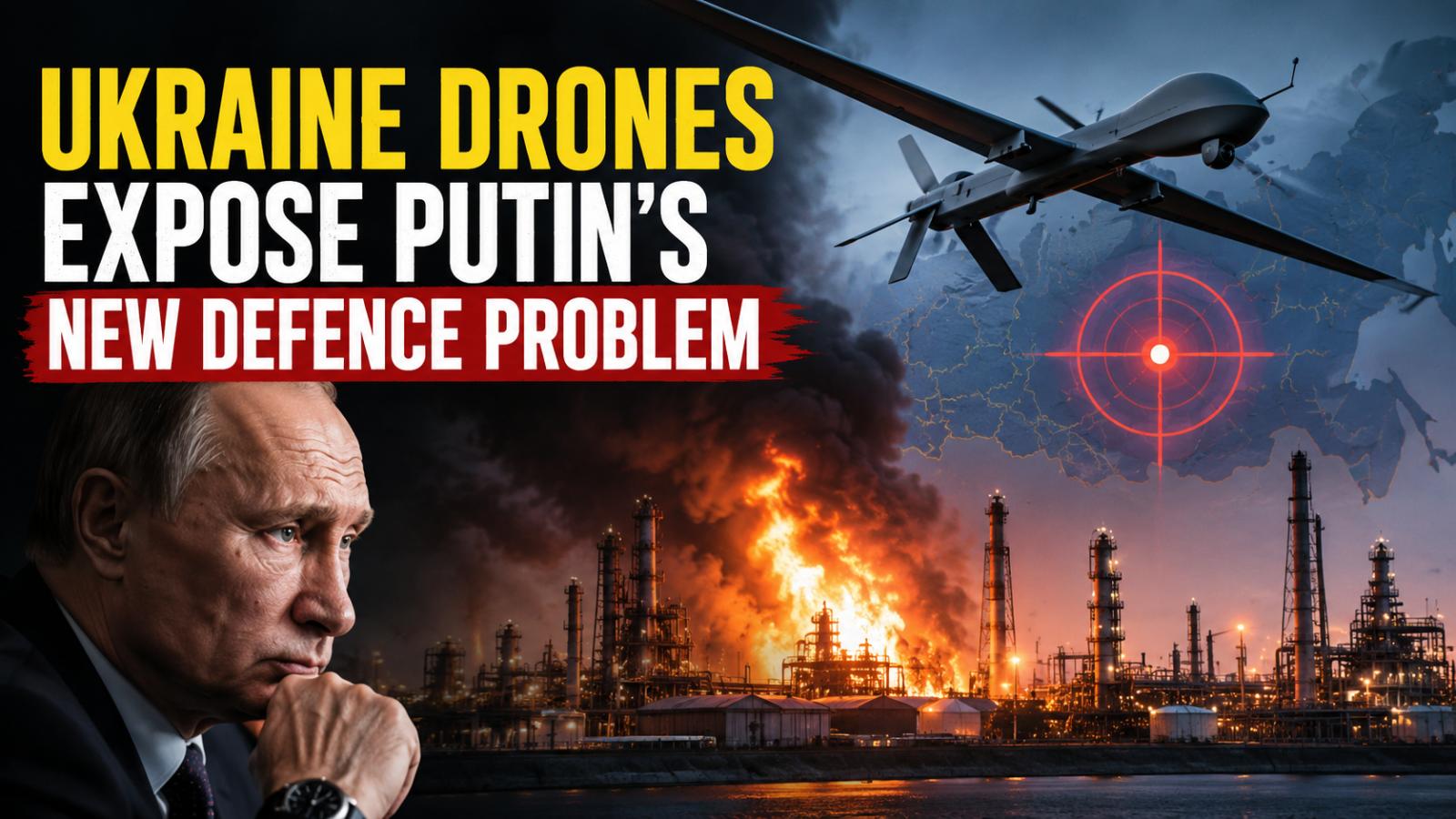
Ukraine has intensified its long-range strikes on energy infrastructure located deep inside Russia, targeting oil refineries, storage depots, and supply routes. These attacks mark a significant escalation in the ongoing
Ukraine Strikes Russian Oil Facilities As Fuel Prices Surge Globally
Ukraine has intensified its long-range strikes on energy infrastructure located deep inside Russia, targeting oil refineries, storage depots, and supply routes. These attacks mark a significant escalation in the ongoing
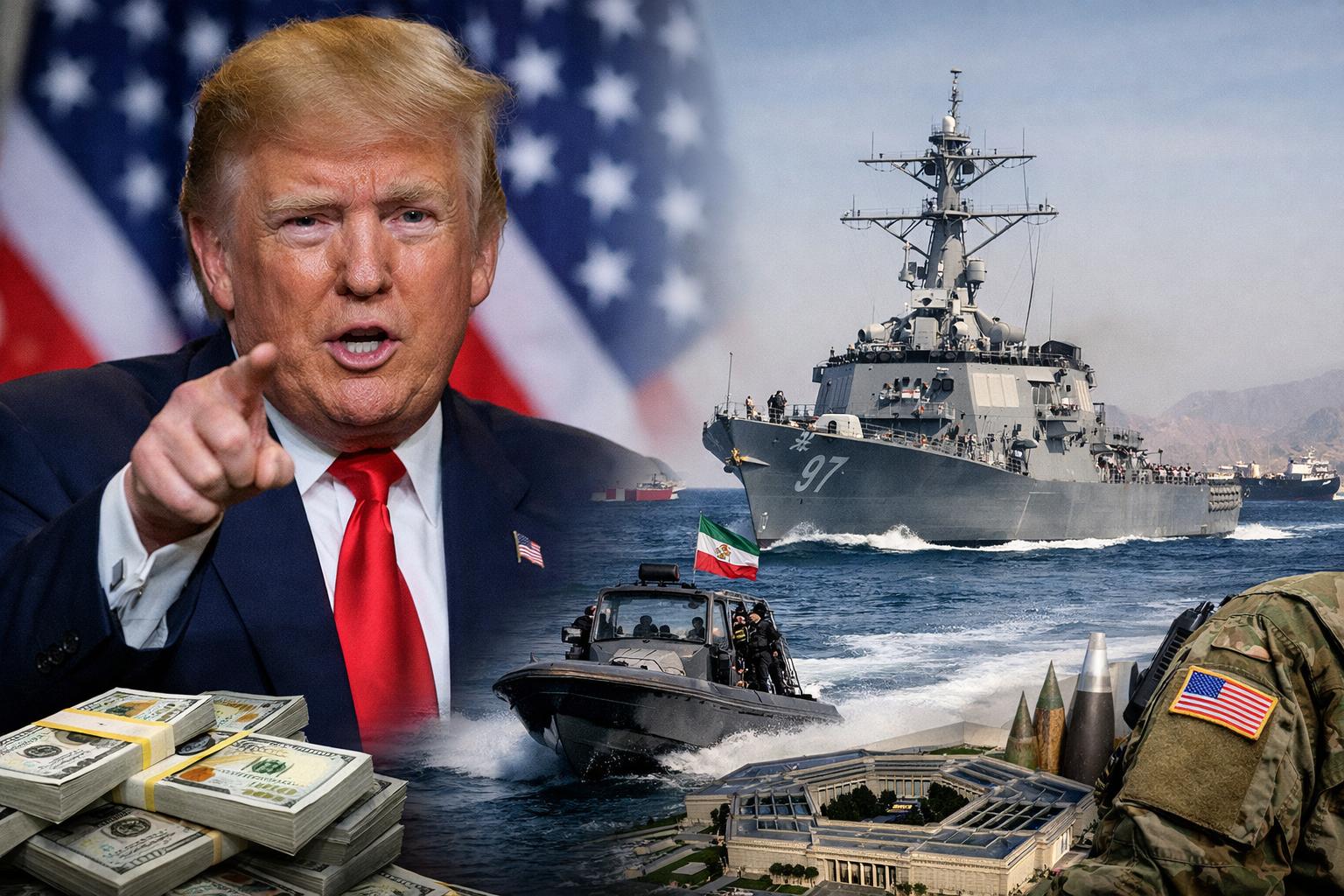
Trump Comments on Ukraine and Iran Wars Spark Confusion
US President Donald Trump drew attention during a recent press interaction after appearing to confuse details while discussing two major international conflicts. The exchange took place as Trump addressed reporters during an event linked to the Artemis II mission crew, where he was asked which conflict might conclude first: the prolonged Russia-Ukraine war or the ongoing tensions involving Iran and Israel. In response, Trump suggested that both situations could follow a similar timeline, stating that he was uncertain which would end sooner. However, his subsequent remarks raised questions as he began describing military conditions that appeared inconsistent or unclear in context. He claimed that Ukraine was militarily defeated, referencing significant naval and air losses, including statements about ships being destroyed and aircraft being eliminated. Trump also cited reductions in missile and drone capabilities, though his comments did not clearly distinguish whether he was referring to Ukraine or Iran at various points. This lack of clarity led to widespread attention, with observers noting the difficulty in separating his analysis of the two conflicts. The Russia-Ukraine war has continued for years with ongoing military engagements, while tensions involving Iran, Israel, and US involvement have added another layer of complexity to global security dynamics. Trump’s remarks came at a time when both conflicts remain active and under close international observation. The moment quickly gained traction due to the ambiguity in the president’s statements, highlighting the challenges of addressing multiple geopolitical crises simultaneously in public forums.
Trump Comments on Ukraine and Iran Wars Spark Confusion
US President Donald Trump drew attention during a recent press interaction after appearing to confuse details while discussing two major international conflicts. The exchange took place as Trump addressed reporters during an event linked to the Artemis II mission crew, where he was asked which conflict might conclude first: the prolonged Russia-Ukraine war or the ongoing tensions involving Iran and Israel. In response, Trump suggested that both situations could follow a similar timeline, stating that he was uncertain which would end sooner. However, his subsequent remarks raised questions as he began describing military conditions that appeared inconsistent or unclear in context. He claimed that Ukraine was militarily defeated, referencing significant naval and air losses, including statements about ships being destroyed and aircraft being eliminated. Trump also cited reductions in missile and drone capabilities, though his comments did not clearly distinguish whether he was referring to Ukraine or Iran at various points. This lack of clarity led to widespread attention, with observers noting the difficulty in separating his analysis of the two conflicts. The Russia-Ukraine war has continued for years with ongoing military engagements, while tensions involving Iran, Israel, and US involvement have added another layer of complexity to global security dynamics. Trump’s remarks came at a time when both conflicts remain active and under close international observation. The moment quickly gained traction due to the ambiguity in the president’s statements, highlighting the challenges of addressing multiple geopolitical crises simultaneously in public forums.
Julie Davis Announces Exit as US Faces Challenges in Ukraine Peace Efforts
The United States Department of State confirmed on April 28 that Julie Davis will step down from her role as acting ambassador to Ukraine after serving less than a year in the position. The announcement comes at a time when diplomatic efforts by the United States to facilitate a peace agreement between Ukraine and Russia have yet to produce a breakthrough. Davis, who also serves as ambassador to Cyprus, had been handling dual responsibilities since her appointment by Donald Trump in May of the previous year. She assumed the Kyiv role following the departure of Bridget Brink, who had been appointed earlier and later stepped down. The State Department stated that Davis cited retirement as the reason for her decision. Her tenure coincided with increased diplomatic pressure from Washington on Kyiv to consider terms that could advance negotiations with Moscow. Trump has publicly emphasized the need for a resolution, including the possibility of territorial concessions by Ukraine, as part of a broader effort to secure a ceasefire. However, these initiatives have not resulted in a formal agreement, and fighting has continued without a comprehensive settlement. Reports suggesting internal disagreements regarding US policy toward Ukraine were rejected by officials, who maintained that no such disputes influenced Davis’s decision. Brink, Davis’s predecessor, had previously expressed concern over what she described as an approach that placed disproportionate pressure on Ukraine during negotiations. Davis’s departure highlights the ongoing complexity of US diplomatic engagement in the region. With peace talks stalled and geopolitical tensions unresolved, the transition comes at a critical moment for American foreign policy and its role in shaping outcomes in Eastern Europe.
Julie Davis Announces Exit as US Faces Challenges in Ukraine Peace Efforts
The United States Department of State confirmed on April 28 that Julie Davis will step down from her role as acting ambassador to Ukraine after serving less than a year in the position. The announcement comes at a time when diplomatic efforts by the United States to facilitate a peace agreement between Ukraine and Russia have yet to produce a breakthrough. Davis, who also serves as ambassador to Cyprus, had been handling dual responsibilities since her appointment by Donald Trump in May of the previous year. She assumed the Kyiv role following the departure of Bridget Brink, who had been appointed earlier and later stepped down. The State Department stated that Davis cited retirement as the reason for her decision. Her tenure coincided with increased diplomatic pressure from Washington on Kyiv to consider terms that could advance negotiations with Moscow. Trump has publicly emphasized the need for a resolution, including the possibility of territorial concessions by Ukraine, as part of a broader effort to secure a ceasefire. However, these initiatives have not resulted in a formal agreement, and fighting has continued without a comprehensive settlement. Reports suggesting internal disagreements regarding US policy toward Ukraine were rejected by officials, who maintained that no such disputes influenced Davis’s decision. Brink, Davis’s predecessor, had previously expressed concern over what she described as an approach that placed disproportionate pressure on Ukraine during negotiations. Davis’s departure highlights the ongoing complexity of US diplomatic engagement in the region. With peace talks stalled and geopolitical tensions unresolved, the transition comes at a critical moment for American foreign policy and its role in shaping outcomes in Eastern Europe.
Why are North Korean troops reportedly taking their own lives? Kim Jong Un calls it battlefield honor
Why are North Korean troops reportedly taking their own lives? Kim Jong Un calls it battlefield honor has drawn international scrutiny after reports emerged that North Korean soldiers fighting alongside Russia in the war in Ukraine may be taking their own lives to avoid capture. The claims
Why are North Korean troops reportedly taking their own lives? Kim Jong Un calls it battlefield honor
Why are North Korean troops reportedly taking their own lives? Kim Jong Un calls it battlefield honor has drawn international scrutiny after reports emerged that North Korean soldiers fighting alongside Russia in the war in Ukraine may be taking their own lives to avoid capture. The claims
Russia’s Lavrov accuses US of targeting oil resources in foreign policy
Russia’s foreign minister accuses the US of pursuing oil-driven interventions in Iran and Venezuela, raising concerns over global energy dominance and geopolitical tensions. Russian Foreign Minister Sergei Lavrov has accused the United States of pursuing foreign interventions to secure control over global oil and energy resources, escalating rhetoric between Moscow and
Russia’s Lavrov accuses US of targeting oil resources in foreign policy
Russia’s foreign minister accuses the US of pursuing oil-driven interventions in Iran and Venezuela, raising concerns over global energy dominance and geopolitical tensions. Russian Foreign Minister Sergei Lavrov has accused the United States of pursuing foreign interventions to secure control over global oil and energy resources, escalating rhetoric between Moscow and
Lavrov criticizes US foreign policy over oil and energy dominance
Russian Foreign Minister Sergei Lavrov has accused the United States of pursuing oil-driven policies in Iran and Venezuela, claiming that control over global energy resources is a central goal of Washington’s foreign strategy. Speaking in a televised interview, Lavrov said the US focuses primarily on its own interests and is willing to use extreme methods to secure access to oil and energy assets in resource-rich nations. Lavrov alleged that US actions in countries such as Iran and Venezuela are not hidden, but openly tied to securing influence over energy markets. According to him, Washington’s approach reflects a broader ambition to dominate global energy supply chains. He argued that such policies show a shift away from international legal norms, suggesting that decisions are increasingly shaped by power rather than agreed rules. The Russian minister also criticized the US for what he described as inconsistent diplomacy. He urged Washington to prioritize dialogue, stating that the US has a pattern of withdrawing from agreements instead of maintaining stable international commitments. His remarks come as American envoys prepare for discussions in Pakistan, signaling ongoing diplomatic engagement in the region. The White House has indicated openness to negotiations with Iran, while maintaining that it will not act under pressure. Meanwhile, Iran’s Foreign Minister Abbas Araghchi has begun a regional visit, adding to the ongoing diplomatic activity surrounding the issue. Lavrov further linked US foreign policy to developments in Europe, particularly in the context of the Ukraine conflict. He accused Washington of encouraging European nations to reduce dependence on Russian gas, framing this as part of a broader geopolitical strategy. According to Lavrov, such moves resemble attempts to reshape global energy dynamics in a way that benefits US interests, raising concerns about a return to power-based international relations.
Lavrov criticizes US foreign policy over oil and energy dominance
Russian Foreign Minister Sergei Lavrov has accused the United States of pursuing oil-driven policies in Iran and Venezuela, claiming that control over global energy resources is a central goal of Washington’s foreign strategy. Speaking in a televised interview, Lavrov said the US focuses primarily on its own interests and is willing to use extreme methods to secure access to oil and energy assets in resource-rich nations. Lavrov alleged that US actions in countries such as Iran and Venezuela are not hidden, but openly tied to securing influence over energy markets. According to him, Washington’s approach reflects a broader ambition to dominate global energy supply chains. He argued that such policies show a shift away from international legal norms, suggesting that decisions are increasingly shaped by power rather than agreed rules. The Russian minister also criticized the US for what he described as inconsistent diplomacy. He urged Washington to prioritize dialogue, stating that the US has a pattern of withdrawing from agreements instead of maintaining stable international commitments. His remarks come as American envoys prepare for discussions in Pakistan, signaling ongoing diplomatic engagement in the region. The White House has indicated openness to negotiations with Iran, while maintaining that it will not act under pressure. Meanwhile, Iran’s Foreign Minister Abbas Araghchi has begun a regional visit, adding to the ongoing diplomatic activity surrounding the issue. Lavrov further linked US foreign policy to developments in Europe, particularly in the context of the Ukraine conflict. He accused Washington of encouraging European nations to reduce dependence on Russian gas, framing this as part of a broader geopolitical strategy. According to Lavrov, such moves resemble attempts to reshape global energy dynamics in a way that benefits US interests, raising concerns about a return to power-based international relations.
EU approves $105 billion Ukraine loan and new Russia sanctions after deadlock ends
EU approves major Ukraine aid and new Russia sanctions after resolving internal disputes, strengthening Kyiv’s position and increasing pressure on Moscow amid ongoing war. EU approves $105 billion Ukraine loan and new Russia sanctions after deadlock ends. The European Union on Thursday, April 23, 2026, granted final approval to a €90 billion ($105 billion) loan for Ukraine and endorsed a new round of sanctions against Russia, marking a significant shift
EU approves $105 billion Ukraine loan and new Russia sanctions after deadlock ends
EU approves major Ukraine aid and new Russia sanctions after resolving internal disputes, strengthening Kyiv’s position and increasing pressure on Moscow amid ongoing war. EU approves $105 billion Ukraine loan and new Russia sanctions after deadlock ends. The European Union on Thursday, April 23, 2026, granted final approval to a €90 billion ($105 billion) loan for Ukraine and endorsed a new round of sanctions against Russia, marking a significant shift
Russia launches massive missile and drone attack on Ukraine, killing at least 16
Russia launched one of its most intense aerial assaults of the year against Ukraine, firing a large number of missiles and drones in a coordinated attack that began overnight and continued into Thursday morning, April 16, 2026 (local time in Ukraine). Ukrainian officials reported that at least 16 people were killed and more than 100 others were injured in the strikes, marking a significant escalation following a brief Easter ceasefire between the two countries. According to
Russia launches massive missile and drone attack on Ukraine, killing at least 16
Russia launched one of its most intense aerial assaults of the year against Ukraine, firing a large number of missiles and drones in a coordinated attack that began overnight and continued into Thursday morning, April 16, 2026 (local time in Ukraine). Ukrainian officials reported that at least 16 people were killed and more than 100 others were injured in the strikes, marking a significant escalation following a brief Easter ceasefire between the two countries. According to
Russia drone strike on Ukraine market kills 5, injures 19
A Russian drone strike targeted a market area in the Ukrainian city of Nikopol on Saturday, April 4, 2026, in the morning local time, resulting in at least five fatalities and leaving 19 others injured, according to local authorities. The attack marks another escalation in the ongoing Russia-Ukraine war, with civilian areas increasingly affected by aerial assaults. Officials reported that the strike hit a busy marketplace during daytime hours, causing significant destruction to surrounding infrastructure and disrupting daily life for residents. Emergency services were deployed immediately after the attack to assist the injured and assess damage, while rescue operations continued in the aftermath. Nikopol, located in southeastern Ukraine, has been frequently subjected to shelling and drone attacks due to its proximity to contested regions. The latest incident highlights the persistent risks faced by civilians living near active conflict zones, where strikes have repeatedly impacted residential and commercial areas. Ukrainian authorities condemned the attack, describing it as a deliberate strike on civilian infrastructure. They emphasized the growing humanitarian toll of the conflict, noting that marketplaces and public gathering areas remain particularly vulnerable to such incidents. The Russia-Ukraine conflict, now in a prolonged phase, continues to see the use of drone warfare as a key tactic. These unmanned aerial systems have been deployed across multiple regions, contributing to rising civilian casualties and widespread damage. International observers have expressed concern over the continued targeting of populated areas, urging restraint and adherence to international humanitarian laws. As the conflict persists, attacks like the one in Nikopol underscore the ongoing instability in the region and the enduring impact on civilian populations.
Russia drone strike on Ukraine market kills 5, injures 19
A Russian drone strike targeted a market area in the Ukrainian city of Nikopol on Saturday, April 4, 2026, in the morning local time, resulting in at least five fatalities and leaving 19 others injured, according to local authorities. The attack marks another escalation in the ongoing Russia-Ukraine war, with civilian areas increasingly affected by aerial assaults. Officials reported that the strike hit a busy marketplace during daytime hours, causing significant destruction to surrounding infrastructure and disrupting daily life for residents. Emergency services were deployed immediately after the attack to assist the injured and assess damage, while rescue operations continued in the aftermath. Nikopol, located in southeastern Ukraine, has been frequently subjected to shelling and drone attacks due to its proximity to contested regions. The latest incident highlights the persistent risks faced by civilians living near active conflict zones, where strikes have repeatedly impacted residential and commercial areas. Ukrainian authorities condemned the attack, describing it as a deliberate strike on civilian infrastructure. They emphasized the growing humanitarian toll of the conflict, noting that marketplaces and public gathering areas remain particularly vulnerable to such incidents. The Russia-Ukraine conflict, now in a prolonged phase, continues to see the use of drone warfare as a key tactic. These unmanned aerial systems have been deployed across multiple regions, contributing to rising civilian casualties and widespread damage. International observers have expressed concern over the continued targeting of populated areas, urging restraint and adherence to international humanitarian laws. As the conflict persists, attacks like the one in Nikopol underscore the ongoing instability in the region and the enduring impact on civilian populations.
Russian drone and missile strikes kill four in Ukraine amid renewed offensive
On March 24, 2026, Russia launched a large-scale drone and missile assault targeting civilian areas across Ukraine, killing at least four people and injuring more than 35, according to Ukrainian officials. The attack marked one of the most intense aerial offensives in recent weeks and coincided with increased Russian efforts along front-line positions, raising concerns about the start of a broader spring offensive. Ukraine’s air force reported that nearly 400 long-range drones were d
Russian drone and missile strikes kill four in Ukraine amid renewed offensive
On March 24, 2026, Russia launched a large-scale drone and missile assault targeting civilian areas across Ukraine, killing at least four people and injuring more than 35, according to Ukrainian officials. The attack marked one of the most intense aerial offensives in recent weeks and coincided with increased Russian efforts along front-line positions, raising concerns about the start of a broader spring offensive. Ukraine’s air force reported that nearly 400 long-range drones were d
Zelenskyy urges Trump to maintain US support for Ukraine war effort
As the Russia-Ukraine war entered its fourth year, Ukrainian President Volodymyr Zelenskyy issued a direct appeal to former US President Donald Trump, urging continued American backing for Kyiv in its ongoing fight against Moscow. The Ukrainian leader emphasized that sustained US support remains critical as the conflict with Russia shows no signs of resolution. In an interview ahead of the February 24 anniversary marking Russia’s full-scale invasion in 2022, Zelenskyy stressed the strategi
Zelenskyy urges Trump to maintain US support for Ukraine war effort
As the Russia-Ukraine war entered its fourth year, Ukrainian President Volodymyr Zelenskyy issued a direct appeal to former US President Donald Trump, urging continued American backing for Kyiv in its ongoing fight against Moscow. The Ukrainian leader emphasized that sustained US support remains critical as the conflict with Russia shows no signs of resolution. In an interview ahead of the February 24 anniversary marking Russia’s full-scale invasion in 2022, Zelenskyy stressed the strategi


