






Moscow Oil Refinery Drone Attack Injures 17, Halts Flights
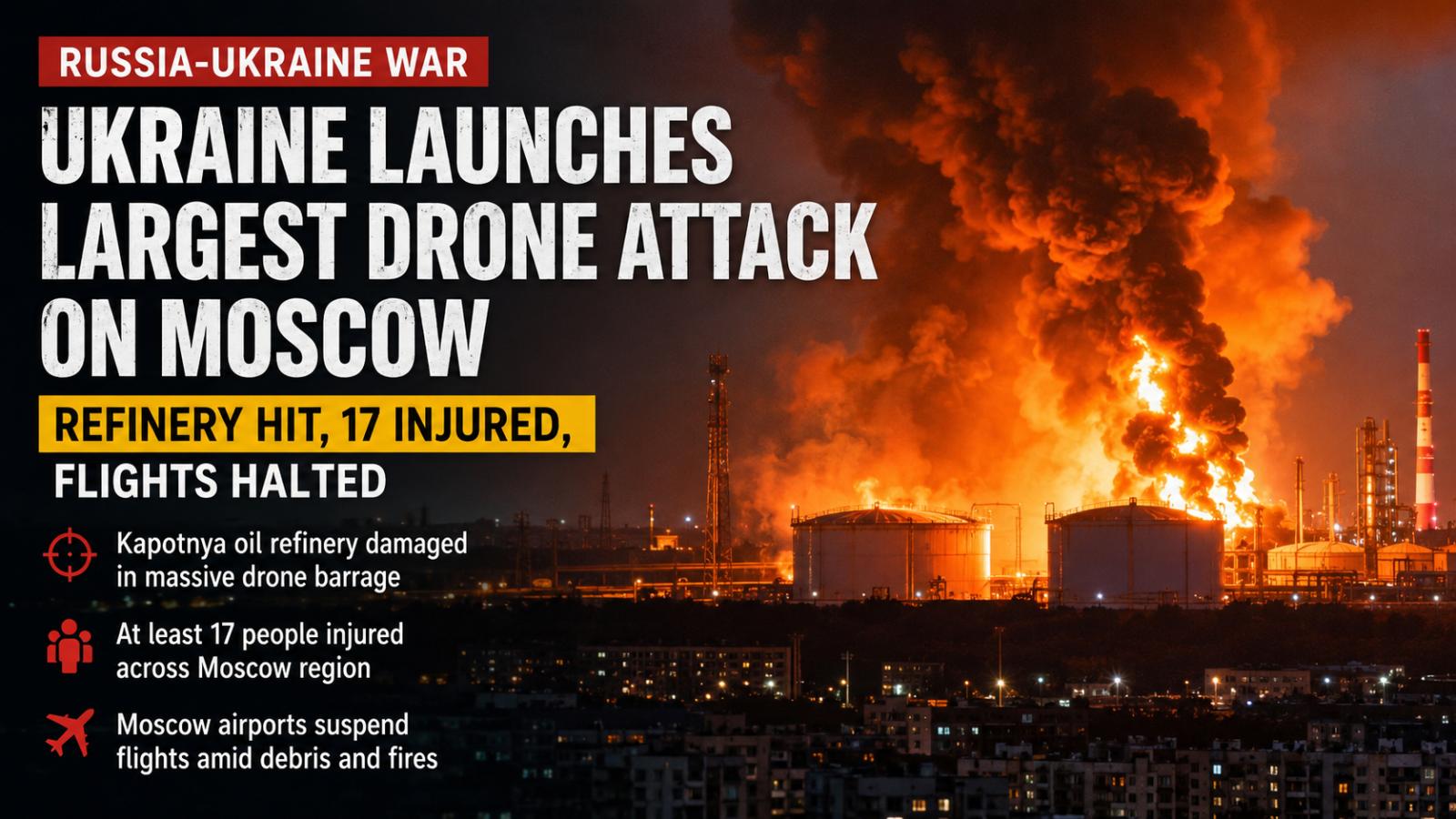
A Moscow oil refinery drone attack damaged a fuel facility, injured at least 17 people and temporarily disrupted flights at airports serving the Russian capital. Ukrainian forces carried out what the report described as their largest drone offensive against Moscow since the full-scale war began. Moscow oil refinery drone attack hits Kapotnya The Moscow Oil Refinery in Kapotnya, about 9 miles southeast of the Kremlin, was among the main sites affected. Vi
Moscow Oil Refinery Drone Attack Injures 17, Halts Flights
A Moscow oil refinery drone attack damaged a fuel facility, injured at least 17 people and temporarily disrupted flights at airports serving the Russian capital. Ukrainian forces carried out what the report described as their largest drone offensive against Moscow since the full-scale war began. Moscow oil refinery drone attack hits Kapotnya The Moscow Oil Refinery in Kapotnya, about 9 miles southeast of the Kremlin, was among the main sites affected. Vi
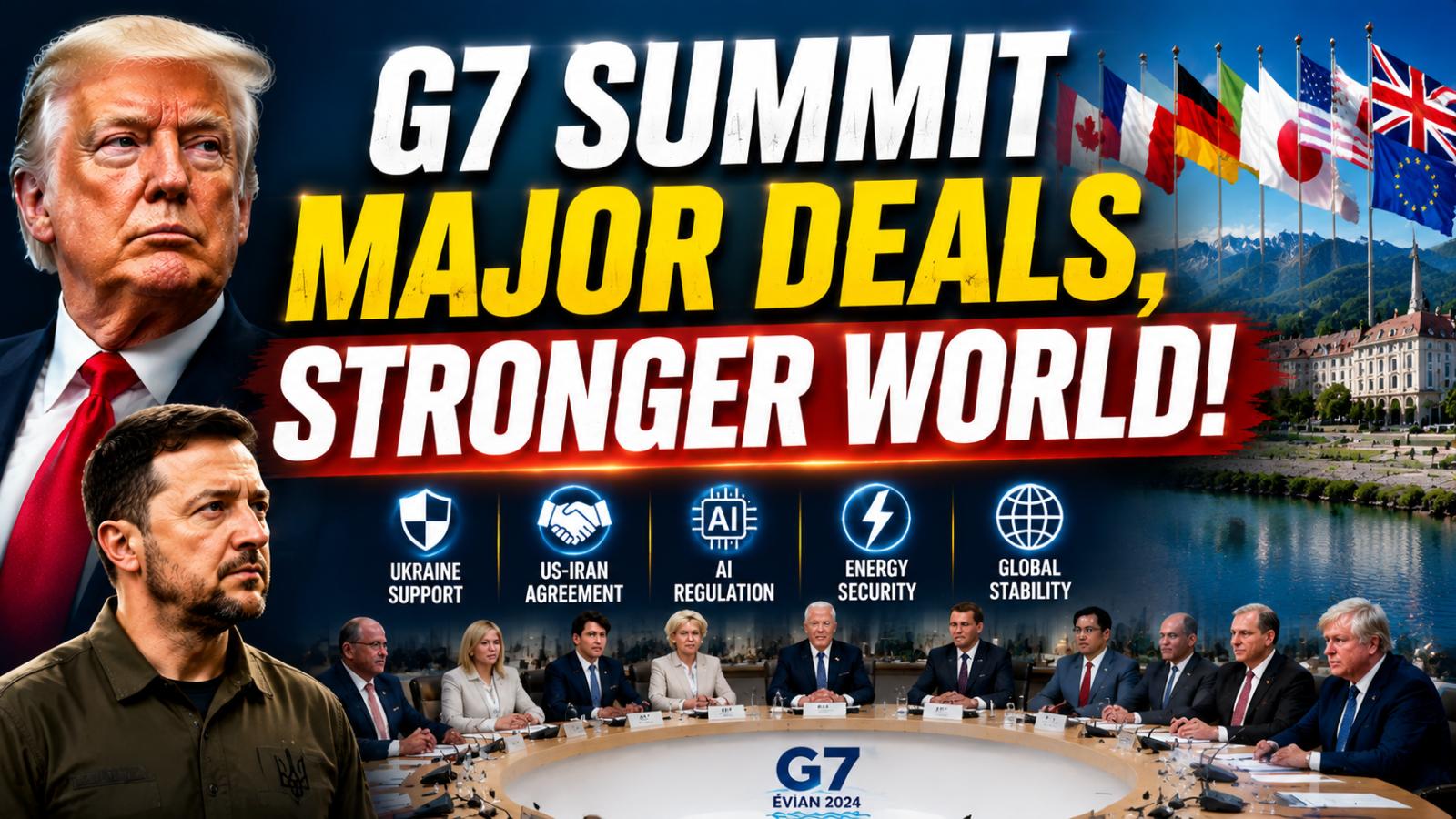
G7 summit backs Ukraine, supports US–Iran deal and global AI rules
G7 Summit Focuses on Global Security and Economic Stability The three-day G7 summit in Évian, France brought together world leaders to address key global challenges including the Ukraine war, the US–Iran agreement, artificial intelligence governance, migration pressures, and economic stability. The meeting took place amid ongoing geopolitical tensions, particularly in West Asia, where differing views amo
G7 summit backs Ukraine, supports US–Iran deal and global AI rules
G7 Summit Focuses on Global Security and Economic Stability The three-day G7 summit in Évian, France brought together world leaders to address key global challenges including the Ukraine war, the US–Iran agreement, artificial intelligence governance, migration pressures, and economic stability. The meeting took place amid ongoing geopolitical tensions, particularly in West Asia, where differing views amo

Macron’s hot mic remark about Trump sparks G7 diplomatic tension
Hot Mic Moment Exposes G7 Diplomatic Underpressure A brief hot mic incident at the G7 summit has exposed underlying diplomatic tensions between US President Donald Trump and French President Emmanuel Macron, offering an unfiltered glimpse into private discussions among world leaders. The moment occurred as Macron greeted Ukrainian President Volodymyr Zelensky on the sidelines of the summit, where microphones captured fragments of their exchange. Macron References “Difficult” Talks With Trump In the recorded conversation, Macron reportedly told Zelensky that he had engaged in a “difficult discussion” with President Trump the previous day. The remark comes amid ongoing disagreements between Washington and Paris on several major international issues, including trade tariffs, Middle East tensions, and differing approaches to the Russia-Ukraine conflict. The incident has drawn attention because such candid remarks are rarely captured in formal diplomatic settings, highlighting the informal pressures and disagreements that often shape high-level negotiations behind closed doors. France Positioned as Diplomatic Intermediary During the interaction, Macron also asked whether Zelensky had secured a direct meeting with Trump. After Zelensky indicated that no one-on-one meeting had been arranged, Macron responded that he would attempt to facilitate one. This exchange has fueled discussion over France’s potential role as a diplomatic intermediary between Washington and Kyiv at a sensitive stage in the ongoing war. The moment underscores Europe’s effort to maintain US engagement in Ukraine-related negotiations, particularly as divisions persist over strategy and endgame conditions. Trump-Zelensky Relations Remain Complex Relations between Trump and Zelensky have been marked by friction since their widely reported Oval Office confrontation in early 2025. That meeting saw sharp disagreements over Ukraine’s negotiating position, leading to a temporary breakdown in diplomatic momentum and a suspension of certain US support mechanisms. Although subsequent meetings have taken place, differences remain over how to end the war. Trump has maintained that Russia may be open to a settlement, while European leaders and Kyiv continue to argue that Moscow has not demonstrated genuine willingness to end the conflict. Signs of Limited Progress at G7 Despite tensions, the latest G7 summit also showed signs of cautious diplomatic movement. Trump described his recent meeting with Zelensky as “very good” and indicated that further discussions would follow. He reiterated that Russia should move toward a negotiated settlement. Zelensky, meanwhile, has continued to emphasize the importance of US leadership in the peace process, stating that Trump may be uniquely positioned to influence Russian decision-making. The hot mic moment, while brief, reflects the complex and often fragile nature of ongoing diplomatic efforts surrounding the war in Ukraine.
Macron’s hot mic remark about Trump sparks G7 diplomatic tension
Hot Mic Moment Exposes G7 Diplomatic Underpressure A brief hot mic incident at the G7 summit has exposed underlying diplomatic tensions between US President Donald Trump and French President Emmanuel Macron, offering an unfiltered glimpse into private discussions among world leaders. The moment occurred as Macron greeted Ukrainian President Volodymyr Zelensky on the sidelines of the summit, where microphones captured fragments of their exchange. Macron References “Difficult” Talks With Trump In the recorded conversation, Macron reportedly told Zelensky that he had engaged in a “difficult discussion” with President Trump the previous day. The remark comes amid ongoing disagreements between Washington and Paris on several major international issues, including trade tariffs, Middle East tensions, and differing approaches to the Russia-Ukraine conflict. The incident has drawn attention because such candid remarks are rarely captured in formal diplomatic settings, highlighting the informal pressures and disagreements that often shape high-level negotiations behind closed doors. France Positioned as Diplomatic Intermediary During the interaction, Macron also asked whether Zelensky had secured a direct meeting with Trump. After Zelensky indicated that no one-on-one meeting had been arranged, Macron responded that he would attempt to facilitate one. This exchange has fueled discussion over France’s potential role as a diplomatic intermediary between Washington and Kyiv at a sensitive stage in the ongoing war. The moment underscores Europe’s effort to maintain US engagement in Ukraine-related negotiations, particularly as divisions persist over strategy and endgame conditions. Trump-Zelensky Relations Remain Complex Relations between Trump and Zelensky have been marked by friction since their widely reported Oval Office confrontation in early 2025. That meeting saw sharp disagreements over Ukraine’s negotiating position, leading to a temporary breakdown in diplomatic momentum and a suspension of certain US support mechanisms. Although subsequent meetings have taken place, differences remain over how to end the war. Trump has maintained that Russia may be open to a settlement, while European leaders and Kyiv continue to argue that Moscow has not demonstrated genuine willingness to end the conflict. Signs of Limited Progress at G7 Despite tensions, the latest G7 summit also showed signs of cautious diplomatic movement. Trump described his recent meeting with Zelensky as “very good” and indicated that further discussions would follow. He reiterated that Russia should move toward a negotiated settlement. Zelensky, meanwhile, has continued to emphasize the importance of US leadership in the peace process, stating that Trump may be uniquely positioned to influence Russian decision-making. The hot mic moment, while brief, reflects the complex and often fragile nature of ongoing diplomatic efforts surrounding the war in Ukraine.
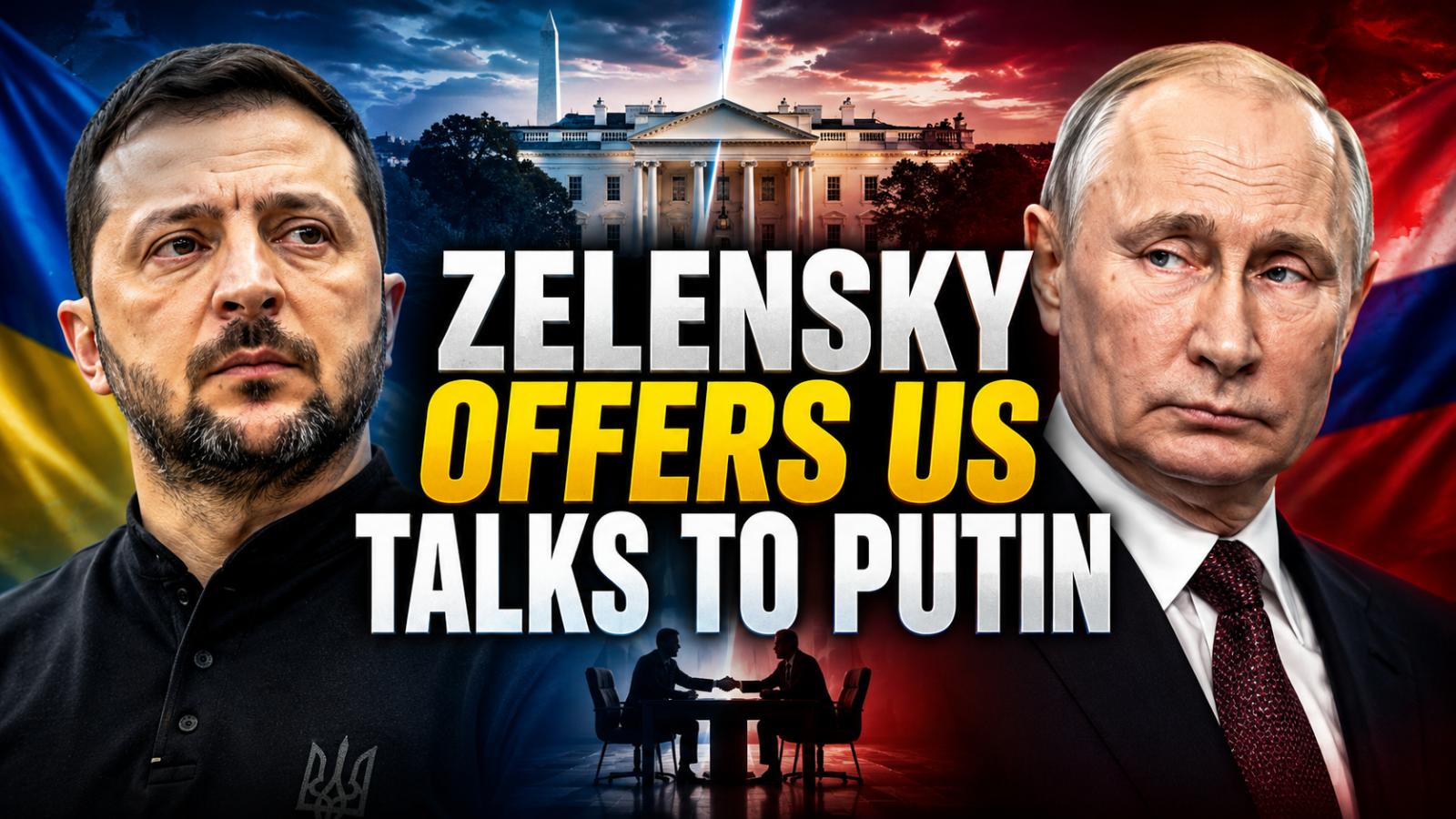
Zelensky Offers US Venue for Direct Putin Talks
Zelensky Pushes Direct Meeting Ukrainian President Volodymyr Zelensky said he is prepared to hold direct talks with Russian President Vladimir Putin in the United States, arguing that a US-based format could make it harder for Moscow to reject a face-to-face meeting. Zelensky said he discussed the idea with US President Donald Trump and was waiting to see whether the proposal would move forward. He also sai
Zelensky Offers US Venue for Direct Putin Talks
Zelensky Pushes Direct Meeting Ukrainian President Volodymyr Zelensky said he is prepared to hold direct talks with Russian President Vladimir Putin in the United States, arguing that a US-based format could make it harder for Moscow to reject a face-to-face meeting. Zelensky said he discussed the idea with US President Donald Trump and was waiting to see whether the proposal would move forward. He also sai
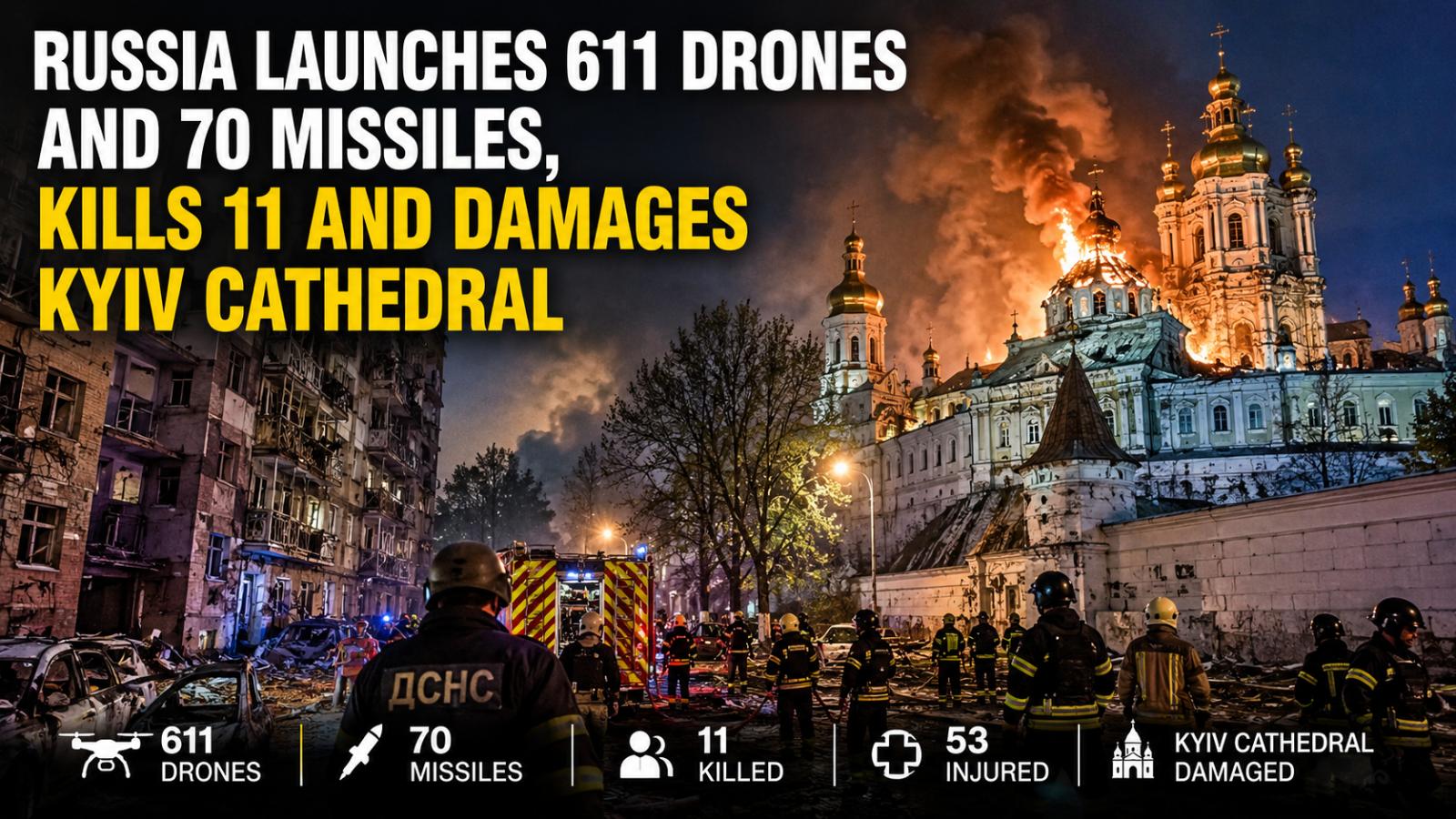
Russia Launches 611 Drones and 70 Missiles, Kills 11 and Damages Kyiv Cathedral
KYIV, Ukraine — The Kyiv Dormition Cathedral attack came during a Russian barrage of 611 drones and 70 missiles across Ukraine overnight into Monday, June 15, 2026, Ukrainian officials said. At least 11 people were killed and 53 were wounded nationwide. Russian barrage hits Kyiv, Kharkiv and Dnipro Five people were killed in Kyiv, where more than 30 others were injured, including children ages 5 and 6. Residential districts were struck
Russia Launches 611 Drones and 70 Missiles, Kills 11 and Damages Kyiv Cathedral
KYIV, Ukraine — The Kyiv Dormition Cathedral attack came during a Russian barrage of 611 drones and 70 missiles across Ukraine overnight into Monday, June 15, 2026, Ukrainian officials said. At least 11 people were killed and 53 were wounded nationwide. Russian barrage hits Kyiv, Kharkiv and Dnipro Five people were killed in Kyiv, where more than 30 others were injured, including children ages 5 and 6. Residential districts were struck
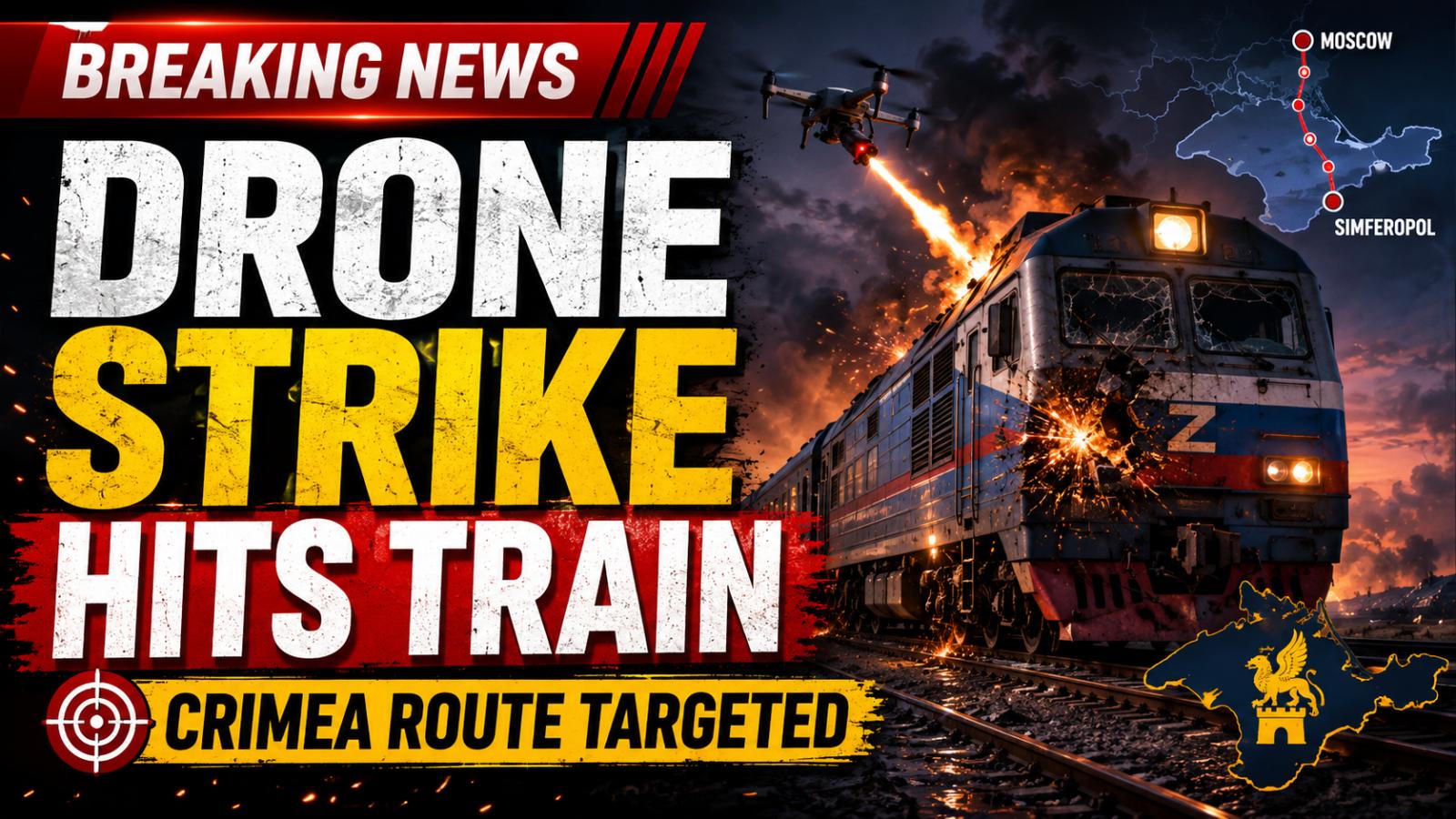
Ukraine Drone Strike Hits Crimea-Bound Train
Drone Strike Hits Passenger Train A Ukrainian drone struck the locomotive of a passenger train travelling on the Moscow-Simferopol route, killing the assistant driver and injuring the train driver, according to Sergey Aksyonov, the Moscow-installed head of Crimea. Aksyonov said no passengers were hurt in the incident, based on preliminary information. The reported strike adds to growing concern over the use
Ukraine Drone Strike Hits Crimea-Bound Train
Drone Strike Hits Passenger Train A Ukrainian drone struck the locomotive of a passenger train travelling on the Moscow-Simferopol route, killing the assistant driver and injuring the train driver, according to Sergey Aksyonov, the Moscow-installed head of Crimea. Aksyonov said no passengers were hurt in the incident, based on preliminary information. The reported strike adds to growing concern over the use
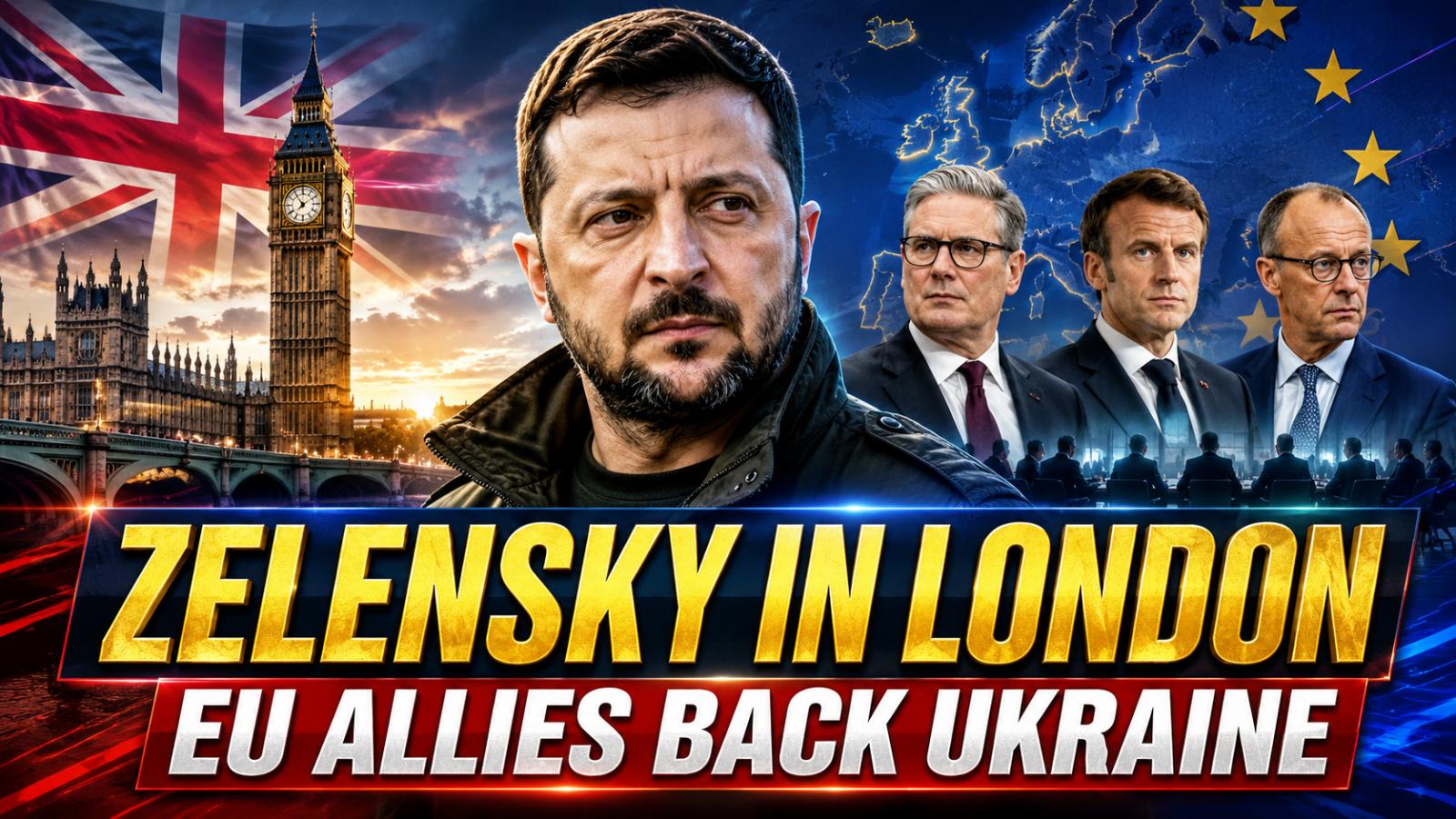
Zelensky Meets European Allies In London
Zelensky Meets Key European Allies Ukrainian President Volodymyr Zelensky arrived in London on Sunday for talks with British Prime Minister Keir Starmer, French President Emmanuel Macron and German Chancellor Friedrich Merz. The meeting brought together some of Kyiv’s most important European supporters as Ukraine continues to seek stronger security guarantees and more military backing. The talks focused on
Zelensky Meets European Allies In London
Zelensky Meets Key European Allies Ukrainian President Volodymyr Zelensky arrived in London on Sunday for talks with British Prime Minister Keir Starmer, French President Emmanuel Macron and German Chancellor Friedrich Merz. The meeting brought together some of Kyiv’s most important European supporters as Ukraine continues to seek stronger security guarantees and more military backing. The talks focused on
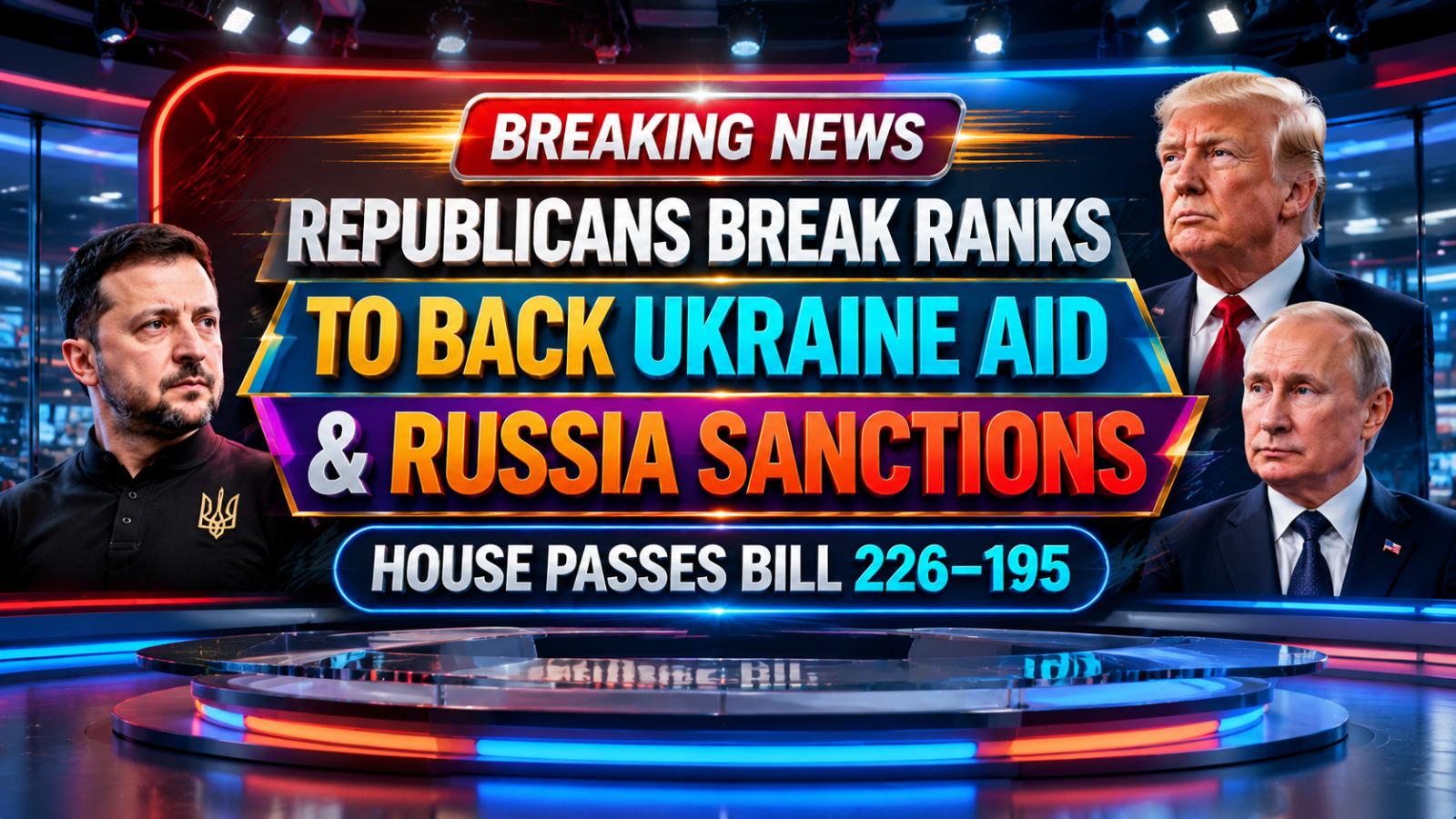
House Passes $Billions Ukraine Aid, Challenges Trump
House Approves Ukraine Aid and Russia Sanctions In a notable move, the US House of Representatives passed legislation providing billions of dollars in aid to Ukraine while imposing stricter sanctions on Russia. The vote ended 226-195, with 18 Republicans and one independent breaking ranks with party leadership to join Democrats. The legislation introduces targeted oil and gas sanctions on Russia and signals bipartisan concern over c
House Passes $Billions Ukraine Aid, Challenges Trump
House Approves Ukraine Aid and Russia Sanctions In a notable move, the US House of Representatives passed legislation providing billions of dollars in aid to Ukraine while imposing stricter sanctions on Russia. The vote ended 226-195, with 18 Republicans and one independent breaking ranks with party leadership to join Democrats. The legislation introduces targeted oil and gas sanctions on Russia and signals bipartisan concern over c
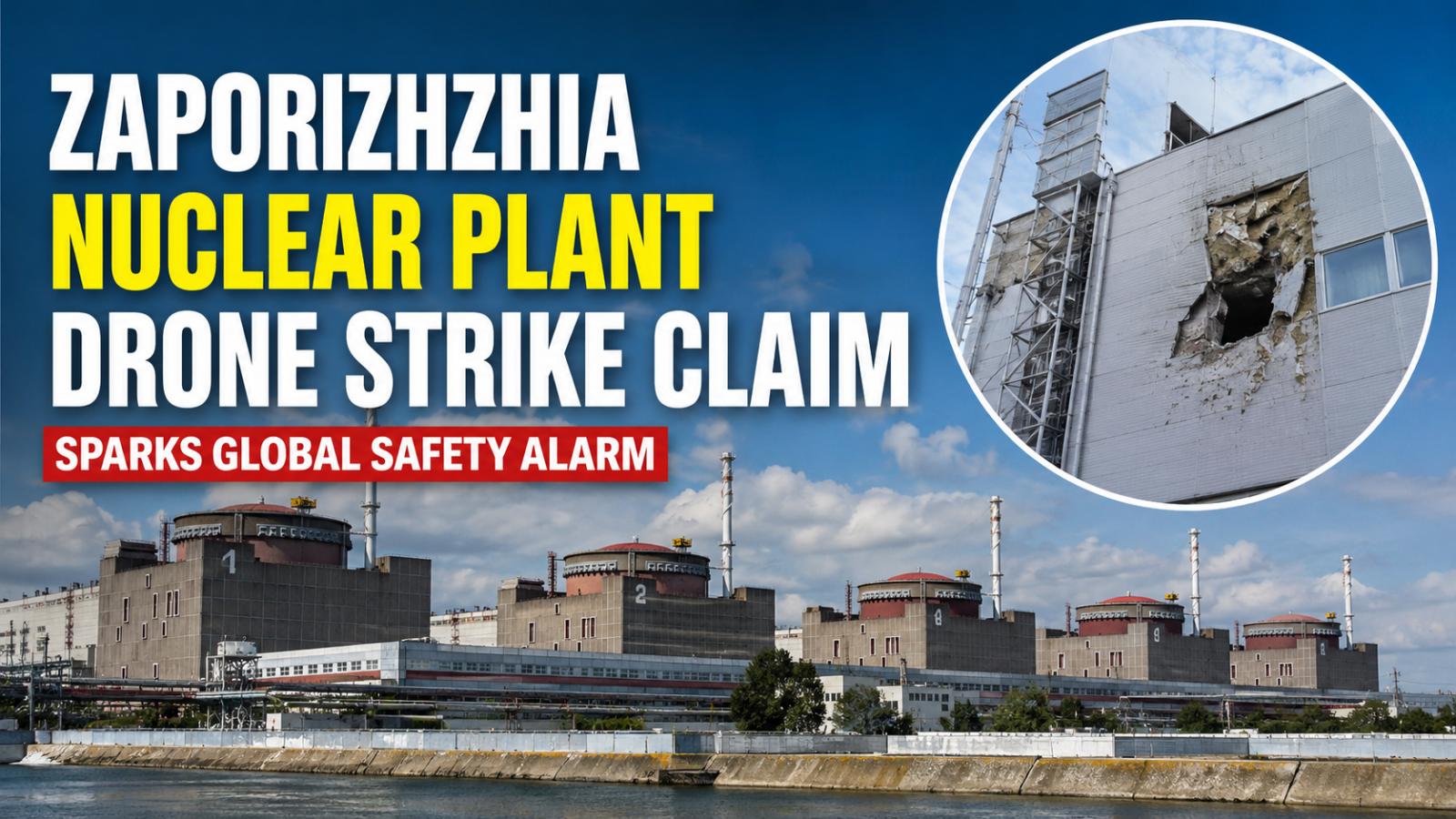
Zaporizhzhia Nuclear Plant Drone Strike Claim Sparks Global Safety Alarm
Russia Claims Drone Hit Nuclear Plant Russia’s state nuclear company Rosatom claimed that a Ukrainian drone struck the turbine hall of Power Unit No. 6 at the Zaporizhzhia nuclear power plant. According to Rosatom, the blast created a hole in the turbine hall wall but did not damage key equipment at the facility. Rosatom’s chief Alexei Likhachev called the reported incident deliberate, adding that any attack near a nuclear facility could increase safety risks.
Zaporizhzhia Nuclear Plant Drone Strike Claim Sparks Global Safety Alarm
Russia Claims Drone Hit Nuclear Plant Russia’s state nuclear company Rosatom claimed that a Ukrainian drone struck the turbine hall of Power Unit No. 6 at the Zaporizhzhia nuclear power plant. According to Rosatom, the blast created a hole in the turbine hall wall but did not damage key equipment at the facility. Rosatom’s chief Alexei Likhachev called the reported incident deliberate, adding that any attack near a nuclear facility could increase safety risks.
Zelensky Warns of Major Russian Attack on Ukraine
Zelensky Warns of New Russian Strikes Ukrainian President Volodymyr Zelensky on Friday, May 29, warned that Russia is preparing a major new attack on Ukraine. His message comes after Kyiv experienced one of the largest Russian bombardments since the full-scale invasion began in 2022. The capital city was among the hardest-hit areas during last weekend’s wave of strikes, raising concerns about further
Zelensky Warns of Major Russian Attack on Ukraine
Zelensky Warns of New Russian Strikes Ukrainian President Volodymyr Zelensky on Friday, May 29, warned that Russia is preparing a major new attack on Ukraine. His message comes after Kyiv experienced one of the largest Russian bombardments since the full-scale invasion began in 2022. The capital city was among the hardest-hit areas during last weekend’s wave of strikes, raising concerns about further
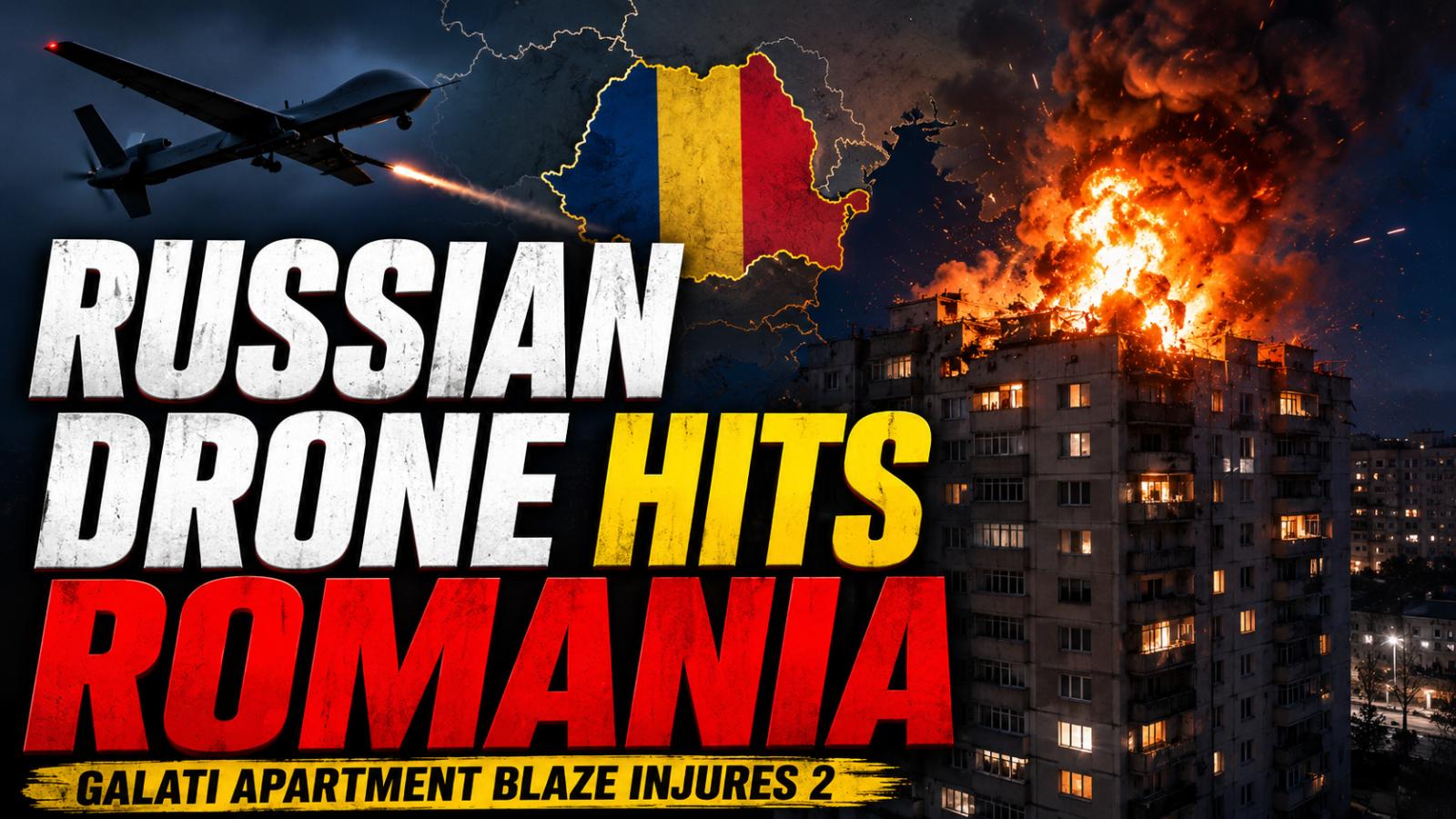
Russian Drone Hits Romanian Apartment Building Near Ukraine Border
Drone Hits Building In Galati A Russian drone struck an apartment building in the Romanian city of Galati early Friday, May 29, causing a fire and injuring two people, Romania’s defence ministry said. The incident took place near the country’s river border with Ukraine during a renewed wave of Russian drone attacks on civilian and infrastructure targets across Ukraine. Videos shared online showed an explosion at the moment of impact, though authorities have not provided further details on the full extent of the damage. Romania Reports Airspace Breach According to Romania’s defence ministry, one of the drones entered Romanian airspace during the overnight attack and was tracked by radar as it moved toward the southern part of Galati. The drone later crashed onto the roof of an apartment building, where the impact triggered a fire. The ministry said the aircraft was linked to Russia’s wider drone operations targeting areas in Ukraine close to Romania’s border. War Spillover Raises Concern The strike has renewed concerns about the risk of the Russia-Ukraine war spilling into NATO territory. Romania, a NATO member, has previously reported drone fragments and airspace violations linked to Russian attacks near the Ukrainian border. However, an impact on a residential building inside Romania adds a more serious civilian safety concern and raises questions about border security, air defence monitoring and the growing risks faced by communities near the conflict zone. The Galati incident comes as Russian forces continue to use drones against Ukrainian civilian and infrastructure targets close to Romania. Romanian officials said the drone was tracked before it crashed, but did not immediately say whether it was intercepted or whether further military action was considered. The immediate priority remained firefighting, medical response and damage assessment at the apartment building. The event is likely to increase pressure on Romanian and NATO authorities to strengthen surveillance and response systems along the border while avoiding any escalation beyond defensive security measures.
Russian Drone Hits Romanian Apartment Building Near Ukraine Border
Drone Hits Building In Galati A Russian drone struck an apartment building in the Romanian city of Galati early Friday, May 29, causing a fire and injuring two people, Romania’s defence ministry said. The incident took place near the country’s river border with Ukraine during a renewed wave of Russian drone attacks on civilian and infrastructure targets across Ukraine. Videos shared online showed an explosion at the moment of impact, though authorities have not provided further details on the full extent of the damage. Romania Reports Airspace Breach According to Romania’s defence ministry, one of the drones entered Romanian airspace during the overnight attack and was tracked by radar as it moved toward the southern part of Galati. The drone later crashed onto the roof of an apartment building, where the impact triggered a fire. The ministry said the aircraft was linked to Russia’s wider drone operations targeting areas in Ukraine close to Romania’s border. War Spillover Raises Concern The strike has renewed concerns about the risk of the Russia-Ukraine war spilling into NATO territory. Romania, a NATO member, has previously reported drone fragments and airspace violations linked to Russian attacks near the Ukrainian border. However, an impact on a residential building inside Romania adds a more serious civilian safety concern and raises questions about border security, air defence monitoring and the growing risks faced by communities near the conflict zone. The Galati incident comes as Russian forces continue to use drones against Ukrainian civilian and infrastructure targets close to Romania. Romanian officials said the drone was tracked before it crashed, but did not immediately say whether it was intercepted or whether further military action was considered. The immediate priority remained firefighting, medical response and damage assessment at the apartment building. The event is likely to increase pressure on Romanian and NATO authorities to strengthen surveillance and response systems along the border while avoiding any escalation beyond defensive security measures.
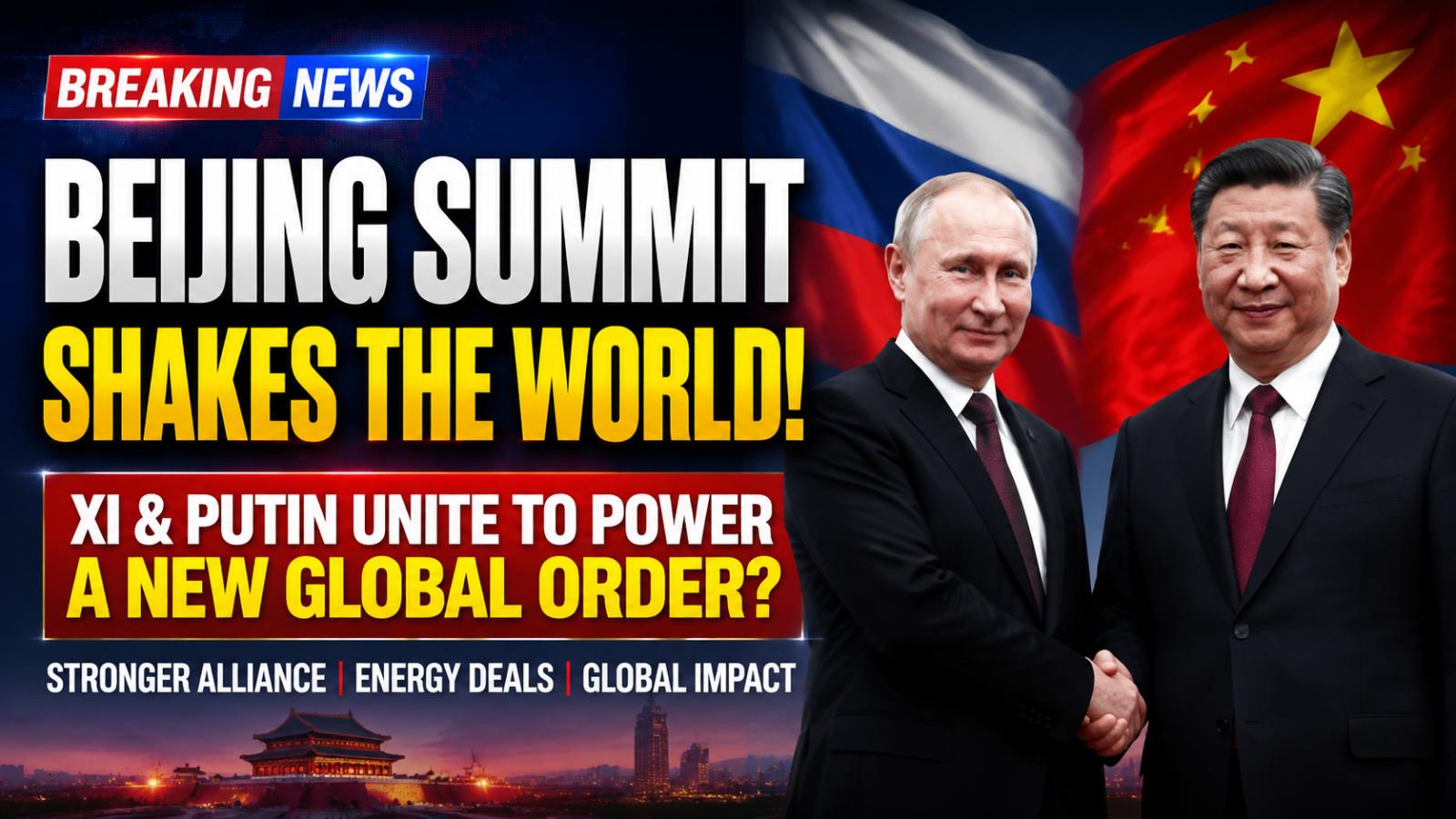
China Hosts Putin in Beijing: Strengthening Strategic Ties
Chinese President Xi Jinping welcomed Russian President Vladimir Putin to Beijing this week, shortly after a visit from US President Donald Trump. The summit emphasizes China’s role as a central global power, balancing relations with both Washington and Moscow while advancing its strategic interests. Amid energy crises, trade disputes, and geopolitical conflicts, China aims to project stability and strengthen its influence on the global stage. Strengthening China-Russia S
China Hosts Putin in Beijing: Strengthening Strategic Ties
Chinese President Xi Jinping welcomed Russian President Vladimir Putin to Beijing this week, shortly after a visit from US President Donald Trump. The summit emphasizes China’s role as a central global power, balancing relations with both Washington and Moscow while advancing its strategic interests. Amid energy crises, trade disputes, and geopolitical conflicts, China aims to project stability and strengthen its influence on the global stage. Strengthening China-Russia S
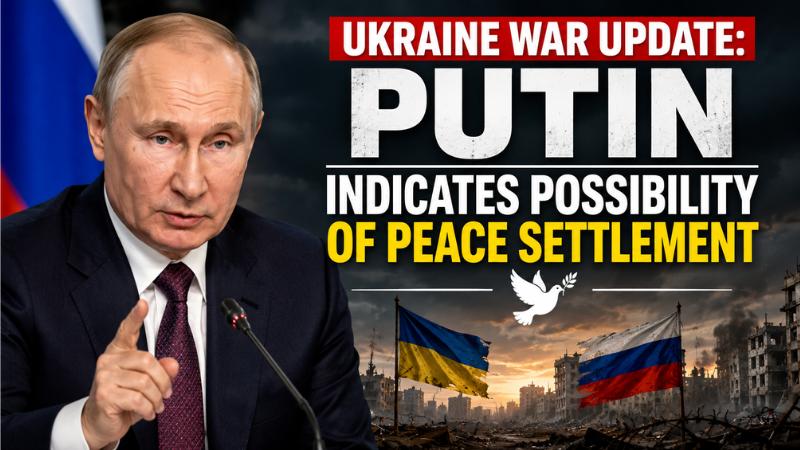
Ukraine War Update: Putin Indicates Possibility of Peace Settlement
Putin Signals Possible Ukraine Peace Talks as Ceasefire Begins Vladimir Putin has hinted that the Russia-Ukraine war could be nearing an end, raising hopes of a possible peace agreement after years of conflict. Speaking during Russia’s Victory Day events in Moscow, Putin said the situation appeared to be “coming to an end” as
Ukraine War Update: Putin Indicates Possibility of Peace Settlement
Putin Signals Possible Ukraine Peace Talks as Ceasefire Begins Vladimir Putin has hinted that the Russia-Ukraine war could be nearing an end, raising hopes of a possible peace agreement after years of conflict. Speaking during Russia’s Victory Day events in Moscow, Putin said the situation appeared to be “coming to an end” as
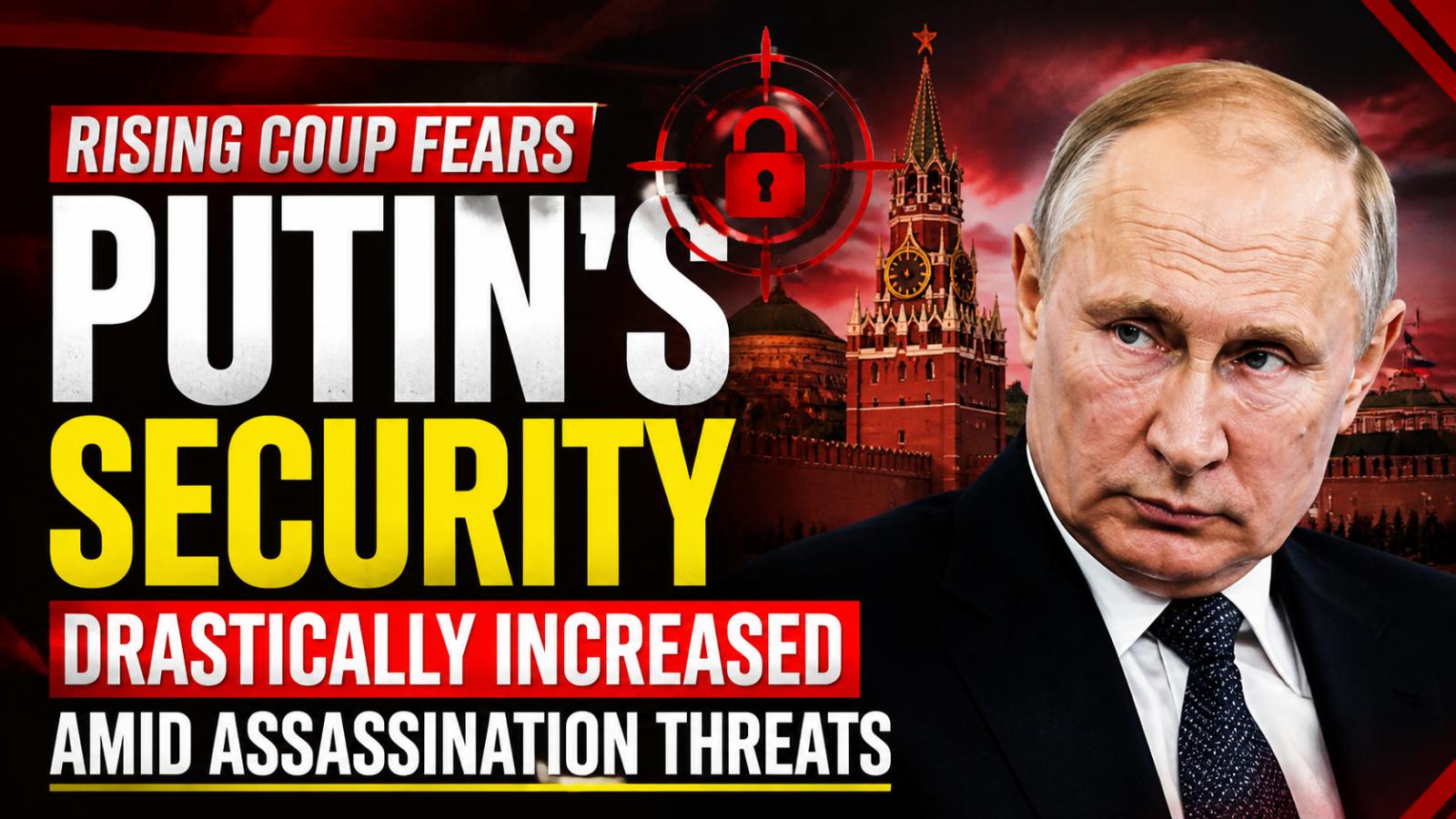
Putin’s security tightened amid coup fears and military assassinations
Russian President Vladimir Putin is facing an unprecedented level of security following growing concerns about a potential coup. These fears stem from a series of recent assassinations of senior Russian military figures, sparking widespread unease within the Kremlin. A European intelligence report reveals that Putin's security measures have been drastically increased, with surveillance systems now installed in the homes of his closest staff. These measures aim to prevent leaks of sensitive information and reduce the possibility of a plot against the president. Additionally, those who work directly with the president, including his bodyguards, chefs, and photographers, are now prohibited from using public transportation. Instead, all personnel visiting Putin must undergo two rounds of screening. Moreover, they are restricted to using phones without internet access to further minimize the risk of communication leaks. The intensified security is reportedly a response to fears of assassination attempts, particularly from the growing power of Russian elites who are displeased with Putin's leadership, especially amid the ongoing conflict in Ukraine. Former confidante’s role in coup fears One of the major concerns surrounding Putin’s safety involves Sergei Shoigu, a former confidante and the former defense minister of Russia. Shoigu was removed from his post but still retains significant influence within the Russian military. According to the report, Shoigu is now linked to potential coup efforts, as he remains a powerful figure within Russia’s military high command. Shoigu's influence over the Russian military is seen as a significant threat to Putin's reign, especially after the arrest of Ruslan Tsalikov, Shoigu's close associate, in March. This arrest has stirred political unrest within the Kremlin and raised suspicions about potential power shifts. The tensions within Russia's elite circles have added fuel to the fears of an internal coup, though the report does not provide direct evidence linking Shoigu to any active conspiracy. Kremlin in turmoil over Ukraine war and dissent The political climate within the Kremlin has grown increasingly unstable, particularly since the death of a top general in December, which triggered many of the heightened security measures. The fallout from this incident has led to fractures within Russia's security establishment, which is now divided over how to handle the fallout from the war in Ukraine. The rising costs and significant Russian military fatalities, estimated at 30,000 a month, have led to growing dissent within the political elite. Many believe the war has become unsustainable, further intensifying the pressure on Putin’s leadership. Putin has not publicly visited a military facility in 2023 and has avoided his usual residences, including those in the Moscow region and Valdai. The president has stopped making public appearances out of fear for his safety, with the Kremlin opting to release pre-recorded videos and images to maintain his presence in the media. According to reports, Putin has spent weeks at a time in upgraded bunkers, particularly in the Krasnodar coastal region, in response to the escalating threat of a coup and potential drone attacks. The ongoing crisis inside Russia's political structure Amidst the growing security concerns, the Kremlin is facing increasing instability, with political dissidents pushing back against Putin’s decisions. The Ukraine war has become a focal point of this unrest, with many within the political and military elite questioning its sustainability. These issues, compounded by the rising death toll among Russian soldiers, continue to contribute to the growing volatility of Putin’s rule. As fears of a coup mount, the situation inside the Kremlin remains precarious, with Putin’s tight security measures highlighting the level of tension and distrust among Russia’s political and military circles. The coming months may reveal whether these intensified precautions will be enough to protect Putin or if the risks posed by internal dissent and external threats will continue to grow.
Putin’s security tightened amid coup fears and military assassinations
Russian President Vladimir Putin is facing an unprecedented level of security following growing concerns about a potential coup. These fears stem from a series of recent assassinations of senior Russian military figures, sparking widespread unease within the Kremlin. A European intelligence report reveals that Putin's security measures have been drastically increased, with surveillance systems now installed in the homes of his closest staff. These measures aim to prevent leaks of sensitive information and reduce the possibility of a plot against the president. Additionally, those who work directly with the president, including his bodyguards, chefs, and photographers, are now prohibited from using public transportation. Instead, all personnel visiting Putin must undergo two rounds of screening. Moreover, they are restricted to using phones without internet access to further minimize the risk of communication leaks. The intensified security is reportedly a response to fears of assassination attempts, particularly from the growing power of Russian elites who are displeased with Putin's leadership, especially amid the ongoing conflict in Ukraine. Former confidante’s role in coup fears One of the major concerns surrounding Putin’s safety involves Sergei Shoigu, a former confidante and the former defense minister of Russia. Shoigu was removed from his post but still retains significant influence within the Russian military. According to the report, Shoigu is now linked to potential coup efforts, as he remains a powerful figure within Russia’s military high command. Shoigu's influence over the Russian military is seen as a significant threat to Putin's reign, especially after the arrest of Ruslan Tsalikov, Shoigu's close associate, in March. This arrest has stirred political unrest within the Kremlin and raised suspicions about potential power shifts. The tensions within Russia's elite circles have added fuel to the fears of an internal coup, though the report does not provide direct evidence linking Shoigu to any active conspiracy. Kremlin in turmoil over Ukraine war and dissent The political climate within the Kremlin has grown increasingly unstable, particularly since the death of a top general in December, which triggered many of the heightened security measures. The fallout from this incident has led to fractures within Russia's security establishment, which is now divided over how to handle the fallout from the war in Ukraine. The rising costs and significant Russian military fatalities, estimated at 30,000 a month, have led to growing dissent within the political elite. Many believe the war has become unsustainable, further intensifying the pressure on Putin’s leadership. Putin has not publicly visited a military facility in 2023 and has avoided his usual residences, including those in the Moscow region and Valdai. The president has stopped making public appearances out of fear for his safety, with the Kremlin opting to release pre-recorded videos and images to maintain his presence in the media. According to reports, Putin has spent weeks at a time in upgraded bunkers, particularly in the Krasnodar coastal region, in response to the escalating threat of a coup and potential drone attacks. The ongoing crisis inside Russia's political structure Amidst the growing security concerns, the Kremlin is facing increasing instability, with political dissidents pushing back against Putin’s decisions. The Ukraine war has become a focal point of this unrest, with many within the political and military elite questioning its sustainability. These issues, compounded by the rising death toll among Russian soldiers, continue to contribute to the growing volatility of Putin’s rule. As fears of a coup mount, the situation inside the Kremlin remains precarious, with Putin’s tight security measures highlighting the level of tension and distrust among Russia’s political and military circles. The coming months may reveal whether these intensified precautions will be enough to protect Putin or if the risks posed by internal dissent and external threats will continue to grow.
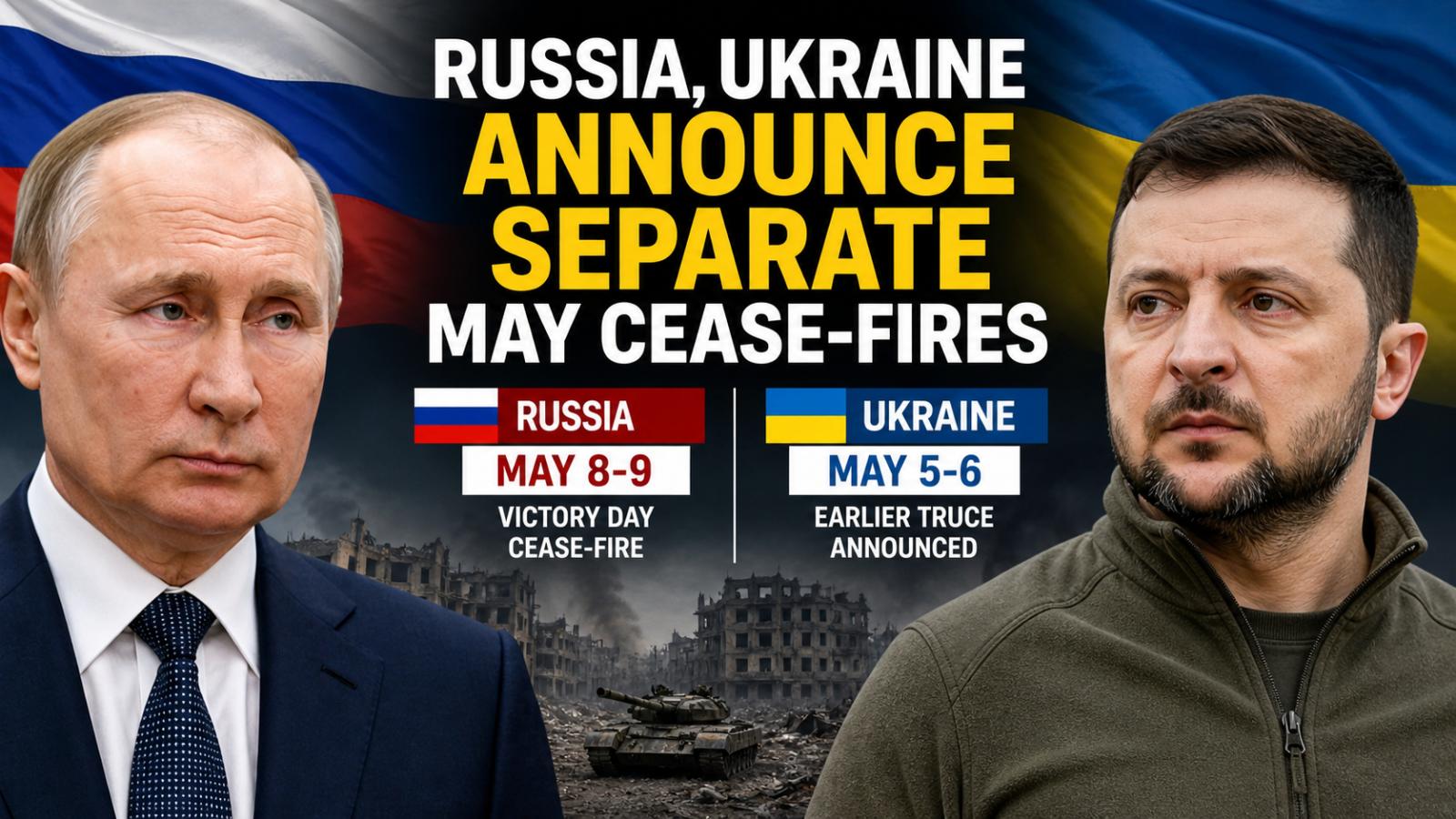
Russia, Ukraine Announce Separate May Cease-fires
Russia said it will observe a cease-fire from May 8 to May 9 to mark Victory Day, while Ukraine has already declared a separate truce for May 5 to May 6, underscoring a lack of coordination between the two sides. The Kremlin said President Vladimir Putin ordered the pause as a humanitarian gesture tied to World War Two commemorations. Russian officials warned that any violations could trigger a strong military response. Russia’s Defense Ministry said the capital, Kyiv, could face significant strikes if the truce is breached, urging civilians and foreign diplomatic staff to leave as a precaution, according to official statements. Ukraine’s President Volodymyr Zelensky announced an earlier two-day cease-fire beginning May 5, describing it as an independent move without coordination with Moscow. Zelensky said Ukraine could consider extending its pause if Russia demonstrates a genuine commitment to de-escalation. He added that further steps would depend on Moscow’s actions during its own declared truce. The overlapping but uncoordinated cease-fires highlight continued mistrust between the two sides, with no indication of broader negotiations to end the conflict. Victory Day on May 9 is one of Russia’s most significant national observances, marking the Soviet Union’s role in defeating Nazi Germany.
Russia, Ukraine Announce Separate May Cease-fires
Russia said it will observe a cease-fire from May 8 to May 9 to mark Victory Day, while Ukraine has already declared a separate truce for May 5 to May 6, underscoring a lack of coordination between the two sides. The Kremlin said President Vladimir Putin ordered the pause as a humanitarian gesture tied to World War Two commemorations. Russian officials warned that any violations could trigger a strong military response. Russia’s Defense Ministry said the capital, Kyiv, could face significant strikes if the truce is breached, urging civilians and foreign diplomatic staff to leave as a precaution, according to official statements. Ukraine’s President Volodymyr Zelensky announced an earlier two-day cease-fire beginning May 5, describing it as an independent move without coordination with Moscow. Zelensky said Ukraine could consider extending its pause if Russia demonstrates a genuine commitment to de-escalation. He added that further steps would depend on Moscow’s actions during its own declared truce. The overlapping but uncoordinated cease-fires highlight continued mistrust between the two sides, with no indication of broader negotiations to end the conflict. Victory Day on May 9 is one of Russia’s most significant national observances, marking the Soviet Union’s role in defeating Nazi Germany.
Ukraine Strikes Russian Oil Facilities As Fuel Prices Surge Globally
Ukraine has intensified its long-range strikes on energy infrastructure located deep inside Russia, targeting oil refineries, storage depots, and supply routes. These attacks mark a significant escalation in the ongoing
Ukraine Strikes Russian Oil Facilities As Fuel Prices Surge Globally
Ukraine has intensified its long-range strikes on energy infrastructure located deep inside Russia, targeting oil refineries, storage depots, and supply routes. These attacks mark a significant escalation in the ongoing

Trump Comments on Ukraine and Iran Wars Spark Confusion
US President Donald Trump drew attention during a recent press interaction after appearing to confuse details while discussing two major international conflicts. The exchange took place as Trump addressed reporters during an event linked to the Artemis II mission crew, where he was asked which conflict might conclude first: the prolonged Russia-Ukraine war or the ongoing tensions involving Iran and Israel. In response, Trump suggested that both situations could follow a similar timeline, stating that he was uncertain which would end sooner. However, his subsequent remarks raised questions as he began describing military conditions that appeared inconsistent or unclear in context. He claimed that Ukraine was militarily defeated, referencing significant naval and air losses, including statements about ships being destroyed and aircraft being eliminated. Trump also cited reductions in missile and drone capabilities, though his comments did not clearly distinguish whether he was referring to Ukraine or Iran at various points. This lack of clarity led to widespread attention, with observers noting the difficulty in separating his analysis of the two conflicts. The Russia-Ukraine war has continued for years with ongoing military engagements, while tensions involving Iran, Israel, and US involvement have added another layer of complexity to global security dynamics. Trump’s remarks came at a time when both conflicts remain active and under close international observation. The moment quickly gained traction due to the ambiguity in the president’s statements, highlighting the challenges of addressing multiple geopolitical crises simultaneously in public forums.
Trump Comments on Ukraine and Iran Wars Spark Confusion
US President Donald Trump drew attention during a recent press interaction after appearing to confuse details while discussing two major international conflicts. The exchange took place as Trump addressed reporters during an event linked to the Artemis II mission crew, where he was asked which conflict might conclude first: the prolonged Russia-Ukraine war or the ongoing tensions involving Iran and Israel. In response, Trump suggested that both situations could follow a similar timeline, stating that he was uncertain which would end sooner. However, his subsequent remarks raised questions as he began describing military conditions that appeared inconsistent or unclear in context. He claimed that Ukraine was militarily defeated, referencing significant naval and air losses, including statements about ships being destroyed and aircraft being eliminated. Trump also cited reductions in missile and drone capabilities, though his comments did not clearly distinguish whether he was referring to Ukraine or Iran at various points. This lack of clarity led to widespread attention, with observers noting the difficulty in separating his analysis of the two conflicts. The Russia-Ukraine war has continued for years with ongoing military engagements, while tensions involving Iran, Israel, and US involvement have added another layer of complexity to global security dynamics. Trump’s remarks came at a time when both conflicts remain active and under close international observation. The moment quickly gained traction due to the ambiguity in the president’s statements, highlighting the challenges of addressing multiple geopolitical crises simultaneously in public forums.
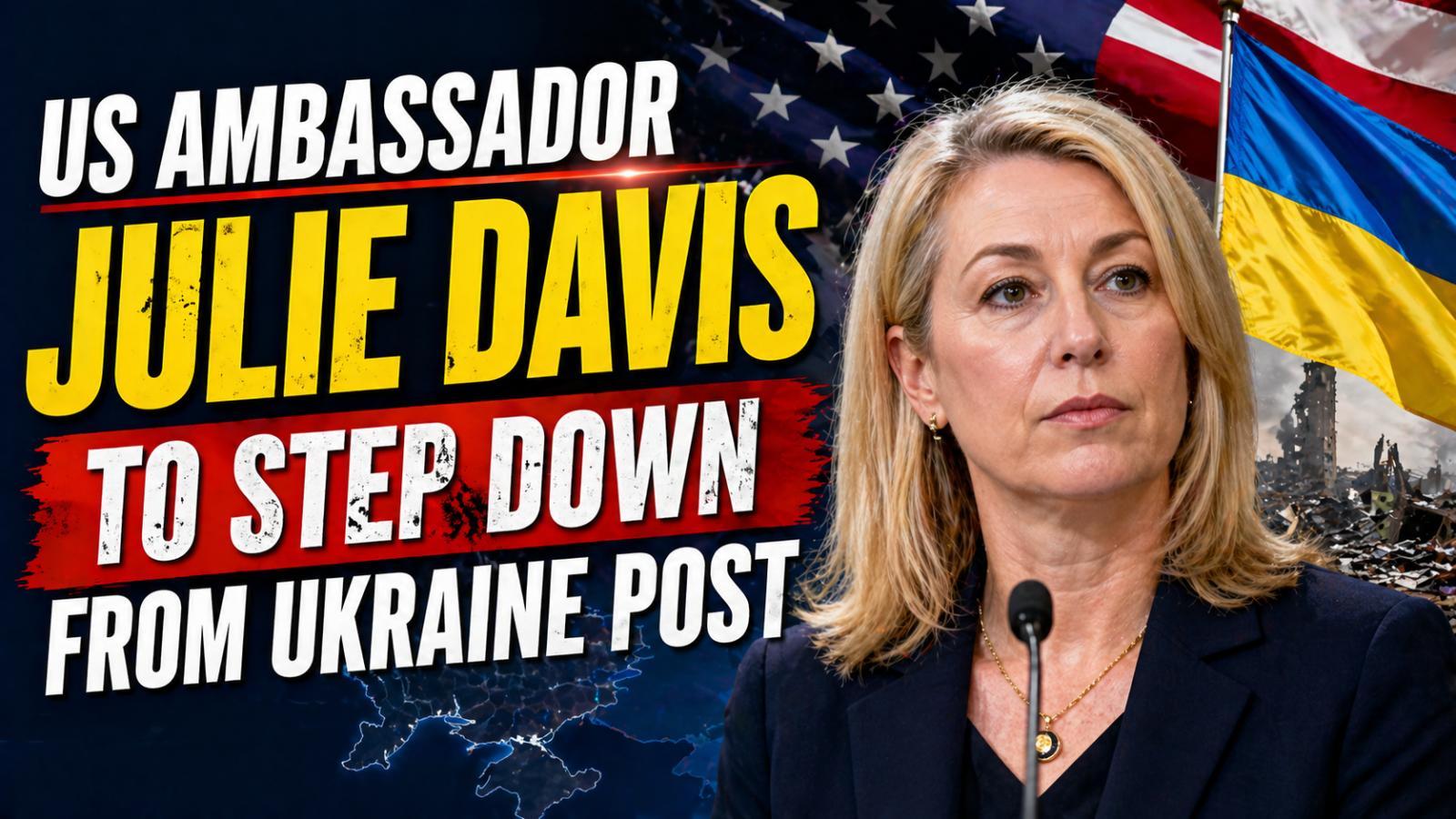
Julie Davis Announces Exit as US Faces Challenges in Ukraine Peace Efforts
The United States Department of State confirmed on April 28 that Julie Davis will step down from her role as acting ambassador to Ukraine after serving less than a year in the position. The announcement comes at a time when diplomatic efforts by the United States to facilitate a peace agreement between Ukraine and Russia have yet to produce a breakthrough. Davis, who also serves as ambassador to Cyprus, had been handling dual responsibilities since her appointment by Donald Trump in May of the previous year. She assumed the Kyiv role following the departure of Bridget Brink, who had been appointed earlier and later stepped down. The State Department stated that Davis cited retirement as the reason for her decision. Her tenure coincided with increased diplomatic pressure from Washington on Kyiv to consider terms that could advance negotiations with Moscow. Trump has publicly emphasized the need for a resolution, including the possibility of territorial concessions by Ukraine, as part of a broader effort to secure a ceasefire. However, these initiatives have not resulted in a formal agreement, and fighting has continued without a comprehensive settlement. Reports suggesting internal disagreements regarding US policy toward Ukraine were rejected by officials, who maintained that no such disputes influenced Davis’s decision. Brink, Davis’s predecessor, had previously expressed concern over what she described as an approach that placed disproportionate pressure on Ukraine during negotiations. Davis’s departure highlights the ongoing complexity of US diplomatic engagement in the region. With peace talks stalled and geopolitical tensions unresolved, the transition comes at a critical moment for American foreign policy and its role in shaping outcomes in Eastern Europe.
Julie Davis Announces Exit as US Faces Challenges in Ukraine Peace Efforts
The United States Department of State confirmed on April 28 that Julie Davis will step down from her role as acting ambassador to Ukraine after serving less than a year in the position. The announcement comes at a time when diplomatic efforts by the United States to facilitate a peace agreement between Ukraine and Russia have yet to produce a breakthrough. Davis, who also serves as ambassador to Cyprus, had been handling dual responsibilities since her appointment by Donald Trump in May of the previous year. She assumed the Kyiv role following the departure of Bridget Brink, who had been appointed earlier and later stepped down. The State Department stated that Davis cited retirement as the reason for her decision. Her tenure coincided with increased diplomatic pressure from Washington on Kyiv to consider terms that could advance negotiations with Moscow. Trump has publicly emphasized the need for a resolution, including the possibility of territorial concessions by Ukraine, as part of a broader effort to secure a ceasefire. However, these initiatives have not resulted in a formal agreement, and fighting has continued without a comprehensive settlement. Reports suggesting internal disagreements regarding US policy toward Ukraine were rejected by officials, who maintained that no such disputes influenced Davis’s decision. Brink, Davis’s predecessor, had previously expressed concern over what she described as an approach that placed disproportionate pressure on Ukraine during negotiations. Davis’s departure highlights the ongoing complexity of US diplomatic engagement in the region. With peace talks stalled and geopolitical tensions unresolved, the transition comes at a critical moment for American foreign policy and its role in shaping outcomes in Eastern Europe.
Why are North Korean troops reportedly taking their own lives? Kim Jong Un calls it battlefield honor
Why are North Korean troops reportedly taking their own lives? Kim Jong Un calls it battlefield honor has drawn international scrutiny after reports emerged that North Korean soldiers fighting alongside Russia in the war in Ukraine may be taking their own lives to avoid capture. The claims
Why are North Korean troops reportedly taking their own lives? Kim Jong Un calls it battlefield honor
Why are North Korean troops reportedly taking their own lives? Kim Jong Un calls it battlefield honor has drawn international scrutiny after reports emerged that North Korean soldiers fighting alongside Russia in the war in Ukraine may be taking their own lives to avoid capture. The claims
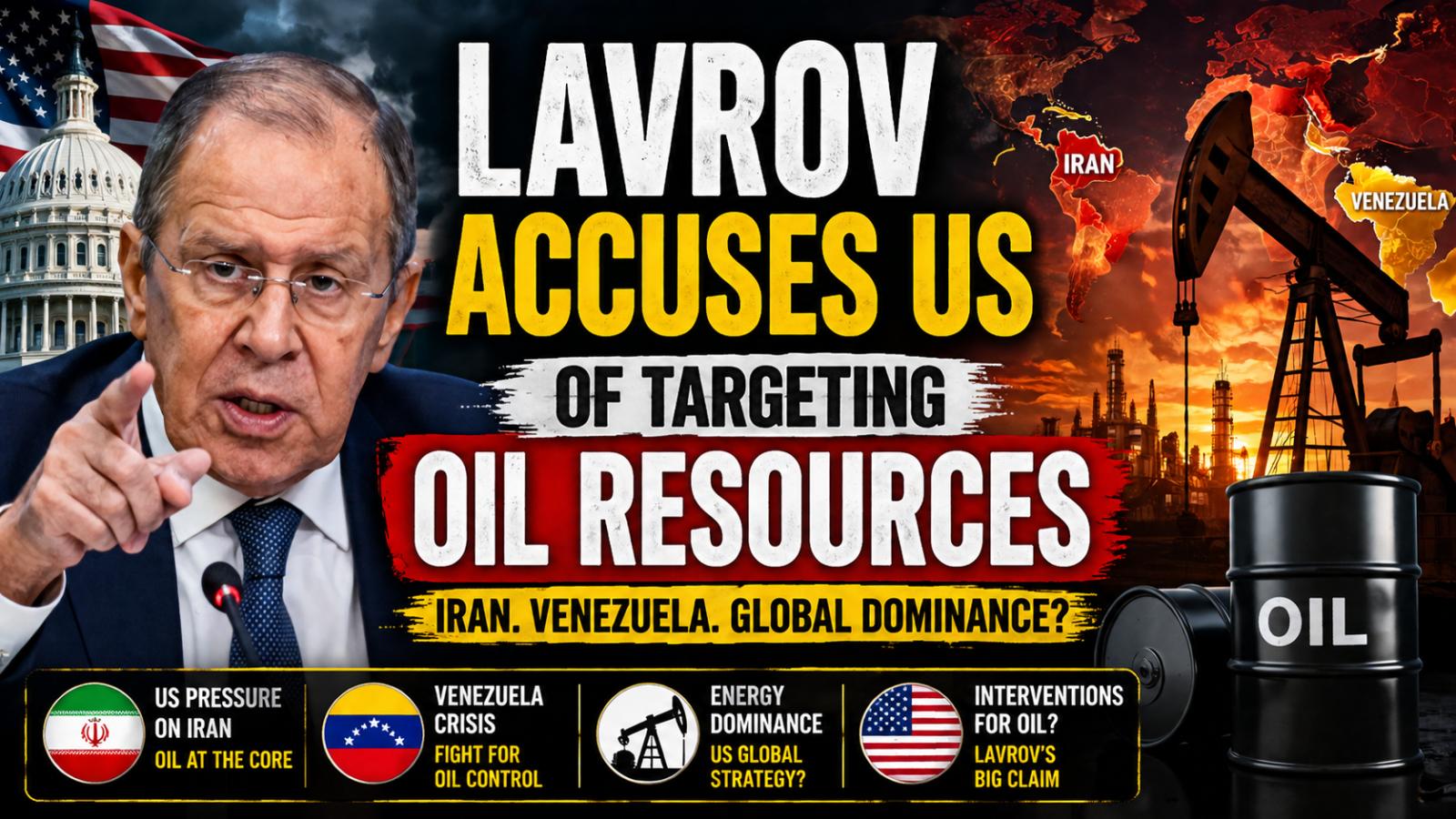
Russia’s Lavrov accuses US of targeting oil resources in foreign policy
Russia’s foreign minister accuses the US of pursuing oil-driven interventions in Iran and Venezuela, raising concerns over global energy dominance and geopolitical tensions. Russian Foreign Minister Sergei Lavrov has accused the United States of pursuing foreign interventions to secure control over global oil and energy resources, escalating rhetoric between Moscow and
Russia’s Lavrov accuses US of targeting oil resources in foreign policy
Russia’s foreign minister accuses the US of pursuing oil-driven interventions in Iran and Venezuela, raising concerns over global energy dominance and geopolitical tensions. Russian Foreign Minister Sergei Lavrov has accused the United States of pursuing foreign interventions to secure control over global oil and energy resources, escalating rhetoric between Moscow and