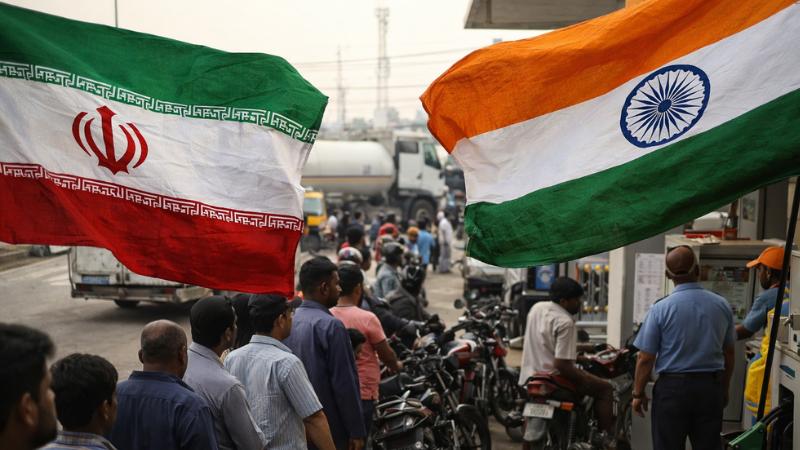
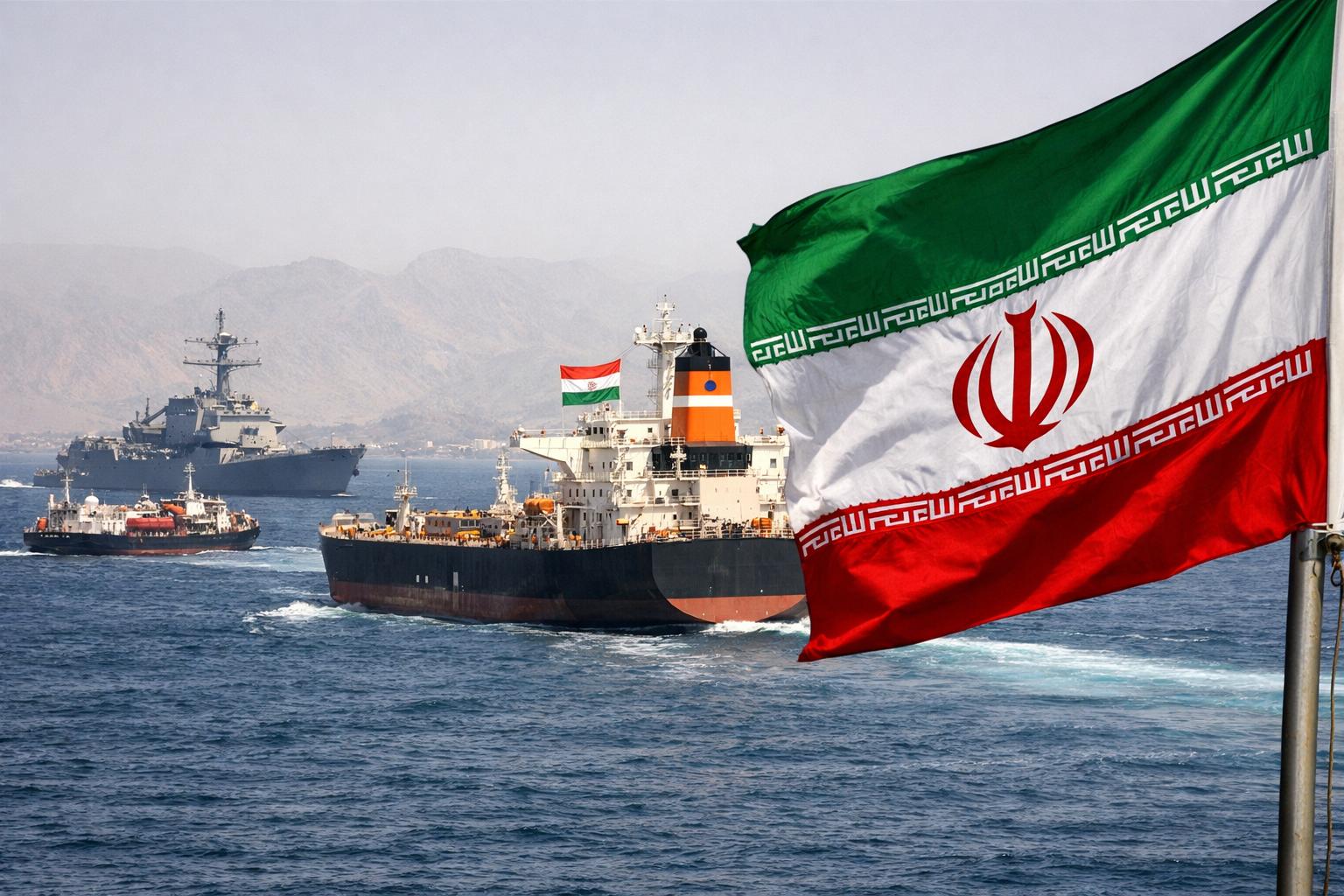
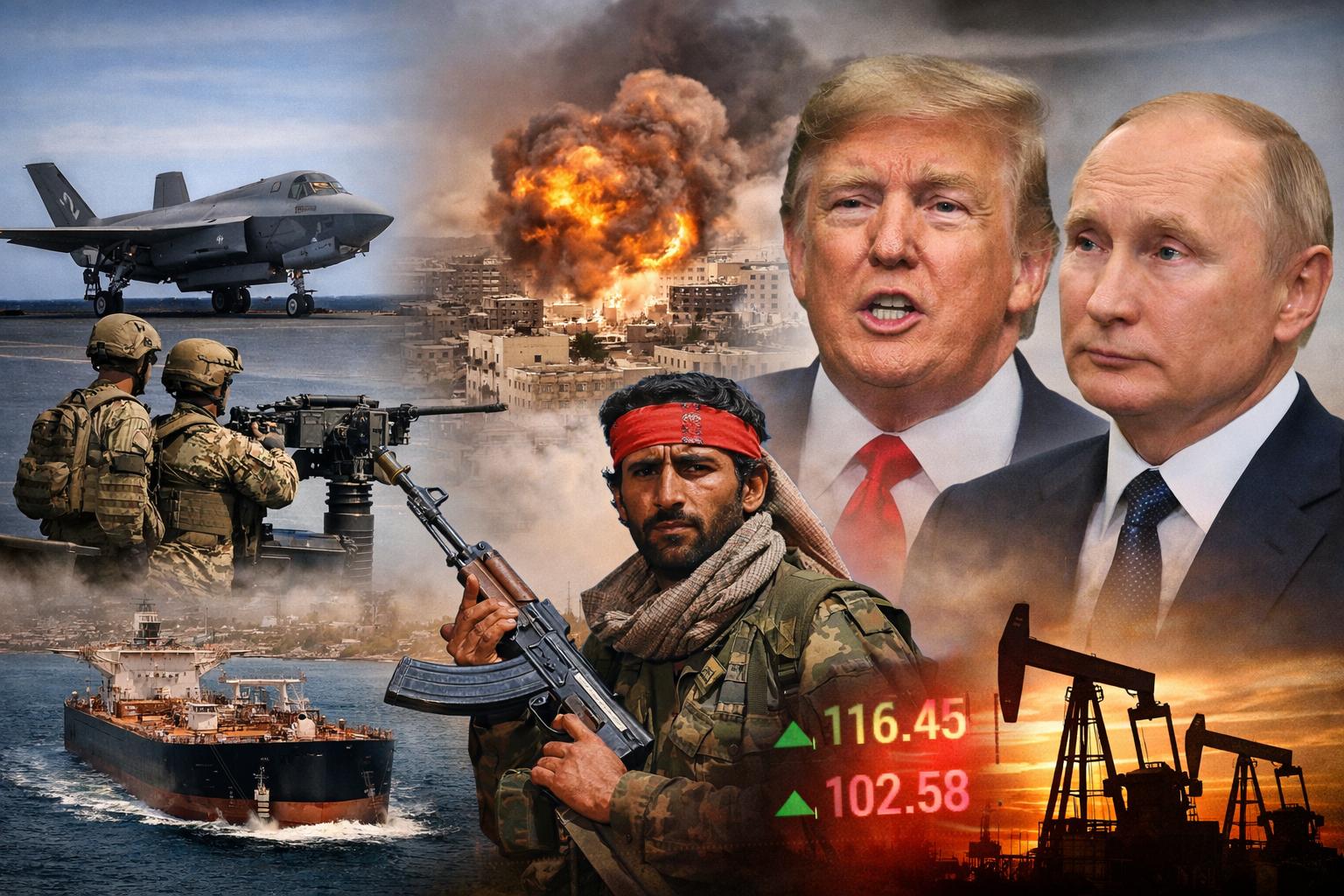
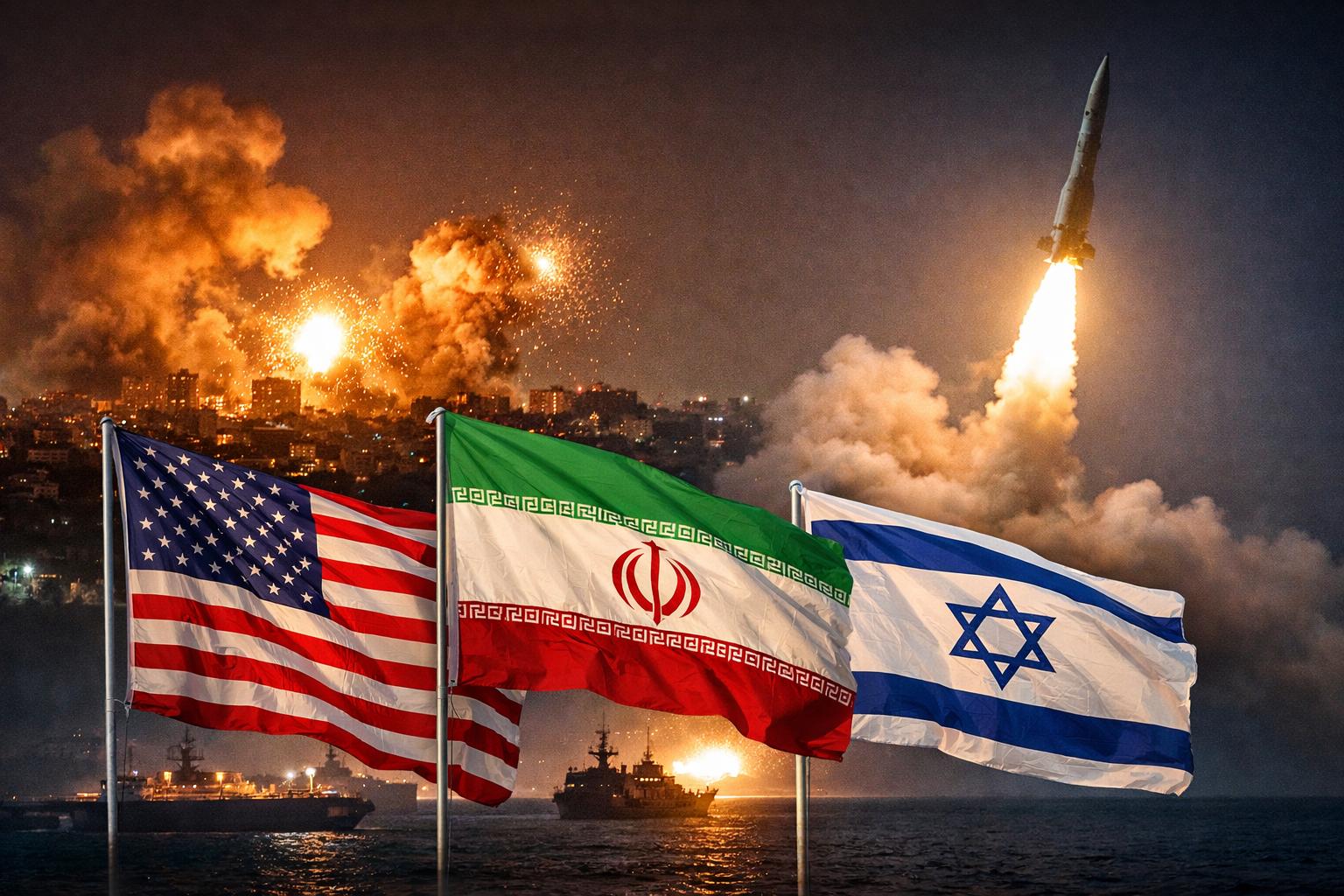
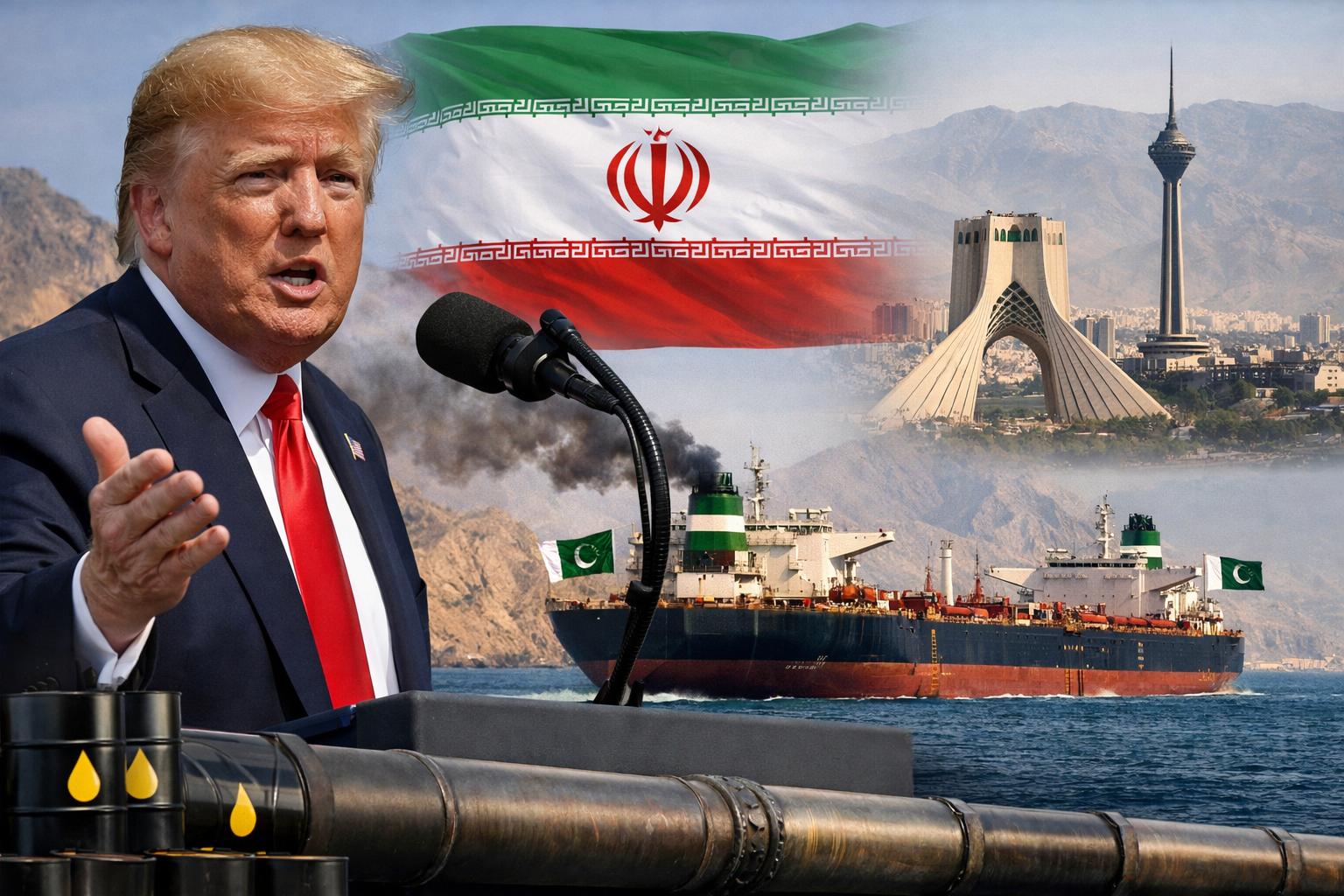
On Saturday, April 4, 2026, India marked a significant milestone in its energy dealings by making its first purchase of Iranian oil in over seven years. This comes after a period of strained relations due to U.S. sanctions that pressured India to halt its imports of Iranian crude back in May 2019. However, the ongoing conflict in the Middle East, particularly the U.S.-Israel war, has severely disrupted global oil supplies, pushing India to seek alternative sources of crude oil. The supply cha
On Saturday, April 4, 2026, India marked a significant milestone in its energy dealings by making its first purchase of Iranian oil in over seven years. This comes after a period of strained relations due to U.S. sanctions that pressured India to halt its imports of Iranian crude back in May 2019. However, the ongoing conflict in the Middle East, particularly the U.S.-Israel war, has severely disrupted global oil supplies, pushing India to seek alternative sources of crude oil. The supply cha
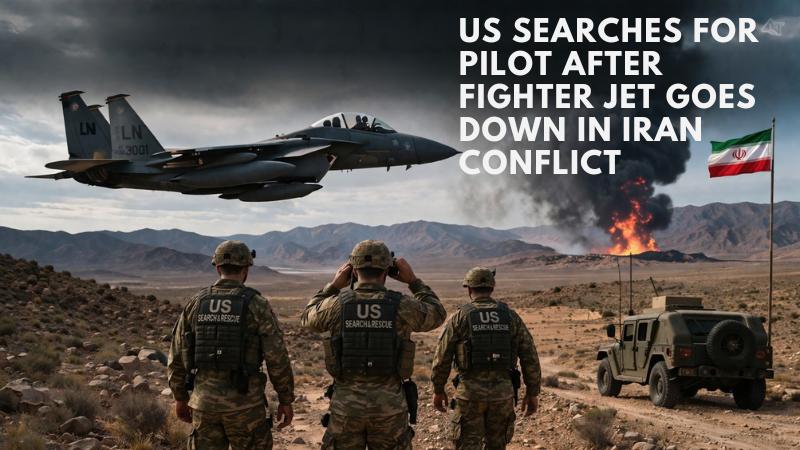
The United States is searching for the crew of an American fighter jet that went down in Iran during ongoing military operations, according to a U.S. official. The exact date and time of the incident have not been publicly confirmed by U.S. authorities, and officials have not released additional operational details.
Authorities have not clarified whether the aircraft was shot down or experienced a technical failure, leaving the cause of the incident under investigation. The Pentagon and U.S. Central Command have not issued formal statements, and no independent confirmation has been provided regarding claims surrounding the circumstances of the crash.
If confirmed, the loss would mark the first known downing of a U.S. fighter jet inside Iran since the current conflict began in late February. The war has now extended beyond a month, with continued air operations and heightened military engagement across the region.
The development comes at a sensitive moment, as the conflict continues to disrupt activity in the Strait of Hormuz, one of the world’s most critical maritime routes for energy shipments. Reduced tanker movement through the strait has raised global concerns about the supply of crude oil, fertilizer, and other key commodities, potentially impacting international markets.
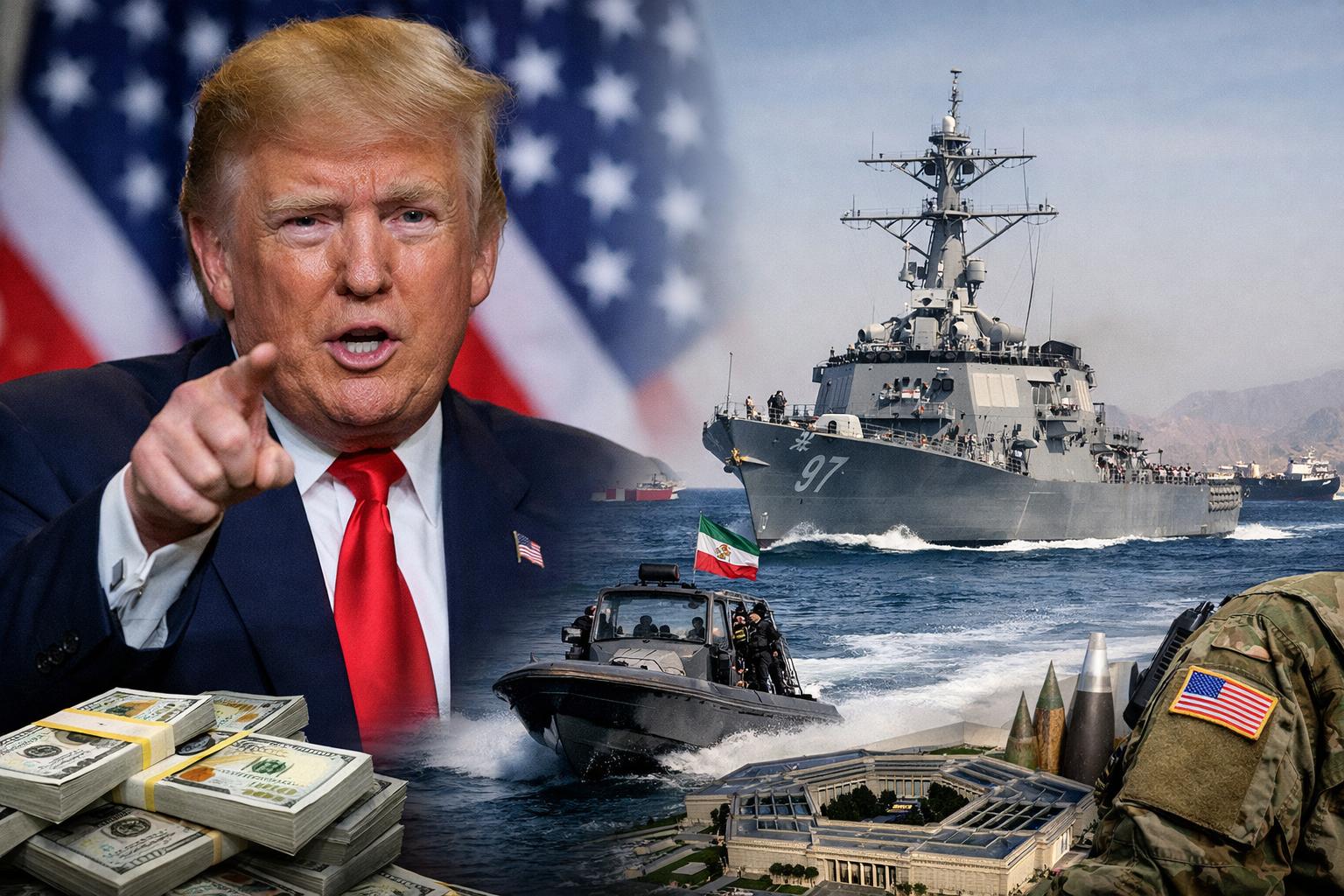
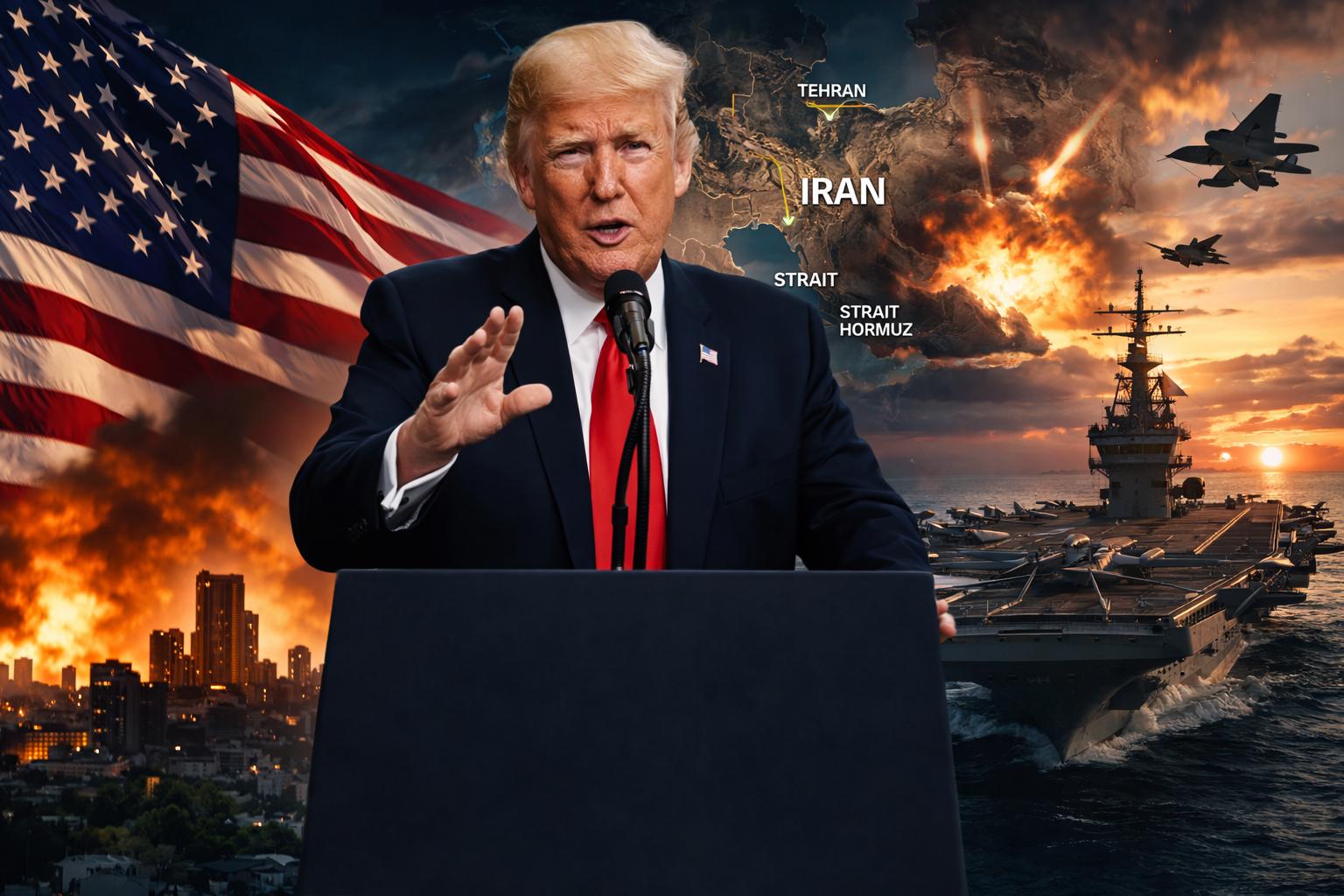
Amid escalating tensions, U.S. President Donald Trump has indicated a willingness to intensify military action. In recent public remarks, he suggested that the United States could reopen the strategic waterway and secure access to oil resources. He also warned of possible expanded strikes targeting Iranian infrastructure, including bridges and electrical facilities.
In earlier statements, Trump signaled a more aggressive posture, stating that the United States could significantly escalate its response if necessary. These remarks highlight the growing volatility of the situation and the potential for further military escalation as the conflict continues.
The United States is searching for the crew of an American fighter jet that went down in Iran during ongoing military operations, according to a U.S. official. The exact date and time of the incident have not been publicly confirmed by U.S. authorities, and officials have not released additional operational details.
Authorities have not clarified whether the aircraft was shot down or experienced a technical failure, leaving the cause of the incident under investigation. The Pentagon and U.S. Central Command have not issued formal statements, and no independent confirmation has been provided regarding claims surrounding the circumstances of the crash.
If confirmed, the loss would mark the first known downing of a U.S. fighter jet inside Iran since the current conflict began in late February. The war has now extended beyond a month, with continued air operations and heightened military engagement across the region.
The development comes at a sensitive moment, as the conflict continues to disrupt activity in the Strait of Hormuz, one of the world’s most critical maritime routes for energy shipments. Reduced tanker movement through the strait has raised global concerns about the supply of crude oil, fertilizer, and other key commodities, potentially impacting international markets.
Amid escalating tensions, U.S. President Donald Trump has indicated a willingness to intensify military action. In recent public remarks, he suggested that the United States could reopen the strategic waterway and secure access to oil resources. He also warned of possible expanded strikes targeting Iranian infrastructure, including bridges and electrical facilities.
In earlier statements, Trump signaled a more aggressive posture, stating that the United States could significantly escalate its response if necessary. These remarks highlight the growing volatility of the situation and the potential for further military escalation as the conflict continues.
US President Donald Trump said on Friday, April 3, 2026, that the United States could potentially “open” the Strait of Hormuz and seize oil resources if given additional time, as tensions continue to escalate in the ongoing Iran war. The remarks, posted on his Truth Social platform, come amid growing concerns over global energy security and disruptions to one of the world’s most critical shipping routes.
Trump’s statement suggested a more aggressive approach to the strategic
US President Donald Trump said on Friday, April 3, 2026, that the United States could potentially “open” the Strait of Hormuz and seize oil resources if given additional time, as tensions continue to escalate in the ongoing Iran war. The remarks, posted on his Truth Social platform, come amid growing concerns over global energy security and disruptions to one of the world’s most critical shipping routes.
Trump’s statement suggested a more aggressive approach to the strategic
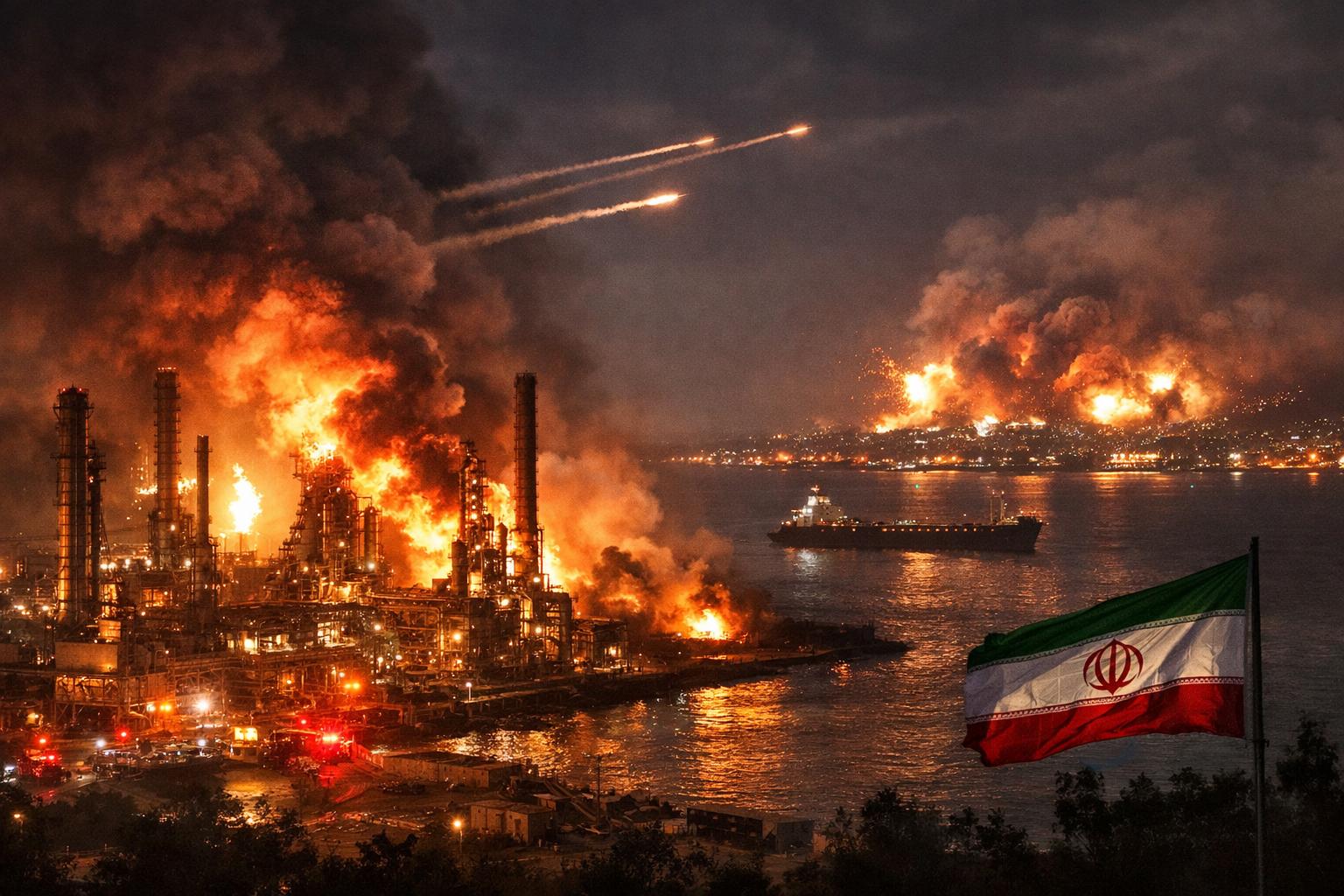
DUBAI, United Arab Emirates — Iran launched coordinated attacks across the Middle East on Friday, April 3, 2026, targeting energy infrastructure and escalating tensions as U.S. and Israeli forces carried out strikes inside Iran. The conflict has now entered its fifth week with no signs of slowing, raising concerns over global energy security and regional stability.
Iranian drone strikes hit Kuwait’s Mina al-Ahmadi oil refinery early Friday, April 3, 2026 (local time in the Midd
DUBAI, United Arab Emirates — Iran launched coordinated attacks across the Middle East on Friday, April 3, 2026, targeting energy infrastructure and escalating tensions as U.S. and Israeli forces carried out strikes inside Iran. The conflict has now entered its fifth week with no signs of slowing, raising concerns over global energy security and regional stability.
Iranian drone strikes hit Kuwait’s Mina al-Ahmadi oil refinery early Friday, April 3, 2026 (local time in the Midd
India’s government on Thursday, April 2, 2026 (IST), said there have been no discussions with Iran regarding the imposition of tolls on Indian ships transiting the Strait of Hormuz, dismissing recent reports circulating amid heightened tensions in West Asia. Speaking at a media briefing in New Delhi, Ministry of External Affairs spokesperson Randhir Jaiswal stated that no such proposal has been discussed between the two countries, countering speculation that had raised concerns over shipping c
India’s government on Thursday, April 2, 2026 (IST), said there have been no discussions with Iran regarding the imposition of tolls on Indian ships transiting the Strait of Hormuz, dismissing recent reports circulating amid heightened tensions in West Asia. Speaking at a media briefing in New Delhi, Ministry of External Affairs spokesperson Randhir Jaiswal stated that no such proposal has been discussed between the two countries, countering speculation that had raised concerns over shipping c
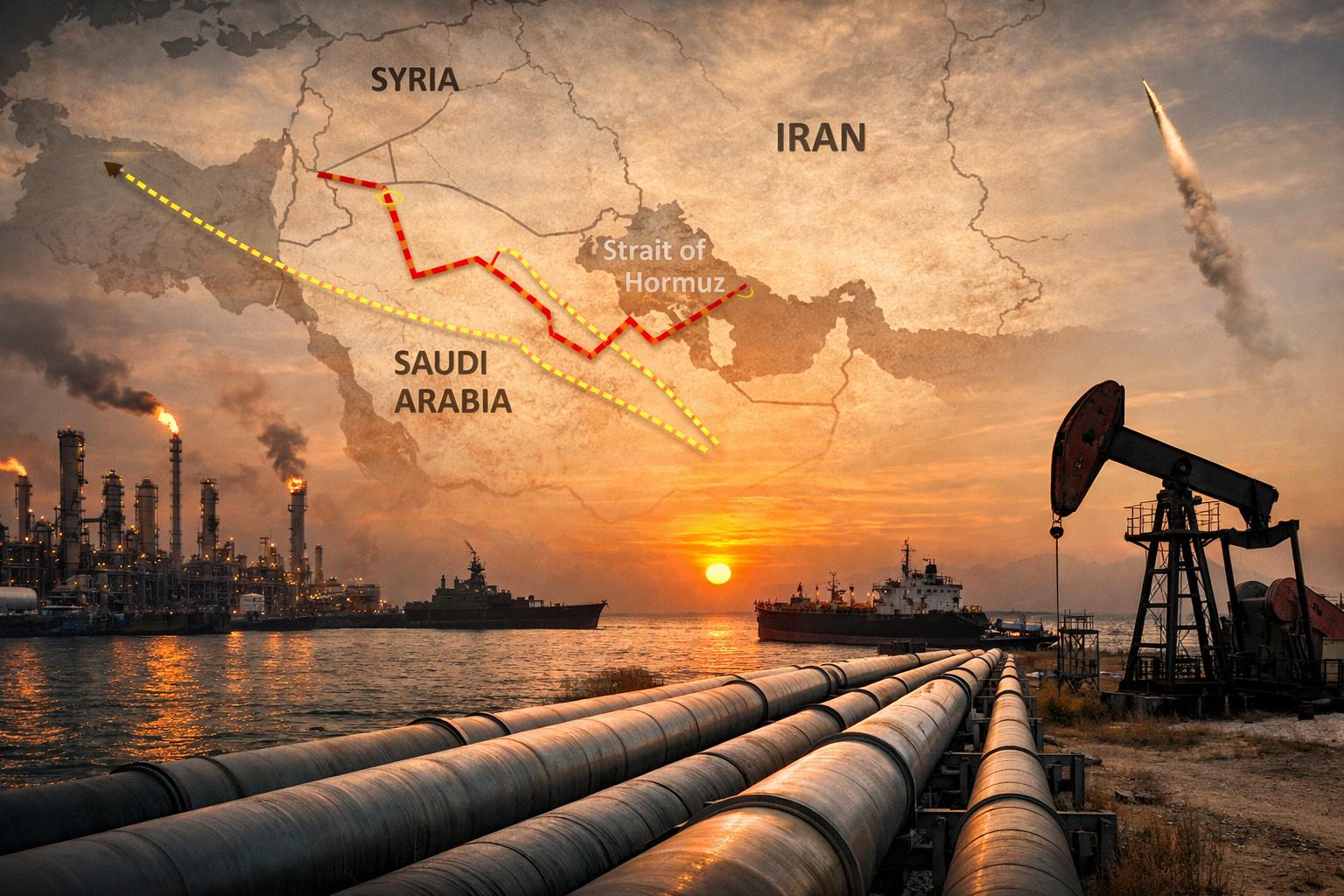
Gulf nations are accelerating discussions on building alternative oil and gas pipelines after Iran’s closure of the Strait of Hormuz disrupted a critical global energy corridor, halting exports from most countries in the region and cutting off roughly 20 percent of the world’s oil and gas supply.
The blockade has exposed the region’s heavy dependence on the narrow maritime route, prompting officials and industry leaders to reconsider long-term infrastructure strategies. Saudi Arabia ha
Gulf nations are accelerating discussions on building alternative oil and gas pipelines after Iran’s closure of the Strait of Hormuz disrupted a critical global energy corridor, halting exports from most countries in the region and cutting off roughly 20 percent of the world’s oil and gas supply.
The blockade has exposed the region’s heavy dependence on the narrow maritime route, prompting officials and industry leaders to reconsider long-term infrastructure strategies. Saudi Arabia ha
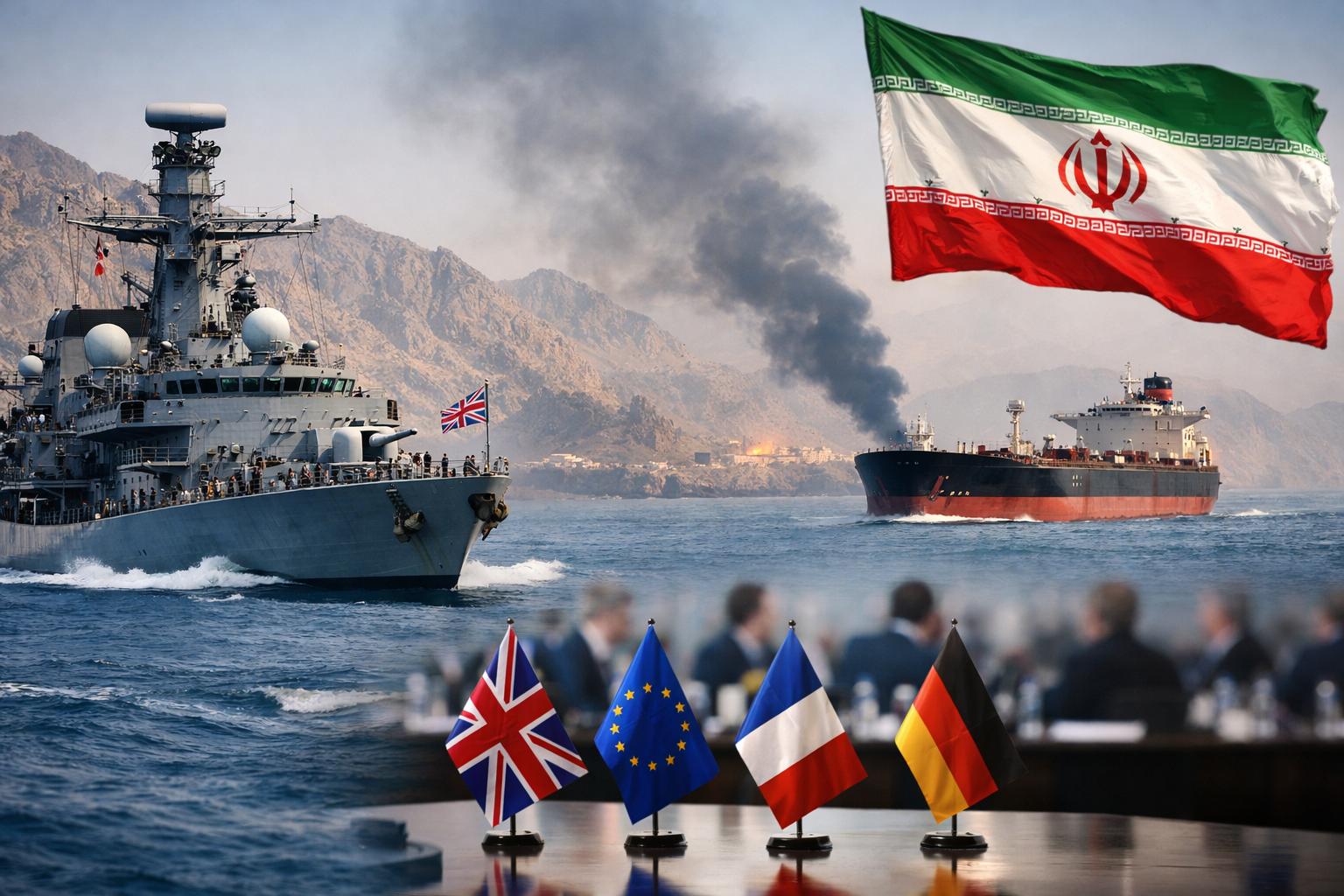
LONDON — The United Kingdom on Thursday, April 2, 2026, convened a virtual meeting of foreign ministers from roughly 35 nations to address escalating disruptions in the Strait of Hormuz, with UK Foreign Secretary Yvette Cooper sharply criticizing Iran’s actions as a threat to global economic stability.
Speaking in opening remarks broadcast before the closed-door session, Cooper accused Iran of “hijacking an international shipping route” and warned that such actions were effectively h
LONDON — The United Kingdom on Thursday, April 2, 2026, convened a virtual meeting of foreign ministers from roughly 35 nations to address escalating disruptions in the Strait of Hormuz, with UK Foreign Secretary Yvette Cooper sharply criticizing Iran’s actions as a threat to global economic stability.
Speaking in opening remarks broadcast before the closed-door session, Cooper accused Iran of “hijacking an international shipping route” and warned that such actions were effectively h
Millions of viewers across the globe are expected to watch President Donald Trump deliver a primetime address on Wednesday, April 1, 2026, as the United States faces growing uncertainty over its involvement in the Iran conflict. The White House has indicated that no major announcement is expected, but the timing of the speech has intensified speculation about whether it signals de-escalation or further escalation.
Public opinion in the United States has increasingly turned against a
Millions of viewers across the globe are expected to watch President Donald Trump deliver a primetime address on Wednesday, April 1, 2026, as the United States faces growing uncertainty over its involvement in the Iran conflict. The White House has indicated that no major announcement is expected, but the timing of the speech has intensified speculation about whether it signals de-escalation or further escalation.
Public opinion in the United States has increasingly turned against a
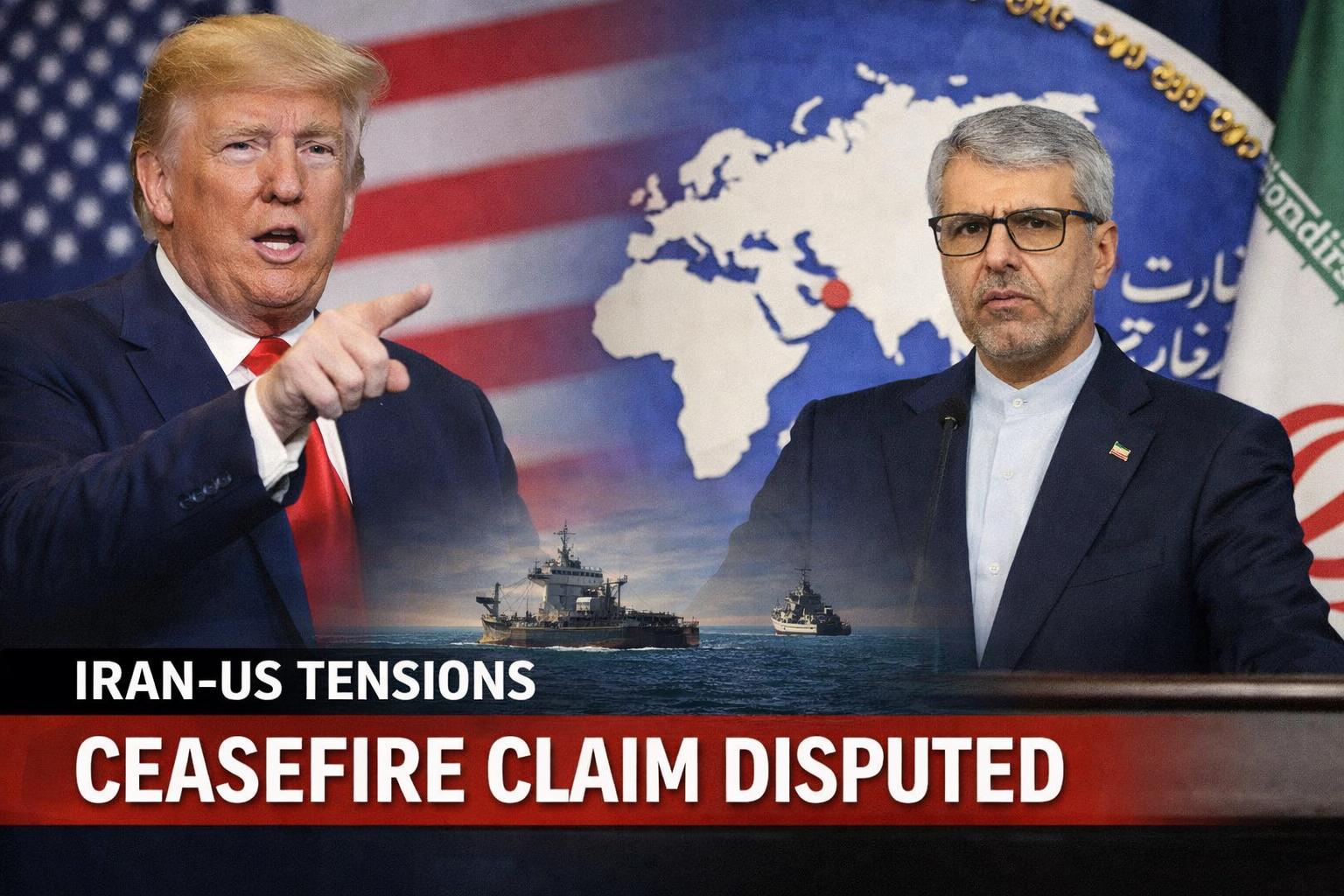
Iran has firmly rejected claims that it sought a ceasefire with the United States, calling recent remarks by U.S. President Donald Trump “false and baseless.” The statement was issued by Iran’s foreign ministry spokesman Esmaeil Baqaei and broadcast on Iranian state television, amid heightened geopolitical tensions in the Middle East.
Trump had earlier stated on his social media platform that Iran had requested a ceasefire, referring to what he described as the country’s “new regime president,” though he did not provide a name. He added that any consideration of a ceasefire would depend on the Strait of Hormuz being “open, free, and clear,” highlighting the strategic importance of the waterway.
Iran’s foreign ministry swiftly denied the claim, emphasizing that no such request had been made to Washington. Officials described the statement as misleading and reiterated that there are currently no ceasefire negotiations underway between the two nations. The response underscores the strained relationship between Iran and the United States, particularly at a time when tensions surrounding the Strait of Hormuz remain elevated.
The Strait of Hormuz is a critical global shipping route through which a significant portion of the world’s oil supply passes. Any disruption in this region can have immediate and far-reaching effects on global energy markets and international trade. Recent developments have already contributed to concerns about oil supply stability and rising fuel costs.
The conflicting statements from both sides reflect the broader uncertainty surrounding the current geopolitical climate. While Trump’s comments suggested the possibility of diplomatic engagement, Iran’s denial indicates that no formal communication regarding a ceasefire has taken place.
As tensions continue to unfold, the situation remains closely monitored by governments and analysts worldwide. The absence of confirmed negotiations highlights the fragile nature of U.S.-Iran relations and the ongoing challenges in achieving stability in the region.
Iran has firmly rejected claims that it sought a ceasefire with the United States, calling recent remarks by U.S. President Donald Trump “false and baseless.” The statement was issued by Iran’s foreign ministry spokesman Esmaeil Baqaei and broadcast on Iranian state television, amid heightened geopolitical tensions in the Middle East.
Trump had earlier stated on his social media platform that Iran had requested a ceasefire, referring to what he described as the country’s “new regime president,” though he did not provide a name. He added that any consideration of a ceasefire would depend on the Strait of Hormuz being “open, free, and clear,” highlighting the strategic importance of the waterway.
Iran’s foreign ministry swiftly denied the claim, emphasizing that no such request had been made to Washington. Officials described the statement as misleading and reiterated that there are currently no ceasefire negotiations underway between the two nations. The response underscores the strained relationship between Iran and the United States, particularly at a time when tensions surrounding the Strait of Hormuz remain elevated.
The Strait of Hormuz is a critical global shipping route through which a significant portion of the world’s oil supply passes. Any disruption in this region can have immediate and far-reaching effects on global energy markets and international trade. Recent developments have already contributed to concerns about oil supply stability and rising fuel costs.
The conflicting statements from both sides reflect the broader uncertainty surrounding the current geopolitical climate. While Trump’s comments suggested the possibility of diplomatic engagement, Iran’s denial indicates that no formal communication regarding a ceasefire has taken place.
As tensions continue to unfold, the situation remains closely monitored by governments and analysts worldwide. The absence of confirmed negotiations highlights the fragile nature of U.S.-Iran relations and the ongoing challenges in achieving stability in the region.
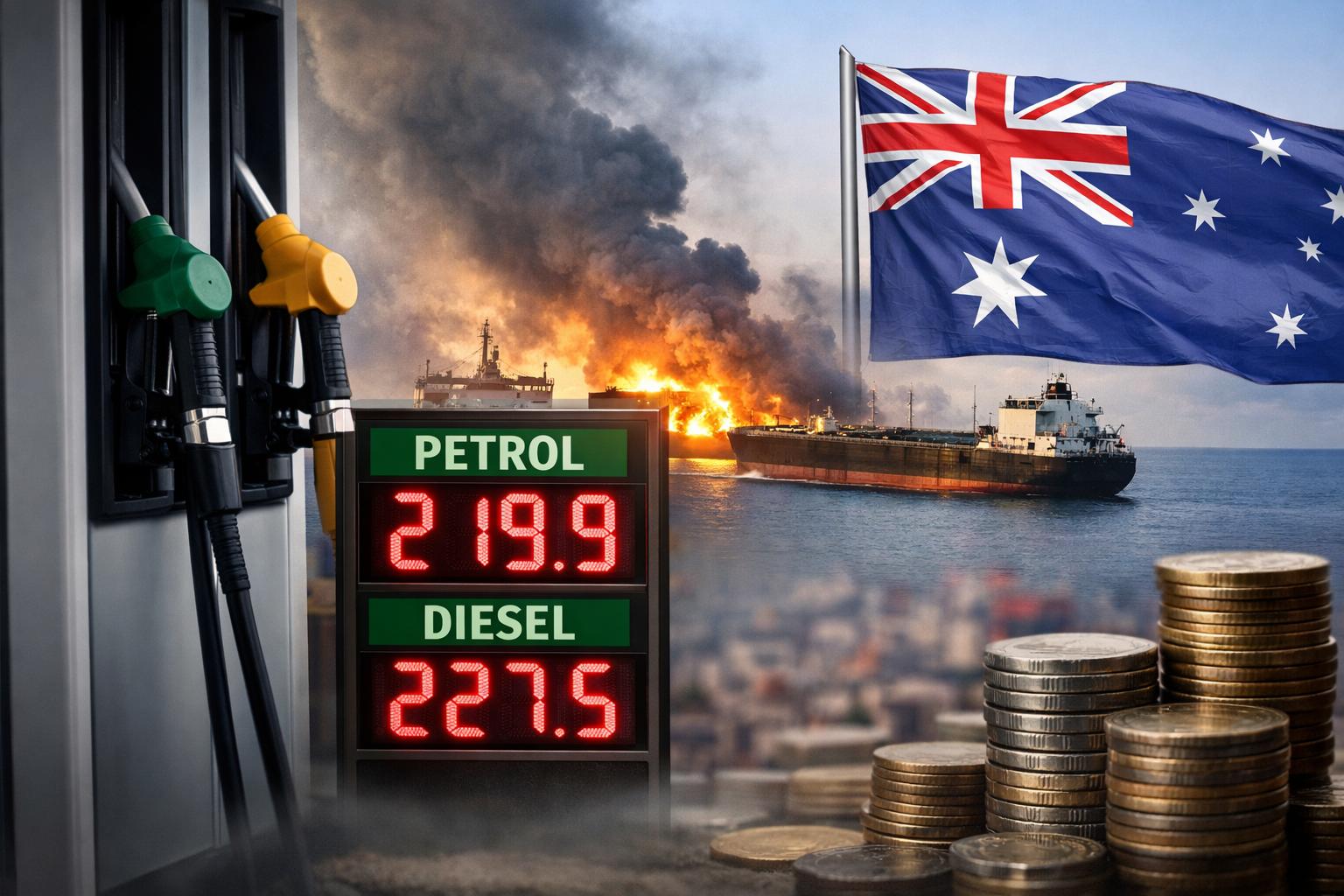
Australia is experiencing the ripple effects of a growing global fuel crisis linked to the ongoing Iran conflict, with Prime Minister Anthony Albanese warning that the economic disruption could persist for months. In a rare national address, Albanese emphasized that while Australia is not directly involved in the conflict, its economic consequences are already placing pressure on households and businesses across the country.
The most immediate impact has been a sharp increase in petrol and d
Australia is experiencing the ripple effects of a growing global fuel crisis linked to the ongoing Iran conflict, with Prime Minister Anthony Albanese warning that the economic disruption could persist for months. In a rare national address, Albanese emphasized that while Australia is not directly involved in the conflict, its economic consequences are already placing pressure on households and businesses across the country.
The most immediate impact has been a sharp increase in petrol and d
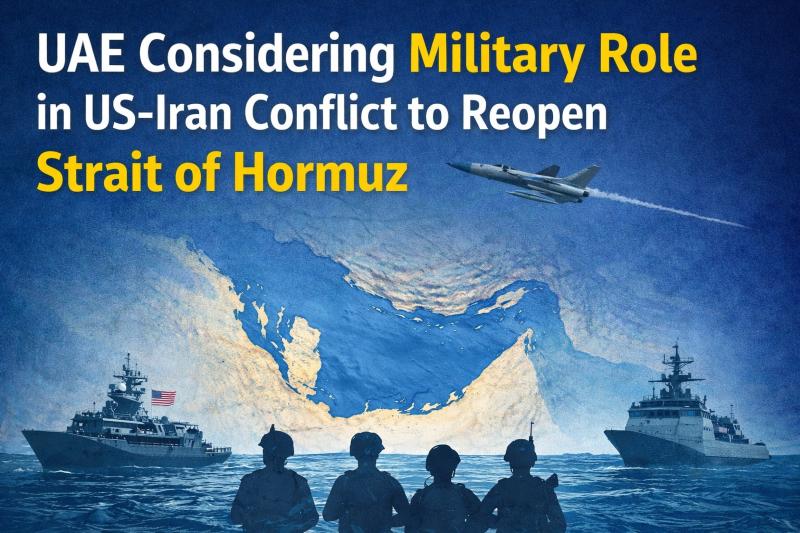
The United Arab Emirates (UAE) is reportedly preparing to join the US in its ongoing conflict with Iran, marking a significant shift in the region. According to Arab officials, the UAE is considering military action to help reopen the Strait of Hormuz, a vital waterway for global oil trade, after Iran's continued attacks on the UAE and other Gulf states.
This would make the UAE the first country from the Persian Gulf to directly enter the conflict. The move follows increasing tensions after US President Donald Trump's recent criticism of Gulf allies for not doing more to support the US's war effort against Iran. Trump had previously stated that securing the Strait of Hormuz was not America's responsibility, urging other nations to step up their involvement.
The UAE is reportedly pushing for a United Nations Security Council (UNSC) resolution that would authorize military action against Iran. According to The Wall Street Journal, UAE officials have called on the US, along with military powers in Europe and Asia, to form a coalition to clear the Strait of Hormuz. However, it is anticipated that Russia and China could block the UNSC resolution. Even without UN approval, the UAE is prepared to offer support, including possible involvement in mine clearance operations.
The UAE has also suggested that the US take control of islands in the Strait of Hormuz, particularly Abu Musa, which Iran has controlled for decades but is also claimed by the UAE. In response, the UAE's foreign ministry emphasized the importance of preserving freedom of navigation in the Strait and noted the international consensus condemning Iran's actions and the closure of the waterway.
This development signals the UAE's willingness to take a more active role in the ongoing tensions in the Gulf, which could significantly impact the region's security dynamics.
The United Arab Emirates (UAE) is reportedly preparing to join the US in its ongoing conflict with Iran, marking a significant shift in the region. According to Arab officials, the UAE is considering military action to help reopen the Strait of Hormuz, a vital waterway for global oil trade, after Iran's continued attacks on the UAE and other Gulf states.
This would make the UAE the first country from the Persian Gulf to directly enter the conflict. The move follows increasing tensions after US President Donald Trump's recent criticism of Gulf allies for not doing more to support the US's war effort against Iran. Trump had previously stated that securing the Strait of Hormuz was not America's responsibility, urging other nations to step up their involvement.
The UAE is reportedly pushing for a United Nations Security Council (UNSC) resolution that would authorize military action against Iran. According to The Wall Street Journal, UAE officials have called on the US, along with military powers in Europe and Asia, to form a coalition to clear the Strait of Hormuz. However, it is anticipated that Russia and China could block the UNSC resolution. Even without UN approval, the UAE is prepared to offer support, including possible involvement in mine clearance operations.
The UAE has also suggested that the US take control of islands in the Strait of Hormuz, particularly Abu Musa, which Iran has controlled for decades but is also claimed by the UAE. In response, the UAE's foreign ministry emphasized the importance of preserving freedom of navigation in the Strait and noted the international consensus condemning Iran's actions and the closure of the waterway.
This development signals the UAE's willingness to take a more active role in the ongoing tensions in the Gulf, which could significantly impact the region's security dynamics.
The ongoing conflict involving the United States, Israel, and Iran has extended beyond a month, intensifying geopolitical tensions and significantly impacting global energy markets. As of Tuesday, March 31, 2026, the situation shows few signs of de-escalation, with escalating military activity and limited diplomatic progress raising concerns across international observers.
The conflict widened further over the weekend when Yemen’s Houthi rebels entered the fray, adding a new dimension to a
The ongoing conflict involving the United States, Israel, and Iran has extended beyond a month, intensifying geopolitical tensions and significantly impacting global energy markets. As of Tuesday, March 31, 2026, the situation shows few signs of de-escalation, with escalating military activity and limited diplomatic progress raising concerns across international observers.
The conflict widened further over the weekend when Yemen’s Houthi rebels entered the fray, adding a new dimension to a
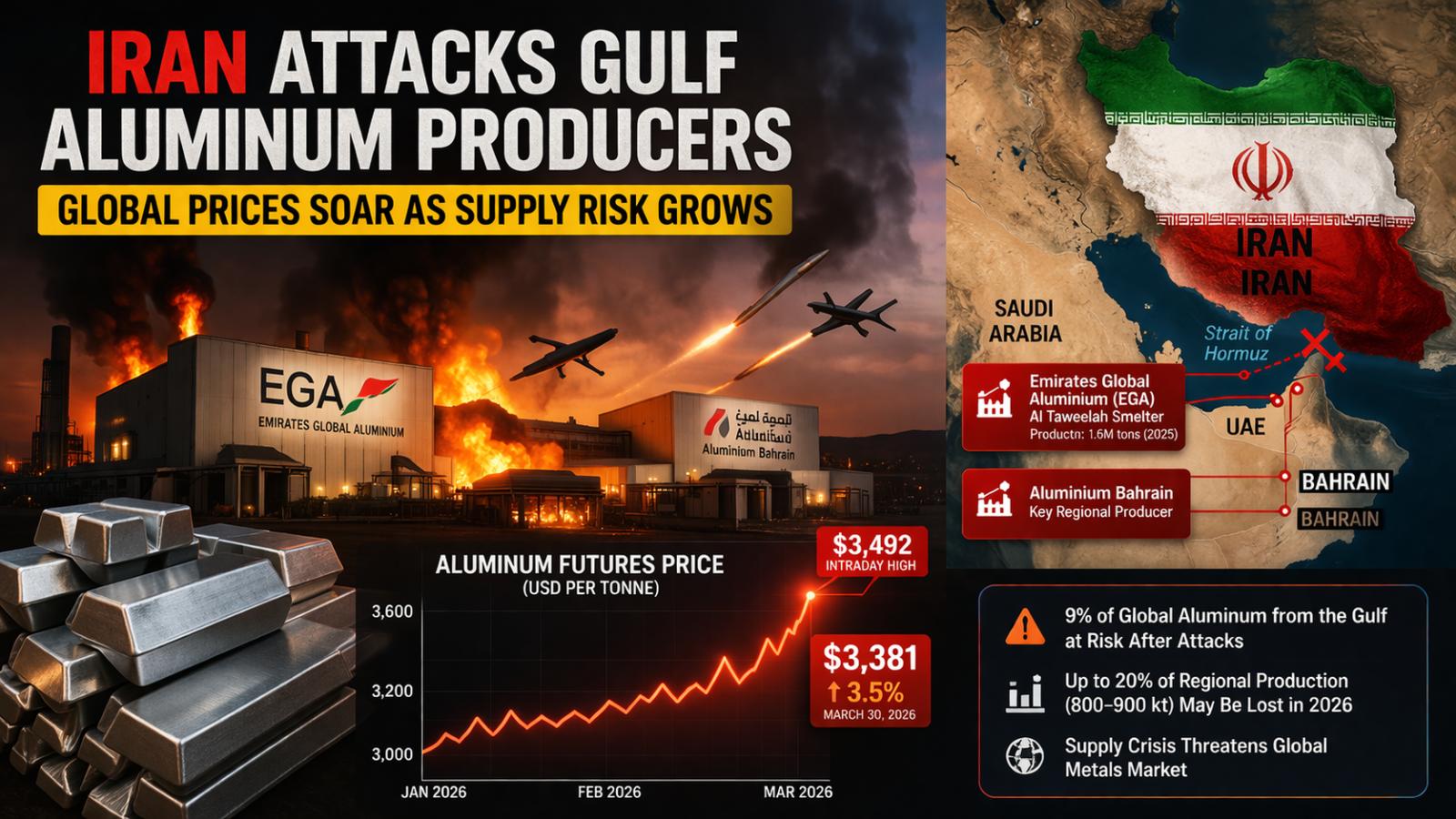
Aluminum prices surged to levels not seen since 2022 following Iranian attacks on two major Gulf producers, stoking concerns of a global supply crisis. On Monday, March 30, 2026, futures initially jumped 5.5% to $3,492 per tonne before easing to $3,381 per tonne by the afternoon, still 3.5% higher. Since the escalation began on February 28, aluminum has gained roughly 10%, despite a brief pullback last week amid broader market fears of a global recession.
The attacks targeted Emirates
Aluminum prices surged to levels not seen since 2022 following Iranian attacks on two major Gulf producers, stoking concerns of a global supply crisis. On Monday, March 30, 2026, futures initially jumped 5.5% to $3,492 per tonne before easing to $3,381 per tonne by the afternoon, still 3.5% higher. Since the escalation began on February 28, aluminum has gained roughly 10%, despite a brief pullback last week amid broader market fears of a global recession.
The attacks targeted Emirates
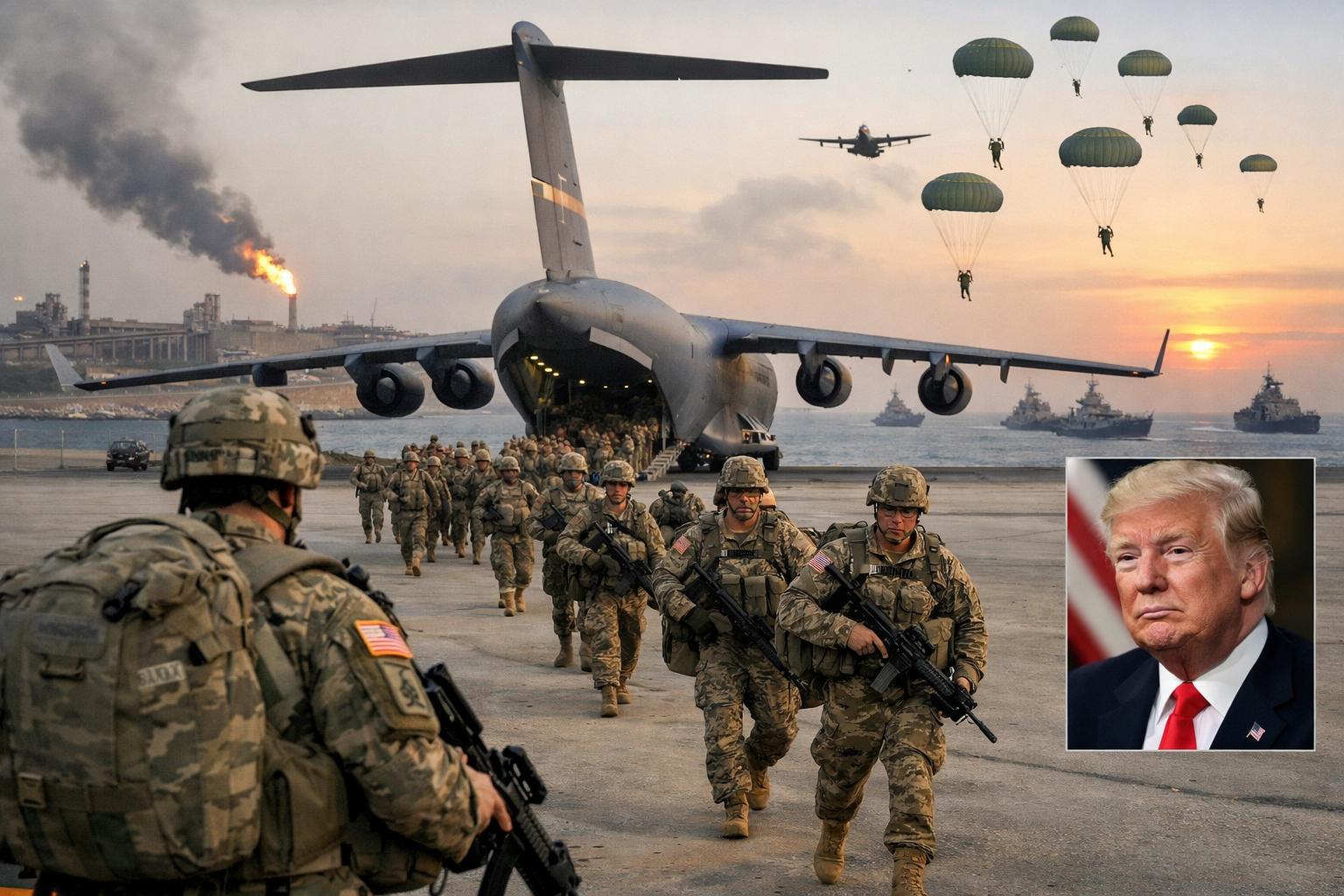
WASHINGTON — Thousands of soldiers from the United States Army’s elite 82nd Airborne Division have begun arriving in the Middle East as of Monday, March 30, 2026, according to U.S. officials, marking a significant escalation in military positioning as President Donald Trump considers next steps in the ongoing conflict with Iran.
The deployment adds to a growing U.S. presence in the region, following the recent arrival of approximately 2,500 Marines over the weekend. The paratroope
WASHINGTON — Thousands of soldiers from the United States Army’s elite 82nd Airborne Division have begun arriving in the Middle East as of Monday, March 30, 2026, according to U.S. officials, marking a significant escalation in military positioning as President Donald Trump considers next steps in the ongoing conflict with Iran.
The deployment adds to a growing U.S. presence in the region, following the recent arrival of approximately 2,500 Marines over the weekend. The paratroope
DUBAI, United Arab Emirates — U.S. President Donald Trump issued a stark warning on Monday, March 30, 2026, threatening to expand military action against Iran by targeting critical civilian infrastructure if a deal to end the ongoing conflict is not reached soon. The remarks come as tensions in the Middle East continue to escalate, raising concerns about regional stability and global oil supply routes.
In a social media statement, Trump said progress in negotiations had been “sign
DUBAI, United Arab Emirates — U.S. President Donald Trump issued a stark warning on Monday, March 30, 2026, threatening to expand military action against Iran by targeting critical civilian infrastructure if a deal to end the ongoing conflict is not reached soon. The remarks come as tensions in the Middle East continue to escalate, raising concerns about regional stability and global oil supply routes.
In a social media statement, Trump said progress in negotiations had been “sign
Tensions between the United States, Israel, and Iran are intensifying, with multiple developments across the Middle East signaling a potentially dangerous escalation in the ongoing conflict. The situation has drawn increased global attention as military activity expands and diplomatic efforts continue behind the scenes.
Hundreds of US Special Operations forces have recently been deployed to the region, pushing total American troop levels beyond 50,000. The expanded presence reflects growing concerns in Washington over regional stability and the need to safeguard critical maritime routes, including the strategically vital Strait of Hormuz. US officials are also weighing a range of military and strategic options, including potential actions targeting Iran’s nuclear capabilities and energy infrastructure.
Amid these developments, discussions have reportedly included the possibility of securing or seizing Iranian oil facilities and enriched uranium assets. At the same time, diplomatic channels remain active, with regional intermediaries attempting to ease tensions and prevent further escalation.
Uncertainty surrounding Iran’s leadership has added another layer of complexity. Supreme Leader Mojtaba Khamenei has not appeared publicly in recent days, fueling speculation about his health and control over internal decision-making during a critical period.
The conflict is also beginning to extend beyond traditional battle zones. A recent Iranian strike in Kuwait resulted in the death of an Indian worker, underscoring the growing risks to civilians and foreign nationals in the region. Analysts warn that such incidents highlight the vulnerability of critical infrastructure and the potential for unintended consequences as hostilities widen.
Security experts caution that the situation remains highly volatile, with the possibility of broader regional fallout if tensions continue to rise. As military posturing increases alongside fragile diplomatic efforts, the coming days are expected to be crucial in determining whether the conflict can be contained or escalates further.
Tensions between the United States, Israel, and Iran are intensifying, with multiple developments across the Middle East signaling a potentially dangerous escalation in the ongoing conflict. The situation has drawn increased global attention as military activity expands and diplomatic efforts continue behind the scenes.
Hundreds of US Special Operations forces have recently been deployed to the region, pushing total American troop levels beyond 50,000. The expanded presence reflects growing concerns in Washington over regional stability and the need to safeguard critical maritime routes, including the strategically vital Strait of Hormuz. US officials are also weighing a range of military and strategic options, including potential actions targeting Iran’s nuclear capabilities and energy infrastructure.
Amid these developments, discussions have reportedly included the possibility of securing or seizing Iranian oil facilities and enriched uranium assets. At the same time, diplomatic channels remain active, with regional intermediaries attempting to ease tensions and prevent further escalation.
Uncertainty surrounding Iran’s leadership has added another layer of complexity. Supreme Leader Mojtaba Khamenei has not appeared publicly in recent days, fueling speculation about his health and control over internal decision-making during a critical period.
The conflict is also beginning to extend beyond traditional battle zones. A recent Iranian strike in Kuwait resulted in the death of an Indian worker, underscoring the growing risks to civilians and foreign nationals in the region. Analysts warn that such incidents highlight the vulnerability of critical infrastructure and the potential for unintended consequences as hostilities widen.
Security experts caution that the situation remains highly volatile, with the possibility of broader regional fallout if tensions continue to rise. As military posturing increases alongside fragile diplomatic efforts, the coming days are expected to be crucial in determining whether the conflict can be contained or escalates further.
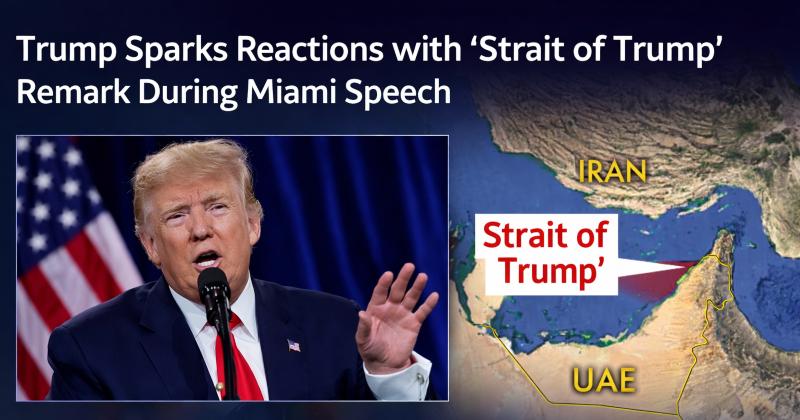
US President Donald Trump made a light-hearted remark about the Strait of Hormuz during a recent investment forum in Miami, drawing laughter from the audience. While speaking about the ongoing situation in the Middle East, Trump jokingly referred to the critical waterway as the “Strait of Trump” before correcting himself and saying “Hormuz.”
He followed the comment with a sarcastic apology, taking a swipe at mainstream media. Trump said that any slip of words would likely be
US President Donald Trump made a light-hearted remark about the Strait of Hormuz during a recent investment forum in Miami, drawing laughter from the audience. While speaking about the ongoing situation in the Middle East, Trump jokingly referred to the critical waterway as the “Strait of Trump” before correcting himself and saying “Hormuz.”
He followed the comment with a sarcastic apology, taking a swipe at mainstream media. Trump said that any slip of words would likely be
Foreign ministers from the Group of Seven (G7) nations on March 28, 2026, called for an immediate halt to attacks targeting civilians and critical infrastructure in the ongoing Iran war, emphasizing the urgent need to reduce humanitarian and economic fallout. The appeal came in a joint statement issued during a high-level meeting in France, where leaders highlighted growing concerns over civilian safety and regional stability.
The ministers stressed that protecting civilian populations remains a top priority, noting that continued attacks on infrastructure and non-combatants risk deepening the crisis. They underscored the importance of coordinated international efforts to limit the conflict’s broader consequences, including disruptions to global supply chains, energy markets, and economic stability that could directly affect citizens worldwide.
French Foreign Minister Jean-Noël Barrot said the G7 remains firmly committed to minimizing the war’s impact, reiterating that no justification exists for targeting civilians. He emphasized that safeguarding human life must remain central to any military or political response, as tensions continue to escalate in the region.
A key focus of the discussions was the Strait of Hormuz, a strategic maritime route critical to global energy supplies. The G7 ministers called for the restoration of safe and unrestricted navigation through the passage, warning that instability in the corridor could significantly disrupt international oil and trade flows.
U.S. Secretary of State Marco Rubio is expected to coordinate closely with European counterparts, including briefing the European Union’s Council of Foreign Affairs, as part of ongoing diplomatic efforts to ease tensions and address the standoff in the region.
Separately, European Union energy ministers are set to convene an emergency virtual meeting to assess the conflict’s impact on energy security across Europe. The meeting, organized under Cyprus’ rotating EU presidency, will focus on safeguarding supply stability amid rising uncertainty linked to the Iran war.
Foreign ministers from the Group of Seven (G7) nations on March 28, 2026, called for an immediate halt to attacks targeting civilians and critical infrastructure in the ongoing Iran war, emphasizing the urgent need to reduce humanitarian and economic fallout. The appeal came in a joint statement issued during a high-level meeting in France, where leaders highlighted growing concerns over civilian safety and regional stability.
The ministers stressed that protecting civilian populations remains a top priority, noting that continued attacks on infrastructure and non-combatants risk deepening the crisis. They underscored the importance of coordinated international efforts to limit the conflict’s broader consequences, including disruptions to global supply chains, energy markets, and economic stability that could directly affect citizens worldwide.
French Foreign Minister Jean-Noël Barrot said the G7 remains firmly committed to minimizing the war’s impact, reiterating that no justification exists for targeting civilians. He emphasized that safeguarding human life must remain central to any military or political response, as tensions continue to escalate in the region.
A key focus of the discussions was the Strait of Hormuz, a strategic maritime route critical to global energy supplies. The G7 ministers called for the restoration of safe and unrestricted navigation through the passage, warning that instability in the corridor could significantly disrupt international oil and trade flows.
U.S. Secretary of State Marco Rubio is expected to coordinate closely with European counterparts, including briefing the European Union’s Council of Foreign Affairs, as part of ongoing diplomatic efforts to ease tensions and address the standoff in the region.
Separately, European Union energy ministers are set to convene an emergency virtual meeting to assess the conflict’s impact on energy security across Europe. The meeting, organized under Cyprus’ rotating EU presidency, will focus on safeguarding supply stability amid rising uncertainty linked to the Iran war.
Washington: Tensions across West Asia have escalated sharply, with the United States issuing a strong warning to Iran to accept defeat or face significantly intensified military consequences. US officials indicated that further retaliation from Tehran could trigger a broader response, signaling a potential widening of the conflict. Iran, however, has dismissed the possibility of negotiations, reaffirming its intent to continue retaliatory strikes amid ongoing hostilities.
Military exchang
Washington: Tensions across West Asia have escalated sharply, with the United States issuing a strong warning to Iran to accept defeat or face significantly intensified military consequences. US officials indicated that further retaliation from Tehran could trigger a broader response, signaling a potential widening of the conflict. Iran, however, has dismissed the possibility of negotiations, reaffirming its intent to continue retaliatory strikes amid ongoing hostilities.
Military exchang
WASHINGTON — Donald Trump said Iran had sent multiple oil shipments as a goodwill gesture to demonstrate seriousness in ongoing indirect talks, describing the move as a significant signal amid heightened tensions between the two countries.
Speaking as diplomatic efforts continue behind the scenes, Trump claimed that Iran provided what he characterised as “10 boats of oil,” framing the shipments as a gesture intended to advance negotiations. He suggested the tankers were operatin
WASHINGTON — Donald Trump said Iran had sent multiple oil shipments as a goodwill gesture to demonstrate seriousness in ongoing indirect talks, describing the move as a significant signal amid heightened tensions between the two countries.
Speaking as diplomatic efforts continue behind the scenes, Trump claimed that Iran provided what he characterised as “10 boats of oil,” framing the shipments as a gesture intended to advance negotiations. He suggested the tankers were operatin