The Dow Jones Industrial Average dropped by 84.75 points, or 0.18%, finishing at 46,123.72. The S&P 500 also saw a decline, losing 21.42 points (0.33%) to settle at 6,559.62. The Nasdaq Composite experienced a sharper drop, falling by 184.87 points (0.84%), closing at 21,761.89.
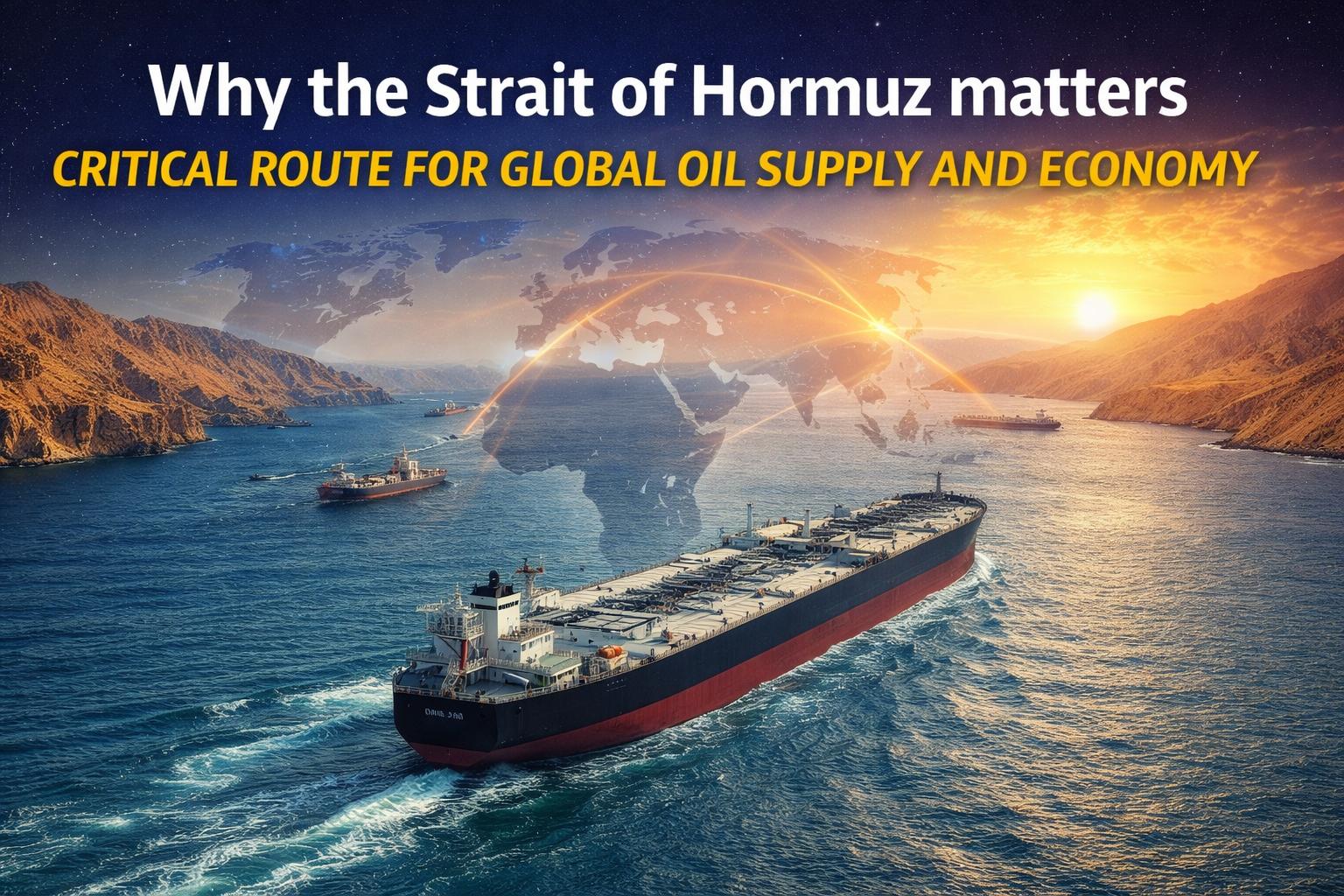
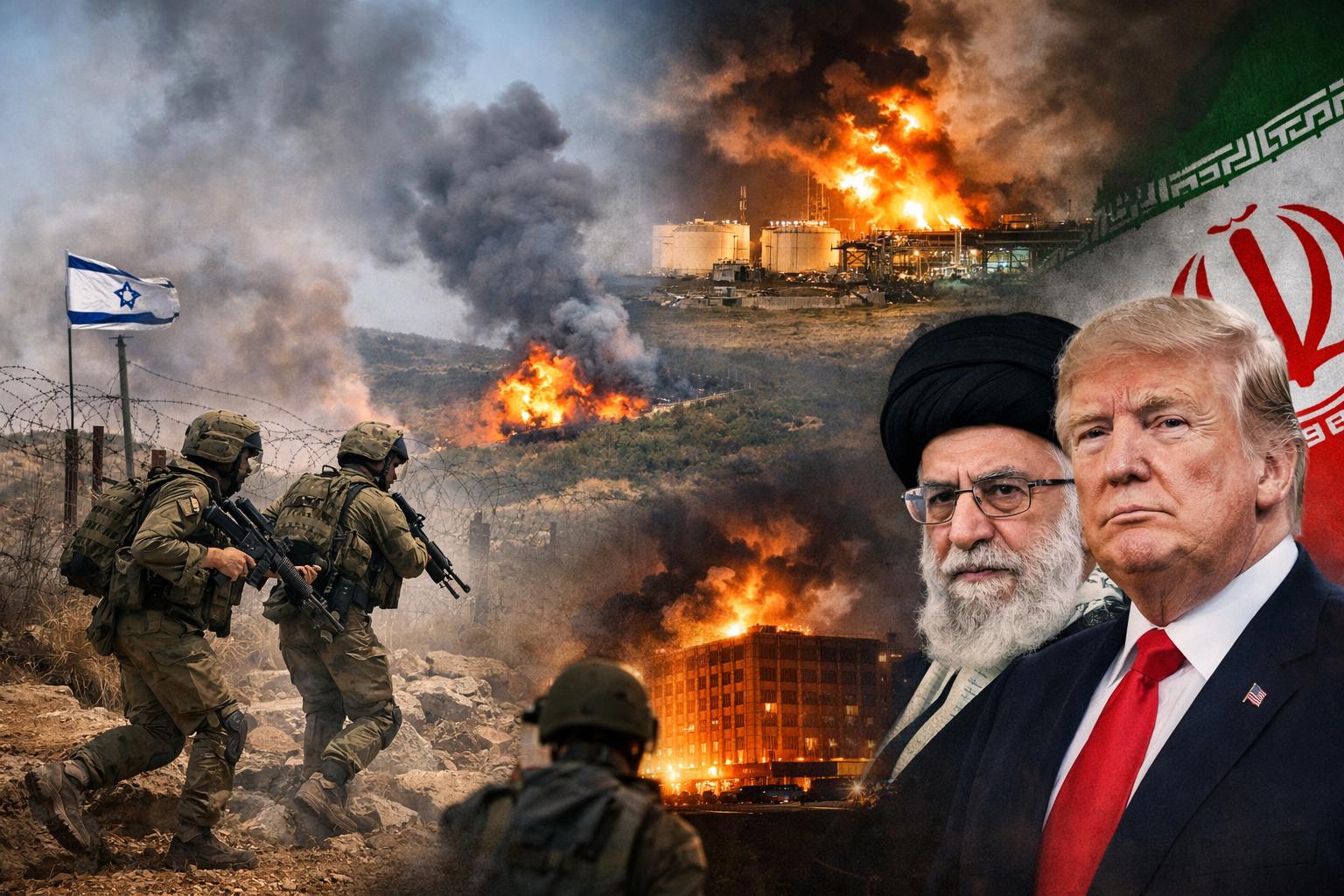
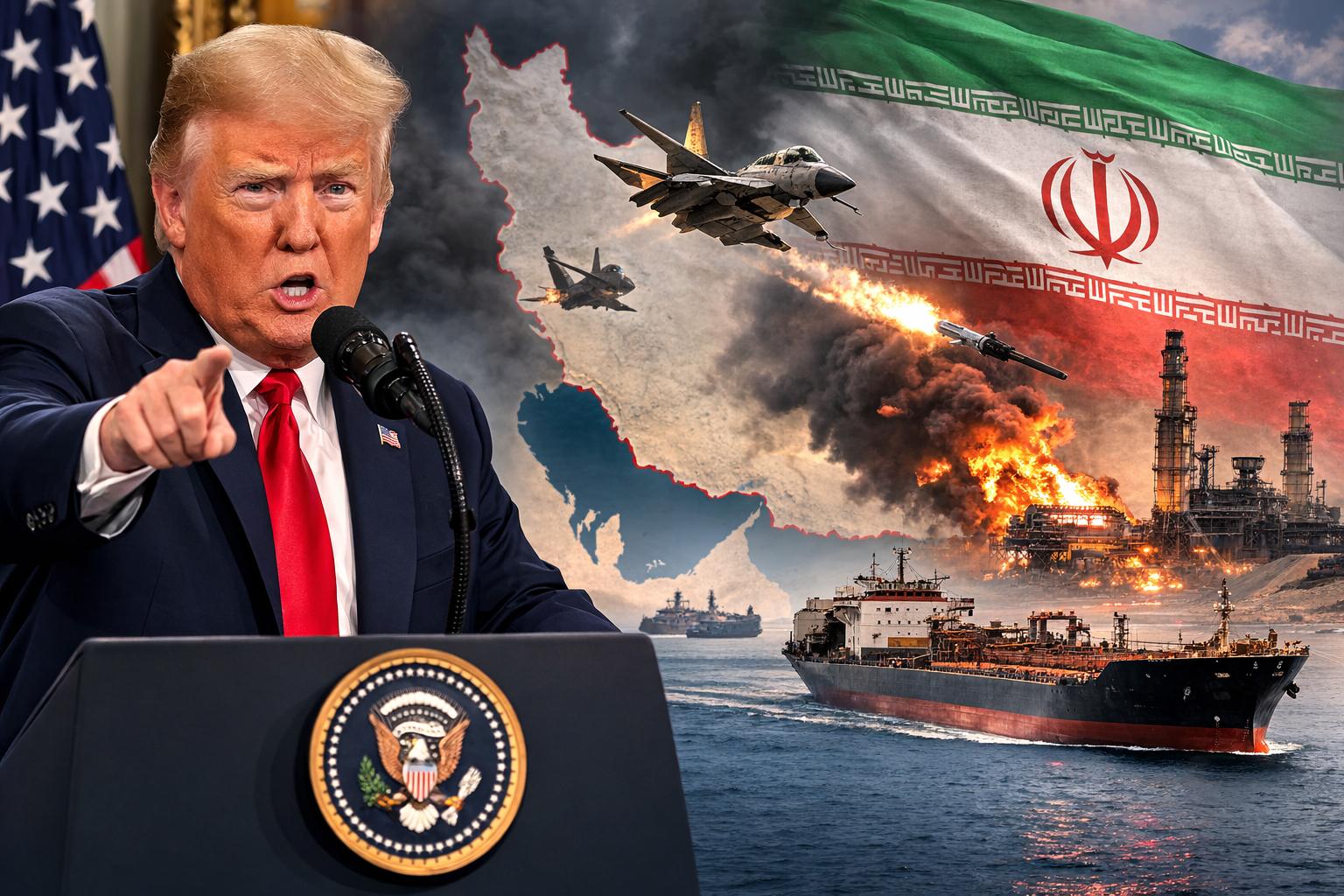
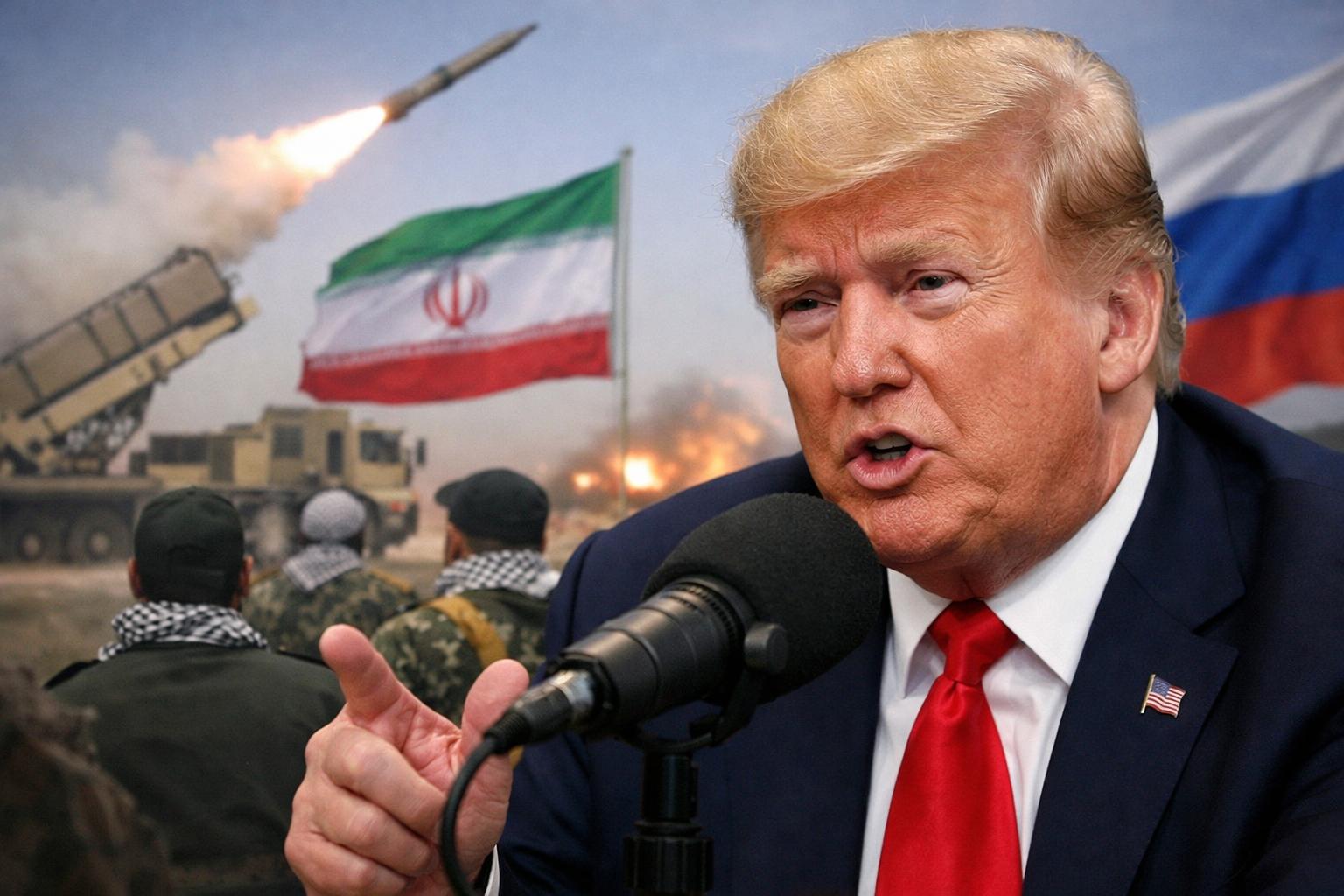
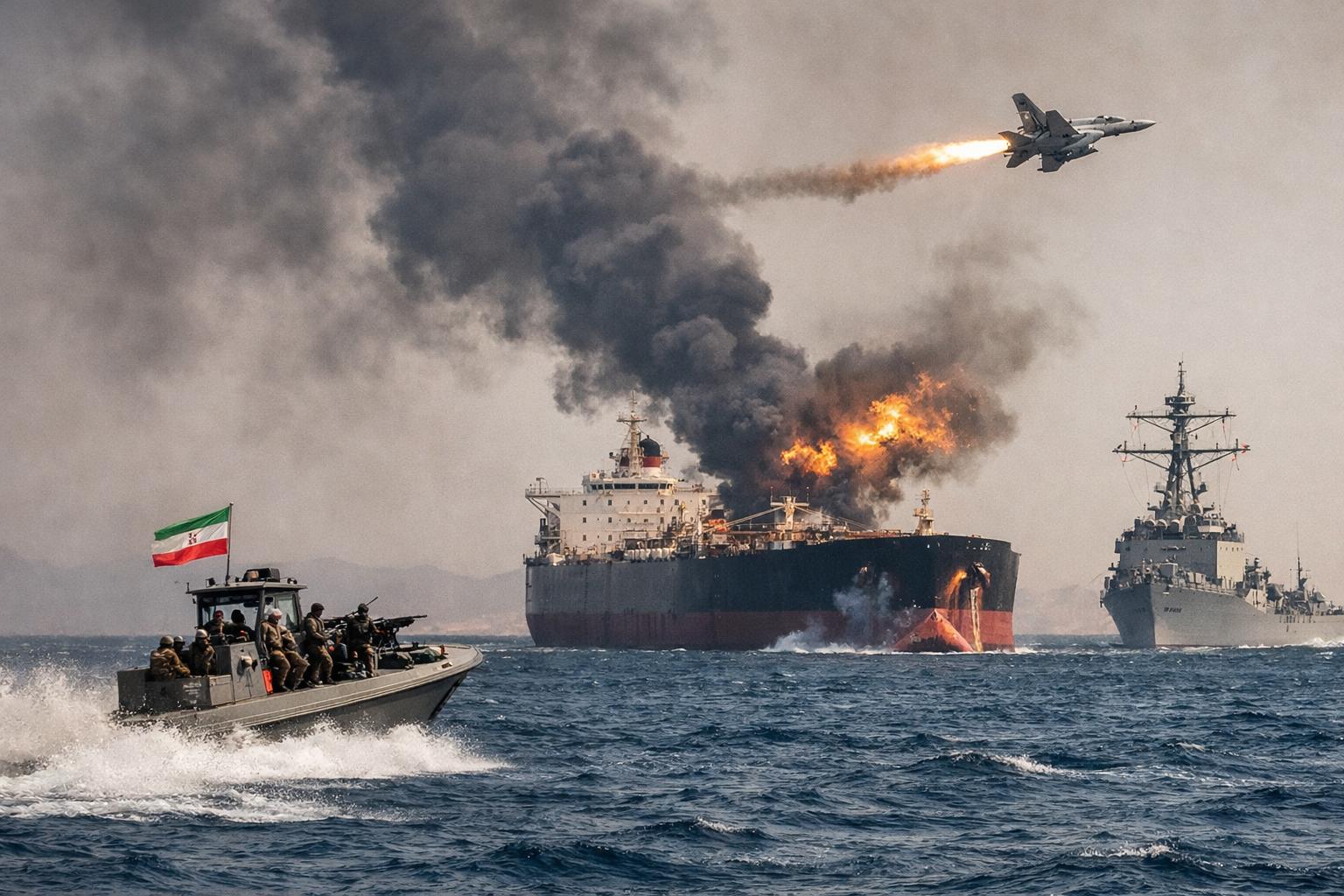
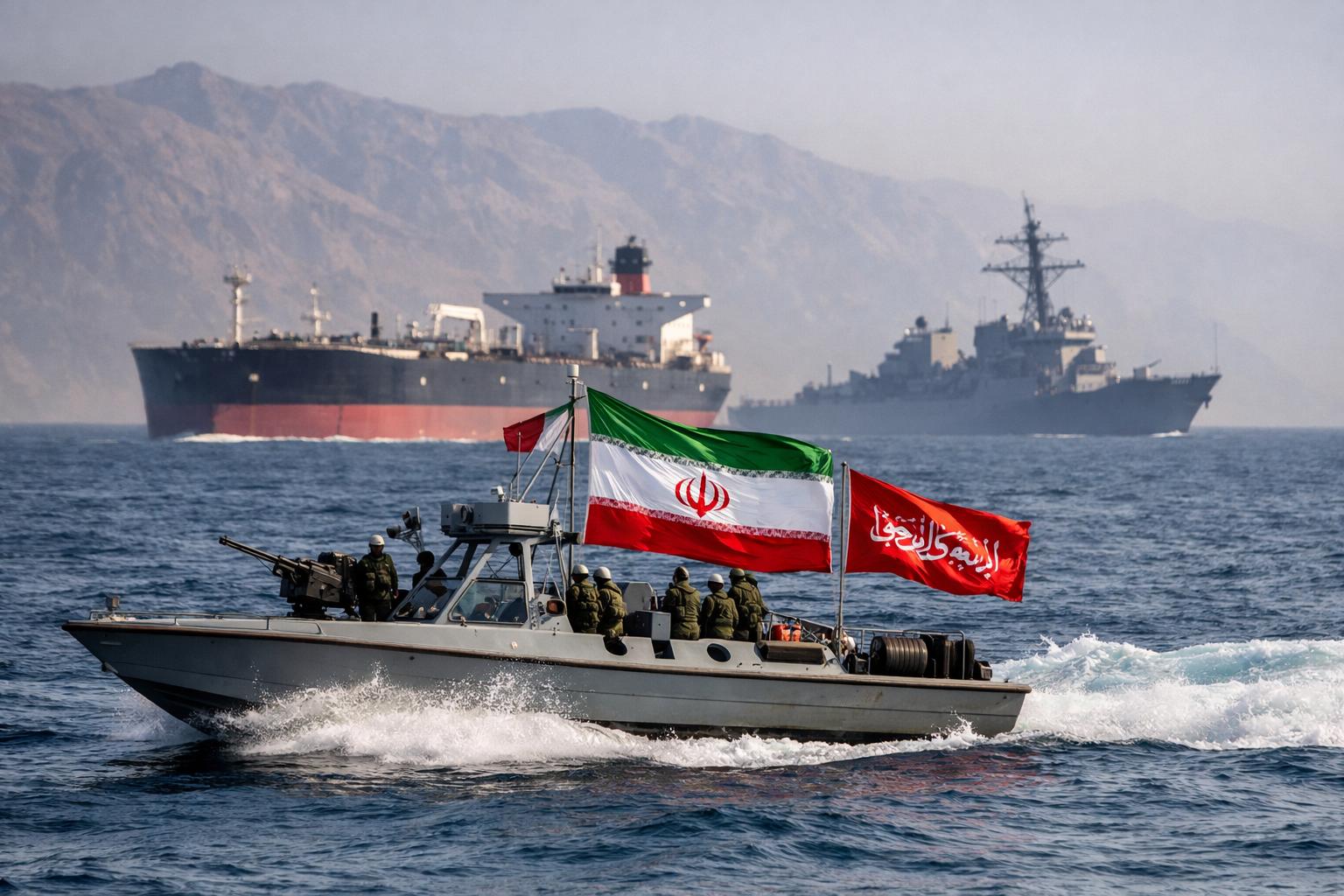
As tensions remain high in the Middle East, with thousands of US Marines heading to the Gulf and both sides intensifying military actions, the markets are reflecting investor uncertainty. Despite Trump's delay on his self-imposed deadline for Iran to reopen the Strait of Hormuz, Iran's firm stance denying negotiations has contributed to the geopolitical instability, further impacting investor sentiment.
The Dow Jones Industrial Average dropped by 84.75 points, or 0.18%, finishing at 46,123.72. The S&P 500 also saw a decline, losing 21.42 points (0.33%) to settle at 6,559.62. The Nasdaq Composite experienced a sharper drop, falling by 184.87 points (0.84%), closing at 21,761.89.
As tensions remain high in the Middle East, with thousands of US Marines heading to the Gulf and both sides intensifying military actions, the markets are reflecting investor uncertainty. Despite Trump's delay on his self-imposed deadline for Iran to reopen the Strait of Hormuz, Iran's firm stance denying negotiations has contributed to the geopolitical instability, further impacting investor sentiment.
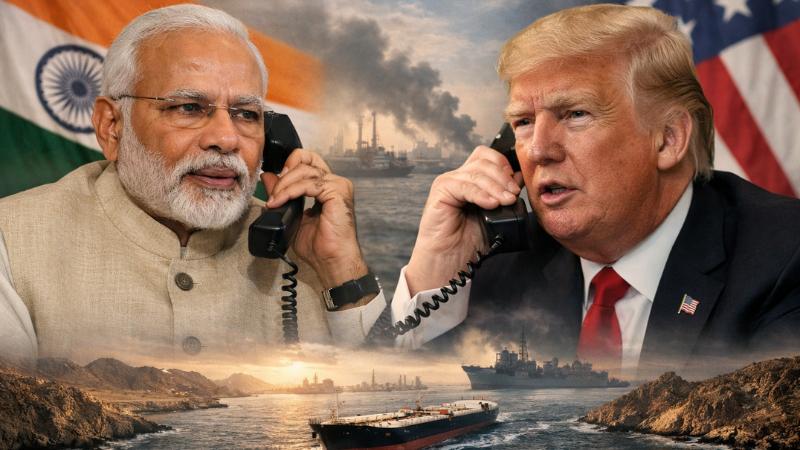
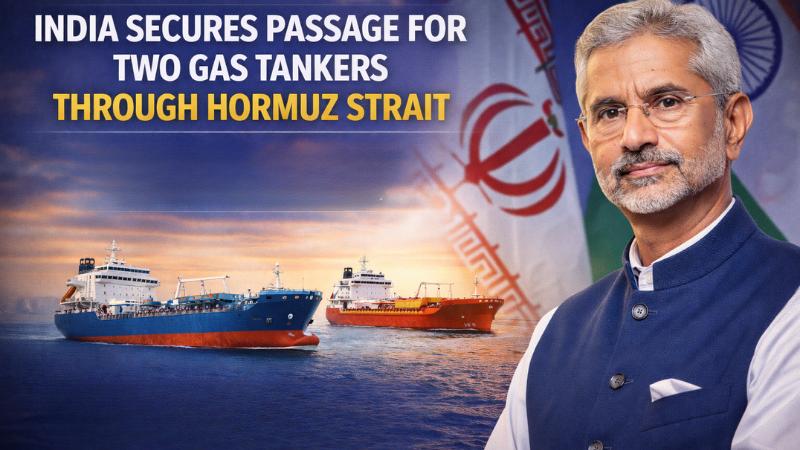
Amid rising tensions in the Middle East, U.S. President Donald Trump and Indian Prime Minister Narendra Modi held a significant conversation. The two leaders highlighted the necessity of keeping the Strait of Hormuz open and accessible for global trade. In a post on social media, Modi mentioned having a "useful exchange" with Trump. He emphasized India’s firm stance on de-escalation and peace, recognizing that the Strait of Hormuz is crucial for global stability due to its role in oil shipm
Amid rising tensions in the Middle East, U.S. President Donald Trump and Indian Prime Minister Narendra Modi held a significant conversation. The two leaders highlighted the necessity of keeping the Strait of Hormuz open and accessible for global trade. In a post on social media, Modi mentioned having a "useful exchange" with Trump. He emphasized India’s firm stance on de-escalation and peace, recognizing that the Strait of Hormuz is crucial for global stability due to its role in oil shipm
As the conflict in the Middle East enters its fourth week, Iran has firmly denied engaging in any negotiations or discussions with the United States since the hostilities began, contradicting recent remarks by US President Donald Trump. The Iranian government’s statement comes after Trump publicly claimed that Washington and Tehran had held “very good and productive conversations” aimed at achieving a comprehensive resolution to the ongoing crisis. Iranian officials dismissed the assertion
As the conflict in the Middle East enters its fourth week, Iran has firmly denied engaging in any negotiations or discussions with the United States since the hostilities began, contradicting recent remarks by US President Donald Trump. The Iranian government’s statement comes after Trump publicly claimed that Washington and Tehran had held “very good and productive conversations” aimed at achieving a comprehensive resolution to the ongoing crisis. Iranian officials dismissed the assertion
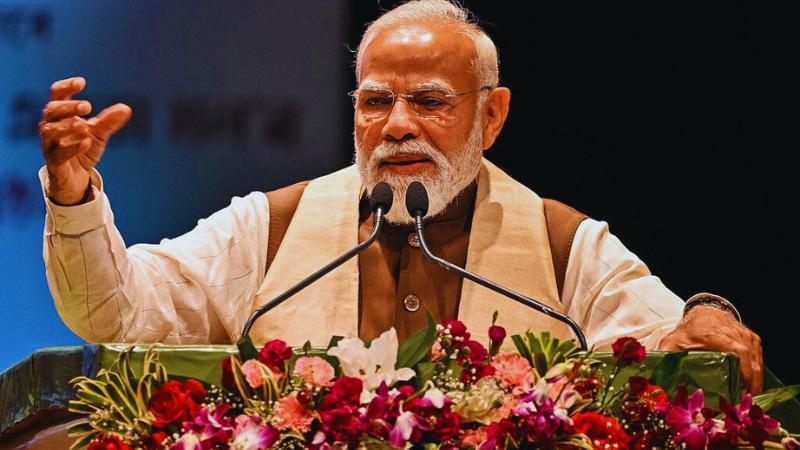
India has moved to strengthen its energy security as global tensions rise in West Asia, with Prime Minister Narendra Modi confirming that the country currently holds a strategic petroleum reserve of 53 lakh metric tonnes. Addressing the Lok Sabha, he also revealed plans to expand this reserve to 65 lakh metric tonnes in the near future.
India has moved to strengthen its energy security as global tensions rise in West Asia, with Prime Minister Narendra Modi confirming that the country currently holds a strategic petroleum reserve of 53 lakh metric tonnes. Addressing the Lok Sabha, he also revealed plans to expand this reserve to 65 lakh metric tonnes in the near future.
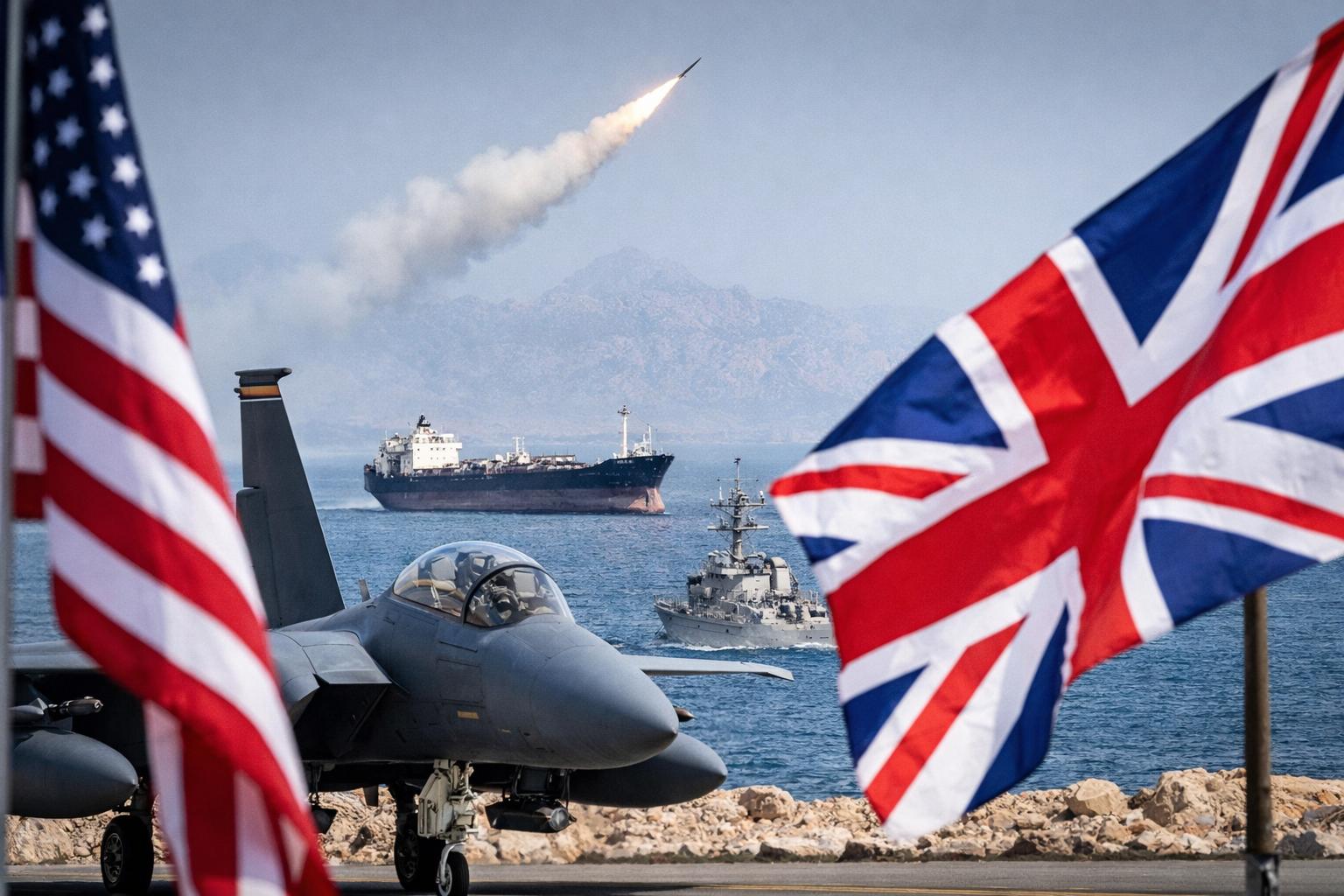
The United Kingdom has approved an expanded role for United States forces to use British bases for defensive operations targeting Iranian-linked threats in the Strait of Hormuz, according to official statements following a ministerial meeting on Friday. The decision comes amid rising tensions in the Gulf region, where attacks on commercial shipping and critical infrastructure have raised concerns about global maritime security and economic stability.
Previously, London had permitted US force
The United Kingdom has approved an expanded role for United States forces to use British bases for defensive operations targeting Iranian-linked threats in the Strait of Hormuz, according to official statements following a ministerial meeting on Friday. The decision comes amid rising tensions in the Gulf region, where attacks on commercial shipping and critical infrastructure have raised concerns about global maritime security and economic stability.
Previously, London had permitted US force
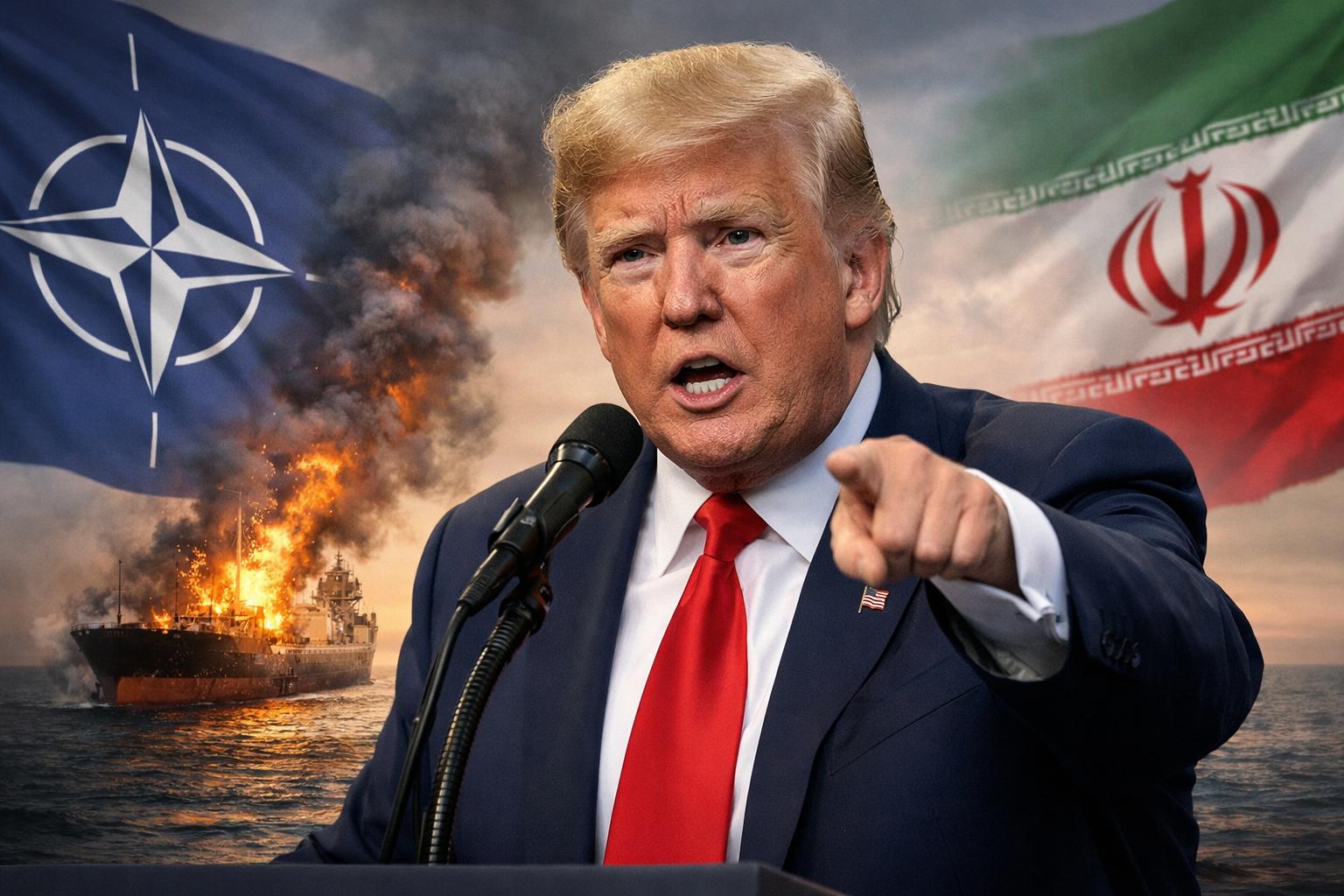
US President Donald Trump on Friday sharply criticized NATO allies, accusing them of failing to support Washington and Israel during the ongoing conflict with Iran, while also expressing frustration over their stance on rising oil prices. His remarks highlight growing tensions between the United States and its traditional partners amid escalating instability in the Middle East.
In a social media post, Trump described NATO as ineffective without US leadership, calling the alliance a “paper
US President Donald Trump on Friday sharply criticized NATO allies, accusing them of failing to support Washington and Israel during the ongoing conflict with Iran, while also expressing frustration over their stance on rising oil prices. His remarks highlight growing tensions between the United States and its traditional partners amid escalating instability in the Middle East.
In a social media post, Trump described NATO as ineffective without US leadership, calling the alliance a “paper
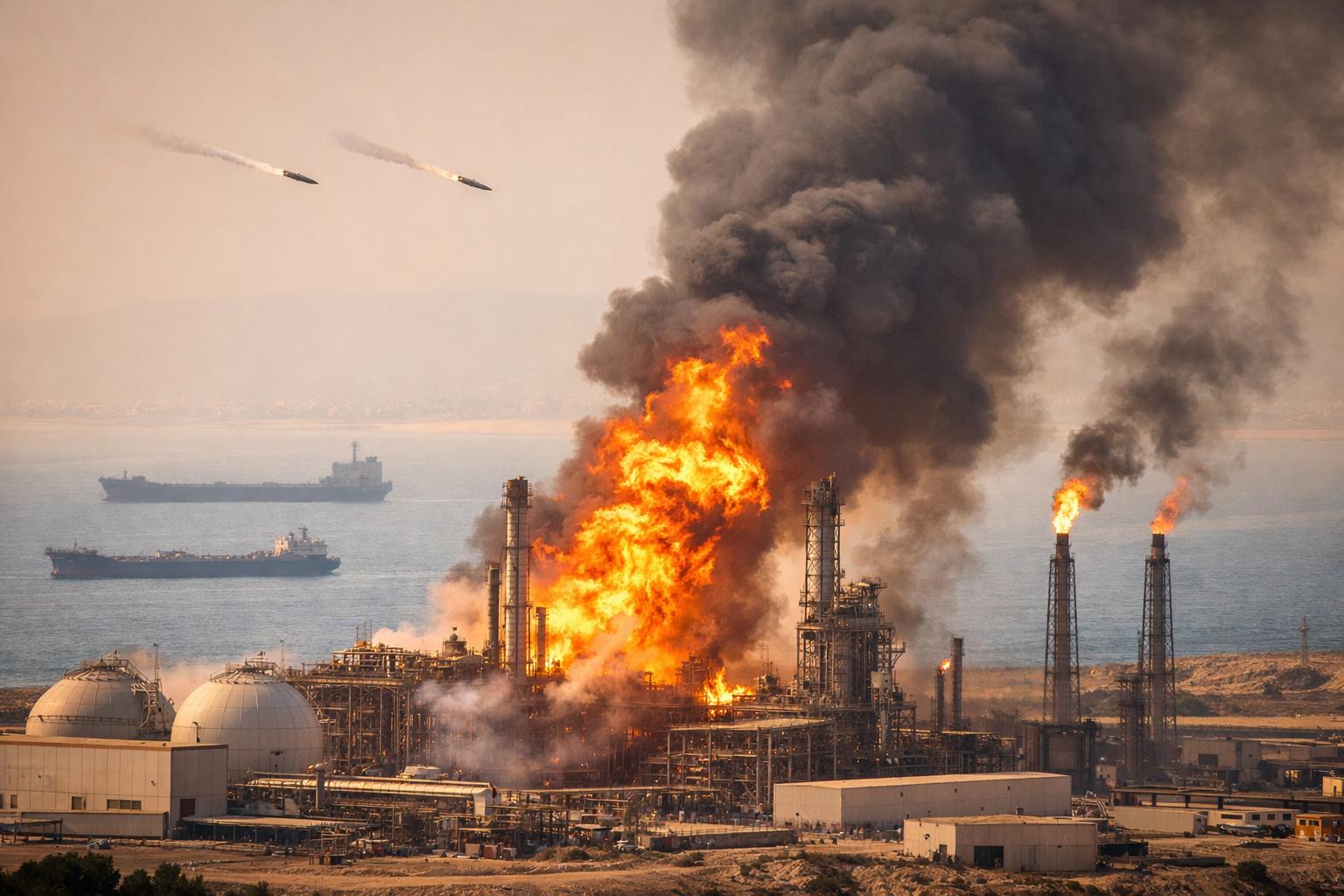
A major escalation in regional tensions unfolded on Wednesday after Iran’s South Pars gas field was struck, marking the first reported attack on the country’s Gulf energy infrastructure amid the ongoing U.S.-Israel conflict. The incident prompted Tehran to issue a strong warning, stating it would retaliate by targeting oil and gas installations across the Gulf region, raising fears of a broader confrontation affecting global energy security.
The strike had an immediate impact on internat
A major escalation in regional tensions unfolded on Wednesday after Iran’s South Pars gas field was struck, marking the first reported attack on the country’s Gulf energy infrastructure amid the ongoing U.S.-Israel conflict. The incident prompted Tehran to issue a strong warning, stating it would retaliate by targeting oil and gas installations across the Gulf region, raising fears of a broader confrontation affecting global energy security.
The strike had an immediate impact on internat
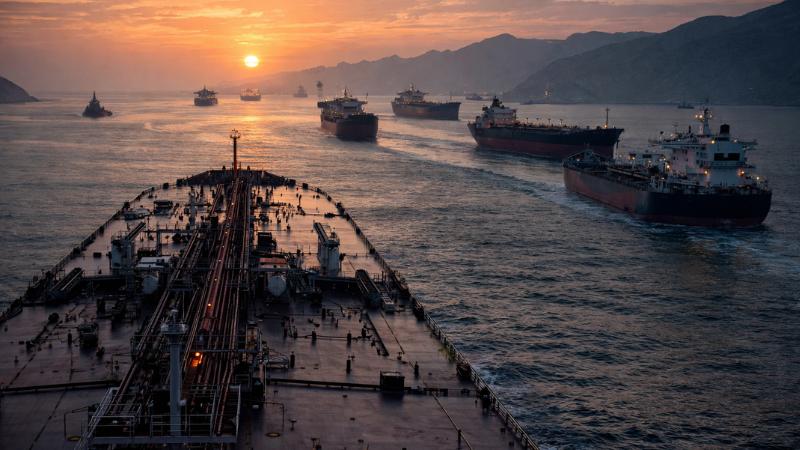
In the midst of the ongoing war, Iran has continued to export millions of barrels of oil, with about 90 ships, including oil tankers, crossing the critical Strait of Hormuz between March 1 and 15, 2026. Despite the waterway being effectively "closed" to most traffic due to the conflict, Iran has managed to keep its oil exports flowing, benefitting from its control over this vital chokepoint.
According to maritime traffic data from Lloyd's List Intelligence, Iran has relied on a mix
In the midst of the ongoing war, Iran has continued to export millions of barrels of oil, with about 90 ships, including oil tankers, crossing the critical Strait of Hormuz between March 1 and 15, 2026. Despite the waterway being effectively "closed" to most traffic due to the conflict, Iran has managed to keep its oil exports flowing, benefitting from its control over this vital chokepoint.
According to maritime traffic data from Lloyd's List Intelligence, Iran has relied on a mix
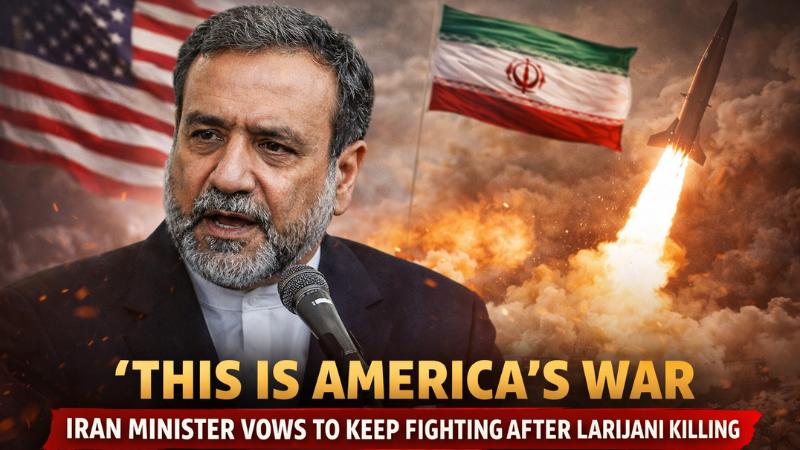
Iran has vowed to continue its fight against the United States and Israel following the killing of Ali Larijani, one of Iran's most influential political figures, in an Israeli airstrike. Iranian foreign minister Syed Abbas Araghchi made a bold statement, declaring that Iran’s political and economic structure would remain intact despite the loss of Larijani, the head of the Supreme National Security Council, who was killed alongside his family members and bodyguards near Tehran.
I
Iran has vowed to continue its fight against the United States and Israel following the killing of Ali Larijani, one of Iran's most influential political figures, in an Israeli airstrike. Iranian foreign minister Syed Abbas Araghchi made a bold statement, declaring that Iran’s political and economic structure would remain intact despite the loss of Larijani, the head of the Supreme National Security Council, who was killed alongside his family members and bodyguards near Tehran.
I
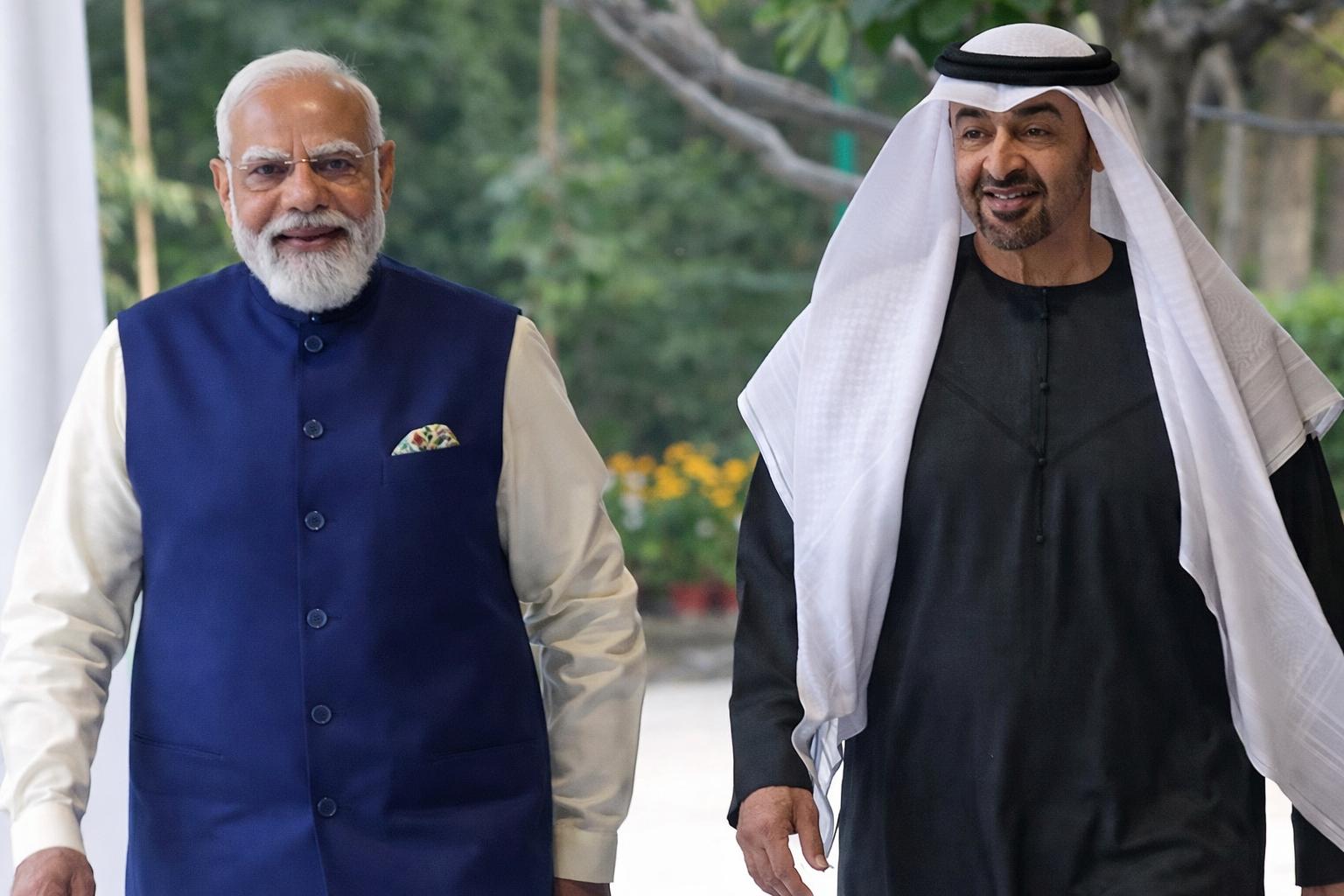
Indian Prime Minister Narendra Modi held a telephone conversation on Tuesday with Sheikh Mohamed bin Zayed Al Nahyan, President of the United Arab Emirates, as tensions continue to escalate across the West Asian region. The discussion focused on regional stability, recent developments in the Middle East crisis, and the importance of safeguarding critical global energy routes.
During the call, both leaders underscored the need to ensure safe and uninterrupted navigation through the Strait of
Indian Prime Minister Narendra Modi held a telephone conversation on Tuesday with Sheikh Mohamed bin Zayed Al Nahyan, President of the United Arab Emirates, as tensions continue to escalate across the West Asian region. The discussion focused on regional stability, recent developments in the Middle East crisis, and the importance of safeguarding critical global energy routes.
During the call, both leaders underscored the need to ensure safe and uninterrupted navigation through the Strait of
The conflict in West Asia has entered its third week, with hostilities intensifying across multiple fronts and raising concerns about a broader regional escalation. Israeli President Isaac Herzog called on European nations to support Israel’s ongoing campaign against Hezbollah, as Israeli forces continued ground operations in southern Lebanon. The situation in Lebanon deteriorated further after Hezbollah launched attacks on Israel earlier this month, following the reported killing of Iran’s
The conflict in West Asia has entered its third week, with hostilities intensifying across multiple fronts and raising concerns about a broader regional escalation. Israeli President Isaac Herzog called on European nations to support Israel’s ongoing campaign against Hezbollah, as Israeli forces continued ground operations in southern Lebanon. The situation in Lebanon deteriorated further after Hezbollah launched attacks on Israel earlier this month, following the reported killing of Iran’s
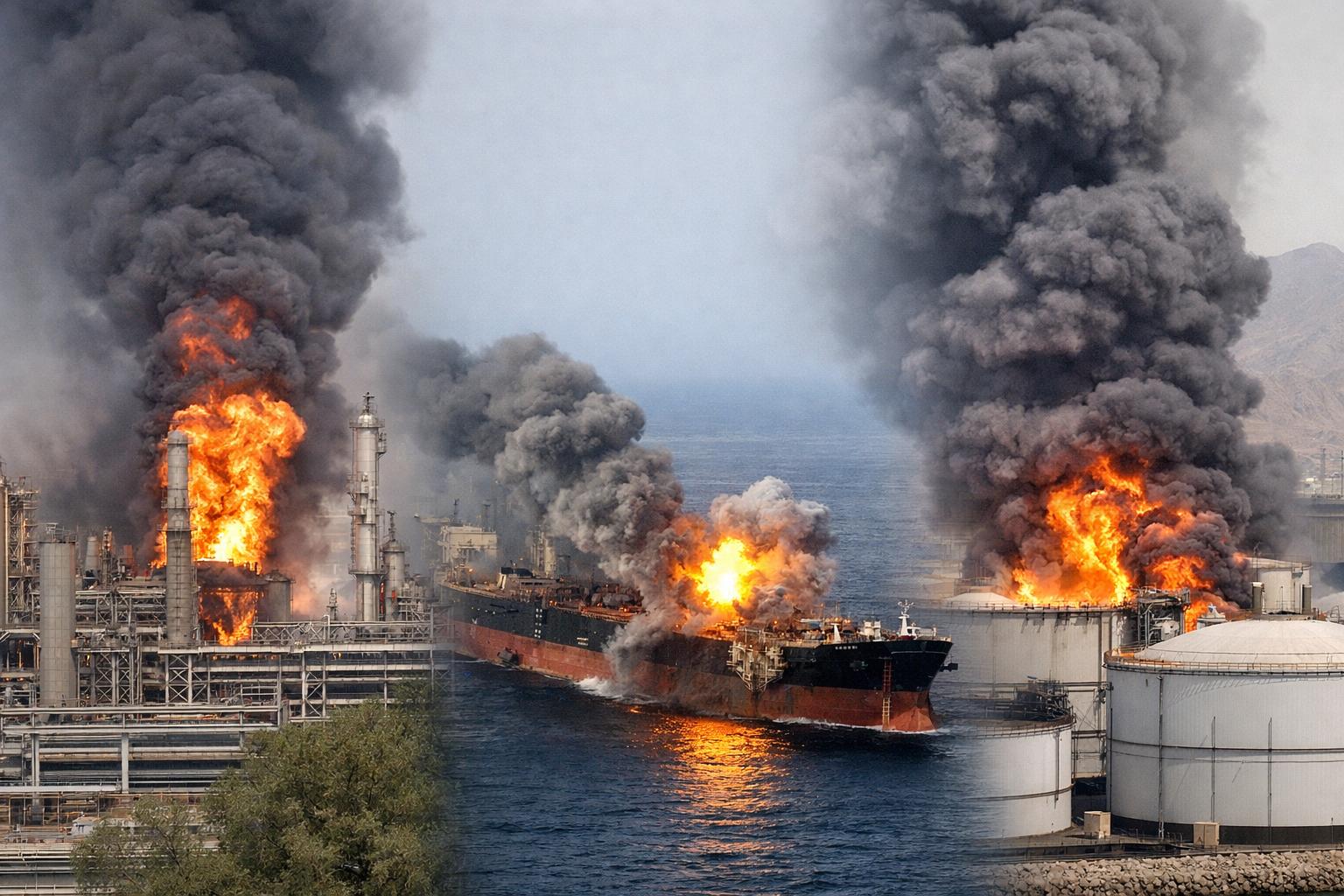
A series of drone attacks targeting the United Arab Emirates’ critical energy infrastructure has intensified concerns over prolonged supply disruptions as regional tensions linked to the Iran conflict continue to escalate. The incidents have struck key oil and gas facilities, disrupted shipping routes, and heightened volatility in global energy markets.
Operations at the Shah gas field, one of the world’s largest ultra-sour gas developments, remained suspended after a drone stri
A series of drone attacks targeting the United Arab Emirates’ critical energy infrastructure has intensified concerns over prolonged supply disruptions as regional tensions linked to the Iran conflict continue to escalate. The incidents have struck key oil and gas facilities, disrupted shipping routes, and heightened volatility in global energy markets.
Operations at the Shah gas field, one of the world’s largest ultra-sour gas developments, remained suspended after a drone stri
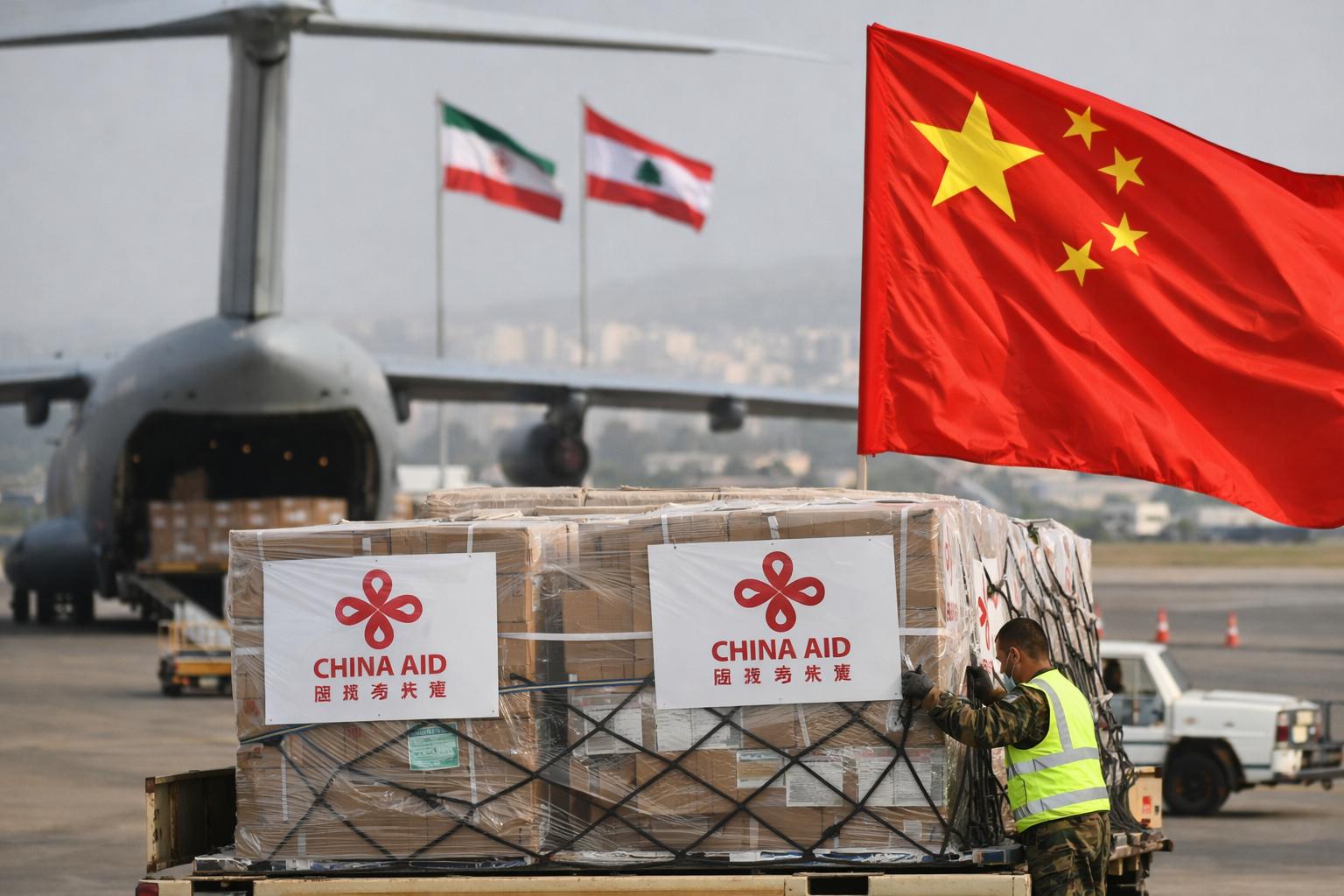
China on Tuesday announced that it will extend humanitarian assistance to several West Asia countries, including Iran and Lebanon, as the ongoing conflict involving the United States and Israel enters its third week and continues to escalate. The move reflects Beijing’s growing concern over the worsening humanitarian situation across the region, where sustained military operations have disrupted civilian life and critical infrastructure.
Speaking at a regular press briefing, Chinese Foreig
China on Tuesday announced that it will extend humanitarian assistance to several West Asia countries, including Iran and Lebanon, as the ongoing conflict involving the United States and Israel enters its third week and continues to escalate. The move reflects Beijing’s growing concern over the worsening humanitarian situation across the region, where sustained military operations have disrupted civilian life and critical infrastructure.
Speaking at a regular press briefing, Chinese Foreig
US President Donald Trump on Monday claimed that Iran’s military capabilities have been severely degraded following two weeks of joint US-Israeli military operations across the country. Speaking to reporters at the White House, Trump asserted that Iran had been reduced to what he described as a “paper tiger,” arguing that extensive strikes had significantly damaged the country’s air force, navy and key defense infrastructure.
According to the president, the campaign targeted
US President Donald Trump on Monday claimed that Iran’s military capabilities have been severely degraded following two weeks of joint US-Israeli military operations across the country. Speaking to reporters at the White House, Trump asserted that Iran had been reduced to what he described as a “paper tiger,” arguing that extensive strikes had significantly damaged the country’s air force, navy and key defense infrastructure.
According to the president, the campaign targeted
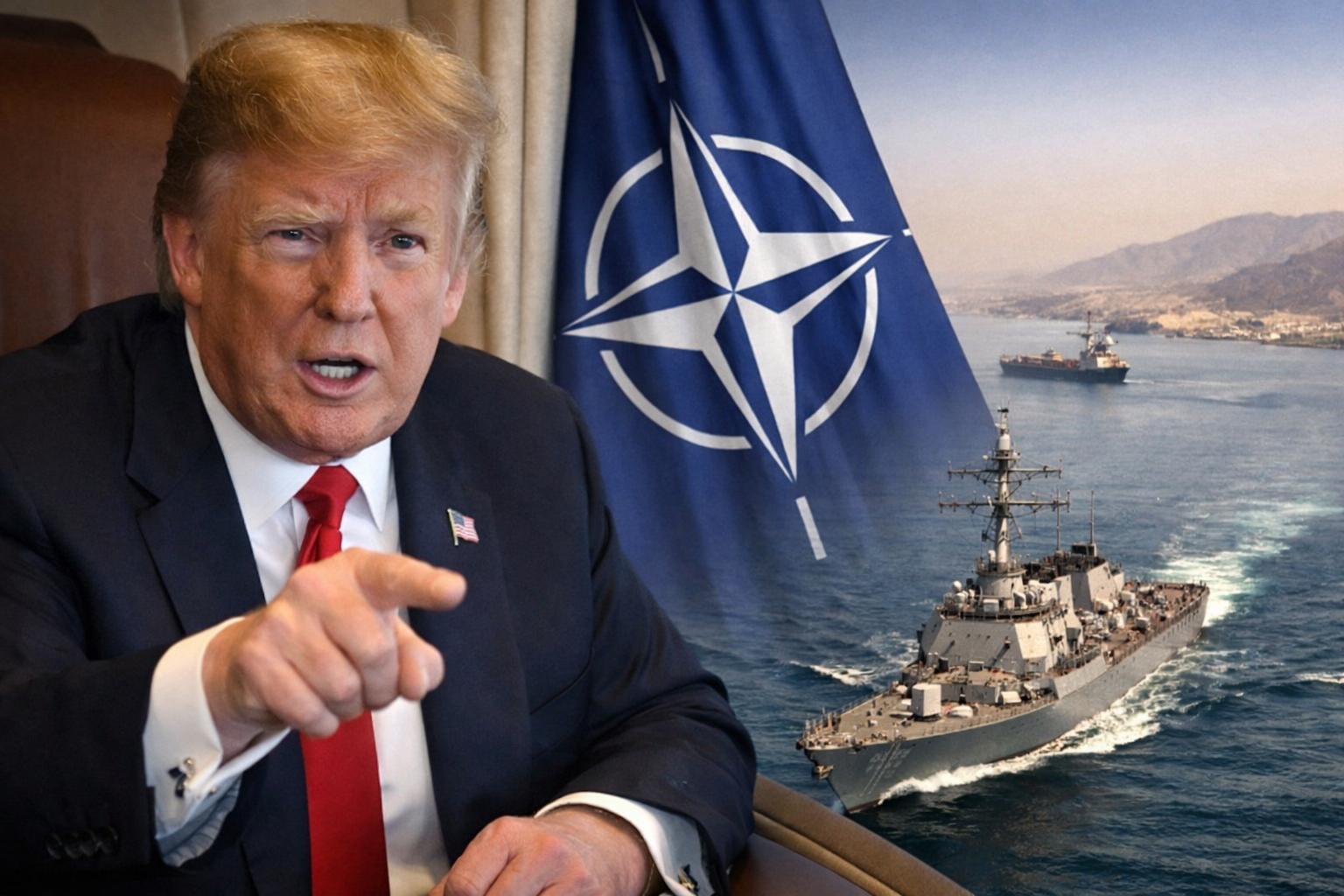
US President Donald Trump has warned that the future of the North Atlantic Treaty Organization could face serious consequences if allied nations fail to support efforts to reopen the Strait of Hormuz, a key global shipping route currently disrupted amid escalating tensions with Iran. The remarks signal increasing pressure from Washington on European allies to contribute more actively to maritime security in the strategically vital Gulf region.
Speaking in a telephone interview on Sunday, Trump said a lack of support from allied nations could have negative implications for the military alliance. He emphasized that the United States has historically provided strong support to its partners, including assistance during the Ukraine-Russia war, and now expects reciprocal cooperation. According to Trump, maintaining stability in the Strait of Hormuz is essential not only for regional security but also for global oil trade and international shipping routes.
Trump indicated that the United States has already taken significant action against Iranian threats in the Gulf and called for greater participation from allied countries to monitor and secure the waterway. He suggested that additional military support, including specialized forces or naval contributions, could help counter activities such as drone operations and naval mine deployments along the Iranian coastline, which he described as disruptive to maritime navigation.
While speaking to reporters aboard Air Force One, Trump said he had demanded that several countries heavily dependent on oil shipments through the strait join a coalition aimed at safeguarding the passage. Although he did not disclose the names of the countries involved, he argued that nations benefiting from the route should take a more active role in protecting it.
The president also discussed the situation with British Prime Minister Keir Starmer during a phone conversation on Sunday. According to the UK government, both leaders spoke about the importance of restoring access to the Strait of Hormuz to reduce disruptions in global shipping that are contributing to rising costs worldwide. Starmer also conveyed condolences for American service members who have died during the conflict.
However, Trump voiced frustration over what he described as the United Kingdom’s initially cautious response to US requests for assistance. He said Washington expected support earlier in the operation and reiterated his longstanding view that NATO cooperation should be mutual. The Strait of Hormuz remains one of the world’s most critical maritime chokepoints, carrying a significant share of global oil supplies, making its security a central concern for governments and markets worldwide.
US President Donald Trump has warned that the future of the North Atlantic Treaty Organization could face serious consequences if allied nations fail to support efforts to reopen the Strait of Hormuz, a key global shipping route currently disrupted amid escalating tensions with Iran. The remarks signal increasing pressure from Washington on European allies to contribute more actively to maritime security in the strategically vital Gulf region.
Speaking in a telephone interview on Sunday, Trump said a lack of support from allied nations could have negative implications for the military alliance. He emphasized that the United States has historically provided strong support to its partners, including assistance during the Ukraine-Russia war, and now expects reciprocal cooperation. According to Trump, maintaining stability in the Strait of Hormuz is essential not only for regional security but also for global oil trade and international shipping routes.
Trump indicated that the United States has already taken significant action against Iranian threats in the Gulf and called for greater participation from allied countries to monitor and secure the waterway. He suggested that additional military support, including specialized forces or naval contributions, could help counter activities such as drone operations and naval mine deployments along the Iranian coastline, which he described as disruptive to maritime navigation.
While speaking to reporters aboard Air Force One, Trump said he had demanded that several countries heavily dependent on oil shipments through the strait join a coalition aimed at safeguarding the passage. Although he did not disclose the names of the countries involved, he argued that nations benefiting from the route should take a more active role in protecting it.
The president also discussed the situation with British Prime Minister Keir Starmer during a phone conversation on Sunday. According to the UK government, both leaders spoke about the importance of restoring access to the Strait of Hormuz to reduce disruptions in global shipping that are contributing to rising costs worldwide. Starmer also conveyed condolences for American service members who have died during the conflict.
However, Trump voiced frustration over what he described as the United Kingdom’s initially cautious response to US requests for assistance. He said Washington expected support earlier in the operation and reiterated his longstanding view that NATO cooperation should be mutual. The Strait of Hormuz remains one of the world’s most critical maritime chokepoints, carrying a significant share of global oil supplies, making its security a central concern for governments and markets worldwide.
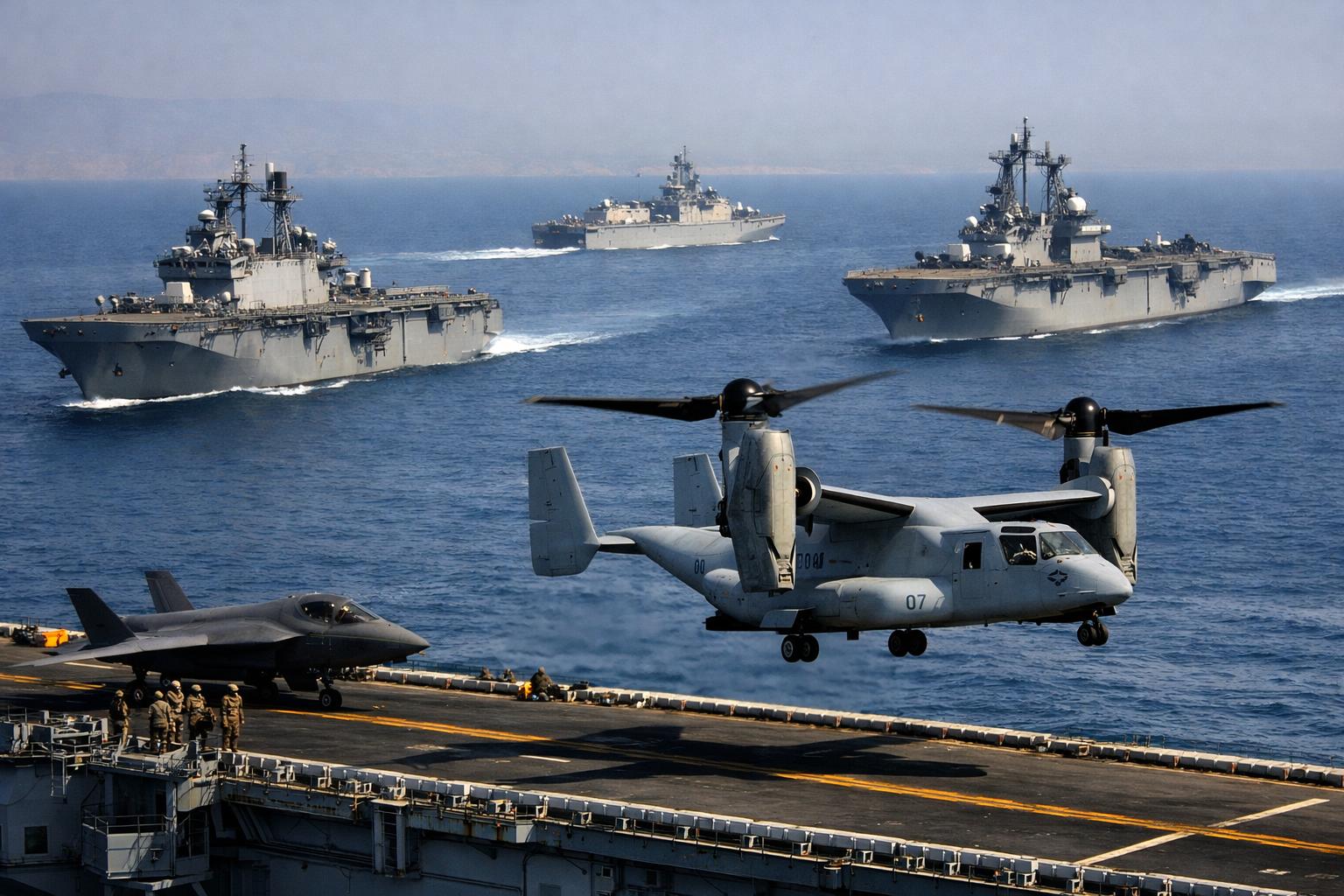
The United States Marine Corps has ordered the deployment of a Marine Expeditionary Unit to the Middle East as tensions in the region continue to escalate. Around 2,200 Marines traveling aboard three US Navy amphibious ships are being redirected toward the area, signaling a reinforcement of American military readiness amid growing concerns over maritime security and regional stability.
The unit involved in the deployment is the 31st Marine Expeditionary Unit, which is normally based in Japan
The United States Marine Corps has ordered the deployment of a Marine Expeditionary Unit to the Middle East as tensions in the region continue to escalate. Around 2,200 Marines traveling aboard three US Navy amphibious ships are being redirected toward the area, signaling a reinforcement of American military readiness amid growing concerns over maritime security and regional stability.
The unit involved in the deployment is the 31st Marine Expeditionary Unit, which is normally based in Japan
US President Donald Trump has warned that the United States could launch strong military strikes against Iran in the coming days, signaling a potential escalation in tensions between the two countries. Speaking during a radio interview aired Friday, Trump said Washington was prepared to act decisively and indicated that Iran could face significant attacks within the next week if the situation continues to deteriorate.
Trump claimed that US operations had already inflicted severe damage on Iran’s military infrastructure. According to him, American actions have targeted key components of Iran’s missile and drone capabilities, including manufacturing facilities responsible for producing these weapons. He asserted that the extent of the damage was substantial and suggested it could take years for Iran to fully rebuild the affected systems. The president described the campaign as one of the most forceful responses seen in modern conflicts, emphasizing that the United States was intensifying pressure on Tehran.
During the interview, Trump also addressed questions about Iran’s new Supreme Leader, Mojtaba Khamenei, who has not appeared publicly in recent weeks. Trump suggested that the Iranian leader may have been harmed but was likely still alive. He added that Iranian leadership would ultimately need to respond to the ongoing situation, indicating that the United States was continuing its operations with considerable intensity.
When asked about the possible conclusion of the conflict, Trump did not provide a clear timeline. Instead, he said he would know when the war was over based on his own judgment of the situation. He also expressed skepticism about the immediate collapse of the Iranian government, noting that such a development would be difficult without significant internal or military pressure.
The US president further stated that American forces could escort ships through the Strait of Hormuz if necessary to ensure maritime security in the region. The strategic waterway remains a critical route for global energy supplies, and any disruption there could have widespread economic consequences.
Trump also suggested that Russia might be providing limited support to Iran during the conflict. He indicated that Russian President Vladimir Putin could be assisting Tehran in some capacity, while acknowledging that Moscow might view US support for Ukraine as a comparable dynamic. Reports circulating in recent days have alleged that Russia may have shared targeting information with Iran related to attacks on US forces, although such claims remain unconfirmed.
Additionally, Trump said that Washington is not currently prioritizing an operation to seize Iran’s uranium resources but did not rule out the possibility in the future. He suggested that the issue could become a consideration later depending on how the situation evolves.
US President Donald Trump has warned that the United States could launch strong military strikes against Iran in the coming days, signaling a potential escalation in tensions between the two countries. Speaking during a radio interview aired Friday, Trump said Washington was prepared to act decisively and indicated that Iran could face significant attacks within the next week if the situation continues to deteriorate.
Trump claimed that US operations had already inflicted severe damage on Iran’s military infrastructure. According to him, American actions have targeted key components of Iran’s missile and drone capabilities, including manufacturing facilities responsible for producing these weapons. He asserted that the extent of the damage was substantial and suggested it could take years for Iran to fully rebuild the affected systems. The president described the campaign as one of the most forceful responses seen in modern conflicts, emphasizing that the United States was intensifying pressure on Tehran.
During the interview, Trump also addressed questions about Iran’s new Supreme Leader, Mojtaba Khamenei, who has not appeared publicly in recent weeks. Trump suggested that the Iranian leader may have been harmed but was likely still alive. He added that Iranian leadership would ultimately need to respond to the ongoing situation, indicating that the United States was continuing its operations with considerable intensity.
When asked about the possible conclusion of the conflict, Trump did not provide a clear timeline. Instead, he said he would know when the war was over based on his own judgment of the situation. He also expressed skepticism about the immediate collapse of the Iranian government, noting that such a development would be difficult without significant internal or military pressure.
The US president further stated that American forces could escort ships through the Strait of Hormuz if necessary to ensure maritime security in the region. The strategic waterway remains a critical route for global energy supplies, and any disruption there could have widespread economic consequences.
Trump also suggested that Russia might be providing limited support to Iran during the conflict. He indicated that Russian President Vladimir Putin could be assisting Tehran in some capacity, while acknowledging that Moscow might view US support for Ukraine as a comparable dynamic. Reports circulating in recent days have alleged that Russia may have shared targeting information with Iran related to attacks on US forces, although such claims remain unconfirmed.
Additionally, Trump said that Washington is not currently prioritizing an operation to seize Iran’s uranium resources but did not rule out the possibility in the future. He suggested that the issue could become a consideration later depending on how the situation evolves.
The ongoing conflict involving the United States, Israel and Iran has triggered what the International Energy Agency (IEA) describes as the largest disruption in the history of the global oil market, as tensions intensify around the Strait of Hormuz, one of the world’s most critical energy transit routes. In a report released on Thursday, the agency said oil and petroleum product flows through the strategic waterway have plunged sharply, raising serious concerns about global energy security
The ongoing conflict involving the United States, Israel and Iran has triggered what the International Energy Agency (IEA) describes as the largest disruption in the history of the global oil market, as tensions intensify around the Strait of Hormuz, one of the world’s most critical energy transit routes. In a report released on Thursday, the agency said oil and petroleum product flows through the strategic waterway have plunged sharply, raising serious concerns about global energy security
Iran’s Deputy Foreign Minister Majid Takht-Ravanchi on Thursday rejected allegations that Iranian forces were laying mines in the Strait of Hormuz, a crucial global shipping route, stating that the claims were inaccurate and misleading. His remarks came days after the United States said it had carried out strikes against Iranian vessels allegedly involved in placing mines in the strategic waterway.
Responding to questions about the accusations, Takht-Ravanchi said Iran had not engaged in s
Iran’s Deputy Foreign Minister Majid Takht-Ravanchi on Thursday rejected allegations that Iranian forces were laying mines in the Strait of Hormuz, a crucial global shipping route, stating that the claims were inaccurate and misleading. His remarks came days after the United States said it had carried out strikes against Iranian vessels allegedly involved in placing mines in the strategic waterway.
Responding to questions about the accusations, Takht-Ravanchi said Iran had not engaged in s