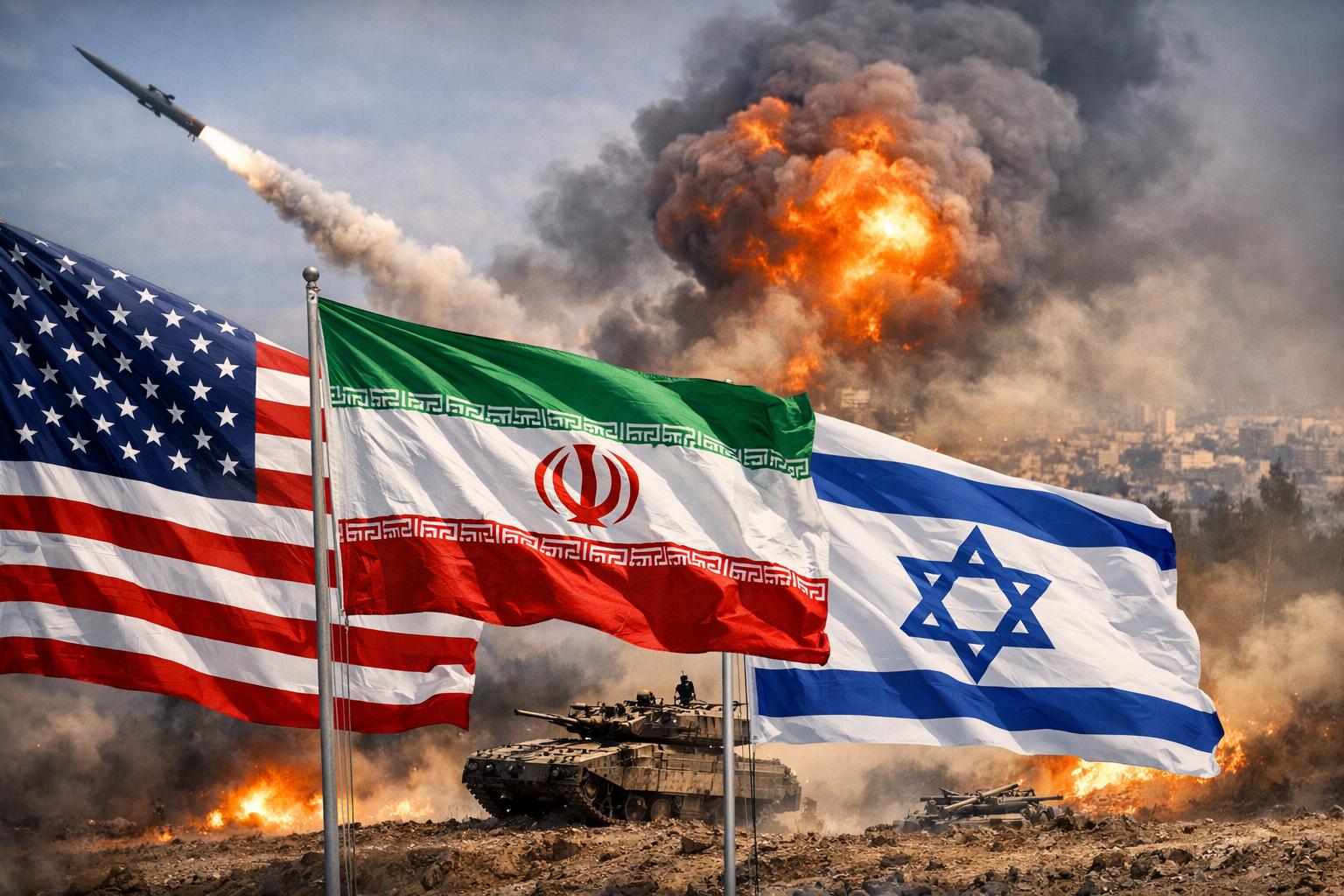
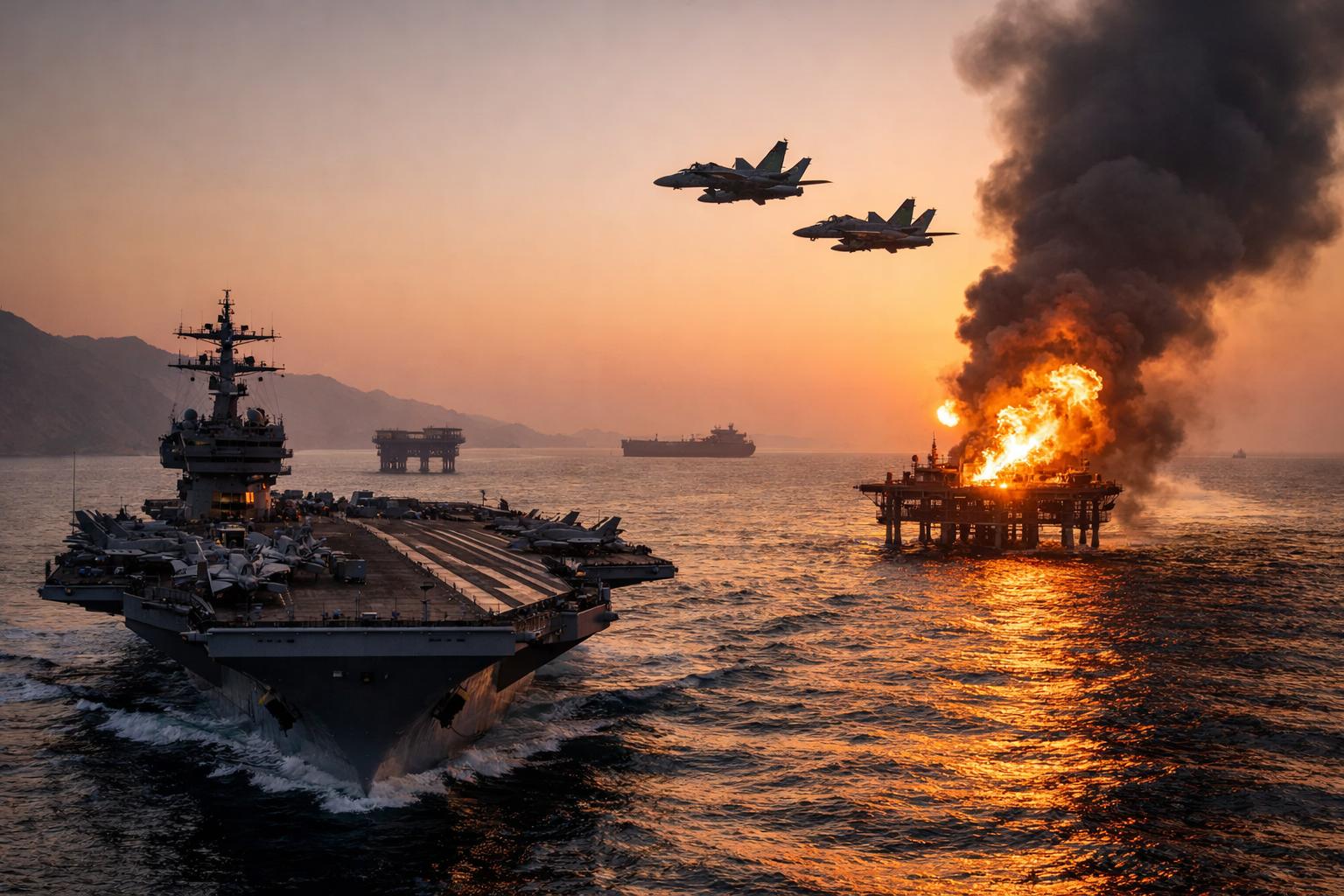
Defense Secretary Pete Hegseth issued a stark warning on Thursday, April 16, 2026, from the Pentagon, stating that the United States could target Iran’s energy infrastructure if its leadership does not agree to a peace deal before a temporary cease-fire expires in the coming days. The remarks underscore escalating tensions as Washington intensifies pressure on
Defense Secretary Pete Hegseth issued a stark warning on Thursday, April 16, 2026, from the Pentagon, stating that the United States could target Iran’s energy infrastructure if its leadership does not agree to a peace deal before a temporary cease-fire expires in the coming days. The remarks underscore escalating tensions as Washington intensifies pressure on
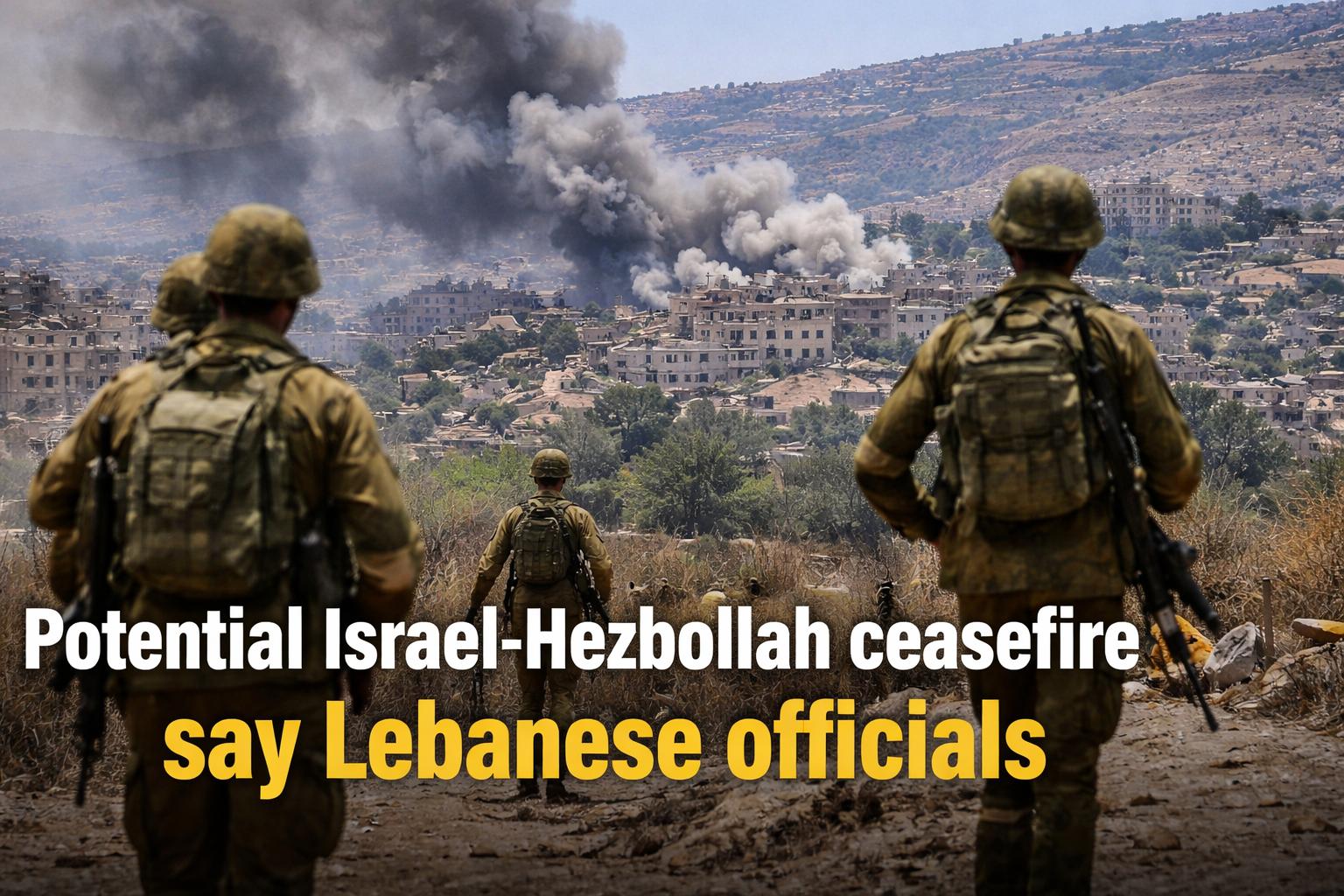
Reports indicate that a ceasefire between Israel and Hezbollah could be announced within days, according to Lebanese officials. The ceasefire is expected to come after Israeli ground forces complete their mission to capture the southern Lebanese town of Bint Jbeil, a stronghold of Hezbollah. Israeli Prime Minister Benjamin Netanyahu confirmed on April 15 that Israeli troops were “about to defeat” Hezbollah in the area.
The potential truce marks a complex and pivotal moment in th
Reports indicate that a ceasefire between Israel and Hezbollah could be announced within days, according to Lebanese officials. The ceasefire is expected to come after Israeli ground forces complete their mission to capture the southern Lebanese town of Bint Jbeil, a stronghold of Hezbollah. Israeli Prime Minister Benjamin Netanyahu confirmed on April 15 that Israeli troops were “about to defeat” Hezbollah in the area.
The potential truce marks a complex and pivotal moment in th
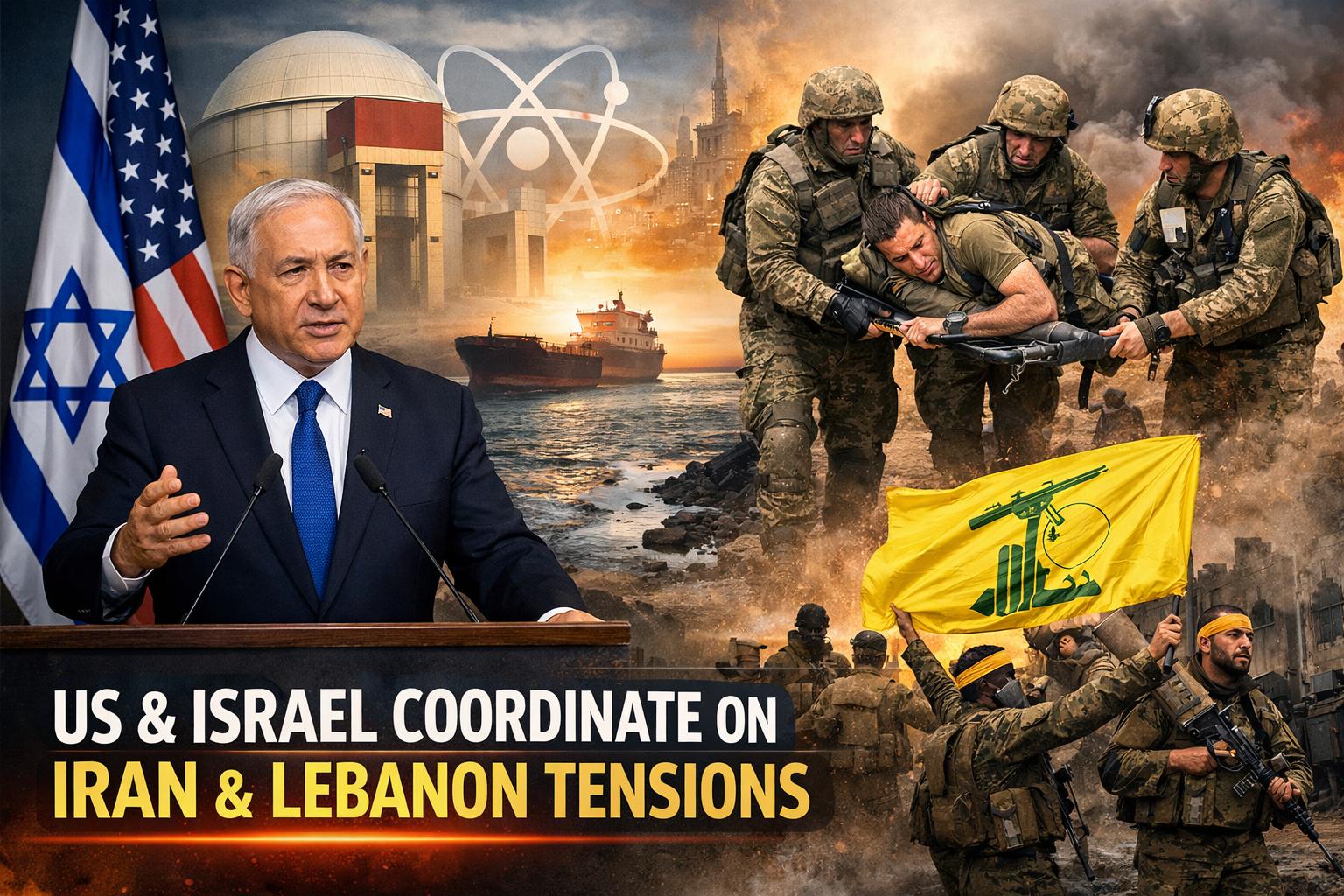
Israeli Prime Minister Benjamin Netanyahu said on Wednesday, April 15, 2026, that Israel and the United States are closely aligned in their approach toward Iran, emphasizing shared strategic objectives and ongoing coordination. In a televised address, Netanyahu stated that U.S. officials continue to keep Israel informed about their diplomatic engagements with Tehran, underscoring the depth of cooperation between the two allies.
“Our American friends keep us constantly updated on the
Israeli Prime Minister Benjamin Netanyahu said on Wednesday, April 15, 2026, that Israel and the United States are closely aligned in their approach toward Iran, emphasizing shared strategic objectives and ongoing coordination. In a televised address, Netanyahu stated that U.S. officials continue to keep Israel informed about their diplomatic engagements with Tehran, underscoring the depth of cooperation between the two allies.
“Our American friends keep us constantly updated on the
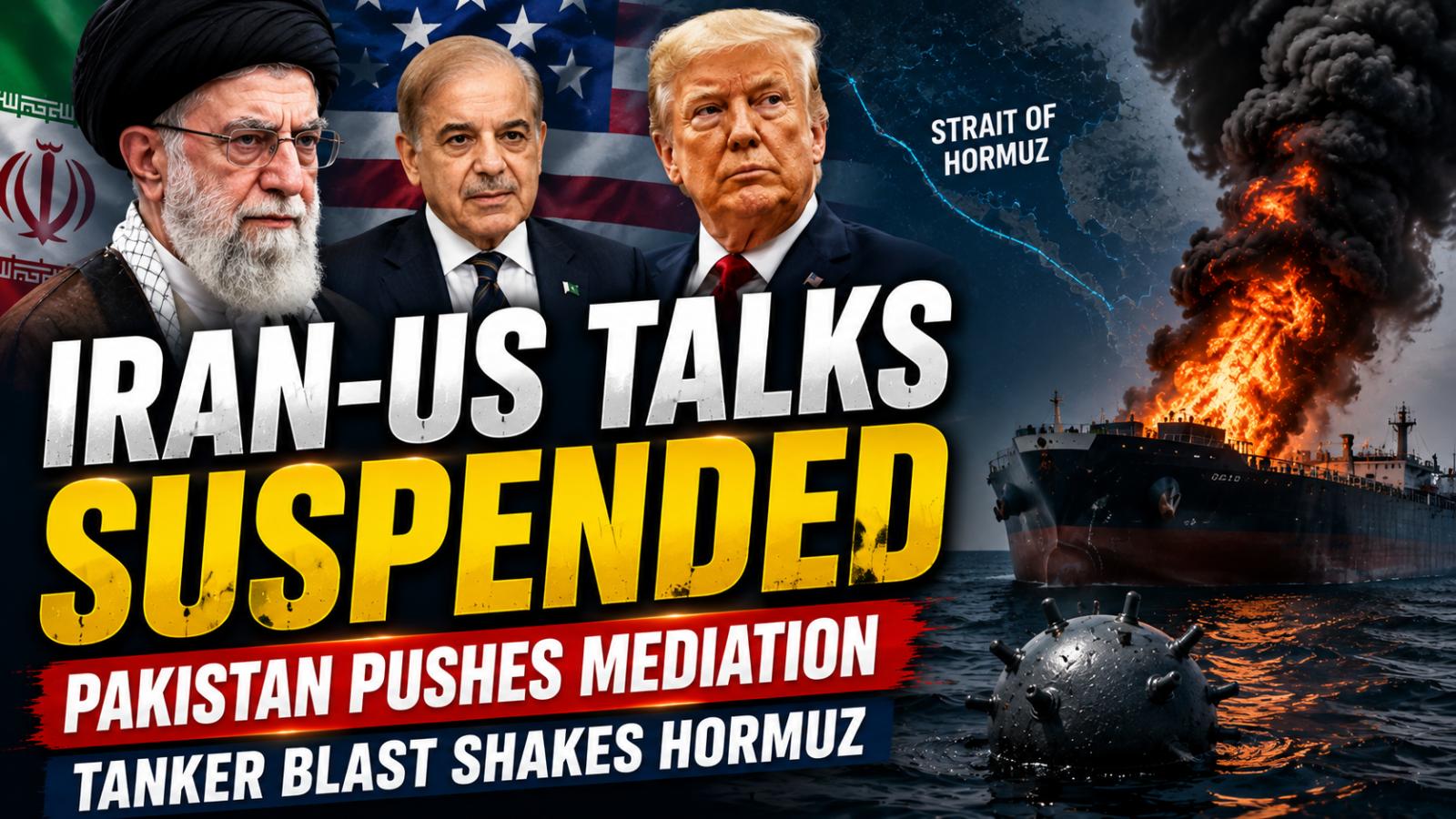
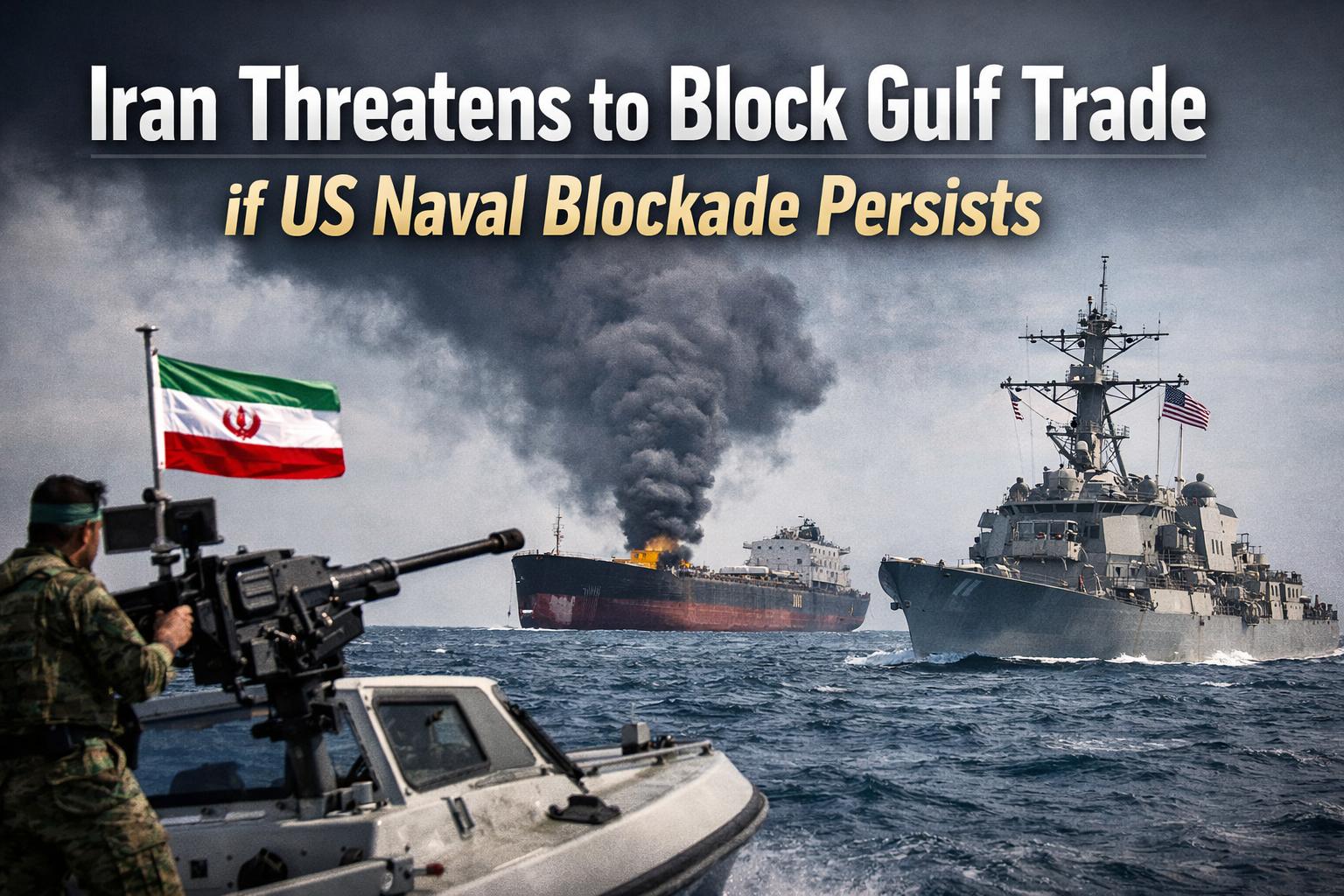
Iran has issued a warning that it may escalate tensions with the United States by blocking major international shipping routes if a US naval blockade targeting its vessels continues. The statement, broadcast on state television, came from Ali Abdollahi, commander of the Khatam al-Anbiya Central Headquarters,
Iran has issued a warning that it may escalate tensions with the United States by blocking major international shipping routes if a US naval blockade targeting its vessels continues. The statement, broadcast on state television, came from Ali Abdollahi, commander of the Khatam al-Anbiya Central Headquarters,
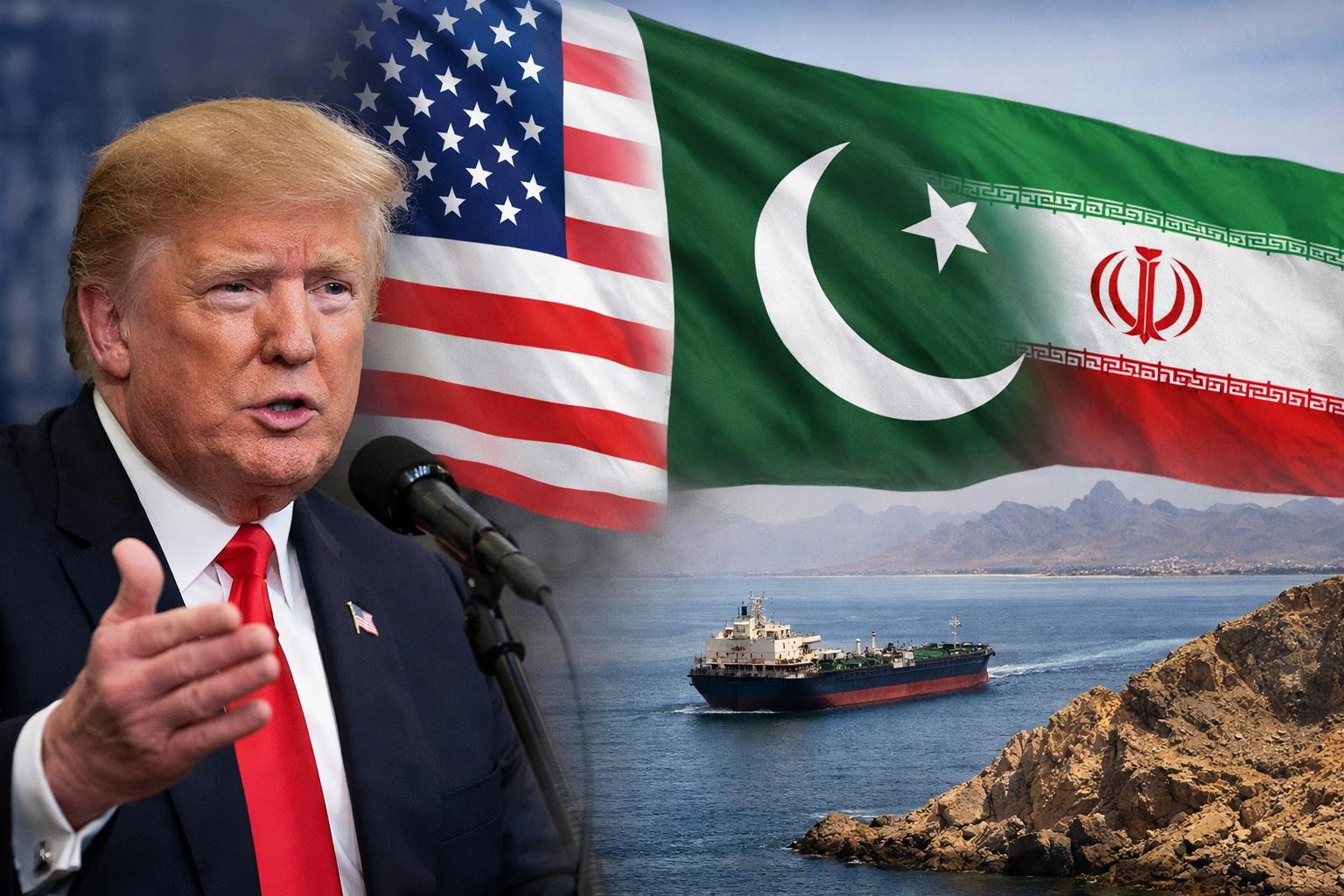
U.S. President Donald Trump indicated that negotiations between the United States and Iran could resume within the next two days following a recent breakdown in talks held in Pakistan. Speaking in an interview publi
U.S. President Donald Trump indicated that negotiations between the United States and Iran could resume within the next two days following a recent breakdown in talks held in Pakistan. Speaking in an interview publi
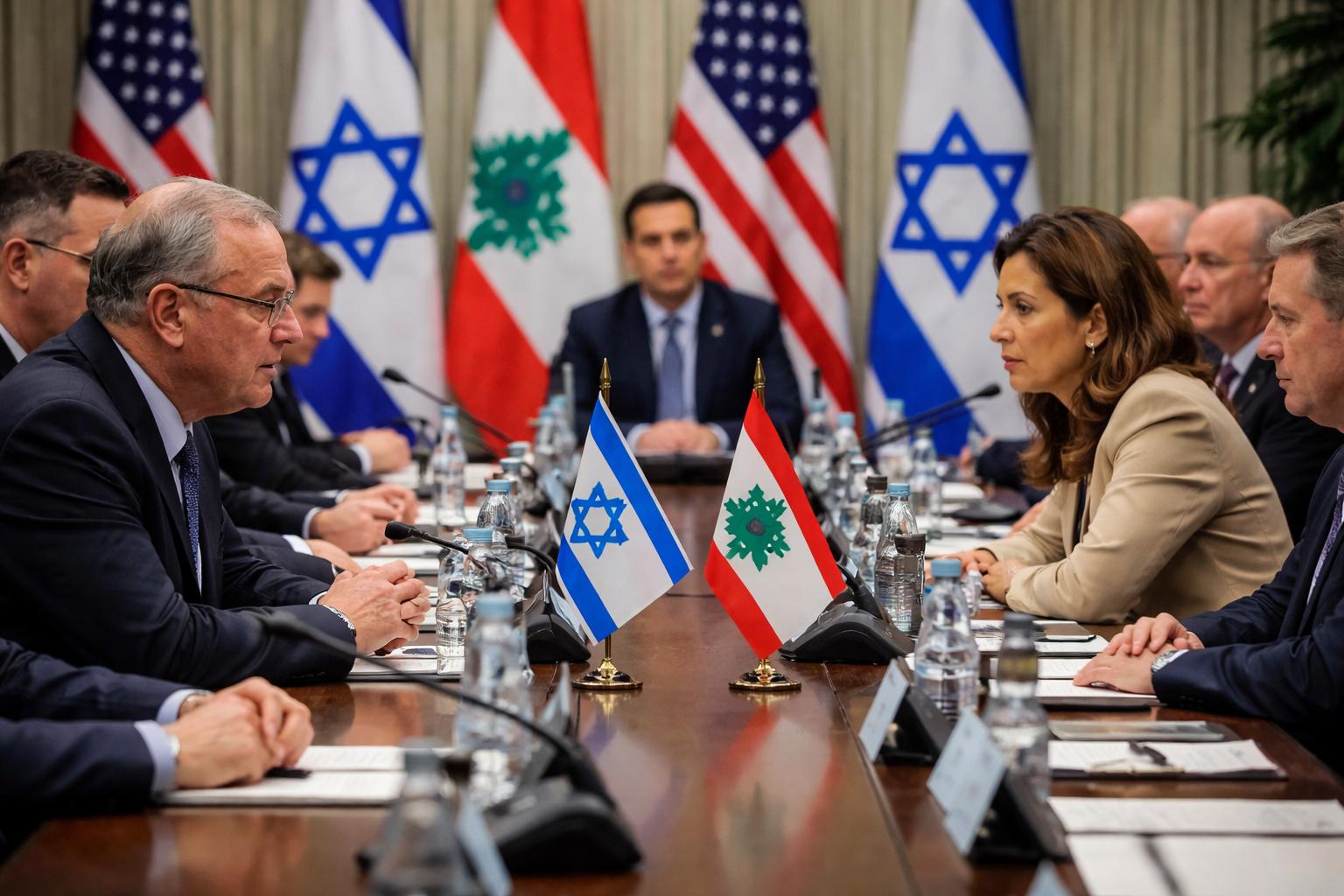
Israeli and Lebanese officials held more than two hours of direct talks in Washington, D.C., on Tuesday, April 14, 2026, marking the first such high-level engagement between the two countries in decades as fighting between Israel and the Iran-backed Hezbollah group continues to escalate.
The meeting, hosted by U.S. Secretary of State Marco Rubio, comes amid a fragile regional environment shaped by ongoing hostilities in Lebanon and broader tensions involving Iran. Rubio described the talks as a long-term diplomatic effort rather than an immediate solution, emphasizing that deeply rooted issues between the two sides would take time to resolve.
Israeli Ambassador Yechiel Leiter said the discussions reflect a shared objective of reducing Hezbollah’s influence in Lebanon, which Israel views as an extension of Iranian power in the region. Lebanese Ambassador Nada Hamadeh Moawad participated in the talks, though public comments from the Lebanese side remained limited immediately afterward.
The talks are notable given that Israel and Lebanon do not maintain formal diplomatic relations and have been technically at war for decades. Despite this, U.S. officials have pushed for dialogue as part of a broader effort to stabilize the region and prevent further escalation tied to the ongoing conflict with Iran and its allies.
The diplomatic engagement comes as Israeli military operations continue across southern Lebanon. The conflict intensified after Hezbollah launched rocket attacks on northern Israel on Sunday, March 2, 2026, prompting a large-scale Israeli response that has included airstrikes and ground operations.
Hezbollah, which is not part of the negotiations and opposes direct talks with Israel, has continued its military activities during the diplomatic effort. The group’s rejection of the talks highlights internal divisions within Lebanon, where the government has limited control over Hezbollah’s armed wing.
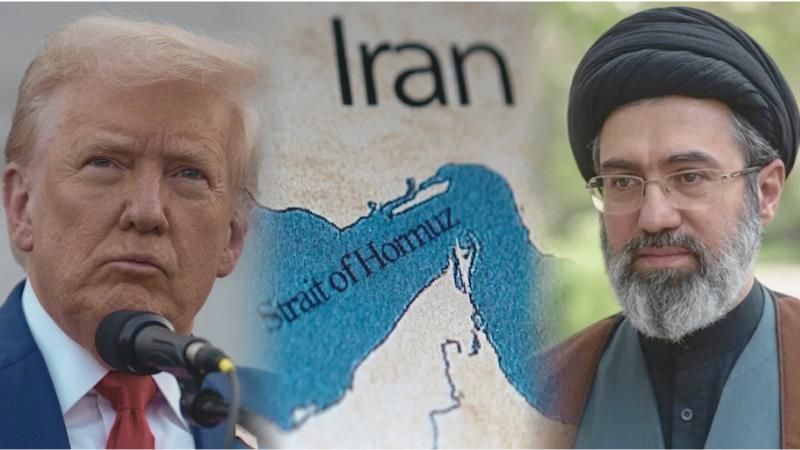
Beyond the immediate conflict, the situation has broader global implications. Tensions surrounding Iran, including disputes over its nuclear program and control of the Strait of Hormuz, have raised concerns about disruptions to global energy supplies. Analysts warn that instability in the region could affect oil markets and contribute to economic uncertainty worldwide.
While no immediate breakthroughs are expected, officials describe the Washington meeting as a significant first step toward potential de-escalation, even as violence on the ground and political divisions continue to complicate the path forward.
Israeli and Lebanese officials held more than two hours of direct talks in Washington, D.C., on Tuesday, April 14, 2026, marking the first such high-level engagement between the two countries in decades as fighting between Israel and the Iran-backed Hezbollah group continues to escalate.
The meeting, hosted by U.S. Secretary of State Marco Rubio, comes amid a fragile regional environment shaped by ongoing hostilities in Lebanon and broader tensions involving Iran. Rubio described the talks as a long-term diplomatic effort rather than an immediate solution, emphasizing that deeply rooted issues between the two sides would take time to resolve.
Israeli Ambassador Yechiel Leiter said the discussions reflect a shared objective of reducing Hezbollah’s influence in Lebanon, which Israel views as an extension of Iranian power in the region. Lebanese Ambassador Nada Hamadeh Moawad participated in the talks, though public comments from the Lebanese side remained limited immediately afterward.
The talks are notable given that Israel and Lebanon do not maintain formal diplomatic relations and have been technically at war for decades. Despite this, U.S. officials have pushed for dialogue as part of a broader effort to stabilize the region and prevent further escalation tied to the ongoing conflict with Iran and its allies.
The diplomatic engagement comes as Israeli military operations continue across southern Lebanon. The conflict intensified after Hezbollah launched rocket attacks on northern Israel on Sunday, March 2, 2026, prompting a large-scale Israeli response that has included airstrikes and ground operations.
Hezbollah, which is not part of the negotiations and opposes direct talks with Israel, has continued its military activities during the diplomatic effort. The group’s rejection of the talks highlights internal divisions within Lebanon, where the government has limited control over Hezbollah’s armed wing.
Beyond the immediate conflict, the situation has broader global implications. Tensions surrounding Iran, including disputes over its nuclear program and control of the Strait of Hormuz, have raised concerns about disruptions to global energy supplies. Analysts warn that instability in the region could affect oil markets and contribute to economic uncertainty worldwide.
While no immediate breakthroughs are expected, officials describe the Washington meeting as a significant first step toward potential de-escalation, even as violence on the ground and political divisions continue to complicate the path forward.
The United States has initiated a naval blockade of Iranian ports, significantly escalating tensions in the Middle East following the collapse of recent diplomatic efforts. The move came into effect at 2:00 PM GMT on Monday, April 14, 2026, according to US military officials, after weekend negotiations with Iran concluded without a breakthrough.
The blockade applies to all Iranian ports along the Persian Gulf, restricting maritime access and placing additional pressure on Tehran am
The United States has initiated a naval blockade of Iranian ports, significantly escalating tensions in the Middle East following the collapse of recent diplomatic efforts. The move came into effect at 2:00 PM GMT on Monday, April 14, 2026, according to US military officials, after weekend negotiations with Iran concluded without a breakthrough.
The blockade applies to all Iranian ports along the Persian Gulf, restricting maritime access and placing additional pressure on Tehran am
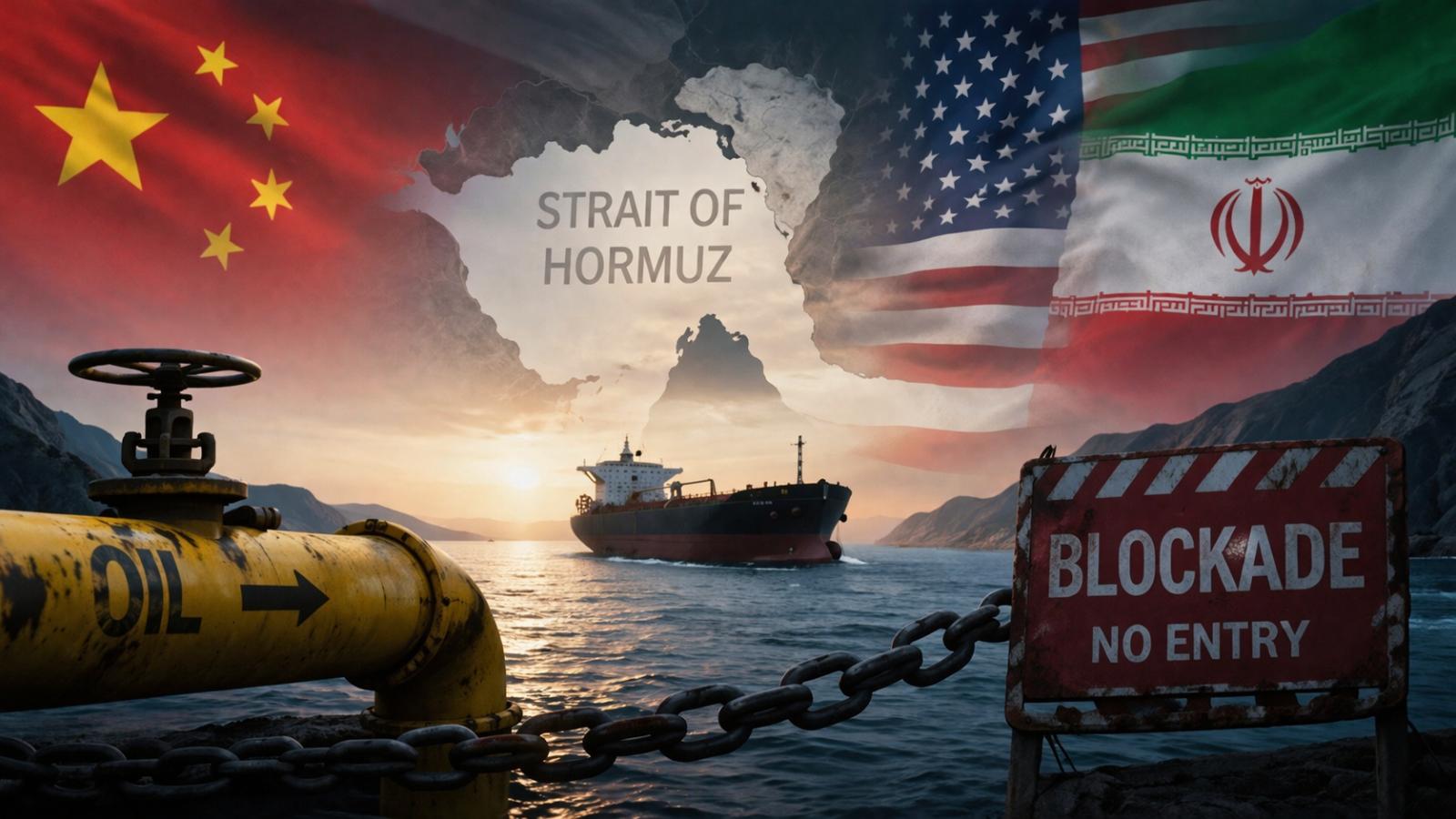
China has expressed strong disapproval over the United States' blockade of Iranian ports in the Strait of Hormuz, calling it a “dangerous and irresponsible act” that could escalate tensions in an already volatile region. In a statement issued on April 14, 2026, the Chinese Ministry of Foreign Affairs warned that the blockade, which began at 10:00 a.m. ET on Monday, along with increased U.S. military deployment in the area, risks undermining the fragile ceasefire that had
China has expressed strong disapproval over the United States' blockade of Iranian ports in the Strait of Hormuz, calling it a “dangerous and irresponsible act” that could escalate tensions in an already volatile region. In a statement issued on April 14, 2026, the Chinese Ministry of Foreign Affairs warned that the blockade, which began at 10:00 a.m. ET on Monday, along with increased U.S. military deployment in the area, risks undermining the fragile ceasefire that had
Following unsuccessful diplomatic talks, Donald Trump announced a U.S. naval blockade in the Strait of Hormuz, a critical route for global energy trade. The move is aimed at increasing pressure on
Following unsuccessful diplomatic talks, Donald Trump announced a U.S. naval blockade in the Strait of Hormuz, a critical route for global energy trade. The move is aimed at increasing pressure on
The United States has announced the start of a naval blockade targeting Iranian maritime activity, marking a significant escalation in tensions in the Middle East. Speaking to reporters outside the Oval Office on Monday, April 13, 2026, President Donald Trump said the blockade of the Strait of Hormuz had begun, adding that other countries would assist in the operation, though he did not identify them.
The Strait of Hormuz, one of the world’s most critical oil transit routes, has b
The United States has announced the start of a naval blockade targeting Iranian maritime activity, marking a significant escalation in tensions in the Middle East. Speaking to reporters outside the Oval Office on Monday, April 13, 2026, President Donald Trump said the blockade of the Strait of Hormuz had begun, adding that other countries would assist in the operation, though he did not identify them.
The Strait of Hormuz, one of the world’s most critical oil transit routes, has b
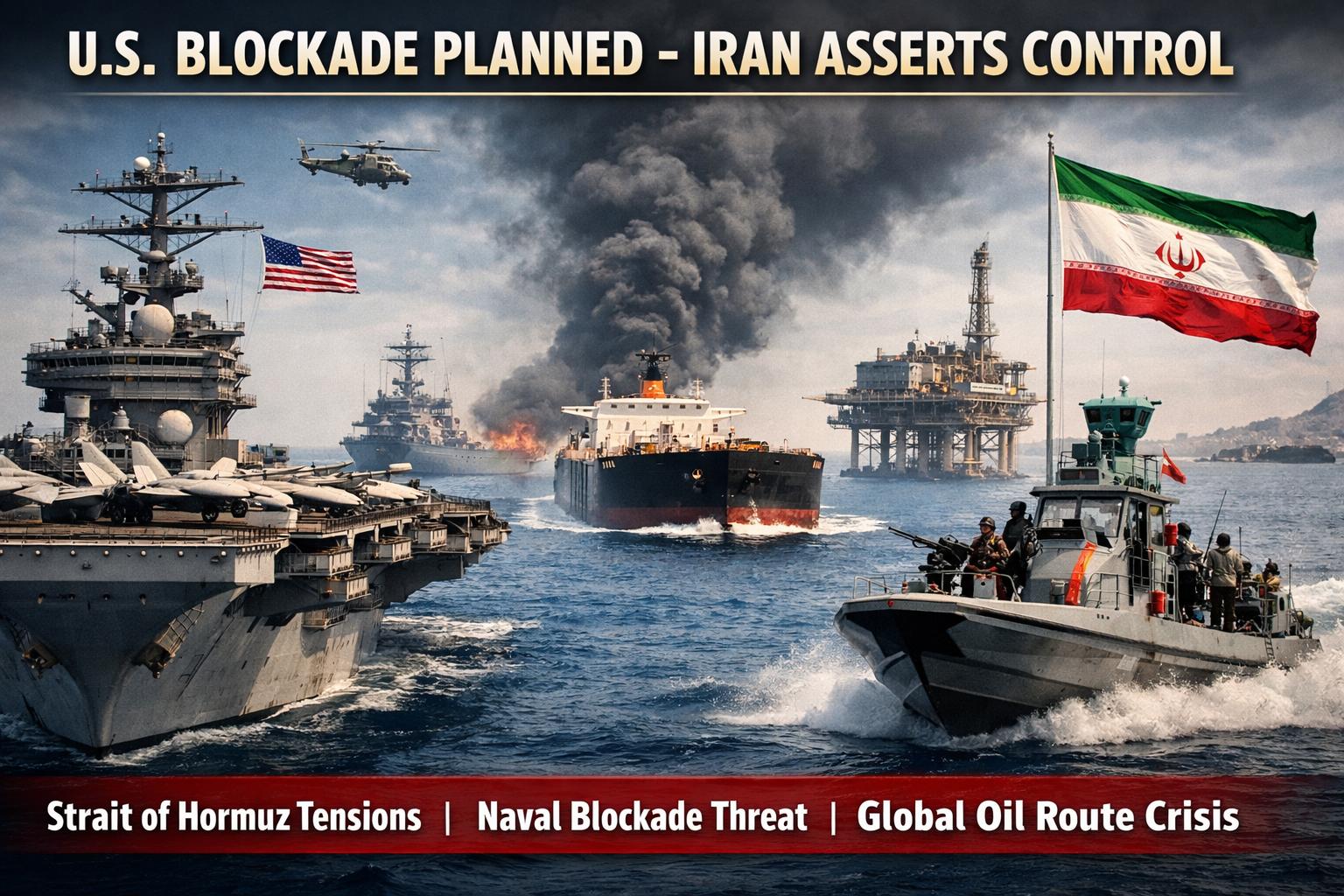
Washington, April 13 — Tensions between the United States and Iran intensified Monday as Washington moved forward with plans to impose a naval blockade targeting Iranian ports, prompting a swift response from Tehran asserting firm control over its maritime borders.
Iran’s deputy interior minister said the country faces no significant security threats along its frontiers, emphasizing what he described as comprehensive oversight of both land and sea boundaries. He stated that Irania
Washington, April 13 — Tensions between the United States and Iran intensified Monday as Washington moved forward with plans to impose a naval blockade targeting Iranian ports, prompting a swift response from Tehran asserting firm control over its maritime borders.
Iran’s deputy interior minister said the country faces no significant security threats along its frontiers, emphasizing what he described as comprehensive oversight of both land and sea boundaries. He stated that Irania
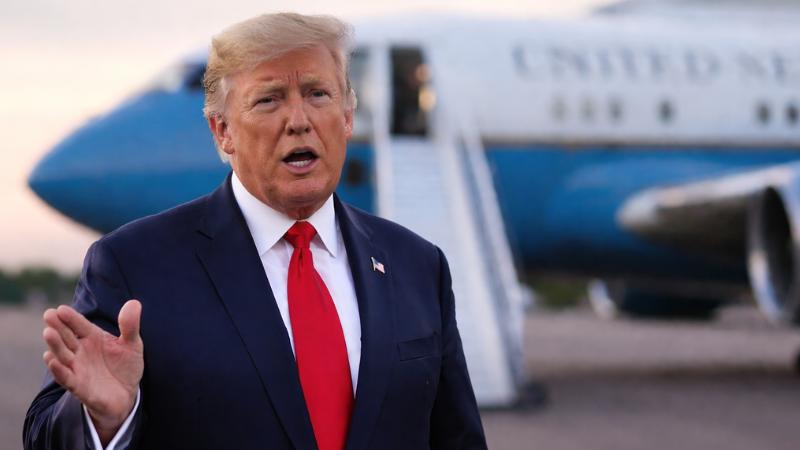
In the wake of a failed peace negotiation between the United States and Iran in Pakistan, US President Donald Trump announced a blockade on the Strait of Hormuz, which would come into effect at 10 AM on 13th April 2026. Speaking outside Air Force One, Trump stated that Iran is in a "very bad shape," emphasizing that the United States had a superior understanding of the situation. Despite the 21-hour long talks between the two nations, no agreement was reached, particularly on the issue of Ira
In the wake of a failed peace negotiation between the United States and Iran in Pakistan, US President Donald Trump announced a blockade on the Strait of Hormuz, which would come into effect at 10 AM on 13th April 2026. Speaking outside Air Force One, Trump stated that Iran is in a "very bad shape," emphasizing that the United States had a superior understanding of the situation. Despite the 21-hour long talks between the two nations, no agreement was reached, particularly on the issue of Ira
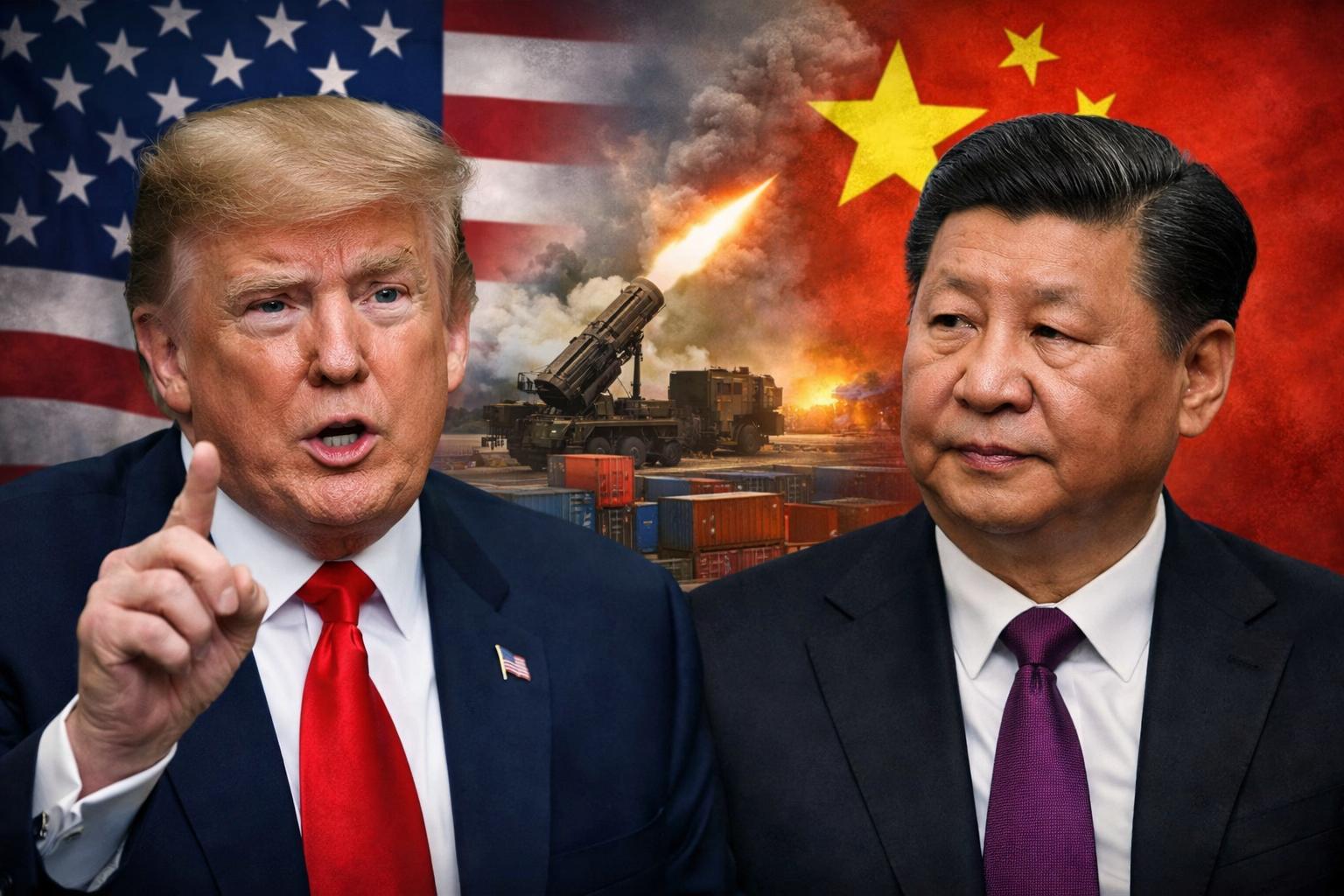
U.S. President Donald Trump on Sunday, April 12, 2026, warned that the United States could impose steep new tariffs on China if Beijing is found to be providing military assistance to Iran during the ongoing West As
U.S. President Donald Trump on Sunday, April 12, 2026, warned that the United States could impose steep new tariffs on China if Beijing is found to be providing military assistance to Iran during the ongoing West As
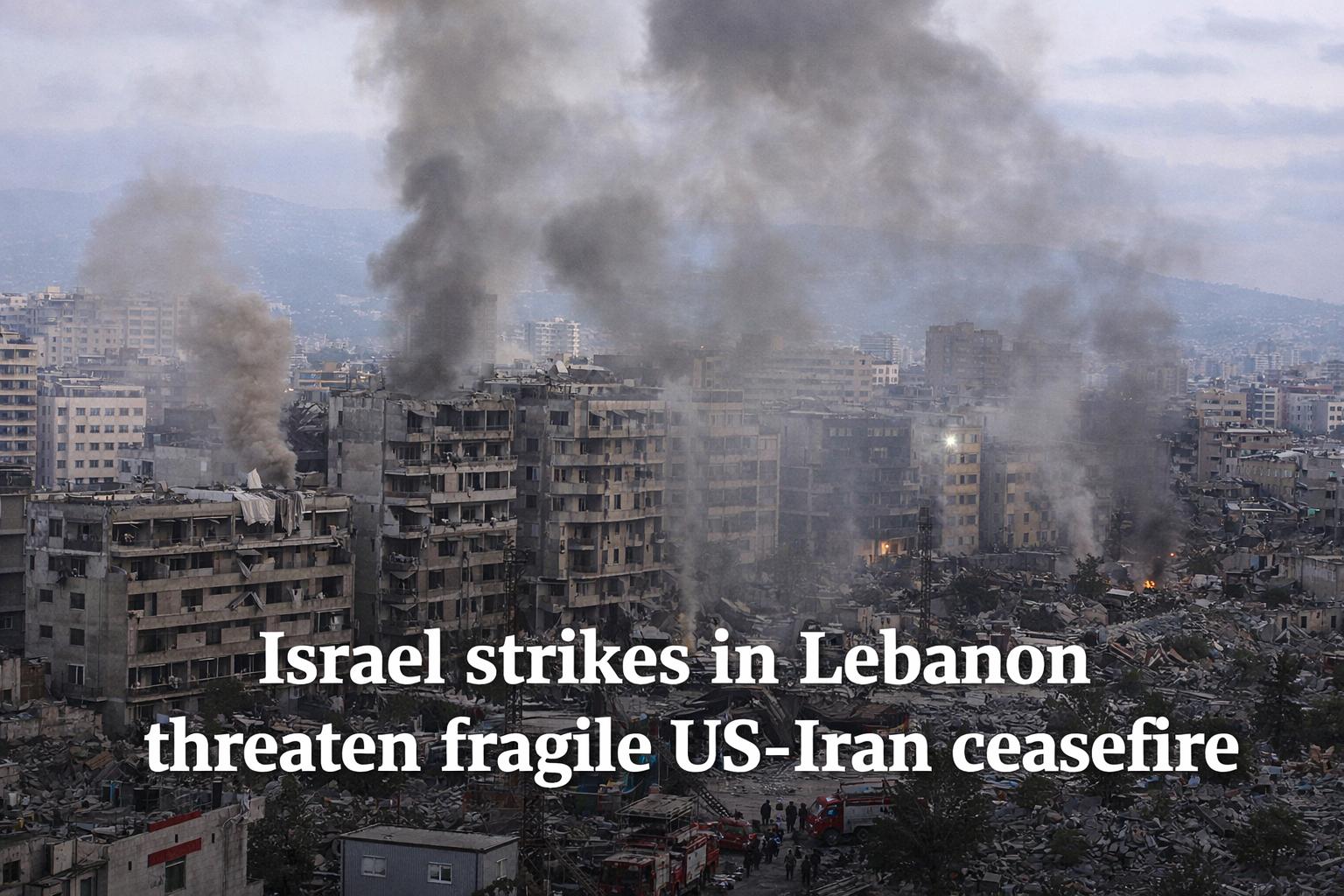
Israel’s intensified military campaign in Lebanon is raising concerns about the stability of a fragile ceasefire between the United States and Iran, with both sides disputing whether Lebanon was included in the agreement. Iranian officials argue that Israeli strikes violate the truce, while U.S. and Israeli authorities maintain the deal does not extend to Lebanon.
The disagreement comes as Israeli airstrikes across Lebanon, including Beirut, caused widespread destruction and signi
Israel’s intensified military campaign in Lebanon is raising concerns about the stability of a fragile ceasefire between the United States and Iran, with both sides disputing whether Lebanon was included in the agreement. Iranian officials argue that Israeli strikes violate the truce, while U.S. and Israeli authorities maintain the deal does not extend to Lebanon.
The disagreement comes as Israeli airstrikes across Lebanon, including Beirut, caused widespread destruction and signi
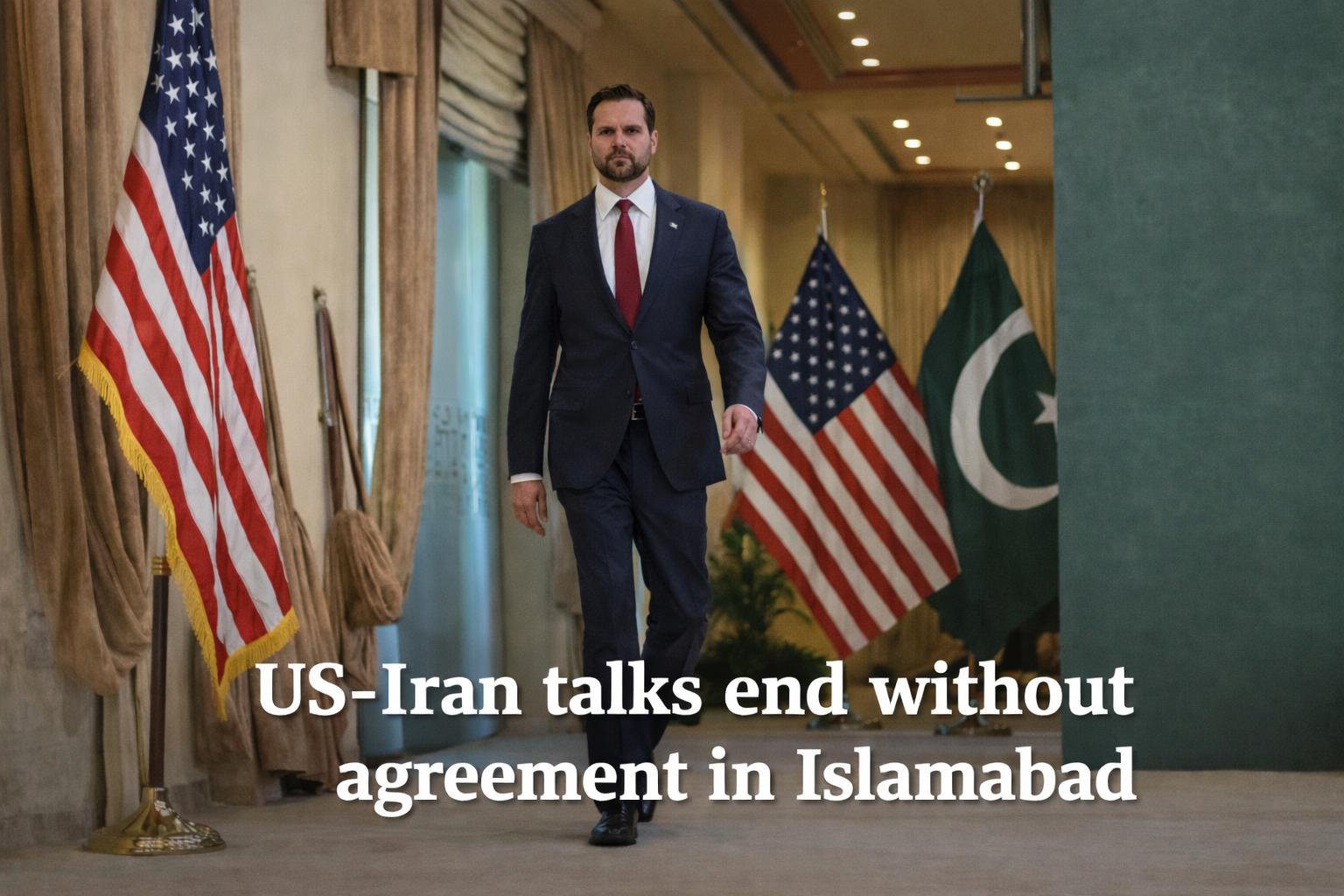
U.S. Vice President JD Vance said no agreement was reached with Iran following extended negotiations held in Pakistan, signaling a setback after Washington presented what it described as its “final and best offer.” Iranian officials also expressed dissatisfaction, with their lead negotiator stating that U.S. representatives failed to build sufficient trust during the discussions.
The outcome leaves significant uncertainty around the fragile ceasefire that began Tuesday, though no specific date was provided for the start of the truce. Without a clear commitment from Iran to reopen the Strait of Hormuz, concerns are growing over continued disruptions to global energy markets, as the strategic waterway remains a critical route for oil shipments.
Regional tensions remain elevated beyond the stalled talks. Diplomatic engagement between Israeli and Lebanese officials is expected in the coming week, even as hostilities persist. Israeli forces reported overnight strikes in southern Lebanon, stating they targeted and destroyed a rocket launcher prepared for imminent use. The strikes reportedly resulted in casualties, underscoring the ongoing volatility in the region.
The lack of progress in negotiations highlights broader challenges in restoring stability, with both diplomatic and military developments shaping an increasingly uncertain outlook.
U.S. Vice President JD Vance said no agreement was reached with Iran following extended negotiations held in Pakistan, signaling a setback after Washington presented what it described as its “final and best offer.” Iranian officials also expressed dissatisfaction, with their lead negotiator stating that U.S. representatives failed to build sufficient trust during the discussions.
The outcome leaves significant uncertainty around the fragile ceasefire that began Tuesday, though no specific date was provided for the start of the truce. Without a clear commitment from Iran to reopen the Strait of Hormuz, concerns are growing over continued disruptions to global energy markets, as the strategic waterway remains a critical route for oil shipments.
Regional tensions remain elevated beyond the stalled talks. Diplomatic engagement between Israeli and Lebanese officials is expected in the coming week, even as hostilities persist. Israeli forces reported overnight strikes in southern Lebanon, stating they targeted and destroyed a rocket launcher prepared for imminent use. The strikes reportedly resulted in casualties, underscoring the ongoing volatility in the region.
The lack of progress in negotiations highlights broader challenges in restoring stability, with both diplomatic and military developments shaping an increasingly uncertain outlook.
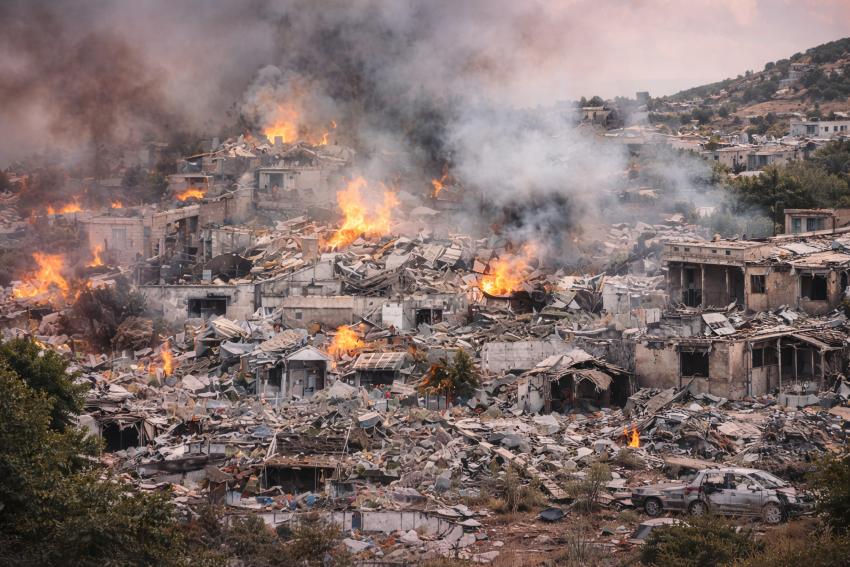
Tensions in the Middle East continue to rise as the United States and Iran failed to reach an agreement after long peace talks held in Pakistan.
At the same time, concerns are growing over the situation in southern Lebanon, where reports suggest large-scale destruction in several villages along the Israel-Lebanon border.
According to reports, Israeli military operations have led to the demolition of villages such as Taybeh, Naqoura, and Deir Seryan. Videos circulating onli
Tensions in the Middle East continue to rise as the United States and Iran failed to reach an agreement after long peace talks held in Pakistan.
At the same time, concerns are growing over the situation in southern Lebanon, where reports suggest large-scale destruction in several villages along the Israel-Lebanon border.
According to reports, Israeli military operations have led to the demolition of villages such as Taybeh, Naqoura, and Deir Seryan. Videos circulating onli
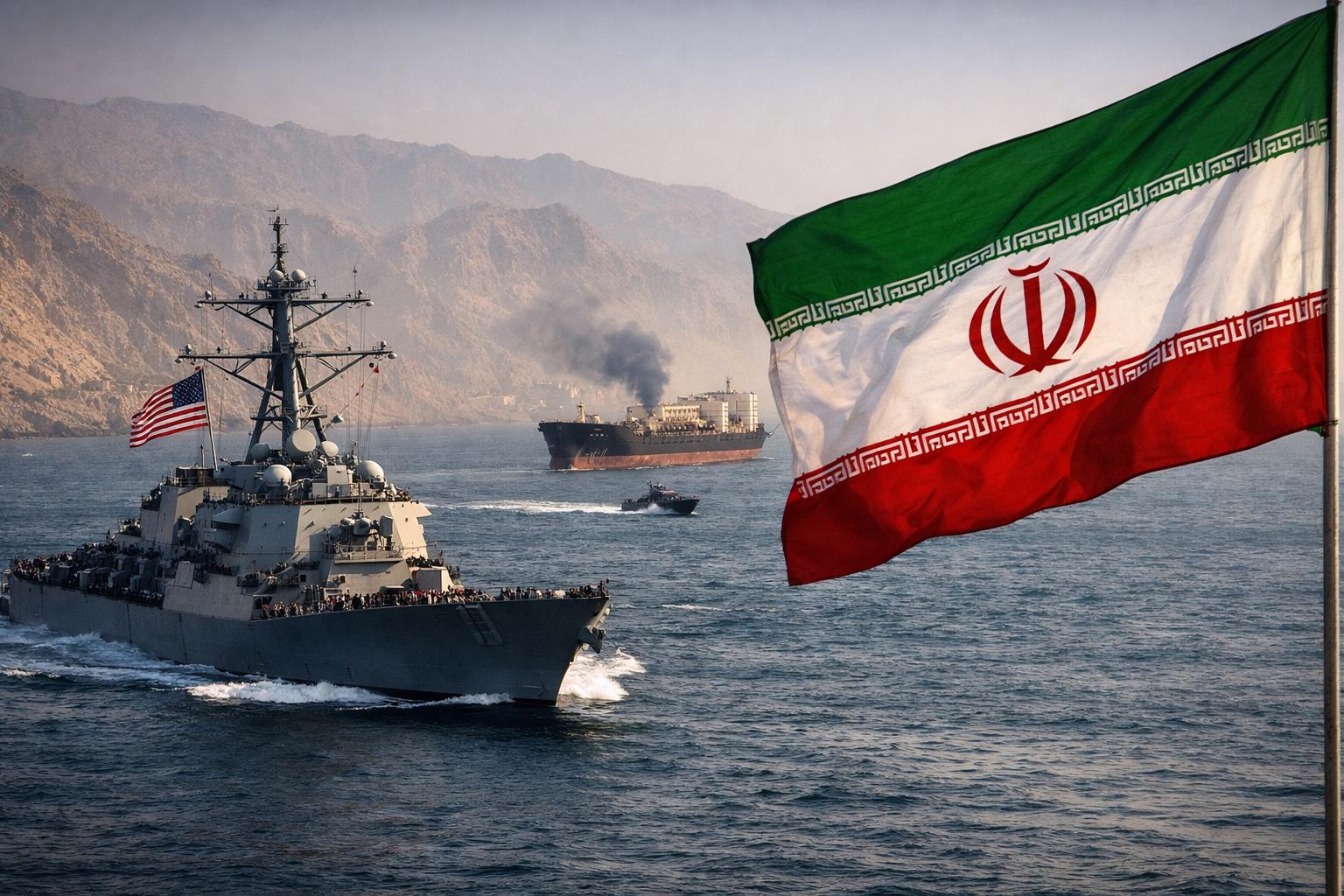
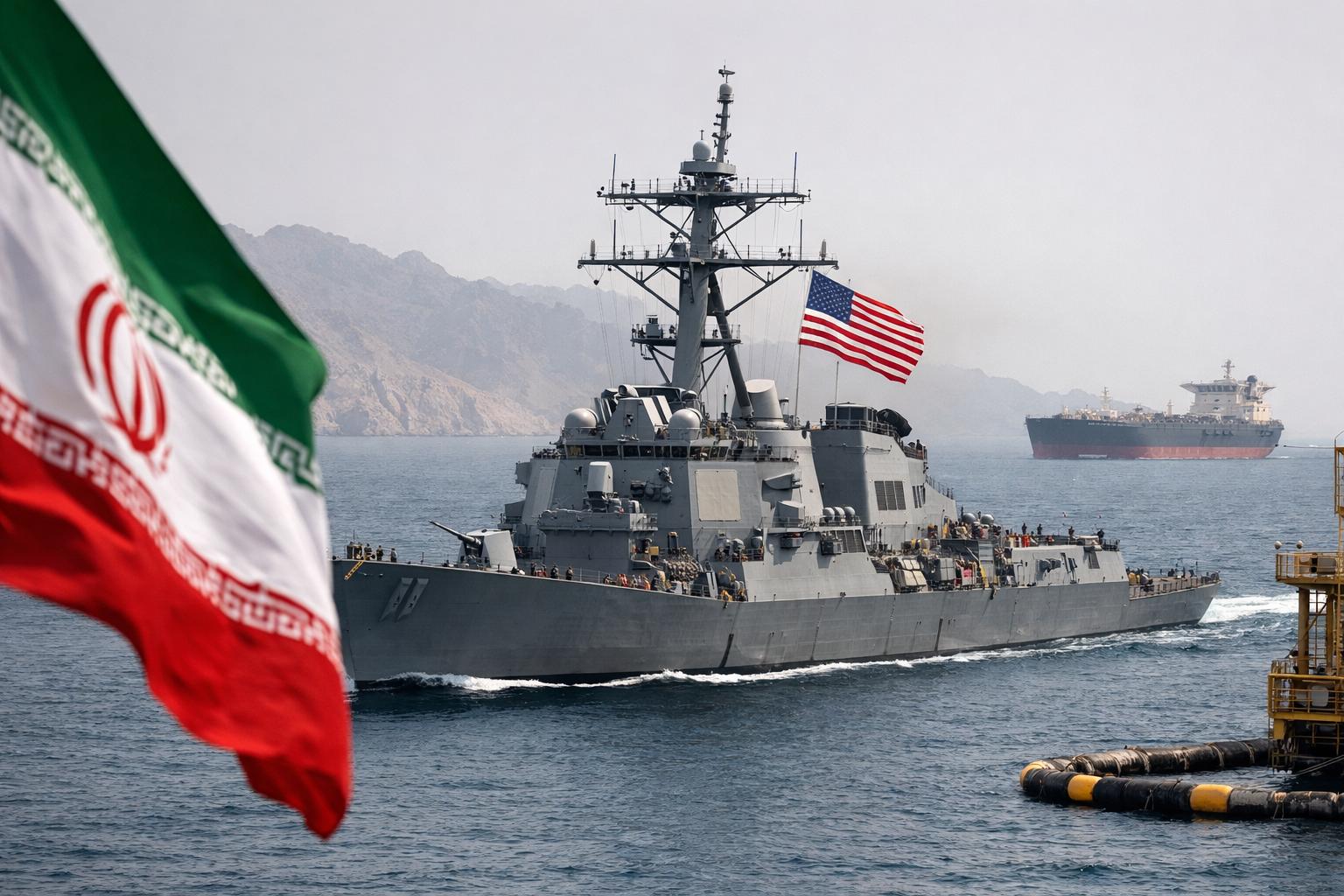
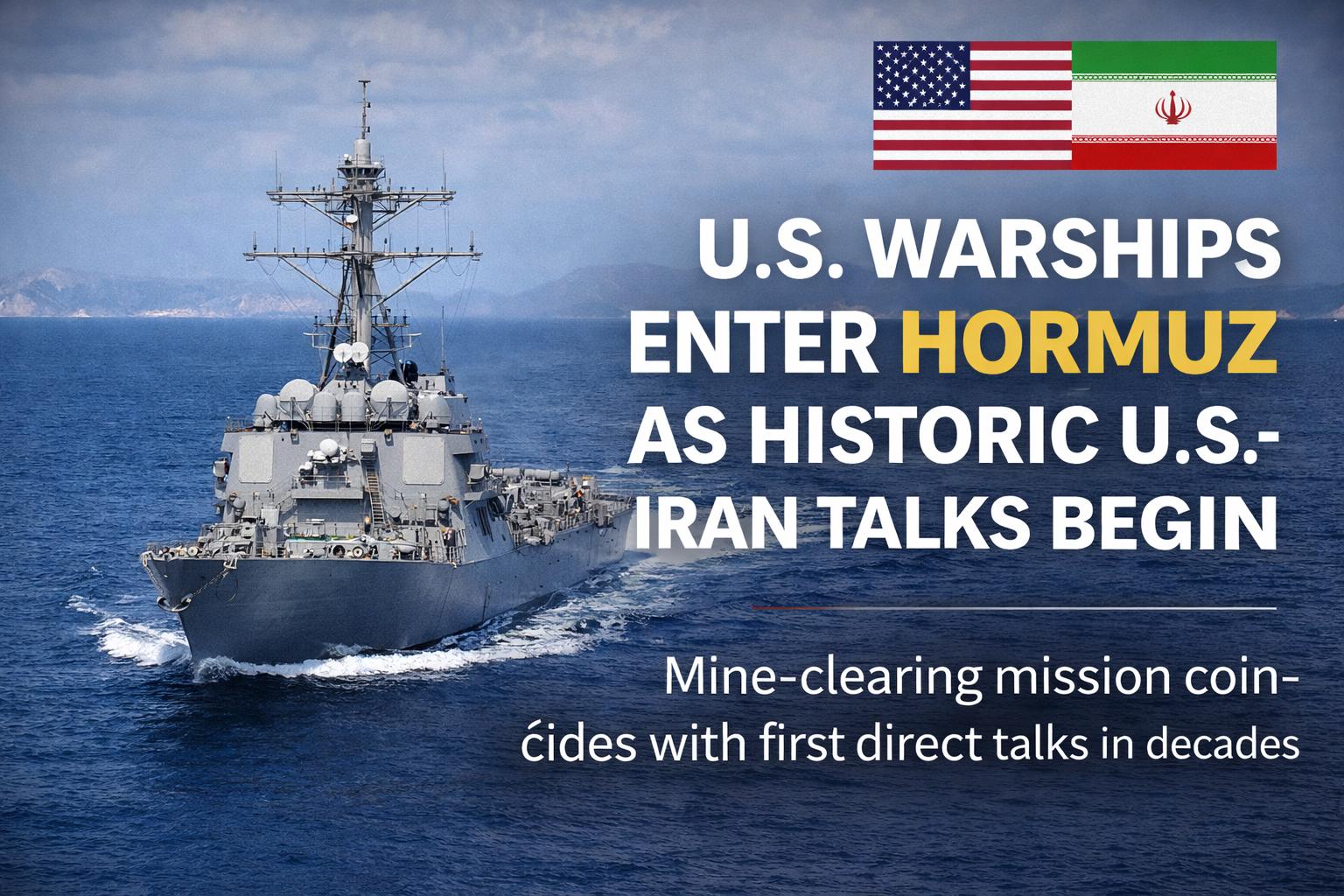
Two U.S. Navy destroyers entered the Strait of Hormuz to begin mine-clearing operations, U.S. Central Command confirmed on Saturday, April 10, 2026, as Washington simultaneously engaged in rare direct talks with Iran aimed at reducing regional tensions.
The vessels transited the critical waterway and began operations in the Arabian Gulf, with additional U.S. assets, including underwater drones, expected to support efforts in the coming days. The move follows concerns that naval mine
Two U.S. Navy destroyers entered the Strait of Hormuz to begin mine-clearing operations, U.S. Central Command confirmed on Saturday, April 10, 2026, as Washington simultaneously engaged in rare direct talks with Iran aimed at reducing regional tensions.
The vessels transited the critical waterway and began operations in the Arabian Gulf, with additional U.S. assets, including underwater drones, expected to support efforts in the coming days. The move follows concerns that naval mine
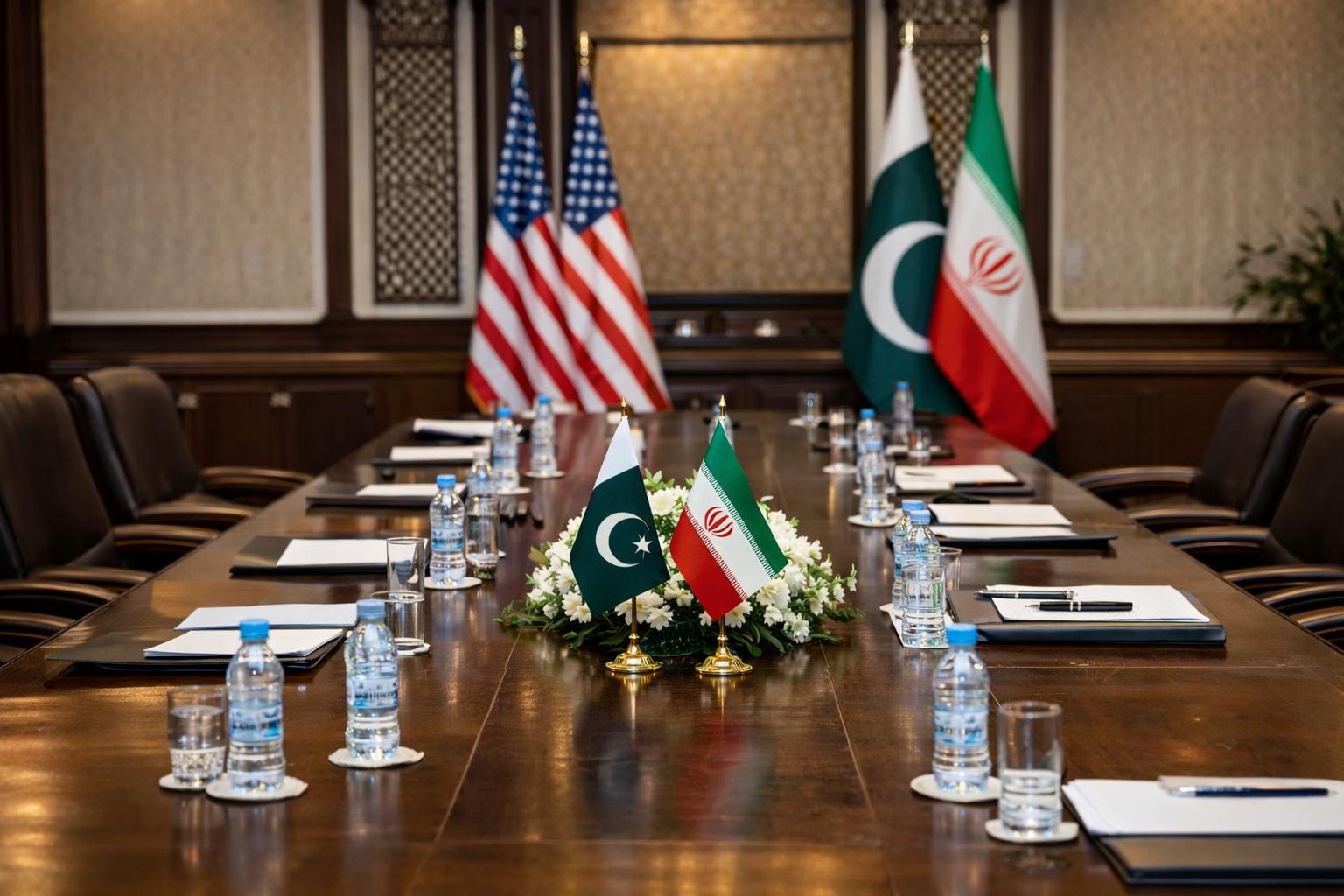
Ceasefire negotiations between the United States and Iran formally began on Saturday, April 11, 2026, in Islamabad, Pakistan, marking a major diplomatic effort to stabilize escalating tensions in the Middle East. The talks represent the first direct high-level engagement between the two nations in years and are being closely watched for signs of progress toward a broader peace framework.
The United States delegation is led by Vice President
Ceasefire negotiations between the United States and Iran formally began on Saturday, April 11, 2026, in Islamabad, Pakistan, marking a major diplomatic effort to stabilize escalating tensions in the Middle East. The talks represent the first direct high-level engagement between the two nations in years and are being closely watched for signs of progress toward a broader peace framework.
The United States delegation is led by Vice President
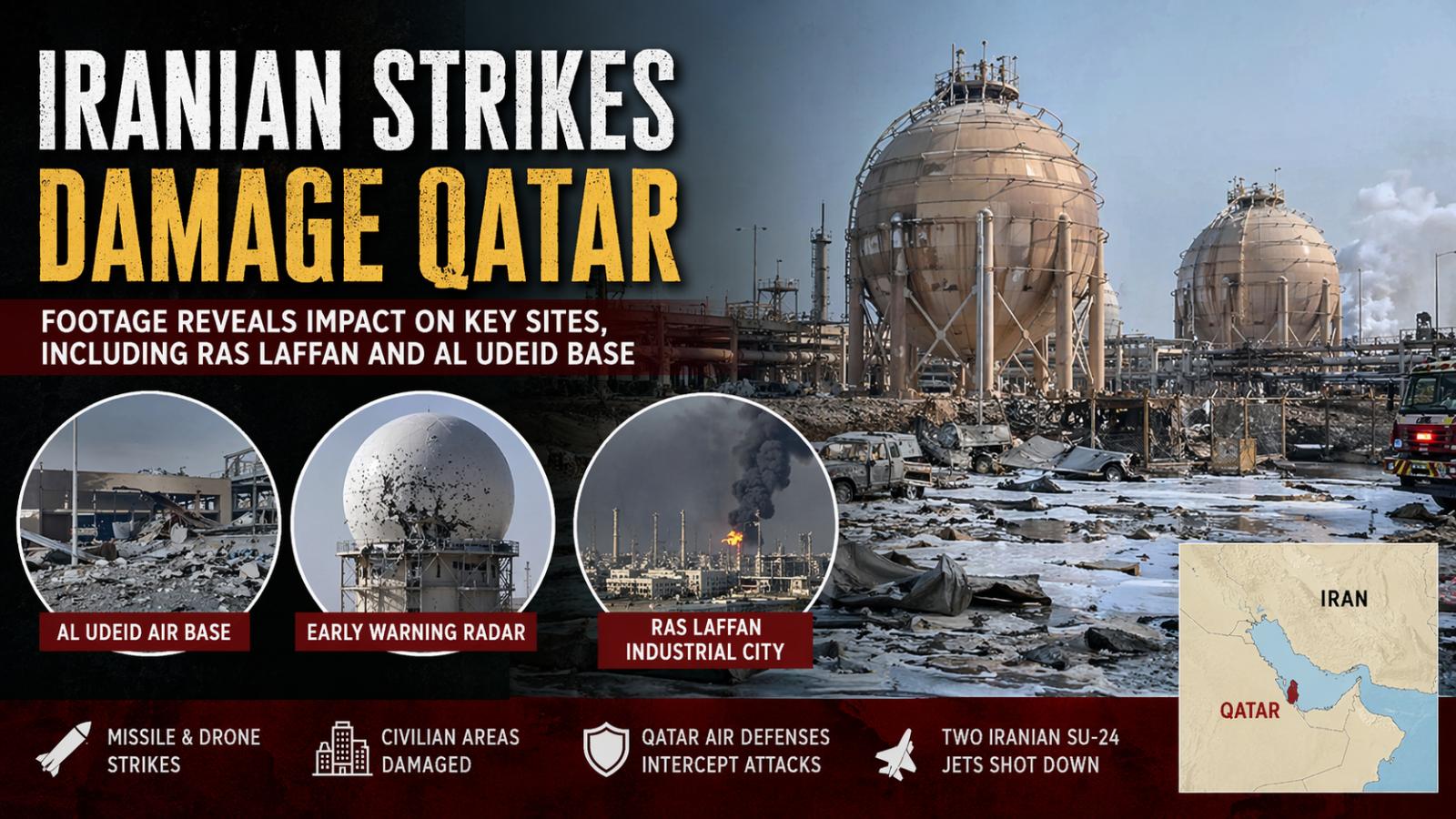
Newly released footage from Qatar provides a detailed look at the extent of damage caused by Iranian missile and drone strikes across the country, highlighting impacts on both military and civilian infrastructure. The visuals, aired in a recent investigative program, show destruction at multiple locations, including the Al Udeid Air Base, early warning radar systems in northern Qatar, and Ras Laffan Industrial City, one of the world’s most critical liquefied natural gas hubs.
The
Newly released footage from Qatar provides a detailed look at the extent of damage caused by Iranian missile and drone strikes across the country, highlighting impacts on both military and civilian infrastructure. The visuals, aired in a recent investigative program, show destruction at multiple locations, including the Al Udeid Air Base, early warning radar systems in northern Qatar, and Ras Laffan Industrial City, one of the world’s most critical liquefied natural gas hubs.
The
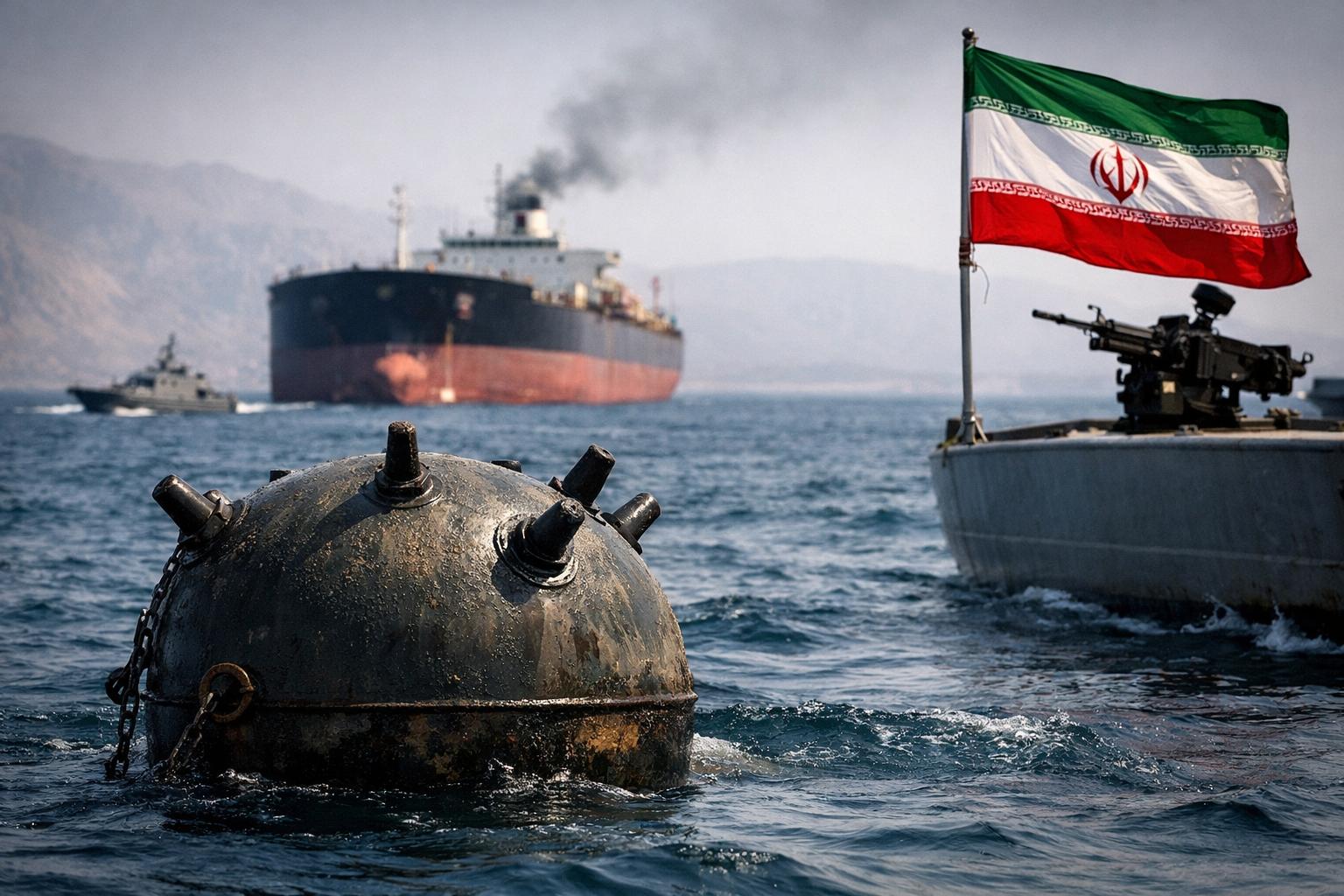
The reopening of the strategically critical Strait of Hormuz is expected to face further delays as Iran encounters challenges in locating and clearing sea mines reportedly deployed during recent hostilities, according to U.S. officials cited in a report by
The reopening of the strategically critical Strait of Hormuz is expected to face further delays as Iran encounters challenges in locating and clearing sea mines reportedly deployed during recent hostilities, according to U.S. officials cited in a report by