











Gold Slips Lower, Silver Also Dips – Wednesday, April 29, 2026
Precious metals recorded a decline in prices. Gold and silver both moved downward in the latest session. Gold Price Gold (per oz): $4,549.40 ↓ Gold 24K (per 10g): ₹138,751 approx Gold 22K (per 10g): ₹127,076 approx Silver Price Silver (per oz): $72.41 ↓ (₹6,867 approx) Silver (per kg): $2,328 (₹220,764 a
Gold Slips Lower, Silver Also Dips – Wednesday, April 29, 2026
Precious metals recorded a decline in prices. Gold and silver both moved downward in the latest session. Gold Price Gold (per oz): $4,549.40 ↓ Gold 24K (per 10g): ₹138,751 approx Gold 22K (per 10g): ₹127,076 approx Silver Price Silver (per oz): $72.41 ↓ (₹6,867 approx) Silver (per kg): $2,328 (₹220,764 a

Julie Davis Announces Exit as US Faces Challenges in Ukraine Peace Efforts
The United States Department of State confirmed on April 28 that Julie Davis will step down from her role as acting ambassador to Ukraine after serving less than a year in the position. The announcement comes at a time when diplomatic efforts by the United States to facilitate a peace agreement between Ukraine and Russia have yet to produce a breakthrough. Davis, who also serves as ambassador to Cyprus, had been handling dual responsibilities since her appointment by Donald Trump in May of the previous year. She assumed the Kyiv role following the departure of Bridget Brink, who had been appointed earlier and later stepped down. The State Department stated that Davis cited retirement as the reason for her decision. Her tenure coincided with increased diplomatic pressure from Washington on Kyiv to consider terms that could advance negotiations with Moscow. Trump has publicly emphasized the need for a resolution, including the possibility of territorial concessions by Ukraine, as part of a broader effort to secure a ceasefire. However, these initiatives have not resulted in a formal agreement, and fighting has continued without a comprehensive settlement. Reports suggesting internal disagreements regarding US policy toward Ukraine were rejected by officials, who maintained that no such disputes influenced Davis’s decision. Brink, Davis’s predecessor, had previously expressed concern over what she described as an approach that placed disproportionate pressure on Ukraine during negotiations. Davis’s departure highlights the ongoing complexity of US diplomatic engagement in the region. With peace talks stalled and geopolitical tensions unresolved, the transition comes at a critical moment for American foreign policy and its role in shaping outcomes in Eastern Europe.
Julie Davis Announces Exit as US Faces Challenges in Ukraine Peace Efforts
The United States Department of State confirmed on April 28 that Julie Davis will step down from her role as acting ambassador to Ukraine after serving less than a year in the position. The announcement comes at a time when diplomatic efforts by the United States to facilitate a peace agreement between Ukraine and Russia have yet to produce a breakthrough. Davis, who also serves as ambassador to Cyprus, had been handling dual responsibilities since her appointment by Donald Trump in May of the previous year. She assumed the Kyiv role following the departure of Bridget Brink, who had been appointed earlier and later stepped down. The State Department stated that Davis cited retirement as the reason for her decision. Her tenure coincided with increased diplomatic pressure from Washington on Kyiv to consider terms that could advance negotiations with Moscow. Trump has publicly emphasized the need for a resolution, including the possibility of territorial concessions by Ukraine, as part of a broader effort to secure a ceasefire. However, these initiatives have not resulted in a formal agreement, and fighting has continued without a comprehensive settlement. Reports suggesting internal disagreements regarding US policy toward Ukraine were rejected by officials, who maintained that no such disputes influenced Davis’s decision. Brink, Davis’s predecessor, had previously expressed concern over what she described as an approach that placed disproportionate pressure on Ukraine during negotiations. Davis’s departure highlights the ongoing complexity of US diplomatic engagement in the region. With peace talks stalled and geopolitical tensions unresolved, the transition comes at a critical moment for American foreign policy and its role in shaping outcomes in Eastern Europe.

Gold and Silver Decline in Latest Market Update – Tuesday, April 28, 2026
Gold and silver prices moved lower in the latest update on Tuesday, April 28, 2026. Currency rates showed USD steady against INR. Gold Price Gold (per oz): $4,595.70 (↓) Gold 24K (per 10g): ₹139704 approx Gold 22K (per 10g): ₹127949 approx Silver Price Silver (per oz): $73.66 (↓) (₹6966 approx) Silver (per kg): $2368.39 (₹223952 approx) C
Gold and Silver Decline in Latest Market Update – Tuesday, April 28, 2026
Gold and silver prices moved lower in the latest update on Tuesday, April 28, 2026. Currency rates showed USD steady against INR. Gold Price Gold (per oz): $4,595.70 (↓) Gold 24K (per 10g): ₹139704 approx Gold 22K (per 10g): ₹127949 approx Silver Price Silver (per oz): $73.66 (↓) (₹6966 approx) Silver (per kg): $2368.39 (₹223952 approx) C
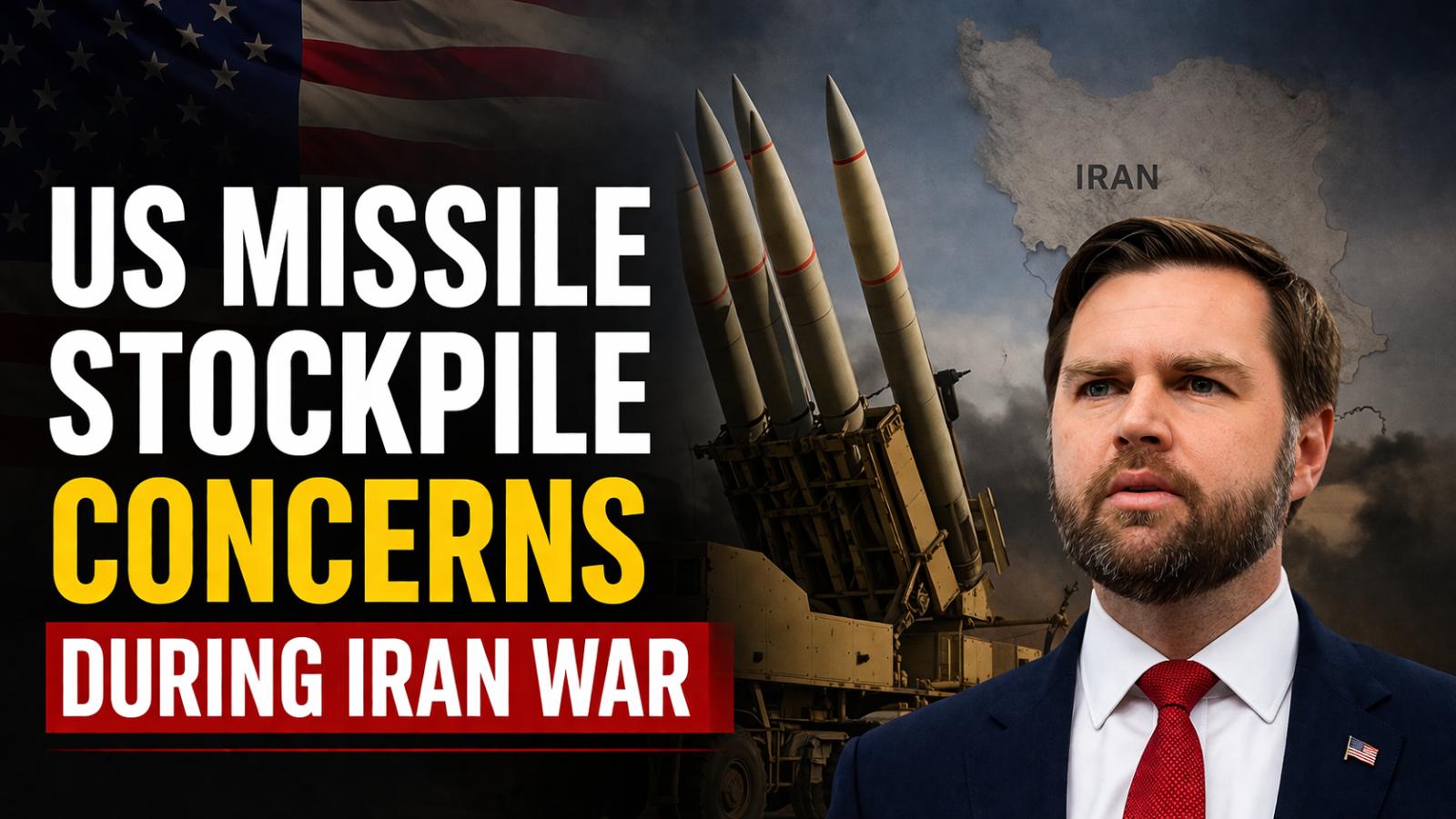
US missile stockpile concerns grow amid iran conflict scrutiny
US missile stockpile concerns during Iran war
US missile stockpile concerns grow amid iran conflict scrutiny
US missile stockpile concerns during Iran war
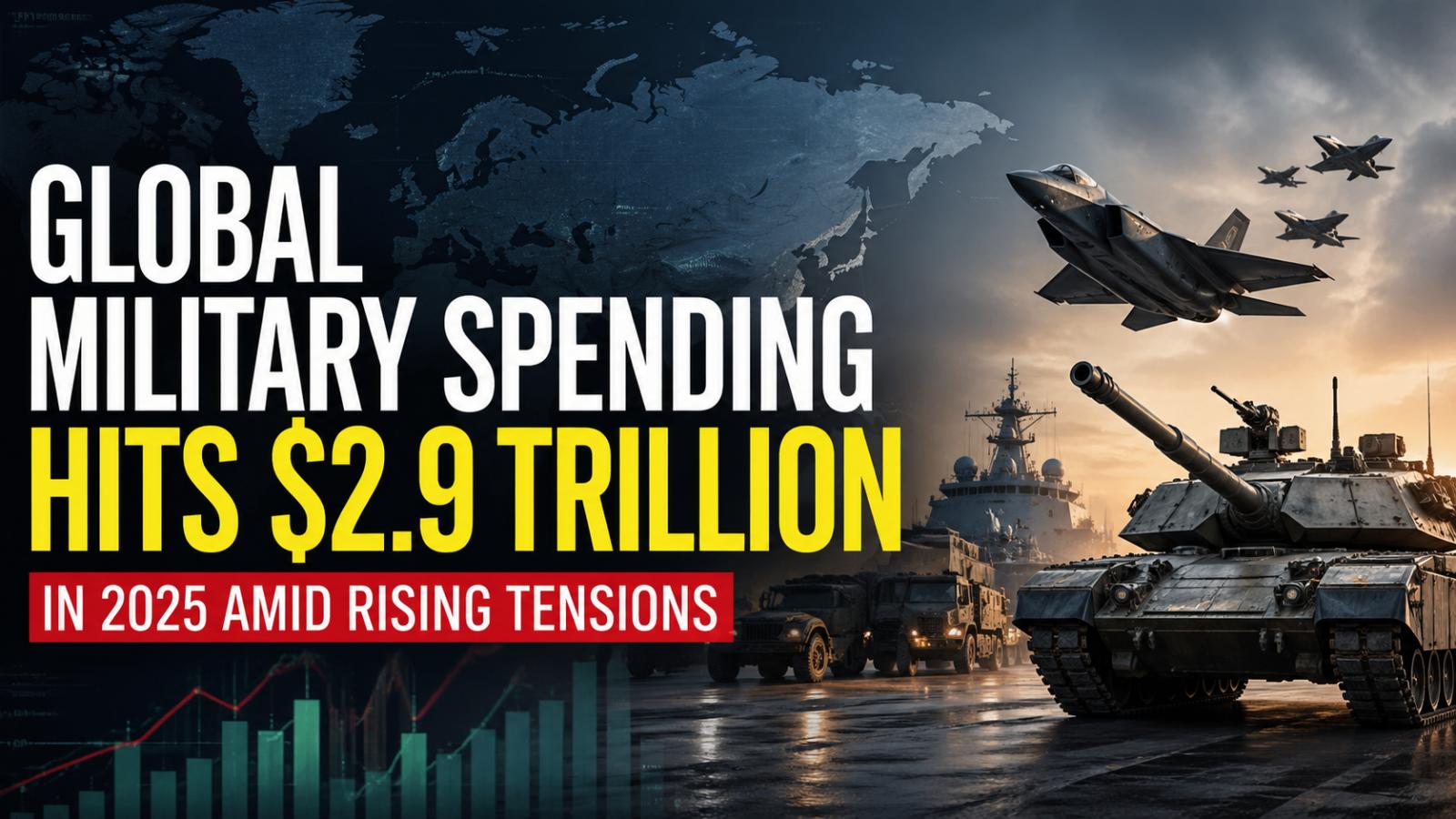
Global military spending hits $2.9 trillion in 2025 amid rising tensions
Global military spending 2025 overview Global military spending in 2025 has reached nearly $2.9 trillion, clearly showing how countries are increasing defence budgets as global tensions continue to rise. The total spending stood at $2887 billion in 2025, marking a 2.9 per cent increase from 2024, highlighting a steady rise in military expenditure trends worldwide. This reflects a world becoming less secure, with nations investing more in defence to protect themselves. The United States, Russia, and China remained the top three military spenders, with a combined total of $1.48 trillion. These nations continue to dominate global defence spending, shaping international security dynamics. Experts say this rise in defence budget growth shows that countries are preparing for both current conflicts and future uncertainties. Europe witnessed a major surge, with military spending increasing by 14 per cent to $864 billion in 2025. This sharp rise is mainly driven by the ongoing Russia-Ukraine war and reduced dependence on the United States for security. Countries like Germany increased spending by 24 per cent to $114 billion, while Spain recorded a significant 50 per cent jump to $40.2 billion, crossing two per cent of GDP for the first time in decades. The United States remained the largest spender despite a decline of 7.5 per cent, bringing its total to $954 billion in 2025. The decrease is linked to reduced financial aid approvals for Ukraine, although future budgets suggest spending could exceed $1 trillion in 2026, indicating a possible rebound. In Eastern Europe, Russia increased its military expenditure by 5.9 per cent to $190 billion, while Ukraine saw a sharp rise of 20 per cent to $84.1 billion. Ukraine’s defence spending now accounts for a large share of its GDP, showing the intensity of the ongoing conflict. Asia and Oceania recorded one of the fastest growth rates, with spending reaching $681 billion in 2025, an 8.5 per cent increase. China led the region with $336 billion, followed by Japan and India. India increased its defence budget by 8.9 per cent to $92.1 billion, making it the fifth-largest military spender globally. This growth highlights rising security concerns across the region. In the Middle East, spending patterns were mixed. Iran’s defence expenditure fell by 5.6 per cent to $7.4 billion, mainly due to high inflation. Israel also saw a decline of 4.9 per cent to $48.3 billion after reducing military operations following a ceasefire in early 2025, although its spending remains significantly higher compared to earlier years. Regional tensions continue to influence defence strategies across the Middle East. Overall, the SIPRI report shows that global military spending is steadily increasing as countries respond to rising geopolitical tensions and conflicts. The trend highlights a shift toward stronger military preparedness, reflecting uncertainty in the global security environment.
Global military spending hits $2.9 trillion in 2025 amid rising tensions
Global military spending 2025 overview Global military spending in 2025 has reached nearly $2.9 trillion, clearly showing how countries are increasing defence budgets as global tensions continue to rise. The total spending stood at $2887 billion in 2025, marking a 2.9 per cent increase from 2024, highlighting a steady rise in military expenditure trends worldwide. This reflects a world becoming less secure, with nations investing more in defence to protect themselves. The United States, Russia, and China remained the top three military spenders, with a combined total of $1.48 trillion. These nations continue to dominate global defence spending, shaping international security dynamics. Experts say this rise in defence budget growth shows that countries are preparing for both current conflicts and future uncertainties. Europe witnessed a major surge, with military spending increasing by 14 per cent to $864 billion in 2025. This sharp rise is mainly driven by the ongoing Russia-Ukraine war and reduced dependence on the United States for security. Countries like Germany increased spending by 24 per cent to $114 billion, while Spain recorded a significant 50 per cent jump to $40.2 billion, crossing two per cent of GDP for the first time in decades. The United States remained the largest spender despite a decline of 7.5 per cent, bringing its total to $954 billion in 2025. The decrease is linked to reduced financial aid approvals for Ukraine, although future budgets suggest spending could exceed $1 trillion in 2026, indicating a possible rebound. In Eastern Europe, Russia increased its military expenditure by 5.9 per cent to $190 billion, while Ukraine saw a sharp rise of 20 per cent to $84.1 billion. Ukraine’s defence spending now accounts for a large share of its GDP, showing the intensity of the ongoing conflict. Asia and Oceania recorded one of the fastest growth rates, with spending reaching $681 billion in 2025, an 8.5 per cent increase. China led the region with $336 billion, followed by Japan and India. India increased its defence budget by 8.9 per cent to $92.1 billion, making it the fifth-largest military spender globally. This growth highlights rising security concerns across the region. In the Middle East, spending patterns were mixed. Iran’s defence expenditure fell by 5.6 per cent to $7.4 billion, mainly due to high inflation. Israel also saw a decline of 4.9 per cent to $48.3 billion after reducing military operations following a ceasefire in early 2025, although its spending remains significantly higher compared to earlier years. Regional tensions continue to influence defence strategies across the Middle East. Overall, the SIPRI report shows that global military spending is steadily increasing as countries respond to rising geopolitical tensions and conflicts. The trend highlights a shift toward stronger military preparedness, reflecting uncertainty in the global security environment.

Gold Declines, Silver Rises – Monday, April 27, 2026
Gold prices moved lower while silver recorded an increase in the latest market update. Currency rates remained steady with USD holding against INR. Gold Price Gold (per oz): $4,709.80 (↓) Gold 24K (per 10g): ₹128690 approx Gold 22K (per 10g): ₹117848 approx Silver Price Silver (per oz): $76.00 (↑) (₹6460 approx) Silver (per kg): $2443.45 (₹207655 approx)
Gold Declines, Silver Rises – Monday, April 27, 2026
Gold prices moved lower while silver recorded an increase in the latest market update. Currency rates remained steady with USD holding against INR. Gold Price Gold (per oz): $4,709.80 (↓) Gold 24K (per 10g): ₹128690 approx Gold 22K (per 10g): ₹117848 approx Silver Price Silver (per oz): $76.00 (↑) (₹6460 approx) Silver (per kg): $2443.45 (₹207655 approx)

Bus crash near Pentagon leaves 23 injured including defense personnel
Bus collision near Pentagon on April 24, 2026 injures 23 people, including defense personnel, triggering emergency response, hospital treatment, and an ongoing investigation. Bus crash near Pentagon leaves 23 injured, including Department of War personnel after a collision involving two commuter buses during the morning rush hour on Friday. Officials said the incident involved a Fairfax County Connector bus and a Prince William County OmniRide bus that collided near the Pentagon complex shortly before 7:30 a.m. local time. According to authorities, the crash occurred at approximately 7:20 a.m. on the Metro Access Road near the Pentagon South parking area. The collision resulted in 23 passengers being injured, including 10 individuals identified as Department of War personnel. Emergency teams were immediately dispatched to the location following reports of the crash. Officials confirmed that 18 injured passengers were transported to nearby hospitals for further medical evaluation and treatment. Five additional passengers received first aid at the scene and were released after on-site assessment by emergency responders. The extent of injuries has not been fully disclosed, but authorities stated that all injured individuals are receiving appropriate care. Multiple law enforcement and fire department units from surrounding areas assisted in managing the emergency response and supported the initial investigation into the cause of the collision. The crash led to temporary disruptions in transit operations near the Pentagon, with emergency crews working to clear the scene and assess the damage. For a short period after the incident, the Pentagon Metro station and adjacent transit center were closed to allow for investigation and emergency operations. Authorities continue to examine the circumstances surrounding the collision, with further details expected as the investigation moves forward.
Bus crash near Pentagon leaves 23 injured including defense personnel
Bus collision near Pentagon on April 24, 2026 injures 23 people, including defense personnel, triggering emergency response, hospital treatment, and an ongoing investigation. Bus crash near Pentagon leaves 23 injured, including Department of War personnel after a collision involving two commuter buses during the morning rush hour on Friday. Officials said the incident involved a Fairfax County Connector bus and a Prince William County OmniRide bus that collided near the Pentagon complex shortly before 7:30 a.m. local time. According to authorities, the crash occurred at approximately 7:20 a.m. on the Metro Access Road near the Pentagon South parking area. The collision resulted in 23 passengers being injured, including 10 individuals identified as Department of War personnel. Emergency teams were immediately dispatched to the location following reports of the crash. Officials confirmed that 18 injured passengers were transported to nearby hospitals for further medical evaluation and treatment. Five additional passengers received first aid at the scene and were released after on-site assessment by emergency responders. The extent of injuries has not been fully disclosed, but authorities stated that all injured individuals are receiving appropriate care. Multiple law enforcement and fire department units from surrounding areas assisted in managing the emergency response and supported the initial investigation into the cause of the collision. The crash led to temporary disruptions in transit operations near the Pentagon, with emergency crews working to clear the scene and assess the damage. For a short period after the incident, the Pentagon Metro station and adjacent transit center were closed to allow for investigation and emergency operations. Authorities continue to examine the circumstances surrounding the collision, with further details expected as the investigation moves forward.

Trump post on India sparks diplomatic pushback from US and India
A controversial Trump post on India triggered diplomatic reactions from US and Indian officials, prompting efforts to reaffirm strong bilateral ties and address global political concerns. Trump post on India sparks diplomatic pushback from US and India — Hours after Donald Trump shared a social media post containing derogatory language about India, US officials moved sw
Trump post on India sparks diplomatic pushback from US and India
A controversial Trump post on India triggered diplomatic reactions from US and Indian officials, prompting efforts to reaffirm strong bilateral ties and address global political concerns. Trump post on India sparks diplomatic pushback from US and India — Hours after Donald Trump shared a social media post containing derogatory language about India, US officials moved sw
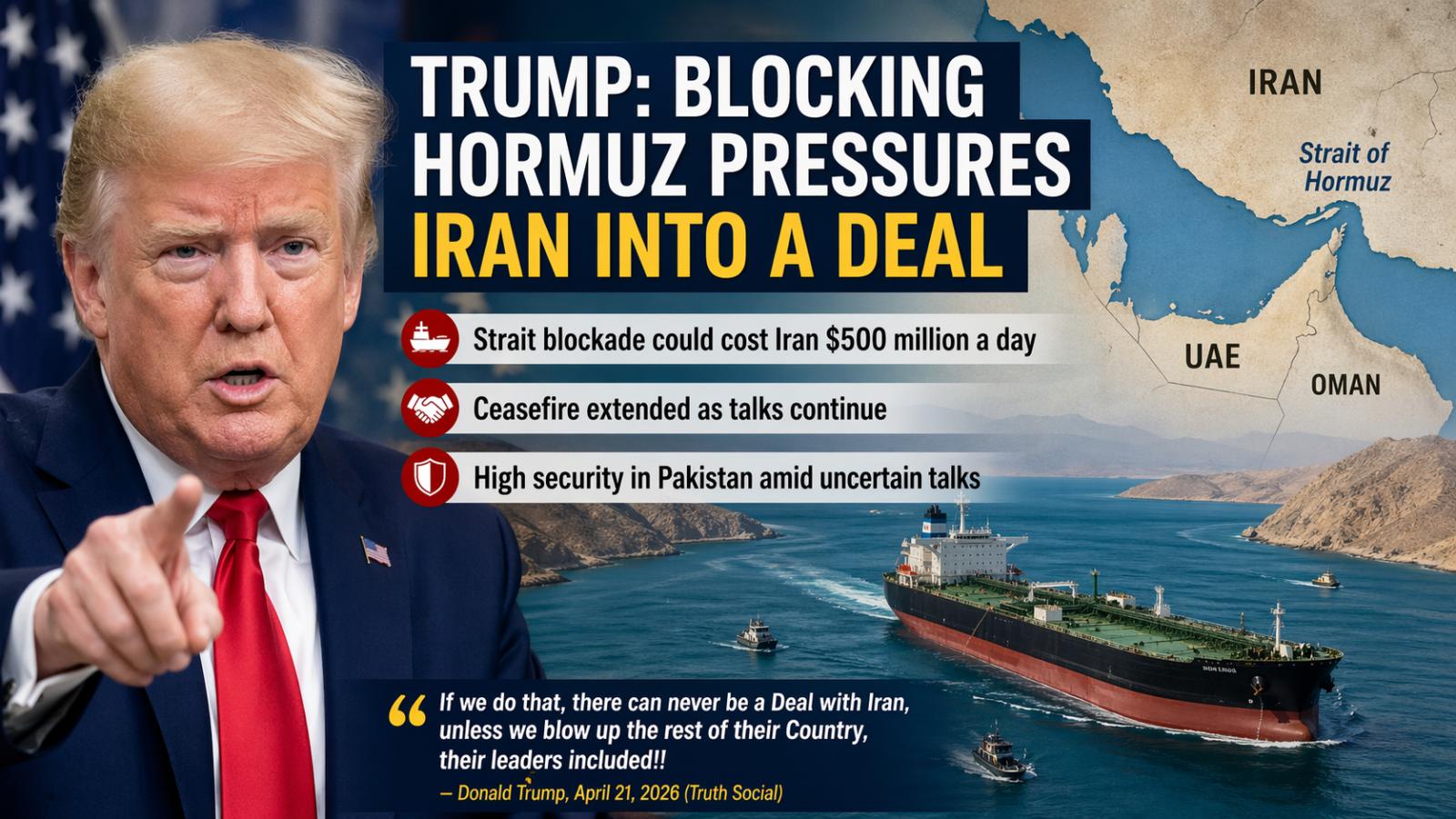
What is happening with Iran-US talks in Pakistan? Uncertainty remains despite security buildup
US President Donald Trump said on Tuesday, April 21, 2026, that Iran is seeking to reopen the Strait of Hormuz but argued that maintaining a blockade is key to forcing Tehran into a negotiated agreement. Writing on Truth Social, Trump claimed Iran could generate up to $500 million per day if the passage were reopened, adding that its closure has significantly constrained the country’s finances. Trump stated that he has “totally blocked” the strait and suggested Iranian officials are publicly calling for closure only to “save face.” He further warned that reopening the waterway prematurely would weaken US leverage in ongoing negotiations, reiterating aggressive rhetoric about potential military escalation if talks fail. He also described Iran as facing severe economic strain, claiming it is “collapsing financially.” Ceasefire extension linked to diplomatic efforts The remarks came as Trump confirmed an extension of a 10-day ceasefire with Iran, originally set to expire on Wednesday, April 22, 2026. He said the extension followed requests from Asim Munir and Shehbaz Sharif, with the goal of allowing more time for diplomatic engagement. While the US has not confirmed Iran’s participation in talks, Tehran’s envoy to the United Nations, Amir Saeid Iravani, indicated that lifting naval restrictions could create conditions for negotiations. However, the White House said Vice President JD Vance and the US delegation would not travel to Pakistan for discussions. Security tightens around Pakistan negotiations In Islamabad and nearby Rawalpindi, authorities deployed more than 20,000 security personnel amid uncertainty surrounding the talks. The heightened security underscores regional tensions as diplomatic channels remain unclear. Trump’s ongoing messaging and additional demands Trump has continued frequent postings on Iran, combining threats with appeals. He called for the release of eight women reportedly facing execution in Iran, framing it as a goodwill step ahead of potential negotiations. At the same time, he accused Iran of violating the ceasefire multiple times without providing details. In separate comments, Trump praised what he described as a prior US military operation targeting Iranian nuclear sites and repeated claims about Iran’s economic and strategic vulnerabilities.
What is happening with Iran-US talks in Pakistan? Uncertainty remains despite security buildup
US President Donald Trump said on Tuesday, April 21, 2026, that Iran is seeking to reopen the Strait of Hormuz but argued that maintaining a blockade is key to forcing Tehran into a negotiated agreement. Writing on Truth Social, Trump claimed Iran could generate up to $500 million per day if the passage were reopened, adding that its closure has significantly constrained the country’s finances. Trump stated that he has “totally blocked” the strait and suggested Iranian officials are publicly calling for closure only to “save face.” He further warned that reopening the waterway prematurely would weaken US leverage in ongoing negotiations, reiterating aggressive rhetoric about potential military escalation if talks fail. He also described Iran as facing severe economic strain, claiming it is “collapsing financially.” Ceasefire extension linked to diplomatic efforts The remarks came as Trump confirmed an extension of a 10-day ceasefire with Iran, originally set to expire on Wednesday, April 22, 2026. He said the extension followed requests from Asim Munir and Shehbaz Sharif, with the goal of allowing more time for diplomatic engagement. While the US has not confirmed Iran’s participation in talks, Tehran’s envoy to the United Nations, Amir Saeid Iravani, indicated that lifting naval restrictions could create conditions for negotiations. However, the White House said Vice President JD Vance and the US delegation would not travel to Pakistan for discussions. Security tightens around Pakistan negotiations In Islamabad and nearby Rawalpindi, authorities deployed more than 20,000 security personnel amid uncertainty surrounding the talks. The heightened security underscores regional tensions as diplomatic channels remain unclear. Trump’s ongoing messaging and additional demands Trump has continued frequent postings on Iran, combining threats with appeals. He called for the release of eight women reportedly facing execution in Iran, framing it as a goodwill step ahead of potential negotiations. At the same time, he accused Iran of violating the ceasefire multiple times without providing details. In separate comments, Trump praised what he described as a prior US military operation targeting Iranian nuclear sites and repeated claims about Iran’s economic and strategic vulnerabilities.
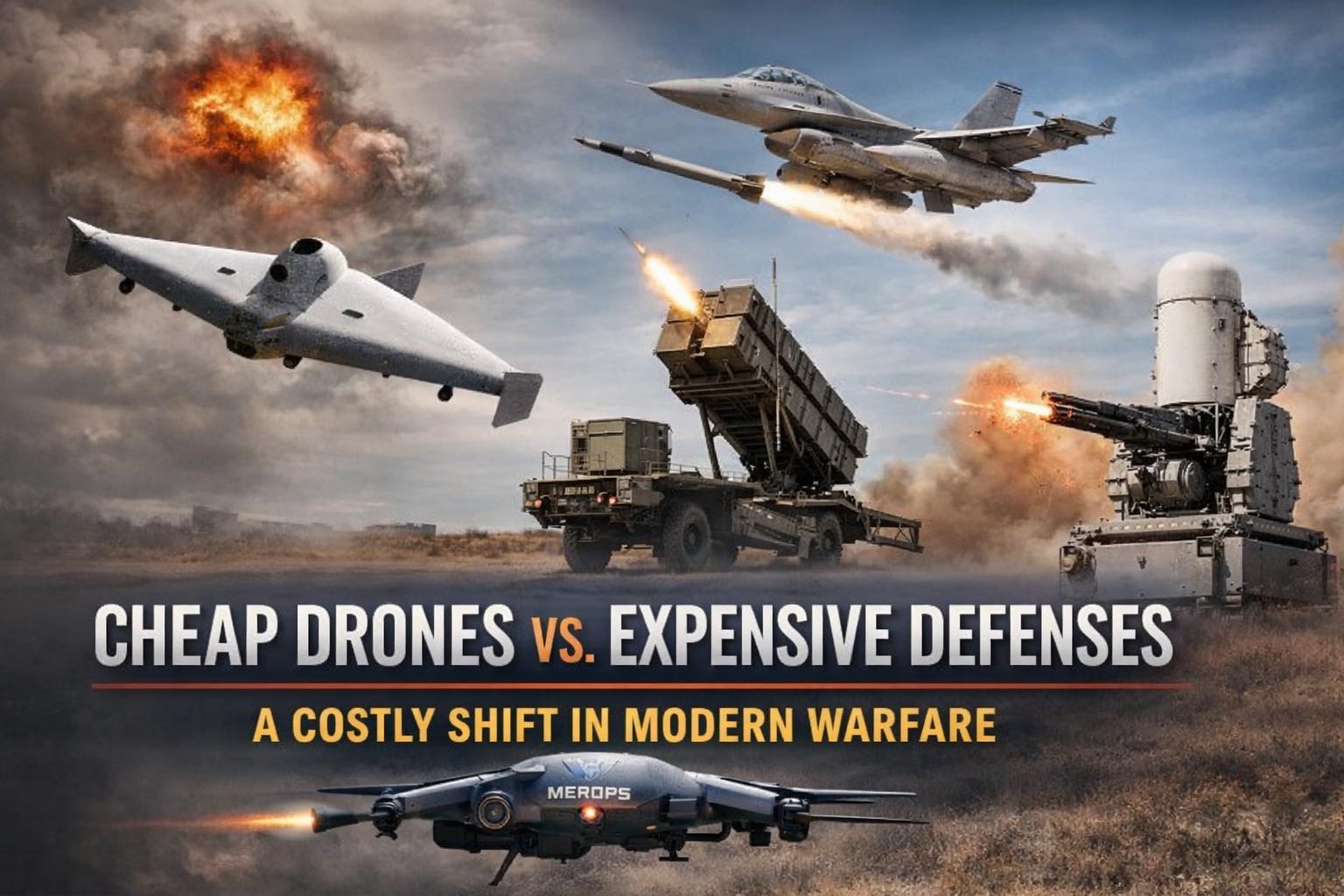
How Iran’s affordable drones are challenging America’s expensive interceptors
One of the most striking lessons from the war with Iran is how a relatively low-cost adversary has exposed vulnerabilities in U.S. defense strategy. Iran has demonstrated both a willingness to go on the offensive and an ability to leverage inexpensive drone technology at scale. These drones, often built with commercial-grade components, cost roughly $35,000 each—far less than the high-end interceptors used to destroy them. This imbalance has forced the United States and its allies to confront a new reality: modern warfare is no longer dominated solely by precision and sophistication, but also by affordability and volume. Cheap drones had already reshaped the battlefield in Ukraine, and Iran has now applied similar tactics in the Middle East, exploiting a long-standing gap in U.S. defense investments that favored fewer, more expensive systems over scalable solutions. Why are U.S. defenses struggling with cost efficiency? Because interceptors far exceed drone prices The financial mismatch is stark. In just the first six days of the conflict, the U.S. spent $11.3 billion, with estimates later rising to between $25 billion and $35 billion. A significant portion of that cost comes from interceptor missiles used to shoot down relatively inexpensive drones. Despite years of Pentagon focus on counter-drone capabilities, experts like Michael C. Horowitz note that there has been little urgency to scale affordable solutions. The result is a defense strategy where each engagement can cost far more than the threat itself—an unsustainable model in prolonged conflicts. How do air-based defenses work against drones? By using early detection and precision strikes—when available In an ideal scenario, airborne early warning systems detect drones hundreds of miles away. Fighter jets such as the F-16 Fighting Falcon are then deployed to intercept them using relatively cheaper rocket systems like APKWS II. This method is among the most cost-efficient, but it depends heavily on maintaining constant air patrols and intact detection systems. Iran has targeted these early warning assets, limiting their effectiveness and reducing the availability of this optimal defense approach. What role do ground and naval systems play? They offer range and reliability but at a steep price When air defenses are unavailable, the U.S. relies on ground- and sea-based systems. These include: Short-range systems like the Coyote, designed specifically for drones and relatively cost-effective—but in short supply. Naval destroyers using radar and SM-2 interceptors, which are powerful but expensive and designed for larger threats. The Patriot missile system, capable of intercepting drones from long distances using costly PAC-3 missiles. These systems were originally built to counter high-end threats like ballistic missiles, not swarms of cheap drones. As a result, they are often overkill—both technologically and financially—for the task at hand. Still, their use can be justified when defending high-value assets, such as billion-dollar radar installations or critical military infrastructure. What are the emerging solutions to counter drones? AI interceptors and lasers show promise but remain unproven New approaches aim to fix the cost imbalance. AI-powered interceptor drones, such as the Merops system developed by a company founded by Eric Schmidt, represent a potential shift toward cheaper, scalable defenses. These systems have been tested in collaboration with Ukrainian forces experienced in countering Iranian drones. The U.S. has already sent thousands of these units to the Middle East and begun training troops, though it remains unclear whether they have been deployed in combat. Meanwhile, the Pentagon has invested heavily in directed energy weapons—lasers that could cost as little as $3 per shot and reach targets up to 12 miles away. However, these systems have yet to be fielded in real-world combat. Why is ammunition depletion a growing concern? Because stockpiles may run out faster than they can be replaced Beyond cost, a more immediate concern is supply. Experts warn that interceptor stockpiles are being depleted at an alarming rate. As Tom Karako explains, the issue is not just affordability but availability: the U.S. risks running out of munitions before it can replenish them. This highlights a deeper strategic challenge. Modern conflicts—defined by mass-produced, low-cost threats—require not just advanced technology, but also sustainable production and scalable defense systems.
How Iran’s affordable drones are challenging America’s expensive interceptors
One of the most striking lessons from the war with Iran is how a relatively low-cost adversary has exposed vulnerabilities in U.S. defense strategy. Iran has demonstrated both a willingness to go on the offensive and an ability to leverage inexpensive drone technology at scale. These drones, often built with commercial-grade components, cost roughly $35,000 each—far less than the high-end interceptors used to destroy them. This imbalance has forced the United States and its allies to confront a new reality: modern warfare is no longer dominated solely by precision and sophistication, but also by affordability and volume. Cheap drones had already reshaped the battlefield in Ukraine, and Iran has now applied similar tactics in the Middle East, exploiting a long-standing gap in U.S. defense investments that favored fewer, more expensive systems over scalable solutions. Why are U.S. defenses struggling with cost efficiency? Because interceptors far exceed drone prices The financial mismatch is stark. In just the first six days of the conflict, the U.S. spent $11.3 billion, with estimates later rising to between $25 billion and $35 billion. A significant portion of that cost comes from interceptor missiles used to shoot down relatively inexpensive drones. Despite years of Pentagon focus on counter-drone capabilities, experts like Michael C. Horowitz note that there has been little urgency to scale affordable solutions. The result is a defense strategy where each engagement can cost far more than the threat itself—an unsustainable model in prolonged conflicts. How do air-based defenses work against drones? By using early detection and precision strikes—when available In an ideal scenario, airborne early warning systems detect drones hundreds of miles away. Fighter jets such as the F-16 Fighting Falcon are then deployed to intercept them using relatively cheaper rocket systems like APKWS II. This method is among the most cost-efficient, but it depends heavily on maintaining constant air patrols and intact detection systems. Iran has targeted these early warning assets, limiting their effectiveness and reducing the availability of this optimal defense approach. What role do ground and naval systems play? They offer range and reliability but at a steep price When air defenses are unavailable, the U.S. relies on ground- and sea-based systems. These include: Short-range systems like the Coyote, designed specifically for drones and relatively cost-effective—but in short supply. Naval destroyers using radar and SM-2 interceptors, which are powerful but expensive and designed for larger threats. The Patriot missile system, capable of intercepting drones from long distances using costly PAC-3 missiles. These systems were originally built to counter high-end threats like ballistic missiles, not swarms of cheap drones. As a result, they are often overkill—both technologically and financially—for the task at hand. Still, their use can be justified when defending high-value assets, such as billion-dollar radar installations or critical military infrastructure. What are the emerging solutions to counter drones? AI interceptors and lasers show promise but remain unproven New approaches aim to fix the cost imbalance. AI-powered interceptor drones, such as the Merops system developed by a company founded by Eric Schmidt, represent a potential shift toward cheaper, scalable defenses. These systems have been tested in collaboration with Ukrainian forces experienced in countering Iranian drones. The U.S. has already sent thousands of these units to the Middle East and begun training troops, though it remains unclear whether they have been deployed in combat. Meanwhile, the Pentagon has invested heavily in directed energy weapons—lasers that could cost as little as $3 per shot and reach targets up to 12 miles away. However, these systems have yet to be fielded in real-world combat. Why is ammunition depletion a growing concern? Because stockpiles may run out faster than they can be replaced Beyond cost, a more immediate concern is supply. Experts warn that interceptor stockpiles are being depleted at an alarming rate. As Tom Karako explains, the issue is not just affordability but availability: the U.S. risks running out of munitions before it can replenish them. This highlights a deeper strategic challenge. Modern conflicts—defined by mass-produced, low-cost threats—require not just advanced technology, but also sustainable production and scalable defense systems.

Akshaya Tritiya 2026: Date, Muhurat And Best Time To Buy Gold
Akshaya Tritiya 2026 will be celebrated on April 19 (Sunday) and is considered one of the most auspicious days in the Hindu calendar. The word “Akshaya” means “never diminishing,” symbolizing eternal prosperity, success, and good fortune. Unlike other festivals, this day is believed to be self-auspicious, meaning there is no need to find a separate muhurat to begin new activities. Any good deed, purchase, or investment made on this day is believed to grow and bring long-term benefits.
Akshaya Tritiya 2026: Date, Muhurat And Best Time To Buy Gold
Akshaya Tritiya 2026 will be celebrated on April 19 (Sunday) and is considered one of the most auspicious days in the Hindu calendar. The word “Akshaya” means “never diminishing,” symbolizing eternal prosperity, success, and good fortune. Unlike other festivals, this day is believed to be self-auspicious, meaning there is no need to find a separate muhurat to begin new activities. Any good deed, purchase, or investment made on this day is believed to grow and bring long-term benefits.

CDC warns of rising extensively drug-resistant shigella cases in US
WASHINGTON — Health officials are warning of a rising number of extensively drug-resistant shigella infections in the United States, describing the trend as a growing public health threat linked to increasing antibiotic resistance. In a report released on Wednesday, April 9, 2026, federal health authorities said drug-resistant cases of shigella have steadily increased over the past decade. According to surveillance data, such cases accounted for 0% of reported infections between 201
CDC warns of rising extensively drug-resistant shigella cases in US
WASHINGTON — Health officials are warning of a rising number of extensively drug-resistant shigella infections in the United States, describing the trend as a growing public health threat linked to increasing antibiotic resistance. In a report released on Wednesday, April 9, 2026, federal health authorities said drug-resistant cases of shigella have steadily increased over the past decade. According to surveillance data, such cases accounted for 0% of reported infections between 201
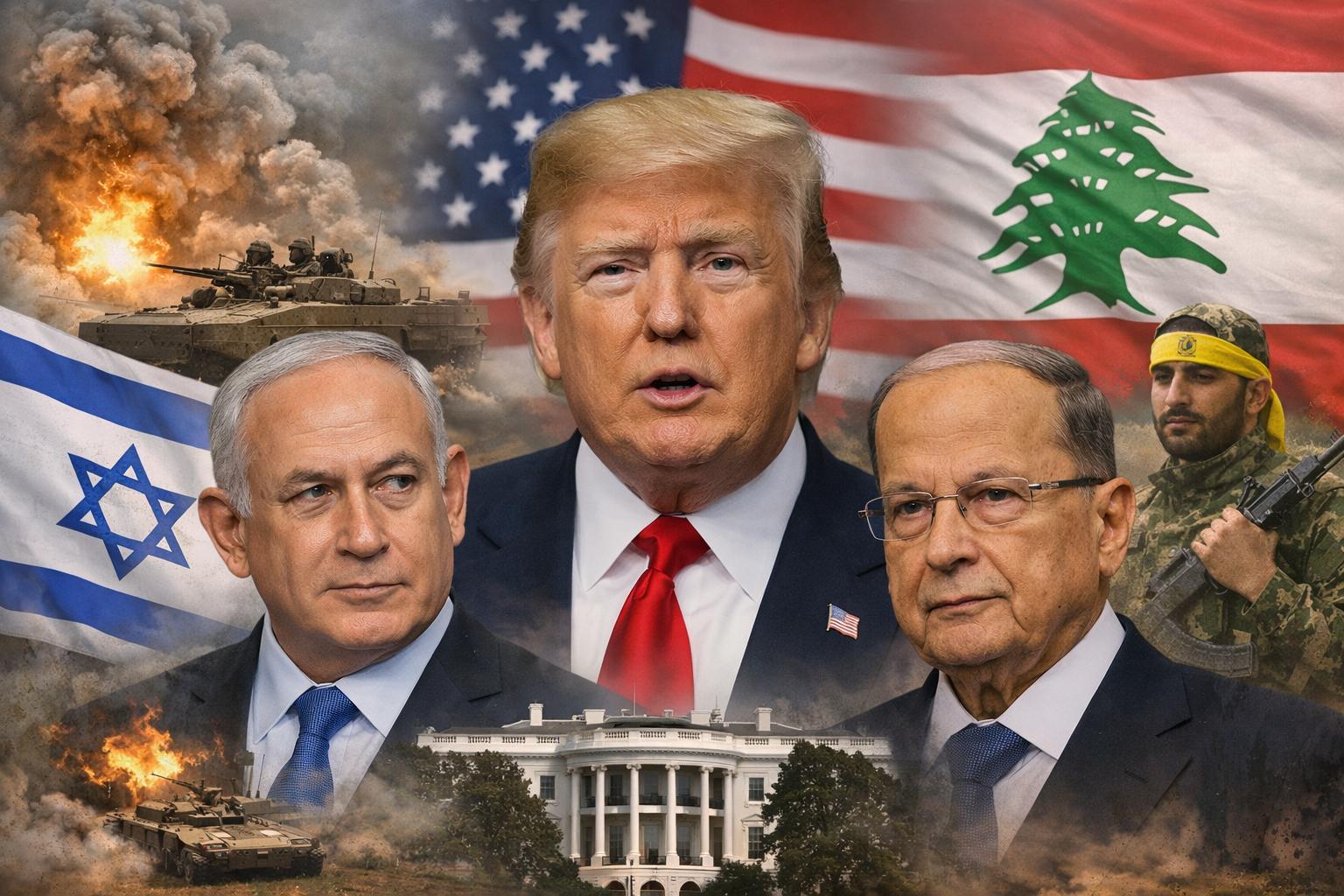
Trump announces 10-day Israel-Lebanon ceasefire after diplomatic talks
U.S. President Donald Trump announced a 10-day pause in fighting between Israel and Lebanon set to begin at 5:00 PM ET on Thursday, April 16, 2026, following what he described as “excellent” conversations with the leaders of both nations. The announcement comes amid escalating violence tied to Israel’s ongoing conflict with the Iran-backed Hezbollah militant group operating in Lebanon.
Trump announces 10-day Israel-Lebanon ceasefire after diplomatic talks
U.S. President Donald Trump announced a 10-day pause in fighting between Israel and Lebanon set to begin at 5:00 PM ET on Thursday, April 16, 2026, following what he described as “excellent” conversations with the leaders of both nations. The announcement comes amid escalating violence tied to Israel’s ongoing conflict with the Iran-backed Hezbollah militant group operating in Lebanon.
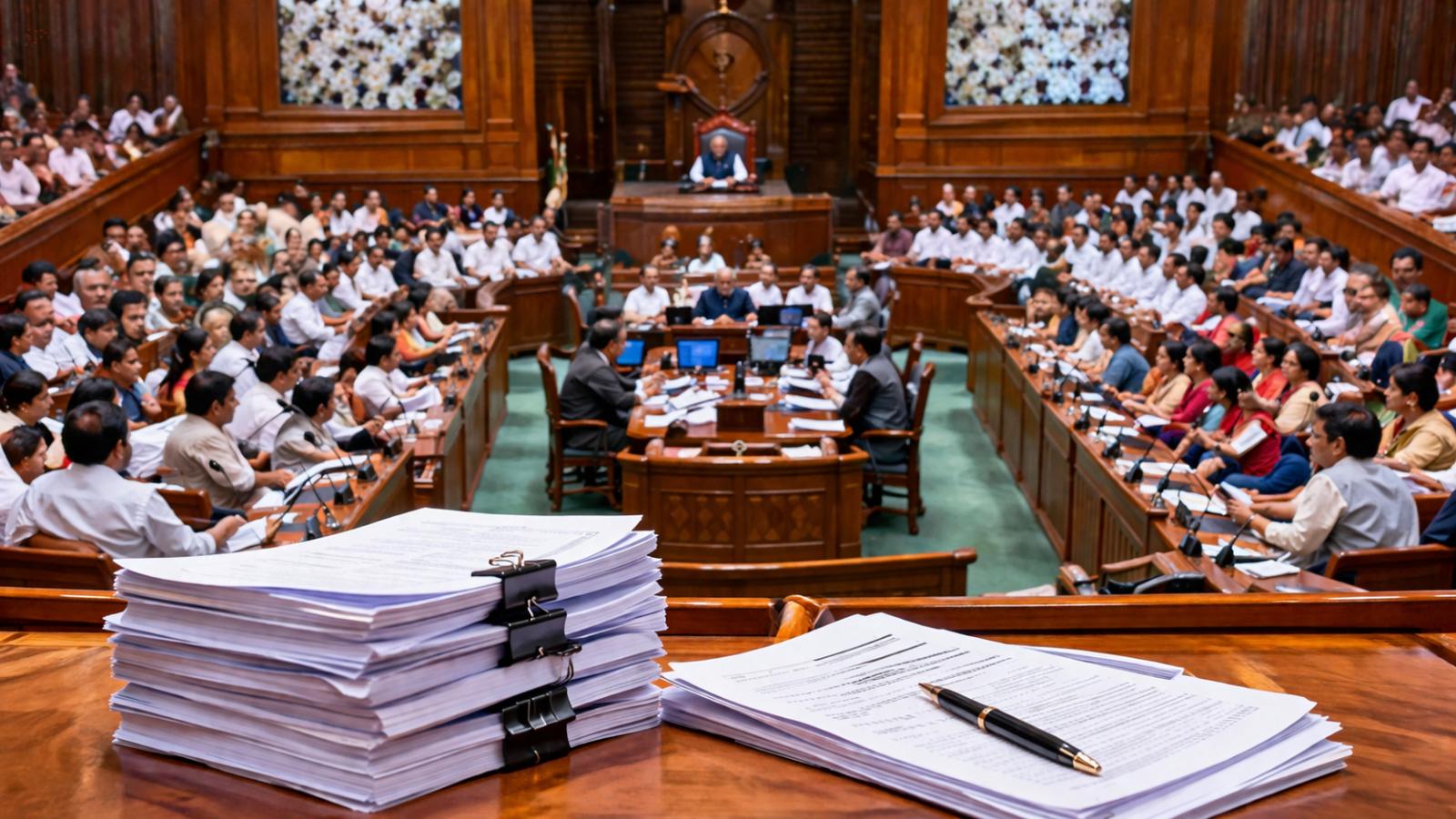
Women's Quota and Delimitation: Decoding Three Bills Set to Trigger Parliament Face-Off
India's Parliament is set to witness a fierce debate over three proposed bills that could significantly alter the country's electoral system, especially the reservation for women. While the government argues these bills are crucial for ensuring a 33% reservation for women, the opposition and legal experts have raised serious concerns about the political and constitutional implications. The first bill, the Constitutional Amendment Bill, proposes an increase in Lok Sabha seats to 850,
Women's Quota and Delimitation: Decoding Three Bills Set to Trigger Parliament Face-Off
India's Parliament is set to witness a fierce debate over three proposed bills that could significantly alter the country's electoral system, especially the reservation for women. While the government argues these bills are crucial for ensuring a 33% reservation for women, the opposition and legal experts have raised serious concerns about the political and constitutional implications. The first bill, the Constitutional Amendment Bill, proposes an increase in Lok Sabha seats to 850,
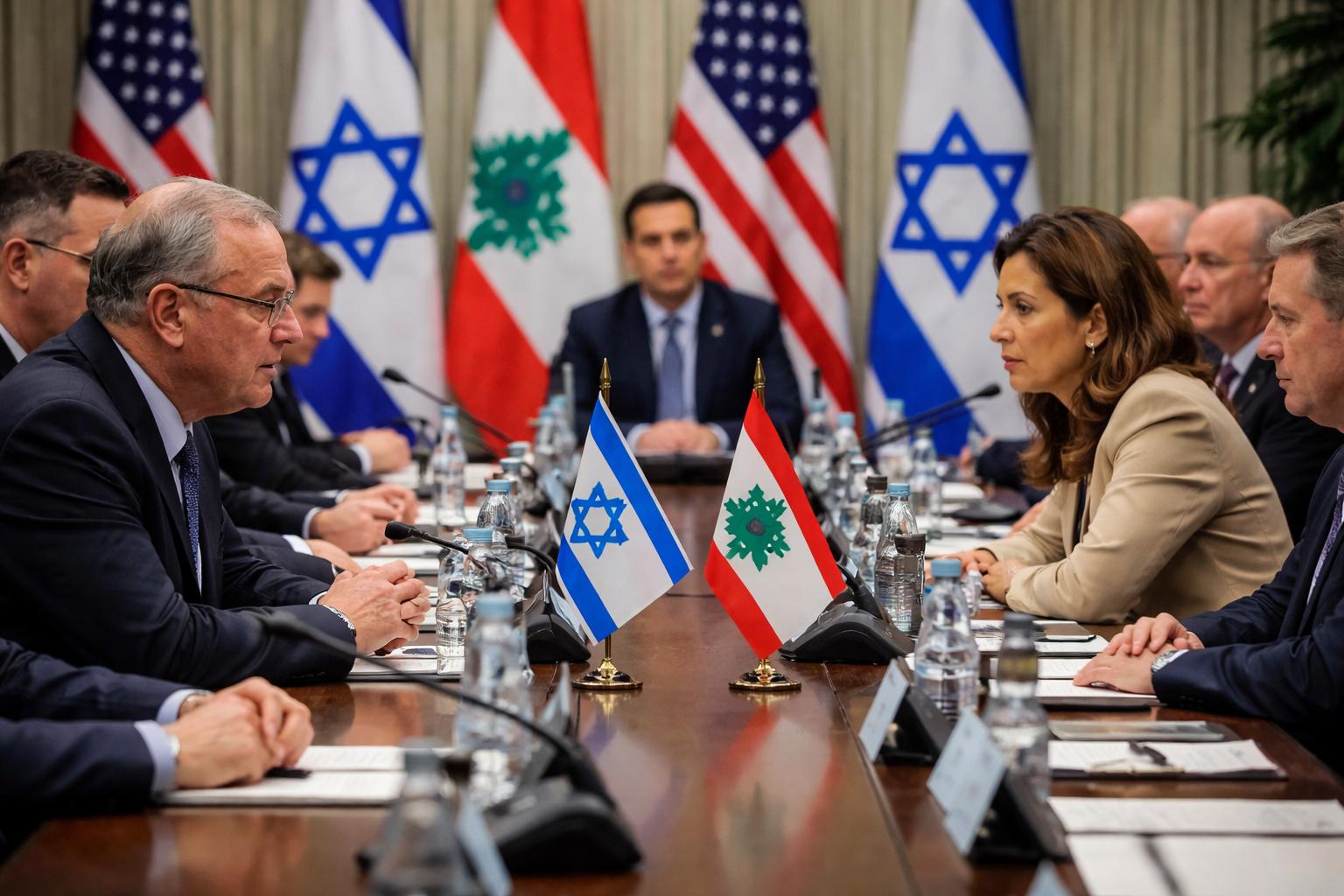
Israel and Lebanon hold rare talks in Washington amid Hezbollah conflict
Israeli and Lebanese officials held more than two hours of direct talks in Washington, D.C., on Tuesday, April 14, 2026, marking the first such high-level engagement between the two countries in decades as fighting between Israel and the Iran-backed Hezbollah group continues to escalate. The meeting, hosted by U.S. Secretary of State Marco Rubio, comes amid a fragile regional environment shaped by ongoing hostilities in Lebanon and broader tensions involving Iran. Rubio described the talks as a long-term diplomatic effort rather than an immediate solution, emphasizing that deeply rooted issues between the two sides would take time to resolve. Israeli Ambassador Yechiel Leiter said the discussions reflect a shared objective of reducing Hezbollah’s influence in Lebanon, which Israel views as an extension of Iranian power in the region. Lebanese Ambassador Nada Hamadeh Moawad participated in the talks, though public comments from the Lebanese side remained limited immediately afterward. The talks are notable given that Israel and Lebanon do not maintain formal diplomatic relations and have been technically at war for decades. Despite this, U.S. officials have pushed for dialogue as part of a broader effort to stabilize the region and prevent further escalation tied to the ongoing conflict with Iran and its allies. The diplomatic engagement comes as Israeli military operations continue across southern Lebanon. The conflict intensified after Hezbollah launched rocket attacks on northern Israel on Sunday, March 2, 2026, prompting a large-scale Israeli response that has included airstrikes and ground operations. Hezbollah, which is not part of the negotiations and opposes direct talks with Israel, has continued its military activities during the diplomatic effort. The group’s rejection of the talks highlights internal divisions within Lebanon, where the government has limited control over Hezbollah’s armed wing. Beyond the immediate conflict, the situation has broader global implications. Tensions surrounding Iran, including disputes over its nuclear program and control of the Strait of Hormuz, have raised concerns about disruptions to global energy supplies. Analysts warn that instability in the region could affect oil markets and contribute to economic uncertainty worldwide. While no immediate breakthroughs are expected, officials describe the Washington meeting as a significant first step toward potential de-escalation, even as violence on the ground and political divisions continue to complicate the path forward.
Israel and Lebanon hold rare talks in Washington amid Hezbollah conflict
Israeli and Lebanese officials held more than two hours of direct talks in Washington, D.C., on Tuesday, April 14, 2026, marking the first such high-level engagement between the two countries in decades as fighting between Israel and the Iran-backed Hezbollah group continues to escalate. The meeting, hosted by U.S. Secretary of State Marco Rubio, comes amid a fragile regional environment shaped by ongoing hostilities in Lebanon and broader tensions involving Iran. Rubio described the talks as a long-term diplomatic effort rather than an immediate solution, emphasizing that deeply rooted issues between the two sides would take time to resolve. Israeli Ambassador Yechiel Leiter said the discussions reflect a shared objective of reducing Hezbollah’s influence in Lebanon, which Israel views as an extension of Iranian power in the region. Lebanese Ambassador Nada Hamadeh Moawad participated in the talks, though public comments from the Lebanese side remained limited immediately afterward. The talks are notable given that Israel and Lebanon do not maintain formal diplomatic relations and have been technically at war for decades. Despite this, U.S. officials have pushed for dialogue as part of a broader effort to stabilize the region and prevent further escalation tied to the ongoing conflict with Iran and its allies. The diplomatic engagement comes as Israeli military operations continue across southern Lebanon. The conflict intensified after Hezbollah launched rocket attacks on northern Israel on Sunday, March 2, 2026, prompting a large-scale Israeli response that has included airstrikes and ground operations. Hezbollah, which is not part of the negotiations and opposes direct talks with Israel, has continued its military activities during the diplomatic effort. The group’s rejection of the talks highlights internal divisions within Lebanon, where the government has limited control over Hezbollah’s armed wing. Beyond the immediate conflict, the situation has broader global implications. Tensions surrounding Iran, including disputes over its nuclear program and control of the Strait of Hormuz, have raised concerns about disruptions to global energy supplies. Analysts warn that instability in the region could affect oil markets and contribute to economic uncertainty worldwide. While no immediate breakthroughs are expected, officials describe the Washington meeting as a significant first step toward potential de-escalation, even as violence on the ground and political divisions continue to complicate the path forward.

Center for U.S. Voters Abroad explains how to vote from overseas
A public awareness video https://youtu.be/18eaE8iyz3I?si=pBn0YSQLI8d7TtuE highlights how United States citizens living or traveling abroad can participate in national elections by requesting and submitting absentee ballots. The initiative, led by the Center for U.S. Voters Abroad Turnout Project, emphasizes that Americans overseas remain eligible voters regardless of their location. The video explains that Ame
Center for U.S. Voters Abroad explains how to vote from overseas
A public awareness video https://youtu.be/18eaE8iyz3I?si=pBn0YSQLI8d7TtuE highlights how United States citizens living or traveling abroad can participate in national elections by requesting and submitting absentee ballots. The initiative, led by the Center for U.S. Voters Abroad Turnout Project, emphasizes that Americans overseas remain eligible voters regardless of their location. The video explains that Ame
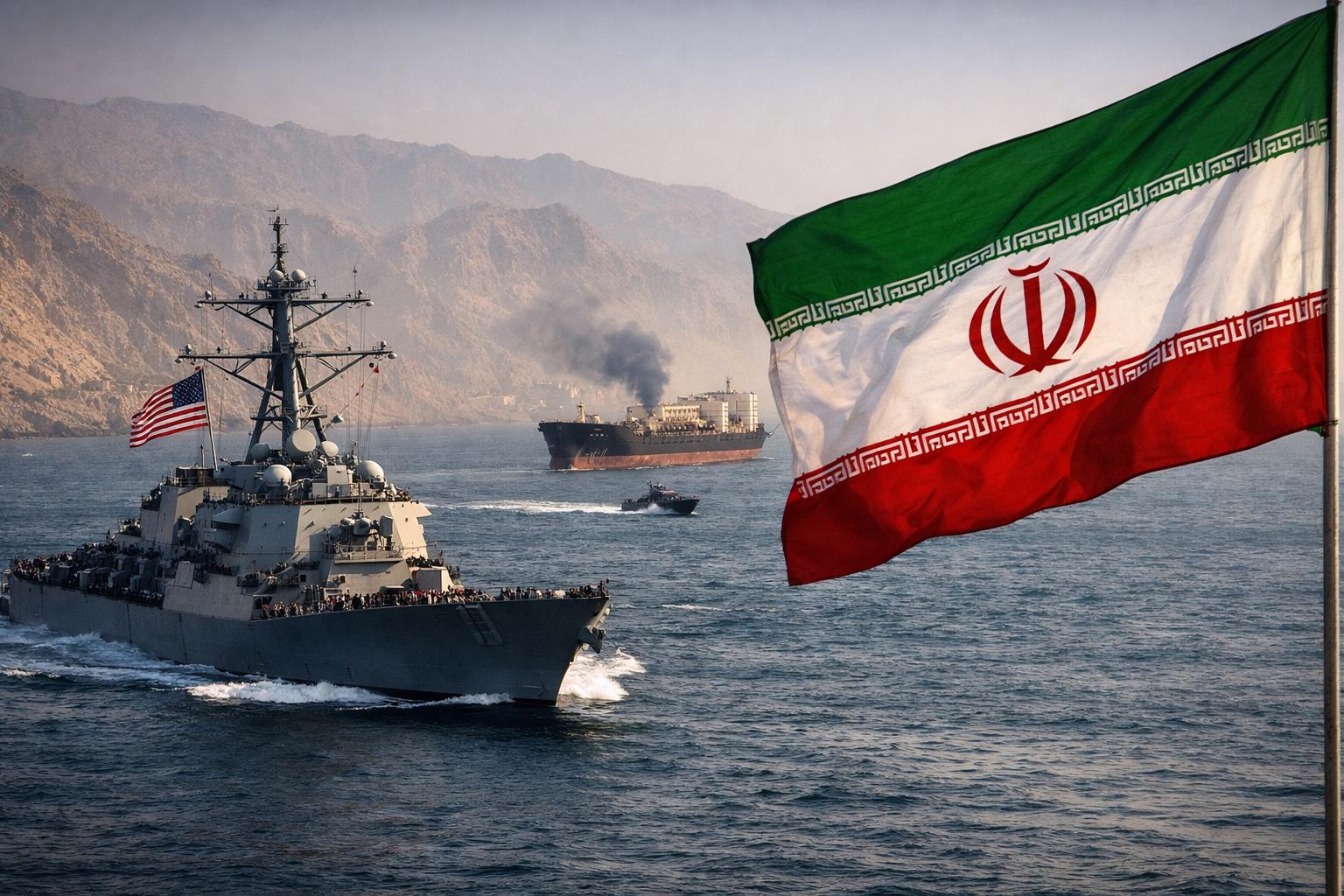
US escalates pressure on Iran with Strait of Hormuz blockade
The United States has initiated a naval blockade of Iranian ports, significantly escalating tensions in the Middle East following the collapse of recent diplomatic efforts. The move came into effect at 2:00 PM GMT on Monday, April 14, 2026, according to US military officials, after weekend negotiations with Iran concluded without a breakthrough. The blockade applies to all Iranian ports along the Persian Gulf, restricting maritime access and placing additional pressure on Tehran am
US escalates pressure on Iran with Strait of Hormuz blockade
The United States has initiated a naval blockade of Iranian ports, significantly escalating tensions in the Middle East following the collapse of recent diplomatic efforts. The move came into effect at 2:00 PM GMT on Monday, April 14, 2026, according to US military officials, after weekend negotiations with Iran concluded without a breakthrough. The blockade applies to all Iranian ports along the Persian Gulf, restricting maritime access and placing additional pressure on Tehran am

Vatican responds after Trump criticizes Pope Leo ahead of Africa visit
Washington, April 13 — The Vatican issued a measured but firm response Monday after criticism from the US president targeting Pope Leo XIV, just days before the pontiff is set to embark on a high-profile visit to Africa. The remarks followed statements by the US president on April 12, in which he questioned the Pope’s stance on issues including global economic equity and migration, and criticized his broader approach to international affairs. The comments come as the Vatican prepa
Vatican responds after Trump criticizes Pope Leo ahead of Africa visit
Washington, April 13 — The Vatican issued a measured but firm response Monday after criticism from the US president targeting Pope Leo XIV, just days before the pontiff is set to embark on a high-profile visit to Africa. The remarks followed statements by the US president on April 12, in which he questioned the Pope’s stance on issues including global economic equity and migration, and criticized his broader approach to international affairs. The comments come as the Vatican prepa
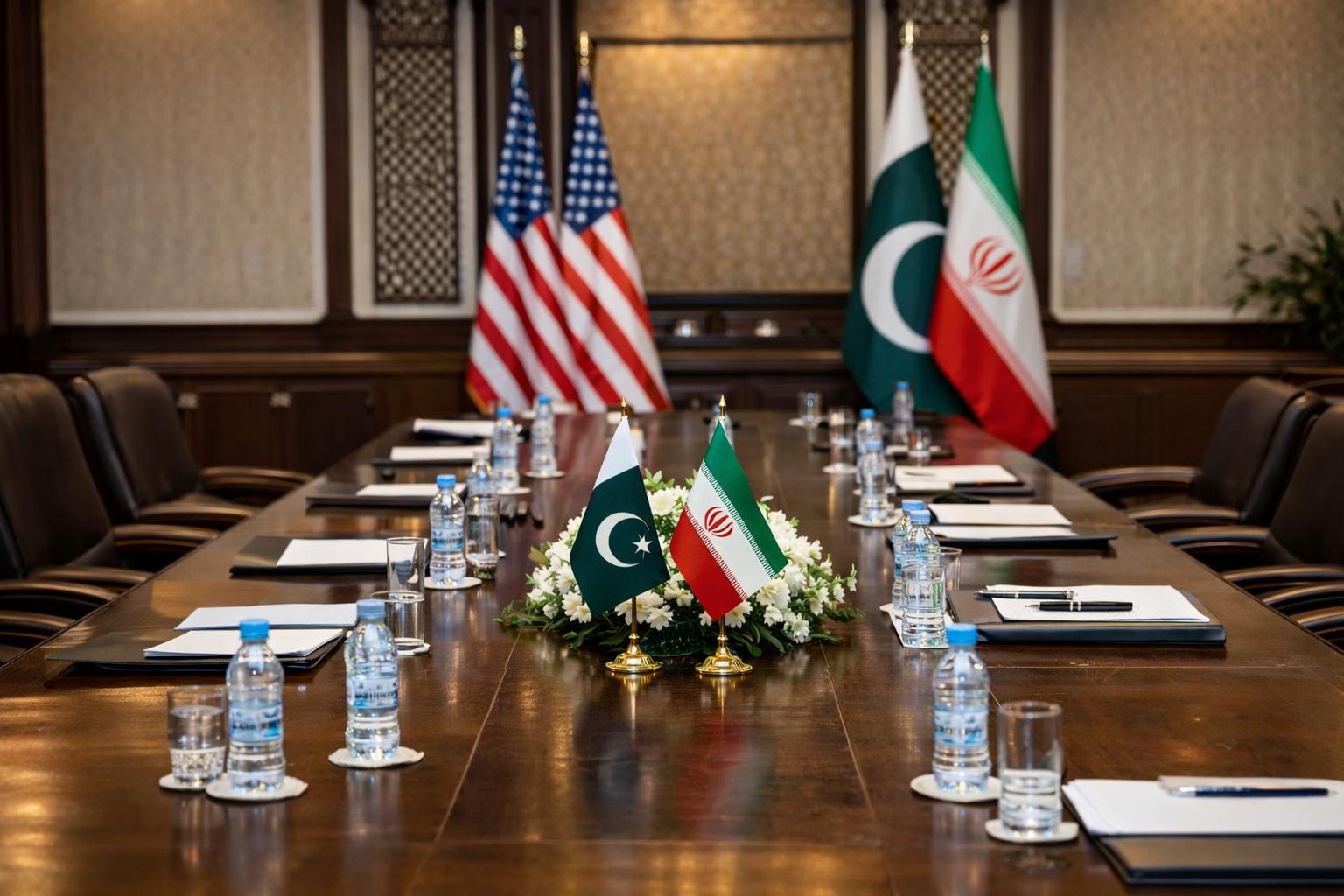
Ceasefire talks start as Iran seeks assets release and Lebanon inclusion
Ceasefire negotiations between the United States and Iran formally began on Saturday, April 11, 2026, in Islamabad, Pakistan, marking a major diplomatic effort to stabilize escalating tensions in the Middle East. The talks represent the first direct high-level engagement between the two nations in years and are being closely watched for signs of progress toward a broader peace framework. The United States delegation is led by Vice President
Ceasefire talks start as Iran seeks assets release and Lebanon inclusion
Ceasefire negotiations between the United States and Iran formally began on Saturday, April 11, 2026, in Islamabad, Pakistan, marking a major diplomatic effort to stabilize escalating tensions in the Middle East. The talks represent the first direct high-level engagement between the two nations in years and are being closely watched for signs of progress toward a broader peace framework. The United States delegation is led by Vice President
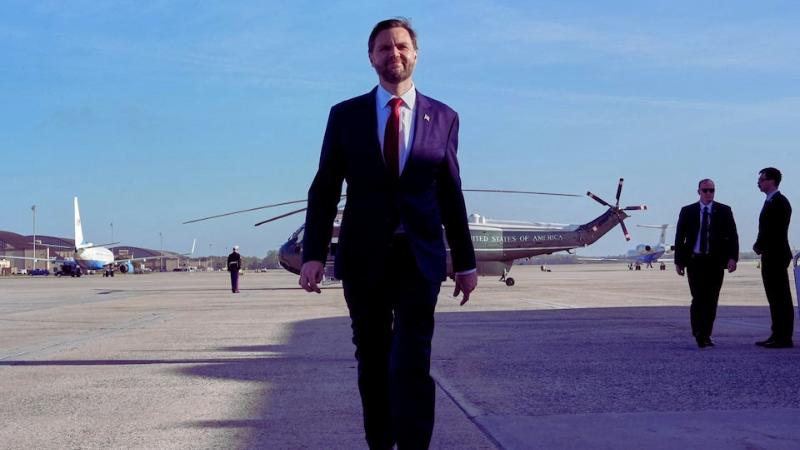
US Delegation Led by JD Vance Arrives in Islamabad for Critical Iran Ceasefire Talks
Vice President JD Vance has arrived in Islamabad with a US delegation to engage in critical ceasefire talks with Iran. The high-level discussions, described as "make-or-break," are aimed at negotiating a ceasefire agreement to ease tensions in the region. The outcome of these talks could significantly impact the broader US-Iran relations and regional stability.
US Delegation Led by JD Vance Arrives in Islamabad for Critical Iran Ceasefire Talks
Vice President JD Vance has arrived in Islamabad with a US delegation to engage in critical ceasefire talks with Iran. The high-level discussions, described as "make-or-break," are aimed at negotiating a ceasefire agreement to ease tensions in the region. The outcome of these talks could significantly impact the broader US-Iran relations and regional stability.










