Trump Defends Pakistan's Role in Iran Talks
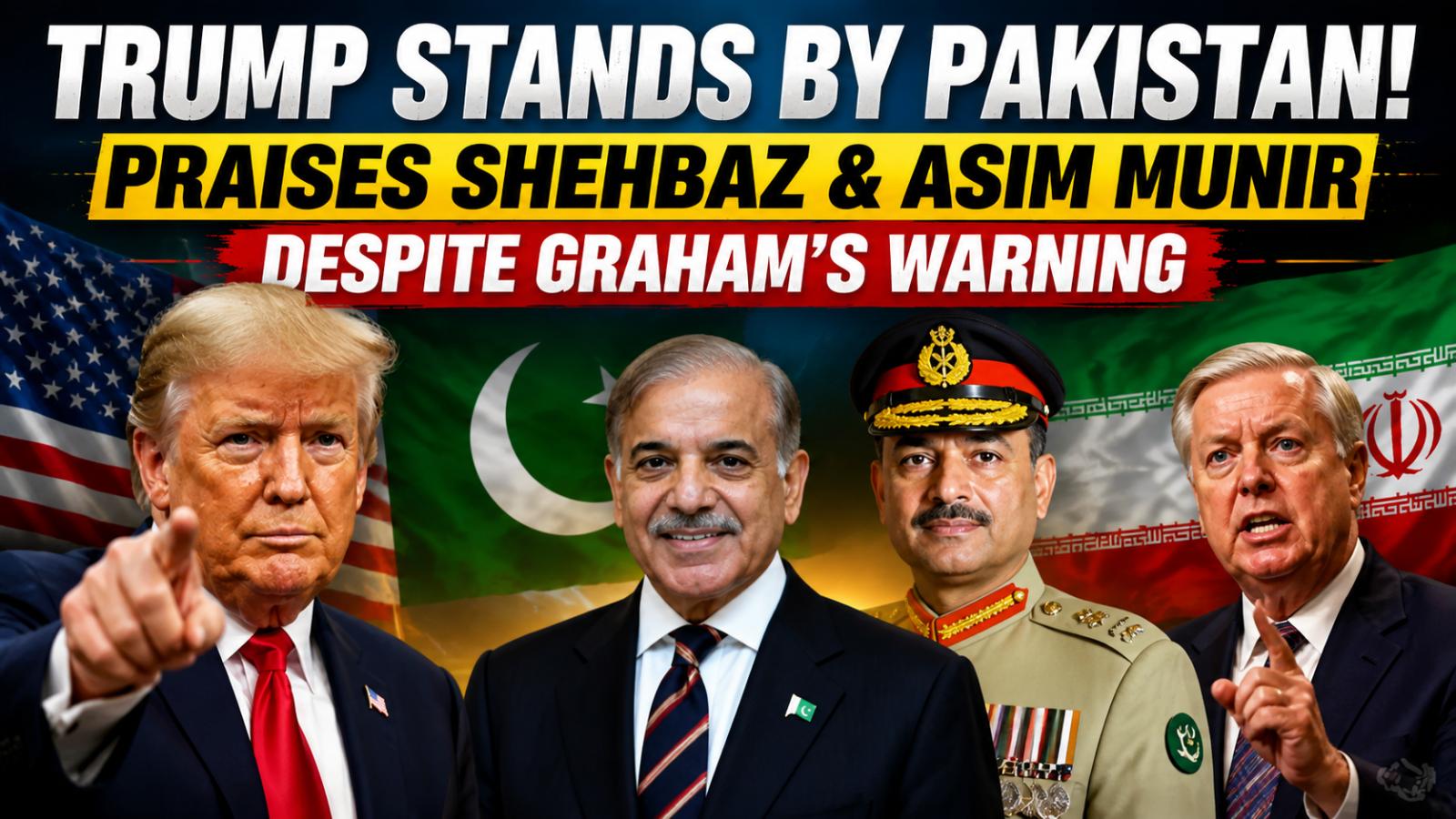
President Donald Trump reaffirmed his trust in Pakistan’s role as a mediator in the ongoing talks with Iran, dismissing concerns raised by Senator Lindsey Graham. Trump praised Prime Minister Shehbaz Sharif and Pakistan's Army Chief, General Asim Munir, calling them “absolutely great” for their efforts in facilitating diplomatic discussions between the United States and Iran. His comments came on Ma
Trump Defends Pakistan's Role in Iran Talks
President Donald Trump reaffirmed his trust in Pakistan’s role as a mediator in the ongoing talks with Iran, dismissing concerns raised by Senator Lindsey Graham. Trump praised Prime Minister Shehbaz Sharif and Pakistan's Army Chief, General Asim Munir, calling them “absolutely great” for their efforts in facilitating diplomatic discussions between the United States and Iran. His comments came on Ma
US President Donald Trump on May 10th,Sunday sharply rejected Iran’s latest proposal aimed at ending the conflict between the two countries, calling the response “totally unacceptable” and raising concerns about renewed military tensions in the Middle East. Trump made the remarks on his Truth Social platform shortly after Tehran submitted its counterproposal to Washington’s recent peace terms.
Although Trump did not disclose details of Iran’s response, he accused Tehran of
US President Donald Trump on May 10th,Sunday sharply rejected Iran’s latest proposal aimed at ending the conflict between the two countries, calling the response “totally unacceptable” and raising concerns about renewed military tensions in the Middle East. Trump made the remarks on his Truth Social platform shortly after Tehran submitted its counterproposal to Washington’s recent peace terms.
Although Trump did not disclose details of Iran’s response, he accused Tehran of
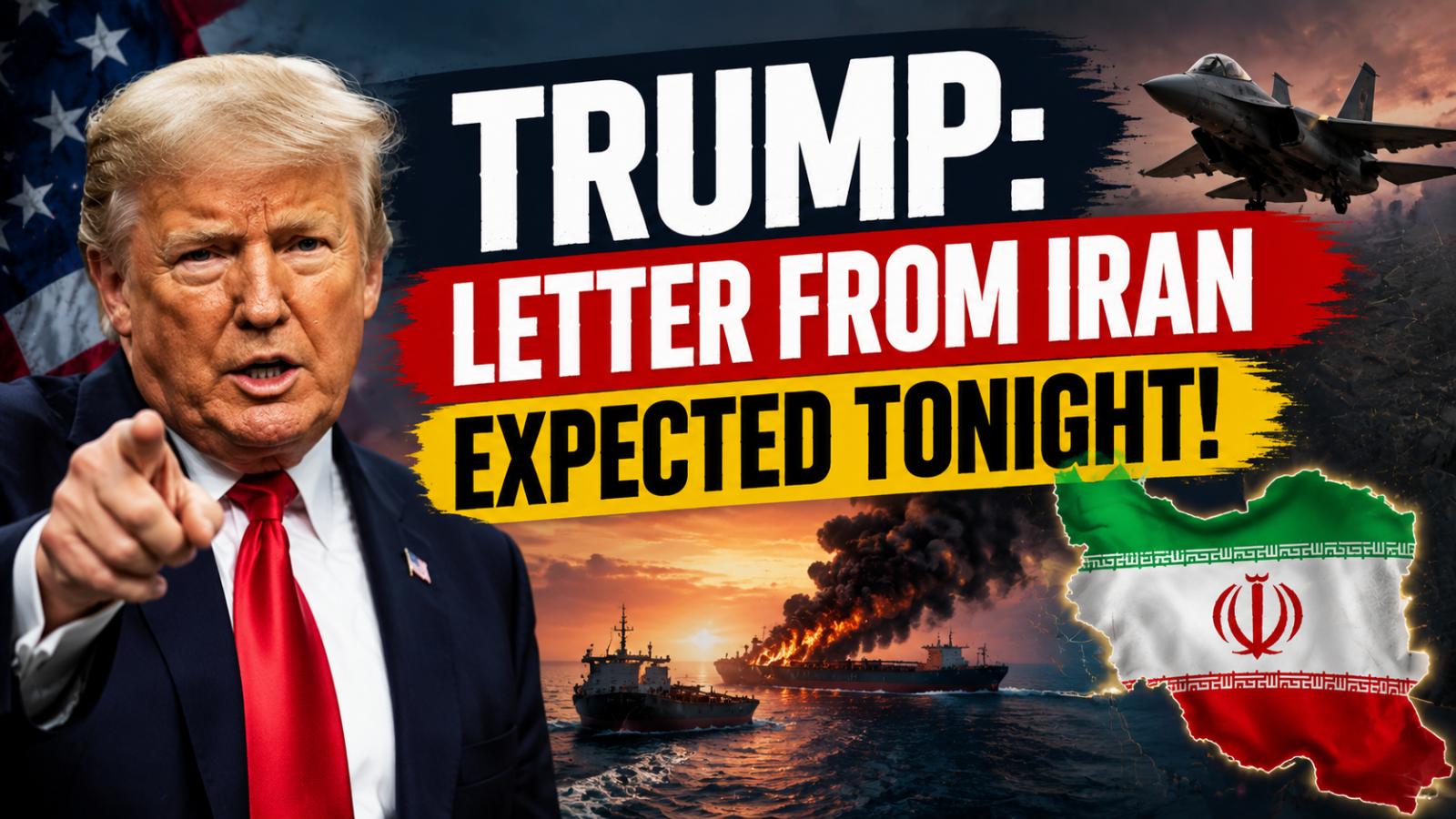
On May 8, U.S. President Donald Trump told reporters that he was expecting a letter from Iran later that night regarding his latest peace proposal. The announcement came amid a tense Friday in the Middle East, where a U.S. fighter jet disabled two Iranian-flagged vessels in the Gulf of Oman. The U.S. Central Command confirmed that the fighter jet, a U.S. Navy F/A-18 Super Hornet, used precision munitions to disable the vessels, preventing them from advancing toward Iran. The Gulf of Oman is a
On May 8, U.S. President Donald Trump told reporters that he was expecting a letter from Iran later that night regarding his latest peace proposal. The announcement came amid a tense Friday in the Middle East, where a U.S. fighter jet disabled two Iranian-flagged vessels in the Gulf of Oman. The U.S. Central Command confirmed that the fighter jet, a U.S. Navy F/A-18 Super Hornet, used precision munitions to disable the vessels, preventing them from advancing toward Iran. The Gulf of Oman is a
US President Donald Trump warned Iran on April 28, 2026, at around 10:00 AM EST to act quickly as nuclear deal negotiations between Washington and Tehran remain stalled. The statement highlights rising US-Iran tensions, ongoing diplomatic failure, and stricter American control over the
US President Donald Trump warned Iran on April 28, 2026, at around 10:00 AM EST to act quickly as nuclear deal negotiations between Washington and Tehran remain stalled. The statement highlights rising US-Iran tensions, ongoing diplomatic failure, and stricter American control over the
Why did a sanctioned yacht cross the Strait of Hormuz during heightened tensions?
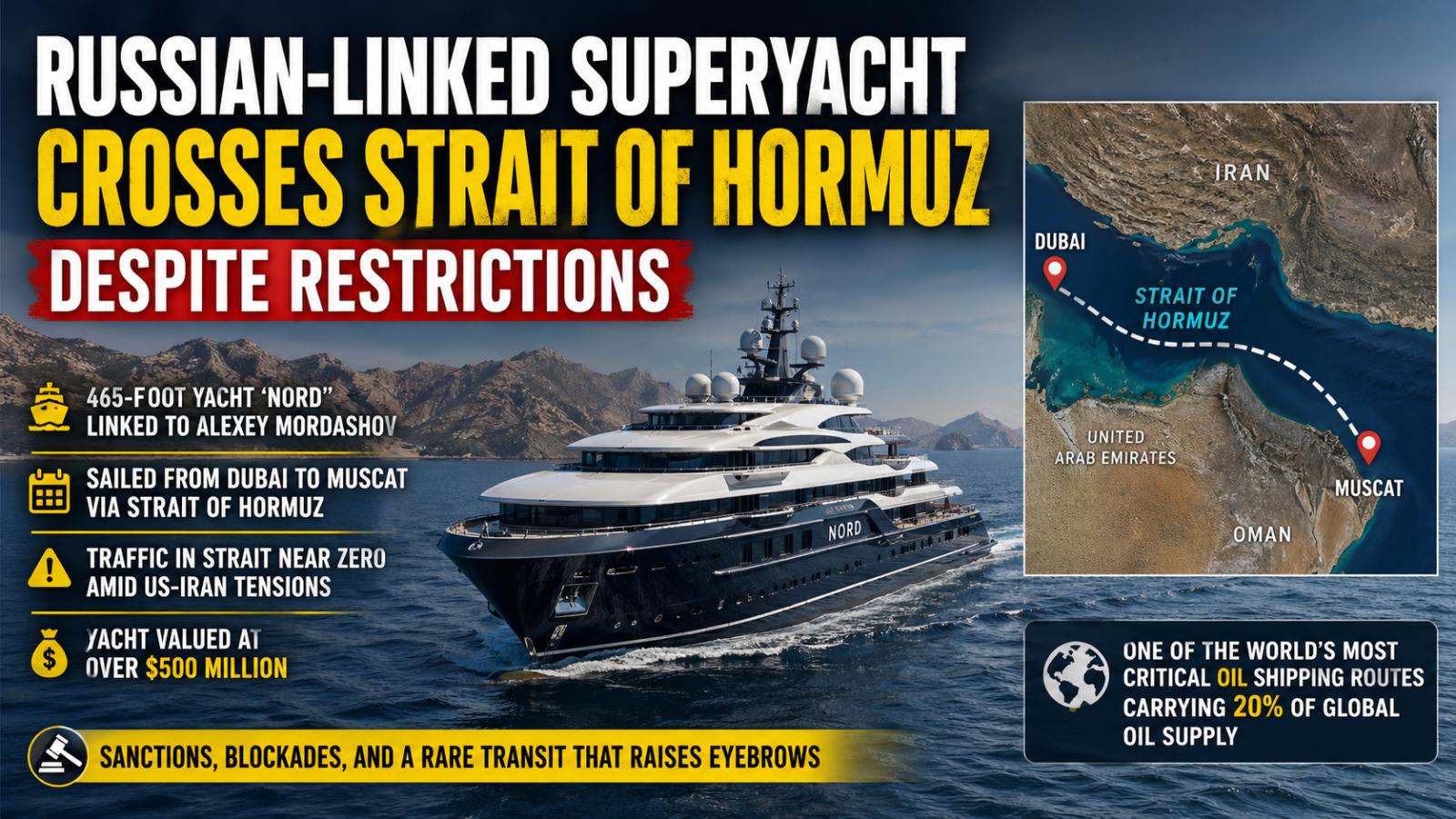
A 465-foot superyacht known as Nord, linked to Russian billionaire Alexey Mordashov, sailed through the strategically vital Strait of Hormuz despite ongoing maritime restrictions tied to the US-Iran conflict. The vessel departed Dubai on Friday April 24, 2026 afternoon, transited the st
Why did a sanctioned yacht cross the Strait of Hormuz during heightened tensions?
A 465-foot superyacht known as Nord, linked to Russian billionaire Alexey Mordashov, sailed through the strategically vital Strait of Hormuz despite ongoing maritime restrictions tied to the US-Iran conflict. The vessel departed Dubai on Friday April 24, 2026 afternoon, transited the st
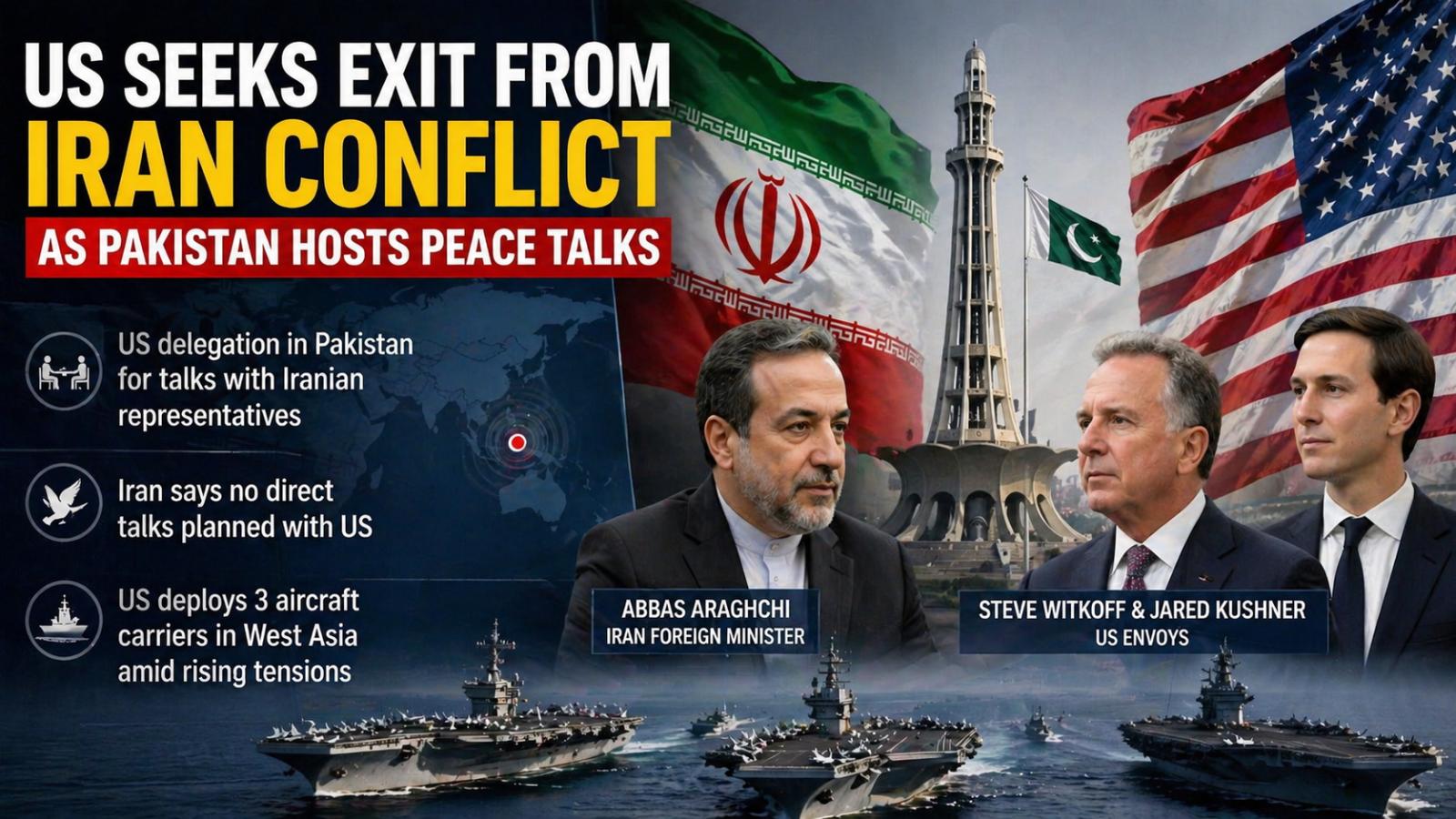
The US Iran conflict has entered a critical phase as Iran’s Defence Ministry claimed that the United States is seeking a “face-saving” way to exit the war, even as Washington sends a delegation to Pakistan for peace talks. The statement highlights growing diplomatic activity alongside rising military tensions in West Asia, with Pakistan emerging as a key mediator in the crisis.
According to Iranian media reports, a defence ministry spokesperson said that Iran’s military strength has become dominant in the region, forcing the United States to look for a way out of what it described as a prolonged and difficult conflict. The remarks come at a time when US envoys Steve Witkoff and Jared Kushner are heading to Pakistan for discussions that the White House said would include talks with Iranian representatives.
However, Iran has publicly denied plans for direct negotiations with the United States. Iranian Foreign Minister Abbas Araghchi arrived in Islamabad for an official visit and is scheduled to meet senior Pakistani officials. Iranian Foreign Ministry spokesperson Esmaeil Baqaei clarified that the visit is focused on consultations with Pakistan as part of its mediation efforts and not on direct dialogue with the US. He added that Iran’s position would be communicated through Pakistani channels.
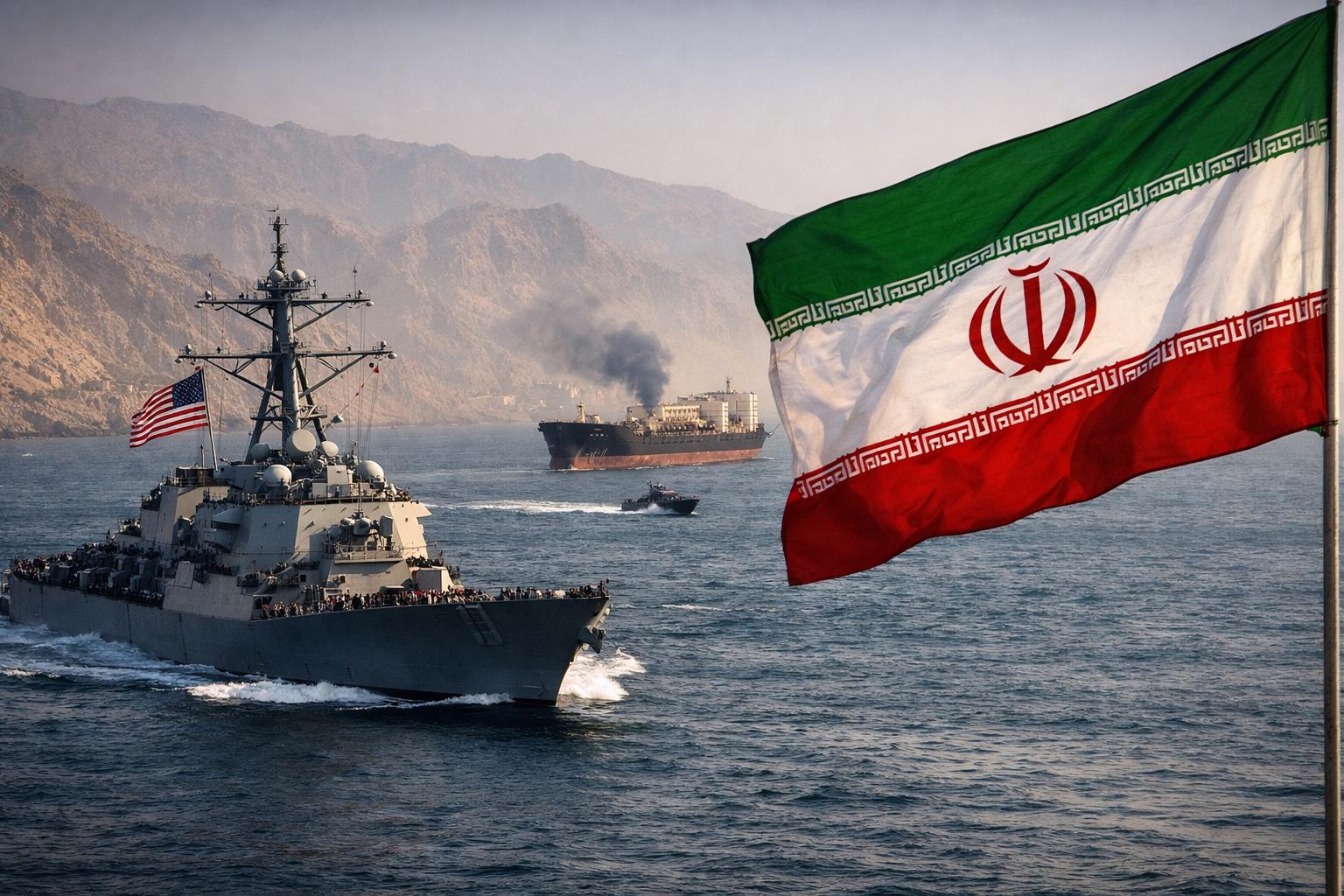
The diplomatic developments unfold against a backdrop of intensifying West Asia tensions, particularly around the Strait of Hormuz, a vital global oil route. The United States has significantly increased its military presence in the region, deploying three aircraft carrier strike groups, marking the largest such deployment since the Iraq war in 2003. According to US Central Command, the deployment includes more than 200 aircraft and around 15,000 personnel.
As both diplomatic and military activities escalate, uncertainty remains over whether meaningful progress toward de-escalation can be achieved. While Pakistan continues its mediation role, the absence of direct Iran-US talks suggests that a resolution may still be distant, keeping the region on edge.
The US Iran conflict has entered a critical phase as Iran’s Defence Ministry claimed that the United States is seeking a “face-saving” way to exit the war, even as Washington sends a delegation to Pakistan for peace talks. The statement highlights growing diplomatic activity alongside rising military tensions in West Asia, with Pakistan emerging as a key mediator in the crisis.
According to Iranian media reports, a defence ministry spokesperson said that Iran’s military strength has become dominant in the region, forcing the United States to look for a way out of what it described as a prolonged and difficult conflict. The remarks come at a time when US envoys Steve Witkoff and Jared Kushner are heading to Pakistan for discussions that the White House said would include talks with Iranian representatives.
However, Iran has publicly denied plans for direct negotiations with the United States. Iranian Foreign Minister Abbas Araghchi arrived in Islamabad for an official visit and is scheduled to meet senior Pakistani officials. Iranian Foreign Ministry spokesperson Esmaeil Baqaei clarified that the visit is focused on consultations with Pakistan as part of its mediation efforts and not on direct dialogue with the US. He added that Iran’s position would be communicated through Pakistani channels.
The diplomatic developments unfold against a backdrop of intensifying West Asia tensions, particularly around the Strait of Hormuz, a vital global oil route. The United States has significantly increased its military presence in the region, deploying three aircraft carrier strike groups, marking the largest such deployment since the Iraq war in 2003. According to US Central Command, the deployment includes more than 200 aircraft and around 15,000 personnel.
As both diplomatic and military activities escalate, uncertainty remains over whether meaningful progress toward de-escalation can be achieved. While Pakistan continues its mediation role, the absence of direct Iran-US talks suggests that a resolution may still be distant, keeping the region on edge.
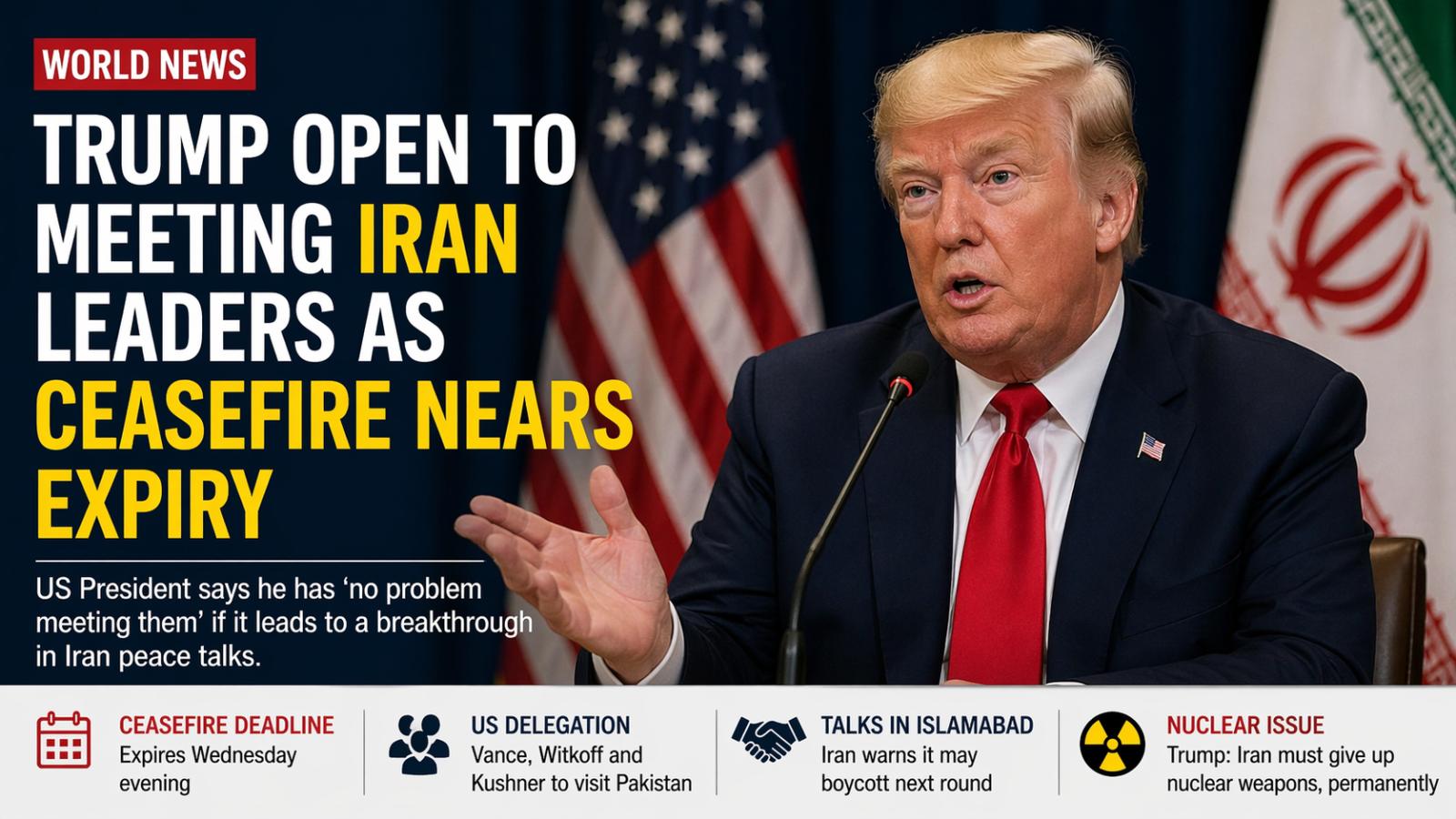
United States President Donald Trump on Monday indicated his willingness to meet Iranian leaders directly, as diplomatic efforts to sustain a fragile ceasefire between Washington and Iran approach a critical deadline. The two-week ceasefire is set to expire on Wednesday evening, raising concerns that hosti
United States President Donald Trump on Monday indicated his willingness to meet Iranian leaders directly, as diplomatic efforts to sustain a fragile ceasefire between Washington and Iran approach a critical deadline. The two-week ceasefire is set to expire on Wednesday evening, raising concerns that hosti
US Iran war ceasefire warning Trump signals rising tensions
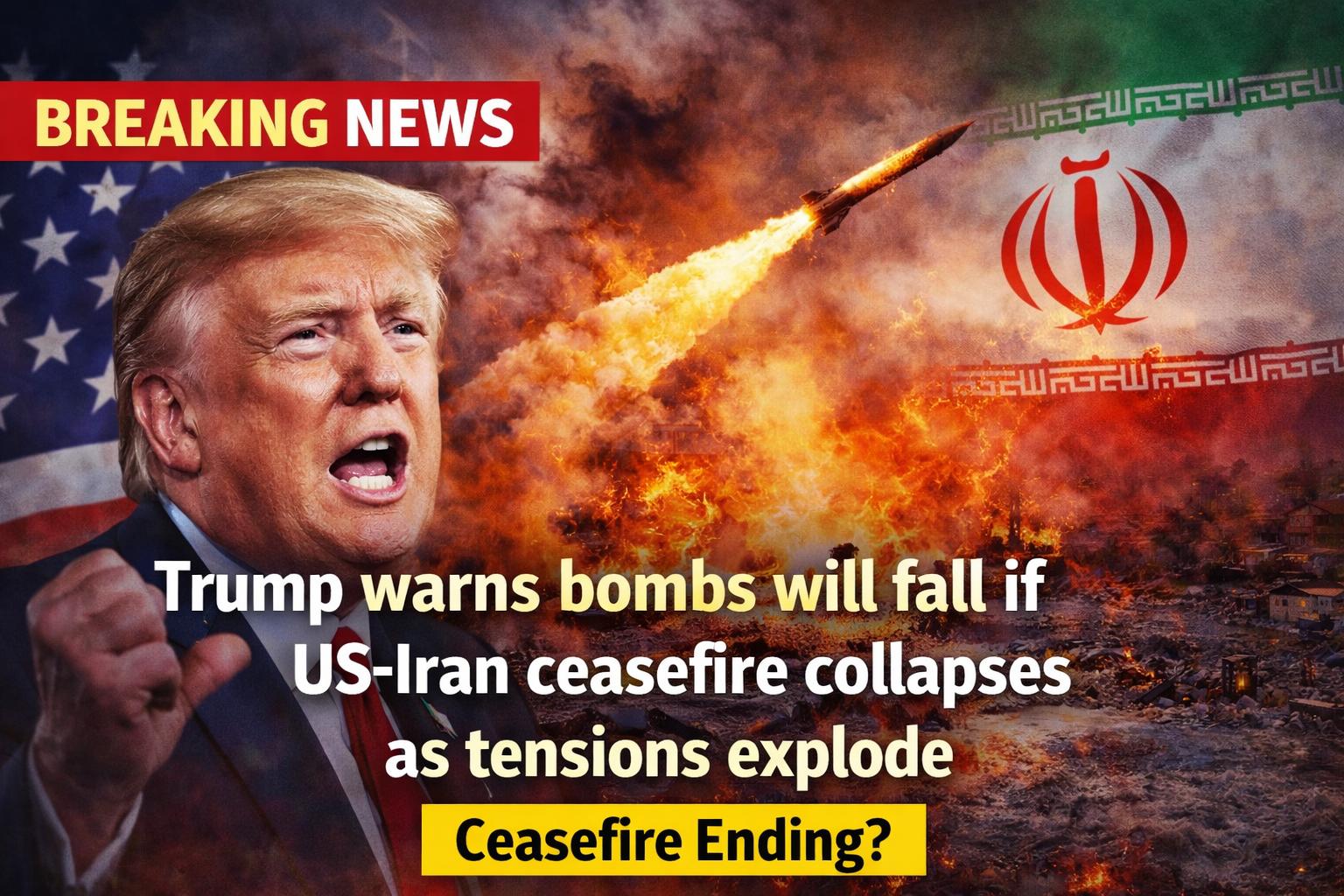
The US Iran war ceasefire warning Trump has intensified global concerns as the fragile truce between Washington and Tehran nears its expiration. With tensions already high, US President Donald Trump has warned that military action could resume if a deal is not reached in time. The situation is being closely watched worldwide, as the outcome could significantly imp
US Iran war ceasefire warning Trump signals rising tensions
The US Iran war ceasefire warning Trump has intensified global concerns as the fragile truce between Washington and Tehran nears its expiration. With tensions already high, US President Donald Trump has warned that military action could resume if a deal is not reached in time. The situation is being closely watched worldwide, as the outcome could significantly imp
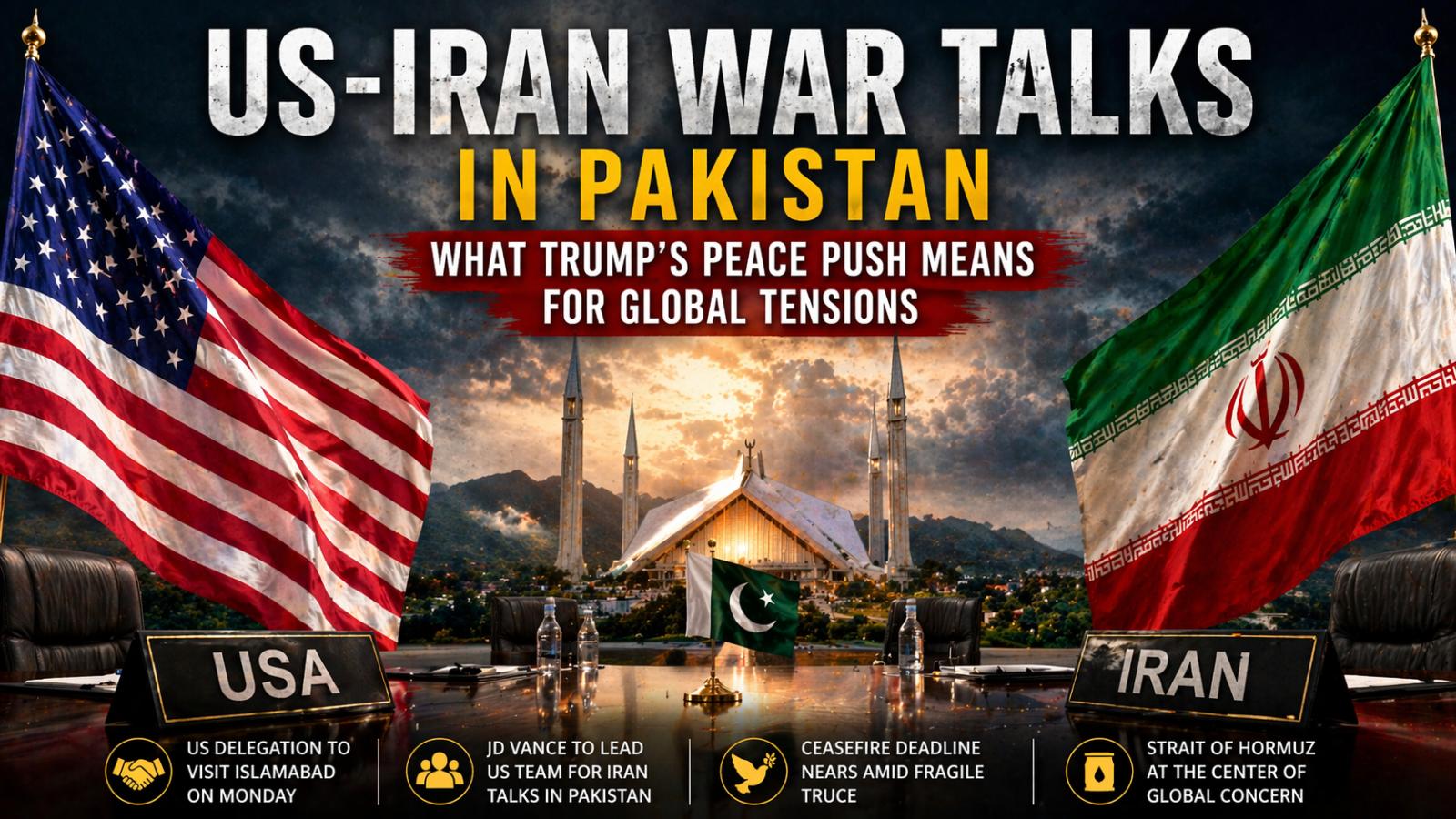
US-Iran war talks in Pakistan signal crucial diplomatic moment
The US-Iran war talks in Pakistan are emerging as a critical step toward easing tensions as the fragile ceasefire deadline approaches. With the conflict entering its eighth week, both sides are showing cautious optimism, even as major differences remain unresolved. The latest US-Iran peace talks come at a time when global markets are closely wa
US-Iran war talks in Pakistan signal crucial diplomatic moment
The US-Iran war talks in Pakistan are emerging as a critical step toward easing tensions as the fragile ceasefire deadline approaches. With the conflict entering its eighth week, both sides are showing cautious optimism, even as major differences remain unresolved. The latest US-Iran peace talks come at a time when global markets are closely wa
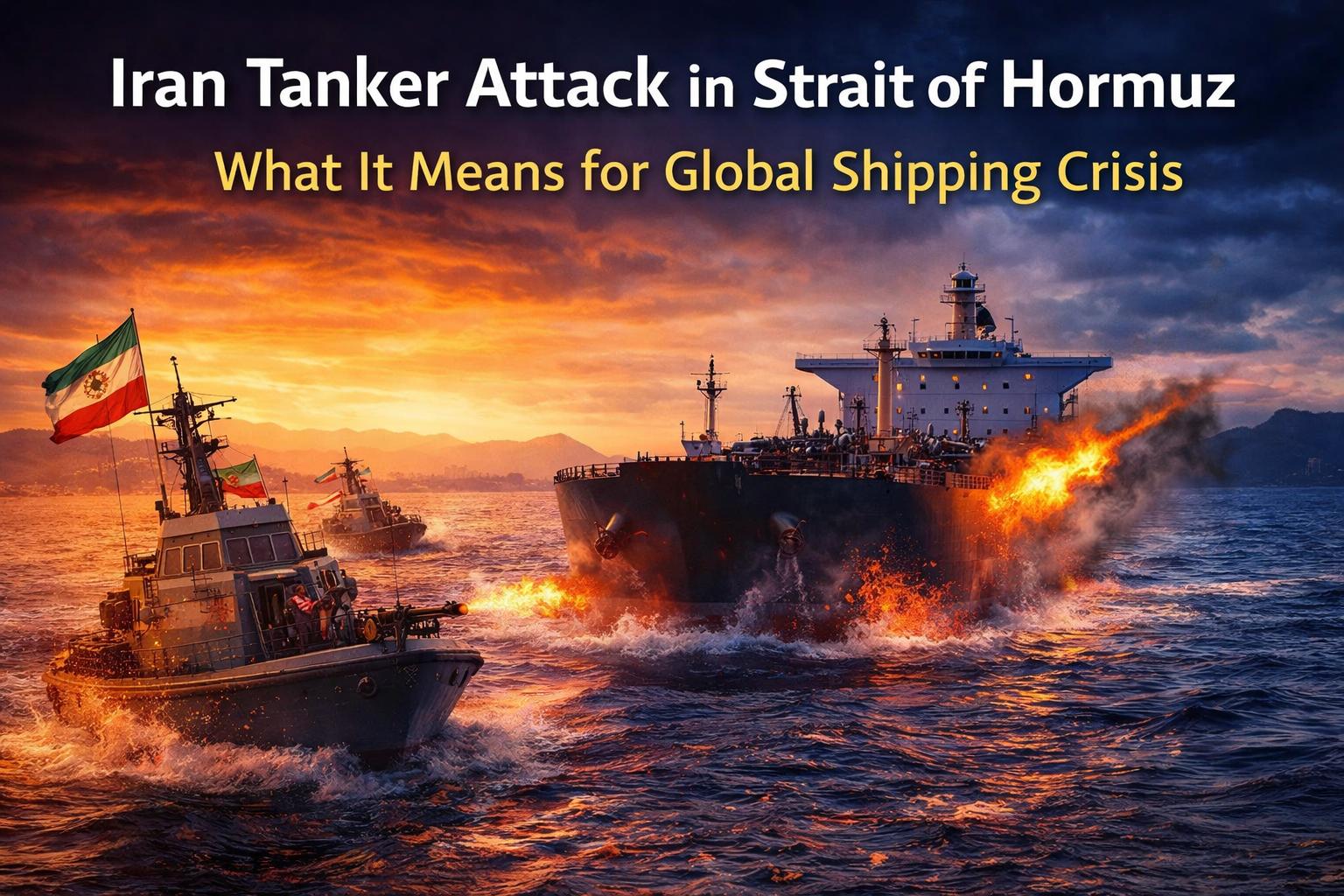
Iran tanker attack Strait of Hormuz signals renewed crisis in global shipping
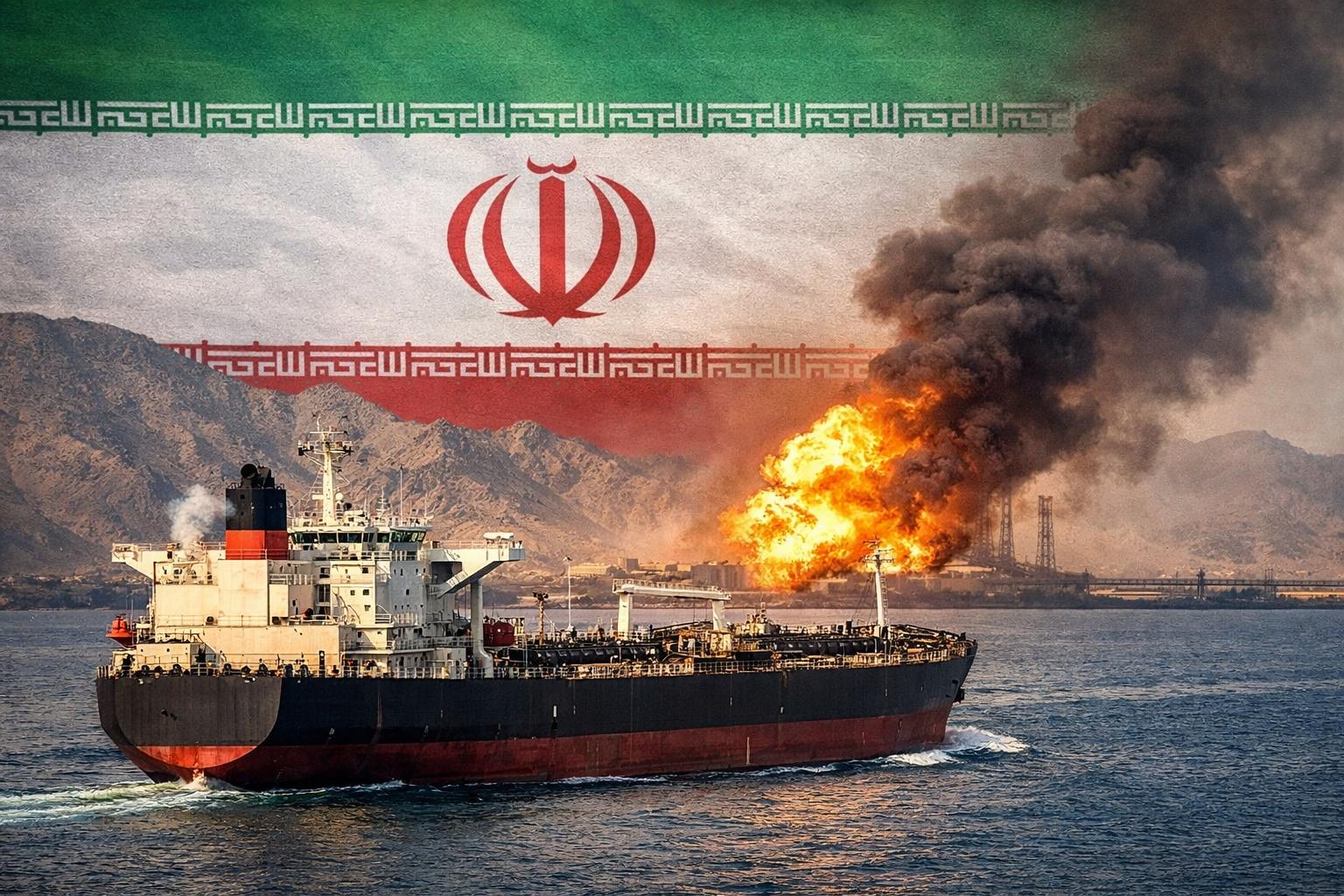
Tensions in the Middle East escalated sharply after an Iran tanker attack in the Strait of Hormuz, raising fresh concerns about global oil supply and maritime safety. The incident comes as Iran reimposed restrictions on one of the world’s most critical shipping routes, just a day after signals of reope
Iran tanker attack Strait of Hormuz signals renewed crisis in global shipping
Tensions in the Middle East escalated sharply after an Iran tanker attack in the Strait of Hormuz, raising fresh concerns about global oil supply and maritime safety. The incident comes as Iran reimposed restrictions on one of the world’s most critical shipping routes, just a day after signals of reope
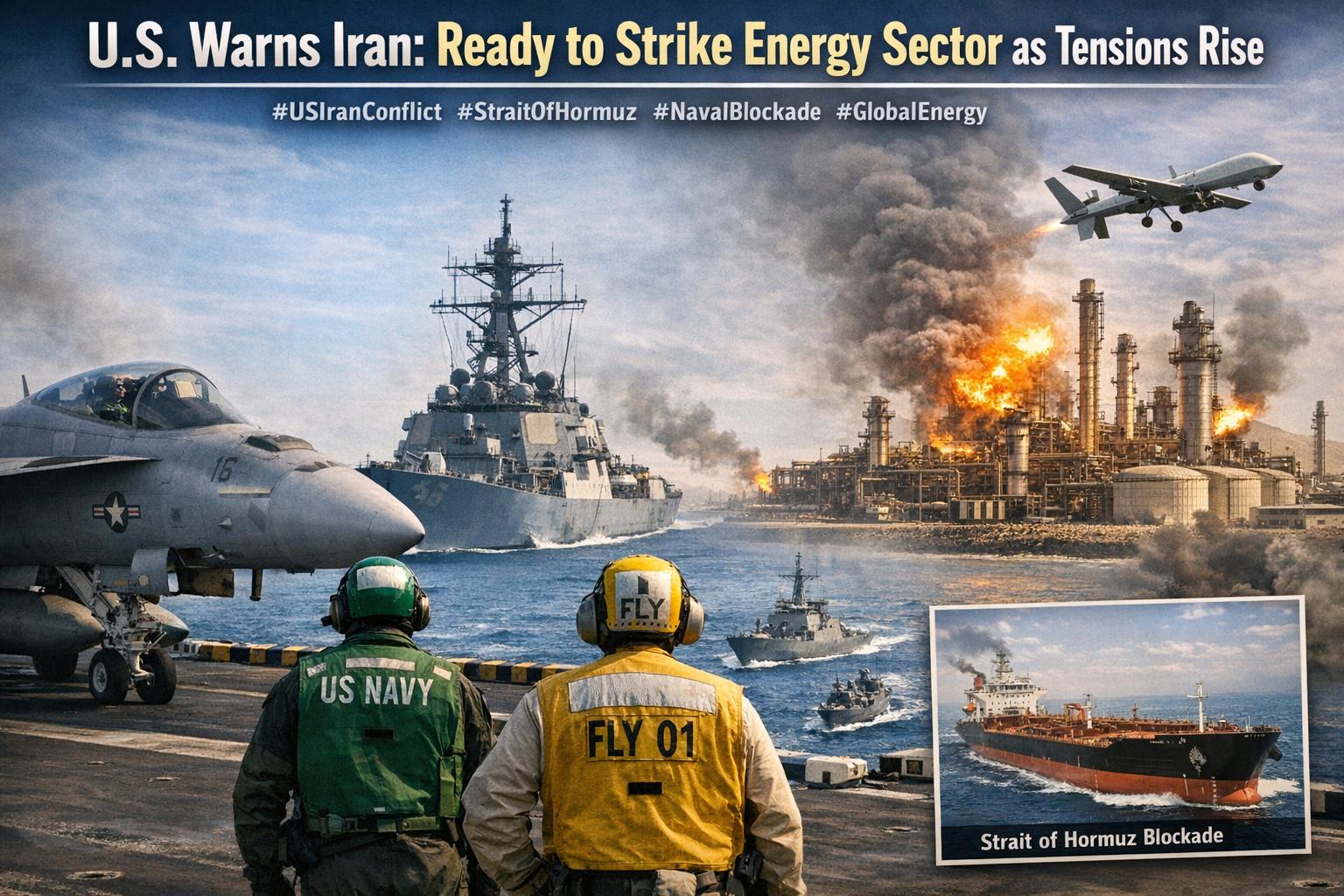
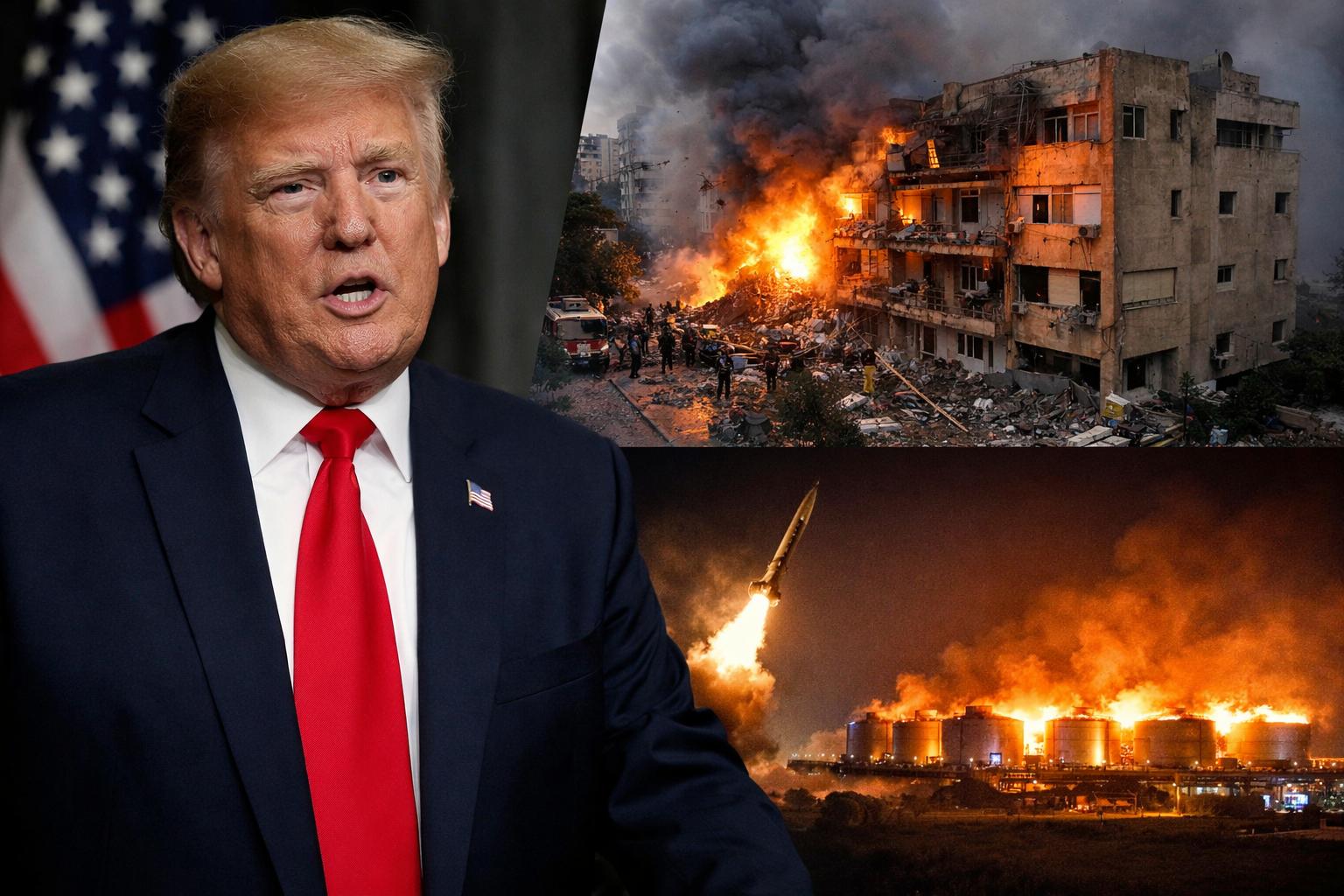
WASHINGTON — The United States signaled a heightened military posture toward Iran on Thursday, April 16, 2026, as senior defense officials warned that U.S. forces are prepared to strike Iran’s energy infrastructure if directed by the president.
Speaking in Washington, Defense Secretary Pete Hegseth said current U.S. actions, including a naval blockade, reflect what he described as restrained measures during an ongoing ceasefire period. He emphasized that Iran faces critical decisi
WASHINGTON — The United States signaled a heightened military posture toward Iran on Thursday, April 16, 2026, as senior defense officials warned that U.S. forces are prepared to strike Iran’s energy infrastructure if directed by the president.
Speaking in Washington, Defense Secretary Pete Hegseth said current U.S. actions, including a naval blockade, reflect what he described as restrained measures during an ongoing ceasefire period. He emphasized that Iran faces critical decisi
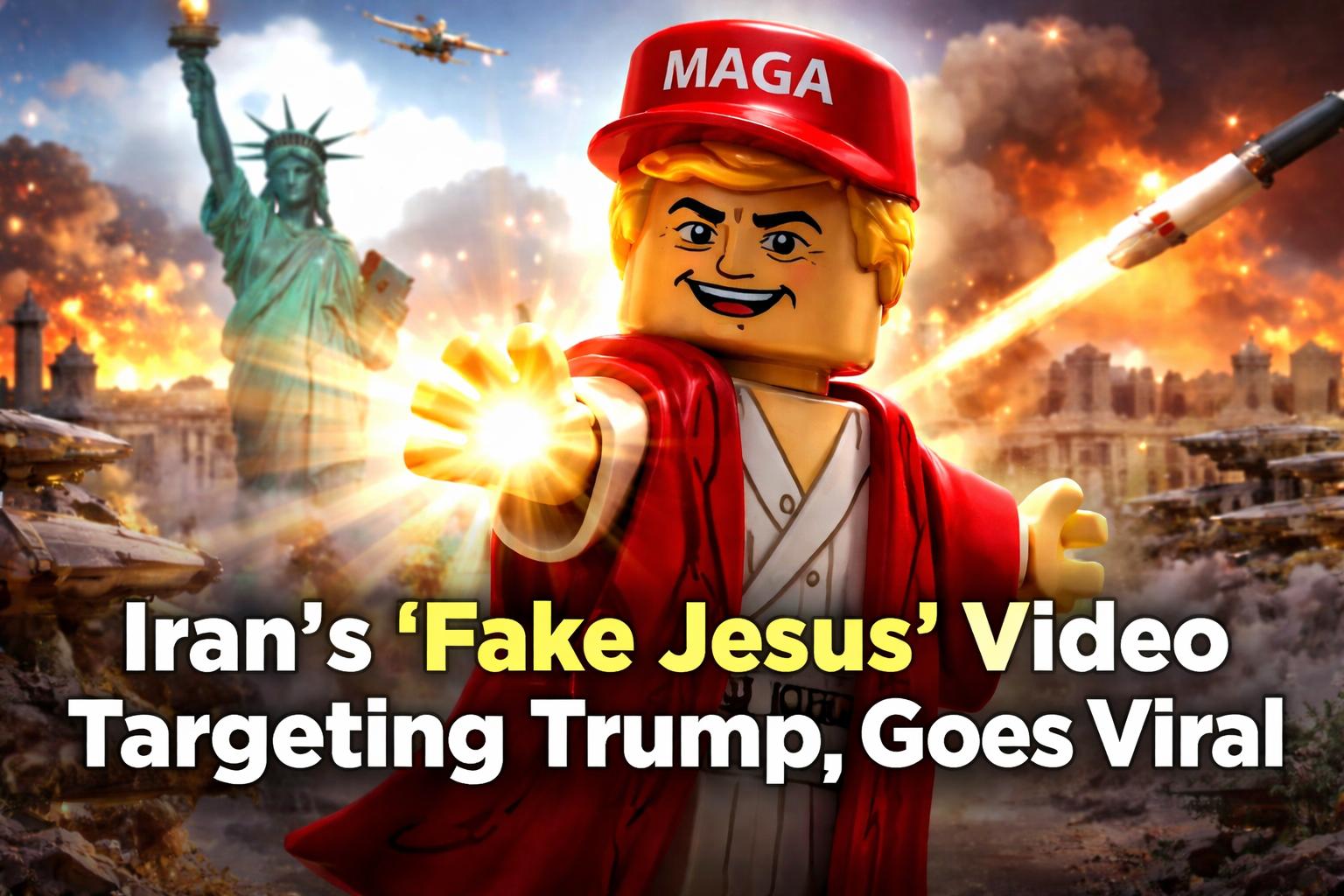
A new viral video from Iran, titled “Fake Jesus,” has quickly garnered attention across social media. This 90-second AI-generated LEGO animation, which debuted on X from the Iranian Embassy’s South Africa account, presents U.S. President Donald Trump as a LEGO-style character. Trump is portrayed in a red robe and MAGA hat, reimagined as a self-proclaimed healer. The rap-style lyrics in the video criticize him for attempting to assume a messianic role while promoting destruction and war.
A new viral video from Iran, titled “Fake Jesus,” has quickly garnered attention across social media. This 90-second AI-generated LEGO animation, which debuted on X from the Iranian Embassy’s South Africa account, presents U.S. President Donald Trump as a LEGO-style character. Trump is portrayed in a red robe and MAGA hat, reimagined as a self-proclaimed healer. The rap-style lyrics in the video criticize him for attempting to assume a messianic role while promoting destruction and war.
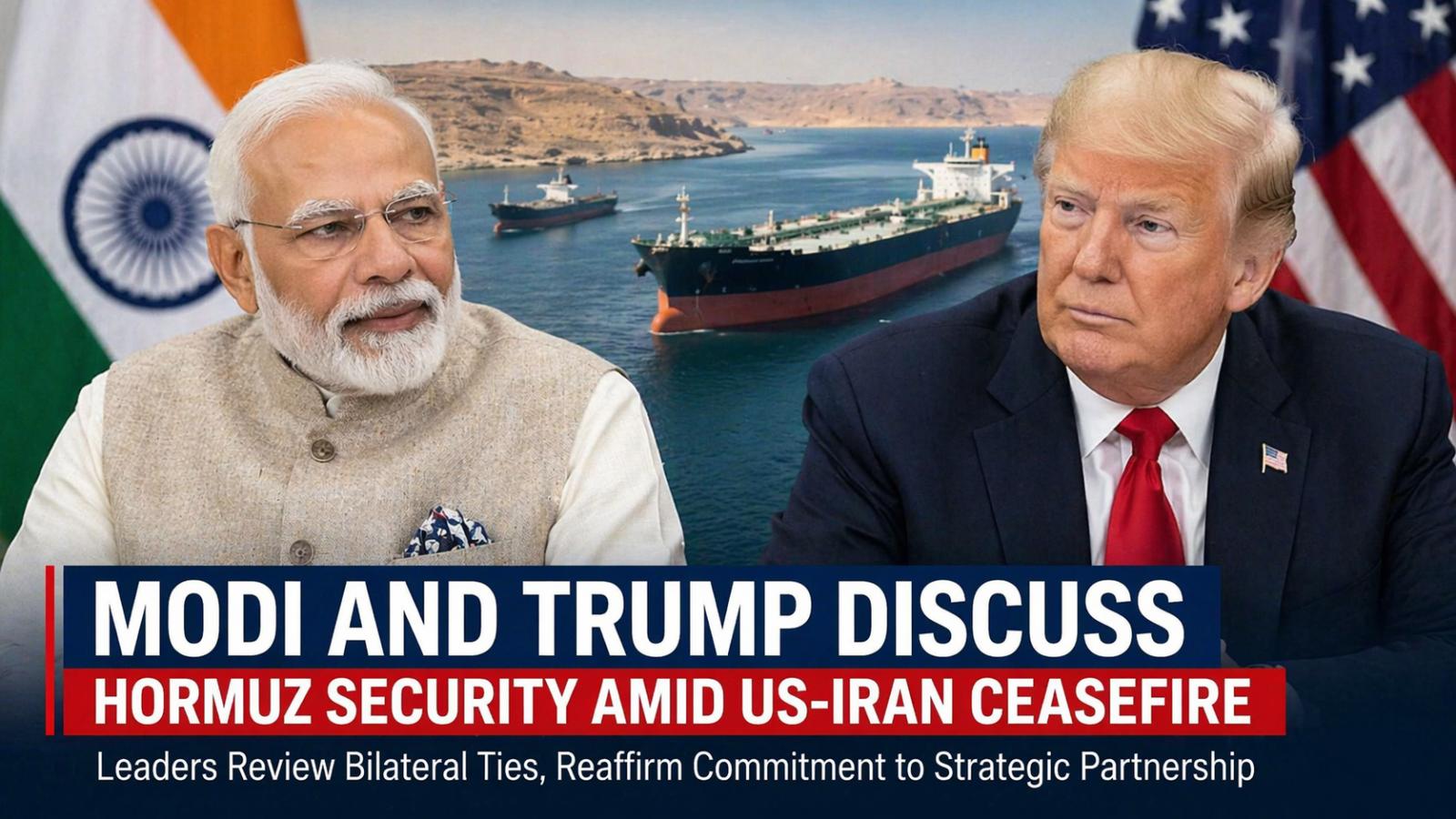
Indian Prime Minister Narendra Modi held a phone conversation with U.S. President Donald Trump on Tuesday, April 14, 2026, marking their first discussion since a ceasefire between the United States and Iran took effect on Tuesday, April 8, 2026, following nearly 39 days of intense conflict that disrupted ener
Indian Prime Minister Narendra Modi held a phone conversation with U.S. President Donald Trump on Tuesday, April 14, 2026, marking their first discussion since a ceasefire between the United States and Iran took effect on Tuesday, April 8, 2026, following nearly 39 days of intense conflict that disrupted ener
The United States has initiated a naval blockade of Iranian ports, significantly escalating tensions in the Middle East following the collapse of recent diplomatic efforts. The move came into effect at 2:00 PM GMT on Monday, April 14, 2026, according to US military officials, after weekend negotiations with Iran concluded without a breakthrough.
The blockade applies to all Iranian ports along the Persian Gulf, restricting maritime access and placing additional pressure on Tehran am
The United States has initiated a naval blockade of Iranian ports, significantly escalating tensions in the Middle East following the collapse of recent diplomatic efforts. The move came into effect at 2:00 PM GMT on Monday, April 14, 2026, according to US military officials, after weekend negotiations with Iran concluded without a breakthrough.
The blockade applies to all Iranian ports along the Persian Gulf, restricting maritime access and placing additional pressure on Tehran am
Escalating tensions across the Middle East intensified after US President Donald Trump said Iran’s response to a proposed ceasefire was “substantial” but ultimately “not good enough,” signaling continued diplomatic strain as military exchanges widened across the region.
The remarks came as at least 34 people, including six children, were reported killed in coordinated US-Israeli strikes across Iran. The attacks mark a significant escalation in the ongoing conflict, raisin
Escalating tensions across the Middle East intensified after US President Donald Trump said Iran’s response to a proposed ceasefire was “substantial” but ultimately “not good enough,” signaling continued diplomatic strain as military exchanges widened across the region.
The remarks came as at least 34 people, including six children, were reported killed in coordinated US-Israeli strikes across Iran. The attacks mark a significant escalation in the ongoing conflict, raisin
U.S. stock markets closed weaker as investors reacted to escalating geopolitical uncertainty. Major indices, including the Dow Jones Industrial Average, S&P 500, and Nasdaq, fell following comments from U.S. leadership that the conflict with Iran will continue in the coming weeks, which kept risk sentiment subdued.
The S&P 500, which tracks 500 of the largest U.S. companies, declined nearly 0.9% on the day. Broader equity benchmarks weakened as stock buyers remained cautious
U.S. stock markets closed weaker as investors reacted to escalating geopolitical uncertainty. Major indices, including the Dow Jones Industrial Average, S&P 500, and Nasdaq, fell following comments from U.S. leadership that the conflict with Iran will continue in the coming weeks, which kept risk sentiment subdued.
The S&P 500, which tracks 500 of the largest U.S. companies, declined nearly 0.9% on the day. Broader equity benchmarks weakened as stock buyers remained cautious
The ongoing conflict involving the United States, Israel, and Iran has extended beyond a month, intensifying geopolitical tensions and significantly impacting global energy markets. As of Tuesday, March 31, 2026, the situation shows few signs of de-escalation, with escalating military activity and limited diplomatic progress raising concerns across international observers.
The conflict widened further over the weekend when Yemen’s Houthi rebels entered the fray, adding a new dimension to a
The ongoing conflict involving the United States, Israel, and Iran has extended beyond a month, intensifying geopolitical tensions and significantly impacting global energy markets. As of Tuesday, March 31, 2026, the situation shows few signs of de-escalation, with escalating military activity and limited diplomatic progress raising concerns across international observers.
The conflict widened further over the weekend when Yemen’s Houthi rebels entered the fray, adding a new dimension to a
Tensions between the United States, Israel, and Iran are intensifying, with multiple developments across the Middle East signaling a potentially dangerous escalation in the ongoing conflict. The situation has drawn increased global attention as military activity expands and diplomatic efforts continue behind the scenes.
Hundreds of US Special Operations forces have recently been deployed to the region, pushing total American troop levels beyond 50,000. The expanded presence reflects growing concerns in Washington over regional stability and the need to safeguard critical maritime routes, including the strategically vital Strait of Hormuz. US officials are also weighing a range of military and strategic options, including potential actions targeting Iran’s nuclear capabilities and energy infrastructure.
Amid these developments, discussions have reportedly included the possibility of securing or seizing Iranian oil facilities and enriched uranium assets. At the same time, diplomatic channels remain active, with regional intermediaries attempting to ease tensions and prevent further escalation.
Uncertainty surrounding Iran’s leadership has added another layer of complexity. Supreme Leader Mojtaba Khamenei has not appeared publicly in recent days, fueling speculation about his health and control over internal decision-making during a critical period.
The conflict is also beginning to extend beyond traditional battle zones. A recent Iranian strike in Kuwait resulted in the death of an Indian worker, underscoring the growing risks to civilians and foreign nationals in the region. Analysts warn that such incidents highlight the vulnerability of critical infrastructure and the potential for unintended consequences as hostilities widen.
Security experts caution that the situation remains highly volatile, with the possibility of broader regional fallout if tensions continue to rise. As military posturing increases alongside fragile diplomatic efforts, the coming days are expected to be crucial in determining whether the conflict can be contained or escalates further.
Tensions between the United States, Israel, and Iran are intensifying, with multiple developments across the Middle East signaling a potentially dangerous escalation in the ongoing conflict. The situation has drawn increased global attention as military activity expands and diplomatic efforts continue behind the scenes.
Hundreds of US Special Operations forces have recently been deployed to the region, pushing total American troop levels beyond 50,000. The expanded presence reflects growing concerns in Washington over regional stability and the need to safeguard critical maritime routes, including the strategically vital Strait of Hormuz. US officials are also weighing a range of military and strategic options, including potential actions targeting Iran’s nuclear capabilities and energy infrastructure.
Amid these developments, discussions have reportedly included the possibility of securing or seizing Iranian oil facilities and enriched uranium assets. At the same time, diplomatic channels remain active, with regional intermediaries attempting to ease tensions and prevent further escalation.
Uncertainty surrounding Iran’s leadership has added another layer of complexity. Supreme Leader Mojtaba Khamenei has not appeared publicly in recent days, fueling speculation about his health and control over internal decision-making during a critical period.
The conflict is also beginning to extend beyond traditional battle zones. A recent Iranian strike in Kuwait resulted in the death of an Indian worker, underscoring the growing risks to civilians and foreign nationals in the region. Analysts warn that such incidents highlight the vulnerability of critical infrastructure and the potential for unintended consequences as hostilities widen.
Security experts caution that the situation remains highly volatile, with the possibility of broader regional fallout if tensions continue to rise. As military posturing increases alongside fragile diplomatic efforts, the coming days are expected to be crucial in determining whether the conflict can be contained or escalates further.
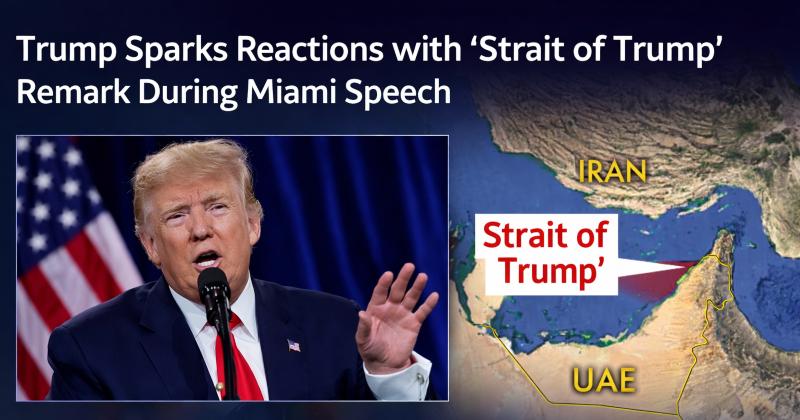
US President Donald Trump made a light-hearted remark about the Strait of Hormuz during a recent investment forum in Miami, drawing laughter from the audience. While speaking about the ongoing situation in the Middle East, Trump jokingly referred to the critical waterway as the “Strait of Trump” before correcting himself and saying “Hormuz.”
He followed the comment with a sarcastic apology, taking a swipe at mainstream media. Trump said that any slip of words would likely be
US President Donald Trump made a light-hearted remark about the Strait of Hormuz during a recent investment forum in Miami, drawing laughter from the audience. While speaking about the ongoing situation in the Middle East, Trump jokingly referred to the critical waterway as the “Strait of Trump” before correcting himself and saying “Hormuz.”
He followed the comment with a sarcastic apology, taking a swipe at mainstream media. Trump said that any slip of words would likely be