









7.5 Magnitude Earthquake Hits Japan: Why Tremors Keep Shaking The Nation
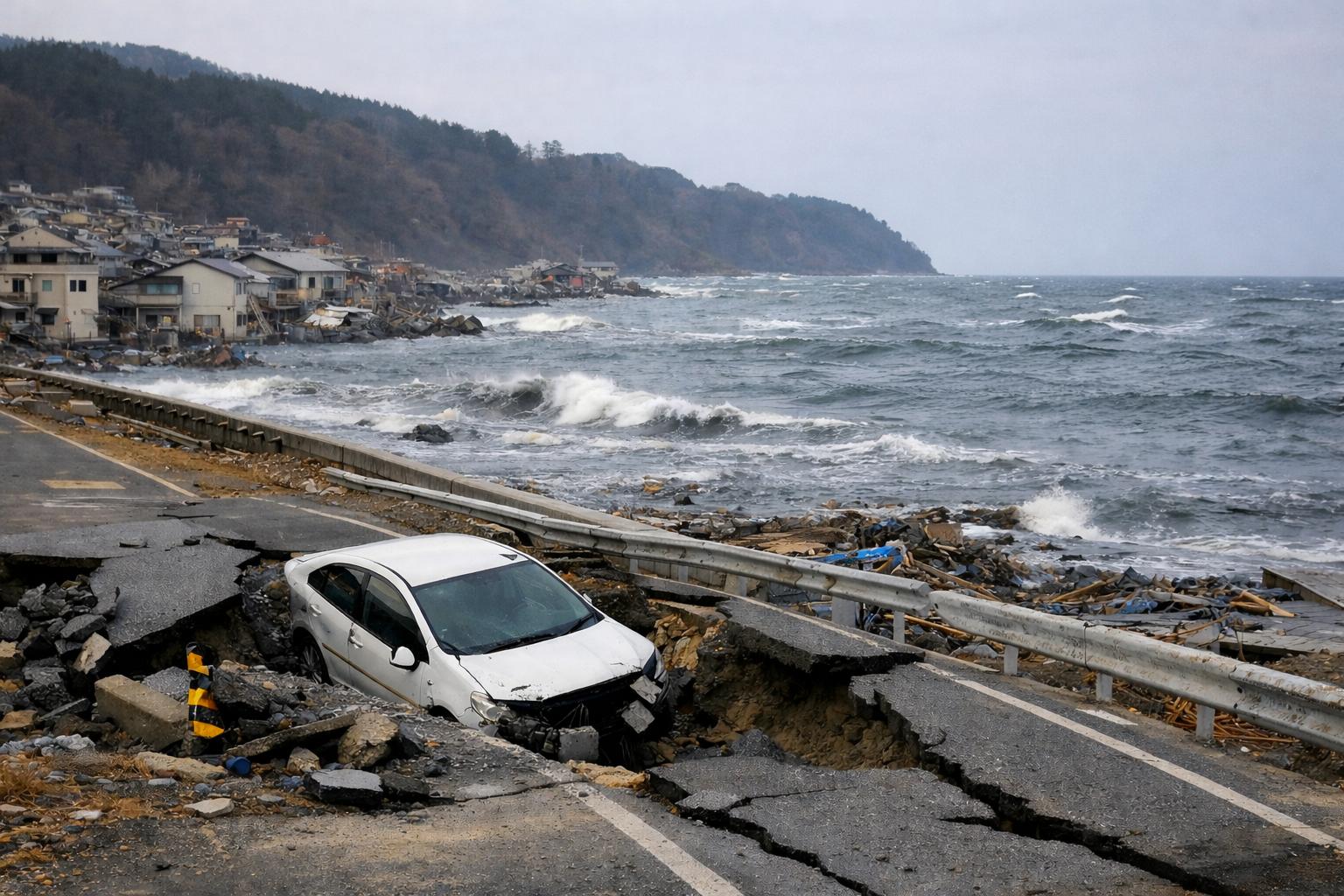
A powerful 7.5-magnitude earthquake struck Japan on April 20, shaking the northeastern coast and triggering widespread concern across the region. The quake occurred at a shallow depth of around 10 kilometres, with its epicentre located nearly 100 kilometres east of Miyako in Iwate Prefecture along the tsunami-prone Sanriku coastline. Authorities quickly issued tsunami warnings, cautioning residents
7.5 Magnitude Earthquake Hits Japan: Why Tremors Keep Shaking The Nation
A powerful 7.5-magnitude earthquake struck Japan on April 20, shaking the northeastern coast and triggering widespread concern across the region. The quake occurred at a shallow depth of around 10 kilometres, with its epicentre located nearly 100 kilometres east of Miyako in Iwate Prefecture along the tsunami-prone Sanriku coastline. Authorities quickly issued tsunami warnings, cautioning residents

Indian Men Shot Dead In Italy During Vaisakhi Gathering
Two Indian nationals were shot dead in northern Italy in a late-night incident outside a place of worship, raising serious concerns within the local community and prompting an active investigation by authorities. The shooting occurred in Covo, a town in Bergamo province, shortly before midnight on Friday, as individuals were leaving a warehouse that had been used for religious gatherings associated with the Vaisakhi festival. The victims have been identified as Raginder Singh, 48, w
Indian Men Shot Dead In Italy During Vaisakhi Gathering
Two Indian nationals were shot dead in northern Italy in a late-night incident outside a place of worship, raising serious concerns within the local community and prompting an active investigation by authorities. The shooting occurred in Covo, a town in Bergamo province, shortly before midnight on Friday, as individuals were leaving a warehouse that had been used for religious gatherings associated with the Vaisakhi festival. The victims have been identified as Raginder Singh, 48, w

Gurugram Tragedy: American Express Manager Dies by Suicide Months After Marriage
A tragic incident in Gurugram has left residents shocked after a 33-year-old manager working with American Express was found dead in his apartment just four months after his marriage. The deceased, identified as Rishabh Dixit, was discovered in his flat at Pyramid Society in Sector 76 on Friday morning, Ap
Gurugram Tragedy: American Express Manager Dies by Suicide Months After Marriage
A tragic incident in Gurugram has left residents shocked after a 33-year-old manager working with American Express was found dead in his apartment just four months after his marriage. The deceased, identified as Rishabh Dixit, was discovered in his flat at Pyramid Society in Sector 76 on Friday morning, Ap
How Iran’s affordable drones are challenging America’s expensive interceptors
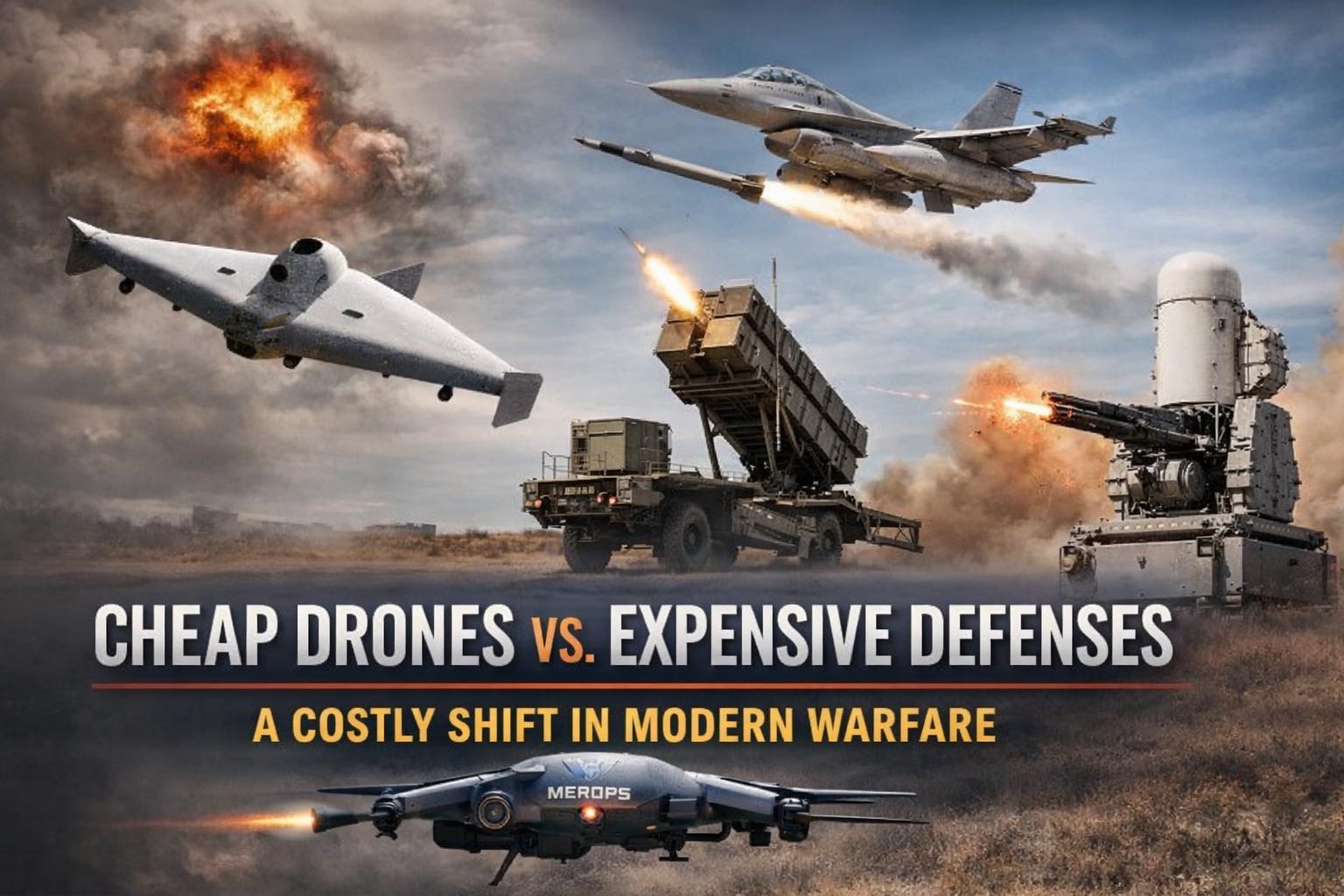
One of the most striking lessons from the war with Iran is how a relatively low-cost adversary has exposed vulnerabilities in U.S. defense strategy. Iran has demonstrated both a willingness to go on the offensive and an ability to leverage inexpensive drone technology at scale. These drones, often built with commercial-grade components, cost roughly $35,000 each—far less than the high-end interceptors used to destroy them. This imbalance has forced the United States and its allies to confront a new reality: modern warfare is no longer dominated solely by precision and sophistication, but also by affordability and volume. Cheap drones had already reshaped the battlefield in Ukraine, and Iran has now applied similar tactics in the Middle East, exploiting a long-standing gap in U.S. defense investments that favored fewer, more expensive systems over scalable solutions. Why are U.S. defenses struggling with cost efficiency? Because interceptors far exceed drone prices The financial mismatch is stark. In just the first six days of the conflict, the U.S. spent $11.3 billion, with estimates later rising to between $25 billion and $35 billion. A significant portion of that cost comes from interceptor missiles used to shoot down relatively inexpensive drones. Despite years of Pentagon focus on counter-drone capabilities, experts like Michael C. Horowitz note that there has been little urgency to scale affordable solutions. The result is a defense strategy where each engagement can cost far more than the threat itself—an unsustainable model in prolonged conflicts. How do air-based defenses work against drones? By using early detection and precision strikes—when available In an ideal scenario, airborne early warning systems detect drones hundreds of miles away. Fighter jets such as the F-16 Fighting Falcon are then deployed to intercept them using relatively cheaper rocket systems like APKWS II. This method is among the most cost-efficient, but it depends heavily on maintaining constant air patrols and intact detection systems. Iran has targeted these early warning assets, limiting their effectiveness and reducing the availability of this optimal defense approach. What role do ground and naval systems play? They offer range and reliability but at a steep price When air defenses are unavailable, the U.S. relies on ground- and sea-based systems. These include: Short-range systems like the Coyote, designed specifically for drones and relatively cost-effective—but in short supply. Naval destroyers using radar and SM-2 interceptors, which are powerful but expensive and designed for larger threats. The Patriot missile system, capable of intercepting drones from long distances using costly PAC-3 missiles. These systems were originally built to counter high-end threats like ballistic missiles, not swarms of cheap drones. As a result, they are often overkill—both technologically and financially—for the task at hand. Still, their use can be justified when defending high-value assets, such as billion-dollar radar installations or critical military infrastructure. What are the emerging solutions to counter drones? AI interceptors and lasers show promise but remain unproven New approaches aim to fix the cost imbalance. AI-powered interceptor drones, such as the Merops system developed by a company founded by Eric Schmidt, represent a potential shift toward cheaper, scalable defenses. These systems have been tested in collaboration with Ukrainian forces experienced in countering Iranian drones. The U.S. has already sent thousands of these units to the Middle East and begun training troops, though it remains unclear whether they have been deployed in combat. Meanwhile, the Pentagon has invested heavily in directed energy weapons—lasers that could cost as little as $3 per shot and reach targets up to 12 miles away. However, these systems have yet to be fielded in real-world combat. Why is ammunition depletion a growing concern? Because stockpiles may run out faster than they can be replaced Beyond cost, a more immediate concern is supply. Experts warn that interceptor stockpiles are being depleted at an alarming rate. As Tom Karako explains, the issue is not just affordability but availability: the U.S. risks running out of munitions before it can replenish them. This highlights a deeper strategic challenge. Modern conflicts—defined by mass-produced, low-cost threats—require not just advanced technology, but also sustainable production and scalable defense systems.
How Iran’s affordable drones are challenging America’s expensive interceptors
One of the most striking lessons from the war with Iran is how a relatively low-cost adversary has exposed vulnerabilities in U.S. defense strategy. Iran has demonstrated both a willingness to go on the offensive and an ability to leverage inexpensive drone technology at scale. These drones, often built with commercial-grade components, cost roughly $35,000 each—far less than the high-end interceptors used to destroy them. This imbalance has forced the United States and its allies to confront a new reality: modern warfare is no longer dominated solely by precision and sophistication, but also by affordability and volume. Cheap drones had already reshaped the battlefield in Ukraine, and Iran has now applied similar tactics in the Middle East, exploiting a long-standing gap in U.S. defense investments that favored fewer, more expensive systems over scalable solutions. Why are U.S. defenses struggling with cost efficiency? Because interceptors far exceed drone prices The financial mismatch is stark. In just the first six days of the conflict, the U.S. spent $11.3 billion, with estimates later rising to between $25 billion and $35 billion. A significant portion of that cost comes from interceptor missiles used to shoot down relatively inexpensive drones. Despite years of Pentagon focus on counter-drone capabilities, experts like Michael C. Horowitz note that there has been little urgency to scale affordable solutions. The result is a defense strategy where each engagement can cost far more than the threat itself—an unsustainable model in prolonged conflicts. How do air-based defenses work against drones? By using early detection and precision strikes—when available In an ideal scenario, airborne early warning systems detect drones hundreds of miles away. Fighter jets such as the F-16 Fighting Falcon are then deployed to intercept them using relatively cheaper rocket systems like APKWS II. This method is among the most cost-efficient, but it depends heavily on maintaining constant air patrols and intact detection systems. Iran has targeted these early warning assets, limiting their effectiveness and reducing the availability of this optimal defense approach. What role do ground and naval systems play? They offer range and reliability but at a steep price When air defenses are unavailable, the U.S. relies on ground- and sea-based systems. These include: Short-range systems like the Coyote, designed specifically for drones and relatively cost-effective—but in short supply. Naval destroyers using radar and SM-2 interceptors, which are powerful but expensive and designed for larger threats. The Patriot missile system, capable of intercepting drones from long distances using costly PAC-3 missiles. These systems were originally built to counter high-end threats like ballistic missiles, not swarms of cheap drones. As a result, they are often overkill—both technologically and financially—for the task at hand. Still, their use can be justified when defending high-value assets, such as billion-dollar radar installations or critical military infrastructure. What are the emerging solutions to counter drones? AI interceptors and lasers show promise but remain unproven New approaches aim to fix the cost imbalance. AI-powered interceptor drones, such as the Merops system developed by a company founded by Eric Schmidt, represent a potential shift toward cheaper, scalable defenses. These systems have been tested in collaboration with Ukrainian forces experienced in countering Iranian drones. The U.S. has already sent thousands of these units to the Middle East and begun training troops, though it remains unclear whether they have been deployed in combat. Meanwhile, the Pentagon has invested heavily in directed energy weapons—lasers that could cost as little as $3 per shot and reach targets up to 12 miles away. However, these systems have yet to be fielded in real-world combat. Why is ammunition depletion a growing concern? Because stockpiles may run out faster than they can be replaced Beyond cost, a more immediate concern is supply. Experts warn that interceptor stockpiles are being depleted at an alarming rate. As Tom Karako explains, the issue is not just affordability but availability: the U.S. risks running out of munitions before it can replenish them. This highlights a deeper strategic challenge. Modern conflicts—defined by mass-produced, low-cost threats—require not just advanced technology, but also sustainable production and scalable defense systems.
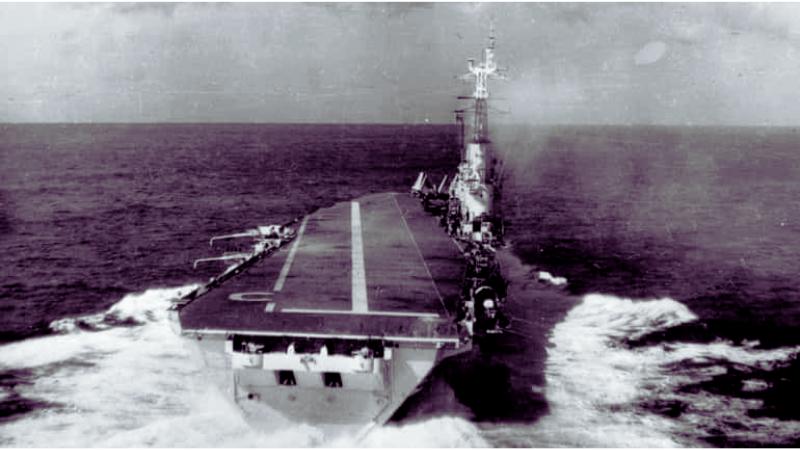
Inside India’s Naval Operations During the 1971 War with Pakistan
During the Indo-Pakistani War of 1971, India’s naval strategy played a significant role in shaping the outcome of the conflict. While much of the attention remained on ground operations, a strong Indian naval presence in the Bay of Bengal effectively restricted maritime movement and added pressure on Pakistani forces in East Pakistan (now
Inside India’s Naval Operations During the 1971 War with Pakistan
During the Indo-Pakistani War of 1971, India’s naval strategy played a significant role in shaping the outcome of the conflict. While much of the attention remained on ground operations, a strong Indian naval presence in the Bay of Bengal effectively restricted maritime movement and added pressure on Pakistani forces in East Pakistan (now

World Heritage Day 2026 Explained: History, Importance, Theme and Key Facts
Every year on April 18, people across the globe observe World Heritage Day, a day dedicated to celebrating and safeguarding the world’s cultural and historical treasures. The occasion serves as a reminder that heritage is not just about the past—it also shapes our identity and future.
World Heritage Day 2026 Explained: History, Importance, Theme and Key Facts
Every year on April 18, people across the globe observe World Heritage Day, a day dedicated to celebrating and safeguarding the world’s cultural and historical treasures. The occasion serves as a reminder that heritage is not just about the past—it also shapes our identity and future.

Grammy-winning songwriter Don Schlitz dies after sudden illness in Nashville
NEW YORK — Don Schlitz, the acclaimed country music songwriter whose work helped define a generation of hits, died Thursday April 16, 202 at a hospital in Nashville. He was 73. Officials said his death followed a sudden illness, though no further details were immediately released. A two-time Grammy Award winner, Schlitz earned widespread recognition for writing enduring songs such as
Grammy-winning songwriter Don Schlitz dies after sudden illness in Nashville
NEW YORK — Don Schlitz, the acclaimed country music songwriter whose work helped define a generation of hits, died Thursday April 16, 202 at a hospital in Nashville. He was 73. Officials said his death followed a sudden illness, though no further details were immediately released. A two-time Grammy Award winner, Schlitz earned widespread recognition for writing enduring songs such as

Trump and European populists divide: What the growing rift means for global politics
Trump European populist rift deepens over war and policy tensions The relationship between former U.S. President Donald Trump and Europe’s nationalist leaders is showing signs of strain, raising questions about the future of global political alliances. Once seen as natural allies, the growing divide reflects disagreements over foreign policy, particularly the Iran conflict, and shifting public opinion across Europe. European leaders step back from Trump alliances In recent months, several prominent European populist figures who once openly supported Trump have begun to distance themselves. Leaders across the United Kingdom, France, Germany, and Italy are reconsidering their alignment as criticism of U.S. actions abroad intensifies. Policies linked to military interventions and controversial rhetoric have sparked backlash among European voters. This has put pressure on nationalist leaders who had previously embraced Trump’s political style and agenda. In some cases, declining poll numbers suggest that close ties to Trump are becoming a political liability. Why this political shift matters globally The evolving rift highlights a broader shift in global politics. For years, Trump’s “America First” approach aligned with European nationalist movements advocating for stricter borders and reduced international cooperation. Now, disagreements over foreign interventions and economic consequences—such as rising fuel prices—are changing that dynamic. European leaders must balance domestic public opinion with their political alliances, especially as voters express concerns about economic stability and international conflicts. This shift could weaken transatlantic cooperation among right-leaning political movements and reshape political strategies across the continent. From strong alignment to growing tensions Initially, Trump’s leadership energized nationalist parties across Europe. His stance on immigration, trade, and sovereignty resonated with leaders seeking similar policies in their own countries. However, recent developments—including military actions and disputes with global institutions—have exposed differences. Some European leaders have criticized these moves as inconsistent with their own national interests, while others worry about long-term geopolitical consequences. Public opinion has also played a major role. Surveys across Europe indicate high levels of skepticism toward Trump’s policies, forcing politicians to adjust their positions ahead of elections. What happens next for US-Europe political ties Looking ahead, the relationship between Trump-aligned politics and European populism may continue to evolve. Analysts suggest that nationalist leaders will increasingly focus on domestic priorities rather than relying on alignment with U.S. leadership. Future elections across Europe will likely test whether distancing from Trump helps these leaders regain public support. At the same time, ongoing global conflicts and economic pressures could further influence political strategies. A turning point in global populist politics The growing divide between Trump and European populists marks a significant moment in international politics. What was once a strong ideological partnership is now facing real challenges. As political landscapes shift, leaders on both sides of the Atlantic will need to adapt. The outcome of this rift could redefine alliances, influence elections, and shape the future direction of populist movements worldwide.
Trump and European populists divide: What the growing rift means for global politics
Trump European populist rift deepens over war and policy tensions The relationship between former U.S. President Donald Trump and Europe’s nationalist leaders is showing signs of strain, raising questions about the future of global political alliances. Once seen as natural allies, the growing divide reflects disagreements over foreign policy, particularly the Iran conflict, and shifting public opinion across Europe. European leaders step back from Trump alliances In recent months, several prominent European populist figures who once openly supported Trump have begun to distance themselves. Leaders across the United Kingdom, France, Germany, and Italy are reconsidering their alignment as criticism of U.S. actions abroad intensifies. Policies linked to military interventions and controversial rhetoric have sparked backlash among European voters. This has put pressure on nationalist leaders who had previously embraced Trump’s political style and agenda. In some cases, declining poll numbers suggest that close ties to Trump are becoming a political liability. Why this political shift matters globally The evolving rift highlights a broader shift in global politics. For years, Trump’s “America First” approach aligned with European nationalist movements advocating for stricter borders and reduced international cooperation. Now, disagreements over foreign interventions and economic consequences—such as rising fuel prices—are changing that dynamic. European leaders must balance domestic public opinion with their political alliances, especially as voters express concerns about economic stability and international conflicts. This shift could weaken transatlantic cooperation among right-leaning political movements and reshape political strategies across the continent. From strong alignment to growing tensions Initially, Trump’s leadership energized nationalist parties across Europe. His stance on immigration, trade, and sovereignty resonated with leaders seeking similar policies in their own countries. However, recent developments—including military actions and disputes with global institutions—have exposed differences. Some European leaders have criticized these moves as inconsistent with their own national interests, while others worry about long-term geopolitical consequences. Public opinion has also played a major role. Surveys across Europe indicate high levels of skepticism toward Trump’s policies, forcing politicians to adjust their positions ahead of elections. What happens next for US-Europe political ties Looking ahead, the relationship between Trump-aligned politics and European populism may continue to evolve. Analysts suggest that nationalist leaders will increasingly focus on domestic priorities rather than relying on alignment with U.S. leadership. Future elections across Europe will likely test whether distancing from Trump helps these leaders regain public support. At the same time, ongoing global conflicts and economic pressures could further influence political strategies. A turning point in global populist politics The growing divide between Trump and European populists marks a significant moment in international politics. What was once a strong ideological partnership is now facing real challenges. As political landscapes shift, leaders on both sides of the Atlantic will need to adapt. The outcome of this rift could redefine alliances, influence elections, and shape the future direction of populist movements worldwide.
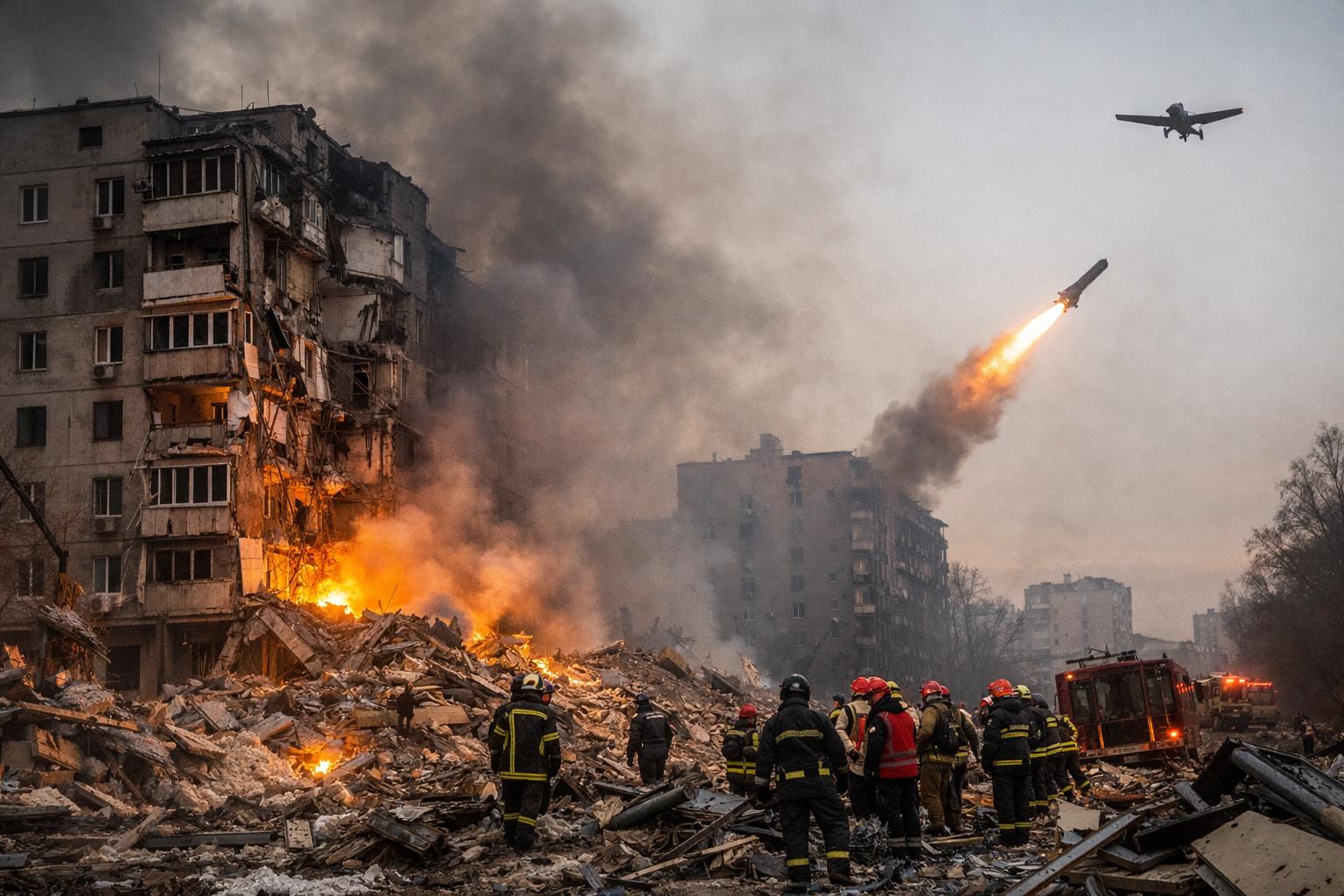
Russia launches massive missile and drone attack on Ukraine, killing at least 16
Russia launched one of its most intense aerial assaults of the year against Ukraine, firing a large number of missiles and drones in a coordinated attack that began overnight and continued into Thursday morning, April 16, 2026 (local time in Ukraine). Ukrainian officials reported that at least 16 people were killed and more than 100 others were injured in the strikes, marking a significant escalation following a brief Easter ceasefire between the two countries. According to
Russia launches massive missile and drone attack on Ukraine, killing at least 16
Russia launched one of its most intense aerial assaults of the year against Ukraine, firing a large number of missiles and drones in a coordinated attack that began overnight and continued into Thursday morning, April 16, 2026 (local time in Ukraine). Ukrainian officials reported that at least 16 people were killed and more than 100 others were injured in the strikes, marking a significant escalation following a brief Easter ceasefire between the two countries. According to
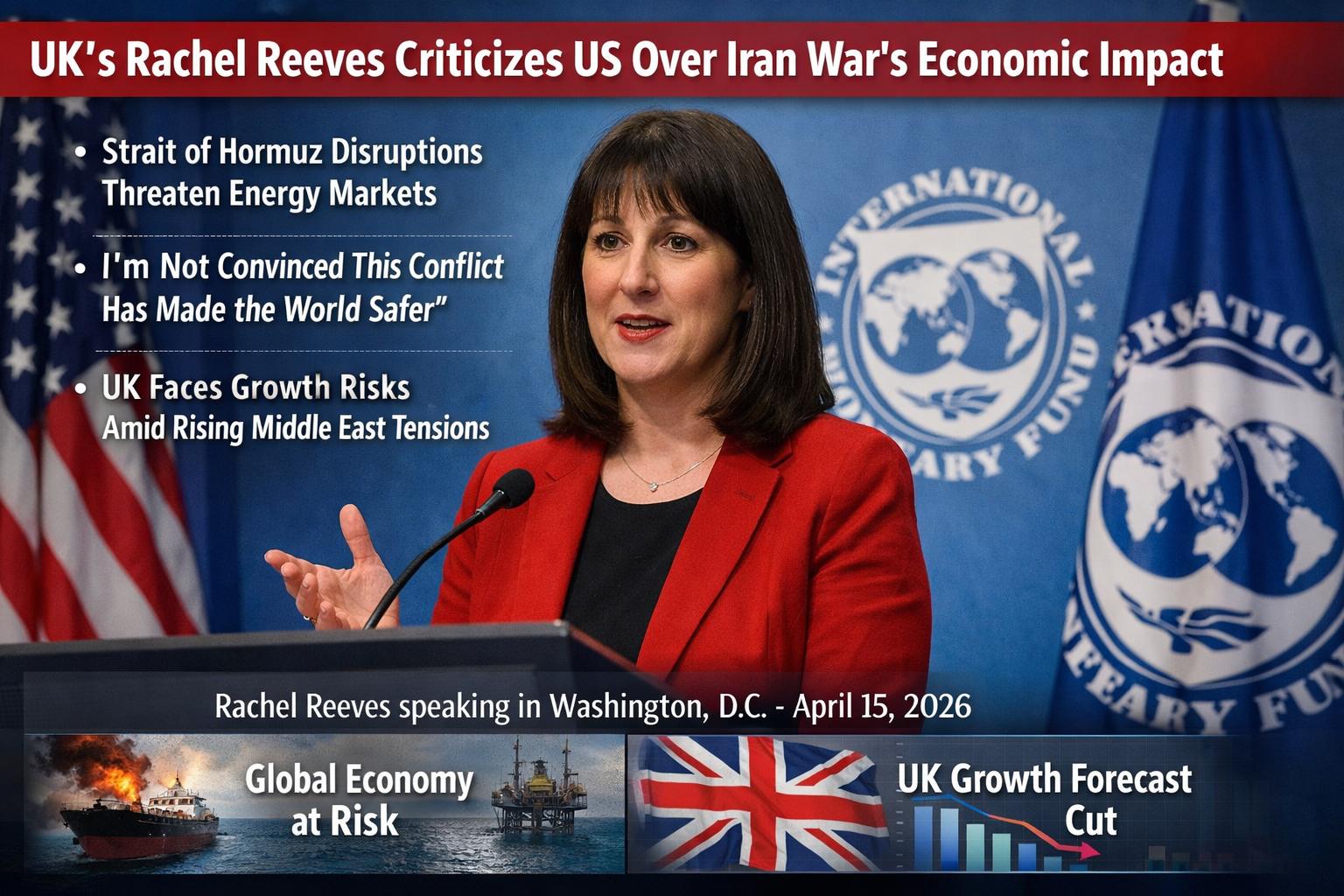
UK finance chief criticizes US over Iran war economic fallout
U.K. Finance Minister Rachel Reeves on Wednesday, April 15, 2026, called for immediate de-escalation of the Iran war, warning that the conflict is posing significant risks to global economic stability and expressing concern over the approach taken by the United States. Speaking at a forum in Washington, D.C., Reeves highlighted the economic consequences of disruptions in the Strait of Hormuz, a key global energy shipping route. She warned that ongoing instability in the region is incr
UK finance chief criticizes US over Iran war economic fallout
U.K. Finance Minister Rachel Reeves on Wednesday, April 15, 2026, called for immediate de-escalation of the Iran war, warning that the conflict is posing significant risks to global economic stability and expressing concern over the approach taken by the United States. Speaking at a forum in Washington, D.C., Reeves highlighted the economic consequences of disruptions in the Strait of Hormuz, a key global energy shipping route. She warned that ongoing instability in the region is incr
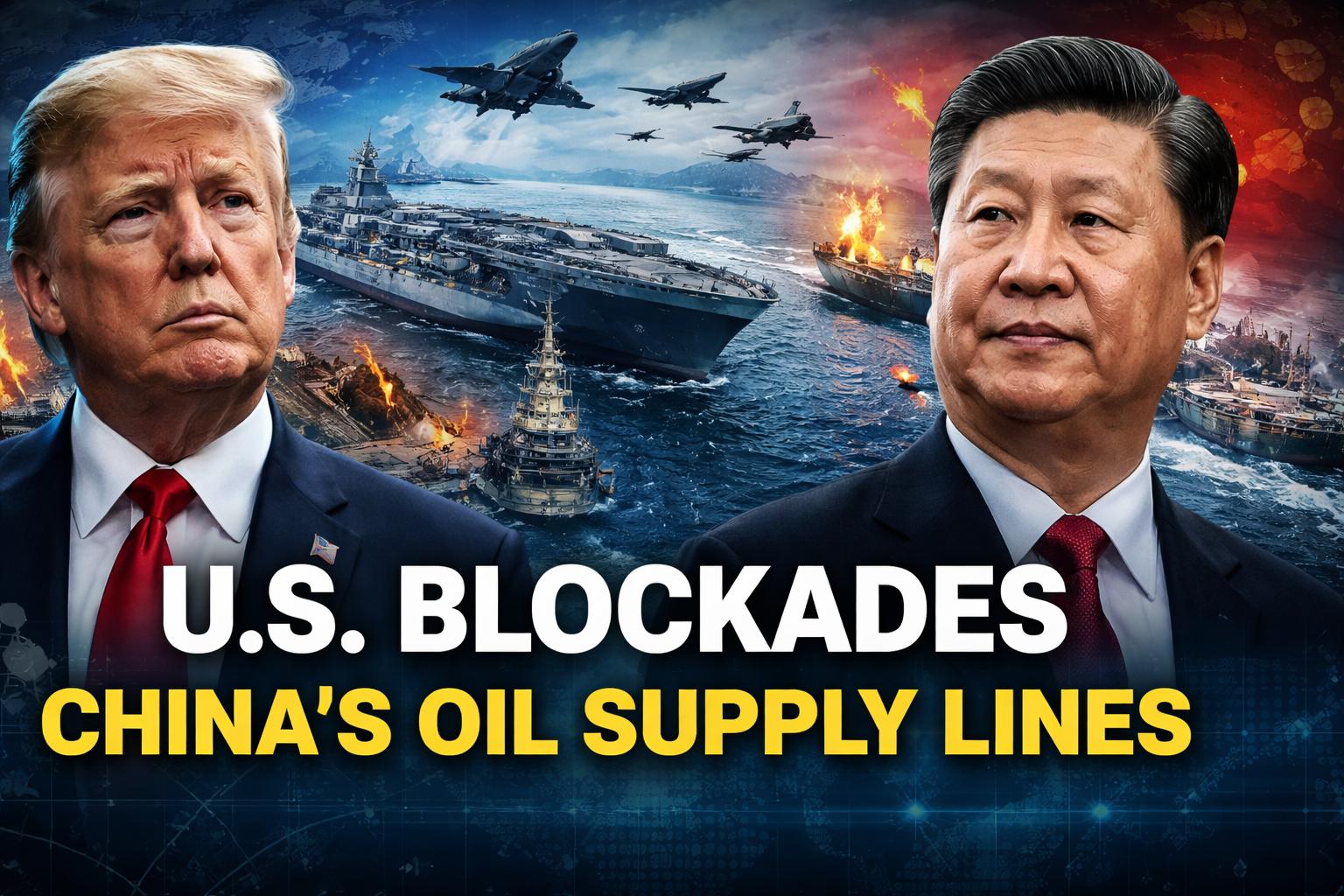
Venezuela, Hormuz, Malacca: The US-China energy conflict intensifies in 2026
The geopolitical struggle for control over global oil supply routes escalated in early 2026, as the United States moved to strategically target key energy chokepoints in an attempt to disrupt China’s oil flow. With major oil reserves located in Venezuela, the strategic Strait of Hormuz, and the Malacca Strait, the US appears to be building a complex energy blockade aimed at China, using military force and economic pressure to shift the balance of power. In January 2026, the US took a bold step by moving its military presence to Venezuela, home to the world’s largest proven oil reserves. The operation involved an elite force that captured former Venezuelan President Nicolas Maduro, potentially altering the country’s political landscape and controlling access to its vast oil reserves. With an estimated 303 billion barrels of oil at stake, Venezuela became the first of many critical points in this evolving global energy chess game. The next move came in February 2026, when the US extended its reach into the Strait of Hormuz. This chokepoint, through which 20 to 25 percent of the world’s seaborne crude oil passes, became a target as the US launched air strikes on Iranian military and energy infrastructure. The subsequent blockade of Hormuz raised the stakes even higher, as China, a major oil importer, relies heavily on this route for its energy needs. Despite Trump’s assertion that the US no longer needed Hormuz oil due to domestic production, the global impact was undeniable, with oil prices rising sharply. By March 2026, the US had expanded its strategy to the Malacca Strait, one of the world’s busiest shipping lanes and a vital route for Chinese oil imports. Through a new deal with Indonesia, the US gained increased access to the region’s airspace, strengthening its surveillance and control capabilities. This move escalated the geopolitical pressure on China, which had already been preparing for such scenarios by building overland pipeline infrastructure to mitigate risks associated with maritime routes. China’s response to these strategic moves has been multifaceted. In Venezuela, it quickly adapted to the US military action, tapping into shadow fleets and using alternative routes to maintain its crude supply. Furthermore, China’s vast reserves, along with its investments in Russian and Iranian oil, have provided it with a buffer to withstand the pressure from the US blockade. With over 1.3 billion barrels in emergency reserves, China has the capacity to play the waiting game, absorbing the initial shocks to its oil supply. As the US tightens its grip on these strategic chokepoints, the geopolitical chessboard continues to shift. China’s ability to reroute oil through its vast pipeline network and shadow tanker fleet provides a buffer, but it remains to be seen which side will blink first in this high-stakes game. While the US hopes to achieve its goals through escalating energy denial, China’s resilience and strategic planning indicate that this global oil conflict is far from over. The Malacca Strait, a vital point in this strategic maneuvering, serves as the final battleground. With its ability to influence both regional and global shipping routes, the US’s efforts to control this chokepoint may prove pivotal. However, China’s efforts to secure alternative oil sources and protect its interests in the region suggest that the true outcome of this energy conflict will depend on the endurance and tactical flexibility of both superpowers.
Venezuela, Hormuz, Malacca: The US-China energy conflict intensifies in 2026
The geopolitical struggle for control over global oil supply routes escalated in early 2026, as the United States moved to strategically target key energy chokepoints in an attempt to disrupt China’s oil flow. With major oil reserves located in Venezuela, the strategic Strait of Hormuz, and the Malacca Strait, the US appears to be building a complex energy blockade aimed at China, using military force and economic pressure to shift the balance of power. In January 2026, the US took a bold step by moving its military presence to Venezuela, home to the world’s largest proven oil reserves. The operation involved an elite force that captured former Venezuelan President Nicolas Maduro, potentially altering the country’s political landscape and controlling access to its vast oil reserves. With an estimated 303 billion barrels of oil at stake, Venezuela became the first of many critical points in this evolving global energy chess game. The next move came in February 2026, when the US extended its reach into the Strait of Hormuz. This chokepoint, through which 20 to 25 percent of the world’s seaborne crude oil passes, became a target as the US launched air strikes on Iranian military and energy infrastructure. The subsequent blockade of Hormuz raised the stakes even higher, as China, a major oil importer, relies heavily on this route for its energy needs. Despite Trump’s assertion that the US no longer needed Hormuz oil due to domestic production, the global impact was undeniable, with oil prices rising sharply. By March 2026, the US had expanded its strategy to the Malacca Strait, one of the world’s busiest shipping lanes and a vital route for Chinese oil imports. Through a new deal with Indonesia, the US gained increased access to the region’s airspace, strengthening its surveillance and control capabilities. This move escalated the geopolitical pressure on China, which had already been preparing for such scenarios by building overland pipeline infrastructure to mitigate risks associated with maritime routes. China’s response to these strategic moves has been multifaceted. In Venezuela, it quickly adapted to the US military action, tapping into shadow fleets and using alternative routes to maintain its crude supply. Furthermore, China’s vast reserves, along with its investments in Russian and Iranian oil, have provided it with a buffer to withstand the pressure from the US blockade. With over 1.3 billion barrels in emergency reserves, China has the capacity to play the waiting game, absorbing the initial shocks to its oil supply. As the US tightens its grip on these strategic chokepoints, the geopolitical chessboard continues to shift. China’s ability to reroute oil through its vast pipeline network and shadow tanker fleet provides a buffer, but it remains to be seen which side will blink first in this high-stakes game. While the US hopes to achieve its goals through escalating energy denial, China’s resilience and strategic planning indicate that this global oil conflict is far from over. The Malacca Strait, a vital point in this strategic maneuvering, serves as the final battleground. With its ability to influence both regional and global shipping routes, the US’s efforts to control this chokepoint may prove pivotal. However, China’s efforts to secure alternative oil sources and protect its interests in the region suggest that the true outcome of this energy conflict will depend on the endurance and tactical flexibility of both superpowers.
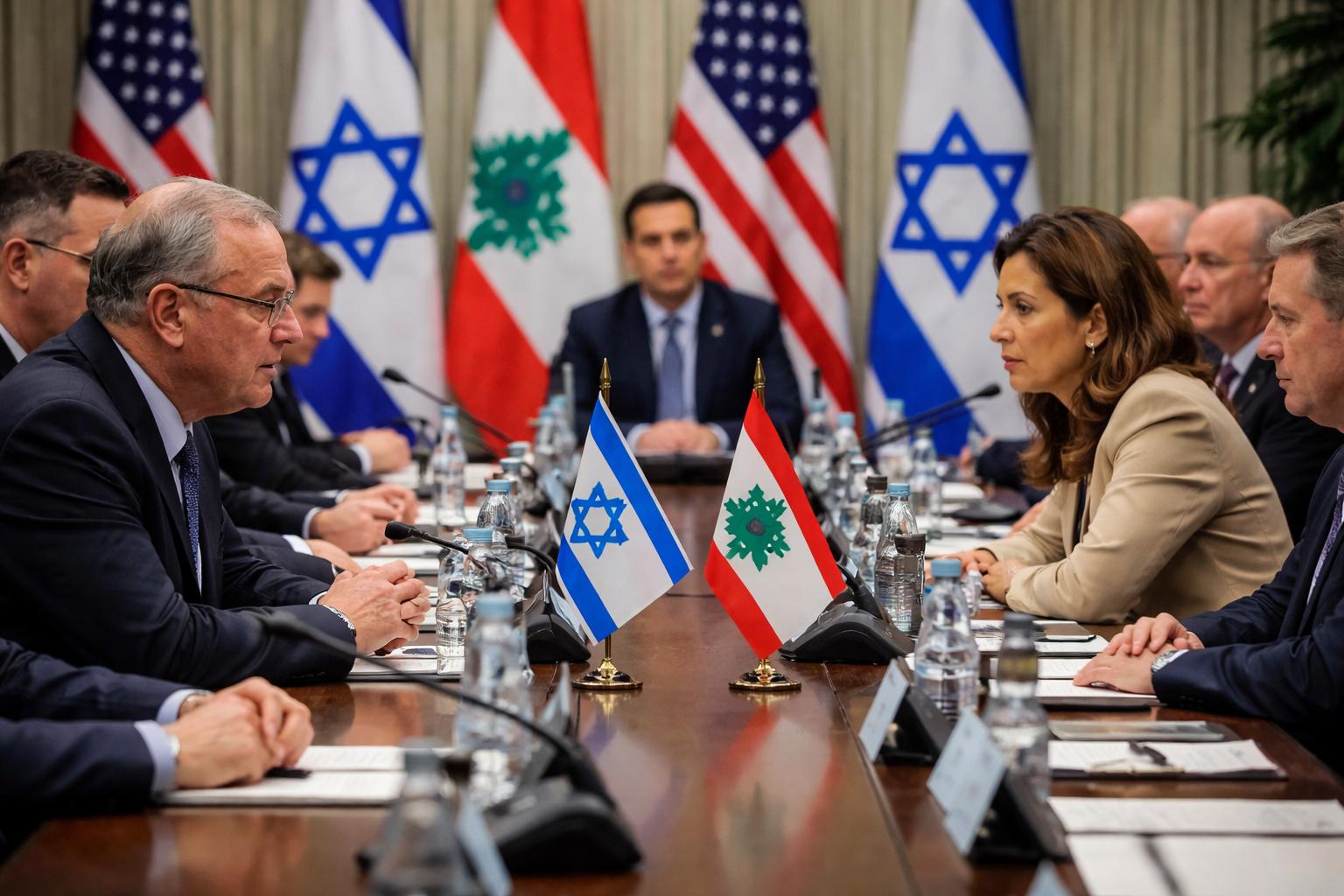
Israel and Lebanon hold rare talks in Washington amid Hezbollah conflict
Israeli and Lebanese officials held more than two hours of direct talks in Washington, D.C., on Tuesday, April 14, 2026, marking the first such high-level engagement between the two countries in decades as fighting between Israel and the Iran-backed Hezbollah group continues to escalate. The meeting, hosted by U.S. Secretary of State Marco Rubio, comes amid a fragile regional environment shaped by ongoing hostilities in Lebanon and broader tensions involving Iran. Rubio described the talks as a long-term diplomatic effort rather than an immediate solution, emphasizing that deeply rooted issues between the two sides would take time to resolve. Israeli Ambassador Yechiel Leiter said the discussions reflect a shared objective of reducing Hezbollah’s influence in Lebanon, which Israel views as an extension of Iranian power in the region. Lebanese Ambassador Nada Hamadeh Moawad participated in the talks, though public comments from the Lebanese side remained limited immediately afterward. The talks are notable given that Israel and Lebanon do not maintain formal diplomatic relations and have been technically at war for decades. Despite this, U.S. officials have pushed for dialogue as part of a broader effort to stabilize the region and prevent further escalation tied to the ongoing conflict with Iran and its allies. The diplomatic engagement comes as Israeli military operations continue across southern Lebanon. The conflict intensified after Hezbollah launched rocket attacks on northern Israel on Sunday, March 2, 2026, prompting a large-scale Israeli response that has included airstrikes and ground operations. Hezbollah, which is not part of the negotiations and opposes direct talks with Israel, has continued its military activities during the diplomatic effort. The group’s rejection of the talks highlights internal divisions within Lebanon, where the government has limited control over Hezbollah’s armed wing. Beyond the immediate conflict, the situation has broader global implications. Tensions surrounding Iran, including disputes over its nuclear program and control of the Strait of Hormuz, have raised concerns about disruptions to global energy supplies. Analysts warn that instability in the region could affect oil markets and contribute to economic uncertainty worldwide. While no immediate breakthroughs are expected, officials describe the Washington meeting as a significant first step toward potential de-escalation, even as violence on the ground and political divisions continue to complicate the path forward.
Israel and Lebanon hold rare talks in Washington amid Hezbollah conflict
Israeli and Lebanese officials held more than two hours of direct talks in Washington, D.C., on Tuesday, April 14, 2026, marking the first such high-level engagement between the two countries in decades as fighting between Israel and the Iran-backed Hezbollah group continues to escalate. The meeting, hosted by U.S. Secretary of State Marco Rubio, comes amid a fragile regional environment shaped by ongoing hostilities in Lebanon and broader tensions involving Iran. Rubio described the talks as a long-term diplomatic effort rather than an immediate solution, emphasizing that deeply rooted issues between the two sides would take time to resolve. Israeli Ambassador Yechiel Leiter said the discussions reflect a shared objective of reducing Hezbollah’s influence in Lebanon, which Israel views as an extension of Iranian power in the region. Lebanese Ambassador Nada Hamadeh Moawad participated in the talks, though public comments from the Lebanese side remained limited immediately afterward. The talks are notable given that Israel and Lebanon do not maintain formal diplomatic relations and have been technically at war for decades. Despite this, U.S. officials have pushed for dialogue as part of a broader effort to stabilize the region and prevent further escalation tied to the ongoing conflict with Iran and its allies. The diplomatic engagement comes as Israeli military operations continue across southern Lebanon. The conflict intensified after Hezbollah launched rocket attacks on northern Israel on Sunday, March 2, 2026, prompting a large-scale Israeli response that has included airstrikes and ground operations. Hezbollah, which is not part of the negotiations and opposes direct talks with Israel, has continued its military activities during the diplomatic effort. The group’s rejection of the talks highlights internal divisions within Lebanon, where the government has limited control over Hezbollah’s armed wing. Beyond the immediate conflict, the situation has broader global implications. Tensions surrounding Iran, including disputes over its nuclear program and control of the Strait of Hormuz, have raised concerns about disruptions to global energy supplies. Analysts warn that instability in the region could affect oil markets and contribute to economic uncertainty worldwide. While no immediate breakthroughs are expected, officials describe the Washington meeting as a significant first step toward potential de-escalation, even as violence on the ground and political divisions continue to complicate the path forward.

When generosity misses the need: a powerful lesson in empathy
A powerful human-interest story is gaining attention for its emotional depth and its reflection on empathy, intention, and the importance of understanding real needs. Centered on a middle-class individual managing a chronic health condition, the narrative highlights how even well-meaning actions can fall short when awareness is missing. The story begins in a modest household where financial limitations shape daily priorities. With only a small amount of money available, the man is reminded by his wife to use it carefully to purchase his essential diabetes medication. The moment underscores a quiet but urgent reality—health needs that cannot be postponed. Later, the man encounters an old friend who now lives a far more comfortable lifestyle. Their reunion is warm, reflecting enduring personal bonds despite changing circumstances. During a casual interaction, the friend requests a small amount of money to complete a purchase, unaware of its significance. After a brief hesitation, the man chooses to help, sacrificing the only money he had set aside for his medication. The following day, the friend returns with what he believes is a generous gesture—a large, expensive box of sweets meant to repay the amount he borrowed. However, this act unintentionally reveals a striking irony: while the man had been struggling to afford his diabetes medicine, he is instead given sweets he cannot safely consume. The contrast highlights a deeper issue, where value is measured in cost rather than relevance. The situation becomes more poignant when the friend overhears a private conversation inside the home. The man, now without his medication, expresses distress, questioning how such a gift can help when his most basic health need remains unmet. This moment underscores the emotional weight of misunderstanding, even in acts of kindness. Ultimately, the story serves as a reminder that meaningful help requires more than generosity—it demands awareness, empathy, and a genuine understanding of what others truly need.
When generosity misses the need: a powerful lesson in empathy
A powerful human-interest story is gaining attention for its emotional depth and its reflection on empathy, intention, and the importance of understanding real needs. Centered on a middle-class individual managing a chronic health condition, the narrative highlights how even well-meaning actions can fall short when awareness is missing. The story begins in a modest household where financial limitations shape daily priorities. With only a small amount of money available, the man is reminded by his wife to use it carefully to purchase his essential diabetes medication. The moment underscores a quiet but urgent reality—health needs that cannot be postponed. Later, the man encounters an old friend who now lives a far more comfortable lifestyle. Their reunion is warm, reflecting enduring personal bonds despite changing circumstances. During a casual interaction, the friend requests a small amount of money to complete a purchase, unaware of its significance. After a brief hesitation, the man chooses to help, sacrificing the only money he had set aside for his medication. The following day, the friend returns with what he believes is a generous gesture—a large, expensive box of sweets meant to repay the amount he borrowed. However, this act unintentionally reveals a striking irony: while the man had been struggling to afford his diabetes medicine, he is instead given sweets he cannot safely consume. The contrast highlights a deeper issue, where value is measured in cost rather than relevance. The situation becomes more poignant when the friend overhears a private conversation inside the home. The man, now without his medication, expresses distress, questioning how such a gift can help when his most basic health need remains unmet. This moment underscores the emotional weight of misunderstanding, even in acts of kindness. Ultimately, the story serves as a reminder that meaningful help requires more than generosity—it demands awareness, empathy, and a genuine understanding of what others truly need.

The shortest war in history lasted just 38 minutes in 1896
The Anglo-Zanzibar War, widely recognized as the shortest war in recorded history, unfolded on Wednesday, August 27, 1896, in the East African island territory of Zanzibar. The conflict, which lasted between 38 and 45 minutes, involved forces of the British Empire and the Sultanate of Zanzibar, highlighting the stark imbalance of power during the colonial era. The confrontation began following the death of Sultan Hamad bin Thuwaini, after which his successor, Sultan Khalid bin Bargh
The shortest war in history lasted just 38 minutes in 1896
The Anglo-Zanzibar War, widely recognized as the shortest war in recorded history, unfolded on Wednesday, August 27, 1896, in the East African island territory of Zanzibar. The conflict, which lasted between 38 and 45 minutes, involved forces of the British Empire and the Sultanate of Zanzibar, highlighting the stark imbalance of power during the colonial era. The confrontation began following the death of Sultan Hamad bin Thuwaini, after which his successor, Sultan Khalid bin Bargh

Join NTR Trust Thalassemia Run 2026 with Nara Bhuvaneshwari to Support Children
The NTR Trust is organizing a Thalassemia Run on May 10, 2026, to raise awareness about thalassemia, a genetic blood disorder that affects children. The event will feature 3K, 5K, and 10K runs at Jalavihar, Hyderabad, beginning at 5 AM. NTR Trust Managing Trustee Mrs. Nara Bhuvaneshwari, along with Thalassemia Run brand ambassador and Indian cricket star Mithali Raj, attended a press meet to encourage public participation and support. The run aims to highlight the importance of blood donation
Join NTR Trust Thalassemia Run 2026 with Nara Bhuvaneshwari to Support Children
The NTR Trust is organizing a Thalassemia Run on May 10, 2026, to raise awareness about thalassemia, a genetic blood disorder that affects children. The event will feature 3K, 5K, and 10K runs at Jalavihar, Hyderabad, beginning at 5 AM. NTR Trust Managing Trustee Mrs. Nara Bhuvaneshwari, along with Thalassemia Run brand ambassador and Indian cricket star Mithali Raj, attended a press meet to encourage public participation and support. The run aims to highlight the importance of blood donation
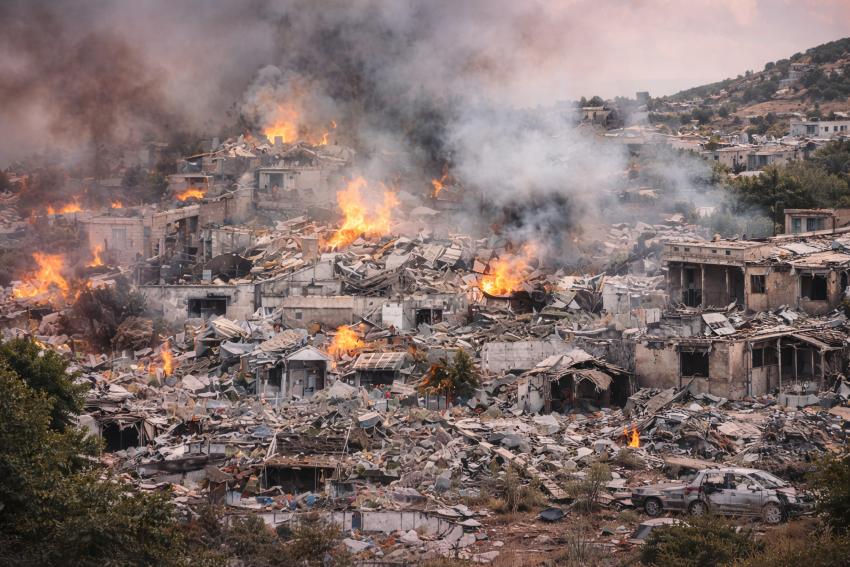
Middle East Crisis Us Iran Talks Fail Israel Lebanon Village Destruction Concerns Rise
Tensions in the Middle East continue to rise as the United States and Iran failed to reach an agreement after long peace talks held in Pakistan. At the same time, concerns are growing over the situation in southern Lebanon, where reports suggest large-scale destruction in several villages along the Israel-Lebanon border. According to reports, Israeli military operations have led to the demolition of villages such as Taybeh, Naqoura, and Deir Seryan. Videos circulating onli
Middle East Crisis Us Iran Talks Fail Israel Lebanon Village Destruction Concerns Rise
Tensions in the Middle East continue to rise as the United States and Iran failed to reach an agreement after long peace talks held in Pakistan. At the same time, concerns are growing over the situation in southern Lebanon, where reports suggest large-scale destruction in several villages along the Israel-Lebanon border. According to reports, Israeli military operations have led to the demolition of villages such as Taybeh, Naqoura, and Deir Seryan. Videos circulating onli
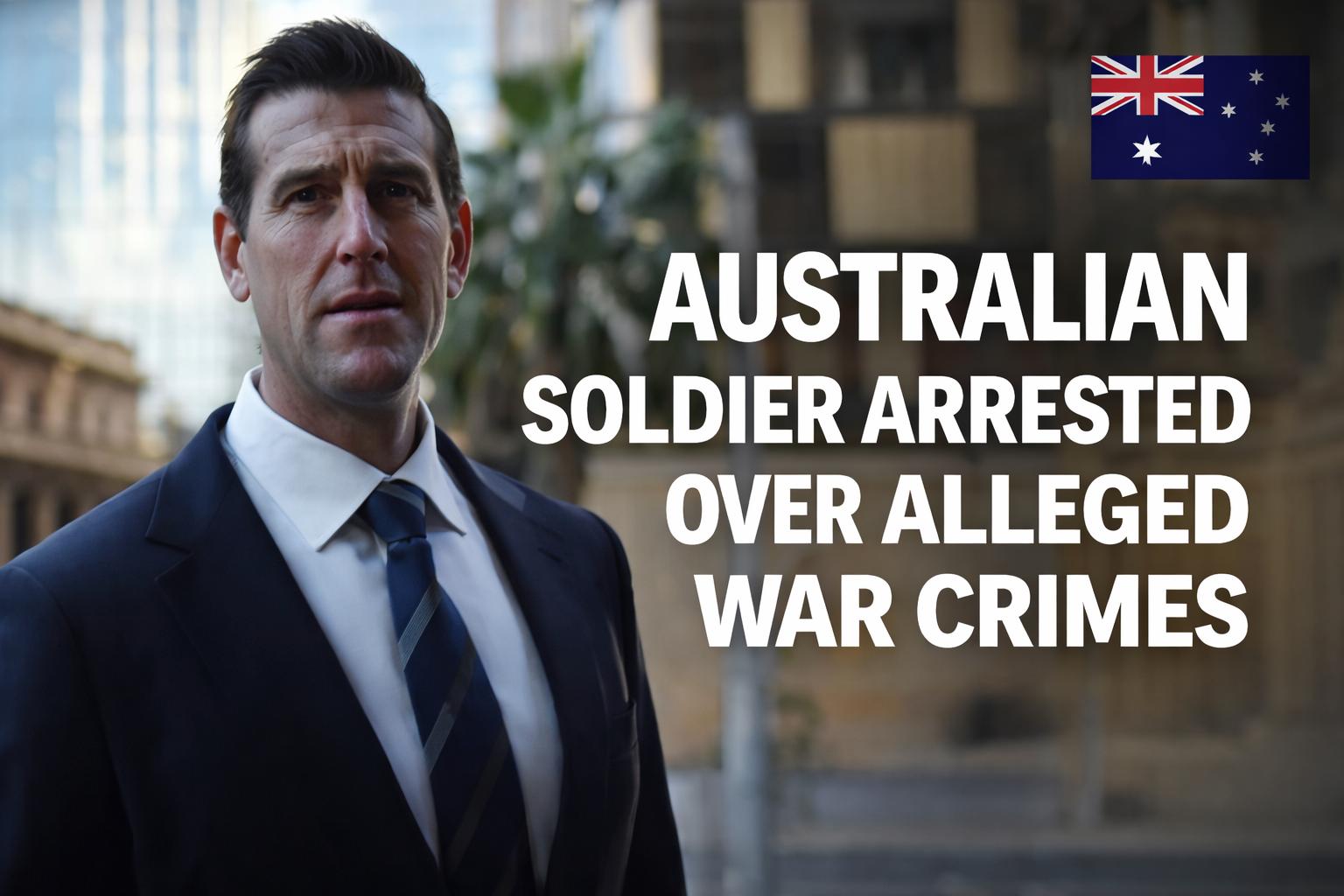
Australian soldier Ben Roberts-Smith arrested over alleged war crimes
A former member of Australia’s armed forces, widely recognized for his military honors, has been arrested and is expected to face multiple war crime charges tied to alleged killings in Afghanistan. Authorities confirmed the arrest took place at Sydney Airport on Tuesday, though an exact date and time were not disclosed. The individual, identified by police as a 47-year-old former Australian Defence Force member and publicly named as Ben Roberts-Smith, is set to be charged with fiv
Australian soldier Ben Roberts-Smith arrested over alleged war crimes
A former member of Australia’s armed forces, widely recognized for his military honors, has been arrested and is expected to face multiple war crime charges tied to alleged killings in Afghanistan. Authorities confirmed the arrest took place at Sydney Airport on Tuesday, though an exact date and time were not disclosed. The individual, identified by police as a 47-year-old former Australian Defence Force member and publicly named as Ben Roberts-Smith, is set to be charged with fiv
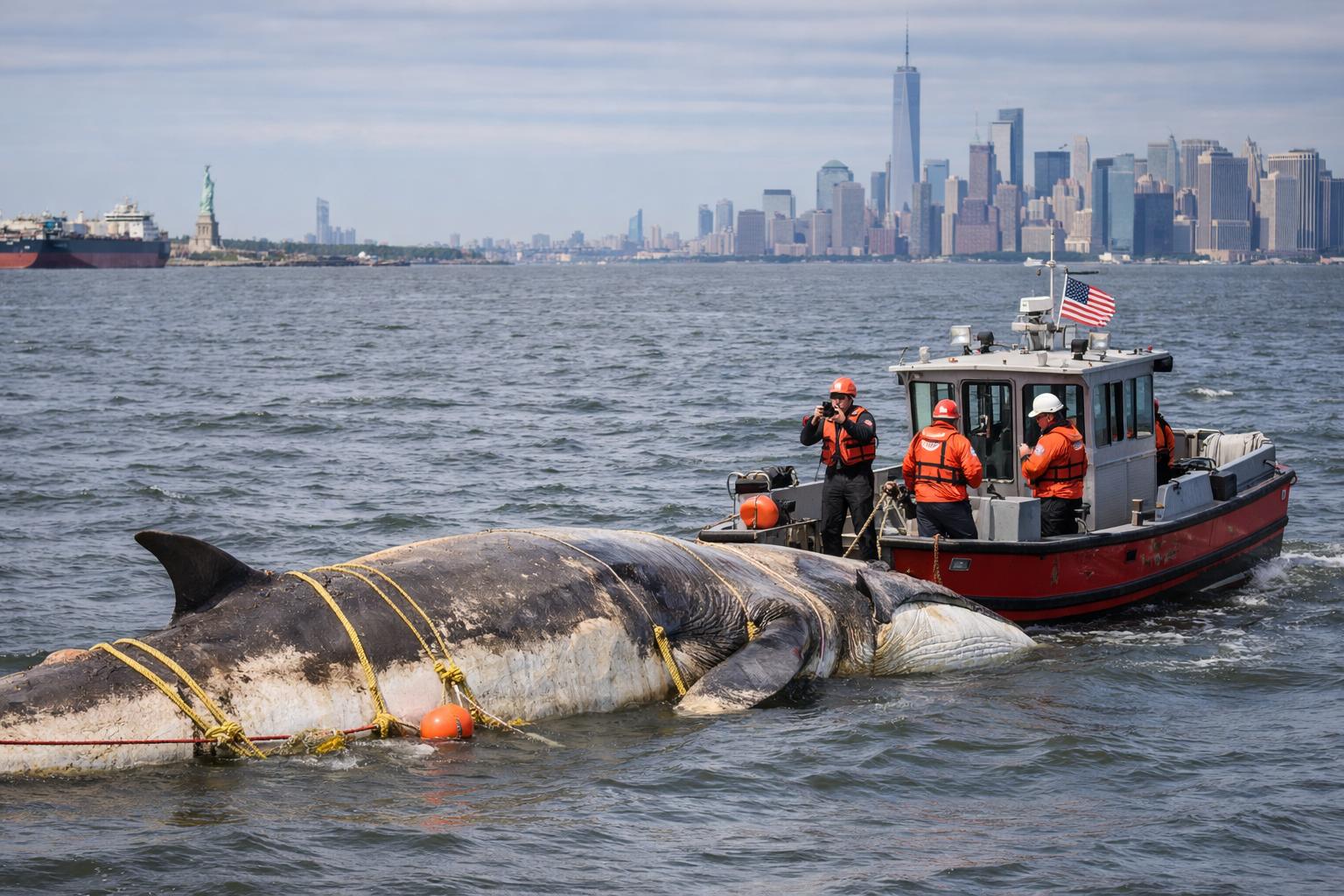
50-foot whale discovered in Newark Bay under investigation by experts
Marine response teams are working to remove a large whale carcass discovered in Newark Bay, as officials coordinate a complex recovery and investigation effort involving multiple agencies. Authorities said the Marine Mammal Stranding Center received a report of the dead whale on Wednesday, April 9, 2026. The animal, estimated to be about 50 feet long, is believed to be either a fin whale or a sei whale, though confirmation is pending further examination. Following the report, the U.S. Army Corps of Engineers assisted in securing the whale to prevent it from posing a navigational hazard in the busy waterway. The carcass was then relocated to a staging area in New York Harbor while officials worked to develop a detailed response plan. On Friday morning, April 11, 2026, specialists from the Marine Mammal Stranding Center, supported by the Army Corps of Engineers, boarded a vessel to document the whale and collect initial tissue samples. These early steps are part of a broader scientific effort to determine the species and assess potential causes of death. The Marine Mammal Stranding Center is collaborating with the Atlantic Marine Conservation Society, along with local, state, and federal partners, to coordinate the next phase of the operation. Plans include towing the whale to a suitable location where a full necropsy can be conducted. Officials emphasized that assembling the necessary team and equipment remains a priority. However, the operation faces several logistical challenges. Authorities are still working to secure an appropriate landing site, manage weather-related constraints, and arrange transportation and heavy machinery needed for the examination. Experts say a comprehensive necropsy will be critical to identifying the species definitively and understanding the circumstances surrounding the whale’s death. Additional updates are expected as the investigation progresses and more information becomes available.
50-foot whale discovered in Newark Bay under investigation by experts
Marine response teams are working to remove a large whale carcass discovered in Newark Bay, as officials coordinate a complex recovery and investigation effort involving multiple agencies. Authorities said the Marine Mammal Stranding Center received a report of the dead whale on Wednesday, April 9, 2026. The animal, estimated to be about 50 feet long, is believed to be either a fin whale or a sei whale, though confirmation is pending further examination. Following the report, the U.S. Army Corps of Engineers assisted in securing the whale to prevent it from posing a navigational hazard in the busy waterway. The carcass was then relocated to a staging area in New York Harbor while officials worked to develop a detailed response plan. On Friday morning, April 11, 2026, specialists from the Marine Mammal Stranding Center, supported by the Army Corps of Engineers, boarded a vessel to document the whale and collect initial tissue samples. These early steps are part of a broader scientific effort to determine the species and assess potential causes of death. The Marine Mammal Stranding Center is collaborating with the Atlantic Marine Conservation Society, along with local, state, and federal partners, to coordinate the next phase of the operation. Plans include towing the whale to a suitable location where a full necropsy can be conducted. Officials emphasized that assembling the necessary team and equipment remains a priority. However, the operation faces several logistical challenges. Authorities are still working to secure an appropriate landing site, manage weather-related constraints, and arrange transportation and heavy machinery needed for the examination. Experts say a comprehensive necropsy will be critical to identifying the species definitively and understanding the circumstances surrounding the whale’s death. Additional updates are expected as the investigation progresses and more information becomes available.
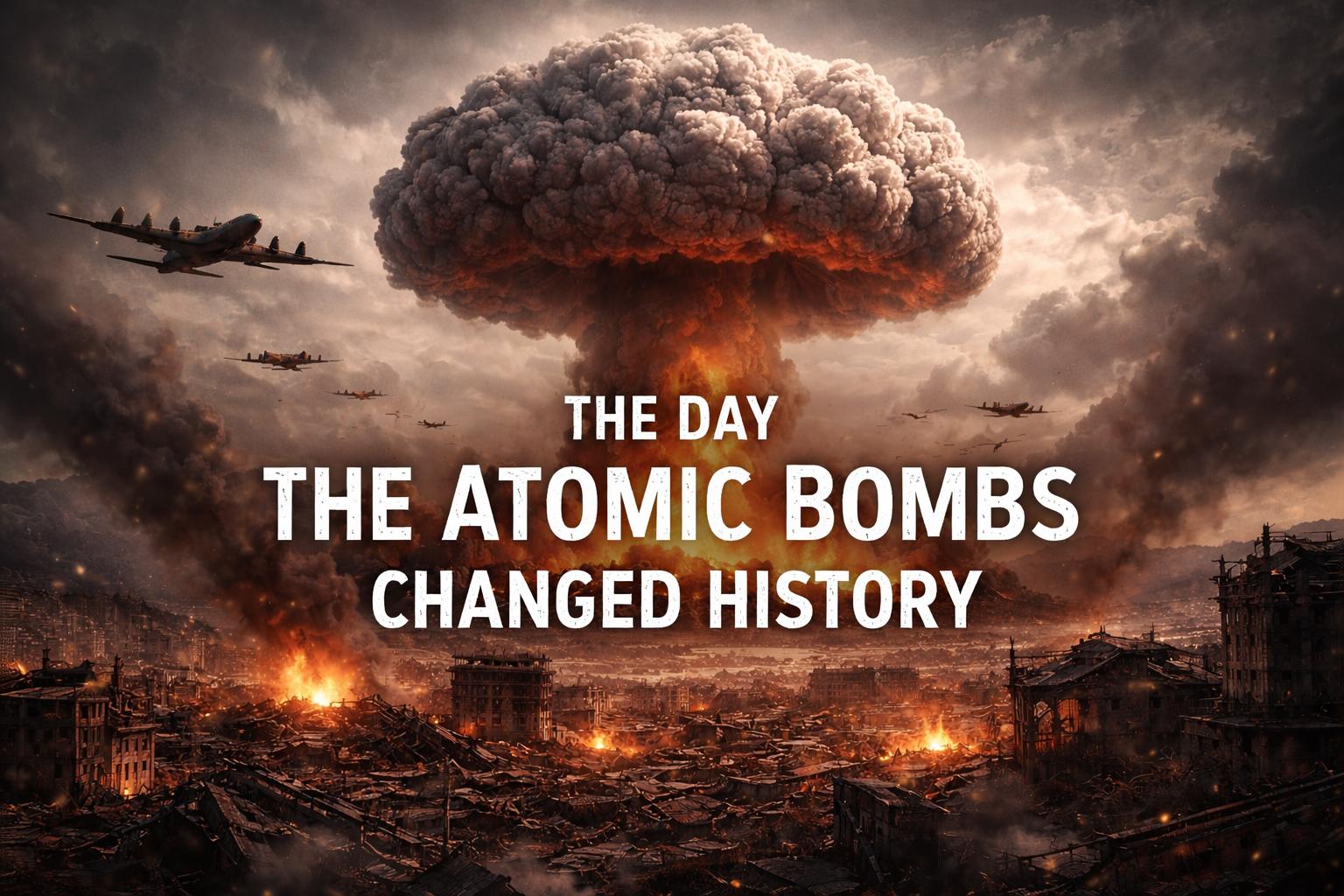
The U.S. and Japan: The Road to World War II and the Atomic Bombings
In 1945, the world was on the edge of significant change, driven by the destructive forces of war. The United States and Japan, two powerful nations, found themselves on a path of inevitable conflict, forever altering the course of history. Japan’s imperial ambitions across Asia and the Pacific created rising tensions with the U.S. and Western nations. The United States had long condemned Japan’s expansion, particularly its invasion of China and occupation of Fren
The U.S. and Japan: The Road to World War II and the Atomic Bombings
In 1945, the world was on the edge of significant change, driven by the destructive forces of war. The United States and Japan, two powerful nations, found themselves on a path of inevitable conflict, forever altering the course of history. Japan’s imperial ambitions across Asia and the Pacific created rising tensions with the U.S. and Western nations. The United States had long condemned Japan’s expansion, particularly its invasion of China and occupation of Fren

Actor Michael Campbell dies at 35 after acclaimed Richard III performance
Actor Michael Campbell, widely praised for his groundbreaking stage performance while living with Motor Neurone Disease, has died at the age of 35. Campbell, also known as Michael Patrick, died on Tuesday at a hospice in Northern Ireland following a diagnosis he received in February 2023. His wife, Naomi, confirmed his death in a social media post, describing him as a man who lived life with extraordinary energy and spirit. She wrote that he had been “an inspiration” not only during his illness but throughout his life, remembered for his joy, humor, and resilience. Campbell gained widespread recognition for his portrayal of Richard III at the Lyric Theatre Belfast, where he performed the role using a wheelchair. His interpretation reimagined the Shakespearean character as someone diagnosed with a terminal illness, reflecting his own experience and bringing a deeply personal dimension to the production. His work earned major recognition in January 2025, when he received a Judges’ Award at The Stage Awards in London, where he was honored with a standing ovation. Campbell had adapted the play alongside collaborator Oisín Kearney, reshaping its narrative to explore themes of mortality, identity, and resilience. Tributes from the theatre community highlighted his artistic range and emotional depth. Leaders at the Lyric Theatre described him as a “remarkable talent” whose work left a lasting impact, while colleagues praised his ability to blend humor and tragedy in ways that resonated with audiences. Campbell also appeared in the television drama Blue Lights and was known for his writing, which often explored grief, illness, and the human condition. Even as his health declined—eventually requiring a wheelchair less than a year after diagnosis—he continued to create and perform. Motor neurone disease is a progressive neurological condition affecting the brain and spinal cord, leading to muscle weakness and reduced mobility. There is currently no cure, though treatments can help manage symptoms. In his final months, Campbell spoke openly about his prognosis and chose to focus on time with loved ones outside of hospital care. His legacy, colleagues said, lies not only in his performances but in his courage, creativity, and lasting influence on modern theatre.
Actor Michael Campbell dies at 35 after acclaimed Richard III performance
Actor Michael Campbell, widely praised for his groundbreaking stage performance while living with Motor Neurone Disease, has died at the age of 35. Campbell, also known as Michael Patrick, died on Tuesday at a hospice in Northern Ireland following a diagnosis he received in February 2023. His wife, Naomi, confirmed his death in a social media post, describing him as a man who lived life with extraordinary energy and spirit. She wrote that he had been “an inspiration” not only during his illness but throughout his life, remembered for his joy, humor, and resilience. Campbell gained widespread recognition for his portrayal of Richard III at the Lyric Theatre Belfast, where he performed the role using a wheelchair. His interpretation reimagined the Shakespearean character as someone diagnosed with a terminal illness, reflecting his own experience and bringing a deeply personal dimension to the production. His work earned major recognition in January 2025, when he received a Judges’ Award at The Stage Awards in London, where he was honored with a standing ovation. Campbell had adapted the play alongside collaborator Oisín Kearney, reshaping its narrative to explore themes of mortality, identity, and resilience. Tributes from the theatre community highlighted his artistic range and emotional depth. Leaders at the Lyric Theatre described him as a “remarkable talent” whose work left a lasting impact, while colleagues praised his ability to blend humor and tragedy in ways that resonated with audiences. Campbell also appeared in the television drama Blue Lights and was known for his writing, which often explored grief, illness, and the human condition. Even as his health declined—eventually requiring a wheelchair less than a year after diagnosis—he continued to create and perform. Motor neurone disease is a progressive neurological condition affecting the brain and spinal cord, leading to muscle weakness and reduced mobility. There is currently no cure, though treatments can help manage symptoms. In his final months, Campbell spoke openly about his prognosis and chose to focus on time with loved ones outside of hospital care. His legacy, colleagues said, lies not only in his performances but in his courage, creativity, and lasting influence on modern theatre.










