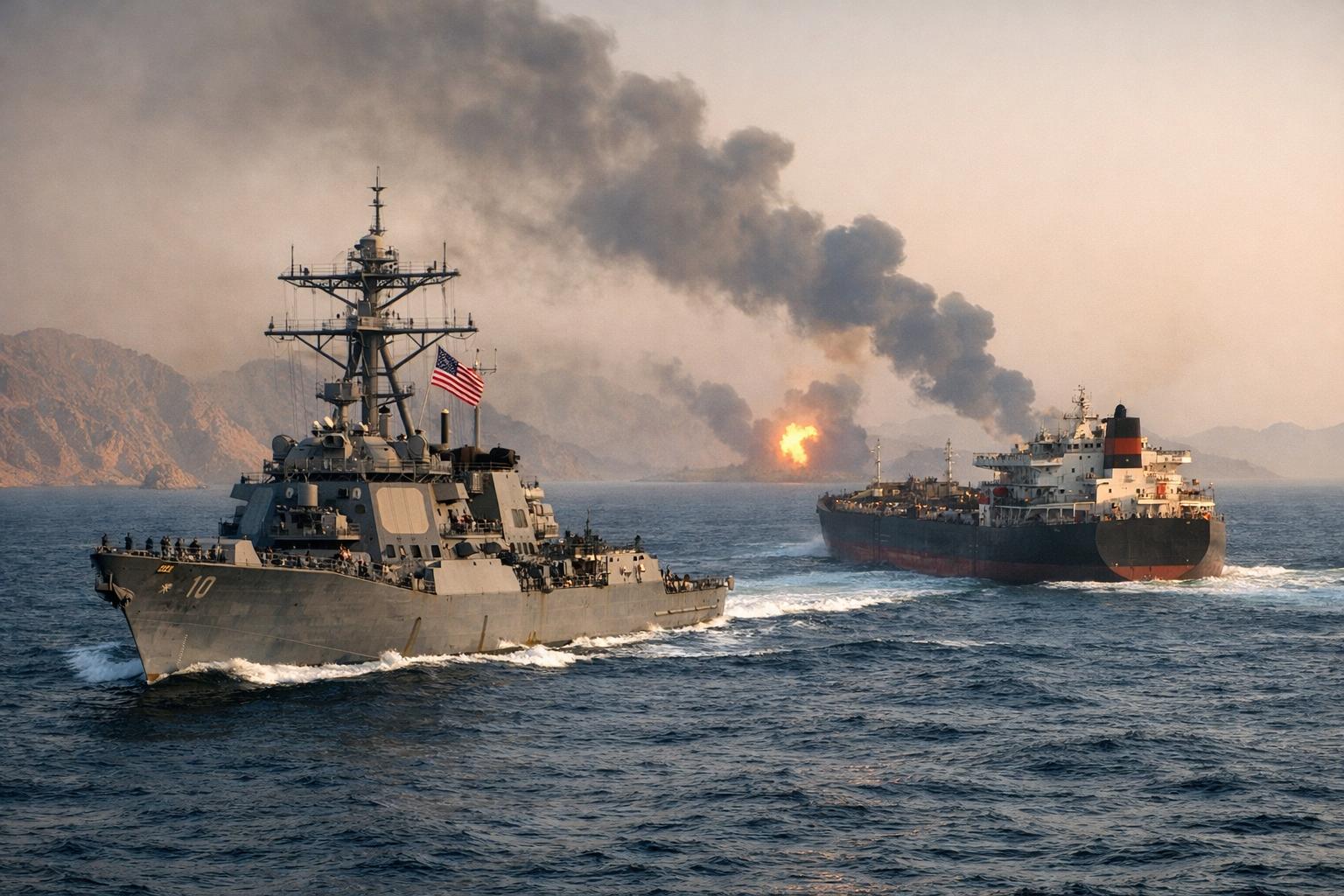
The Strait of Hormuz is one of the world’s most critical maritime routes for energy transportation, serving as the primary gateway for oil exports from the Persian Gulf. More than 14 million barrels of crude oil per day passed through the channel in 2025, accounting for roughly one-third of the world’s seaborne oil shipments. Under normal conditions, around 100 tankers and cargo vessels transit the strait each day. However, ongoing hostilities and security threats have left hundreds of vessels stranded in Gulf waters as shipping companies hesitate to send ships through the high-risk corridor.
Oil markets have reacted sharply to the disruption. US crude prices climbed nearly 28 percent this week, rising above 86 dollars per barrel, while global benchmark Brent crude increased more than 22 percent to around 89 dollars per barrel. Analysts warn that a prolonged closure of the Strait of Hormuz could push prices above 100 dollars per barrel, a level that could significantly strain the global economy and potentially trigger a recession.
Security concerns remain the primary factor discouraging tanker movement despite discussions of naval escorts. Shipping companies are closely monitoring developments and are unlikely to resume normal operations until there is a sustained period without attacks. Analysts say escorting vessels through the strait would require significant naval resources and could prove difficult given the volume of ships currently waiting to move through the region.
The administration has signaled that restoring the flow of energy supplies from the Gulf remains a priority. However, officials acknowledge that military operations and broader strategic objectives related to Iran will influence the timeline for securing the shipping lane. For now, uncertainty continues to weigh on global oil markets, with experts warning that prolonged disruptions could force Gulf producers to reduce output if storage facilities reach capacity.
Energy analysts note that the longer vessels remain stuck in the Persian Gulf, the more pressure will build across the global oil market. If export bottlenecks persist and production cuts accelerate, prices could climb further, intensifying volatility in an already fragile energy landscape.