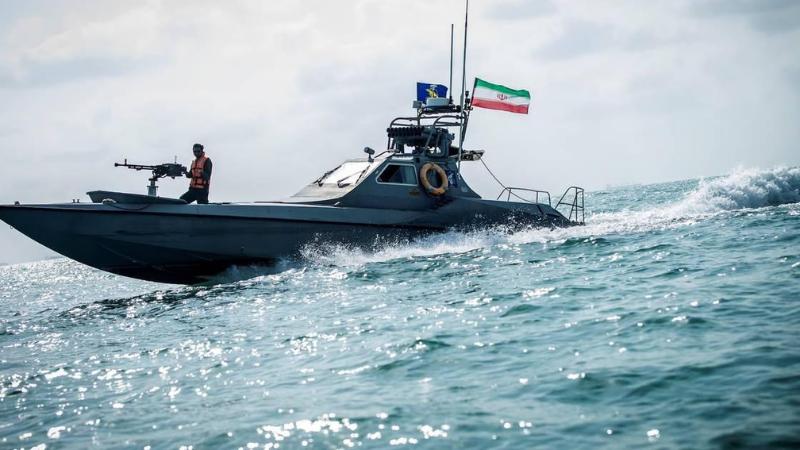
The firing occurred amid confusion over whether the Strait of Hormuz had officially reopened following a ceasefire agreement tied to the Israel-Hezbollah conflict in Lebanon. Iran’s Foreign Minister Abbas Araghchi stated earlier that the passage would remain fully open for commercial shipping during the ceasefire period. However, senior Iranian officials later clarified that vessels would need prior coordination with the IRGC, which maintains operational control over the strait.
India responded swiftly, summoning Iranian Ambassador Mohammad Fathali to formally protest the incident. Officials in New Delhi conveyed serious concern over the safety of civilian shipping, particularly as one of the targeted vessels was reportedly a supertanker carrying nearly two million barrels of Iraqi oil.
The Strait of Hormuz handles roughly 20% of global oil and gas flows, making any disruption a significant risk to international energy markets. Hundreds of vessels remain stranded in the Persian Gulf, awaiting clarity on navigation rules, while shipping companies weigh safety concerns against mounting economic pressure.
Analysts say the incident underscores a deeper divide within Iran’s governing system. While civilian leaders have advocated for diplomacy and economic stability, the IRGC has maintained a more hardline stance, continuing to enforce strict maritime controls. Experts describe Iran’s current governance as “heterarchical,” where multiple power centers operate without a single unified authority.
This internal friction has intensified since the escalation of conflict in late February, with reports of disagreements over military strategy and foreign policy. The IRGC’s continued influence over maritime operations, including restrictions and enforcement actions in the Strait of Hormuz, highlights its dominant role despite public assurances from the civilian government.
The episode illustrates how uncertainty over command and control in Tehran is directly affecting global trade routes. Until Iran’s leadership presents a consistent policy on maritime access, the Strait of Hormuz is likely to remain a flashpoint for geopolitical and economic instability.