
















Strait of Hormuz crisis and Iran ceasefire spark global political debate
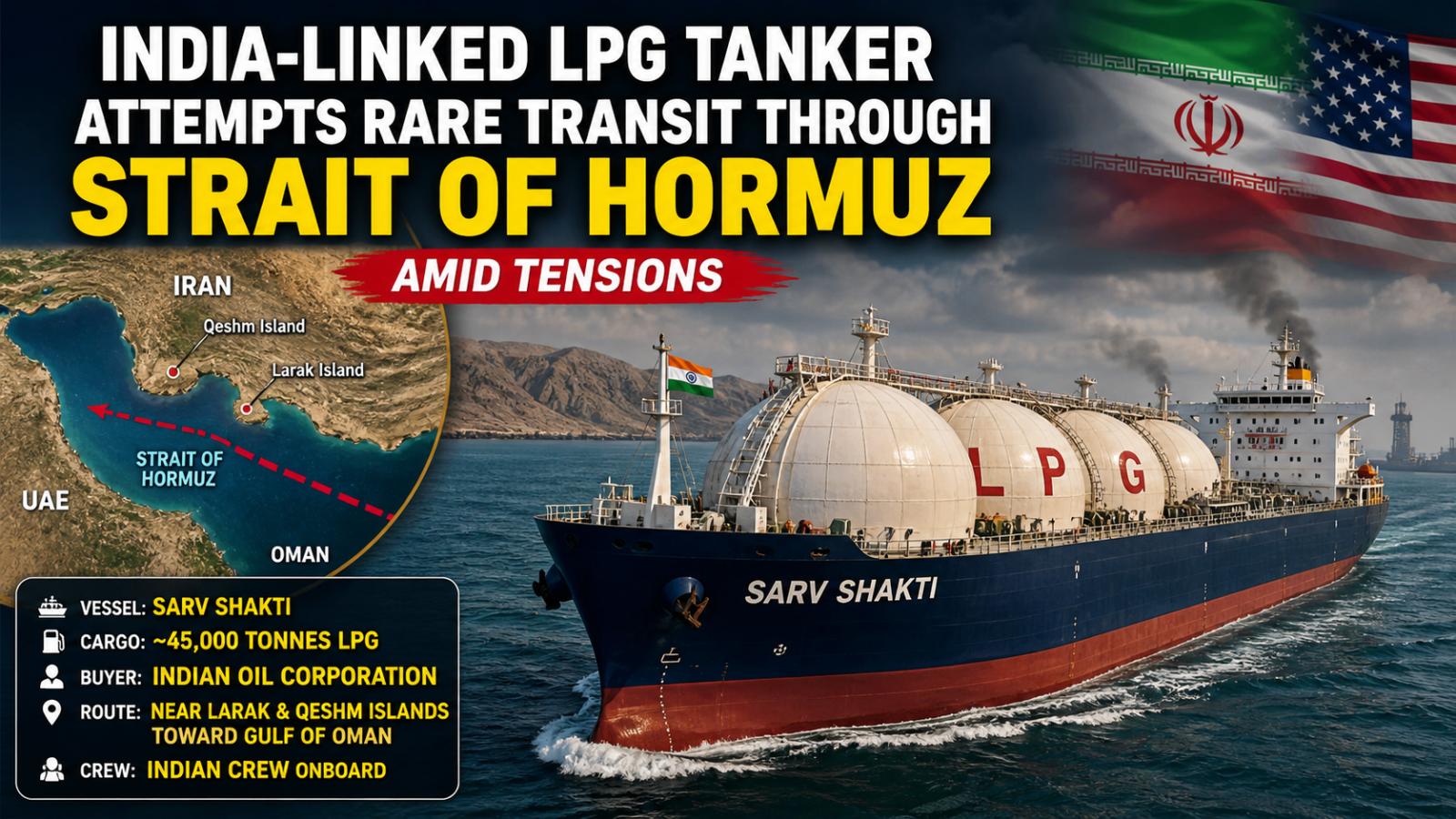
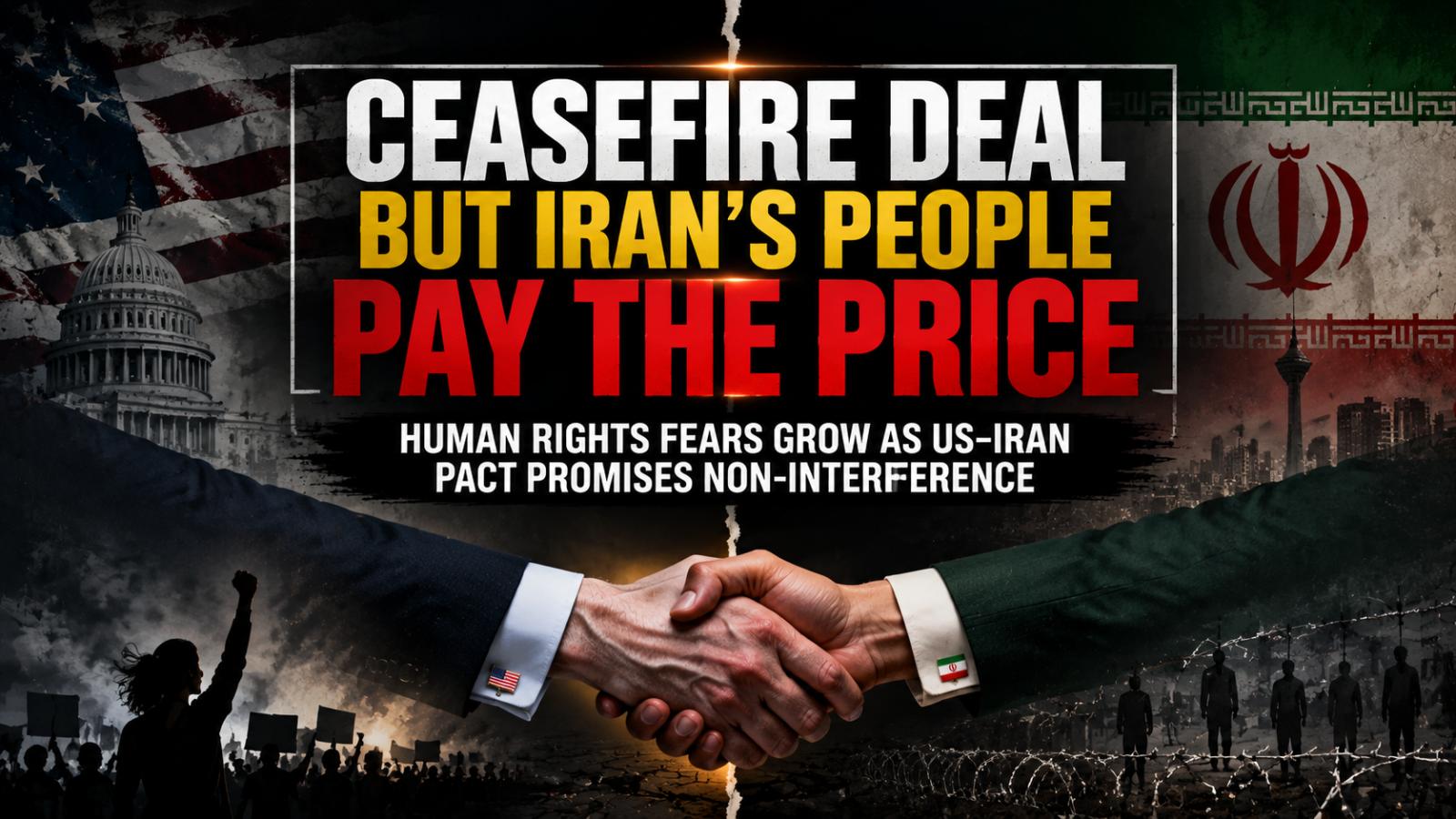
Ceasefire agreement raises human rights concerns The recent ceasefire understanding between the United States and Iran has triggered debate over its wider political and humanitarian implications. While the agreement aims to stabilize relations after months of conflict, critics argue that its language on non-interference could limit external pressure on Iran’s internal human rights situation. The inclusion of sovereignty clauses has been interpreted by analysts as a significant shift in diplomatic posture compared to earlier US positions. Debate over sovereignty and internal affairs The memorandum reportedly emphasizes mutual respect for sovereignty and non-interference in domestic matters. Observers note that this marks a departure from previous rhetoric that supported political change within Iran through public pressure and international condemnation. Human rights groups have expressed concern that such provisions may reduce accountability mechanisms at a time when reports of arrests, executions, and suppression of dissent continue to emerge. Humanitarian impact and ongoing instability Independent reports referenced in international discussions point to continued unrest and a heavy human cost during and after the conflict period. Allegations of mass detentions and restrictions on civil liberties have further intensified scrutiny of the ceasefire framework. Advocacy organizations warn that stabilizing military conditions without parallel human rights safeguards risks entrenching existing governance structures without addressing underlying grievances. Regional conflict and global economic disruption The broader conflict, including disruptions in the Strait of Hormuz, has had significant consequences for global energy flows and maritime trade. Temporary closure of key shipping routes led to economic pressure across multiple regions dependent on oil and liquefied natural gas supplies. While diplomatic mediation involving regional actors helped establish a pathway toward de-escalation, analysts caution that long-term stability will depend on sustained negotiations and enforcement clarity within the agreement framework.
US Senate votes 50-48 to limit Iran conflict authority
Senate challenges executive war authority The US Senate has approved a resolution opposing continued military involvement tied to Iran, signaling widening friction between Congress and the executive branch over war powers. The measure passed narrowly at 50–48 and had already cleared the House, reflecting rare bipartisan concern over the direction of US military engagement in the region. Although the resol
Trump warns Iran as Hormuz tensions hit talks
Trump raises pressure over Strait of Hormuz US President Donald Trump has warned that the United States could move to control the Strait of Hormuz if Iran does not reach a deal with Washington, escalating tensions as US Iran talks continue in Switzerland. In remarks during a media interview, Trump said the US could act as a “guardian angel” for the strategic waterway and suggested Washington could claim a share linked to oil movement thro
US Iran talks continue in Switzerland despite walkout
US Iran talks face early tension in Switzerland US and Iranian negotiators continued discussions in Switzerland into the early hours of Monday, June 22, as both sides attempted to advance a fragile diplomatic process aimed at reducing months of conflict across the Middle East. The talks, held at the Swiss resort of Burgenstock, focused on regional security issues and efforts to prevent further escalation that has unsettled global energy marke
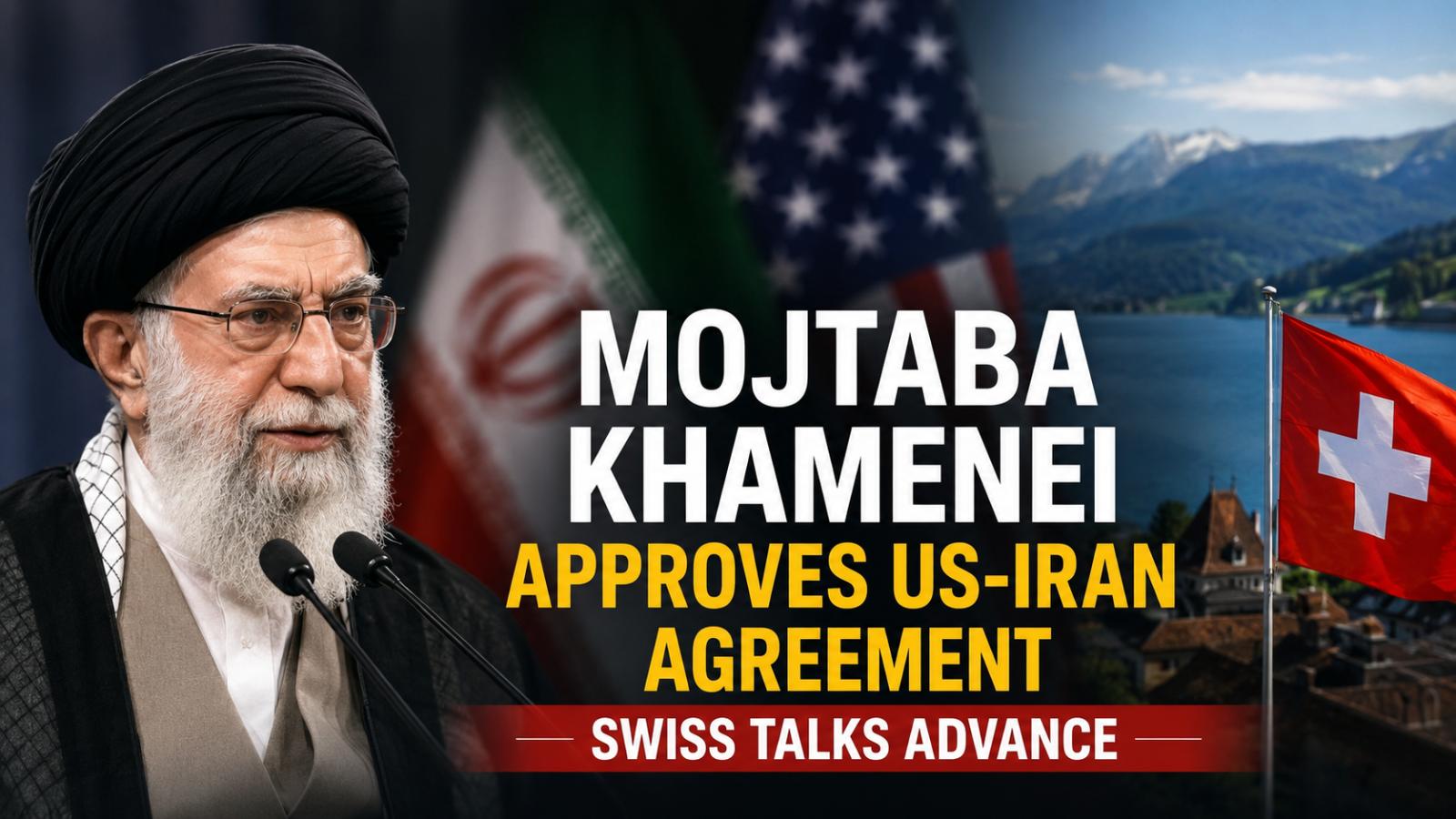
Mojtaba Khamenei Approves US-Iran Agreement as Swiss Talks Advance
Iranian Supreme Leader Mojtaba Khamenei approved the U.S.-Iran agreement despite reservations, giving political backing to an interim memorandum as negotiations moved forward in Switzerland. In a written message issued Thursday, June 18, 2026, Khamenei said he authorized the memorandum after President Masoud Pezeshkian and other senior officials assured him that Iran’s rights and the interests of what Tehran calls the “Resistance Front” would be protected.
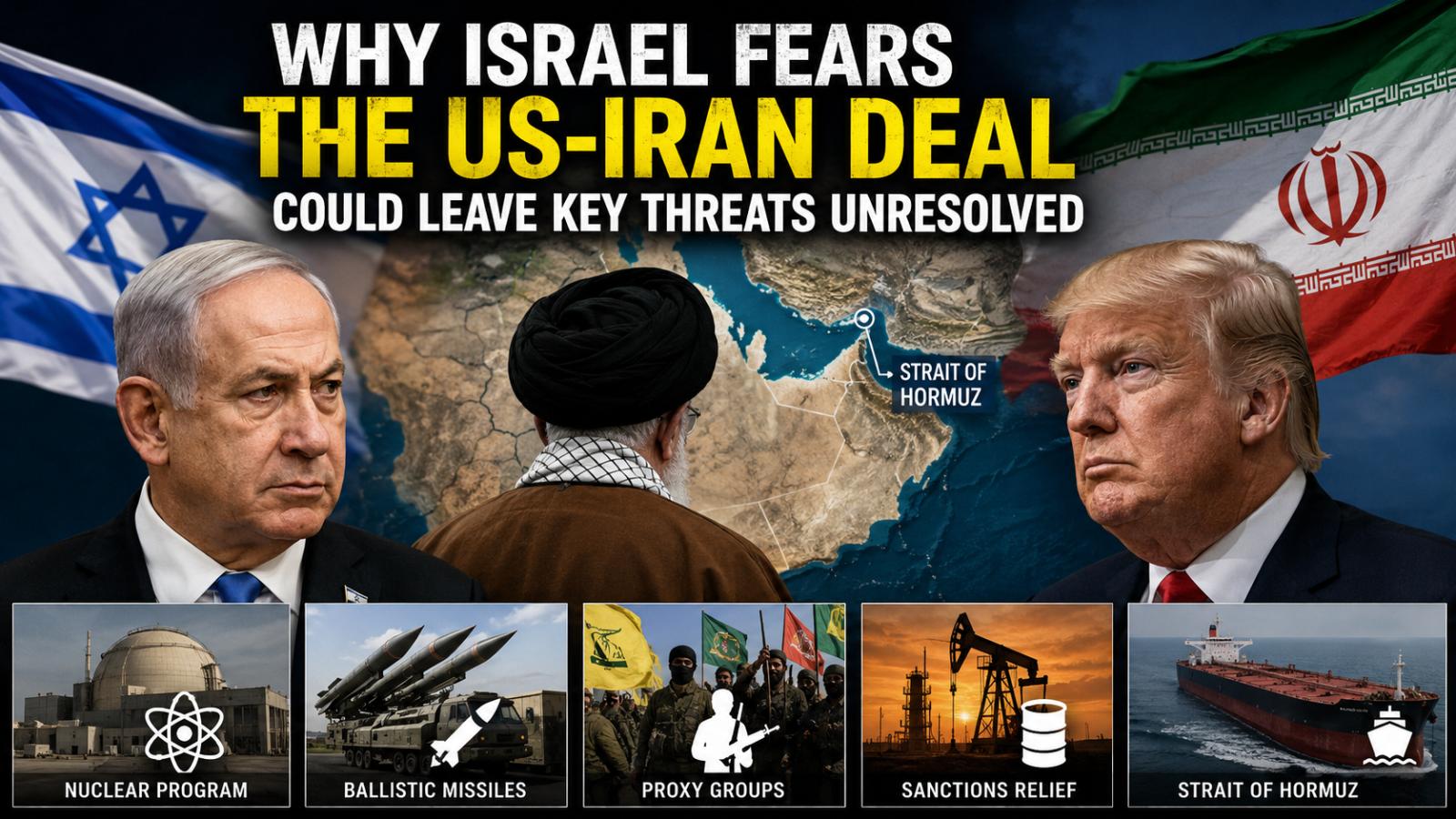
Why Israel Fears the US-Iran Deal Could Leave Key Threats Unresolved
The US-Iran deal has opened a 60-day diplomatic window, but it has also sharpened security concerns in Israel. Israeli officials and analysts worry that Tehran could receive economic relief while decisions on uranium enrichment, ballistic missiles and regional armed groups remain unsettled. The negotiation period began on Thursday, June 18, 2026, under an interim memorandum approved by President Donald Trump and Iranian leaders. The framework seeks to halt hostiliti
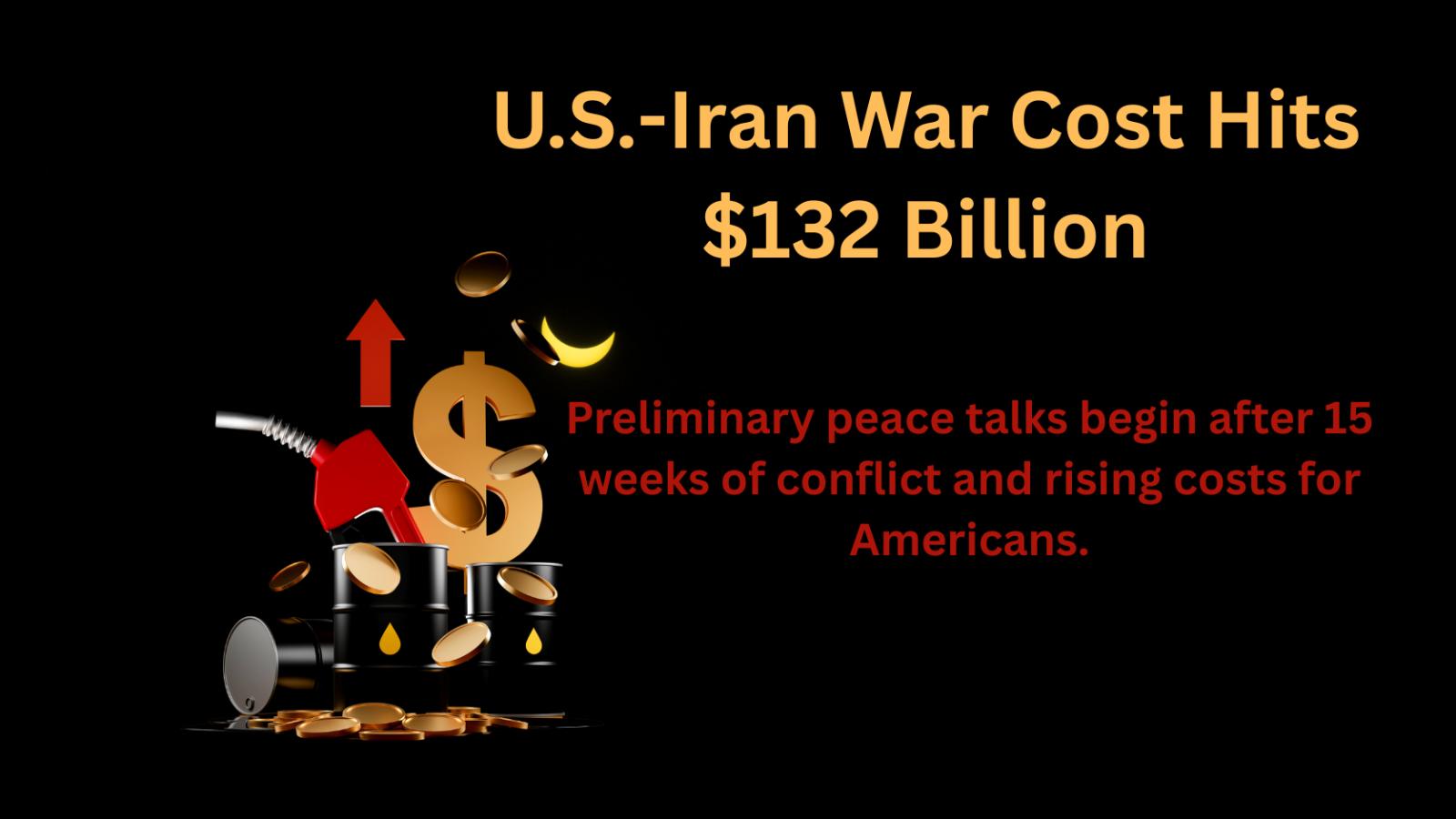
U.S.-Iran War Cost Americans $132 Billion as Peace Talks Begin
The U.S.-Iran war cost Americans an estimated $132 billion before a preliminary agreement opened a 60-day negotiation period, according to Moody’s Analytics. The framework was announced on Monday, June 15, 2026. President Donald Trump and Iranian President Masoud Pezeshkian signed the interim accord in France on Wednesday, June 17, 2026. The agreement pauses hostilities but is not a final peace treaty. How the U.S.-Iran War Cost Americans $132 Billion
Taiwan presses US for $14bn arms approval amid China tensions
Taiwan has renewed its push for approval of a proposed $14 billion defense package from the United States, arguing that its security environment has become increasingly unstable. The request comes at a time when military activity and political messaging across the Taiwan Strait have intensified, placing additional pressure on Washington’s strategic decision-making. US officials are currently evaluating the proposal through standard defense export channels, weighing supply constrai
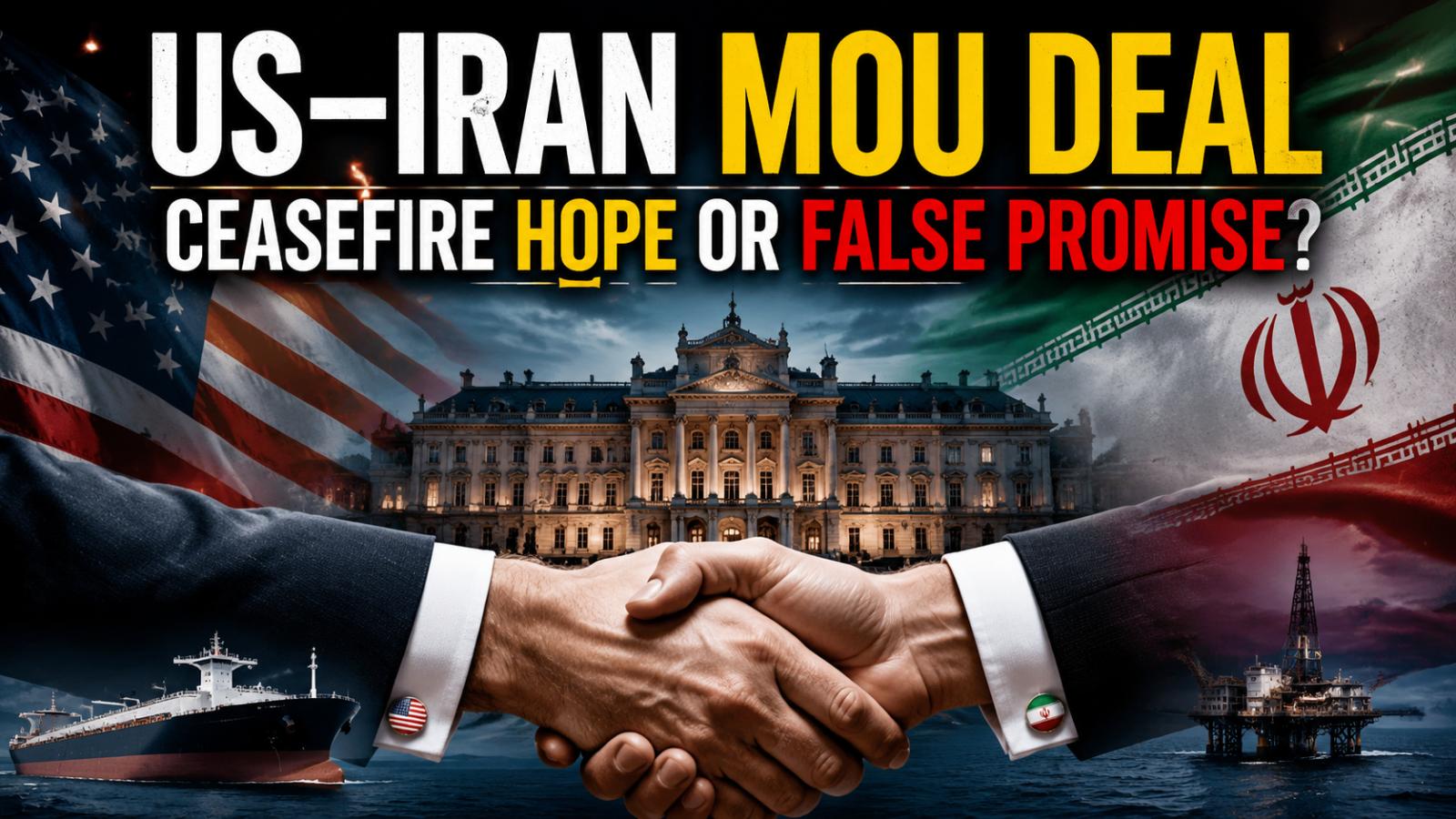
US Iran MoU deal raises doubts over ceasefire framework
The recent US Iran MoU agreement, discussed during a diplomatic gathering in France, is being viewed as an early-stage framework aimed at reducing long-standing tensions between Washington and Tehran. The document outlines intentions for reduced hostilities and future negotiations, but many of its provisions remain open-ended, leaving room for differing interpretations from both sides. While the agreement signals a willingness to engage, it stops short of offering a fully defined roadmap for
14-Point US-Iran Interim Agreement Includes Oil Sanctions Waivers
A draft 14-point US-Iran agreement would introduce an immediate ceasefire, restore commercial shipping and temporarily waive sanctions affecting Iranian oil exports while negotiations toward a final settlement continue. Reuters published the draft on Wednesday, June 17, 2026, but reported that the United States had not publicly released the complete official text. The document establishes a proposed 60-day negotiating period and postpones several difficult nuclear and sanctions ques
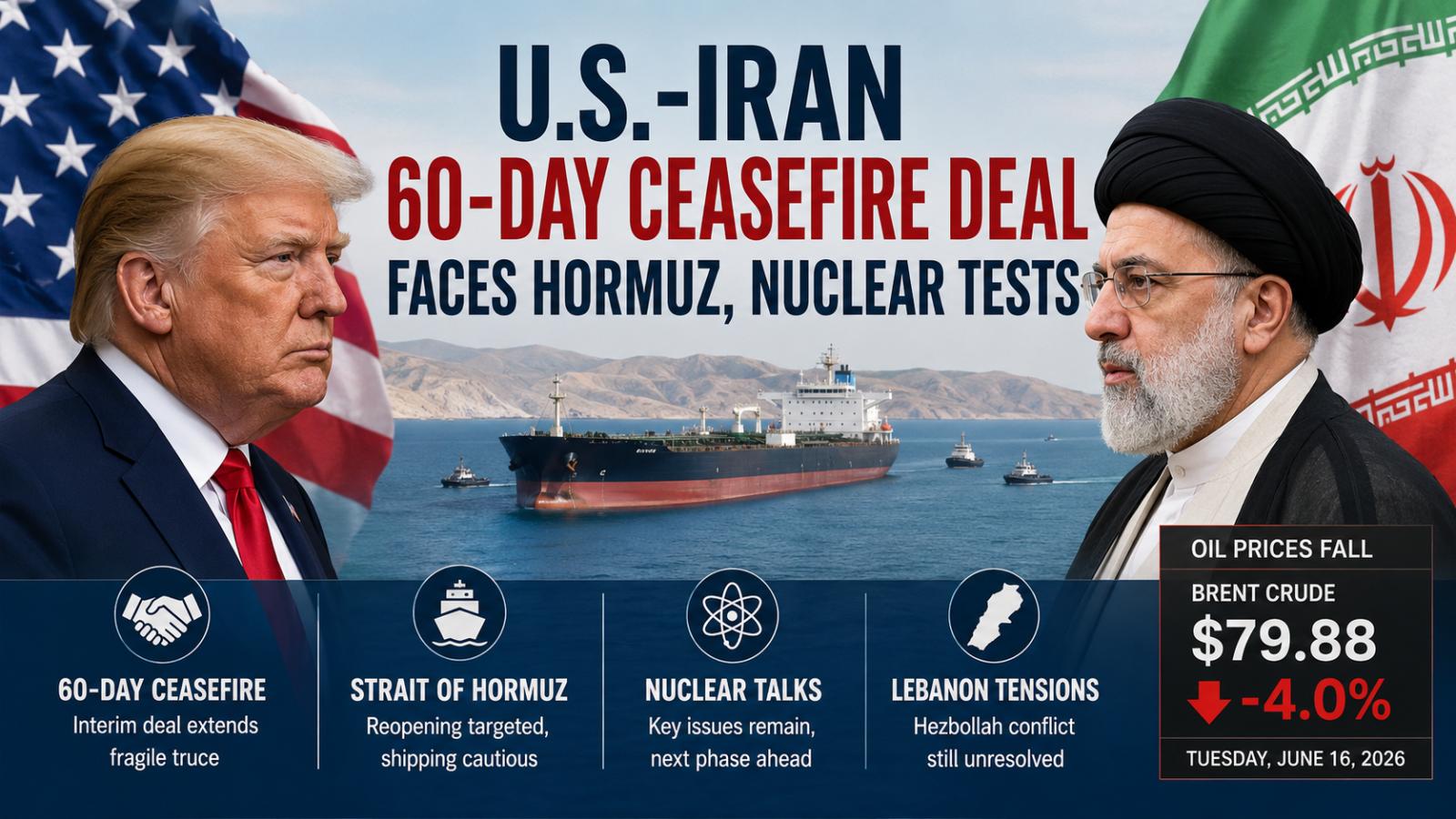
U.S.-Iran 60-Day Ceasefire Deal Faces Hormuz, Nuclear Tests
EVIAN-LES-BAINS, France — The U.S.-Iran 60-day ceasefire deal is designed to extend April’s fragile truce and reopen the Strait of Hormuz, but key questions remain over Iran’s nuclear program, shipping security and the conflict in Lebanon. President Donald Trump said at the Group of Seven summit on Tuesday, June 16, 2026, that the interim agreement would be released publicly and would bar Tehran from obtaining a nuclear weapon. A formal signing is expected in Switzerland on Fr
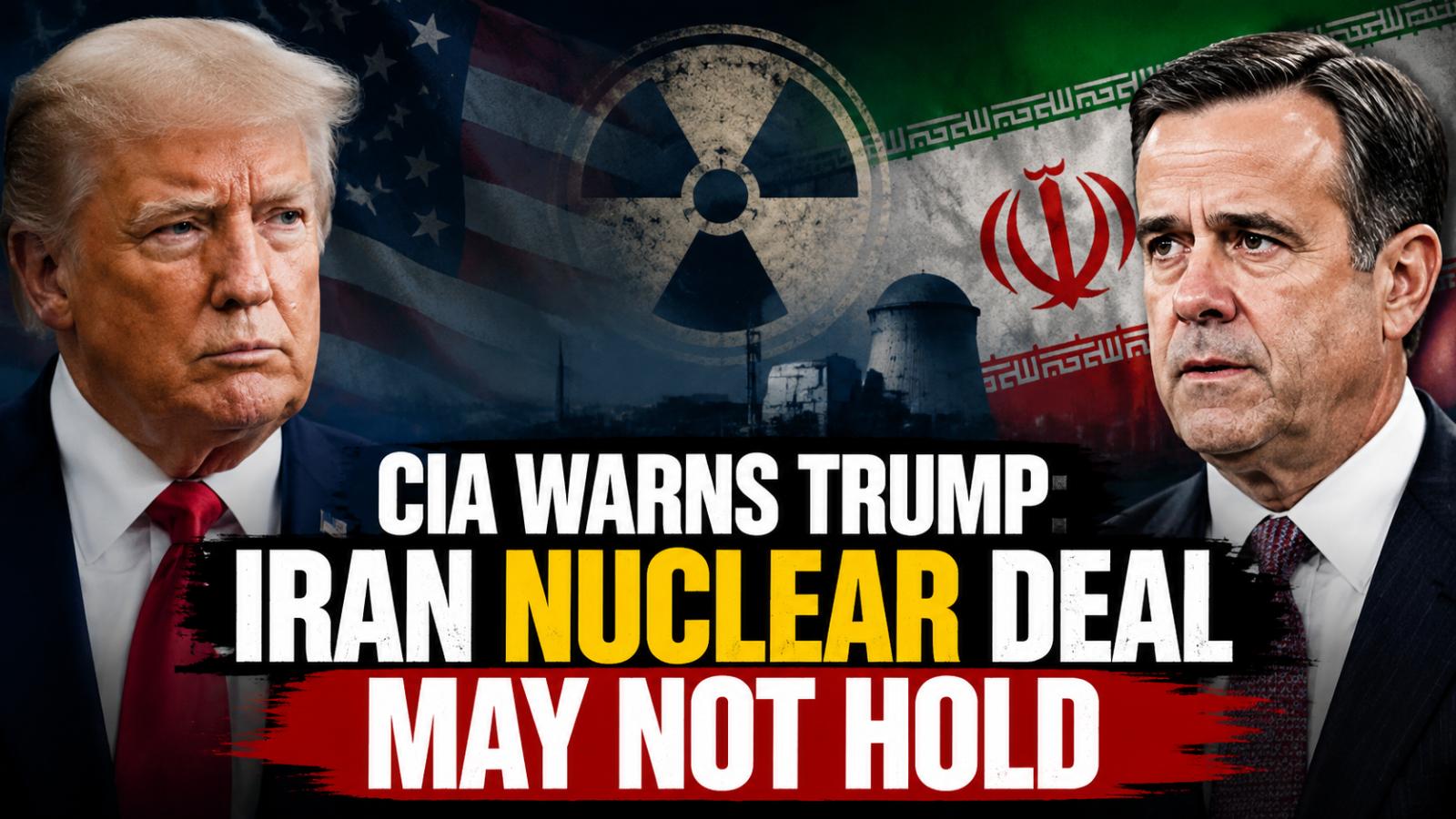
CIA raises concerns over Iran nuclear deal enforcement risks
US intelligence officials have reportedly raised fresh concerns over the durability of a recently discussed nuclear understanding with Iran, warning that the framework may not be strong enough to ensure long-term compliance. The assessment, attributed to CIA Director John Ratcliffe, suggests that while the agreement is designed to reduce immediate tensions, its enforcement structure could leave significant gaps in verification and oversight.
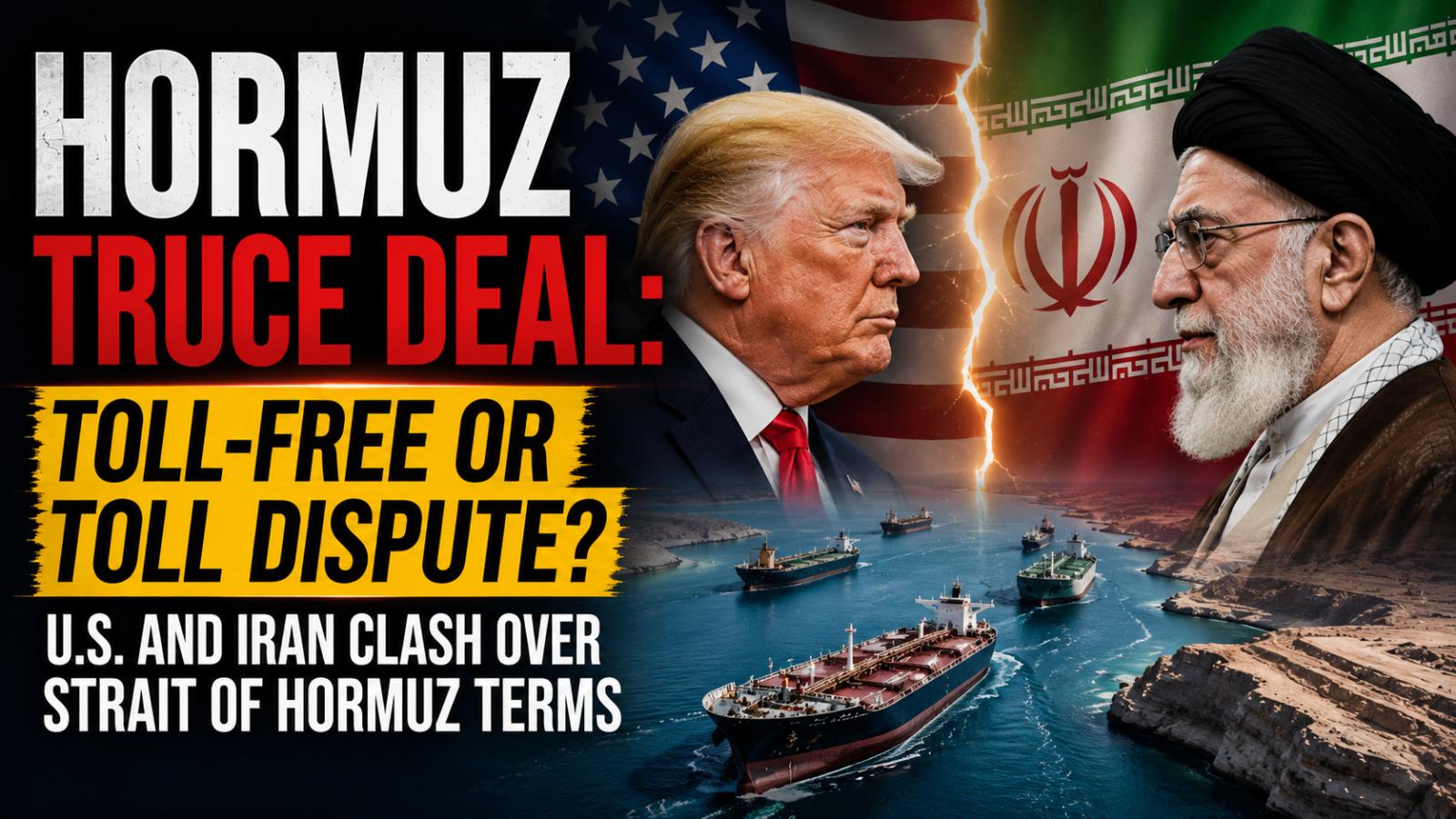
Strait of Hormuz Peace Deal Raises Questions Over Fees
Peace in the Strait of Hormuz Following a peace agreement between the United States and Iran, hostilities that lasted over 100 days have officially paused. The memorandum of understanding, signed electronically on Sunday by US President Donald Trump, Vice President JD Vance, and Iranian Parliament Speaker Mohammad Bagher Ghalibaf, created a temporary framework for reopening negotiations. While Washington maintains that ves
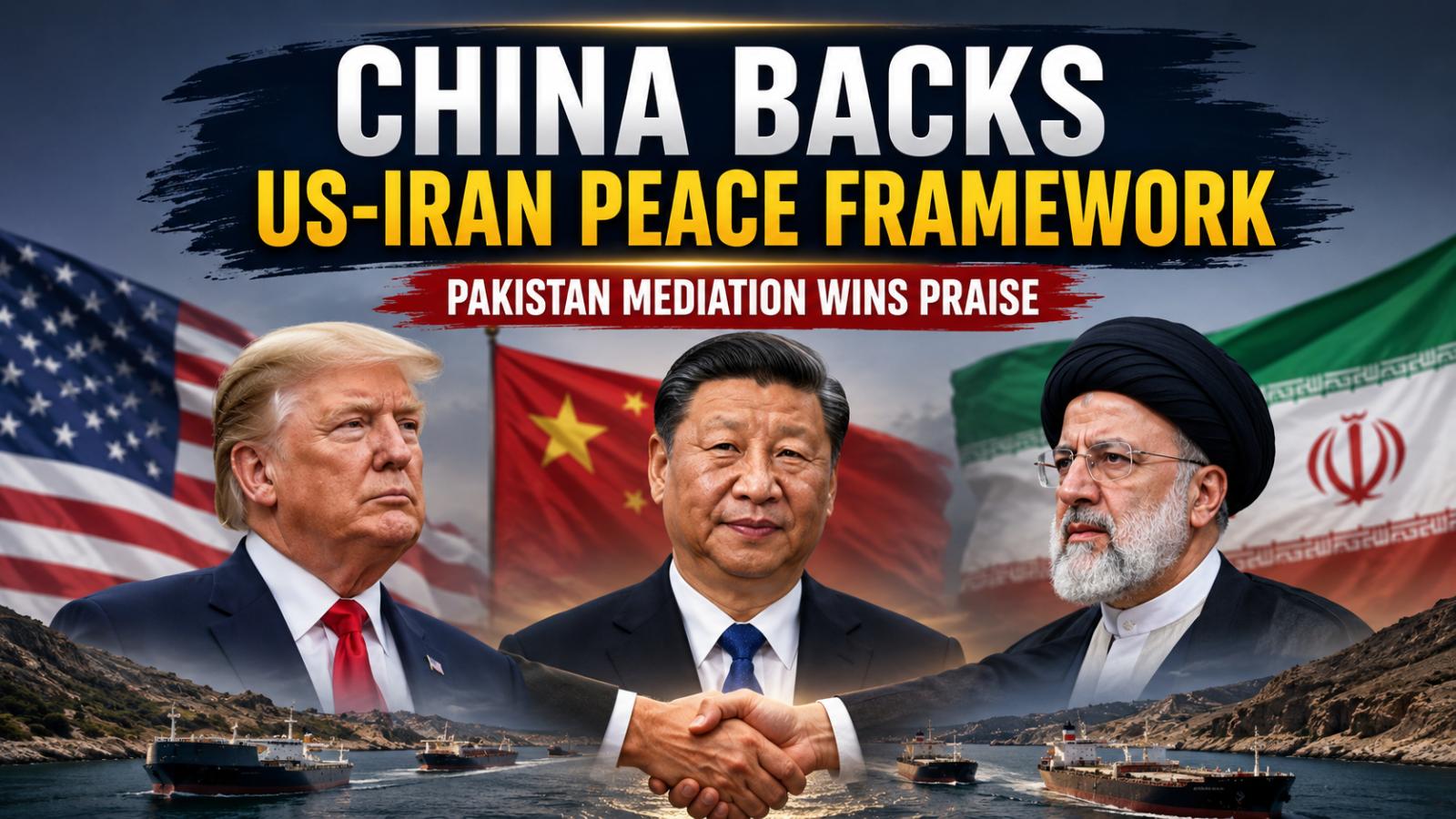
China backs US-Iran peace framework
China has welcomed the reported US-Iran peace framework and said the move could help reduce tensions in the Middle East after weeks of uncertainty. Beijing described the development as a positive step and said it supports efforts that can bring stability, stop further escalation and protect the movement of ships through key regional routes. Chinese foreign ministry spokesperson Lin Jian said China appreciates Pakistan’s mediation efforts
US-Iran deal may unlock $24 billion in frozen Iran assets
A reported US-Iran draft agreement has brought renewed attention to Iran’s frozen assets, with the proposal said to include the possible release of around $24 billion in blocked Iranian funds. The plan is being discussed as part of a wider diplomatic framework involving sanctions relief, nuclear restrictions and a fresh round of negotiations between Washington and Tehran. Under the reported proposal, part of the money could be made avail
G7 Summit 2026: Macron Leads Talks on Strait of Hormuz Reopening
Strategic Focus at G7 Summit French President Emmanuel Macron announced that the upcoming G7 Summit, taking place from June 15–17 in Evian-les-Bains, will dedicate Monday’s sessions to discussing the long-term reopening of the strategic Strait of Hormuz. This follows a recently brokered framework agreement between the United States and Iran, aimed at ending hostilities in West Asia. Macron emphasized that the summit will examine
US-Iran Talks Linked to $12 Billion Asset Release
The United States will release $12 billion in frozen Iranian assets before negotiations begin on a final agreement, according to Iranian reports citing details of a proposed memorandum of understanding between Washington and Tehran. Iran said talks with the United States would take place within two months of the immediate halt to hostilities announced on Monday, June 15. The reported asset release is being framed as an early confidence-building step before both sides move toward a broader set
Iran Claims Victory After US-Iran Peace Agreement
Iran’s military declared victory over the United States and Israel on Monday after Washington and Tehran announced a peace agreement intended to end more than three months of conflict across the Middle East. In a statement broadcast by Iranian state television, Iran’s armed forces claimed that their campaign had forced their adversaries to accept defeat, framing the agreement as proof of Tehran’s strength rather than a compromise. The declaration came as both sides moved to present the
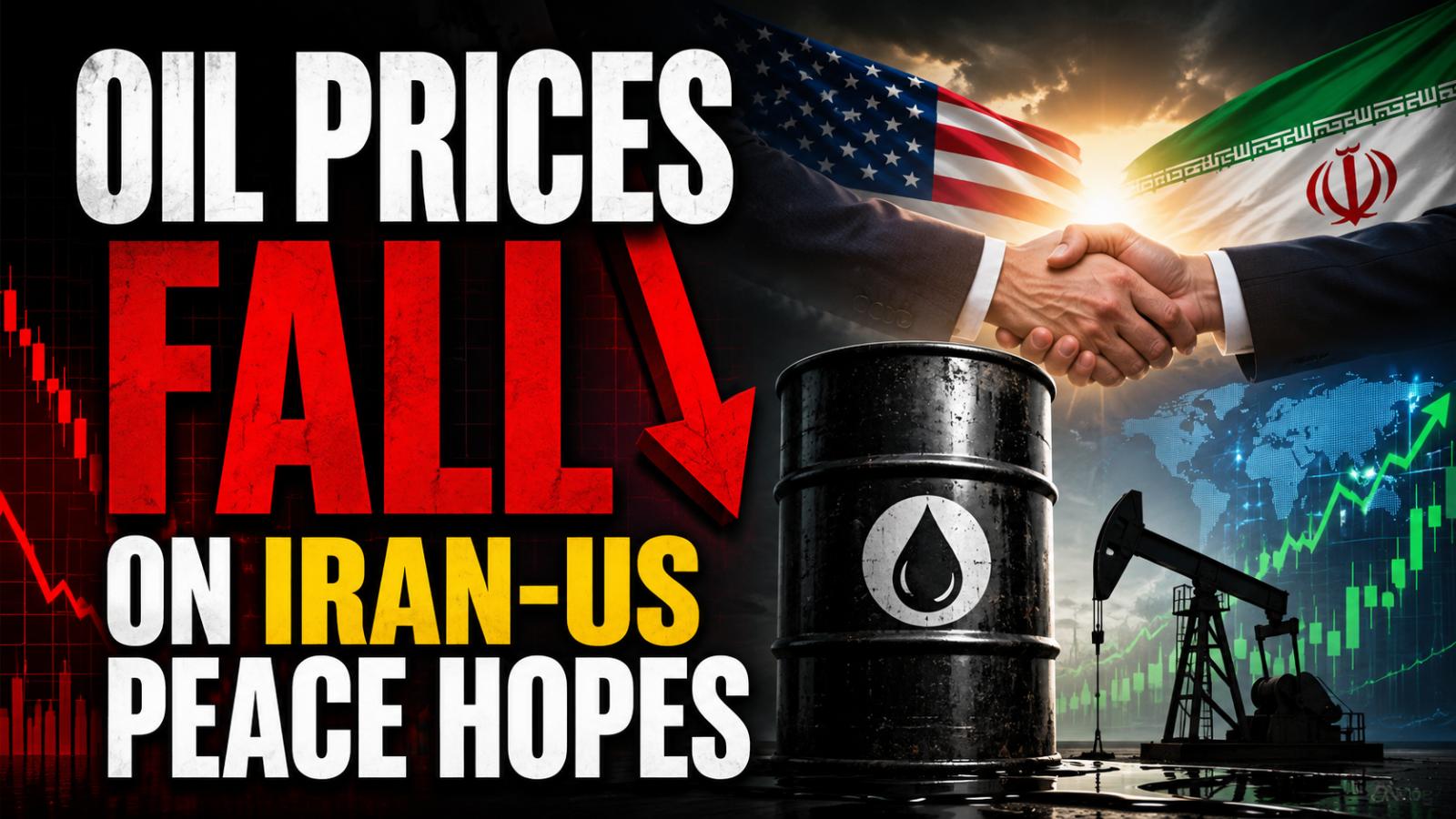
Oil Prices Fall as Iran-US Peace Hopes Lift Markets
Oil Falls On Peace Deal Hopes Oil prices fell sharply on Friday, June 12, 2026 as renewed hopes for a peace agreement between Iran and the United States eased fears of prolonged disruption to global energy supplies. Brent crude dropped below $86 a barrel during trading before recovering part of its losses, while market attention remained focused on whether diplomatic progress could reduce risks around Middle
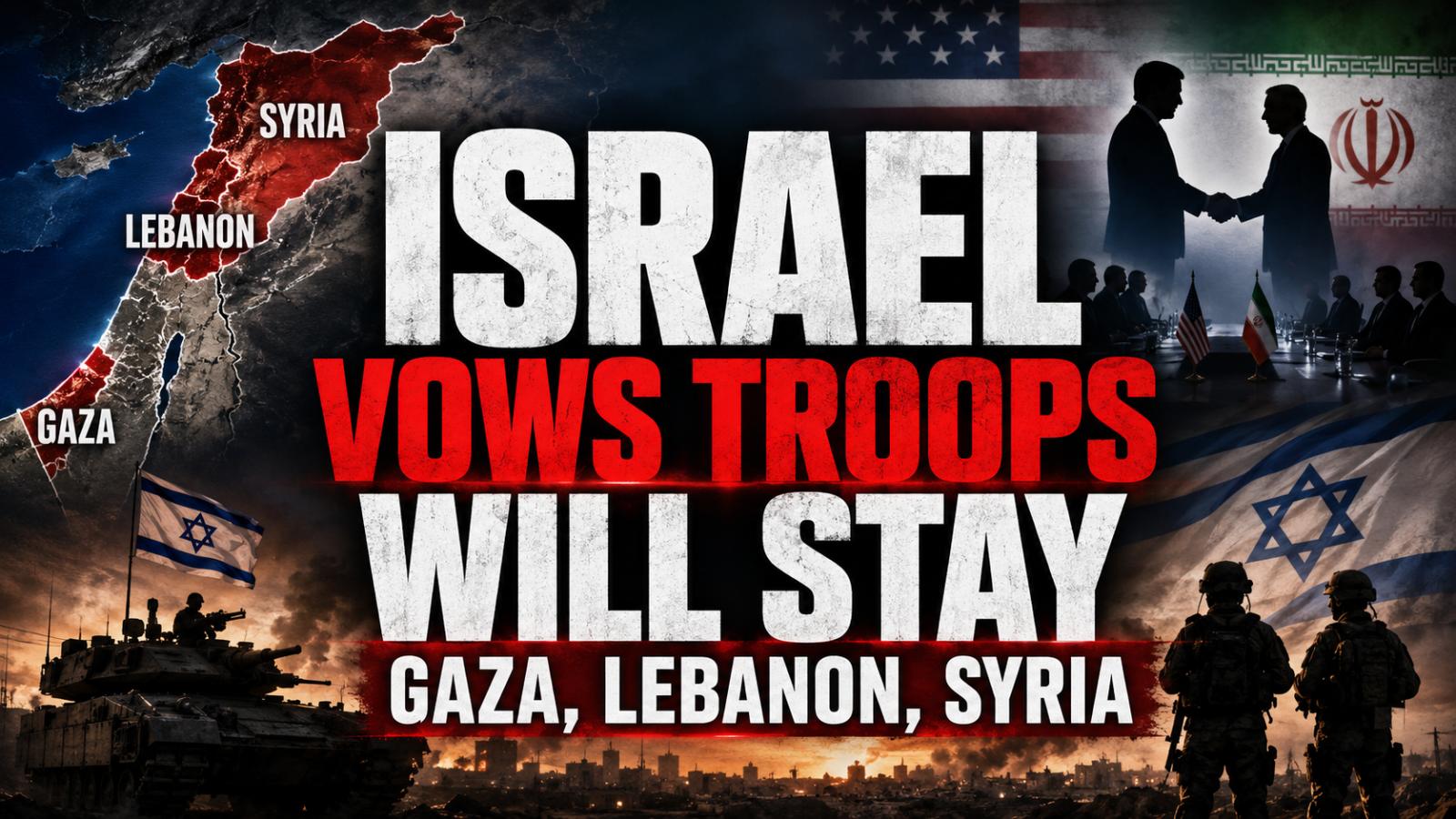
Israel Says Troops Will Stay in Gaza, Lebanon and Syria
Israel Reaffirms Security Zone Policy Israeli Defence Minister Israel Katz said Israel will not withdraw from security zones it currently controls in Gaza, Lebanon and Syria, signaling that any future regional agreement involving Iran and the United States may not automatically lead to Israeli troop pullbacks. In a statement posted Friday, June 13,2026 Katz said Israel’s security doctrine remains focused o


