Russian army dissent claims raise tension over Ukraine war
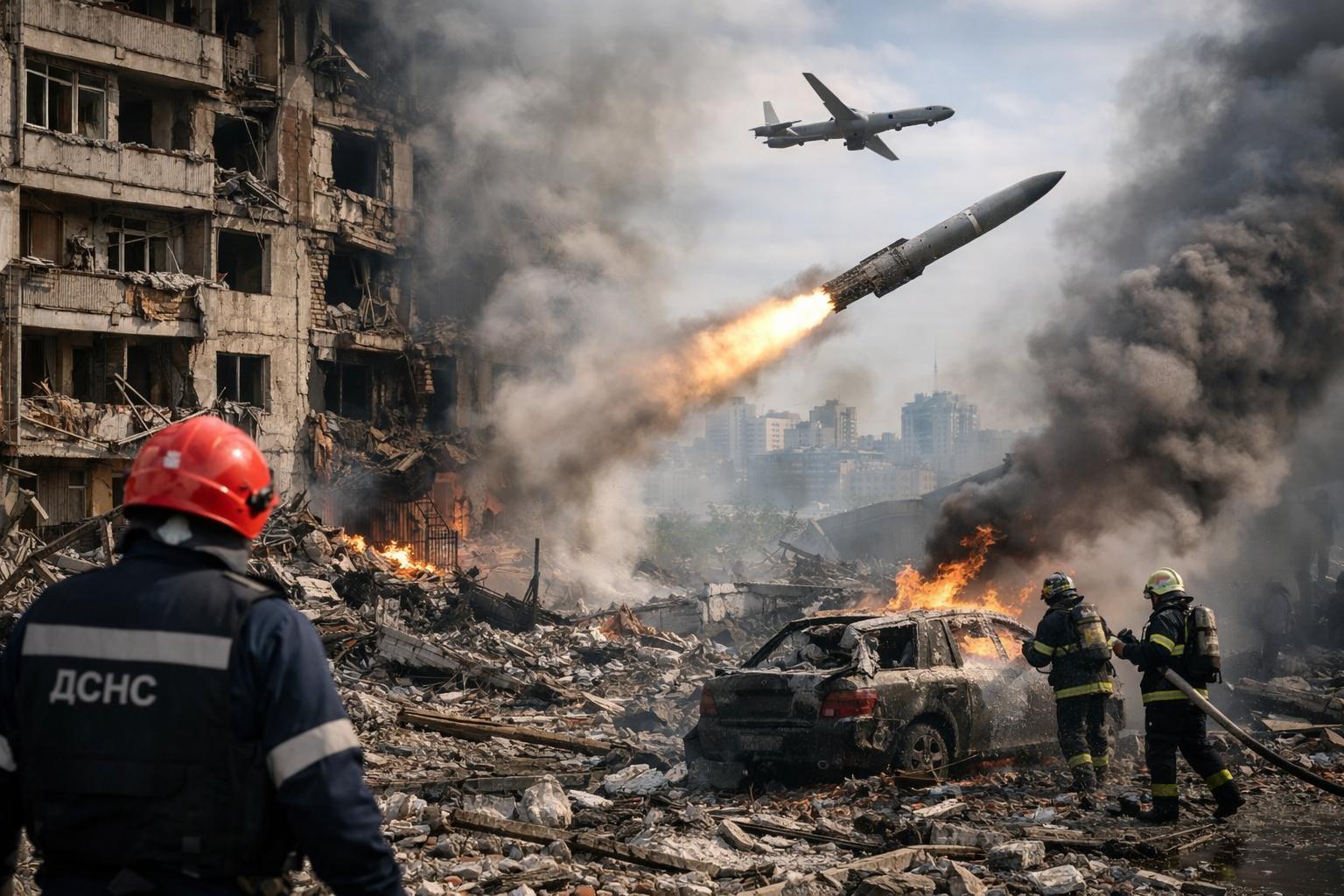
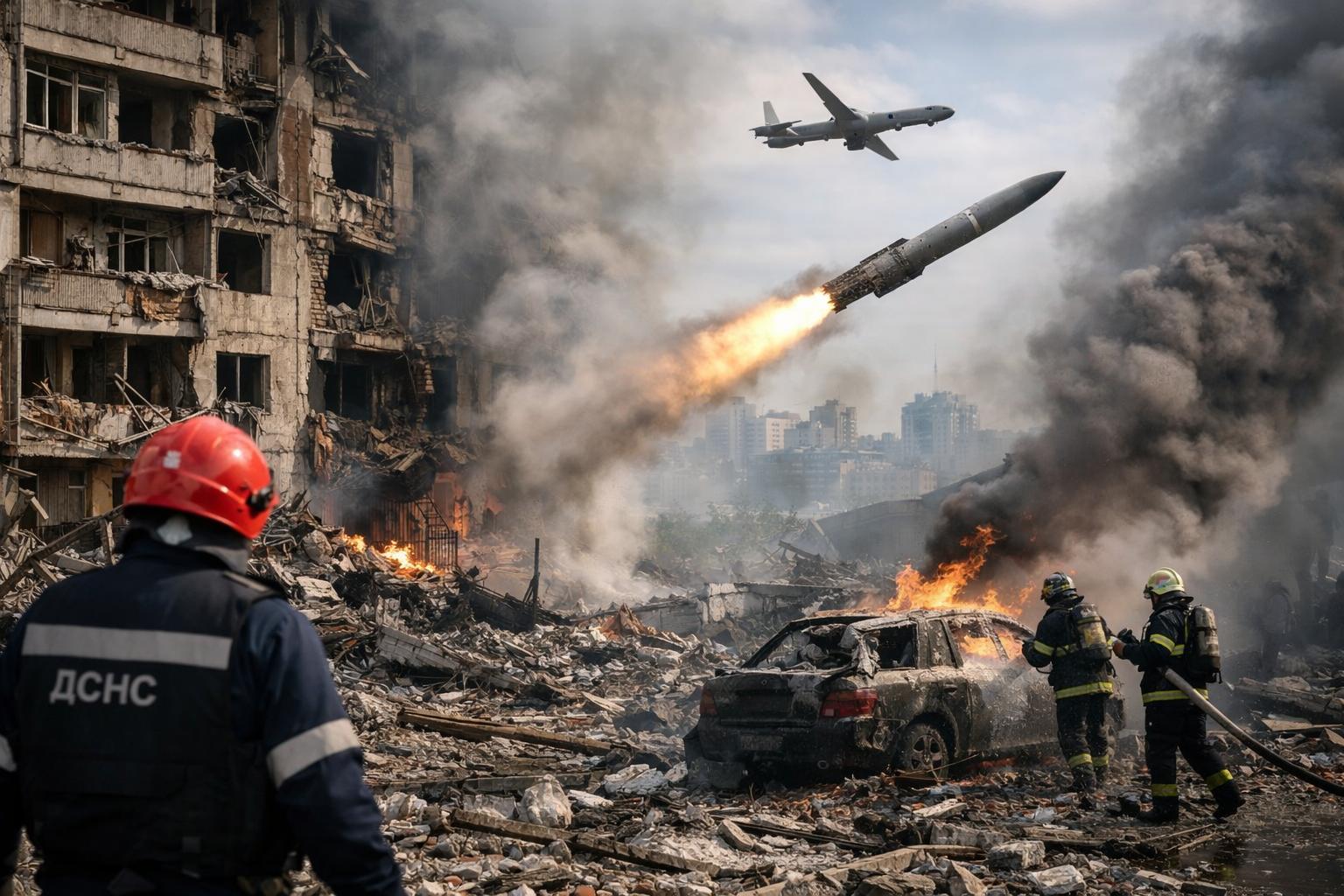
A video circulating online featuring former Russian volunteer commander Alexander Lunin has triggered discussion about possible internal strain within sections of Russia’s military. In the recording, he suggests that prolonged combat operations in Ukraine have created growing frustration among some soldiers, though no independent verification supports claims of organized unrest. The remarks have drawn attention because public criticism linke
Russian army dissent claims raise tension over Ukraine war
A video circulating online featuring former Russian volunteer commander Alexander Lunin has triggered discussion about possible internal strain within sections of Russia’s military. In the recording, he suggests that prolonged combat operations in Ukraine have created growing frustration among some soldiers, though no independent verification supports claims of organized unrest. The remarks have drawn attention because public criticism linke
Venezuela earthquake 7.5 magnitude leaves 235 dead
A major earthquake struck the northern coastline of Venezuela, causing severe destruction across coastal cities and leaving at least 235 people dead. The tremor, measured at magnitudes 7.2 to 7.5, hit suddenly and was felt across a wide stretch of the Caribbean region. Thousands of residents were forced out of their homes within minutes as buildings swayed and collapsed under the force of the shaking.
Venezuela earthquake 7.5 magnitude leaves 235 dead
A major earthquake struck the northern coastline of Venezuela, causing severe destruction across coastal cities and leaving at least 235 people dead. The tremor, measured at magnitudes 7.2 to 7.5, hit suddenly and was felt across a wide stretch of the Caribbean region. Thousands of residents were forced out of their homes within minutes as buildings swayed and collapsed under the force of the shaking.
Gulf US talks focus Gaza rebuild, Iran risks and Hormuz security
A recent round of discussions between the United States and Gulf Cooperation Council members centered on the future of Gaza, with a strong emphasis on preventing forced displacement and prioritizing civilian safety. The participating sides underscored that any population movement must remain voluntary and reversible, rejecting any framework that would permanently alter the demographic structure of the territory. The talks also reflected growin
Gulf US talks focus Gaza rebuild, Iran risks and Hormuz security
A recent round of discussions between the United States and Gulf Cooperation Council members centered on the future of Gaza, with a strong emphasis on preventing forced displacement and prioritizing civilian safety. The participating sides underscored that any population movement must remain voluntary and reversible, rejecting any framework that would permanently alter the demographic structure of the territory. The talks also reflected growin
Strait of Hormuz drone strike damages cargo vessel near Oman
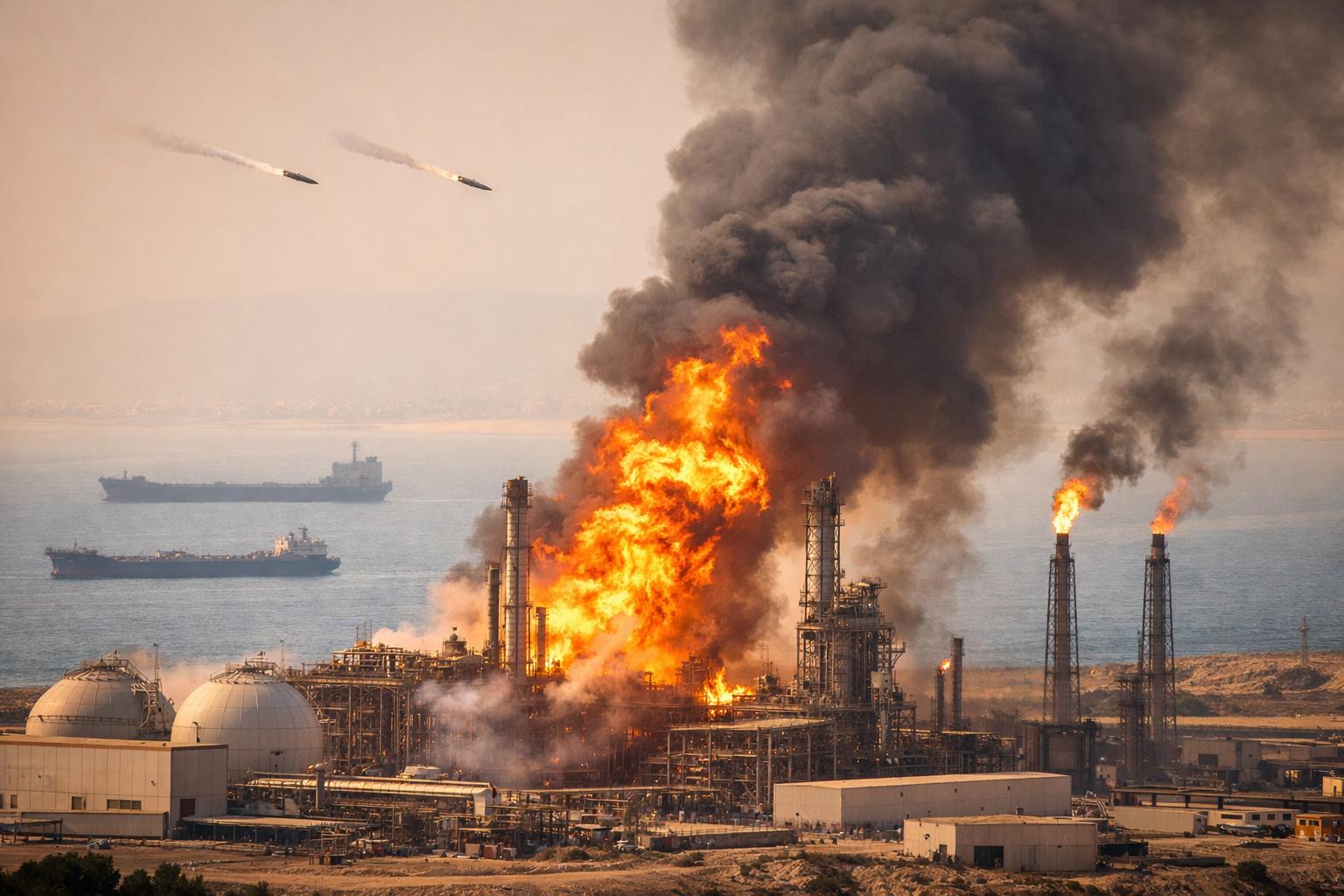
A commercial vessel sailing through waters near the Strait of Hormuz was damaged after being struck by a drone-type projectile, triggering renewed concerns over the safety of one of the world’s most critical maritime trade routes. The Singapore-flagged cargo ship Ever Lovely was affected while transiting close to Oman’s maritime zone after exiting the narrow passage. Authorities confirmed the vessel sustained structural damage, but all crew members
Strait of Hormuz drone strike damages cargo vessel near Oman
A commercial vessel sailing through waters near the Strait of Hormuz was damaged after being struck by a drone-type projectile, triggering renewed concerns over the safety of one of the world’s most critical maritime trade routes. The Singapore-flagged cargo ship Ever Lovely was affected while transiting close to Oman’s maritime zone after exiting the narrow passage. Authorities confirmed the vessel sustained structural damage, but all crew members
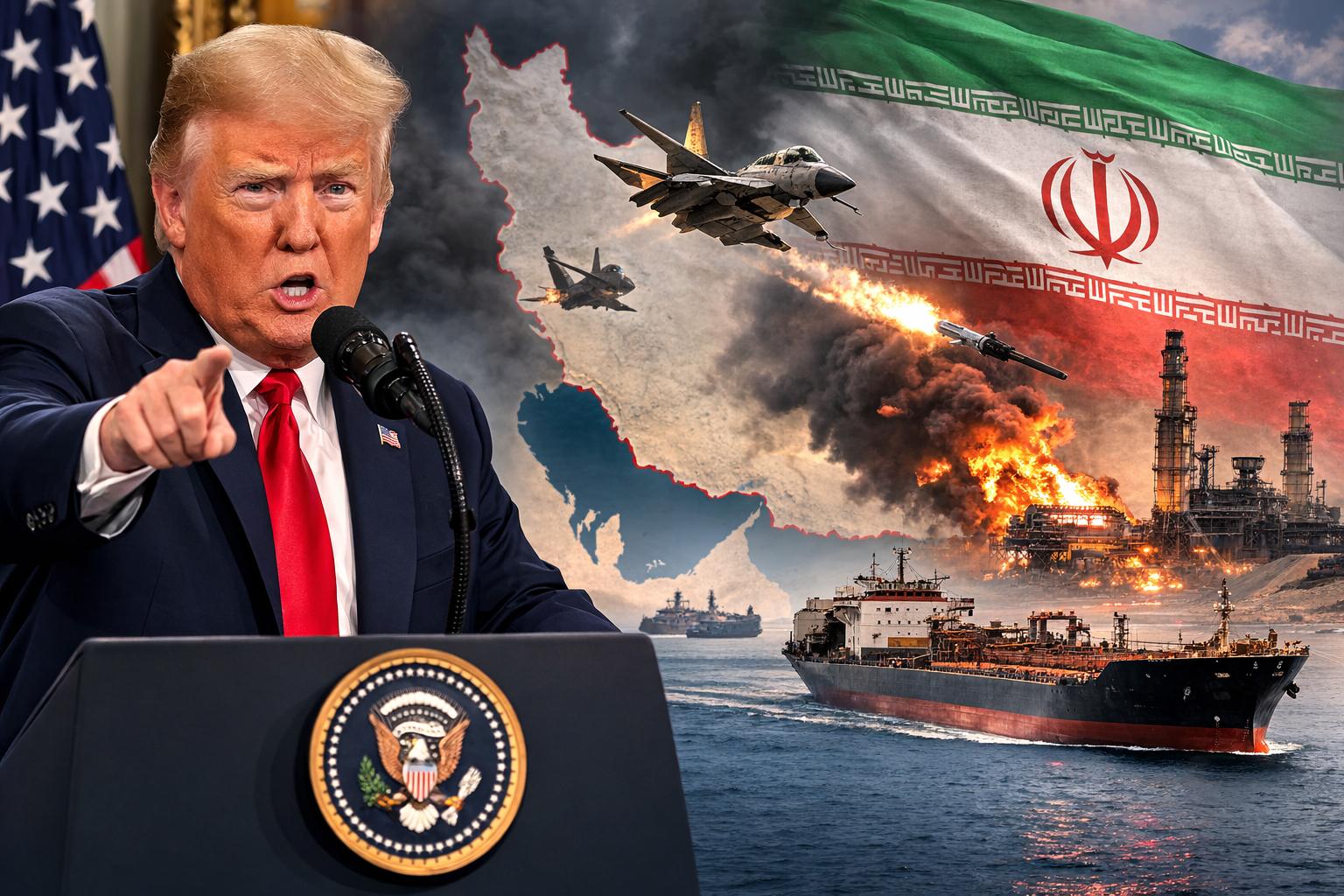
Iran proposal on shipping charges draws US criticism
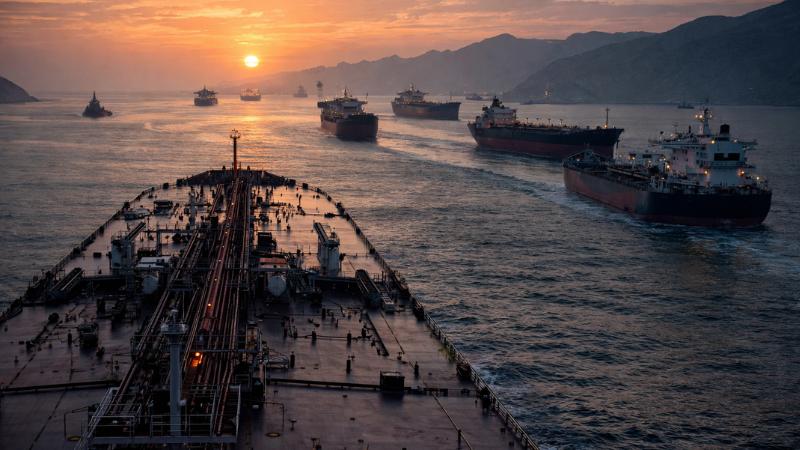
A proposal linked to Iran suggesting charges on vessels passing through the Strait of Hormuz has triggered renewed international attention on one of the world’s most sensitive maritime corridors. The passage connects the Persian Gulf to open oceans and handles a major share of global crude oil shipments, making even minor policy changes capable of influencing energy markets. Proposed fee structure and stated objectives The idea under discussion involves introducing a structured fee system for ships using the route. The proposal frames the charges as payments for services such as navigation safety, maritime monitoring, and environmental management. Early estimates circulating in policy discussions suggest the mechanism could generate substantial annual revenue if implemented at scale. However, the concept also raises immediate legal and operational questions, particularly regarding jurisdiction over international waters and the practicality of enforcing such a system on heavily trafficked global shipping lanes. Regional outreach and diplomatic positioning Reports indicate that discussions around the proposal have included outreach to several regional and global stakeholders, including major energy-importing nations. The objective appears to be building support for a shared governance or cost-sharing model for maritime traffic management in the region. Some interpretations suggest the plan is part of a broader effort to increase regional leverage over strategic trade routes. Others view it as an attempt to formalize compensation mechanisms for security responsibilities in a highly militarized shipping corridor. International reaction and US opposition The proposal has drawn clear resistance from the United States, which maintains that key international waterways must remain free for unrestricted commercial passage. US officials argue that introducing toll-like systems could disrupt global supply chains and increase volatility in energy pricing. Concerns have also been raised by other maritime stakeholders who rely heavily on stable passage through the Strait of Hormuz for crude oil and liquefied natural gas transport. Any change in cost structure or transit policy is seen as having a direct impact on insurance premiums and shipping routes. Wider implications for global energy markets The debate comes at a time when global energy markets remain highly sensitive to geopolitical developments in the Gulf region. Even the perception of restricted access or added transit costs can influence oil price expectations and shipping risk assessments. Analysts note that the discussion highlights ongoing tensions between strategic control of critical chokepoints and the principle of open international navigation. The outcome of such proposals could shape future frameworks governing global energy transport corridors.
Iran proposal on shipping charges draws US criticism
A proposal linked to Iran suggesting charges on vessels passing through the Strait of Hormuz has triggered renewed international attention on one of the world’s most sensitive maritime corridors. The passage connects the Persian Gulf to open oceans and handles a major share of global crude oil shipments, making even minor policy changes capable of influencing energy markets. Proposed fee structure and stated objectives The idea under discussion involves introducing a structured fee system for ships using the route. The proposal frames the charges as payments for services such as navigation safety, maritime monitoring, and environmental management. Early estimates circulating in policy discussions suggest the mechanism could generate substantial annual revenue if implemented at scale. However, the concept also raises immediate legal and operational questions, particularly regarding jurisdiction over international waters and the practicality of enforcing such a system on heavily trafficked global shipping lanes. Regional outreach and diplomatic positioning Reports indicate that discussions around the proposal have included outreach to several regional and global stakeholders, including major energy-importing nations. The objective appears to be building support for a shared governance or cost-sharing model for maritime traffic management in the region. Some interpretations suggest the plan is part of a broader effort to increase regional leverage over strategic trade routes. Others view it as an attempt to formalize compensation mechanisms for security responsibilities in a highly militarized shipping corridor. International reaction and US opposition The proposal has drawn clear resistance from the United States, which maintains that key international waterways must remain free for unrestricted commercial passage. US officials argue that introducing toll-like systems could disrupt global supply chains and increase volatility in energy pricing. Concerns have also been raised by other maritime stakeholders who rely heavily on stable passage through the Strait of Hormuz for crude oil and liquefied natural gas transport. Any change in cost structure or transit policy is seen as having a direct impact on insurance premiums and shipping routes. Wider implications for global energy markets The debate comes at a time when global energy markets remain highly sensitive to geopolitical developments in the Gulf region. Even the perception of restricted access or added transit costs can influence oil price expectations and shipping risk assessments. Analysts note that the discussion highlights ongoing tensions between strategic control of critical chokepoints and the principle of open international navigation. The outcome of such proposals could shape future frameworks governing global energy transport corridors.
UK Expands Global Talent Fast Track for PhD-Level Research Roles
The UK has expanded its Global Talent visa fast track for researchers, creating a clearer endorsement pathway for more academics and research professionals appointed to eligible PhD-level positions. The revised rules took effect on Wednesday, April 8, 2026, and apply to qualifying jobs at approved UK higher education institutions and research institutes. Which Research Roles Qualify for the UK Global Talent Fast Track?
UK Expands Global Talent Fast Track for PhD-Level Research Roles
The UK has expanded its Global Talent visa fast track for researchers, creating a clearer endorsement pathway for more academics and research professionals appointed to eligible PhD-level positions. The revised rules took effect on Wednesday, April 8, 2026, and apply to qualifying jobs at approved UK higher education institutions and research institutes. Which Research Roles Qualify for the UK Global Talent Fast Track?
UK Opens 1,800 Visa Spots for Indian Chefs, Musicians and Yoga Teachers
The UK will open a combined 1,800 annual visa places for Indian traditional chefs, classical musicians and yoga instructors when the UK–India trade agreement takes effect on Wednesday, July 15, 2026. The allocation falls under the Global Business Mobility–Service Supplier route. It is one shared cap covering all three occupations, not 1,800 places for each profession. The annual allocation is measured from January 1 through December 31.
UK Opens 1,800 Visa Spots for Indian Chefs, Musicians and Yoga Teachers
The UK will open a combined 1,800 annual visa places for Indian traditional chefs, classical musicians and yoga instructors when the UK–India trade agreement takes effect on Wednesday, July 15, 2026. The allocation falls under the Global Business Mobility–Service Supplier route. It is one shared cap covering all three occupations, not 1,800 places for each profession. The annual allocation is measured from January 1 through December 31.
UK Global Talent Visa Design Pathway Opens July 1: Who May Qualify
The UK Global Talent visa design pathway will open on Wednesday, July 1, 2026, expanding the immigration route to accomplished and emerging designers whose work was not fully covered by its existing creative categories. The UK Home Office said the pathway is intended to accommodate additional design roles and make it easier for leading international design professionals to work in the United Kingdom. The design pathway is part of
UK Global Talent Visa Design Pathway Opens July 1: Who May Qualify
The UK Global Talent visa design pathway will open on Wednesday, July 1, 2026, expanding the immigration route to accomplished and emerging designers whose work was not fully covered by its existing creative categories. The UK Home Office said the pathway is intended to accommodate additional design roles and make it easier for leading international design professionals to work in the United Kingdom. The design pathway is part of
Israel Hezbollah clashes raise oil and trade risk for India
The renewed exchange of fire between Israeli forces and Hezbollah-linked positions in southern Lebanon has again drawn attention to an already fragile regional security environment. While both sides continue to frame their actions as targeted and defensive, the situation is increasingly being viewed through a wider geopolitical lens, especially by energy markets and trade-dependent economies. Even limited escalation in this corridor tends to trigger immediate risk recalibration in global markets, not because of direct supply disruption, but due to fear of spillover into wider West Asian conflict zones. Oil markets react to uncertainty, not only disruption Crude oil prices have remained sensitive to developments in the region, with traders closely tracking any sign of expansion beyond localized strikes. Brent crude has shown intermittent swings, reflecting how quickly sentiment shifts when geopolitical risks rise. For import-heavy economies like India, the concern is not only about supply cuts but also price volatility. Even short-lived spikes increase import bills, widen trade deficits, and add pressure on domestic inflation through fuel and transport costs. India remains heavily dependent on imported crude, leaving it exposed to external shocks that originate far from its own borders but quickly reach its economy through global pricing mechanisms. Maritime chokepoints add another layer of risk Beyond oil production zones, shipping routes remain a critical pressure point. The Strait of Hormuz continues to be one of the most strategically sensitive maritime corridors in the world, handling a large share of global crude movement. Any perception of instability in nearby conflict zones tends to increase insurance premiums for tankers and freight operators. This raises shipping costs even when physical disruption does not occur. For trade-dependent economies, the indirect cost of conflict often arrives faster than any actual supply shortage. India’s broader exposure goes beyond energy India’s stake in West Asian stability is not limited to crude imports. A large Indian workforce in Gulf countries supports billions in annual remittances, which play a steady role in foreign exchange stability. At the same time, India maintains layered relationships across the region—energy partnerships with Gulf producers, strategic cooperation with Israel, and connectivity interests linked to Iran and regional ports. This creates a complex policy environment where instability in one corridor can influence multiple economic and diplomatic channels simultaneously. Long-term infrastructure plans face sensitivity risks Large-scale trade and infrastructure initiatives involving West Asia, including proposed trans-regional connectivity corridors, depend heavily on stable political conditions. Projects linked to ports, energy routes, and logistics networks become vulnerable when security risks rise. Even without direct damage, prolonged uncertainty tends to slow investment decisions, delay contracts, and increase financing costs for regional development projects. Conclusion The current Israel–Hezbollah exchange remains geographically contained, but its economic impact is far wider. Oil markets, shipping costs, remittance flows, and long-term trade planning all react quickly to signals of escalation. For India and other import-dependent economies, the primary challenge is not direct involvement in the conflict but exposure to its ripple effects through energy pricing, logistics costs, and regional stability risks.
Israel Hezbollah clashes raise oil and trade risk for India
The renewed exchange of fire between Israeli forces and Hezbollah-linked positions in southern Lebanon has again drawn attention to an already fragile regional security environment. While both sides continue to frame their actions as targeted and defensive, the situation is increasingly being viewed through a wider geopolitical lens, especially by energy markets and trade-dependent economies. Even limited escalation in this corridor tends to trigger immediate risk recalibration in global markets, not because of direct supply disruption, but due to fear of spillover into wider West Asian conflict zones. Oil markets react to uncertainty, not only disruption Crude oil prices have remained sensitive to developments in the region, with traders closely tracking any sign of expansion beyond localized strikes. Brent crude has shown intermittent swings, reflecting how quickly sentiment shifts when geopolitical risks rise. For import-heavy economies like India, the concern is not only about supply cuts but also price volatility. Even short-lived spikes increase import bills, widen trade deficits, and add pressure on domestic inflation through fuel and transport costs. India remains heavily dependent on imported crude, leaving it exposed to external shocks that originate far from its own borders but quickly reach its economy through global pricing mechanisms. Maritime chokepoints add another layer of risk Beyond oil production zones, shipping routes remain a critical pressure point. The Strait of Hormuz continues to be one of the most strategically sensitive maritime corridors in the world, handling a large share of global crude movement. Any perception of instability in nearby conflict zones tends to increase insurance premiums for tankers and freight operators. This raises shipping costs even when physical disruption does not occur. For trade-dependent economies, the indirect cost of conflict often arrives faster than any actual supply shortage. India’s broader exposure goes beyond energy India’s stake in West Asian stability is not limited to crude imports. A large Indian workforce in Gulf countries supports billions in annual remittances, which play a steady role in foreign exchange stability. At the same time, India maintains layered relationships across the region—energy partnerships with Gulf producers, strategic cooperation with Israel, and connectivity interests linked to Iran and regional ports. This creates a complex policy environment where instability in one corridor can influence multiple economic and diplomatic channels simultaneously. Long-term infrastructure plans face sensitivity risks Large-scale trade and infrastructure initiatives involving West Asia, including proposed trans-regional connectivity corridors, depend heavily on stable political conditions. Projects linked to ports, energy routes, and logistics networks become vulnerable when security risks rise. Even without direct damage, prolonged uncertainty tends to slow investment decisions, delay contracts, and increase financing costs for regional development projects. Conclusion The current Israel–Hezbollah exchange remains geographically contained, but its economic impact is far wider. Oil markets, shipping costs, remittance flows, and long-term trade planning all react quickly to signals of escalation. For India and other import-dependent economies, the primary challenge is not direct involvement in the conflict but exposure to its ripple effects through energy pricing, logistics costs, and regional stability risks.
Summer Davos spotlights US China economic friction
The gathering in Dalian under the World Economic Forum’s “Summer Davos” platform brought together policymakers, business leaders and economists at a time when global growth signals are weakening. The discussions reflected a clear shift in tone: confidence in stable trade expansion is fading, replaced by concern over fragmentation and competing economic blocs. US–China

Summer Davos spotlights US China economic friction
The gathering in Dalian under the World Economic Forum’s “Summer Davos” platform brought together policymakers, business leaders and economists at a time when global growth signals are weakening. The discussions reflected a clear shift in tone: confidence in stable trade expansion is fading, replaced by concern over fragmentation and competing economic blocs. US–China

US Senate reverses stance on Iran war powers resolution
A closely watched Senate vote on a resolution linked to presidential war authority over Iran took an unexpected turn after several Republican lawmakers altered their positions. The measure, which focused on limiting executive flexibility in military action, ended up reflecting a divided but shifting political landscape rather than a clear consensus. Political negotiations behind the scenes The change in voting pattern followed internal discussions among Republican senators and briefings from senior administration figures. Lawmakers who initially leaned toward restricting presidential authority later adjusted their stance after being updated on diplomatic and security considerations related to Iran. The shift underscored how quickly positions can move when strategic briefings and party pressure converge. Key senators adjust positions Among those influencing the outcome were Senator Bill Cassidy and Senator Rand Paul. Cassidy moved away from his earlier support for tighter restrictions after consultations with White House representatives. Rand Paul maintained his broader skepticism toward expansive executive war powers but opted for a procedural position that reflected his long-standing policy concerns without directly blocking the measure. Trump frames outcome as political leverage President Donald Trump responded to the Senate outcome by framing it as a strengthening of US negotiating leverage in relation to Iran. His public remarks highlighted the vote as evidence of alignment within the Republican Party on foreign policy strategy. While the resolution itself remains largely symbolic, it has become a focal point in the wider debate over presidential authority and congressional oversight. Broader implications for US foreign policy The vote shift reflects ongoing tension in Washington over how much autonomy the executive branch should hold in matters of military engagement. Supporters of stronger presidential powers argue for flexibility in fast-moving geopolitical situations, while critics warn against reducing congressional oversight. The Iran-related vote has now become another reference point in that broader constitutional debate.

US Senate reverses stance on Iran war powers resolution
A closely watched Senate vote on a resolution linked to presidential war authority over Iran took an unexpected turn after several Republican lawmakers altered their positions. The measure, which focused on limiting executive flexibility in military action, ended up reflecting a divided but shifting political landscape rather than a clear consensus. Political negotiations behind the scenes The change in voting pattern followed internal discussions among Republican senators and briefings from senior administration figures. Lawmakers who initially leaned toward restricting presidential authority later adjusted their stance after being updated on diplomatic and security considerations related to Iran. The shift underscored how quickly positions can move when strategic briefings and party pressure converge. Key senators adjust positions Among those influencing the outcome were Senator Bill Cassidy and Senator Rand Paul. Cassidy moved away from his earlier support for tighter restrictions after consultations with White House representatives. Rand Paul maintained his broader skepticism toward expansive executive war powers but opted for a procedural position that reflected his long-standing policy concerns without directly blocking the measure. Trump frames outcome as political leverage President Donald Trump responded to the Senate outcome by framing it as a strengthening of US negotiating leverage in relation to Iran. His public remarks highlighted the vote as evidence of alignment within the Republican Party on foreign policy strategy. While the resolution itself remains largely symbolic, it has become a focal point in the wider debate over presidential authority and congressional oversight. Broader implications for US foreign policy The vote shift reflects ongoing tension in Washington over how much autonomy the executive branch should hold in matters of military engagement. Supporters of stronger presidential powers argue for flexibility in fast-moving geopolitical situations, while critics warn against reducing congressional oversight. The Iran-related vote has now become another reference point in that broader constitutional debate.
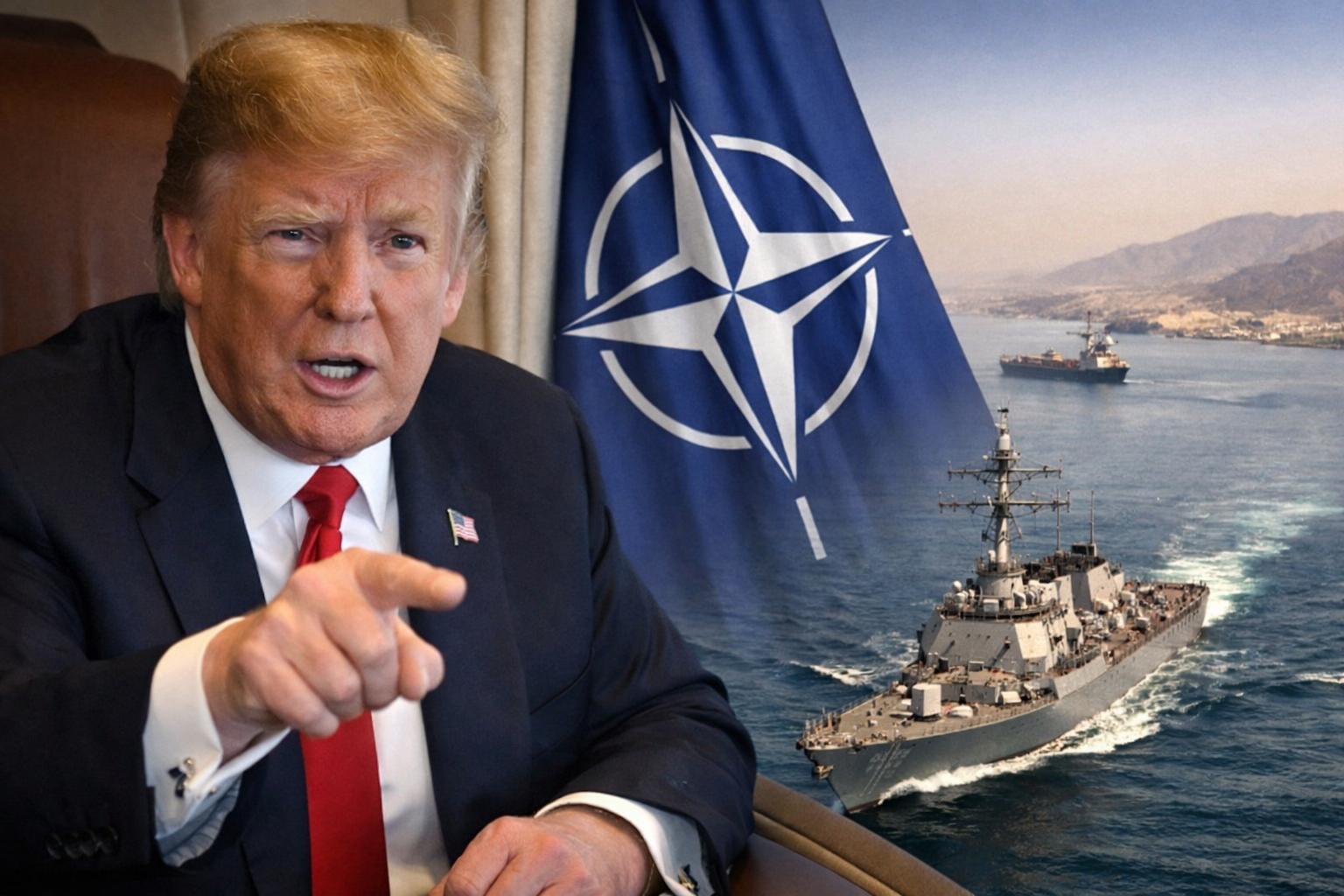
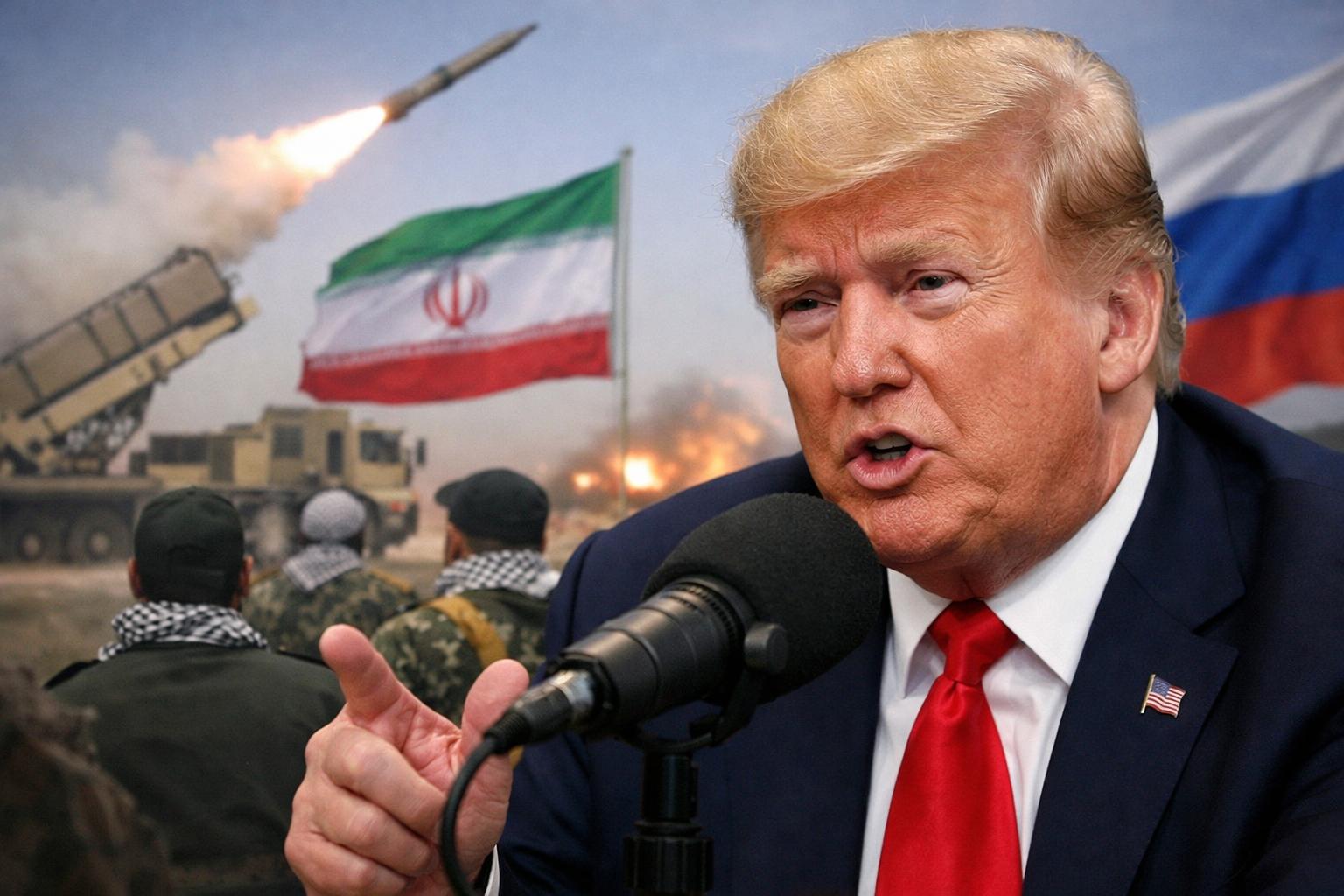
Trump criticizes Democrats amid Iran talks progress
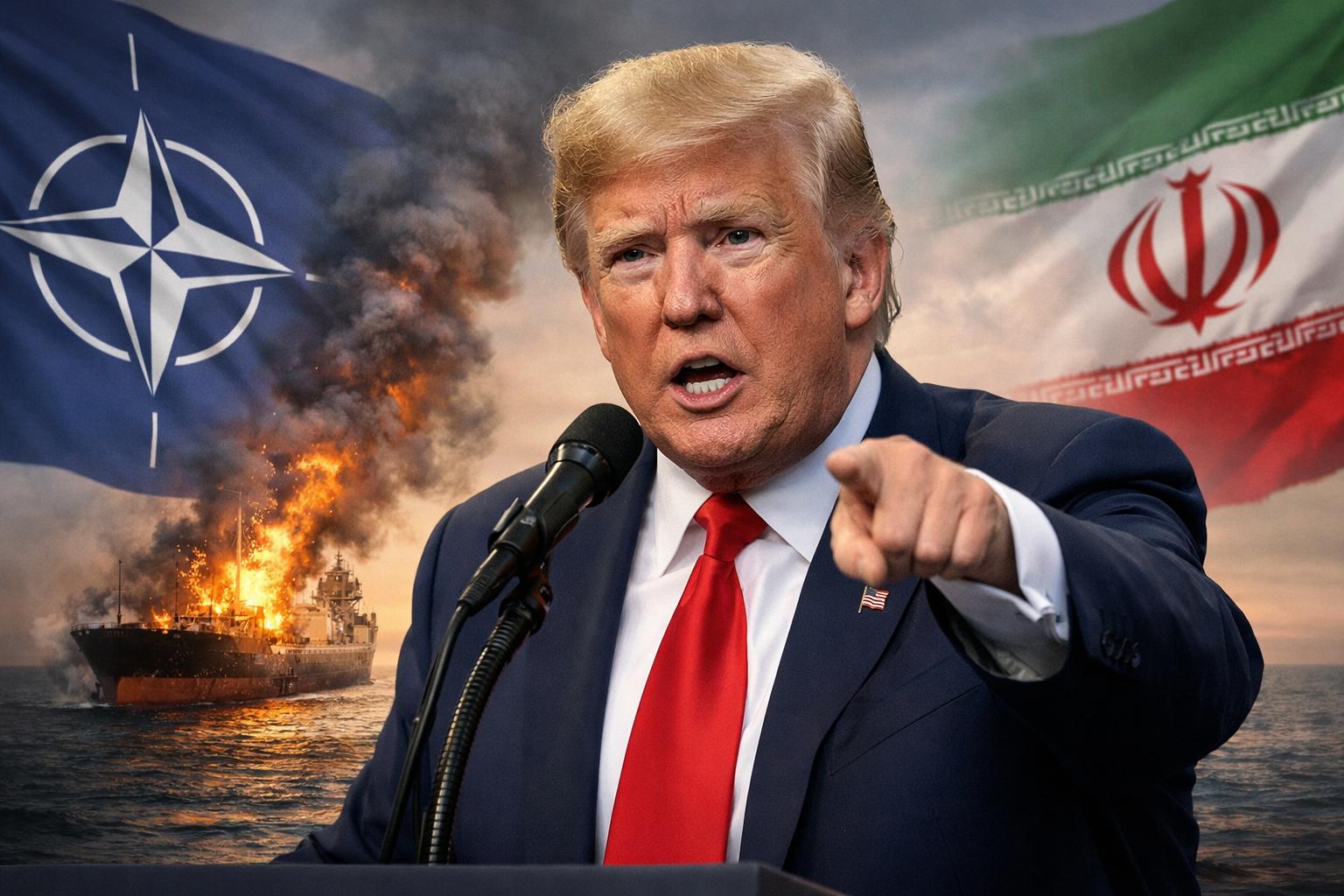
US President Donald Trump intensified political debate around ongoing Iran negotiations while addressing broader security and trade concerns tied to global energy routes. Speaking alongside NATO Secretary General Mark Rutte, he presented the current stage of Iran discussions as advancing, while sharply criticizing domestic political opponents for their foreign policy stance. I
Trump criticizes Democrats amid Iran talks progress
US President Donald Trump intensified political debate around ongoing Iran negotiations while addressing broader security and trade concerns tied to global energy routes. Speaking alongside NATO Secretary General Mark Rutte, he presented the current stage of Iran discussions as advancing, while sharply criticizing domestic political opponents for their foreign policy stance. I
Europe heatwave intensifies as blocking system traps hot air
A strong and slow-moving atmospheric pattern is keeping large parts of Europe locked under unusually hot and dry conditions. The system is preventing cooler Atlantic air from entering the region, allowing heat to build up day after day. As a result, temperatures are climbing far above seasonal averages across Western and Central Europe, with multiple countries reporting prolonged heat stress rather than short heat spikes.
Europe heatwave intensifies as blocking system traps hot air
A strong and slow-moving atmospheric pattern is keeping large parts of Europe locked under unusually hot and dry conditions. The system is preventing cooler Atlantic air from entering the region, allowing heat to build up day after day. As a result, temperatures are climbing far above seasonal averages across Western and Central Europe, with multiple countries reporting prolonged heat stress rather than short heat spikes.
Gaza peace plan divides leaders over disarmament terms
Fresh diplomatic discussions around a proposed Gaza peace framework have exposed deep divisions over how the territory should transition after conflict. The draft outlines a multi-step roadmap covering security arrangements, reconstruction and political governance, but key stakeholders remain split on the order in which these steps should take place. At the center of the disagreement is whether armed groups should be required to disarm before any political transition begins, or whether political recognition and state-building guarantees must come first to ensure balance in negotiations. Disarmament conditions trigger political tension One version of the proposal places disarmament as a prerequisite for rebuilding efforts and formal governance structures. Supporters of this approach argue that long-term stability cannot be achieved without removing weapons from non-state actors first. Opponents reject this sequencing, warning that it could leave Palestinian authorities without leverage in future talks. They argue that political rights and institutional recognition must be secured alongside any security commitments, not after them. This divide has become one of the most sensitive issues in the ongoing talks. Aid and reconstruction tied to compliance terms Another contested element involves humanitarian aid and reconstruction funding. Some draft interpretations suggest that international assistance could be linked to compliance with security benchmarks under the proposed roadmap. Critics say this risks turning basic recovery needs into conditional political tools, potentially slowing down urgently needed rebuilding efforts. Supporters argue that conditionality is necessary to prevent renewed escalation and ensure accountability during the transition phase. Governance model and external oversight concerns The proposed framework also includes the idea of an international oversight structure to stabilize post-conflict Gaza. While intended to support security coordination and administrative rebuilding, the concept has raised concerns about long-term external control. Questions remain unanswered over who would lead local governance, how authority would be transferred over time, and what limits would be placed on external involvement. These unresolved issues continue to slow consensus-building. Trust gap widens between negotiating sides Beyond policy disagreements, a broader trust deficit is shaping the talks. Each side interprets the roadmap differently, particularly on what constitutes compliance and political progress. This lack of shared definition has made it difficult to establish a clear sequence for implementation. Analysts note that without agreed enforcement mechanisms, even minor disputes could delay or derail the entire process. Fragile outlook for ceasefire implementation While discussions continue, the overall outlook remains uncertain. The success of any ceasefire arrangement depends on whether both sides can align on sequencing, accountability, and political guarantees. Without that alignment, observers warn that the proposed roadmap risks remaining a draft framework rather than becoming an actionable peace agreement.
Gaza peace plan divides leaders over disarmament terms
Fresh diplomatic discussions around a proposed Gaza peace framework have exposed deep divisions over how the territory should transition after conflict. The draft outlines a multi-step roadmap covering security arrangements, reconstruction and political governance, but key stakeholders remain split on the order in which these steps should take place. At the center of the disagreement is whether armed groups should be required to disarm before any political transition begins, or whether political recognition and state-building guarantees must come first to ensure balance in negotiations. Disarmament conditions trigger political tension One version of the proposal places disarmament as a prerequisite for rebuilding efforts and formal governance structures. Supporters of this approach argue that long-term stability cannot be achieved without removing weapons from non-state actors first. Opponents reject this sequencing, warning that it could leave Palestinian authorities without leverage in future talks. They argue that political rights and institutional recognition must be secured alongside any security commitments, not after them. This divide has become one of the most sensitive issues in the ongoing talks. Aid and reconstruction tied to compliance terms Another contested element involves humanitarian aid and reconstruction funding. Some draft interpretations suggest that international assistance could be linked to compliance with security benchmarks under the proposed roadmap. Critics say this risks turning basic recovery needs into conditional political tools, potentially slowing down urgently needed rebuilding efforts. Supporters argue that conditionality is necessary to prevent renewed escalation and ensure accountability during the transition phase. Governance model and external oversight concerns The proposed framework also includes the idea of an international oversight structure to stabilize post-conflict Gaza. While intended to support security coordination and administrative rebuilding, the concept has raised concerns about long-term external control. Questions remain unanswered over who would lead local governance, how authority would be transferred over time, and what limits would be placed on external involvement. These unresolved issues continue to slow consensus-building. Trust gap widens between negotiating sides Beyond policy disagreements, a broader trust deficit is shaping the talks. Each side interprets the roadmap differently, particularly on what constitutes compliance and political progress. This lack of shared definition has made it difficult to establish a clear sequence for implementation. Analysts note that without agreed enforcement mechanisms, even minor disputes could delay or derail the entire process. Fragile outlook for ceasefire implementation While discussions continue, the overall outlook remains uncertain. The success of any ceasefire arrangement depends on whether both sides can align on sequencing, accountability, and political guarantees. Without that alignment, observers warn that the proposed roadmap risks remaining a draft framework rather than becoming an actionable peace agreement.
Trump signals softer tone on Zelensky amid Ukraine war shift
US President Donald Trump has recently shown a more measured tone when speaking about Ukrainian President Volodymyr Zelensky. During a public engagement alongside NATO leadership, Trump acknowledged Ukraine’s continued resistance in the war, describing its position as steady despite ongoing conflict. The comments mark a shift in tone compared to his earlier criticism and reflect a more cautious diplomatic posture from Washington. G7 coordination shapes US approach Recent discussions among G7 member nations have contributed to renewed alignment on Russia-related sanctions and energy strategy. Allied countries have been pushing for tighter coordination on restricting oil revenues linked to Moscow. This collective pressure has influenced US policy thinking, encouraging a more structured approach rather than isolated action. The focus remains on balancing economic pressure with long-term stability in global energy markets. Battlefield situation influences political messaging Developments on the ground in Ukraine continue to play a key role in shaping international responses. Reports of Ukraine expanding its operational reach and sustaining defensive positions have strengthened its bargaining position in diplomatic discussions. These battlefield realities are increasingly reflected in political messaging, as Western leaders reassess how the conflict may evolve over time. Energy markets and global risks remain central Global energy stability remains a key factor in foreign policy decisions. Earlier concerns linked to Middle East tensions and potential disruptions in key shipping routes had raised oil market uncertainty. As conditions show signs of stabilisation, policymakers are gaining more room to consider stricter measures on Russian energy exports without immediate economic disruption. Diplomatic outlook remains uncertain Despite continued international engagement, progress toward direct peace negotiations between Russia and Ukraine remains limited. Positions on territorial control and security guarantees continue to block meaningful breakthroughs. While diplomatic channels remain open, there is no clear indication of a near-term resolution. The current US approach reflects a balance between maintaining pressure and keeping space for future negotiations.
Trump signals softer tone on Zelensky amid Ukraine war shift
US President Donald Trump has recently shown a more measured tone when speaking about Ukrainian President Volodymyr Zelensky. During a public engagement alongside NATO leadership, Trump acknowledged Ukraine’s continued resistance in the war, describing its position as steady despite ongoing conflict. The comments mark a shift in tone compared to his earlier criticism and reflect a more cautious diplomatic posture from Washington. G7 coordination shapes US approach Recent discussions among G7 member nations have contributed to renewed alignment on Russia-related sanctions and energy strategy. Allied countries have been pushing for tighter coordination on restricting oil revenues linked to Moscow. This collective pressure has influenced US policy thinking, encouraging a more structured approach rather than isolated action. The focus remains on balancing economic pressure with long-term stability in global energy markets. Battlefield situation influences political messaging Developments on the ground in Ukraine continue to play a key role in shaping international responses. Reports of Ukraine expanding its operational reach and sustaining defensive positions have strengthened its bargaining position in diplomatic discussions. These battlefield realities are increasingly reflected in political messaging, as Western leaders reassess how the conflict may evolve over time. Energy markets and global risks remain central Global energy stability remains a key factor in foreign policy decisions. Earlier concerns linked to Middle East tensions and potential disruptions in key shipping routes had raised oil market uncertainty. As conditions show signs of stabilisation, policymakers are gaining more room to consider stricter measures on Russian energy exports without immediate economic disruption. Diplomatic outlook remains uncertain Despite continued international engagement, progress toward direct peace negotiations between Russia and Ukraine remains limited. Positions on territorial control and security guarantees continue to block meaningful breakthroughs. While diplomatic channels remain open, there is no clear indication of a near-term resolution. The current US approach reflects a balance between maintaining pressure and keeping space for future negotiations.
Zelensky Doing ‘Pretty Well’ Says Trump Amid Changing US Ukraine Stance
Trump Signals Shift in Tone on Ukraine Conflict US President Donald Trump has offered a notably more supportive assessment of Ukrainian President Volodymyr Zelensky, describing him as performing “pretty well” in the ongoing war with Russia. Speaking alongside NATO Secretary General Mark Rutte, Trump acknowledged Ukraine’s resilience while emphasizing the heavy human cost of the conflict on both sides.
Zelensky Doing ‘Pretty Well’ Says Trump Amid Changing US Ukraine Stance
Trump Signals Shift in Tone on Ukraine Conflict US President Donald Trump has offered a notably more supportive assessment of Ukrainian President Volodymyr Zelensky, describing him as performing “pretty well” in the ongoing war with Russia. Speaking alongside NATO Secretary General Mark Rutte, Trump acknowledged Ukraine’s resilience while emphasizing the heavy human cost of the conflict on both sides.
Venezuela Earthquakes Kill Chaos as Japan Also Records Powerful Tremors
Powerful Earthquakes Shake Venezuela and Japan Two major earthquakes measuring magnitude 7.2 and 7.5 struck Venezuela on Wednesday evening, causing widespread destruction, infrastructure damage, and panic across affected regions. The tremors brought daily life to a standstill as roads cracked, buildings collapsed, and emergency services were deployed to assess the situ
Venezuela Earthquakes Kill Chaos as Japan Also Records Powerful Tremors
Powerful Earthquakes Shake Venezuela and Japan Two major earthquakes measuring magnitude 7.2 and 7.5 struck Venezuela on Wednesday evening, causing widespread destruction, infrastructure damage, and panic across affected regions. The tremors brought daily life to a standstill as roads cracked, buildings collapsed, and emergency services were deployed to assess the situ
IRGC Navy Declares Approved Shipping Routes in Strait of Hormuz Mandatory
IRGC Issues Warning Over Strait of Hormuz Navigation Routes Iran’s Islamic Revolutionary Guard Corps Navy has issued a warning to vessels transiting the Strait of Hormuz, stating that ships must strictly follow navigation routes designated by Tehran. According to a statement carried by Iranian state media, any deviation from the approved lanes will be considered dan
IRGC Navy Declares Approved Shipping Routes in Strait of Hormuz Mandatory
IRGC Issues Warning Over Strait of Hormuz Navigation Routes Iran’s Islamic Revolutionary Guard Corps Navy has issued a warning to vessels transiting the Strait of Hormuz, stating that ships must strictly follow navigation routes designated by Tehran. According to a statement carried by Iranian state media, any deviation from the approved lanes will be considered dan
US NATO Tensions Rise as Trump Demands Loyalty From Allies
Trump Raises Concerns Over NATO Support During Iran Conflict US President Donald Trump has expressed strong criticism of several NATO allies, stating that they failed to adequately support the United States during its recent military confrontation involving Iran. Speaking during a meeting with NATO Secretary General Mark Rutte at the White House, Trump said he was dis
US NATO Tensions Rise as Trump Demands Loyalty From Allies
Trump Raises Concerns Over NATO Support During Iran Conflict US President Donald Trump has expressed strong criticism of several NATO allies, stating that they failed to adequately support the United States during its recent military confrontation involving Iran. Speaking during a meeting with NATO Secretary General Mark Rutte at the White House, Trump said he was dis
Strong Earthquakes Hit Venezuela and Northern Japan, No Tsunami Alert Issued
Double Earthquake Sequence Strikes Venezuela Two strong earthquakes measuring magnitude 7.2 and 7.5 struck Venezuela on Wednesday evening,June 24th 2026 according to data released by the United States Geological Survey. The agency confirmed that the second quake, measured at magnitude 7.5, occurred just 39 seconds after the initial 7.2 tremor, forming what exper
Strong Earthquakes Hit Venezuela and Northern Japan, No Tsunami Alert Issued
Double Earthquake Sequence Strikes Venezuela Two strong earthquakes measuring magnitude 7.2 and 7.5 struck Venezuela on Wednesday evening,June 24th 2026 according to data released by the United States Geological Survey. The agency confirmed that the second quake, measured at magnitude 7.5, occurred just 39 seconds after the initial 7.2 tremor, forming what exper