




























Iran Slams US Officials Over Contradictory Nuclear and Trade Claims
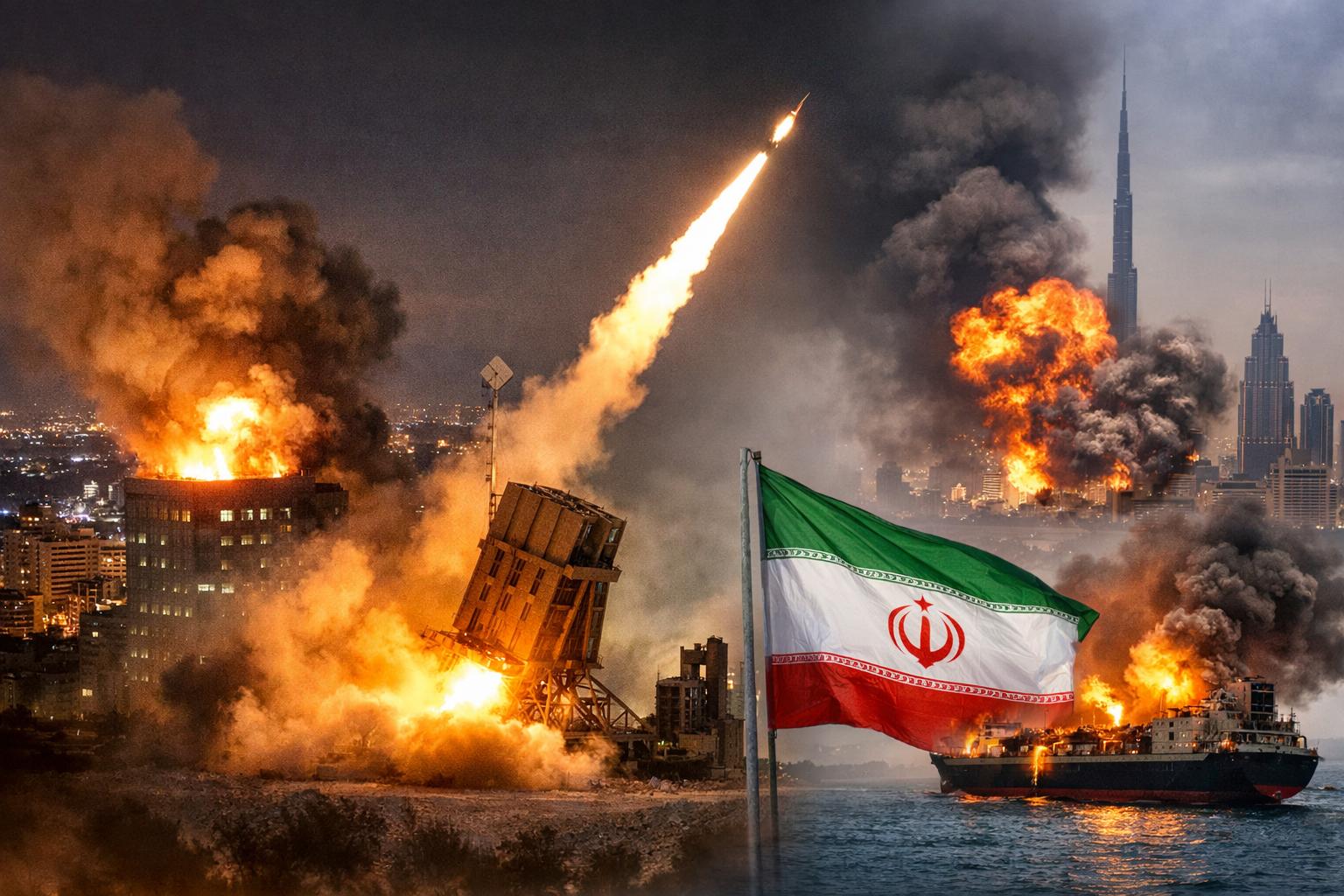
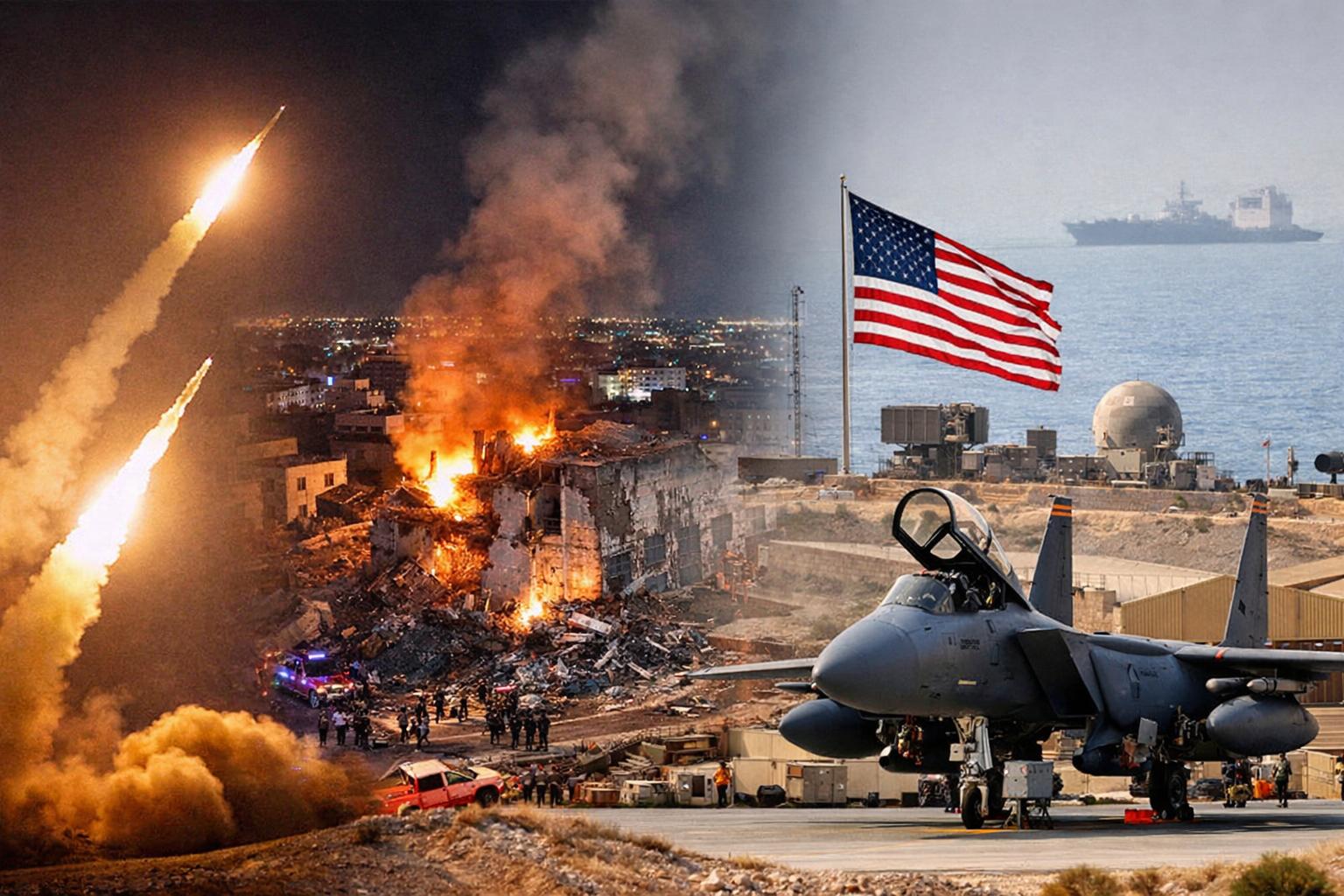
Iran Criticises Contradictory US Statements on MoU Iran’s Foreign Ministry has raised concerns over what it described as inconsistent statements from US officials regarding a memorandum of understanding aimed at ending recent conflict-related tensions. According to Foreign Ministry spokesperson Esmaeil Baghaei, the differing positions from Washington are reinforcing
Iran Slams US Officials Over Contradictory Nuclear and Trade Claims
Iran Criticises Contradictory US Statements on MoU Iran’s Foreign Ministry has raised concerns over what it described as inconsistent statements from US officials regarding a memorandum of understanding aimed at ending recent conflict-related tensions. According to Foreign Ministry spokesperson Esmaeil Baghaei, the differing positions from Washington are reinforcing
US-India Trade Talks Advance as Greer Highlights AI Cooperation
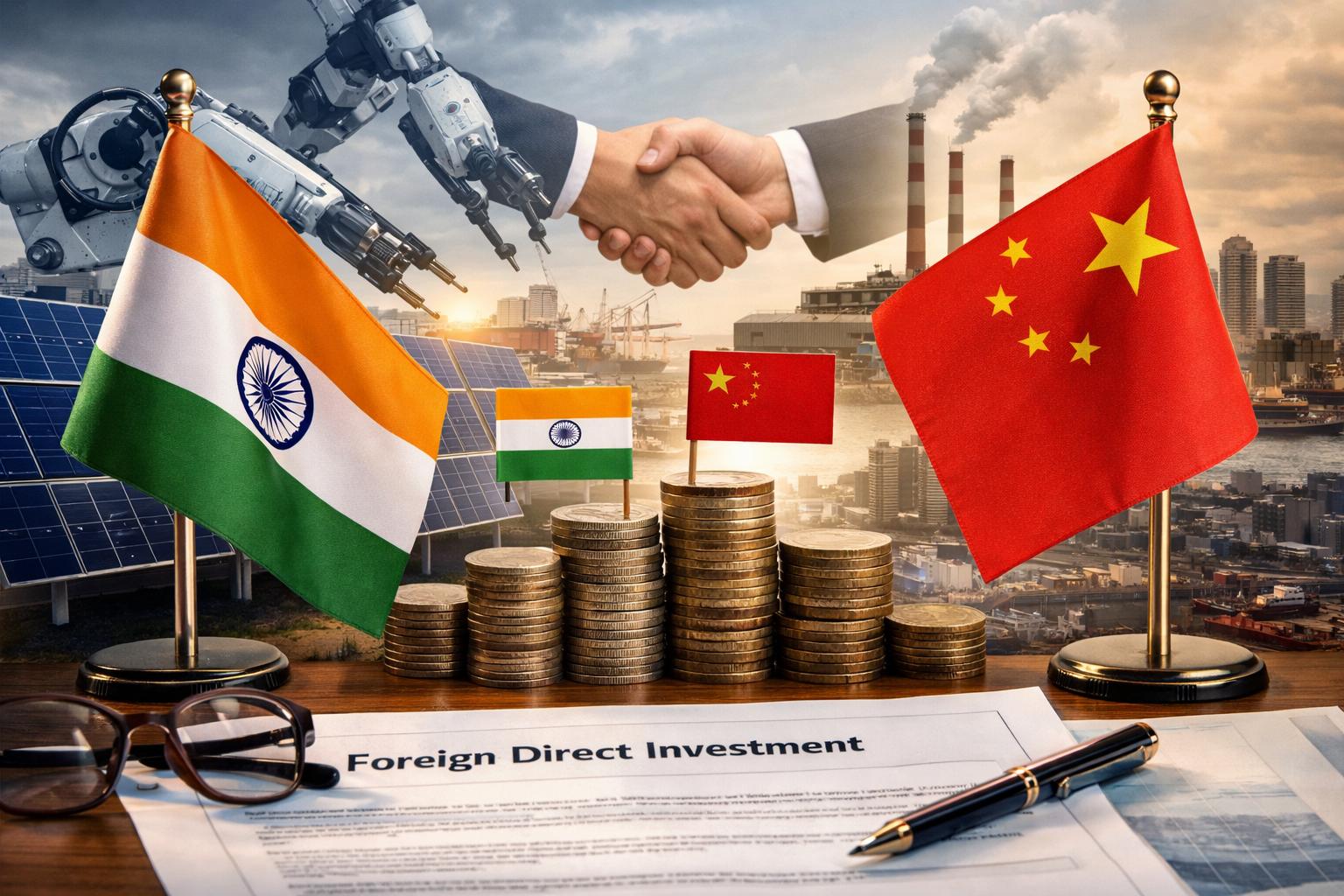
The United States and India reported substantial progress on Wednesday, June 24, 2026, toward an interim bilateral trade agreement, as U.S. Trade Representative Jamieson Greer highlighted artificial intelligence and emerging technologies as growing areas of cooperation. Greer visited New Delhi from Monday, June 22, through Wednesday, June 24, 2026, and held multiple rounds of talks with Indian Commerce and Industry Minister Piyush Goyal. US-India Trade Talks Focus
US-India Trade Talks Advance as Greer Highlights AI Cooperation
The United States and India reported substantial progress on Wednesday, June 24, 2026, toward an interim bilateral trade agreement, as U.S. Trade Representative Jamieson Greer highlighted artificial intelligence and emerging technologies as growing areas of cooperation. Greer visited New Delhi from Monday, June 22, through Wednesday, June 24, 2026, and held multiple rounds of talks with Indian Commerce and Industry Minister Piyush Goyal. US-India Trade Talks Focus
Israel shifts defence strategy amid US political strain
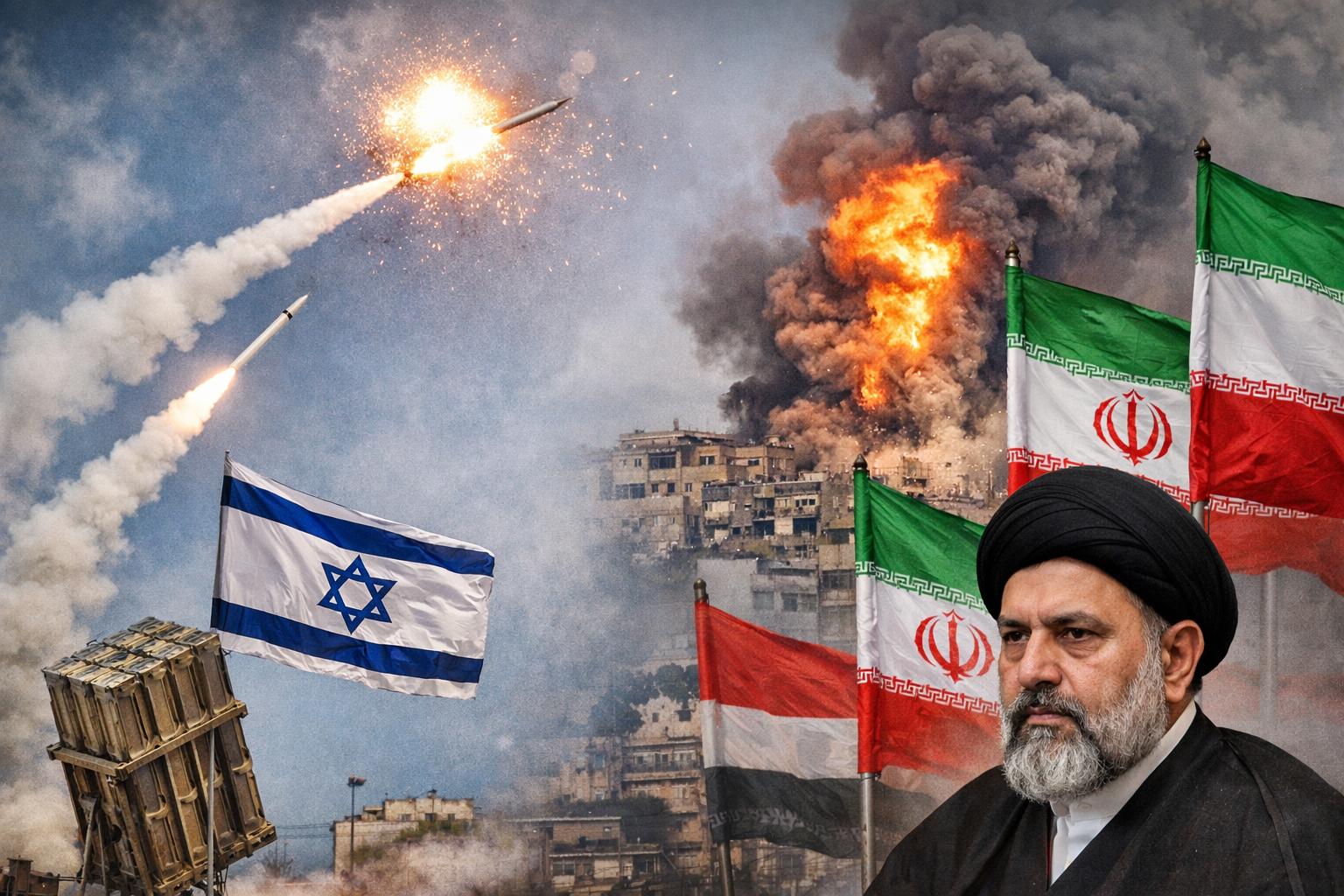
Tensions between Israel and the United States over regional security priorities have added pressure on Prime Minister Benjamin Netanyahu’s government to accelerate its push for greater military independence. The discussion has gained momentum as Israel continues operations linked to Iran-backed groups while simultaneously responding to diplomatic developments involving Washington and Tehran. Netanyahu recently emphasized that Israel cannot depend entirely on external military supply chains for long-term security needs. His remarks were delivered during a meeting with reserve officers in the West Bank, where he highlighted the importance of strengthening domestic defence production and reducing strategic vulnerabilities linked to foreign policy shifts. Domestic defence capacity becomes a strategic priority Israeli leadership is increasingly focused on expanding its local defence manufacturing ecosystem. The plan includes scaling up production of advanced weapon systems, improving technological innovation within the military sector, and reducing delays caused by international procurement dependencies. Officials argue that while US military support remains critical, future conflict scenarios require Israel to maintain uninterrupted access to essential defence capabilities without external constraints. This shift reflects broader concerns about regional instability and the speed at which security threats evolve. Diplomatic friction over regional agreements Recent US-led diplomatic efforts involving Iran have added another layer of complexity to the relationship. Israeli policymakers have expressed concern that regional understandings may not fully address threats posed by groups such as Hezbollah, which continue to operate along Israel’s northern border. From Israel’s perspective, security decisions tied to immediate threats cannot be constrained by broader international agreements. This difference in approach has created periodic friction between Washington and Jerusalem, even as both sides publicly reaffirm their strategic partnership. Political messaging highlights diverging priorities Netanyahu’s statements also reflect internal political messaging aimed at reinforcing a doctrine of strategic independence. While maintaining that the US remains Israel’s most important ally, he has repeatedly stressed that national security decisions must ultimately remain under Israeli control. The debate has also been reflected in wider political discourse, including commentary associated with US political figures and shifting positions on Middle East engagement. Although both governments continue coordination on defence matters, differences in threat assessment and timing of responses remain evident. Strategic autonomy framed as long-term necessity Israeli officials describe the current shift not as a break from alliances but as a recalibration of priorities. The focus is on ensuring that Israel can respond rapidly to evolving threats in a region marked by proxy conflicts, cross-border tensions, and shifting diplomatic alignments. The emerging strategy positions defence self-reliance as a structural requirement rather than a temporary policy adjustment, signaling a longer-term transformation in how Israel plans its security framework.
Israel shifts defence strategy amid US political strain
Tensions between Israel and the United States over regional security priorities have added pressure on Prime Minister Benjamin Netanyahu’s government to accelerate its push for greater military independence. The discussion has gained momentum as Israel continues operations linked to Iran-backed groups while simultaneously responding to diplomatic developments involving Washington and Tehran. Netanyahu recently emphasized that Israel cannot depend entirely on external military supply chains for long-term security needs. His remarks were delivered during a meeting with reserve officers in the West Bank, where he highlighted the importance of strengthening domestic defence production and reducing strategic vulnerabilities linked to foreign policy shifts. Domestic defence capacity becomes a strategic priority Israeli leadership is increasingly focused on expanding its local defence manufacturing ecosystem. The plan includes scaling up production of advanced weapon systems, improving technological innovation within the military sector, and reducing delays caused by international procurement dependencies. Officials argue that while US military support remains critical, future conflict scenarios require Israel to maintain uninterrupted access to essential defence capabilities without external constraints. This shift reflects broader concerns about regional instability and the speed at which security threats evolve. Diplomatic friction over regional agreements Recent US-led diplomatic efforts involving Iran have added another layer of complexity to the relationship. Israeli policymakers have expressed concern that regional understandings may not fully address threats posed by groups such as Hezbollah, which continue to operate along Israel’s northern border. From Israel’s perspective, security decisions tied to immediate threats cannot be constrained by broader international agreements. This difference in approach has created periodic friction between Washington and Jerusalem, even as both sides publicly reaffirm their strategic partnership. Political messaging highlights diverging priorities Netanyahu’s statements also reflect internal political messaging aimed at reinforcing a doctrine of strategic independence. While maintaining that the US remains Israel’s most important ally, he has repeatedly stressed that national security decisions must ultimately remain under Israeli control. The debate has also been reflected in wider political discourse, including commentary associated with US political figures and shifting positions on Middle East engagement. Although both governments continue coordination on defence matters, differences in threat assessment and timing of responses remain evident. Strategic autonomy framed as long-term necessity Israeli officials describe the current shift not as a break from alliances but as a recalibration of priorities. The focus is on ensuring that Israel can respond rapidly to evolving threats in a region marked by proxy conflicts, cross-border tensions, and shifting diplomatic alignments. The emerging strategy positions defence self-reliance as a structural requirement rather than a temporary policy adjustment, signaling a longer-term transformation in how Israel plans its security framework.
India weighs response to iran funeral invite for khamenei
Reports emerging from diplomatic channels suggest that Iran has extended formal communication to India regarding participation in upcoming state-level funeral and memorial ceremonies linked to its top leadership structure. While official confirmation from either government remains limited, the development is being viewed as part of ongoing West Asia diplomatic engagement. India reviews representation strategy
India weighs response to iran funeral invite for khamenei
Reports emerging from diplomatic channels suggest that Iran has extended formal communication to India regarding participation in upcoming state-level funeral and memorial ceremonies linked to its top leadership structure. While official confirmation from either government remains limited, the development is being viewed as part of ongoing West Asia diplomatic engagement. India reviews representation strategy
US Iran dispute deepens after Pakistan clarifies missile claims
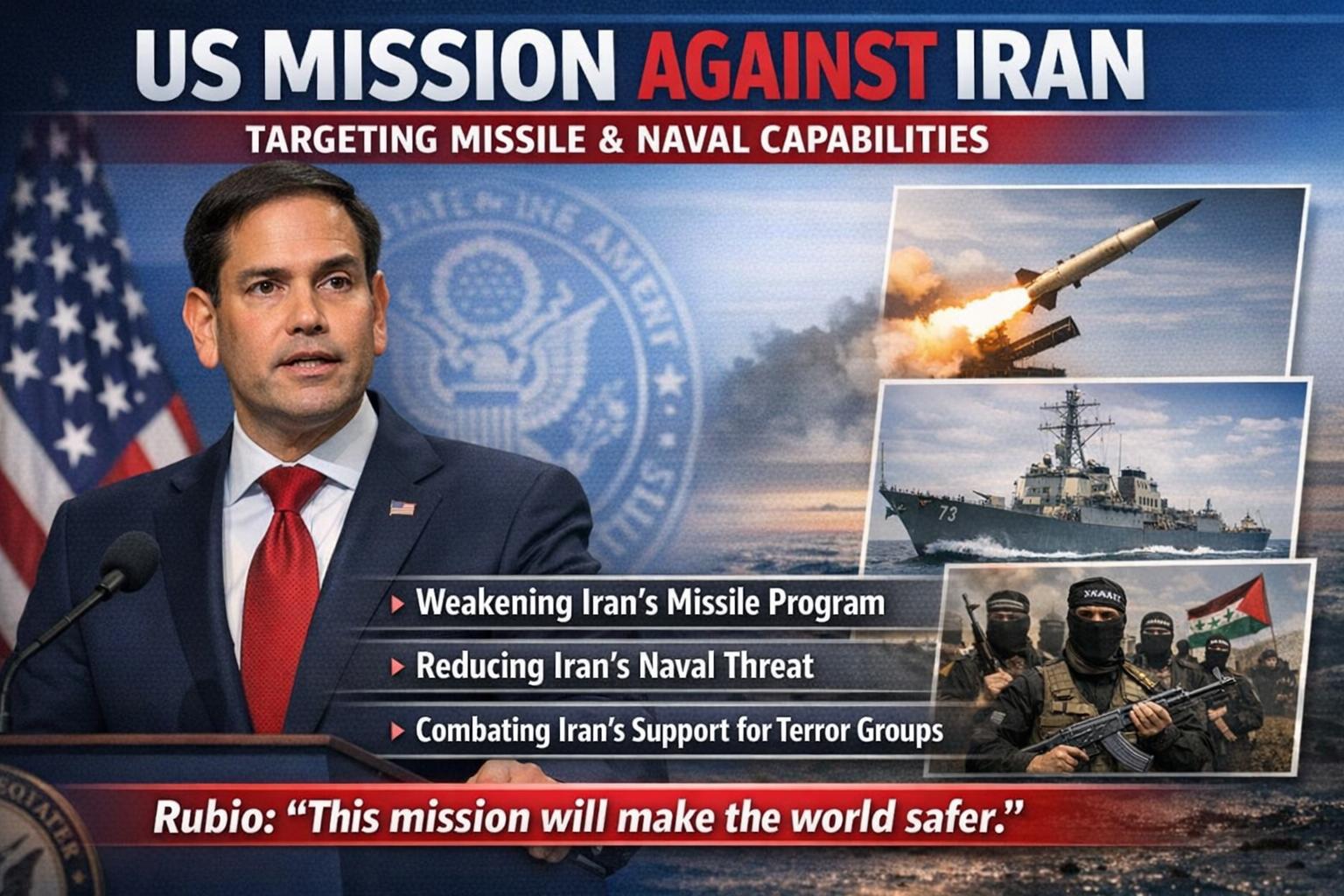
Confusion over alleged discussions involving Iran’s missile capabilities in US–Iran diplomatic engagement was addressed by Pakistan after multiple conflicting interpretations surfaced from international officials. Prime Minister Shehbaz Sharif clarified that no such subject was included in any current structured understanding between Washington and Tehran, pushing back against circulating claims that had gained attention in diplomatic circles.
US Iran dispute deepens after Pakistan clarifies missile claims
Confusion over alleged discussions involving Iran’s missile capabilities in US–Iran diplomatic engagement was addressed by Pakistan after multiple conflicting interpretations surfaced from international officials. Prime Minister Shehbaz Sharif clarified that no such subject was included in any current structured understanding between Washington and Tehran, pushing back against circulating claims that had gained attention in diplomatic circles.
Trump–Meloni tensions ease as Italy–US diplomatic dispute cools down
Diplomatic tensions begin to cool between Italy and US Relations between Italy and the United States showed signs of stabilisation following several days of public disagreement between Italian Prime Minister Giorgia Meloni and US President Donald Trump. Speaking at a public event in Rome, Meloni indicated that she was not interested in extending the dispute and expressed a preference for moving forward, sign
Trump–Meloni tensions ease as Italy–US diplomatic dispute cools down
Diplomatic tensions begin to cool between Italy and US Relations between Italy and the United States showed signs of stabilisation following several days of public disagreement between Italian Prime Minister Giorgia Meloni and US President Donald Trump. Speaking at a public event in Rome, Meloni indicated that she was not interested in extending the dispute and expressed a preference for moving forward, sign
US–Iran tensions rise as Trump demands full IAEA inspection access
Trump signals pressure over nuclear inspections US President Donald Trump has stated that he is prepared to cancel ongoing technical discussions with Iran if Tehran refuses to allow full inspections by the International Atomic Energy Agency. He emphasized that Washington already believes an agreement on inspection access has been reached and dismissed concerns raised about Iran’s willingness to comply with
US–Iran tensions rise as Trump demands full IAEA inspection access
Trump signals pressure over nuclear inspections US President Donald Trump has stated that he is prepared to cancel ongoing technical discussions with Iran if Tehran refuses to allow full inspections by the International Atomic Energy Agency. He emphasized that Washington already believes an agreement on inspection access has been reached and dismissed concerns raised about Iran’s willingness to comply with
Tensions rise as North Korea boosts destroyers and nuclear naval capability
North Korea expands nuclear naval ambitions North Korean leader Kim Jong Un has announced a major expansion of the country’s naval strategy, stating that Pyongyang will move forward with plans to develop a nuclear-armed fleet. The announcement was made during a ceremony marking the commissioning of a new 5,000-ton destroyer, highlighting the country’s continued efforts to strengthen its maritime military capabilities despite international sanctions. New destroyer signals naval modernization push State media reported that the newly commissioned vessel, identified as the Choe Hyon, represents one of the most advanced warships developed by North Korea to date. Officials described it as heavily armed and part of a broader strategy to modernize the navy. Kim indicated that additional warships, including larger destroyers and strategic vessels, are already in development and will enter service in phases. Nuclear integration into maritime forces Kim Jong Un stated that integrating nuclear capability into the navy is a strategic priority aimed at ensuring operational readiness and expanding deterrence capacity. According to his remarks, future naval platforms will be designed to support more advanced weapons systems, marking a shift in how North Korea plans to structure its maritime defense posture. Rising tensions on the Korean Peninsula The announcement comes amid ongoing tensions between North Korea, the United States, and South Korea, with repeated exchanges over military exercises and regional security concerns. Pyongyang has consistently accused its rivals of escalating pressure, while maintaining that its military expansion is necessary for national defense. Analysts note that the latest naval developments further intensify concerns over stability in the region, particularly as both naval and nuclear capabilities continue to evolve.
Tensions rise as North Korea boosts destroyers and nuclear naval capability
North Korea expands nuclear naval ambitions North Korean leader Kim Jong Un has announced a major expansion of the country’s naval strategy, stating that Pyongyang will move forward with plans to develop a nuclear-armed fleet. The announcement was made during a ceremony marking the commissioning of a new 5,000-ton destroyer, highlighting the country’s continued efforts to strengthen its maritime military capabilities despite international sanctions. New destroyer signals naval modernization push State media reported that the newly commissioned vessel, identified as the Choe Hyon, represents one of the most advanced warships developed by North Korea to date. Officials described it as heavily armed and part of a broader strategy to modernize the navy. Kim indicated that additional warships, including larger destroyers and strategic vessels, are already in development and will enter service in phases. Nuclear integration into maritime forces Kim Jong Un stated that integrating nuclear capability into the navy is a strategic priority aimed at ensuring operational readiness and expanding deterrence capacity. According to his remarks, future naval platforms will be designed to support more advanced weapons systems, marking a shift in how North Korea plans to structure its maritime defense posture. Rising tensions on the Korean Peninsula The announcement comes amid ongoing tensions between North Korea, the United States, and South Korea, with repeated exchanges over military exercises and regional security concerns. Pyongyang has consistently accused its rivals of escalating pressure, while maintaining that its military expansion is necessary for national defense. Analysts note that the latest naval developments further intensify concerns over stability in the region, particularly as both naval and nuclear capabilities continue to evolve.
Strait of Hormuz crisis and Iran ceasefire spark global political debate
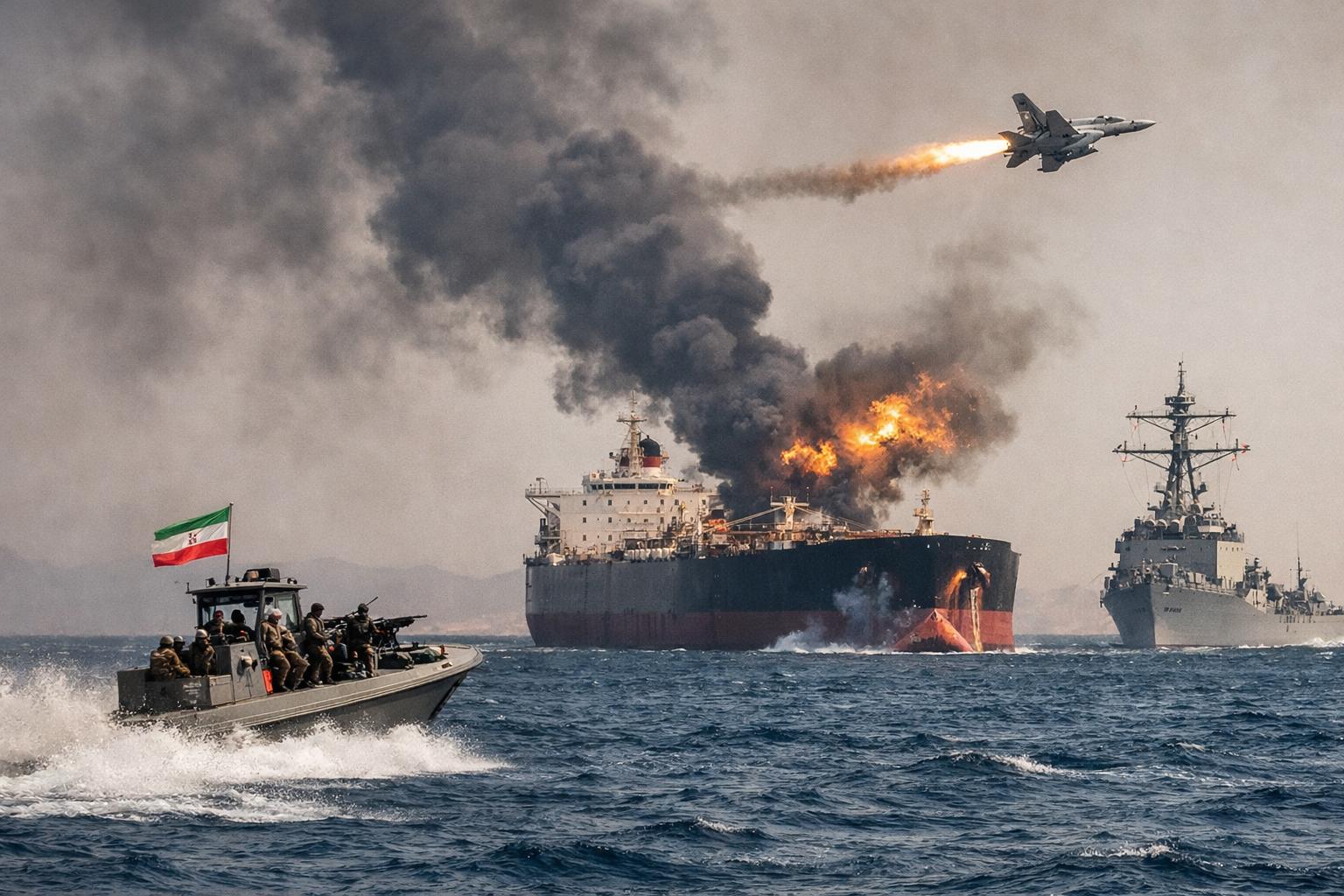
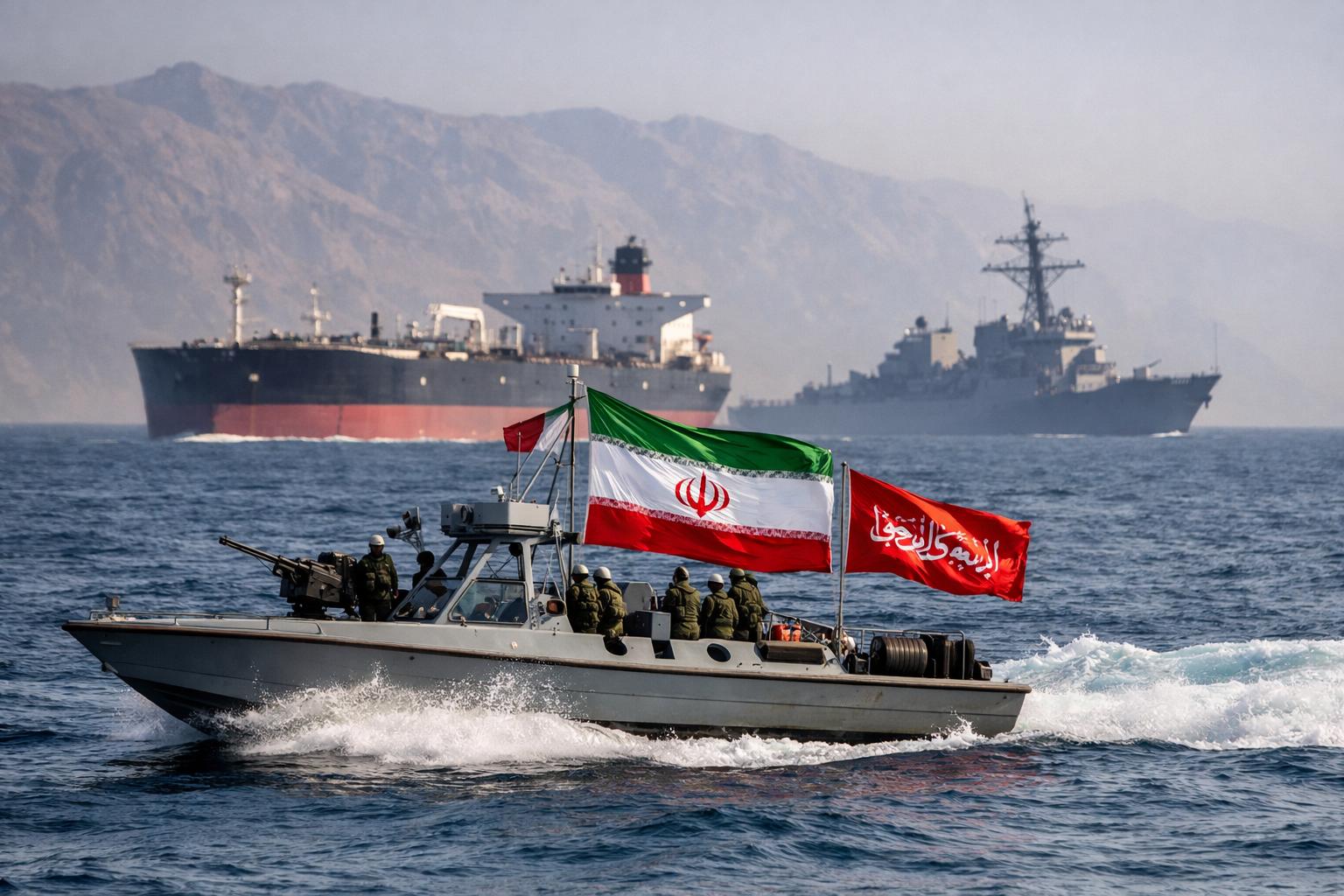
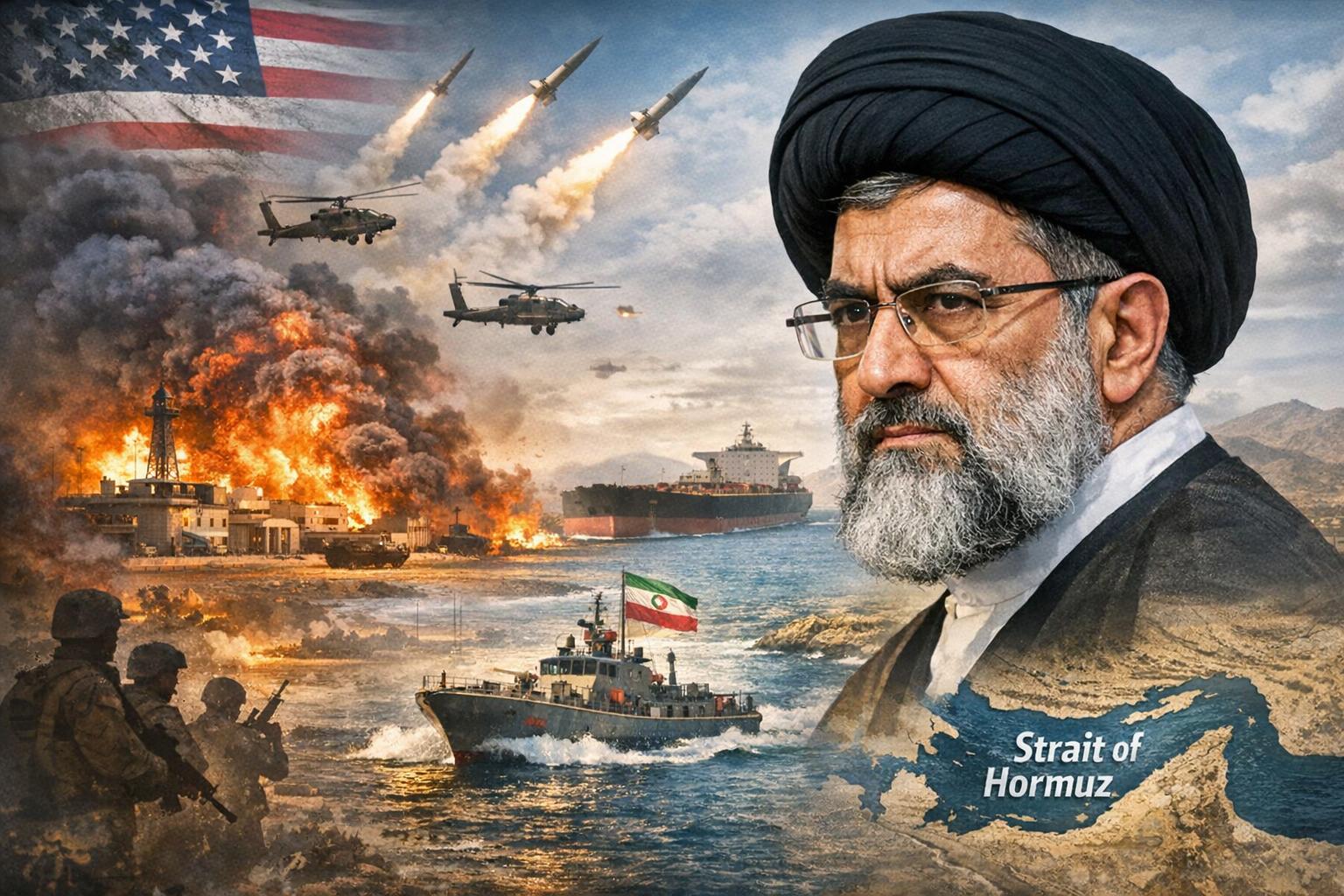
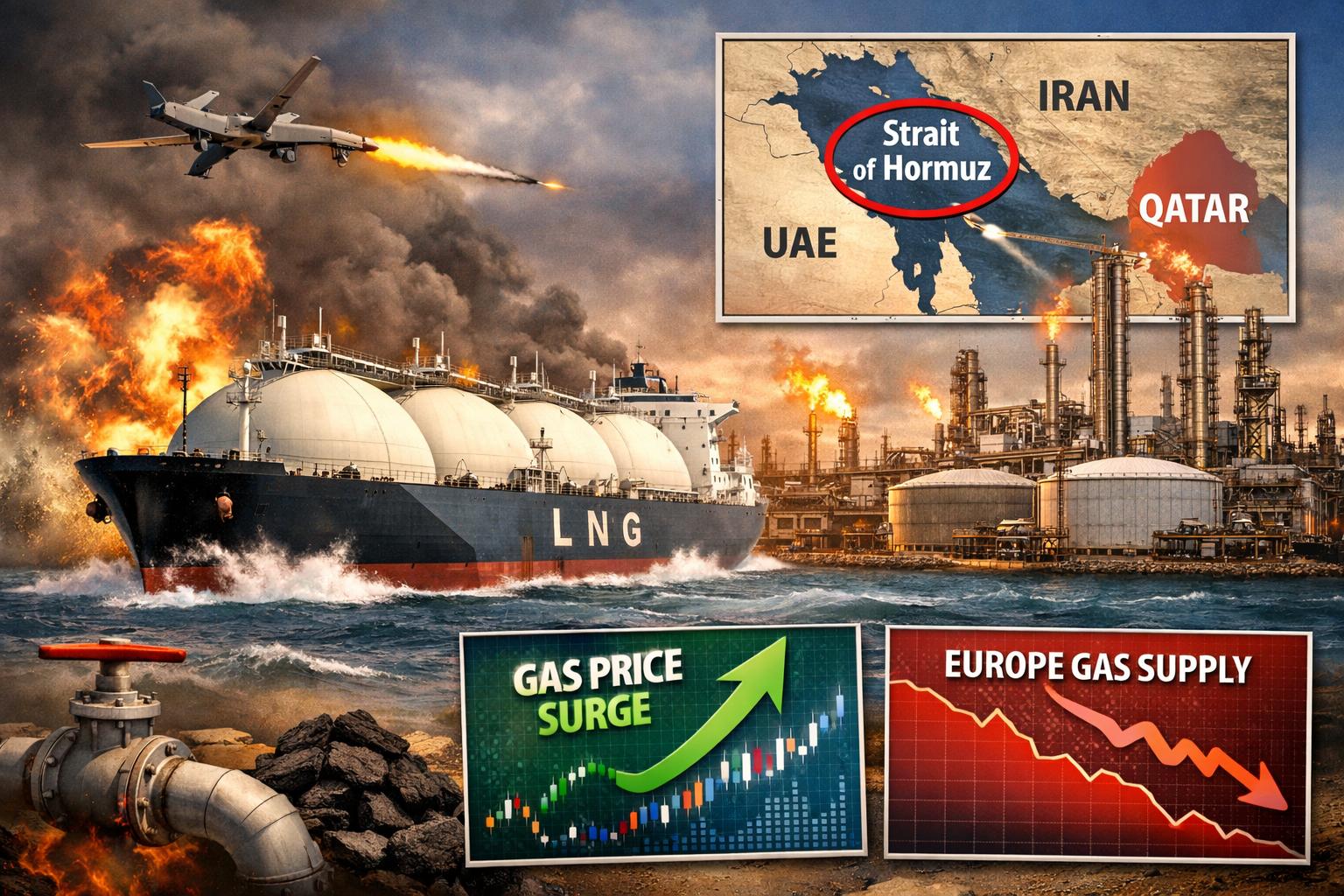
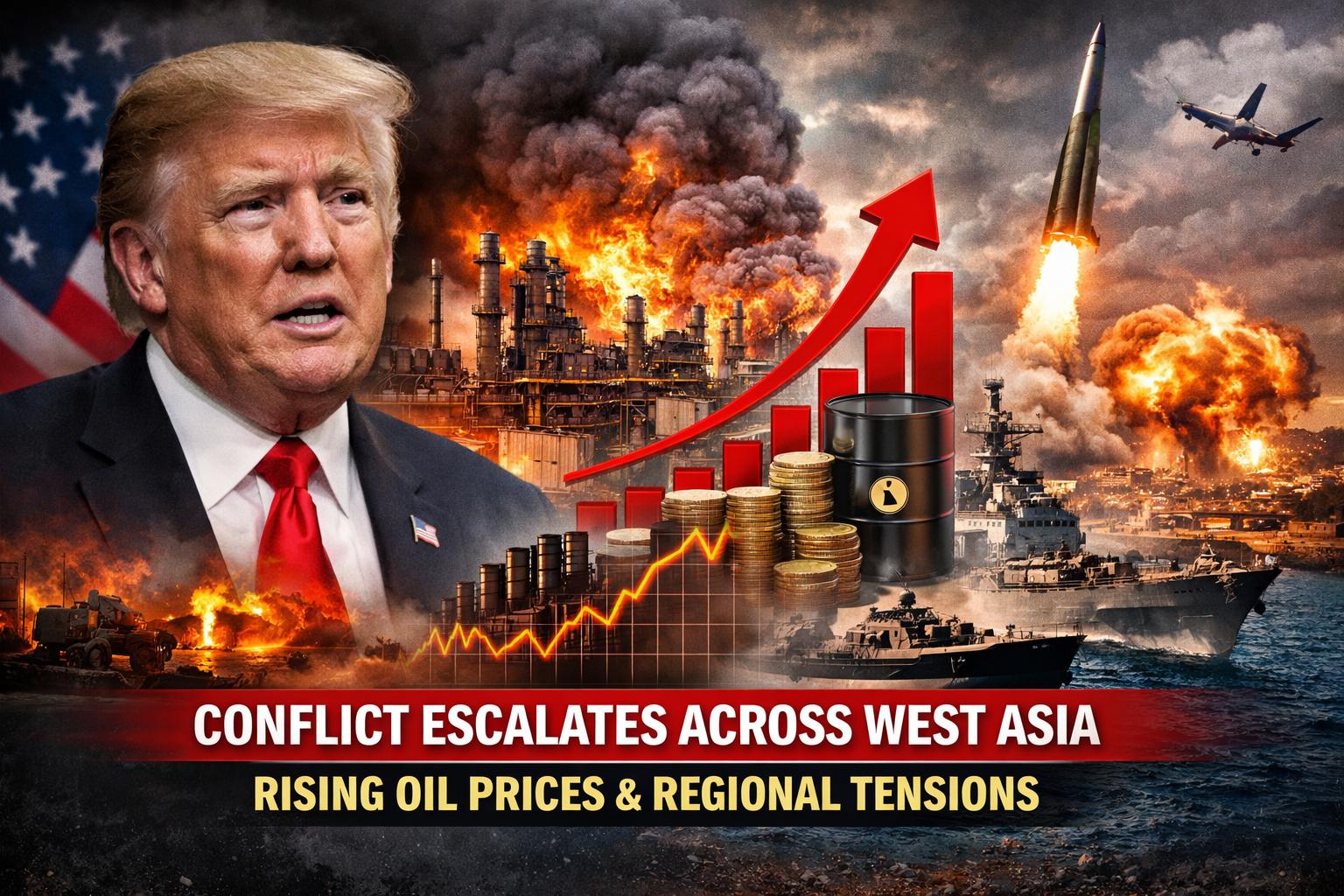
Ceasefire agreement raises human rights concerns The recent ceasefire understanding between the United States and Iran has triggered debate over its wider political and humanitarian implications. While the agreement aims to stabilize relations after months of conflict, critics argue that its language on non-interference could limit external pressure on Iran’s internal human rights situation. The inclusion of sovereignty clauses has been interpreted by analysts as a significant shift in diplomatic posture compared to earlier US positions. Debate over sovereignty and internal affairs The memorandum reportedly emphasizes mutual respect for sovereignty and non-interference in domestic matters. Observers note that this marks a departure from previous rhetoric that supported political change within Iran through public pressure and international condemnation. Human rights groups have expressed concern that such provisions may reduce accountability mechanisms at a time when reports of arrests, executions, and suppression of dissent continue to emerge. Humanitarian impact and ongoing instability Independent reports referenced in international discussions point to continued unrest and a heavy human cost during and after the conflict period. Allegations of mass detentions and restrictions on civil liberties have further intensified scrutiny of the ceasefire framework. Advocacy organizations warn that stabilizing military conditions without parallel human rights safeguards risks entrenching existing governance structures without addressing underlying grievances. Regional conflict and global economic disruption The broader conflict, including disruptions in the Strait of Hormuz, has had significant consequences for global energy flows and maritime trade. Temporary closure of key shipping routes led to economic pressure across multiple regions dependent on oil and liquefied natural gas supplies. While diplomatic mediation involving regional actors helped establish a pathway toward de-escalation, analysts caution that long-term stability will depend on sustained negotiations and enforcement clarity within the agreement framework.
Strait of Hormuz crisis and Iran ceasefire spark global political debate
Ceasefire agreement raises human rights concerns The recent ceasefire understanding between the United States and Iran has triggered debate over its wider political and humanitarian implications. While the agreement aims to stabilize relations after months of conflict, critics argue that its language on non-interference could limit external pressure on Iran’s internal human rights situation. The inclusion of sovereignty clauses has been interpreted by analysts as a significant shift in diplomatic posture compared to earlier US positions. Debate over sovereignty and internal affairs The memorandum reportedly emphasizes mutual respect for sovereignty and non-interference in domestic matters. Observers note that this marks a departure from previous rhetoric that supported political change within Iran through public pressure and international condemnation. Human rights groups have expressed concern that such provisions may reduce accountability mechanisms at a time when reports of arrests, executions, and suppression of dissent continue to emerge. Humanitarian impact and ongoing instability Independent reports referenced in international discussions point to continued unrest and a heavy human cost during and after the conflict period. Allegations of mass detentions and restrictions on civil liberties have further intensified scrutiny of the ceasefire framework. Advocacy organizations warn that stabilizing military conditions without parallel human rights safeguards risks entrenching existing governance structures without addressing underlying grievances. Regional conflict and global economic disruption The broader conflict, including disruptions in the Strait of Hormuz, has had significant consequences for global energy flows and maritime trade. Temporary closure of key shipping routes led to economic pressure across multiple regions dependent on oil and liquefied natural gas supplies. While diplomatic mediation involving regional actors helped establish a pathway toward de-escalation, analysts caution that long-term stability will depend on sustained negotiations and enforcement clarity within the agreement framework.
Germany train delays ease after GSM-R communication breakdown
Nationwide rail disruption halts services Train operations across Germany were brought to a standstill after a nationwide failure in the railway communication network disrupted services operated by Deutsche Bahn. The state-owned operator confirmed that trains were temporarily immobilised at stations as a precautionary measure while technical teams worked to identify and resolve the fault affecting the syste
Germany train delays ease after GSM-R communication breakdown
Nationwide rail disruption halts services Train operations across Germany were brought to a standstill after a nationwide failure in the railway communication network disrupted services operated by Deutsche Bahn. The state-owned operator confirmed that trains were temporarily immobilised at stations as a precautionary measure while technical teams worked to identify and resolve the fault affecting the syste
IMO begins evacuation of 11,000 sailors trapped in Strait of Hormuz crisis
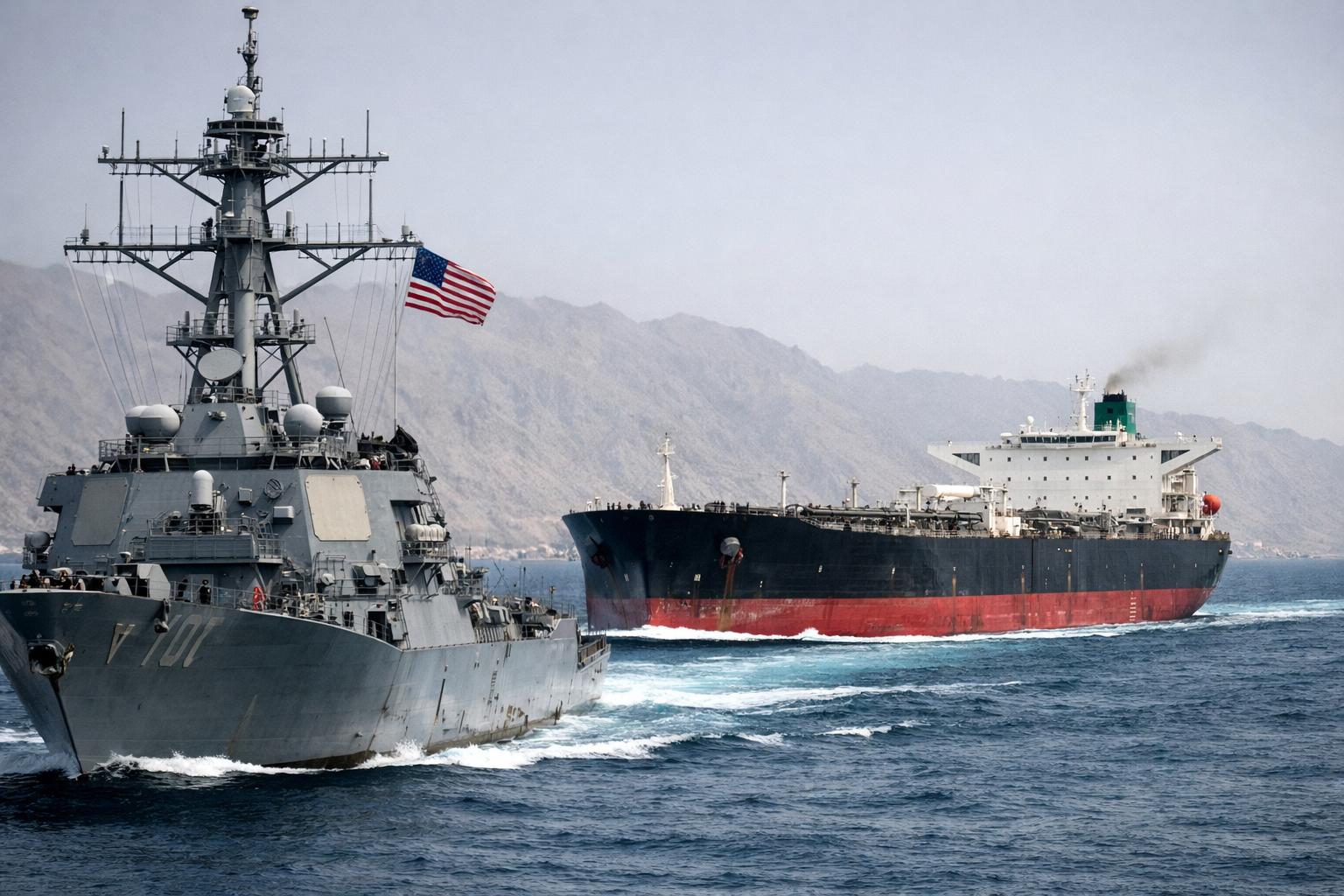
IMO launches coordinated maritime evacuation The International Maritime Organization has announced the start of a large-scale evacuation of more than 11,000 sailors stranded in the Persian Gulf following months of disruption linked to the Strait of Hormuz. The operation is being carried out in coordination with regional coastal states, including Iran and Oman, along with the United States and global shipping
IMO begins evacuation of 11,000 sailors trapped in Strait of Hormuz crisis
IMO launches coordinated maritime evacuation The International Maritime Organization has announced the start of a large-scale evacuation of more than 11,000 sailors stranded in the Persian Gulf following months of disruption linked to the Strait of Hormuz. The operation is being carried out in coordination with regional coastal states, including Iran and Oman, along with the United States and global shipping
Iran UAE row escalates at BRICS NSA meeting in New Delhi
A BRICS National Security Advisers meeting in New Delhi turned tense after Iran and the United Arab Emirates exchanged strong political accusations over regional security concerns. The discussion, chaired by India’s National Security Advisor Ajit Doval, was intended to focus on cooperation in maritime safety and counterterrorism, but quickly exposed deep disagreements within the group on West Asia dynamics. Iran raises concerns over regional strikes and external involvement Iran’s delegation raised allegations linking recent regional strikes to external military coordination, suggesting that operations affecting Iranian interests were enabled through logistical and strategic support networks in the Gulf region. Tehran argued that such developments have increased risks for civilians and undermined stability across key transit zones. Strait of Hormuz remains central pressure point The Strait of Hormuz once again emerged as the most sensitive flashpoint in the discussion. Iranian representatives warned that continued military escalation near the waterway threatens global energy flows and could destabilize shipping routes that carry a significant share of the world’s oil supply. The issue highlighted how maritime security concerns are increasingly tied to broader geopolitical rivalries in the region. UAE pushes back and defends its position The UAE rejected the allegations and reiterated that it does not support or participate in hostile operations against any state. Emirati officials maintained that the country itself remains exposed to regional security threats and emphasized the need for de-escalation rather than blame-based diplomacy. Past BRICS discussions had already seen similar disagreements without consensus outcomes. BRICS unity tested by West Asia fault lines The confrontation underscored growing strain within BRICS as it expands its membership and geopolitical scope. While India has pushed for the bloc to act as a platform for dialogue and stability, persistent conflicts between member and partner states are limiting progress on unified security statements. The Iran–UAE exchange reflected how regional rivalries are increasingly shaping multilateral forums meant for cooperation rather than confrontation.
Iran UAE row escalates at BRICS NSA meeting in New Delhi
A BRICS National Security Advisers meeting in New Delhi turned tense after Iran and the United Arab Emirates exchanged strong political accusations over regional security concerns. The discussion, chaired by India’s National Security Advisor Ajit Doval, was intended to focus on cooperation in maritime safety and counterterrorism, but quickly exposed deep disagreements within the group on West Asia dynamics. Iran raises concerns over regional strikes and external involvement Iran’s delegation raised allegations linking recent regional strikes to external military coordination, suggesting that operations affecting Iranian interests were enabled through logistical and strategic support networks in the Gulf region. Tehran argued that such developments have increased risks for civilians and undermined stability across key transit zones. Strait of Hormuz remains central pressure point The Strait of Hormuz once again emerged as the most sensitive flashpoint in the discussion. Iranian representatives warned that continued military escalation near the waterway threatens global energy flows and could destabilize shipping routes that carry a significant share of the world’s oil supply. The issue highlighted how maritime security concerns are increasingly tied to broader geopolitical rivalries in the region. UAE pushes back and defends its position The UAE rejected the allegations and reiterated that it does not support or participate in hostile operations against any state. Emirati officials maintained that the country itself remains exposed to regional security threats and emphasized the need for de-escalation rather than blame-based diplomacy. Past BRICS discussions had already seen similar disagreements without consensus outcomes. BRICS unity tested by West Asia fault lines The confrontation underscored growing strain within BRICS as it expands its membership and geopolitical scope. While India has pushed for the bloc to act as a platform for dialogue and stability, persistent conflicts between member and partner states are limiting progress on unified security statements. The Iran–UAE exchange reflected how regional rivalries are increasingly shaping multilateral forums meant for cooperation rather than confrontation.
Undersea cables power the world’s internet
Undersea cables are the hidden reason most of the world stays connected online. The internet does not mainly travel through satellites. It travels through submarine fiber cables placed deep under the ocean. These ocean internet cables connect countries, data centers, banks, cloud services, stock markets and normal users. When you send a message, watch a video or open a foreign website, your data often travels through undersea internet cables in seconds. What are undersea in
Undersea cables power the world’s internet
Undersea cables are the hidden reason most of the world stays connected online. The internet does not mainly travel through satellites. It travels through submarine fiber cables placed deep under the ocean. These ocean internet cables connect countries, data centers, banks, cloud services, stock markets and normal users. When you send a message, watch a video or open a foreign website, your data often travels through undersea internet cables in seconds. What are undersea in
Takaichi visit signals deeper Japan India strategic cooperation
The visit of Sanae Takaichi to New Delhi marks a renewed phase in relations between Japan and India. Her meeting with
Takaichi visit signals deeper Japan India strategic cooperation
The visit of Sanae Takaichi to New Delhi marks a renewed phase in relations between Japan and India. Her meeting with
Iran–US talks stall as Lebanon crisis deepens over Hezbollah role
Negotiations between Iran and the United States are increasingly being shaped by events in Lebanon, where Hezbollah’s presence has turned a local conflict into a regional negotiation barrier. What was once a narrow security issue has evolved into a wider political and military deadlock involving multiple state and non-state actors. Hezbollah’s dual structure complicates negotiations Hezbolla
Iran–US talks stall as Lebanon crisis deepens over Hezbollah role
Negotiations between Iran and the United States are increasingly being shaped by events in Lebanon, where Hezbollah’s presence has turned a local conflict into a regional negotiation barrier. What was once a narrow security issue has evolved into a wider political and military deadlock involving multiple state and non-state actors. Hezbollah’s dual structure complicates negotiations Hezbolla
Iran says it will administer Strait of Hormuz
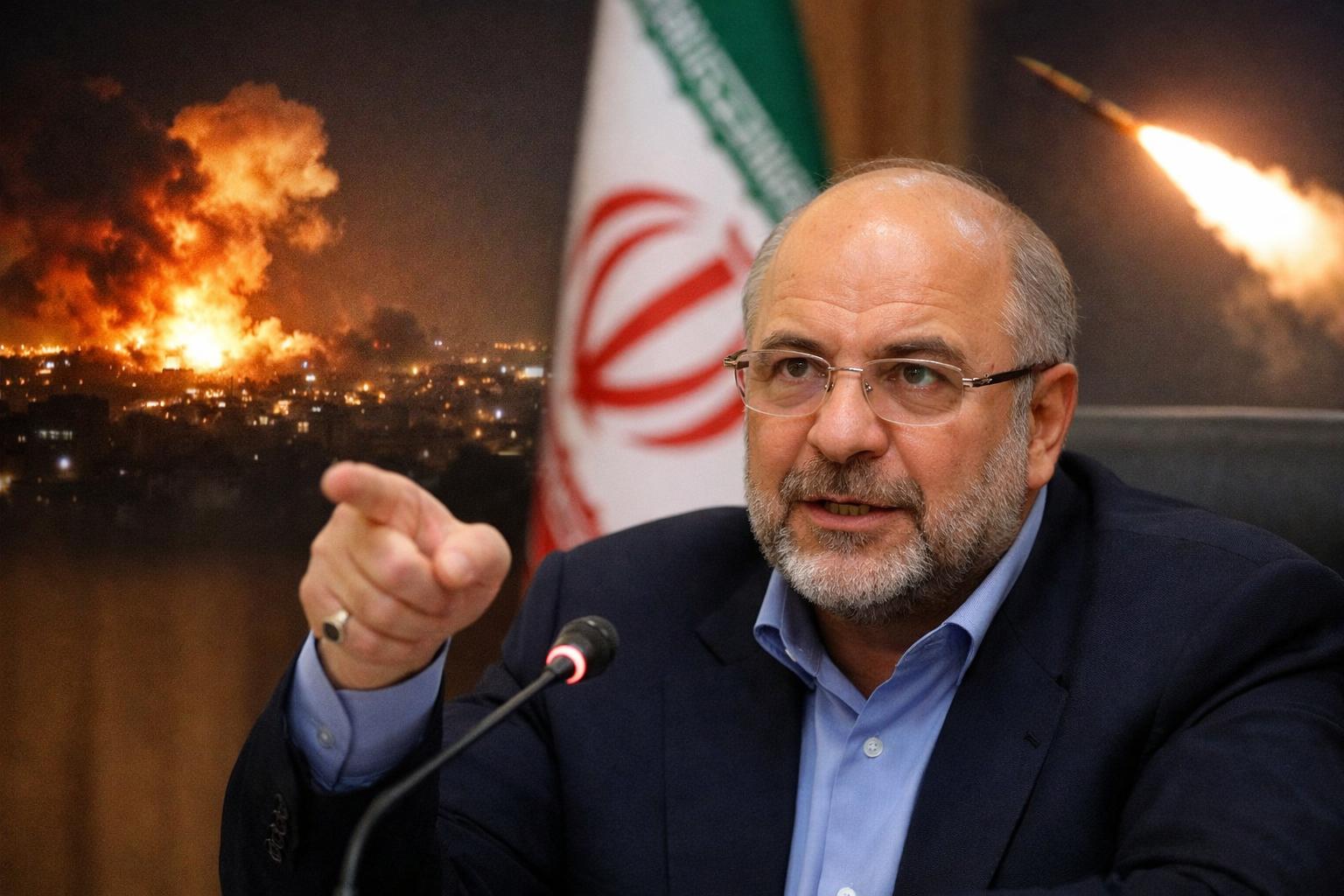
Iran claims new Hormuz role Iran’s chief negotiator and Parliament Speaker Mohammad Bagher Ghalibaf said the Strait of Hormuz would be administered by Tehran following the first round of US Iran talks in Switzerland. In a video message quoted by Iranian state media on Tuesday, June 23, Ghalibaf said the strategic waterway would not return to its pre-war conditions and would be managed by the Islamic Republic of Iran in accordance with inter
Iran says it will administer Strait of Hormuz
Iran claims new Hormuz role Iran’s chief negotiator and Parliament Speaker Mohammad Bagher Ghalibaf said the Strait of Hormuz would be administered by Tehran following the first round of US Iran talks in Switzerland. In a video message quoted by Iranian state media on Tuesday, June 23, Ghalibaf said the strategic waterway would not return to its pre-war conditions and would be managed by the Islamic Republic of Iran in accordance with inter
Trump says Iran will accept major weapons inspections
Trump says Iran will allow inspections US President Donald Trump said Monday,June 22,2026 that Iran would agree to extensive weapons inspections as part of efforts to ensure what he called “nuclear honesty” in the years ahead. In a post on Truth Social, Trump said he believed Iran would accept major inspections to support long-term verification. His comments came as Washington described recent US Iran talks in Burgenstock, Switzerland, as
Trump says Iran will accept major weapons inspections
Trump says Iran will allow inspections US President Donald Trump said Monday,June 22,2026 that Iran would agree to extensive weapons inspections as part of efforts to ensure what he called “nuclear honesty” in the years ahead. In a post on Truth Social, Trump said he believed Iran would accept major inspections to support long-term verification. His comments came as Washington described recent US Iran talks in Burgenstock, Switzerland, as
Three dead in Montreal Jewish neighbourhood shooting
Montreal shooting leaves three dead A shooting in a Jewish neighbourhood of Montreal on Monday, June 23, left three people dead, including a police officer, a local resident and the suspected gunman, according to authorities. Police said the motive had not yet been determined and urged the public to avoid the affected area while investigators continued their work. The incident took place in a part of Côte-des-Neiges known for kosher restaura
Three dead in Montreal Jewish neighbourhood shooting
Montreal shooting leaves three dead A shooting in a Jewish neighbourhood of Montreal on Monday, June 23, left three people dead, including a police officer, a local resident and the suspected gunman, according to authorities. Police said the motive had not yet been determined and urged the public to avoid the affected area while investigators continued their work. The incident took place in a part of Côte-des-Neiges known for kosher restaura
Iran envoys head to Oman for Hormuz talks
Iran officials head to Oman Iran’s top negotiator Mohammad Baqer Qalibaf and Foreign Minister Abbas Araqchi are travelling to Oman for talks expected to cover shipping arrangements in the Strait of Hormuz and wider regional developments. According to a statement on Qalibaf’s Telegram channel, the visit is aimed at consolidating Iranian arrangements linked to managing shipping in the strategic waterway, one of the world’s most important
Iran envoys head to Oman for Hormuz talks
Iran officials head to Oman Iran’s top negotiator Mohammad Baqer Qalibaf and Foreign Minister Abbas Araqchi are travelling to Oman for talks expected to cover shipping arrangements in the Strait of Hormuz and wider regional developments. According to a statement on Qalibaf’s Telegram channel, the visit is aimed at consolidating Iranian arrangements linked to managing shipping in the strategic waterway, one of the world’s most important
Ajit Doval and Wang Yi hold talks before BRICS meet
Doval and Wang Yi hold talks in New Delhi India’s National Security Adviser Ajit Doval and Chinese Foreign Minister Wang Yi held constructive and forward-looking talks in New Delhi on Monday, June 22,2026 ahead of the BRICS National Security Advisers’ meeting. Both sides reviewed recent developments in India China relations and noted progress toward gradual normalisation after years of strain following the 2020 border clashes in eastern L
Ajit Doval and Wang Yi hold talks before BRICS meet
Doval and Wang Yi hold talks in New Delhi India’s National Security Adviser Ajit Doval and Chinese Foreign Minister Wang Yi held constructive and forward-looking talks in New Delhi on Monday, June 22,2026 ahead of the BRICS National Security Advisers’ meeting. Both sides reviewed recent developments in India China relations and noted progress toward gradual normalisation after years of strain following the 2020 border clashes in eastern L


