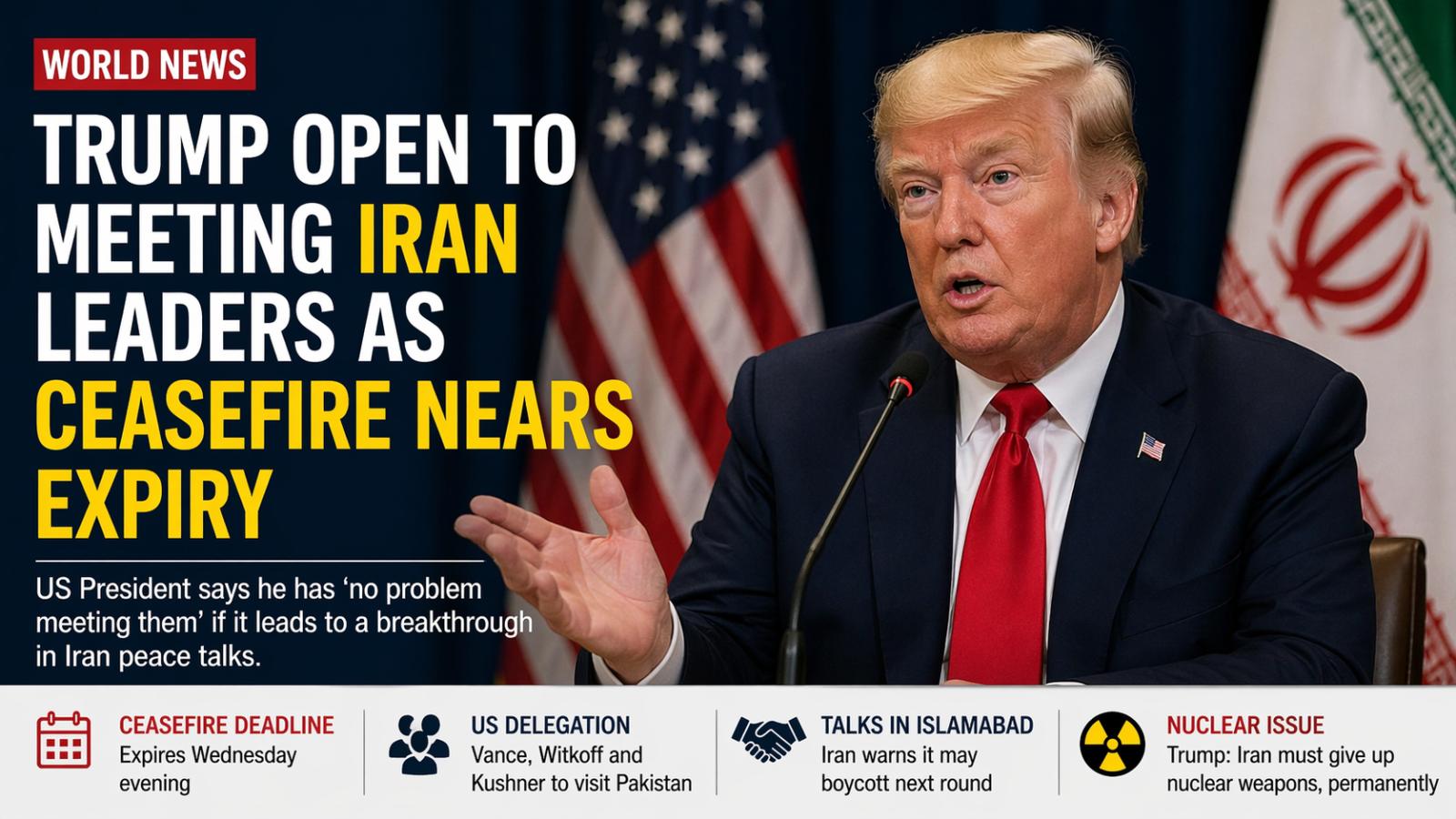
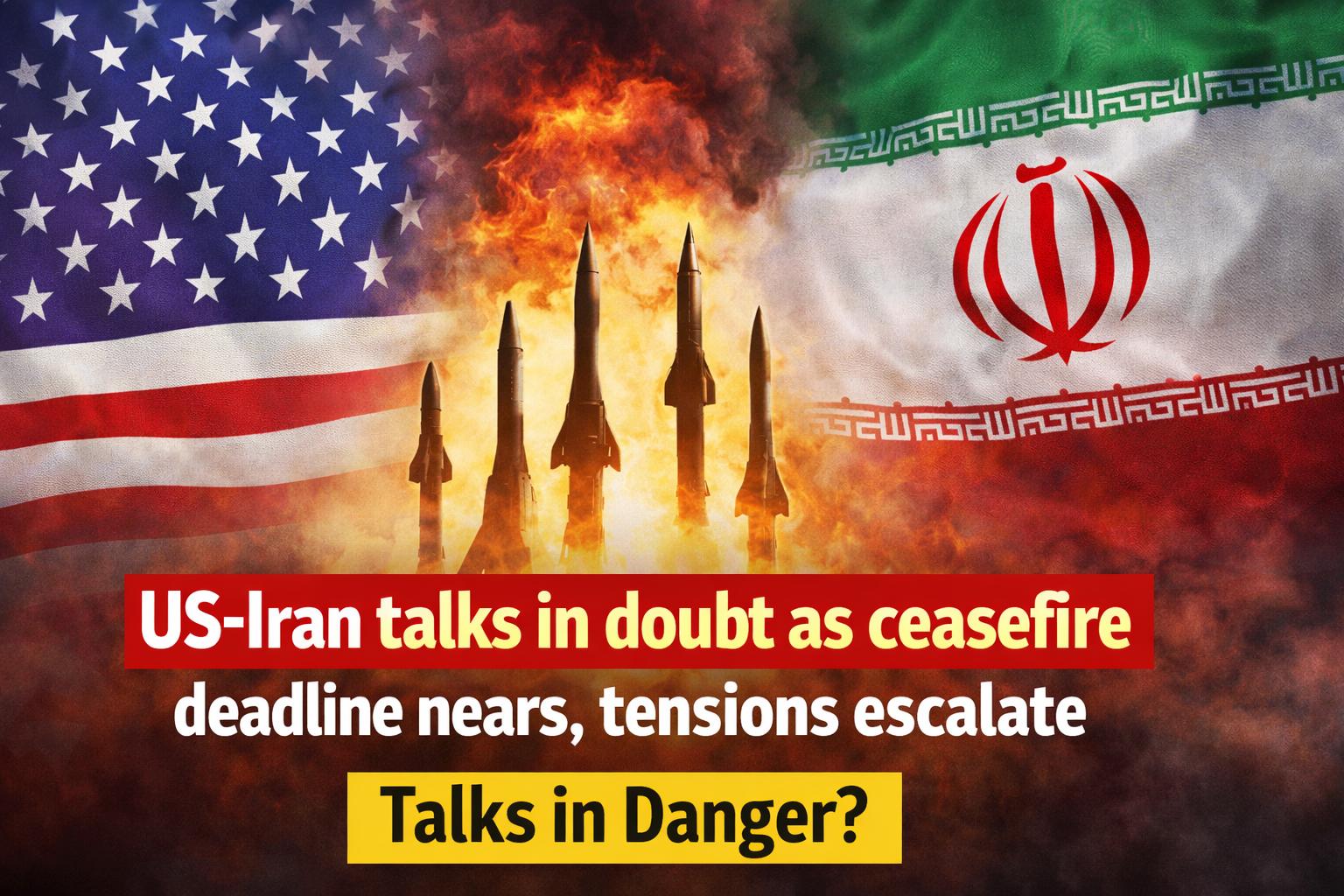
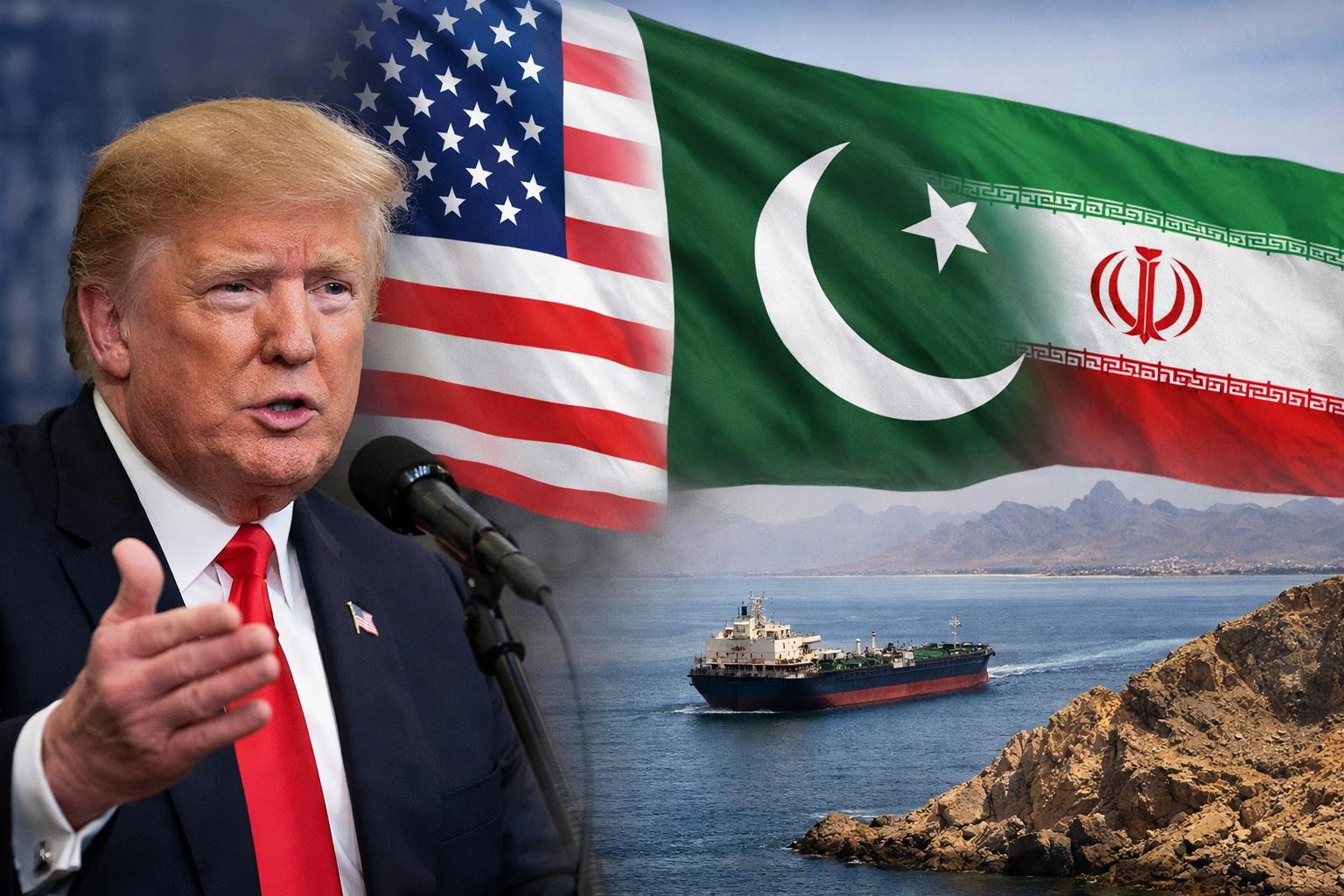
United States President Donald Trump on Monday indicated his willingness to meet Iranian leaders directly, as diplomatic efforts to sustain a fragile ceasefire between Washington and Iran approach a critical deadline. The two-week ceasefire is set to expire on Wednesday evening, raising concerns that hosti
United States President Donald Trump on Monday indicated his willingness to meet Iranian leaders directly, as diplomatic efforts to sustain a fragile ceasefire between Washington and Iran approach a critical deadline. The two-week ceasefire is set to expire on Wednesday evening, raising concerns that hosti
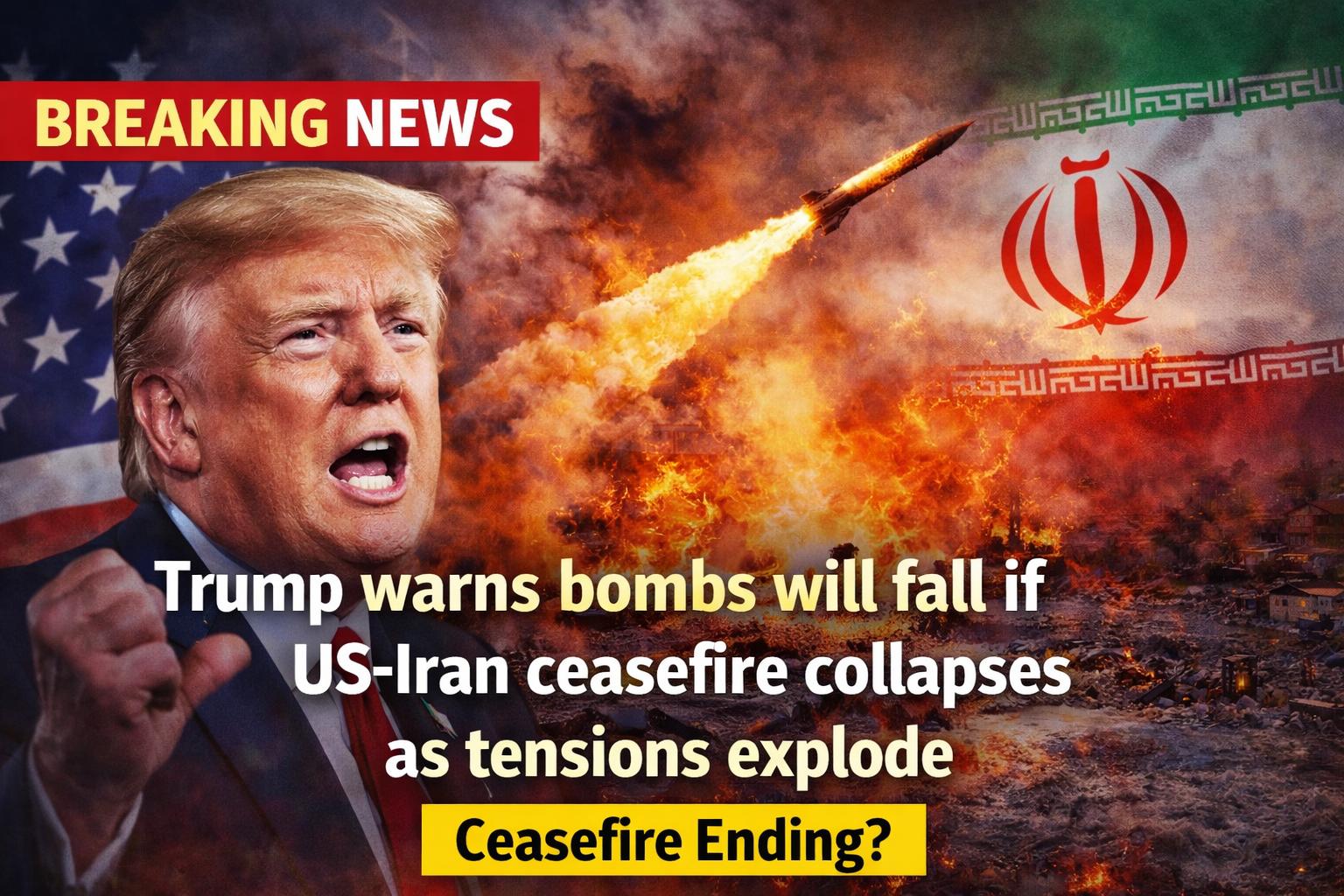
US Iran war ceasefire warning Trump signals rising tensions
The US Iran war ceasefire warning Trump has intensified global concerns as the fragile truce between Washington and Tehran nears its expiration. With tensions already high, US President Donald Trump has warned that military action could resume if a deal is not reached in time. The situation is being closely watched worldwide, as the outcome could significantly imp
US Iran war ceasefire warning Trump signals rising tensions
The US Iran war ceasefire warning Trump has intensified global concerns as the fragile truce between Washington and Tehran nears its expiration. With tensions already high, US President Donald Trump has warned that military action could resume if a deal is not reached in time. The situation is being closely watched worldwide, as the outcome could significantly imp
US-Iran talks uncertainty deepens as second round in Pakistan remains undecided
Uncertainty has grown over the much-anticipated second round of US-Iran peace talks in Pakistan, as both sides continue strategic posturing ahead of a critical deadline. The discussions, expected to take place in Islamabad, come at a time when tensions remain high and diplomatic clarity is still lacking. The situation is particularly sensitive
US-Iran talks uncertainty deepens as second round in Pakistan remains undecided
Uncertainty has grown over the much-anticipated second round of US-Iran peace talks in Pakistan, as both sides continue strategic posturing ahead of a critical deadline. The discussions, expected to take place in Islamabad, come at a time when tensions remain high and diplomatic clarity is still lacking. The situation is particularly sensitive
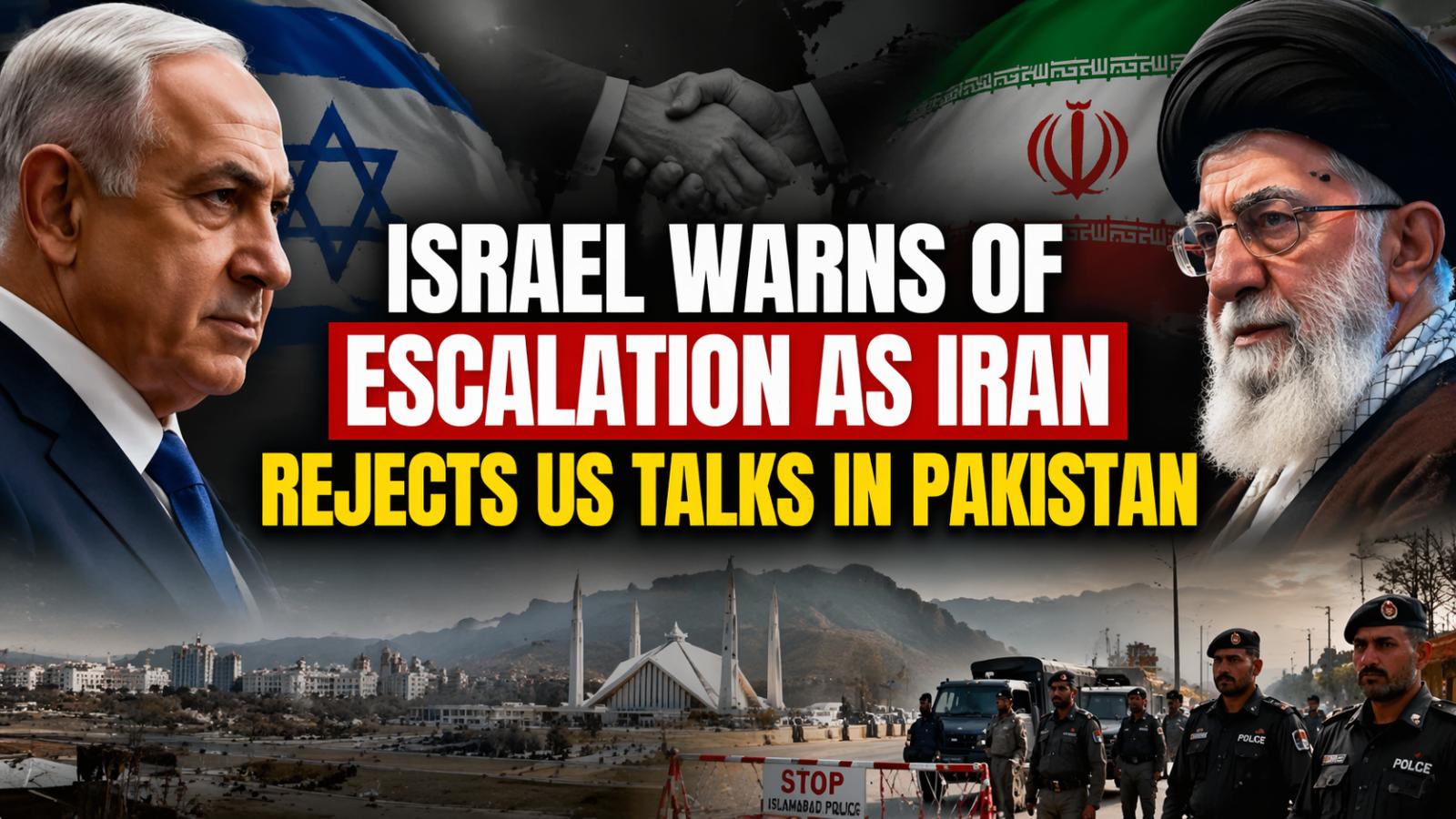
Israeli Prime Minister Benjamin Netanyahu has warned that tensions with Iran could escalate rapidly, underscoring the fragile state of the ongoing geopolitical situation. Speaking alongside Javier Milei, Netanyahu said the conflict remains unpredictable and developments could unfold at any moment. He empha
Israeli Prime Minister Benjamin Netanyahu has warned that tensions with Iran could escalate rapidly, underscoring the fragile state of the ongoing geopolitical situation. Speaking alongside Javier Milei, Netanyahu said the conflict remains unpredictable and developments could unfold at any moment. He empha
A tragic incident in Gurugram has left residents shocked after a 33-year-old manager working with American Express was found dead in his apartment just four months after his marriage. The deceased, identified as Rishabh Dixit, was discovered in his flat at Pyramid Society in Sector 76 on Friday morning, Ap
A tragic incident in Gurugram has left residents shocked after a 33-year-old manager working with American Express was found dead in his apartment just four months after his marriage. The deceased, identified as Rishabh Dixit, was discovered in his flat at Pyramid Society in Sector 76 on Friday morning, Ap
US-Iran war talks in Pakistan signal crucial diplomatic moment
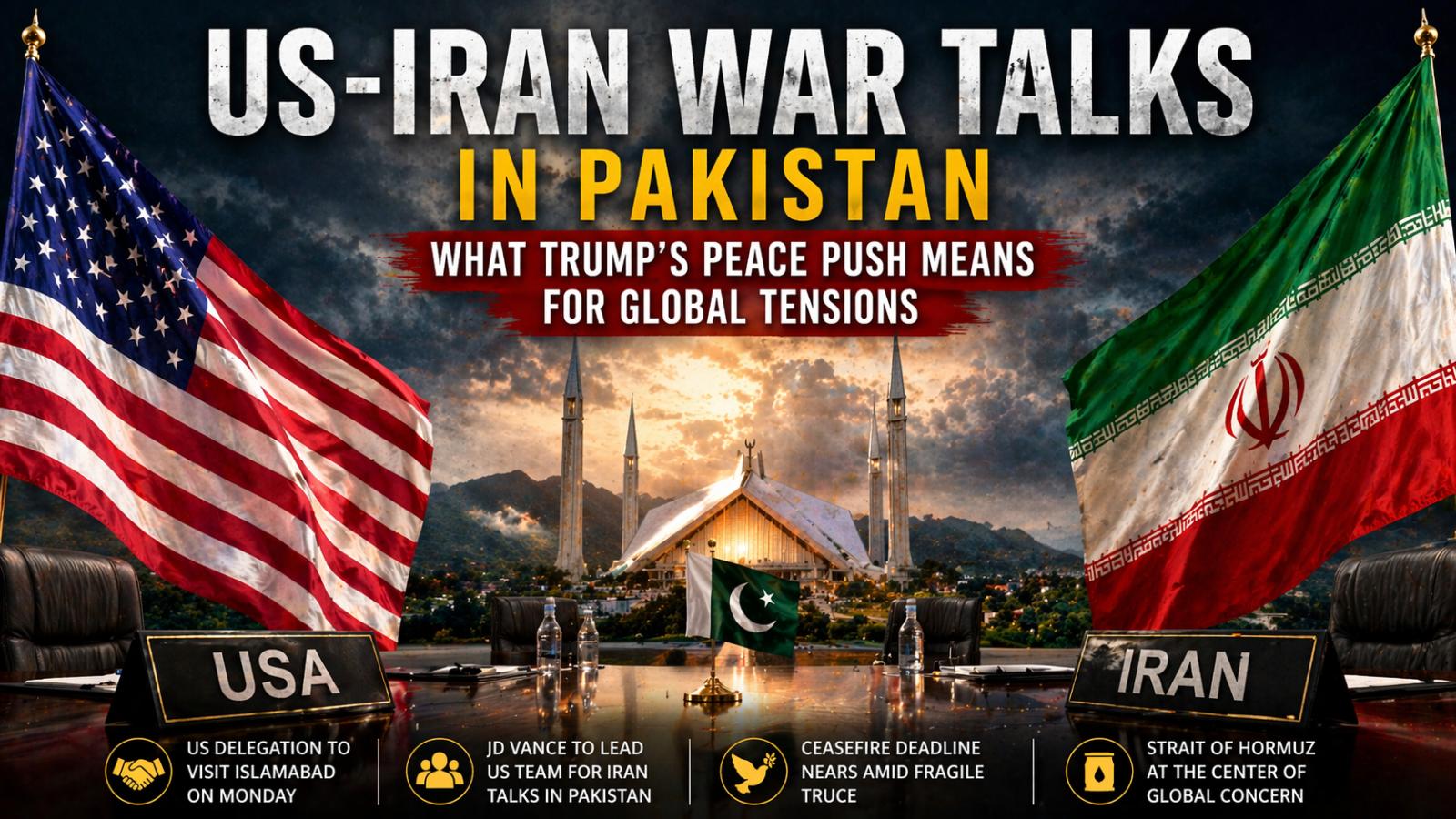
The US-Iran war talks in Pakistan are emerging as a critical step toward easing tensions as the fragile ceasefire deadline approaches. With the conflict entering its eighth week, both sides are showing cautious optimism, even as major differences remain unresolved. The latest US-Iran peace talks come at a time when global markets are closely wa
US-Iran war talks in Pakistan signal crucial diplomatic moment
The US-Iran war talks in Pakistan are emerging as a critical step toward easing tensions as the fragile ceasefire deadline approaches. With the conflict entering its eighth week, both sides are showing cautious optimism, even as major differences remain unresolved. The latest US-Iran peace talks come at a time when global markets are closely wa
The debate around delimitation and fertility trends in India has long been presented as a matter of data, numbers, and scientific calculation. However, beneath the surface lies a far more complex reality that statistics alone often fail to fully capture. While policymakers and scholars rely heavily on demographic data to redraw constituencies and assess population changes, the lived experiences and political consequences of these decisions extend far beyond what the numbers suggest.
Delimitation, the process of redrawing electoral boundaries based on population, is intended to ensure fair representation. On paper, it appears straightforward: regions with higher populations should have more representation. However, this principle becomes contentious when viewed in the context of India’s diverse demographic patterns. States that have successfully controlled population growth through effective policies may find themselves disadvantaged in terms of political representation, while those with higher fertility rates could gain more seats. This creates a paradox where success in population control might translate into reduced political influence.
The science behind fertility rates also presents limitations. While data can indicate trends such as declining birth rates or regional disparities, it cannot fully explain the social, cultural, and economic factors driving these changes. Fertility decisions are influenced by education, access to healthcare, urbanization, and shifting societal values. These nuances are often overlooked when discussions are framed purely in statistical terms. As a result, policies based solely on numerical analysis risk missing the deeper context that shapes population behavior.
Understanding The Limits Of Data
Scholarly research on delimitation and fertility often lags behind the political realities experienced on the ground. While academics strive to build models and frameworks to explain these phenomena, their findings can take time to reflect the rapidly evolving dynamics of Indian society. Political leaders and citizens, on the other hand, often develop intuitive understandings of these issues based on direct experience. This gap between theory and reality highlights the limitations of relying exclusively on scientific approaches.
Moreover, the use of census data as the primary basis for delimitation introduces its own challenges. Census figures provide a snapshot of population distribution at a specific point in time, but they cannot account for migration patterns, economic shifts, or sudden demographic changes. In a country as vast and diverse as India, these factors can significantly alter the ground reality within a short period. As a result, decisions based on outdated or incomplete data may fail to achieve the intended goal of equitable representation.
Balancing Representation And Fairness
The intersection of delimitation and fertility trends raises important questions about fairness and equity in governance. Should representation be based purely on population numbers, or should it also consider the efforts made by certain regions to control population growth? This dilemma underscores the need for a more nuanced approach that goes beyond traditional metrics.
Policymakers must recognize that demographic data is only one piece of the puzzle. A holistic understanding of social, economic, and cultural factors is essential to create policies that are both fair and effective. This may involve exploring alternative methods of representation or introducing safeguards to ensure that states are not penalized for successful population control measures.
Ultimately, the science of delimitation and fertility provides valuable insights, but it is not a complete solution. To address the challenges posed by these issues, India must move beyond numbers and embrace a more comprehensive perspective that reflects the complexity of its society. Only then can the country achieve a balance between representation, fairness, and sustainable development.
The debate around delimitation and fertility trends in India has long been presented as a matter of data, numbers, and scientific calculation. However, beneath the surface lies a far more complex reality that statistics alone often fail to fully capture. While policymakers and scholars rely heavily on demographic data to redraw constituencies and assess population changes, the lived experiences and political consequences of these decisions extend far beyond what the numbers suggest.
Delimitation, the process of redrawing electoral boundaries based on population, is intended to ensure fair representation. On paper, it appears straightforward: regions with higher populations should have more representation. However, this principle becomes contentious when viewed in the context of India’s diverse demographic patterns. States that have successfully controlled population growth through effective policies may find themselves disadvantaged in terms of political representation, while those with higher fertility rates could gain more seats. This creates a paradox where success in population control might translate into reduced political influence.
The science behind fertility rates also presents limitations. While data can indicate trends such as declining birth rates or regional disparities, it cannot fully explain the social, cultural, and economic factors driving these changes. Fertility decisions are influenced by education, access to healthcare, urbanization, and shifting societal values. These nuances are often overlooked when discussions are framed purely in statistical terms. As a result, policies based solely on numerical analysis risk missing the deeper context that shapes population behavior.
Understanding The Limits Of Data
Scholarly research on delimitation and fertility often lags behind the political realities experienced on the ground. While academics strive to build models and frameworks to explain these phenomena, their findings can take time to reflect the rapidly evolving dynamics of Indian society. Political leaders and citizens, on the other hand, often develop intuitive understandings of these issues based on direct experience. This gap between theory and reality highlights the limitations of relying exclusively on scientific approaches.
Moreover, the use of census data as the primary basis for delimitation introduces its own challenges. Census figures provide a snapshot of population distribution at a specific point in time, but they cannot account for migration patterns, economic shifts, or sudden demographic changes. In a country as vast and diverse as India, these factors can significantly alter the ground reality within a short period. As a result, decisions based on outdated or incomplete data may fail to achieve the intended goal of equitable representation.
Balancing Representation And Fairness
The intersection of delimitation and fertility trends raises important questions about fairness and equity in governance. Should representation be based purely on population numbers, or should it also consider the efforts made by certain regions to control population growth? This dilemma underscores the need for a more nuanced approach that goes beyond traditional metrics.
Policymakers must recognize that demographic data is only one piece of the puzzle. A holistic understanding of social, economic, and cultural factors is essential to create policies that are both fair and effective. This may involve exploring alternative methods of representation or introducing safeguards to ensure that states are not penalized for successful population control measures.
Ultimately, the science of delimitation and fertility provides valuable insights, but it is not a complete solution. To address the challenges posed by these issues, India must move beyond numbers and embrace a more comprehensive perspective that reflects the complexity of its society. Only then can the country achieve a balance between representation, fairness, and sustainable development.
U.S. President Donald Trump announced a sweeping policy shift on Saturday, April 18, aimed at accelerating access to medical research and treatments involving psychedelic drugs. The executive order, signed in the Oval Office, directs the US Food and Drug Administration to expedite the review process for substances such as ibogaine, which some veteran advocacy groups say may help treat post-traumatic stress disorder.
The signing event included federal health officials, advocates, and podcaster Joe Rogan, highlighting growing public and institutional interest in alternative mental health therapies.
Focus on veterans and severe mental illness treatment
Trump said the initiative is designed to “dramatically accelerate access” to experimental therapies that have shown potential in addressing severe mental health conditions. He emphasized that these treatments could be particularly impactful for U.S. military veterans suffering from PTSD and depression.
The order instructs federal agencies to reduce administrative barriers, enhance data sharing between the FDA and the Department of Veterans Affairs, and streamline the process for rescheduling psychedelic substances once they receive regulatory approval.
Funding and expanded access under Right to Try law
As part of the initiative, the federal government will allocate $50 million to support state-level research on ibogaine. The administration is also expanding pathways for patients with critical conditions to access experimental treatments under the Right to Try law enacted during Trump’s first term.
Officials said this approach could allow certain patients to receive psychedelic-based therapies before full FDA approval, provided safety protocols are followed.
Health officials cite urgency of mental health crisis
Health and Human Services Secretary Robert F Kennedy Jr. described the executive order as a decisive step in addressing what he called one of the nation’s most pressing public health challenges. He said the policy would remove legal and regulatory barriers that have historically limited research into psychedelic treatments.
Kennedy added that the changes aim to enable scientists, clinicians, and researchers to better study these substances and, where appropriate, develop safe therapeutic protocols for their use in treating mental health conditions.
U.S. President Donald Trump announced a sweeping policy shift on Saturday, April 18, aimed at accelerating access to medical research and treatments involving psychedelic drugs. The executive order, signed in the Oval Office, directs the US Food and Drug Administration to expedite the review process for substances such as ibogaine, which some veteran advocacy groups say may help treat post-traumatic stress disorder.
The signing event included federal health officials, advocates, and podcaster Joe Rogan, highlighting growing public and institutional interest in alternative mental health therapies.
Focus on veterans and severe mental illness treatment
Trump said the initiative is designed to “dramatically accelerate access” to experimental therapies that have shown potential in addressing severe mental health conditions. He emphasized that these treatments could be particularly impactful for U.S. military veterans suffering from PTSD and depression.
The order instructs federal agencies to reduce administrative barriers, enhance data sharing between the FDA and the Department of Veterans Affairs, and streamline the process for rescheduling psychedelic substances once they receive regulatory approval.
Funding and expanded access under Right to Try law
As part of the initiative, the federal government will allocate $50 million to support state-level research on ibogaine. The administration is also expanding pathways for patients with critical conditions to access experimental treatments under the Right to Try law enacted during Trump’s first term.
Officials said this approach could allow certain patients to receive psychedelic-based therapies before full FDA approval, provided safety protocols are followed.
Health officials cite urgency of mental health crisis
Health and Human Services Secretary Robert F Kennedy Jr. described the executive order as a decisive step in addressing what he called one of the nation’s most pressing public health challenges. He said the policy would remove legal and regulatory barriers that have historically limited research into psychedelic treatments.
Kennedy added that the changes aim to enable scientists, clinicians, and researchers to better study these substances and, where appropriate, develop safe therapeutic protocols for their use in treating mental health conditions.
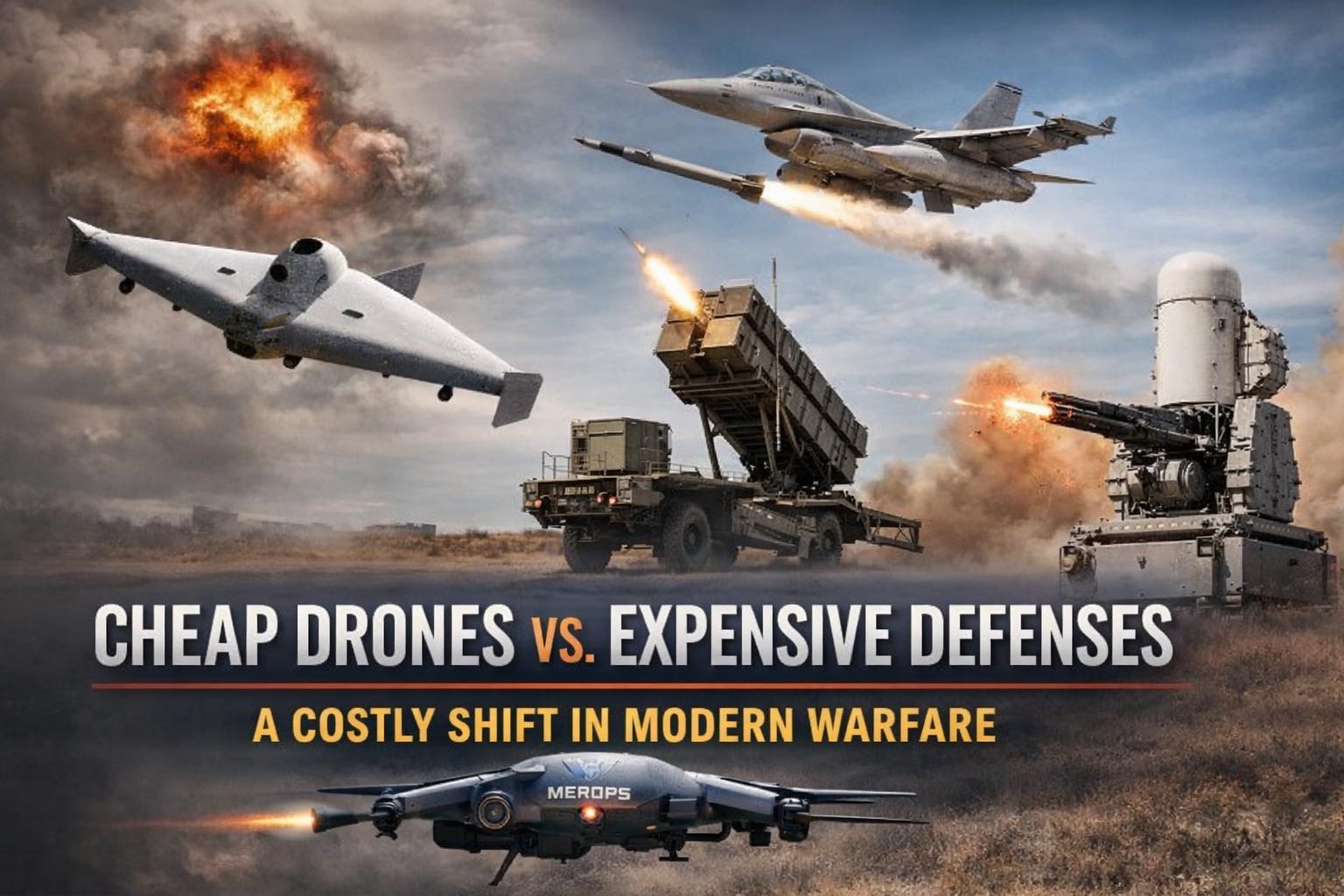
One of the most striking lessons from the war with Iran is how a relatively low-cost adversary has exposed vulnerabilities in U.S. defense strategy. Iran has demonstrated both a willingness to go on the offensive and an ability to leverage inexpensive drone technology at scale.
These drones, often built with commercial-grade components, cost roughly $35,000 each—far less than the high-end interceptors used to destroy them. This imbalance has forced the United States and its allies to confront a new reality: modern warfare is no longer dominated solely by precision and sophistication, but also by affordability and volume.
Cheap drones had already reshaped the battlefield in Ukraine, and Iran has now applied similar tactics in the Middle East, exploiting a long-standing gap in U.S. defense investments that favored fewer, more expensive systems over scalable solutions.
Why are U.S. defenses struggling with cost efficiency? Because interceptors far exceed drone prices
The financial mismatch is stark. In just the first six days of the conflict, the U.S. spent $11.3 billion, with estimates later rising to between $25 billion and $35 billion. A significant portion of that cost comes from interceptor missiles used to shoot down relatively inexpensive drones.
Despite years of Pentagon focus on counter-drone capabilities, experts like Michael C. Horowitz note that there has been little urgency to scale affordable solutions.
The result is a defense strategy where each engagement can cost far more than the threat itself—an unsustainable model in prolonged conflicts.
How do air-based defenses work against drones? By using early detection and precision strikes—when available
In an ideal scenario, airborne early warning systems detect drones hundreds of miles away. Fighter jets such as the F-16 Fighting Falcon are then deployed to intercept them using relatively cheaper rocket systems like APKWS II.
This method is among the most cost-efficient, but it depends heavily on maintaining constant air patrols and intact detection systems. Iran has targeted these early warning assets, limiting their effectiveness and reducing the availability of this optimal defense approach.
What role do ground and naval systems play? They offer range and reliability but at a steep price
When air defenses are unavailable, the U.S. relies on ground- and sea-based systems. These include:
Short-range systems like the Coyote, designed specifically for drones and relatively cost-effective—but in short supply.
Naval destroyers using radar and SM-2 interceptors, which are powerful but expensive and designed for larger threats.
The Patriot missile system, capable of intercepting drones from long distances using costly PAC-3 missiles.
These systems were originally built to counter high-end threats like ballistic missiles, not swarms of cheap drones. As a result, they are often overkill—both technologically and financially—for the task at hand.
Still, their use can be justified when defending high-value assets, such as billion-dollar radar installations or critical military infrastructure.
What are the emerging solutions to counter drones? AI interceptors and lasers show promise but remain unproven
New approaches aim to fix the cost imbalance. AI-powered interceptor drones, such as the Merops system developed by a company founded by Eric Schmidt, represent a potential shift toward cheaper, scalable defenses. These systems have been tested in collaboration with Ukrainian forces experienced in countering Iranian drones.
The U.S. has already sent thousands of these units to the Middle East and begun training troops, though it remains unclear whether they have been deployed in combat.
Meanwhile, the Pentagon has invested heavily in directed energy weapons—lasers that could cost as little as $3 per shot and reach targets up to 12 miles away. However, these systems have yet to be fielded in real-world combat.
Why is ammunition depletion a growing concern? Because stockpiles may run out faster than they can be replaced
Beyond cost, a more immediate concern is supply. Experts warn that interceptor stockpiles are being depleted at an alarming rate.
As Tom Karako explains, the issue is not just affordability but availability: the U.S. risks running out of munitions before it can replenish them.
This highlights a deeper strategic challenge. Modern conflicts—defined by mass-produced, low-cost threats—require not just advanced technology, but also sustainable production and scalable defense systems.
One of the most striking lessons from the war with Iran is how a relatively low-cost adversary has exposed vulnerabilities in U.S. defense strategy. Iran has demonstrated both a willingness to go on the offensive and an ability to leverage inexpensive drone technology at scale.
These drones, often built with commercial-grade components, cost roughly $35,000 each—far less than the high-end interceptors used to destroy them. This imbalance has forced the United States and its allies to confront a new reality: modern warfare is no longer dominated solely by precision and sophistication, but also by affordability and volume.
Cheap drones had already reshaped the battlefield in Ukraine, and Iran has now applied similar tactics in the Middle East, exploiting a long-standing gap in U.S. defense investments that favored fewer, more expensive systems over scalable solutions.
Why are U.S. defenses struggling with cost efficiency? Because interceptors far exceed drone prices
The financial mismatch is stark. In just the first six days of the conflict, the U.S. spent $11.3 billion, with estimates later rising to between $25 billion and $35 billion. A significant portion of that cost comes from interceptor missiles used to shoot down relatively inexpensive drones.
Despite years of Pentagon focus on counter-drone capabilities, experts like Michael C. Horowitz note that there has been little urgency to scale affordable solutions.
The result is a defense strategy where each engagement can cost far more than the threat itself—an unsustainable model in prolonged conflicts.
How do air-based defenses work against drones? By using early detection and precision strikes—when available
In an ideal scenario, airborne early warning systems detect drones hundreds of miles away. Fighter jets such as the F-16 Fighting Falcon are then deployed to intercept them using relatively cheaper rocket systems like APKWS II.
This method is among the most cost-efficient, but it depends heavily on maintaining constant air patrols and intact detection systems. Iran has targeted these early warning assets, limiting their effectiveness and reducing the availability of this optimal defense approach.
What role do ground and naval systems play? They offer range and reliability but at a steep price
When air defenses are unavailable, the U.S. relies on ground- and sea-based systems. These include:
Short-range systems like the Coyote, designed specifically for drones and relatively cost-effective—but in short supply.
Naval destroyers using radar and SM-2 interceptors, which are powerful but expensive and designed for larger threats.
The Patriot missile system, capable of intercepting drones from long distances using costly PAC-3 missiles.
These systems were originally built to counter high-end threats like ballistic missiles, not swarms of cheap drones. As a result, they are often overkill—both technologically and financially—for the task at hand.
Still, their use can be justified when defending high-value assets, such as billion-dollar radar installations or critical military infrastructure.
What are the emerging solutions to counter drones? AI interceptors and lasers show promise but remain unproven
New approaches aim to fix the cost imbalance. AI-powered interceptor drones, such as the Merops system developed by a company founded by Eric Schmidt, represent a potential shift toward cheaper, scalable defenses. These systems have been tested in collaboration with Ukrainian forces experienced in countering Iranian drones.
The U.S. has already sent thousands of these units to the Middle East and begun training troops, though it remains unclear whether they have been deployed in combat.
Meanwhile, the Pentagon has invested heavily in directed energy weapons—lasers that could cost as little as $3 per shot and reach targets up to 12 miles away. However, these systems have yet to be fielded in real-world combat.
Why is ammunition depletion a growing concern? Because stockpiles may run out faster than they can be replaced
Beyond cost, a more immediate concern is supply. Experts warn that interceptor stockpiles are being depleted at an alarming rate.
As Tom Karako explains, the issue is not just affordability but availability: the U.S. risks running out of munitions before it can replenish them.
This highlights a deeper strategic challenge. Modern conflicts—defined by mass-produced, low-cost threats—require not just advanced technology, but also sustainable production and scalable defense systems.
Iran tanker attack Strait of Hormuz signals renewed crisis in global shipping
Tensions in the Middle East escalated sharply after an Iran tanker attack in the Strait of Hormuz, raising fresh concerns about global oil supply and maritime safety. The incident comes as Iran reimposed restrictions on one of the world’s most critical shipping routes, just a day after signals of reope
Iran tanker attack Strait of Hormuz signals renewed crisis in global shipping
Tensions in the Middle East escalated sharply after an Iran tanker attack in the Strait of Hormuz, raising fresh concerns about global oil supply and maritime safety. The incident comes as Iran reimposed restrictions on one of the world’s most critical shipping routes, just a day after signals of reope
Political tensions have intensified ahead of the 2026 Assembly elections as Himanta Biswa Sarma launched a sharp attack on Mamata Banerjee during a campaign rally in
Political tensions have intensified ahead of the 2026 Assembly elections as Himanta Biswa Sarma launched a sharp attack on Mamata Banerjee during a campaign rally in
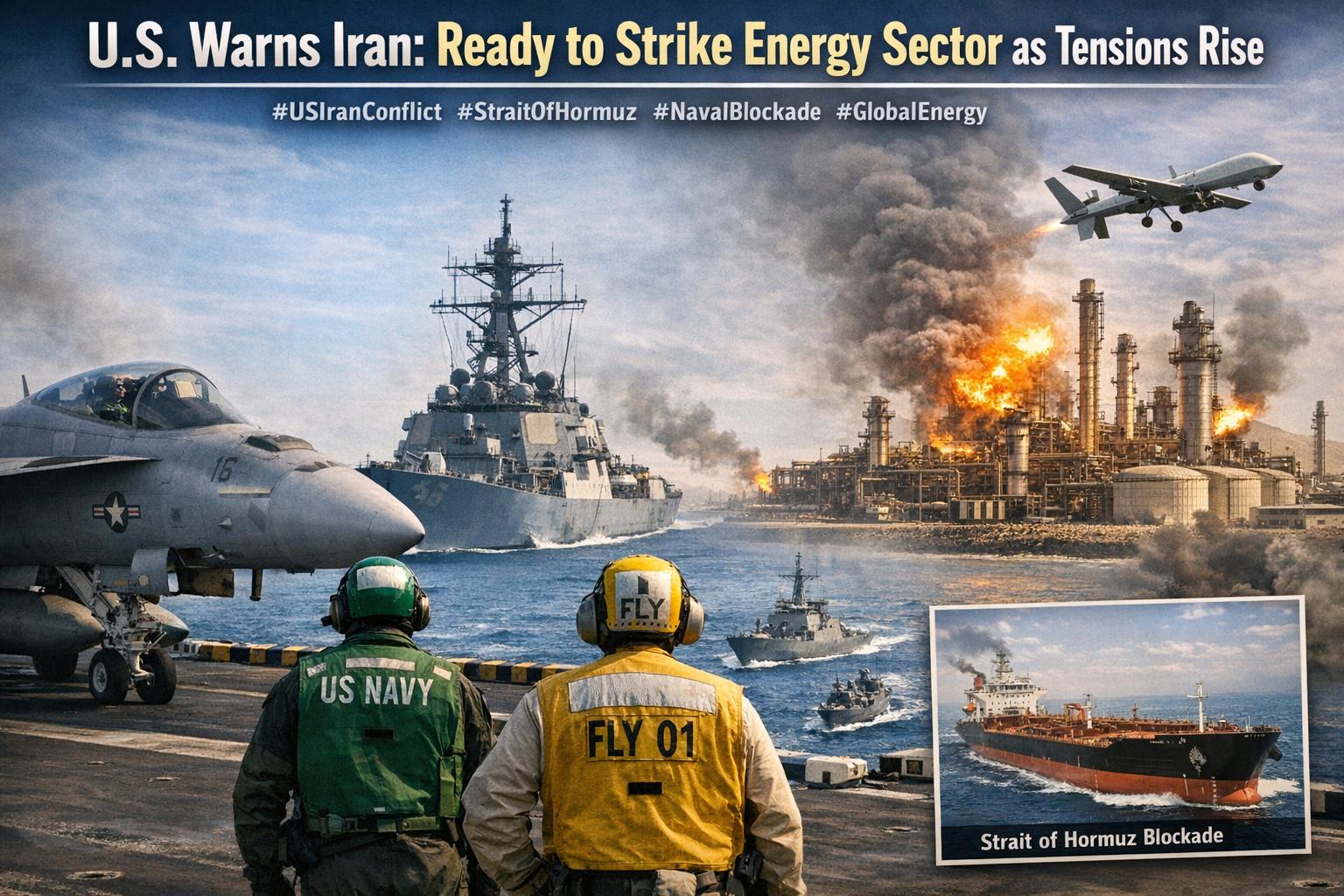
WASHINGTON — The United States signaled a heightened military posture toward Iran on Thursday, April 16, 2026, as senior defense officials warned that U.S. forces are prepared to strike Iran’s energy infrastructure if directed by the president.
Speaking in Washington, Defense Secretary Pete Hegseth said current U.S. actions, including a naval blockade, reflect what he described as restrained measures during an ongoing ceasefire period. He emphasized that Iran faces critical decisi
WASHINGTON — The United States signaled a heightened military posture toward Iran on Thursday, April 16, 2026, as senior defense officials warned that U.S. forces are prepared to strike Iran’s energy infrastructure if directed by the president.
Speaking in Washington, Defense Secretary Pete Hegseth said current U.S. actions, including a naval blockade, reflect what he described as restrained measures during an ongoing ceasefire period. He emphasized that Iran faces critical decisi
Defense Secretary Pete Hegseth issued a stark warning on Thursday, April 16, 2026, from the Pentagon, stating that the United States could target Iran’s energy infrastructure if its leadership does not agree to a peace deal before a temporary cease-fire expires in the coming days. The remarks underscore escalating tensions as Washington intensifies pressure on
Defense Secretary Pete Hegseth issued a stark warning on Thursday, April 16, 2026, from the Pentagon, stating that the United States could target Iran’s energy infrastructure if its leadership does not agree to a peace deal before a temporary cease-fire expires in the coming days. The remarks underscore escalating tensions as Washington intensifies pressure on
Chirag Madaan, a 24-year-old graduate from the prestigious Indian Institute of Technology (IIT) Delhi, has ignited a broader conversation about toxic corporate environments after deciding to quit his high-paying banking job. Despite earning nearly Rs 17 lakh per annum, Madaan chose to walk away from a career in the corporate banking sector due to the mounting stress, poor work-life balance, and lack of basic workplace rights.
In a now-viral clip, Madaan explained that his decision w
Chirag Madaan, a 24-year-old graduate from the prestigious Indian Institute of Technology (IIT) Delhi, has ignited a broader conversation about toxic corporate environments after deciding to quit his high-paying banking job. Despite earning nearly Rs 17 lakh per annum, Madaan chose to walk away from a career in the corporate banking sector due to the mounting stress, poor work-life balance, and lack of basic workplace rights.
In a now-viral clip, Madaan explained that his decision w
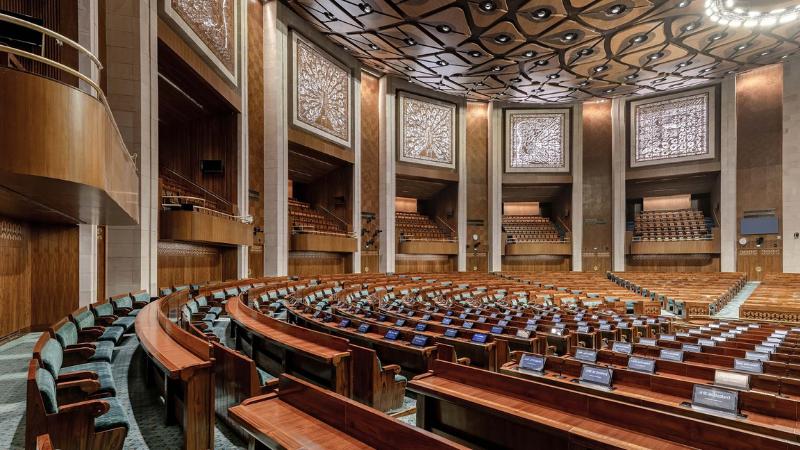
The Special Parliament Session, set to run from April 16 to 18, has kicked off with significant debates surrounding the government’s proposed amendments. One of the most anticipated legislative pieces is the operationalization of the Women’s Reservation Act, which aims to ensure 33% representation for women in both the Lok Sabha and state assemblies by 2029. Alongside this, a Constitution amendment bill will be presented on the first day of the session, marking the beginning of what promi
The Special Parliament Session, set to run from April 16 to 18, has kicked off with significant debates surrounding the government’s proposed amendments. One of the most anticipated legislative pieces is the operationalization of the Women’s Reservation Act, which aims to ensure 33% representation for women in both the Lok Sabha and state assemblies by 2029. Alongside this, a Constitution amendment bill will be presented on the first day of the session, marking the beginning of what promi
Authorities in Fond du Lac County are investigating a fatal shooting involving young siblings that occurred on Friday, April 10, according to the Fond du Lac County Sheriff's Office. Officials said a two-year-old child died after being shot inside a family vehicle parked in a residential driveway.
Authorities in Fond du Lac County are investigating a fatal shooting involving young siblings that occurred on Friday, April 10, according to the Fond du Lac County Sheriff's Office. Officials said a two-year-old child died after being shot inside a family vehicle parked in a residential driveway.
Baahubali: The Eternal War has taken a major step forward in global animation, earning an official selection for the Work-in-Progress showcase at the 2026 Annecy International Animation Festival. Directed by Ishan Shukla, the amb
Baahubali: The Eternal War has taken a major step forward in global animation, earning an official selection for the Work-in-Progress showcase at the 2026 Annecy International Animation Festival. Directed by Ishan Shukla, the amb
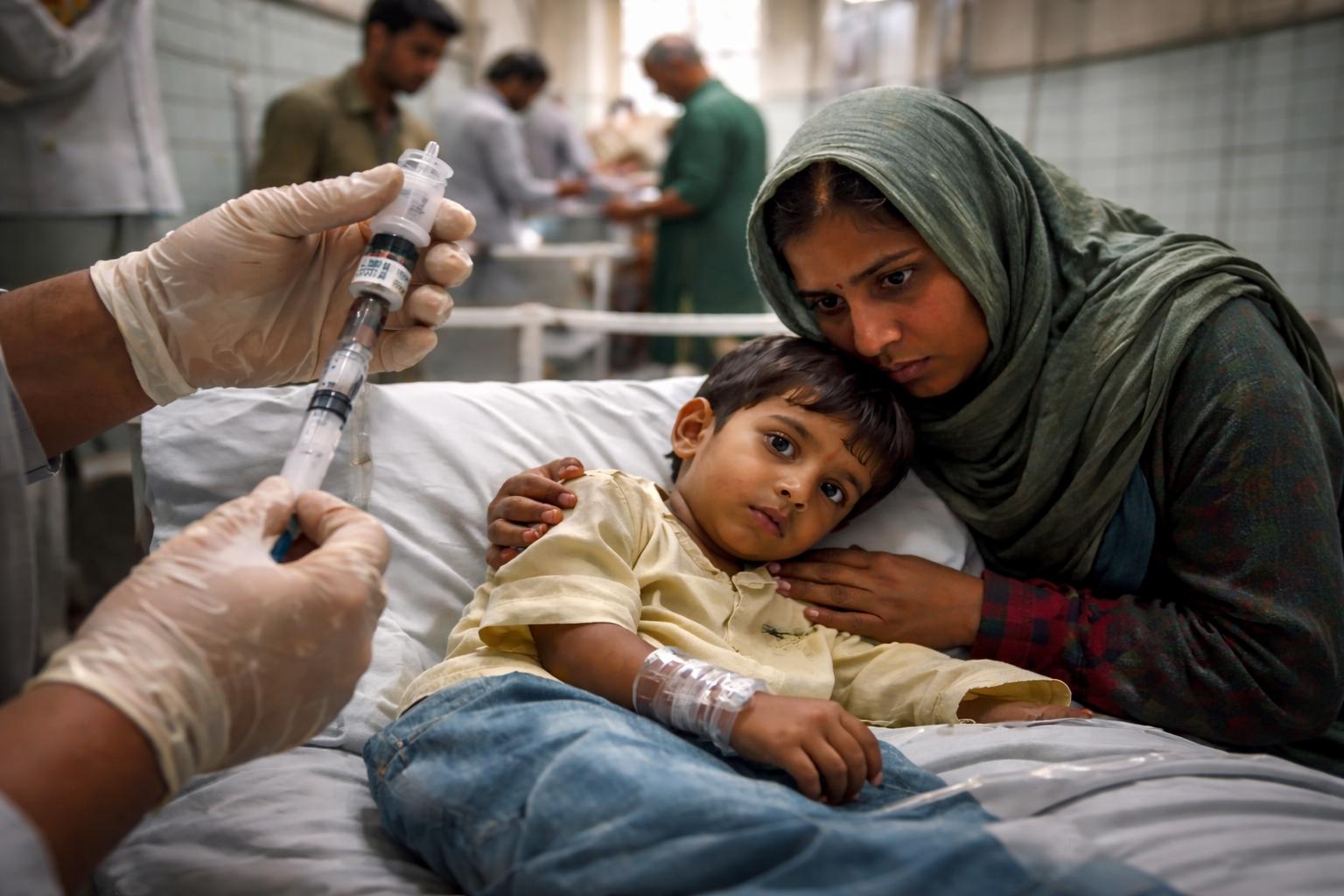
An undercover investigation by the BBC has uncovered alarming medical negligence at a government hospital in Taunsa, Punjab province, Pakistan, which is believed to be linked to a deadly HIV outbreak among children. Between November 2024 and October 2025, at least 331 children in Taunsa tested positive for HIV, sparking serious concerns about the hospital’s unsanitary practices, including the reuse of syringes and improper handling of medical waste.
The shocking footage captured d
An undercover investigation by the BBC has uncovered alarming medical negligence at a government hospital in Taunsa, Punjab province, Pakistan, which is believed to be linked to a deadly HIV outbreak among children. Between November 2024 and October 2025, at least 331 children in Taunsa tested positive for HIV, sparking serious concerns about the hospital’s unsanitary practices, including the reuse of syringes and improper handling of medical waste.
The shocking footage captured d
The era of ultra-long-haul aviation is set to reach a new milestone as Qantas advances plans to introduce what could become the longest nonstop commercial flights in the world. The initiative, known as Project Sunrise, aims to connect Sydney directly with major global destinations such as London and New York City without intermediate stops, significantly reshaping international air travel.
These proposed routes are expected to span more than 10,000 miles (approximately 16,000 kilomete
The era of ultra-long-haul aviation is set to reach a new milestone as Qantas advances plans to introduce what could become the longest nonstop commercial flights in the world. The initiative, known as Project Sunrise, aims to connect Sydney directly with major global destinations such as London and New York City without intermediate stops, significantly reshaping international air travel.
These proposed routes are expected to span more than 10,000 miles (approximately 16,000 kilomete
U.S. President Donald Trump indicated that negotiations between the United States and Iran could resume within the next two days following a recent breakdown in talks held in Pakistan. Speaking in an interview publi
U.S. President Donald Trump indicated that negotiations between the United States and Iran could resume within the next two days following a recent breakdown in talks held in Pakistan. Speaking in an interview publi