Prime Minister Narendra Modi on Sunday urged citizens to adopt responsible economic habits to help India manage the impact of rising global oil prices and supply chain disruptions linked to tensions in the Middle East. Addressing a gathering in Hyderabad, the prime minister appealed to the public to reduce petrol and diesel consumption, avoid unnecessary foreign travel, and limit non-essential gold purchases in order to protect the nation’s foreign exchange reserves and economic stability.
Prime Minister Narendra Modi on Sunday urged citizens to adopt responsible economic habits to help India manage the impact of rising global oil prices and supply chain disruptions linked to tensions in the Middle East. Addressing a gathering in Hyderabad, the prime minister appealed to the public to reduce petrol and diesel consumption, avoid unnecessary foreign travel, and limit non-essential gold purchases in order to protect the nation’s foreign exchange reserves and economic stability.
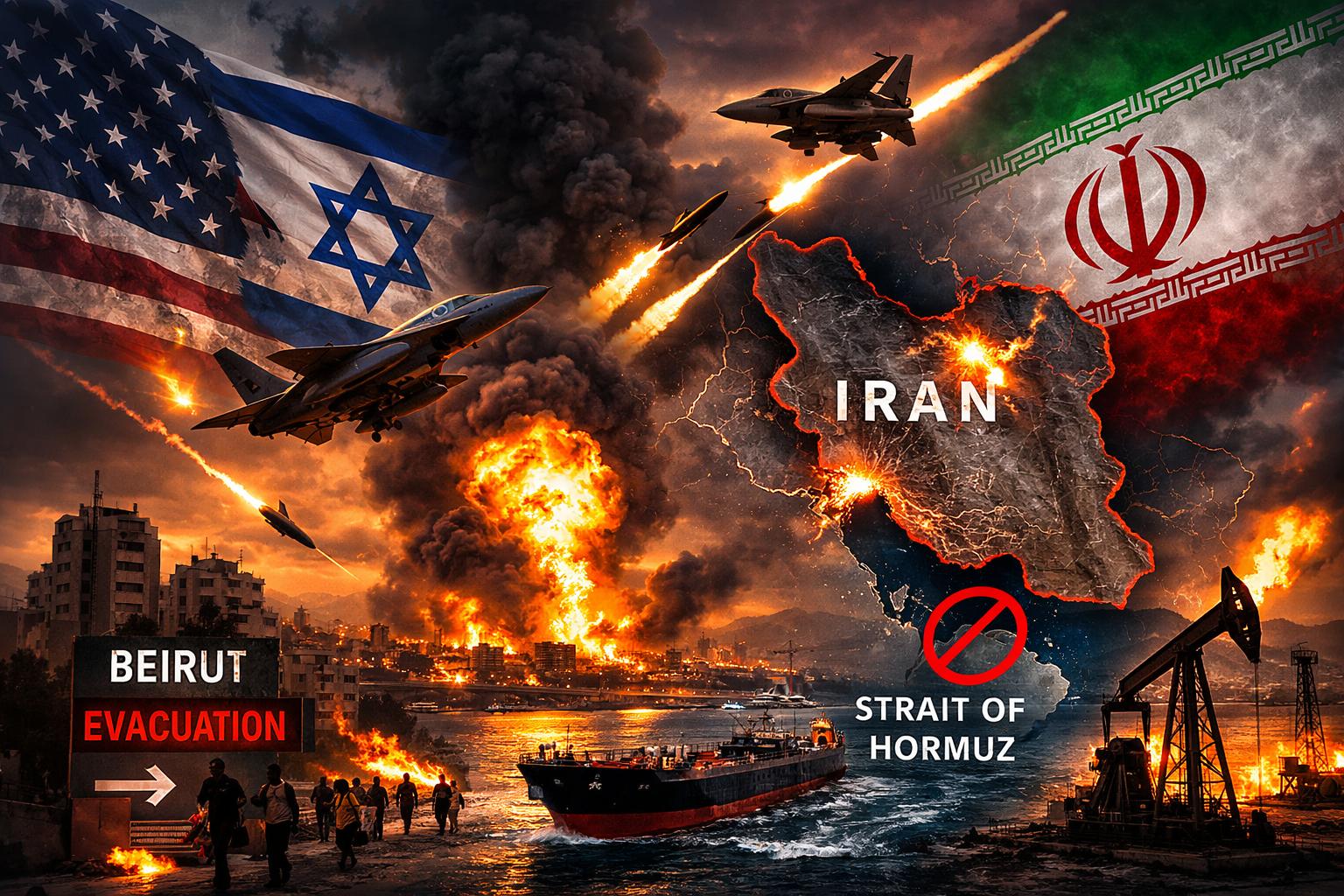
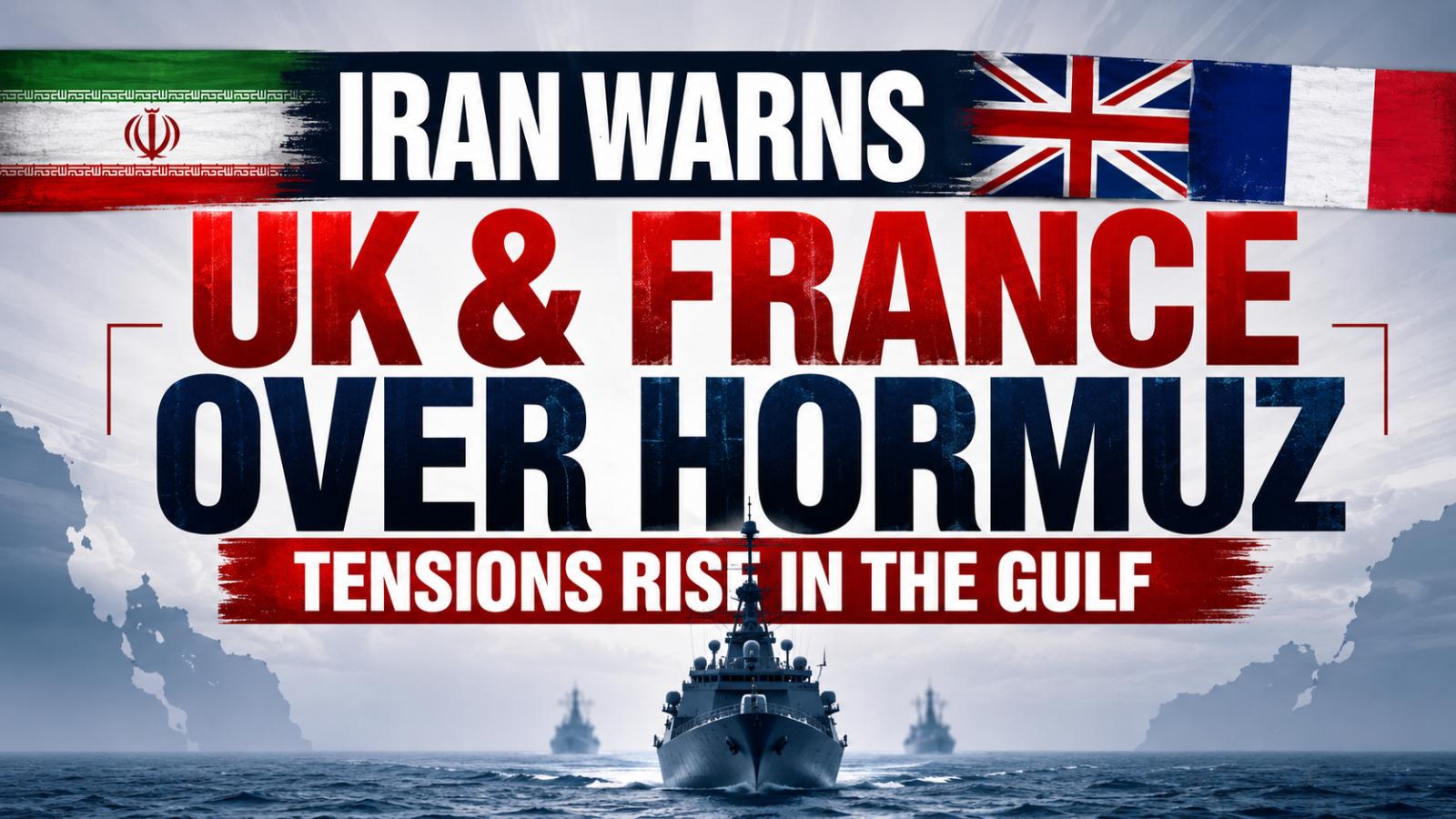
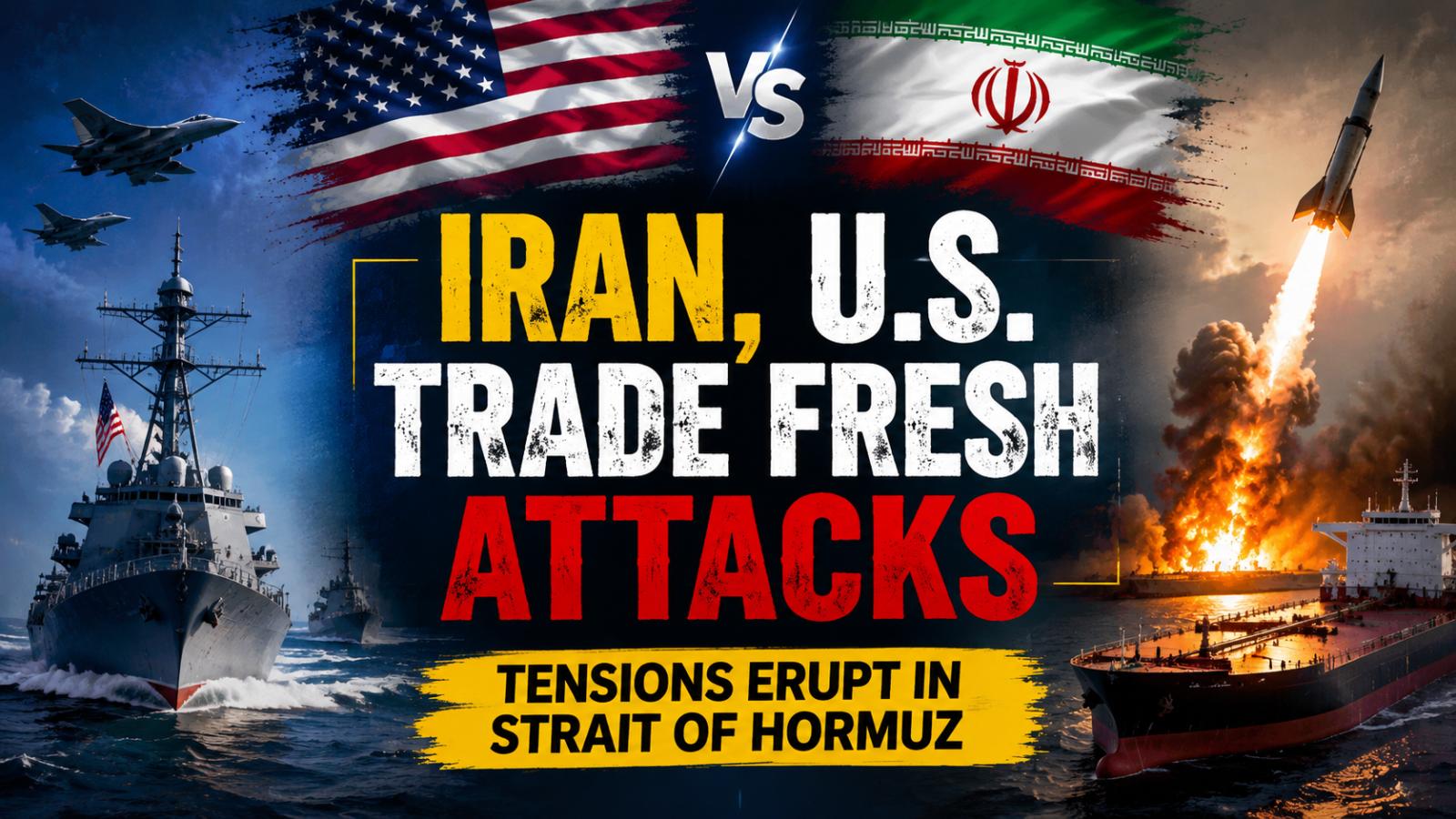
Iran on Sunday warned Britain and France against deploying warships to the Strait of Hormuz, escalating tensions around one of the world’s most critical maritime trade routes. Iranian Deputy Foreign Minister Kazem Gharibabadi said Tehran would respond immediately and decisively if foreign powers attempted to interfere in the security of the strategic waterway. His remarks came after reports that both Britain and France had sent vessels toward the Gulf region amid ongoing concerns over marit
Iran on Sunday warned Britain and France against deploying warships to the Strait of Hormuz, escalating tensions around one of the world’s most critical maritime trade routes. Iranian Deputy Foreign Minister Kazem Gharibabadi said Tehran would respond immediately and decisively if foreign powers attempted to interfere in the security of the strategic waterway. His remarks came after reports that both Britain and France had sent vessels toward the Gulf region amid ongoing concerns over marit
US Sanctions Target Iran Military Supply Network
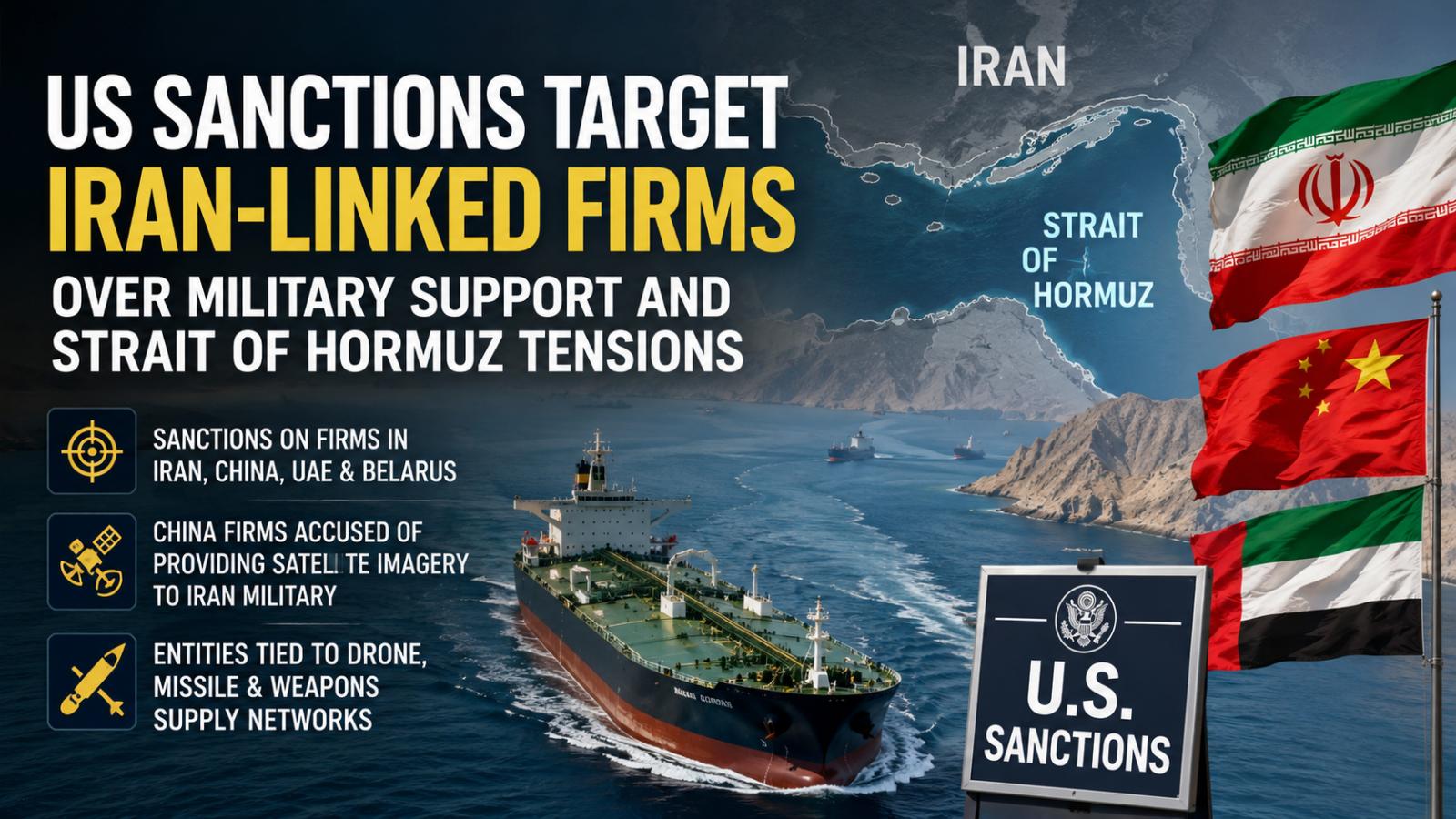
The United States has imposed new sanctions on companies and individuals accused of helping Iran’s military programs, including drone, missile and satellite-support networks.
Officials said the penalties target entities linked to Iran, China, Belarus and the United Arab Emirates, widening Washington’s pressure campaign as tensions continue around the Strait of Hormuz.
China Firms Acc
US Sanctions Target Iran Military Supply Network
The United States has imposed new sanctions on companies and individuals accused of helping Iran’s military programs, including drone, missile and satellite-support networks.
Officials said the penalties target entities linked to Iran, China, Belarus and the United Arab Emirates, widening Washington’s pressure campaign as tensions continue around the Strait of Hormuz.
China Firms Acc
US Iran Tanker Strike Raises Gulf Tensions
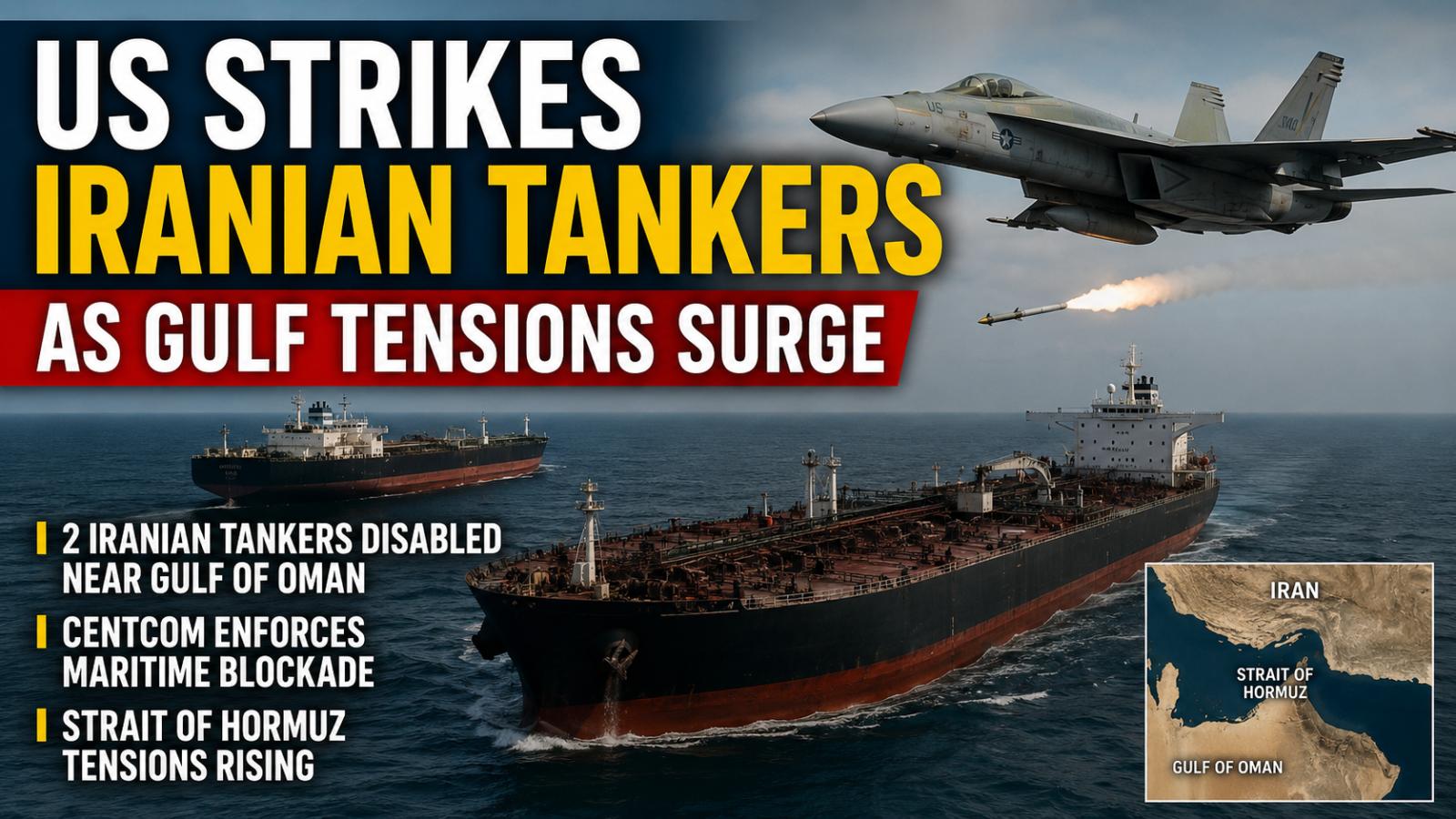
US forces disabled two Iranian-flagged tankers near the Gulf of Oman on Friday, May 8, 2026, after CENTCOM said the vessels violated an ongoing maritime blockade.
The tankers, identified as M/T Sea Star III and M/T Sevda, were stopped before entering an Iranian port. US Central Command said both vessels were empty at the time and were no longer heading toward Iran after the strike.
CENTCOM Says Blockade Enforcement Is Continuing
Officials said the operation was carried out as part of wider US efforts to enforce maritime restrictions around Iranian ports. The action follows a similar incident earlier in the week, when another Iranian-linked vessel was disabled while attempting to reach Iran.
The latest strike comes as US Navy assets remain active across the Gulf region, including carrier-based aircraft supporting blockade enforcement and maritime security operations.
Why the Strait of Hormuz Matters
The Strait of Hormuz is one of the world’s most important energy corridors, making any military escalation there a direct concern for oil markets, shipping companies, and regional governments.
Reports of sporadic clashes and rising naval activity have increased fears of wider disruption. While US officials describe the strikes as limited enforcement action, the incident adds fresh pressure to already fragile diplomatic efforts between Washington and Tehran.
For global markets, the key question is whether the confrontation remains contained—or turns into a longer Gulf shipping crisis.
US Iran Tanker Strike Raises Gulf Tensions
US forces disabled two Iranian-flagged tankers near the Gulf of Oman on Friday, May 8, 2026, after CENTCOM said the vessels violated an ongoing maritime blockade.
The tankers, identified as M/T Sea Star III and M/T Sevda, were stopped before entering an Iranian port. US Central Command said both vessels were empty at the time and were no longer heading toward Iran after the strike.
CENTCOM Says Blockade Enforcement Is Continuing
Officials said the operation was carried out as part of wider US efforts to enforce maritime restrictions around Iranian ports. The action follows a similar incident earlier in the week, when another Iranian-linked vessel was disabled while attempting to reach Iran.
The latest strike comes as US Navy assets remain active across the Gulf region, including carrier-based aircraft supporting blockade enforcement and maritime security operations.
Why the Strait of Hormuz Matters
The Strait of Hormuz is one of the world’s most important energy corridors, making any military escalation there a direct concern for oil markets, shipping companies, and regional governments.
Reports of sporadic clashes and rising naval activity have increased fears of wider disruption. While US officials describe the strikes as limited enforcement action, the incident adds fresh pressure to already fragile diplomatic efforts between Washington and Tehran.
For global markets, the key question is whether the confrontation remains contained—or turns into a longer Gulf shipping crisis.
US-Iran Hormuz Tanker Strike Deepens Gulf Crisis
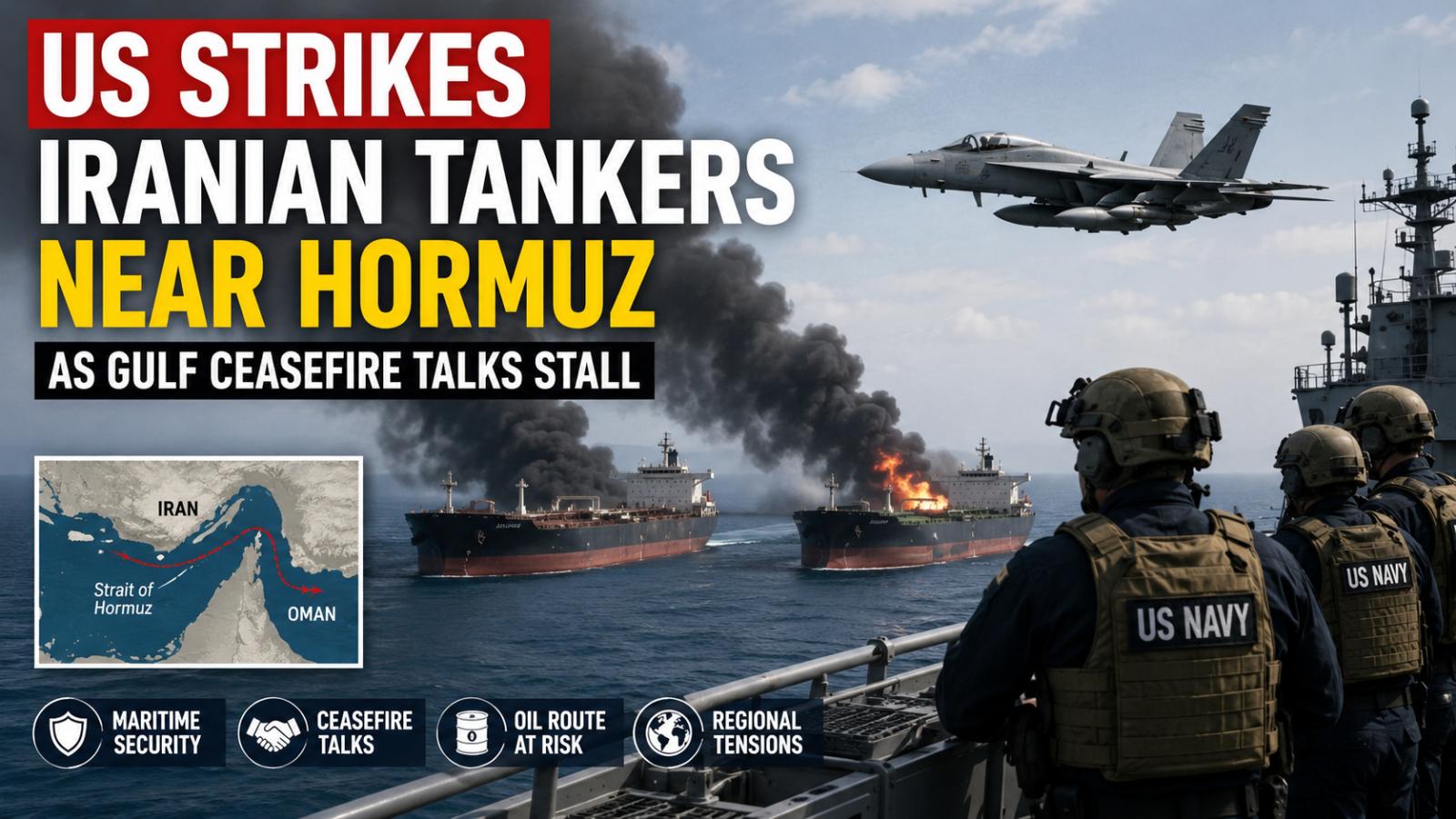
US forces struck two Iranian tankers near the Strait of Hormuz on May 8, 2026, as fragile Gulf ceasefire talks stalled. The move has raised fresh fears over oil shipping, regional security and the next step in Washington-Tehran diplomacy.
What Happened Near the Strait of Hormuz?
US Central Command said American forces d
US-Iran Hormuz Tanker Strike Deepens Gulf Crisis
US forces struck two Iranian tankers near the Strait of Hormuz on May 8, 2026, as fragile Gulf ceasefire talks stalled. The move has raised fresh fears over oil shipping, regional security and the next step in Washington-Tehran diplomacy.
What Happened Near the Strait of Hormuz?
US Central Command said American forces d
In a dramatic escalation of tensions in the Middle East, Iran's central military command has accused the United States of violating a ceasefire agreement by launching attacks on vessels in the Strait of Hormuz. According to a statement from the Khatam Al Anbiya headquarters, Iranian forces retaliated by targeting U.S. military ships. The statement, broadcasted on Iranian state television, claimed that the U.S. had attacked an Iranian oil tanker traveling from Iran's Jask region toward t
In a dramatic escalation of tensions in the Middle East, Iran's central military command has accused the United States of violating a ceasefire agreement by launching attacks on vessels in the Strait of Hormuz. According to a statement from the Khatam Al Anbiya headquarters, Iranian forces retaliated by targeting U.S. military ships. The statement, broadcasted on Iranian state television, claimed that the U.S. had attacked an Iranian oil tanker traveling from Iran's Jask region toward t
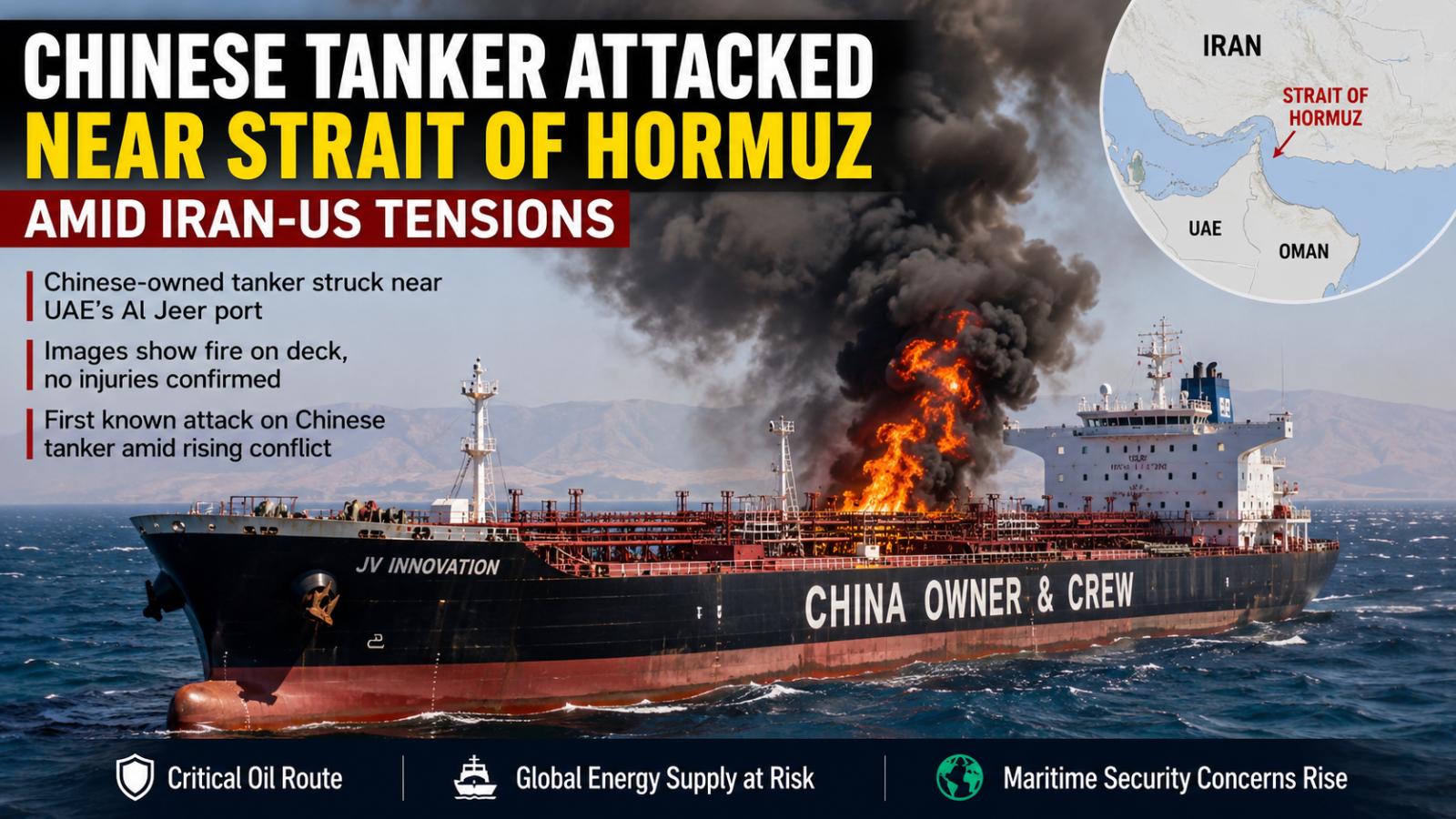
Chinese Tanker Attack Near Strait of Hormuz Raises Global Oil Fears
A Chinese-owned oil tanker was attacked near the Strait of Hormuz, intensifying fears over oil shipping safety as Iran-US tensions deepen across Gulf waters.
The vessel, identified in reports as JV Innovation, was reportedly hit off UAE’s Al Jeer port on May 4, with images showing flames on deck and markings reading “CHINA OWNER & CREW.”
Chinese Tanker Attack Near Strait of Hormuz Raises Global Oil Fears
A Chinese-owned oil tanker was attacked near the Strait of Hormuz, intensifying fears over oil shipping safety as Iran-US tensions deepen across Gulf waters.
The vessel, identified in reports as JV Innovation, was reportedly hit off UAE’s Al Jeer port on May 4, with images showing flames on deck and markings reading “CHINA OWNER & CREW.”
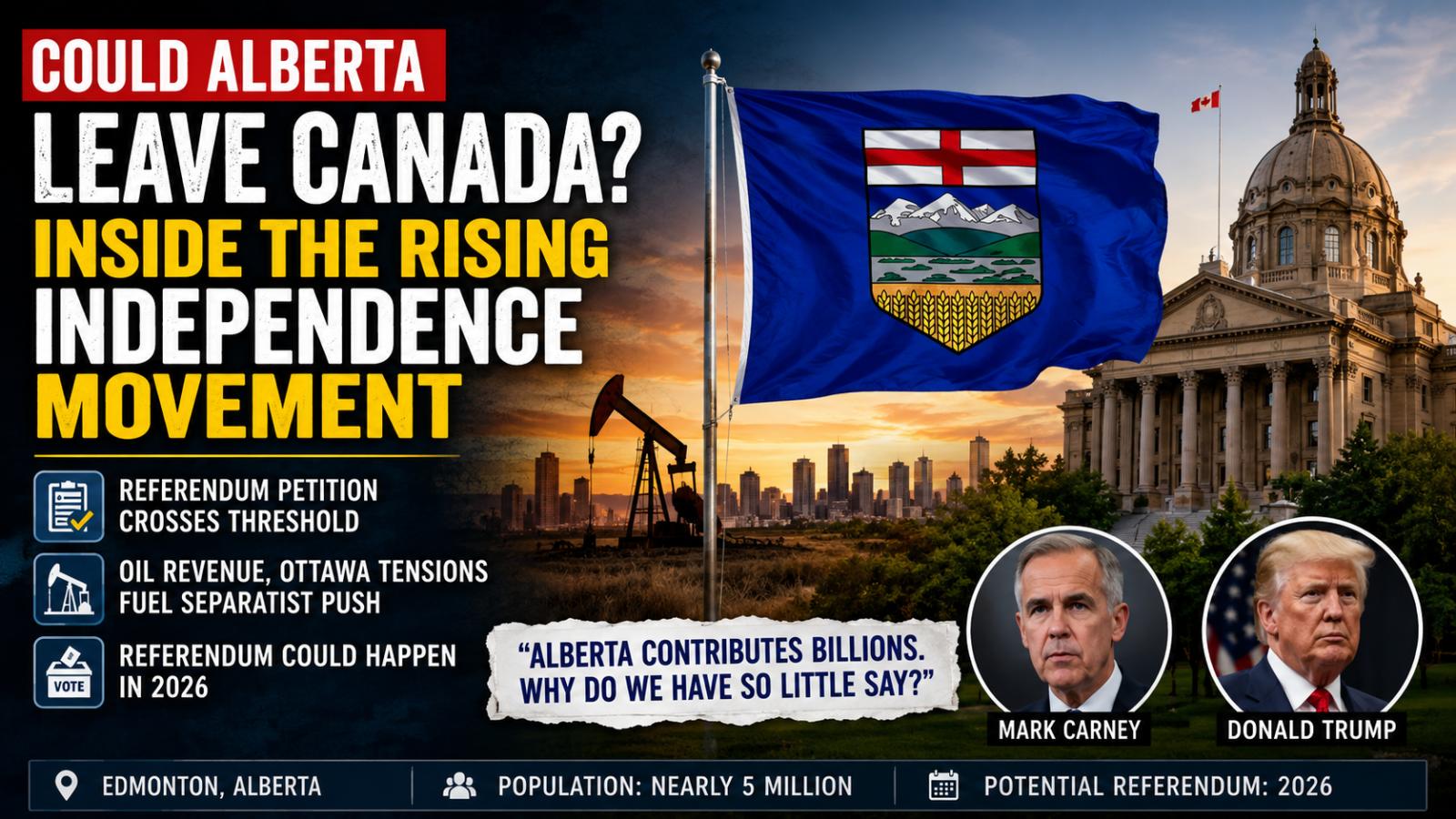
Alberta’s independence movement is gaining momentum—but can Alberta actually leave Canada?
The short answer: not easily. Yet a new referendum push is forcing the question back into national debate.
Alberta referendum gains traction
A pro-independence group has submitted over 300,000 signatures—far above the ~178,000 required—to trigger a potential Alberta referendum in 2026. Officials say th
Alberta’s independence movement is gaining momentum—but can Alberta actually leave Canada?
The short answer: not easily. Yet a new referendum push is forcing the question back into national debate.
Alberta referendum gains traction
A pro-independence group has submitted over 300,000 signatures—far above the ~178,000 required—to trigger a potential Alberta referendum in 2026. Officials say th
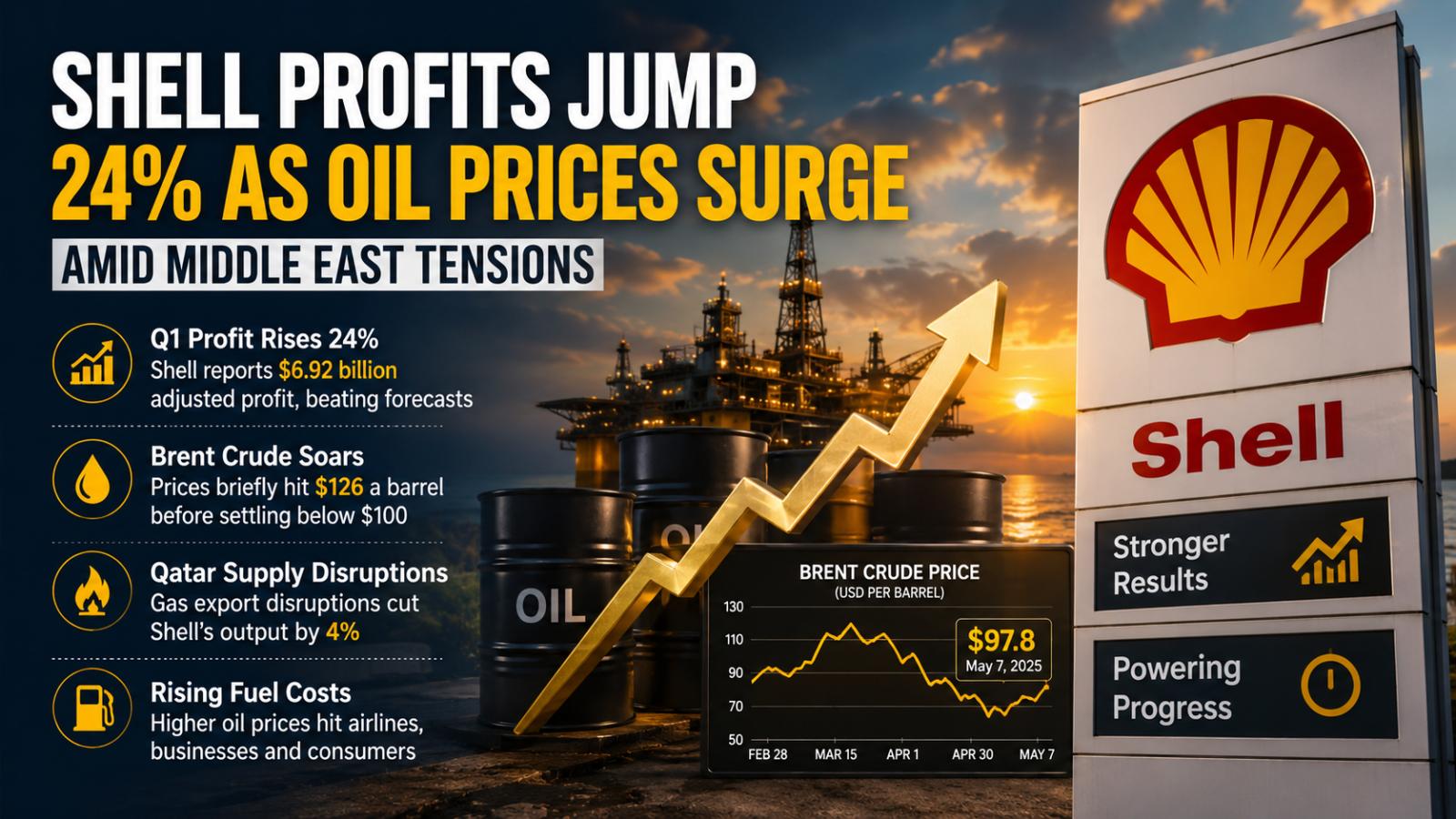
Shell Profits Rise as Oil Prices Surge
Shell profits climbed sharply in the first quarter as oil prices surged during the Middle East conflict, helping the energy giant beat market expectations.
The London-based company reported adjusted earnings of $6.92 billion, up 24% from a year earlier, as Brent crude volatility boosted oil trading, refining margins and energy market returns.
Middle East Conflict Drives Energy Volatility
Shell Profits Rise as Oil Prices Surge
Shell profits climbed sharply in the first quarter as oil prices surged during the Middle East conflict, helping the energy giant beat market expectations.
The London-based company reported adjusted earnings of $6.92 billion, up 24% from a year earlier, as Brent crude volatility boosted oil trading, refining margins and energy market returns.
Middle East Conflict Drives Energy Volatility
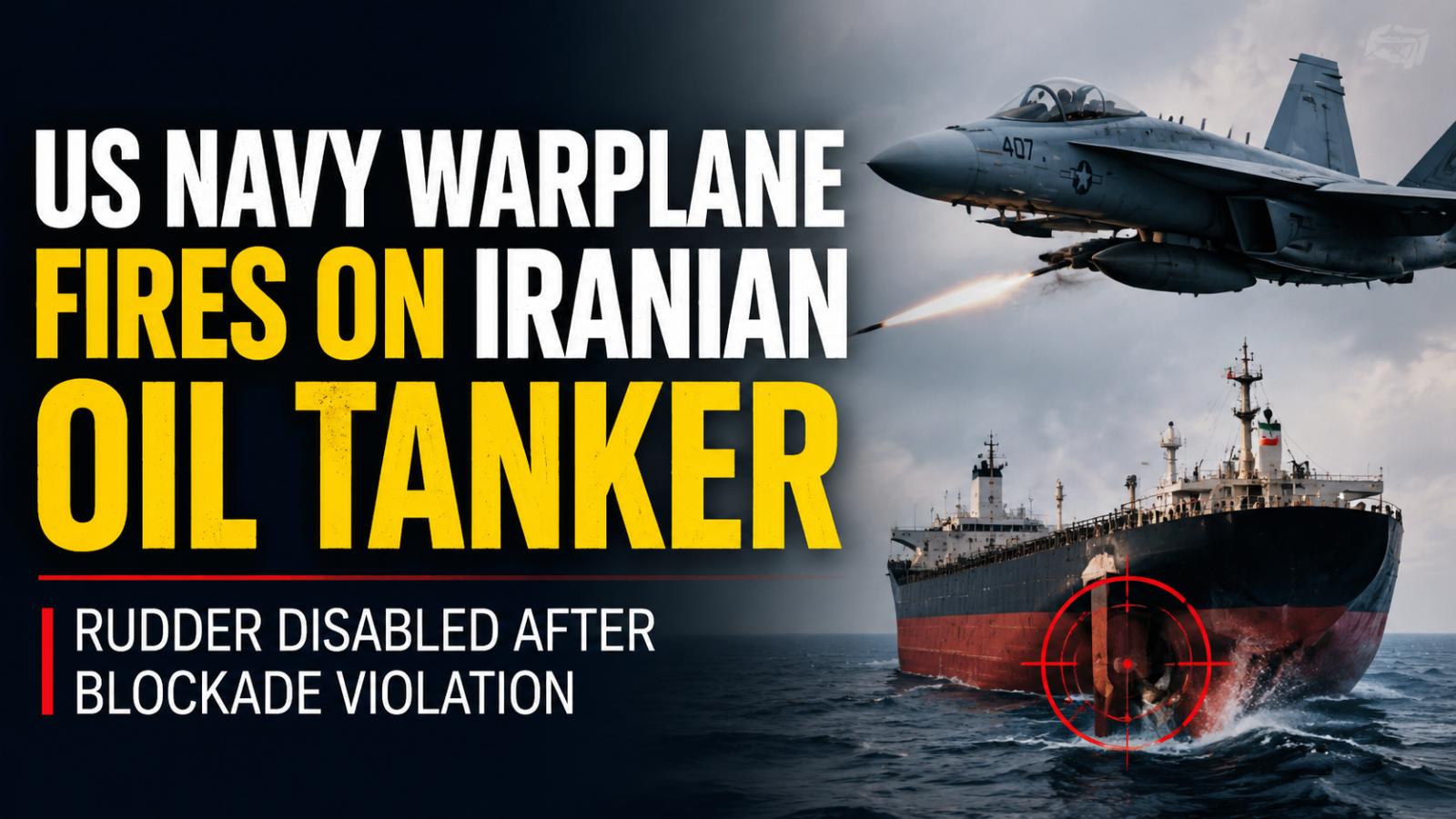
On May 6, the US military announced that a US Navy warplane disabled an Iranian oil tanker after it attempted to breach Washington’s blockade on Iranian ports. This marks the second time US forces have fired on a vessel accused of violating the blockade, which has been in place since April 13. The Iranian-flagged vessel, M/T Hasna, was reportedly not carrying any cargo when it was warned by US forces. When the crew failed to respond, a US F/A-18 Super Hornet opened fire, disabling the tanke
On May 6, the US military announced that a US Navy warplane disabled an Iranian oil tanker after it attempted to breach Washington’s blockade on Iranian ports. This marks the second time US forces have fired on a vessel accused of violating the blockade, which has been in place since April 13. The Iranian-flagged vessel, M/T Hasna, was reportedly not carrying any cargo when it was warned by US forces. When the crew failed to respond, a US F/A-18 Super Hornet opened fire, disabling the tanke
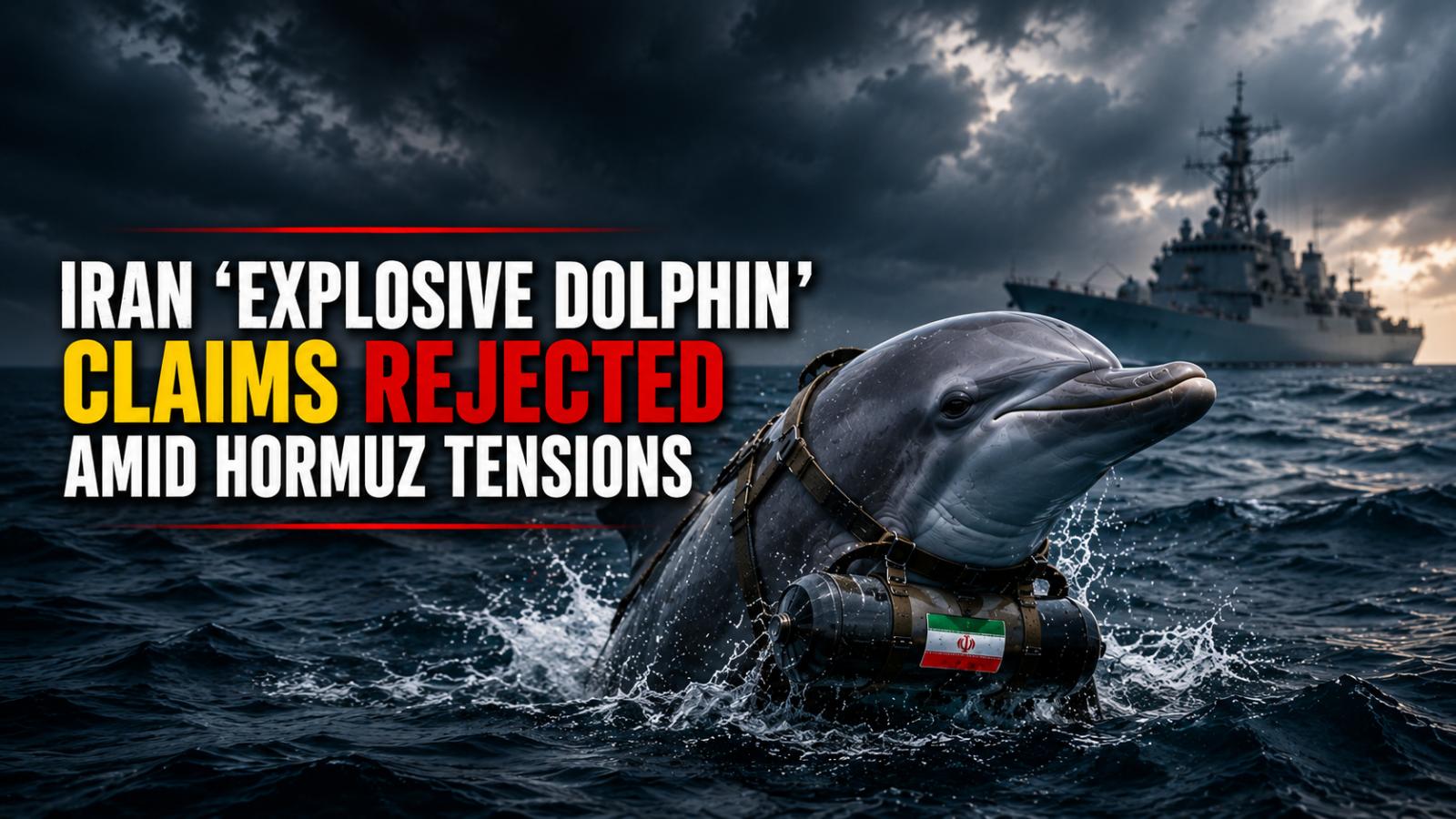
Pentagon Rejects Iran Dolphin Weapon Claims
The Pentagon has dismissed claims that Iran is training explosive dolphins, confirming there is no credible evidence of such a program. Officials addressed the rumors as tensions in the Strait of Hormuz continue to escalate.
Speaking on May 6, 2026, U.S. Defense Secretary Pete Hegseth said reports of “kamikaze dolphins” are unfounded. “Iran does not have such capabilities,” he stated, r
Pentagon Rejects Iran Dolphin Weapon Claims
The Pentagon has dismissed claims that Iran is training explosive dolphins, confirming there is no credible evidence of such a program. Officials addressed the rumors as tensions in the Strait of Hormuz continue to escalate.
Speaking on May 6, 2026, U.S. Defense Secretary Pete Hegseth said reports of “kamikaze dolphins” are unfounded. “Iran does not have such capabilities,” he stated, r
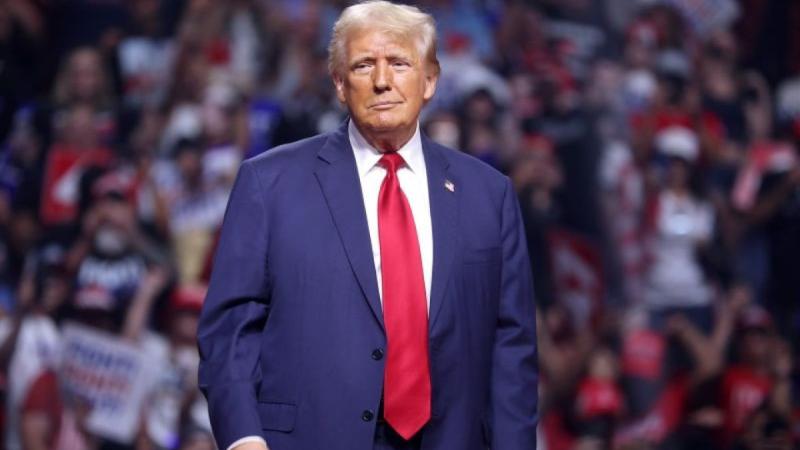
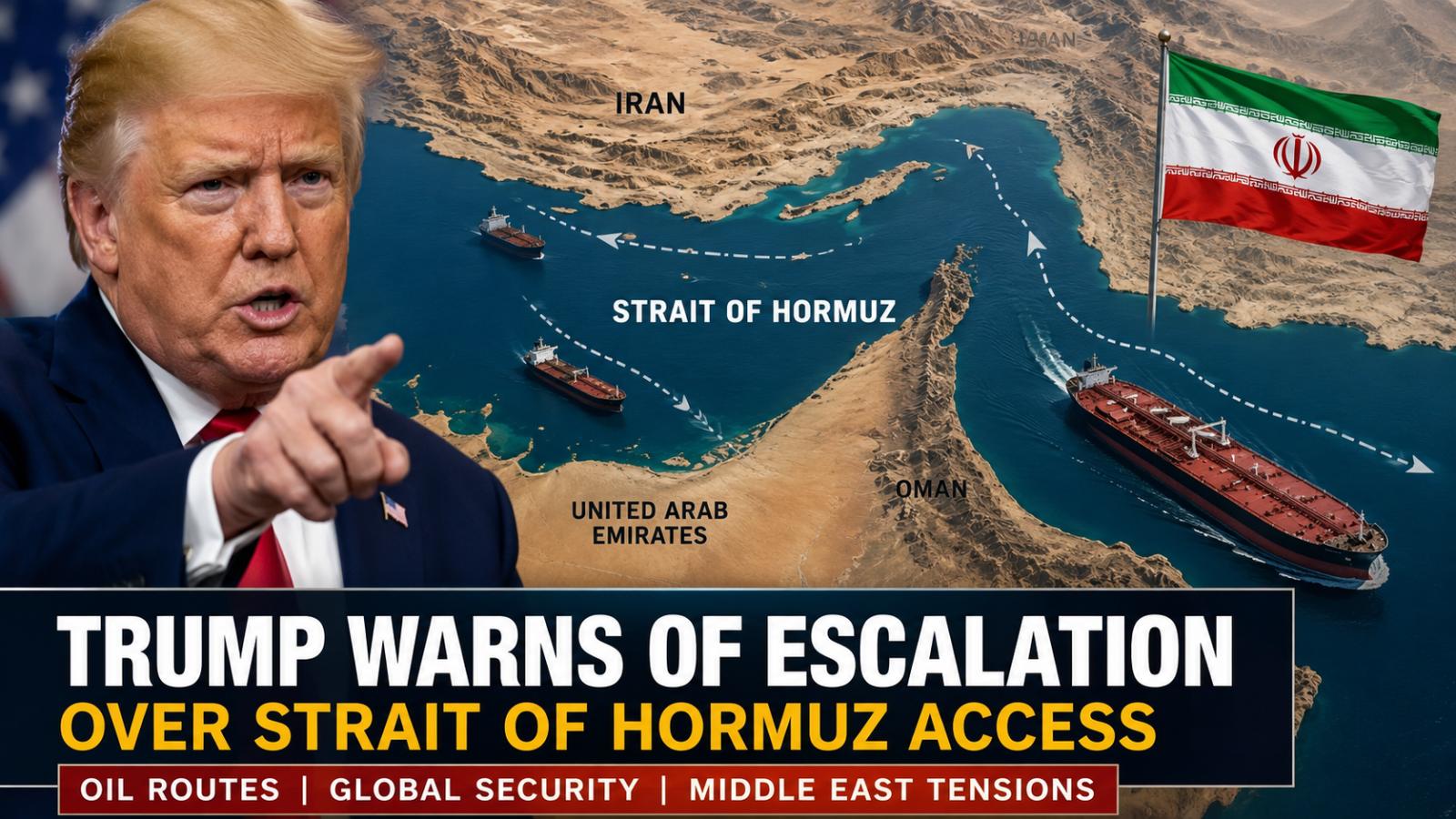
U.S. President Donald Trump on Wednesday warned Iran that any move to restrict access to the Strait of Hormuz could trigger a stronger U.S. military response, according to a statement posted on Truth Social. Trump said tensions could ease if Tehran ensures open maritime access for all nations, describing it as a condition previously understood between the sides.
He added that failure to comply would lead to “significantly intensified” action, signaling a potential shift toward a more aggressive U.S. stance in the region. The Strait of Hormuz is one of the world’s most critical oil transit routes, carrying a large share of global crude shipments. Any disruption could affect energy markets and international shipping security.
Trump’s remarks come amid ongoing uncertainty in the Middle East, where regional rivalries and strategic interests continue to drive tensions. No immediate response from Iranian officials was reported. Analysts say heightened rhetoric around the waterway often fuels volatility in oil prices and raises the risk of military escalation in the Gulf.
U.S. President Donald Trump on Wednesday warned Iran that any move to restrict access to the Strait of Hormuz could trigger a stronger U.S. military response, according to a statement posted on Truth Social. Trump said tensions could ease if Tehran ensures open maritime access for all nations, describing it as a condition previously understood between the sides.
He added that failure to comply would lead to “significantly intensified” action, signaling a potential shift toward a more aggressive U.S. stance in the region. The Strait of Hormuz is one of the world’s most critical oil transit routes, carrying a large share of global crude shipments. Any disruption could affect energy markets and international shipping security.
Trump’s remarks come amid ongoing uncertainty in the Middle East, where regional rivalries and strategic interests continue to drive tensions. No immediate response from Iranian officials was reported. Analysts say heightened rhetoric around the waterway often fuels volatility in oil prices and raises the risk of military escalation in the Gulf.
Iran Tightens Control Over Strait of Hormuz Shipping
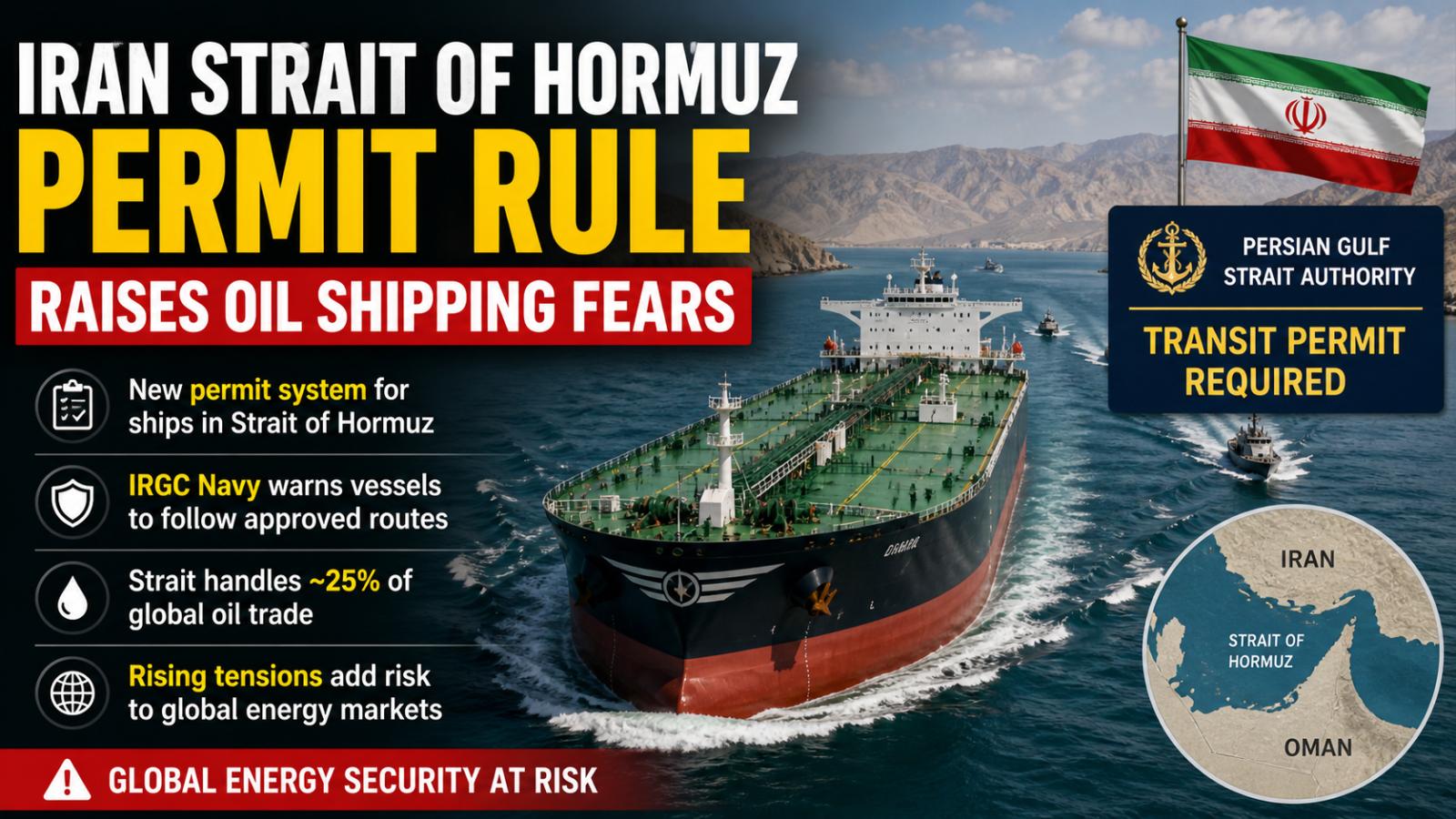
Iran has introduced a new Strait of Hormuz permit system, requiring ships to follow official transit instructions before entering one of the world’s most vital oil routes. The move raises fresh concerns for global energy markets, as the Strait of Hormuz carries a major share of seaborne oil trade and remains a flashpoint in rising US-Iran tensions.
What Iran’s New Permit Rule Means
Iran Tightens Control Over Strait of Hormuz Shipping
Iran has introduced a new Strait of Hormuz permit system, requiring ships to follow official transit instructions before entering one of the world’s most vital oil routes. The move raises fresh concerns for global energy markets, as the Strait of Hormuz carries a major share of seaborne oil trade and remains a flashpoint in rising US-Iran tensions.
What Iran’s New Permit Rule Means
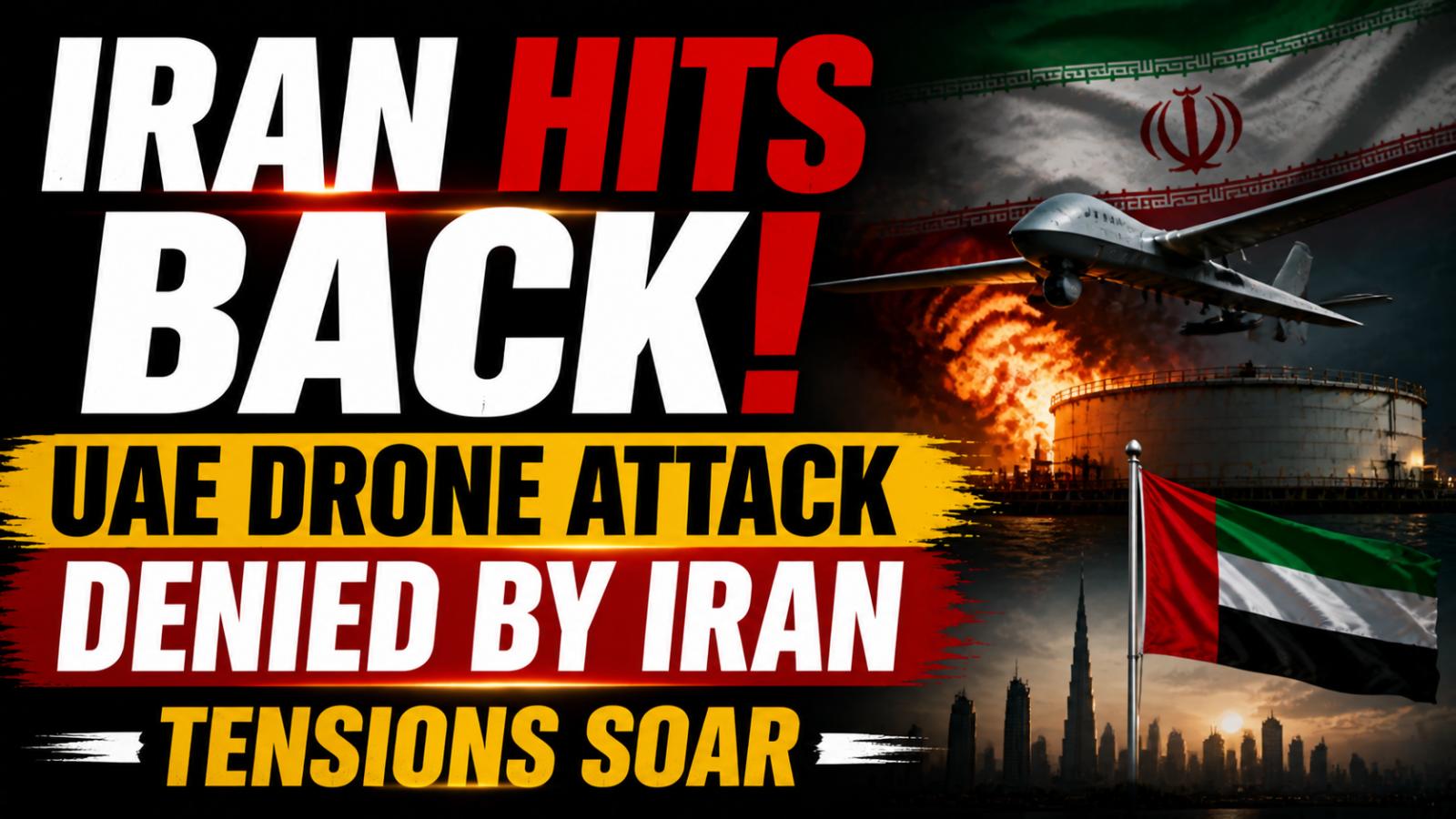
Iran has strongly denied accusations from the United Arab Emirates that it was behind a drone strike targeting oil facilities in Fujairah, calling the attack a product of US military adventurism. UAE authorities reported the attack on Monday, saying that three Indian nationals were injured in the strike and were hospitalized. The UAE also described the attack as a “dangerous escalation” amid growing tensions in the region.
Iran's military officials, speaking on state television, insisted that the Islamic Republic had no plans to target UAE oil infrastructure. They argued that the attack was part of a broader geopolitical game in which the US was attempting to create a passage for ships to unlawfully pass through the Strait of Hormuz, a key oil shipping lane. Iranian officials called on the US to cease its military actions in the region, accusing Washington of destabilizing the area and holding the US accountable for the escalation.
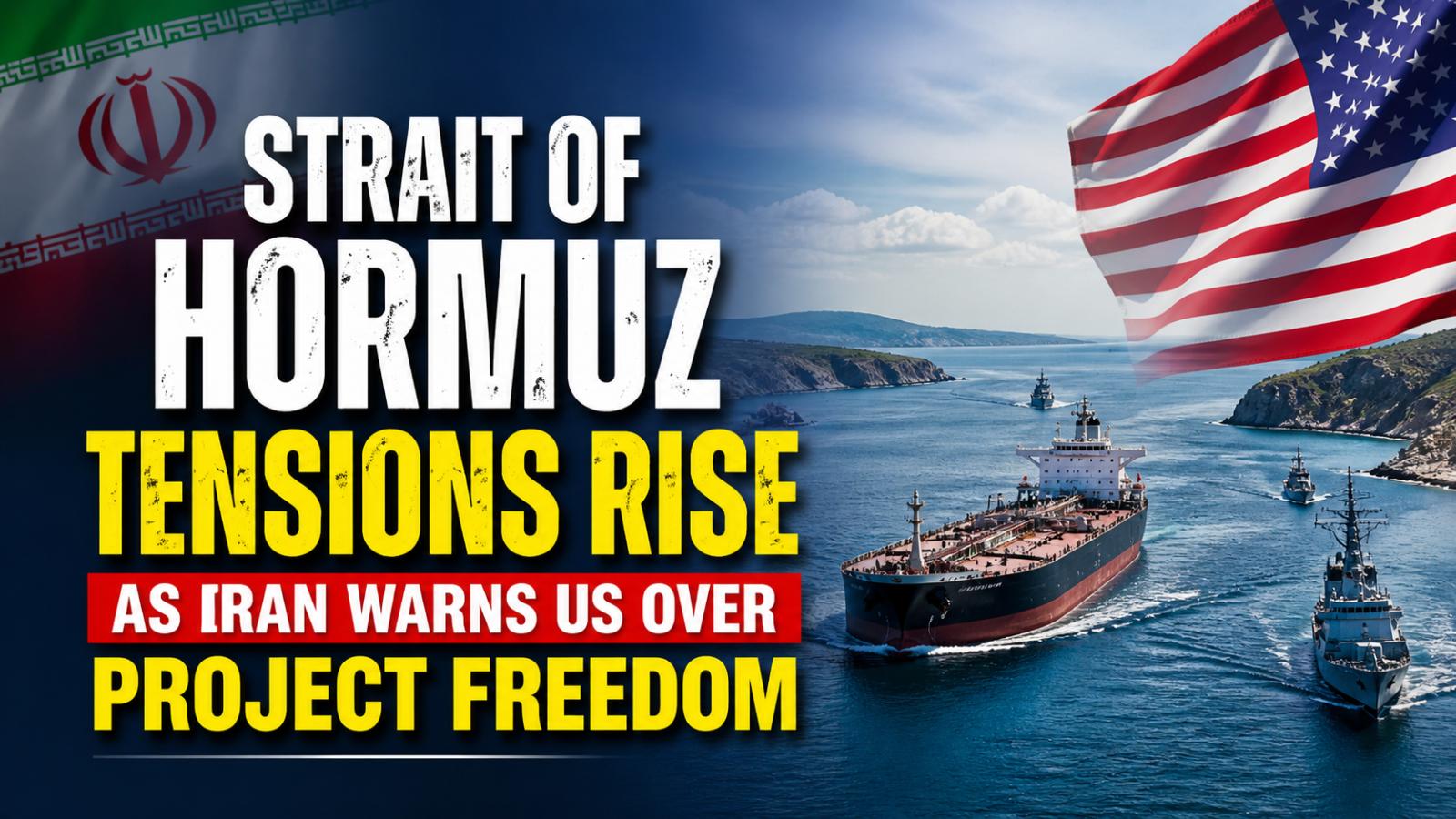
In the aftermath of the strike, US President Donald Trump announced a new maritime operation, Project Freedom, aimed at guiding neutral ships safely through the Gulf. The initiative, which Trump described as a humanitarian effort, is seen as a response to the increasing number of incidents in the Strait of Hormuz. US officials reported engaging with Iranian small boats in the Gulf, claiming that US forces had destroyed several Iranian vessels. Iran, however, denied these claims, stating that none of its boats had been sunk.
Iran's Foreign Minister, Seyed Abbas Araghchi, emphasized the need for a political resolution to the ongoing tensions, cautioning against further military action. He called for greater diplomatic efforts, including mediation by countries like Pakistan, to prevent a deeper conflict. Araghchi also warned the UAE and other regional actors against further escalation, urging them to avoid external interference that could destabilize the region further. As the situation continues to develop, both Iran and the US remain at odds over their military presence in the vital Strait of Hormuz.
Iran has strongly denied accusations from the United Arab Emirates that it was behind a drone strike targeting oil facilities in Fujairah, calling the attack a product of US military adventurism. UAE authorities reported the attack on Monday, saying that three Indian nationals were injured in the strike and were hospitalized. The UAE also described the attack as a “dangerous escalation” amid growing tensions in the region.
Iran's military officials, speaking on state television, insisted that the Islamic Republic had no plans to target UAE oil infrastructure. They argued that the attack was part of a broader geopolitical game in which the US was attempting to create a passage for ships to unlawfully pass through the Strait of Hormuz, a key oil shipping lane. Iranian officials called on the US to cease its military actions in the region, accusing Washington of destabilizing the area and holding the US accountable for the escalation.
In the aftermath of the strike, US President Donald Trump announced a new maritime operation, Project Freedom, aimed at guiding neutral ships safely through the Gulf. The initiative, which Trump described as a humanitarian effort, is seen as a response to the increasing number of incidents in the Strait of Hormuz. US officials reported engaging with Iranian small boats in the Gulf, claiming that US forces had destroyed several Iranian vessels. Iran, however, denied these claims, stating that none of its boats had been sunk.
Iran's Foreign Minister, Seyed Abbas Araghchi, emphasized the need for a political resolution to the ongoing tensions, cautioning against further military action. He called for greater diplomatic efforts, including mediation by countries like Pakistan, to prevent a deeper conflict. Araghchi also warned the UAE and other regional actors against further escalation, urging them to avoid external interference that could destabilize the region further. As the situation continues to develop, both Iran and the US remain at odds over their military presence in the vital Strait of Hormuz.
Strait of Hormuz Shipping Still Restricted
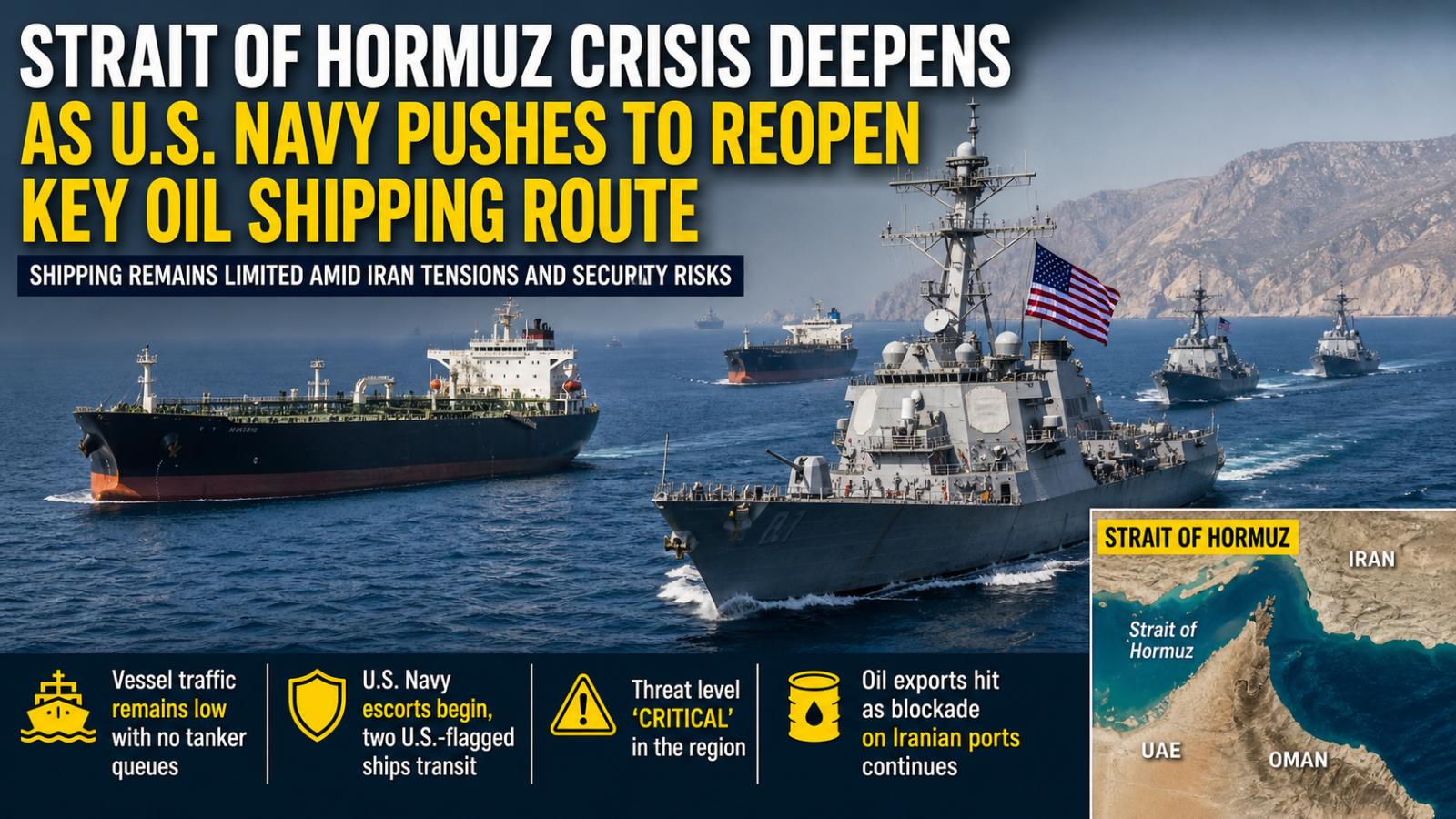
Strait of Hormuz shipping remains severely limited despite new U.S. efforts to reopen one of the world’s most important oil trade routes. Vessel movement stayed subdued Monday as carriers awaited clearer safety guarantees amid Iran tensions.
U.S. Navy Pushes to Restore Transit
U.S. Central Command said its forces are assisting efforts to restore commercial navigation, with Navy destroyers and two U.S.-flagged merchant ships reportedly crossing the waterway. Officials described the mission as defensive, aimed at protecting freedom of navigation while pressure remains on Iranian ports.
But the wider shipping industry is still cautious. Tracking data showed only scattered vessel movement, with no major return of oil tankers or large commercial ships through the narrow Gulf chokepoint.
Carriers Await Clear Safety Rules
German shipping firm Hapag-Lloyd said its vessels still cannot transit the Strait of Hormuz because safety procedures remain unclear. BIMCO has also warned that shipping companies need firm guidance and credible security assurances before resuming normal routes.
The Joint Maritime Information Center continues to rate the regional threat as “critical,” advising vessels to consider safer routing through Omani waters where possible.
Why the Strait Matters
The Strait of Hormuz is a vital passage for global oil and gas shipments, making any disruption a direct risk to energy markets, freight costs and seafarer safety. Hundreds of ships and thousands of crew members remain affected by the crisis.
Iran has warned foreign naval forces to stay away and said commercial vessels must coordinate transit with its military. Until both security risks and operating rules are resolved, global shipping through the Strait of Hormuz is likely to remain slow, uncertain and highly vulnerable.
Strait of Hormuz Shipping Still Restricted
Strait of Hormuz shipping remains severely limited despite new U.S. efforts to reopen one of the world’s most important oil trade routes. Vessel movement stayed subdued Monday as carriers awaited clearer safety guarantees amid Iran tensions.
U.S. Navy Pushes to Restore Transit
U.S. Central Command said its forces are assisting efforts to restore commercial navigation, with Navy destroyers and two U.S.-flagged merchant ships reportedly crossing the waterway. Officials described the mission as defensive, aimed at protecting freedom of navigation while pressure remains on Iranian ports.
But the wider shipping industry is still cautious. Tracking data showed only scattered vessel movement, with no major return of oil tankers or large commercial ships through the narrow Gulf chokepoint.
Carriers Await Clear Safety Rules
German shipping firm Hapag-Lloyd said its vessels still cannot transit the Strait of Hormuz because safety procedures remain unclear. BIMCO has also warned that shipping companies need firm guidance and credible security assurances before resuming normal routes.
The Joint Maritime Information Center continues to rate the regional threat as “critical,” advising vessels to consider safer routing through Omani waters where possible.
Why the Strait Matters
The Strait of Hormuz is a vital passage for global oil and gas shipments, making any disruption a direct risk to energy markets, freight costs and seafarer safety. Hundreds of ships and thousands of crew members remain affected by the crisis.
Iran has warned foreign naval forces to stay away and said commercial vessels must coordinate transit with its military. Until both security risks and operating rules are resolved, global shipping through the Strait of Hormuz is likely to remain slow, uncertain and highly vulnerable.
Mountain View Boil Water Advisory Extended After Bacteria Detection
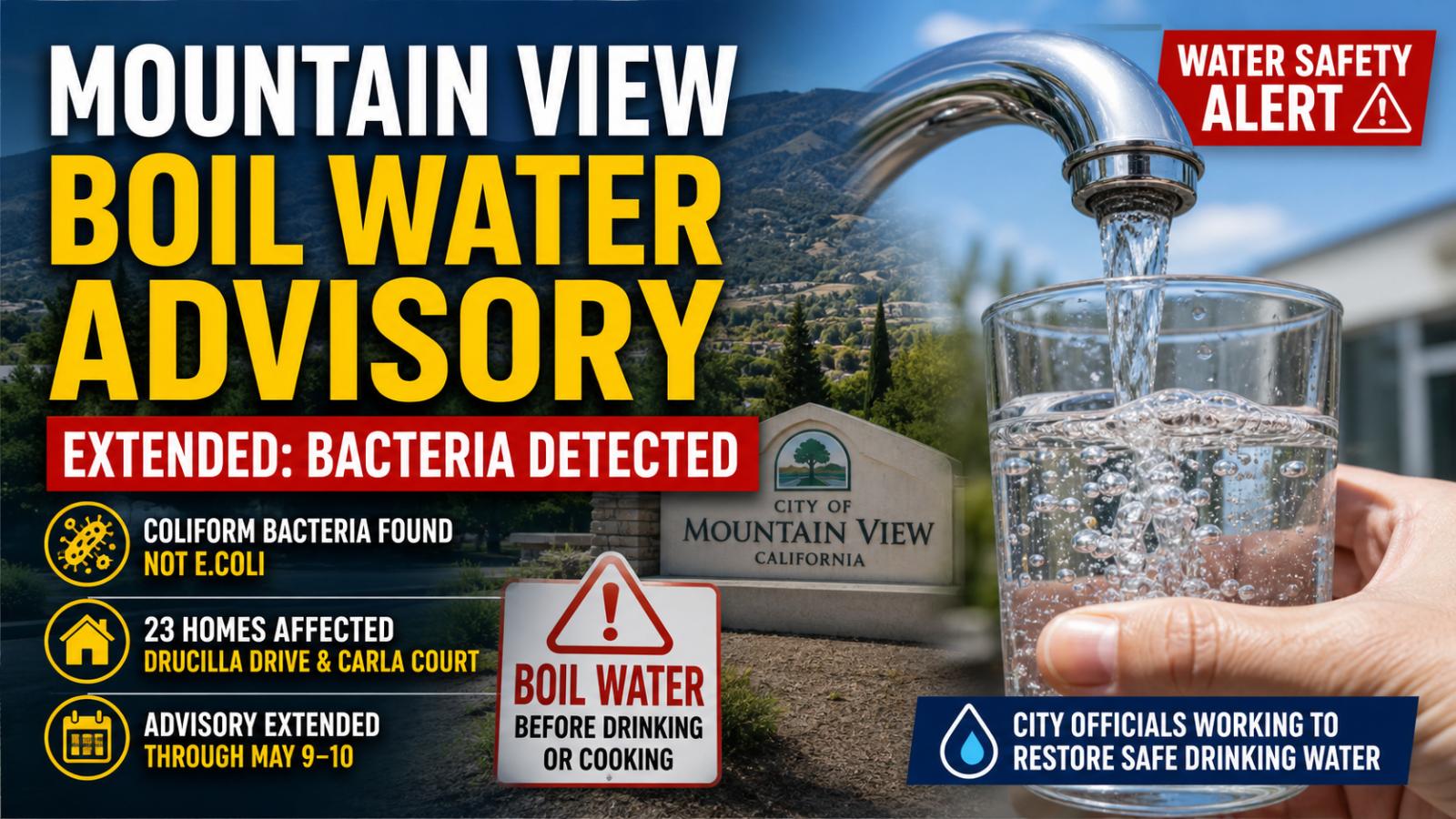
The Mountain View boil water advisory remains in effect after coliform bacteria were detected in the water supply. Officials say residents must continue boiling tap water before drinking or cooking.
What Happened and Which Areas Are Affected?
City officials confirmed the issue impacts 23 homes, primarily along Drucilla Drive and Carla Court. The contamination began on April 24 when construction work allowed cement slurry into a drinking water pipeline.
While tests detected coliform bacteria, authorities stressed that E. coli was not found, reducing the immediate health risk but still requiring precaution.
Is the Water Safe to Use?
Residents can use tap water for cleaning, bathing, and other household tasks. However, drinking water must be boiled until further notice to ensure safety.
When Will the Advisory Be Lifted?
Officials do not expect the advisory to end before May 9–10, as crews continue testing and treatment efforts. A “super chlorination” process is underway to fully disinfect the affected pipeline.
What Are Officials Doing Now?
City crews are actively flushing the system, monitoring water quality, and working to restore normal conditions. Officials emphasized that public health remains the top priority.
For now, residents are urged to follow all safety guidelines as testing continues and updates are expected later this week.
Mountain View Boil Water Advisory Extended After Bacteria Detection
The Mountain View boil water advisory remains in effect after coliform bacteria were detected in the water supply. Officials say residents must continue boiling tap water before drinking or cooking.
What Happened and Which Areas Are Affected?
City officials confirmed the issue impacts 23 homes, primarily along Drucilla Drive and Carla Court. The contamination began on April 24 when construction work allowed cement slurry into a drinking water pipeline.
While tests detected coliform bacteria, authorities stressed that E. coli was not found, reducing the immediate health risk but still requiring precaution.
Is the Water Safe to Use?
Residents can use tap water for cleaning, bathing, and other household tasks. However, drinking water must be boiled until further notice to ensure safety.
When Will the Advisory Be Lifted?
Officials do not expect the advisory to end before May 9–10, as crews continue testing and treatment efforts. A “super chlorination” process is underway to fully disinfect the affected pipeline.
What Are Officials Doing Now?
City crews are actively flushing the system, monitoring water quality, and working to restore normal conditions. Officials emphasized that public health remains the top priority.
For now, residents are urged to follow all safety guidelines as testing continues and updates are expected later this week.
The Strait of Hormuz crisis has intensified after Ebrahim Azizi warned that any US intervention would be treated as a ceasefire violation. His remarks came in response to Donald Trump’s announcement of Project Freedom, a naval initiative aimed at guiding merchant vessels through the strategically vital w
The Strait of Hormuz crisis has intensified after Ebrahim Azizi warned that any US intervention would be treated as a ceasefire violation. His remarks came in response to Donald Trump’s announcement of Project Freedom, a naval initiative aimed at guiding merchant vessels through the strategically vital w
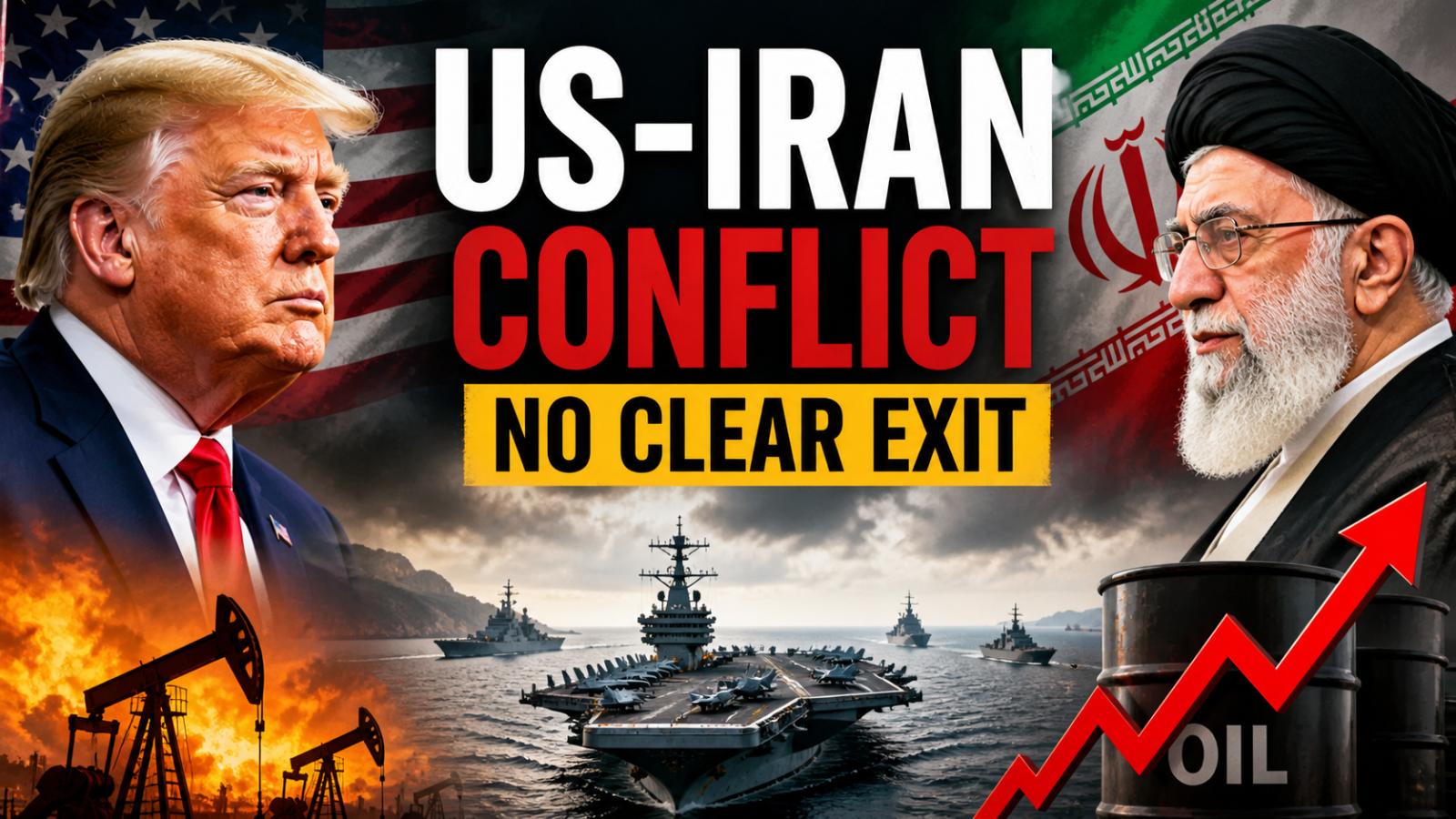
More than two months into military action against Iran, Donald Trump is facing a difficult reality: the conflict is far from over—and there’s no clear way out.
What began as a show of strength has turned into a prolonged standoff, with rising global consequences.
Military Gains, But No Strategic Victory
The United States, alongside Israeli forces, has carried out multiple strikes targeting Iran’s
More than two months into military action against Iran, Donald Trump is facing a difficult reality: the conflict is far from over—and there’s no clear way out.
What began as a show of strength has turned into a prolonged standoff, with rising global consequences.
Military Gains, But No Strategic Victory
The United States, alongside Israeli forces, has carried out multiple strikes targeting Iran’s
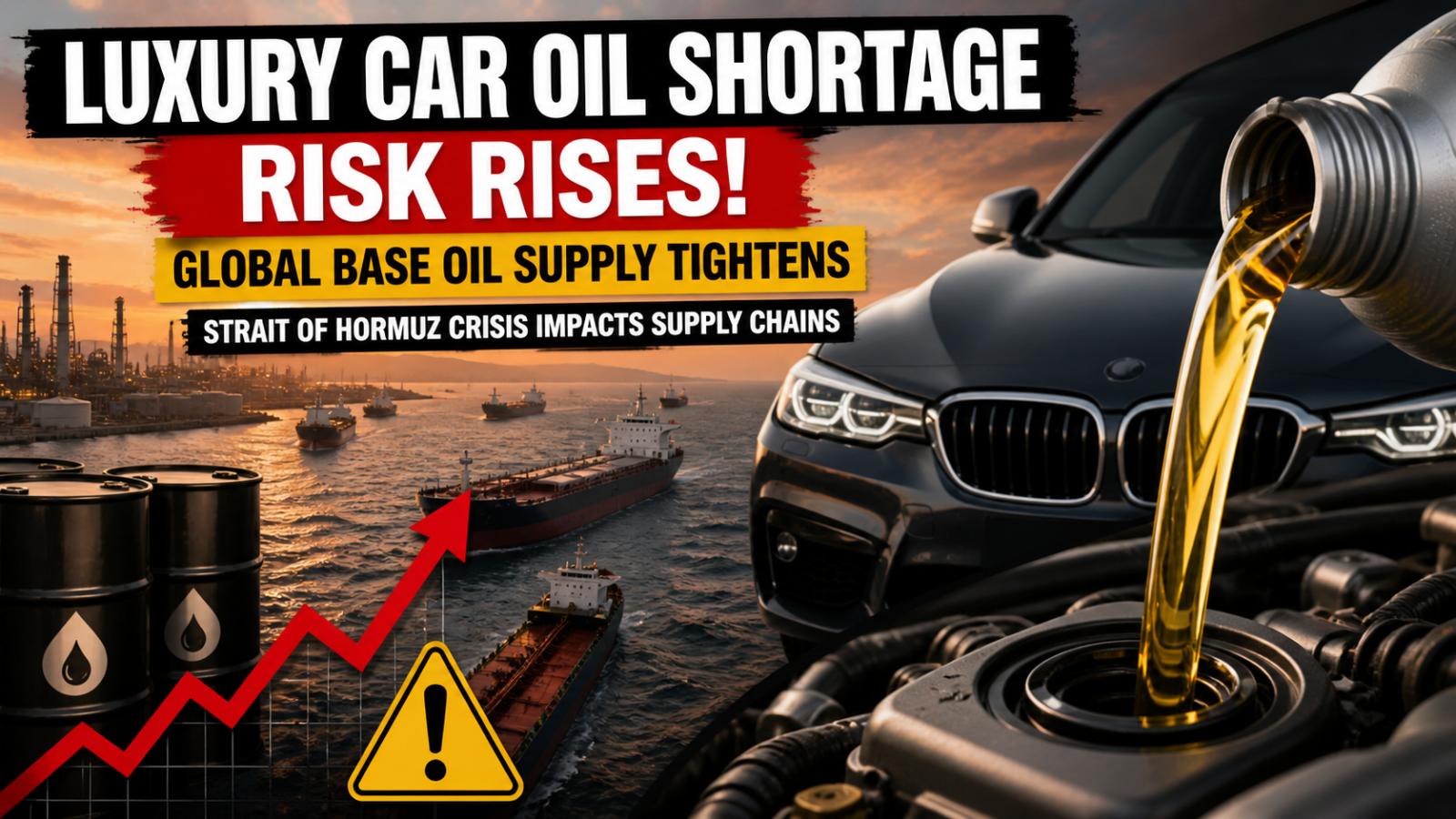
The global base oil shortage is no longer just an industry headline—it’s becoming a real concern for luxury car owners worldwide. As supply chains tighten due to geopolitical tensions around the Strait of Hormuz, the availability of high-performance engine oils used in premium vehicles is under pressure.
For owners of brands like BMW, Mercedes-Benz, and Audi, this could soon translate into higher maintenance costs, limited oil availability, and delayed servicing.
What’s Causing the Global Base Oil Shortage?
At the heart of the issue is the ongoing instability linked to tensions involving Iran and critical oil transit routes. The Strait of Hormuz handles a significant portion of the world’s petroleum shipments—not just crude oil, but also refined products like base oils, which are essential for lubricant production.
Base oils form the foundation of:
Synthetic engine oils
Industrial lubricants
High-performance automotive fluids
With shipping disruptions, delayed tankers, and rising insurance risks, the supply of these materials has tightened globally.
Why Luxury Cars Are Hit Harder
Not all vehicles are affected equally. Luxury and high-performance cars rely heavily on Group III and Group IV base oils, including advanced formulations like polyalphaolefins (PAO). These oils are designed to:
Handle extreme temperatures
Protect high-speed engines
Maintain performance under pressure
Unlike regular vehicles, luxury cars cannot easily switch to cheaper alternatives without risking engine damage or reduced efficiency. That’s why this shortage hits premium segments first—and hardest.
Rising Prices and Supply Pressure
The numbers already show stress in the system:
The Gulf region contributes around 20% of global Group III base oil production
It accounted for nearly half of U.S. imports in recent periods
Prices in some markets have nearly doubled since the crisis began
With inventories shrinking and delivery times increasing, lubricant manufacturers are struggling to keep up.
If disruptions continue, experts warn that:
Oil prices could rise further
Service costs for luxury vehicles may spike
Availability could become inconsistent in certain regions
What This Means for Luxury Car Owners
If you own a premium vehicle, here’s what you might notice in the coming weeks or months:
Higher Maintenance Costs
Synthetic oil changes could become significantly more expensive.
Service Delays
Workshops may face shortages or longer wait times for specific oil grades.
Risk of Substitutes
Some service centers might use alternative oils—potentially affecting performance if not approved.
Should You Be Worried Right Now?
Not immediately—but it’s something to watch closely.
There’s no need to panic or stockpile engine oil. However:
Stick to authorized service centers
Ensure correct oil specifications are used
Avoid delaying essential maintenance
Being proactive now can help you avoid bigger issues later.
A Bigger Energy and Supply Chain Problem
This isn’t just about cars—it reflects a deeper issue in the global energy ecosystem.
Heavy reliance on specific regions like the Persian Gulf makes supply chains vulnerable. Alongside geopolitical tensions, factors like:
Refinery disruptions
Export restrictions
Seasonal risks (like hurricanes in U.S. Gulf Coast)
are amplifying the pressure.
Industry experts see this as a warning sign of long-term structural risks in the oil and automotive sectors.
What Happens Next?
If shipping routes stabilize and production resumes, the situation could ease within months. But if disruptions persist:
Prices may remain elevated
Supply chains could tighten further
Luxury vehicle ownership costs may rise globally
For now, both manufacturers and consumers are bracing for continued uncertainty.
Final Takeaway
The global base oil shortage is quietly building into a significant challenge—especially for luxury car owners. While it may not yet be visible at every service center, the signs are clear: tightening supply, rising costs, and growing dependence on fragile global networks.
Staying informed—and maintaining your vehicle responsibly—will be key in navigating what could become one of the most overlooked automotive disruptions of the year.
The global base oil shortage is no longer just an industry headline—it’s becoming a real concern for luxury car owners worldwide. As supply chains tighten due to geopolitical tensions around the Strait of Hormuz, the availability of high-performance engine oils used in premium vehicles is under pressure.
For owners of brands like BMW, Mercedes-Benz, and Audi, this could soon translate into higher maintenance costs, limited oil availability, and delayed servicing.
What’s Causing the Global Base Oil Shortage?
At the heart of the issue is the ongoing instability linked to tensions involving Iran and critical oil transit routes. The Strait of Hormuz handles a significant portion of the world’s petroleum shipments—not just crude oil, but also refined products like base oils, which are essential for lubricant production.
Base oils form the foundation of:
Synthetic engine oils
Industrial lubricants
High-performance automotive fluids
With shipping disruptions, delayed tankers, and rising insurance risks, the supply of these materials has tightened globally.
Why Luxury Cars Are Hit Harder
Not all vehicles are affected equally. Luxury and high-performance cars rely heavily on Group III and Group IV base oils, including advanced formulations like polyalphaolefins (PAO). These oils are designed to:
Handle extreme temperatures
Protect high-speed engines
Maintain performance under pressure
Unlike regular vehicles, luxury cars cannot easily switch to cheaper alternatives without risking engine damage or reduced efficiency. That’s why this shortage hits premium segments first—and hardest.
Rising Prices and Supply Pressure
The numbers already show stress in the system:
The Gulf region contributes around 20% of global Group III base oil production
It accounted for nearly half of U.S. imports in recent periods
Prices in some markets have nearly doubled since the crisis began
With inventories shrinking and delivery times increasing, lubricant manufacturers are struggling to keep up.
If disruptions continue, experts warn that:
Oil prices could rise further
Service costs for luxury vehicles may spike
Availability could become inconsistent in certain regions
What This Means for Luxury Car Owners
If you own a premium vehicle, here’s what you might notice in the coming weeks or months:
Higher Maintenance Costs
Synthetic oil changes could become significantly more expensive.
Service Delays
Workshops may face shortages or longer wait times for specific oil grades.
Risk of Substitutes
Some service centers might use alternative oils—potentially affecting performance if not approved.
Should You Be Worried Right Now?
Not immediately—but it’s something to watch closely.
There’s no need to panic or stockpile engine oil. However:
Stick to authorized service centers
Ensure correct oil specifications are used
Avoid delaying essential maintenance
Being proactive now can help you avoid bigger issues later.
A Bigger Energy and Supply Chain Problem
This isn’t just about cars—it reflects a deeper issue in the global energy ecosystem.
Heavy reliance on specific regions like the Persian Gulf makes supply chains vulnerable. Alongside geopolitical tensions, factors like:
Refinery disruptions
Export restrictions
Seasonal risks (like hurricanes in U.S. Gulf Coast)
are amplifying the pressure.
Industry experts see this as a warning sign of long-term structural risks in the oil and automotive sectors.
What Happens Next?
If shipping routes stabilize and production resumes, the situation could ease within months. But if disruptions persist:
Prices may remain elevated
Supply chains could tighten further
Luxury vehicle ownership costs may rise globally
For now, both manufacturers and consumers are bracing for continued uncertainty.
Final Takeaway
The global base oil shortage is quietly building into a significant challenge—especially for luxury car owners. While it may not yet be visible at every service center, the signs are clear: tightening supply, rising costs, and growing dependence on fragile global networks.
Staying informed—and maintaining your vehicle responsibly—will be key in navigating what could become one of the most overlooked automotive disruptions of the year.
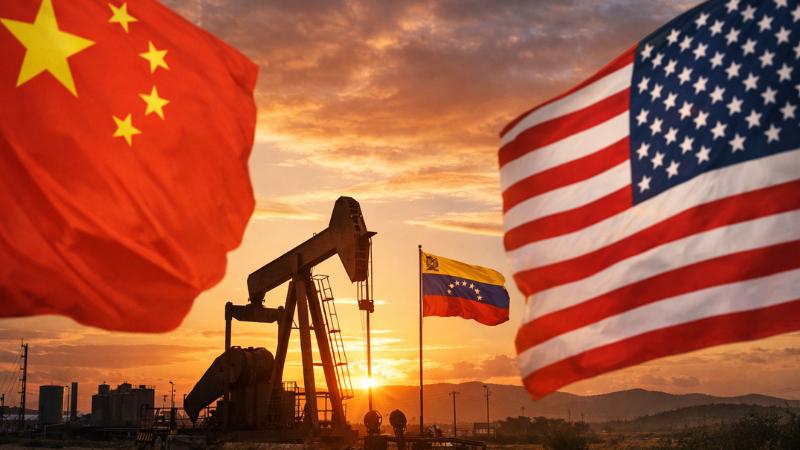
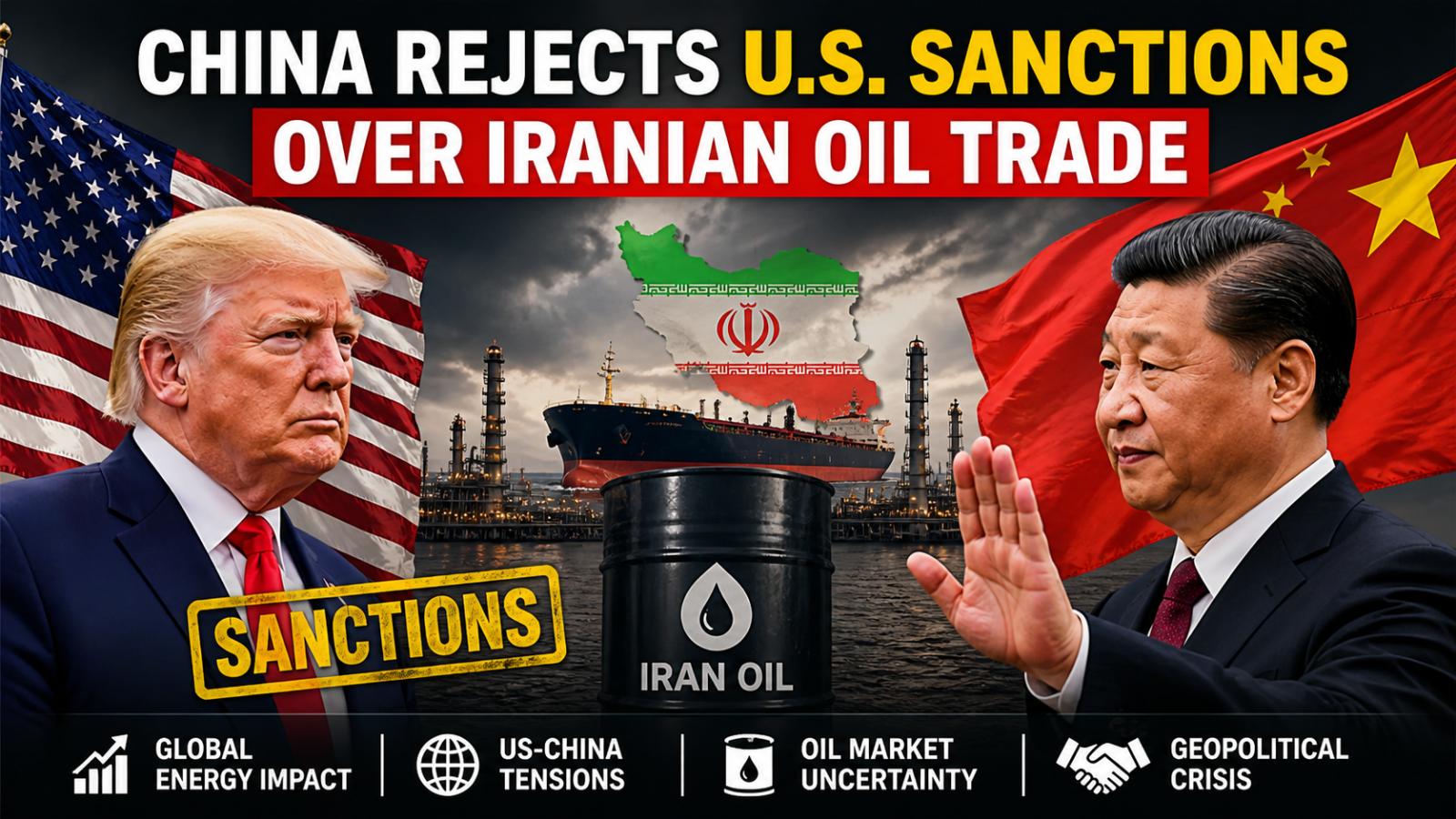
China has strongly rejected new sanctions imposed by the United States on Chinese firms accused of purchasing Iranian oil, calling the measures “unlawful” and a violation of international trade norms. The move marks a fresh escalation in tensions between China and Washington, with potential ripple effe
China has strongly rejected new sanctions imposed by the United States on Chinese firms accused of purchasing Iranian oil, calling the measures “unlawful” and a violation of international trade norms. The move marks a fresh escalation in tensions between China and Washington, with potential ripple effe