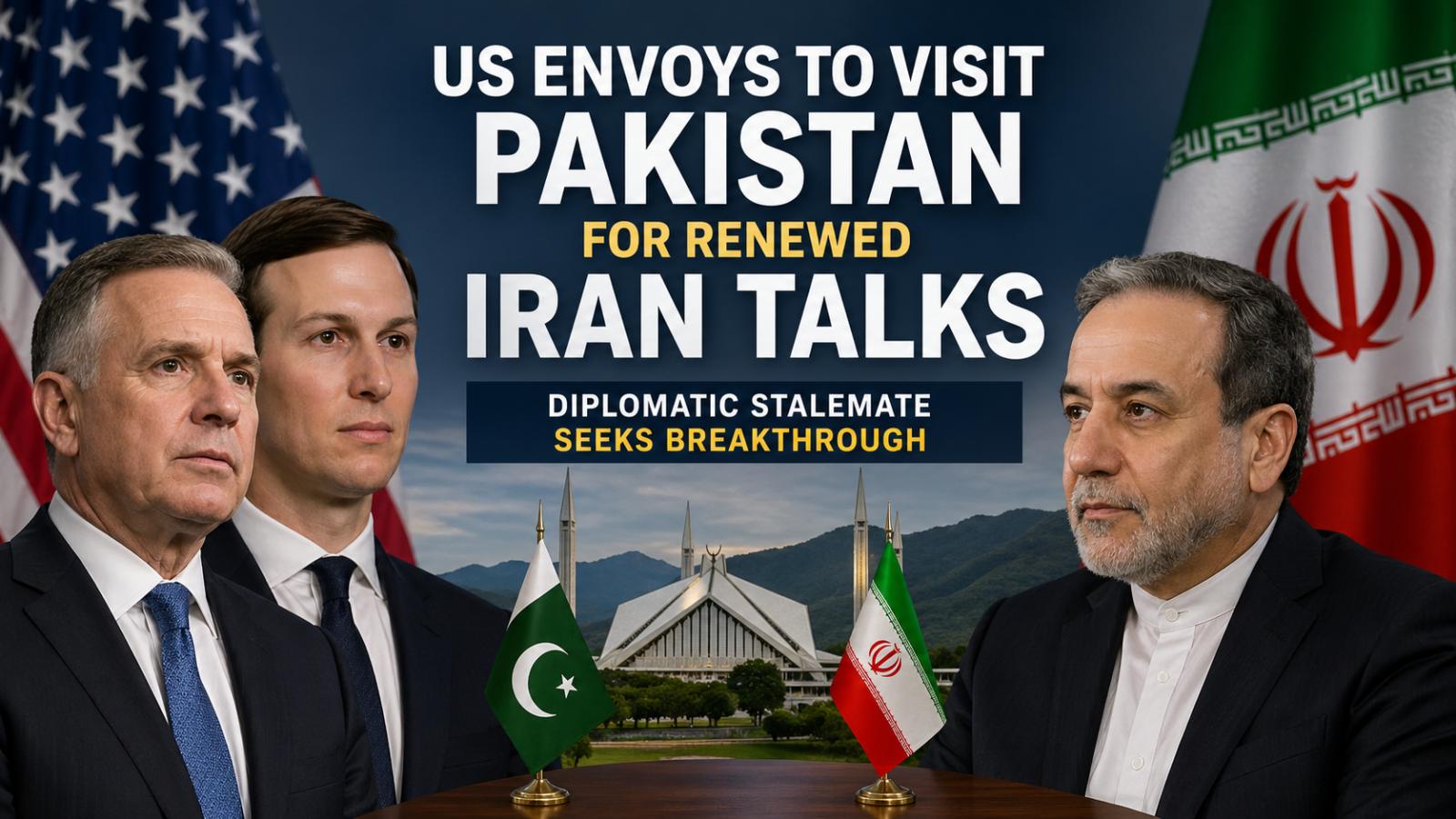
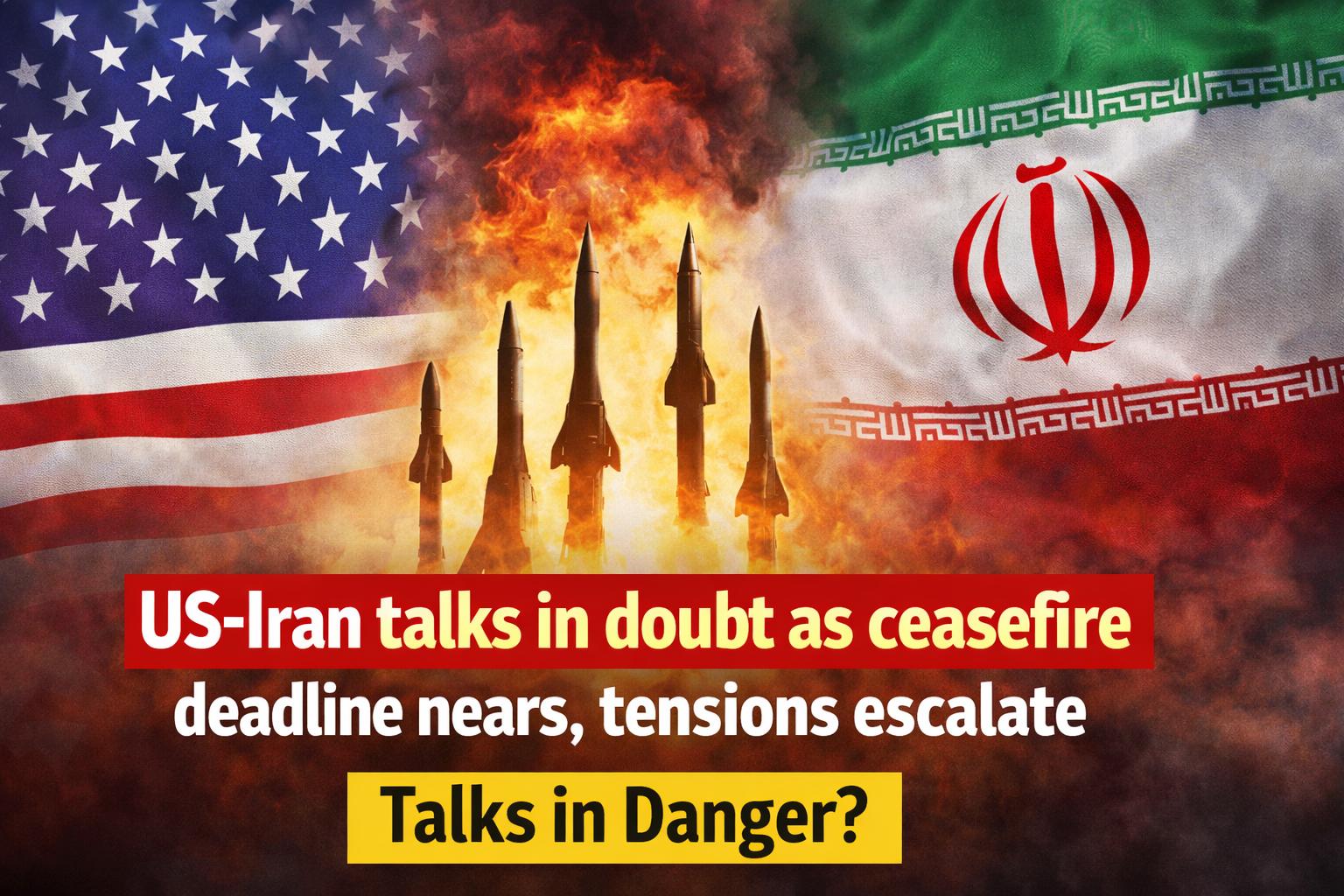
After several days of diplomatic deadlock, the United States has confirmed that senior envoys Steve Witkoff and Jared Kushner will travel to Pakistan for a fresh round of negotiations with Iran, signaling a renewed effort to address escalating tensions between the two nations. The visit is scheduled for Saturday and follows Iran’s request for direct, in-person discussions.
White House Press Secretary Karoline Leavitt stated that the move comes after Iran reached out for dialogue, aligning with earlier calls from US leadership to reopen communication channels. She emphasized that the envoys will assess the situation on the ground and report back to President Donald Trump and Vice President JD Vance, while additional officials remain on standby if required.
The upcoming talks mark the second round of discussions in Pakistan, following initial meetings held earlier this month. However, notable figures such as Vice President Vance and Iranian parliamentary leader Mohammad Bagher Ghalibaf, who were involved previously, will not participate in this phase. Their absence highlights a shift in the structure of the negotiations.
Iran’s Foreign Minister Abbas Araghchi recently announced a regional diplomatic tour that includes Pakistan, Oman, and Russia. His stated objective is to strengthen coordination with key partners on bilateral and regional issues, underlining Iran’s strategic engagement with neighboring countries during a period of heightened geopolitical tension.
What are the main sticking points in the talks?
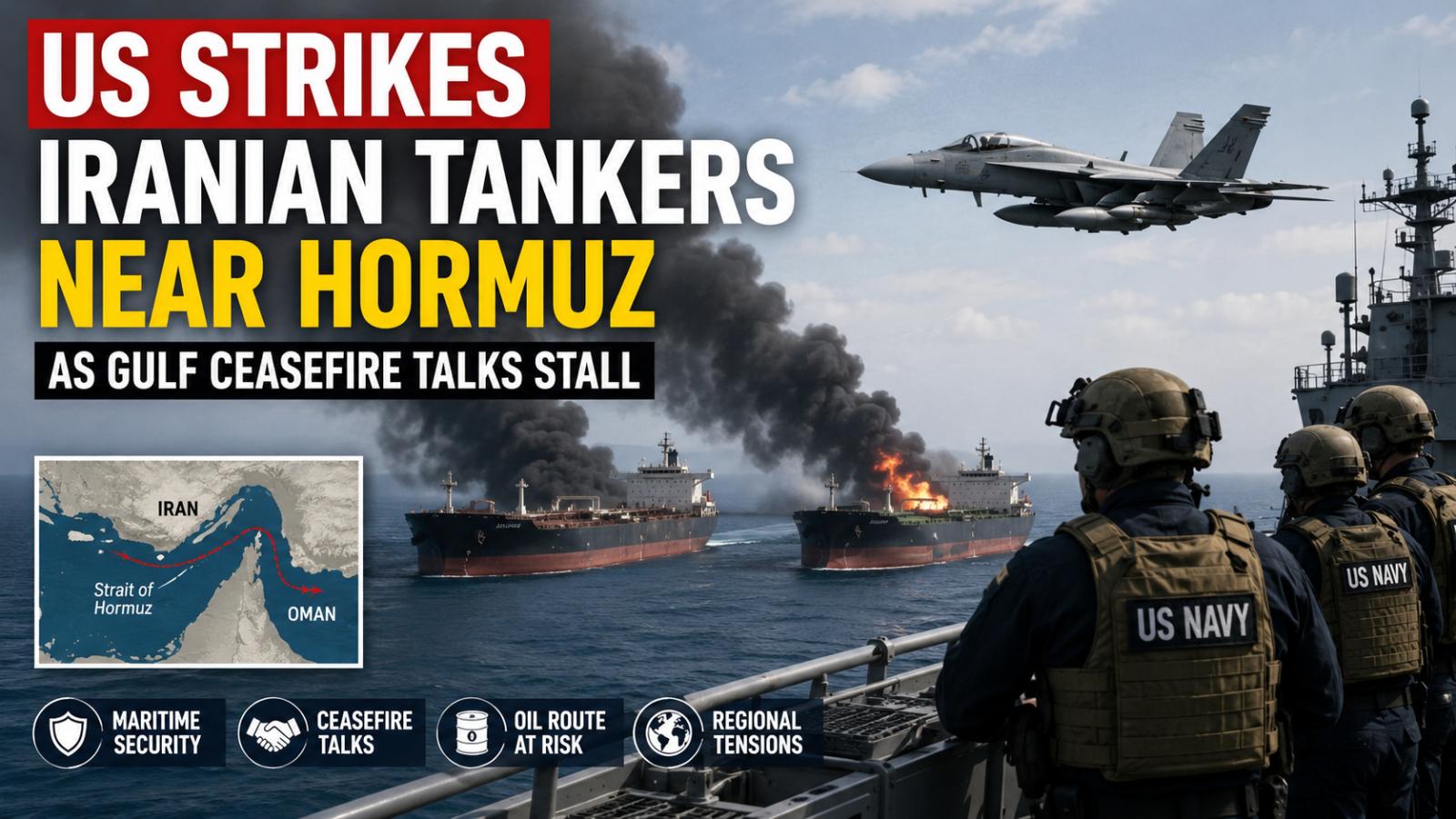
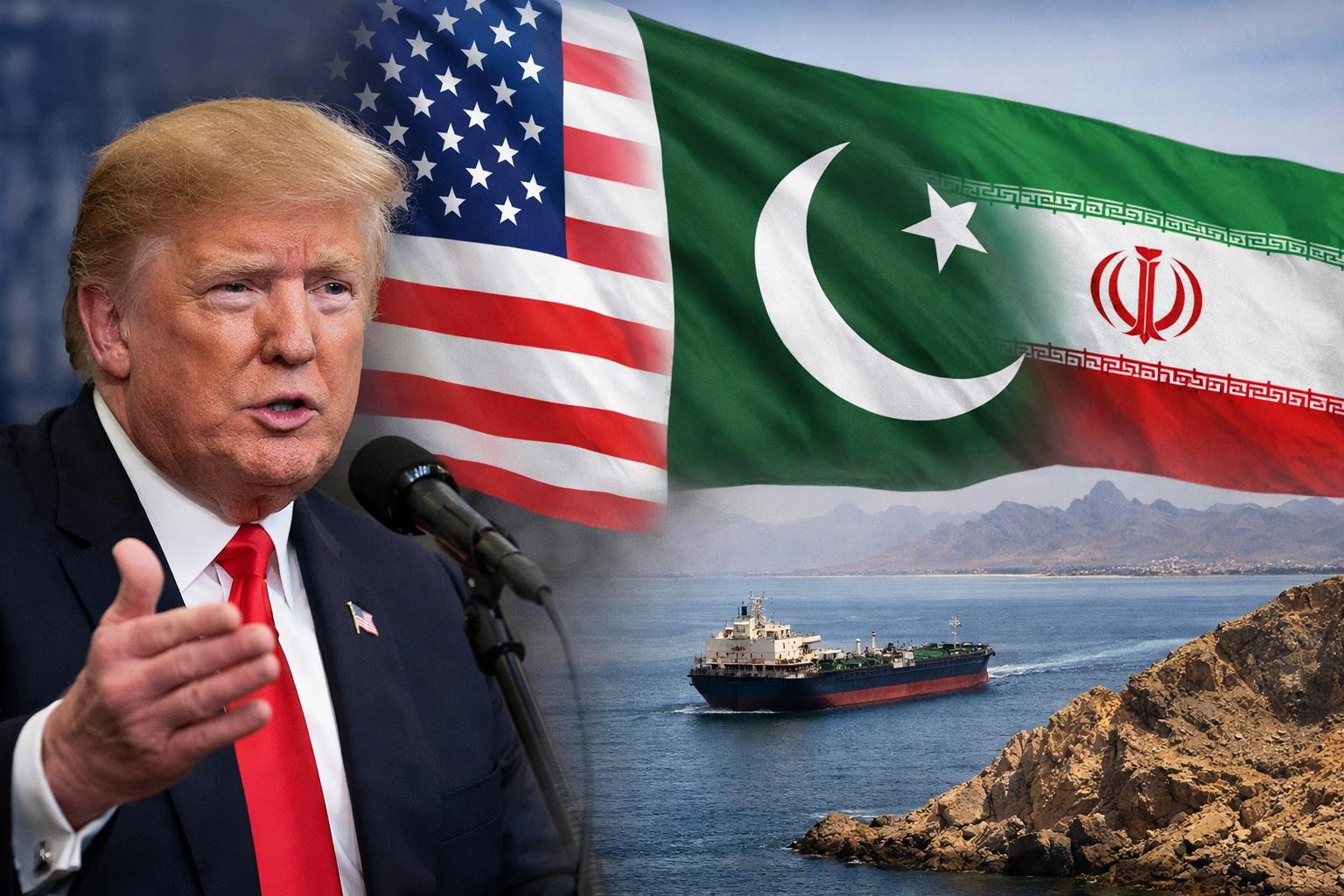
The primary disagreements revolve around Iran’s nuclear program and control over the Strait of Hormuz. Iran has insisted it will not proceed with negotiations unless the United States lifts its blockade in the strategic waterway. In contrast, the US is demanding verifiable guarantees that Iran will halt its nuclear ambitions and ease its own restrictions in the region.
At a recent Pentagon briefing, US Defense Secretary Pete Hegseth reiterated that the United States is not under pressure to finalize an agreement quickly. He indicated that Washington is prepared for prolonged negotiations, while also stressing that Iran has an opportunity to secure a favorable and pragmatic deal if it chooses to engage constructively.
The renewed diplomatic effort in Pakistan reflects a cautious but significant step toward resolving one of the most critical international disputes, with both sides maintaining firm positions as negotiations resume.
After several days of diplomatic deadlock, the United States has confirmed that senior envoys Steve Witkoff and Jared Kushner will travel to Pakistan for a fresh round of negotiations with Iran, signaling a renewed effort to address escalating tensions between the two nations. The visit is scheduled for Saturday and follows Iran’s request for direct, in-person discussions.
White House Press Secretary Karoline Leavitt stated that the move comes after Iran reached out for dialogue, aligning with earlier calls from US leadership to reopen communication channels. She emphasized that the envoys will assess the situation on the ground and report back to President Donald Trump and Vice President JD Vance, while additional officials remain on standby if required.
The upcoming talks mark the second round of discussions in Pakistan, following initial meetings held earlier this month. However, notable figures such as Vice President Vance and Iranian parliamentary leader Mohammad Bagher Ghalibaf, who were involved previously, will not participate in this phase. Their absence highlights a shift in the structure of the negotiations.
Iran’s Foreign Minister Abbas Araghchi recently announced a regional diplomatic tour that includes Pakistan, Oman, and Russia. His stated objective is to strengthen coordination with key partners on bilateral and regional issues, underlining Iran’s strategic engagement with neighboring countries during a period of heightened geopolitical tension.
What are the main sticking points in the talks?
The primary disagreements revolve around Iran’s nuclear program and control over the Strait of Hormuz. Iran has insisted it will not proceed with negotiations unless the United States lifts its blockade in the strategic waterway. In contrast, the US is demanding verifiable guarantees that Iran will halt its nuclear ambitions and ease its own restrictions in the region.
At a recent Pentagon briefing, US Defense Secretary Pete Hegseth reiterated that the United States is not under pressure to finalize an agreement quickly. He indicated that Washington is prepared for prolonged negotiations, while also stressing that Iran has an opportunity to secure a favorable and pragmatic deal if it chooses to engage constructively.
The renewed diplomatic effort in Pakistan reflects a cautious but significant step toward resolving one of the most critical international disputes, with both sides maintaining firm positions as negotiations resume.
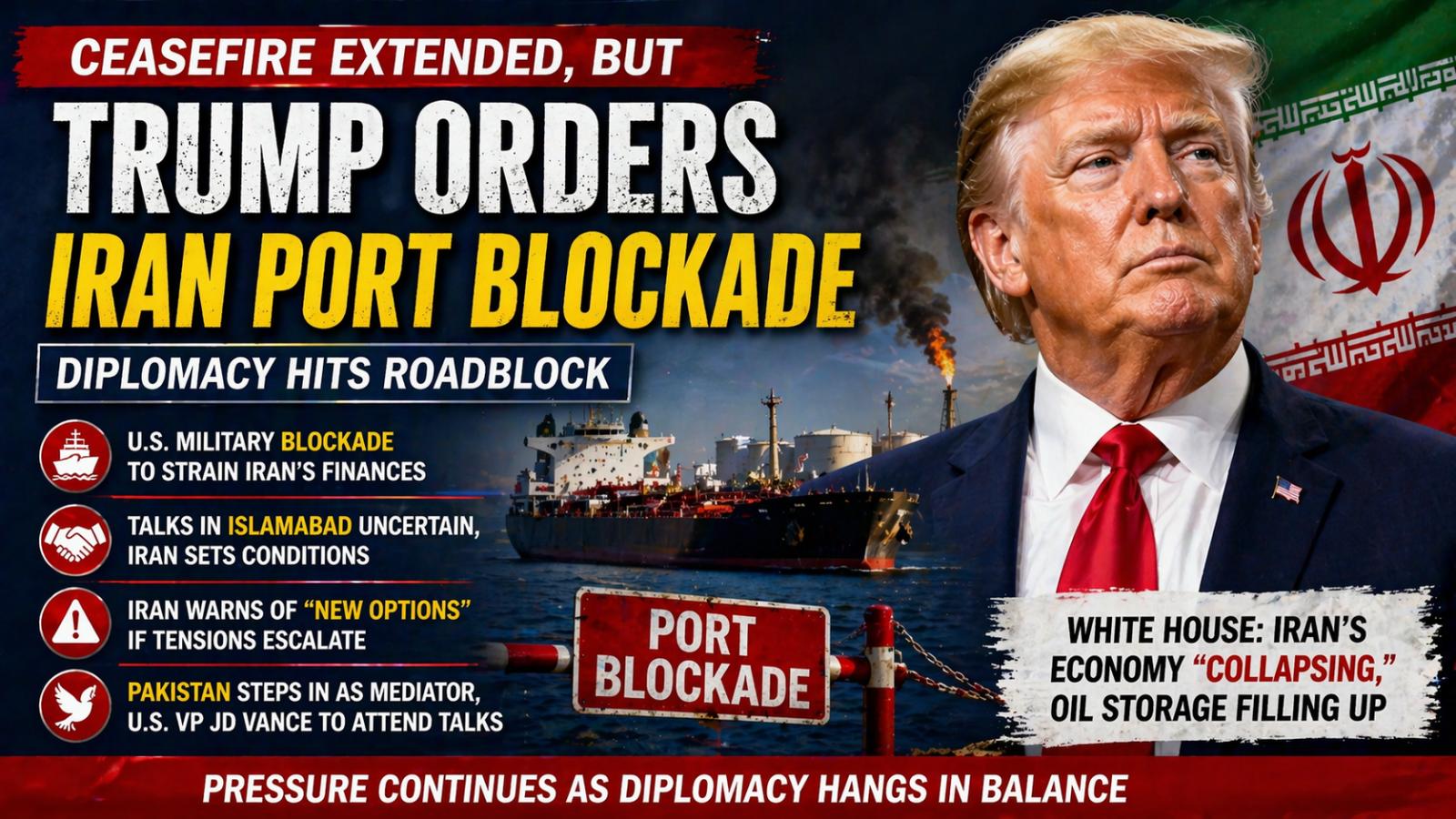
The United States has maintained pressure on Iran despite a formal agreement to extend a ceasefire aimed at creating space for diplomacy. President Donald Trump has ordered the continuation of a military blockade targeting Iranian ports, a move designed to restrict Tehran’s financial resources. The administration has indicated that Iran’s economy is under significant strain, citing limited cash reserves and increasing pressure on oil storage facilities, particularly at Kharg Island.
While the ceasefire extension was initially viewed as an opportunity to advance negotiations, diplomatic progress remains uncertain. Reports of a possible summit in Islamabad have been challenged by Iranian officials, who state that no delegation has departed for Pakistan. Iranian state authorities have dismissed claims of imminent talks, emphasizing that key preconditions have not been met.
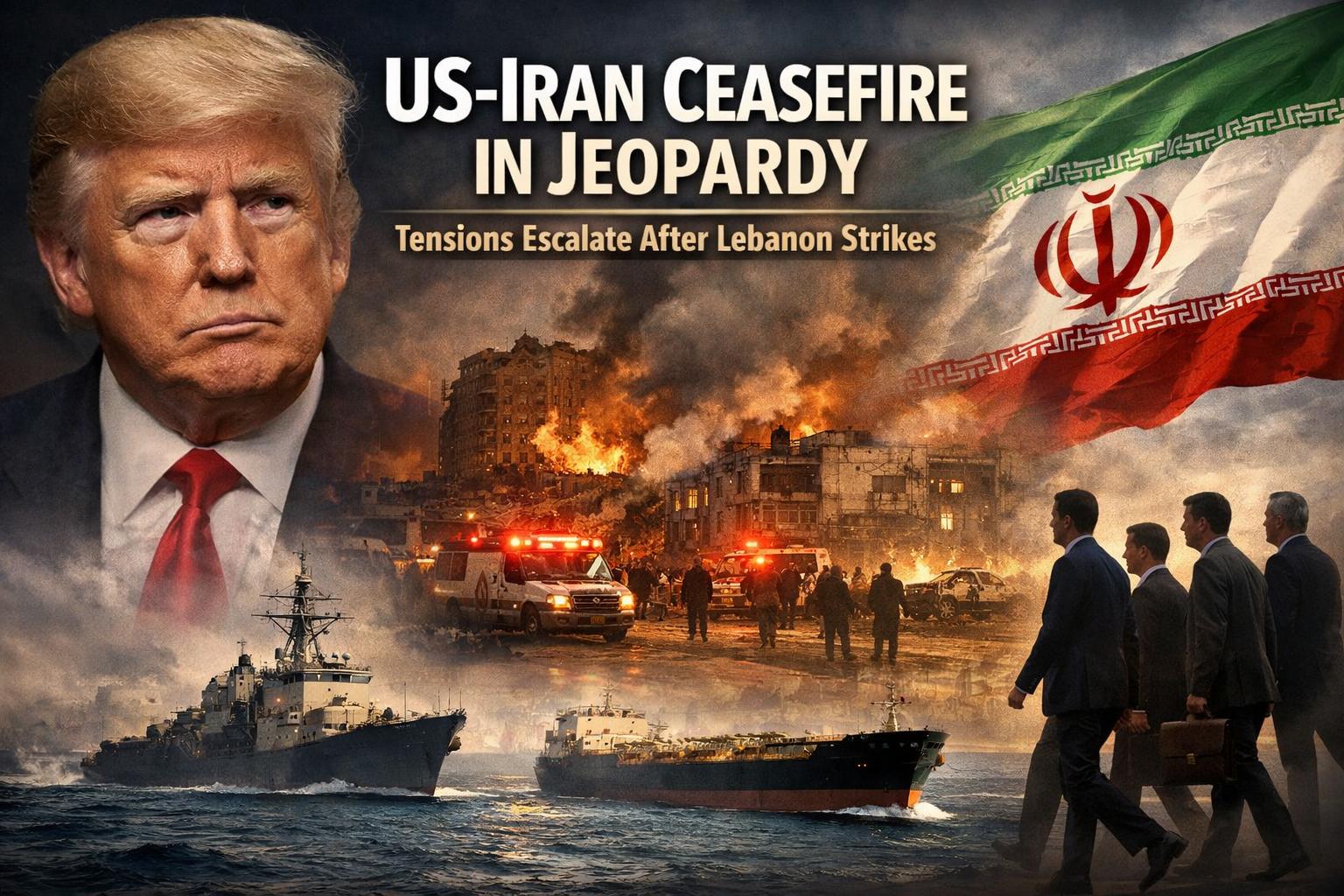
Tehran has maintained that any formal negotiations would require a complete halt to Israeli military actions in Lebanon. Without such assurances, Iranian leaders have expressed reluctance to engage in further discussions. Officials have also accused the United States of pursuing a strategy focused on coercion rather than constructive dialogue, raising concerns about the credibility of ongoing diplomatic efforts.
Senior Iranian figures have issued strong warnings about the potential consequences of continued pressure. Parliamentary speaker Mohammad Baqer Ghalibaf suggested that Iran could explore alternative responses if tensions escalate further. Foreign Minister Abbas Araghchi criticized what he described as repeated violations of the ceasefire, while President Masoud Pezeshkian underscored the importance of trust and consistency in any negotiation process.
Pakistan has emerged as a potential mediator, preparing to host talks in Islamabad in an effort to bridge differences between the two sides. The United States is expected to send Vice President JD Vance to participate in discussions, although Iran has yet to confirm its involvement. As both diplomatic and military dynamics continue to unfold, the path toward resolution remains uncertain.
The United States has maintained pressure on Iran despite a formal agreement to extend a ceasefire aimed at creating space for diplomacy. President Donald Trump has ordered the continuation of a military blockade targeting Iranian ports, a move designed to restrict Tehran’s financial resources. The administration has indicated that Iran’s economy is under significant strain, citing limited cash reserves and increasing pressure on oil storage facilities, particularly at Kharg Island.
While the ceasefire extension was initially viewed as an opportunity to advance negotiations, diplomatic progress remains uncertain. Reports of a possible summit in Islamabad have been challenged by Iranian officials, who state that no delegation has departed for Pakistan. Iranian state authorities have dismissed claims of imminent talks, emphasizing that key preconditions have not been met.
Tehran has maintained that any formal negotiations would require a complete halt to Israeli military actions in Lebanon. Without such assurances, Iranian leaders have expressed reluctance to engage in further discussions. Officials have also accused the United States of pursuing a strategy focused on coercion rather than constructive dialogue, raising concerns about the credibility of ongoing diplomatic efforts.
Senior Iranian figures have issued strong warnings about the potential consequences of continued pressure. Parliamentary speaker Mohammad Baqer Ghalibaf suggested that Iran could explore alternative responses if tensions escalate further. Foreign Minister Abbas Araghchi criticized what he described as repeated violations of the ceasefire, while President Masoud Pezeshkian underscored the importance of trust and consistency in any negotiation process.
Pakistan has emerged as a potential mediator, preparing to host talks in Islamabad in an effort to bridge differences between the two sides. The United States is expected to send Vice President JD Vance to participate in discussions, although Iran has yet to confirm its involvement. As both diplomatic and military dynamics continue to unfold, the path toward resolution remains uncertain.
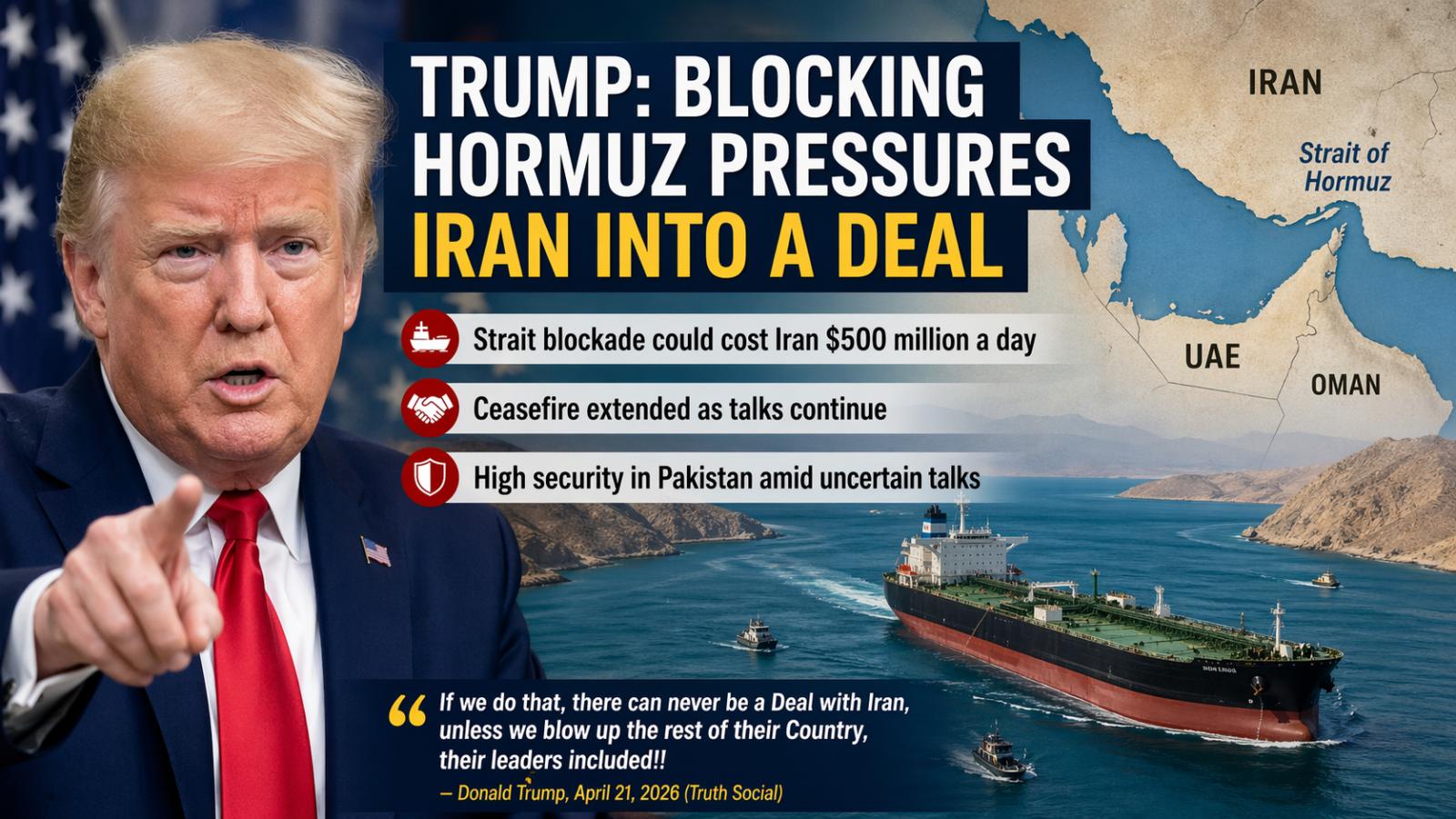
US President Donald Trump said on Tuesday, April 21, 2026, that Iran is seeking to reopen the Strait of Hormuz but argued that maintaining a blockade is key to forcing Tehran into a negotiated agreement. Writing on Truth Social, Trump claimed Iran could generate up to $500 million per day if the passage were reopened, adding that its closure has significantly constrained the country’s finances.
Trump stated that he has “totally blocked” the strait and suggested Iranian officials are publicly calling for closure only to “save face.” He further warned that reopening the waterway prematurely would weaken US leverage in ongoing negotiations, reiterating aggressive rhetoric about potential military escalation if talks fail. He also described Iran as facing severe economic strain, claiming it is “collapsing financially.”
Ceasefire extension linked to diplomatic efforts
The remarks came as Trump confirmed an extension of a 10-day ceasefire with Iran, originally set to expire on Wednesday, April 22, 2026. He said the extension followed requests from Asim Munir and Shehbaz Sharif, with the goal of allowing more time for diplomatic engagement.
While the US has not confirmed Iran’s participation in talks, Tehran’s envoy to the United Nations, Amir Saeid Iravani, indicated that lifting naval restrictions could create conditions for negotiations. However, the White House said Vice President JD Vance and the US delegation would not travel to Pakistan for discussions.
Security tightens around Pakistan negotiations
In Islamabad and nearby Rawalpindi, authorities deployed more than 20,000 security personnel amid uncertainty surrounding the talks. The heightened security underscores regional tensions as diplomatic channels remain unclear.
Trump’s ongoing messaging and additional demands
Trump has continued frequent postings on Iran, combining threats with appeals. He called for the release of eight women reportedly facing execution in Iran, framing it as a goodwill step ahead of potential negotiations. At the same time, he accused Iran of violating the ceasefire multiple times without providing details.
In separate comments, Trump praised what he described as a prior US military operation targeting Iranian nuclear sites and repeated claims about Iran’s economic and strategic vulnerabilities.
US President Donald Trump said on Tuesday, April 21, 2026, that Iran is seeking to reopen the Strait of Hormuz but argued that maintaining a blockade is key to forcing Tehran into a negotiated agreement. Writing on Truth Social, Trump claimed Iran could generate up to $500 million per day if the passage were reopened, adding that its closure has significantly constrained the country’s finances.
Trump stated that he has “totally blocked” the strait and suggested Iranian officials are publicly calling for closure only to “save face.” He further warned that reopening the waterway prematurely would weaken US leverage in ongoing negotiations, reiterating aggressive rhetoric about potential military escalation if talks fail. He also described Iran as facing severe economic strain, claiming it is “collapsing financially.”
Ceasefire extension linked to diplomatic efforts
The remarks came as Trump confirmed an extension of a 10-day ceasefire with Iran, originally set to expire on Wednesday, April 22, 2026. He said the extension followed requests from Asim Munir and Shehbaz Sharif, with the goal of allowing more time for diplomatic engagement.
While the US has not confirmed Iran’s participation in talks, Tehran’s envoy to the United Nations, Amir Saeid Iravani, indicated that lifting naval restrictions could create conditions for negotiations. However, the White House said Vice President JD Vance and the US delegation would not travel to Pakistan for discussions.
Security tightens around Pakistan negotiations
In Islamabad and nearby Rawalpindi, authorities deployed more than 20,000 security personnel amid uncertainty surrounding the talks. The heightened security underscores regional tensions as diplomatic channels remain unclear.
Trump’s ongoing messaging and additional demands
Trump has continued frequent postings on Iran, combining threats with appeals. He called for the release of eight women reportedly facing execution in Iran, framing it as a goodwill step ahead of potential negotiations. At the same time, he accused Iran of violating the ceasefire multiple times without providing details.
In separate comments, Trump praised what he described as a prior US military operation targeting Iranian nuclear sites and repeated claims about Iran’s economic and strategic vulnerabilities.
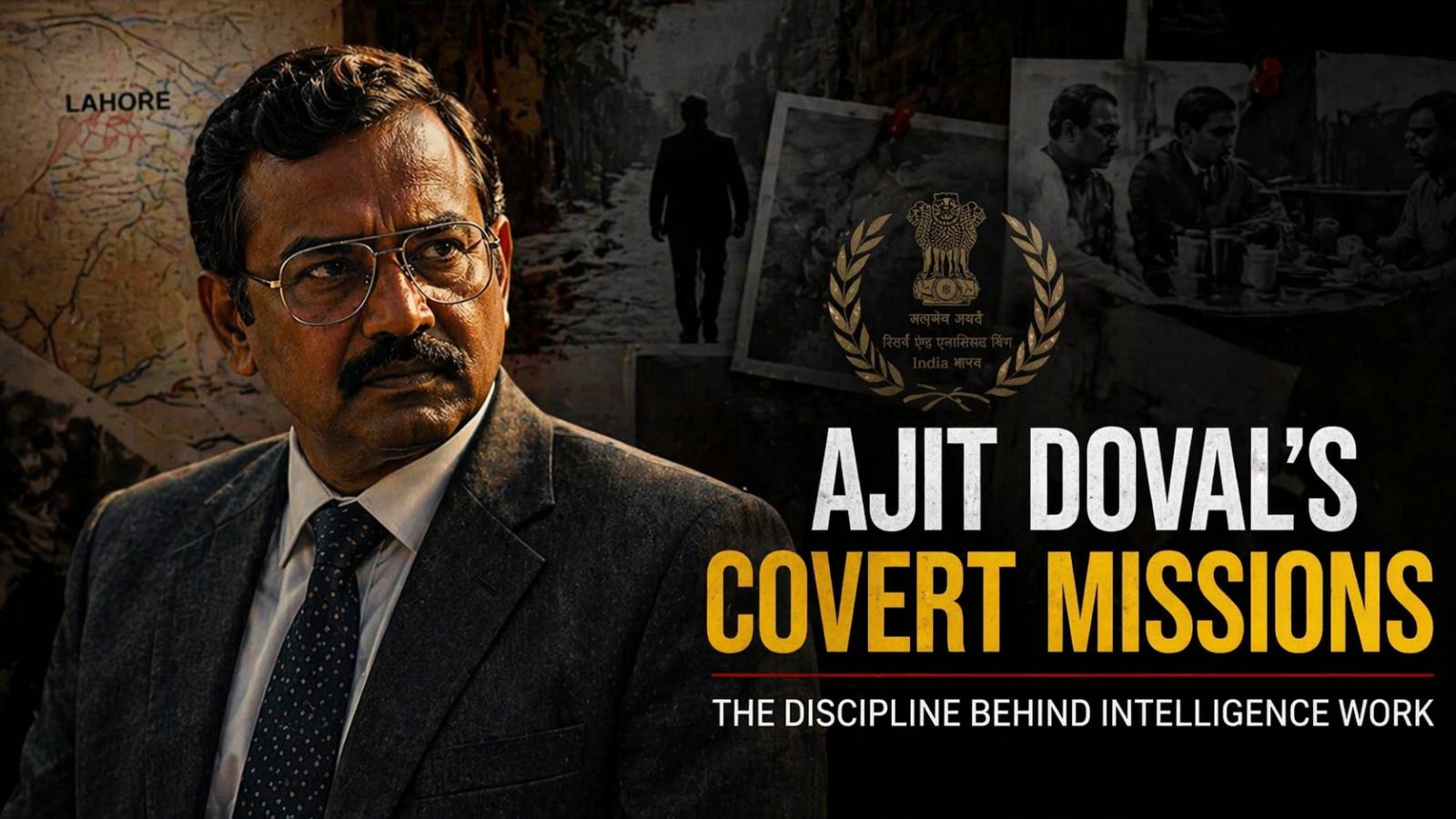
Ajit Doval’s reported deep-cover operations are widely regarded as a study in psychological resilience rather than physical confrontation. Operating within hostile environments, including extended periods in Pakistan, his work required a high degree of composure, adaptability, and continuous situational awareness. Public discussions often reference cities such as Lahore, though specific operational details remain classified. The available accounts suggest that Doval functioned under an assu
Ajit Doval’s reported deep-cover operations are widely regarded as a study in psychological resilience rather than physical confrontation. Operating within hostile environments, including extended periods in Pakistan, his work required a high degree of composure, adaptability, and continuous situational awareness. Public discussions often reference cities such as Lahore, though specific operational details remain classified. The available accounts suggest that Doval functioned under an assu
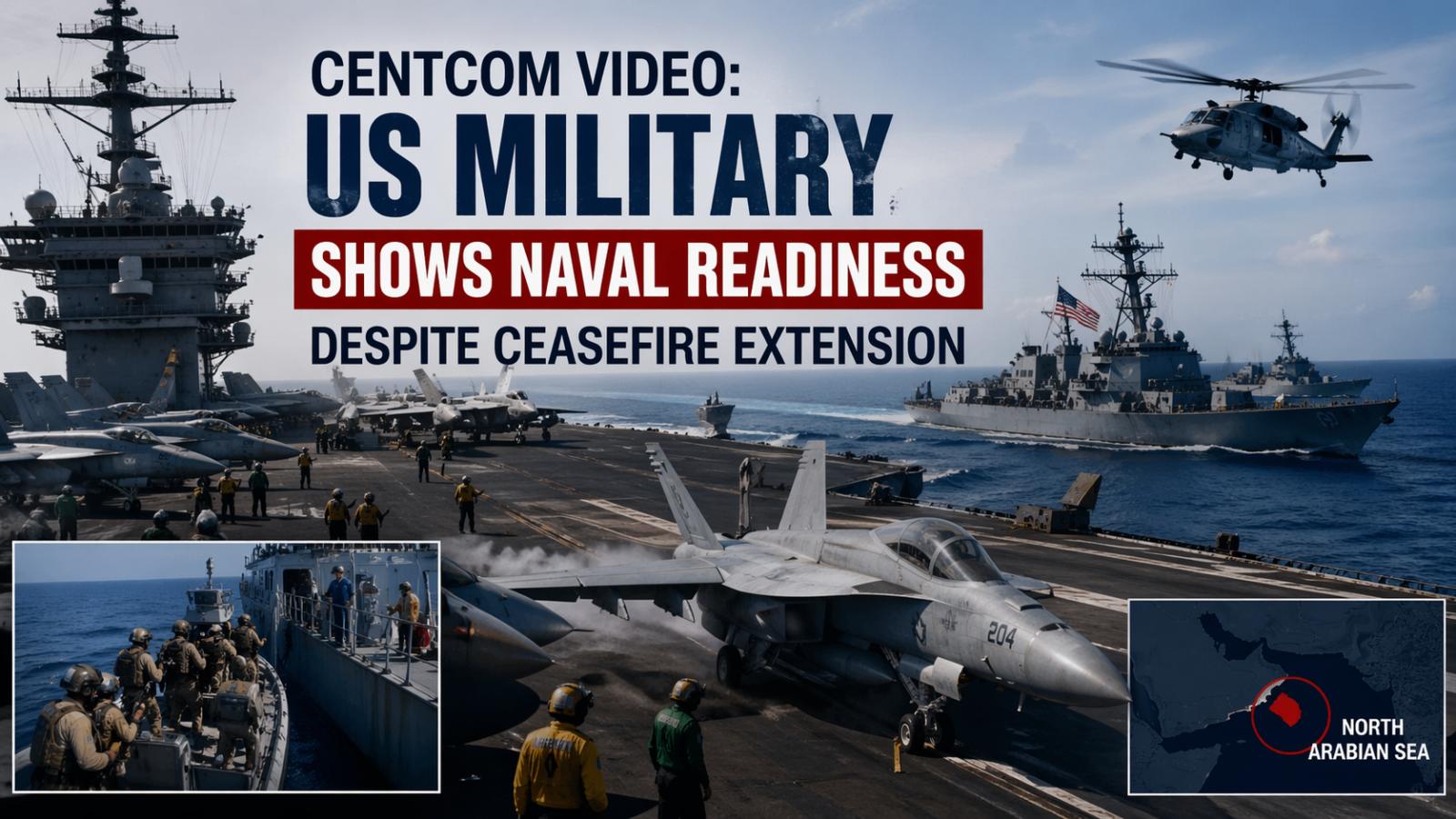
A newly released video by United States Central Command highlights continued US military readiness and naval operations in the North Arabian Sea, even as a ceasefire extension remains in place. The footage, published shortly after Donald Trump announced an extension of the truce, underscores the United Sta
A newly released video by United States Central Command highlights continued US military readiness and naval operations in the North Arabian Sea, even as a ceasefire extension remains in place. The footage, published shortly after Donald Trump announced an extension of the truce, underscores the United Sta
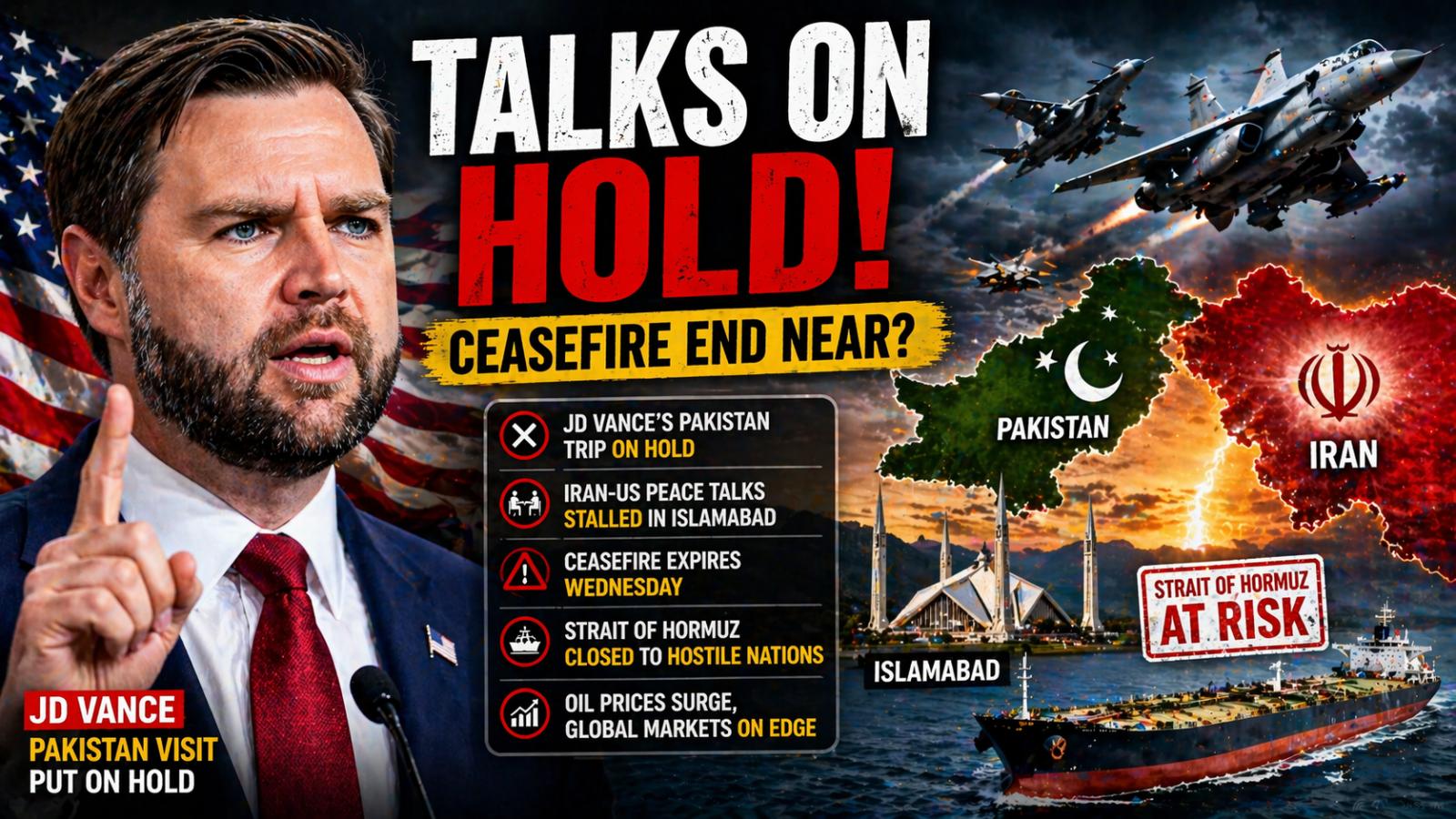
The US Iran war talks delay has added fresh uncertainty to an already volatile situation, as US Vice President JD Vance’s planned visit to Pakistan for peace negotiations has been put on hold. With the ceasefire deadline fast approaching, tensions are rising across the region.
What happened and why it matters
A planned diplomatic trip by JD Vance to Isl
The US Iran war talks delay has added fresh uncertainty to an already volatile situation, as US Vice President JD Vance’s planned visit to Pakistan for peace negotiations has been put on hold. With the ceasefire deadline fast approaching, tensions are rising across the region.
What happened and why it matters
A planned diplomatic trip by JD Vance to Isl
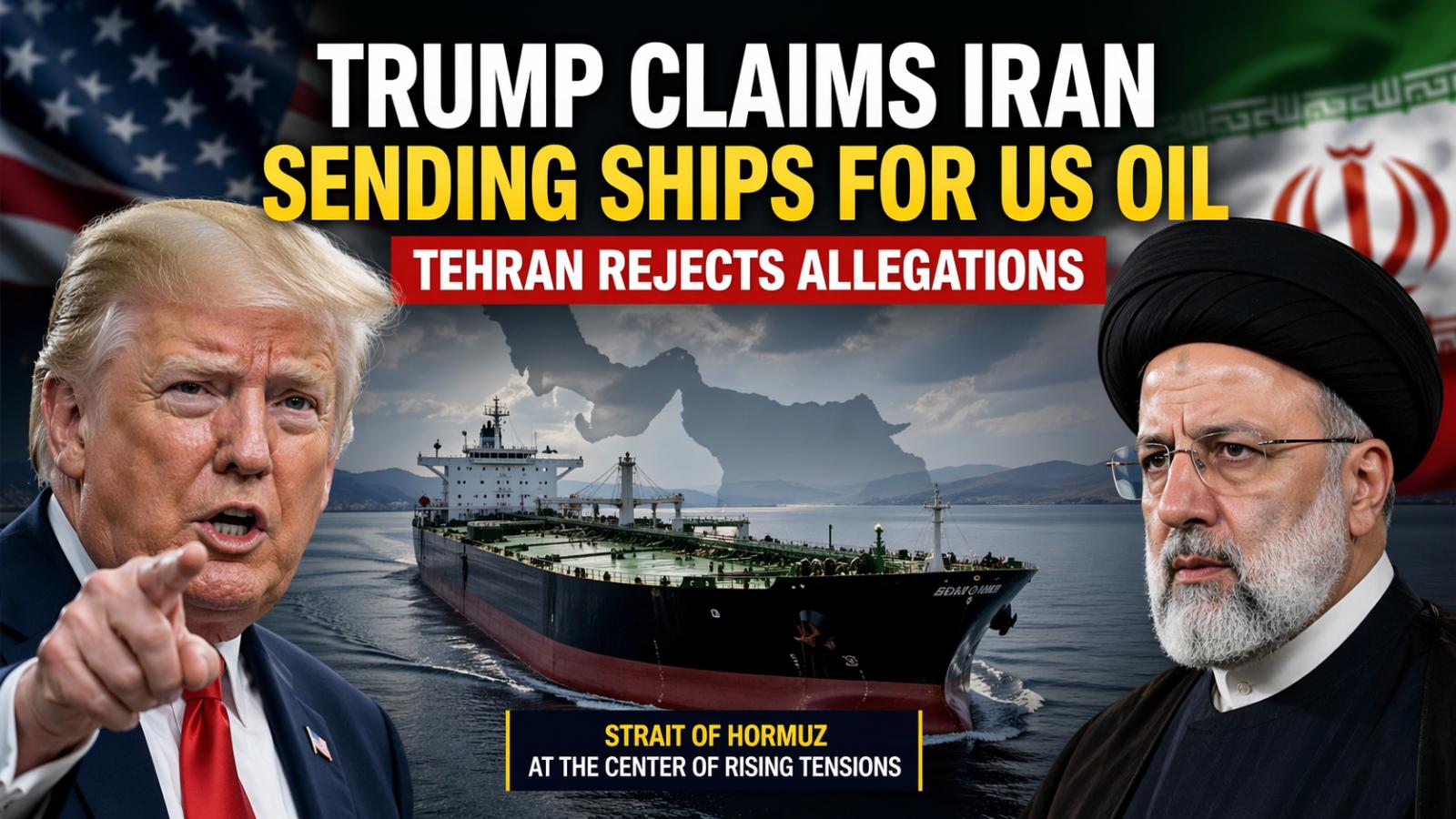
US President Donald Trump has claimed that Iran is sending ships to the United States to access its oil reserves, a statement that has drawn swift rejection from Tehran amid already heightened tensions in the Strait of Hormuz. Posting on Truth Social, Trump alleged that Iranian leadership was directing vessels toward states such as Texas, Louisiana, and Alaska to secure oil, though he did not provid
US President Donald Trump has claimed that Iran is sending ships to the United States to access its oil reserves, a statement that has drawn swift rejection from Tehran amid already heightened tensions in the Strait of Hormuz. Posting on Truth Social, Trump alleged that Iranian leadership was directing vessels toward states such as Texas, Louisiana, and Alaska to secure oil, though he did not provid
US-Iran talks uncertainty deepens as second round in Pakistan remains undecided
Uncertainty has grown over the much-anticipated second round of US-Iran peace talks in Pakistan, as both sides continue strategic posturing ahead of a critical deadline. The discussions, expected to take place in Islamabad, come at a time when tensions remain high and diplomatic clarity is still lacking. The situation is particularly sensitive
US-Iran talks uncertainty deepens as second round in Pakistan remains undecided
Uncertainty has grown over the much-anticipated second round of US-Iran peace talks in Pakistan, as both sides continue strategic posturing ahead of a critical deadline. The discussions, expected to take place in Islamabad, come at a time when tensions remain high and diplomatic clarity is still lacking. The situation is particularly sensitive
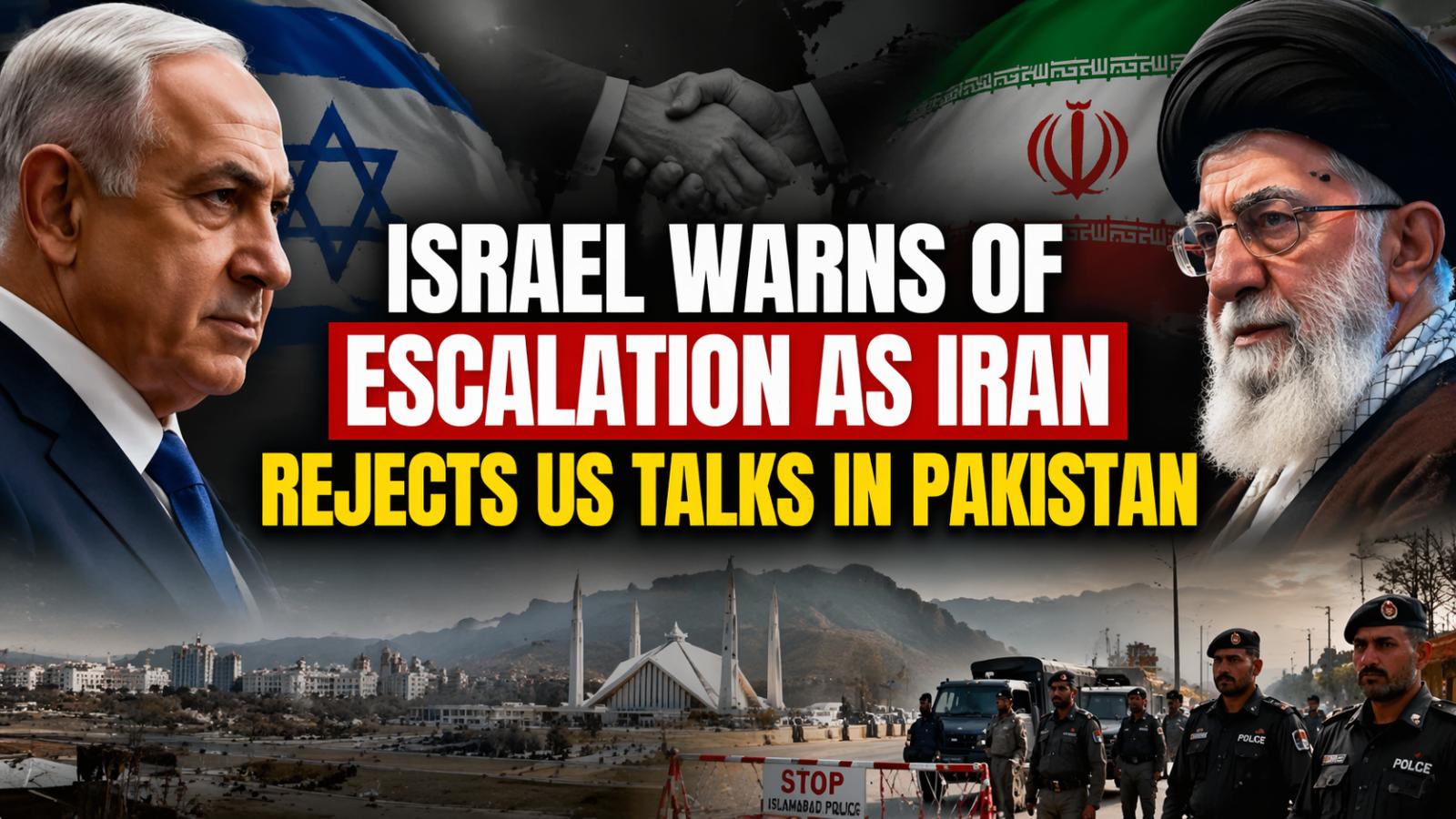
Israeli Prime Minister Benjamin Netanyahu has warned that tensions with Iran could escalate rapidly, underscoring the fragile state of the ongoing geopolitical situation. Speaking alongside Javier Milei, Netanyahu said the conflict remains unpredictable and developments could unfold at any moment. He empha
Israeli Prime Minister Benjamin Netanyahu has warned that tensions with Iran could escalate rapidly, underscoring the fragile state of the ongoing geopolitical situation. Speaking alongside Javier Milei, Netanyahu said the conflict remains unpredictable and developments could unfold at any moment. He empha
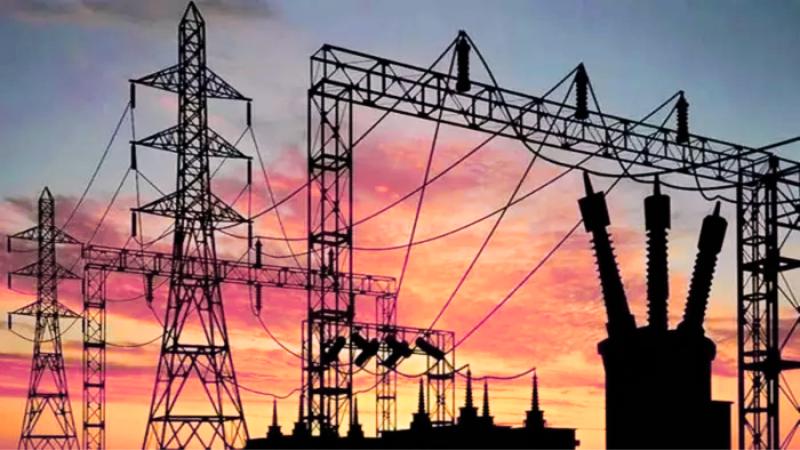
A deepening power crisis in Pakistan has come under scrutiny after a surgeon highlighted disparities in electricity supply at a major hospital, raising concerns about the prioritisation of essential services. According to the surgeon, operation theatres at Services Hospital reportedly experienced a power outage during ongoing surgeries due to a shortage of gene
A deepening power crisis in Pakistan has come under scrutiny after a surgeon highlighted disparities in electricity supply at a major hospital, raising concerns about the prioritisation of essential services. According to the surgeon, operation theatres at Services Hospital reportedly experienced a power outage during ongoing surgeries due to a shortage of gene
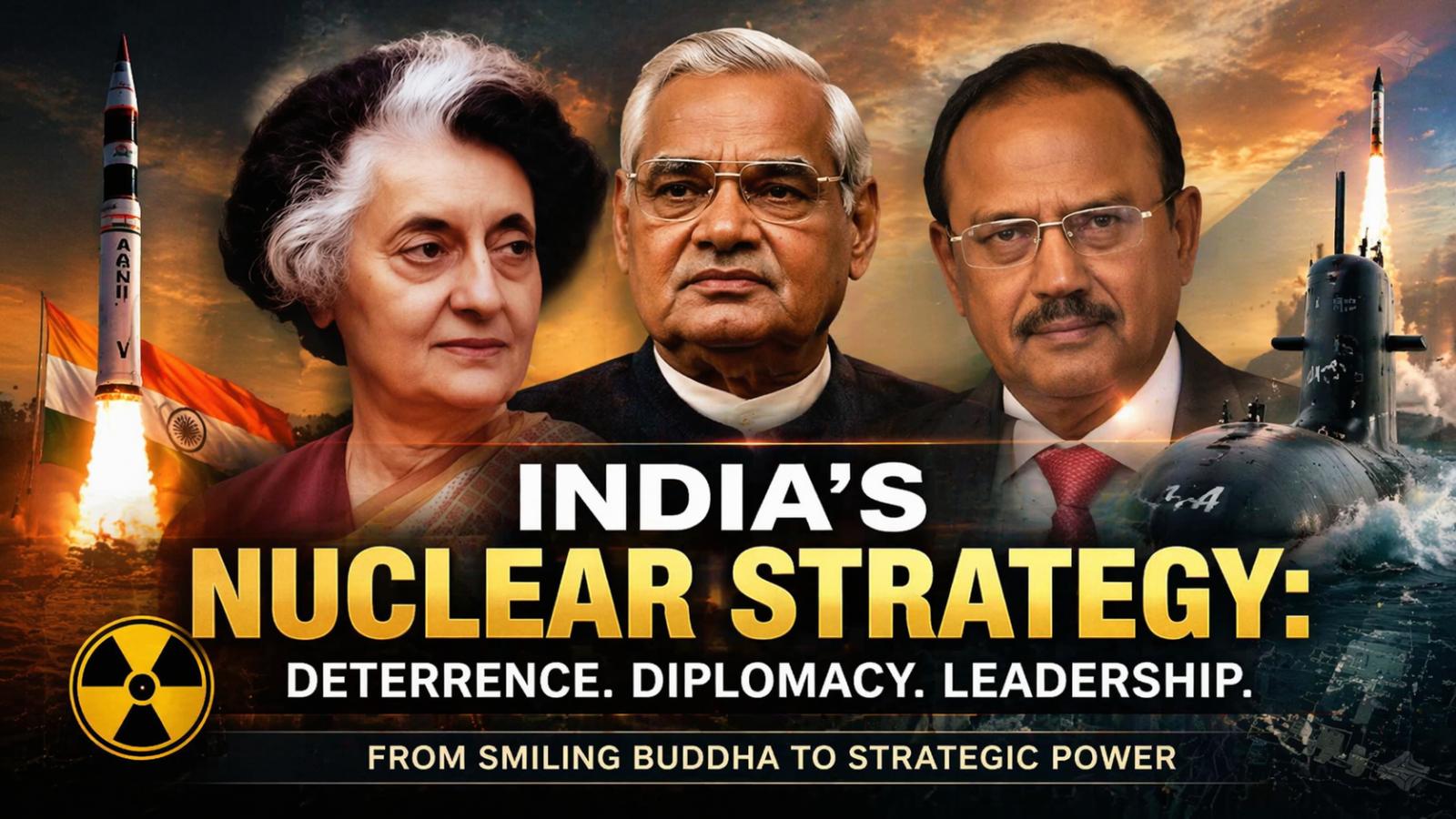
India’s nuclear doctrine has evolved over decades, with a clear emphasis on No First Use (NFU). This defensive posture is grounded in the idea of deterring potential nuclear attacks by assuring a credible second-strike capability. By adopting NFU, India ensures that it will only use nuclear weapons in retaliation, maintaining a strong and defensive stance in global security matters.
As India’s nuclear strategy matured, advancements in its arsenal played a pivotal role in enh
India’s nuclear doctrine has evolved over decades, with a clear emphasis on No First Use (NFU). This defensive posture is grounded in the idea of deterring potential nuclear attacks by assuring a credible second-strike capability. By adopting NFU, India ensures that it will only use nuclear weapons in retaliation, maintaining a strong and defensive stance in global security matters.
As India’s nuclear strategy matured, advancements in its arsenal played a pivotal role in enh
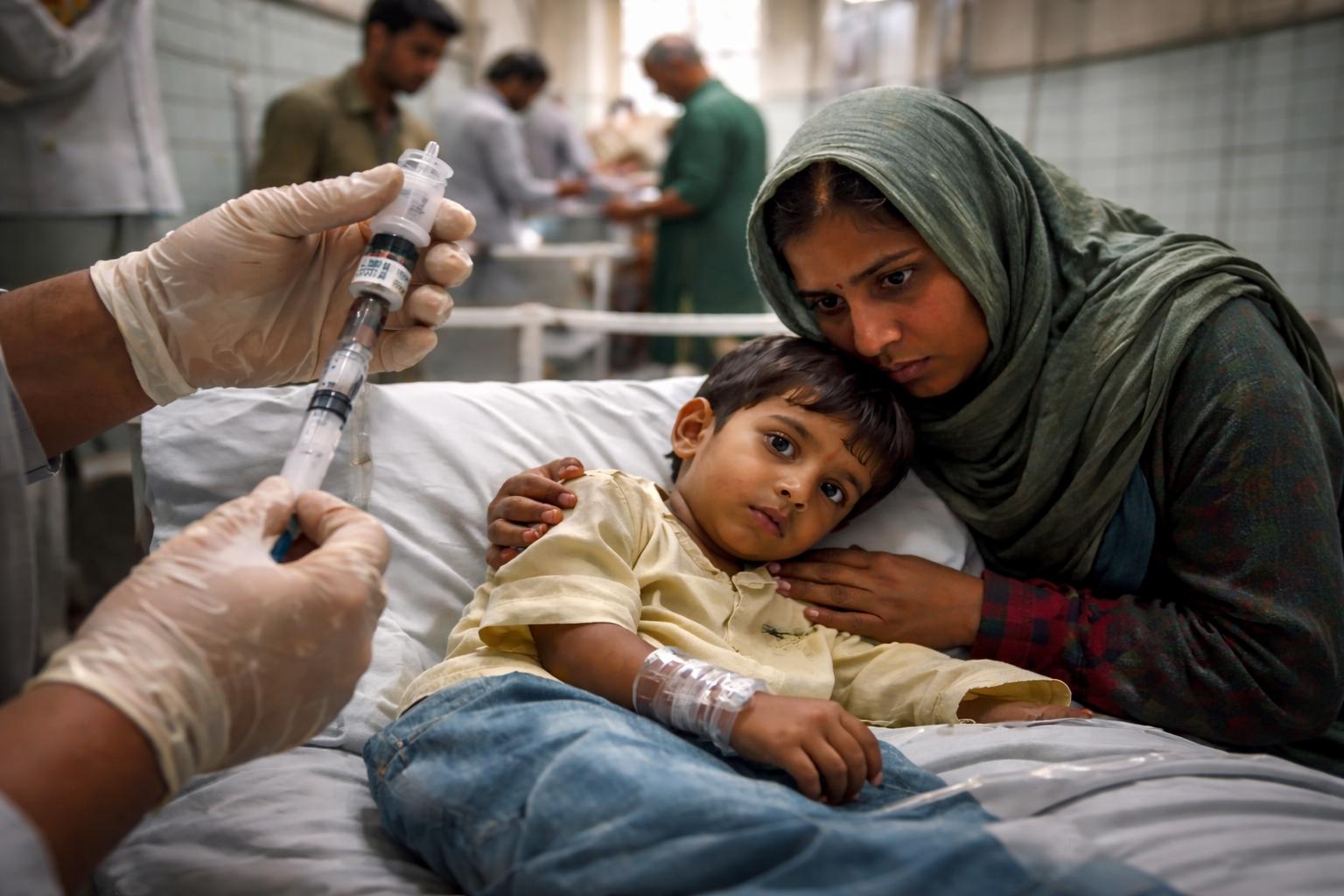
An undercover investigation by the BBC has uncovered alarming medical negligence at a government hospital in Taunsa, Punjab province, Pakistan, which is believed to be linked to a deadly HIV outbreak among children. Between November 2024 and October 2025, at least 331 children in Taunsa tested positive for HIV, sparking serious concerns about the hospital’s unsanitary practices, including the reuse of syringes and improper handling of medical waste.
The shocking footage captured d
An undercover investigation by the BBC has uncovered alarming medical negligence at a government hospital in Taunsa, Punjab province, Pakistan, which is believed to be linked to a deadly HIV outbreak among children. Between November 2024 and October 2025, at least 331 children in Taunsa tested positive for HIV, sparking serious concerns about the hospital’s unsanitary practices, including the reuse of syringes and improper handling of medical waste.
The shocking footage captured d
U.S. President Donald Trump indicated that negotiations between the United States and Iran could resume within the next two days following a recent breakdown in talks held in Pakistan. Speaking in an interview publi
U.S. President Donald Trump indicated that negotiations between the United States and Iran could resume within the next two days following a recent breakdown in talks held in Pakistan. Speaking in an interview publi
The United States has reiterated its military readiness following high-level diplomatic talks in Islamabad, with President Donald Trump stating the country is fully “locked and loaded” if negotiations fail. The statement echoes his earlier warning that the US military would be prepared to act if no agreement is reached, signaling potential global ramifications beyond Pakistan.
The talks marked a historic moment, as both sides met face-to-face for the first time in decades. Offic
The United States has reiterated its military readiness following high-level diplomatic talks in Islamabad, with President Donald Trump stating the country is fully “locked and loaded” if negotiations fail. The statement echoes his earlier warning that the US military would be prepared to act if no agreement is reached, signaling potential global ramifications beyond Pakistan.
The talks marked a historic moment, as both sides met face-to-face for the first time in decades. Offic
Vice President JD Vance has arrived in Islamabad with a US delegation to engage in critical ceasefire talks with Iran. The high-level discussions, described as "make-or-break," are aimed at negotiating a ceasefire agreement to ease tensions in the region. The outcome of these talks could significantly impact the broader US-Iran relations and regional stability.
Vice President JD Vance has arrived in Islamabad with a US delegation to engage in critical ceasefire talks with Iran. The high-level discussions, described as "make-or-break," are aimed at negotiating a ceasefire agreement to ease tensions in the region. The outcome of these talks could significantly impact the broader US-Iran relations and regional stability.
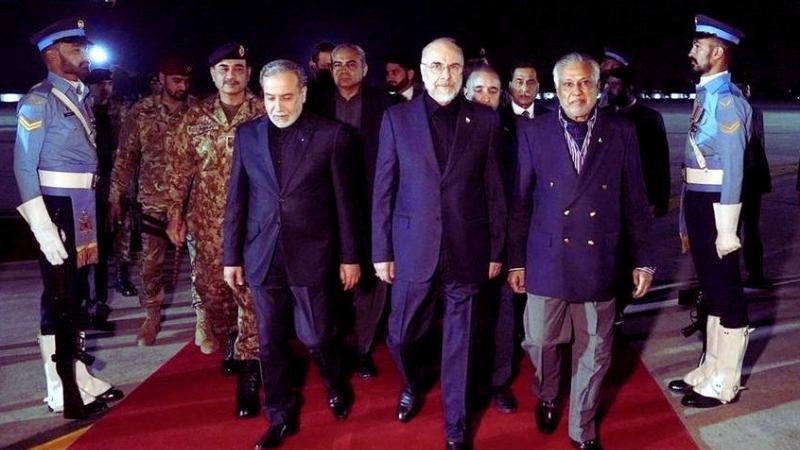
In a crucial development, an Iranian delegation led by Parliament Speaker Mohammad Baqer Qalibaf arrived in Islamabad on Friday, signaling the start of high-stakes negotiations with the United States. Iran has set clear preconditions for any progress in the talks, demanding that the US meet certain security and economic requirements, particularly addressing regional issues and lifting sanctions.
The delegation includes a wide range of senior political, military, and economic officia
In a crucial development, an Iranian delegation led by Parliament Speaker Mohammad Baqer Qalibaf arrived in Islamabad on Friday, signaling the start of high-stakes negotiations with the United States. Iran has set clear preconditions for any progress in the talks, demanding that the US meet certain security and economic requirements, particularly addressing regional issues and lifting sanctions.
The delegation includes a wide range of senior political, military, and economic officia
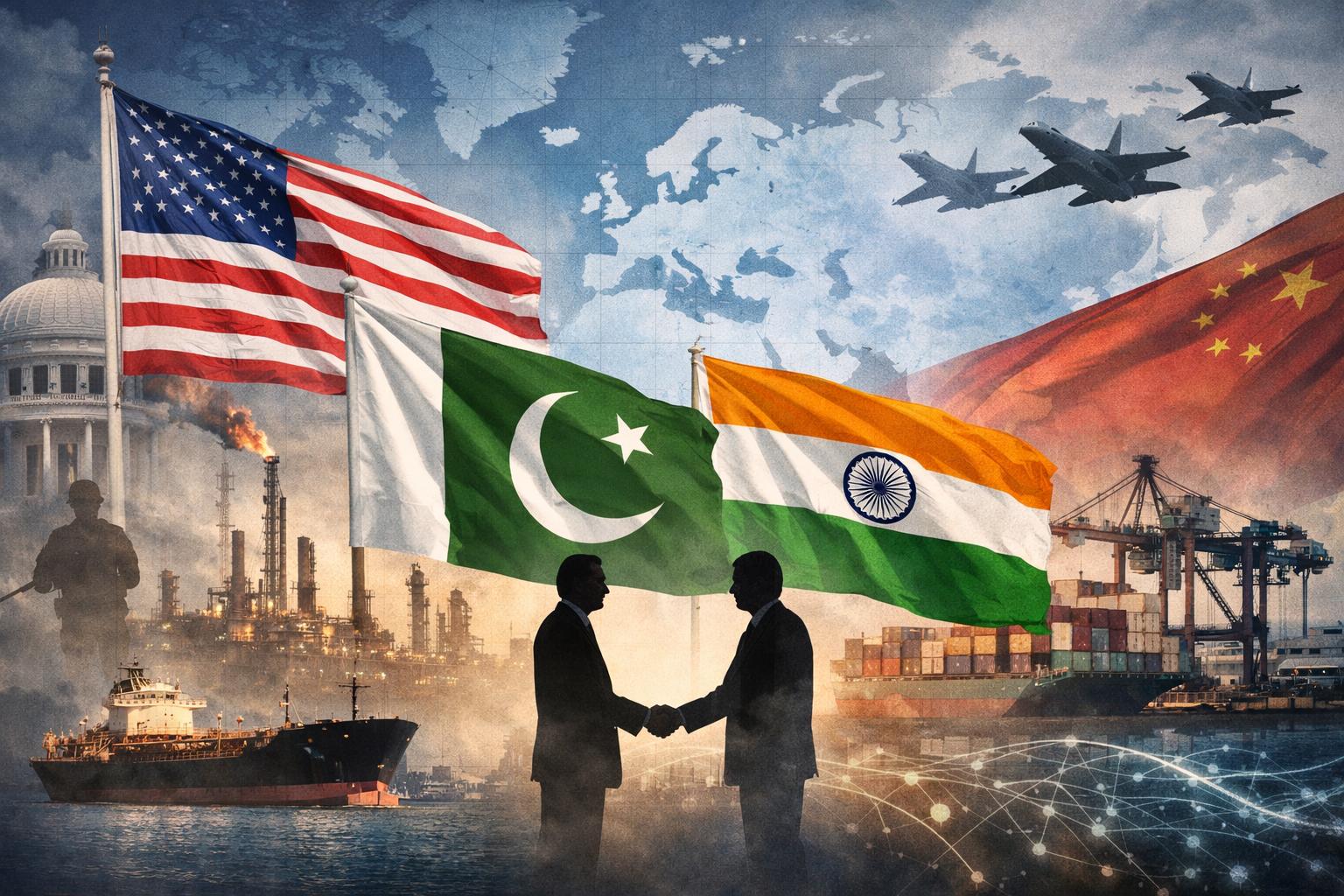
The United States’ decision to engage Pakistan as a facilitator in a recent two-week ceasefire has sparked debate in India, but analysts say the move reflects broader strategic calculations rather than a slight against New Delhi. The discussion over why India was not selected overlooks the evolving nature of global power dynamics, where decisions are driven less by status and more by immediate geopolitical utility.
In today’s international system, major powers—including the U
The United States’ decision to engage Pakistan as a facilitator in a recent two-week ceasefire has sparked debate in India, but analysts say the move reflects broader strategic calculations rather than a slight against New Delhi. The discussion over why India was not selected overlooks the evolving nature of global power dynamics, where decisions are driven less by status and more by immediate geopolitical utility.
In today’s international system, major powers—including the U
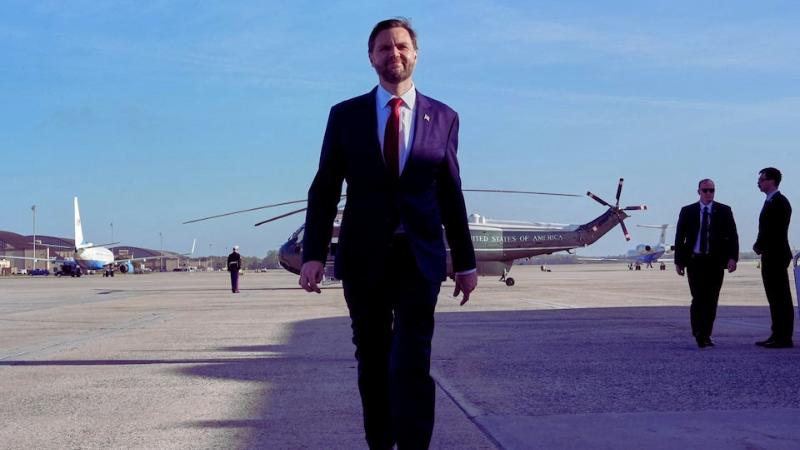
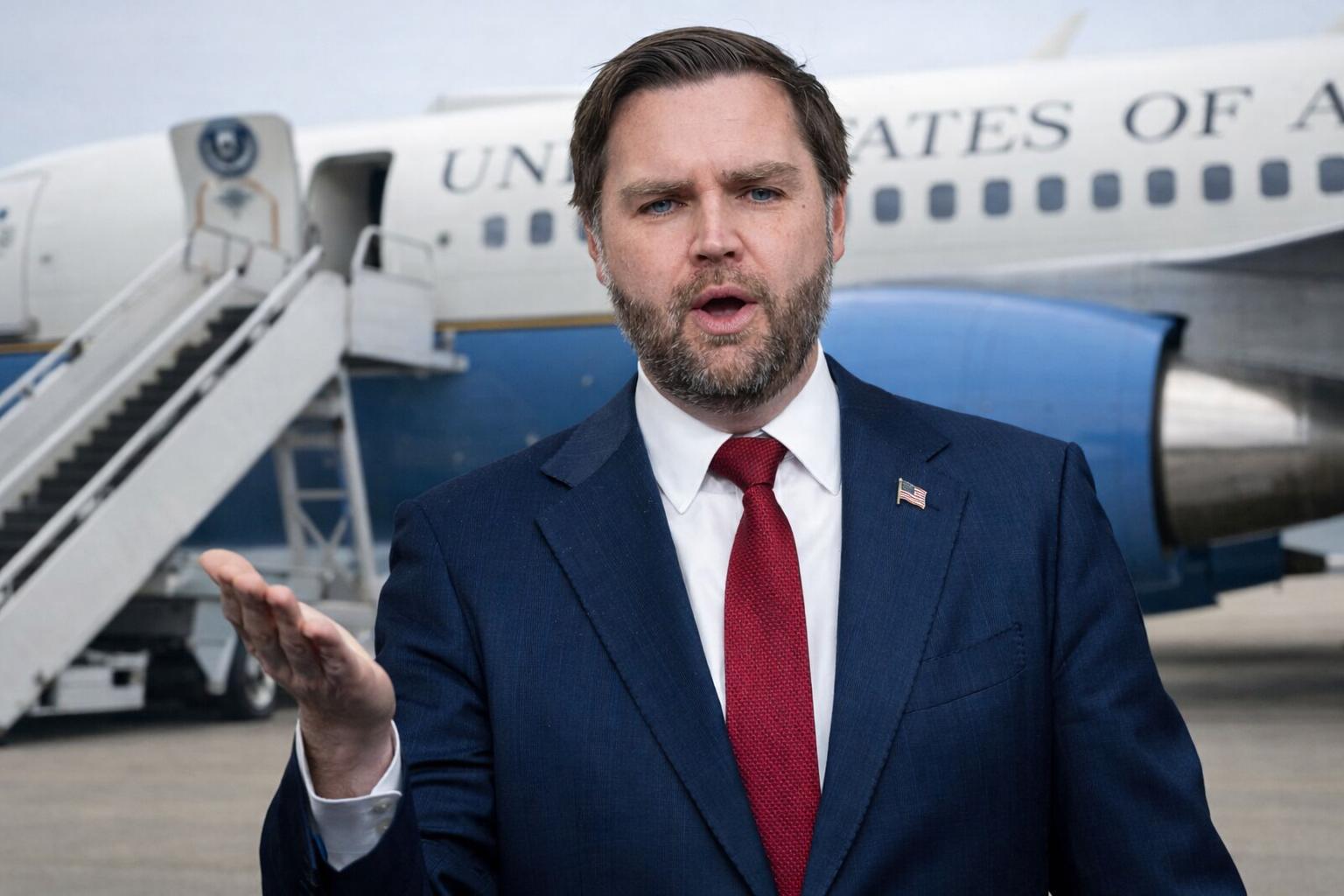
US Vice President JD Vance said Friday he is aiming for a constructive outcome as he departed Washington, D.C., for upcoming peace negotiations with Iran, scheduled to take place in Pakistan. Speaking to reporters before boarding at Joint Base Andrews, Vance emphasized a willingness to engage diplomatically while maintaining a firm stance on accountability.
He stated that the United States is prepared to pursue meaningful dialogue if Iranian representatives approach the talks in good faith. At the same time, he warned that attempts to undermine the process would be met with a less accommodating response from the US negotiating team. The visit comes amid heightened global attention on Middle East tensions, with policymakers closely watching whether diplomatic engagement can reduce friction and advance stability.
US Vice President JD Vance said Friday he is aiming for a constructive outcome as he departed Washington, D.C., for upcoming peace negotiations with Iran, scheduled to take place in Pakistan. Speaking to reporters before boarding at Joint Base Andrews, Vance emphasized a willingness to engage diplomatically while maintaining a firm stance on accountability.
He stated that the United States is prepared to pursue meaningful dialogue if Iranian representatives approach the talks in good faith. At the same time, he warned that attempts to undermine the process would be met with a less accommodating response from the US negotiating team. The visit comes amid heightened global attention on Middle East tensions, with policymakers closely watching whether diplomatic engagement can reduce friction and advance stability.
A fragile ceasefire between the United States and Iran is facing renewed uncertainty after escalating regional tensions and conflicting interpretations of the agreement. President Donald Trump issued a warning to Tehran, signaling that U.S. military assets remain on standby if the terms of what he describe
A fragile ceasefire between the United States and Iran is facing renewed uncertainty after escalating regional tensions and conflicting interpretations of the agreement. President Donald Trump issued a warning to Tehran, signaling that U.S. military assets remain on standby if the terms of what he describe
On April 8, 2026, Pakistan secured a major diplomatic win by mediating the US-Iran ceasefire, but within hours, the deal was under strain as Israel launched large airstrikes on Lebanon, an Iranian ally, killing hundreds. The confusion centered around Lebanon’s inclusion in the ceasefire agreement, with Pakistan's interpretation putting it in the heart of the storm. While Pakistani Prime Minister Shehbaz Sharif's announcement claimed that the ceasefire applied to "everywhere, including Leban
On April 8, 2026, Pakistan secured a major diplomatic win by mediating the US-Iran ceasefire, but within hours, the deal was under strain as Israel launched large airstrikes on Lebanon, an Iranian ally, killing hundreds. The confusion centered around Lebanon’s inclusion in the ceasefire agreement, with Pakistan's interpretation putting it in the heart of the storm. While Pakistani Prime Minister Shehbaz Sharif's announcement claimed that the ceasefire applied to "everywhere, including Leban