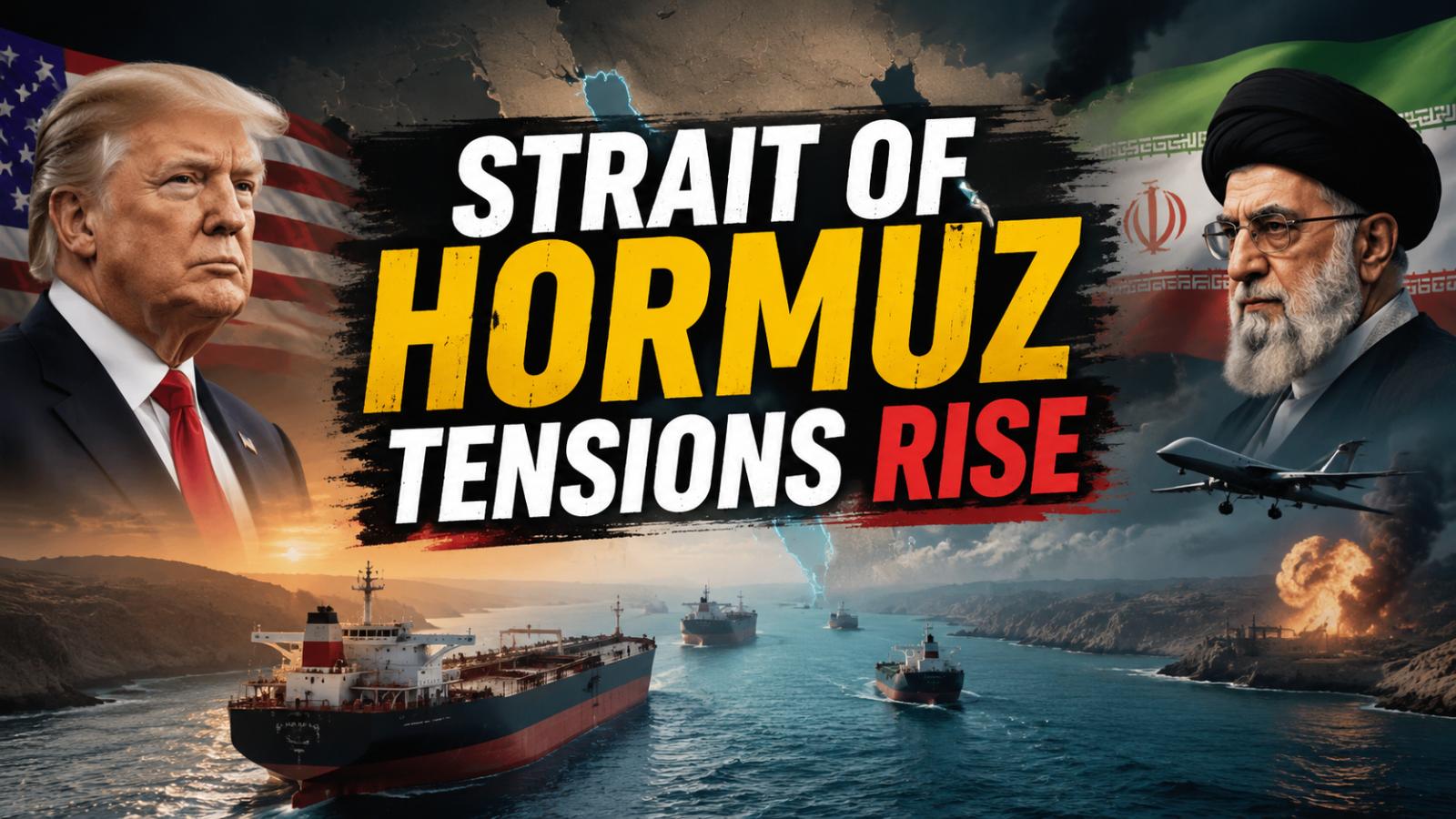
Tensions around the Strait of Hormuz have increased again after a mix of political remarks and renewed security incidents in the Gulf region. The strategic waterway, which carries a significant share of global oil shipments, has once again become a focal point as diplomatic relations between the United States and Iran remain unstable.
Recent political commentary from US circles, including remarks linked to Hunter Biden on social media, has add
Tensions around the Strait of Hormuz have increased again after a mix of political remarks and renewed security incidents in the Gulf region. The strategic waterway, which carries a significant share of global oil shipments, has once again become a focal point as diplomatic relations between the United States and Iran remain unstable.
Recent political commentary from US circles, including remarks linked to Hunter Biden on social media, has add
Trump revisits Panama Canal transfer decision
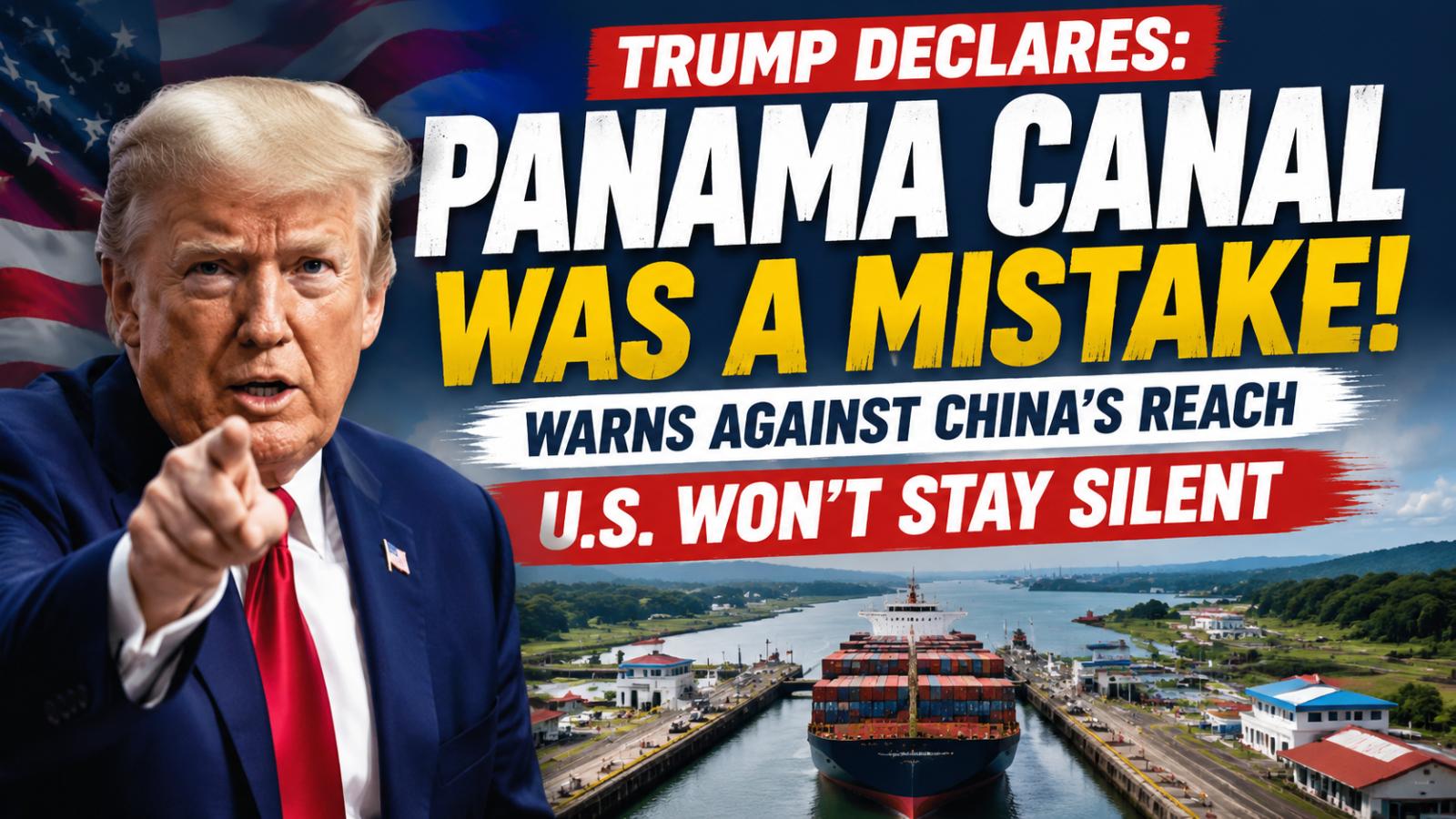
President Donald Trump has stated that the United States should never have transferred control of the Panama Canal to Panama, arguing that the decision has led to rising transit fees and potential geopolitical risks. Speaking at the opening of the Theodore Roosevelt Presidential Library in Medora, he criticised the 1977 agreement that eventually led to the full handover of the canal in 1999.
Trump revisits Panama Canal transfer decision
President Donald Trump has stated that the United States should never have transferred control of the Panama Canal to Panama, arguing that the decision has led to rising transit fees and potential geopolitical risks. Speaking at the opening of the Theodore Roosevelt Presidential Library in Medora, he criticised the 1977 agreement that eventually led to the full handover of the canal in 1999.
Rising concerns around LPG supply and transport
Recent disruptions in global shipping routes have sparked renewed public concern about LPG availability and pricing in several markets. While speculation often increases during periods of geopolitical tension, the actual movement of liquefied petroleum gas depends on a tightly controlled logistics system involving specia
Rising concerns around LPG supply and transport
Recent disruptions in global shipping routes have sparked renewed public concern about LPG availability and pricing in several markets. While speculation often increases during periods of geopolitical tension, the actual movement of liquefied petroleum gas depends on a tightly controlled logistics system involving specia
A recent round of discussions between the United States and Gulf Cooperation Council members centered on the future of Gaza, with a strong emphasis on preventing forced displacement and prioritizing civilian safety. The participating sides underscored that any population movement must remain voluntary and reversible, rejecting any framework that would permanently alter the demographic structure of the territory.
The talks also reflected growin
A recent round of discussions between the United States and Gulf Cooperation Council members centered on the future of Gaza, with a strong emphasis on preventing forced displacement and prioritizing civilian safety. The participating sides underscored that any population movement must remain voluntary and reversible, rejecting any framework that would permanently alter the demographic structure of the territory.
The talks also reflected growin
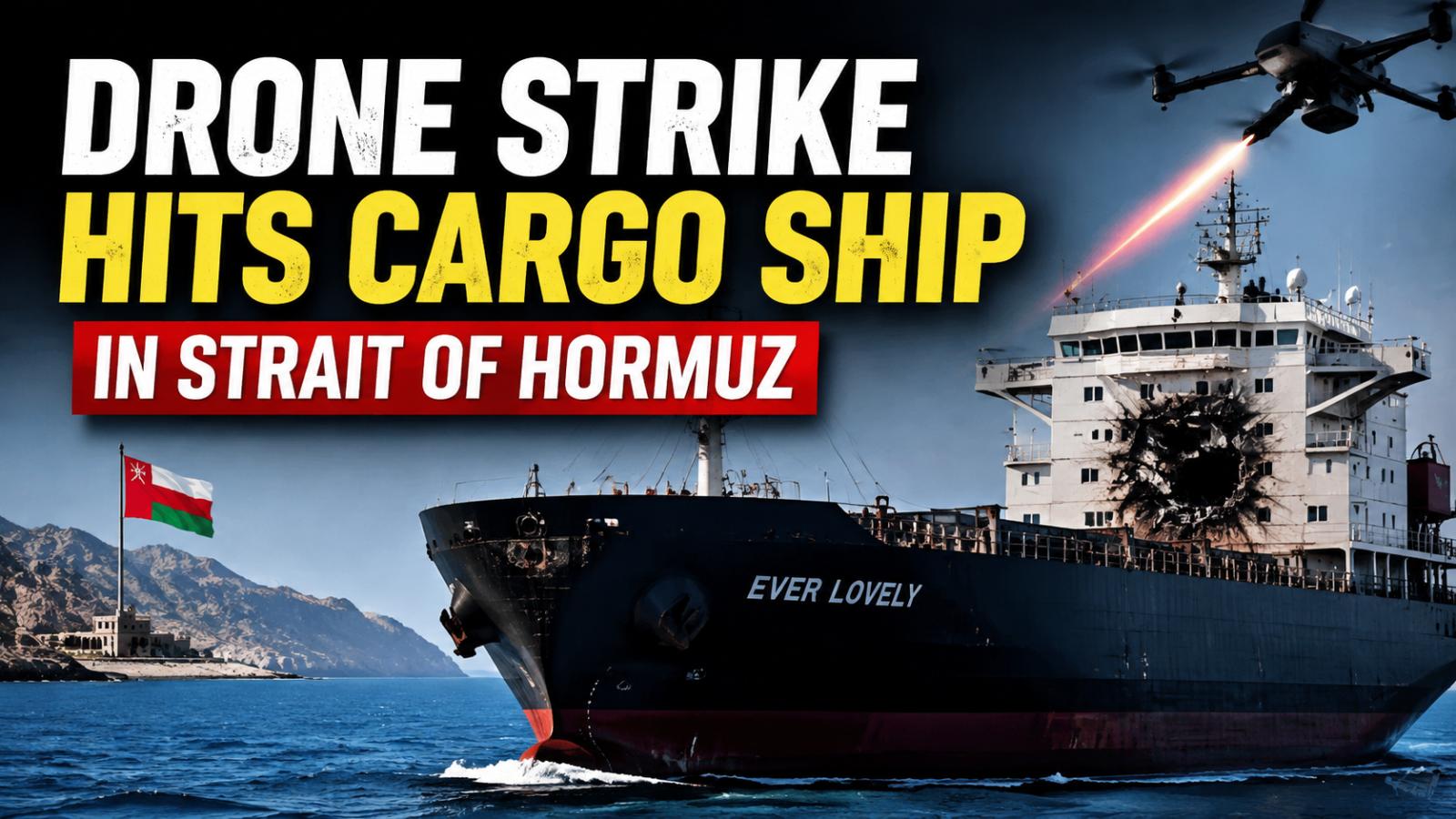
A commercial vessel sailing through waters near the Strait of Hormuz was damaged after being struck by a drone-type projectile, triggering renewed concerns over the safety of one of the world’s most critical maritime trade routes. The Singapore-flagged cargo ship Ever Lovely was affected while transiting close to Oman’s maritime zone after exiting the narrow passage. Authorities confirmed the vessel sustained structural damage, but all crew members
A commercial vessel sailing through waters near the Strait of Hormuz was damaged after being struck by a drone-type projectile, triggering renewed concerns over the safety of one of the world’s most critical maritime trade routes. The Singapore-flagged cargo ship Ever Lovely was affected while transiting close to Oman’s maritime zone after exiting the narrow passage. Authorities confirmed the vessel sustained structural damage, but all crew members
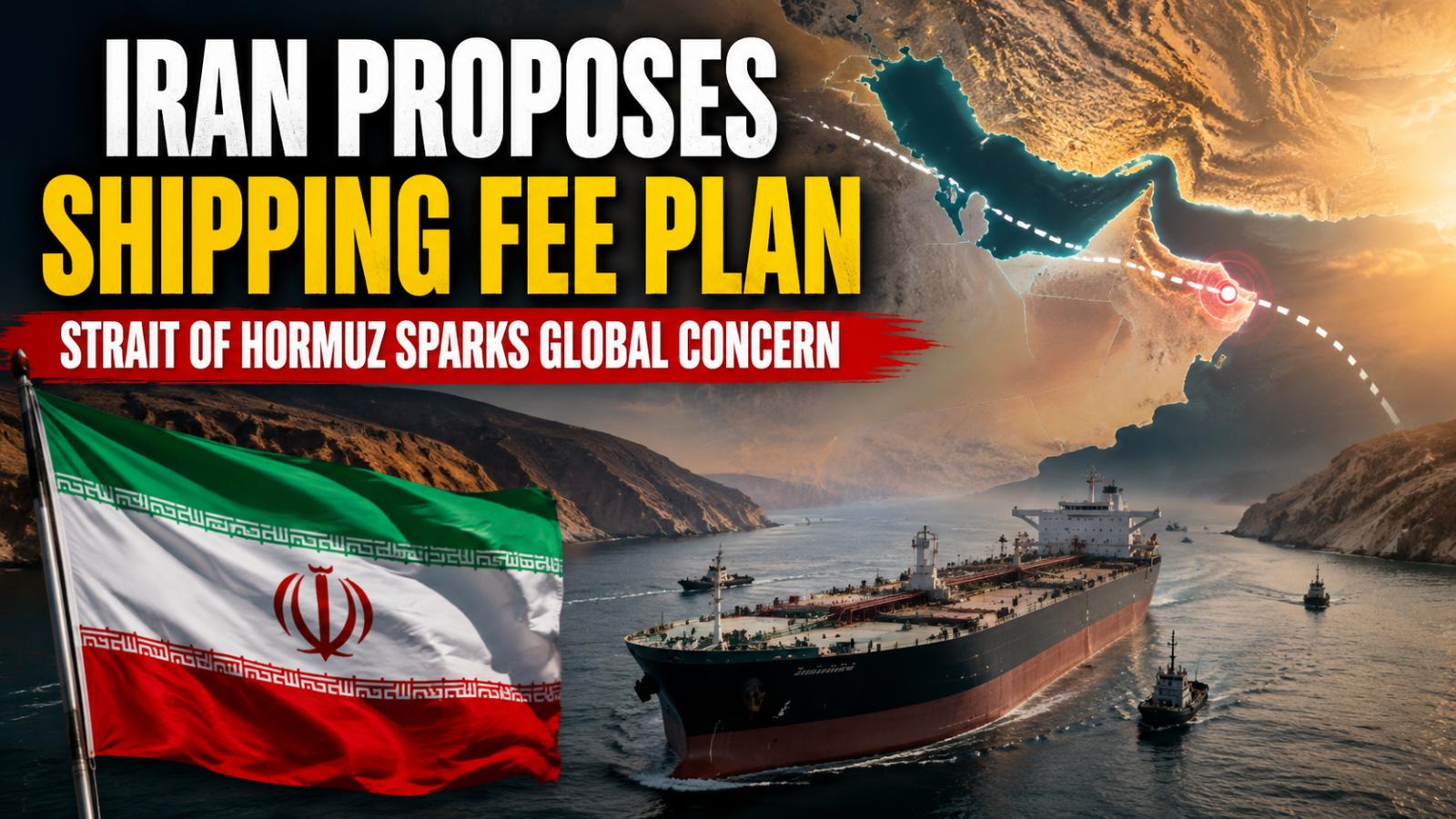
A proposal linked to Iran suggesting charges on vessels passing through the Strait of Hormuz has triggered renewed international attention on one of the world’s most sensitive maritime corridors. The passage connects the Persian Gulf to open oceans and handles a major share of global crude oil shipments, making even minor policy changes capable of influencing energy markets.
Proposed fee structure and stated objectives
The idea under discussion involves introducing a structured fee system for ships using the route. The proposal frames the charges as payments for services such as navigation safety, maritime monitoring, and environmental management. Early estimates circulating in policy discussions suggest the mechanism could generate substantial annual revenue if implemented at scale.
However, the concept also raises immediate legal and operational questions, particularly regarding jurisdiction over international waters and the practicality of enforcing such a system on heavily trafficked global shipping lanes.
Regional outreach and diplomatic positioning
Reports indicate that discussions around the proposal have included outreach to several regional and global stakeholders, including major energy-importing nations. The objective appears to be building support for a shared governance or cost-sharing model for maritime traffic management in the region.
Some interpretations suggest the plan is part of a broader effort to increase regional leverage over strategic trade routes. Others view it as an attempt to formalize compensation mechanisms for security responsibilities in a highly militarized shipping corridor.
International reaction and US opposition
The proposal has drawn clear resistance from the United States, which maintains that key international waterways must remain free for unrestricted commercial passage. US officials argue that introducing toll-like systems could disrupt global supply chains and increase volatility in energy pricing.
Concerns have also been raised by other maritime stakeholders who rely heavily on stable passage through the Strait of Hormuz for crude oil and liquefied natural gas transport. Any change in cost structure or transit policy is seen as having a direct impact on insurance premiums and shipping routes.
Wider implications for global energy markets
The debate comes at a time when global energy markets remain highly sensitive to geopolitical developments in the Gulf region. Even the perception of restricted access or added transit costs can influence oil price expectations and shipping risk assessments.
Analysts note that the discussion highlights ongoing tensions between strategic control of critical chokepoints and the principle of open international navigation. The outcome of such proposals could shape future frameworks governing global energy transport corridors.
A proposal linked to Iran suggesting charges on vessels passing through the Strait of Hormuz has triggered renewed international attention on one of the world’s most sensitive maritime corridors. The passage connects the Persian Gulf to open oceans and handles a major share of global crude oil shipments, making even minor policy changes capable of influencing energy markets.
Proposed fee structure and stated objectives
The idea under discussion involves introducing a structured fee system for ships using the route. The proposal frames the charges as payments for services such as navigation safety, maritime monitoring, and environmental management. Early estimates circulating in policy discussions suggest the mechanism could generate substantial annual revenue if implemented at scale.
However, the concept also raises immediate legal and operational questions, particularly regarding jurisdiction over international waters and the practicality of enforcing such a system on heavily trafficked global shipping lanes.
Regional outreach and diplomatic positioning
Reports indicate that discussions around the proposal have included outreach to several regional and global stakeholders, including major energy-importing nations. The objective appears to be building support for a shared governance or cost-sharing model for maritime traffic management in the region.
Some interpretations suggest the plan is part of a broader effort to increase regional leverage over strategic trade routes. Others view it as an attempt to formalize compensation mechanisms for security responsibilities in a highly militarized shipping corridor.
International reaction and US opposition
The proposal has drawn clear resistance from the United States, which maintains that key international waterways must remain free for unrestricted commercial passage. US officials argue that introducing toll-like systems could disrupt global supply chains and increase volatility in energy pricing.
Concerns have also been raised by other maritime stakeholders who rely heavily on stable passage through the Strait of Hormuz for crude oil and liquefied natural gas transport. Any change in cost structure or transit policy is seen as having a direct impact on insurance premiums and shipping routes.
Wider implications for global energy markets
The debate comes at a time when global energy markets remain highly sensitive to geopolitical developments in the Gulf region. Even the perception of restricted access or added transit costs can influence oil price expectations and shipping risk assessments.
Analysts note that the discussion highlights ongoing tensions between strategic control of critical chokepoints and the principle of open international navigation. The outcome of such proposals could shape future frameworks governing global energy transport corridors.
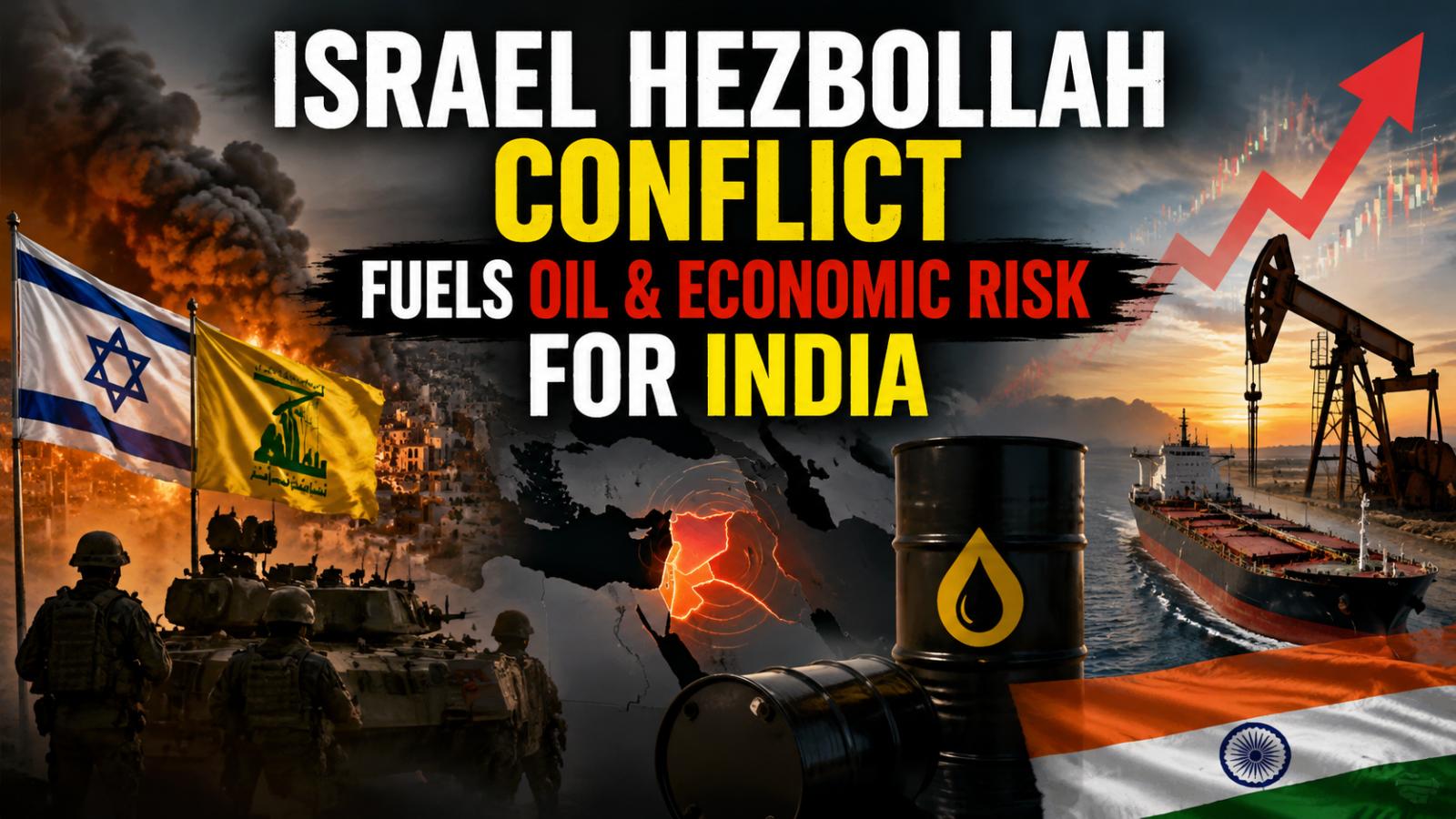
The renewed exchange of fire between Israeli forces and Hezbollah-linked positions in southern Lebanon has again drawn attention to an already fragile regional security environment. While both sides continue to frame their actions as targeted and defensive, the situation is increasingly being viewed through a wider geopolitical lens, especially by energy markets and trade-dependent economies.
Even limited escalation in this corridor tends to trigger immediate risk recalibration in global markets, not because of direct supply disruption, but due to fear of spillover into wider West Asian conflict zones.
Oil markets react to uncertainty, not only disruption
Crude oil prices have remained sensitive to developments in the region, with traders closely tracking any sign of expansion beyond localized strikes. Brent crude has shown intermittent swings, reflecting how quickly sentiment shifts when geopolitical risks rise.
For import-heavy economies like India, the concern is not only about supply cuts but also price volatility. Even short-lived spikes increase import bills, widen trade deficits, and add pressure on domestic inflation through fuel and transport costs.
India remains heavily dependent on imported crude, leaving it exposed to external shocks that originate far from its own borders but quickly reach its economy through global pricing mechanisms.
Maritime chokepoints add another layer of risk
Beyond oil production zones, shipping routes remain a critical pressure point. The Strait of Hormuz continues to be one of the most strategically sensitive maritime corridors in the world, handling a large share of global crude movement.
Any perception of instability in nearby conflict zones tends to increase insurance premiums for tankers and freight operators. This raises shipping costs even when physical disruption does not occur.
For trade-dependent economies, the indirect cost of conflict often arrives faster than any actual supply shortage.
India’s broader exposure goes beyond energy
India’s stake in West Asian stability is not limited to crude imports. A large Indian workforce in Gulf countries supports billions in annual remittances, which play a steady role in foreign exchange stability.
At the same time, India maintains layered relationships across the region—energy partnerships with Gulf producers, strategic cooperation with Israel, and connectivity interests linked to Iran and regional ports.
This creates a complex policy environment where instability in one corridor can influence multiple economic and diplomatic channels simultaneously.
Long-term infrastructure plans face sensitivity risks
Large-scale trade and infrastructure initiatives involving West Asia, including proposed trans-regional connectivity corridors, depend heavily on stable political conditions. Projects linked to ports, energy routes, and logistics networks become vulnerable when security risks rise.
Even without direct damage, prolonged uncertainty tends to slow investment decisions, delay contracts, and increase financing costs for regional development projects.
Conclusion
The current Israel–Hezbollah exchange remains geographically contained, but its economic impact is far wider. Oil markets, shipping costs, remittance flows, and long-term trade planning all react quickly to signals of escalation.
For India and other import-dependent economies, the primary challenge is not direct involvement in the conflict but exposure to its ripple effects through energy pricing, logistics costs, and regional stability risks.
The renewed exchange of fire between Israeli forces and Hezbollah-linked positions in southern Lebanon has again drawn attention to an already fragile regional security environment. While both sides continue to frame their actions as targeted and defensive, the situation is increasingly being viewed through a wider geopolitical lens, especially by energy markets and trade-dependent economies.
Even limited escalation in this corridor tends to trigger immediate risk recalibration in global markets, not because of direct supply disruption, but due to fear of spillover into wider West Asian conflict zones.
Oil markets react to uncertainty, not only disruption
Crude oil prices have remained sensitive to developments in the region, with traders closely tracking any sign of expansion beyond localized strikes. Brent crude has shown intermittent swings, reflecting how quickly sentiment shifts when geopolitical risks rise.
For import-heavy economies like India, the concern is not only about supply cuts but also price volatility. Even short-lived spikes increase import bills, widen trade deficits, and add pressure on domestic inflation through fuel and transport costs.
India remains heavily dependent on imported crude, leaving it exposed to external shocks that originate far from its own borders but quickly reach its economy through global pricing mechanisms.
Maritime chokepoints add another layer of risk
Beyond oil production zones, shipping routes remain a critical pressure point. The Strait of Hormuz continues to be one of the most strategically sensitive maritime corridors in the world, handling a large share of global crude movement.
Any perception of instability in nearby conflict zones tends to increase insurance premiums for tankers and freight operators. This raises shipping costs even when physical disruption does not occur.
For trade-dependent economies, the indirect cost of conflict often arrives faster than any actual supply shortage.
India’s broader exposure goes beyond energy
India’s stake in West Asian stability is not limited to crude imports. A large Indian workforce in Gulf countries supports billions in annual remittances, which play a steady role in foreign exchange stability.
At the same time, India maintains layered relationships across the region—energy partnerships with Gulf producers, strategic cooperation with Israel, and connectivity interests linked to Iran and regional ports.
This creates a complex policy environment where instability in one corridor can influence multiple economic and diplomatic channels simultaneously.
Long-term infrastructure plans face sensitivity risks
Large-scale trade and infrastructure initiatives involving West Asia, including proposed trans-regional connectivity corridors, depend heavily on stable political conditions. Projects linked to ports, energy routes, and logistics networks become vulnerable when security risks rise.
Even without direct damage, prolonged uncertainty tends to slow investment decisions, delay contracts, and increase financing costs for regional development projects.
Conclusion
The current Israel–Hezbollah exchange remains geographically contained, but its economic impact is far wider. Oil markets, shipping costs, remittance flows, and long-term trade planning all react quickly to signals of escalation.
For India and other import-dependent economies, the primary challenge is not direct involvement in the conflict but exposure to its ripple effects through energy pricing, logistics costs, and regional stability risks.
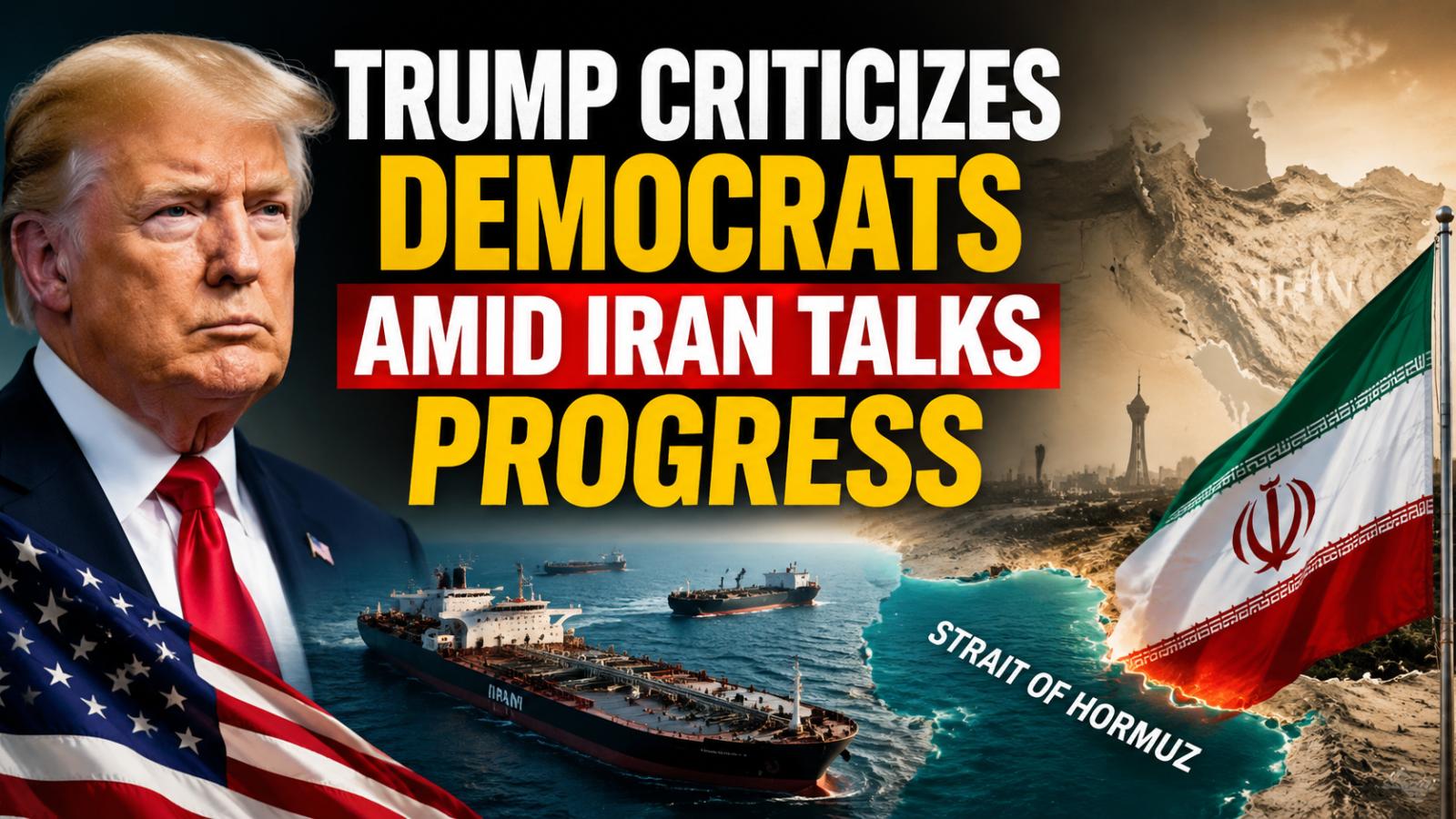
US President Donald Trump intensified political debate around ongoing Iran negotiations while addressing broader security and trade concerns tied to global energy routes. Speaking alongside NATO Secretary General Mark Rutte, he presented the current stage of Iran discussions as advancing, while sharply criticizing domestic political opponents for their foreign policy stance.
I
US President Donald Trump intensified political debate around ongoing Iran negotiations while addressing broader security and trade concerns tied to global energy routes. Speaking alongside NATO Secretary General Mark Rutte, he presented the current stage of Iran discussions as advancing, while sharply criticizing domestic political opponents for their foreign policy stance.
I
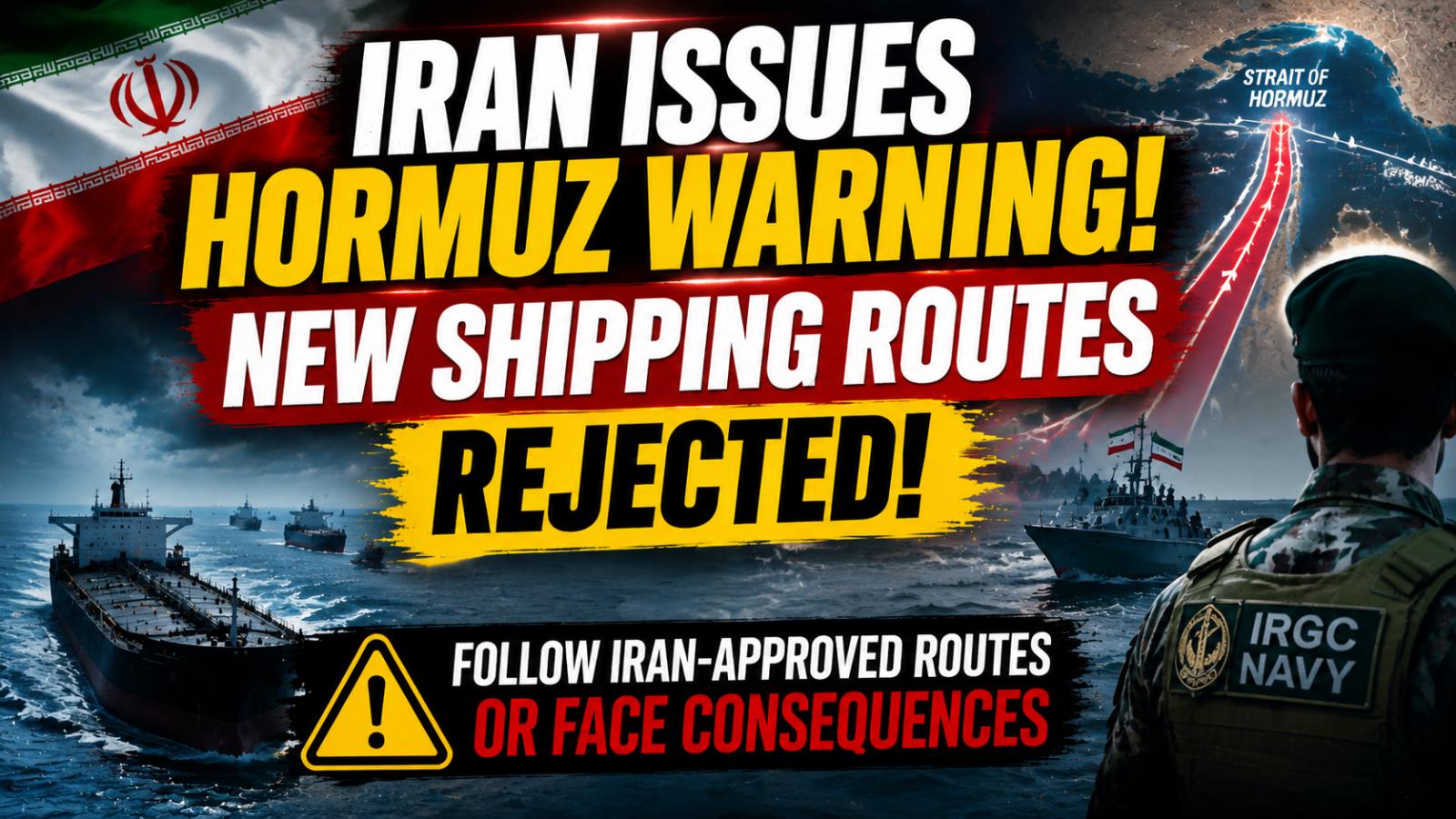
IRGC Issues Warning Over Strait of Hormuz Navigation Routes
Iran’s Islamic Revolutionary Guard Corps Navy has issued a warning to vessels transiting the Strait of Hormuz, stating that ships must strictly follow navigation routes designated by Tehran. According to a statement carried by Iranian state media, any deviation from the approved lanes will be considered dan
IRGC Issues Warning Over Strait of Hormuz Navigation Routes
Iran’s Islamic Revolutionary Guard Corps Navy has issued a warning to vessels transiting the Strait of Hormuz, stating that ships must strictly follow navigation routes designated by Tehran. According to a statement carried by Iranian state media, any deviation from the approved lanes will be considered dan
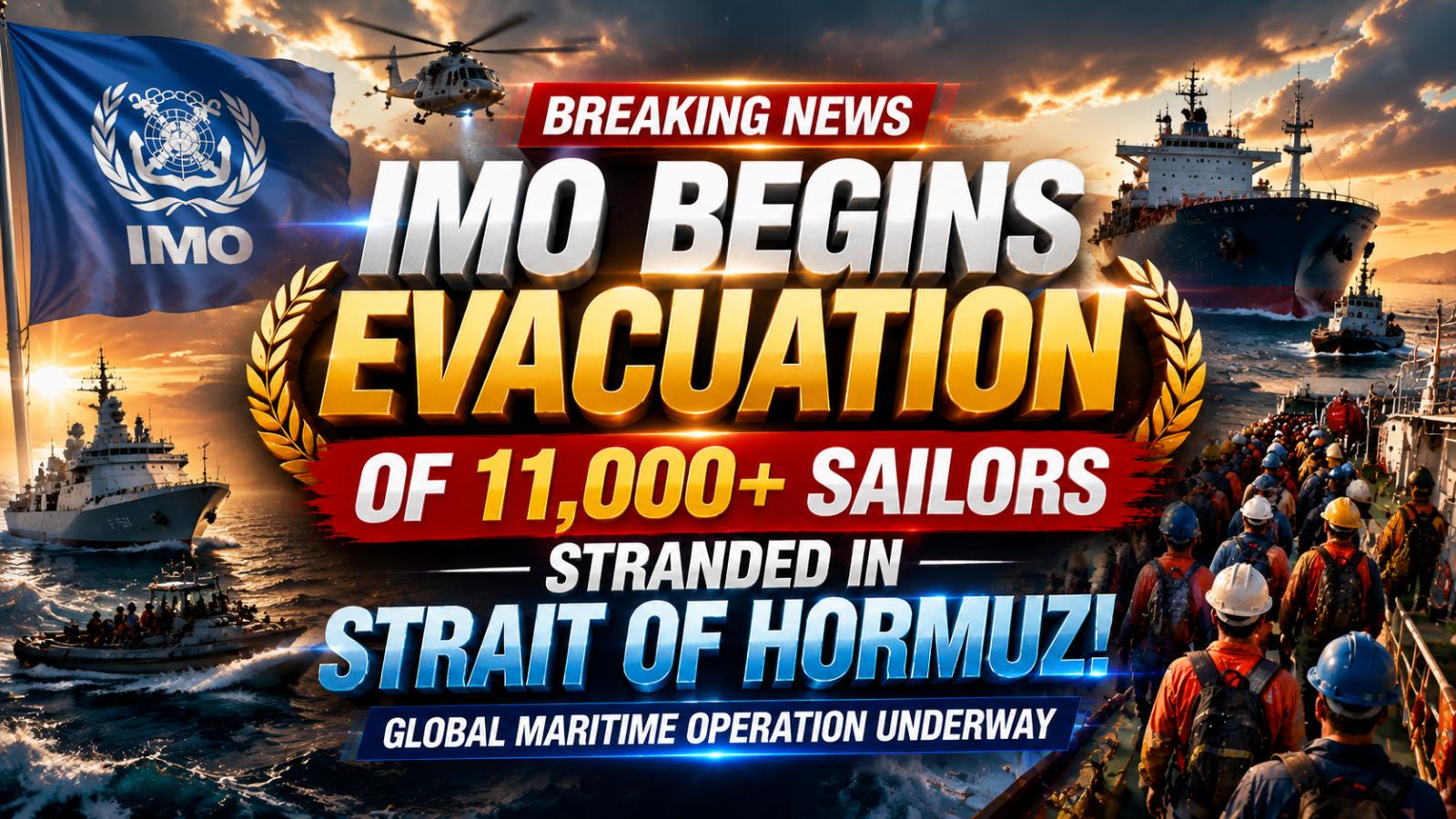
IMO launches coordinated maritime evacuation
The International Maritime Organization has announced the start of a large-scale evacuation of more than 11,000 sailors stranded in the Persian Gulf following months of disruption linked to the Strait of Hormuz. The operation is being carried out in coordination with regional coastal states, including Iran and Oman, along with the United States and global shipping
IMO launches coordinated maritime evacuation
The International Maritime Organization has announced the start of a large-scale evacuation of more than 11,000 sailors stranded in the Persian Gulf following months of disruption linked to the Strait of Hormuz. The operation is being carried out in coordination with regional coastal states, including Iran and Oman, along with the United States and global shipping
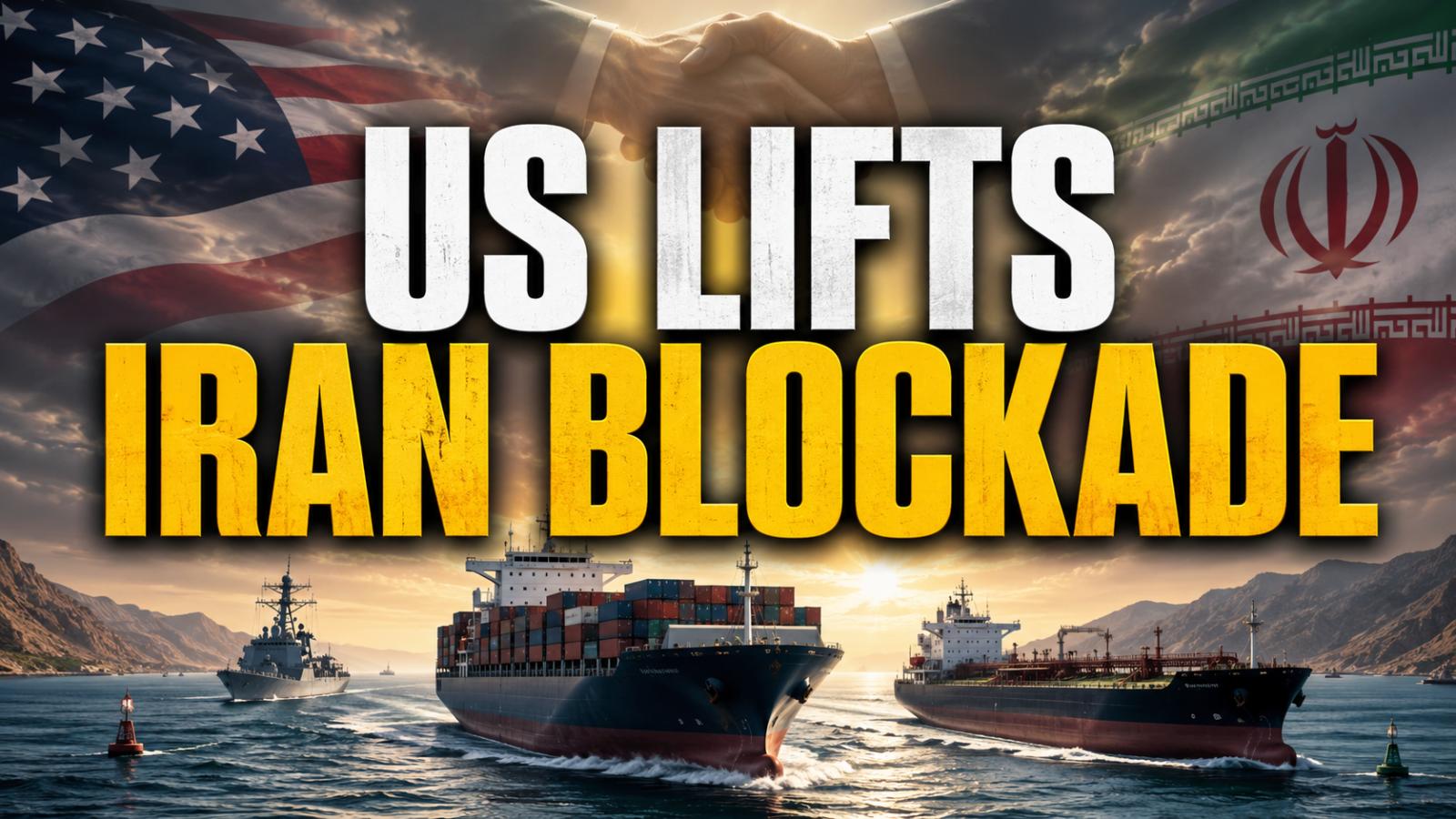
US ends maritime restrictions on Iranian ports
The US military lifted its naval blockade on Iranian ports on Thursday, June 19, ending more than two months of restrictions on vessels travelling to and from the Islamic Republic. The move followed the signing of a Memorandum of Understanding between US President Donald Trump and Iranian President Masoud Pezeshkian, marking a major shift in maritime activity around the Gulf region.
US ends maritime restrictions on Iranian ports
The US military lifted its naval blockade on Iranian ports on Thursday, June 19, ending more than two months of restrictions on vessels travelling to and from the Islamic Republic. The move followed the signing of a Memorandum of Understanding between US President Donald Trump and Iranian President Masoud Pezeshkian, marking a major shift in maritime activity around the Gulf region.
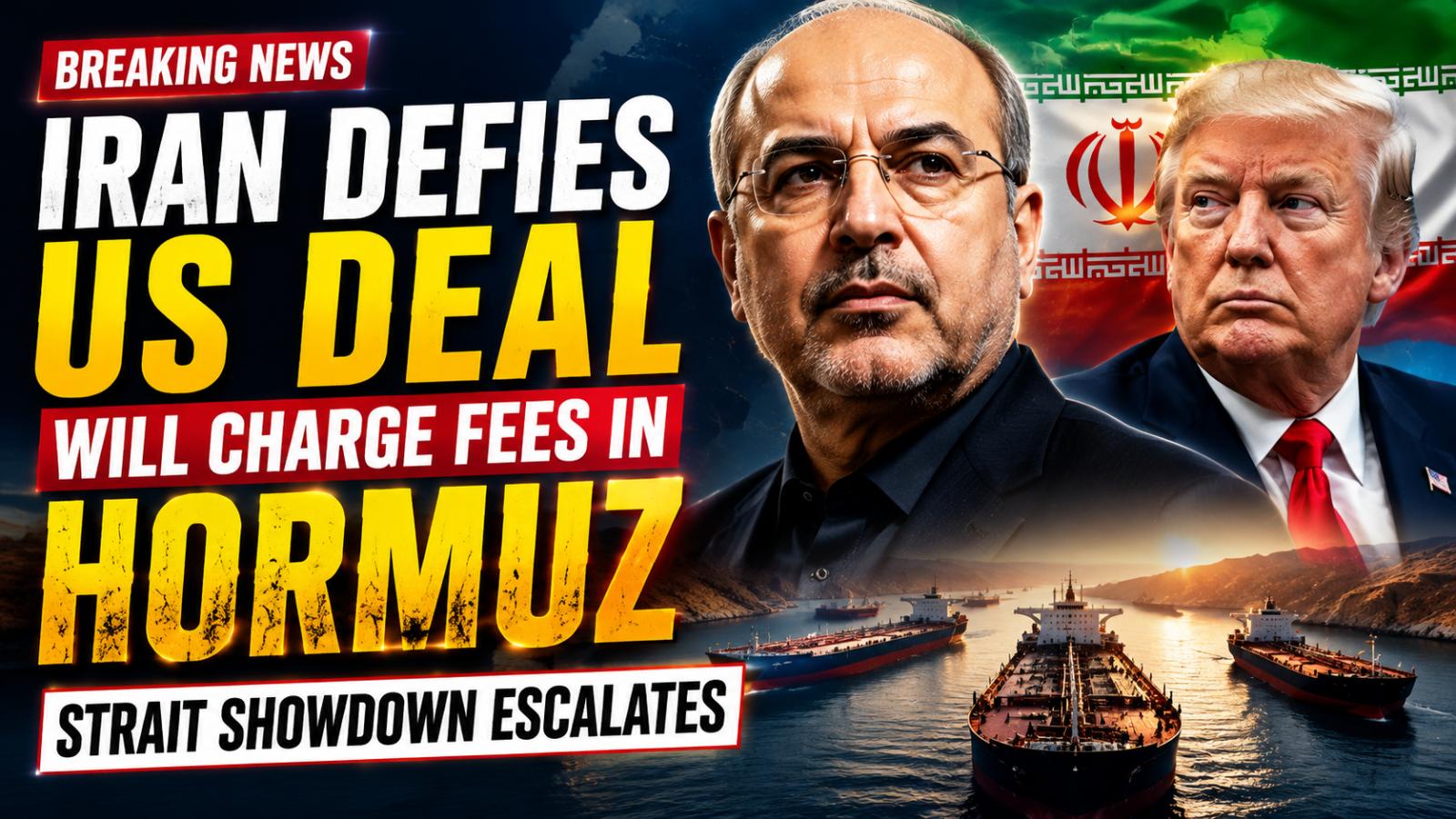
Iran Reaffirms Post-Deal Position on Strait of Hormuz
Iran has indicated that it will proceed with plans to impose charges on vessels passing through the Strait of Hormuz after the 60-day fee-free period outlined in its memorandum of understanding with the United States. The announcement comes amid growing uncertainty over the interpretation of the recently signed agreement aimed at stabilising maritime mov
Iran Reaffirms Post-Deal Position on Strait of Hormuz
Iran has indicated that it will proceed with plans to impose charges on vessels passing through the Strait of Hormuz after the 60-day fee-free period outlined in its memorandum of understanding with the United States. The announcement comes amid growing uncertainty over the interpretation of the recently signed agreement aimed at stabilising maritime mov
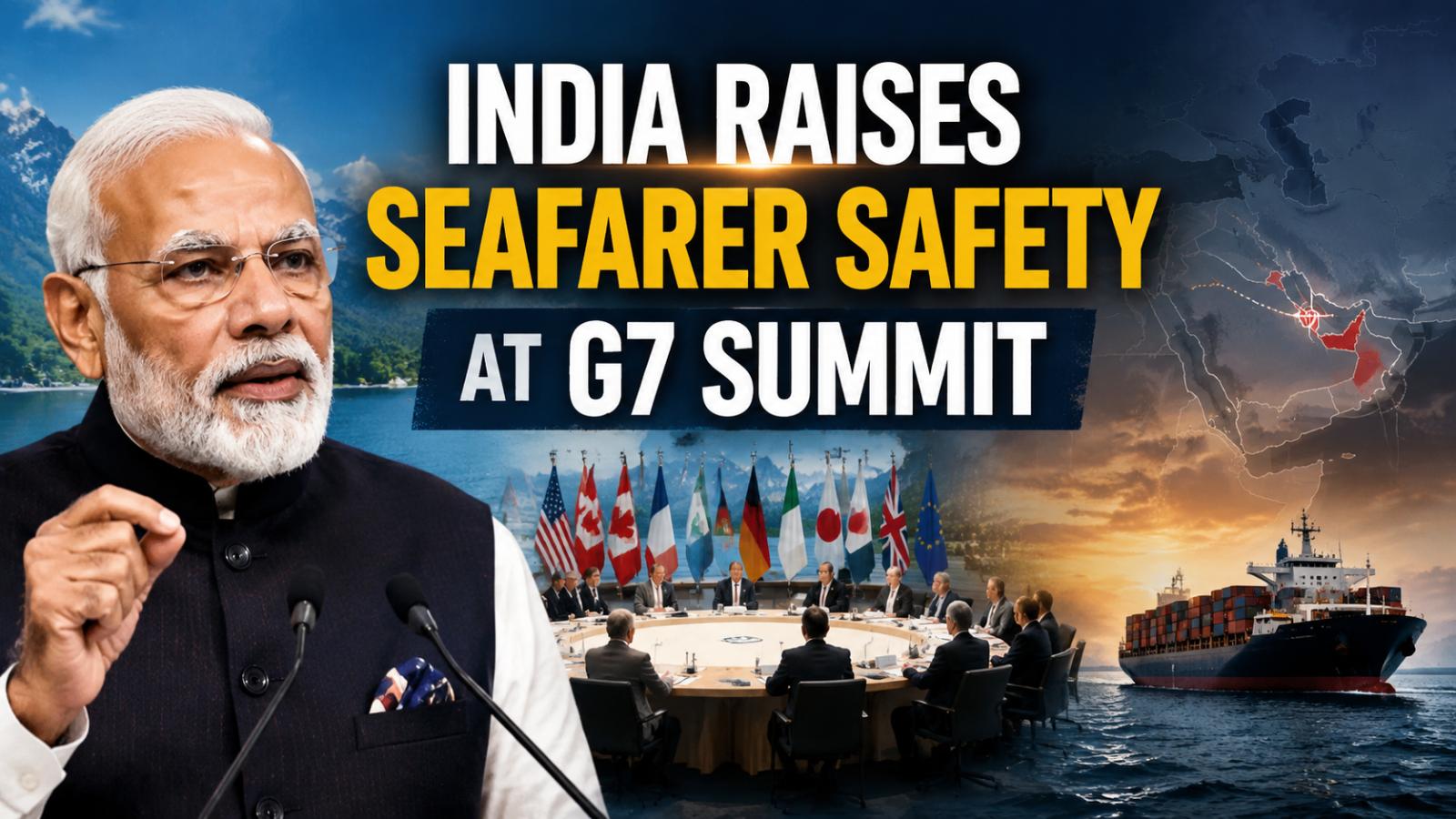
At the G7 summit in Evian, India placed maritime safety and the protection of seafarers at the center of global discussions. Prime Minister Narendra Modi raised concerns over rising risks faced by commercial shipping crews, particularly those operating through sensitive international sea lanes. He emphasized that disruptions at sea are no longer isolated incidents but a growing threat to global trade stability and human safety.
At the G7 summit in Evian, India placed maritime safety and the protection of seafarers at the center of global discussions. Prime Minister Narendra Modi raised concerns over rising risks faced by commercial shipping crews, particularly those operating through sensitive international sea lanes. He emphasized that disruptions at sea are no longer isolated incidents but a growing threat to global trade stability and human safety.
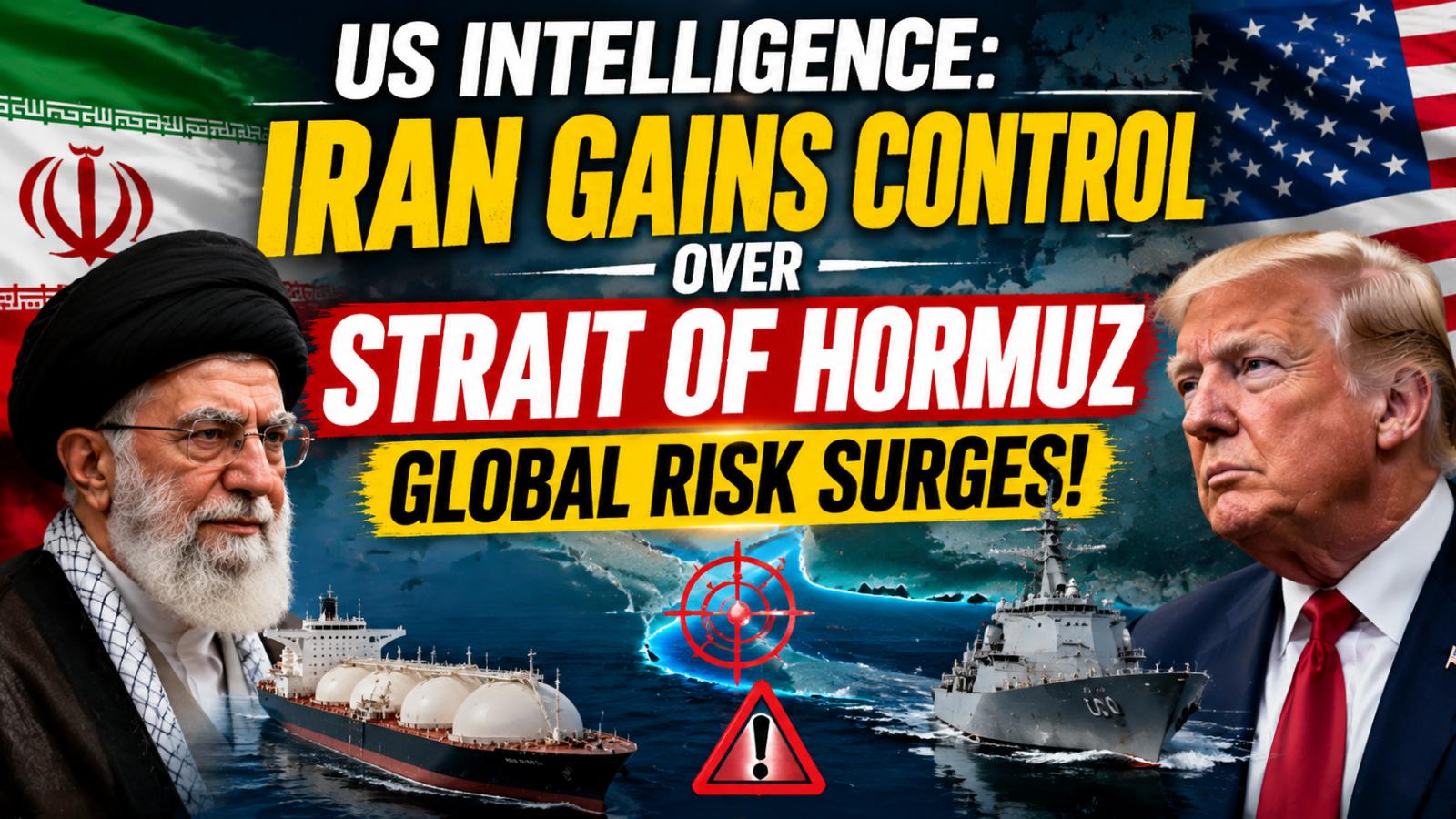
US Intelligence Flags Iran’s Strategic Leverage in Strait of Hormuz
US intelligence agencies have assessed that Iran has gained significant leverage over the Strait of Hormuz following the recent conflict involving the United States and Israel, according to reports citing multiple sources. The assessment suggests that Tehran now holds the capability to disrupt or restrict movement through one of the world??
US Intelligence Flags Iran’s Strategic Leverage in Strait of Hormuz
US intelligence agencies have assessed that Iran has gained significant leverage over the Strait of Hormuz following the recent conflict involving the United States and Israel, according to reports citing multiple sources. The assessment suggests that Tehran now holds the capability to disrupt or restrict movement through one of the world??
US Forces Intercept Iranian Drones
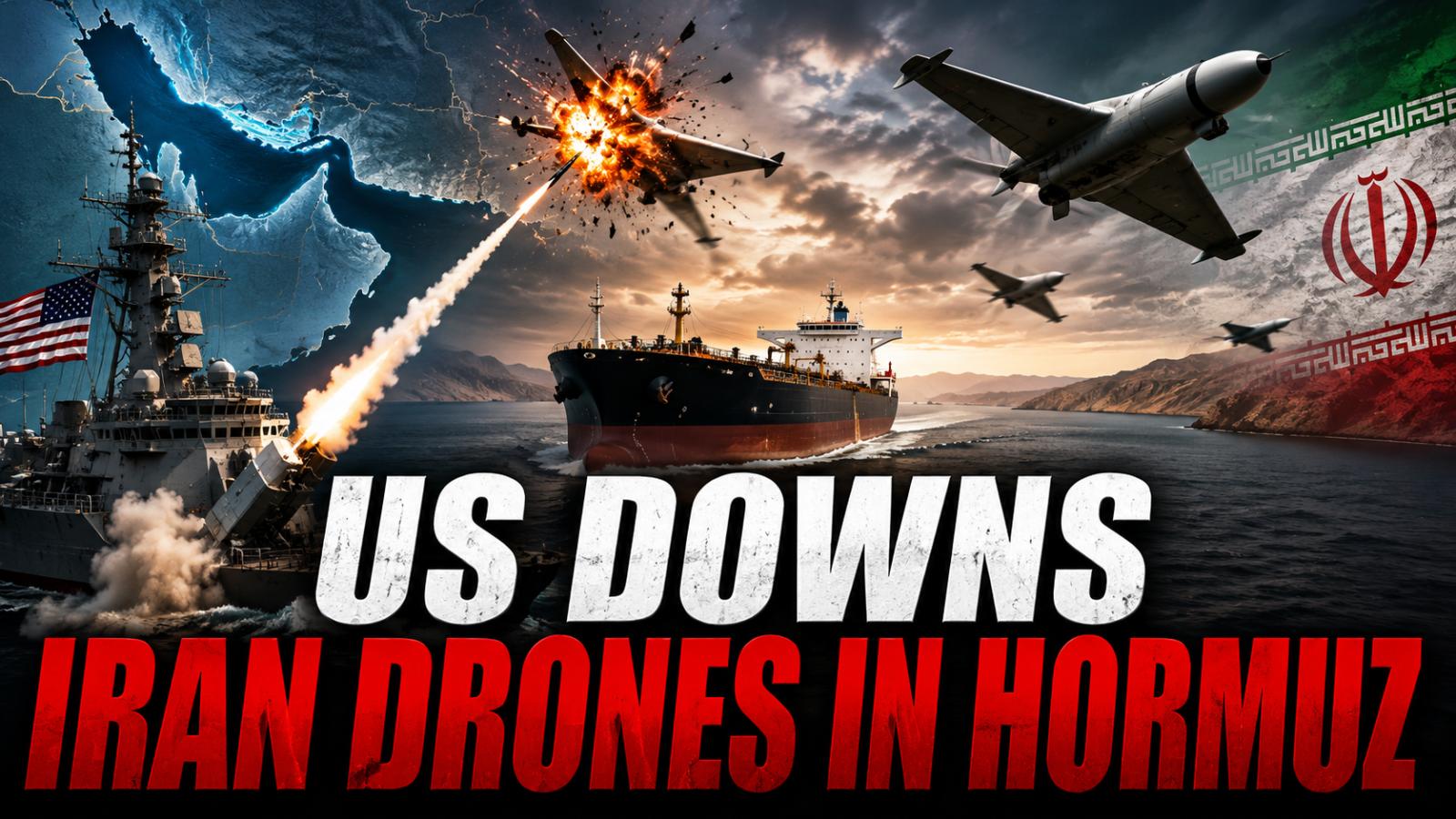
The United States said its forces intercepted and destroyed multiple Iranian one-way attack drones launched toward commercial ships moving through the Strait of Hormuz, one of the world’s most closely watched maritime routes. US Central Command said the drones were aimed at vessels transiting the waterway and that American forces downed them in recent hours. CENTCOM also sa
US Forces Intercept Iranian Drones
The United States said its forces intercepted and destroyed multiple Iranian one-way attack drones launched toward commercial ships moving through the Strait of Hormuz, one of the world’s most closely watched maritime routes. US Central Command said the drones were aimed at vessels transiting the waterway and that American forces downed them in recent hours. CENTCOM also sa
Iran Condemns U.S. Attack on Indian Commercial Vessel
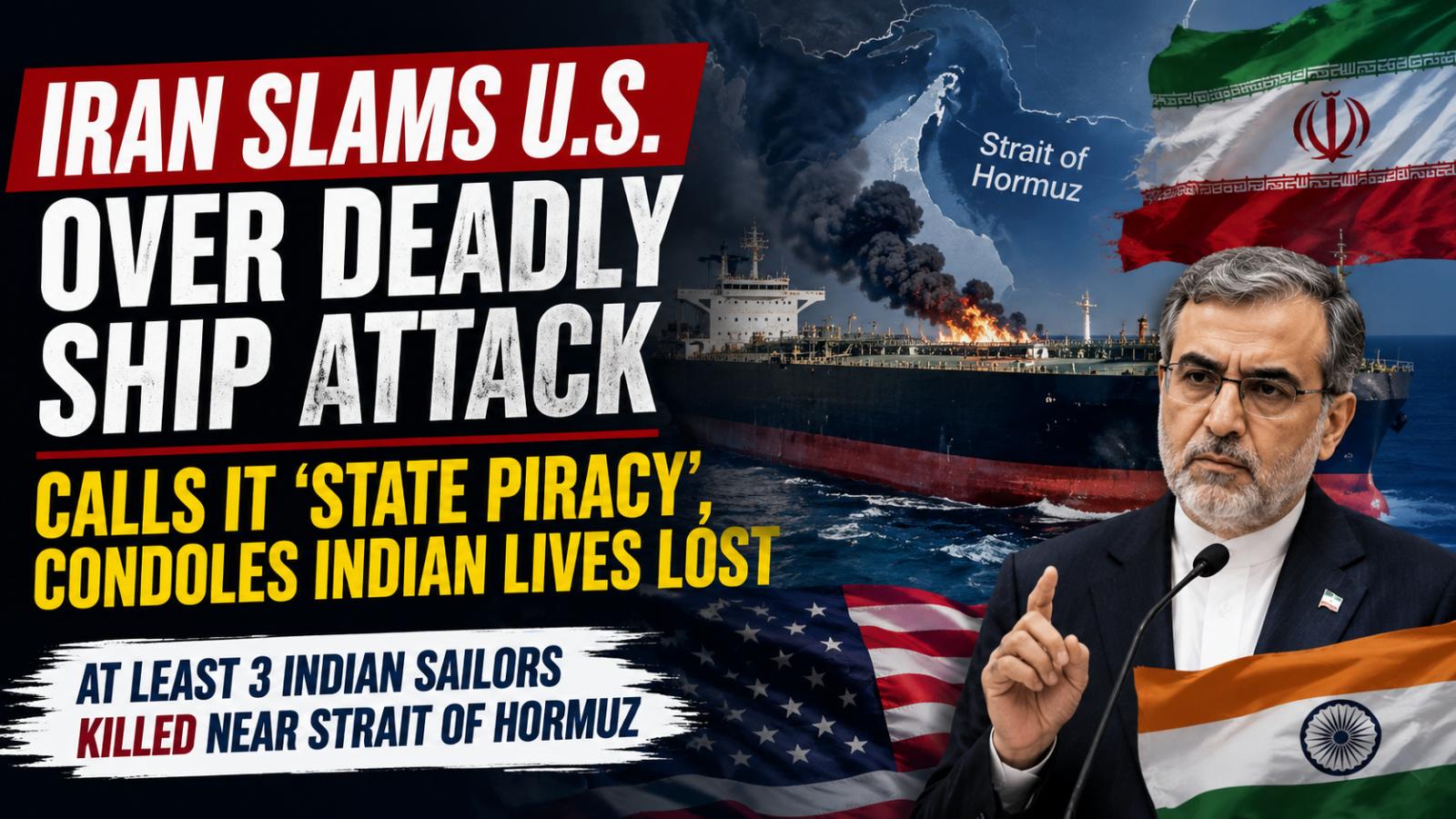
Iran strongly condemned Friday’s, June 11, 2026 attack on a commercial ship near the Strait of Hormuz, which killed at least three Indian nationals. The Iranian Foreign Ministry described the incident as “armed robbery and State piracy” and extended condolences to the families of the deceased sailors.
Iran Condemns U.S. Attack on Indian Commercial Vessel
Iran strongly condemned Friday’s, June 11, 2026 attack on a commercial ship near the Strait of Hormuz, which killed at least three Indian nationals. The Iranian Foreign Ministry described the incident as “armed robbery and State piracy” and extended condolences to the families of the deceased sailors.
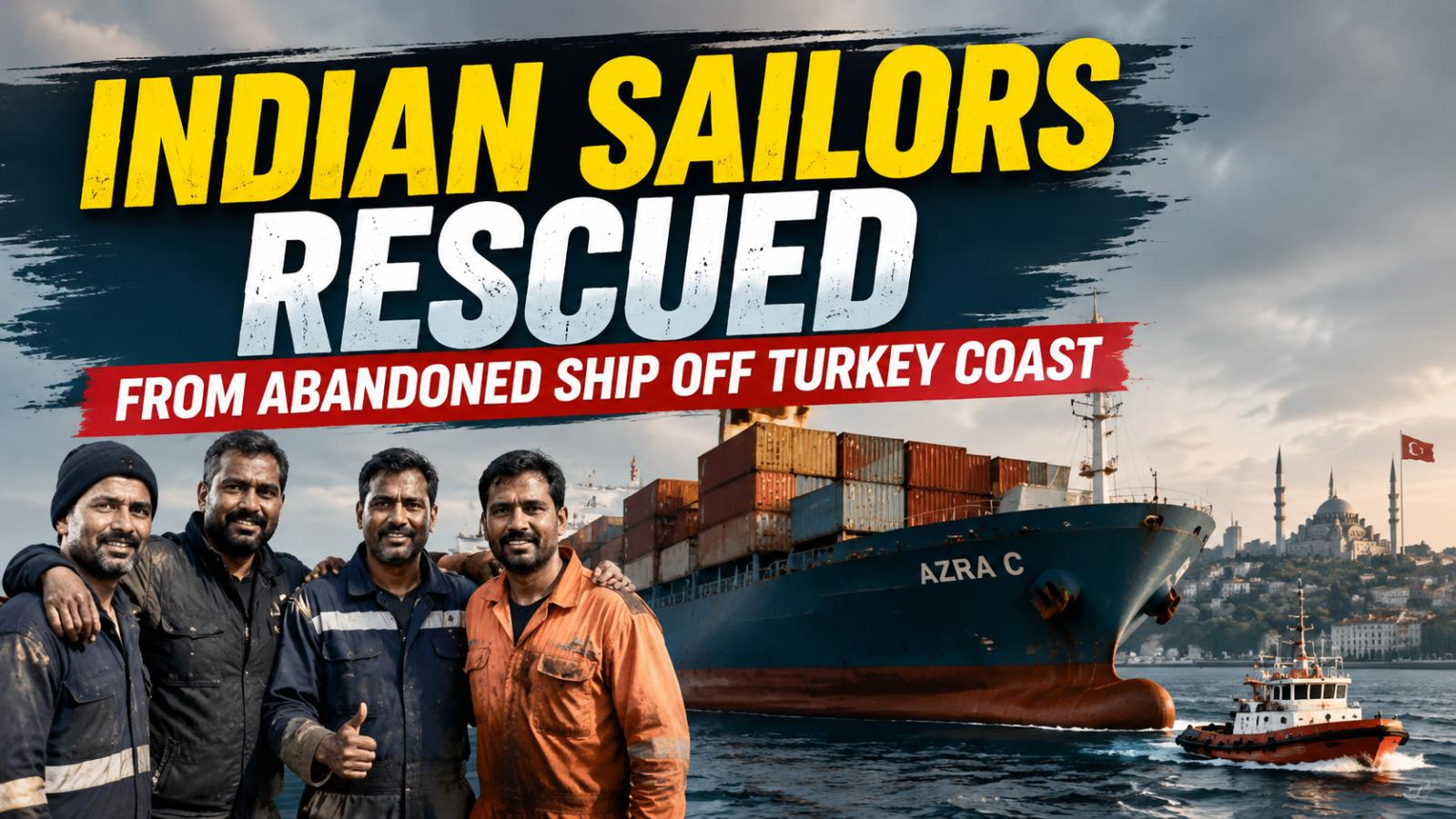
Four Indian sailors have finally been rescued after being trapped for ten months on the container ship AZRA C off Turkey’s coast. The Mongolia-flagged vessel had been left near Istanbul in the Sea of Marmara since August 2025. Their release came after the ship’s alleged owners were arrested in January 2026 during an international investigation.
Selahattin Polat, Turkey representative for the International Transport Workers’ Federation (ITF), confirmed the crew’s ordeal had c
Four Indian sailors have finally been rescued after being trapped for ten months on the container ship AZRA C off Turkey’s coast. The Mongolia-flagged vessel had been left near Istanbul in the Sea of Marmara since August 2025. Their release came after the ship’s alleged owners were arrested in January 2026 during an international investigation.
Selahattin Polat, Turkey representative for the International Transport Workers’ Federation (ITF), confirmed the crew’s ordeal had c
India LPG Carriers Move Through Strait of Hormuz
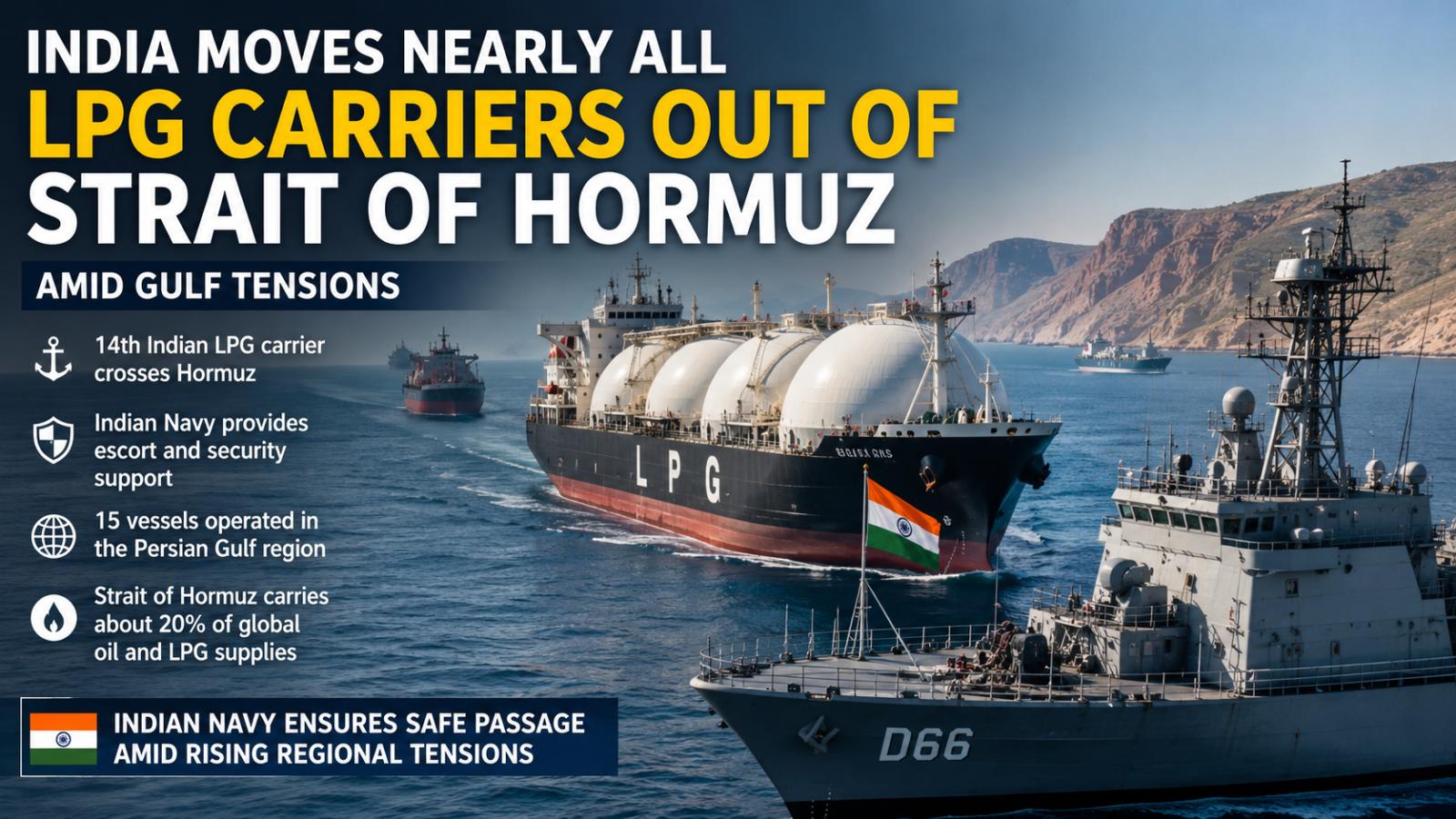
India has moved nearly all of its LPG carriers out of the Strait of Hormuz with support from the Indian Navy as tensions continue to affect shipping security in the Persian Gulf region.
Government sources said on Thursday, May 14, 2026, that the 14th Indian liquefied petroleum gas carrier had crossed the strategic waterway, while one final vessel remained in the process of crossing under close monitoring.
India LPG Carriers Move Through Strait of Hormuz
India has moved nearly all of its LPG carriers out of the Strait of Hormuz with support from the Indian Navy as tensions continue to affect shipping security in the Persian Gulf region.
Government sources said on Thursday, May 14, 2026, that the 14th Indian liquefied petroleum gas carrier had crossed the strategic waterway, while one final vessel remained in the process of crossing under close monitoring.
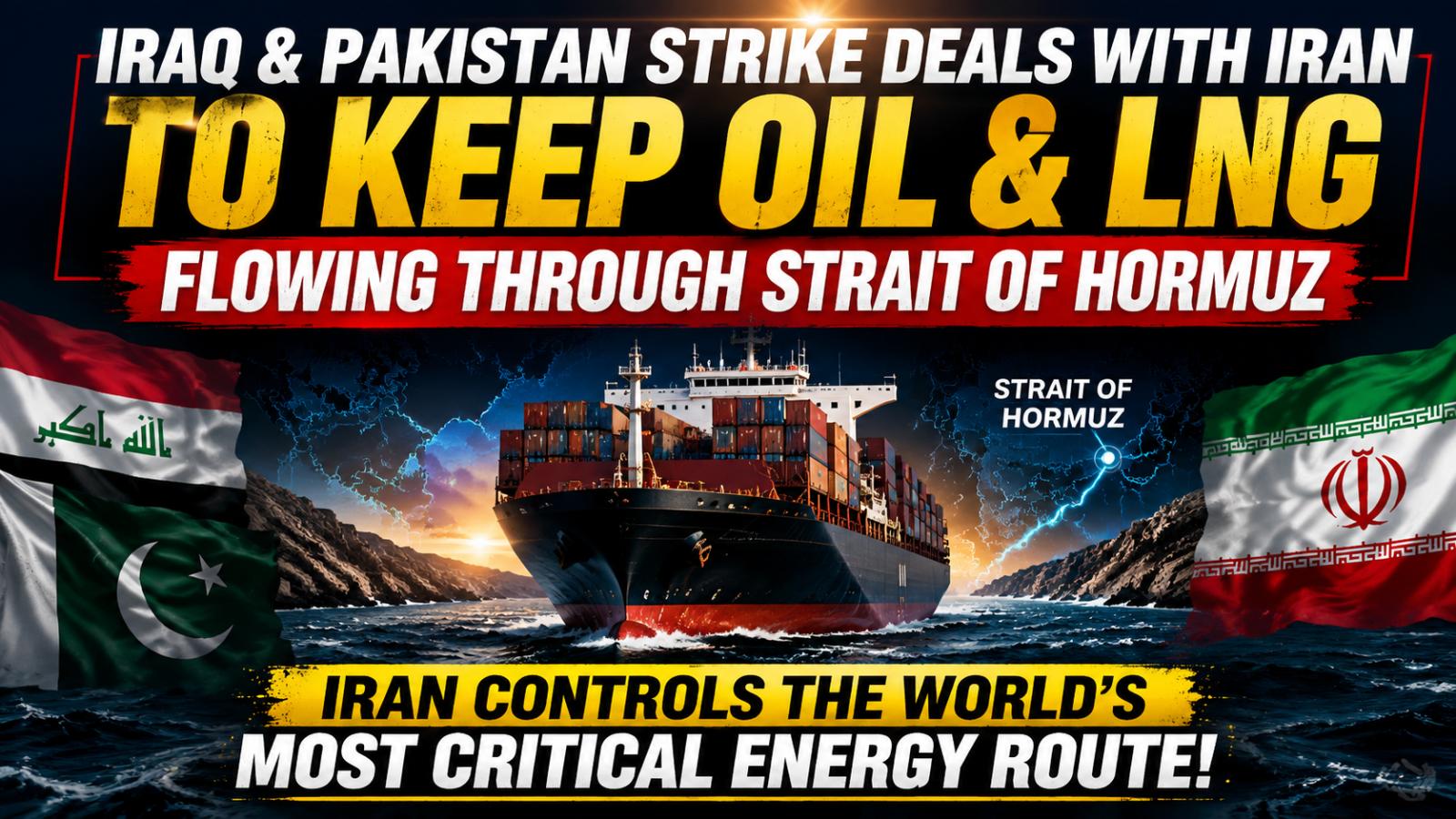
Iraq and Pakistan Secure Oil and Gas Transport Deals
Amid the ongoing conflict in the Middle East, Iraq and Pakistan have reached separate agreements with Iran to allow the transport of oil and liquefied natural gas (LNG) through the critical Strait of Hormuz. According to multiple sources, these agreements reflect Iran’s growing control over one of the world’s most important energy corridors, a situation that has intensified due to the ongoing
Iraq and Pakistan Secure Oil and Gas Transport Deals
Amid the ongoing conflict in the Middle East, Iraq and Pakistan have reached separate agreements with Iran to allow the transport of oil and liquefied natural gas (LNG) through the critical Strait of Hormuz. According to multiple sources, these agreements reflect Iran’s growing control over one of the world’s most important energy corridors, a situation that has intensified due to the ongoing
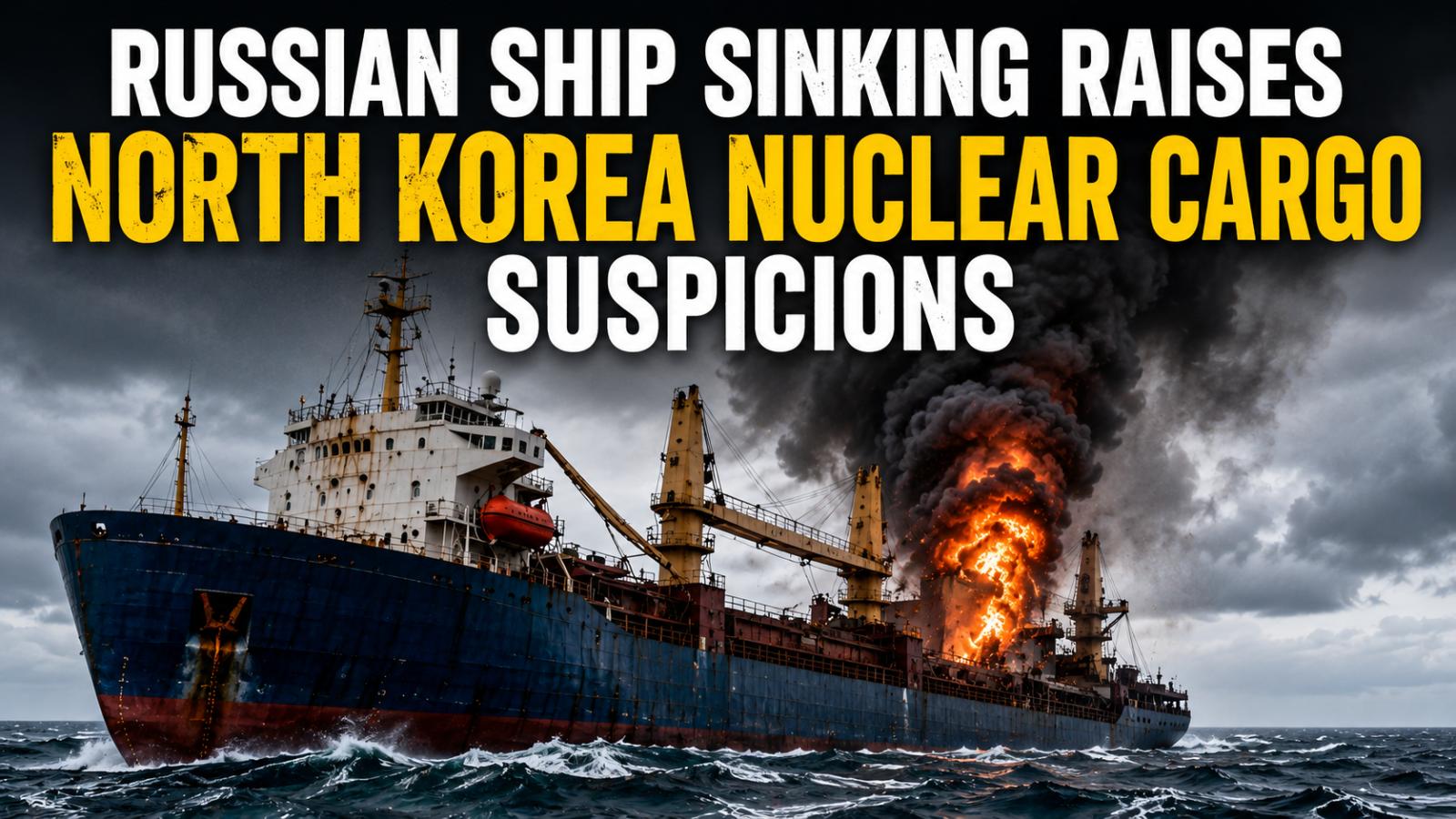
The sinking of the Russian cargo ship Ursa Major near Spain has triggered new questions over whether the vessel was carrying sensitive nuclear reactor components possibly linked to North Korea.
The ship sank in the Mediterranean Sea on Monday, December 23, 2024, after explosions struck the vessel near its engine room. Fourteen crew members were rescued, while two died or were reported missing, according to official accounts.
Why Spain Is Investiga
The sinking of the Russian cargo ship Ursa Major near Spain has triggered new questions over whether the vessel was carrying sensitive nuclear reactor components possibly linked to North Korea.
The ship sank in the Mediterranean Sea on Monday, December 23, 2024, after explosions struck the vessel near its engine room. Fourteen crew members were rescued, while two died or were reported missing, according to official accounts.
Why Spain Is Investiga