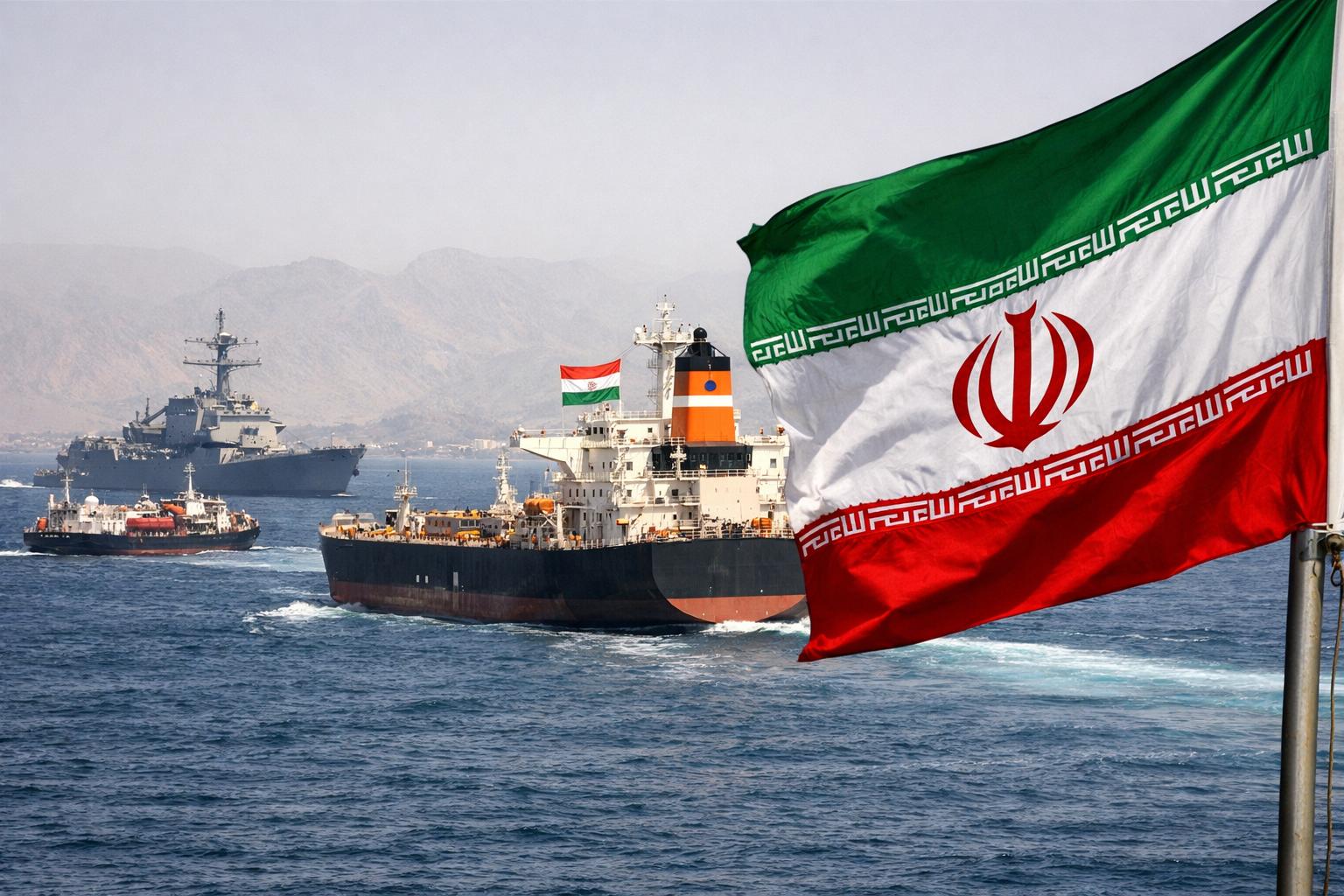
India’s government on Thursday, April 2, 2026 (IST), said there have been no discussions with Iran regarding the imposition of tolls on Indian ships transiting the Strait of Hormuz, dismissing recent reports circulating amid heightened tensions in West Asia. Speaking at a media briefing in New Delhi, Ministry of External Affairs spokesperson Randhir Jaiswal stated that no such proposal has been discussed between the two countries, countering speculation that had raised concerns over shipping c
India’s government on Thursday, April 2, 2026 (IST), said there have been no discussions with Iran regarding the imposition of tolls on Indian ships transiting the Strait of Hormuz, dismissing recent reports circulating amid heightened tensions in West Asia. Speaking at a media briefing in New Delhi, Ministry of External Affairs spokesperson Randhir Jaiswal stated that no such proposal has been discussed between the two countries, countering speculation that had raised concerns over shipping c
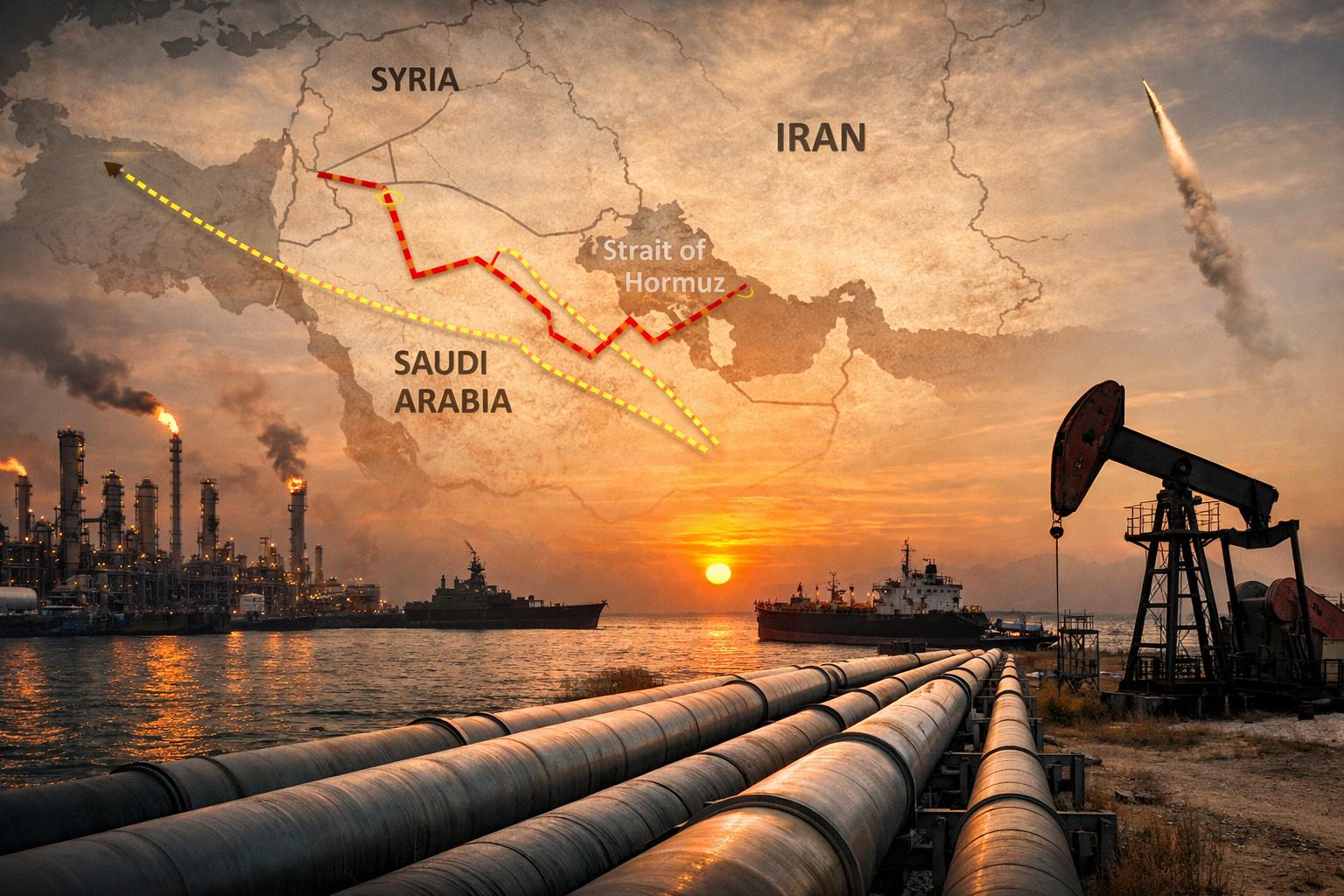
Gulf nations are accelerating discussions on building alternative oil and gas pipelines after Iran’s closure of the Strait of Hormuz disrupted a critical global energy corridor, halting exports from most countries in the region and cutting off roughly 20 percent of the world’s oil and gas supply.
The blockade has exposed the region’s heavy dependence on the narrow maritime route, prompting officials and industry leaders to reconsider long-term infrastructure strategies. Saudi Arabia ha
Gulf nations are accelerating discussions on building alternative oil and gas pipelines after Iran’s closure of the Strait of Hormuz disrupted a critical global energy corridor, halting exports from most countries in the region and cutting off roughly 20 percent of the world’s oil and gas supply.
The blockade has exposed the region’s heavy dependence on the narrow maritime route, prompting officials and industry leaders to reconsider long-term infrastructure strategies. Saudi Arabia ha
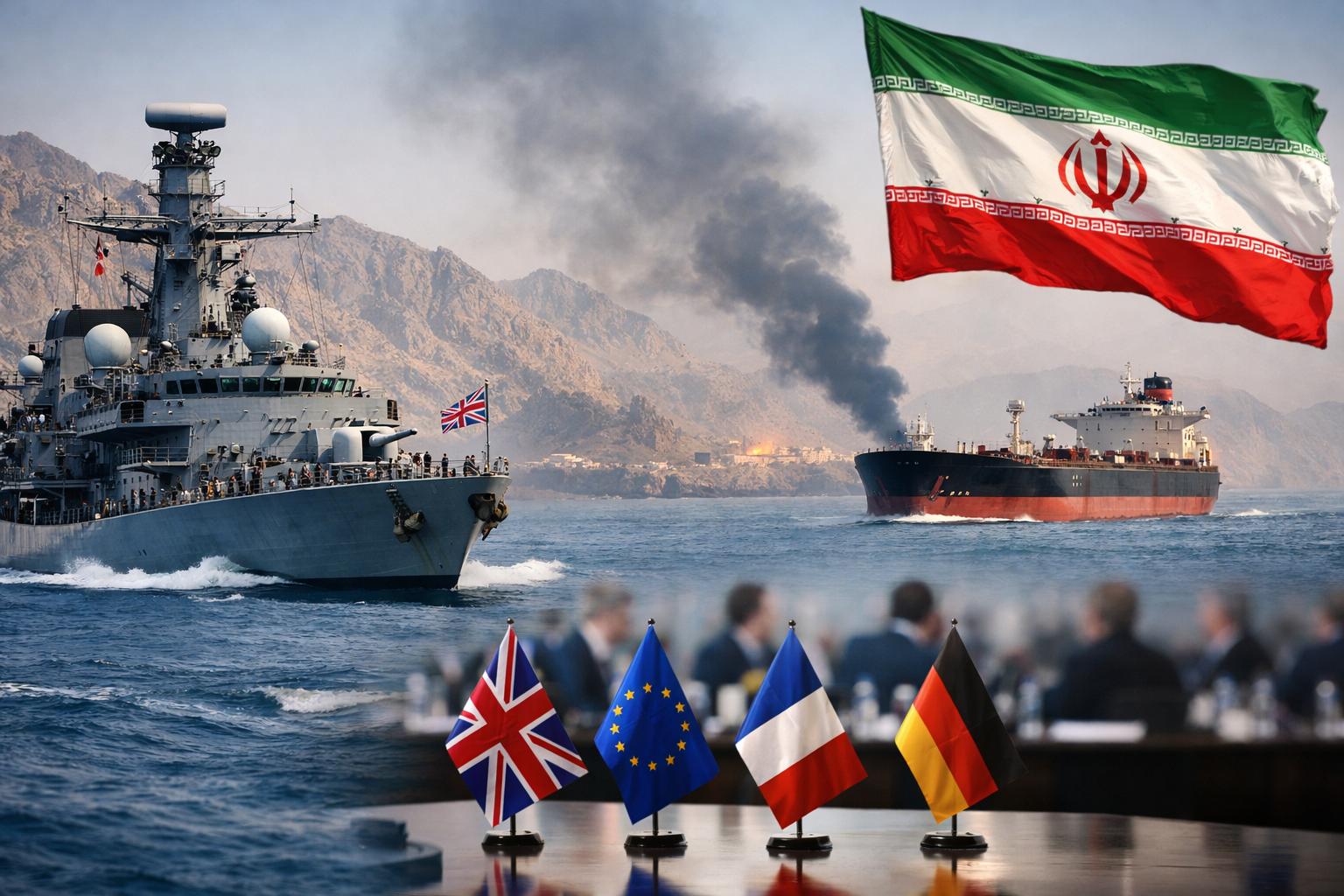
LONDON — The United Kingdom on Thursday, April 2, 2026, convened a virtual meeting of foreign ministers from roughly 35 nations to address escalating disruptions in the Strait of Hormuz, with UK Foreign Secretary Yvette Cooper sharply criticizing Iran’s actions as a threat to global economic stability.
Speaking in opening remarks broadcast before the closed-door session, Cooper accused Iran of “hijacking an international shipping route” and warned that such actions were effectively h
LONDON — The United Kingdom on Thursday, April 2, 2026, convened a virtual meeting of foreign ministers from roughly 35 nations to address escalating disruptions in the Strait of Hormuz, with UK Foreign Secretary Yvette Cooper sharply criticizing Iran’s actions as a threat to global economic stability.
Speaking in opening remarks broadcast before the closed-door session, Cooper accused Iran of “hijacking an international shipping route” and warned that such actions were effectively h
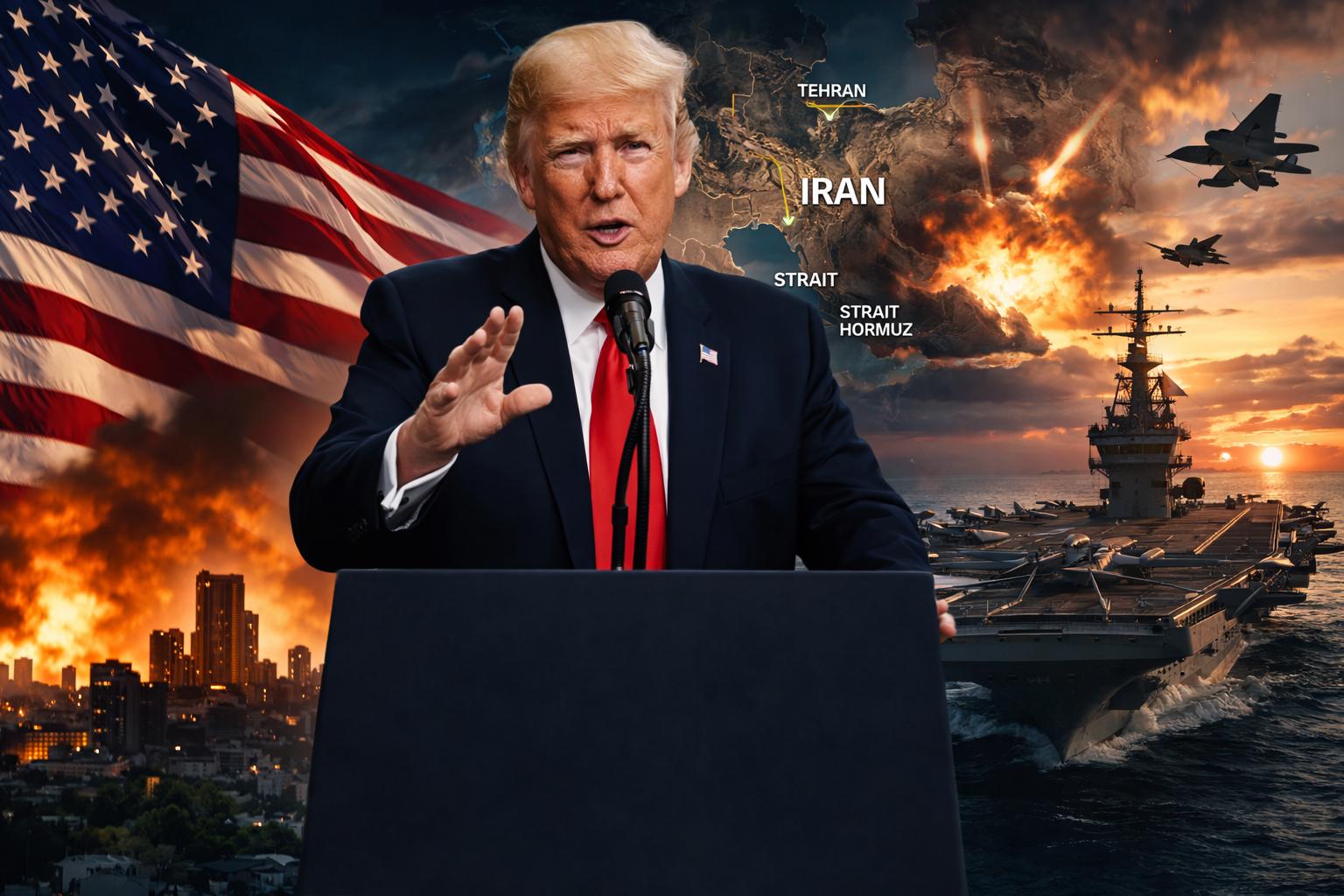
Millions of viewers across the globe are expected to watch President Donald Trump deliver a primetime address on Wednesday, April 1, 2026, as the United States faces growing uncertainty over its involvement in the Iran conflict. The White House has indicated that no major announcement is expected, but the timing of the speech has intensified speculation about whether it signals de-escalation or further escalation.
Public opinion in the United States has increasingly turned against a
Millions of viewers across the globe are expected to watch President Donald Trump deliver a primetime address on Wednesday, April 1, 2026, as the United States faces growing uncertainty over its involvement in the Iran conflict. The White House has indicated that no major announcement is expected, but the timing of the speech has intensified speculation about whether it signals de-escalation or further escalation.
Public opinion in the United States has increasingly turned against a
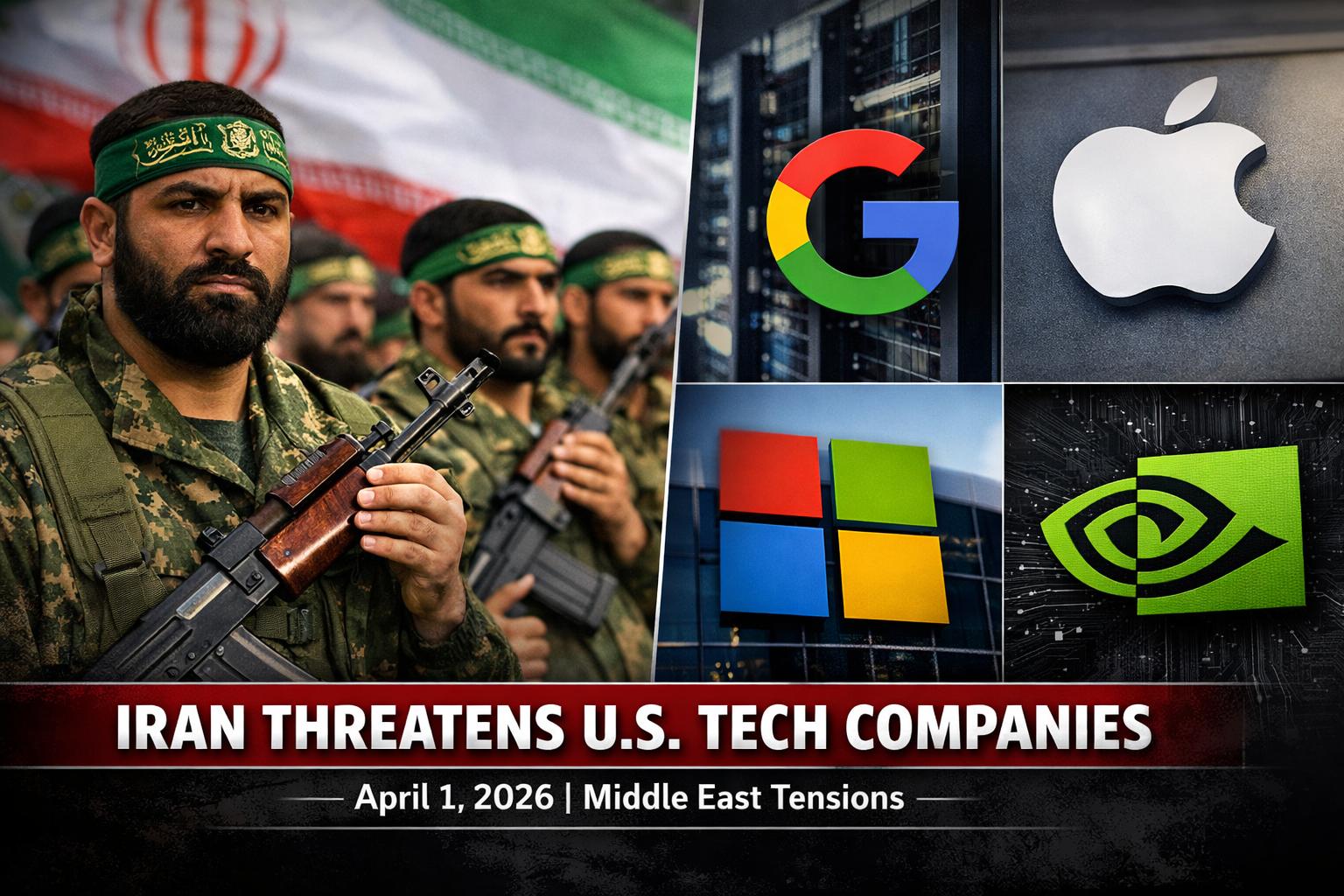
Iran’s Islamic Revolutionary Guard Corps has issued a direct warning targeting major U.S. technology companies operating in the Middle East, signaling a potential escalation in geopolitical tensions that could extend into corporate and digital infrastructure.
In a statement released on Wednesday, April 1, 2026, the Guard declared that at least 18 international companies would be considered “legitimate targets” following recent U.S. and Israeli military actions against Iran. The
Iran’s Islamic Revolutionary Guard Corps has issued a direct warning targeting major U.S. technology companies operating in the Middle East, signaling a potential escalation in geopolitical tensions that could extend into corporate and digital infrastructure.
In a statement released on Wednesday, April 1, 2026, the Guard declared that at least 18 international companies would be considered “legitimate targets” following recent U.S. and Israeli military actions against Iran. The
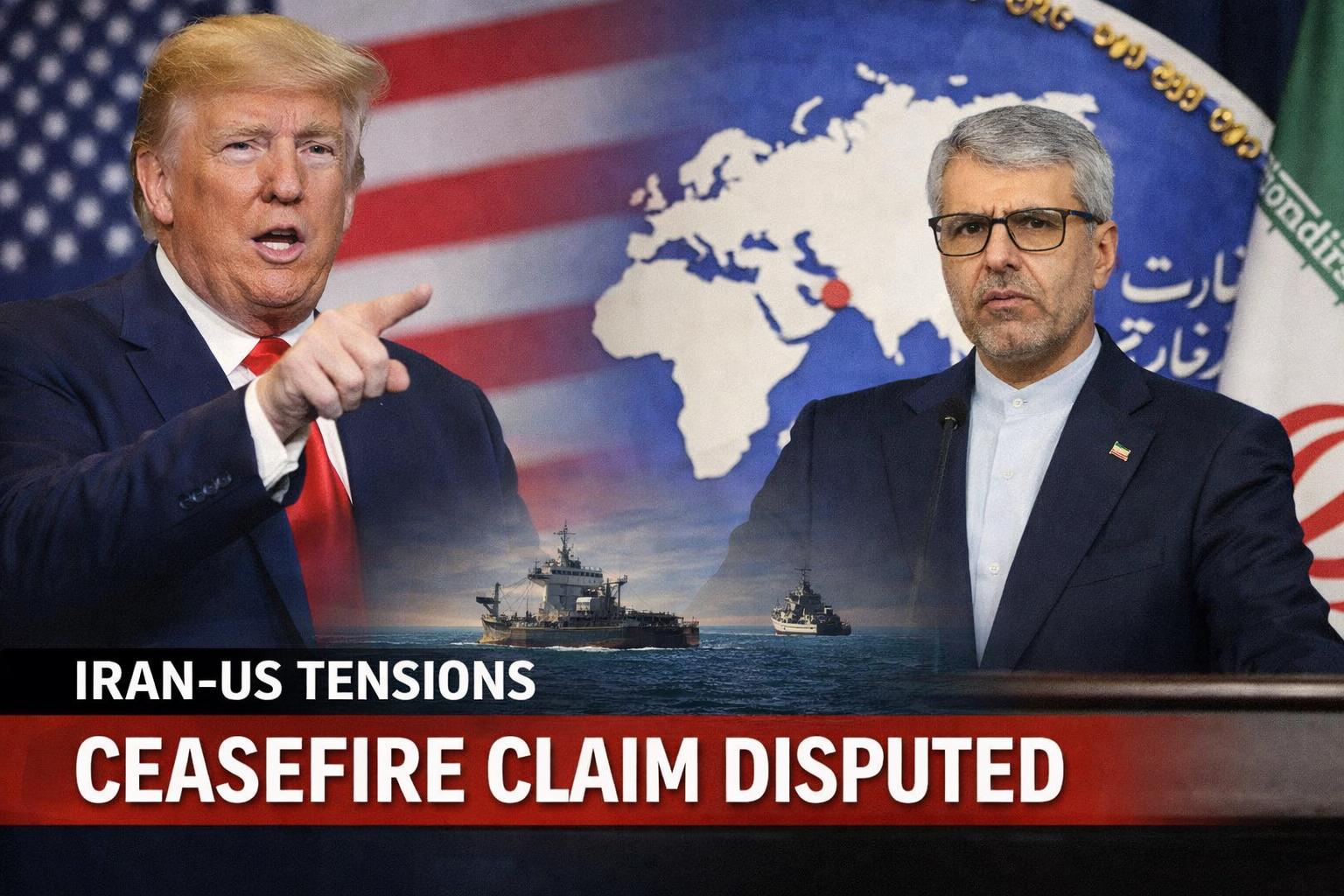
Iran has firmly rejected claims that it sought a ceasefire with the United States, calling recent remarks by U.S. President Donald Trump “false and baseless.” The statement was issued by Iran’s foreign ministry spokesman Esmaeil Baqaei and broadcast on Iranian state television, amid heightened geopolitical tensions in the Middle East.
Trump had earlier stated on his social media platform that Iran had requested a ceasefire, referring to what he described as the country’s “new regime president,” though he did not provide a name. He added that any consideration of a ceasefire would depend on the Strait of Hormuz being “open, free, and clear,” highlighting the strategic importance of the waterway.
Iran’s foreign ministry swiftly denied the claim, emphasizing that no such request had been made to Washington. Officials described the statement as misleading and reiterated that there are currently no ceasefire negotiations underway between the two nations. The response underscores the strained relationship between Iran and the United States, particularly at a time when tensions surrounding the Strait of Hormuz remain elevated.
The Strait of Hormuz is a critical global shipping route through which a significant portion of the world’s oil supply passes. Any disruption in this region can have immediate and far-reaching effects on global energy markets and international trade. Recent developments have already contributed to concerns about oil supply stability and rising fuel costs.
The conflicting statements from both sides reflect the broader uncertainty surrounding the current geopolitical climate. While Trump’s comments suggested the possibility of diplomatic engagement, Iran’s denial indicates that no formal communication regarding a ceasefire has taken place.
As tensions continue to unfold, the situation remains closely monitored by governments and analysts worldwide. The absence of confirmed negotiations highlights the fragile nature of U.S.-Iran relations and the ongoing challenges in achieving stability in the region.
Iran has firmly rejected claims that it sought a ceasefire with the United States, calling recent remarks by U.S. President Donald Trump “false and baseless.” The statement was issued by Iran’s foreign ministry spokesman Esmaeil Baqaei and broadcast on Iranian state television, amid heightened geopolitical tensions in the Middle East.
Trump had earlier stated on his social media platform that Iran had requested a ceasefire, referring to what he described as the country’s “new regime president,” though he did not provide a name. He added that any consideration of a ceasefire would depend on the Strait of Hormuz being “open, free, and clear,” highlighting the strategic importance of the waterway.
Iran’s foreign ministry swiftly denied the claim, emphasizing that no such request had been made to Washington. Officials described the statement as misleading and reiterated that there are currently no ceasefire negotiations underway between the two nations. The response underscores the strained relationship between Iran and the United States, particularly at a time when tensions surrounding the Strait of Hormuz remain elevated.
The Strait of Hormuz is a critical global shipping route through which a significant portion of the world’s oil supply passes. Any disruption in this region can have immediate and far-reaching effects on global energy markets and international trade. Recent developments have already contributed to concerns about oil supply stability and rising fuel costs.
The conflicting statements from both sides reflect the broader uncertainty surrounding the current geopolitical climate. While Trump’s comments suggested the possibility of diplomatic engagement, Iran’s denial indicates that no formal communication regarding a ceasefire has taken place.
As tensions continue to unfold, the situation remains closely monitored by governments and analysts worldwide. The absence of confirmed negotiations highlights the fragile nature of U.S.-Iran relations and the ongoing challenges in achieving stability in the region.
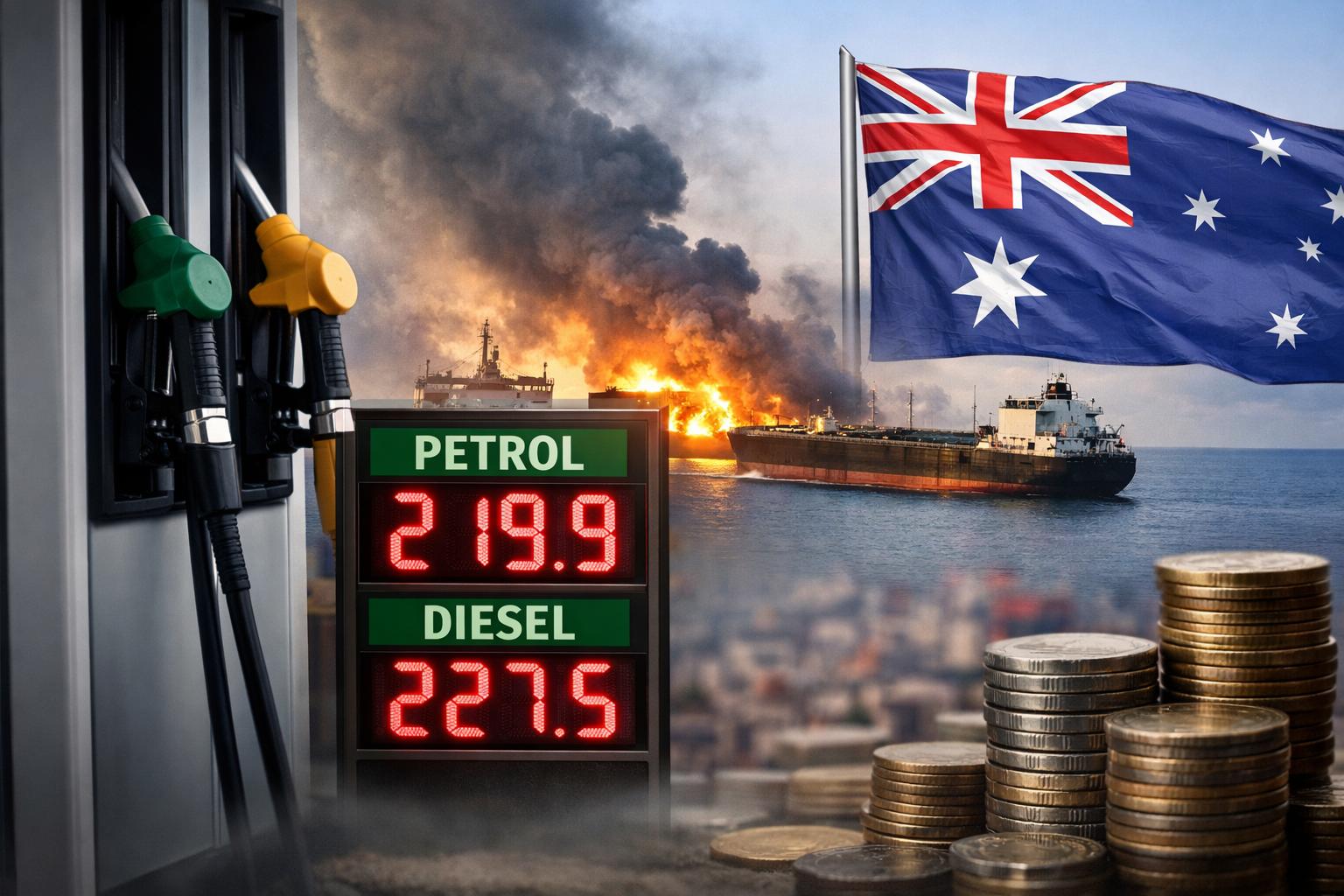
Australia is experiencing the ripple effects of a growing global fuel crisis linked to the ongoing Iran conflict, with Prime Minister Anthony Albanese warning that the economic disruption could persist for months. In a rare national address, Albanese emphasized that while Australia is not directly involved in the conflict, its economic consequences are already placing pressure on households and businesses across the country.
The most immediate impact has been a sharp increase in petrol and d
Australia is experiencing the ripple effects of a growing global fuel crisis linked to the ongoing Iran conflict, with Prime Minister Anthony Albanese warning that the economic disruption could persist for months. In a rare national address, Albanese emphasized that while Australia is not directly involved in the conflict, its economic consequences are already placing pressure on households and businesses across the country.
The most immediate impact has been a sharp increase in petrol and d
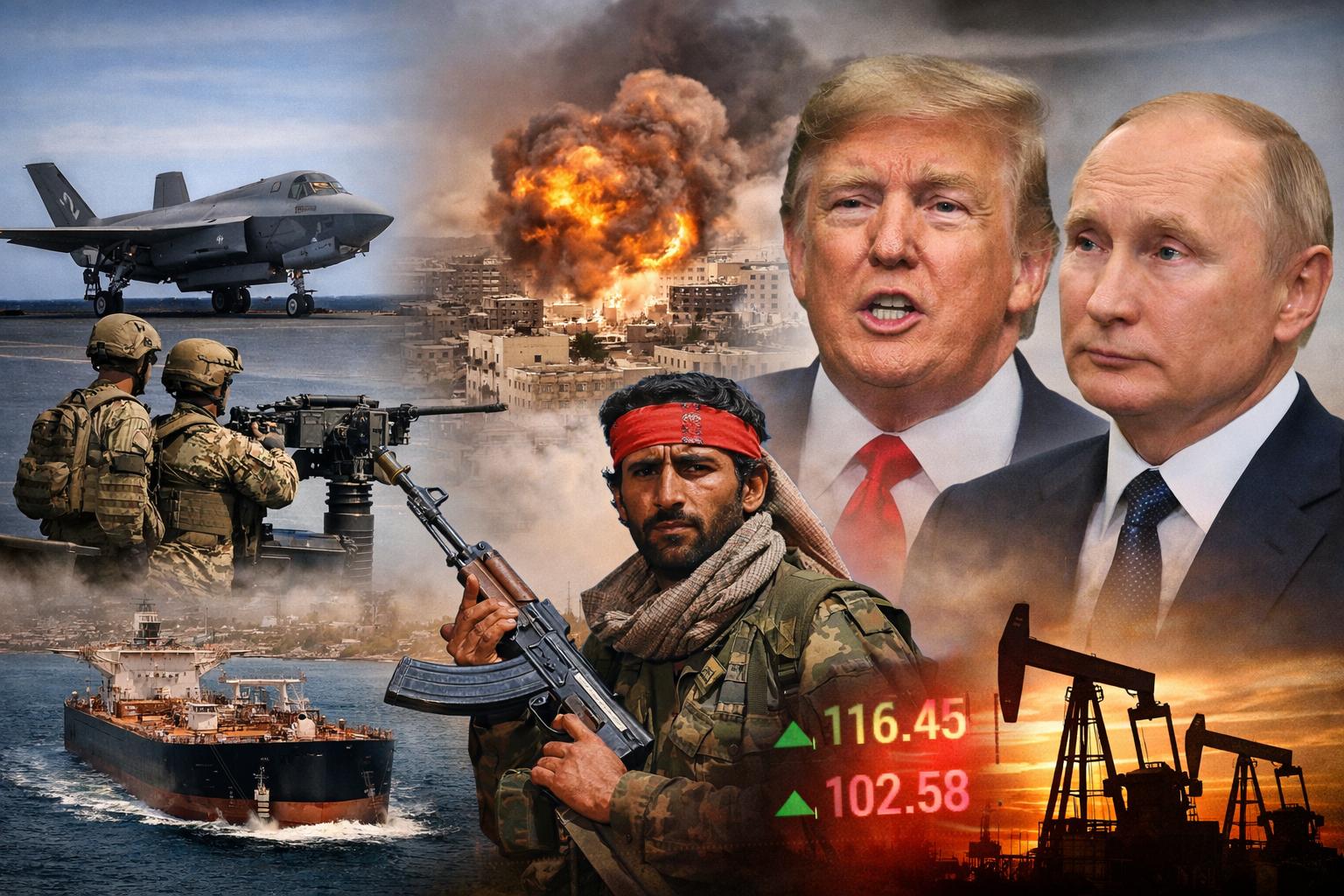
The ongoing conflict involving the United States, Israel, and Iran has extended beyond a month, intensifying geopolitical tensions and significantly impacting global energy markets. As of Tuesday, March 31, 2026, the situation shows few signs of de-escalation, with escalating military activity and limited diplomatic progress raising concerns across international observers.
The conflict widened further over the weekend when Yemen’s Houthi rebels entered the fray, adding a new dimension to a
The ongoing conflict involving the United States, Israel, and Iran has extended beyond a month, intensifying geopolitical tensions and significantly impacting global energy markets. As of Tuesday, March 31, 2026, the situation shows few signs of de-escalation, with escalating military activity and limited diplomatic progress raising concerns across international observers.
The conflict widened further over the weekend when Yemen’s Houthi rebels entered the fray, adding a new dimension to a
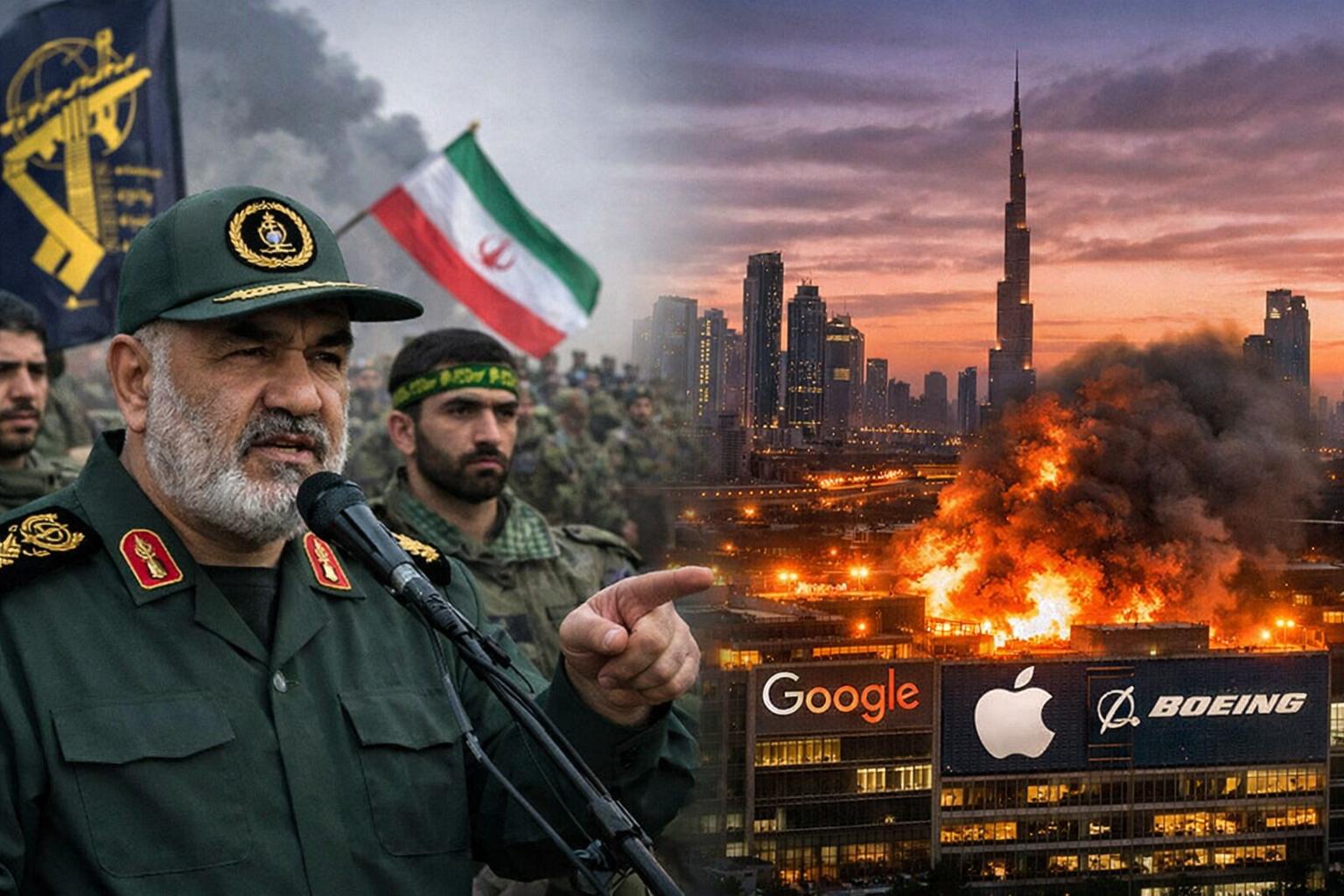
Iran’s Islamic Revolutionary Guard Corps (IRGC) issued a warning on Tuesday, March 31, 2026, stating it would target major American companies operating across West Asia and the Gulf if further Iranian leaders are killed in what it described as “targeted assassinations.” The statement marks a significant escalation in tensions, as the IRGC directly named 18 prominent U.S.-based firms and warned of potential retaliation against their regional facilities.
Among the companies identified we
Iran’s Islamic Revolutionary Guard Corps (IRGC) issued a warning on Tuesday, March 31, 2026, stating it would target major American companies operating across West Asia and the Gulf if further Iranian leaders are killed in what it described as “targeted assassinations.” The statement marks a significant escalation in tensions, as the IRGC directly named 18 prominent U.S.-based firms and warned of potential retaliation against their regional facilities.
Among the companies identified we
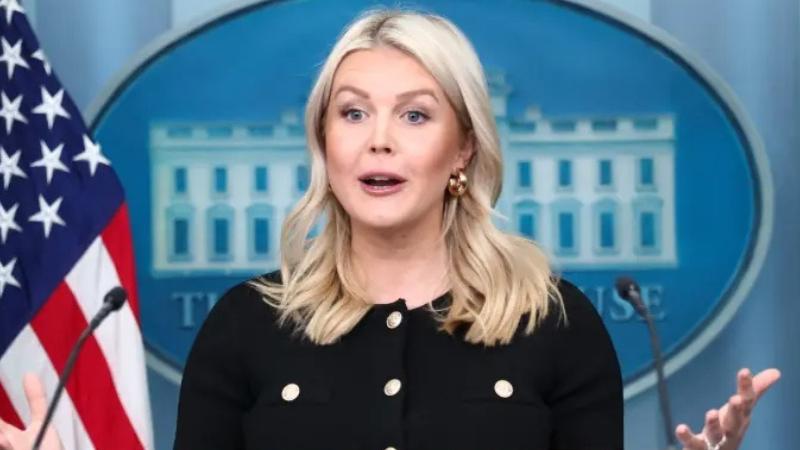
The White House has stirred up fresh controversy amidst the ongoing conflict with Iran by linking the deaths of senior Iranian leaders to failed negotiations with the United States. During a recent briefing, White House Press Secretary Karoline Leavitt claimed that these leaders were eliminated due to misleading the US government during talks aimed at ending the war. Leavitt’s explosive remarks suggested that these leaders had "strung" the US along in negotiations under the previous Trump a
The White House has stirred up fresh controversy amidst the ongoing conflict with Iran by linking the deaths of senior Iranian leaders to failed negotiations with the United States. During a recent briefing, White House Press Secretary Karoline Leavitt claimed that these leaders were eliminated due to misleading the US government during talks aimed at ending the war. Leavitt’s explosive remarks suggested that these leaders had "strung" the US along in negotiations under the previous Trump a
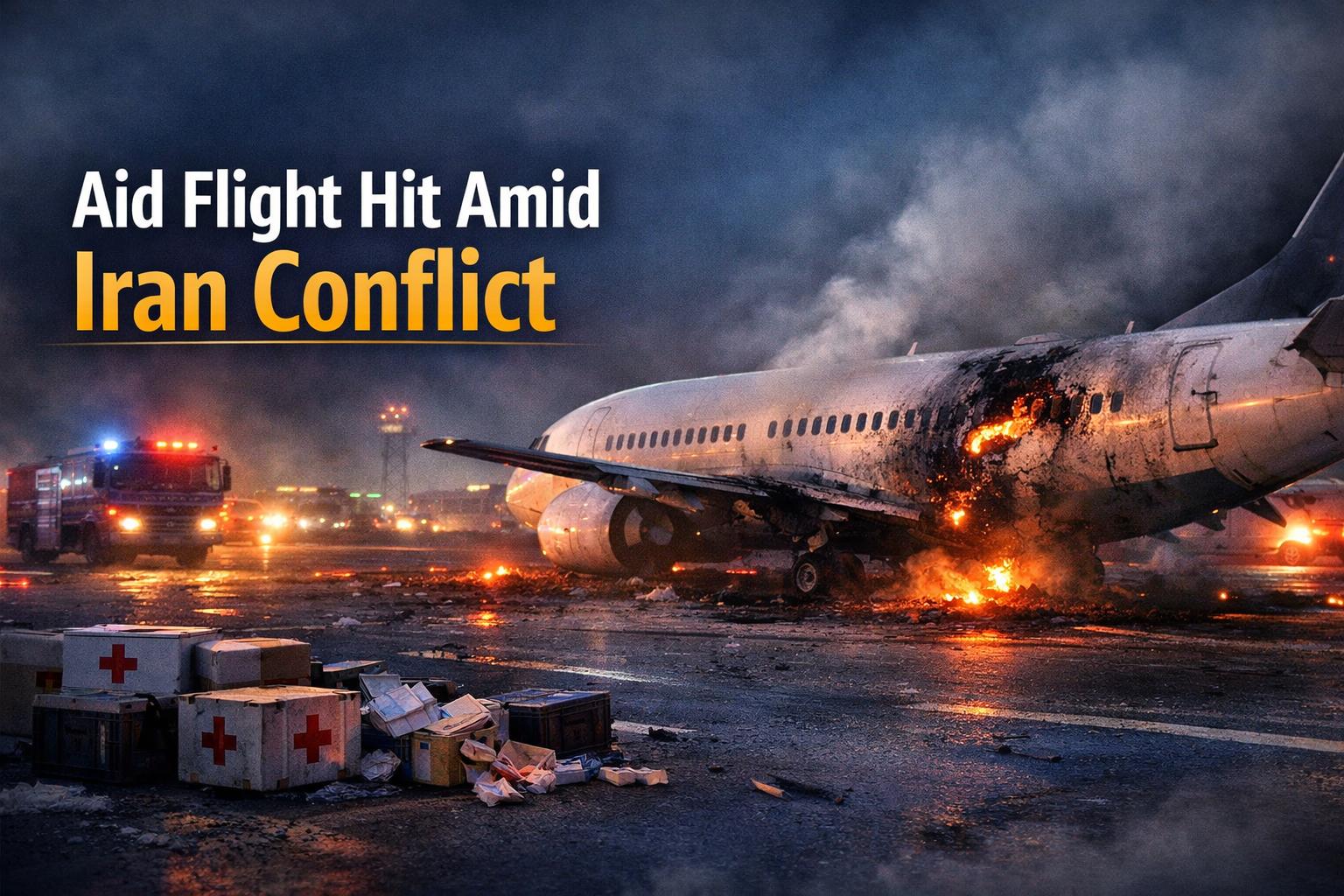
An aircraft bound for India was reportedly damaged in a strike at Mashhad International Airport in Iran on Monday, March 30, 2026, disrupting a planned humanitarian aid mission and drawing sharp condemnation from Iranian authorities. Iranian officials described the incident as a “war crime” and a violation of international law as regional tensions continue to escalate.
The civilian aircraft was stationed on the ground at Mashhad International Airport when it was struck during a re
An aircraft bound for India was reportedly damaged in a strike at Mashhad International Airport in Iran on Monday, March 30, 2026, disrupting a planned humanitarian aid mission and drawing sharp condemnation from Iranian authorities. Iranian officials described the incident as a “war crime” and a violation of international law as regional tensions continue to escalate.
The civilian aircraft was stationed on the ground at Mashhad International Airport when it was struck during a re
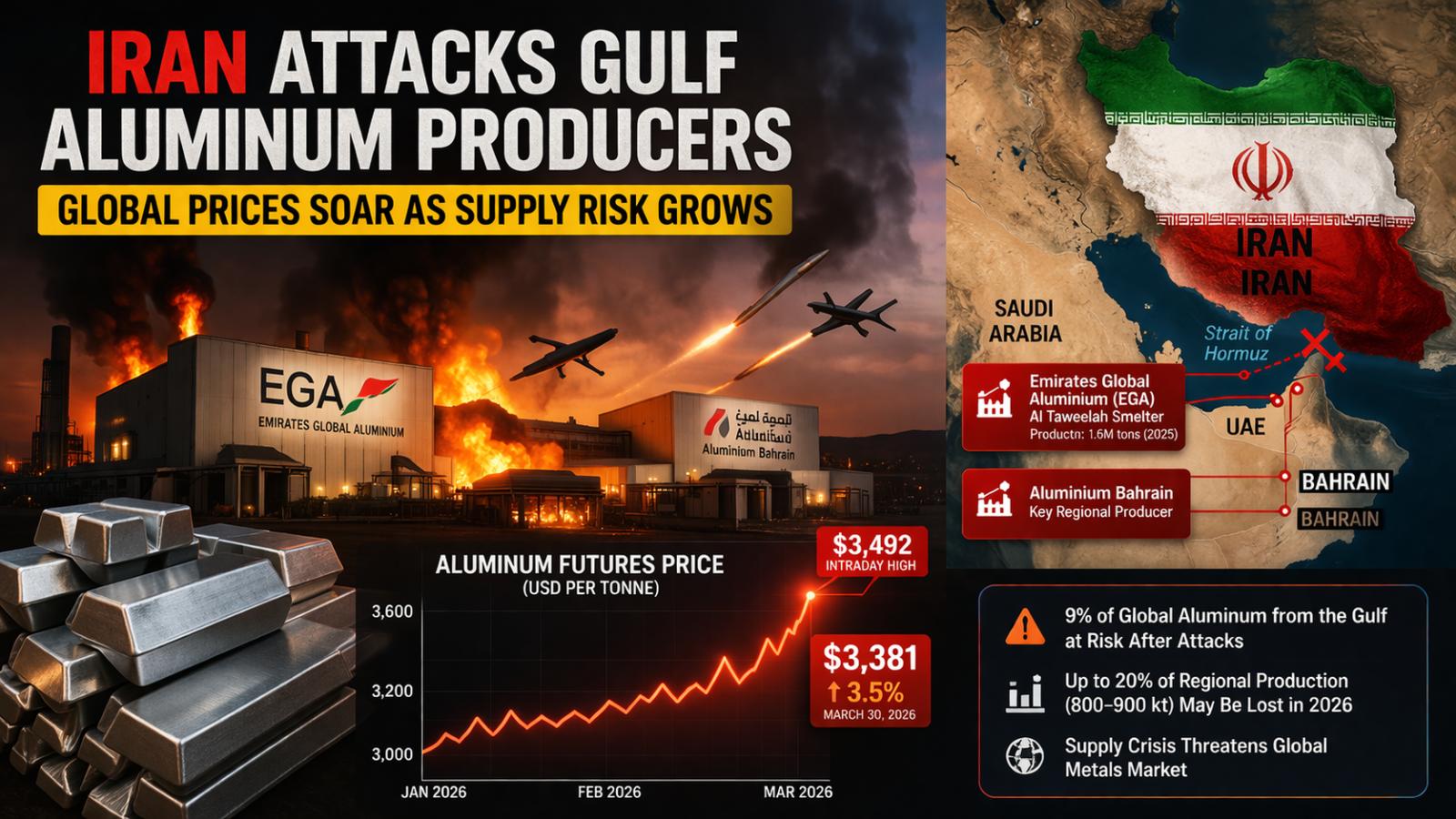
Aluminum prices surged to levels not seen since 2022 following Iranian attacks on two major Gulf producers, stoking concerns of a global supply crisis. On Monday, March 30, 2026, futures initially jumped 5.5% to $3,492 per tonne before easing to $3,381 per tonne by the afternoon, still 3.5% higher. Since the escalation began on February 28, aluminum has gained roughly 10%, despite a brief pullback last week amid broader market fears of a global recession.
The attacks targeted Emirates
Aluminum prices surged to levels not seen since 2022 following Iranian attacks on two major Gulf producers, stoking concerns of a global supply crisis. On Monday, March 30, 2026, futures initially jumped 5.5% to $3,492 per tonne before easing to $3,381 per tonne by the afternoon, still 3.5% higher. Since the escalation began on February 28, aluminum has gained roughly 10%, despite a brief pullback last week amid broader market fears of a global recession.
The attacks targeted Emirates
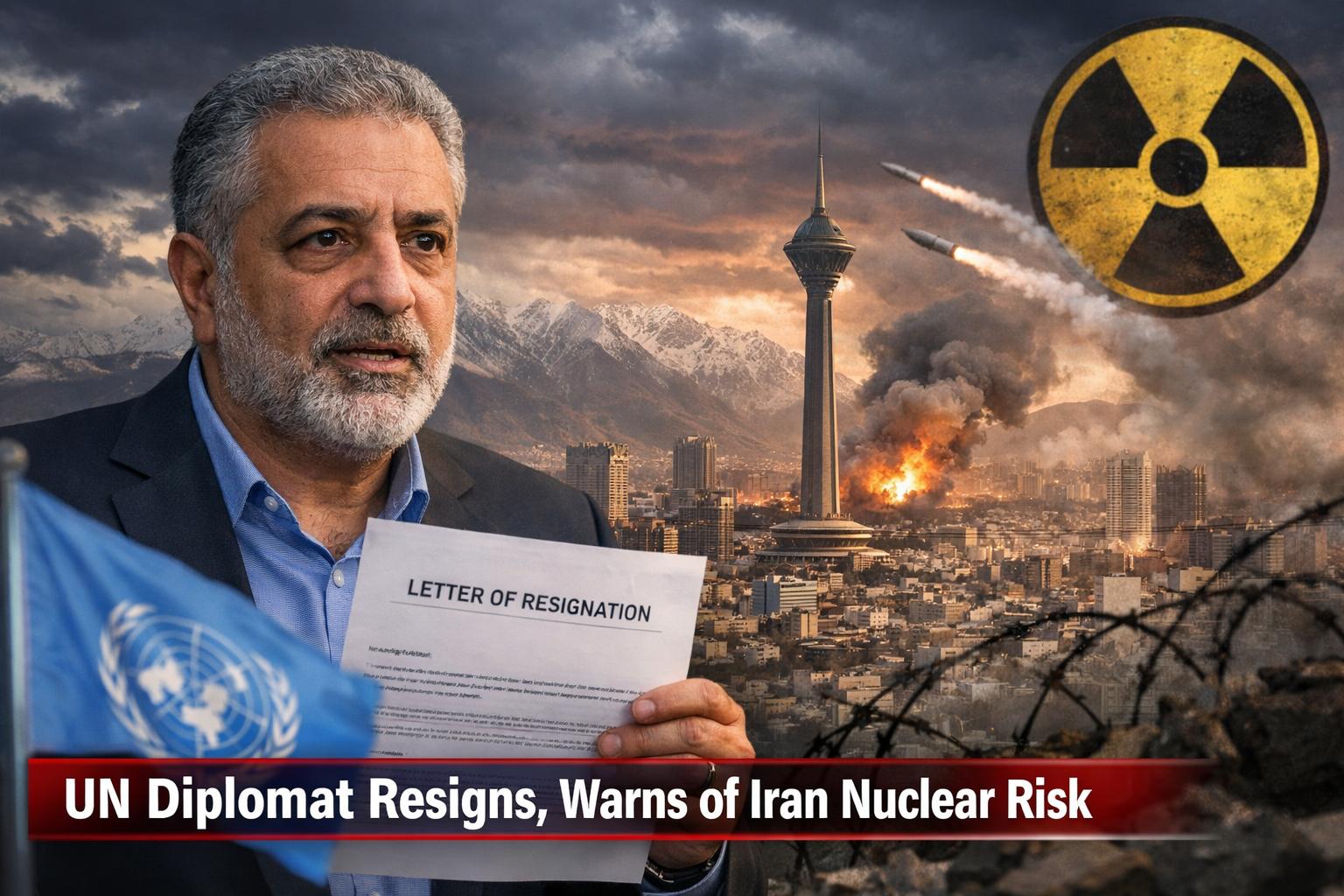
A diplomat associated with the United Nations has resigned, warning of a potential nuclear escalation tied to rising tensions involving Iran. Mohammad Safa announced his decision in a public statement shared on social media, accompanied by a resignation letter outlining his concerns. A timeline of Safa’s resignation has emerged through media reports and his own public statements. His resignation letter is dated March 27, 2026, indicating when the decision was formally made. He later publi
A diplomat associated with the United Nations has resigned, warning of a potential nuclear escalation tied to rising tensions involving Iran. Mohammad Safa announced his decision in a public statement shared on social media, accompanied by a resignation letter outlining his concerns. A timeline of Safa’s resignation has emerged through media reports and his own public statements. His resignation letter is dated March 27, 2026, indicating when the decision was formally made. He later publi
WASHINGTON — Thousands of soldiers from the United States Army’s elite 82nd Airborne Division have begun arriving in the Middle East as of Monday, March 30, 2026, according to U.S. officials, marking a significant escalation in military positioning as President Donald Trump considers next steps in the ongoing conflict with Iran.
The deployment adds to a growing U.S. presence in the region, following the recent arrival of approximately 2,500 Marines over the weekend. The paratroope
WASHINGTON — Thousands of soldiers from the United States Army’s elite 82nd Airborne Division have begun arriving in the Middle East as of Monday, March 30, 2026, according to U.S. officials, marking a significant escalation in military positioning as President Donald Trump considers next steps in the ongoing conflict with Iran.
The deployment adds to a growing U.S. presence in the region, following the recent arrival of approximately 2,500 Marines over the weekend. The paratroope
DUBAI, United Arab Emirates — U.S. President Donald Trump issued a stark warning on Monday, March 30, 2026, threatening to expand military action against Iran by targeting critical civilian infrastructure if a deal to end the ongoing conflict is not reached soon. The remarks come as tensions in the Middle East continue to escalate, raising concerns about regional stability and global oil supply routes.
In a social media statement, Trump said progress in negotiations had been “sign
DUBAI, United Arab Emirates — U.S. President Donald Trump issued a stark warning on Monday, March 30, 2026, threatening to expand military action against Iran by targeting critical civilian infrastructure if a deal to end the ongoing conflict is not reached soon. The remarks come as tensions in the Middle East continue to escalate, raising concerns about regional stability and global oil supply routes.
In a social media statement, Trump said progress in negotiations had been “sign
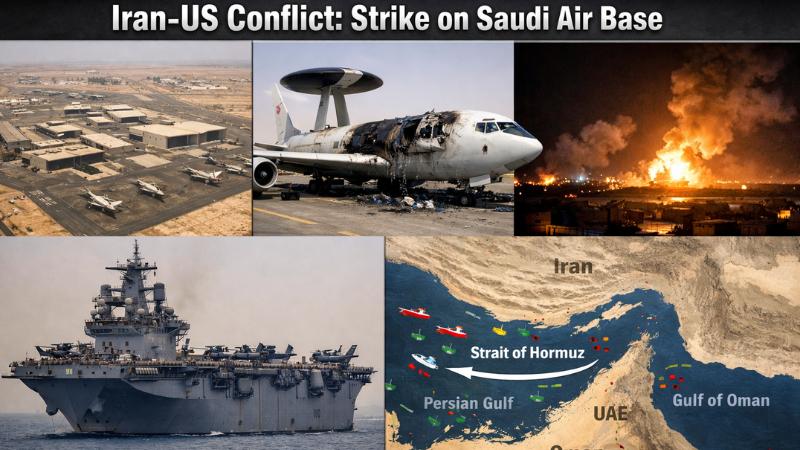
Iran has claimed responsibility for a major missile and drone strike targeting a US-operated military facility in Saudi Arabia, escalating tensions in the already volatile Middle East region. According to reports from Iranian state media, the attack struck the Prince Sultan Air Base, a key installation use
Iran has claimed responsibility for a major missile and drone strike targeting a US-operated military facility in Saudi Arabia, escalating tensions in the already volatile Middle East region. According to reports from Iranian state media, the attack struck the Prince Sultan Air Base, a key installation use
US President Donald Trump has made a striking claim that “regime change has happened” in Iran, even as the conflict between the two nations continues after a month of escalating military action. Speaking aboard Air Force One, Trump indicated that negotiations are underway and suggested that a peace deal could be reached “pretty soon,” despite ongoing tensions.
According to Trump, t
US President Donald Trump has made a striking claim that “regime change has happened” in Iran, even as the conflict between the two nations continues after a month of escalating military action. Speaking aboard Air Force One, Trump indicated that negotiations are underway and suggested that a peace deal could be reached “pretty soon,” despite ongoing tensions.
According to Trump, t
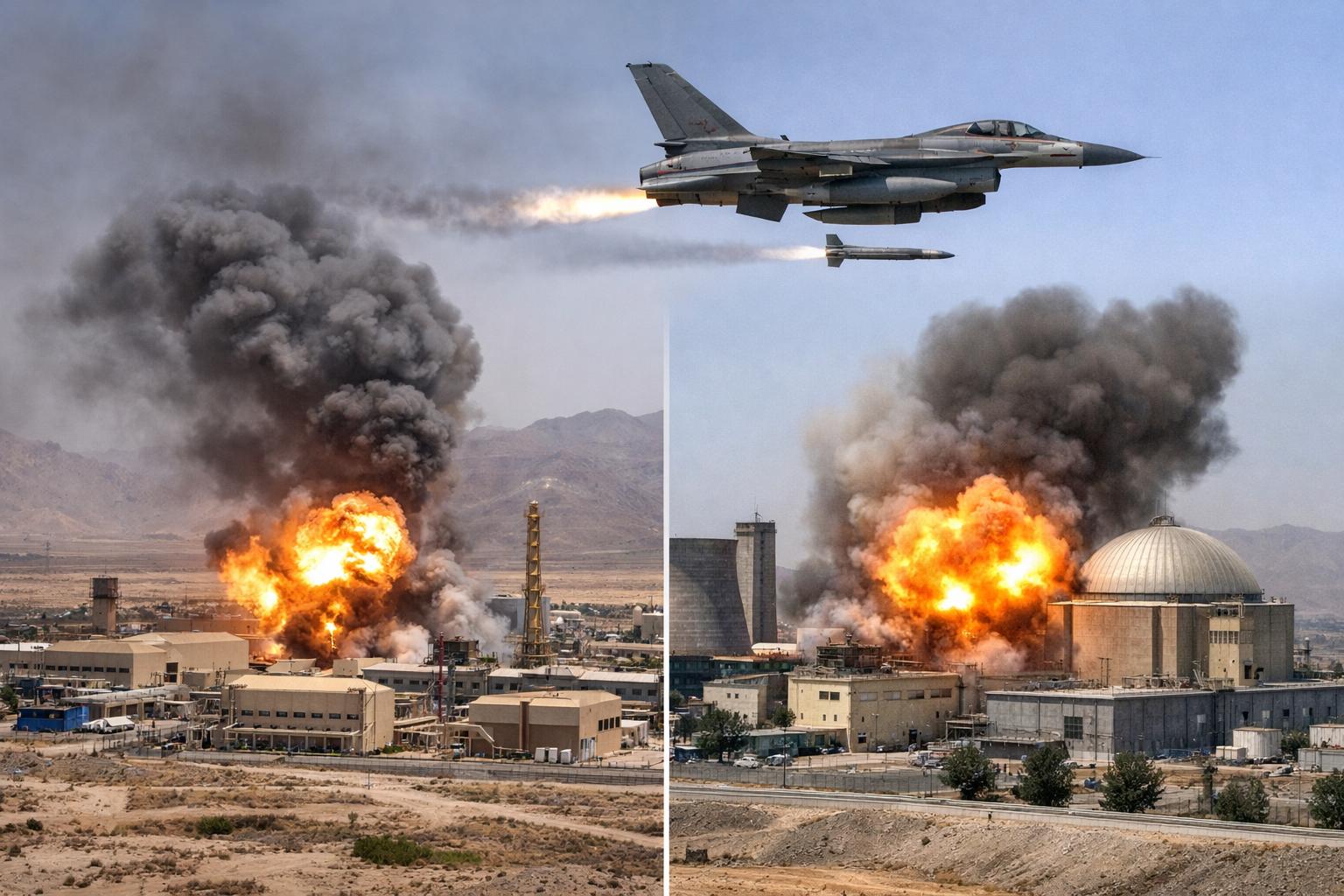
Israel confirmed it carried out coordinated airstrikes on nuclear-related facilities in central Iran on Friday, March 27, 2026, targeting a uranium processing site in Yazd and a heavy water plant in Arak, according to official military statements. The strikes mark a significant escalation in ongoing efforts to disrupt Iran’s nuclear program amid heightened regional tensions.
The Israel Defense Forces (IDF) said the operation in Yazd focused on a uranium extraction facility described as cri
Israel confirmed it carried out coordinated airstrikes on nuclear-related facilities in central Iran on Friday, March 27, 2026, targeting a uranium processing site in Yazd and a heavy water plant in Arak, according to official military statements. The strikes mark a significant escalation in ongoing efforts to disrupt Iran’s nuclear program amid heightened regional tensions.
The Israel Defense Forces (IDF) said the operation in Yazd focused on a uranium extraction facility described as cri
Foreign ministers from the Group of Seven (G7) nations on March 28, 2026, called for an immediate halt to attacks targeting civilians and critical infrastructure in the ongoing Iran war, emphasizing the urgent need to reduce humanitarian and economic fallout. The appeal came in a joint statement issued during a high-level meeting in France, where leaders highlighted growing concerns over civilian safety and regional stability.
The ministers stressed that protecting civilian populations remains a top priority, noting that continued attacks on infrastructure and non-combatants risk deepening the crisis. They underscored the importance of coordinated international efforts to limit the conflict’s broader consequences, including disruptions to global supply chains, energy markets, and economic stability that could directly affect citizens worldwide.
French Foreign Minister Jean-Noël Barrot said the G7 remains firmly committed to minimizing the war’s impact, reiterating that no justification exists for targeting civilians. He emphasized that safeguarding human life must remain central to any military or political response, as tensions continue to escalate in the region.
A key focus of the discussions was the Strait of Hormuz, a strategic maritime route critical to global energy supplies. The G7 ministers called for the restoration of safe and unrestricted navigation through the passage, warning that instability in the corridor could significantly disrupt international oil and trade flows.
U.S. Secretary of State Marco Rubio is expected to coordinate closely with European counterparts, including briefing the European Union’s Council of Foreign Affairs, as part of ongoing diplomatic efforts to ease tensions and address the standoff in the region.
Separately, European Union energy ministers are set to convene an emergency virtual meeting to assess the conflict’s impact on energy security across Europe. The meeting, organized under Cyprus’ rotating EU presidency, will focus on safeguarding supply stability amid rising uncertainty linked to the Iran war.
Foreign ministers from the Group of Seven (G7) nations on March 28, 2026, called for an immediate halt to attacks targeting civilians and critical infrastructure in the ongoing Iran war, emphasizing the urgent need to reduce humanitarian and economic fallout. The appeal came in a joint statement issued during a high-level meeting in France, where leaders highlighted growing concerns over civilian safety and regional stability.
The ministers stressed that protecting civilian populations remains a top priority, noting that continued attacks on infrastructure and non-combatants risk deepening the crisis. They underscored the importance of coordinated international efforts to limit the conflict’s broader consequences, including disruptions to global supply chains, energy markets, and economic stability that could directly affect citizens worldwide.
French Foreign Minister Jean-Noël Barrot said the G7 remains firmly committed to minimizing the war’s impact, reiterating that no justification exists for targeting civilians. He emphasized that safeguarding human life must remain central to any military or political response, as tensions continue to escalate in the region.
A key focus of the discussions was the Strait of Hormuz, a strategic maritime route critical to global energy supplies. The G7 ministers called for the restoration of safe and unrestricted navigation through the passage, warning that instability in the corridor could significantly disrupt international oil and trade flows.
U.S. Secretary of State Marco Rubio is expected to coordinate closely with European counterparts, including briefing the European Union’s Council of Foreign Affairs, as part of ongoing diplomatic efforts to ease tensions and address the standoff in the region.
Separately, European Union energy ministers are set to convene an emergency virtual meeting to assess the conflict’s impact on energy security across Europe. The meeting, organized under Cyprus’ rotating EU presidency, will focus on safeguarding supply stability amid rising uncertainty linked to the Iran war.
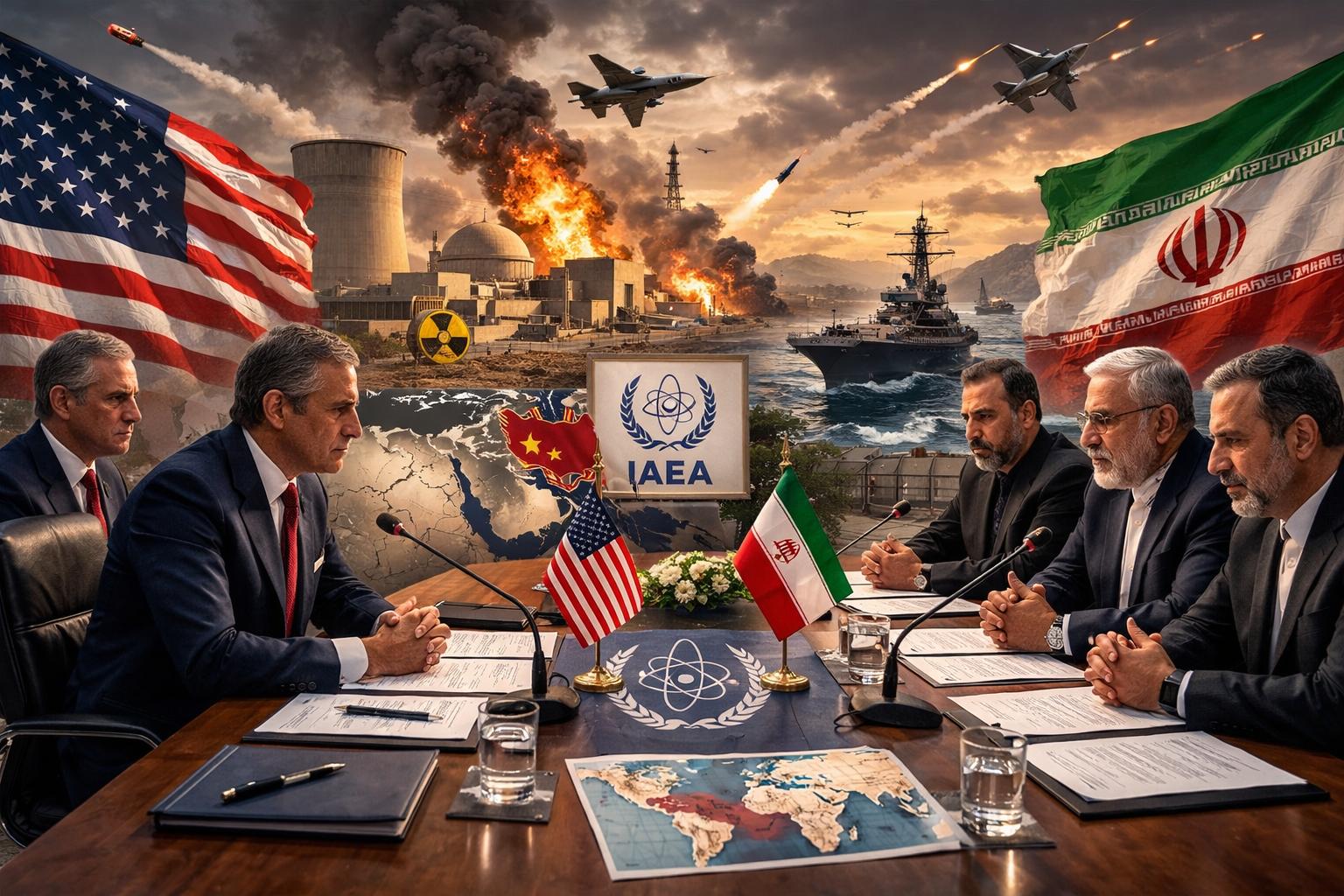
Washington: Tensions across West Asia have escalated sharply, with the United States issuing a strong warning to Iran to accept defeat or face significantly intensified military consequences. US officials indicated that further retaliation from Tehran could trigger a broader response, signaling a potential widening of the conflict. Iran, however, has dismissed the possibility of negotiations, reaffirming its intent to continue retaliatory strikes amid ongoing hostilities.
Military exchang
Washington: Tensions across West Asia have escalated sharply, with the United States issuing a strong warning to Iran to accept defeat or face significantly intensified military consequences. US officials indicated that further retaliation from Tehran could trigger a broader response, signaling a potential widening of the conflict. Iran, however, has dismissed the possibility of negotiations, reaffirming its intent to continue retaliatory strikes amid ongoing hostilities.
Military exchang