










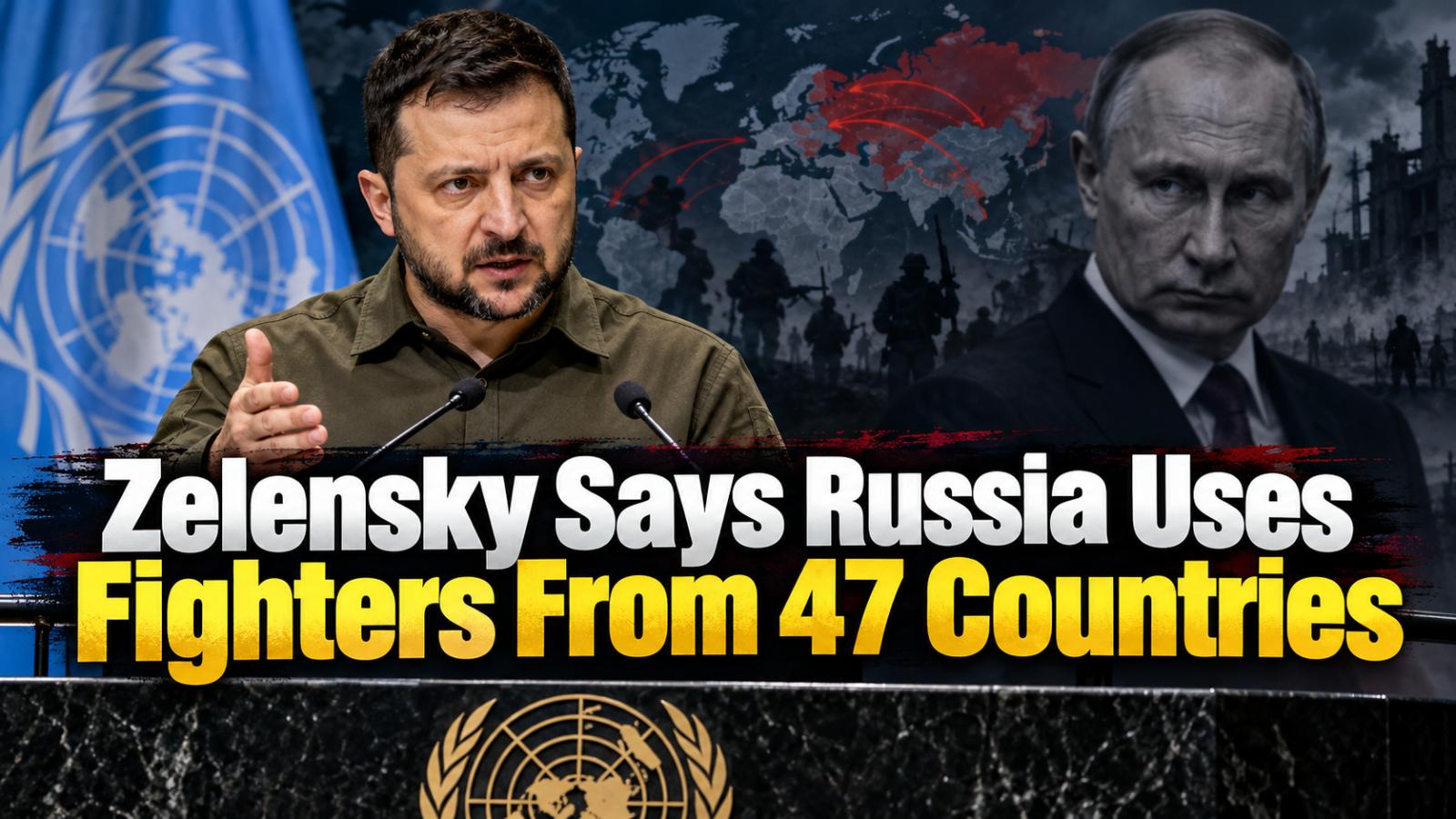
Zelensky says Russia uses foreign fighters from 47 countries
Ukrainian President Volodymyr Zelensky has accused Russia of using citizens from 47 countries in its war against Ukraine, naming India, Ghana, Nepal and several other nations during an address to the United Nations General Assembly on September 23, 2026. Zelensky also focused on foreign recruitment, North Korea, expanding drone partnerships, possible winter attacks and efforts to reduce Russian war revenue. Recruitment raises concerns over foreign fighters
Zelensky says Russia uses foreign fighters from 47 countries
Ukrainian President Volodymyr Zelensky has accused Russia of using citizens from 47 countries in its war against Ukraine, naming India, Ghana, Nepal and several other nations during an address to the United Nations General Assembly on September 23, 2026. Zelensky also focused on foreign recruitment, North Korea, expanding drone partnerships, possible winter attacks and efforts to reduce Russian war revenue. Recruitment raises concerns over foreign fighters
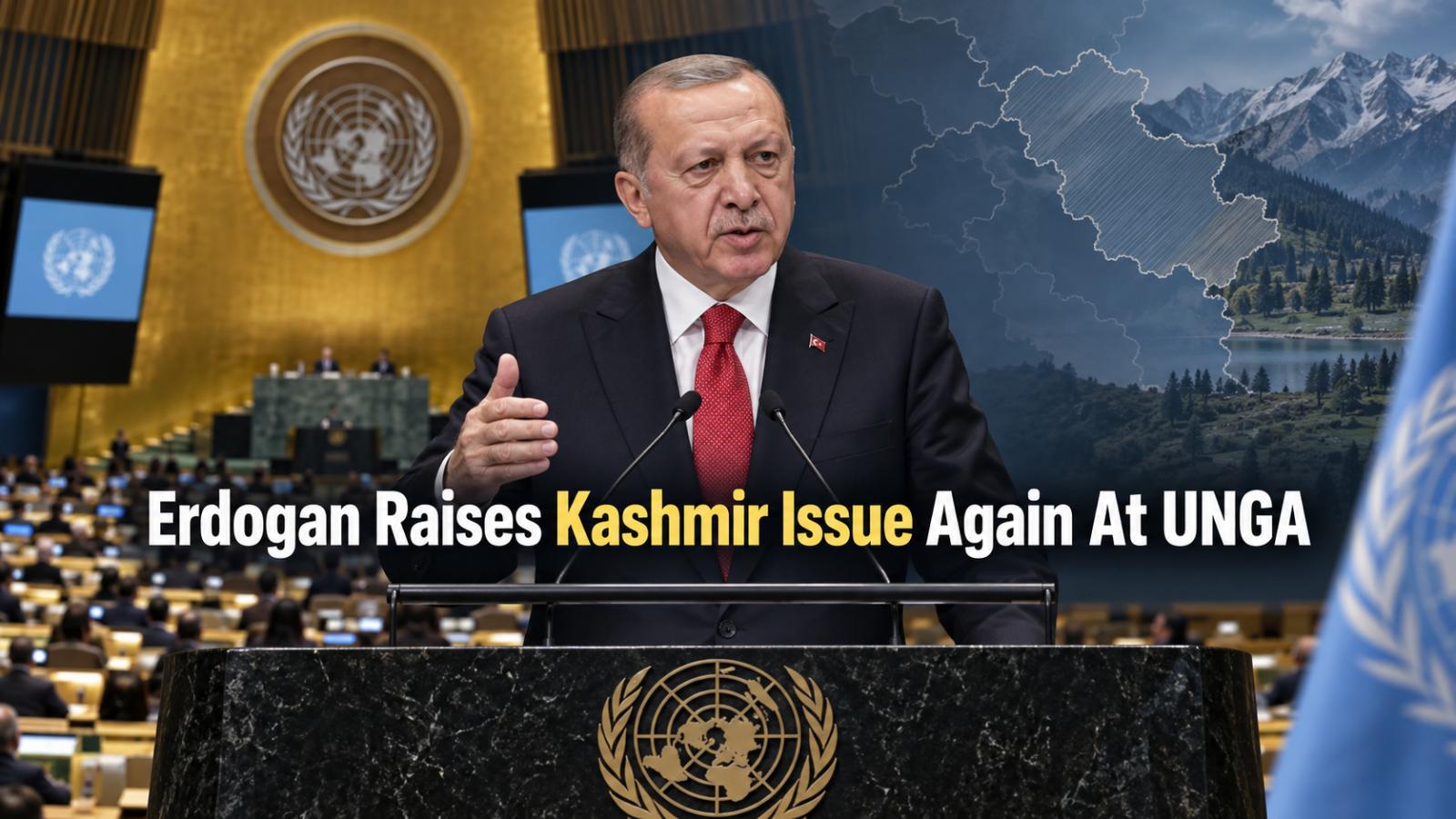
Erdogan Kashmir remarks return at UNGA 2026 amid regional tensions
Turkish President Recep Tayyip Erdogan revived the Kashmir issue at the 81st UN General Assembly, calling for dialogue under the UN Charter and relevant resolutions. His remarks again highlight the gap between Türkiye’s position and India’s stated view that Jammu and Kashmir is an internal matter. India Kashmir position Addressing the General Assembly in New York on September 22, Erdogan s
Erdogan Kashmir remarks return at UNGA 2026 amid regional tensions
Turkish President Recep Tayyip Erdogan revived the Kashmir issue at the 81st UN General Assembly, calling for dialogue under the UN Charter and relevant resolutions. His remarks again highlight the gap between Türkiye’s position and India’s stated view that Jammu and Kashmir is an internal matter. India Kashmir position Addressing the General Assembly in New York on September 22, Erdogan s
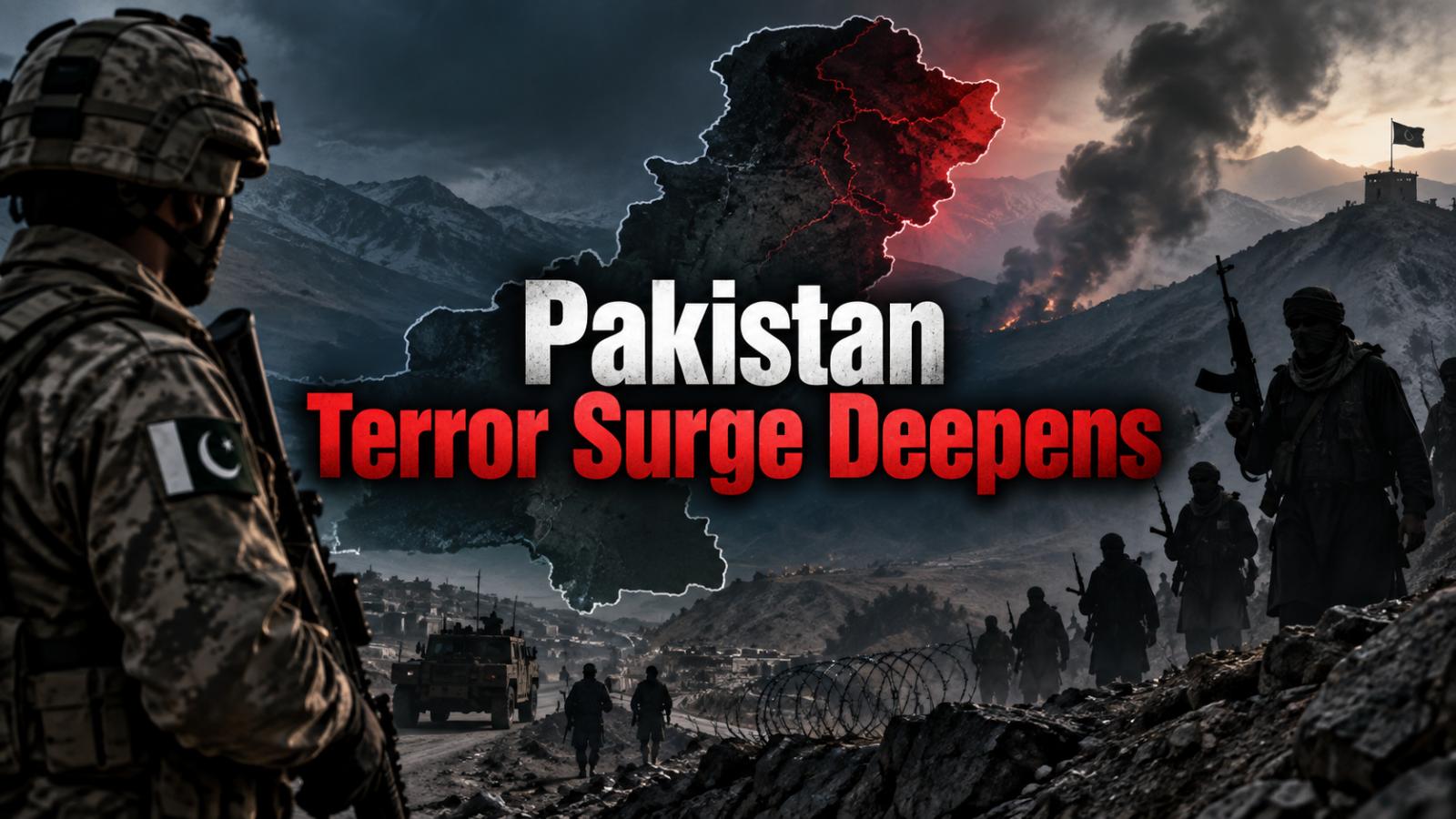
Pakistan Terror Surge Deepens as TTP Violence Intensifies
Pakistan is facing one of its most serious security challenges in years as militant violence rises, especially in Khyber Pakhtunkhwa. Islamabad blames groups including the TTP, now officially called Fitna al-Khawarij, while cross-border strikes in Afghanistan are adding fresh tension. Pakistan terror surge reaches decade-high levels
Pakistan Terror Surge Deepens as TTP Violence Intensifies
Pakistan is facing one of its most serious security challenges in years as militant violence rises, especially in Khyber Pakhtunkhwa. Islamabad blames groups including the TTP, now officially called Fitna al-Khawarij, while cross-border strikes in Afghanistan are adding fresh tension. Pakistan terror surge reaches decade-high levels
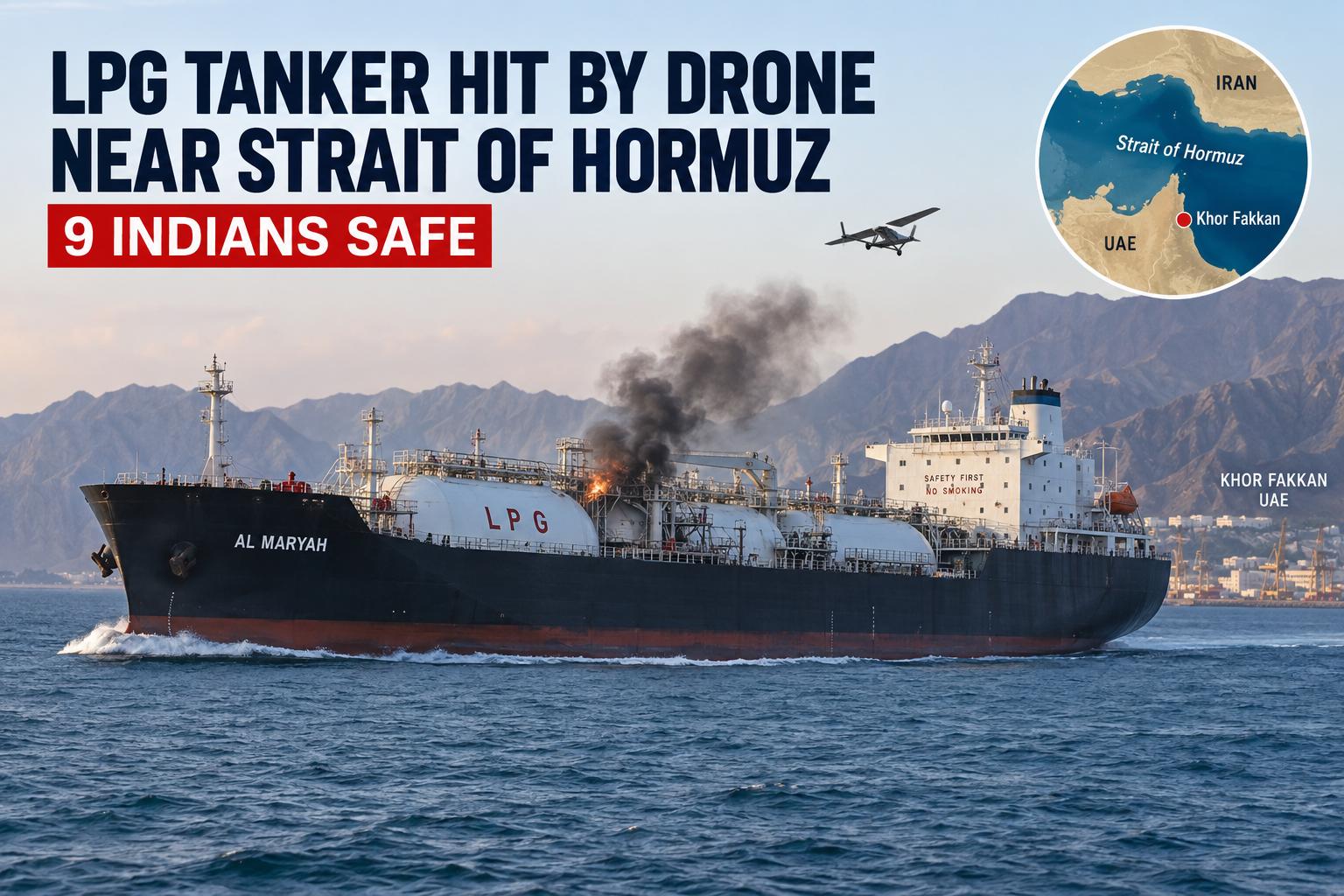
LPG tanker hit by drone near Strait of Hormuz; 9 Indians safe
An LPG tanker hit by a drone near the Strait of Hormuz reached safe anchorage at Khor Fakkan after suffering no major damage. All 19 crew aboard M.T. Al Maryah, including nine Indian nationals, were reported safe as maritime authorities continued regional monitoring. A Liberia-flagged liquefied petroleum gas tanker carrying nine Indian nationals was reportedly hit by a drone while sailing eastb
LPG tanker hit by drone near Strait of Hormuz; 9 Indians safe
An LPG tanker hit by a drone near the Strait of Hormuz reached safe anchorage at Khor Fakkan after suffering no major damage. All 19 crew aboard M.T. Al Maryah, including nine Indian nationals, were reported safe as maritime authorities continued regional monitoring. A Liberia-flagged liquefied petroleum gas tanker carrying nine Indian nationals was reportedly hit by a drone while sailing eastb
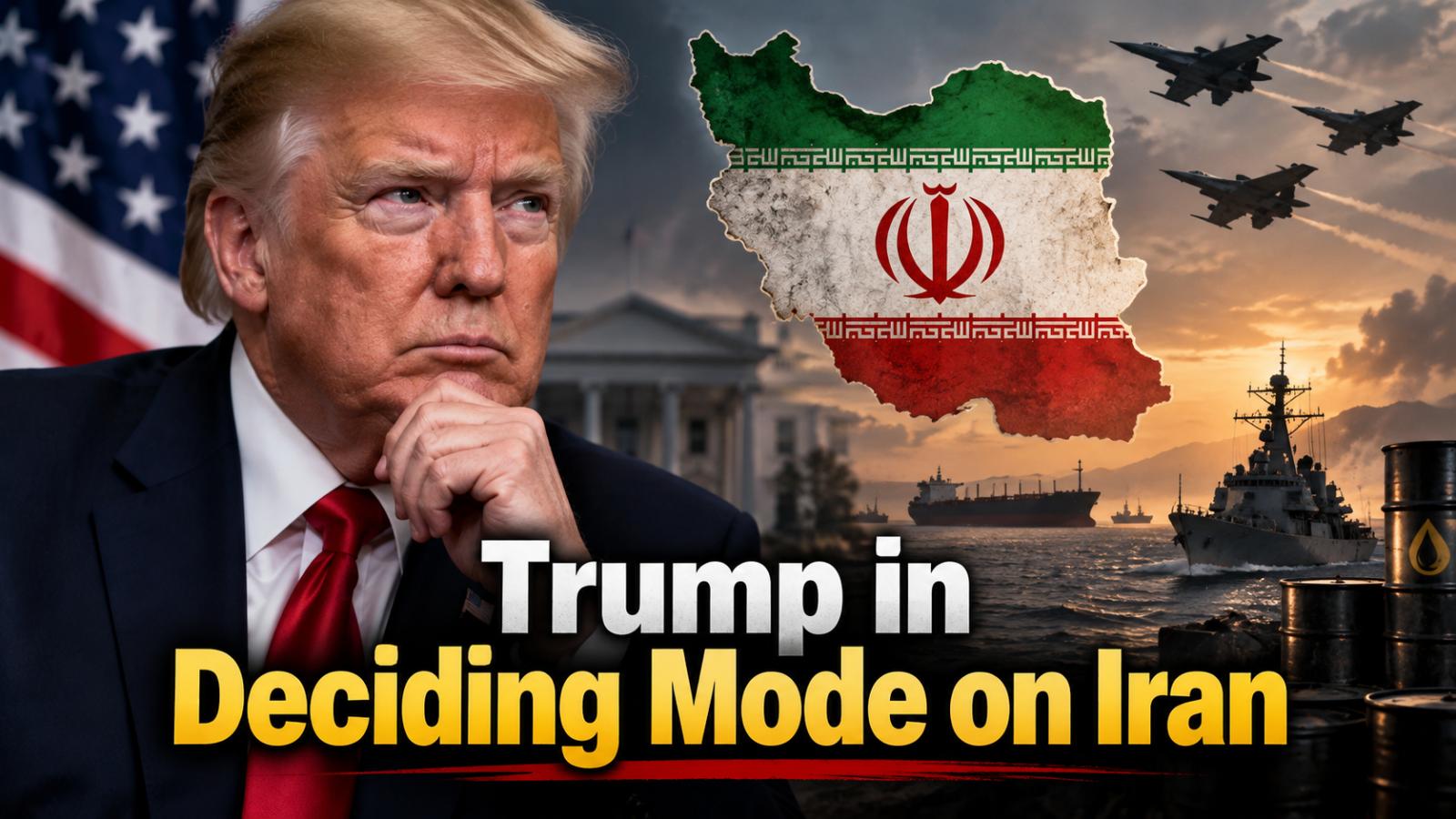
Trump Weighs Iran Options as US-Iran Tensions Rise
US President Donald Trump says he is in a “deciding mode” over Iran as Washington weighs military action, economic pressure and possible diplomacy. His comments come as Tehran sets conditions for renewed negotiations, Houthi attacks heighten regional tensions and the Strait of Hormuz remains central to the dispute. Trump weighs Iran m
Trump Weighs Iran Options as US-Iran Tensions Rise
US President Donald Trump says he is in a “deciding mode” over Iran as Washington weighs military action, economic pressure and possible diplomacy. His comments come as Tehran sets conditions for renewed negotiations, Houthi attacks heighten regional tensions and the Strait of Hormuz remains central to the dispute. Trump weighs Iran m
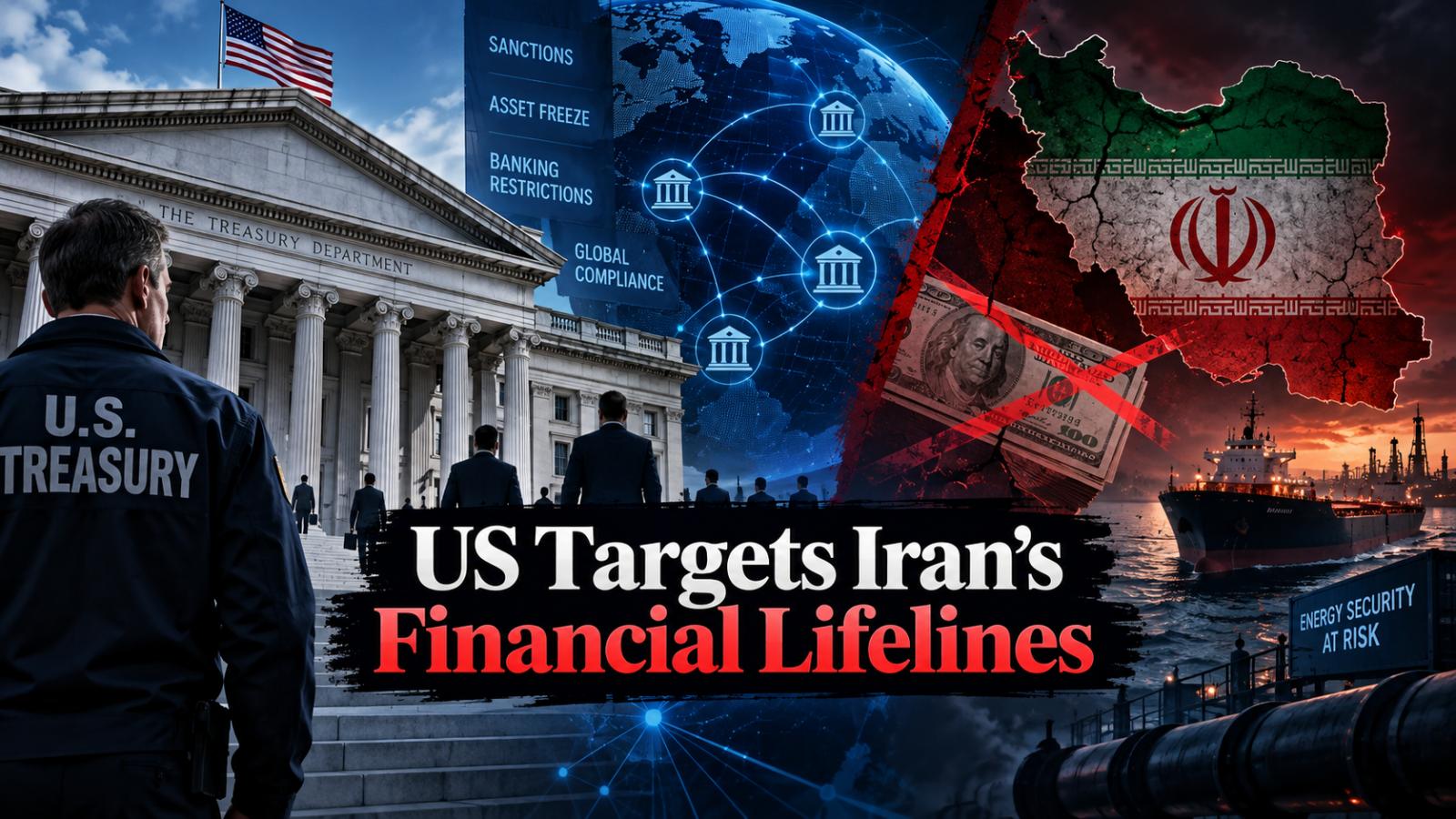
Operation Economic Outcast Targets Iran’s Financial Lifelines
Operation Economic Outcast is expanding as the US Treasury works with global financial institutions to identify and disrupt revenue, banking and procurement networks linked to Iran. The campaign comes as Washington also warns that instability in the region could threaten global energy supplies. Operation Economic Outcast targets Iran finance The US Treasury said its Financial Crimes Enforcement Network convened global financial instituti
Operation Economic Outcast Targets Iran’s Financial Lifelines
Operation Economic Outcast is expanding as the US Treasury works with global financial institutions to identify and disrupt revenue, banking and procurement networks linked to Iran. The campaign comes as Washington also warns that instability in the region could threaten global energy supplies. Operation Economic Outcast targets Iran finance The US Treasury said its Financial Crimes Enforcement Network convened global financial instituti
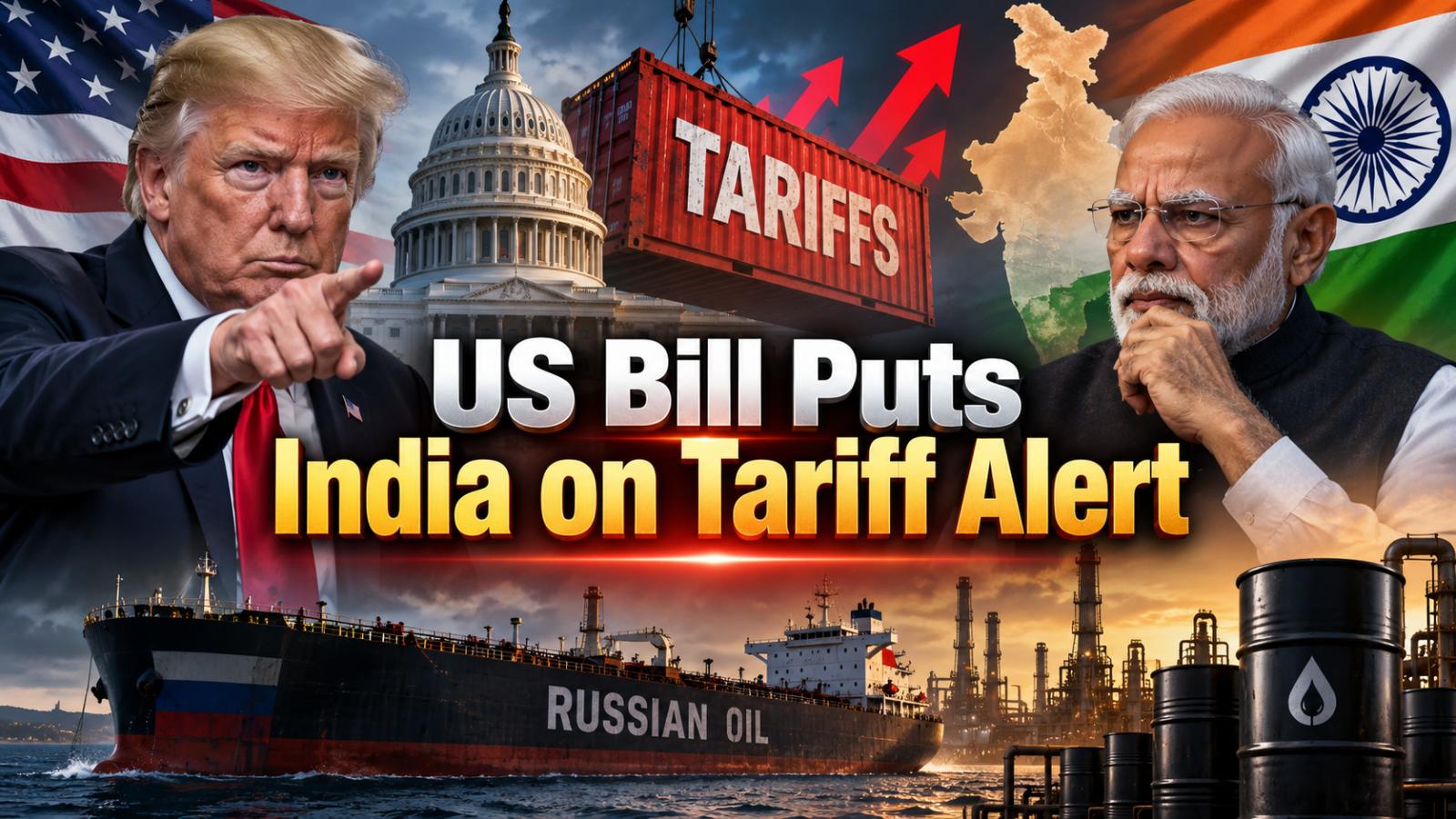
Russia Sanctions Bill Raises India Tariff Risk to 100%
The Russia sanctions bill has raised fresh concerns for India and other major buyers of Russian energy, with the legislation giving President Donald Trump authority to impose tariffs of up to 100% under specified conditions. The move comes as India-Russia ties remain strong in energy and strategic cooperation. Russia sanctions bill clears US House The US House of Representatives has passed the
Russia Sanctions Bill Raises India Tariff Risk to 100%
The Russia sanctions bill has raised fresh concerns for India and other major buyers of Russian energy, with the legislation giving President Donald Trump authority to impose tariffs of up to 100% under specified conditions. The move comes as India-Russia ties remain strong in energy and strategic cooperation. Russia sanctions bill clears US House The US House of Representatives has passed the
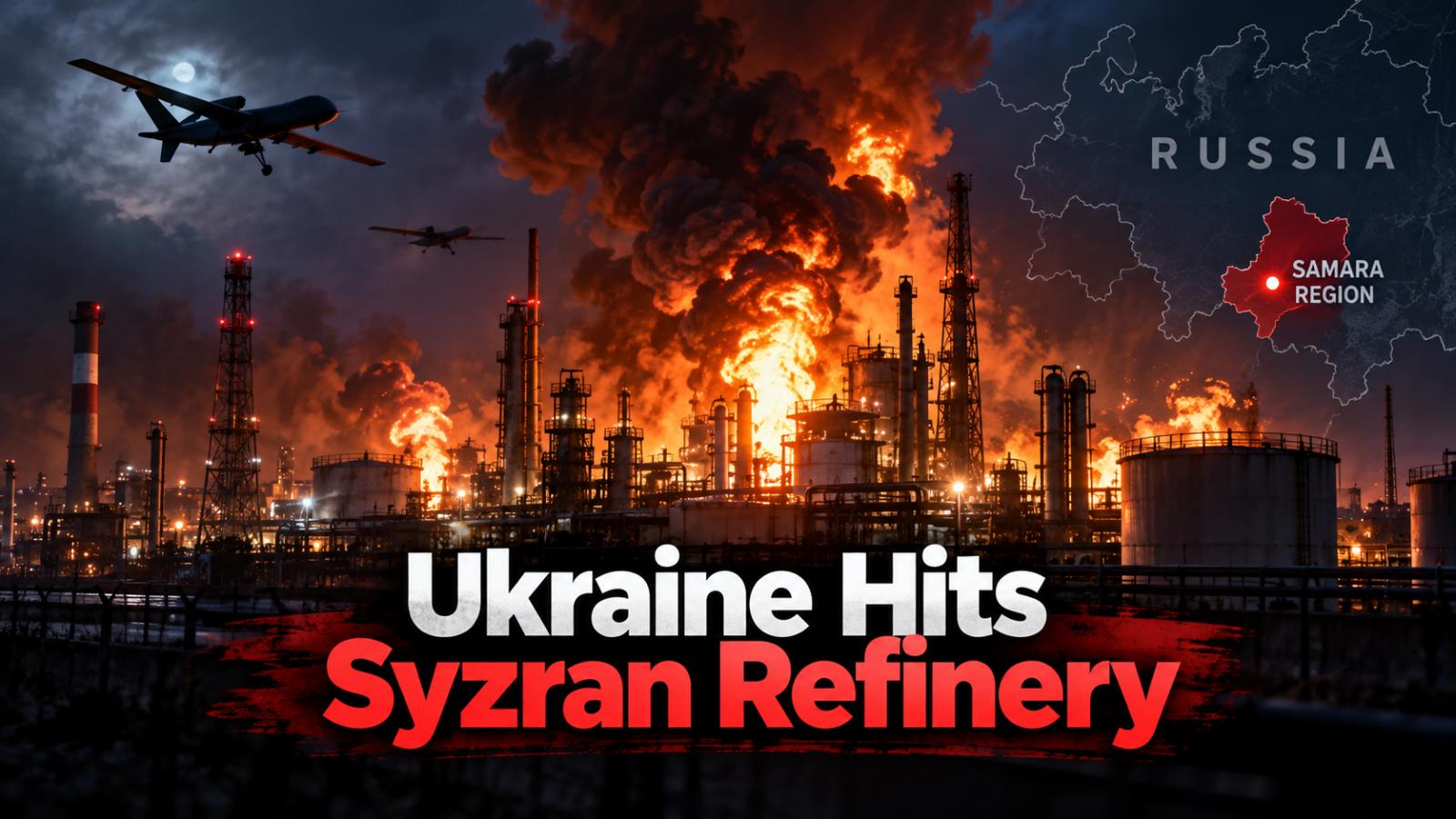
Ukraine Syzran Refinery Strike Sparks Fires in Russia
Ukrainian drones reportedly targeted the Syzran Oil Refinery in Russia's Samara region overnight on September 15, extending Kyiv's campaign against Russian energy and industrial infrastructure. Monitoring channels reported fires at several points inside the complex, although the full scale of damage was not immediately independently confirmed. Ukraine Syzran refinery strike targets Russian energy
Ukraine Syzran Refinery Strike Sparks Fires in Russia
Ukrainian drones reportedly targeted the Syzran Oil Refinery in Russia's Samara region overnight on September 15, extending Kyiv's campaign against Russian energy and industrial infrastructure. Monitoring channels reported fires at several points inside the complex, although the full scale of damage was not immediately independently confirmed. Ukraine Syzran refinery strike targets Russian energy

Donskoy Relic Sent to Russian Troops on Ukraine Front
The Russian Orthodox Church has sent a fragment of medieval Grand Prince Dmitry Donskoy’s remains toward Russian military units fighting in Ukraine, presenting the relic as a source of spiritual strength for soldiers. The Donskoy relic sent to Russian troops comes as fighting continues around Donetsk and the Church maintains its public support for Moscow’s military campaign. Donetsk The Mos
Donskoy Relic Sent to Russian Troops on Ukraine Front
The Russian Orthodox Church has sent a fragment of medieval Grand Prince Dmitry Donskoy’s remains toward Russian military units fighting in Ukraine, presenting the relic as a source of spiritual strength for soldiers. The Donskoy relic sent to Russian troops comes as fighting continues around Donetsk and the Church maintains its public support for Moscow’s military campaign. Donetsk The Mos
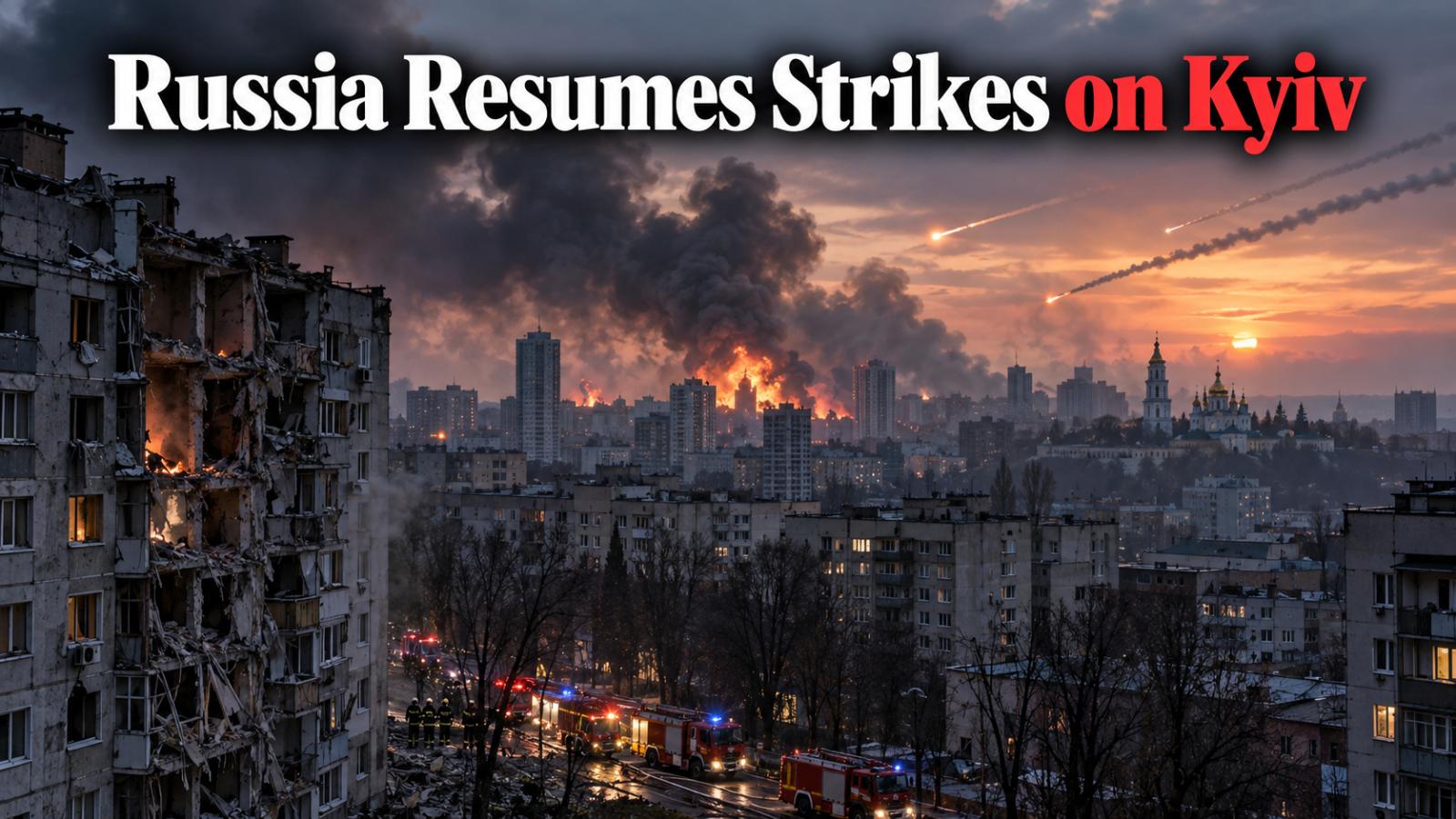
Russia Resumes Kyiv Attacks After Three-Day Pause
Russia resumed attacks on Kyiv on Tuesday after a three-day pause, with missiles damaging homes and starting fires across the Ukrainian capital. The renewed Kyiv assault came as US-led talks sought to revive diplomacy, while drone activity also continued inside Russia. Kyiv Attack Renews Missile Threat Explosions were heard across Kyiv on Tuesday morning as Russian forces launched ballistic mis
Russia Resumes Kyiv Attacks After Three-Day Pause
Russia resumed attacks on Kyiv on Tuesday after a three-day pause, with missiles damaging homes and starting fires across the Ukrainian capital. The renewed Kyiv assault came as US-led talks sought to revive diplomacy, while drone activity also continued inside Russia. Kyiv Attack Renews Missile Threat Explosions were heard across Kyiv on Tuesday morning as Russian forces launched ballistic mis
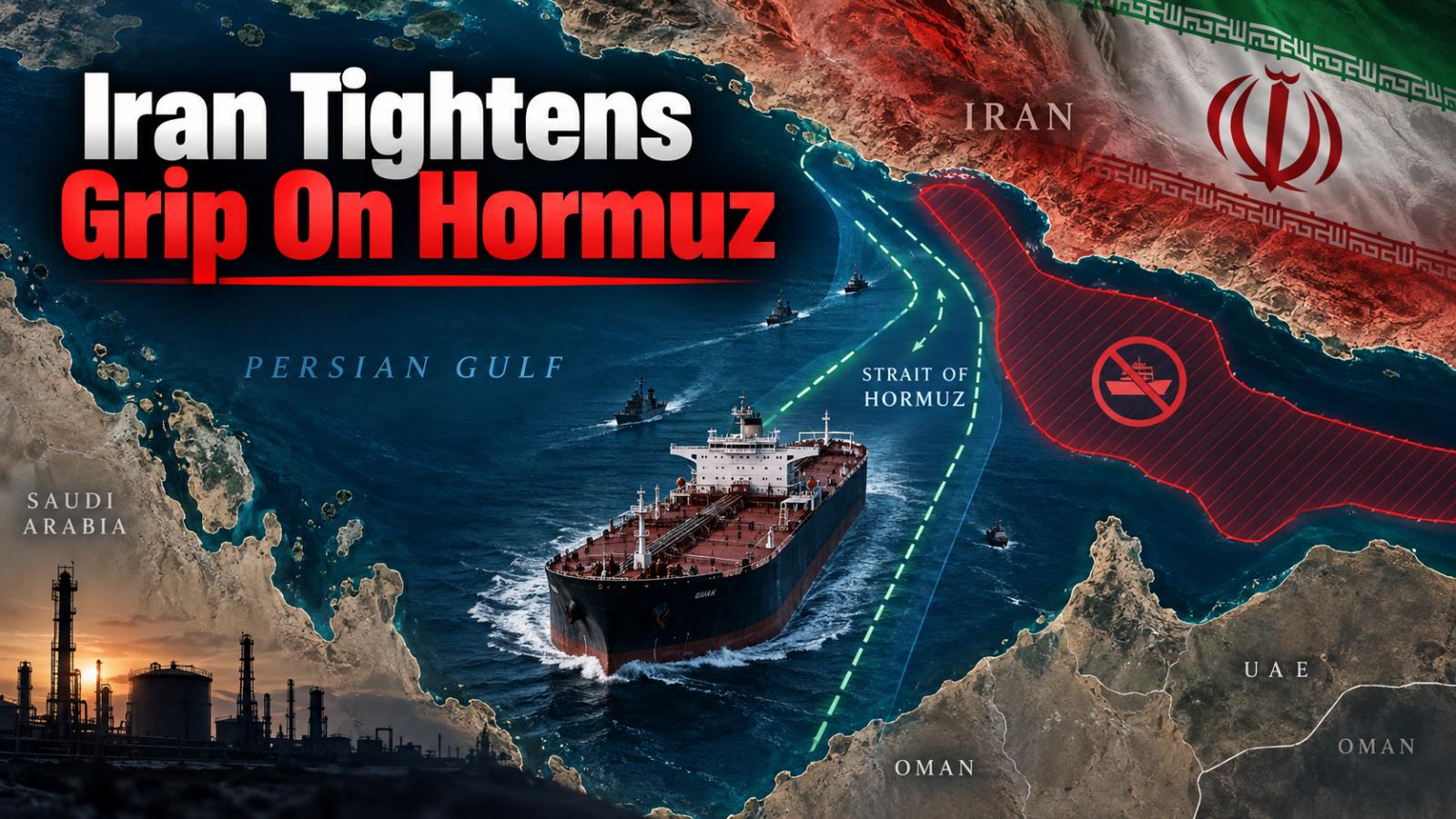
Iran Hormuz Shipping Corridor Deal With Oman Nears Approval
Iran says an Iran-Oman Hormuz shipping corridor could be formalized within days as Tehran prepares a new restricted maritime zone around the strategic waterway. The proposals could reshape Gulf shipping while tensions with the United States continue to disrupt commercial traffic. Iran Oman Hormuz Shipping Corridor Nears Agreement Iranian officials say Tehran and Muscat have agreed on maps for a
Iran Hormuz Shipping Corridor Deal With Oman Nears Approval
Iran says an Iran-Oman Hormuz shipping corridor could be formalized within days as Tehran prepares a new restricted maritime zone around the strategic waterway. The proposals could reshape Gulf shipping while tensions with the United States continue to disrupt commercial traffic. Iran Oman Hormuz Shipping Corridor Nears Agreement Iranian officials say Tehran and Muscat have agreed on maps for a
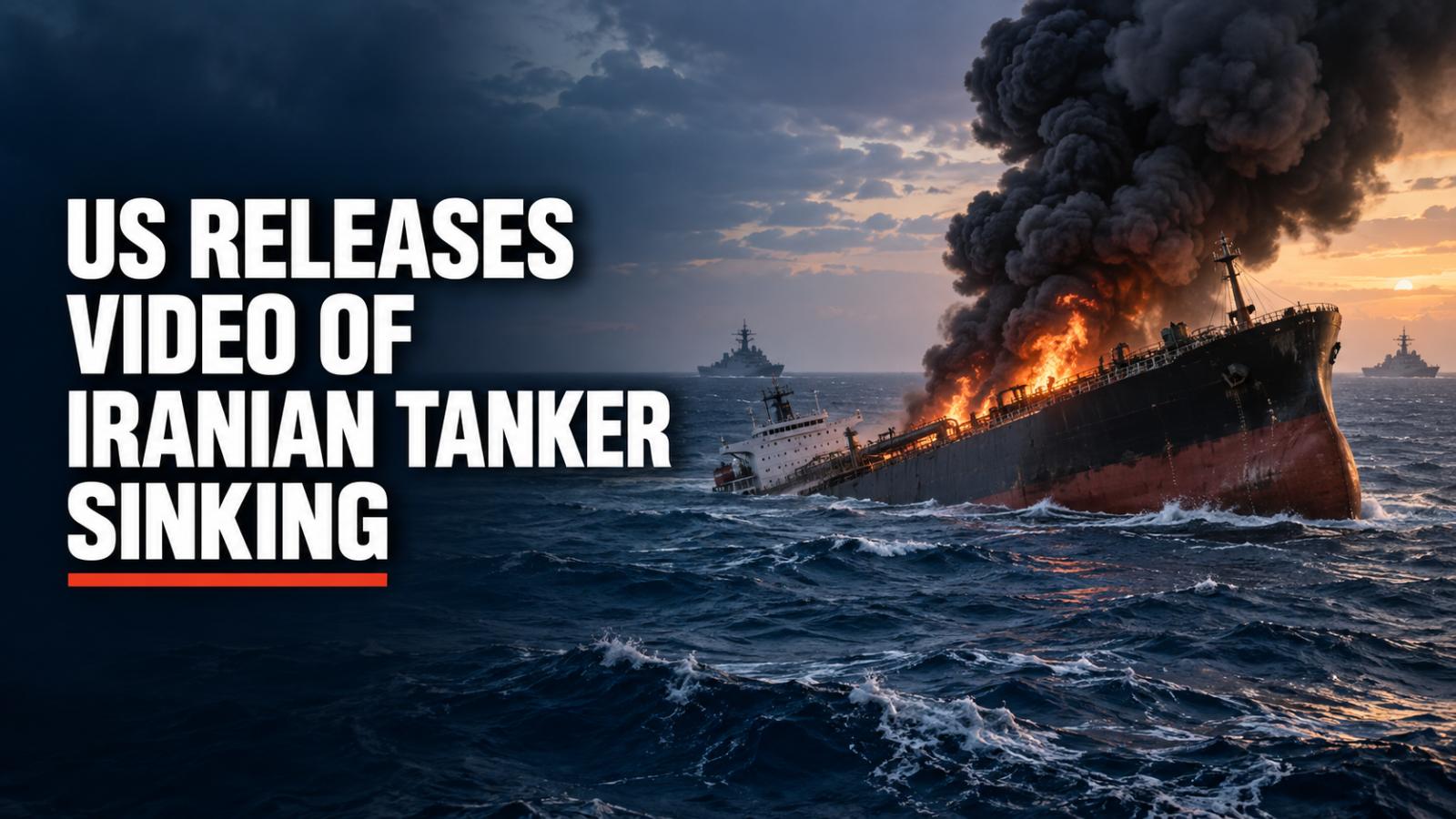
US Releases Video of Iranian Tanker Sinking in Gulf of Oman
CENTCOM released footage on Sunday, September 6, 2026, showing the M/T Kylo burning and sinking in the Gulf of Oman after a US strike. The incident followed US attacks on three Iranian tankers and intensified fears over regional shipping and oil trade. United States Central Command has released video showing the M/T Kylo, an Iranian-linked oil tanker also known as the Noxen, burning and sinking in the Gulf of Oman followi
US Releases Video of Iranian Tanker Sinking in Gulf of Oman
CENTCOM released footage on Sunday, September 6, 2026, showing the M/T Kylo burning and sinking in the Gulf of Oman after a US strike. The incident followed US attacks on three Iranian tankers and intensified fears over regional shipping and oil trade. United States Central Command has released video showing the M/T Kylo, an Iranian-linked oil tanker also known as the Noxen, burning and sinking in the Gulf of Oman followi

Trump Calls Iran Conflict ‘Small Potatoes,’ Backs Vance on War
U.S. President Donald Trump has played down the six-month conflict with Iran, calling it “small potatoes” for the United States while backing Vice President JD Vance’s view that the continuing hostilities should not necessarily be described as a war. Trump Calls Iran Conflict ‘Small Potatoes’ Speaking to reporters in the Oval Office on September 4, Trump said he
Trump Calls Iran Conflict ‘Small Potatoes,’ Backs Vance on War
U.S. President Donald Trump has played down the six-month conflict with Iran, calling it “small potatoes” for the United States while backing Vice President JD Vance’s view that the continuing hostilities should not necessarily be described as a war. Trump Calls Iran Conflict ‘Small Potatoes’ Speaking to reporters in the Oval Office on September 4, Trump said he
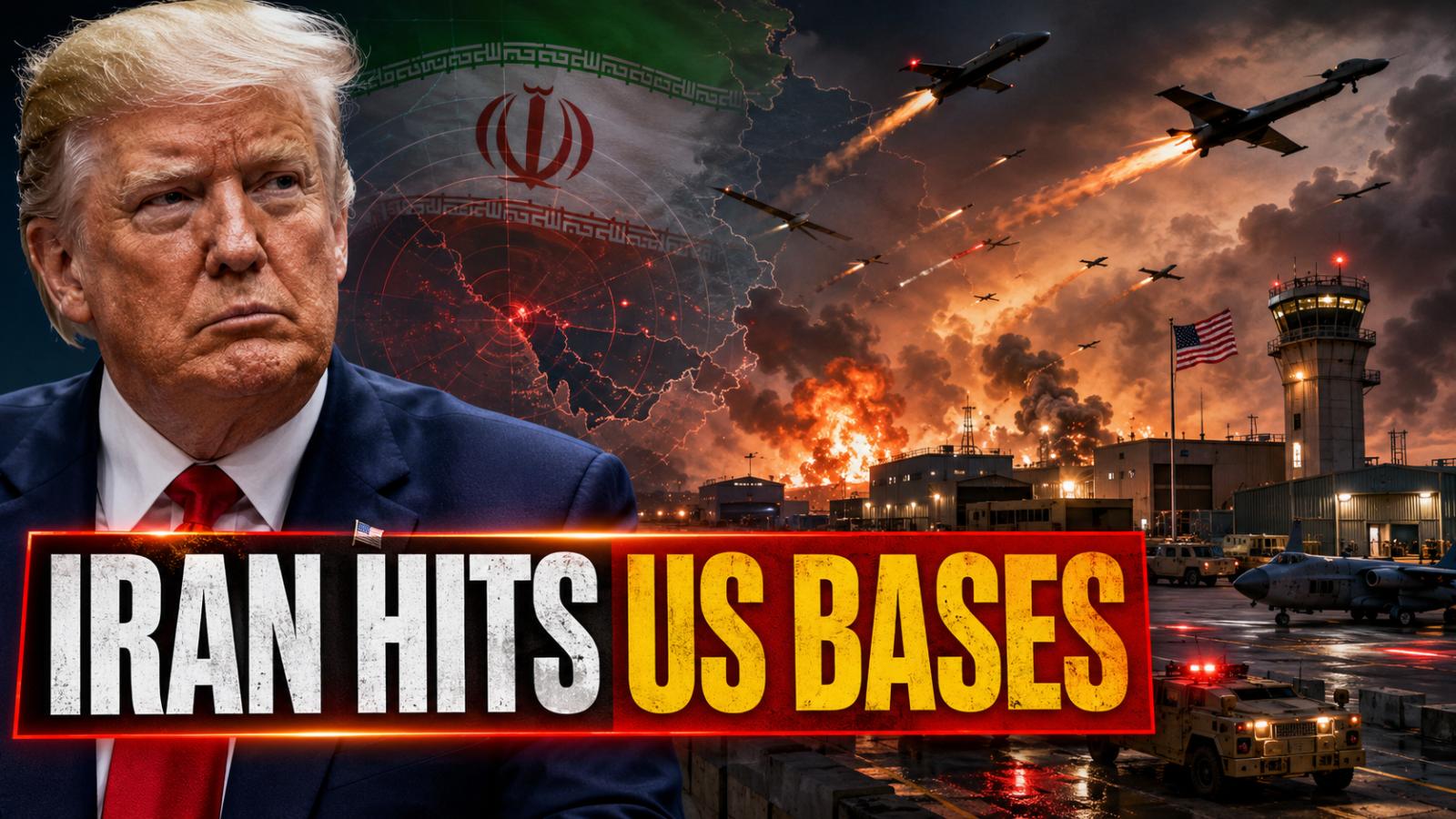
Iran strikes US bases in Kuwait as Trump warns of more attacks
The US-Iran conflict has entered another dangerous phase after Tehran launched a fresh wave of missile and drone attacks against American-linked military facilities across the Gulf. The retaliation followed renewed US strikes on Iranian military targets, while President Donald Trump warned that Washington remains ready to attack again. Iran strikes US bases after renewed American attacks Iran l
Iran strikes US bases in Kuwait as Trump warns of more attacks
The US-Iran conflict has entered another dangerous phase after Tehran launched a fresh wave of missile and drone attacks against American-linked military facilities across the Gulf. The retaliation followed renewed US strikes on Iranian military targets, while President Donald Trump warned that Washington remains ready to attack again. Iran strikes US bases after renewed American attacks Iran l
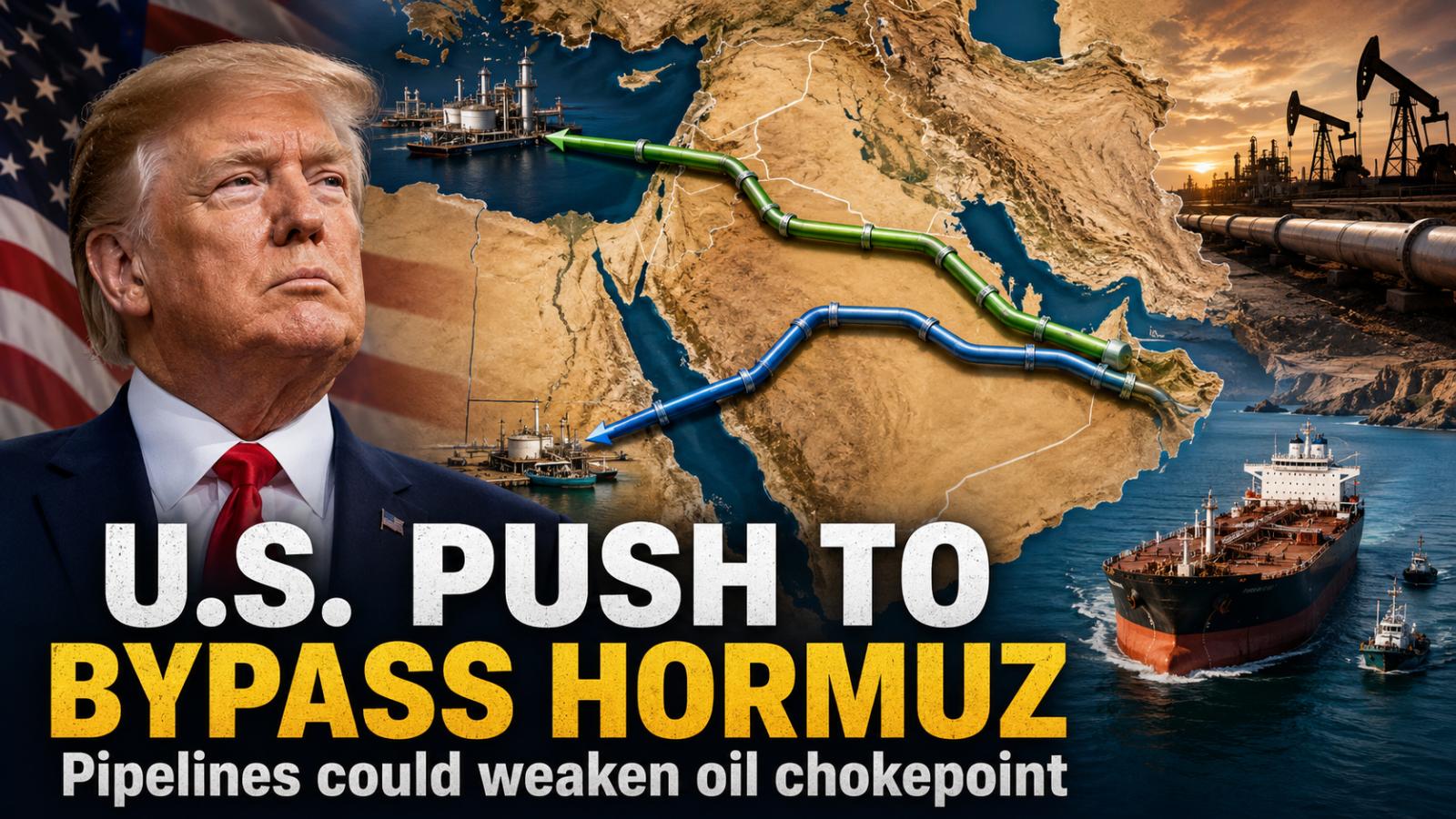
Strait of Hormuz bypass plan could redraw global oil routes
For decades, the Strait of Hormuz has been one of the world’s most important energy chokepoints. Now, Washington and Gulf producers are accelerating plans for pipelines and alternative export routes that could sharply reduce dependence on the narrow waterway. The goal is not necessarily to eliminate Hormuz, but to weaken its ability to disrupt global oil markets. Strait of Hormuz bypass becomes US strategy
Strait of Hormuz bypass plan could redraw global oil routes
For decades, the Strait of Hormuz has been one of the world’s most important energy chokepoints. Now, Washington and Gulf producers are accelerating plans for pipelines and alternative export routes that could sharply reduce dependence on the narrow waterway. The goal is not necessarily to eliminate Hormuz, but to weaken its ability to disrupt global oil markets. Strait of Hormuz bypass becomes US strategy

US-Venezuela oil deal unlocks billions in new energy investment
A major US-Venezuela oil deal is reshaping the country’s energy sector, with Chevron, Eni and GE Vernova signing multibillion-dollar agreements in Caracas. The moves follow a separate arrangement that gives Washington extensive economic and governance rights connected to about 65 billion barrels of Venezuelan oil reserves. US-Venezuela oil deal opens new investment phase US Energy Secretary C
US-Venezuela oil deal unlocks billions in new energy investment
A major US-Venezuela oil deal is reshaping the country’s energy sector, with Chevron, Eni and GE Vernova signing multibillion-dollar agreements in Caracas. The moves follow a separate arrangement that gives Washington extensive economic and governance rights connected to about 65 billion barrels of Venezuelan oil reserves. US-Venezuela oil deal opens new investment phase US Energy Secretary C
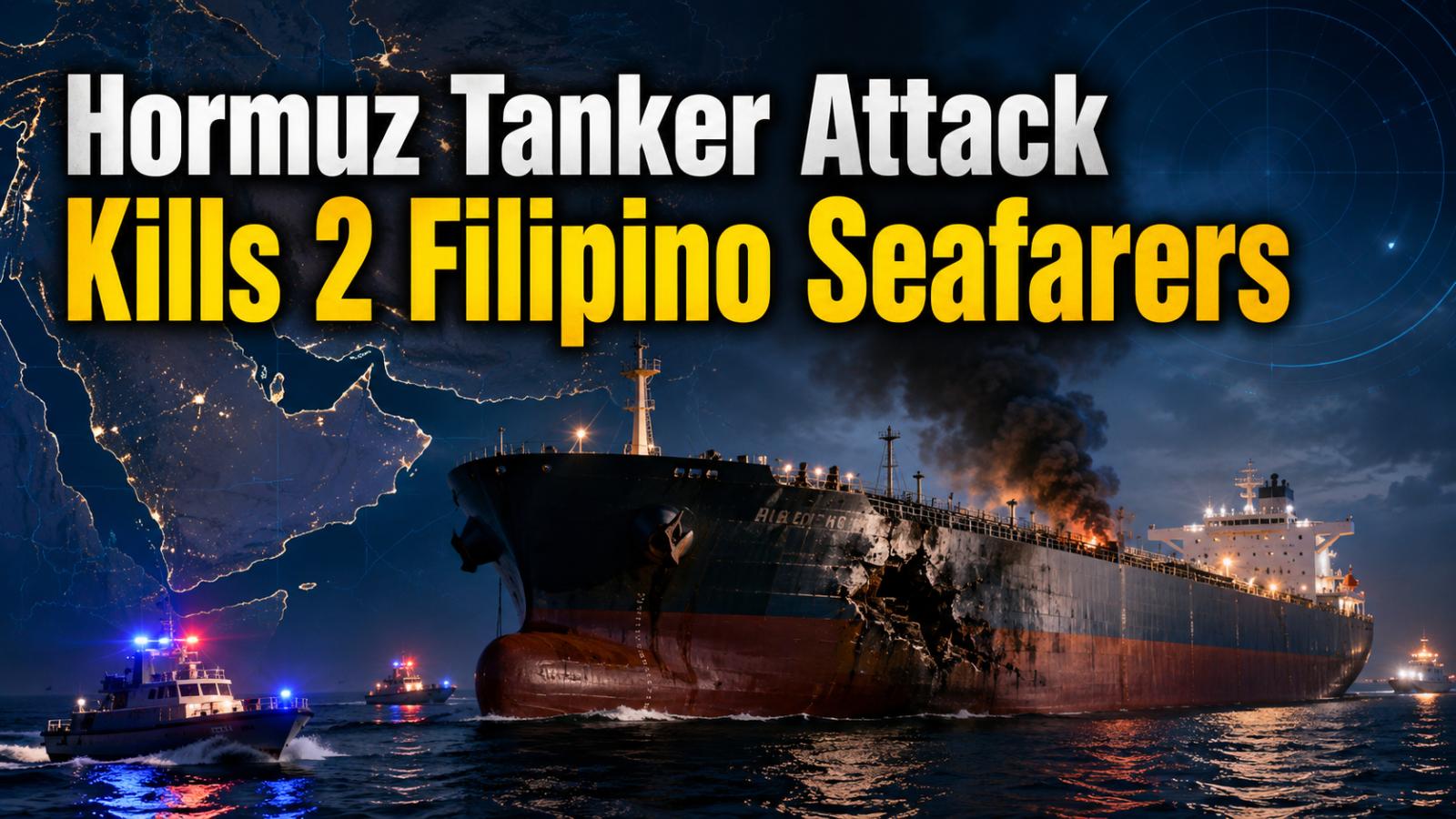
Strait of Hormuz tanker attack kills two Filipino seafarers
A Strait of Hormuz tanker attack has left two Filipino seafarers dead aboard the Saudi-operated SIDR, intensifying concerns over maritime security in one of the world’s most important oil routes. Bahri confirmed the deaths as US-Iran tensions again escalated across the Gulf. Strait of Hormuz tanker attack kills two sailors Saudi Arabia’s national shipping company Bahri confirmed that two Fi
Strait of Hormuz tanker attack kills two Filipino seafarers
A Strait of Hormuz tanker attack has left two Filipino seafarers dead aboard the Saudi-operated SIDR, intensifying concerns over maritime security in one of the world’s most important oil routes. Bahri confirmed the deaths as US-Iran tensions again escalated across the Gulf. Strait of Hormuz tanker attack kills two sailors Saudi Arabia’s national shipping company Bahri confirmed that two Fi
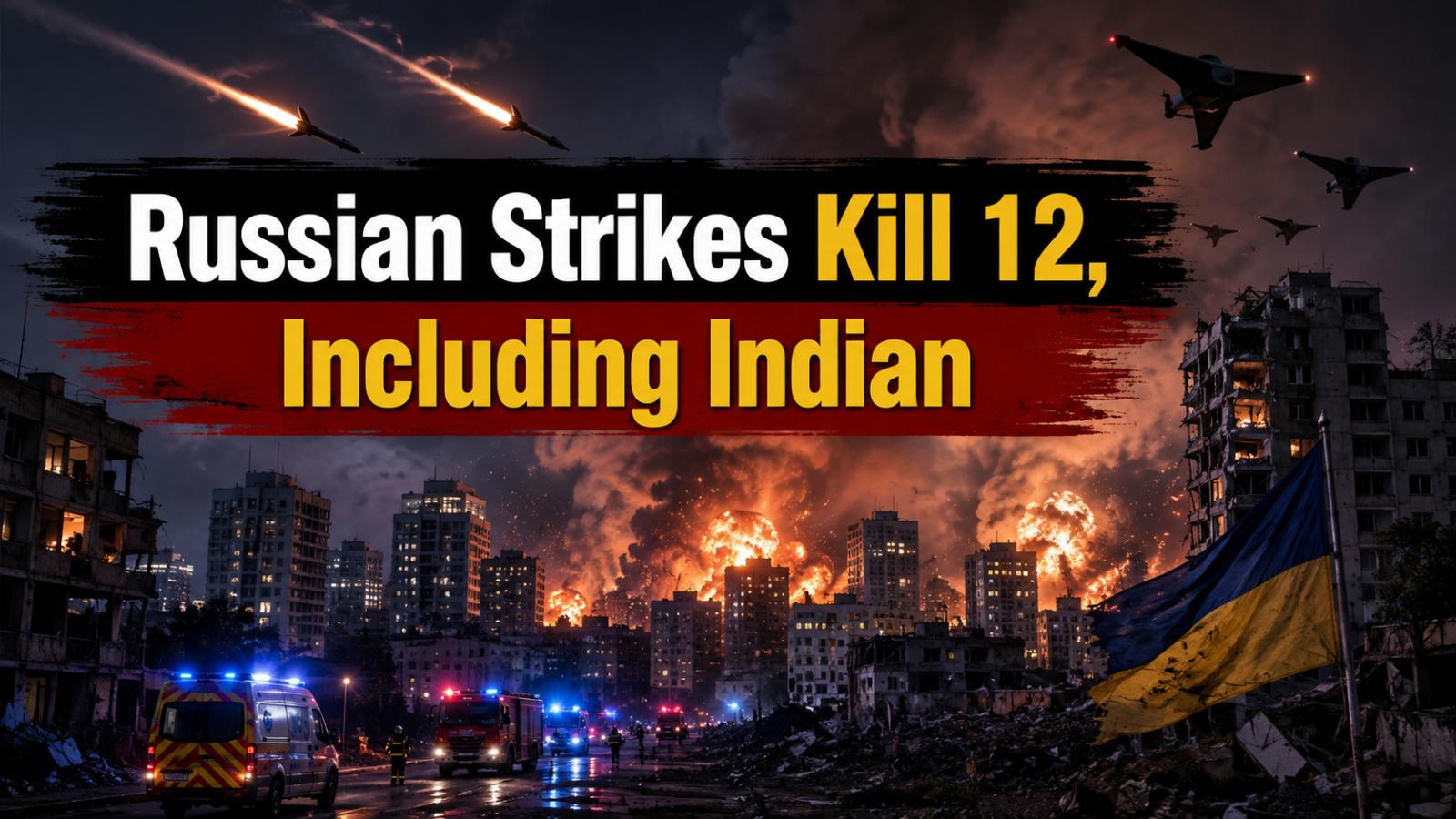
Russian Strikes on Ukraine Kill 12, Including Indian National
Russian strikes on Ukraine killed at least 12 people, including an Indian national, as Moscow launched another wave of missiles and drones against Kyiv and several other regions. Residential areas, railway facilities and civilian infrastructure were damaged, renewing calls from President Volodymyr Zelenskyy for stronger air-defence support. Kyiv Attack Kills Indian National An Indian citizen was among those killed in the latest attacks around Kyiv. The deceased was identified by Indian community sources as 40-year-old Sudarshan Bhabhilala from Gujarat. He reportedly suffered a severe head injury during the Russian attack. India’s embassy in Kyiv said it was deeply saddened by the death and was assisting the family with the repatriation of his remains. Another Indian national, Ganesh Kalleda from Telangana, was reported injured. The deaths came during a prolonged Russian assault on Kyiv and surrounding areas involving ballistic missiles, drones and other weapons. Ukrainian authorities said several civilian and railway locations were hit. Odesa and Border Infrastructure Hit The attacks extended beyond the capital. Zelenskyy said Russian strikes affected Odesa and surrounding areas, while Kyiv, Kherson, Donetsk, Zaporizhzhia, Kharkiv, Chernihiv, Zhytomyr, Sumy and Dnipro regions also faced attacks. Ukraine also reported damage to railway, energy and export infrastructure. Zelenskyy’s office said Russia had intensified attacks since August and was increasingly targeting infrastructure that supports everyday civilian life. Ukraine has accused Russia of deliberately attacking civilian targets. Moscow, however, has repeatedly said its strikes are aimed at military and military-linked infrastructure. Ukraine Seeks More Air Defence The scale and frequency of the latest attacks have renewed pressure on Ukraine’s air-defence system. Ukrainian officials say the country needs more Patriot interceptors and other systems capable of stopping ballistic missiles and increasingly fast drones. Recent Russian attacks have combined conventional missiles with large numbers of unmanned aircraft, placing heavy pressure on Ukraine’s existing interceptor stocks. Western air-defence assistance therefore remains one of Kyiv’s most urgent military priorities. Modi Putin Peace Message The renewed violence came shortly after Prime Minister Narendra Modi met Russian President Vladimir Putin on the sidelines of the SCO Summit in Bishkek on August 31. According to India’s Prime Minister’s Office, Modi reiterated that dialogue and diplomacy were the way forward for resolving conflicts. The two leaders also discussed the Black Sea conflict and its wider impact on maritime trade and Indian seafarers. Modi has continued to position India in favour of a negotiated settlement while maintaining its strategic partnership with Moscow. Indians in Russian Army The Ukraine war has also created a separate concern for New Delhi involving Indians recruited into the Russian armed forces. Foreign Secretary Vikram Misri said 227 Indian nationals had been recruited into the Russian military. Of them, 139 had been discharged while 51 had died. India remains in talks with Moscow to secure the release and repatriation of those still serving. The latest death of an Indian civilian in Ukraine adds another human dimension to the conflict for India. As Russian missile and drone attacks continue, New Delhi now faces both the task of assisting citizens affected inside Ukraine and pursuing the return of Indians still linked to Russia’s military.
Russian Strikes on Ukraine Kill 12, Including Indian National
Russian strikes on Ukraine killed at least 12 people, including an Indian national, as Moscow launched another wave of missiles and drones against Kyiv and several other regions. Residential areas, railway facilities and civilian infrastructure were damaged, renewing calls from President Volodymyr Zelenskyy for stronger air-defence support. Kyiv Attack Kills Indian National An Indian citizen was among those killed in the latest attacks around Kyiv. The deceased was identified by Indian community sources as 40-year-old Sudarshan Bhabhilala from Gujarat. He reportedly suffered a severe head injury during the Russian attack. India’s embassy in Kyiv said it was deeply saddened by the death and was assisting the family with the repatriation of his remains. Another Indian national, Ganesh Kalleda from Telangana, was reported injured. The deaths came during a prolonged Russian assault on Kyiv and surrounding areas involving ballistic missiles, drones and other weapons. Ukrainian authorities said several civilian and railway locations were hit. Odesa and Border Infrastructure Hit The attacks extended beyond the capital. Zelenskyy said Russian strikes affected Odesa and surrounding areas, while Kyiv, Kherson, Donetsk, Zaporizhzhia, Kharkiv, Chernihiv, Zhytomyr, Sumy and Dnipro regions also faced attacks. Ukraine also reported damage to railway, energy and export infrastructure. Zelenskyy’s office said Russia had intensified attacks since August and was increasingly targeting infrastructure that supports everyday civilian life. Ukraine has accused Russia of deliberately attacking civilian targets. Moscow, however, has repeatedly said its strikes are aimed at military and military-linked infrastructure. Ukraine Seeks More Air Defence The scale and frequency of the latest attacks have renewed pressure on Ukraine’s air-defence system. Ukrainian officials say the country needs more Patriot interceptors and other systems capable of stopping ballistic missiles and increasingly fast drones. Recent Russian attacks have combined conventional missiles with large numbers of unmanned aircraft, placing heavy pressure on Ukraine’s existing interceptor stocks. Western air-defence assistance therefore remains one of Kyiv’s most urgent military priorities. Modi Putin Peace Message The renewed violence came shortly after Prime Minister Narendra Modi met Russian President Vladimir Putin on the sidelines of the SCO Summit in Bishkek on August 31. According to India’s Prime Minister’s Office, Modi reiterated that dialogue and diplomacy were the way forward for resolving conflicts. The two leaders also discussed the Black Sea conflict and its wider impact on maritime trade and Indian seafarers. Modi has continued to position India in favour of a negotiated settlement while maintaining its strategic partnership with Moscow. Indians in Russian Army The Ukraine war has also created a separate concern for New Delhi involving Indians recruited into the Russian armed forces. Foreign Secretary Vikram Misri said 227 Indian nationals had been recruited into the Russian military. Of them, 139 had been discharged while 51 had died. India remains in talks with Moscow to secure the release and repatriation of those still serving. The latest death of an Indian civilian in Ukraine adds another human dimension to the conflict for India. As Russian missile and drone attacks continue, New Delhi now faces both the task of assisting citizens affected inside Ukraine and pursuing the return of Indians still linked to Russia’s military.
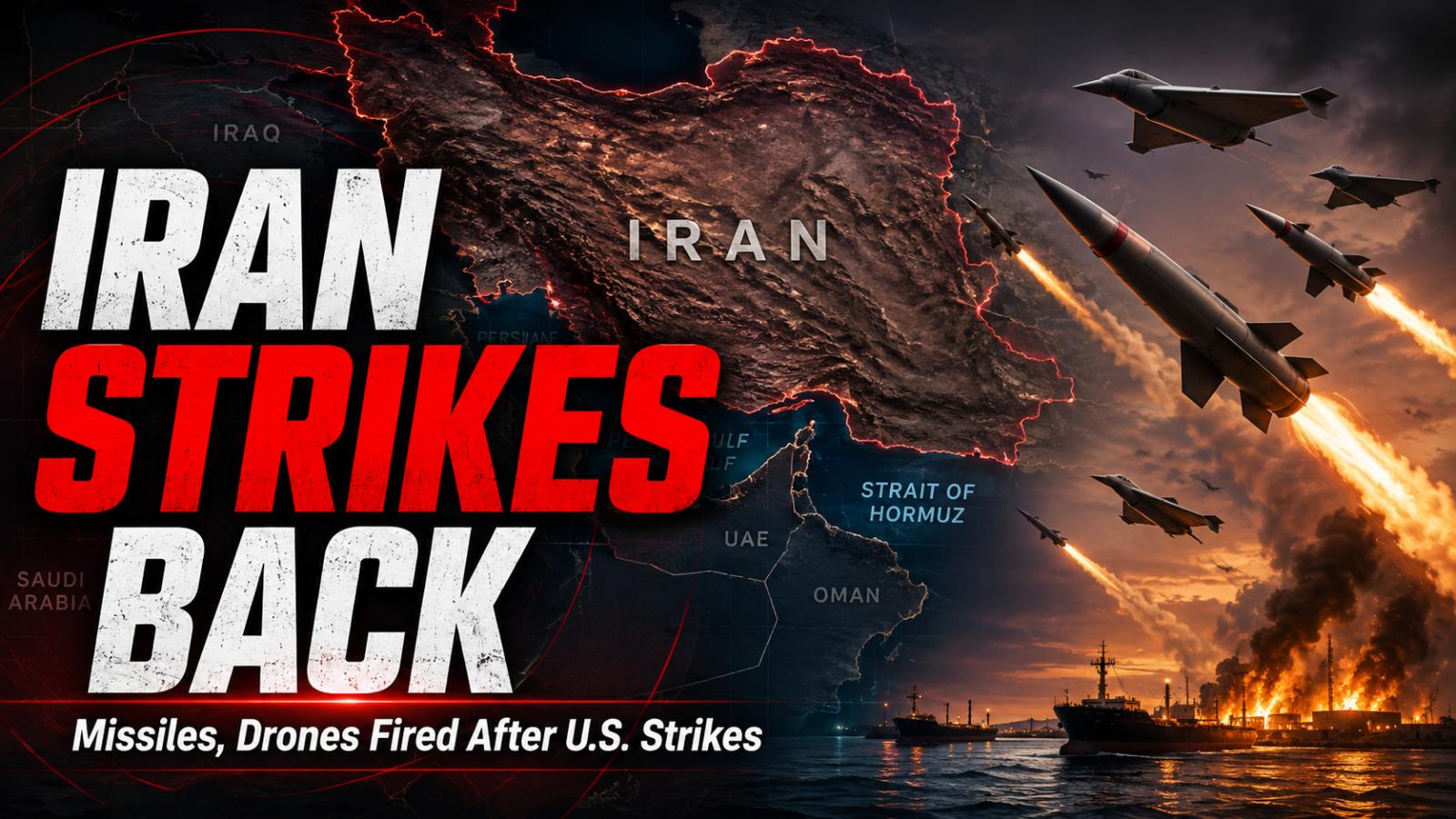
Iran Retaliation Begins After Fresh US Strikes on IRGC Targets
Iran launched missile and drone attacks against US-linked military targets after American forces carried out a new wave of strikes on Islamic Revolutionary Guard Corps facilities across southern Iran. The Iran retaliation marks the sharpest escalation in weeks and has again placed the Strait of Hormuz and regional US bases at the centre of the conflict. US Iran Strikes US Central Command confirmed that American forces carried out coordinated strikes on September 1 against IRGC military targets. CENTCOM said the operation hit air-defence sites, radar systems, maritime assets, mine-laying capabilities and communications facilities. The command said the strikes followed attempted Iranian attacks against commercial shipping in the Strait of Hormuz and American service members in the region. The strikes were concentrated around southern Iran and the strategically important Hormuz region. Separate reporting said Iranian areas including Bandar Abbas, Qeshm, Jask and other coastal locations were among those affected as the conflict returned to a more intense phase. IRGC Response Iranian forces responded with missiles and drones aimed at US assets across the region. Iranian state-linked media described the attacks as retaliation for the latest American operation, while the IRGC promised what it called severe punishment for further strikes. Jordan and Bahrain reported intercepting Iranian missiles and drones, while Iranian sources also claimed strikes against US positions in Iraq. Claims of American casualties made by Tehran had not been independently confirmed by US officials at the time of reporting. The renewed exchanges show that both sides remain willing to use direct military force despite earlier efforts to reduce hostilities. Hormuz Crisis The Strait of Hormuz remains the most sensitive flashpoint. Washington says its latest operation followed Iranian attempts to threaten commercial shipping and deploy mine-laying capabilities near the waterway. CENTCOM has repeatedly described freedom of navigation through the strait as a key US military objective. The escalation immediately affected energy markets. Brent crude rose toward $96 a barrel as traders reacted to the possibility of renewed disruption in a route responsible for a major share of global oil exports. Any sustained attacks on shipping, ports or energy infrastructure could therefore have economic consequences far beyond the Middle East. Trump Warns Iran President Donald Trump defended the latest US strikes and warned Tehran that further retaliation could trigger an even stronger American response. He said the operation was justified by Iranian attempts to place mines in the Strait of Hormuz and previous attacks directed at US forces. Trump’s warning came even as Iranian officials insisted they would continue responding to attacks on their territory. The competing threats have sharply reduced hopes that the current exchange will quickly return to the relative calm seen during parts of August. Regional Escalation Risk The latest fighting follows the August 30 US strike on two Iranian launchers on Larak Island, which American officials said were preparing to deploy sea mines. Iran answered that operation with ballistic missile attacks against US forces in Jordan. With fresh American strikes now followed by a broader Iranian missile and drone response, the conflict appears to be entering another dangerous phase. The immediate question is whether both governments contain the exchanges or allow retaliation to expand across US bases, Iranian military facilities and shipping routes around the Strait of Hormuz.
Iran Retaliation Begins After Fresh US Strikes on IRGC Targets
Iran launched missile and drone attacks against US-linked military targets after American forces carried out a new wave of strikes on Islamic Revolutionary Guard Corps facilities across southern Iran. The Iran retaliation marks the sharpest escalation in weeks and has again placed the Strait of Hormuz and regional US bases at the centre of the conflict. US Iran Strikes US Central Command confirmed that American forces carried out coordinated strikes on September 1 against IRGC military targets. CENTCOM said the operation hit air-defence sites, radar systems, maritime assets, mine-laying capabilities and communications facilities. The command said the strikes followed attempted Iranian attacks against commercial shipping in the Strait of Hormuz and American service members in the region. The strikes were concentrated around southern Iran and the strategically important Hormuz region. Separate reporting said Iranian areas including Bandar Abbas, Qeshm, Jask and other coastal locations were among those affected as the conflict returned to a more intense phase. IRGC Response Iranian forces responded with missiles and drones aimed at US assets across the region. Iranian state-linked media described the attacks as retaliation for the latest American operation, while the IRGC promised what it called severe punishment for further strikes. Jordan and Bahrain reported intercepting Iranian missiles and drones, while Iranian sources also claimed strikes against US positions in Iraq. Claims of American casualties made by Tehran had not been independently confirmed by US officials at the time of reporting. The renewed exchanges show that both sides remain willing to use direct military force despite earlier efforts to reduce hostilities. Hormuz Crisis The Strait of Hormuz remains the most sensitive flashpoint. Washington says its latest operation followed Iranian attempts to threaten commercial shipping and deploy mine-laying capabilities near the waterway. CENTCOM has repeatedly described freedom of navigation through the strait as a key US military objective. The escalation immediately affected energy markets. Brent crude rose toward $96 a barrel as traders reacted to the possibility of renewed disruption in a route responsible for a major share of global oil exports. Any sustained attacks on shipping, ports or energy infrastructure could therefore have economic consequences far beyond the Middle East. Trump Warns Iran President Donald Trump defended the latest US strikes and warned Tehran that further retaliation could trigger an even stronger American response. He said the operation was justified by Iranian attempts to place mines in the Strait of Hormuz and previous attacks directed at US forces. Trump’s warning came even as Iranian officials insisted they would continue responding to attacks on their territory. The competing threats have sharply reduced hopes that the current exchange will quickly return to the relative calm seen during parts of August. Regional Escalation Risk The latest fighting follows the August 30 US strike on two Iranian launchers on Larak Island, which American officials said were preparing to deploy sea mines. Iran answered that operation with ballistic missile attacks against US forces in Jordan. With fresh American strikes now followed by a broader Iranian missile and drone response, the conflict appears to be entering another dangerous phase. The immediate question is whether both governments contain the exchanges or allow retaliation to expand across US bases, Iranian military facilities and shipping routes around the Strait of Hormuz.
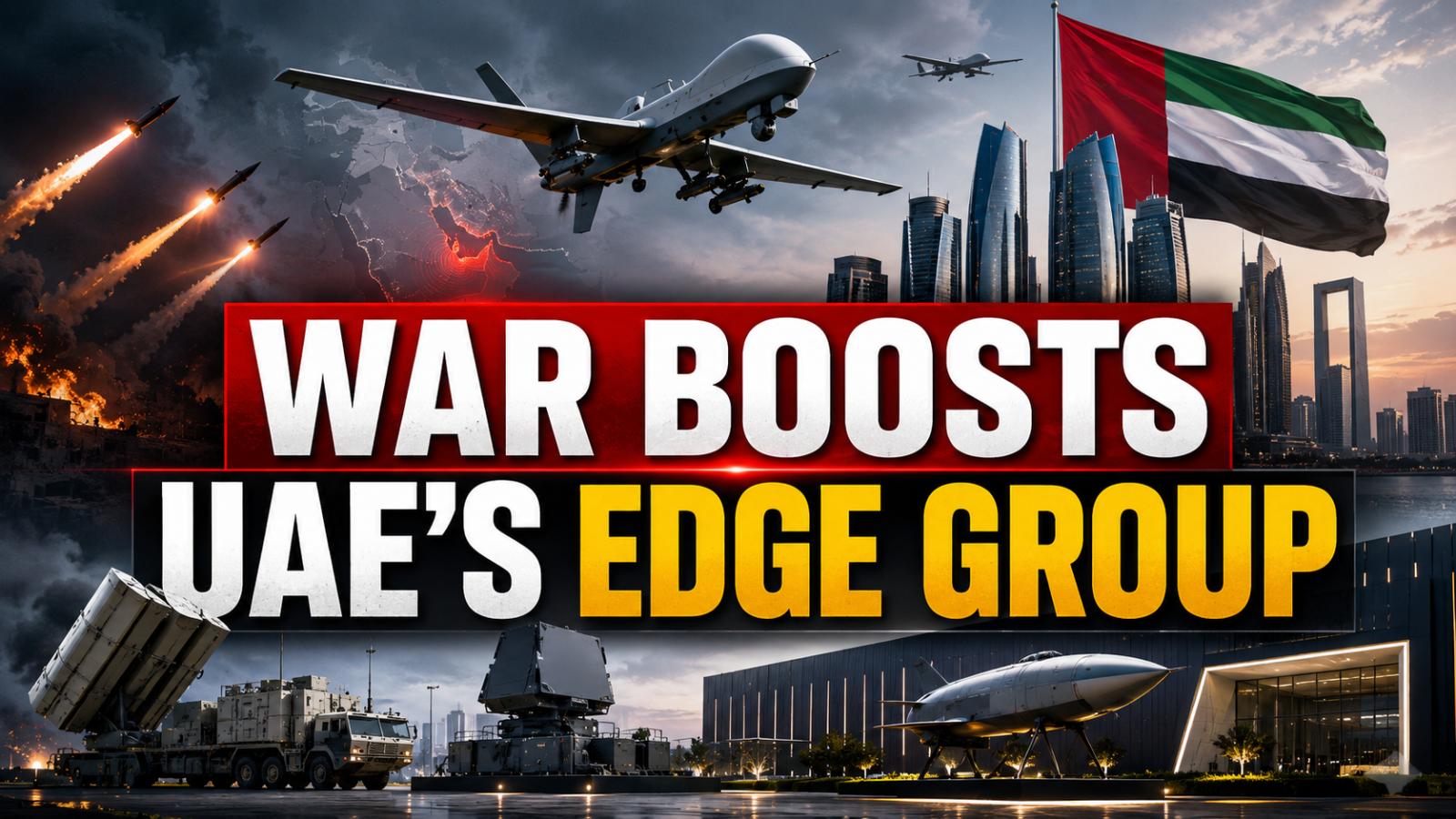
UAE EDGE Defence Growth Surges After US-Iran War Tests Systems
The six-month US-Iran conflict has unexpectedly strengthened the commercial position of the UAE’s EDGE Group, giving domestically developed defence systems real combat exposure. Company executives say the “battle-proven” status of drones, jammers and other equipment is now helping UAE EDGE defence growth and attracting greater international interest. Battle-Proven EDGE Weapons During the conflict, nearly 3,000 missiles and drones reportedly targeted the UAE, putting the country’s air-defence network under sustained pressure. EDGE executives cited in the source material said the fighting provided something the company previously lacked at scale: direct battlefield validation. Khaled Al Zaabi, president of EDGE’s Platforms and Systems cluster, said only a limited number of products could be described as battle-proven before the war. He said that number has now increased significantly, giving the company a stronger selling point when competing for international defence contracts. That matters in an industry where buyers often place a premium on systems that have already operated under real combat conditions rather than laboratory or demonstration environments. UAE Drone Defence The war also highlighted the economics of air defence. The UAE has invested billions of dollars in advanced American systems including Patriot and THAAD, but officials are increasingly focusing on cheaper ways to counter low-cost drones. EDGE executives said locally produced electronic warfare and counter-drone technologies played an important role during the conflict. Company chairman Faisal Al Bannai said locally developed jammers achieved an interception rate of about 85% against incoming drones, according to the source material. The broader challenge is cost. Using an expensive interceptor missile against every low-cost attack drone can become financially unsustainable during prolonged conflicts. EDGE is therefore positioning lower-cost drones, jammers and short-range systems as complementary layers of defence. SkyKnight Air Defence One of EDGE’s important locally developed systems is SkyKnight, a short-range air-defence platform designed to counter rockets, artillery, mortars, drones, cruise missiles and other aerial threats. EDGE says the system can protect infrastructure, military bases, ports and urban areas, with missile interception ranges reaching up to 10 kilometres against several categories of aerial targets. Developing more air-defence capability domestically would also reduce reliance on foreign suppliers while allowing the UAE to respond faster to evolving regional threats. EDGE Global Expansion EDGE, founded in 2019, has expanded rapidly across missiles, drones, armoured vehicles, naval systems and advanced technologies. The source material says international sales accounted for about 70% of the group’s roughly $5 billion in revenue last year. Europe has become a major target for further growth. EDGE officially launched EDGE Europe in June 2026 and established its European headquarters in Paris, alongside plans for engineering and manufacturing operations in France. The move places the Emirati group closer to NATO and European buyers at a time when defence budgets across the continent are rising. Defence Export Ambitions EDGE is also investing in production capacity at home, including facilities for components used in autonomous systems, while expanding partnerships and acquisitions abroad. Its long-term ambition is to become one of the world’s top 10 defence contractors. The US-Iran conflict may have accelerated that strategy by giving its systems battlefield credibility that marketing campaigns cannot easily replicate. The opportunity is significant, but so is the scrutiny. EDGE has faced allegations concerning the possible appearance of UAE-linked equipment in other conflicts, claims the company and UAE authorities have denied. For now, the clearest commercial outcome is that prolonged regional warfare has turned operational experience into a valuable export advantage. If EDGE can convert that battlefield validation into sustained contracts, the conflict may prove to be a major turning point in the UAE’s push to become a globally competitive defence manufacturing hub.
UAE EDGE Defence Growth Surges After US-Iran War Tests Systems
The six-month US-Iran conflict has unexpectedly strengthened the commercial position of the UAE’s EDGE Group, giving domestically developed defence systems real combat exposure. Company executives say the “battle-proven” status of drones, jammers and other equipment is now helping UAE EDGE defence growth and attracting greater international interest. Battle-Proven EDGE Weapons During the conflict, nearly 3,000 missiles and drones reportedly targeted the UAE, putting the country’s air-defence network under sustained pressure. EDGE executives cited in the source material said the fighting provided something the company previously lacked at scale: direct battlefield validation. Khaled Al Zaabi, president of EDGE’s Platforms and Systems cluster, said only a limited number of products could be described as battle-proven before the war. He said that number has now increased significantly, giving the company a stronger selling point when competing for international defence contracts. That matters in an industry where buyers often place a premium on systems that have already operated under real combat conditions rather than laboratory or demonstration environments. UAE Drone Defence The war also highlighted the economics of air defence. The UAE has invested billions of dollars in advanced American systems including Patriot and THAAD, but officials are increasingly focusing on cheaper ways to counter low-cost drones. EDGE executives said locally produced electronic warfare and counter-drone technologies played an important role during the conflict. Company chairman Faisal Al Bannai said locally developed jammers achieved an interception rate of about 85% against incoming drones, according to the source material. The broader challenge is cost. Using an expensive interceptor missile against every low-cost attack drone can become financially unsustainable during prolonged conflicts. EDGE is therefore positioning lower-cost drones, jammers and short-range systems as complementary layers of defence. SkyKnight Air Defence One of EDGE’s important locally developed systems is SkyKnight, a short-range air-defence platform designed to counter rockets, artillery, mortars, drones, cruise missiles and other aerial threats. EDGE says the system can protect infrastructure, military bases, ports and urban areas, with missile interception ranges reaching up to 10 kilometres against several categories of aerial targets. Developing more air-defence capability domestically would also reduce reliance on foreign suppliers while allowing the UAE to respond faster to evolving regional threats. EDGE Global Expansion EDGE, founded in 2019, has expanded rapidly across missiles, drones, armoured vehicles, naval systems and advanced technologies. The source material says international sales accounted for about 70% of the group’s roughly $5 billion in revenue last year. Europe has become a major target for further growth. EDGE officially launched EDGE Europe in June 2026 and established its European headquarters in Paris, alongside plans for engineering and manufacturing operations in France. The move places the Emirati group closer to NATO and European buyers at a time when defence budgets across the continent are rising. Defence Export Ambitions EDGE is also investing in production capacity at home, including facilities for components used in autonomous systems, while expanding partnerships and acquisitions abroad. Its long-term ambition is to become one of the world’s top 10 defence contractors. The US-Iran conflict may have accelerated that strategy by giving its systems battlefield credibility that marketing campaigns cannot easily replicate. The opportunity is significant, but so is the scrutiny. EDGE has faced allegations concerning the possible appearance of UAE-linked equipment in other conflicts, claims the company and UAE authorities have denied. For now, the clearest commercial outcome is that prolonged regional warfare has turned operational experience into a valuable export advantage. If EDGE can convert that battlefield validation into sustained contracts, the conflict may prove to be a major turning point in the UAE’s push to become a globally competitive defence manufacturing hub.










