US Sanctions Waivers on Russian and Iranian Oil: Impact on India’s Energy Supply
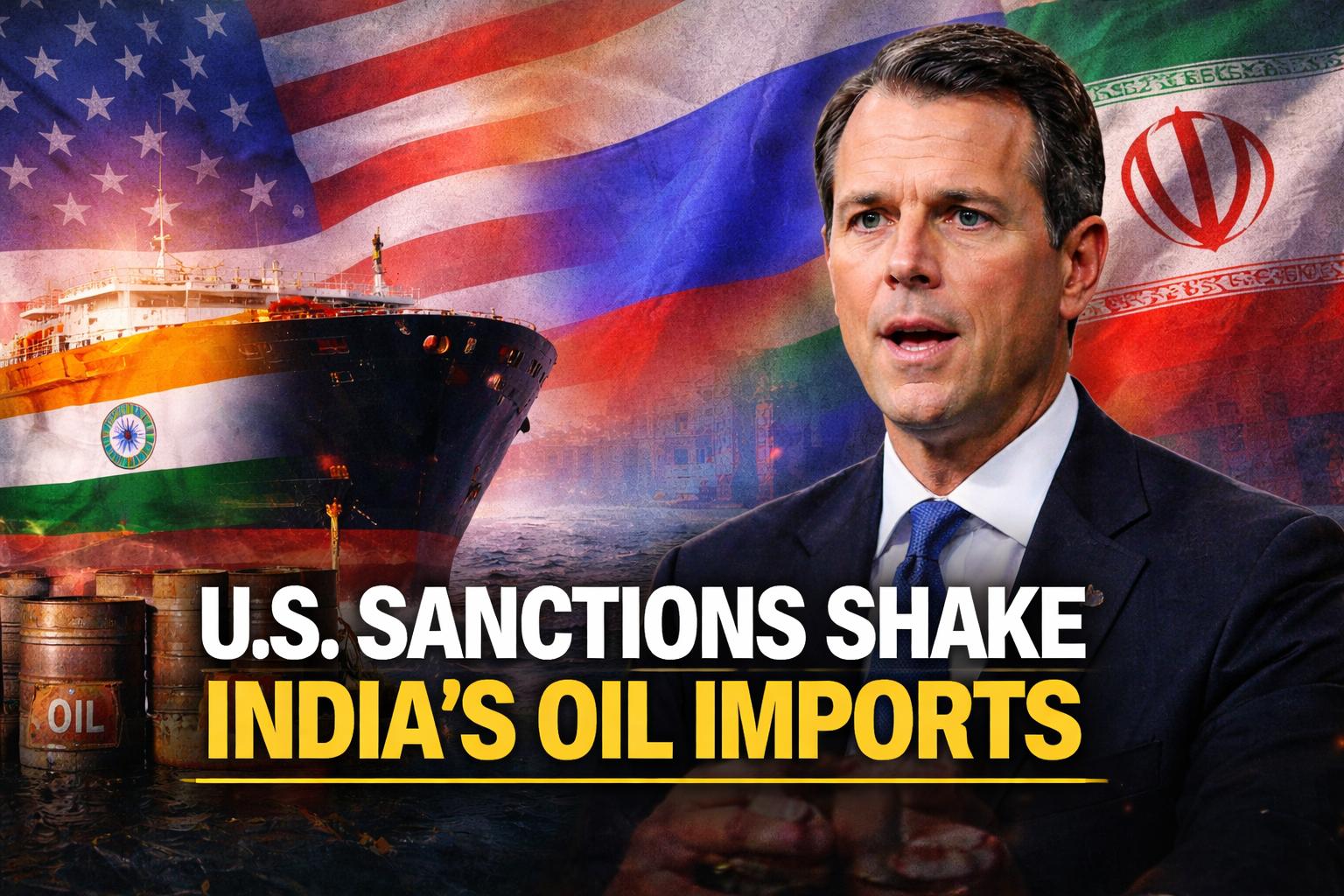
On April 15, US Treasury Secretary Scott Bessent announced that the US will no longer extend the sanctions waivers that allowed several countries to purchase oil from Russia and Iran. These waivers, which were initially intended to ease global oil supply disruptions, are now being revoked. Bessent emphasized that the move to not renew the general licenses on Russian and Iranian oil would lead to penalties for countries still involved in these transactions. He further warned that secondary san
US Sanctions Waivers on Russian and Iranian Oil: Impact on India’s Energy Supply
On April 15, US Treasury Secretary Scott Bessent announced that the US will no longer extend the sanctions waivers that allowed several countries to purchase oil from Russia and Iran. These waivers, which were initially intended to ease global oil supply disruptions, are now being revoked. Bessent emphasized that the move to not renew the general licenses on Russian and Iranian oil would lead to penalties for countries still involved in these transactions. He further warned that secondary san
Iran's Embassy Shares LEGO-Style Animation of Trump in 'Fake Jesus' Controversy
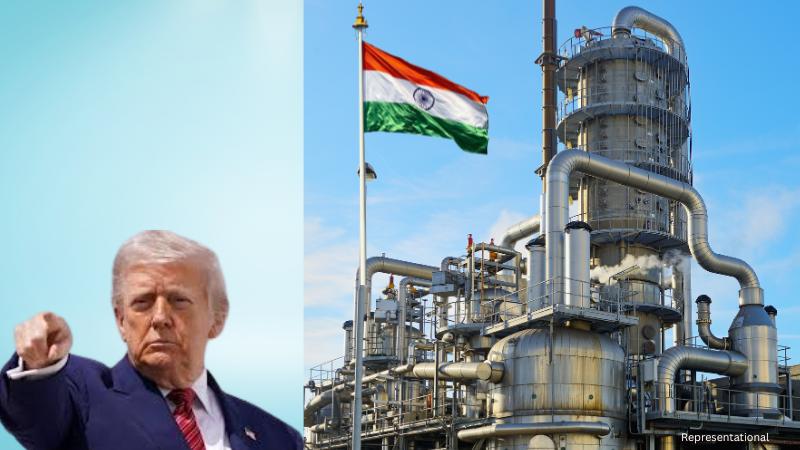
A new viral video from Iran, titled “Fake Jesus,” has quickly garnered attention across social media. This 90-second AI-generated LEGO animation, which debuted on X from the Iranian Embassy’s South Africa account, presents U.S. President Donald Trump as a LEGO-style character. Trump is portrayed in a red robe and MAGA hat, reimagined as a self-proclaimed healer. The rap-style lyrics in the video criticize him for attempting to assume a messianic role while promoting destruction and war.
Iran's Embassy Shares LEGO-Style Animation of Trump in 'Fake Jesus' Controversy
A new viral video from Iran, titled “Fake Jesus,” has quickly garnered attention across social media. This 90-second AI-generated LEGO animation, which debuted on X from the Iranian Embassy’s South Africa account, presents U.S. President Donald Trump as a LEGO-style character. Trump is portrayed in a red robe and MAGA hat, reimagined as a self-proclaimed healer. The rap-style lyrics in the video criticize him for attempting to assume a messianic role while promoting destruction and war.
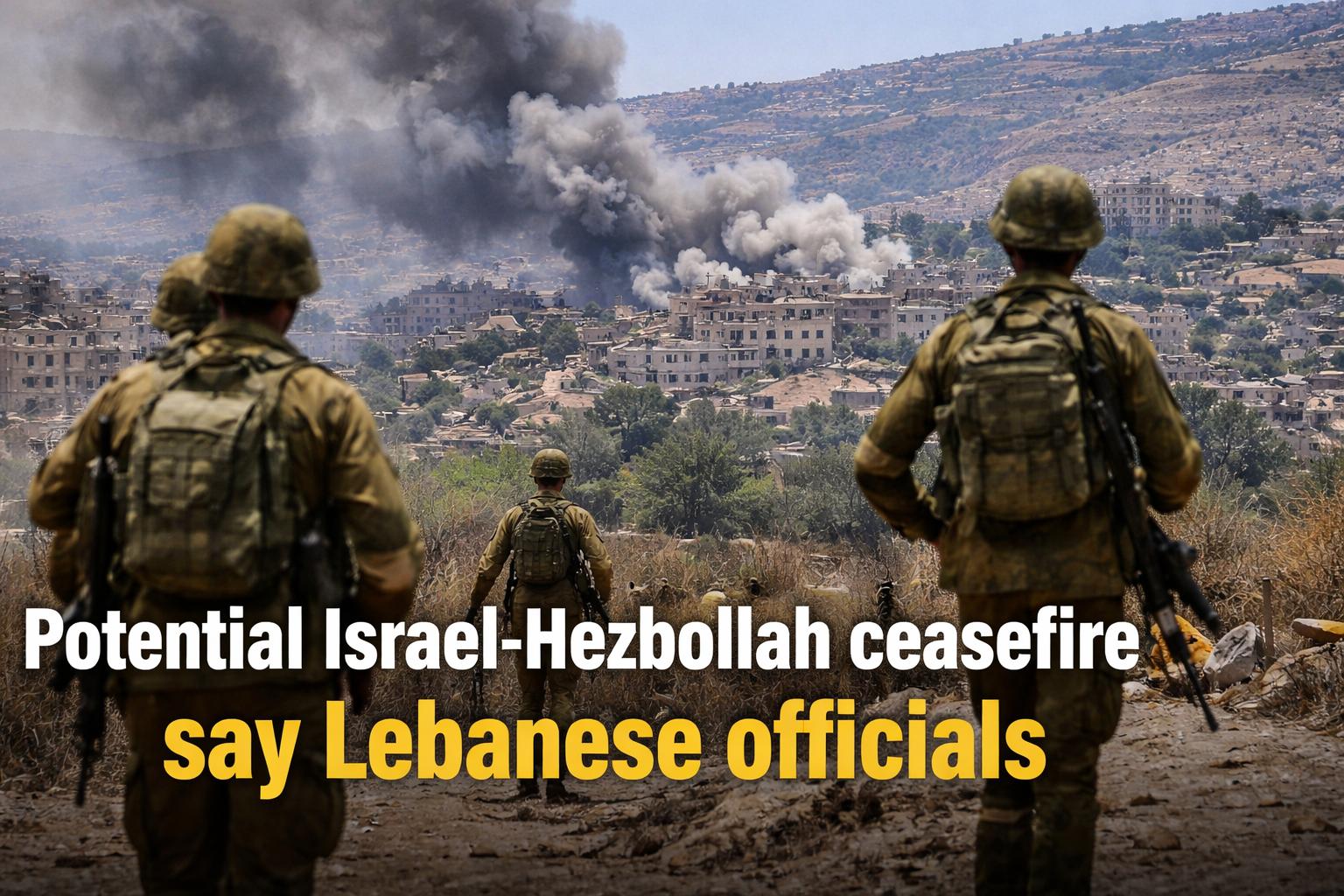
Ceasefire between Israel and Hezbollah likely to be announced soon, say Lebanese officials
Reports indicate that a ceasefire between Israel and Hezbollah could be announced within days, according to Lebanese officials. The ceasefire is expected to come after Israeli ground forces complete their mission to capture the southern Lebanese town of Bint Jbeil, a stronghold of Hezbollah. Israeli Prime Minister Benjamin Netanyahu confirmed on April 15 that Israeli troops were “about to defeat” Hezbollah in the area. The potential truce marks a complex and pivotal moment in th
Ceasefire between Israel and Hezbollah likely to be announced soon, say Lebanese officials
Reports indicate that a ceasefire between Israel and Hezbollah could be announced within days, according to Lebanese officials. The ceasefire is expected to come after Israeli ground forces complete their mission to capture the southern Lebanese town of Bint Jbeil, a stronghold of Hezbollah. Israeli Prime Minister Benjamin Netanyahu confirmed on April 15 that Israeli troops were “about to defeat” Hezbollah in the area. The potential truce marks a complex and pivotal moment in th
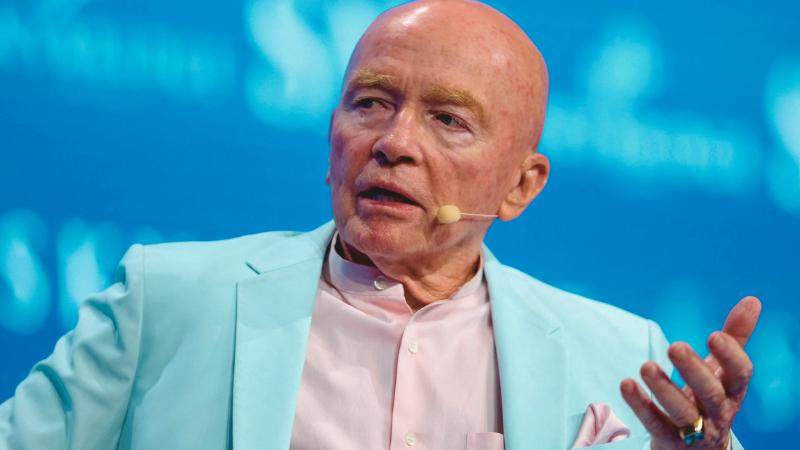
Mark Mobius, Pioneer of Emerging Markets Investing, Dies at 89
Mark Mobius, a pioneer in global investing and a key figure in emerging markets, passed away on April 16, 2026, at the age of 89. Widely regarded for transforming investment strategies in developing economies, Mobius played a crucial role in directing billions of dollars into markets across Asia, Africa, Latin America, and Eastern Europe. Over a caree
Mark Mobius, Pioneer of Emerging Markets Investing, Dies at 89
Mark Mobius, a pioneer in global investing and a key figure in emerging markets, passed away on April 16, 2026, at the age of 89. Widely regarded for transforming investment strategies in developing economies, Mobius played a crucial role in directing billions of dollars into markets across Asia, Africa, Latin America, and Eastern Europe. Over a caree
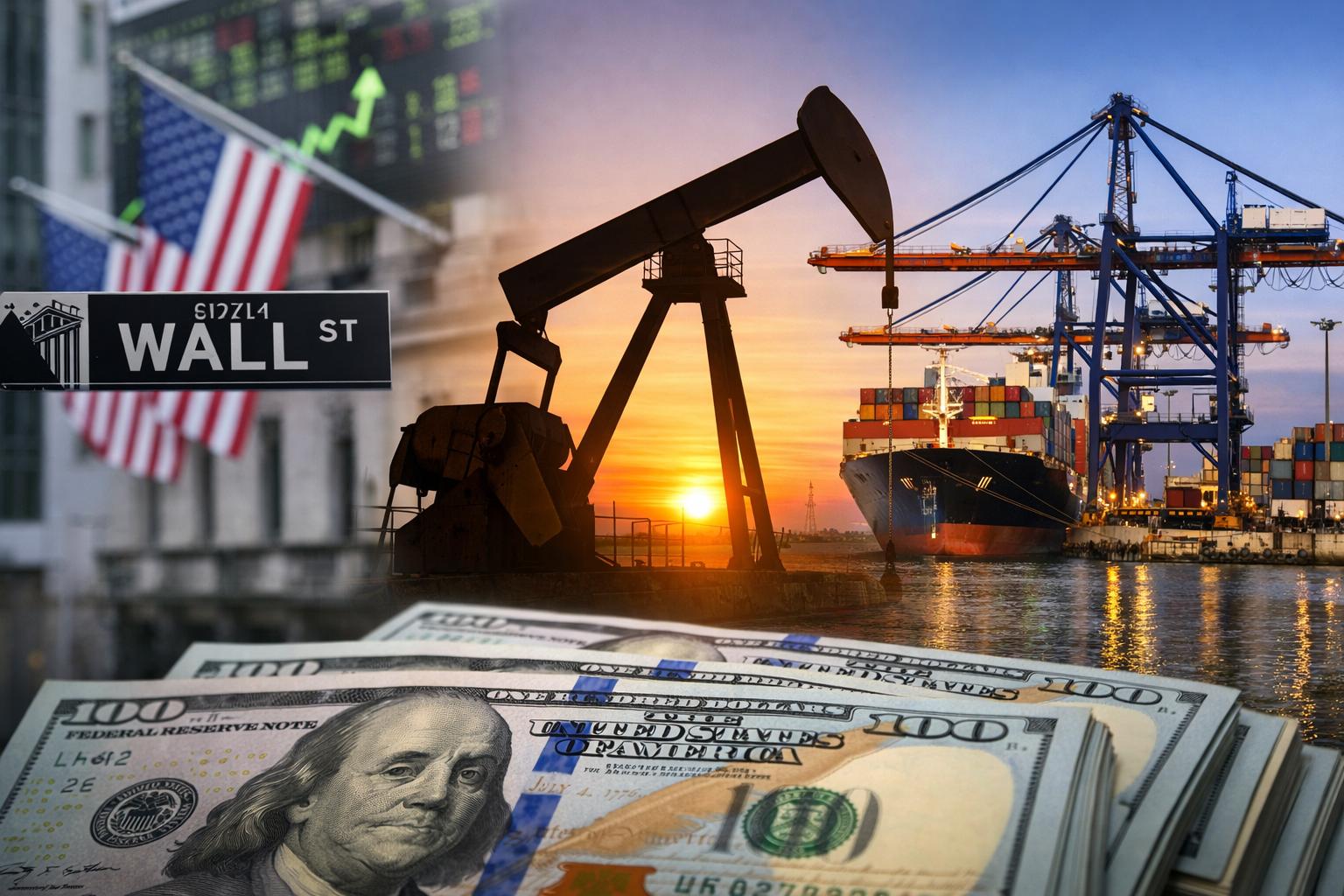
US corporate profits remain strong despite global tensions and rising costs
From the early 2020s through 2026, U.S. corporations have demonstrated a remarkable ability to sustain and expand profits despite a series of economic shocks, including the COVID-19 pandemic, rising inflation, tariffs, and ongoing geopolitical conflicts. Recent data indicate that corporate profits have reached a record share of gross domestic product, while profit margins—measuring the gap between input costs and final selling prices—remain near historic highs. Executives across m
US corporate profits remain strong despite global tensions and rising costs
From the early 2020s through 2026, U.S. corporations have demonstrated a remarkable ability to sustain and expand profits despite a series of economic shocks, including the COVID-19 pandemic, rising inflation, tariffs, and ongoing geopolitical conflicts. Recent data indicate that corporate profits have reached a record share of gross domestic product, while profit margins—measuring the gap between input costs and final selling prices—remain near historic highs. Executives across m
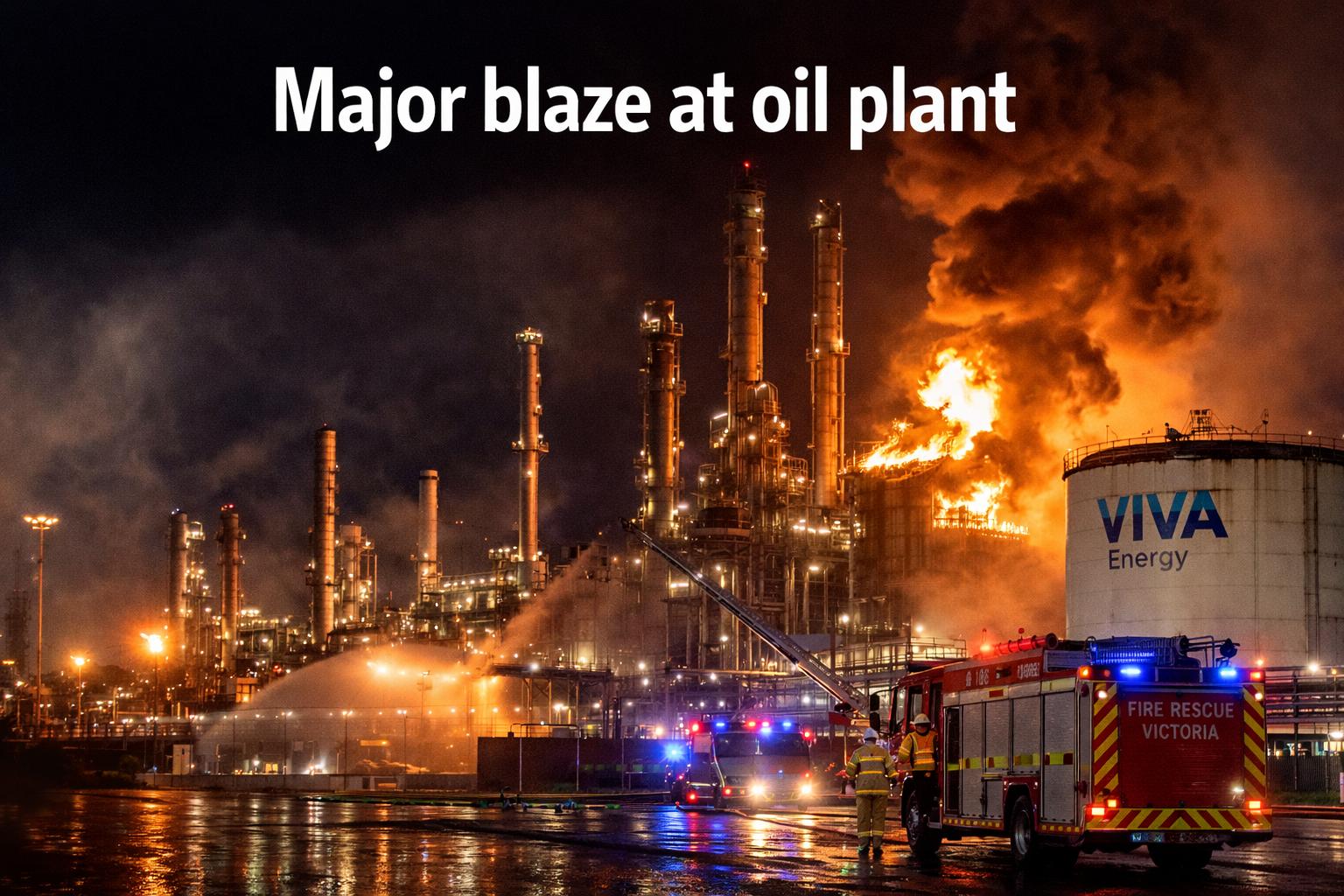
Fire erupts at Australia’s Geelong refinery, crews battle blaze overnight
Emergency crews were deployed early Thursday, April 16, after a significant fire broke out at a major oil refinery in Geelong, Victoria, Australia, raising concerns about fuel infrastructure and industrial safety. Authorities said the incident began at approximately 11:15 PM local time on Wednesday, April 15, 2026, following multiple reports of explosions and visible flames at the Viva Energy refinery, one of the country’s last remaining facilities of its kind. Fire Rescue Victoria
Fire erupts at Australia’s Geelong refinery, crews battle blaze overnight
Emergency crews were deployed early Thursday, April 16, after a significant fire broke out at a major oil refinery in Geelong, Victoria, Australia, raising concerns about fuel infrastructure and industrial safety. Authorities said the incident began at approximately 11:15 PM local time on Wednesday, April 15, 2026, following multiple reports of explosions and visible flames at the Viva Energy refinery, one of the country’s last remaining facilities of its kind. Fire Rescue Victoria
Sundar Pichai, Ranbir Kapoor named in TIME 100 list for 2026
TIME magazine released its 2026 list of the 100 most influential people in the world on Wednesday, highlighting individuals whose work has shaped global conversations across technology, entertainment, and culture. The annual TIME100 list recognizes leaders, innovators, and artists for their far-reaching impact, with Indian figures again earning international recognition. Among those featured is Sun
Sundar Pichai, Ranbir Kapoor named in TIME 100 list for 2026
TIME magazine released its 2026 list of the 100 most influential people in the world on Wednesday, highlighting individuals whose work has shaped global conversations across technology, entertainment, and culture. The annual TIME100 list recognizes leaders, innovators, and artists for their far-reaching impact, with Indian figures again earning international recognition. Among those featured is Sun
Chinese social media mocks US blockade of Iran as “second toll booth”
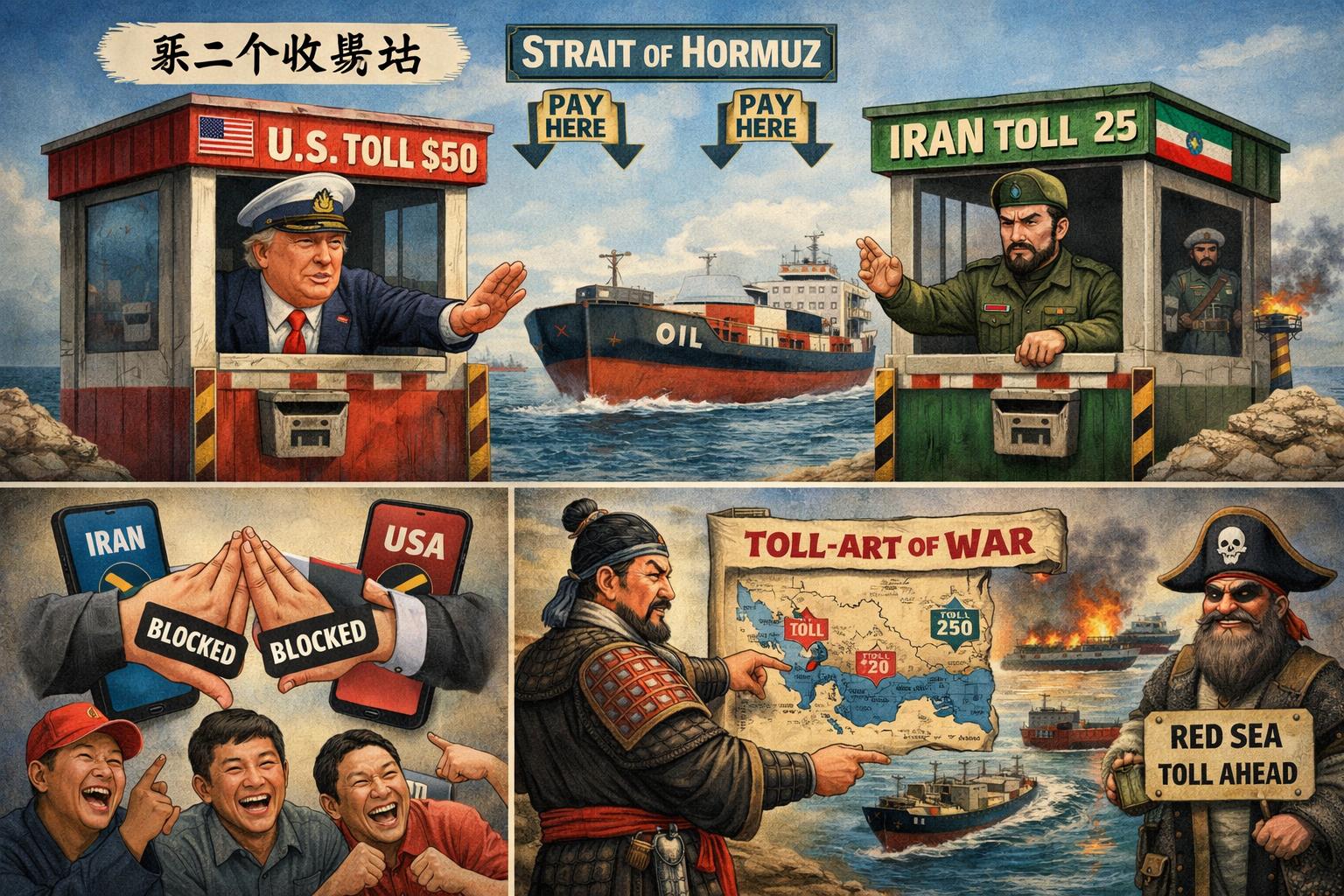
Chinese social media platforms have erupted with criticism and satire following the United States’ decision to impose a blockade on Iran, with many users describing the move as a “second toll booth” controlled by Washington. The reactions come amid escalating geopolitical tensions after the United States and Israel launched strikes on Iran on Friday, February 28, 2026, prompting Tehran to leverage its geographic position to restrict access through the strategically vital Strait of Hormuz.
Chinese social media mocks US blockade of Iran as “second toll booth”
Chinese social media platforms have erupted with criticism and satire following the United States’ decision to impose a blockade on Iran, with many users describing the move as a “second toll booth” controlled by Washington. The reactions come amid escalating geopolitical tensions after the United States and Israel launched strikes on Iran on Friday, February 28, 2026, prompting Tehran to leverage its geographic position to restrict access through the strategically vital Strait of Hormuz.
UK finance chief criticizes US over Iran war economic fallout
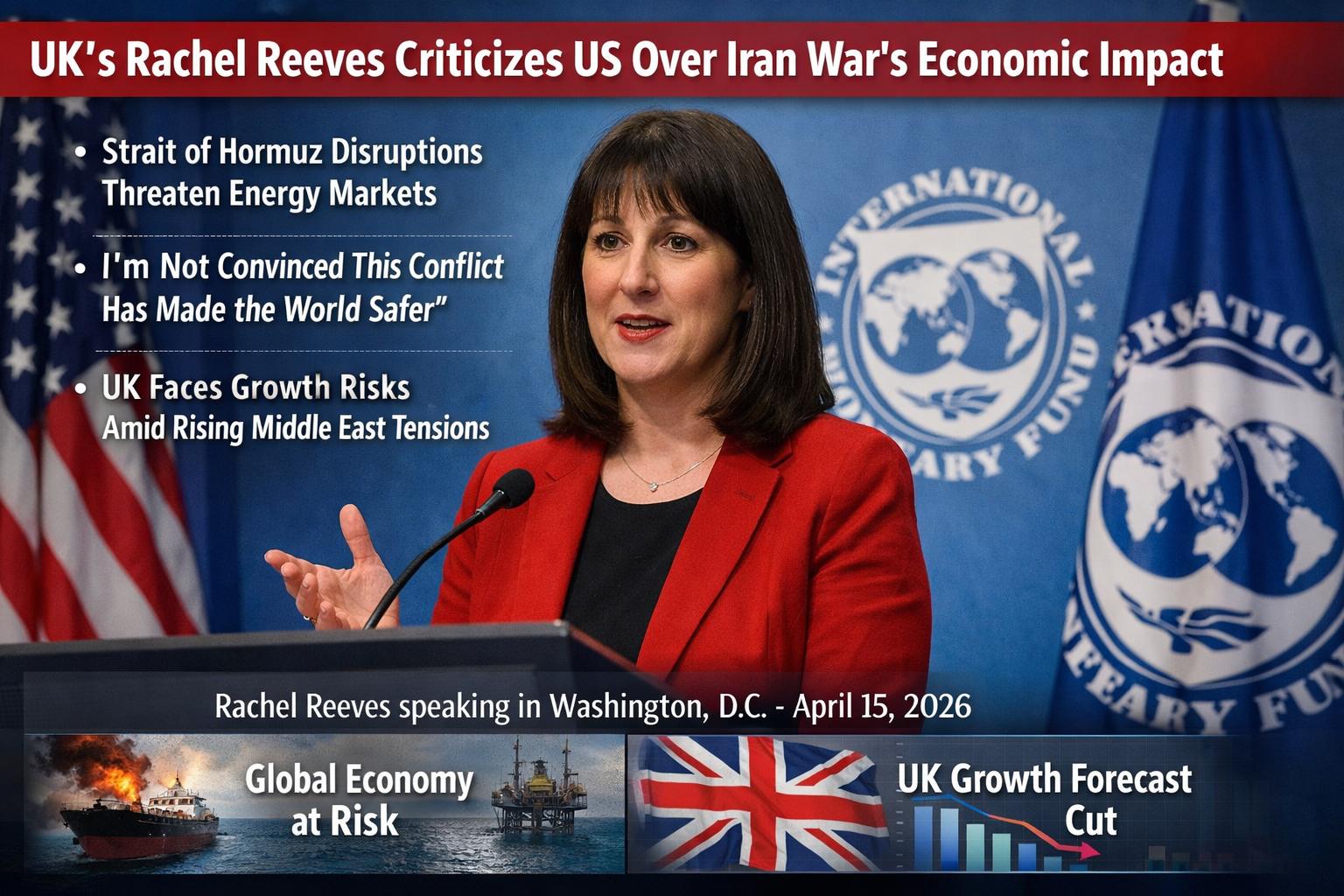
U.K. Finance Minister Rachel Reeves on Wednesday, April 15, 2026, called for immediate de-escalation of the Iran war, warning that the conflict is posing significant risks to global economic stability and expressing concern over the approach taken by the United States. Speaking at a forum in Washington, D.C., Reeves highlighted the economic consequences of disruptions in the Strait of Hormuz, a key global energy shipping route. She warned that ongoing instability in the region is incr
UK finance chief criticizes US over Iran war economic fallout
U.K. Finance Minister Rachel Reeves on Wednesday, April 15, 2026, called for immediate de-escalation of the Iran war, warning that the conflict is posing significant risks to global economic stability and expressing concern over the approach taken by the United States. Speaking at a forum in Washington, D.C., Reeves highlighted the economic consequences of disruptions in the Strait of Hormuz, a key global energy shipping route. She warned that ongoing instability in the region is incr
US and Israel share identical goals on Iran, Netanyahu says
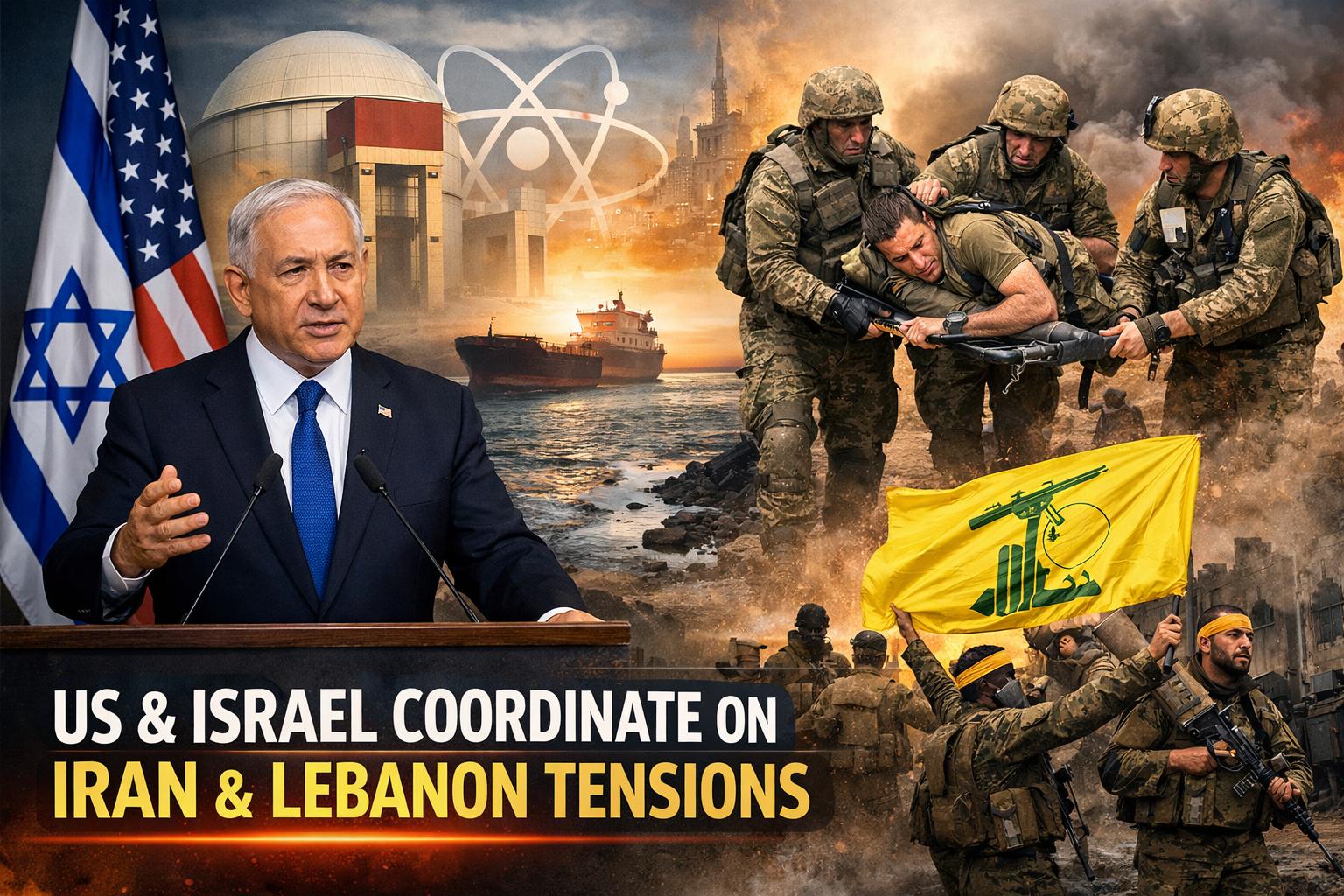
Israeli Prime Minister Benjamin Netanyahu said on Wednesday, April 15, 2026, that Israel and the United States are closely aligned in their approach toward Iran, emphasizing shared strategic objectives and ongoing coordination. In a televised address, Netanyahu stated that U.S. officials continue to keep Israel informed about their diplomatic engagements with Tehran, underscoring the depth of cooperation between the two allies. “Our American friends keep us constantly updated on the
US and Israel share identical goals on Iran, Netanyahu says
Israeli Prime Minister Benjamin Netanyahu said on Wednesday, April 15, 2026, that Israel and the United States are closely aligned in their approach toward Iran, emphasizing shared strategic objectives and ongoing coordination. In a televised address, Netanyahu stated that U.S. officials continue to keep Israel informed about their diplomatic engagements with Tehran, underscoring the depth of cooperation between the two allies. “Our American friends keep us constantly updated on the
Russia signals unlimited energy supply to India, ambassador says
Russia has signaled its readiness to expand energy exports to India, reinforcing a long-standing strategic partnership that continues to evolve across multiple sectors. In remarks made during a recent interaction, Russian Ambassador to India Denis Alipov emphasized Moscow’s willingness to supply “as much energy as India wants,” underscoring the central role of energy cooperation in bilateral ties. Alipov also pointed to upcoming high-level engagements that are expected to furthe
Russia signals unlimited energy supply to India, ambassador says
Russia has signaled its readiness to expand energy exports to India, reinforcing a long-standing strategic partnership that continues to evolve across multiple sectors. In remarks made during a recent interaction, Russian Ambassador to India Denis Alipov emphasized Moscow’s willingness to supply “as much energy as India wants,” underscoring the central role of energy cooperation in bilateral ties. Alipov also pointed to upcoming high-level engagements that are expected to furthe
India maintains oil imports strategy as West Asia conflict disrupts global shipping routes
India reaffirmed its strategy of sourcing oil from a wide range of suppliers to safeguard its energy needs amid ongoing geopolitical tensions affecting global trade routes. Speaking at an inter-ministerial briefing in New Delhi on Wednesday, April 15, 2026, at 6:29 PM IST, Ministry of External Affairs spokesperson Randhir Jaiswal emphasized that the country’s approach is guided by the need to ensure energy security for its population of 1.4 billion while adapting to evolving internati
India maintains oil imports strategy as West Asia conflict disrupts global shipping routes
India reaffirmed its strategy of sourcing oil from a wide range of suppliers to safeguard its energy needs amid ongoing geopolitical tensions affecting global trade routes. Speaking at an inter-ministerial briefing in New Delhi on Wednesday, April 15, 2026, at 6:29 PM IST, Ministry of External Affairs spokesperson Randhir Jaiswal emphasized that the country’s approach is guided by the need to ensure energy security for its population of 1.4 billion while adapting to evolving internati
Iran threatens to halt Gulf trade if US naval blockade continues
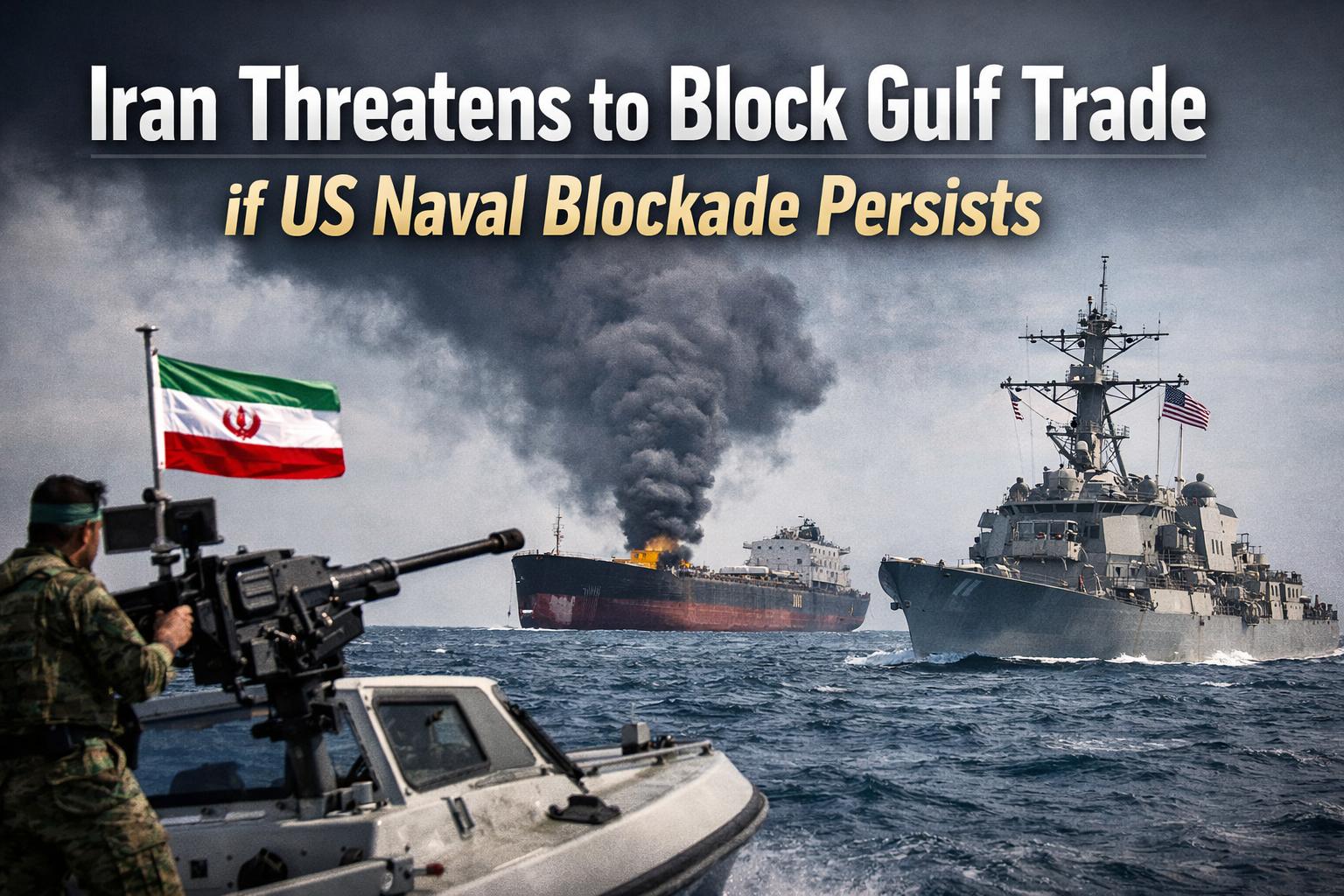
Iran has issued a warning that it may escalate tensions with the United States by blocking major international shipping routes if a US naval blockade targeting its vessels continues. The statement, broadcast on state television, came from Ali Abdollahi, commander of the Khatam al-Anbiya Central Headquarters,
Iran threatens to halt Gulf trade if US naval blockade continues
Iran has issued a warning that it may escalate tensions with the United States by blocking major international shipping routes if a US naval blockade targeting its vessels continues. The statement, broadcast on state television, came from Ali Abdollahi, commander of the Khatam al-Anbiya Central Headquarters,
North Korea’s nuclear capabilities surge amid rising activity at Yongbyon
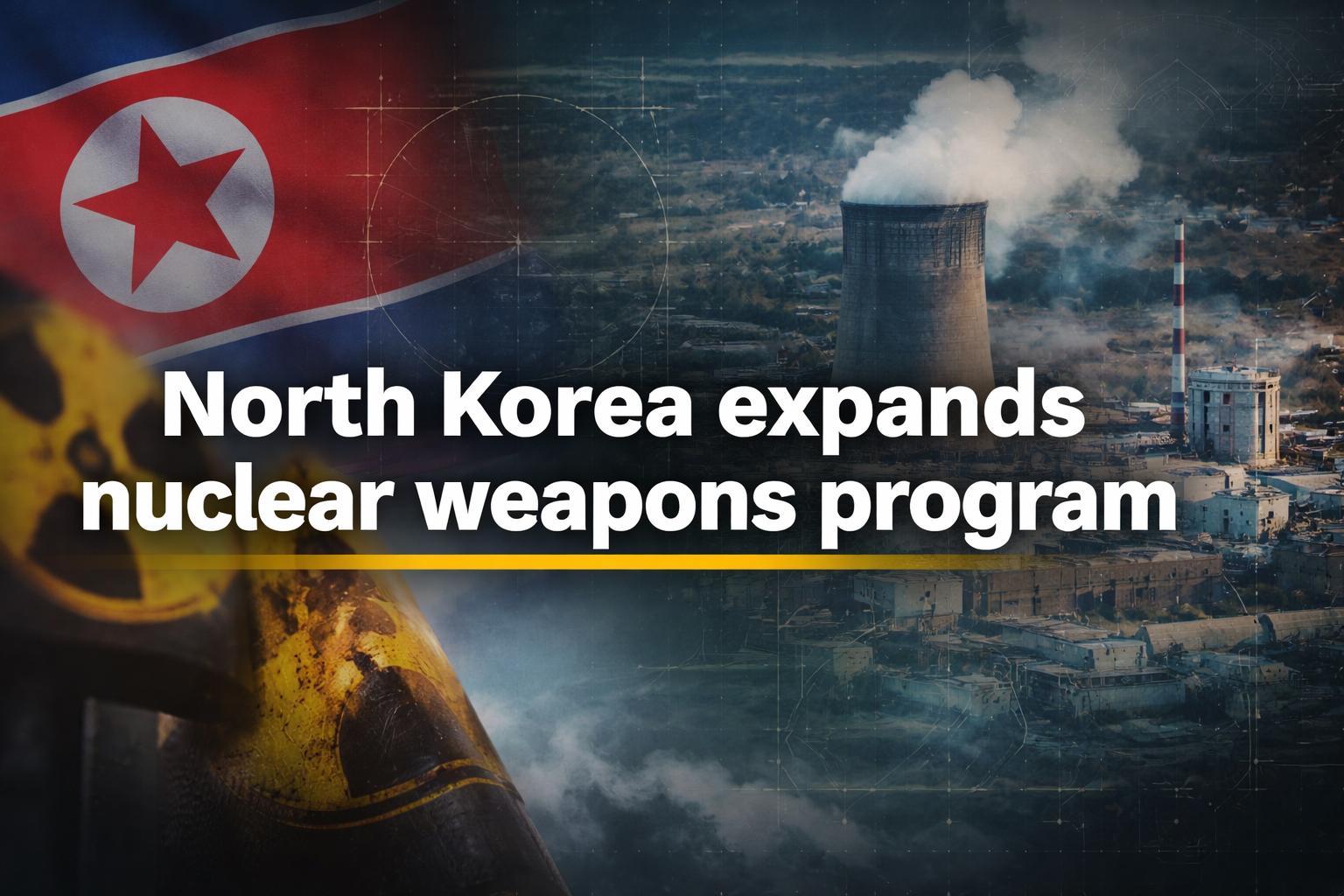
The International Atomic Energy Agency (IAEA) has raised concerns over North Korea’s increasing nuclear capabilities, citing a significant rise in activity at the Yongbyon nuclear complex. Rafael Grossi, the head of the IAEA, confirmed during his visit to Seoul that the agency has observed intensified operations at the five-megawatt reactor and the reprocessing unit at Yongbyon. Grossi noted that these developments signal a troubling expansion of North Korea’s nuclear weapons production c
North Korea’s nuclear capabilities surge amid rising activity at Yongbyon
The International Atomic Energy Agency (IAEA) has raised concerns over North Korea’s increasing nuclear capabilities, citing a significant rise in activity at the Yongbyon nuclear complex. Rafael Grossi, the head of the IAEA, confirmed during his visit to Seoul that the agency has observed intensified operations at the five-megawatt reactor and the reprocessing unit at Yongbyon. Grossi noted that these developments signal a troubling expansion of North Korea’s nuclear weapons production c
Venezuela, Hormuz, Malacca: The US-China energy conflict intensifies in 2026
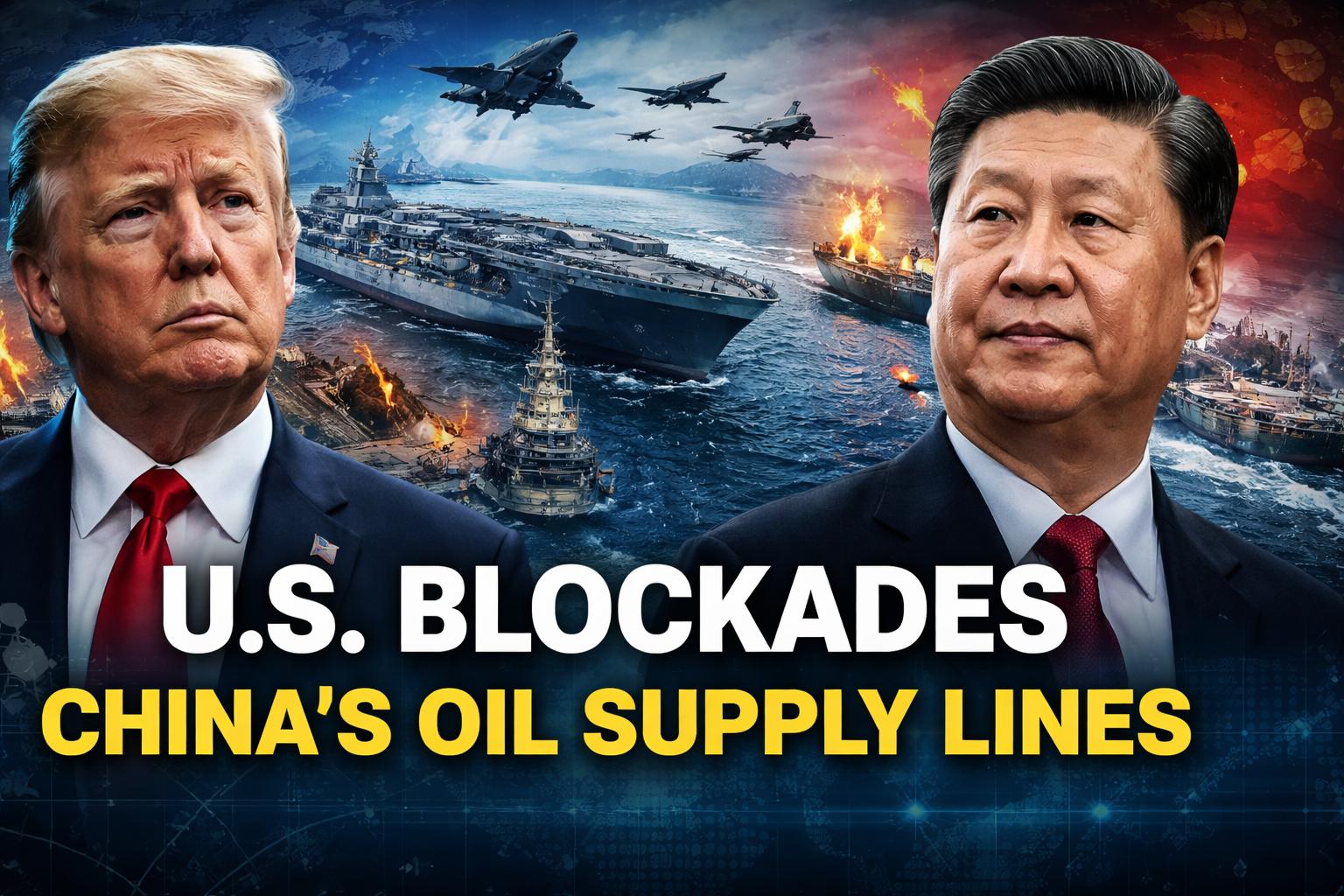
The geopolitical struggle for control over global oil supply routes escalated in early 2026, as the United States moved to strategically target key energy chokepoints in an attempt to disrupt China’s oil flow. With major oil reserves located in Venezuela, the strategic Strait of Hormuz, and the Malacca Strait, the US appears to be building a complex energy blockade aimed at China, using military force and economic pressure to shift the balance of power. In January 2026, the US took a bold step by moving its military presence to Venezuela, home to the world’s largest proven oil reserves. The operation involved an elite force that captured former Venezuelan President Nicolas Maduro, potentially altering the country’s political landscape and controlling access to its vast oil reserves. With an estimated 303 billion barrels of oil at stake, Venezuela became the first of many critical points in this evolving global energy chess game. The next move came in February 2026, when the US extended its reach into the Strait of Hormuz. This chokepoint, through which 20 to 25 percent of the world’s seaborne crude oil passes, became a target as the US launched air strikes on Iranian military and energy infrastructure. The subsequent blockade of Hormuz raised the stakes even higher, as China, a major oil importer, relies heavily on this route for its energy needs. Despite Trump’s assertion that the US no longer needed Hormuz oil due to domestic production, the global impact was undeniable, with oil prices rising sharply. By March 2026, the US had expanded its strategy to the Malacca Strait, one of the world’s busiest shipping lanes and a vital route for Chinese oil imports. Through a new deal with Indonesia, the US gained increased access to the region’s airspace, strengthening its surveillance and control capabilities. This move escalated the geopolitical pressure on China, which had already been preparing for such scenarios by building overland pipeline infrastructure to mitigate risks associated with maritime routes. China’s response to these strategic moves has been multifaceted. In Venezuela, it quickly adapted to the US military action, tapping into shadow fleets and using alternative routes to maintain its crude supply. Furthermore, China’s vast reserves, along with its investments in Russian and Iranian oil, have provided it with a buffer to withstand the pressure from the US blockade. With over 1.3 billion barrels in emergency reserves, China has the capacity to play the waiting game, absorbing the initial shocks to its oil supply. As the US tightens its grip on these strategic chokepoints, the geopolitical chessboard continues to shift. China’s ability to reroute oil through its vast pipeline network and shadow tanker fleet provides a buffer, but it remains to be seen which side will blink first in this high-stakes game. While the US hopes to achieve its goals through escalating energy denial, China’s resilience and strategic planning indicate that this global oil conflict is far from over. The Malacca Strait, a vital point in this strategic maneuvering, serves as the final battleground. With its ability to influence both regional and global shipping routes, the US’s efforts to control this chokepoint may prove pivotal. However, China’s efforts to secure alternative oil sources and protect its interests in the region suggest that the true outcome of this energy conflict will depend on the endurance and tactical flexibility of both superpowers.
Venezuela, Hormuz, Malacca: The US-China energy conflict intensifies in 2026
The geopolitical struggle for control over global oil supply routes escalated in early 2026, as the United States moved to strategically target key energy chokepoints in an attempt to disrupt China’s oil flow. With major oil reserves located in Venezuela, the strategic Strait of Hormuz, and the Malacca Strait, the US appears to be building a complex energy blockade aimed at China, using military force and economic pressure to shift the balance of power. In January 2026, the US took a bold step by moving its military presence to Venezuela, home to the world’s largest proven oil reserves. The operation involved an elite force that captured former Venezuelan President Nicolas Maduro, potentially altering the country’s political landscape and controlling access to its vast oil reserves. With an estimated 303 billion barrels of oil at stake, Venezuela became the first of many critical points in this evolving global energy chess game. The next move came in February 2026, when the US extended its reach into the Strait of Hormuz. This chokepoint, through which 20 to 25 percent of the world’s seaborne crude oil passes, became a target as the US launched air strikes on Iranian military and energy infrastructure. The subsequent blockade of Hormuz raised the stakes even higher, as China, a major oil importer, relies heavily on this route for its energy needs. Despite Trump’s assertion that the US no longer needed Hormuz oil due to domestic production, the global impact was undeniable, with oil prices rising sharply. By March 2026, the US had expanded its strategy to the Malacca Strait, one of the world’s busiest shipping lanes and a vital route for Chinese oil imports. Through a new deal with Indonesia, the US gained increased access to the region’s airspace, strengthening its surveillance and control capabilities. This move escalated the geopolitical pressure on China, which had already been preparing for such scenarios by building overland pipeline infrastructure to mitigate risks associated with maritime routes. China’s response to these strategic moves has been multifaceted. In Venezuela, it quickly adapted to the US military action, tapping into shadow fleets and using alternative routes to maintain its crude supply. Furthermore, China’s vast reserves, along with its investments in Russian and Iranian oil, have provided it with a buffer to withstand the pressure from the US blockade. With over 1.3 billion barrels in emergency reserves, China has the capacity to play the waiting game, absorbing the initial shocks to its oil supply. As the US tightens its grip on these strategic chokepoints, the geopolitical chessboard continues to shift. China’s ability to reroute oil through its vast pipeline network and shadow tanker fleet provides a buffer, but it remains to be seen which side will blink first in this high-stakes game. While the US hopes to achieve its goals through escalating energy denial, China’s resilience and strategic planning indicate that this global oil conflict is far from over. The Malacca Strait, a vital point in this strategic maneuvering, serves as the final battleground. With its ability to influence both regional and global shipping routes, the US’s efforts to control this chokepoint may prove pivotal. However, China’s efforts to secure alternative oil sources and protect its interests in the region suggest that the true outcome of this energy conflict will depend on the endurance and tactical flexibility of both superpowers.
US-India trade agreement talks resume with focus on tariff adjustments
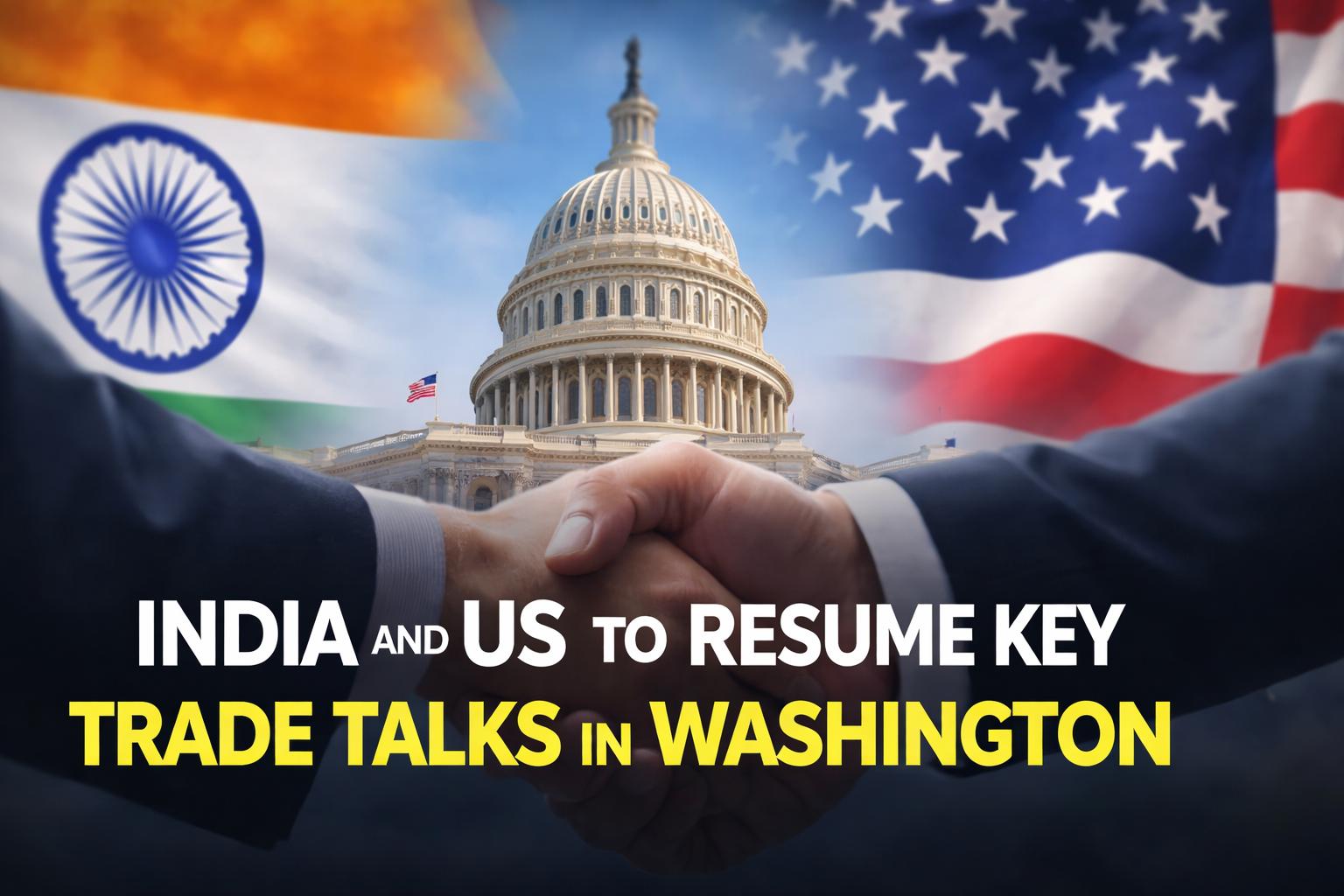
An official Indian delegation will travel to Washington next week to continue trade negotiations with US authorities. The visit is part of India's ongoing efforts to advance discussions for a bilateral trade agreement that has been delayed due to tariff-related uncertainties and policy shifts in the United States. This critical meeting comes after several months of postponed talks, as both nations work to finalize the framework for a comprehensive trade pact. The focus of the upcomi


US-India trade agreement talks resume with focus on tariff adjustments
An official Indian delegation will travel to Washington next week to continue trade negotiations with US authorities. The visit is part of India's ongoing efforts to advance discussions for a bilateral trade agreement that has been delayed due to tariff-related uncertainties and policy shifts in the United States. This critical meeting comes after several months of postponed talks, as both nations work to finalize the framework for a comprehensive trade pact. The focus of the upcomi
India’s Growth Outlook Remains Strong at 6.5% in 2026, Says IMF Report
The International Monetary Fund (IMF) has revised its growth projections for India, forecasting a robust 6.5% growth for both 2026 and 2027, despite the global economic disruptions caused by the ongoing war in West Asia. India remains the fastest-growing major economy, although the IMF's global growth forecast has been downgraded to 3.1% for 2026, a decline from its January projection. The IMF report highlights the toll the war has taken on global markets and supply chains, especially in sect
India’s Growth Outlook Remains Strong at 6.5% in 2026, Says IMF Report
The International Monetary Fund (IMF) has revised its growth projections for India, forecasting a robust 6.5% growth for both 2026 and 2027, despite the global economic disruptions caused by the ongoing war in West Asia. India remains the fastest-growing major economy, although the IMF's global growth forecast has been downgraded to 3.1% for 2026, a decline from its January projection. The IMF report highlights the toll the war has taken on global markets and supply chains, especially in sect
Qantas plans 22-hour nonstop flights from Sydney to London and New York
The era of ultra-long-haul aviation is set to reach a new milestone as Qantas advances plans to introduce what could become the longest nonstop commercial flights in the world. The initiative, known as Project Sunrise, aims to connect Sydney directly with major global destinations such as London and New York City without intermediate stops, significantly reshaping international air travel. These proposed routes are expected to span more than 10,000 miles (approximately 16,000 kilomete
Qantas plans 22-hour nonstop flights from Sydney to London and New York
The era of ultra-long-haul aviation is set to reach a new milestone as Qantas advances plans to introduce what could become the longest nonstop commercial flights in the world. The initiative, known as Project Sunrise, aims to connect Sydney directly with major global destinations such as London and New York City without intermediate stops, significantly reshaping international air travel. These proposed routes are expected to span more than 10,000 miles (approximately 16,000 kilomete
Trump signals possible resumption of US-Iran talks in Pakistan within days
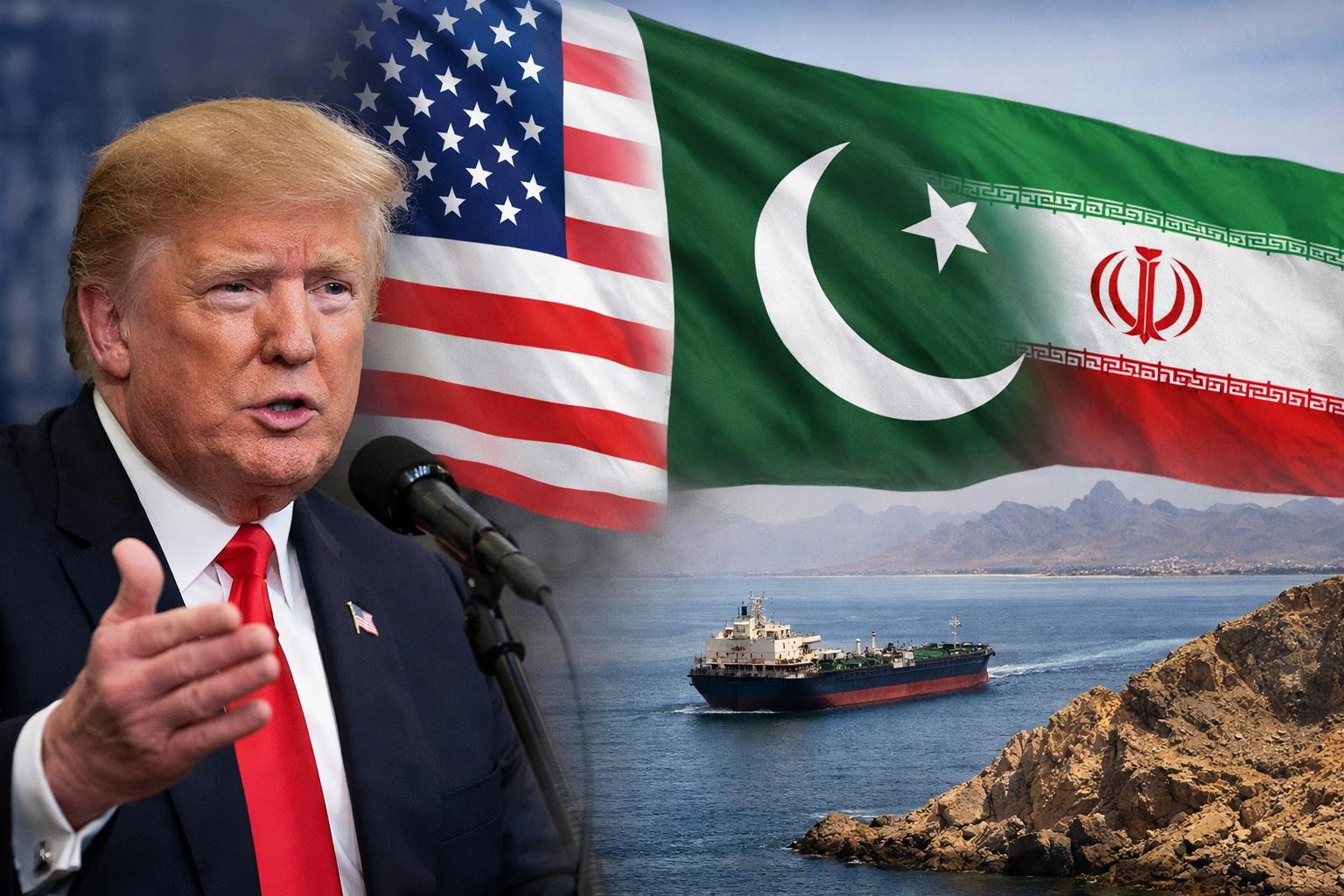
U.S. President Donald Trump indicated that negotiations between the United States and Iran could resume within the next two days following a recent breakdown in talks held in Pakistan. Speaking in an interview publi
Trump signals possible resumption of US-Iran talks in Pakistan within days
U.S. President Donald Trump indicated that negotiations between the United States and Iran could resume within the next two days following a recent breakdown in talks held in Pakistan. Speaking in an interview publi
Israel and Lebanon hold rare talks in Washington amid Hezbollah conflict
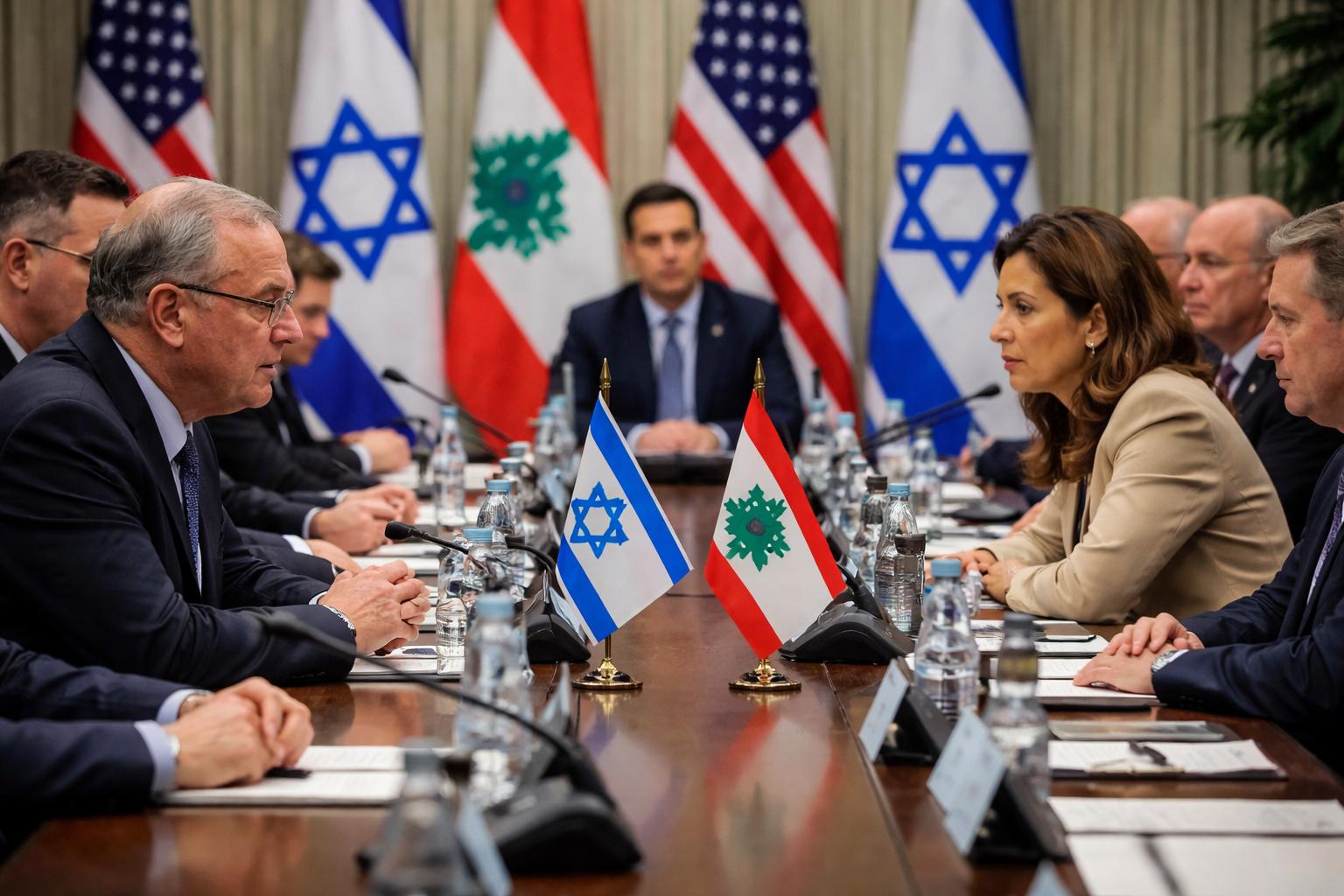
Israeli and Lebanese officials held more than two hours of direct talks in Washington, D.C., on Tuesday, April 14, 2026, marking the first such high-level engagement between the two countries in decades as fighting between Israel and the Iran-backed Hezbollah group continues to escalate. The meeting, hosted by U.S. Secretary of State Marco Rubio, comes amid a fragile regional environment shaped by ongoing hostilities in Lebanon and broader tensions involving Iran. Rubio described the talks as a long-term diplomatic effort rather than an immediate solution, emphasizing that deeply rooted issues between the two sides would take time to resolve. Israeli Ambassador Yechiel Leiter said the discussions reflect a shared objective of reducing Hezbollah’s influence in Lebanon, which Israel views as an extension of Iranian power in the region. Lebanese Ambassador Nada Hamadeh Moawad participated in the talks, though public comments from the Lebanese side remained limited immediately afterward. The talks are notable given that Israel and Lebanon do not maintain formal diplomatic relations and have been technically at war for decades. Despite this, U.S. officials have pushed for dialogue as part of a broader effort to stabilize the region and prevent further escalation tied to the ongoing conflict with Iran and its allies. The diplomatic engagement comes as Israeli military operations continue across southern Lebanon. The conflict intensified after Hezbollah launched rocket attacks on northern Israel on Sunday, March 2, 2026, prompting a large-scale Israeli response that has included airstrikes and ground operations. Hezbollah, which is not part of the negotiations and opposes direct talks with Israel, has continued its military activities during the diplomatic effort. The group’s rejection of the talks highlights internal divisions within Lebanon, where the government has limited control over Hezbollah’s armed wing. Beyond the immediate conflict, the situation has broader global implications. Tensions surrounding Iran, including disputes over its nuclear program and control of the Strait of Hormuz, have raised concerns about disruptions to global energy supplies. Analysts warn that instability in the region could affect oil markets and contribute to economic uncertainty worldwide. While no immediate breakthroughs are expected, officials describe the Washington meeting as a significant first step toward potential de-escalation, even as violence on the ground and political divisions continue to complicate the path forward.
Israel and Lebanon hold rare talks in Washington amid Hezbollah conflict
Israeli and Lebanese officials held more than two hours of direct talks in Washington, D.C., on Tuesday, April 14, 2026, marking the first such high-level engagement between the two countries in decades as fighting between Israel and the Iran-backed Hezbollah group continues to escalate. The meeting, hosted by U.S. Secretary of State Marco Rubio, comes amid a fragile regional environment shaped by ongoing hostilities in Lebanon and broader tensions involving Iran. Rubio described the talks as a long-term diplomatic effort rather than an immediate solution, emphasizing that deeply rooted issues between the two sides would take time to resolve. Israeli Ambassador Yechiel Leiter said the discussions reflect a shared objective of reducing Hezbollah’s influence in Lebanon, which Israel views as an extension of Iranian power in the region. Lebanese Ambassador Nada Hamadeh Moawad participated in the talks, though public comments from the Lebanese side remained limited immediately afterward. The talks are notable given that Israel and Lebanon do not maintain formal diplomatic relations and have been technically at war for decades. Despite this, U.S. officials have pushed for dialogue as part of a broader effort to stabilize the region and prevent further escalation tied to the ongoing conflict with Iran and its allies. The diplomatic engagement comes as Israeli military operations continue across southern Lebanon. The conflict intensified after Hezbollah launched rocket attacks on northern Israel on Sunday, March 2, 2026, prompting a large-scale Israeli response that has included airstrikes and ground operations. Hezbollah, which is not part of the negotiations and opposes direct talks with Israel, has continued its military activities during the diplomatic effort. The group’s rejection of the talks highlights internal divisions within Lebanon, where the government has limited control over Hezbollah’s armed wing. Beyond the immediate conflict, the situation has broader global implications. Tensions surrounding Iran, including disputes over its nuclear program and control of the Strait of Hormuz, have raised concerns about disruptions to global energy supplies. Analysts warn that instability in the region could affect oil markets and contribute to economic uncertainty worldwide. While no immediate breakthroughs are expected, officials describe the Washington meeting as a significant first step toward potential de-escalation, even as violence on the ground and political divisions continue to complicate the path forward.