







Trump-Xi Summit 2026: 6 Past Meetings That Explain US-China Tensions
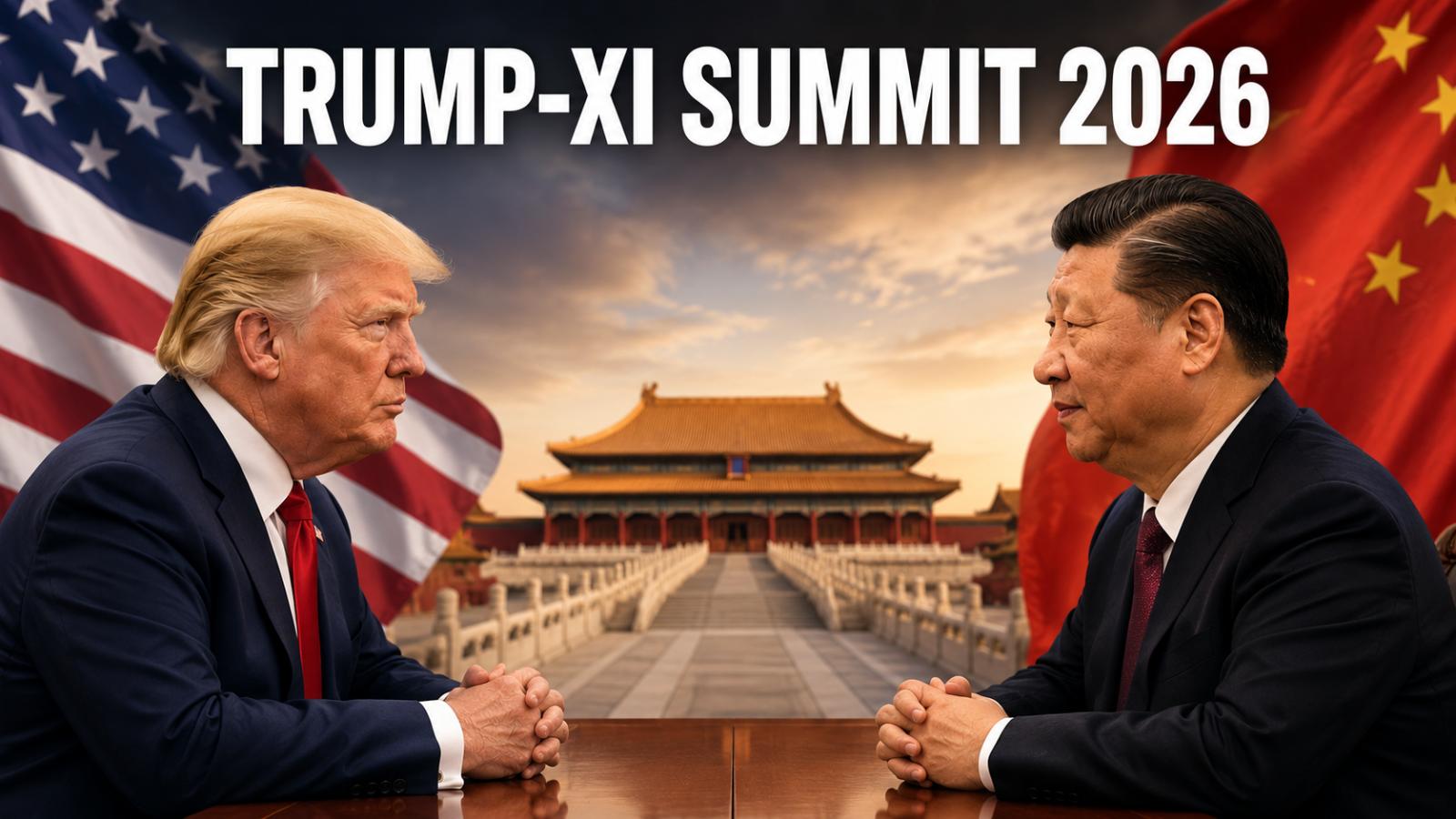
Trump-Xi Summit Puts US-China Tensions Back in Focus US President Donald Trump arrived in Beijing on Wednesday, May 13, 2026, for a high-stakes summit with Chinese President Xi Jinping, bringing tariffs, rare earth exports, AI chips, Taiwan and global security back to the center of US-China relations. The summit is expected to mark another major test for the world’s two largest economies after six previous Trump-Xi meetings shaped trade disputes, tariff pauses and fragile diplomatic resets since 2017. For Washington, the key questions include trade access, technology restrictions, agriculture purchases, Taiwan and supply-chain stability. For Beijing, the meeting is a chance to push back against US tariffs and technology controls while protecting China’s position in global trade. Why the Trump-Xi Summit Matters in 2026 The 2026 Trump-Xi summit matters because the issues are no longer limited to trade. The talks now include rare earth minerals, artificial intelligence, agriculture, Taiwan, nuclear concerns and broader geopolitical tensions. Reuters reported that Trump and Xi are expected to discuss trade, AI, agriculture, rare earths and global security issues during the summit period. Rare earth exports are especially important because China plays a major role in minerals used in defense systems, electric vehicles, electronics and clean-energy technology. Any movement on export controls could affect global supply chains and US manufacturers. AI chips are another major pressure point. Trump’s Beijing visit also drew attention because Nvidia CEO Jensen Huang joined the mission as US companies seek broader access to China’s technology market. Taiwan remains one of the most sensitive security issues. Beijing strongly opposes US arms sales to Taiwan, while Washington continues to maintain political and security ties with Taipei. AP reported that US arms sales to Taiwan are among the issues surrounding the summit. Trump-Xi Meetings Timeline Meeting Date Location Main Focus Why It Matters Now First Trump-Xi meeting Thursday, April 6, 2017 Mar-a-Lago, Florida Trade, diplomacy, North Korea Opened direct leader-level communication G20 meeting Saturday, July 8, 2017 Hamburg, Germany North Korea and economic ties Came before stronger US trade action Trump China visit Wednesday, November 8, 2017 to Friday, November 10, 2017 Beijing, China Business deals and trade imbalance Warm diplomacy did not stop tariff tensions G20 dinner Saturday, December 1, 2018 Buenos Aires, Argentina Tariffs, intellectual property and cyber concerns Opened temporary negotiations during the trade war Osaka G20 meeting Saturday, June 29, 2019 Osaka, Japan Tariff pause and farm purchases Restarted trade talks after escalation APEC meeting Thursday, October 30, 2025 Busan, South Korea Tariffs, rare earths and farm exports Created a temporary pause before the 2026 summit How Six Meetings Shaped US-China Relations Trump and Xi first met at Mar-a-Lago in Florida on Thursday, April 6, 2017. The meeting created a personal channel between the two leaders, but it did not resolve deeper US concerns over China’s trade practices, market access and industrial policy. Their second meeting came on Saturday, July 8, 2017, during the G20 summit in Hamburg, Germany. North Korea was a major topic, but trade tensions were already rising. Soon after, Washington moved toward stronger action over alleged Chinese intellectual property theft and unfair trade practices. Trump visited Beijing from Wednesday, November 8, 2017, to Friday, November 10, 2017. The visit included ceremonial events and business announcements, but the friendly tone did not prevent the two countries from moving toward a wider trade confrontation. By Saturday, December 1, 2018, when Trump and Xi met at the G20 summit in Buenos Aires, both countries had already imposed tariffs. The dinner opened temporary negotiations on trade imbalances, intellectual property and cyber concerns. The next major pause came at the G20 summit in Osaka on Saturday, June 29, 2019. Trump and Xi agreed to restart trade talks and delay new tariffs. China also pledged to buy more US agricultural goods. Their sixth meeting came after a six-year gap on Thursday, October 30, 2025, during the APEC summit in Busan, South Korea. That meeting helped create a temporary pause in parts of the trade dispute, including movement on tariffs, rare earth exports and US farm purchases. What the 2026 Trump-Xi Meeting Could Decide The Beijing summit could decide whether Washington and Beijing extend a period of limited stability or return to sharper confrontation. For the United States, the main goals include tariff relief, stronger export access for farmers, rare earth supply stability, technology safeguards and progress on broader security issues. American companies are also watching whether the talks create more space for business access in China. For China, the summit is about reducing pressure from tariffs and technology restrictions while showing that Beijing can negotiate from strength. Rare earths give China leverage, while its large consumer and technology market remains important for US companies. The six previous Trump-Xi meetings show a clear pattern: personal diplomacy can slow escalation, but it rarely solves the deeper disputes. Mar-a-Lago and Beijing created warmth but did not prevent the trade war. Buenos Aires and Osaka produced temporary pauses. Busan again showed that both sides could step back from escalation, but only for a limited period. That makes the 2026 summit more than another diplomatic event. It is a test of whether the United States and China can manage competition without allowing tariffs, AI chip restrictions, rare earth controls and Taiwan tensions to trigger another major crisis.
Trump-Xi Summit 2026: 6 Past Meetings That Explain US-China Tensions
Trump-Xi Summit Puts US-China Tensions Back in Focus US President Donald Trump arrived in Beijing on Wednesday, May 13, 2026, for a high-stakes summit with Chinese President Xi Jinping, bringing tariffs, rare earth exports, AI chips, Taiwan and global security back to the center of US-China relations. The summit is expected to mark another major test for the world’s two largest economies after six previous Trump-Xi meetings shaped trade disputes, tariff pauses and fragile diplomatic resets since 2017. For Washington, the key questions include trade access, technology restrictions, agriculture purchases, Taiwan and supply-chain stability. For Beijing, the meeting is a chance to push back against US tariffs and technology controls while protecting China’s position in global trade. Why the Trump-Xi Summit Matters in 2026 The 2026 Trump-Xi summit matters because the issues are no longer limited to trade. The talks now include rare earth minerals, artificial intelligence, agriculture, Taiwan, nuclear concerns and broader geopolitical tensions. Reuters reported that Trump and Xi are expected to discuss trade, AI, agriculture, rare earths and global security issues during the summit period. Rare earth exports are especially important because China plays a major role in minerals used in defense systems, electric vehicles, electronics and clean-energy technology. Any movement on export controls could affect global supply chains and US manufacturers. AI chips are another major pressure point. Trump’s Beijing visit also drew attention because Nvidia CEO Jensen Huang joined the mission as US companies seek broader access to China’s technology market. Taiwan remains one of the most sensitive security issues. Beijing strongly opposes US arms sales to Taiwan, while Washington continues to maintain political and security ties with Taipei. AP reported that US arms sales to Taiwan are among the issues surrounding the summit. Trump-Xi Meetings Timeline Meeting Date Location Main Focus Why It Matters Now First Trump-Xi meeting Thursday, April 6, 2017 Mar-a-Lago, Florida Trade, diplomacy, North Korea Opened direct leader-level communication G20 meeting Saturday, July 8, 2017 Hamburg, Germany North Korea and economic ties Came before stronger US trade action Trump China visit Wednesday, November 8, 2017 to Friday, November 10, 2017 Beijing, China Business deals and trade imbalance Warm diplomacy did not stop tariff tensions G20 dinner Saturday, December 1, 2018 Buenos Aires, Argentina Tariffs, intellectual property and cyber concerns Opened temporary negotiations during the trade war Osaka G20 meeting Saturday, June 29, 2019 Osaka, Japan Tariff pause and farm purchases Restarted trade talks after escalation APEC meeting Thursday, October 30, 2025 Busan, South Korea Tariffs, rare earths and farm exports Created a temporary pause before the 2026 summit How Six Meetings Shaped US-China Relations Trump and Xi first met at Mar-a-Lago in Florida on Thursday, April 6, 2017. The meeting created a personal channel between the two leaders, but it did not resolve deeper US concerns over China’s trade practices, market access and industrial policy. Their second meeting came on Saturday, July 8, 2017, during the G20 summit in Hamburg, Germany. North Korea was a major topic, but trade tensions were already rising. Soon after, Washington moved toward stronger action over alleged Chinese intellectual property theft and unfair trade practices. Trump visited Beijing from Wednesday, November 8, 2017, to Friday, November 10, 2017. The visit included ceremonial events and business announcements, but the friendly tone did not prevent the two countries from moving toward a wider trade confrontation. By Saturday, December 1, 2018, when Trump and Xi met at the G20 summit in Buenos Aires, both countries had already imposed tariffs. The dinner opened temporary negotiations on trade imbalances, intellectual property and cyber concerns. The next major pause came at the G20 summit in Osaka on Saturday, June 29, 2019. Trump and Xi agreed to restart trade talks and delay new tariffs. China also pledged to buy more US agricultural goods. Their sixth meeting came after a six-year gap on Thursday, October 30, 2025, during the APEC summit in Busan, South Korea. That meeting helped create a temporary pause in parts of the trade dispute, including movement on tariffs, rare earth exports and US farm purchases. What the 2026 Trump-Xi Meeting Could Decide The Beijing summit could decide whether Washington and Beijing extend a period of limited stability or return to sharper confrontation. For the United States, the main goals include tariff relief, stronger export access for farmers, rare earth supply stability, technology safeguards and progress on broader security issues. American companies are also watching whether the talks create more space for business access in China. For China, the summit is about reducing pressure from tariffs and technology restrictions while showing that Beijing can negotiate from strength. Rare earths give China leverage, while its large consumer and technology market remains important for US companies. The six previous Trump-Xi meetings show a clear pattern: personal diplomacy can slow escalation, but it rarely solves the deeper disputes. Mar-a-Lago and Beijing created warmth but did not prevent the trade war. Buenos Aires and Osaka produced temporary pauses. Busan again showed that both sides could step back from escalation, but only for a limited period. That makes the 2026 summit more than another diplomatic event. It is a test of whether the United States and China can manage competition without allowing tariffs, AI chip restrictions, rare earth controls and Taiwan tensions to trigger another major crisis.
Trump-Xi summit: Key issues, trade talks, and Iran conflict to be addressed
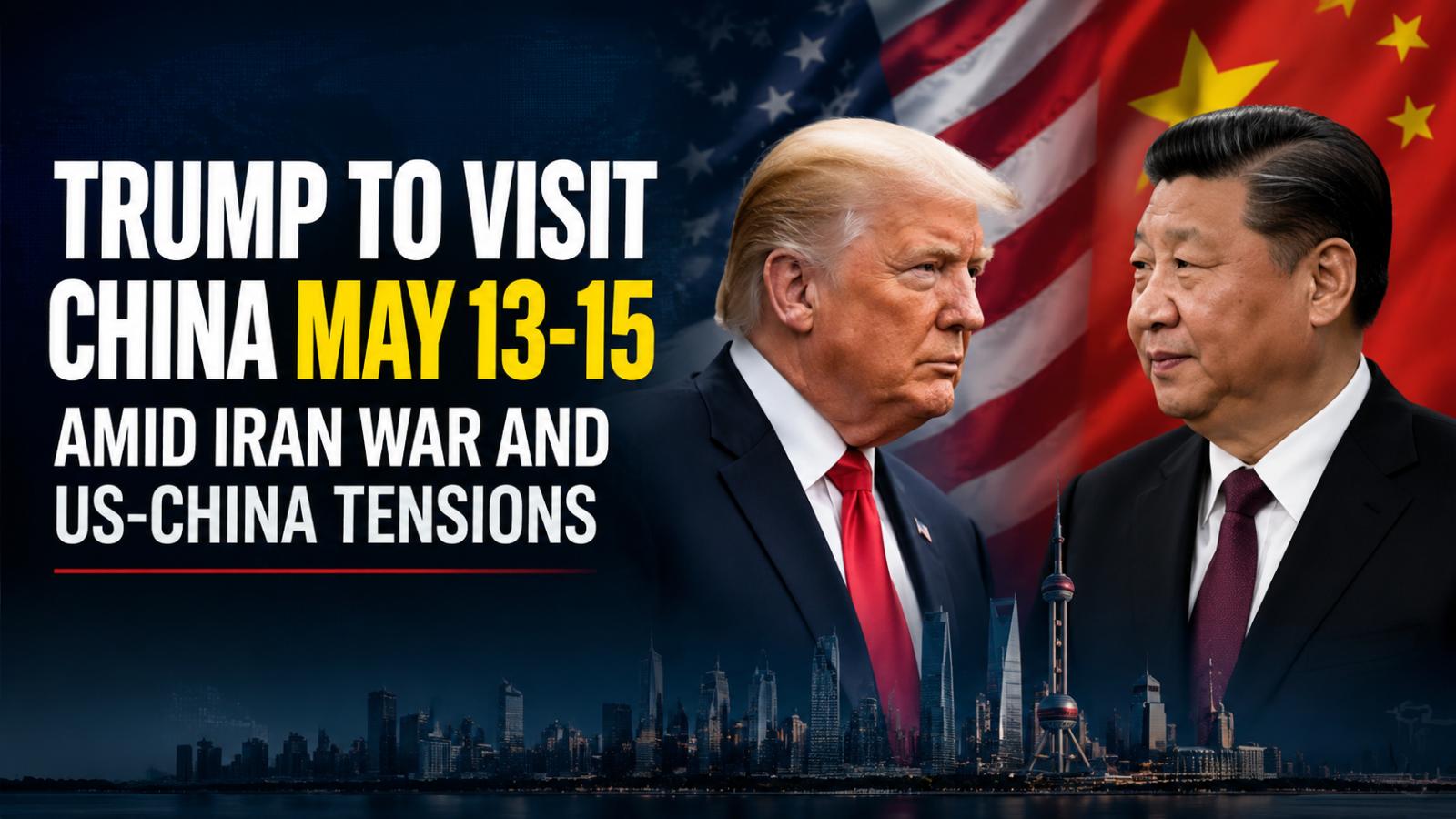
US President Donald Trump is set to visit China from May 13 to 15, marking the first visit to the country by an American president in nearly nine years. The invitation comes from Chinese President Xi Jinping amid growing tensions between the two nations over issues such as trade, technology, and defense. This visit comes at a critical time for global politics, with the ongoing Iran conflict impacting both economic stability and energy prices. The timing of Trump’s visit coincides with a volatile situation in the Strait of Hormuz, where a dual blockade has significantly disrupted global oil trade, driving up energy prices. These disruptions have the potential to harm global economic growth, as the Strait is a vital shipping route for the world’s oil supply. Trump’s administration has placed significant pressure on Iran over its nuclear program, and in recent remarks, he stated that the US would “finish the job” if Iran did not agree to the terms aimed at halting the conflict. While tensions remain high, the US continues to press for a diplomatic resolution to the situation, with President Trump asserting that Iran must meet specific demands regarding its nuclear ambitions. Despite these pressures, Trump maintains that the US does not need China’s assistance to resolve the issue, suggesting that the conflict could be settled with or without China’s involvement. Iran, for its part, has signaled its intention to pursue peace, with chief negotiator Mohammad Bagher Ghalibaf issuing an ultimatum to the US. According to Ghalibaf, Washington must accept Iran’s recent peace proposal or face further failure in negotiations. He emphasized that there was no alternative but to acknowledge the rights of the Iranian people as outlined in Tehran’s 14-point proposal. Beyond the Iran conflict, the upcoming Trump-Xi summit is expected to address several key issues affecting US-China relations. Trade discussions will likely focus on extending a temporary truce in the ongoing trade dispute, particularly concerning rare earth minerals. Both leaders are expected to explore agreements related to Boeing aircraft purchases, as well as expanding trade and investment ties. Additionally, China is anticipated to announce purchases in the US agricultural and energy sectors. Another significant topic of discussion will be Taiwan, with Xi expressing frustration over the US’s continued support for the island nation, which China claims as part of its territory. Trump’s administration has reiterated its commitment to Taiwan, despite escalating military activities in the region by China. The summit will also cover the rapid development of artificial intelligence (AI) in both countries, with US officials highlighting concerns about the potential military and economic implications of AI advancements. With both nations at the forefront of technological innovation, there is a growing need for open communication to avoid misunderstandings or potential conflicts arising from the use of AI. This high-stakes summit between the US and China is poised to shape the future of global trade, energy security, and technological development, with both sides seeking to manage their differences while addressing urgent geopolitical challenges. As the world watches, the outcome of these talks could have far-reaching implications for international relations.
Trump-Xi summit: Key issues, trade talks, and Iran conflict to be addressed
US President Donald Trump is set to visit China from May 13 to 15, marking the first visit to the country by an American president in nearly nine years. The invitation comes from Chinese President Xi Jinping amid growing tensions between the two nations over issues such as trade, technology, and defense. This visit comes at a critical time for global politics, with the ongoing Iran conflict impacting both economic stability and energy prices. The timing of Trump’s visit coincides with a volatile situation in the Strait of Hormuz, where a dual blockade has significantly disrupted global oil trade, driving up energy prices. These disruptions have the potential to harm global economic growth, as the Strait is a vital shipping route for the world’s oil supply. Trump’s administration has placed significant pressure on Iran over its nuclear program, and in recent remarks, he stated that the US would “finish the job” if Iran did not agree to the terms aimed at halting the conflict. While tensions remain high, the US continues to press for a diplomatic resolution to the situation, with President Trump asserting that Iran must meet specific demands regarding its nuclear ambitions. Despite these pressures, Trump maintains that the US does not need China’s assistance to resolve the issue, suggesting that the conflict could be settled with or without China’s involvement. Iran, for its part, has signaled its intention to pursue peace, with chief negotiator Mohammad Bagher Ghalibaf issuing an ultimatum to the US. According to Ghalibaf, Washington must accept Iran’s recent peace proposal or face further failure in negotiations. He emphasized that there was no alternative but to acknowledge the rights of the Iranian people as outlined in Tehran’s 14-point proposal. Beyond the Iran conflict, the upcoming Trump-Xi summit is expected to address several key issues affecting US-China relations. Trade discussions will likely focus on extending a temporary truce in the ongoing trade dispute, particularly concerning rare earth minerals. Both leaders are expected to explore agreements related to Boeing aircraft purchases, as well as expanding trade and investment ties. Additionally, China is anticipated to announce purchases in the US agricultural and energy sectors. Another significant topic of discussion will be Taiwan, with Xi expressing frustration over the US’s continued support for the island nation, which China claims as part of its territory. Trump’s administration has reiterated its commitment to Taiwan, despite escalating military activities in the region by China. The summit will also cover the rapid development of artificial intelligence (AI) in both countries, with US officials highlighting concerns about the potential military and economic implications of AI advancements. With both nations at the forefront of technological innovation, there is a growing need for open communication to avoid misunderstandings or potential conflicts arising from the use of AI. This high-stakes summit between the US and China is poised to shape the future of global trade, energy security, and technological development, with both sides seeking to manage their differences while addressing urgent geopolitical challenges. As the world watches, the outcome of these talks could have far-reaching implications for international relations.
Historic US-China Summit: Trump and Xi Discuss Iran, Trade, and Taiwan in Beijing
Trump and Xi Jinping Meet in Beijing for Key Summit US President Donald Trump and Chinese President Xi Jinping are set to meet in Beijing for a highly anticipated three-day summit. This is Trump’s first visit to China in nearly a decade, making the meeting particularly significant. The summit is expected to focus on critical global issues, including the ongoing US-Israel war on Iran, trade relations between the two nations, and the status of Taiw
Historic US-China Summit: Trump and Xi Discuss Iran, Trade, and Taiwan in Beijing
Trump and Xi Jinping Meet in Beijing for Key Summit US President Donald Trump and Chinese President Xi Jinping are set to meet in Beijing for a highly anticipated three-day summit. This is Trump’s first visit to China in nearly a decade, making the meeting particularly significant. The summit is expected to focus on critical global issues, including the ongoing US-Israel war on Iran, trade relations between the two nations, and the status of Taiw
Dr. Marty Makary Resigns as FDA Commissioner, Trump Announces
Dr. Marty Makary Resigns as FDA Commissioner Dr. Marty Makary has resigned from his position as the commissioner of the U.S. Food and Drug Administration (FDA), as confirmed by President Donald Trump on May 12. In a social media post, Trump revealed that Makary had informed him of his decision to step down, effective Tuesday. While Makary did not offer an explicit reason for his resignation, Trump praised his leadership, calling him a “hard worke
Dr. Marty Makary Resigns as FDA Commissioner, Trump Announces
Dr. Marty Makary Resigns as FDA Commissioner Dr. Marty Makary has resigned from his position as the commissioner of the U.S. Food and Drug Administration (FDA), as confirmed by President Donald Trump on May 12. In a social media post, Trump revealed that Makary had informed him of his decision to step down, effective Tuesday. While Makary did not offer an explicit reason for his resignation, Trump praised his leadership, calling him a “hard worke

Trump Defends Pakistan Amid Iran Mediation Tensions
Trump Defends Pakistan's Role in Iran Talks President Donald Trump reaffirmed his trust in Pakistan’s role as a mediator in the ongoing talks with Iran, dismissing concerns raised by Senator Lindsey Graham. Trump praised Prime Minister Shehbaz Sharif and Pakistan's Army Chief, General Asim Munir, calling them “absolutely great” for their efforts in facilitating diplomatic discussions between the United States and Iran. His comments came on Ma
Trump Defends Pakistan Amid Iran Mediation Tensions
Trump Defends Pakistan's Role in Iran Talks President Donald Trump reaffirmed his trust in Pakistan’s role as a mediator in the ongoing talks with Iran, dismissing concerns raised by Senator Lindsey Graham. Trump praised Prime Minister Shehbaz Sharif and Pakistan's Army Chief, General Asim Munir, calling them “absolutely great” for their efforts in facilitating diplomatic discussions between the United States and Iran. His comments came on Ma

Trump's Satirical Game Mocking Iran and Media
"Operation Epic Furious Strait to Hell" Game Installed at DC War Memorial A new arcade game titled “Operation Epic Furious Strait to Hell” has been installed at the District of Columbia War Memorial in Washington, D.C. The game, which features a ginger-haired Donald Trump, satirizes the U.S. administration’s handling of the Iran conflict and Trump’s often controversial social media presence. The game begins with a humoro
Trump's Satirical Game Mocking Iran and Media
"Operation Epic Furious Strait to Hell" Game Installed at DC War Memorial A new arcade game titled “Operation Epic Furious Strait to Hell” has been installed at the District of Columbia War Memorial in Washington, D.C. The game, which features a ginger-haired Donald Trump, satirizes the U.S. administration’s handling of the Iran conflict and Trump’s often controversial social media presence. The game begins with a humoro
Trump’s Bold Iran Strategy: "We’ll Win Peacefully or Otherwise"
Trump’s Departure for Beijing President Donald Trump left Washington on May 12th for a high-stakes summit with Chinese President Xi Jinping in Beijing. As he boarded Air Force One for the trip, Trump addressed reporters, emphasizing that Iran is "under control" and that the United States either intends to make a deal or "decimate" Iran’s military capabilities. This rhetoric comes amid the ongoing conflict with Iran, with Trump reiterating his u
Trump’s Bold Iran Strategy: "We’ll Win Peacefully or Otherwise"
Trump’s Departure for Beijing President Donald Trump left Washington on May 12th for a high-stakes summit with Chinese President Xi Jinping in Beijing. As he boarded Air Force One for the trip, Trump addressed reporters, emphasizing that Iran is "under control" and that the United States either intends to make a deal or "decimate" Iran’s military capabilities. This rhetoric comes amid the ongoing conflict with Iran, with Trump reiterating his u
Trump Escalates Rhetoric on Iran Conflict, Calls Critics "Traitors"
Trump Accuses Media of Treason On May 12, President Donald Trump expressed outrage over media reports suggesting that Iran is “doing well” militarily in its ongoing conflict with the United States. In a social media post during his flight to China, Trump accused the media of committing treason by spreading false and misleading information. “When the Fake News says that the Iranian enemy is doing well, Militarily, against us, it’s virtual TRE
Trump Escalates Rhetoric on Iran Conflict, Calls Critics "Traitors"
Trump Accuses Media of Treason On May 12, President Donald Trump expressed outrage over media reports suggesting that Iran is “doing well” militarily in its ongoing conflict with the United States. In a social media post during his flight to China, Trump accused the media of committing treason by spreading false and misleading information. “When the Fake News says that the Iranian enemy is doing well, Militarily, against us, it’s virtual TRE
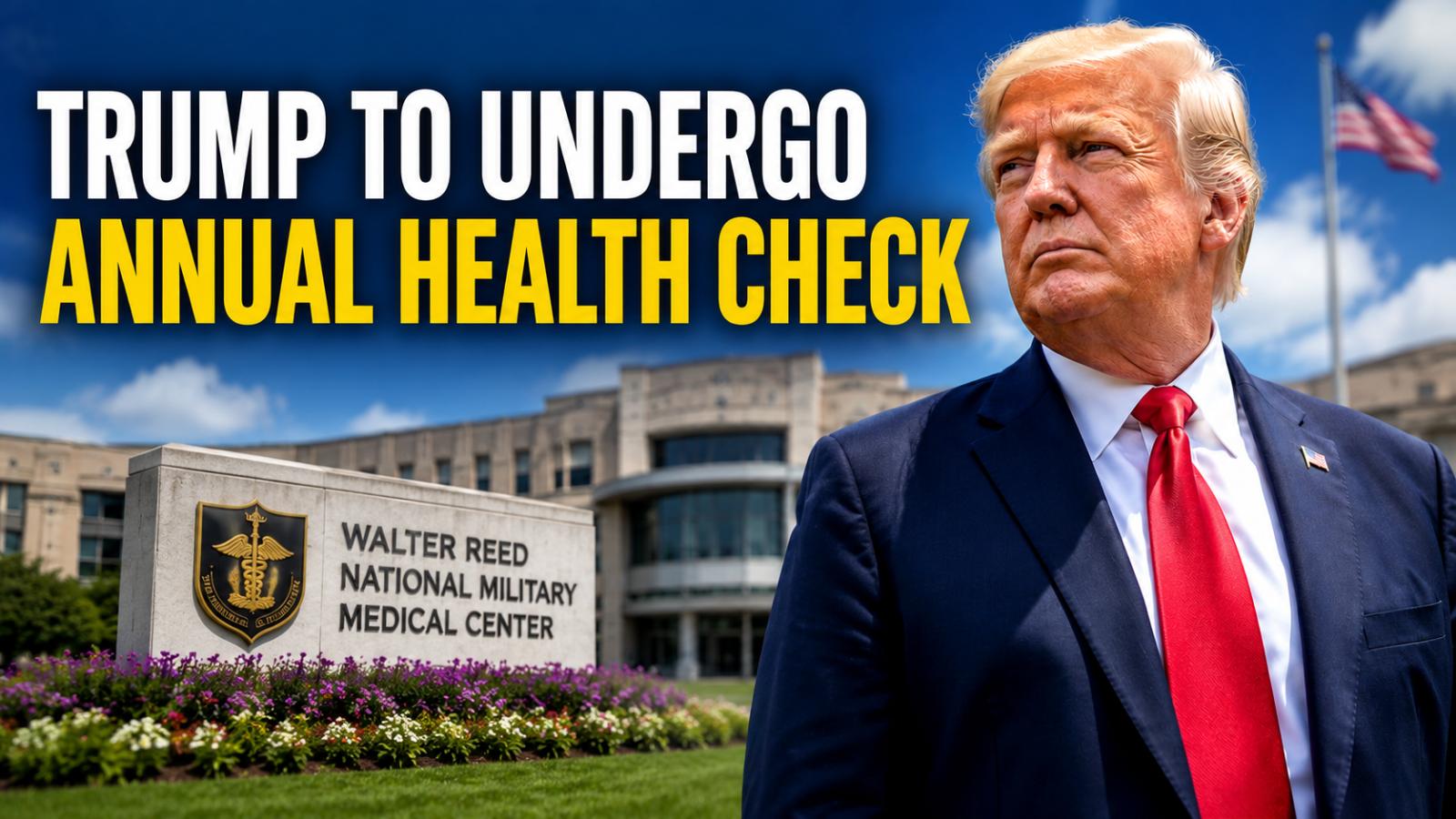
Trump Health Check at Walter Reed Sparks Fresh Questions Ahead of Beijing Summit
WASHINGTON — President Donald Trump is scheduled to undergo a medical and dental examination at Walter Reed National Military Medical Center on Monday, May 26, as part of his annual preventive health evaluation, the White House said. The checkup comes as questions surrounding presidential age, fitness and medical transparency continue drawing national attention ahead of the 2026 political season. Trump, who turns 80 next month, remains the oldest person elected president in US history. Medical Exam Comes Before Beijing Summit The White House said the evaluation will take place roughly 10 days after Trump returns from a planned summit in Beijing with Chinese President Xi Jinping. Officials described the appointment as a routine annual physical and dental review. Trump has repeatedly said he feels healthy and energetic despite ongoing public discussion about aging presidents in Washington. Speaking during an Oval Office appearance on Monday, Trump said he feels “literally the same” as he did decades ago and joked about exercising “about one minute a day.” Previous Health Reports Drew Public Attention Trump’s last major physical examination was conducted in April 2025, when White House physician Navy Capt. Sean Barbabella stated the president was “fully fit” to serve as commander in chief. The report also noted Trump had lost nearly 20 pounds compared to his 2020 medical evaluation. Later in 2025, White House officials disclosed that Trump underwent testing for mild swelling in his lower legs. Doctors diagnosed chronic venous insufficiency, a common condition affecting blood flow in older adults. Press secretary Karoline Leavitt also addressed visible bruising seen on Trump’s hands, saying it was linked to frequent handshaking and aspirin use. Trump reportedly takes aspirin to reduce the risk of heart attack and stroke. The president also received a flu shot and COVID-19 booster during a previous medical visit that included preventive heart and abdominal screening tests, according to White House officials.
Trump Health Check at Walter Reed Sparks Fresh Questions Ahead of Beijing Summit
WASHINGTON — President Donald Trump is scheduled to undergo a medical and dental examination at Walter Reed National Military Medical Center on Monday, May 26, as part of his annual preventive health evaluation, the White House said. The checkup comes as questions surrounding presidential age, fitness and medical transparency continue drawing national attention ahead of the 2026 political season. Trump, who turns 80 next month, remains the oldest person elected president in US history. Medical Exam Comes Before Beijing Summit The White House said the evaluation will take place roughly 10 days after Trump returns from a planned summit in Beijing with Chinese President Xi Jinping. Officials described the appointment as a routine annual physical and dental review. Trump has repeatedly said he feels healthy and energetic despite ongoing public discussion about aging presidents in Washington. Speaking during an Oval Office appearance on Monday, Trump said he feels “literally the same” as he did decades ago and joked about exercising “about one minute a day.” Previous Health Reports Drew Public Attention Trump’s last major physical examination was conducted in April 2025, when White House physician Navy Capt. Sean Barbabella stated the president was “fully fit” to serve as commander in chief. The report also noted Trump had lost nearly 20 pounds compared to his 2020 medical evaluation. Later in 2025, White House officials disclosed that Trump underwent testing for mild swelling in his lower legs. Doctors diagnosed chronic venous insufficiency, a common condition affecting blood flow in older adults. Press secretary Karoline Leavitt also addressed visible bruising seen on Trump’s hands, saying it was linked to frequent handshaking and aspirin use. Trump reportedly takes aspirin to reduce the risk of heart attack and stroke. The president also received a flu shot and COVID-19 booster during a previous medical visit that included preventive heart and abdominal screening tests, according to White House officials.
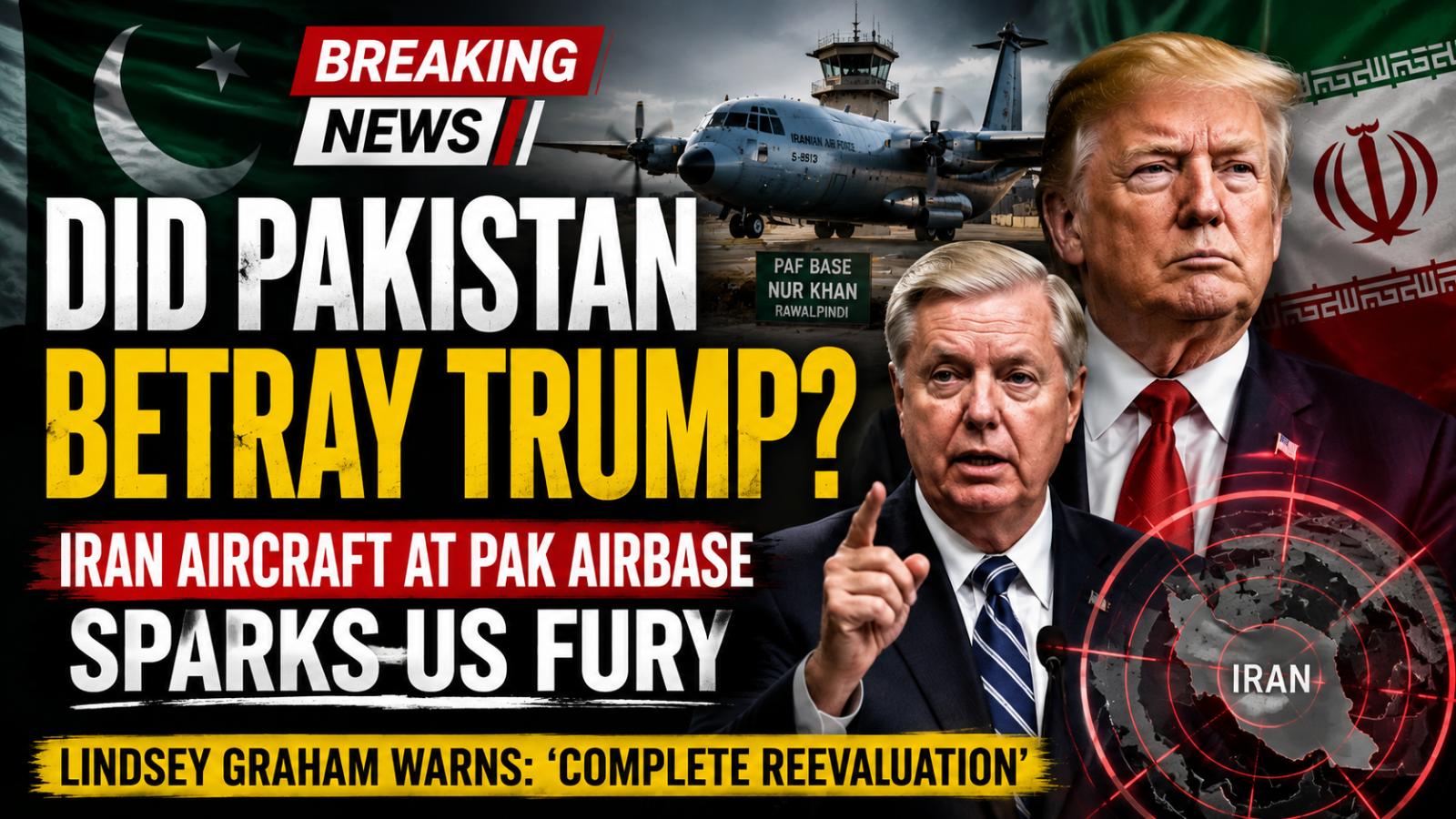
US Senator Lindsey Graham Warns Pakistan Over Iran Claims
Questions surrounding Pakistan’s role as a neutral mediator in the Iran-US negotiations have intensified following claims that Tehran may have parked military and surveillance aircraft at a Pakistani airbase during ongoing diplomatic discussions. The allegations have triggered political reactions in Washington and renewed scrutiny over Islamabad’s balancing act between the United States, Iran, China, and regional security interests. US Senator Lindsey Graham, a close ally of Pre
US Senator Lindsey Graham Warns Pakistan Over Iran Claims
Questions surrounding Pakistan’s role as a neutral mediator in the Iran-US negotiations have intensified following claims that Tehran may have parked military and surveillance aircraft at a Pakistani airbase during ongoing diplomatic discussions. The allegations have triggered political reactions in Washington and renewed scrutiny over Islamabad’s balancing act between the United States, Iran, China, and regional security interests. US Senator Lindsey Graham, a close ally of Pre
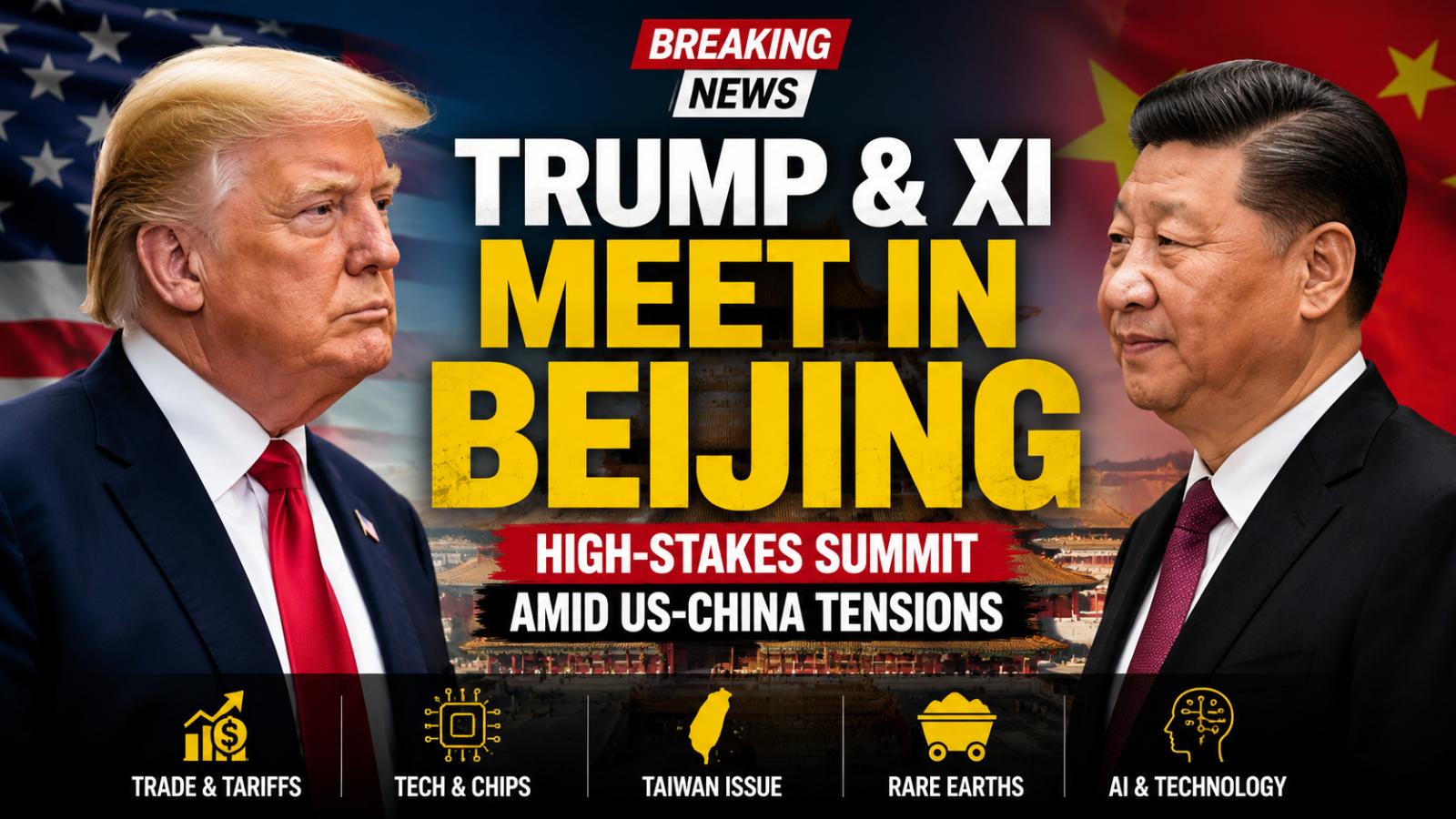
Trump and Xi Meet in Beijing Amid Rising US-China Trade Tensions
US President Donald Trump and Chinese President Xi Jinping are meeting in Beijing amid renewed efforts to prevent escalating tensions between the world’s two largest economies. The summit follows months of friction over tariffs, semiconductors, artificial intelligence, supply chains, and Taiwan, all of which have intensified competition between Washington and Beijing despite a temporary stabilisation agreement reached during the APEC summit in Busan, South Korea, in October 2025.
Trump and Xi Meet in Beijing Amid Rising US-China Trade Tensions
US President Donald Trump and Chinese President Xi Jinping are meeting in Beijing amid renewed efforts to prevent escalating tensions between the world’s two largest economies. The summit follows months of friction over tariffs, semiconductors, artificial intelligence, supply chains, and Taiwan, all of which have intensified competition between Washington and Beijing despite a temporary stabilisation agreement reached during the APEC summit in Busan, South Korea, in October 2025.
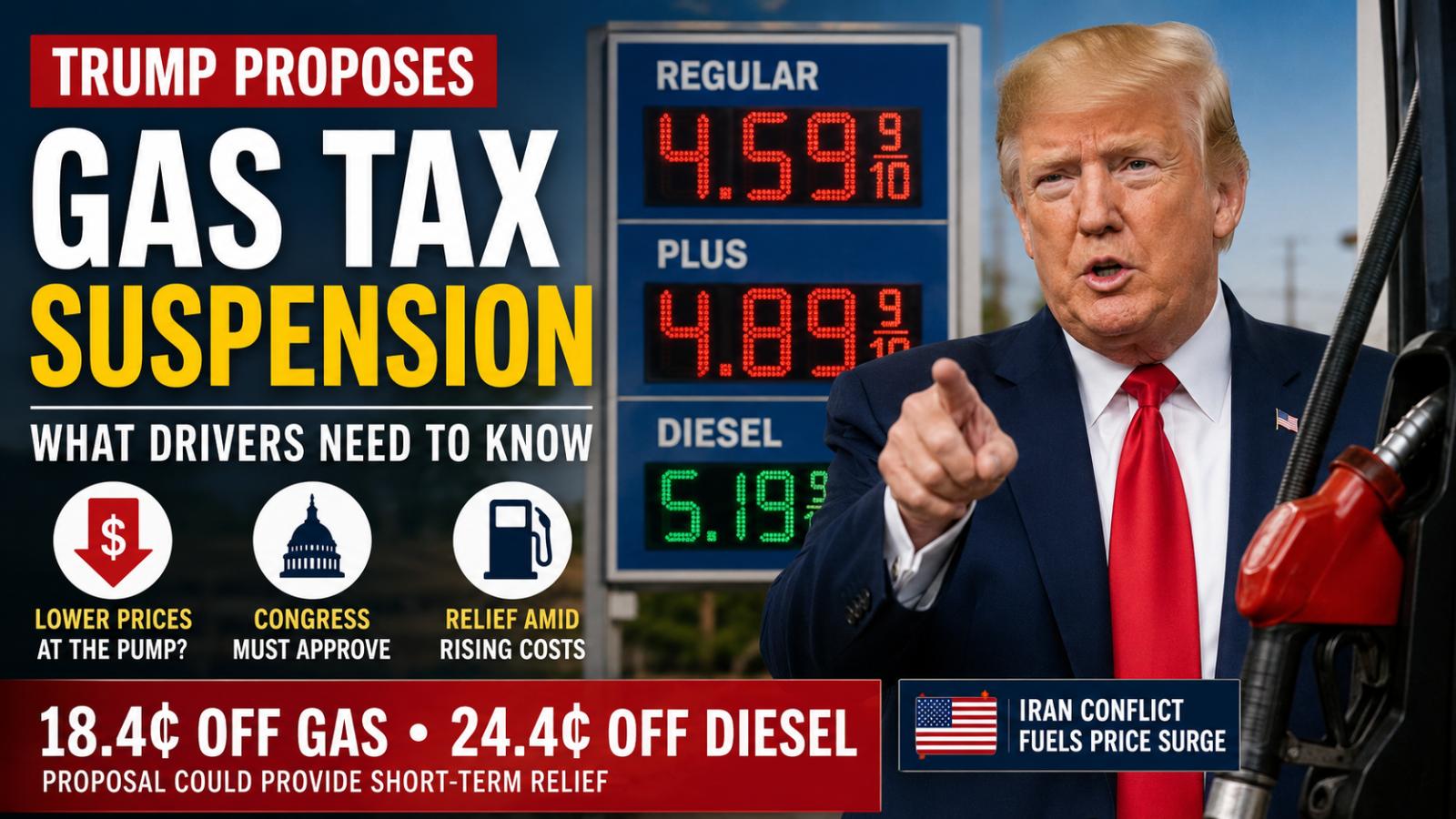
Trump Gas Tax Suspension Plan: How Much Could Drivers Save?
President Donald Trump is backing a temporary federal gas tax suspension as US drivers face sharply higher fuel prices linked to the Iran conflict. The proposal could cut up to 18.4 cents per gallon from gasoline and 24.4 cents per gallon from diesel, but it cannot take effect without approval from Congress. How Much Could Drivers Save? Trump said on Monday, May 11, 2026, that he wants to remove the federal gas tax “for a period of time” and restore it once prices ease. The White House has not confirmed whether formal legislation has already been sent to lawmakers. The relief would be limited compared with the wider rise in pump prices. US gasoline prices have climbed sharply since the Iran conflict intensified, leaving many households paying more for commuting, deliveries and daily transportation. Congress Holds The Key The federal gas tax helps fund highways, bridges and public transit through the Highway Trust Fund. Any suspension could give drivers short-term relief but may raise concerns over road funding. Energy Secretary Chris Wright said the administration supports steps to lower fuel costs. Some lawmakers have also backed a temporary gas tax holiday, while critics argue the savings may not fully reach consumers. For American families already dealing with inflation, even a small reduction at the pump could matter. But the plan’s real impact depends on Congress, fuel markets and whether gas stations pass the full tax cut to drivers.
Trump Gas Tax Suspension Plan: How Much Could Drivers Save?
President Donald Trump is backing a temporary federal gas tax suspension as US drivers face sharply higher fuel prices linked to the Iran conflict. The proposal could cut up to 18.4 cents per gallon from gasoline and 24.4 cents per gallon from diesel, but it cannot take effect without approval from Congress. How Much Could Drivers Save? Trump said on Monday, May 11, 2026, that he wants to remove the federal gas tax “for a period of time” and restore it once prices ease. The White House has not confirmed whether formal legislation has already been sent to lawmakers. The relief would be limited compared with the wider rise in pump prices. US gasoline prices have climbed sharply since the Iran conflict intensified, leaving many households paying more for commuting, deliveries and daily transportation. Congress Holds The Key The federal gas tax helps fund highways, bridges and public transit through the Highway Trust Fund. Any suspension could give drivers short-term relief but may raise concerns over road funding. Energy Secretary Chris Wright said the administration supports steps to lower fuel costs. Some lawmakers have also backed a temporary gas tax holiday, while critics argue the savings may not fully reach consumers. For American families already dealing with inflation, even a small reduction at the pump could matter. But the plan’s real impact depends on Congress, fuel markets and whether gas stations pass the full tax cut to drivers.
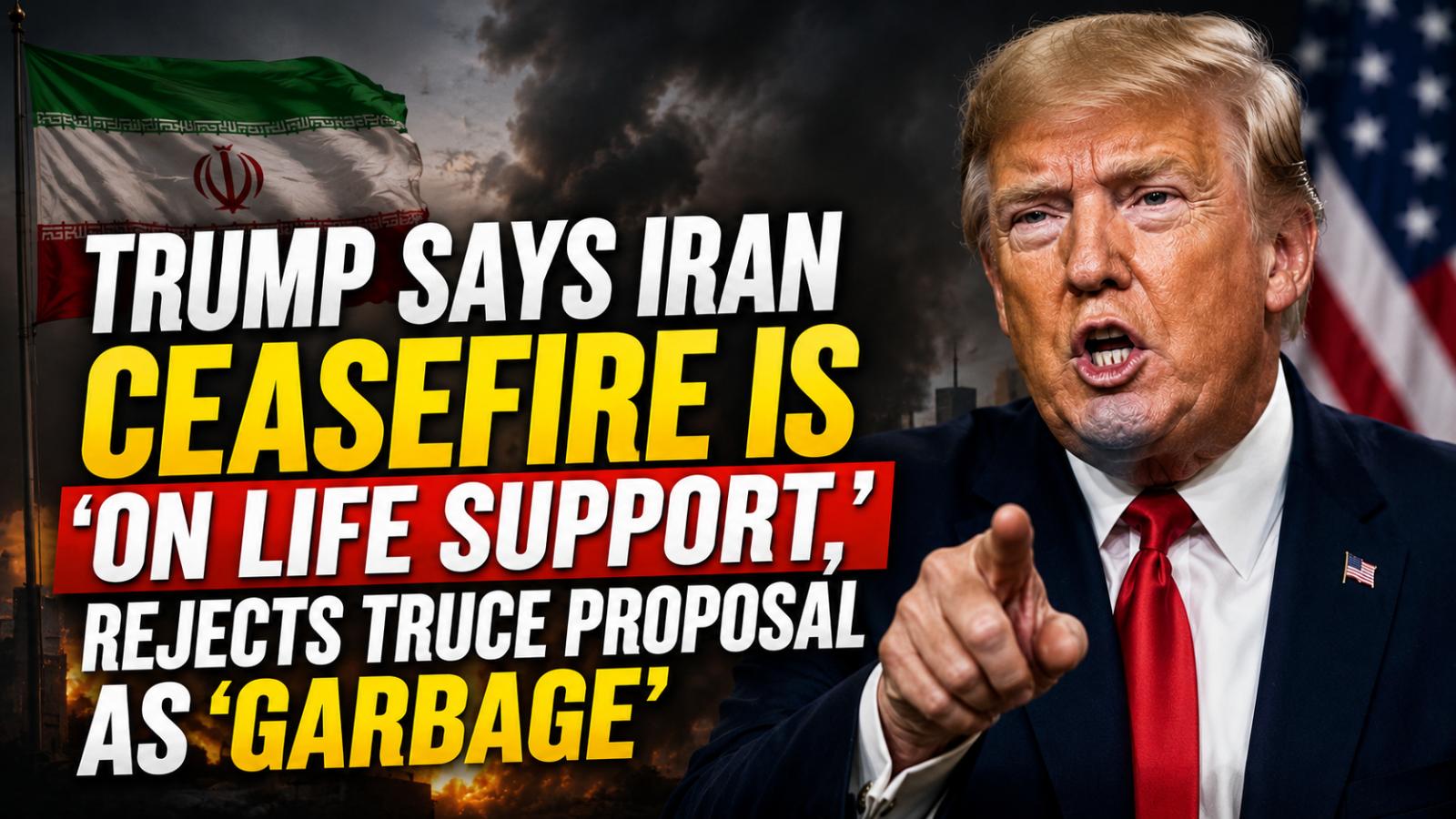
Trump Says Iran Ceasefire Near Collapse After Rejecting Truce Offer
President Donald Trump said the Iran ceasefire is close to collapse after rejecting Tehran’s latest truce proposal, deepening uncertainty over US-Iran tensions and Middle East stability. Speaking on Monday, May 11, 2026, Trump called Iran’s response unacceptable and said the ceasefire was on “massive life support.” His remarks signaled that Washington is not ready to ease pressure unless Tehran accepts stricter terms on security and nuclear activity. Why T
Trump Says Iran Ceasefire Near Collapse After Rejecting Truce Offer
President Donald Trump said the Iran ceasefire is close to collapse after rejecting Tehran’s latest truce proposal, deepening uncertainty over US-Iran tensions and Middle East stability. Speaking on Monday, May 11, 2026, Trump called Iran’s response unacceptable and said the ceasefire was on “massive life support.” His remarks signaled that Washington is not ready to ease pressure unless Tehran accepts stricter terms on security and nuclear activity. Why T
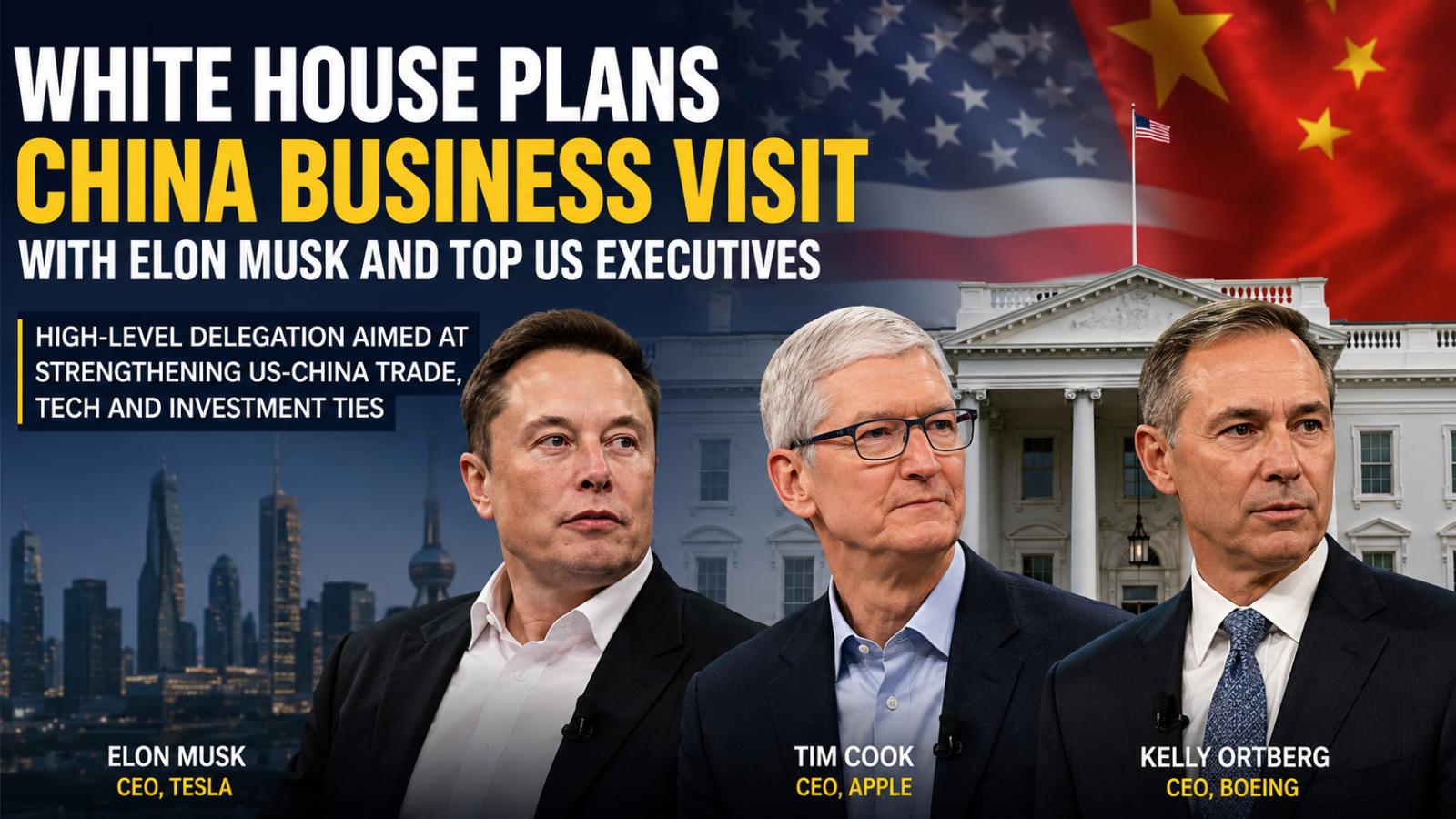
White House China Visit May Bring Musk, Cook to Trump-Xi Summit
The White House China visit planned for May 13–15, 2026, may bring Elon Musk, Apple CEO Tim Cook and Boeing CEO Kelly Ortberg into President Donald Trump’s high-stakes summit with Chinese President Xi Jinping. The trip is aimed at easing business tensions and opening space for trade deals between the world’s two largest economies. Why Musk, Cook and Boeing Matter Musk’s Tesla has major operations in Shanghai, making China central to the
White House China Visit May Bring Musk, Cook to Trump-Xi Summit
The White House China visit planned for May 13–15, 2026, may bring Elon Musk, Apple CEO Tim Cook and Boeing CEO Kelly Ortberg into President Donald Trump’s high-stakes summit with Chinese President Xi Jinping. The trip is aimed at easing business tensions and opening space for trade deals between the world’s two largest economies. Why Musk, Cook and Boeing Matter Musk’s Tesla has major operations in Shanghai, making China central to the
H-1B Wage Hike Could Hit Indian Tech Workers and US Hiring
The Trump administration’s proposed H-1B wage hike could raise salary requirements for foreign workers and make US hiring more expensive for employers. The rule, published by the US Department of Labor on Friday, March 27, 2026, is open for public comments until Tuesday, May 26, 2026, before any final decision is made. What the New H-1B Rule Proposes The proposal, titled “Improving Wage Protections for the Temporary and Permanent Employment
H-1B Wage Hike Could Hit Indian Tech Workers and US Hiring
The Trump administration’s proposed H-1B wage hike could raise salary requirements for foreign workers and make US hiring more expensive for employers. The rule, published by the US Department of Labor on Friday, March 27, 2026, is open for public comments until Tuesday, May 26, 2026, before any final decision is made. What the New H-1B Rule Proposes The proposal, titled “Improving Wage Protections for the Temporary and Permanent Employment
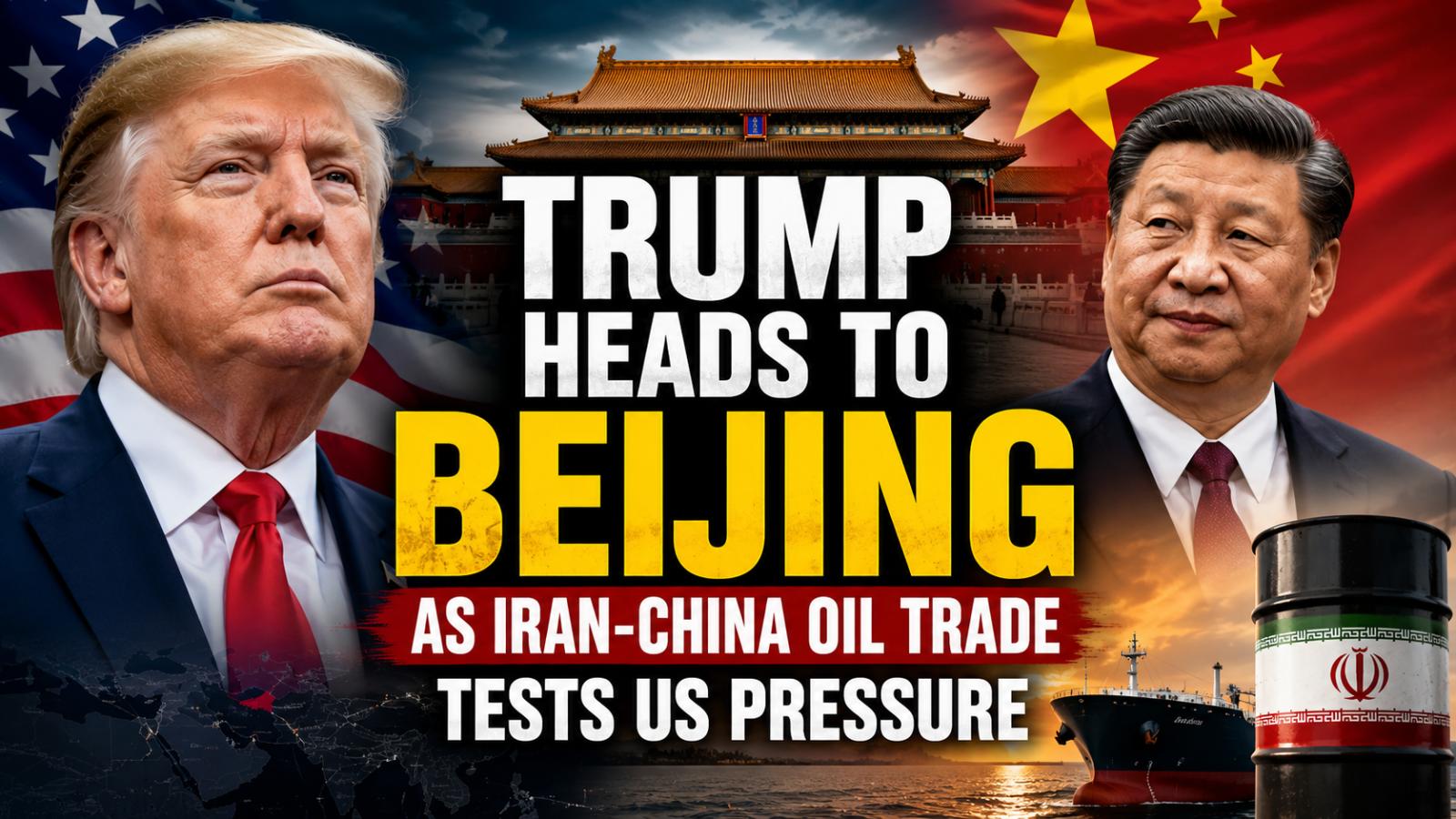
Trump Heads to Beijing as Iran-China Oil Trade Tests US Pressure
President Donald Trump is scheduled to arrive in Beijing on Wednesday, May 13, 2026, for high-level talks with Chinese President Xi Jinping as tensions over Iran, oil trade and regional stability continue to grow.
Trump Heads to Beijing as Iran-China Oil Trade Tests US Pressure
President Donald Trump is scheduled to arrive in Beijing on Wednesday, May 13, 2026, for high-level talks with Chinese President Xi Jinping as tensions over Iran, oil trade and regional stability continue to grow.
Trump-Xi meeting to focus on tariffs, Iran crisis and global stability
China on Monday confirmed that US President Donald Trump will visit Beijing from May 13 to May 15 for high-level talks with Chinese President Xi Jinping. The Trump China visit will be the first trip to China during Trump’s second term and is expected to focus on improving strained trade relations between the world’s two largest economies. The meeting comes at a time when global tensions, tariff disputes and concerns over economic stability continue to affect international markets and poli
Trump-Xi meeting to focus on tariffs, Iran crisis and global stability
China on Monday confirmed that US President Donald Trump will visit Beijing from May 13 to May 15 for high-level talks with Chinese President Xi Jinping. The Trump China visit will be the first trip to China during Trump’s second term and is expected to focus on improving strained trade relations between the world’s two largest economies. The meeting comes at a time when global tensions, tariff disputes and concerns over economic stability continue to affect international markets and poli

Trump Releases First Batch of UFO Files, Including Apollo Mission Testimonies
On May 8, 2026, the Trump administration released the first batch of “UFO files” under a new initiative called PURSUE (Presidential Unsealing and Reporting System for UAP Encounters). The release includes 162 never-before-seen videos, photographs, and witness testimonies concerning Unidentified Anomalous Phenomena (UAP), previously classified and now made publicly available through a dedicated portal hosted by the U.S. Department of War. This release has been heralded as part of the admin
Trump Releases First Batch of UFO Files, Including Apollo Mission Testimonies
On May 8, 2026, the Trump administration released the first batch of “UFO files” under a new initiative called PURSUE (Presidential Unsealing and Reporting System for UAP Encounters). The release includes 162 never-before-seen videos, photographs, and witness testimonies concerning Unidentified Anomalous Phenomena (UAP), previously classified and now made publicly available through a dedicated portal hosted by the U.S. Department of War. This release has been heralded as part of the admin
US Fighter Jet Strikes Iranian Tankers, Trump Awaits Iran’s Peace Proposal
On May 8, U.S. President Donald Trump told reporters that he was expecting a letter from Iran later that night regarding his latest peace proposal. The announcement came amid a tense Friday in the Middle East, where a U.S. fighter jet disabled two Iranian-flagged vessels in the Gulf of Oman. The U.S. Central Command confirmed that the fighter jet, a U.S. Navy F/A-18 Super Hornet, used precision munitions to disable the vessels, preventing them from advancing toward Iran. The Gulf of Oman is a
US Fighter Jet Strikes Iranian Tankers, Trump Awaits Iran’s Peace Proposal
On May 8, U.S. President Donald Trump told reporters that he was expecting a letter from Iran later that night regarding his latest peace proposal. The announcement came amid a tense Friday in the Middle East, where a U.S. fighter jet disabled two Iranian-flagged vessels in the Gulf of Oman. The U.S. Central Command confirmed that the fighter jet, a U.S. Navy F/A-18 Super Hornet, used precision munitions to disable the vessels, preventing them from advancing toward Iran. The Gulf of Oman is a
Global Survey Reveals Declining Perception of U.S. Due to Soft Power Loss
The United States’ global perception has seen a dramatic shift in recent years, with a new survey revealing that more people worldwide now view China and Russia more positively than the U.S. The annual survey, conducted by the Alliance of Democracies Foundation, polled over 94,000 people in 85 countries. This year’s results underline the growing dissatisfaction with U.S. foreign policy, with 82 of the surveyed countries holding negative views of America. One of the key themes hi
Global Survey Reveals Declining Perception of U.S. Due to Soft Power Loss
The United States’ global perception has seen a dramatic shift in recent years, with a new survey revealing that more people worldwide now view China and Russia more positively than the U.S. The annual survey, conducted by the Alliance of Democracies Foundation, polled over 94,000 people in 85 countries. This year’s results underline the growing dissatisfaction with U.S. foreign policy, with 82 of the surveyed countries holding negative views of America. One of the key themes hi