U.S. Navy clears Hormuz mines as historic Iran talks resume
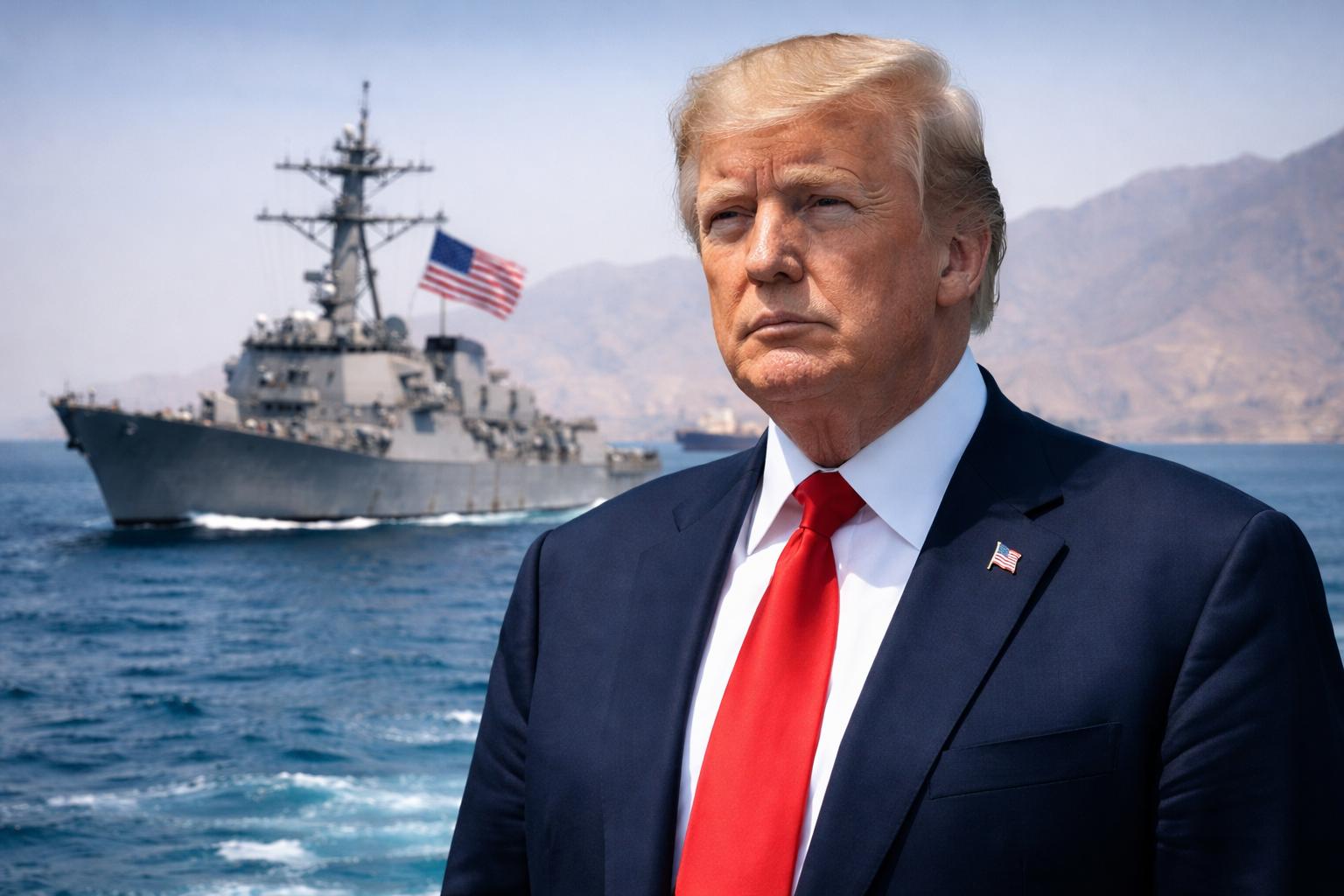
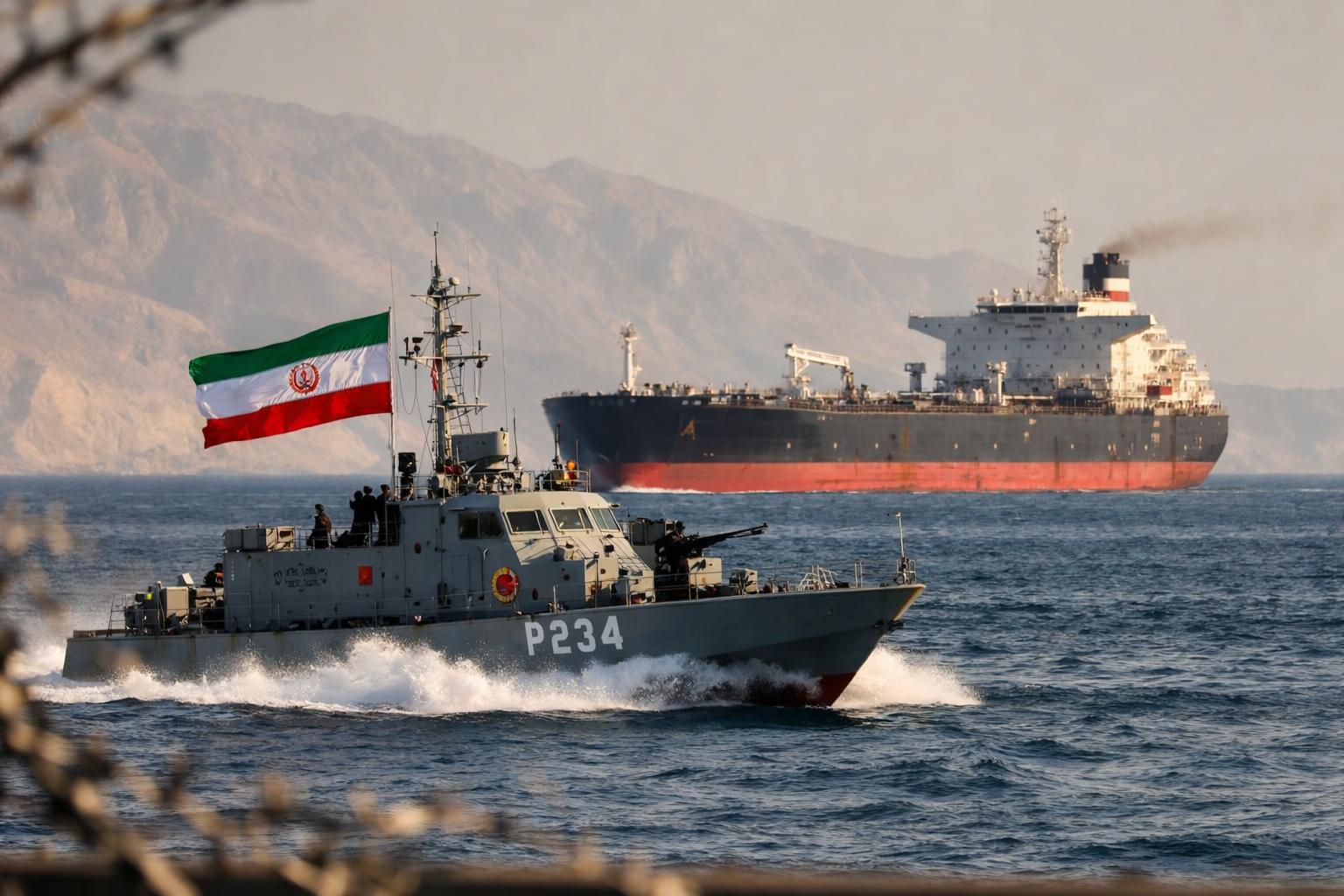
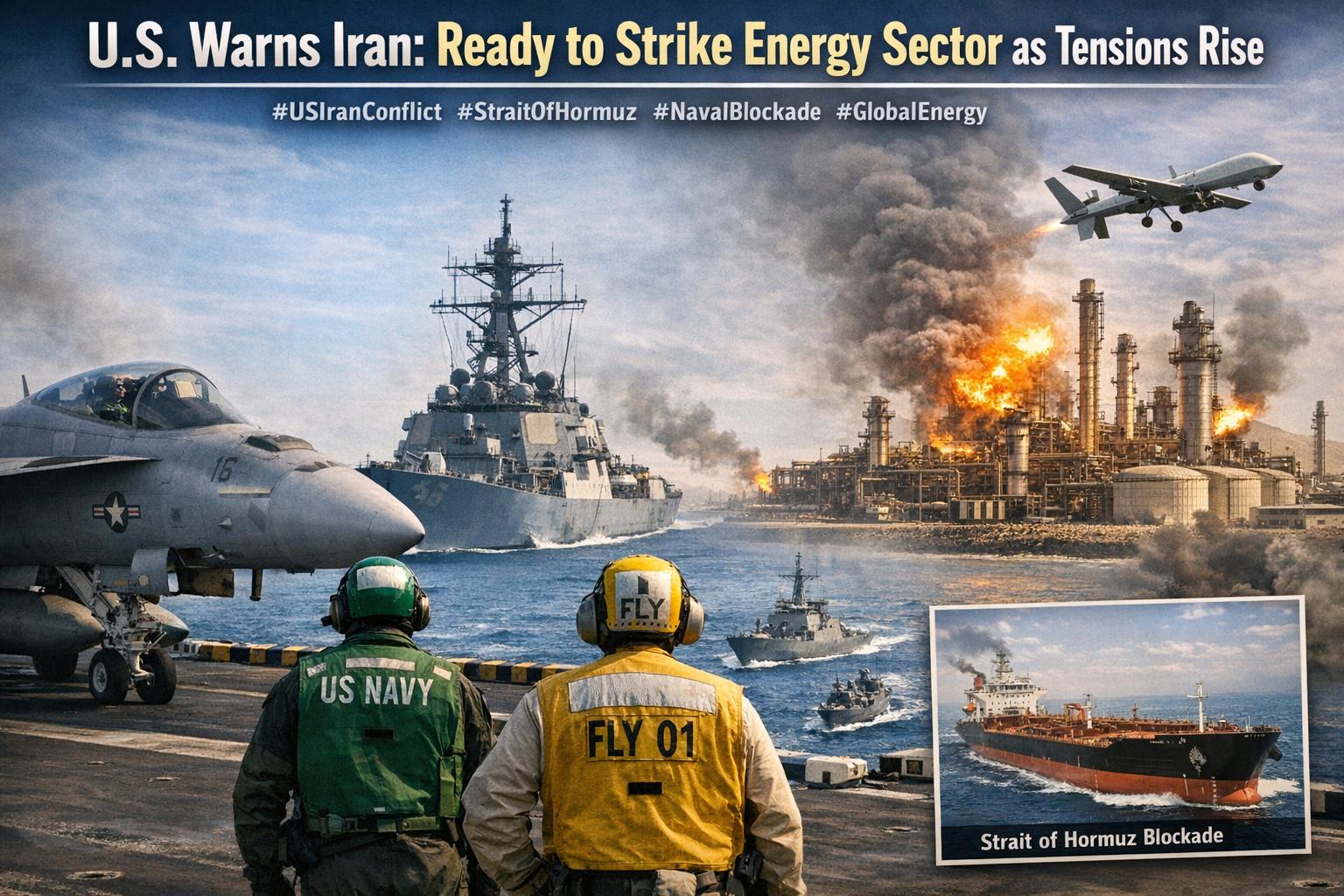
Two U.S. Navy destroyers entered the Strait of Hormuz to begin mine-clearing operations, U.S. Central Command confirmed on Saturday, April 10, 2026, as Washington simultaneously engaged in rare direct talks with Iran aimed at reducing regional tensions. The vessels transited the critical waterway and began operations in the Arabian Gulf, with additional U.S. assets, including underwater drones, expected to support efforts in the coming days. The move follows concerns that naval mine


U.S. Navy clears Hormuz mines as historic Iran talks resume
Two U.S. Navy destroyers entered the Strait of Hormuz to begin mine-clearing operations, U.S. Central Command confirmed on Saturday, April 10, 2026, as Washington simultaneously engaged in rare direct talks with Iran aimed at reducing regional tensions. The vessels transited the critical waterway and began operations in the Arabian Gulf, with additional U.S. assets, including underwater drones, expected to support efforts in the coming days. The move follows concerns that naval mine
Ceasefire talks start as Iran seeks assets release and Lebanon inclusion
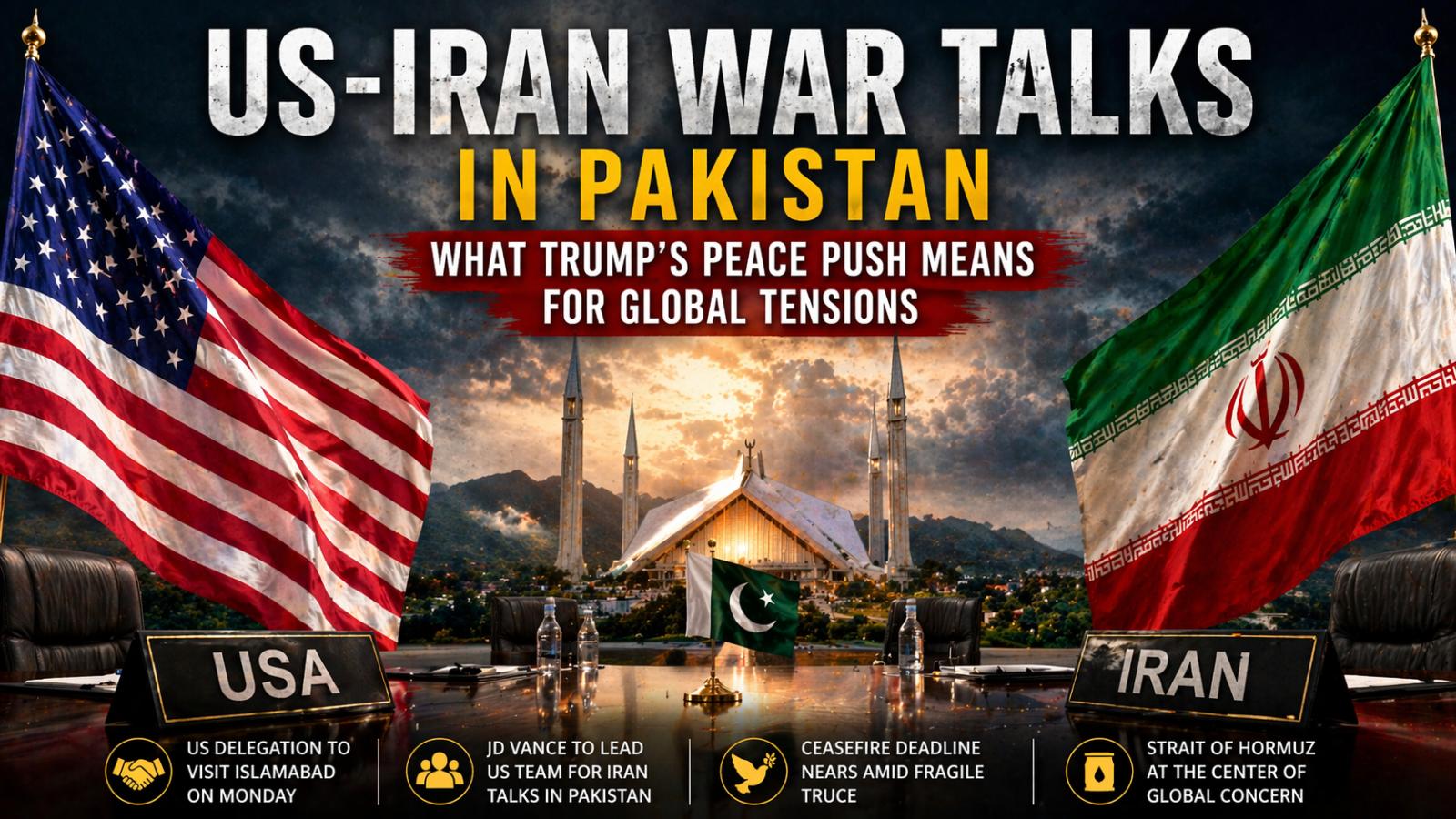
Ceasefire negotiations between the United States and Iran formally began on Saturday, April 11, 2026, in Islamabad, Pakistan, marking a major diplomatic effort to stabilize escalating tensions in the Middle East. The talks represent the first direct high-level engagement between the two nations in years and are being closely watched for signs of progress toward a broader peace framework. The United States delegation is led by Vice President
Ceasefire talks start as Iran seeks assets release and Lebanon inclusion
Ceasefire negotiations between the United States and Iran formally began on Saturday, April 11, 2026, in Islamabad, Pakistan, marking a major diplomatic effort to stabilize escalating tensions in the Middle East. The talks represent the first direct high-level engagement between the two nations in years and are being closely watched for signs of progress toward a broader peace framework. The United States delegation is led by Vice President
Iranian strikes damage Qatar’s key infrastructure, new footage reveals
Newly released footage from Qatar provides a detailed look at the extent of damage caused by Iranian missile and drone strikes across the country, highlighting impacts on both military and civilian infrastructure. The visuals, aired in a recent investigative program, show destruction at multiple locations, including the Al Udeid Air Base, early warning radar systems in northern Qatar, and Ras Laffan Industrial City, one of the world’s most critical liquefied natural gas hubs. The
Iranian strikes damage Qatar’s key infrastructure, new footage reveals
Newly released footage from Qatar provides a detailed look at the extent of damage caused by Iranian missile and drone strikes across the country, highlighting impacts on both military and civilian infrastructure. The visuals, aired in a recent investigative program, show destruction at multiple locations, including the Al Udeid Air Base, early warning radar systems in northern Qatar, and Ras Laffan Industrial City, one of the world’s most critical liquefied natural gas hubs. The
India to supply petroleum to Mauritius amid West Asia conflict concerns
Port Louis, Mauritius — Mauritius Foreign Minister Dhananjay Ramful announced that India is expected to supply approximately 1.2 million tonnes of petroleum products annually to the island nation, as global supply chains remain strained due to the ongoing conflict in West Asia. The agreement, currently in the form of a memorandum of understanding with the Government of India, is pending final approva
India to supply petroleum to Mauritius amid West Asia conflict concerns
Port Louis, Mauritius — Mauritius Foreign Minister Dhananjay Ramful announced that India is expected to supply approximately 1.2 million tonnes of petroleum products annually to the island nation, as global supply chains remain strained due to the ongoing conflict in West Asia. The agreement, currently in the form of a memorandum of understanding with the Government of India, is pending final approva
US consumer confidence hits record low amid Iran conflict and rising energy prices
Consumer confidence in the United States fell sharply in April, reaching its lowest level on record as concerns over rising energy prices and the economic impact of the Iran conflict intensified, according to survey data released on Friday, April 11, 2026. The University of Michigan’s closely watched consumer sentiment index dropped to 47.6, marking a 10.7% decline from March and setting a new historic low. Both the current economic conditions index and the expectations index also p
US consumer confidence hits record low amid Iran conflict and rising energy prices
Consumer confidence in the United States fell sharply in April, reaching its lowest level on record as concerns over rising energy prices and the economic impact of the Iran conflict intensified, according to survey data released on Friday, April 11, 2026. The University of Michigan’s closely watched consumer sentiment index dropped to 47.6, marking a 10.7% decline from March and setting a new historic low. Both the current economic conditions index and the expectations index also p
Ambedkar Jayanti 2026: Date, History, Significance & Biography of Dr BR Ambedkar
Ambedkar Jayanti 2026 will be celebrated on 14 April to mark the birth anniversary of Dr B.R. Ambedkar, the visionary architect of the Indian Constitution. This day is observed to honor his monumental contributions to social justice, equality, and the promotion of democracy in India. Ambedkar Jayanti has become a significant national observance where people across India, especially those from marginalized communities, celebrate his legacy and ideals.
Ambedkar Jayanti 2026: Date, History, Significance & Biography of Dr BR Ambedkar
Ambedkar Jayanti 2026 will be celebrated on 14 April to mark the birth anniversary of Dr B.R. Ambedkar, the visionary architect of the Indian Constitution. This day is observed to honor his monumental contributions to social justice, equality, and the promotion of democracy in India. Ambedkar Jayanti has become a significant national observance where people across India, especially those from marginalized communities, celebrate his legacy and ideals.
Strait of Hormuz reopening delayed amid Iran mine clearance challenges
The reopening of the strategically critical Strait of Hormuz is expected to face further delays as Iran encounters challenges in locating and clearing sea mines reportedly deployed during recent hostilities, according to U.S. officials cited in a report by
Strait of Hormuz reopening delayed amid Iran mine clearance challenges
The reopening of the strategically critical Strait of Hormuz is expected to face further delays as Iran encounters challenges in locating and clearing sea mines reportedly deployed during recent hostilities, according to U.S. officials cited in a report by
US Delegation Led by JD Vance Arrives in Islamabad for Critical Iran Ceasefire Talks
Vice President JD Vance has arrived in Islamabad with a US delegation to engage in critical ceasefire talks with Iran. The high-level discussions, described as "make-or-break," are aimed at negotiating a ceasefire agreement to ease tensions in the region. The outcome of these talks could significantly impact the broader US-Iran relations and regional stability.
US Delegation Led by JD Vance Arrives in Islamabad for Critical Iran Ceasefire Talks
Vice President JD Vance has arrived in Islamabad with a US delegation to engage in critical ceasefire talks with Iran. The high-level discussions, described as "make-or-break," are aimed at negotiating a ceasefire agreement to ease tensions in the region. The outcome of these talks could significantly impact the broader US-Iran relations and regional stability.
Iran's Negotiating Team Arrives in Islamabad for Critical Talks with US on Key Pre-Conditions
In a crucial development, an Iranian delegation led by Parliament Speaker Mohammad Baqer Qalibaf arrived in Islamabad on Friday, signaling the start of high-stakes negotiations with the United States. Iran has set clear preconditions for any progress in the talks, demanding that the US meet certain security and economic requirements, particularly addressing regional issues and lifting sanctions. The delegation includes a wide range of senior political, military, and economic officia
Iran's Negotiating Team Arrives in Islamabad for Critical Talks with US on Key Pre-Conditions
In a crucial development, an Iranian delegation led by Parliament Speaker Mohammad Baqer Qalibaf arrived in Islamabad on Friday, signaling the start of high-stakes negotiations with the United States. Iran has set clear preconditions for any progress in the talks, demanding that the US meet certain security and economic requirements, particularly addressing regional issues and lifting sanctions. The delegation includes a wide range of senior political, military, and economic officia
Dining costs surge in Houston as restaurants adjust pricing strategies
HOUSTON – The cost of dining out in Houston is increasing at a pace that outstrips many other major cities across the United States, reflecting broader economic pressures affecting both consumers and the food service industry. Recent industry data indicates that restaurant prices in Houston have risen by approximately 4.6% over the past year. This increase is placing additional strain on household budgets, particularly for individuals already managing tight financial conditions. What was once considered an affordable leisure activity is becoming more difficult for many residents to justify as everyday expenses continue to climb. The impact is being felt across the restaurant sector, from established businesses to newly launched ventures. Rising operational expenses, including rent, labor, and supply costs, are forcing business owners to rethink pricing strategies and overall operations. Many are working to balance the need to remain competitive with the necessity of maintaining profitability in a challenging market environment. For newer establishments, the financial burden can be especially significant. Initial cost projections for launching and maintaining a restaurant have increased sharply compared to previous years, making it more difficult for entrepreneurs to enter the market or sustain early operations. Higher monthly overheads are now a common concern, often exceeding earlier expectations by a substantial margin. Despite these challenges, restaurant operators are exploring ways to adapt. Adjustments may include revising menus, optimizing supply chains, and implementing cost-control measures aimed at preserving customer demand while managing expenses. However, the continued rise in prices suggests that both businesses and consumers will need to navigate ongoing economic uncertainty in the months ahead. As Houston’s dining landscape evolves, the interplay between rising costs and consumer spending habits will likely shape the future of the city’s restaurant industry.
Dining costs surge in Houston as restaurants adjust pricing strategies
HOUSTON – The cost of dining out in Houston is increasing at a pace that outstrips many other major cities across the United States, reflecting broader economic pressures affecting both consumers and the food service industry. Recent industry data indicates that restaurant prices in Houston have risen by approximately 4.6% over the past year. This increase is placing additional strain on household budgets, particularly for individuals already managing tight financial conditions. What was once considered an affordable leisure activity is becoming more difficult for many residents to justify as everyday expenses continue to climb. The impact is being felt across the restaurant sector, from established businesses to newly launched ventures. Rising operational expenses, including rent, labor, and supply costs, are forcing business owners to rethink pricing strategies and overall operations. Many are working to balance the need to remain competitive with the necessity of maintaining profitability in a challenging market environment. For newer establishments, the financial burden can be especially significant. Initial cost projections for launching and maintaining a restaurant have increased sharply compared to previous years, making it more difficult for entrepreneurs to enter the market or sustain early operations. Higher monthly overheads are now a common concern, often exceeding earlier expectations by a substantial margin. Despite these challenges, restaurant operators are exploring ways to adapt. Adjustments may include revising menus, optimizing supply chains, and implementing cost-control measures aimed at preserving customer demand while managing expenses. However, the continued rise in prices suggests that both businesses and consumers will need to navigate ongoing economic uncertainty in the months ahead. As Houston’s dining landscape evolves, the interplay between rising costs and consumer spending habits will likely shape the future of the city’s restaurant industry.
US-India ties face strategic reality as Pakistan plays facilitator role
The United States’ decision to engage Pakistan as a facilitator in a recent two-week ceasefire has sparked debate in India, but analysts say the move reflects broader strategic calculations rather than a slight against New Delhi. The discussion over why India was not selected overlooks the evolving nature of global power dynamics, where decisions are driven less by status and more by immediate geopolitical utility. In today’s international system, major powers—including the U
US-India ties face strategic reality as Pakistan plays facilitator role
The United States’ decision to engage Pakistan as a facilitator in a recent two-week ceasefire has sparked debate in India, but analysts say the move reflects broader strategic calculations rather than a slight against New Delhi. The discussion over why India was not selected overlooks the evolving nature of global power dynamics, where decisions are driven less by status and more by immediate geopolitical utility. In today’s international system, major powers—including the U
US Navy MQ-4C Triton drone disappears over Strait of Hormuz after emergency
A U.S. Navy MQ-4C Triton surveillance drone disappeared over the Strait of Hormuz after declaring an in-flight emergency on Thursday, April 9, raising uncertainty about its fate amid ongoing regional tensions involving Iran and key maritime routes. Flight tracking data from Flightradar24 indicates the unmanned aircraft had been conducting surveillance operations over the Persian Gulf for nearly three hours before beginning its return to Naval Air Station Sigonella in Italy. During its
US Navy MQ-4C Triton drone disappears over Strait of Hormuz after emergency
A U.S. Navy MQ-4C Triton surveillance drone disappeared over the Strait of Hormuz after declaring an in-flight emergency on Thursday, April 9, raising uncertainty about its fate amid ongoing regional tensions involving Iran and key maritime routes. Flight tracking data from Flightradar24 indicates the unmanned aircraft had been conducting surveillance operations over the Persian Gulf for nearly three hours before beginning its return to Naval Air Station Sigonella in Italy. During its
Israel-Lebanon conflict threatens fragile US-Iran ceasefire deal
A fragile two-week ceasefire between the United States and Iran is facing renewed uncertainty after Israel launched military strikes targeting Lebanon, a key regional ally of Tehran. The escalation has raised concerns about the stability of the agreement, which was brokered with diplomatic involvement from Pakistan and was expected to ease tensions across parts of the Middle East. Iranian officials have maintained that the ceasefire framework extended beyond bilateral commitments and
Israel-Lebanon conflict threatens fragile US-Iran ceasefire deal
A fragile two-week ceasefire between the United States and Iran is facing renewed uncertainty after Israel launched military strikes targeting Lebanon, a key regional ally of Tehran. The escalation has raised concerns about the stability of the agreement, which was brokered with diplomatic involvement from Pakistan and was expected to ease tensions across parts of the Middle East. Iranian officials have maintained that the ceasefire framework extended beyond bilateral commitments and
US-Iran talks face uncertainty as Tehran sets strict preconditions
Delegations from the United States and Iran are scheduled to meet in Islamabad on Saturday, though the planned talks face significant uncertainty amid escalating regional tensions and unresolved preconditions set by Tehran. The negotiations come at a time when a fragile two-week ceasefire is already under strain, particularly due to renewed violence in Lebanon. On Friday, April 10, 2026, Iran’s parliament speaker
US-Iran talks face uncertainty as Tehran sets strict preconditions
Delegations from the United States and Iran are scheduled to meet in Islamabad on Saturday, though the planned talks face significant uncertainty amid escalating regional tensions and unresolved preconditions set by Tehran. The negotiations come at a time when a fragile two-week ceasefire is already under strain, particularly due to renewed violence in Lebanon. On Friday, April 10, 2026, Iran’s parliament speaker
JD Vance departs for Iran talks, signals cautious optimism
US Vice President JD Vance said Friday he is aiming for a constructive outcome as he departed Washington, D.C., for upcoming peace negotiations with Iran, scheduled to take place in Pakistan. Speaking to reporters before boarding at Joint Base Andrews, Vance emphasized a willingness to engage diplomatically while maintaining a firm stance on accountability. He stated that the United States is prepared to pursue meaningful dialogue if Iranian representatives approach the talks in good faith. At the same time, he warned that attempts to undermine the process would be met with a less accommodating response from the US negotiating team. The visit comes amid heightened global attention on Middle East tensions, with policymakers closely watching whether diplomatic engagement can reduce friction and advance stability.
JD Vance departs for Iran talks, signals cautious optimism
US Vice President JD Vance said Friday he is aiming for a constructive outcome as he departed Washington, D.C., for upcoming peace negotiations with Iran, scheduled to take place in Pakistan. Speaking to reporters before boarding at Joint Base Andrews, Vance emphasized a willingness to engage diplomatically while maintaining a firm stance on accountability. He stated that the United States is prepared to pursue meaningful dialogue if Iranian representatives approach the talks in good faith. At the same time, he warned that attempts to undermine the process would be met with a less accommodating response from the US negotiating team. The visit comes amid heightened global attention on Middle East tensions, with policymakers closely watching whether diplomatic engagement can reduce friction and advance stability.
Pentagon and Vatican clash over disputed meeting amid Iran war tensions
A meeting between officials from the U.S. Department of Defense and the Vatican has drawn scrutiny after sharply conflicting accounts emerged, raising questions about diplomatic tensions between Washington and the Holy See during an escalating global crisis. According to a source close to Pope Leo XIV, the meeting involving Cardinal Christophe Pierre was described as confrontational. Separate reports characterized the exchange as a stern warning emphasizing U.S. military strength and urging alignment with American policy. However, Pentagon officials strongly disputed that portrayal, stating the discussion was respectful and constructive, underscoring a commitment to continued dialogue with the Vatican. Adding to the conflicting narratives, Vatican ambassador Brian Burch stated on Thursday that Cardinal Pierre rejected media reports describing the meeting as hostile, calling them fabricated. He said the meeting, which occurred two months earlier, was “frank and cordial,” suggesting that accounts of tension may have been overstated. The dispute comes amid increasingly pointed remarks from Pope Leo XIV, the first U.S.-born pontiff from Chicago, who has taken an unusually direct stance on the ongoing conflict involving Iran. On Tuesday, the pope criticized U.S. President Donald Trump’s warning of severe consequences for Iran, calling such rhetoric “truly unacceptable” and warning that attacks on civilian infrastructure violate international law. In recent appeals, Leo has urged global leaders and citizens to pursue peace and avoid further escalation, particularly in a conflict he described as unjust and destabilizing. He also encouraged individuals to contact political leaders and advocate against actions targeting civilians, emphasizing the moral and legal implications of such strategies. The Vatican’s concerns extend beyond Iran, particularly to Lebanon, where renewed fighting involving Israeli forces and Hezbollah has intensified instability. Church officials have expressed alarm over the impact on Christian communities in southern Lebanon, which hold significant importance for the region’s religious presence. The broader geopolitical situation remains fragile. A ceasefire related to the Iran conflict appeared uncertain after Iran moved to close the Strait of Hormuz following Israeli strikes in Lebanon, prompting renewed calls from the White House to maintain open waterways and continue peace negotiations. While both the Pentagon and Vatican have emphasized the importance of ongoing dialogue, the divergence in accounts surrounding their recent meeting highlights the complexity of diplomatic relations during a period of heightened global tension.
Pentagon and Vatican clash over disputed meeting amid Iran war tensions
A meeting between officials from the U.S. Department of Defense and the Vatican has drawn scrutiny after sharply conflicting accounts emerged, raising questions about diplomatic tensions between Washington and the Holy See during an escalating global crisis. According to a source close to Pope Leo XIV, the meeting involving Cardinal Christophe Pierre was described as confrontational. Separate reports characterized the exchange as a stern warning emphasizing U.S. military strength and urging alignment with American policy. However, Pentagon officials strongly disputed that portrayal, stating the discussion was respectful and constructive, underscoring a commitment to continued dialogue with the Vatican. Adding to the conflicting narratives, Vatican ambassador Brian Burch stated on Thursday that Cardinal Pierre rejected media reports describing the meeting as hostile, calling them fabricated. He said the meeting, which occurred two months earlier, was “frank and cordial,” suggesting that accounts of tension may have been overstated. The dispute comes amid increasingly pointed remarks from Pope Leo XIV, the first U.S.-born pontiff from Chicago, who has taken an unusually direct stance on the ongoing conflict involving Iran. On Tuesday, the pope criticized U.S. President Donald Trump’s warning of severe consequences for Iran, calling such rhetoric “truly unacceptable” and warning that attacks on civilian infrastructure violate international law. In recent appeals, Leo has urged global leaders and citizens to pursue peace and avoid further escalation, particularly in a conflict he described as unjust and destabilizing. He also encouraged individuals to contact political leaders and advocate against actions targeting civilians, emphasizing the moral and legal implications of such strategies. The Vatican’s concerns extend beyond Iran, particularly to Lebanon, where renewed fighting involving Israeli forces and Hezbollah has intensified instability. Church officials have expressed alarm over the impact on Christian communities in southern Lebanon, which hold significant importance for the region’s religious presence. The broader geopolitical situation remains fragile. A ceasefire related to the Iran conflict appeared uncertain after Iran moved to close the Strait of Hormuz following Israeli strikes in Lebanon, prompting renewed calls from the White House to maintain open waterways and continue peace negotiations. While both the Pentagon and Vatican have emphasized the importance of ongoing dialogue, the divergence in accounts surrounding their recent meeting highlights the complexity of diplomatic relations during a period of heightened global tension.
Greenland rejects Trump comments, calls for NATO support on international law
Greenland’s Prime Minister Jens-Frederik Nielsen called on allies within NATO to stand united in defense of international law following renewed remarks by U.S. President Donald Trump regarding the Arctic island. Speaking on Thursday, Nielsen emphasized the importance of maintaining global alliances and post-war geopolitical norms amid rising tensions. The statement followed Trump’s criticism of NATO’s role in recent international conflicts, including its perceived lack of support during U.S. military actions involving Iran. In a social media post, Trump expressed frustration with the alliance and referenced Greenland in dismissive terms, prompting a swift response from Greenland’s leadership. Nielsen rejected the characterization, stating that Greenland is “not some piece of ice,” but a community of approximately 57,000 people committed to international cooperation and respect for allies. He stressed that institutions such as NATO and established international law are increasingly under pressure and require collective defense from member nations. Concerns about U.S. intentions toward Greenland have persisted since earlier in the year, when Trump renewed interest in asserting control over the island, which is an autonomous territory within the Kingdom of Denmark. In January, U.S. officials signaled that military options had not been ruled out, prompting European allies, including Germany and France, to deploy limited forces to Greenland as a precautionary measure. Subsequent discussions between Trump and NATO Secretary General Mark Rutte led to a shift toward diplomatic engagement. Ongoing talks between Greenland, Denmark, and the United States began in late January and continue, with further meetings expected. The United States maintains a military presence in Greenland under a 1951 agreement and has the option to expand operations. Trump and his supporters argue that control of Greenland is strategically important to counter growing influence from Russia and China in the Arctic region. Despite ongoing negotiations, Nielsen indicated skepticism about U.S. intentions, stating that he does not believe the possibility of U.S. control over Greenland has been removed from consideration. He reiterated that any future cooperation must respect Greenland’s autonomy and align with international law.
Greenland rejects Trump comments, calls for NATO support on international law
Greenland’s Prime Minister Jens-Frederik Nielsen called on allies within NATO to stand united in defense of international law following renewed remarks by U.S. President Donald Trump regarding the Arctic island. Speaking on Thursday, Nielsen emphasized the importance of maintaining global alliances and post-war geopolitical norms amid rising tensions. The statement followed Trump’s criticism of NATO’s role in recent international conflicts, including its perceived lack of support during U.S. military actions involving Iran. In a social media post, Trump expressed frustration with the alliance and referenced Greenland in dismissive terms, prompting a swift response from Greenland’s leadership. Nielsen rejected the characterization, stating that Greenland is “not some piece of ice,” but a community of approximately 57,000 people committed to international cooperation and respect for allies. He stressed that institutions such as NATO and established international law are increasingly under pressure and require collective defense from member nations. Concerns about U.S. intentions toward Greenland have persisted since earlier in the year, when Trump renewed interest in asserting control over the island, which is an autonomous territory within the Kingdom of Denmark. In January, U.S. officials signaled that military options had not been ruled out, prompting European allies, including Germany and France, to deploy limited forces to Greenland as a precautionary measure. Subsequent discussions between Trump and NATO Secretary General Mark Rutte led to a shift toward diplomatic engagement. Ongoing talks between Greenland, Denmark, and the United States began in late January and continue, with further meetings expected. The United States maintains a military presence in Greenland under a 1951 agreement and has the option to expand operations. Trump and his supporters argue that control of Greenland is strategically important to counter growing influence from Russia and China in the Arctic region. Despite ongoing negotiations, Nielsen indicated skepticism about U.S. intentions, stating that he does not believe the possibility of U.S. control over Greenland has been removed from consideration. He reiterated that any future cooperation must respect Greenland’s autonomy and align with international law.
Mojtaba Khamenei threatens retaliation, calls for regional support
Iran’s leadership signaled a hardening stance on
Mojtaba Khamenei threatens retaliation, calls for regional support
Iran’s leadership signaled a hardening stance on
Trump warns Iran amid fragile ceasefire and renewed Middle East strikes
A fragile ceasefire between the United States and Iran is facing renewed uncertainty after escalating regional tensions and conflicting interpretations of the agreement. President Donald Trump issued a warning to Tehran, signaling that U.S. military assets remain on standby if the terms of what he describe
Trump warns Iran amid fragile ceasefire and renewed Middle East strikes
A fragile ceasefire between the United States and Iran is facing renewed uncertainty after escalating regional tensions and conflicting interpretations of the agreement. President Donald Trump issued a warning to Tehran, signaling that U.S. military assets remain on standby if the terms of what he describe
Bihar CM Nitish Kumar Likely to Step Down, Samrat Chaudhary the Top Contender
Nitish Kumar's tenure as Bihar's Chief Minister is nearing its end, with sources indicating that he is set to resign on April 14, 2026. This follows his successful election to the Rajya Sabha on March 17, 2026. The NDA legislative party will convene on April 14 to elect a new leader, and current deputy chief minister Samrat Chaudhary is seen as the likely successor to Kumar. Chaudhary has already traveled to New Delhi to meet with BJP central leadership regarding the leadership change.
Bihar CM Nitish Kumar Likely to Step Down, Samrat Chaudhary the Top Contender
Nitish Kumar's tenure as Bihar's Chief Minister is nearing its end, with sources indicating that he is set to resign on April 14, 2026. This follows his successful election to the Rajya Sabha on March 17, 2026. The NDA legislative party will convene on April 14 to elect a new leader, and current deputy chief minister Samrat Chaudhary is seen as the likely successor to Kumar. Chaudhary has already traveled to New Delhi to meet with BJP central leadership regarding the leadership change.