US Fighter Jet Strikes Iranian Tankers, Trump Awaits Iran’s Peace Proposal
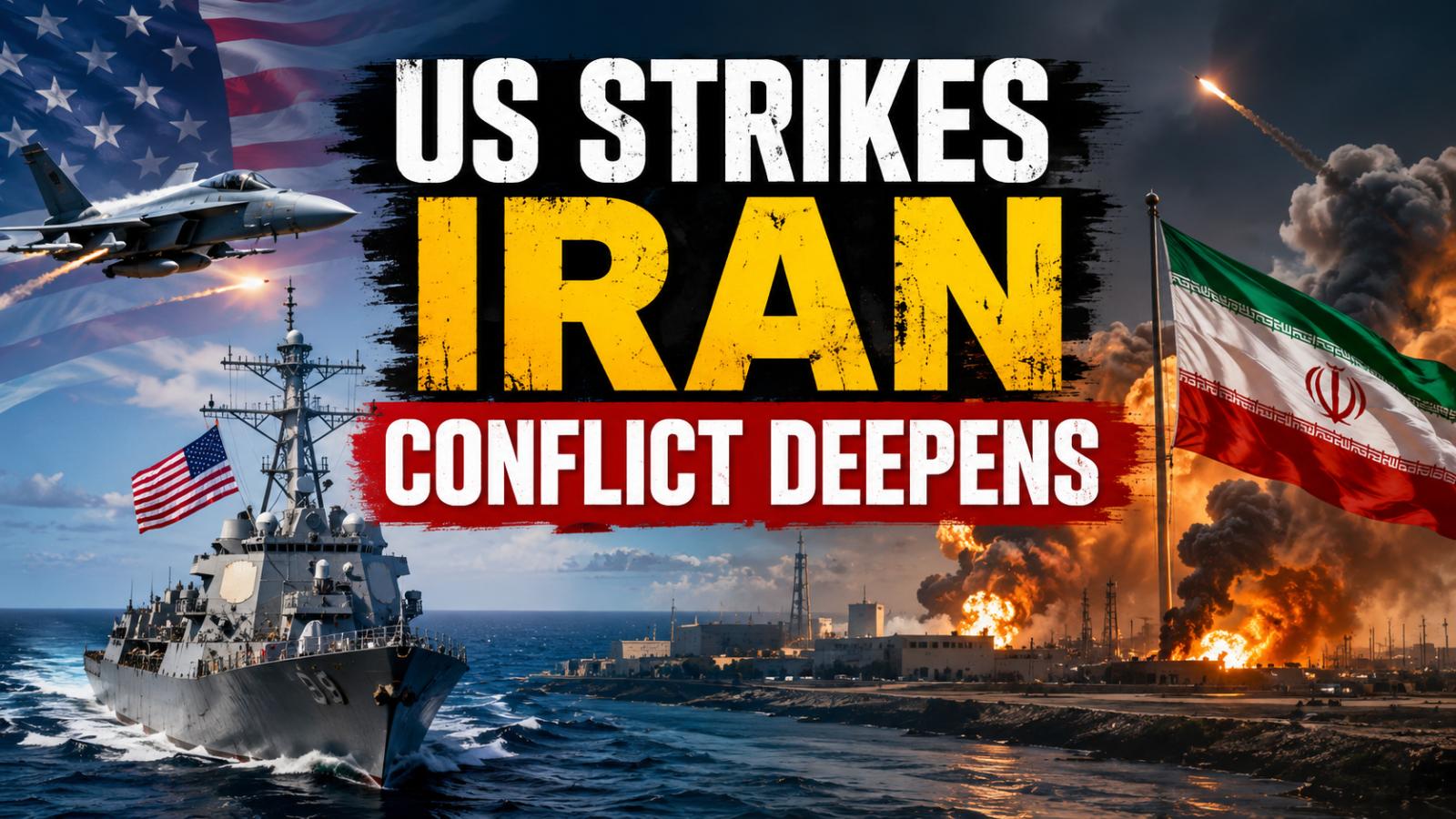
On May 8, U.S. President Donald Trump told reporters that he was expecting a letter from Iran later that night regarding his latest peace proposal. The announcement came amid a tense Friday in the Middle East, where a U.S. fighter jet disabled two Iranian-flagged vessels in the Gulf of Oman. The U.S. Central Command confirmed that the fighter jet, a U.S. Navy F/A-18 Super Hornet, used precision munitions to disable the vessels, preventing them from advancing toward Iran. The Gulf of Oman is a
US Fighter Jet Strikes Iranian Tankers, Trump Awaits Iran’s Peace Proposal
On May 8, U.S. President Donald Trump told reporters that he was expecting a letter from Iran later that night regarding his latest peace proposal. The announcement came amid a tense Friday in the Middle East, where a U.S. fighter jet disabled two Iranian-flagged vessels in the Gulf of Oman. The U.S. Central Command confirmed that the fighter jet, a U.S. Navy F/A-18 Super Hornet, used precision munitions to disable the vessels, preventing them from advancing toward Iran. The Gulf of Oman is a
China Admits Pakistan J-10C Support During Operation Sindoor
China’s rare admission raises stakes China has admitted its engineers supported Pakistan’s J-10C fighter jet operations during India’s Operation Sindoor in May 2025, a disclosure that adds a sharper China angle to the India-Pakistan conflict. The admission came through Chinese state broadcaster CCTV, where AVIC engineer Zhang Heng described being at a support base as fighter jets took off and air-raid sirens sounded. He said the team worked in extreme May heat while trying to keep Chinese-made equipment combat-ready. Why the J-10C disclosure matters The J-10CE, Pakistan’s export version of China’s J-10C multirole fighter, is central to the story because Pakistan remains its only foreign operator. The aircraft is linked to advanced AESA radar and PL-15 long-range air-to-air missiles, making any wartime support politically sensitive. Indian defence officials have said Operation Sindoor targeted terror infrastructure after the Pahalgam attack, while later briefings claimed 13 Pakistani aircraft and 11 airfields were hit. Those claims, combined with Beijing’s acknowledgement of technical support, are likely to intensify scrutiny of the China-Pakistan defence partnership. Regional security impact The timing is significant. The disclosure surfaced around the first anniversary of Operation Sindoor and reinforces India’s long-held concern that Pakistan’s military capability is increasingly backed by Chinese systems, engineers and supply chains. For New Delhi, the key question is no longer whether Chinese weapons were used, but how deeply Chinese personnel supported Pakistan during active conflict. That makes this admission more than a defence update—it is a fresh flashpoint in Asian security.
China Admits Pakistan J-10C Support During Operation Sindoor
China’s rare admission raises stakes China has admitted its engineers supported Pakistan’s J-10C fighter jet operations during India’s Operation Sindoor in May 2025, a disclosure that adds a sharper China angle to the India-Pakistan conflict. The admission came through Chinese state broadcaster CCTV, where AVIC engineer Zhang Heng described being at a support base as fighter jets took off and air-raid sirens sounded. He said the team worked in extreme May heat while trying to keep Chinese-made equipment combat-ready. Why the J-10C disclosure matters The J-10CE, Pakistan’s export version of China’s J-10C multirole fighter, is central to the story because Pakistan remains its only foreign operator. The aircraft is linked to advanced AESA radar and PL-15 long-range air-to-air missiles, making any wartime support politically sensitive. Indian defence officials have said Operation Sindoor targeted terror infrastructure after the Pahalgam attack, while later briefings claimed 13 Pakistani aircraft and 11 airfields were hit. Those claims, combined with Beijing’s acknowledgement of technical support, are likely to intensify scrutiny of the China-Pakistan defence partnership. Regional security impact The timing is significant. The disclosure surfaced around the first anniversary of Operation Sindoor and reinforces India’s long-held concern that Pakistan’s military capability is increasingly backed by Chinese systems, engineers and supply chains. For New Delhi, the key question is no longer whether Chinese weapons were used, but how deeply Chinese personnel supported Pakistan during active conflict. That makes this admission more than a defence update—it is a fresh flashpoint in Asian security.
Massive Belleville Warehouse Fire Leaves Residents Without Power
Belleville Warehouse Fire Recovery Costs Continue to Rise Officials in New Jersey are seeking state aid as the massive Belleville warehouse fire continues straining emergency resources, leaving dozens of residents without power and forcing costly cleanup operations. Gov. Mikie Sherrill toured the fire zone Thursday alongside Belleville Mayor Michael Melham as f
Massive Belleville Warehouse Fire Leaves Residents Without Power
Belleville Warehouse Fire Recovery Costs Continue to Rise Officials in New Jersey are seeking state aid as the massive Belleville warehouse fire continues straining emergency resources, leaving dozens of residents without power and forcing costly cleanup operations. Gov. Mikie Sherrill toured the fire zone Thursday alongside Belleville Mayor Michael Melham as f
Iran launches missile and drone attacks on UAE as US forces strike Iranian targets
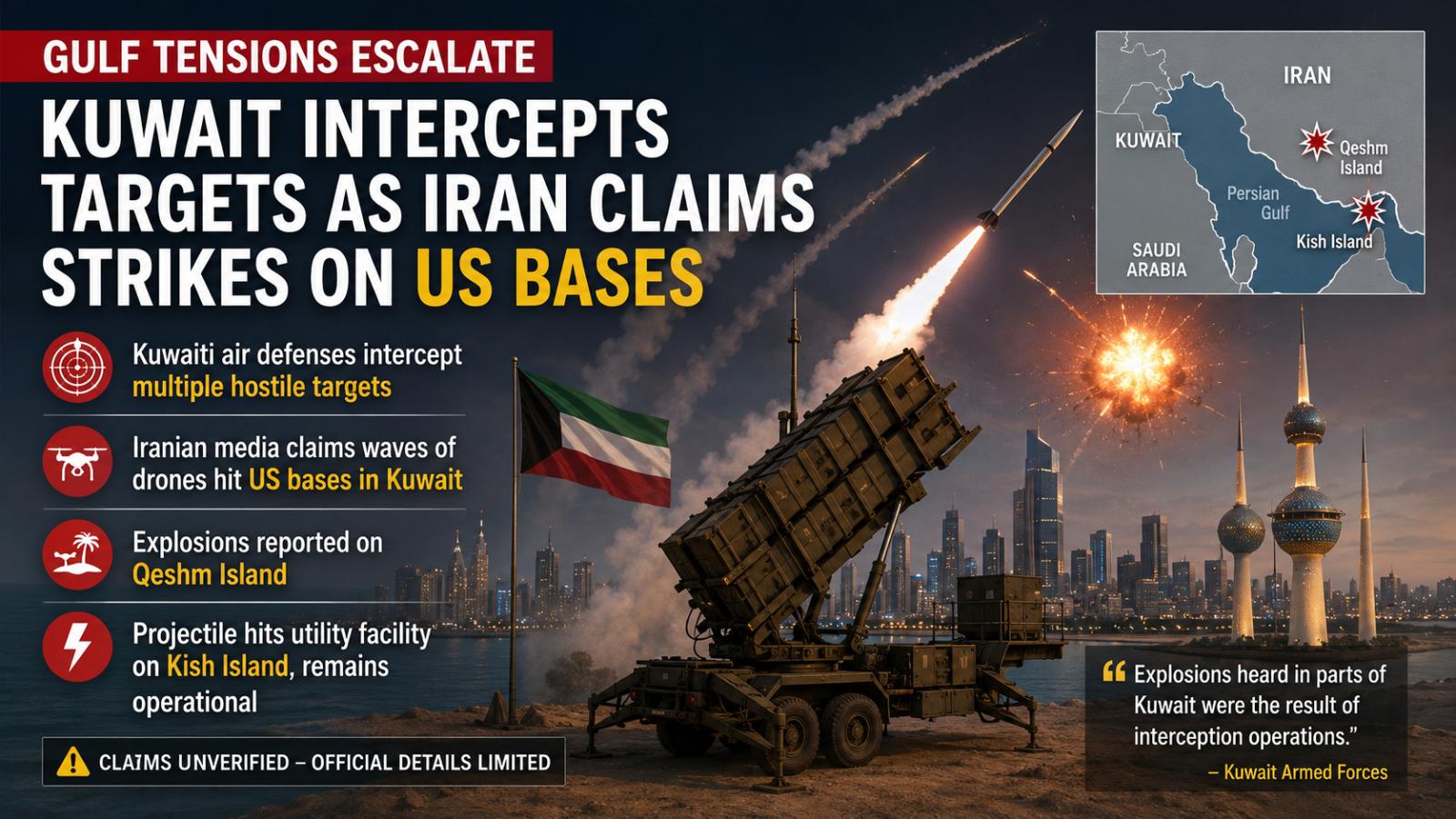
On May 8, Iran launched missile and drone attacks targeting the United Arab Emirates (UAE), hours after American forces destroyed Iranian attackers targeting US Navy destroyers in the Strait of Hormuz. The UAE Ministry of Defense confirmed that the country’s air defense systems were actively engaging the incoming threats. The attack prompted authorities to issue a public advisory, urging the public not to approach, photograph, or touch any debris from the successful interceptions.
Iran launches missile and drone attacks on UAE as US forces strike Iranian targets
On May 8, Iran launched missile and drone attacks targeting the United Arab Emirates (UAE), hours after American forces destroyed Iranian attackers targeting US Navy destroyers in the Strait of Hormuz. The UAE Ministry of Defense confirmed that the country’s air defense systems were actively engaging the incoming threats. The attack prompted authorities to issue a public advisory, urging the public not to approach, photograph, or touch any debris from the successful interceptions.
Trump Claims US Forces Destroy Iranian Attackers in Strait of Hormuz
On May 7, President Donald Trump claimed that U.S. forces successfully destroyed Iranian attackers targeting three U.S. Navy destroyers as they transited the Strait of Hormuz. Trump, in a post on Truth Social, reported that the American destroyers were under fire but sustained no damage. He further stated that the Iranian attackers, along with several small boats used by the attackers, were completely destroyed. According to Trump, Iranian missiles fired at the U.S. destroyers were easi
Trump Claims US Forces Destroy Iranian Attackers in Strait of Hormuz
On May 7, President Donald Trump claimed that U.S. forces successfully destroyed Iranian attackers targeting three U.S. Navy destroyers as they transited the Strait of Hormuz. Trump, in a post on Truth Social, reported that the American destroyers were under fire but sustained no damage. He further stated that the Iranian attackers, along with several small boats used by the attackers, were completely destroyed. According to Trump, Iranian missiles fired at the U.S. destroyers were easi
Fort Worth Shooting Hero: Civilian Officer Shot While Saving Resident in Northside Crossfire
Fort Worth Shooting: Officer Injured While Saving Civilian A Fort Worth shooting today left a civilian police officer injured after he shielded a resident during sudden crossfire in the Northside area, officials said. The officer, identified as Edward Zapata, was assisting with a report when gunfire erupted from across the street, turning a routine call into a life-threatening situation. Heroic Respons
Fort Worth Shooting Hero: Civilian Officer Shot While Saving Resident in Northside Crossfire
Fort Worth Shooting: Officer Injured While Saving Civilian A Fort Worth shooting today left a civilian police officer injured after he shielded a resident during sudden crossfire in the Northside area, officials said. The officer, identified as Edward Zapata, was assisting with a report when gunfire erupted from across the street, turning a routine call into a life-threatening situation. Heroic Respons
Iranian Airstrikes Damage 228 U.S. Military Sites Across the Gulf
The Washington Post has reported, based on satellite imagery analysis, that Iranian airstrikes have severely damaged or destroyed at least 228 structures and pieces of equipment at U.S. military sites across the Gulf region since the conflict began on February 28. This number far exceeds the figures acknowledged by the U.S. government. The strikes affected 15 U.S. military sites in Kuwait, Bahrain, Qatar, Saudi Arabia, Jordan, and the UAE. Satellite images from Iranian state-affiliated media, along with 109 images from the EU's Copernicus satellite system and commercial sources, provided evidence of the scale of the damage. The investigation uncovered damage to 217 structures and 11 pieces of equipment, including hangars, barracks, fuel depots, aircraft, radar systems, and air defense equipment. In total, seven U.S. service members were killed in attacks on regional bases, six in Kuwait and one in Saudi Arabia, while more than 400 troops were injured by late April. Of the injured, 12 sustained serious injuries. More than half of the documented damage occurred at the U.S. 5th Fleet headquarters in Bahrain and major U.S. facilities in Kuwait. Iranian forces targeted critical infrastructure, including fuel bladders and Patriot missile defense systems at Ali al-Salem Air Base in Kuwait. Attacks also hit barracks, power infrastructure, and operational facilities at Camp Arifjan and Camp Buehring in Kuwait. Other U.S. sites, such as Al-Udeid Air Base in Qatar and naval facilities in Bahrain, saw significant damage to satellite communications infrastructure. Iran’s airstrikes have demonstrated a higher degree of precision than expected. Mark Cancian of the Center for Strategic and International Studies noted that "there are no random craters indicating misses," suggesting that the attacks were highly targeted. This precision has placed considerable strain on U.S.-made defense systems in the Gulf. Between February 28 and April 8, U.S. forces used at least 190 THAAD interceptors, nearly 53% of their pre-war inventory, and 1,060 Patriot interceptors, about 43% of their pre-war stock. Despite these efforts, U.S. air defenses have struggled to cope with modern drone warfare, where one-way attack drones are difficult to intercept yet highly accurate. The strikes have forced U.S. commanders to relocate personnel from bases at risk, with some U.S. officials describing the damage at the Naval Support Activity Bahrain as “extensive.” Personnel from the site have been relocated to MacDill Air Force Base in Tampa, Florida. The U.S. Central Command declined to provide further counter-assessments, citing the need for a complete evaluation after the conflict ends. This extensive damage underscores the ongoing challenges faced by U.S. forces in the Gulf and highlights the evolving nature of modern warfare.
Iranian Airstrikes Damage 228 U.S. Military Sites Across the Gulf
The Washington Post has reported, based on satellite imagery analysis, that Iranian airstrikes have severely damaged or destroyed at least 228 structures and pieces of equipment at U.S. military sites across the Gulf region since the conflict began on February 28. This number far exceeds the figures acknowledged by the U.S. government. The strikes affected 15 U.S. military sites in Kuwait, Bahrain, Qatar, Saudi Arabia, Jordan, and the UAE. Satellite images from Iranian state-affiliated media, along with 109 images from the EU's Copernicus satellite system and commercial sources, provided evidence of the scale of the damage. The investigation uncovered damage to 217 structures and 11 pieces of equipment, including hangars, barracks, fuel depots, aircraft, radar systems, and air defense equipment. In total, seven U.S. service members were killed in attacks on regional bases, six in Kuwait and one in Saudi Arabia, while more than 400 troops were injured by late April. Of the injured, 12 sustained serious injuries. More than half of the documented damage occurred at the U.S. 5th Fleet headquarters in Bahrain and major U.S. facilities in Kuwait. Iranian forces targeted critical infrastructure, including fuel bladders and Patriot missile defense systems at Ali al-Salem Air Base in Kuwait. Attacks also hit barracks, power infrastructure, and operational facilities at Camp Arifjan and Camp Buehring in Kuwait. Other U.S. sites, such as Al-Udeid Air Base in Qatar and naval facilities in Bahrain, saw significant damage to satellite communications infrastructure. Iran’s airstrikes have demonstrated a higher degree of precision than expected. Mark Cancian of the Center for Strategic and International Studies noted that "there are no random craters indicating misses," suggesting that the attacks were highly targeted. This precision has placed considerable strain on U.S.-made defense systems in the Gulf. Between February 28 and April 8, U.S. forces used at least 190 THAAD interceptors, nearly 53% of their pre-war inventory, and 1,060 Patriot interceptors, about 43% of their pre-war stock. Despite these efforts, U.S. air defenses have struggled to cope with modern drone warfare, where one-way attack drones are difficult to intercept yet highly accurate. The strikes have forced U.S. commanders to relocate personnel from bases at risk, with some U.S. officials describing the damage at the Naval Support Activity Bahrain as “extensive.” Personnel from the site have been relocated to MacDill Air Force Base in Tampa, Florida. The U.S. Central Command declined to provide further counter-assessments, citing the need for a complete evaluation after the conflict ends. This extensive damage underscores the ongoing challenges faced by U.S. forces in the Gulf and highlights the evolving nature of modern warfare.
US Closes Consulate in Peshawar, Prioritizes Diplomatic Safety in Pakistan
The United States announced on May 6 that it will close its consulate in Peshawar, Pakistan, citing safety concerns for its diplomats. The U.S. State Department released a notice explaining that the decision was made in response to the region's security conditions. The embassy in Islamabad will now handle all diplomatic engagements with Khyber Pakhtunkhwa province, where Peshawar is the capital. This shift reflects the United States' commitment to the safety of its diplomatic personnel while optimizing resources. The State Department clarified that the closure is only related to the physical presence in Peshawar. U.S. policy priorities in Pakistan, however, remain unchanged. The U.S. will continue to engage with the people and officials of Khyber Pakhtunkhwa to enhance economic ties, promote regional security, and advance American interests in the region. Despite the consulate closure, the U.S. Mission to Pakistan will maintain a strong presence and continue to foster relations through its remaining diplomatic posts in Islamabad, Karachi, and Lahore. Khyber Pakhtunkhwa, which borders Afghanistan, has seen numerous security incidents due to ongoing conflicts between Pakistan's military forces and Afghan-backed militants. These tensions have heightened security concerns in the area. Additionally, protests occurred outside the U.S. consulate in Karachi following the death of Iranian Supreme Leader Ayatollah Ali Khamenei in U.S.-Israeli airstrikes. The incident led to the deaths of at least ten people in Pakistan, prompting President Asif Ali Zardari to express Pakistan's solidarity with Iran in this time of grief. Despite this, Pakistan has taken on the role of mediator in the ongoing conflict between Iran and the United States. The shift in U.S. diplomatic presence in Pakistan is part of a broader strategy to ensure safety while continuing to support strategic relationships in the region.
US Closes Consulate in Peshawar, Prioritizes Diplomatic Safety in Pakistan
The United States announced on May 6 that it will close its consulate in Peshawar, Pakistan, citing safety concerns for its diplomats. The U.S. State Department released a notice explaining that the decision was made in response to the region's security conditions. The embassy in Islamabad will now handle all diplomatic engagements with Khyber Pakhtunkhwa province, where Peshawar is the capital. This shift reflects the United States' commitment to the safety of its diplomatic personnel while optimizing resources. The State Department clarified that the closure is only related to the physical presence in Peshawar. U.S. policy priorities in Pakistan, however, remain unchanged. The U.S. will continue to engage with the people and officials of Khyber Pakhtunkhwa to enhance economic ties, promote regional security, and advance American interests in the region. Despite the consulate closure, the U.S. Mission to Pakistan will maintain a strong presence and continue to foster relations through its remaining diplomatic posts in Islamabad, Karachi, and Lahore. Khyber Pakhtunkhwa, which borders Afghanistan, has seen numerous security incidents due to ongoing conflicts between Pakistan's military forces and Afghan-backed militants. These tensions have heightened security concerns in the area. Additionally, protests occurred outside the U.S. consulate in Karachi following the death of Iranian Supreme Leader Ayatollah Ali Khamenei in U.S.-Israeli airstrikes. The incident led to the deaths of at least ten people in Pakistan, prompting President Asif Ali Zardari to express Pakistan's solidarity with Iran in this time of grief. Despite this, Pakistan has taken on the role of mediator in the ongoing conflict between Iran and the United States. The shift in U.S. diplomatic presence in Pakistan is part of a broader strategy to ensure safety while continuing to support strategic relationships in the region.
20 US States On Alert As Venomous Chinese Ant Spreads Rapidly Across America
A venomous ant species, the Asian needle ant, originally hailing from China, is causing concern across 20 states in the United States due to its rapid spread and painful sting. Health experts are urging the public to be cautious after the insect, which is black to dark brown and smaller than most common ants, was detected in several states, including Florida, Georgia, Texas, New York, and Massachusetts. Although the species was first identified in the U.S. over 90 years ago, it has only recen
20 US States On Alert As Venomous Chinese Ant Spreads Rapidly Across America
A venomous ant species, the Asian needle ant, originally hailing from China, is causing concern across 20 states in the United States due to its rapid spread and painful sting. Health experts are urging the public to be cautious after the insect, which is black to dark brown and smaller than most common ants, was detected in several states, including Florida, Georgia, Texas, New York, and Massachusetts. Although the species was first identified in the U.S. over 90 years ago, it has only recen
Iran ‘Explosive Dolphin’ Claims Rejected as Hormuz Tensions Rise
Pentagon Rejects Iran Dolphin Weapon Claims The Pentagon has dismissed claims that Iran is training explosive dolphins, confirming there is no credible evidence of such a program. Officials addressed the rumors as tensions in the Strait of Hormuz continue to escalate. Speaking on May 6, 2026, U.S. Defense Secretary Pete Hegseth said reports of “kamikaze dolphins” are unfounded. “Iran does not have such capabilities,” he stated, r
Iran ‘Explosive Dolphin’ Claims Rejected as Hormuz Tensions Rise
Pentagon Rejects Iran Dolphin Weapon Claims The Pentagon has dismissed claims that Iran is training explosive dolphins, confirming there is no credible evidence of such a program. Officials addressed the rumors as tensions in the Strait of Hormuz continue to escalate. Speaking on May 6, 2026, U.S. Defense Secretary Pete Hegseth said reports of “kamikaze dolphins” are unfounded. “Iran does not have such capabilities,” he stated, r
London Forms New Unit to Protect Jewish Communities Amid Surge in Antisemitic Attacks
In response to a wave of antisemitic incidents, including stabbings, arson, and petrol bomb attacks, the Metropolitan Police in London announced the creation of a dedicated "community protection team." This initiative comes after the Joint Terrorism Analysis Centre (JTAC) raised the national threat level from substantial to severe, indicating that an attack is highly likely within the next six months. The new unit, which will initially consist of 100 officers, is designed to offer more visibl
London Forms New Unit to Protect Jewish Communities Amid Surge in Antisemitic Attacks
In response to a wave of antisemitic incidents, including stabbings, arson, and petrol bomb attacks, the Metropolitan Police in London announced the creation of a dedicated "community protection team." This initiative comes after the Joint Terrorism Analysis Centre (JTAC) raised the national threat level from substantial to severe, indicating that an attack is highly likely within the next six months. The new unit, which will initially consist of 100 officers, is designed to offer more visibl
New Charge Filed Against Cole Allen in Assassination Attempt on President Trump
On May 5, federal prosecutors filed an additional charge against Cole Allen, the man accused of attempting to assassinate President Trump. The new indictment alleges that Allen assaulted a Secret Service officer with a shotgun while rushing through a security checkpoint outside a Washington press gala last month. The grand jury indictment now includes a fourth charge, adding to the original charges of attempting to assassinate President Trump and two firearms-related offenses, including discharging a weapon during a violent crime. Allen, 31, was arrested at the Washington Hilton after the incident. Acting Attorney General Todd Blanche, who was present at the White House Correspondents’ Dinner, condemned the attack, stating that Allen was heavily armed and attempted to assassinate the President. However, Blanche praised the quick and courageous response from law enforcement, which prevented further harm. “Under the leadership of President Trump, violent political actors will never win; we will prosecute anyone who engages in these horrific acts to the fullest extent of the law,” Blanche said in a statement. The indictment follows earlier uncertainties about whether the bullet that struck the Secret Service officer was fired by Allen or a fellow officer. US Attorney Jeanine Pirro clarified on social media that there was no evidence suggesting the officer was injured by friendly fire. Secret Service Director Sean Curran also confirmed that evidence showed Allen fired the shot before being apprehended. The officer, who was shot at point-blank range in the chest, heroically returned fire and managed to shoot five times, according to Curran. Allen’s jail conditions have raised concerns, with Magistrate Judge Zia Faruqui expressing worry about reports of Allen being held on suicide watch and in a constantly lit padded cell. Faruqui, troubled by these conditions, questioned whether they were excessively punitive. Allen had reportedly told FBI agents that he did not expect to survive the attack, raising further concerns about his mental state. Assistant US Attorney Jocelyn Ballantine highlighted that this raised potential concerns regarding suicide risk. The case has now been assigned to U.S. District Judge Trevor McFadden, a Trump appointee who previously served as a police officer. As the case progresses, the additional charges against Allen reflect the severity of the attempted assassination and the significant impact on law enforcement and national security.
New Charge Filed Against Cole Allen in Assassination Attempt on President Trump
On May 5, federal prosecutors filed an additional charge against Cole Allen, the man accused of attempting to assassinate President Trump. The new indictment alleges that Allen assaulted a Secret Service officer with a shotgun while rushing through a security checkpoint outside a Washington press gala last month. The grand jury indictment now includes a fourth charge, adding to the original charges of attempting to assassinate President Trump and two firearms-related offenses, including discharging a weapon during a violent crime. Allen, 31, was arrested at the Washington Hilton after the incident. Acting Attorney General Todd Blanche, who was present at the White House Correspondents’ Dinner, condemned the attack, stating that Allen was heavily armed and attempted to assassinate the President. However, Blanche praised the quick and courageous response from law enforcement, which prevented further harm. “Under the leadership of President Trump, violent political actors will never win; we will prosecute anyone who engages in these horrific acts to the fullest extent of the law,” Blanche said in a statement. The indictment follows earlier uncertainties about whether the bullet that struck the Secret Service officer was fired by Allen or a fellow officer. US Attorney Jeanine Pirro clarified on social media that there was no evidence suggesting the officer was injured by friendly fire. Secret Service Director Sean Curran also confirmed that evidence showed Allen fired the shot before being apprehended. The officer, who was shot at point-blank range in the chest, heroically returned fire and managed to shoot five times, according to Curran. Allen’s jail conditions have raised concerns, with Magistrate Judge Zia Faruqui expressing worry about reports of Allen being held on suicide watch and in a constantly lit padded cell. Faruqui, troubled by these conditions, questioned whether they were excessively punitive. Allen had reportedly told FBI agents that he did not expect to survive the attack, raising further concerns about his mental state. Assistant US Attorney Jocelyn Ballantine highlighted that this raised potential concerns regarding suicide risk. The case has now been assigned to U.S. District Judge Trevor McFadden, a Trump appointee who previously served as a police officer. As the case progresses, the additional charges against Allen reflect the severity of the attempted assassination and the significant impact on law enforcement and national security.
Trump Announces Pause in Maritime Escort Operations in the Strait of Hormuz
In a recent update, President Donald Trump announced a temporary pause in the United States’ maritime escort operation in the Strait of Hormuz, while confirming the continuation of a blockade. The decision follows progress in diplomatic discussions with Iran, aimed at finalizing an agreement. Trump explained on Truth Social that the blockade would remain active, but the project known as “Project Freedom,” which involves the movement of ships through the Strait of Hormuz, would be paused
Trump Announces Pause in Maritime Escort Operations in the Strait of Hormuz
In a recent update, President Donald Trump announced a temporary pause in the United States’ maritime escort operation in the Strait of Hormuz, while confirming the continuation of a blockade. The decision follows progress in diplomatic discussions with Iran, aimed at finalizing an agreement. Trump explained on Truth Social that the blockade would remain active, but the project known as “Project Freedom,” which involves the movement of ships through the Strait of Hormuz, would be paused
California 911 Upgrade Audit Bill Targets $456M Failure and Delays
California 911 Upgrade Faces New Scrutiny California lawmakers are advancing AB 1805, a bill that would force a state audit of the troubled Next Generation 911 upgrade and tighten oversight of Cal OES after years of delays, technical failures and rising costs. Why AB 1805 Matters The California 911 upgrade was designed to replace aging emergency call infrastructure wi
California 911 Upgrade Audit Bill Targets $456M Failure and Delays
California 911 Upgrade Faces New Scrutiny California lawmakers are advancing AB 1805, a bill that would force a state audit of the troubled Next Generation 911 upgrade and tighten oversight of Cal OES after years of delays, technical failures and rising costs. Why AB 1805 Matters The California 911 upgrade was designed to replace aging emergency call infrastructure wi
Putin’s security tightened amid coup fears and military assassinations
Russian President Vladimir Putin is facing an unprecedented level of security following growing concerns about a potential coup. These fears stem from a series of recent assassinations of senior Russian military figures, sparking widespread unease within the Kremlin. A European intelligence report reveals that Putin's security measures have been drastically increased, with surveillance systems now installed in the homes of his closest staff. These measures aim to prevent leaks of sensitive information and reduce the possibility of a plot against the president. Additionally, those who work directly with the president, including his bodyguards, chefs, and photographers, are now prohibited from using public transportation. Instead, all personnel visiting Putin must undergo two rounds of screening. Moreover, they are restricted to using phones without internet access to further minimize the risk of communication leaks. The intensified security is reportedly a response to fears of assassination attempts, particularly from the growing power of Russian elites who are displeased with Putin's leadership, especially amid the ongoing conflict in Ukraine. Former confidante’s role in coup fears One of the major concerns surrounding Putin’s safety involves Sergei Shoigu, a former confidante and the former defense minister of Russia. Shoigu was removed from his post but still retains significant influence within the Russian military. According to the report, Shoigu is now linked to potential coup efforts, as he remains a powerful figure within Russia’s military high command. Shoigu's influence over the Russian military is seen as a significant threat to Putin's reign, especially after the arrest of Ruslan Tsalikov, Shoigu's close associate, in March. This arrest has stirred political unrest within the Kremlin and raised suspicions about potential power shifts. The tensions within Russia's elite circles have added fuel to the fears of an internal coup, though the report does not provide direct evidence linking Shoigu to any active conspiracy. Kremlin in turmoil over Ukraine war and dissent The political climate within the Kremlin has grown increasingly unstable, particularly since the death of a top general in December, which triggered many of the heightened security measures. The fallout from this incident has led to fractures within Russia's security establishment, which is now divided over how to handle the fallout from the war in Ukraine. The rising costs and significant Russian military fatalities, estimated at 30,000 a month, have led to growing dissent within the political elite. Many believe the war has become unsustainable, further intensifying the pressure on Putin’s leadership. Putin has not publicly visited a military facility in 2023 and has avoided his usual residences, including those in the Moscow region and Valdai. The president has stopped making public appearances out of fear for his safety, with the Kremlin opting to release pre-recorded videos and images to maintain his presence in the media. According to reports, Putin has spent weeks at a time in upgraded bunkers, particularly in the Krasnodar coastal region, in response to the escalating threat of a coup and potential drone attacks. The ongoing crisis inside Russia's political structure Amidst the growing security concerns, the Kremlin is facing increasing instability, with political dissidents pushing back against Putin’s decisions. The Ukraine war has become a focal point of this unrest, with many within the political and military elite questioning its sustainability. These issues, compounded by the rising death toll among Russian soldiers, continue to contribute to the growing volatility of Putin’s rule. As fears of a coup mount, the situation inside the Kremlin remains precarious, with Putin’s tight security measures highlighting the level of tension and distrust among Russia’s political and military circles. The coming months may reveal whether these intensified precautions will be enough to protect Putin or if the risks posed by internal dissent and external threats will continue to grow.
Putin’s security tightened amid coup fears and military assassinations
Russian President Vladimir Putin is facing an unprecedented level of security following growing concerns about a potential coup. These fears stem from a series of recent assassinations of senior Russian military figures, sparking widespread unease within the Kremlin. A European intelligence report reveals that Putin's security measures have been drastically increased, with surveillance systems now installed in the homes of his closest staff. These measures aim to prevent leaks of sensitive information and reduce the possibility of a plot against the president. Additionally, those who work directly with the president, including his bodyguards, chefs, and photographers, are now prohibited from using public transportation. Instead, all personnel visiting Putin must undergo two rounds of screening. Moreover, they are restricted to using phones without internet access to further minimize the risk of communication leaks. The intensified security is reportedly a response to fears of assassination attempts, particularly from the growing power of Russian elites who are displeased with Putin's leadership, especially amid the ongoing conflict in Ukraine. Former confidante’s role in coup fears One of the major concerns surrounding Putin’s safety involves Sergei Shoigu, a former confidante and the former defense minister of Russia. Shoigu was removed from his post but still retains significant influence within the Russian military. According to the report, Shoigu is now linked to potential coup efforts, as he remains a powerful figure within Russia’s military high command. Shoigu's influence over the Russian military is seen as a significant threat to Putin's reign, especially after the arrest of Ruslan Tsalikov, Shoigu's close associate, in March. This arrest has stirred political unrest within the Kremlin and raised suspicions about potential power shifts. The tensions within Russia's elite circles have added fuel to the fears of an internal coup, though the report does not provide direct evidence linking Shoigu to any active conspiracy. Kremlin in turmoil over Ukraine war and dissent The political climate within the Kremlin has grown increasingly unstable, particularly since the death of a top general in December, which triggered many of the heightened security measures. The fallout from this incident has led to fractures within Russia's security establishment, which is now divided over how to handle the fallout from the war in Ukraine. The rising costs and significant Russian military fatalities, estimated at 30,000 a month, have led to growing dissent within the political elite. Many believe the war has become unsustainable, further intensifying the pressure on Putin’s leadership. Putin has not publicly visited a military facility in 2023 and has avoided his usual residences, including those in the Moscow region and Valdai. The president has stopped making public appearances out of fear for his safety, with the Kremlin opting to release pre-recorded videos and images to maintain his presence in the media. According to reports, Putin has spent weeks at a time in upgraded bunkers, particularly in the Krasnodar coastal region, in response to the escalating threat of a coup and potential drone attacks. The ongoing crisis inside Russia's political structure Amidst the growing security concerns, the Kremlin is facing increasing instability, with political dissidents pushing back against Putin’s decisions. The Ukraine war has become a focal point of this unrest, with many within the political and military elite questioning its sustainability. These issues, compounded by the rising death toll among Russian soldiers, continue to contribute to the growing volatility of Putin’s rule. As fears of a coup mount, the situation inside the Kremlin remains precarious, with Putin’s tight security measures highlighting the level of tension and distrust among Russia’s political and military circles. The coming months may reveal whether these intensified precautions will be enough to protect Putin or if the risks posed by internal dissent and external threats will continue to grow.
China Fireworks Plant Explosion Claims 21 Lives, Hundreds Injured
A powerful explosion at a fireworks factory in China’s Hunan province on Monday (May 4) has tragically killed at least 21 people and injured 61 others, according to state media reports. The explosion occurred at the Changsha Liuyang Huasheng Fireworks plant in the city of Liuyang, a major hub for the country’s fireworks industry. Videos circulating online showed thick grey smoke rising high into the sky, with the intensity of the blast visibly shaking nearby structures. Chinese
China Fireworks Plant Explosion Claims 21 Lives, Hundreds Injured
A powerful explosion at a fireworks factory in China’s Hunan province on Monday (May 4) has tragically killed at least 21 people and injured 61 others, according to state media reports. The explosion occurred at the Changsha Liuyang Huasheng Fireworks plant in the city of Liuyang, a major hub for the country’s fireworks industry. Videos circulating online showed thick grey smoke rising high into the sky, with the intensity of the blast visibly shaking nearby structures. Chinese
Modern Air Combat: F-35 Sensor Fusion Meets F-15IA Payload Strength
Modern air combat strategy increasingly relies on the complementary strengths of advanced fighter aircraft, particularly the combination of stealth capabilities and high payload capacity. The F-35 and F-15IA represent this dual approach, where each platform fulfills a distinct but interconnected role in complex operations. The F-35 is designed for stealth and precision, enabling it to operate deep within contested airspace while avoiding detection. Its ability to gather and process battlefield data in real time allows it to identify and track threats with high accuracy. This sensor fusion capability creates a comprehensive operational picture, which can be shared seamlessly with other aircraft to improve coordination and targeting efficiency. In contrast, the F-15IA is built for power and endurance. Often described as a high-capacity weapons platform, it can carry a significantly larger payload compared to stealth-focused aircraft. Once air defenses are identified and weakened, the F-15IA can engage multiple targets using a wide range of munitions, including larger weapons that are not compatible with stealth aircraft configurations. Its advanced radar system enhances its ability to detect and engage threats over extended distances. The combination of these aircraft also supports long-range missions. The F-15IA’s extended range and fuel capacity make it well-suited for operations requiring sustained flight over large distances. This allows it to conduct deep strike missions with fewer refueling requirements, complementing the F-35’s forward reconnaissance and targeting role. Operational efficiency is another key factor in this pairing. The F-15IA is designed for durability and rapid turnaround, enabling frequent sorties during extended engagements. Meanwhile, the F-35’s advanced systems provide critical intelligence that enhances the effectiveness of each mission. Together, they form a coordinated system that balances stealth, firepower, and operational flexibility in modern aerial warfare.
Modern Air Combat: F-35 Sensor Fusion Meets F-15IA Payload Strength
Modern air combat strategy increasingly relies on the complementary strengths of advanced fighter aircraft, particularly the combination of stealth capabilities and high payload capacity. The F-35 and F-15IA represent this dual approach, where each platform fulfills a distinct but interconnected role in complex operations. The F-35 is designed for stealth and precision, enabling it to operate deep within contested airspace while avoiding detection. Its ability to gather and process battlefield data in real time allows it to identify and track threats with high accuracy. This sensor fusion capability creates a comprehensive operational picture, which can be shared seamlessly with other aircraft to improve coordination and targeting efficiency. In contrast, the F-15IA is built for power and endurance. Often described as a high-capacity weapons platform, it can carry a significantly larger payload compared to stealth-focused aircraft. Once air defenses are identified and weakened, the F-15IA can engage multiple targets using a wide range of munitions, including larger weapons that are not compatible with stealth aircraft configurations. Its advanced radar system enhances its ability to detect and engage threats over extended distances. The combination of these aircraft also supports long-range missions. The F-15IA’s extended range and fuel capacity make it well-suited for operations requiring sustained flight over large distances. This allows it to conduct deep strike missions with fewer refueling requirements, complementing the F-35’s forward reconnaissance and targeting role. Operational efficiency is another key factor in this pairing. The F-15IA is designed for durability and rapid turnaround, enabling frequent sorties during extended engagements. Meanwhile, the F-35’s advanced systems provide critical intelligence that enhances the effectiveness of each mission. Together, they form a coordinated system that balances stealth, firepower, and operational flexibility in modern aerial warfare.
Why the US Rushed $8.6B Arms Deal to Middle East Allies Amid Iran Crisis
The United States has fast-tracked more than $8.6 billion in arms sales to key Middle East allies, signaling a sharp escalation in its response to rising tensions with Iran. Approved under emergency powers, the move bypasses Congress and reflects Washington’s urgency to strengthen regional defenses as the conflict enters a critical phase. Emergency Approval Signals Rising Urgency The decision, issued on Friday, invokes a rarely used em
Why the US Rushed $8.6B Arms Deal to Middle East Allies Amid Iran Crisis
The United States has fast-tracked more than $8.6 billion in arms sales to key Middle East allies, signaling a sharp escalation in its response to rising tensions with Iran. Approved under emergency powers, the move bypasses Congress and reflects Washington’s urgency to strengthen regional defenses as the conflict enters a critical phase. Emergency Approval Signals Rising Urgency The decision, issued on Friday, invokes a rarely used em
Trump orders the withdrawal of 5,000 US troops from Germany amid rising tensions
Trump Orders US Troops Withdrawal From Germany President Donald Trump has ordered the withdrawal of 5,000 US troops from Germany, escalating tensions with Berlin and NATO allies. This decision comes amid ongoing disagreements over the Iran conflict and US military operations in the Middle East. The Pentagon confirmed the move on Friday, May 1, as part of a broader shift in US military strategy, which seeks to reduce America's pres
Trump orders the withdrawal of 5,000 US troops from Germany amid rising tensions
Trump Orders US Troops Withdrawal From Germany President Donald Trump has ordered the withdrawal of 5,000 US troops from Germany, escalating tensions with Berlin and NATO allies. This decision comes amid ongoing disagreements over the Iran conflict and US military operations in the Middle East. The Pentagon confirmed the move on Friday, May 1, as part of a broader shift in US military strategy, which seeks to reduce America's pres
Tehran activates air defenses as Iran issues warnings amid rising tensions
Tehran activated air defenses against drones as Iran warned of retaliation if attacks resume. U.S. officials signaled continued military action, while tensions over the Strait of Hormuz and ceasefire terms highlight ongoing instability. Tehran activates air defenses as Iran issues warnings amid rising tensions, according to Iranian media reports describing heightened military alertness on Thursday night. Authorities in Tehran said air defense systems were deployed
Tehran activates air defenses as Iran issues warnings amid rising tensions
Tehran activated air defenses against drones as Iran warned of retaliation if attacks resume. U.S. officials signaled continued military action, while tensions over the Strait of Hormuz and ceasefire terms highlight ongoing instability. Tehran activates air defenses as Iran issues warnings amid rising tensions, according to Iranian media reports describing heightened military alertness on Thursday night. Authorities in Tehran said air defense systems were deployed