






Trump photo at Dallas GOP convention priced at $88,600
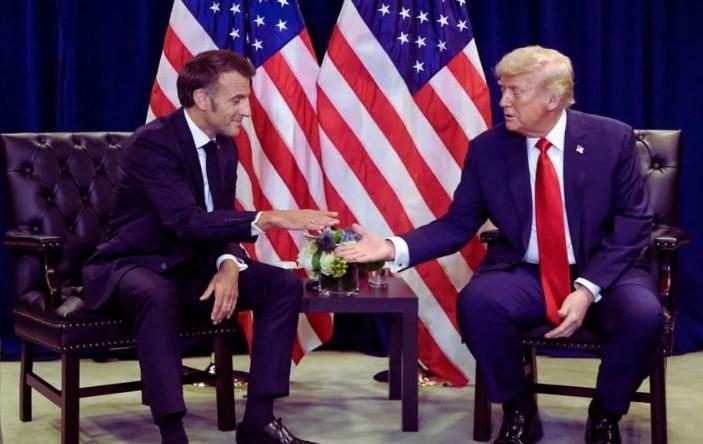
The Republican Party’s first-ever midterm convention in Dallas is attracting attention not only for its unusual timing but also for its high-dollar donor events. Reported packages include an $88,600 photo with President Donald Trump and a $250,000 roundtable with him as the GOP intensifies fundraising ahead of the November elections. Trump photo fee reaches $88,600 Donors attending the Republ
Trump photo at Dallas GOP convention priced at $88,600
The Republican Party’s first-ever midterm convention in Dallas is attracting attention not only for its unusual timing but also for its high-dollar donor events. Reported packages include an $88,600 photo with President Donald Trump and a $250,000 roundtable with him as the GOP intensifies fundraising ahead of the November elections. Trump photo fee reaches $88,600 Donors attending the Republ

Xi Jinping calls for new Middle East security order in Egypt
Chinese President Xi Jinping has used his state visit to Egypt to call for a new Middle East security architecture, urging regional countries to resist external interference and take greater control of their own security decisions. His visit comes as China seeks a larger diplomatic and economic role in a region unsettled by the US-Iran conflict. Xi Jinping calls for new Middle East security order
Xi Jinping calls for new Middle East security order in Egypt
Chinese President Xi Jinping has used his state visit to Egypt to call for a new Middle East security architecture, urging regional countries to resist external interference and take greater control of their own security decisions. His visit comes as China seeks a larger diplomatic and economic role in a region unsettled by the US-Iran conflict. Xi Jinping calls for new Middle East security order
Strait of Hormuz tanker attack kills two Filipino seafarers
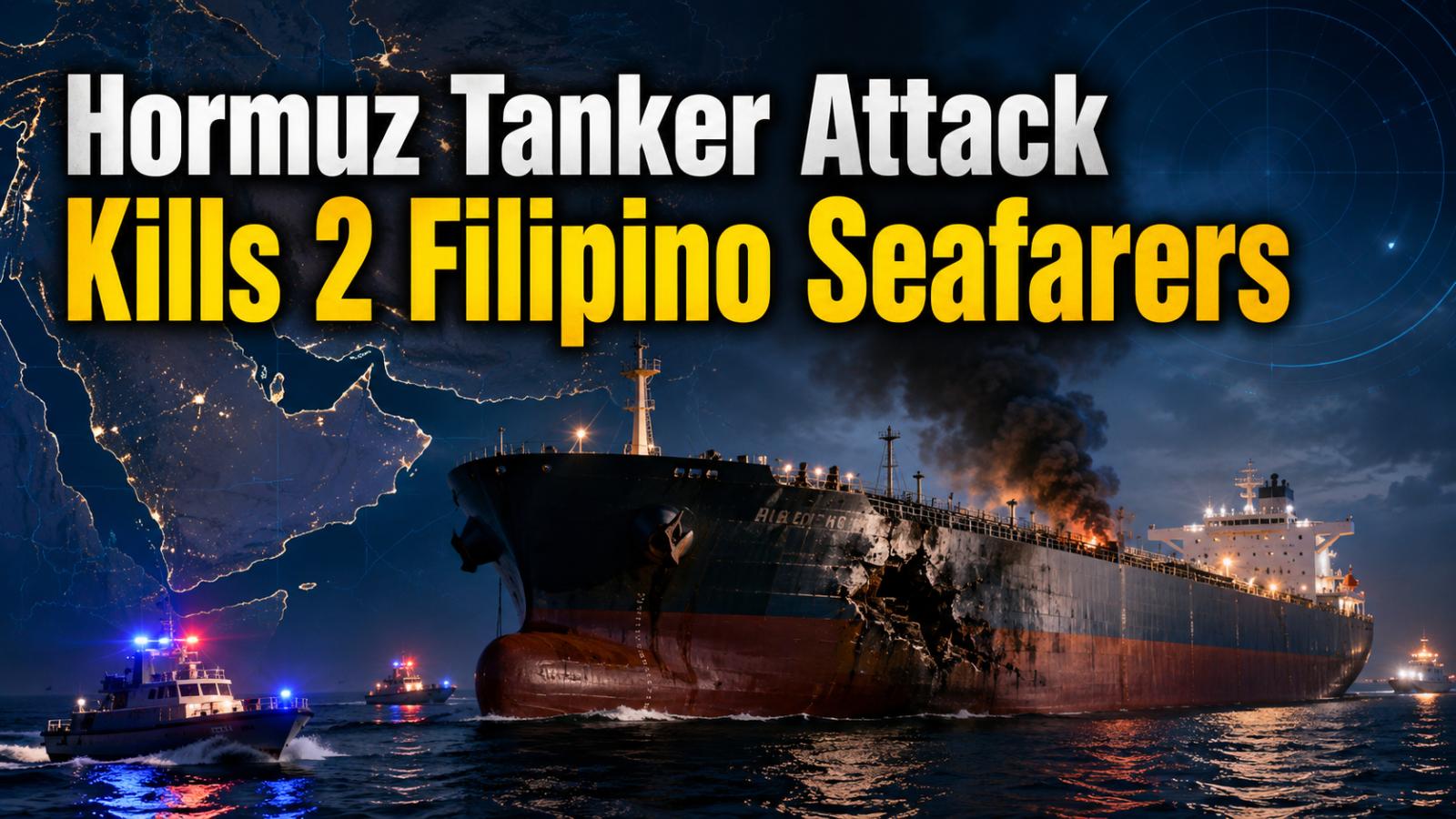
A Strait of Hormuz tanker attack has left two Filipino seafarers dead aboard the Saudi-operated SIDR, intensifying concerns over maritime security in one of the world’s most important oil routes. Bahri confirmed the deaths as US-Iran tensions again escalated across the Gulf. Strait of Hormuz tanker attack kills two sailors Saudi Arabia’s national shipping company Bahri confirmed that two Fi
Strait of Hormuz tanker attack kills two Filipino seafarers
A Strait of Hormuz tanker attack has left two Filipino seafarers dead aboard the Saudi-operated SIDR, intensifying concerns over maritime security in one of the world’s most important oil routes. Bahri confirmed the deaths as US-Iran tensions again escalated across the Gulf. Strait of Hormuz tanker attack kills two sailors Saudi Arabia’s national shipping company Bahri confirmed that two Fi

Ram temple trust appoints Jeetendra Mishra as first CEO
Ram temple trust CEO Jeetendra Mishra, a retired Indian Air Force officer, has been appointed to lead administration in Ayodhya. His selection followed 5,585 applications as the Trust strengthens governance, financial oversight and long-term temple management. The Shri Ram Janmabhoomi Teerth Kshetra Trust appointed retired Air Marshal Jeetendra Mishra as its first full-time CEO on September 2, 2026, placing a veteran military
Ram temple trust appoints Jeetendra Mishra as first CEO
Ram temple trust CEO Jeetendra Mishra, a retired Indian Air Force officer, has been appointed to lead administration in Ayodhya. His selection followed 5,585 applications as the Trust strengthens governance, financial oversight and long-term temple management. The Shri Ram Janmabhoomi Teerth Kshetra Trust appointed retired Air Marshal Jeetendra Mishra as its first full-time CEO on September 2, 2026, placing a veteran military

Netflix’s The Decoy Plane reveals Trump’s secret aircraft switch
Netflix is preparing to release The Decoy Plane, a new Instadocs documentary examining President Donald Trump’s secret aircraft switch during his July 2026 trip to Turkey. The film uses firsthand accounts to explore the security operation, the role of the press corps and why reporters continued aboard what effectively became a decoy plane. Trump secret plane switch in Turkey The incident took
Netflix’s The Decoy Plane reveals Trump’s secret aircraft switch
Netflix is preparing to release The Decoy Plane, a new Instadocs documentary examining President Donald Trump’s secret aircraft switch during his July 2026 trip to Turkey. The film uses firsthand accounts to explore the security operation, the role of the press corps and why reporters continued aboard what effectively became a decoy plane. Trump secret plane switch in Turkey The incident took
Russian Strikes on Ukraine Kill 12, Including Indian National
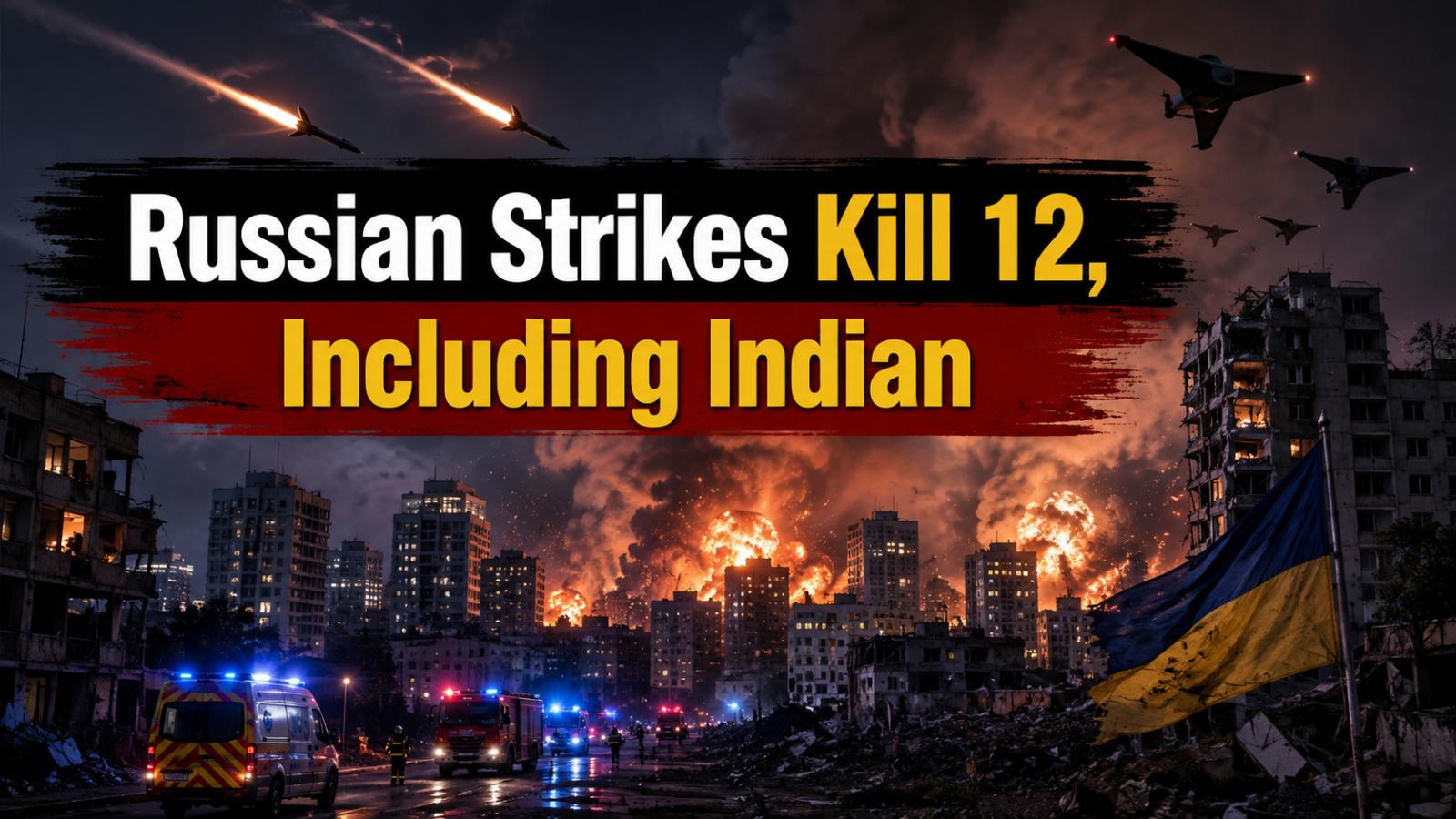
Russian strikes on Ukraine killed at least 12 people, including an Indian national, as Moscow launched another wave of missiles and drones against Kyiv and several other regions. Residential areas, railway facilities and civilian infrastructure were damaged, renewing calls from President Volodymyr Zelenskyy for stronger air-defence support. Kyiv Attack Kills Indian National An Indian citizen was among those killed in the latest attacks around Kyiv. The deceased was identified by Indian community sources as 40-year-old Sudarshan Bhabhilala from Gujarat. He reportedly suffered a severe head injury during the Russian attack. India’s embassy in Kyiv said it was deeply saddened by the death and was assisting the family with the repatriation of his remains. Another Indian national, Ganesh Kalleda from Telangana, was reported injured. The deaths came during a prolonged Russian assault on Kyiv and surrounding areas involving ballistic missiles, drones and other weapons. Ukrainian authorities said several civilian and railway locations were hit. Odesa and Border Infrastructure Hit The attacks extended beyond the capital. Zelenskyy said Russian strikes affected Odesa and surrounding areas, while Kyiv, Kherson, Donetsk, Zaporizhzhia, Kharkiv, Chernihiv, Zhytomyr, Sumy and Dnipro regions also faced attacks. Ukraine also reported damage to railway, energy and export infrastructure. Zelenskyy’s office said Russia had intensified attacks since August and was increasingly targeting infrastructure that supports everyday civilian life. Ukraine has accused Russia of deliberately attacking civilian targets. Moscow, however, has repeatedly said its strikes are aimed at military and military-linked infrastructure. Ukraine Seeks More Air Defence The scale and frequency of the latest attacks have renewed pressure on Ukraine’s air-defence system. Ukrainian officials say the country needs more Patriot interceptors and other systems capable of stopping ballistic missiles and increasingly fast drones. Recent Russian attacks have combined conventional missiles with large numbers of unmanned aircraft, placing heavy pressure on Ukraine’s existing interceptor stocks. Western air-defence assistance therefore remains one of Kyiv’s most urgent military priorities. Modi Putin Peace Message The renewed violence came shortly after Prime Minister Narendra Modi met Russian President Vladimir Putin on the sidelines of the SCO Summit in Bishkek on August 31. According to India’s Prime Minister’s Office, Modi reiterated that dialogue and diplomacy were the way forward for resolving conflicts. The two leaders also discussed the Black Sea conflict and its wider impact on maritime trade and Indian seafarers. Modi has continued to position India in favour of a negotiated settlement while maintaining its strategic partnership with Moscow. Indians in Russian Army The Ukraine war has also created a separate concern for New Delhi involving Indians recruited into the Russian armed forces. Foreign Secretary Vikram Misri said 227 Indian nationals had been recruited into the Russian military. Of them, 139 had been discharged while 51 had died. India remains in talks with Moscow to secure the release and repatriation of those still serving. The latest death of an Indian civilian in Ukraine adds another human dimension to the conflict for India. As Russian missile and drone attacks continue, New Delhi now faces both the task of assisting citizens affected inside Ukraine and pursuing the return of Indians still linked to Russia’s military.
Russian Strikes on Ukraine Kill 12, Including Indian National
Russian strikes on Ukraine killed at least 12 people, including an Indian national, as Moscow launched another wave of missiles and drones against Kyiv and several other regions. Residential areas, railway facilities and civilian infrastructure were damaged, renewing calls from President Volodymyr Zelenskyy for stronger air-defence support. Kyiv Attack Kills Indian National An Indian citizen was among those killed in the latest attacks around Kyiv. The deceased was identified by Indian community sources as 40-year-old Sudarshan Bhabhilala from Gujarat. He reportedly suffered a severe head injury during the Russian attack. India’s embassy in Kyiv said it was deeply saddened by the death and was assisting the family with the repatriation of his remains. Another Indian national, Ganesh Kalleda from Telangana, was reported injured. The deaths came during a prolonged Russian assault on Kyiv and surrounding areas involving ballistic missiles, drones and other weapons. Ukrainian authorities said several civilian and railway locations were hit. Odesa and Border Infrastructure Hit The attacks extended beyond the capital. Zelenskyy said Russian strikes affected Odesa and surrounding areas, while Kyiv, Kherson, Donetsk, Zaporizhzhia, Kharkiv, Chernihiv, Zhytomyr, Sumy and Dnipro regions also faced attacks. Ukraine also reported damage to railway, energy and export infrastructure. Zelenskyy’s office said Russia had intensified attacks since August and was increasingly targeting infrastructure that supports everyday civilian life. Ukraine has accused Russia of deliberately attacking civilian targets. Moscow, however, has repeatedly said its strikes are aimed at military and military-linked infrastructure. Ukraine Seeks More Air Defence The scale and frequency of the latest attacks have renewed pressure on Ukraine’s air-defence system. Ukrainian officials say the country needs more Patriot interceptors and other systems capable of stopping ballistic missiles and increasingly fast drones. Recent Russian attacks have combined conventional missiles with large numbers of unmanned aircraft, placing heavy pressure on Ukraine’s existing interceptor stocks. Western air-defence assistance therefore remains one of Kyiv’s most urgent military priorities. Modi Putin Peace Message The renewed violence came shortly after Prime Minister Narendra Modi met Russian President Vladimir Putin on the sidelines of the SCO Summit in Bishkek on August 31. According to India’s Prime Minister’s Office, Modi reiterated that dialogue and diplomacy were the way forward for resolving conflicts. The two leaders also discussed the Black Sea conflict and its wider impact on maritime trade and Indian seafarers. Modi has continued to position India in favour of a negotiated settlement while maintaining its strategic partnership with Moscow. Indians in Russian Army The Ukraine war has also created a separate concern for New Delhi involving Indians recruited into the Russian armed forces. Foreign Secretary Vikram Misri said 227 Indian nationals had been recruited into the Russian military. Of them, 139 had been discharged while 51 had died. India remains in talks with Moscow to secure the release and repatriation of those still serving. The latest death of an Indian civilian in Ukraine adds another human dimension to the conflict for India. As Russian missile and drone attacks continue, New Delhi now faces both the task of assisting citizens affected inside Ukraine and pursuing the return of Indians still linked to Russia’s military.

Pentagon GenAI.mil Adds ChatGPT and Grok as Claude Stays Out
The Pentagon’s GenAI.mil platform has expanded access to commercial artificial intelligence across the US defence workforce, adding OpenAI’s ChatGPT Mil and Grok for Government alongside Google Gemini. More than 1.7 million users have already accessed the system, while Anthropic’s Claude remains absent following a high-profile dispute over military AI safeguards.
Pentagon GenAI.mil Adds ChatGPT and Grok as Claude Stays Out
The Pentagon’s GenAI.mil platform has expanded access to commercial artificial intelligence across the US defence workforce, adding OpenAI’s ChatGPT Mil and Grok for Government alongside Google Gemini. More than 1.7 million users have already accessed the system, while Anthropic’s Claude remains absent following a high-profile dispute over military AI safeguards.
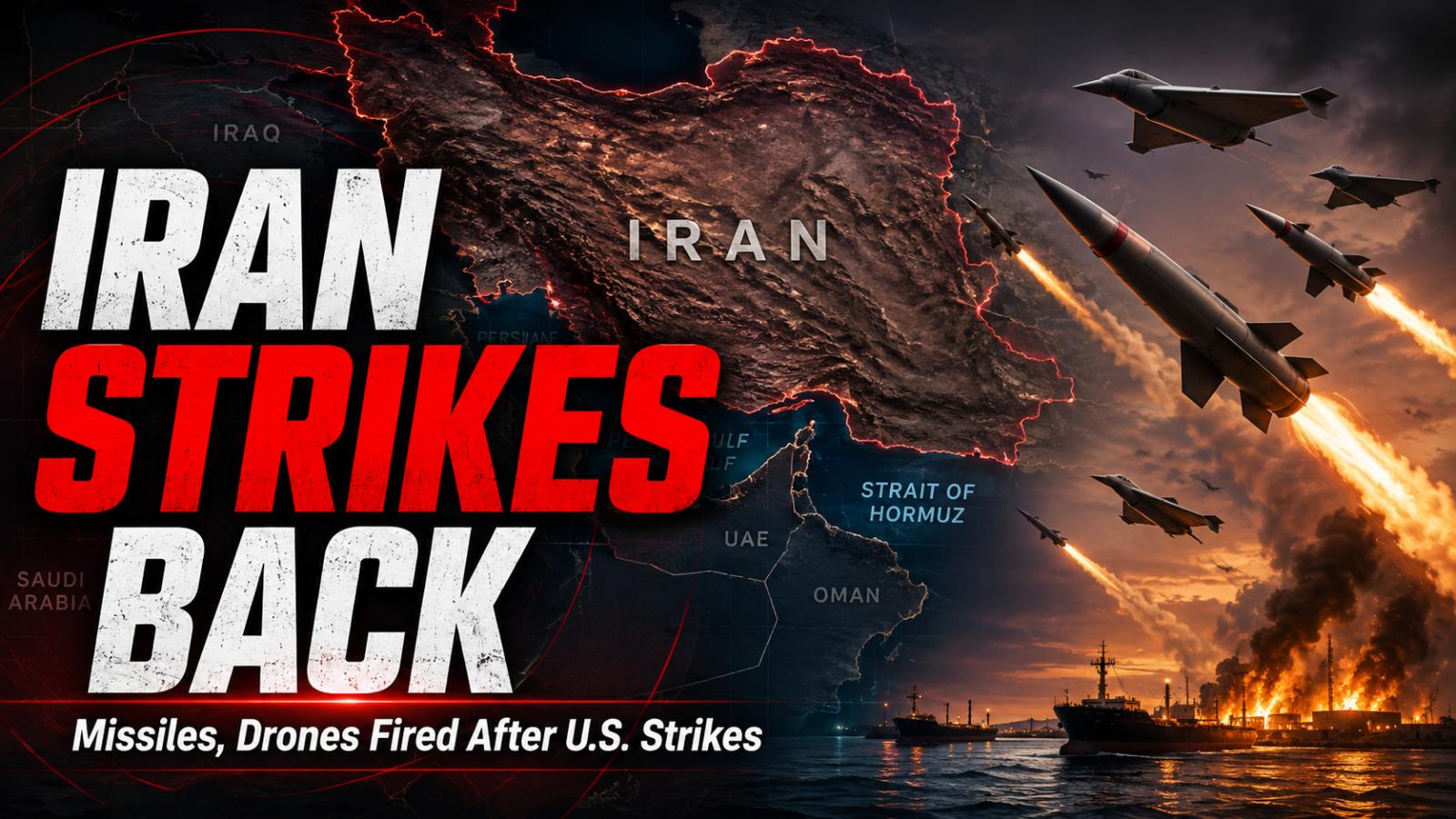
Iran Retaliation Begins After Fresh US Strikes on IRGC Targets
Iran launched missile and drone attacks against US-linked military targets after American forces carried out a new wave of strikes on Islamic Revolutionary Guard Corps facilities across southern Iran. The Iran retaliation marks the sharpest escalation in weeks and has again placed the Strait of Hormuz and regional US bases at the centre of the conflict. US Iran Strikes US Central Command confirmed that American forces carried out coordinated strikes on September 1 against IRGC military targets. CENTCOM said the operation hit air-defence sites, radar systems, maritime assets, mine-laying capabilities and communications facilities. The command said the strikes followed attempted Iranian attacks against commercial shipping in the Strait of Hormuz and American service members in the region. The strikes were concentrated around southern Iran and the strategically important Hormuz region. Separate reporting said Iranian areas including Bandar Abbas, Qeshm, Jask and other coastal locations were among those affected as the conflict returned to a more intense phase. IRGC Response Iranian forces responded with missiles and drones aimed at US assets across the region. Iranian state-linked media described the attacks as retaliation for the latest American operation, while the IRGC promised what it called severe punishment for further strikes. Jordan and Bahrain reported intercepting Iranian missiles and drones, while Iranian sources also claimed strikes against US positions in Iraq. Claims of American casualties made by Tehran had not been independently confirmed by US officials at the time of reporting. The renewed exchanges show that both sides remain willing to use direct military force despite earlier efforts to reduce hostilities. Hormuz Crisis The Strait of Hormuz remains the most sensitive flashpoint. Washington says its latest operation followed Iranian attempts to threaten commercial shipping and deploy mine-laying capabilities near the waterway. CENTCOM has repeatedly described freedom of navigation through the strait as a key US military objective. The escalation immediately affected energy markets. Brent crude rose toward $96 a barrel as traders reacted to the possibility of renewed disruption in a route responsible for a major share of global oil exports. Any sustained attacks on shipping, ports or energy infrastructure could therefore have economic consequences far beyond the Middle East. Trump Warns Iran President Donald Trump defended the latest US strikes and warned Tehran that further retaliation could trigger an even stronger American response. He said the operation was justified by Iranian attempts to place mines in the Strait of Hormuz and previous attacks directed at US forces. Trump’s warning came even as Iranian officials insisted they would continue responding to attacks on their territory. The competing threats have sharply reduced hopes that the current exchange will quickly return to the relative calm seen during parts of August. Regional Escalation Risk The latest fighting follows the August 30 US strike on two Iranian launchers on Larak Island, which American officials said were preparing to deploy sea mines. Iran answered that operation with ballistic missile attacks against US forces in Jordan. With fresh American strikes now followed by a broader Iranian missile and drone response, the conflict appears to be entering another dangerous phase. The immediate question is whether both governments contain the exchanges or allow retaliation to expand across US bases, Iranian military facilities and shipping routes around the Strait of Hormuz.
Iran Retaliation Begins After Fresh US Strikes on IRGC Targets
Iran launched missile and drone attacks against US-linked military targets after American forces carried out a new wave of strikes on Islamic Revolutionary Guard Corps facilities across southern Iran. The Iran retaliation marks the sharpest escalation in weeks and has again placed the Strait of Hormuz and regional US bases at the centre of the conflict. US Iran Strikes US Central Command confirmed that American forces carried out coordinated strikes on September 1 against IRGC military targets. CENTCOM said the operation hit air-defence sites, radar systems, maritime assets, mine-laying capabilities and communications facilities. The command said the strikes followed attempted Iranian attacks against commercial shipping in the Strait of Hormuz and American service members in the region. The strikes were concentrated around southern Iran and the strategically important Hormuz region. Separate reporting said Iranian areas including Bandar Abbas, Qeshm, Jask and other coastal locations were among those affected as the conflict returned to a more intense phase. IRGC Response Iranian forces responded with missiles and drones aimed at US assets across the region. Iranian state-linked media described the attacks as retaliation for the latest American operation, while the IRGC promised what it called severe punishment for further strikes. Jordan and Bahrain reported intercepting Iranian missiles and drones, while Iranian sources also claimed strikes against US positions in Iraq. Claims of American casualties made by Tehran had not been independently confirmed by US officials at the time of reporting. The renewed exchanges show that both sides remain willing to use direct military force despite earlier efforts to reduce hostilities. Hormuz Crisis The Strait of Hormuz remains the most sensitive flashpoint. Washington says its latest operation followed Iranian attempts to threaten commercial shipping and deploy mine-laying capabilities near the waterway. CENTCOM has repeatedly described freedom of navigation through the strait as a key US military objective. The escalation immediately affected energy markets. Brent crude rose toward $96 a barrel as traders reacted to the possibility of renewed disruption in a route responsible for a major share of global oil exports. Any sustained attacks on shipping, ports or energy infrastructure could therefore have economic consequences far beyond the Middle East. Trump Warns Iran President Donald Trump defended the latest US strikes and warned Tehran that further retaliation could trigger an even stronger American response. He said the operation was justified by Iranian attempts to place mines in the Strait of Hormuz and previous attacks directed at US forces. Trump’s warning came even as Iranian officials insisted they would continue responding to attacks on their territory. The competing threats have sharply reduced hopes that the current exchange will quickly return to the relative calm seen during parts of August. Regional Escalation Risk The latest fighting follows the August 30 US strike on two Iranian launchers on Larak Island, which American officials said were preparing to deploy sea mines. Iran answered that operation with ballistic missile attacks against US forces in Jordan. With fresh American strikes now followed by a broader Iranian missile and drone response, the conflict appears to be entering another dangerous phase. The immediate question is whether both governments contain the exchanges or allow retaliation to expand across US bases, Iranian military facilities and shipping routes around the Strait of Hormuz.
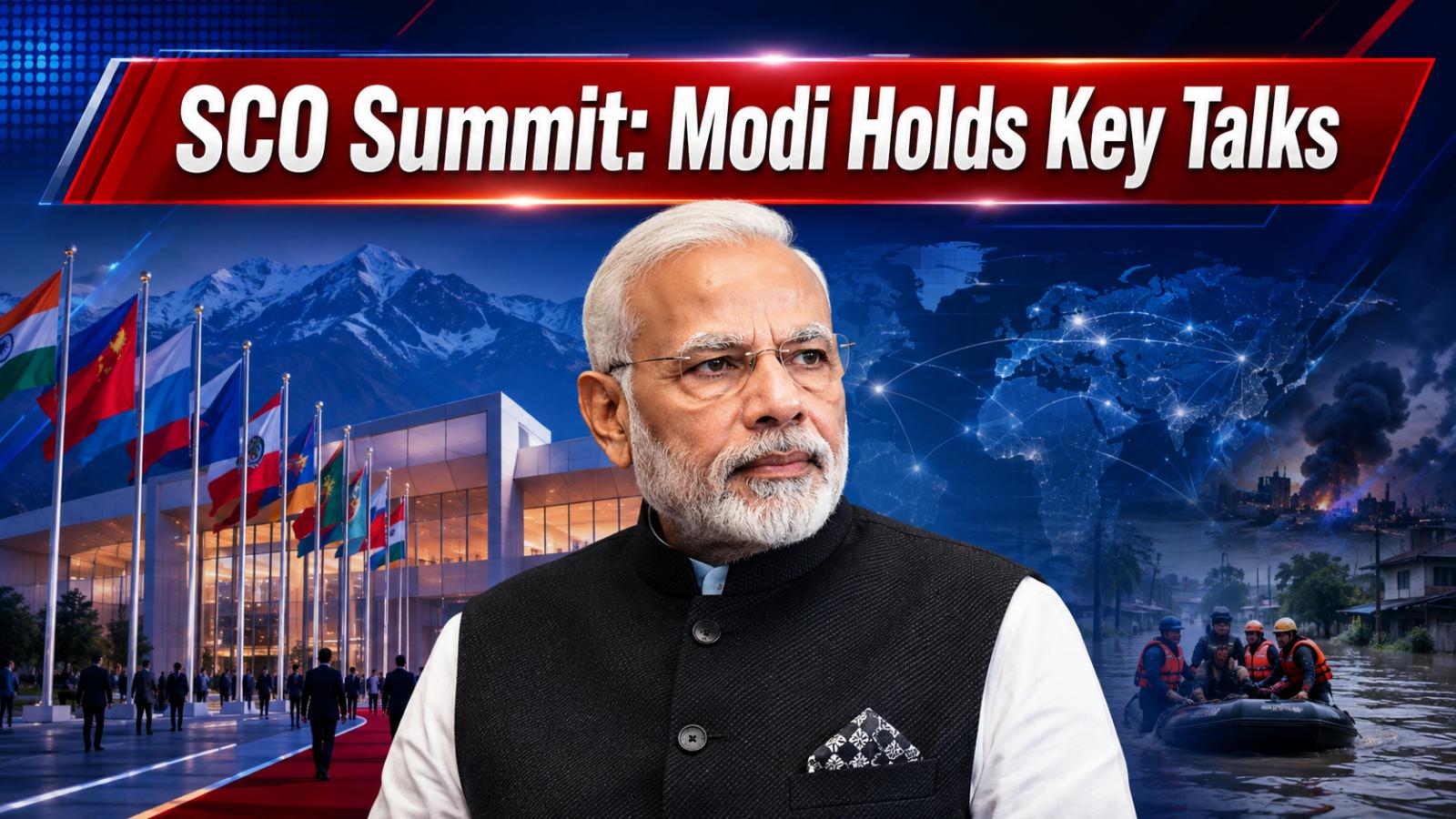
SCO Summit 2026: Modi-Putin Talks Put Ukraine Peace in Focus
The SCO Summit 2026 remains at the centre of global attention as Prime Minister Narendra Modi holds high-level meetings in Bishkek. Modi’s talks with Russian President Vladimir Putin focused on bilateral ties and the need for dialogue to resolve conflicts, while Nepal continues a massive flood rescue operation and Pakistan sees fresh political chatter around Bilawal Bhutto Zardari.
SCO Summit 2026: Modi-Putin Talks Put Ukraine Peace in Focus
The SCO Summit 2026 remains at the centre of global attention as Prime Minister Narendra Modi holds high-level meetings in Bishkek. Modi’s talks with Russian President Vladimir Putin focused on bilateral ties and the need for dialogue to resolve conflicts, while Nepal continues a massive flood rescue operation and Pakistan sees fresh political chatter around Bilawal Bhutto Zardari.
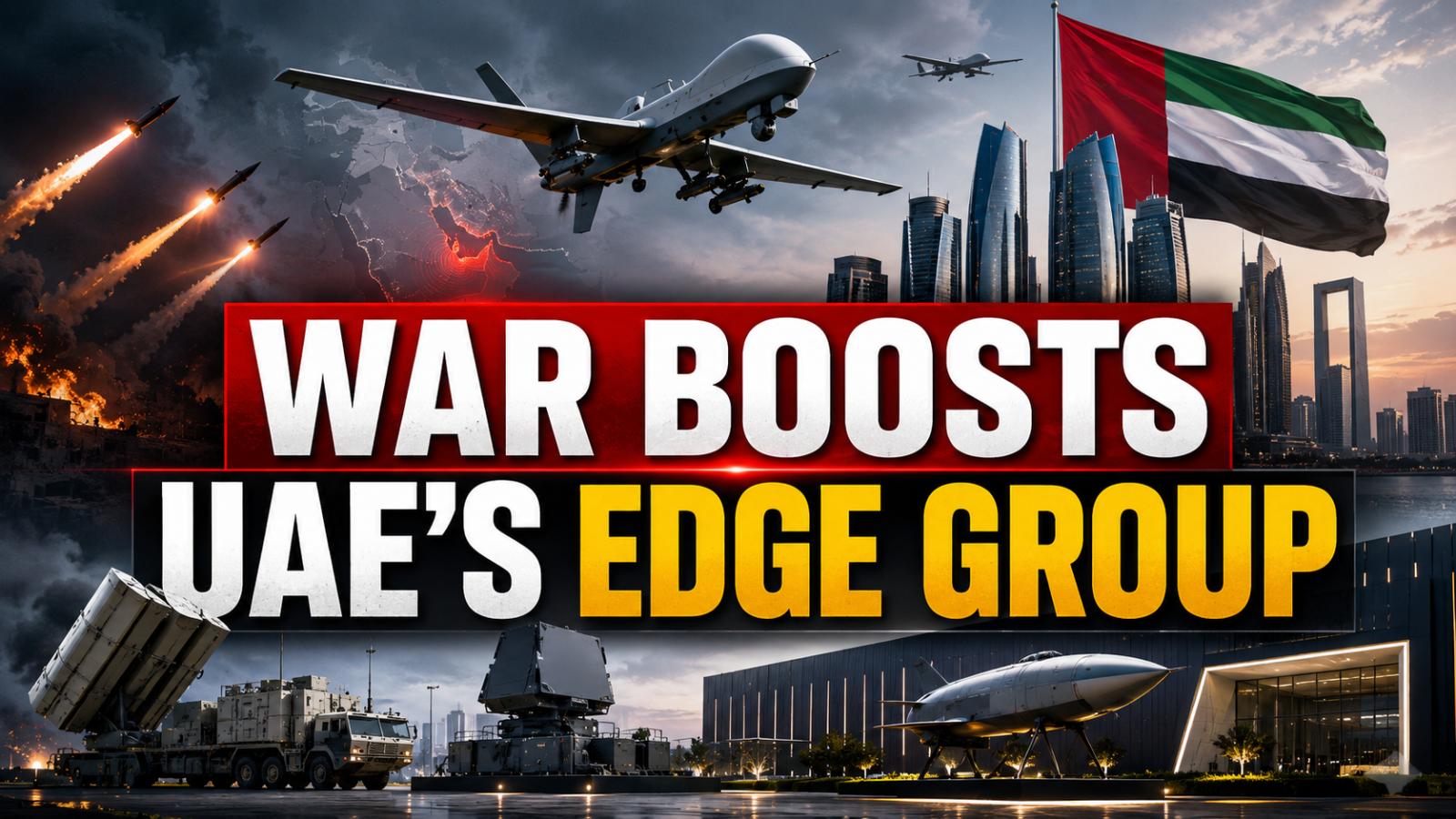
UAE EDGE Defence Growth Surges After US-Iran War Tests Systems
The six-month US-Iran conflict has unexpectedly strengthened the commercial position of the UAE’s EDGE Group, giving domestically developed defence systems real combat exposure. Company executives say the “battle-proven” status of drones, jammers and other equipment is now helping UAE EDGE defence growth and attracting greater international interest. Battle-Proven EDGE Weapons During the conflict, nearly 3,000 missiles and drones reportedly targeted the UAE, putting the country’s air-defence network under sustained pressure. EDGE executives cited in the source material said the fighting provided something the company previously lacked at scale: direct battlefield validation. Khaled Al Zaabi, president of EDGE’s Platforms and Systems cluster, said only a limited number of products could be described as battle-proven before the war. He said that number has now increased significantly, giving the company a stronger selling point when competing for international defence contracts. That matters in an industry where buyers often place a premium on systems that have already operated under real combat conditions rather than laboratory or demonstration environments. UAE Drone Defence The war also highlighted the economics of air defence. The UAE has invested billions of dollars in advanced American systems including Patriot and THAAD, but officials are increasingly focusing on cheaper ways to counter low-cost drones. EDGE executives said locally produced electronic warfare and counter-drone technologies played an important role during the conflict. Company chairman Faisal Al Bannai said locally developed jammers achieved an interception rate of about 85% against incoming drones, according to the source material. The broader challenge is cost. Using an expensive interceptor missile against every low-cost attack drone can become financially unsustainable during prolonged conflicts. EDGE is therefore positioning lower-cost drones, jammers and short-range systems as complementary layers of defence. SkyKnight Air Defence One of EDGE’s important locally developed systems is SkyKnight, a short-range air-defence platform designed to counter rockets, artillery, mortars, drones, cruise missiles and other aerial threats. EDGE says the system can protect infrastructure, military bases, ports and urban areas, with missile interception ranges reaching up to 10 kilometres against several categories of aerial targets. Developing more air-defence capability domestically would also reduce reliance on foreign suppliers while allowing the UAE to respond faster to evolving regional threats. EDGE Global Expansion EDGE, founded in 2019, has expanded rapidly across missiles, drones, armoured vehicles, naval systems and advanced technologies. The source material says international sales accounted for about 70% of the group’s roughly $5 billion in revenue last year. Europe has become a major target for further growth. EDGE officially launched EDGE Europe in June 2026 and established its European headquarters in Paris, alongside plans for engineering and manufacturing operations in France. The move places the Emirati group closer to NATO and European buyers at a time when defence budgets across the continent are rising. Defence Export Ambitions EDGE is also investing in production capacity at home, including facilities for components used in autonomous systems, while expanding partnerships and acquisitions abroad. Its long-term ambition is to become one of the world’s top 10 defence contractors. The US-Iran conflict may have accelerated that strategy by giving its systems battlefield credibility that marketing campaigns cannot easily replicate. The opportunity is significant, but so is the scrutiny. EDGE has faced allegations concerning the possible appearance of UAE-linked equipment in other conflicts, claims the company and UAE authorities have denied. For now, the clearest commercial outcome is that prolonged regional warfare has turned operational experience into a valuable export advantage. If EDGE can convert that battlefield validation into sustained contracts, the conflict may prove to be a major turning point in the UAE’s push to become a globally competitive defence manufacturing hub.
UAE EDGE Defence Growth Surges After US-Iran War Tests Systems
The six-month US-Iran conflict has unexpectedly strengthened the commercial position of the UAE’s EDGE Group, giving domestically developed defence systems real combat exposure. Company executives say the “battle-proven” status of drones, jammers and other equipment is now helping UAE EDGE defence growth and attracting greater international interest. Battle-Proven EDGE Weapons During the conflict, nearly 3,000 missiles and drones reportedly targeted the UAE, putting the country’s air-defence network under sustained pressure. EDGE executives cited in the source material said the fighting provided something the company previously lacked at scale: direct battlefield validation. Khaled Al Zaabi, president of EDGE’s Platforms and Systems cluster, said only a limited number of products could be described as battle-proven before the war. He said that number has now increased significantly, giving the company a stronger selling point when competing for international defence contracts. That matters in an industry where buyers often place a premium on systems that have already operated under real combat conditions rather than laboratory or demonstration environments. UAE Drone Defence The war also highlighted the economics of air defence. The UAE has invested billions of dollars in advanced American systems including Patriot and THAAD, but officials are increasingly focusing on cheaper ways to counter low-cost drones. EDGE executives said locally produced electronic warfare and counter-drone technologies played an important role during the conflict. Company chairman Faisal Al Bannai said locally developed jammers achieved an interception rate of about 85% against incoming drones, according to the source material. The broader challenge is cost. Using an expensive interceptor missile against every low-cost attack drone can become financially unsustainable during prolonged conflicts. EDGE is therefore positioning lower-cost drones, jammers and short-range systems as complementary layers of defence. SkyKnight Air Defence One of EDGE’s important locally developed systems is SkyKnight, a short-range air-defence platform designed to counter rockets, artillery, mortars, drones, cruise missiles and other aerial threats. EDGE says the system can protect infrastructure, military bases, ports and urban areas, with missile interception ranges reaching up to 10 kilometres against several categories of aerial targets. Developing more air-defence capability domestically would also reduce reliance on foreign suppliers while allowing the UAE to respond faster to evolving regional threats. EDGE Global Expansion EDGE, founded in 2019, has expanded rapidly across missiles, drones, armoured vehicles, naval systems and advanced technologies. The source material says international sales accounted for about 70% of the group’s roughly $5 billion in revenue last year. Europe has become a major target for further growth. EDGE officially launched EDGE Europe in June 2026 and established its European headquarters in Paris, alongside plans for engineering and manufacturing operations in France. The move places the Emirati group closer to NATO and European buyers at a time when defence budgets across the continent are rising. Defence Export Ambitions EDGE is also investing in production capacity at home, including facilities for components used in autonomous systems, while expanding partnerships and acquisitions abroad. Its long-term ambition is to become one of the world’s top 10 defence contractors. The US-Iran conflict may have accelerated that strategy by giving its systems battlefield credibility that marketing campaigns cannot easily replicate. The opportunity is significant, but so is the scrutiny. EDGE has faced allegations concerning the possible appearance of UAE-linked equipment in other conflicts, claims the company and UAE authorities have denied. For now, the clearest commercial outcome is that prolonged regional warfare has turned operational experience into a valuable export advantage. If EDGE can convert that battlefield validation into sustained contracts, the conflict may prove to be a major turning point in the UAE’s push to become a globally competitive defence manufacturing hub.
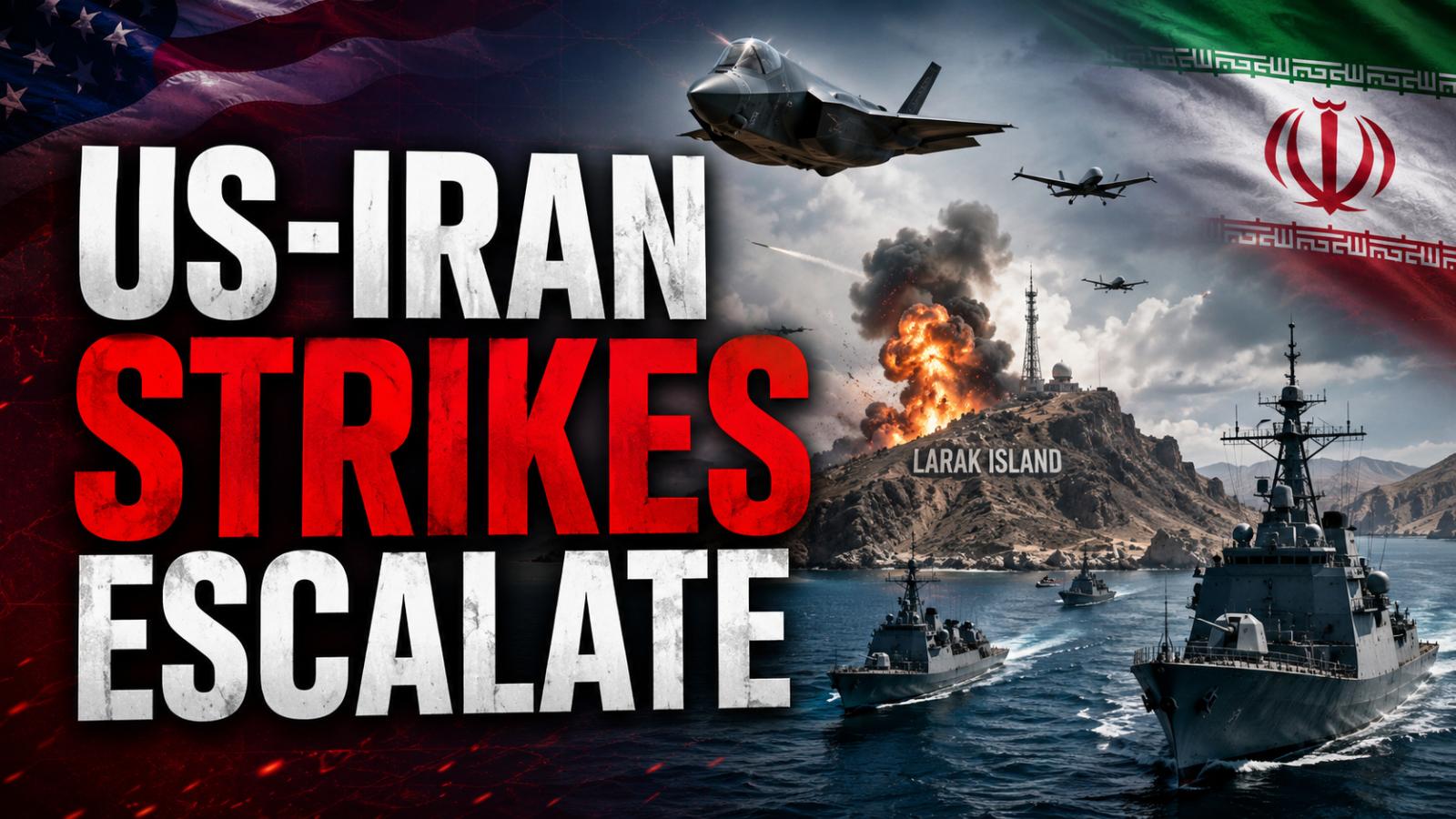
US-Iran Strikes Resume as Larak Attack Triggers Retaliation
The US-Iran confrontation has entered another tense phase after American forces struck Iranian launchers on Larak Island near the Strait of Hormuz. Iran responded with claims of attacks on US-linked bases in the region, while diplomatic efforts continued in Bishkek, where Prime Minister Narendra Modi met Iranian President Masoud Pezeshkian. Larak Island Strike
US-Iran Strikes Resume as Larak Attack Triggers Retaliation
The US-Iran confrontation has entered another tense phase after American forces struck Iranian launchers on Larak Island near the Strait of Hormuz. Iran responded with claims of attacks on US-linked bases in the region, while diplomatic efforts continued in Bishkek, where Prime Minister Narendra Modi met Iranian President Masoud Pezeshkian. Larak Island Strike
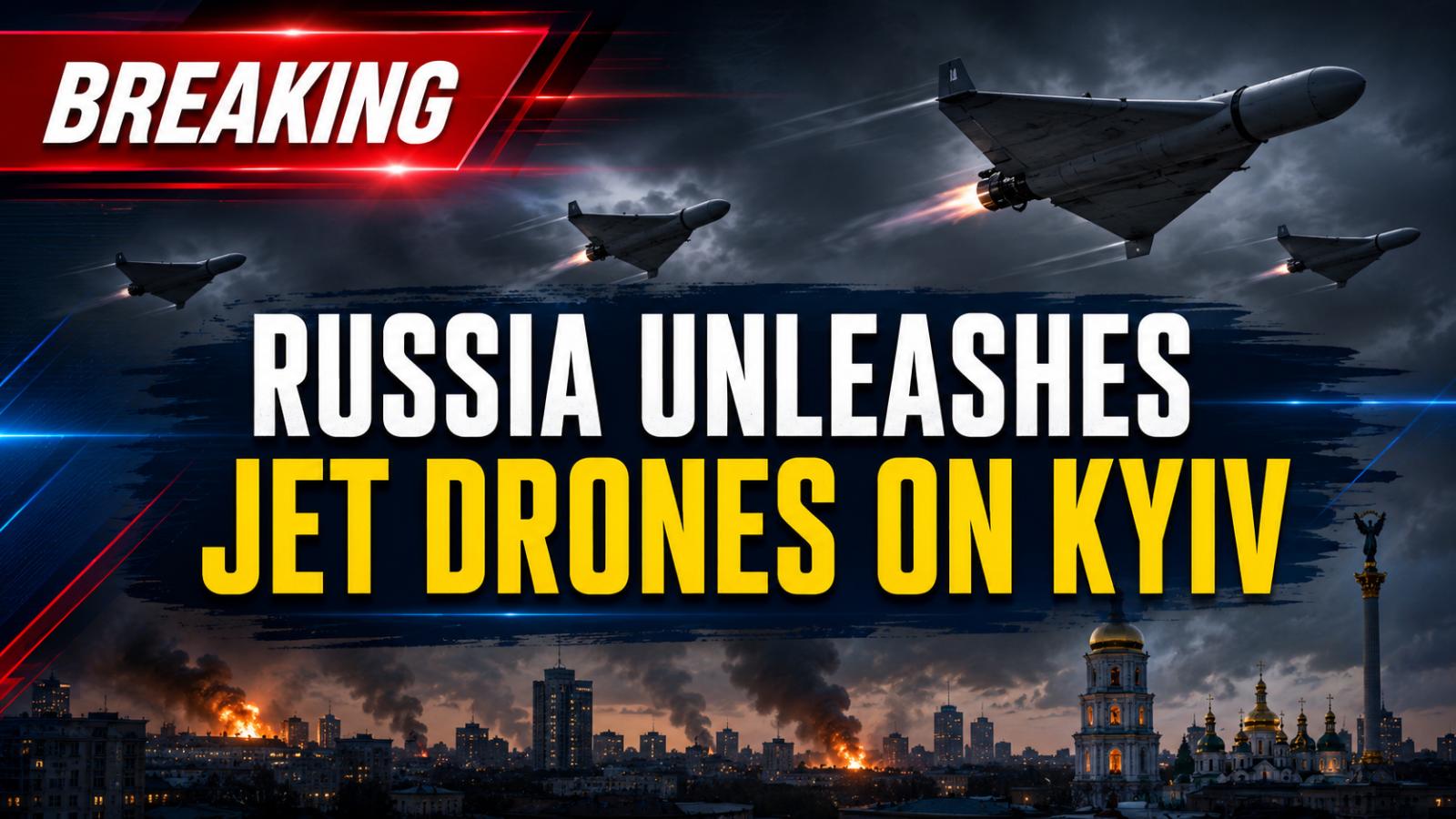
Russia Jet-Powered Drones Intensify Daytime Attacks on Kyiv
Russia’s growing use of jet-powered drones is creating a new challenge for Ukraine’s air-defence network, with Kyiv experiencing longer daytime air raid warnings. Ukrainian President Volodymyr Zelenskyy said around 800 jet-powered drones were among nearly 1,500 unmanned aircraft launched over four days. Kyiv Drone Attacks Russia has increasingly used daytime drone waves around the Ukrainian capital, disrupting businesses, emergency services and daily routines. Kyiv recorded eight air raid alerts by lunchtime on Monday, highlighting how frequently residents are now being forced to react to incoming threats. The presence of additional drones after an initial strike can also complicate rescue operations. Firefighters and other emergency crews may have to leave damaged locations when another threat appears, increasing the risk that fires and structural damage will worsen before teams can safely return. Shahed Drones Gain Speed The newer generation of Shahed-type drones can reportedly cruise at roughly 200 to 250 mph, about twice the speed of older piston-powered versions that travel near 115 mph. That increased speed makes them more difficult for Ukraine’s existing low-cost interceptor drones to catch and destroy. Shahed drones were originally developed in Iran before the technology reached Russia. Moscow has since expanded domestic production and introduced newer jet-powered variants, including the Geran-4 and Geran-5. Geran-4 Drone Campaign One Geran-4 reportedly struck an ammunition storage site in Myla, west of Kyiv, triggering hours of secondary explosions and damaging surrounding property. The source article reports 38 deaths in the attack. Ukraine says the scale of production is also increasing rapidly. Defence technology adviser Serhii Beskrestnov said at least 2,500 jet-powered drones were launched against Ukraine during August, compared with about 1,500 in July. Some recovered components reportedly carried production dates only days before the weapons were launched. Ukraine Air Defence Ukraine previously built a network of inexpensive ground-launched interceptor drones designed to destroy slower Shahed models. According to the source article, those systems helped raise interception rates above 90%, but the arrival of faster jet-powered variants is putting that approach under pressure. Zelenskyy said Ukrainian engineers are already developing faster interceptors specifically for the new threat. Four companies have produced relevant systems, with one technology described by the president as showing particularly strong results. Drone Warfare Intensifies The shift toward faster, mass-produced drones shows how quickly aerial warfare is evolving. Russia can increase pressure by launching large numbers of comparatively inexpensive weapons, while Ukraine must develop interceptors fast enough to catch them without relying entirely on costly aircraft or conventional air-defence missiles. That cost equation may become increasingly important as the campaign continues. Ukraine now faces the challenge of maintaining high interception rates while Russia expands production and uses jet-powered drones in sustained daytime waves. The outcome could shape how effectively Kyiv protects cities, infrastructure and emergency services during the coming months.
Russia Jet-Powered Drones Intensify Daytime Attacks on Kyiv
Russia’s growing use of jet-powered drones is creating a new challenge for Ukraine’s air-defence network, with Kyiv experiencing longer daytime air raid warnings. Ukrainian President Volodymyr Zelenskyy said around 800 jet-powered drones were among nearly 1,500 unmanned aircraft launched over four days. Kyiv Drone Attacks Russia has increasingly used daytime drone waves around the Ukrainian capital, disrupting businesses, emergency services and daily routines. Kyiv recorded eight air raid alerts by lunchtime on Monday, highlighting how frequently residents are now being forced to react to incoming threats. The presence of additional drones after an initial strike can also complicate rescue operations. Firefighters and other emergency crews may have to leave damaged locations when another threat appears, increasing the risk that fires and structural damage will worsen before teams can safely return. Shahed Drones Gain Speed The newer generation of Shahed-type drones can reportedly cruise at roughly 200 to 250 mph, about twice the speed of older piston-powered versions that travel near 115 mph. That increased speed makes them more difficult for Ukraine’s existing low-cost interceptor drones to catch and destroy. Shahed drones were originally developed in Iran before the technology reached Russia. Moscow has since expanded domestic production and introduced newer jet-powered variants, including the Geran-4 and Geran-5. Geran-4 Drone Campaign One Geran-4 reportedly struck an ammunition storage site in Myla, west of Kyiv, triggering hours of secondary explosions and damaging surrounding property. The source article reports 38 deaths in the attack. Ukraine says the scale of production is also increasing rapidly. Defence technology adviser Serhii Beskrestnov said at least 2,500 jet-powered drones were launched against Ukraine during August, compared with about 1,500 in July. Some recovered components reportedly carried production dates only days before the weapons were launched. Ukraine Air Defence Ukraine previously built a network of inexpensive ground-launched interceptor drones designed to destroy slower Shahed models. According to the source article, those systems helped raise interception rates above 90%, but the arrival of faster jet-powered variants is putting that approach under pressure. Zelenskyy said Ukrainian engineers are already developing faster interceptors specifically for the new threat. Four companies have produced relevant systems, with one technology described by the president as showing particularly strong results. Drone Warfare Intensifies The shift toward faster, mass-produced drones shows how quickly aerial warfare is evolving. Russia can increase pressure by launching large numbers of comparatively inexpensive weapons, while Ukraine must develop interceptors fast enough to catch them without relying entirely on costly aircraft or conventional air-defence missiles. That cost equation may become increasingly important as the campaign continues. Ukraine now faces the challenge of maintaining high interception rates while Russia expands production and uses jet-powered drones in sustained daytime waves. The outcome could shape how effectively Kyiv protects cities, infrastructure and emergency services during the coming months.
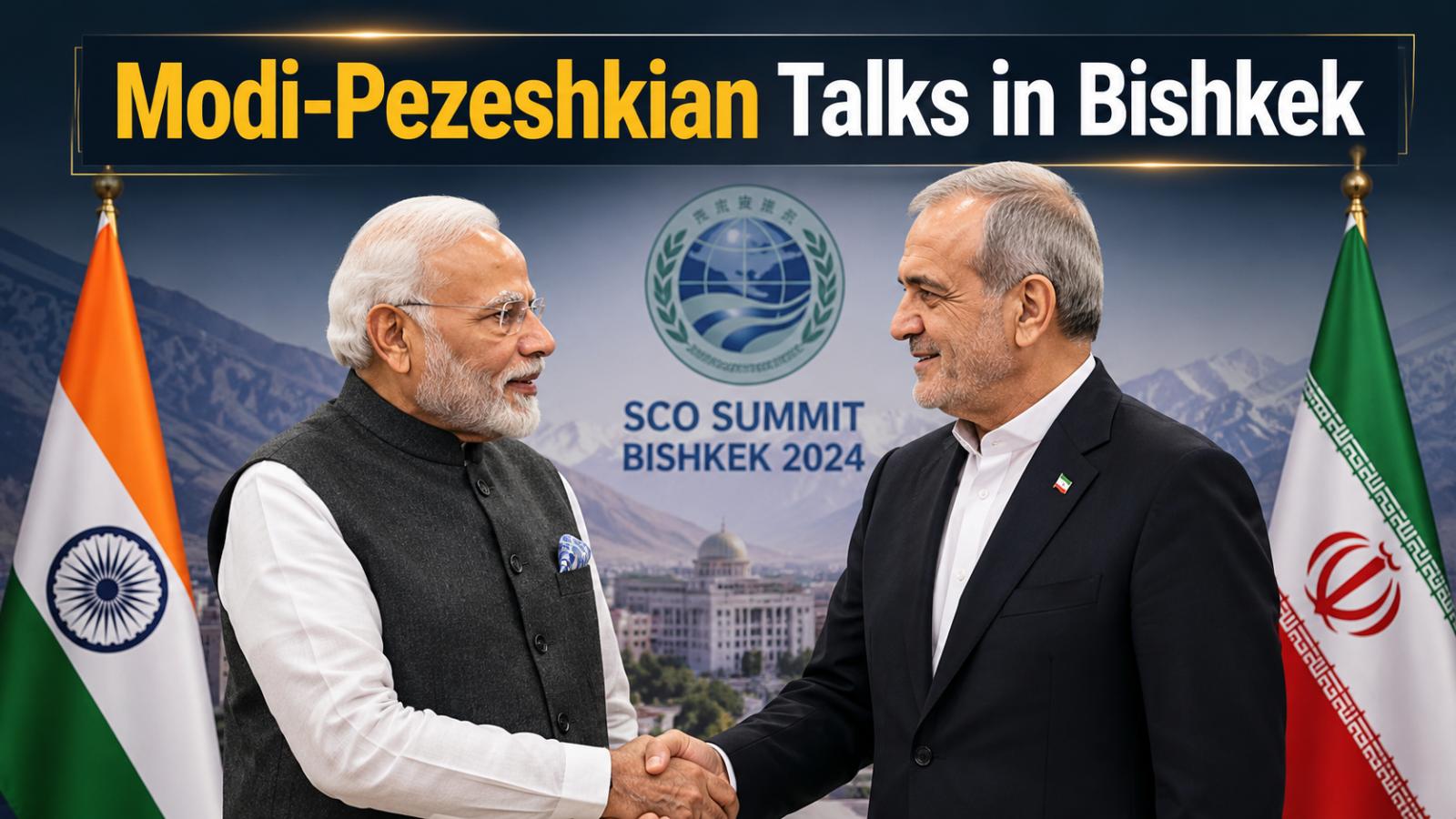
Modi Pezeshkian Meeting Focuses on Iran War and Trade
Prime Minister Narendra Modi met Iranian President Masoud Pezeshkian in Bishkek on August 31 on the sidelines of the Shanghai Cooperation Organisation Summit. The Modi Pezeshkian meeting focused on India-Iran ties, the West Asia conflict, maritime security, trade and the need for lasting regional peace. India Iran Ties The two leaders revi
Modi Pezeshkian Meeting Focuses on Iran War and Trade
Prime Minister Narendra Modi met Iranian President Masoud Pezeshkian in Bishkek on August 31 on the sidelines of the Shanghai Cooperation Organisation Summit. The Modi Pezeshkian meeting focused on India-Iran ties, the West Asia conflict, maritime security, trade and the need for lasting regional peace. India Iran Ties The two leaders revi

Vaibhav Sooryavanshi Breaks Duleep Trophy Record at Age 15
Teenage batting sensation Vaibhav Sooryavanshi has added another remarkable achievement to his rapidly growing cricket career by becoming the youngest player in Duleep Trophy history to score a half-century. The 15-year-old created the record while representing East Zone against Central Zone in the 2026 Duleep Trophy semi-final in Bengaluru. Showing his attacking approach from the start, Sooryavanshi reached his fifty in just 42 deliveries before going on to score 92 from 81 balls.
Vaibhav Sooryavanshi Breaks Duleep Trophy Record at Age 15
Teenage batting sensation Vaibhav Sooryavanshi has added another remarkable achievement to his rapidly growing cricket career by becoming the youngest player in Duleep Trophy history to score a half-century. The 15-year-old created the record while representing East Zone against Central Zone in the 2026 Duleep Trophy semi-final in Bengaluru. Showing his attacking approach from the start, Sooryavanshi reached his fifty in just 42 deliveries before going on to score 92 from 81 balls.
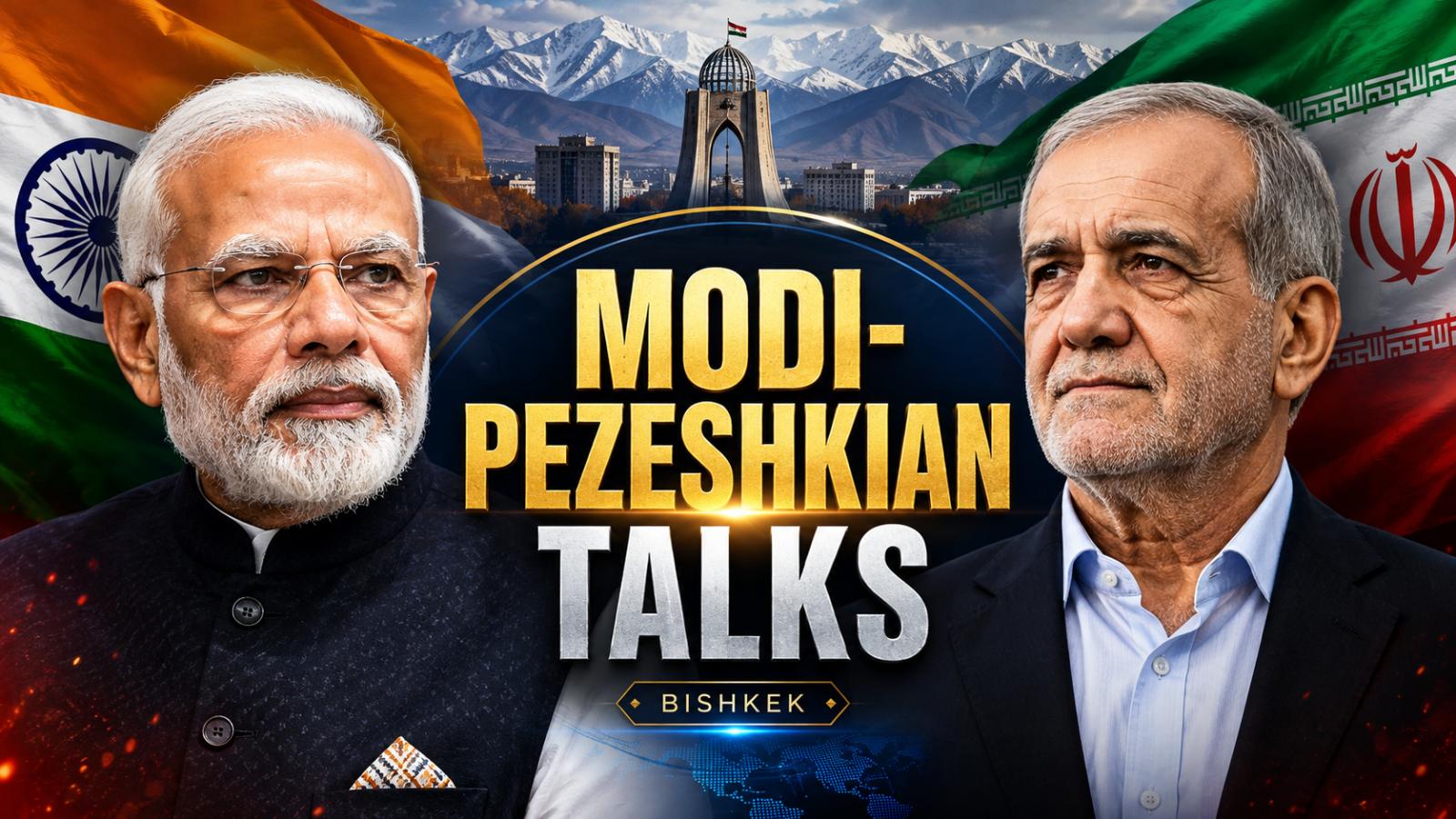
Modi Pezeshkian Meeting Puts Iran War and Energy in Focus
Prime Minister Narendra Modi is expected to meet Iranian President Masoud Pezeshkian in Bishkek on August 31 on the sidelines of the Shanghai Cooperation Organisation summit. The Modi Pezeshkian meeting would be their first face-to-face interaction since the latest West Asia conflict erupted, putting India-Iran ties, energy security and regional stability firmly in focus. India Iran Ties Modi and Pezeshkian last met in person in October 2024 during the BRICS Summit in Kazan, Russia. At that meeting, the leaders reviewed bilateral relations and highlighted the importance of the Chabahar Port project for trade links with Afghanistan and Central Asia. Their relationship has remained active despite the deterioration in regional security. The two leaders have spoken by phone several times during 2026, discussing developments in Iran and the wider region. India has consistently positioned itself as a partner of Iran while maintaining relationships with other major powers in West Asia. Hormuz Talks The Strait of Hormuz is expected to be one of the most important strategic issues surrounding the discussions. India depends heavily on secure maritime routes for energy imports, making any disruption in the Gulf a direct economic concern. During a March conversation with Pezeshkian, Modi stressed the importance of protecting Indian nationals and maintaining unhindered movement of energy and goods. He also reiterated India’s position that disputes should be resolved through dialogue and diplomacy. In another conversation in June, Modi again called for lasting regional stability and freedom of navigation and commerce. SCO Bishkek Summit The bilateral engagement comes as Bishkek hosts the 26th SCO Summit from August 31 to September 1. India’s government has confirmed that Modi will hold meetings with several SCO leaders on the sidelines while highlighting India’s priorities of security, connectivity and opportunity. The 2026 gathering also marks the SCO’s 25th anniversary. Iran, India, Russia, China and Pakistan are among the organisation’s 10 full members, giving the summit added geopolitical weight as several regional conflicts remain unresolved. Chinese President Xi Jinping is also attending the Bishkek gathering, while Russian President Vladimir Putin is among the other major leaders expected to participate. Energy Security Energy cooperation remains central to India-Iran relations. New Delhi has repeatedly stressed that instability in West Asia can affect fuel supplies, shipping costs and the broader Indian economy. Connectivity is another major issue. Chabahar Port gives India a strategic route toward Afghanistan and Central Asia that bypasses Pakistan, making the project important for both commerce and regional connectivity. The two sides are therefore expected to review trade, transport links and wider economic cooperation alongside the security situation. Dialogue and Diplomacy India is likely to continue urging de-escalation rather than taking sides in the conflict. Modi has repeatedly told Pezeshkian that New Delhi supports dialogue and diplomacy while calling for the protection of civilians, infrastructure and international shipping routes. The Bishkek interaction would also carry significance ahead of further BRICS engagement. Pezeshkian has previously supported a larger role for organisations such as BRICS and the SCO in addressing regional challenges. For India, the meeting provides an opportunity to protect practical interests—energy supplies, maritime security, connectivity and the safety of Indian nationals—while maintaining a diplomatic channel with Tehran during one of the most unstable periods in recent West Asian politics.
Modi Pezeshkian Meeting Puts Iran War and Energy in Focus
Prime Minister Narendra Modi is expected to meet Iranian President Masoud Pezeshkian in Bishkek on August 31 on the sidelines of the Shanghai Cooperation Organisation summit. The Modi Pezeshkian meeting would be their first face-to-face interaction since the latest West Asia conflict erupted, putting India-Iran ties, energy security and regional stability firmly in focus. India Iran Ties Modi and Pezeshkian last met in person in October 2024 during the BRICS Summit in Kazan, Russia. At that meeting, the leaders reviewed bilateral relations and highlighted the importance of the Chabahar Port project for trade links with Afghanistan and Central Asia. Their relationship has remained active despite the deterioration in regional security. The two leaders have spoken by phone several times during 2026, discussing developments in Iran and the wider region. India has consistently positioned itself as a partner of Iran while maintaining relationships with other major powers in West Asia. Hormuz Talks The Strait of Hormuz is expected to be one of the most important strategic issues surrounding the discussions. India depends heavily on secure maritime routes for energy imports, making any disruption in the Gulf a direct economic concern. During a March conversation with Pezeshkian, Modi stressed the importance of protecting Indian nationals and maintaining unhindered movement of energy and goods. He also reiterated India’s position that disputes should be resolved through dialogue and diplomacy. In another conversation in June, Modi again called for lasting regional stability and freedom of navigation and commerce. SCO Bishkek Summit The bilateral engagement comes as Bishkek hosts the 26th SCO Summit from August 31 to September 1. India’s government has confirmed that Modi will hold meetings with several SCO leaders on the sidelines while highlighting India’s priorities of security, connectivity and opportunity. The 2026 gathering also marks the SCO’s 25th anniversary. Iran, India, Russia, China and Pakistan are among the organisation’s 10 full members, giving the summit added geopolitical weight as several regional conflicts remain unresolved. Chinese President Xi Jinping is also attending the Bishkek gathering, while Russian President Vladimir Putin is among the other major leaders expected to participate. Energy Security Energy cooperation remains central to India-Iran relations. New Delhi has repeatedly stressed that instability in West Asia can affect fuel supplies, shipping costs and the broader Indian economy. Connectivity is another major issue. Chabahar Port gives India a strategic route toward Afghanistan and Central Asia that bypasses Pakistan, making the project important for both commerce and regional connectivity. The two sides are therefore expected to review trade, transport links and wider economic cooperation alongside the security situation. Dialogue and Diplomacy India is likely to continue urging de-escalation rather than taking sides in the conflict. Modi has repeatedly told Pezeshkian that New Delhi supports dialogue and diplomacy while calling for the protection of civilians, infrastructure and international shipping routes. The Bishkek interaction would also carry significance ahead of further BRICS engagement. Pezeshkian has previously supported a larger role for organisations such as BRICS and the SCO in addressing regional challenges. For India, the meeting provides an opportunity to protect practical interests—energy supplies, maritime security, connectivity and the safety of Indian nationals—while maintaining a diplomatic channel with Tehran during one of the most unstable periods in recent West Asian politics.
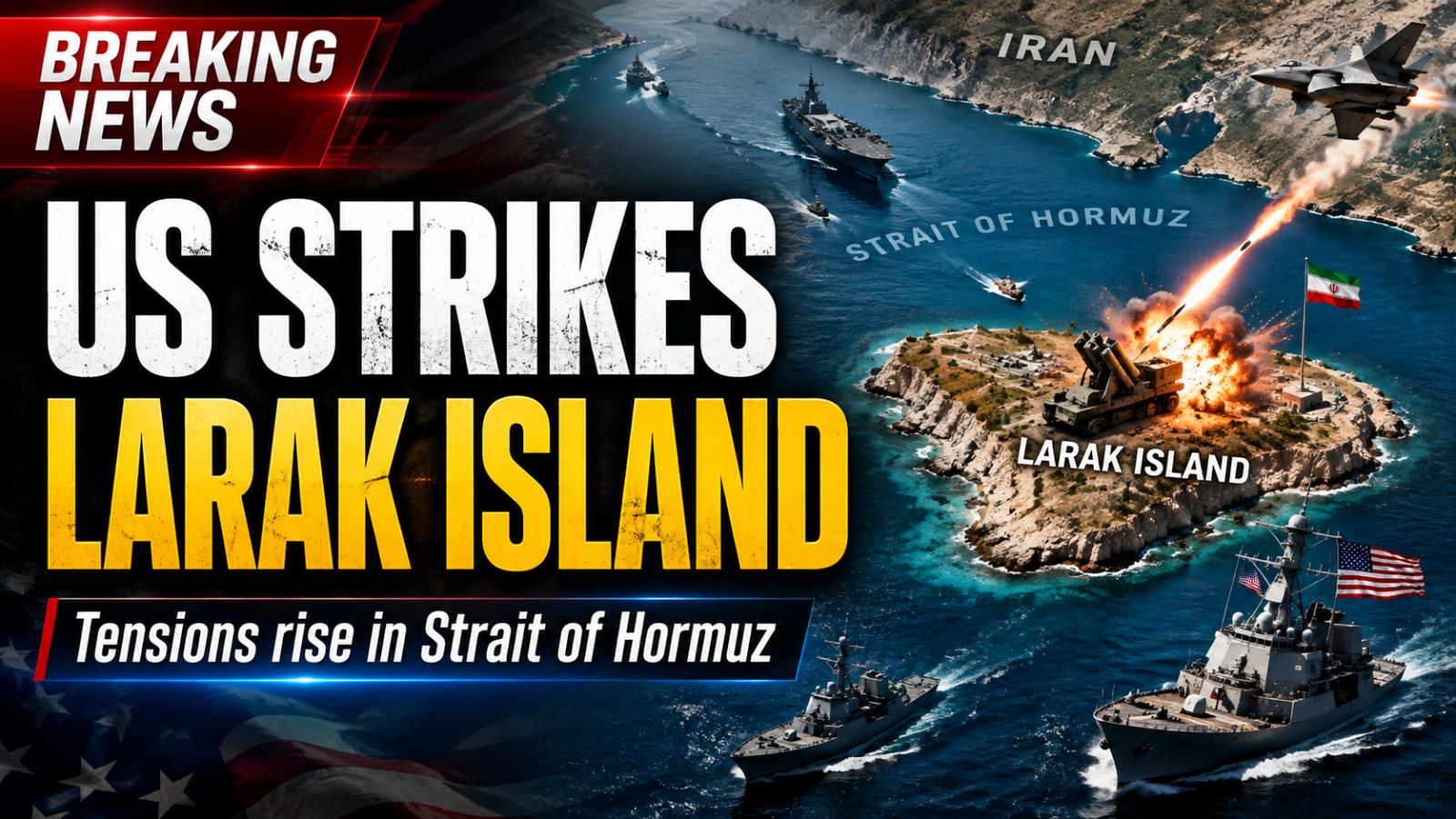
US Strike on Larak Island Targets Iranian Rocket Launchers
US forces struck two Iranian rocket launchers on Larak Island near the Strait of Hormuz on Sunday, according to reports citing American officials. The US strike on Larak Island marked the first known American attack inside Iran in more than a month and immediately raised fears of renewed escalation around the vital shipping route. Iran Rocket Launchers US officials said Islamic Revolutionary Guard Corps forces had been observed preparing rocket systems that could be used to deploy sea mines into the Strait of Hormuz. The alleged activity prompted American forces to target two launchers on Larak Island before they could be used. Iranian media also reported an explosion near the island, although initial accounts differed over the scale and method of the attack. Larak sits near Bandar Abbas and close to several islands controlling access to the strait, giving it strategic importance for both Iran and international shipping. Strait of Hormuz Mine Threat The strike came shortly after US Central Command completed an operation aimed at clearing sea mines from international shipping lanes in the Strait of Hormuz. American officials said forces remained prepared to protect commercial traffic through the waterway. The strait is one of the world’s most important energy corridors. Any renewed mine activity could threaten tankers, disrupt insurance and shipping schedules, and raise energy-market concerns far beyond the Gulf. President Donald Trump had previously warned that any vessel involved in laying new mines would be targeted. He described the policy as one of “zero tolerance” toward additional mine placement. IRGC Response Iran’s Revolutionary Guards responded sharply after the attack. Iranian reports said the strike killed two people and wounded two others, while the IRGC later said Iranian fighters and civilians had been killed or injured. The Guards promised retaliation, saying those responsible for the attack would face punishment. The statement signalled that Tehran does not view the Larak strike as a limited tactical incident, raising concern that the confrontation could trigger another cycle of attacks and counterattacks. Hormuz Strike After Month-Long Pause The attack was described in the source material as the first known US strike inside Iran since late July, when Washington paused an earlier military campaign around the Strait of Hormuz. That pause had reduced direct exchanges, but tensions over mining activity and freedom of navigation remained unresolved. The latest strike therefore carries significance beyond the destruction of two launchers. It shows that Washington is prepared to resume direct military action if it believes Iranian forces are preparing to threaten shipping lanes. Shipping Security in Focus For global markets, the immediate question is whether the incident remains contained. The Strait of Hormuz connects Gulf energy exporters with world markets, and even a limited military confrontation can affect oil prices, tanker movements and freight costs. US forces say they are monitoring the area closely, while Iran has warned of retaliation. Until either side signals restraint, the Larak Island strike is likely to keep military planners, shipping companies and energy traders focused on the risk of renewed disruption in the Strait of Hormuz.
US Strike on Larak Island Targets Iranian Rocket Launchers
US forces struck two Iranian rocket launchers on Larak Island near the Strait of Hormuz on Sunday, according to reports citing American officials. The US strike on Larak Island marked the first known American attack inside Iran in more than a month and immediately raised fears of renewed escalation around the vital shipping route. Iran Rocket Launchers US officials said Islamic Revolutionary Guard Corps forces had been observed preparing rocket systems that could be used to deploy sea mines into the Strait of Hormuz. The alleged activity prompted American forces to target two launchers on Larak Island before they could be used. Iranian media also reported an explosion near the island, although initial accounts differed over the scale and method of the attack. Larak sits near Bandar Abbas and close to several islands controlling access to the strait, giving it strategic importance for both Iran and international shipping. Strait of Hormuz Mine Threat The strike came shortly after US Central Command completed an operation aimed at clearing sea mines from international shipping lanes in the Strait of Hormuz. American officials said forces remained prepared to protect commercial traffic through the waterway. The strait is one of the world’s most important energy corridors. Any renewed mine activity could threaten tankers, disrupt insurance and shipping schedules, and raise energy-market concerns far beyond the Gulf. President Donald Trump had previously warned that any vessel involved in laying new mines would be targeted. He described the policy as one of “zero tolerance” toward additional mine placement. IRGC Response Iran’s Revolutionary Guards responded sharply after the attack. Iranian reports said the strike killed two people and wounded two others, while the IRGC later said Iranian fighters and civilians had been killed or injured. The Guards promised retaliation, saying those responsible for the attack would face punishment. The statement signalled that Tehran does not view the Larak strike as a limited tactical incident, raising concern that the confrontation could trigger another cycle of attacks and counterattacks. Hormuz Strike After Month-Long Pause The attack was described in the source material as the first known US strike inside Iran since late July, when Washington paused an earlier military campaign around the Strait of Hormuz. That pause had reduced direct exchanges, but tensions over mining activity and freedom of navigation remained unresolved. The latest strike therefore carries significance beyond the destruction of two launchers. It shows that Washington is prepared to resume direct military action if it believes Iranian forces are preparing to threaten shipping lanes. Shipping Security in Focus For global markets, the immediate question is whether the incident remains contained. The Strait of Hormuz connects Gulf energy exporters with world markets, and even a limited military confrontation can affect oil prices, tanker movements and freight costs. US forces say they are monitoring the area closely, while Iran has warned of retaliation. Until either side signals restraint, the Larak Island strike is likely to keep military planners, shipping companies and energy traders focused on the risk of renewed disruption in the Strait of Hormuz.

India Women vs Thailand: Shafali, Deepti Seal 94-Run Win
India opened their Women’s Asia Cup 2026 campaign with a commanding 94-run victory over Thailand in Dubai. Shafali Verma’s attacking 64 set up India’s 159/9 before Deepti Sharma produced a sensational 3/0 spell to help dismiss Thailand for 65 in 16.1 overs. Shafali Verma Fifty Asked to bat first at the Dubai International Cricket Stadium, India made a brisk start through Smriti Mandhana a
India Women vs Thailand: Shafali, Deepti Seal 94-Run Win
India opened their Women’s Asia Cup 2026 campaign with a commanding 94-run victory over Thailand in Dubai. Shafali Verma’s attacking 64 set up India’s 159/9 before Deepti Sharma produced a sensational 3/0 spell to help dismiss Thailand for 65 in 16.1 overs. Shafali Verma Fifty Asked to bat first at the Dubai International Cricket Stadium, India made a brisk start through Smriti Mandhana a

Yair Netanyahu Threat Forces Urgent Return From Miami
Israeli security agency Shin Bet has confirmed that a serious Yair Netanyahu threat prompted the urgent extraction of Prime Minister Benjamin Netanyahu’s eldest son from Miami and his return to Israel. The agency confirmed the security threat but did not publicly identify who was behind it. Shin Bet Alert The Shin Bet said on August 29 that authorities had identified a “significant threat??
Yair Netanyahu Threat Forces Urgent Return From Miami
Israeli security agency Shin Bet has confirmed that a serious Yair Netanyahu threat prompted the urgent extraction of Prime Minister Benjamin Netanyahu’s eldest son from Miami and his return to Israel. The agency confirmed the security threat but did not publicly identify who was behind it. Shin Bet Alert The Shin Bet said on August 29 that authorities had identified a “significant threat??

Ram Kapoor Responds to Shreya Kalra Cheek-Kiss Controversy
Actor Ram Kapoor has addressed the controversy surrounding his interaction with Shreya Kalra during Lock Upp 2, weeks after the incident became a talking point among viewers and on social media. The discussion began after Shreya spoke about Ram kissing her on the cheek following a task she won that helped protect him from elimination for the week. She later discussed the incident with fellow contestant Shilpa Shinde and spoke about the importance of respecting personal boundaries.
Ram Kapoor Responds to Shreya Kalra Cheek-Kiss Controversy
Actor Ram Kapoor has addressed the controversy surrounding his interaction with Shreya Kalra during Lock Upp 2, weeks after the incident became a talking point among viewers and on social media. The discussion began after Shreya spoke about Ram kissing her on the cheek following a task she won that helped protect him from elimination for the week. She later discussed the incident with fellow contestant Shilpa Shinde and spoke about the importance of respecting personal boundaries.

Nashville Airport May Be Renamed After Dolly Parton
Tennessee officials are considering renaming Nashville International Airport in honor of country music legend Dolly Parton, recognizing her lasting influence on the state, global music and charitable causes. Airport Renaming Proposal Announced Tennessee Governor Bill Lee announced a proposal Friday to rename Nashville International Airport, commonly known by its airport code
Nashville Airport May Be Renamed After Dolly Parton
Tennessee officials are considering renaming Nashville International Airport in honor of country music legend Dolly Parton, recognizing her lasting influence on the state, global music and charitable causes. Airport Renaming Proposal Announced Tennessee Governor Bill Lee announced a proposal Friday to rename Nashville International Airport, commonly known by its airport code










