




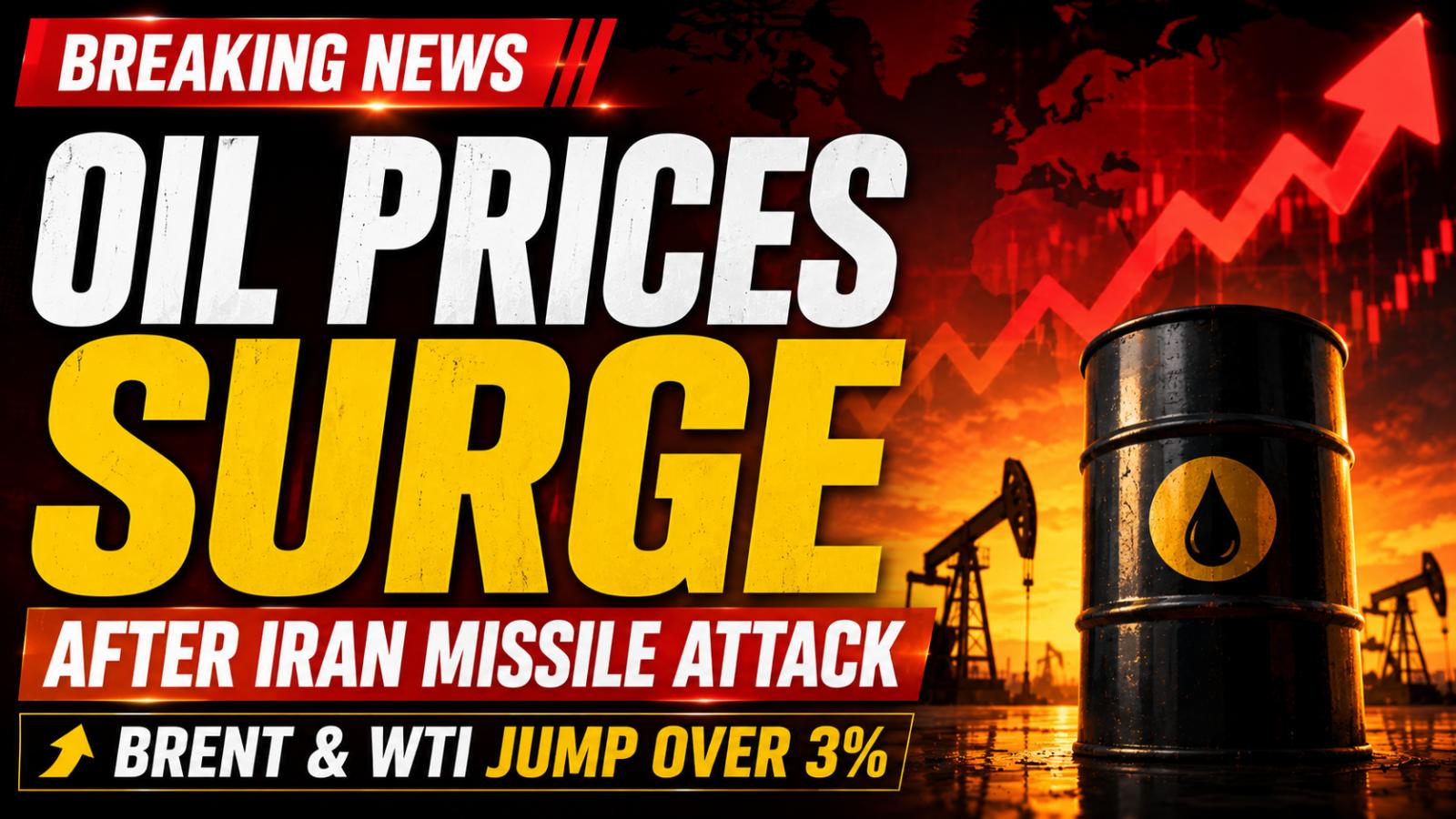
Oil Prices Surge After Iran Missile Attack on US Forces
Oil prices surged in early Asian trading on Wednesday after Iran launched multiple ballistic missiles at US forces in the Middle East. The renewed military exchange pushed Brent and WTI crude higher as traders reassessed supply risks linked to the conflict and the Strait of Hormuz. Oil Prices Surge in Asian Trading Global oil prices climbed by more than 3 per cent during early trading on July 29 as renewed fighting between Iran and the U
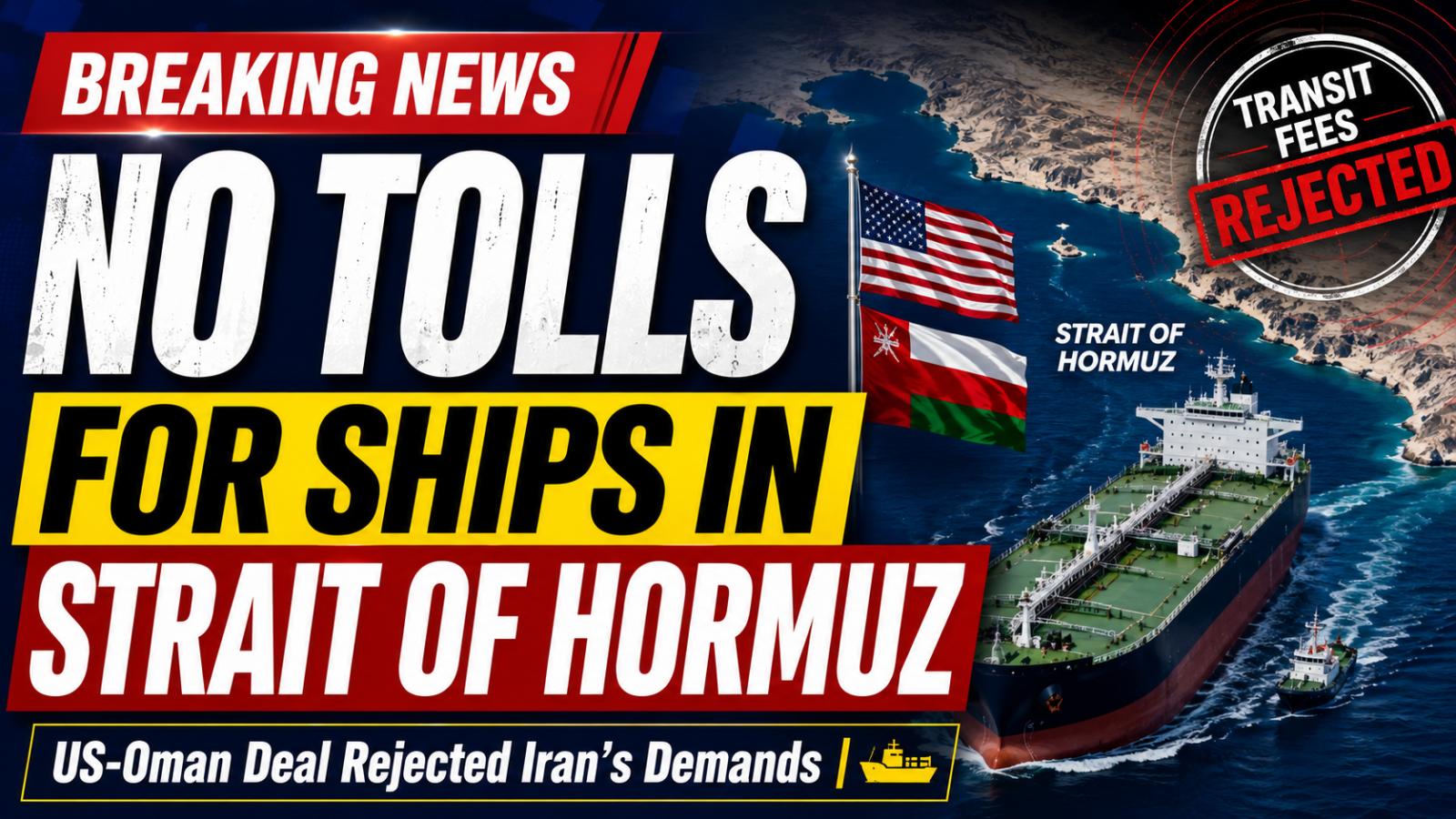
Strait of Hormuz Shipping Deal Rules Out Transit Tolls
A proposed Strait of Hormuz shipping deal will not impose tolls or transit charges on commercial vessels, according to a US official familiar with negotiations involving Washington, Iran and Oman. The discussions seek to protect ship transit and restore confidence in the strategic waterway after conflict-related disruptions. Strait of Hormuz Shipping Deal Excludes Tolls Commercial ships passing
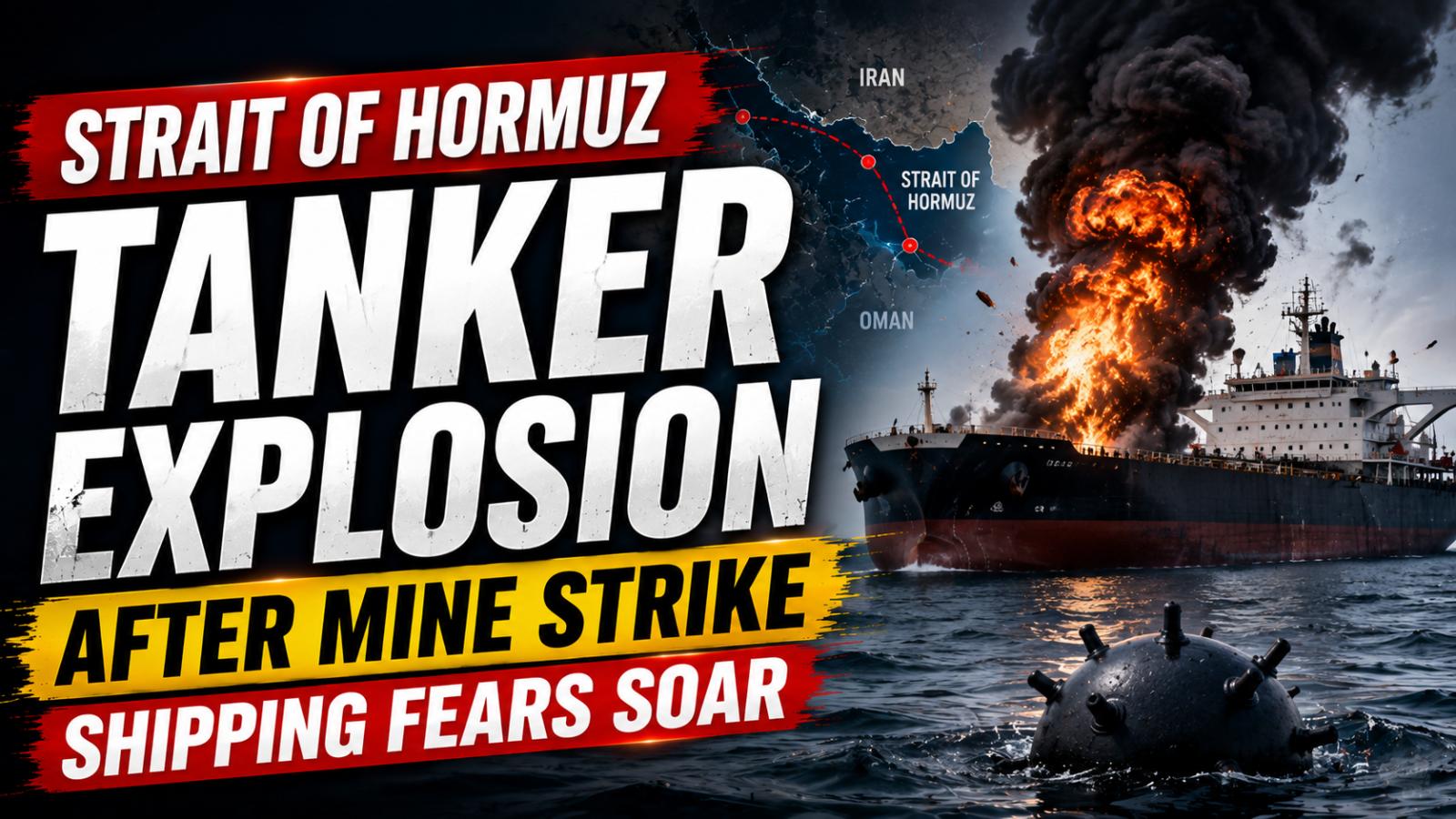
Strait of Hormuz Tanker Explosion Raises Shipping Fears
A reported Strait of Hormuz tanker explosion has renewed concern over maritime safety after Iranian media said an oil vessel struck a naval mine outside a route designated by Tehran. Iranian authorities have not issued a full official account, while the United States has paused strikes as diplomatic contacts continue. Strait of Hormuz tanker explosion remains unconfirmed An oil tanker reportedl
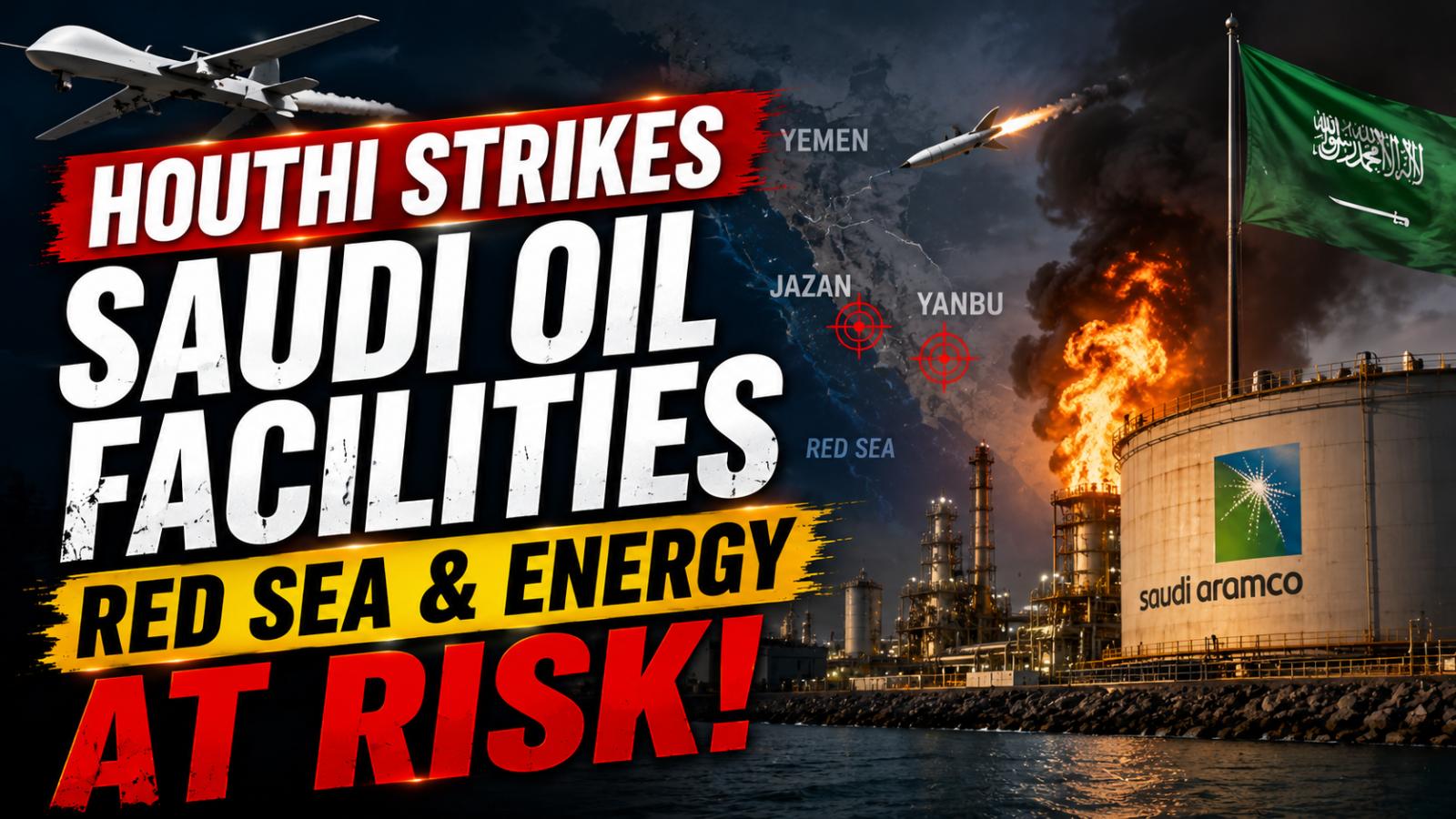
Houthi Missile Attack Targets Saudi Aramco Facilities
Houthi Saudi Aramco attack claims have intensified concerns over Middle East stability after the Iran-backed group said it targeted key Saudi oil facilities in Jazan and Yanbu. The reported strikes, coupled with claims of downing a Saudi drone and Iran's announcement that it has paused retaliatory operations, have added fresh uncertainty to regional security and global energy markets.
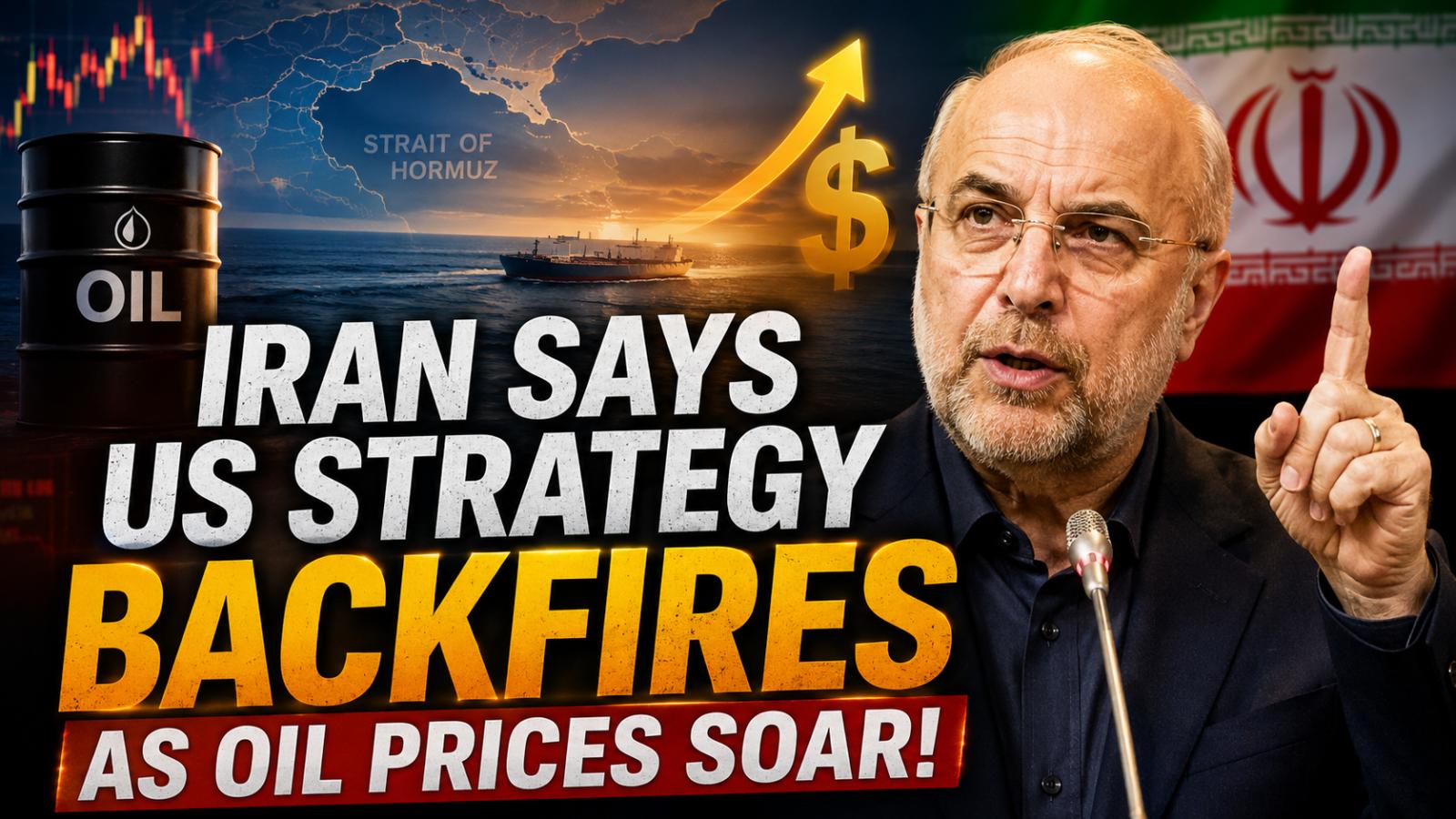
Iran Strait of Hormuz Oil Price Warning Sparks Global Concerns
Iran Strait of Hormuz oil price warning has reignited global attention after Parliament Speaker Mohammad Bagher Ghalibaf argued that US pressure on Tehran has instead pushed oil prices higher. As Brent crude briefly crossed $100 a barrel, markets, governments and investors are closely watching developments around one of the world's most critical energy routes.
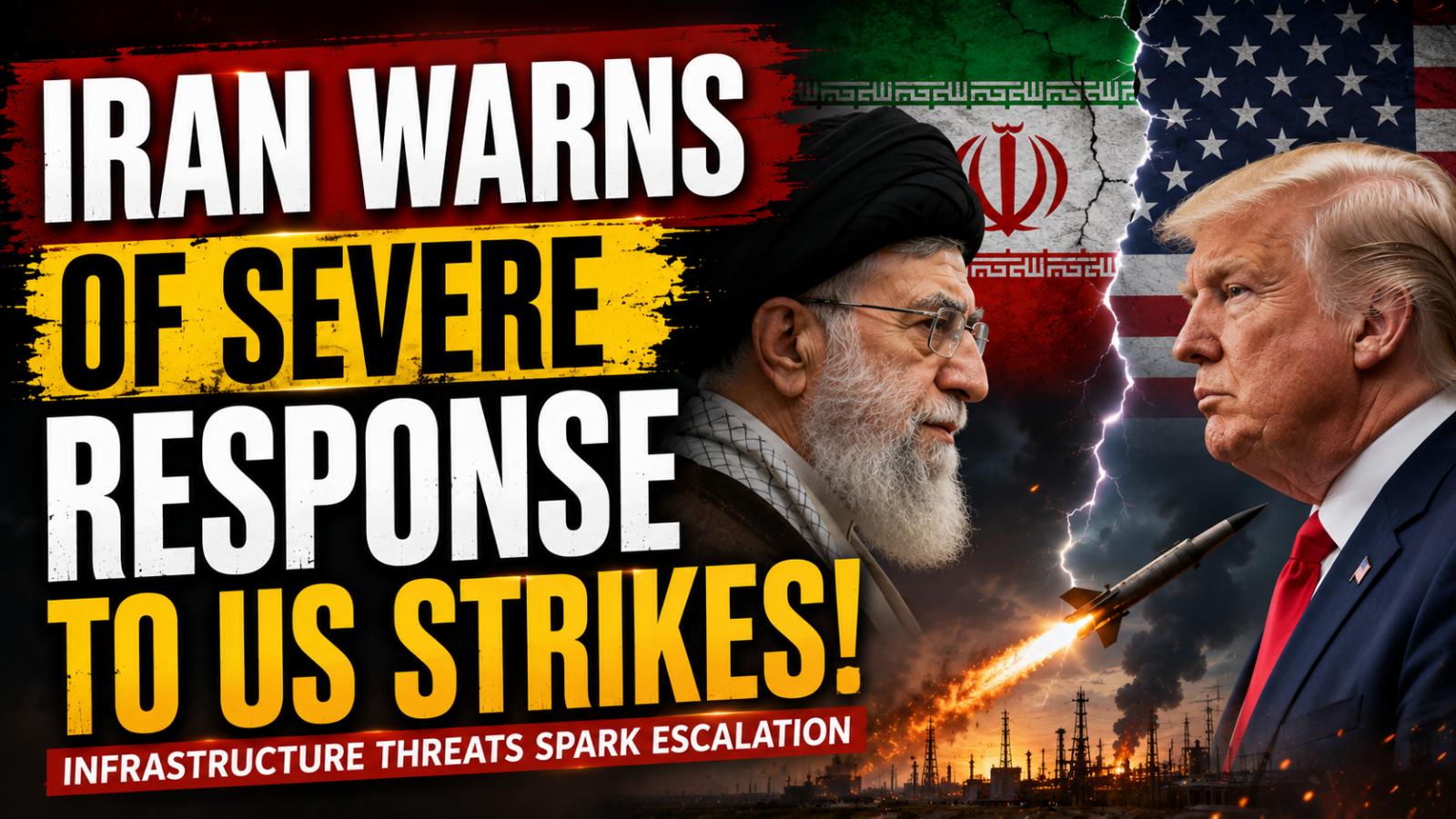
Iran Warns of Severe Response to US Infrastructure Strikes
Iran warns of a severe response to US infrastructure strikes after President Donald Trump threatened to target bridges and power plants if Tehran attacks vessels in the Strait of Hormuz. The exchange marks another sharp escalation in tensions between Washington and Tehran, raising concerns over regional security and global energy supplies. Trump threatens Iranian infrastructure attacks The war
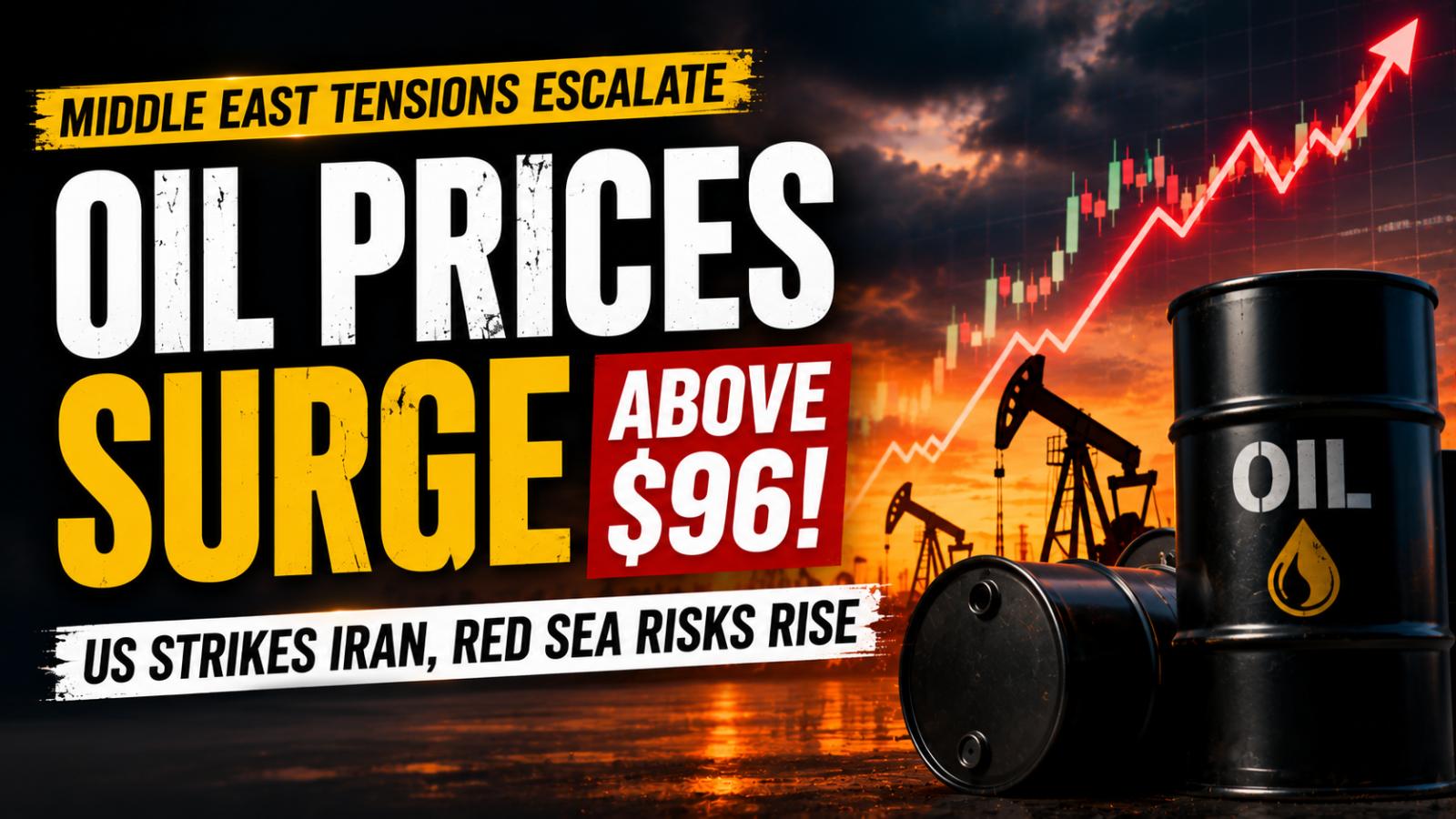
Oil Prices Rise as US Strikes Iran and Red Sea Tensions Grow
Oil prices rise as US strikes Iran and renewed attacks on Houthi targets heighten concerns over global energy supplies. Brent crude climbed above $96 a barrel while WTI gained sharply as traders reacted to escalating military tensions in the Middle East and potential risks to key shipping routes. Brent crude climbs above $96 Global oil prices extended their rally on Thursday, July 23, after ren
Canada Announces C$47 Million Pakistan Aid Package
Canada’s C$47 million Pakistan aid package combines security funding with support for education, climate resilience and reproductive health. Foreign Minister Anita Anand’s Islamabad visit also advanced talks on trade, investment, renewable energy and agricultural cooperation. Canada Details C$47 Million Pakistan Aid Package Canada announced more than C$47.2 million in

Andy Burnham becomes UK prime minister amid policy questions
Andy Burnham has formally become the United Kingdom’s new prime minister after King Charles III invited him to form a government. The former Greater Manchester mayor enters Downing Street as investors assess his economic plans, energy policy and proposals for public services. Burnham takes office after Starmer’s departure Burnham succeeds Keir Starmer, who resigned after two years in office following internal Labour pressure, declining public support and damaging local election results. Burnham became Labour leader without facing a rival after securing overwhelming support among the party’s members of Parliament. His appointment makes him Britain’s seventh prime minister since 2016, underlining a decade of political instability. After meeting the King at Buckingham Palace, Burnham was expected to enter Downing Street, begin appointing his Cabinet and outline his priorities in his first speech as prime minister. Burnham recently returned to Parliament after winning the Makerfield by-election. Before that, he served for nearly a decade as mayor of Greater Manchester and previously held Cabinet roles under Labour prime ministers Tony Blair and Gordon Brown. Burnham policy agenda faces early scrutiny Burnham has promised to address major structural problems, including social care, housing, regional inequality and the management of essential public services. He has argued that political power became too concentrated in Westminster while economic control shifted away from local communities. His emerging agenda includes stronger public involvement in energy, transport and water, as well as a major expansion of council housing. Reports suggest his government may also consider changes to inheritance tax and council tax, although the details have not yet been formally announced. Burnham has said economic growth will be essential to fund his plans. However, investors want clarity on whether large infrastructure and public-service programmes will require higher taxation, additional borrowing or greater issuance of UK government bonds. UK bond markets watch spending plans Financial markets previously showed concern that Burnham could pursue a more expansionary fiscal programme than Starmer. Those fears have eased, but gilt investors remain focused on whether the new government will continue Labour’s existing fiscal rules. The main uncertainty surrounds how Burnham would finance public ownership, housebuilding and social-care reforms. Higher borrowing could increase pressure on government bond yields and complicate efforts to control public debt. Markets are therefore likely to examine Burnham’s first Budget, spending review and Cabinet appointments for evidence of whether he will follow a cautious fiscal approach or move toward substantially higher public spending. North Sea oil policy draws Trump’s attention U.S. President Donald Trump has publicly praised reports that Burnham could accelerate oil and gas development in the North Sea. Trump described the region’s energy resources as valuable and argued that greater production could strengthen the British economy. However, Burnham is expected to maintain Labour’s ban on issuing new exploration licences. His government may instead support faster development of projects that already hold licences, including possible tieback drilling connected to existing fields. This distinction is important because it does not amount to opening the entire North Sea to unrestricted new exploration. New prime minister must provide policy clarity Burnham enters office with broad ambitions but limited detail on how his programme will be funded. His immediate challenge will be convincing voters that he can improve living standards while reassuring investors that public borrowing will remain under control. His first speech, Cabinet choices and upcoming fiscal announcements should provide a clearer picture of his approach. Until then, questions over taxation, nationalisation, housing investment, energy development and government spending will remain central to the UK’s political and economic debate.
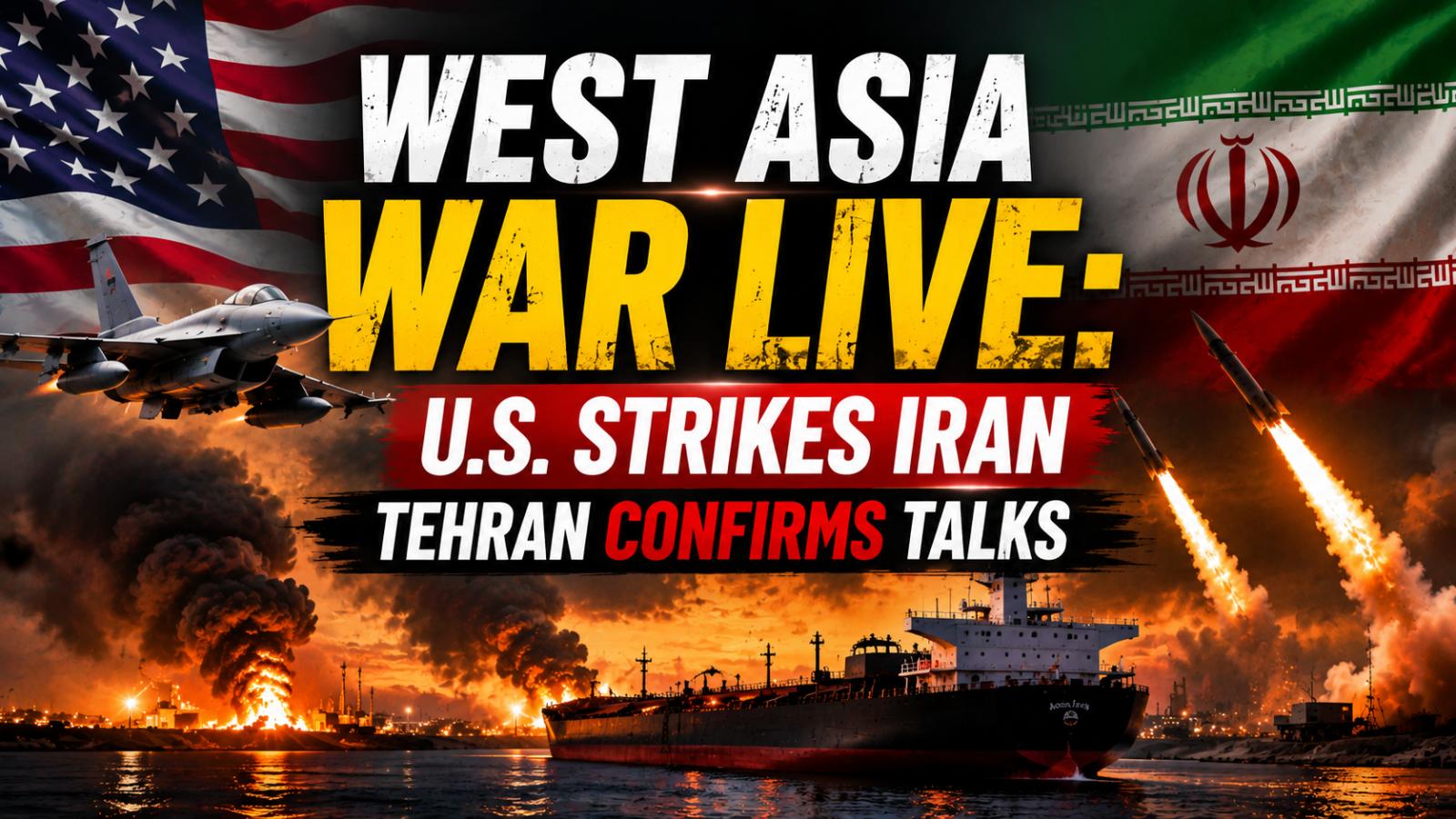
West Asia war live: U.S. strikes Iran as Tehran confirms talks
The West Asia war intensified on Monday as the United States carried out another round of strikes on Iran, Tehran acknowledged continuing diplomatic exchanges, and reported tanker explosions raised fresh concerns over the Strait of Hormuz and global energy supplies. U.S. strikes continue for ninth consecutive night The United States conducted a fresh wave of airstrikes against targets in Iran e
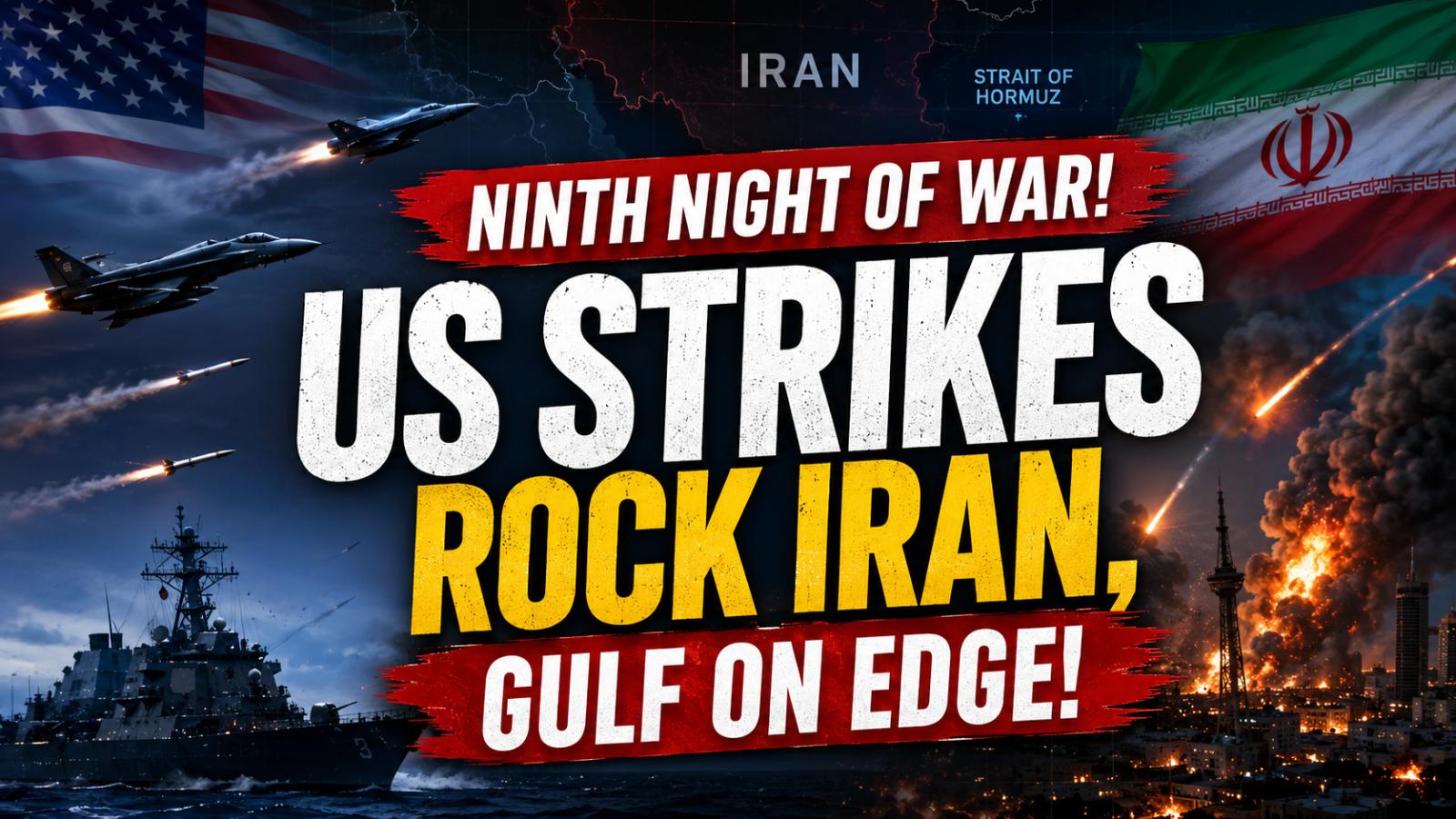
US Iran Ninth Night Strikes Raise Strait of Hormuz Risks
The US Iran ninth night strikes deepened the regional crisis as CENTCOM targeted Iranian military capabilities. Missile alerts spread across the Gulf, another US soldier died in Iraq, and rising oil prices reflected growing fears over the Strait of Hormuz. US Iran ninth night strikes announced by CENTCOM The US military launched a ninth consecutive night of attacks against Iran on Sunday, July 19, as the conflict entered another dangerous phase. US Central Command said on X that operations began at 7 p.m. Eastern Time and would continue targeting Iranian capabilities used to attack commercial vessels crossing the Strait of Hormuz. CENTCOM’s website had earlier confirmed eight consecutive nights of strikes through July 18 and listed several rounds of attacks conducted since July 11. It also confirmed that the United States had resumed its naval blockade against Iranian ports on July 13. Iranian state media reported explosions in several cities after the latest operation began, including Tabriz and areas near important ports. Reports from inside Iran also claimed that air-defence forces shot down a drone over the country’s south. These battlefield accounts had not been independently verified when they emerged. US soldier killed by Iranian drone ordnance CENTCOM announced that a US service member died in northern Iraq during a controlled detonation of unexploded ordnance from a downed Iranian one-way attack drone. Another service member suffered a minor injury during the incident. The death brought the reported number of US military fatalities linked to the wider Iran conflict to 17. Recent casualties have included service members killed during Iranian attacks in Jordan and other incidents across the region. The latest death highlights a risk that extends beyond direct missile and drone impacts. Unexploded weapons can remain dangerous after interception or crashing, placing military disposal teams and nearby communities at continued risk. Kuwait attack and Bahrain alerts widen crisis The confrontation also spread further across Gulf states. Bahrain activated warning sirens and instructed residents to seek shelter, while Kuwait said its air defences were responding to Iranian missile and drone attacks. Kuwaiti authorities accused Iran of damaging energy, water and oil-related facilities and causing fires. Gulf governments condemned the attacks as concerns grew that retaliatory operations could draw more countries into direct confrontation. The Strait of Hormuz remains at the centre of the crisis because disruptions there can affect major international energy shipments. CENTCOM says its latest attacks aim to reduce Iran’s ability to threaten vessels using the waterway. The renewed US blockade has added pressure on maritime traffic and increased fears of prolonged supply disruption. Strait of Hormuz crisis pushes oil above $90 Oil markets reacted quickly as fighting continued. Brent crude moved above $90 a barrel, while US crude traded above $84 during Sunday trading. Market reports linked the increase to renewed strikes, Iranian retaliation and uncertainty surrounding shipping through the Strait of Hormuz. The price rise shows how quickly a military escalation can spread beyond the battlefield. Higher crude costs can increase transport, manufacturing and consumer prices, particularly when traders expect shipping delays or damage to regional energy infrastructure. Iran also announced that it was suspending commitments connected to its ceasefire understanding with Washington. Iranian officials accused the United States of violating the arrangement by continuing military attacks. Those claims reflect Tehran’s position and require comparison with the original agreement and statements from all parties. With diplomacy weakening, casualties rising and Gulf infrastructure facing attacks, neither side appears close to de-escalation. The immediate danger is no longer limited to targets inside Iran. It now includes military bases, ports, commercial shipping and essential facilities across the wider region. Relevant internal links include previous coverage of the CENTCOM strikes on Iran, the Chabahar Port attack, Iranian missile interceptions over Gulf states and the full US-Iran conflict timeline.
IRGC Claims Two Oil Tankers Exploded Near Strait of Hormuz
IRGC claims two oil tankers exploded near the Strait of Hormuz after entering what it described as a mined area. The allegations, which have not been independently verified, come as military tensions between the United States and Iran continue to raise concerns over global shipping and energy security. IRGC Claims Two Oil Tankers Exploded Near Strait of Hormuz
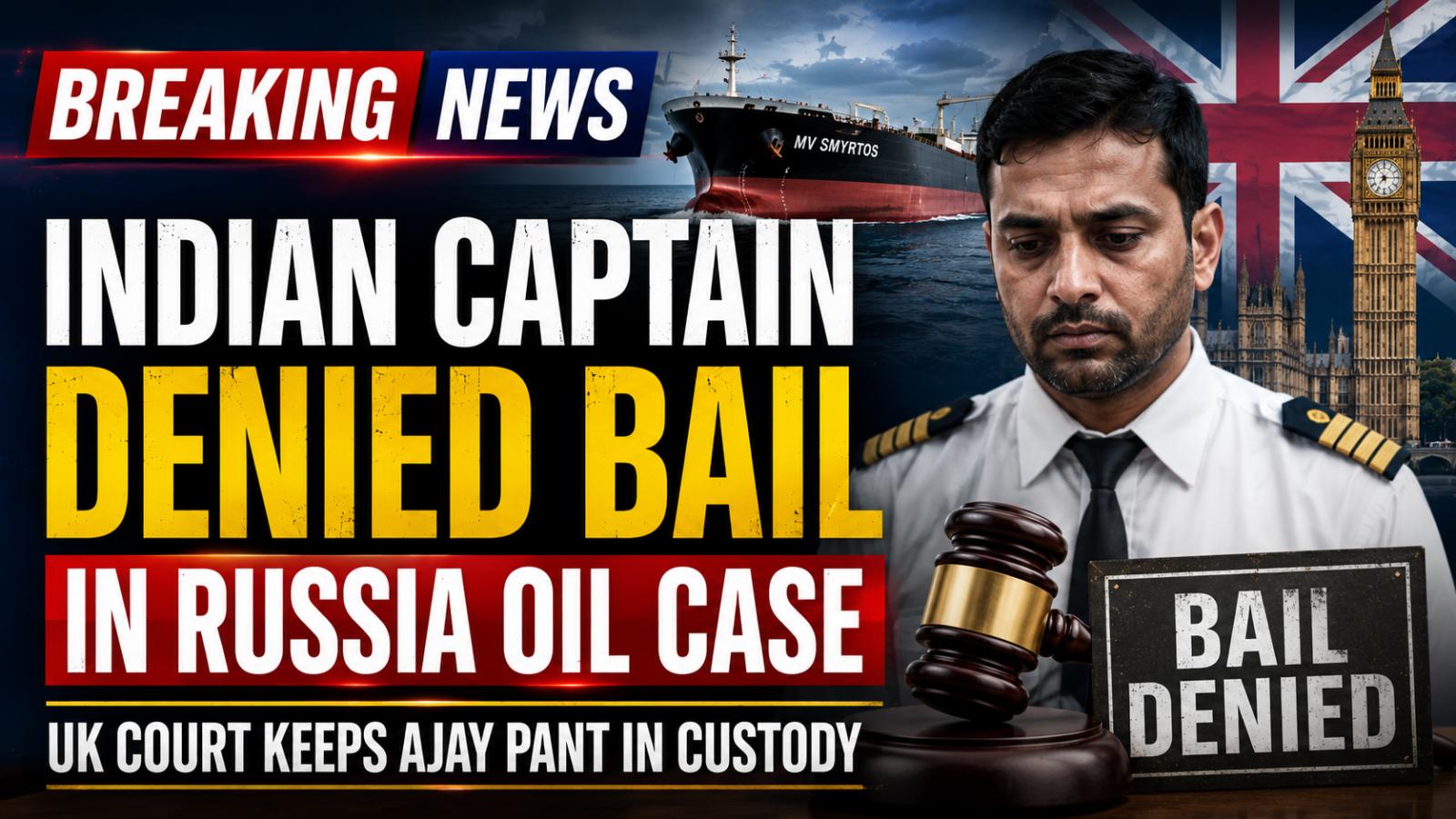
Indian Merchant Navy Captain Faces UK Russia Oil Charges
An Indian merchant navy captain denied UK bail remains in custody after being accused of breaching British sanctions linked to transporting Russian oil. The case centres on the interception of the MV Smyrtos and raises questions about sanctions enforcement and the responsibilities of ship masters. Indian Merchant Navy Captain Denied UK Bail in Russia Oil Case
US-Iran Conflict Pushes Oil Prices Higher This Week
Oil prices jump as US-Iran conflict intensifies, raising fears of disruptions to global energy supplies through the Strait of Hormuz and the Red Sea. Brent crude and WTI posted strong weekly gains as traders priced in growing geopolitical risks while the International Energy Agency warned that prolonged instability could threaten energy security. Oil Prices J
Ukraine AI Drones Cut Russian Soldier Survival to 30 Minutes: CIA
Ukraine's AI drones are changing the battlefield, according to CIA Director John Ratcliffe, who said Russian soldiers arriving at the front are surviving only 20 to 30 minutes on average. The remarks highlight how low-cost drone technology and long-range strikes are reshaping the war between Ukraine and Russia. CIA Director Highlights AI Warfare CIA Directo
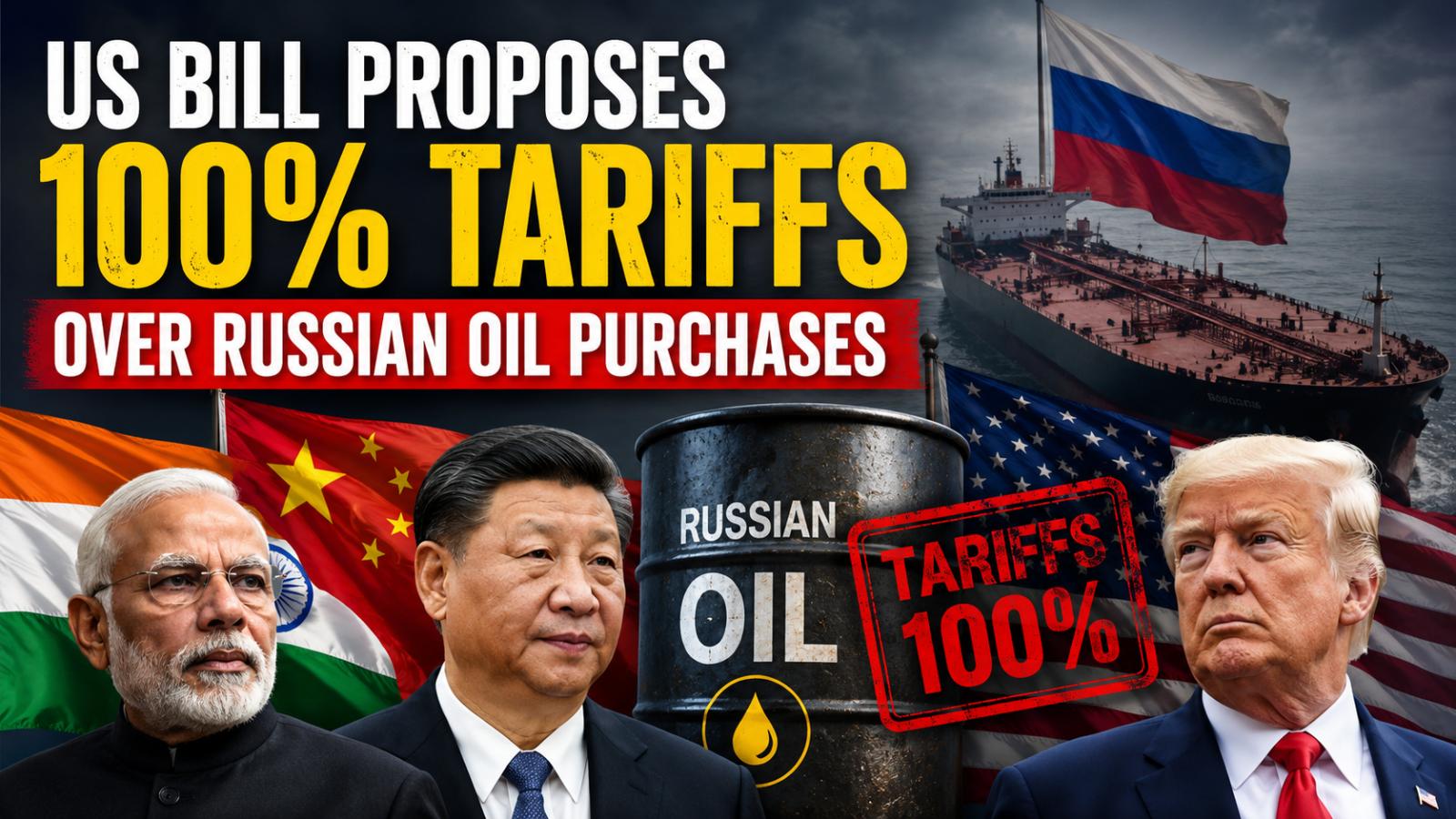
US Bill Proposes 100% Tariffs Over Russian Oil Purchases
A bipartisan group of US senators has introduced a revised sanctions bill that could impose tariffs of up to 100% on goods from countries purchasing large amounts of Russian oil and gas. India and China are among the five countries specifically targeted, placing renewed pressure on their energy trade with Moscow while raising questions about the future of India-US commercial relations. India tariff threat under revised US bill
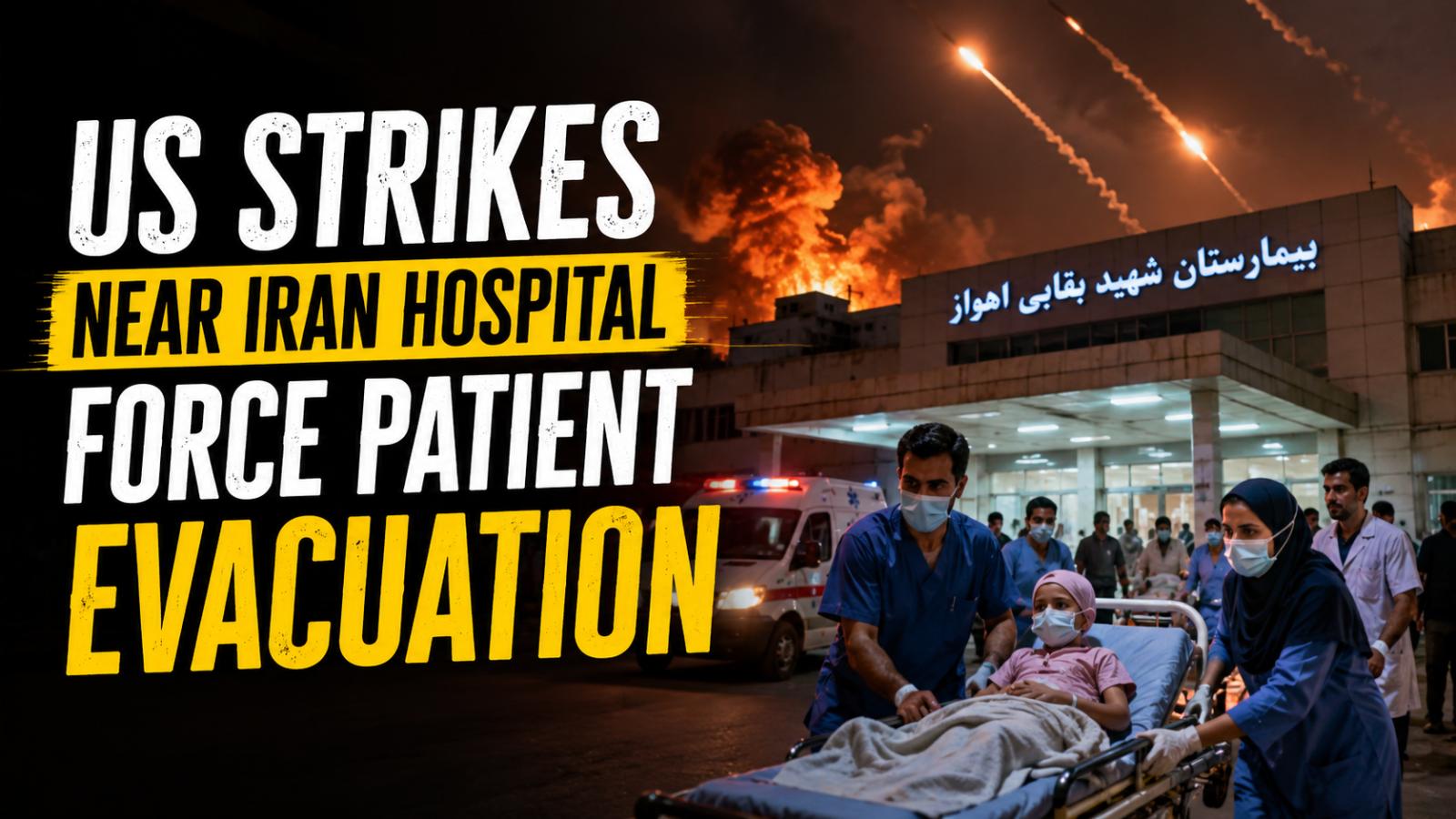
US Strikes Near Iran Hospital Force Patient Evacuation
Patients, including children receiving cancer treatment, were evacuated from a hospital in southwestern Iran on Thursday after missiles reportedly struck nearby. Iranian state media said the explosions near Shahid Baghaei Hospital in Ahvaz forced staff to move vulnerable patients as fresh US strikes intensified the conflict. Ahvaz Hospital Evacuation Iran’s Mehr news agency reported that missiles hit the area
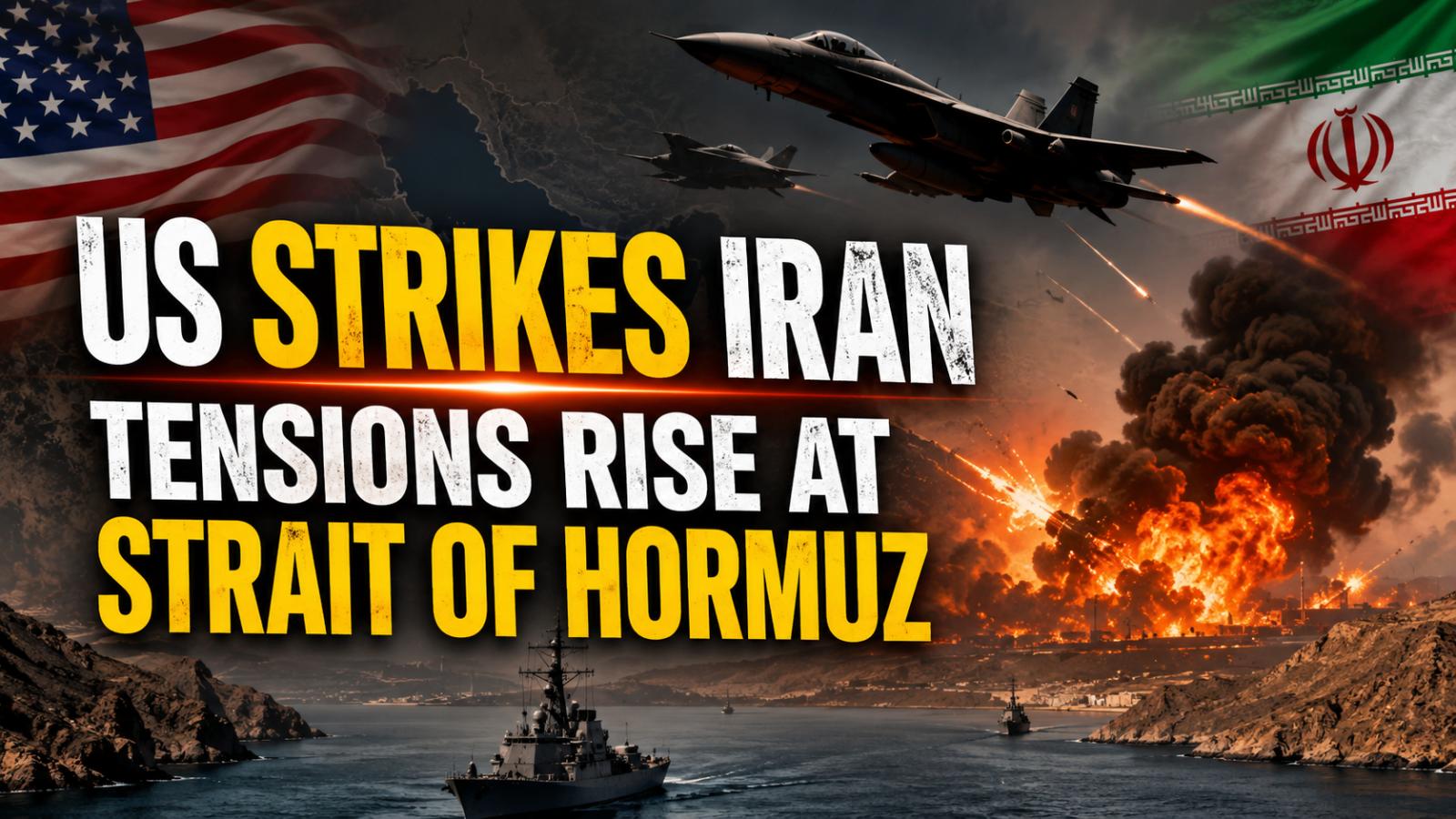
US Strikes on Iran Target Strait of Hormuz Military Sites
The United States carried out a new round of military strikes against Iranian targets on July 15, saying the operation was intended to protect commercial shipping passing through the Strait of Hormuz. The latest action adds to growing tensions between Washington and Tehran as one of the world's most important energy corridors remains under close international watch. According to US Central Command, the operation focused on military assets that it said posed a threat to vessels using the strategic waterway. CENTCOM Iran operation targets maritime threats US Central Command said the strikes began at 1900 GMT and were directed at Iranian military capabilities allegedly being used to threaten ships transiting through the Strait of Hormuz. In a statement posted on its official X account, CENTCOM said the objective was to safeguard freedom of navigation in the region. The Strait of Hormuz carries nearly 20 percent of global oil supplies, making security in the area a major concern for governments, shipping companies and energy markets worldwide. The operation comes after weeks of heightened military activity across the Gulf region. Washington has repeatedly stated that maintaining open sea lanes remains a priority as regional tensions continue to increase. Strait of Hormuz remains global energy focus The Strait of Hormuz connects the Persian Gulf with the Arabian Sea and serves as one of the world's busiest maritime routes. Any disruption can quickly affect international oil prices, shipping costs and supply chains. Energy analysts continue to monitor developments closely as uncertainty grows over future military actions in the region. Global governments have also urged restraint, warning that prolonged conflict could have significant economic consequences beyond the Middle East. Iran blasts reported in Ahvaz and Chabahar As the US operation unfolded, Iran's semi-official Mehr News Agency reported explosions in several locations. Blasts were heard in Ahvaz in southwestern Iran, although the exact source was not immediately confirmed. Mehr also reported three explosions in the southeastern port city of Chabahar. Iranian authorities had not officially confirmed the cause of the explosions or released information regarding casualties at the time of reporting. Independent verification of the incidents also remained unavailable. Iran Parliament says diplomacy will continue Iranian Parliament Speaker Mohammad Bagher Ghalibaf said the country would continue diplomatic efforts while maintaining military preparedness. In an official statement, he said Iran had never sought war but must remain ready to defend its national security and strategic interests. Ghalibaf accused the United States of attempting to weaken the Islamic Republic and described the current situation as an existential challenge. He argued that relying only on diplomacy or only on military action would be a strategic mistake, saying both approaches should remain available as the situation develops. The latest developments highlight the fragile security environment surrounding the Strait of Hormuz. With military operations continuing and diplomatic channels still open, governments and energy markets are expected to monitor events closely. Information in this report is based on official statements from US Central Command, comments released by Iranian parliamentary leadership and reports published by Iran's Mehr News Agency. Relevant internal links may include your Global News category, US News, Middle East coverage, Oil & Energy news, Geopolitics section, and previous articles covering the Strait of Hormuz, Iran-US relations, and CENTCOM operations.
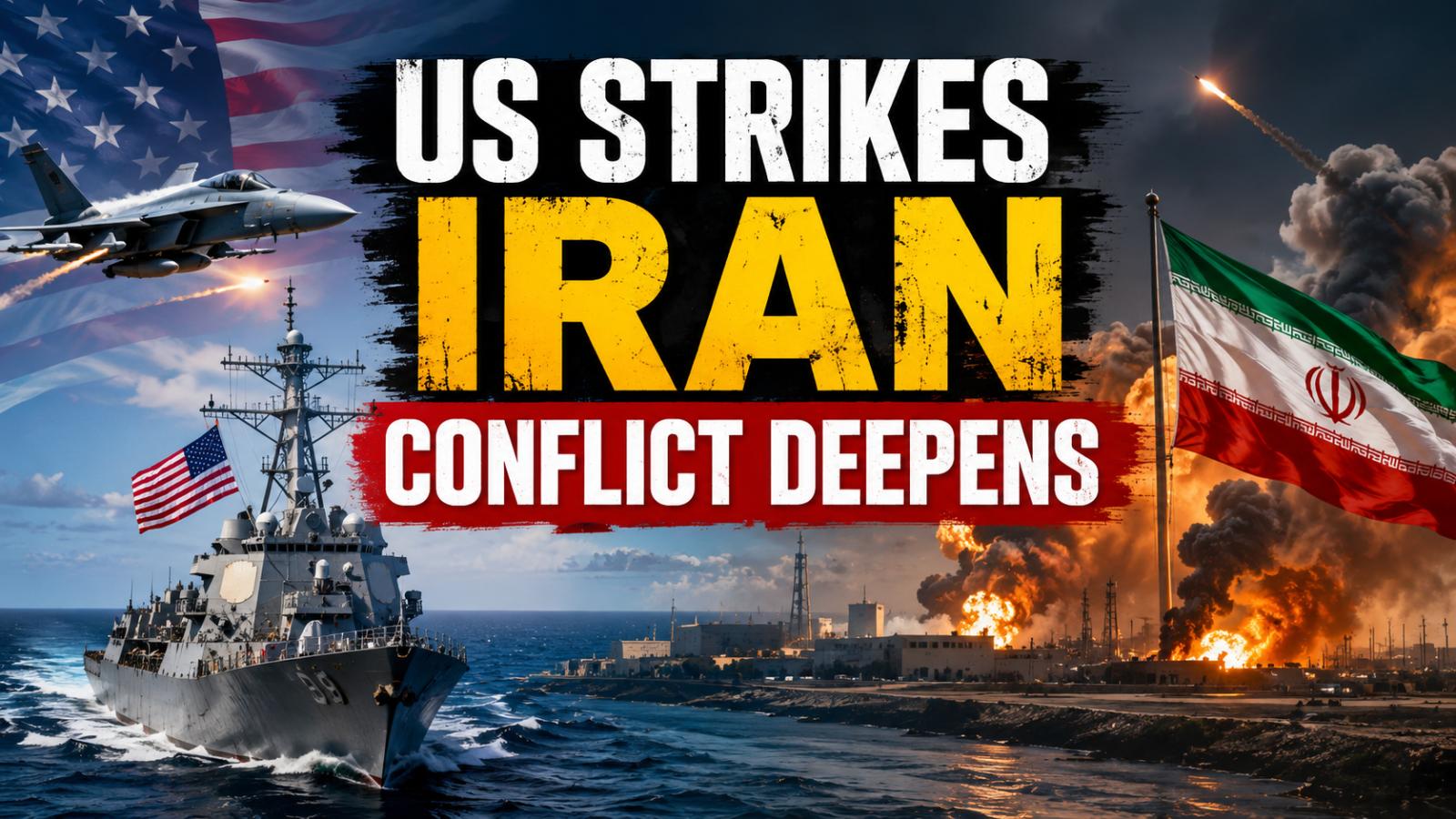
US Strikes Iran Military Sites as Hormuz Conflict Deepens
The United States has carried out another round of attacks on Iranian military infrastructure as fighting around the Strait of Hormuz threatens commercial shipping and regional stability. CENTCOM said its latest verified operation targeted coastal defence systems, missile facilities, drones and maritime capabilities across several Iranian locations. US strikes Iran military targets across coastal regions US Cen
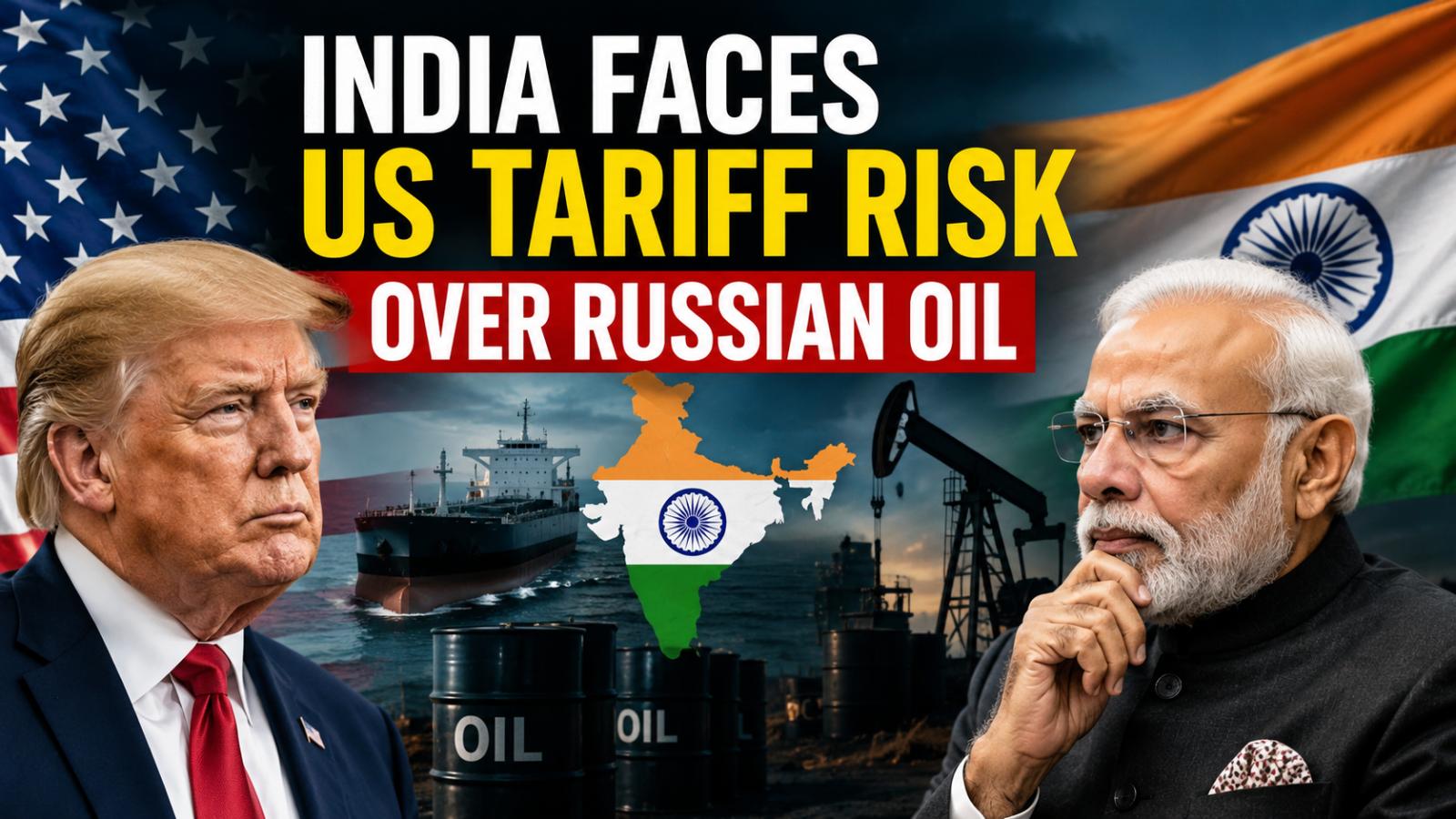
India Russian Oil Tariff Risk Grows Under Revised US Bill
India faces renewed pressure over its Russian oil purchases after US President Donald Trump backed legislation designed to penalise countries that continue buying Russian energy. Although an earlier version proposed tariffs as high as 500%, the revised measure reportedly limits the maximum rate to 100%, making the original 500% figure outdated. US sanctions bill targets Russian energy buyers The legislation was